




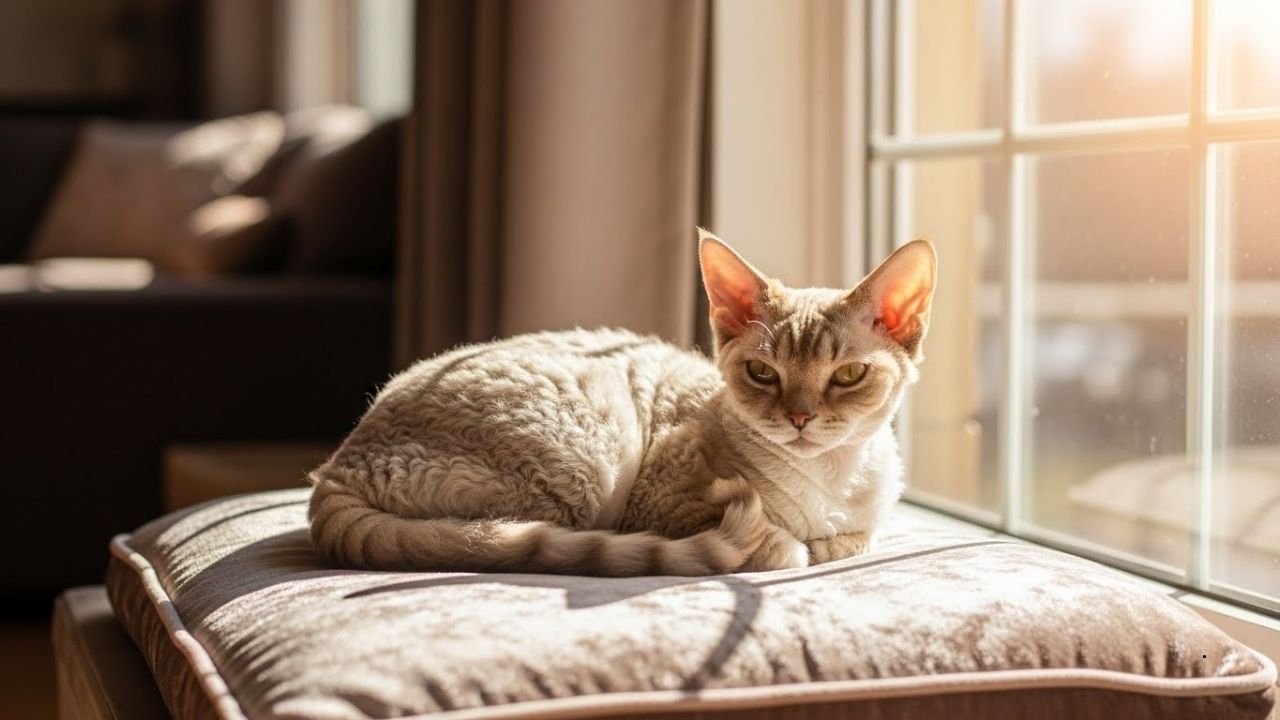
If your cat is constantly “missing,” start your search where the warmth lives. Some breeds seem to treat cozy heat like a personal lifestyle choice, gravitating toward sunny windowsills, toasty blankets, and any cushion that still remembers your body heat. And yes, if there’s a warm laptop nearby, it may suddenly become the most important seat in the house.
Ahead, meet the cats who treat warmth like a personal luxury and always seem to claim the best spot first. Once you see their cozy preferences in action, you’ll never look at a sunny patch of floor the same way.
Fun Fact
Cats often choose warm spots because it helps them stay comfy while they rest. That’s why you’ll catch them sunbathing, curling up in blankets, or camping out near gentle heat sources.
Cat Breeds That Prefer Warm Spaces
1. Sphynx
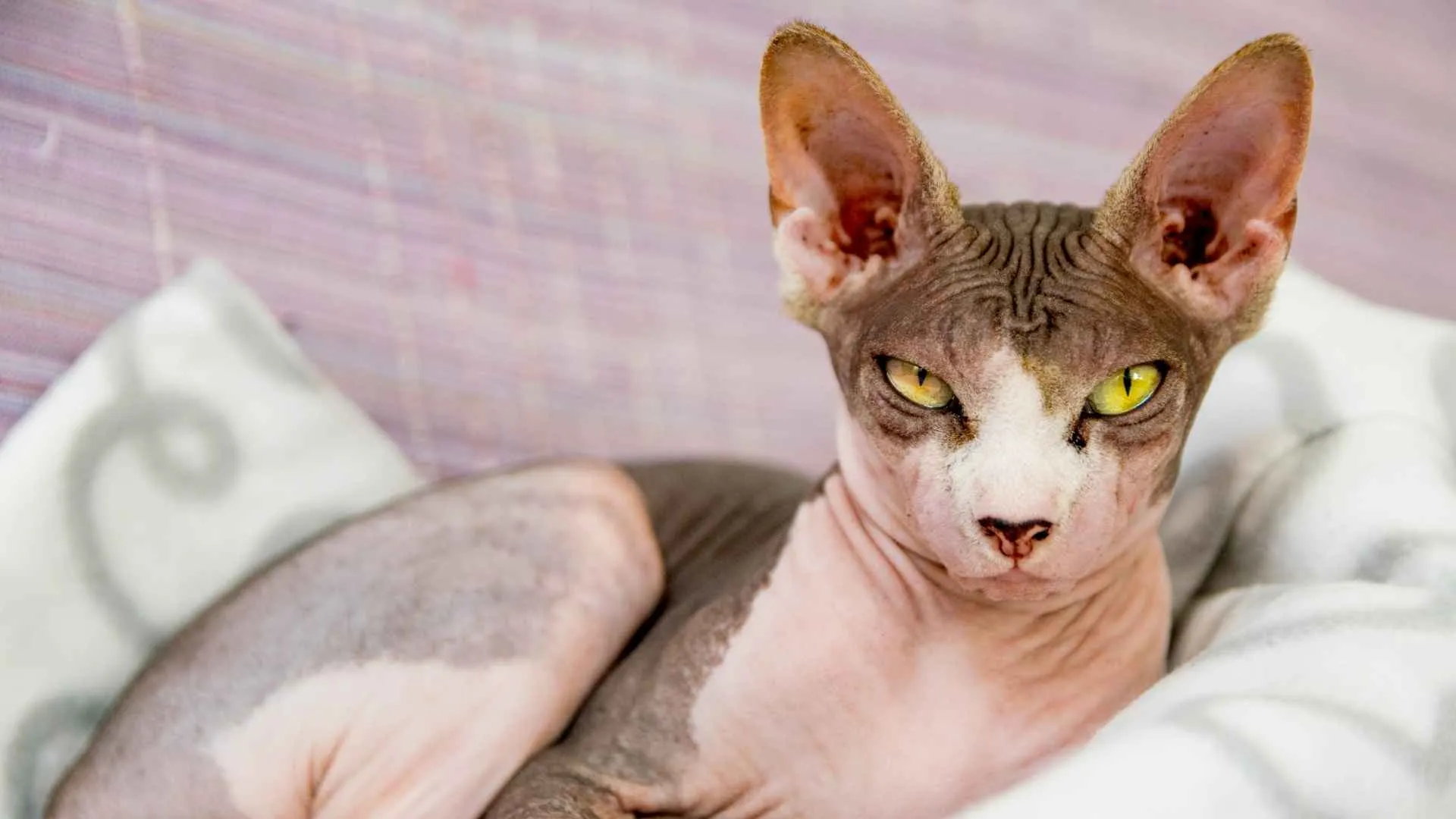
The Sphynx cat’s hairless look traces back to a genetic mutation in the 1960s. Some have a light, downy fuzz or tiny bits of fur on the nose and ears, but they still read as “mostly bald.” That bare skin means comfort is a daily job, not a once-a-week chore.
If the temperature feels uncomfortable to you, it is even tougher on a Sphynx. Many owners use cat sweaters or shirts, and soft fabrics like fleece or cotton help avoid scratchy irritation. Clothes also need frequent washing and changes, because dirty fabric can bother sensitive skin.
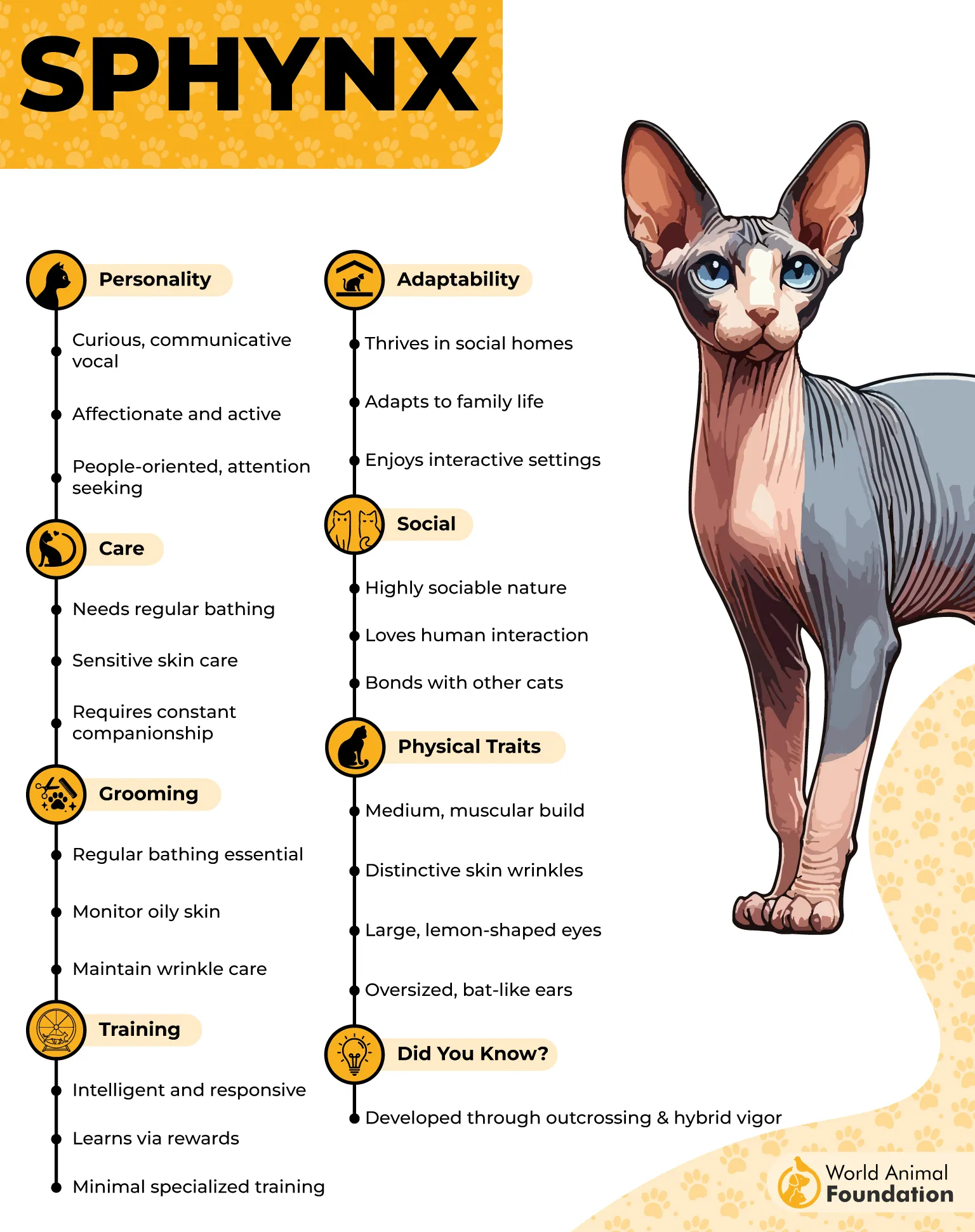
For cats that refuse outfits, blankets, and cozy beds become the wardrobe. Heated beds can be helpful, but they must not run too hot since skin can burn without a fur buffer. Regular warm baths and careful drying can also help keep skin from feeling dry.
Fun Fact
Sphynx cats still produce the oils that would normally lubricate a coat. Without fur to soak it up, that oil can leave visible marks, including “rings” around the neck area.
2. Devon Rex
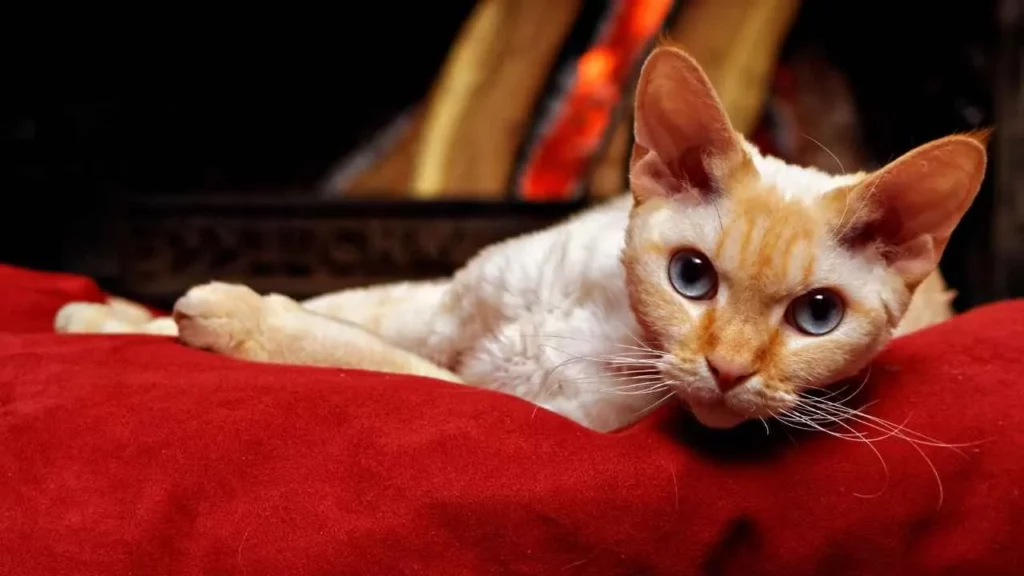
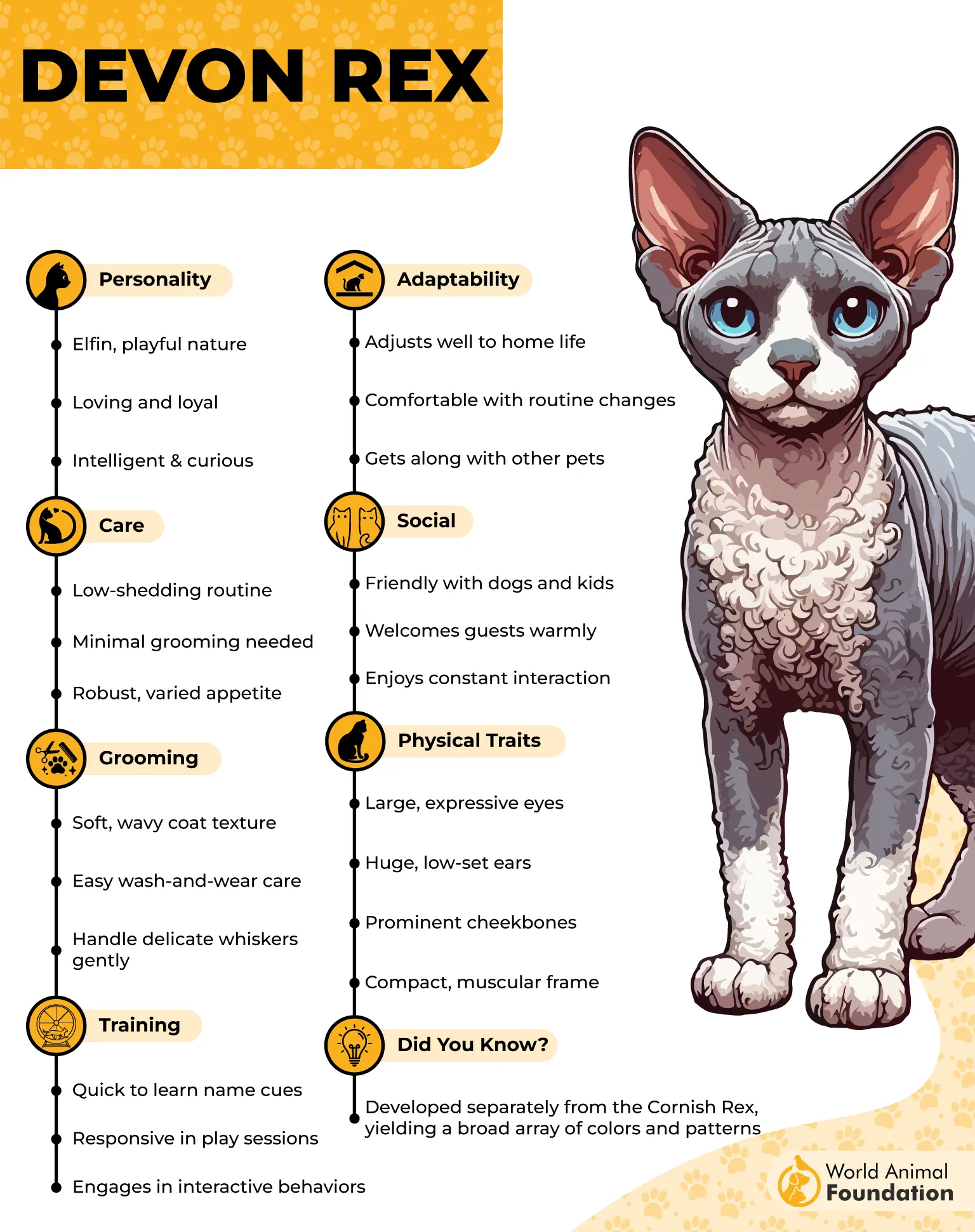
A Devon Rex brings “mischief in a tuxedo” energy, only the tuxedo is curly. They are affectionate, social, and energetic, so they tend to follow the action and invite you to join in. If you wanted a quiet roommate who keeps to themselves, this is not that cat. These small kitties have such big personalities that even some larger cats can’t compete.
Their look is pixie: large, bat-like ears, high cheekbones, and bright, expressive eyes. As mentioned by PetMD, their curly coat comes in a variety of colors, like black, brown, and white, and they shed less than many other cats.
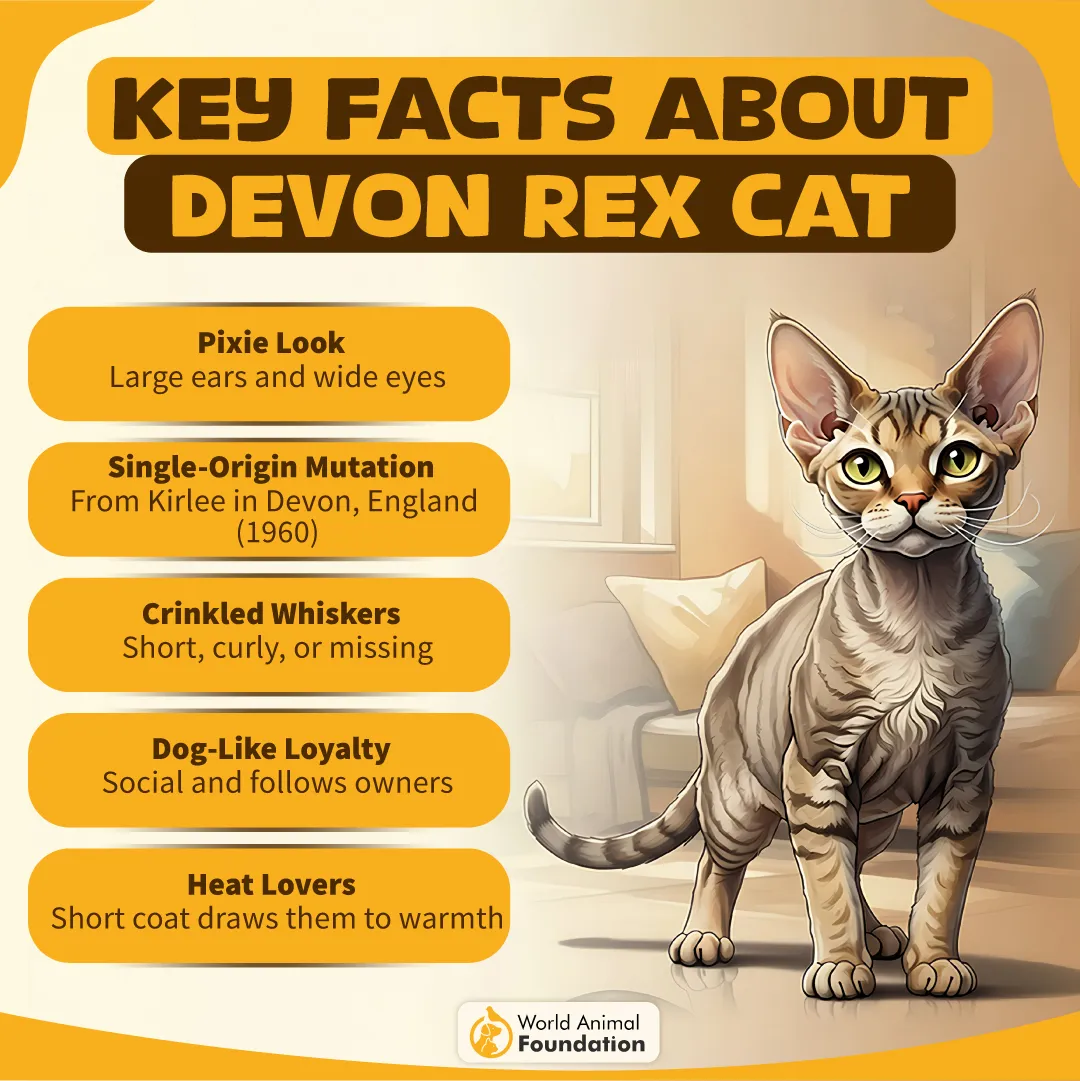
Under the curls is a medium-sized body that is slender and muscular. Light bones and strong limbs make them agile, ready to jump, climb, or turn a hallway into a runway. Because their coat can be sparse and may not provide much warmth, make sure they always have a warm, cozy place to rest
Fun Fact
Devon Rex whiskers can look crinkled or curled rather than straight. It is one more reason their face often reads “impish,” even when they are doing absolutely nothing.
3. Cornish Rex
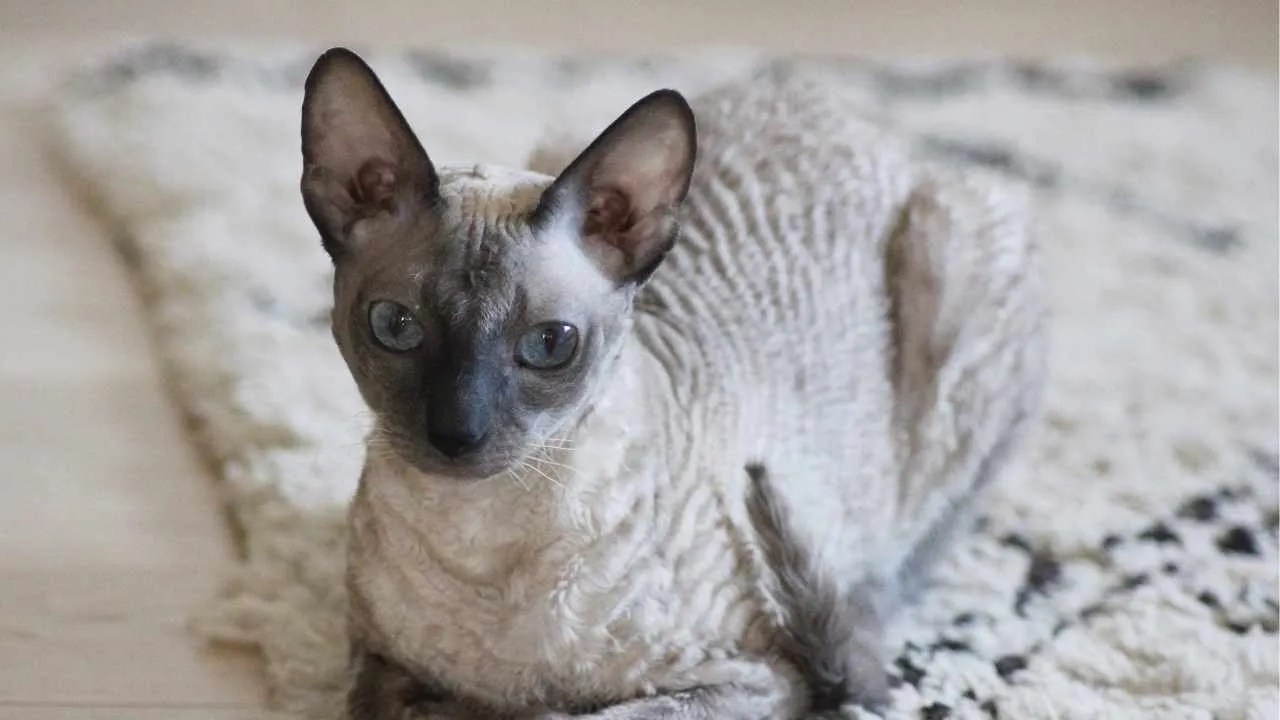
The Cornish Rex is a medium-sized cat with an athletic build and a wedge-shaped head topped with large, mobile ears. Its famous “rex” coat is curled or rippled across the body, and even the whiskers and eyebrows are curly. Their short, dense coat should have a silky finish once fully developed.
They can enjoy outdoor time, as long as conditions stay warm, dry, and safe. A fine short coat is not waterproof, so wet or windy weather can leave them chilled. Their curious, friendly attitude can also land them in trouble, from nosy neighbor adventures to accidental hitchhiking in a car or delivery van.
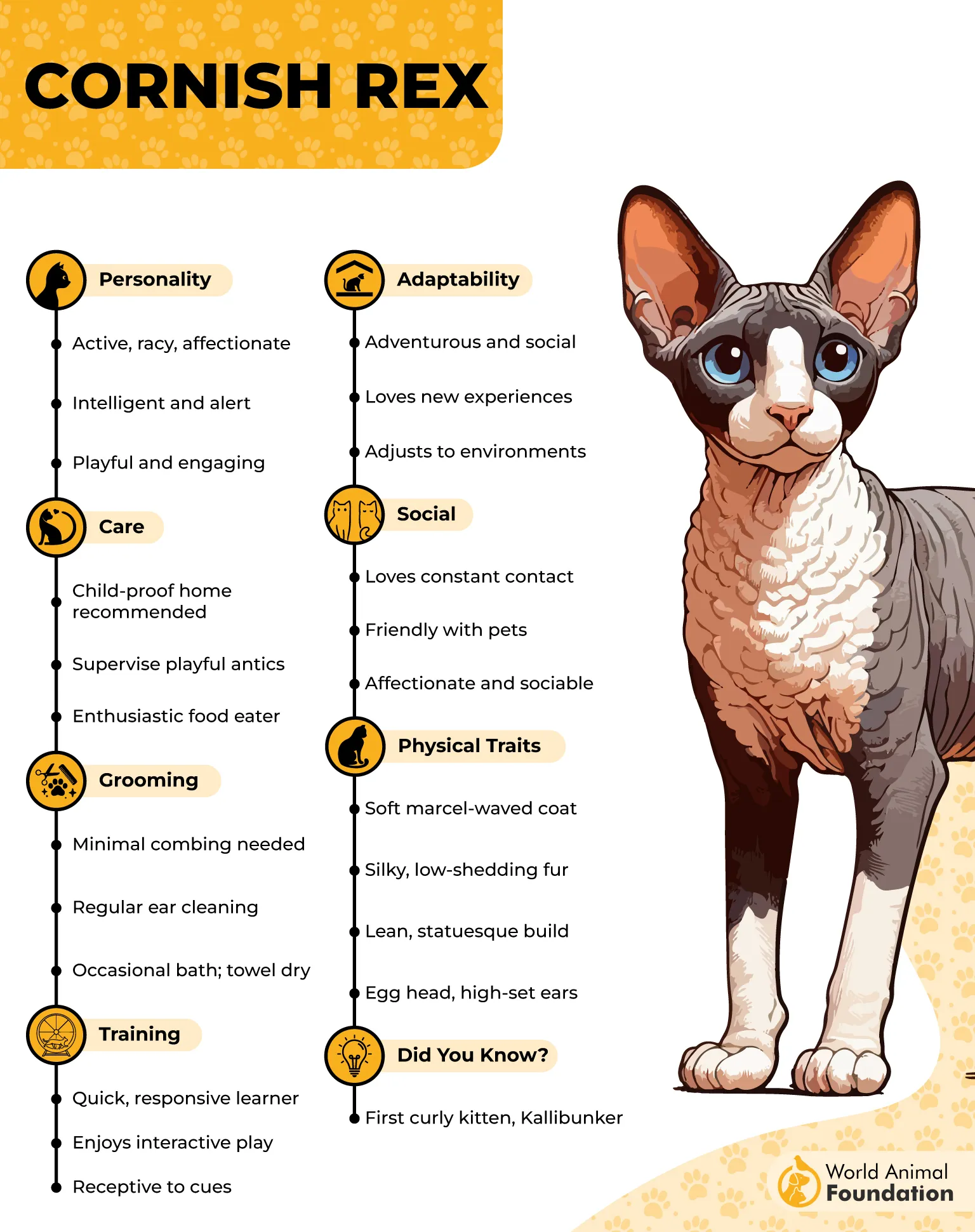
As mentioned by PDSA, the Cornish Rex is an active cat that loves to play. If they can’t find anyone to play with, they’ll entertain themselves, but don’t leave them alone for too long, or they may develop destructive behaviors.
Fun Fact
It may take three years for a Cornish Rex to develop a fully mature coat. That means their curl and overall coat finish can keep evolving well past kittenhood.
4. Oriental Shorthair
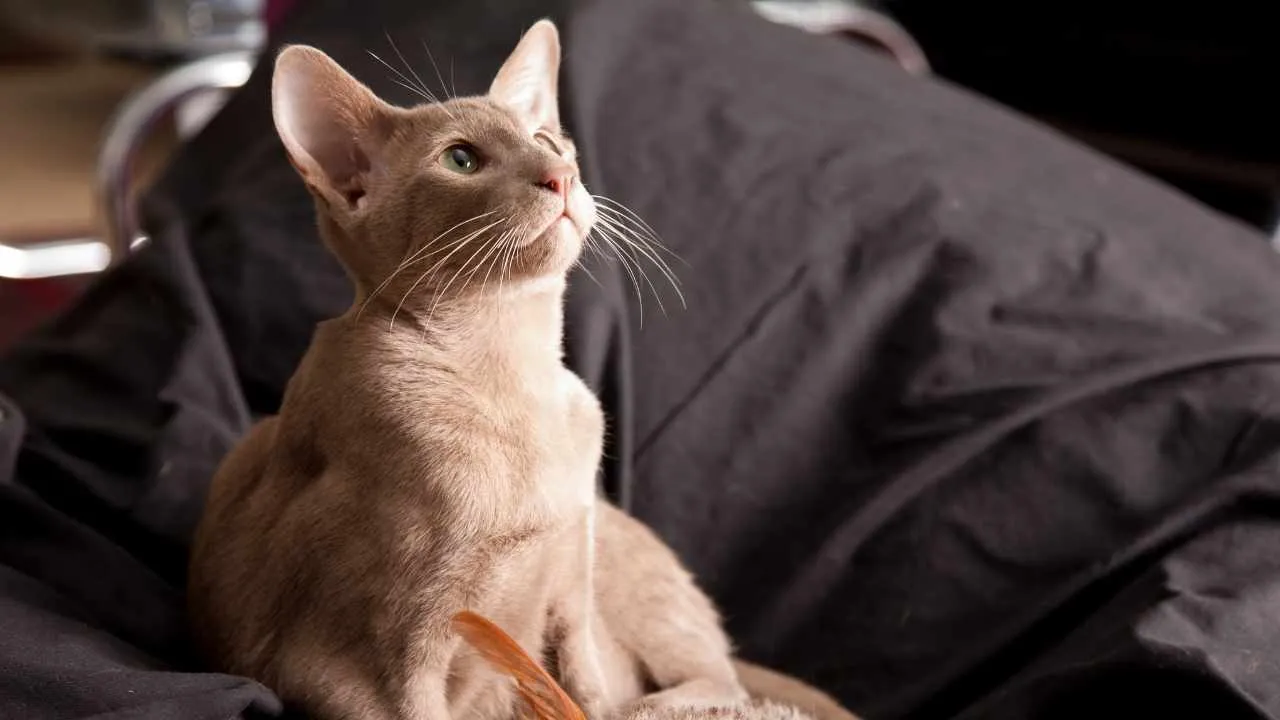
The Oriental Shorthair came from cat lovers who wanted a Siamese-type cat with coats as bold as the personality. The result is a slender, lively breed that comes in a wide range of hues and color combinations. Add comically large ears and sweet, almond-shaped eyes, and you have a cat that turns heads while acting like it owns the room.
This breed treasures human companionship and tends to stick close, like a curious little shadow. Their inquisitive nature keeps the household interesting because nothing is too small to inspect. Expect a steady stream of interaction, plus the occasional “helpful” paw in whatever you are doing.
After a day of play and exploration, the Oriental Shorthair leans hard into affection. They often settle in with a devoted, cuddle-friendly attitude that makes them feel like part pet, part roommate. Oriental Shorthairs can feel the chill easily, so offer them a snug, warm spot to curl up. In colder weather, keeping them indoors helps them stay comfortable.
Fun Fact
Oriental Shorthairs are sometimes nicknamed the “honking cat.” When they feel ignored, their vocal sound has been compared to a little goose honk.
5. Siamese
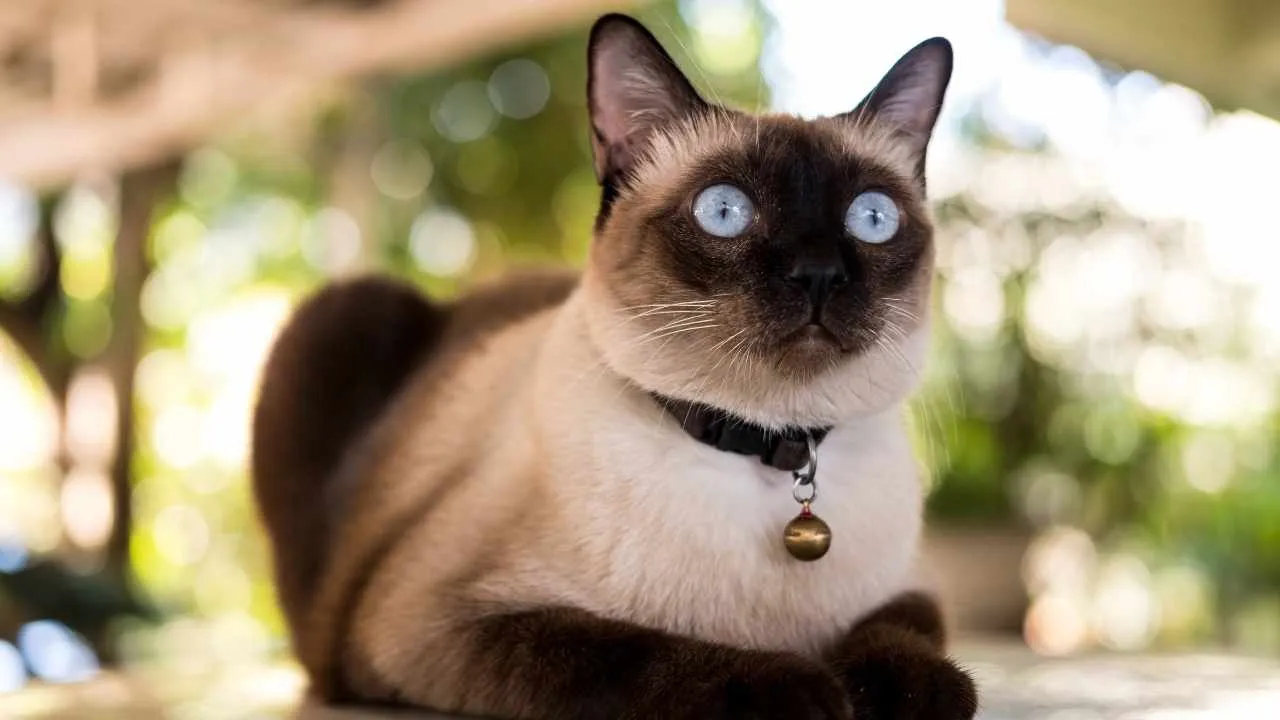
The Siamese cat has a reputation for turning casual pet owners into full-time admirers. Many people are drawn to their distinctive appearance and their sharp, intelligent vibe. This is the kind of cat that seems to notice everything and expects you to keep up.
They’re often called a “people cat,” and they earn that title through pure enthusiasm for human company. A Siamese likes to interact with their owner, hang out close by, and stay involved in whatever the household is doing. If you sit down, do not be surprised if you gain a warm lap companion.
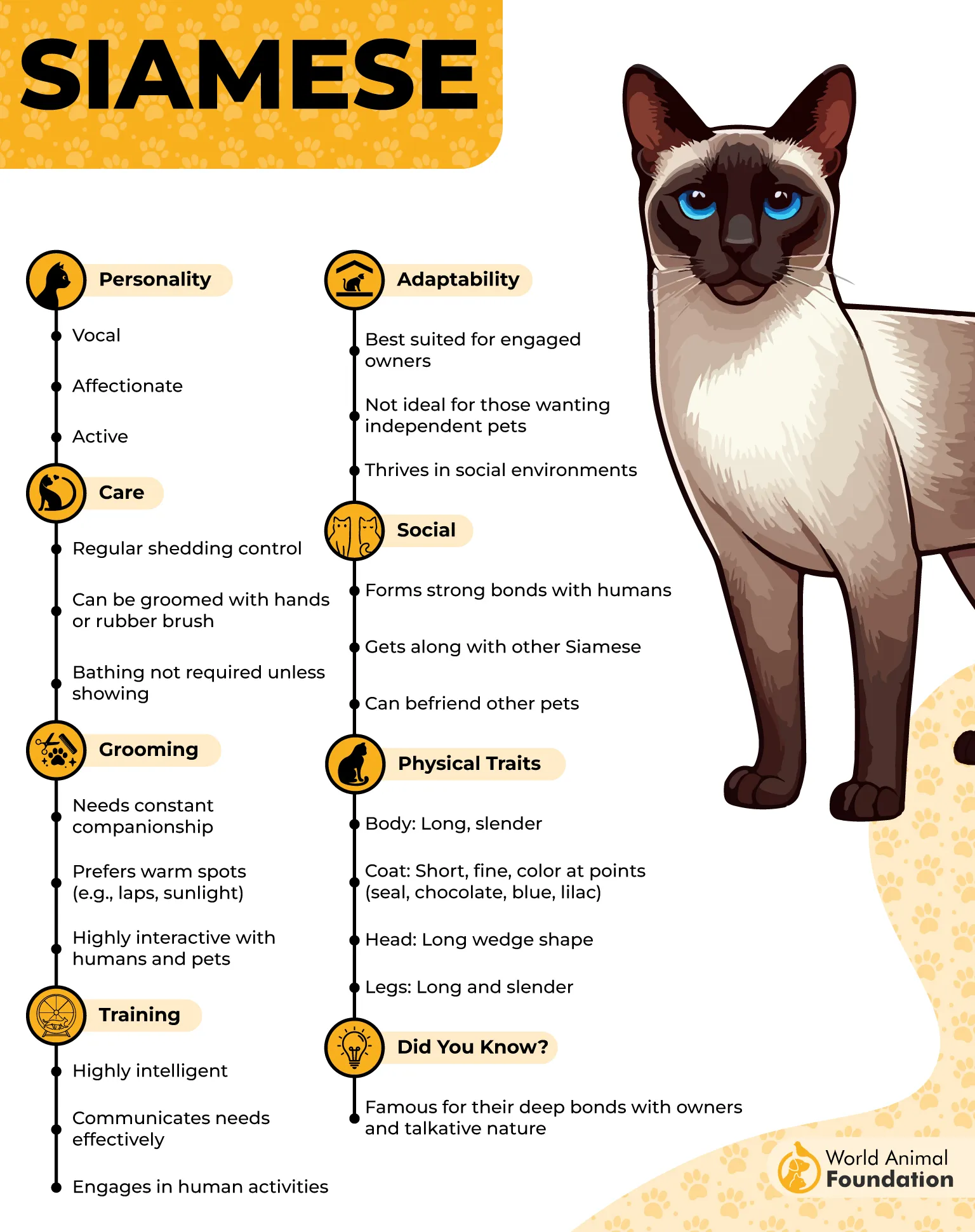
They also enjoy bedtime together, often sleeping next to their favorite person, which can help them stay warm. According to WebMD, Siamese cats can make wonderful family pets because they have a playful and affectionate nature, and they often do well with children and other household pets.
Fun Fact
The Siamese is a cat breed native to Thailand. Today, it’s considered one of the most popular breeds in North America and Europe.
6. Burmese
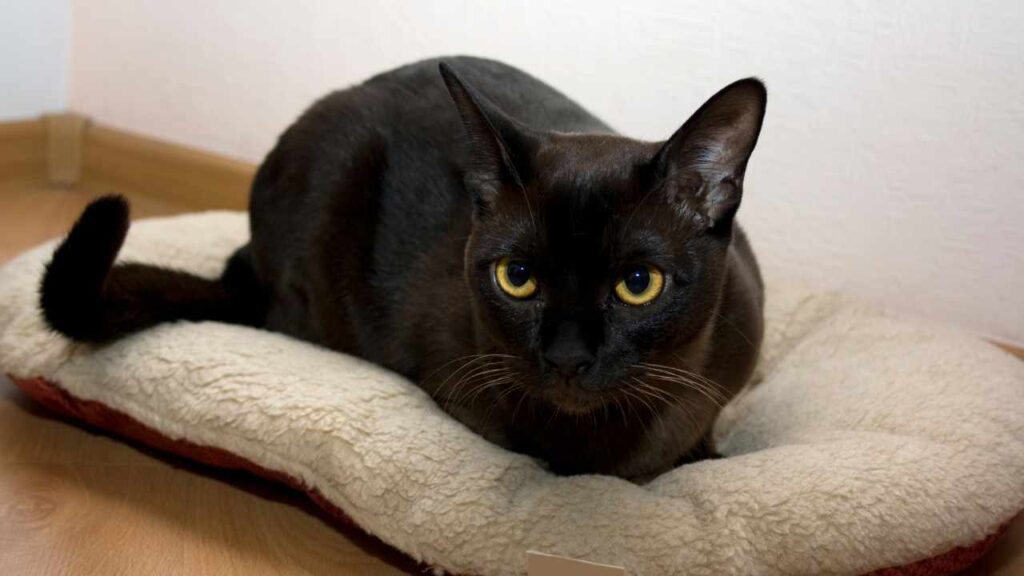
Burmese cats tend to be happiest where the people are. They’re affectionate, sociable, and often enjoy sharing space with both humans and other pets. In an active household, they usually fit right in without much fuss.
They have a rounded head and striking gold eyes. Their short coat comes in various colors and typically needs only minimal grooming. Their beautiful, glossy coat is practical, helping protect them from the sun and supporting effective heat dissipation in warm weather. However, in colder climates, it’s important to keep them warm and comfortable.
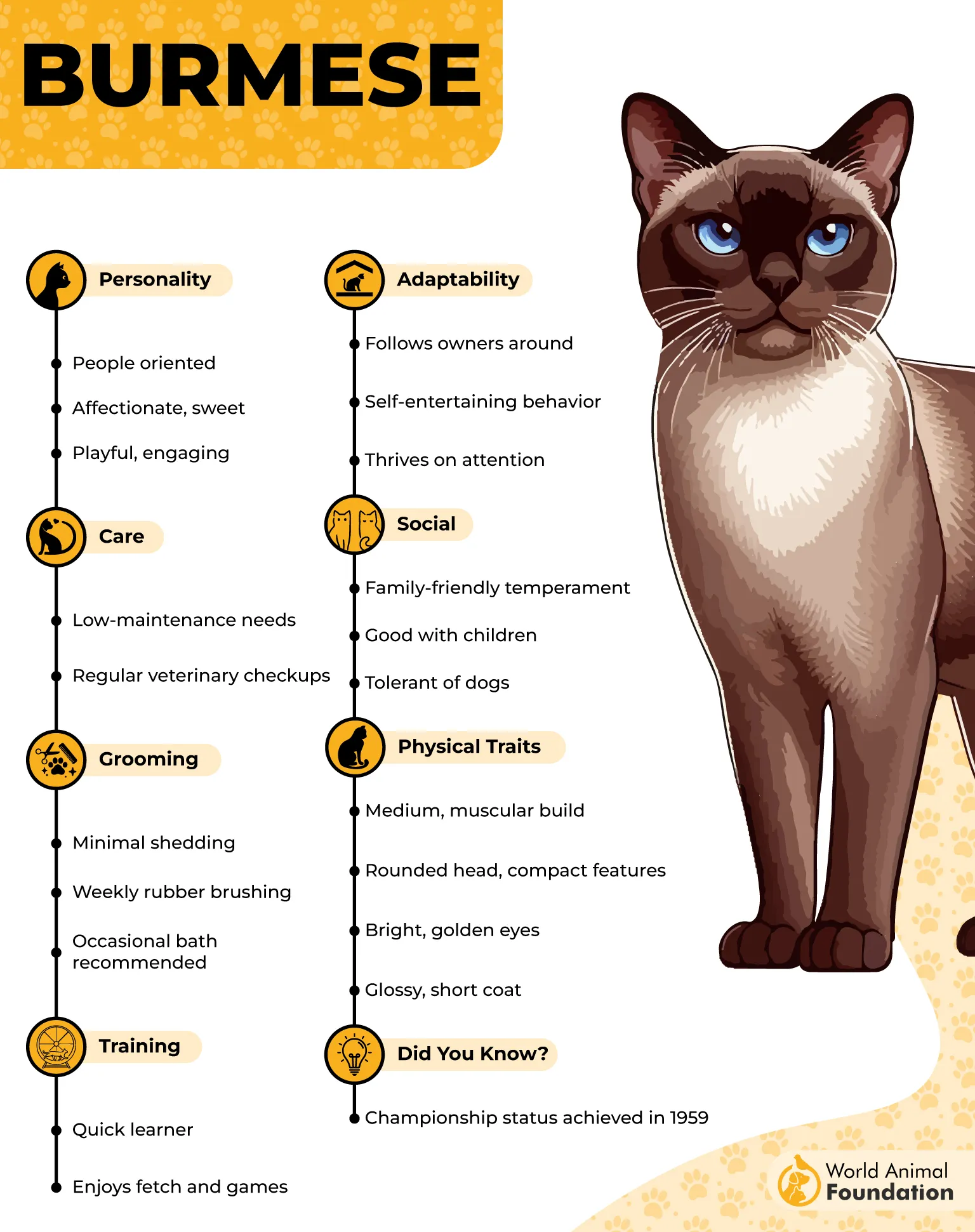
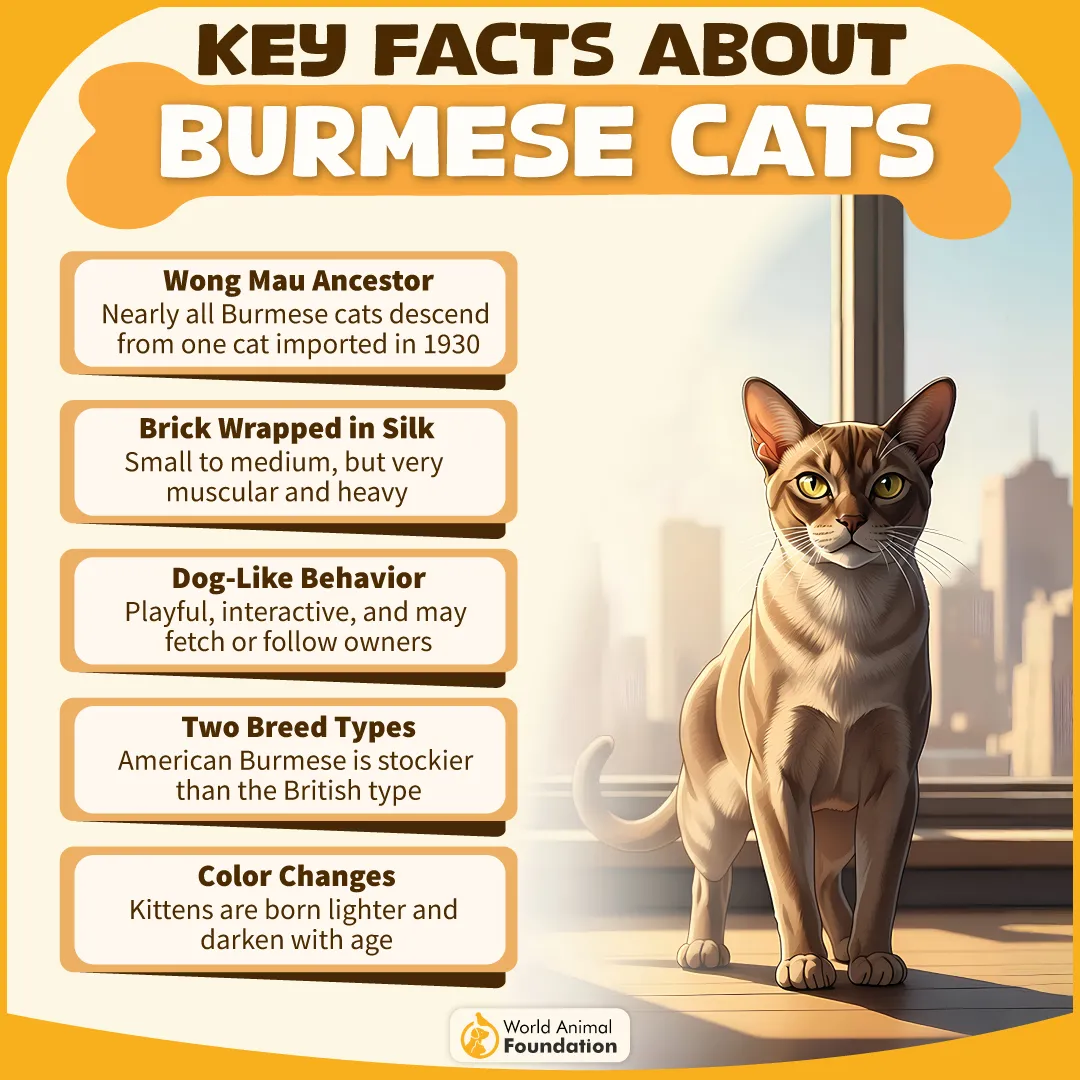
These domestic cats have roots connected to Myanmar (formerly Burma) and were officially bred in the United States in the 1930s. Burmese cats are generally healthy, but they can be prone to certain genetic issues, so choosing a breeder carefully is important.
Fun Fact
Burmese cats may look petite, but they can feel heavier than you’d expect when you pick one up. It’s a funny little surprise that matches their sturdy, muscular build.
7. Balinese
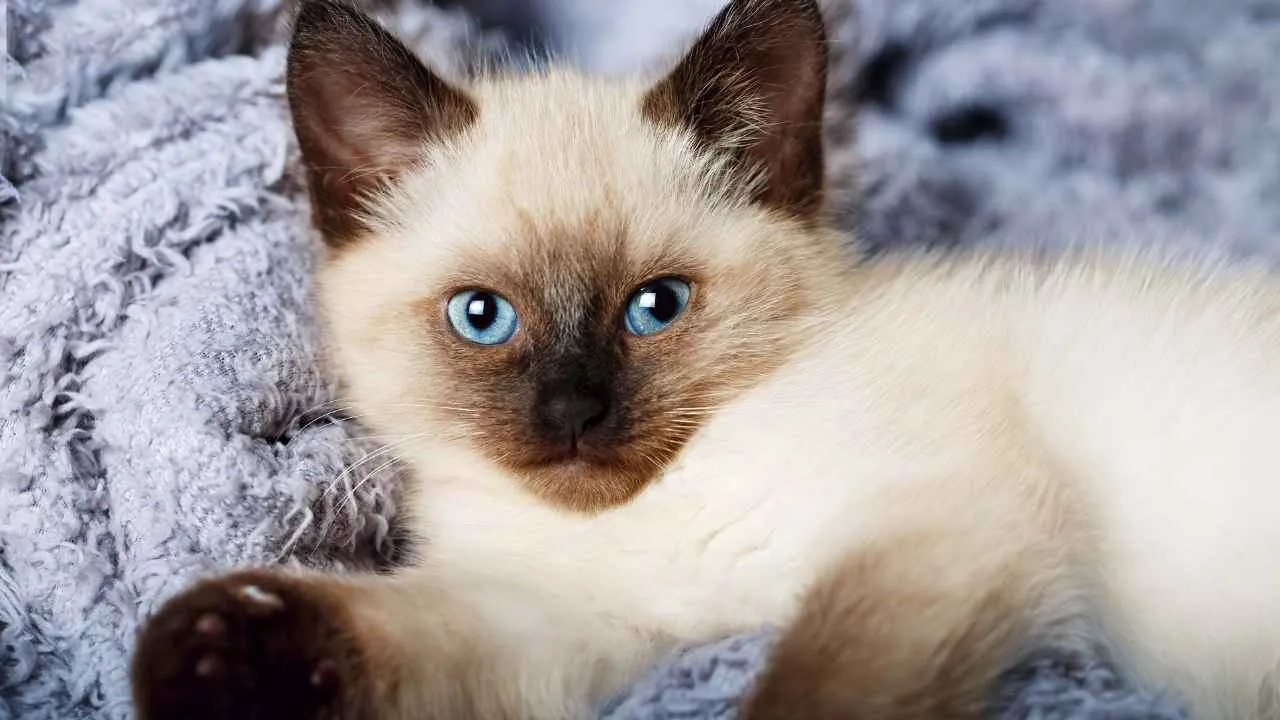
The Balinese is a lively, always-on-the-move kind of cat that brings a lot of spark into the house. That active nature is part of the charm, but it also means daily habits like feeding and treats can add up quickly. Keeping routines steady helps them feel their best.
Set up a cozy resting area that feels inviting and safe. Soft blankets and warm beds can help, and lightweight cotton is a good choice over heavier options. If you notice cold ears, paws, or tail, or your cat starts shivering or curling up tighter than usual, it’s a clear sign they need more warmth.

When winter rolls in, pay attention to coat and skin comfort. Hair and skin can dry out in colder weather, and matting can lead to irritation. Regular grooming helps keep things smooth and comfortable.
Fun Fact
Treats are a great bonding tool, but for Balinese cats, they should make up no more than 10% of daily caloric intake. That small guideline can make it easier to reward your cat without accidentally overdoing it.
Conclusion
Not all cats handle temperatures the same way. Some have longer coats that help protect them in hot climates, while others have a fine coat or little to no fur at all, which can make them more sensitive to cold temperatures. Hairless or short-haired breeds can be especially sensitive to extreme temperatures, and warm weather is often more comfortable for them.
In warmer climates, heat-tolerant breeds often cope better, but they still need a few precautions. When temperatures rise, focus on simple comfort basics like fresh water, air conditioning, sun protection, and cooling mats, as these can help keep your cat comfortable in hot weather. These small steps can also help your cat maintain their body temperature during extreme weather conditions.
Every pet parent wants a happy, healthy companion, and knowing what temperatures your cat prefers can make daily life easier. If you’re considering a feline friend, the breeds above can be great options. Other breeds, such as the Bengal cat and Asian Leopard Cat, are also worth looking up if you’re interested.
