




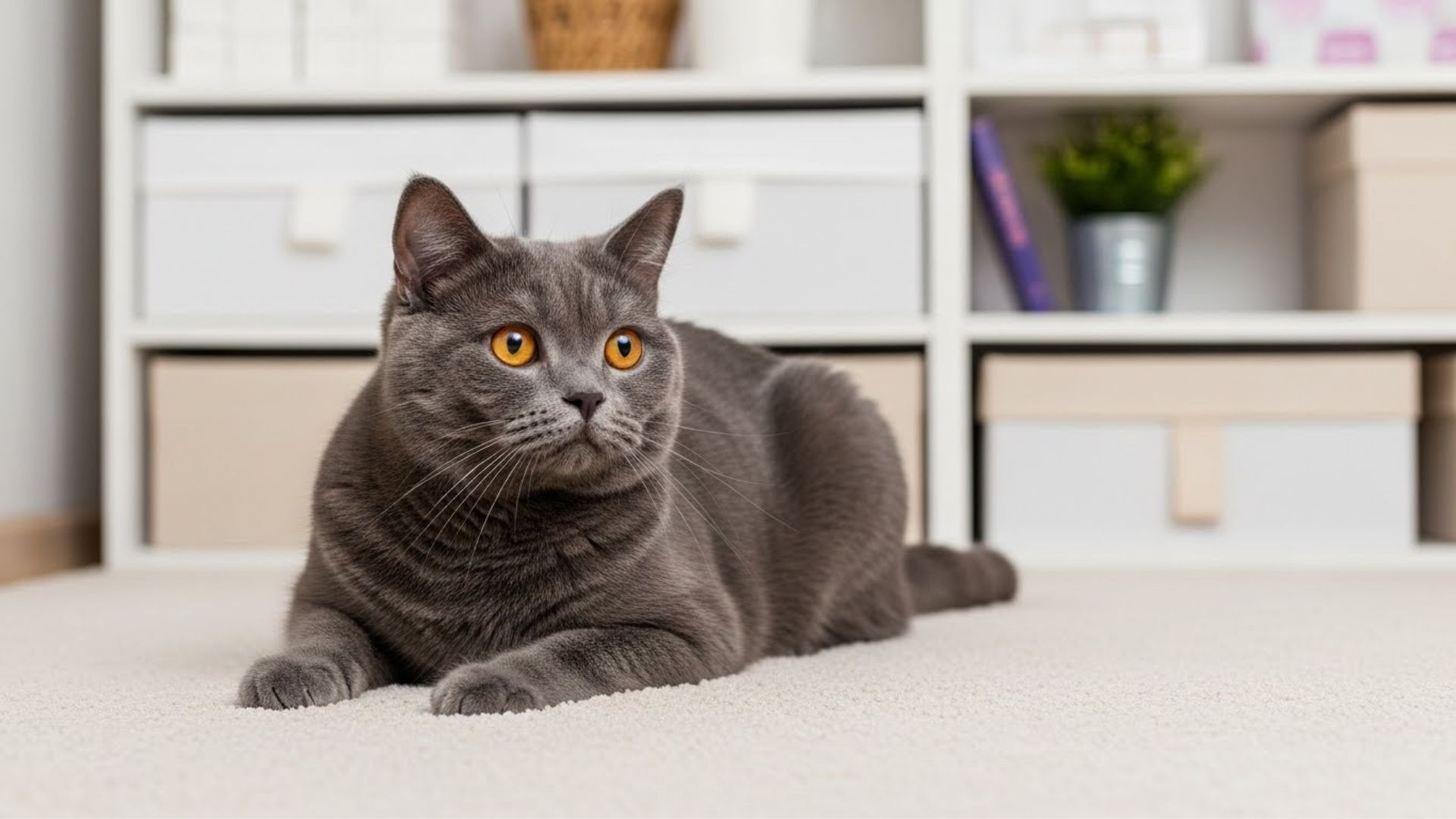
Some cats thrive on spontaneity, but others find true comfort in consistency. For households built around calm routines, quiet evenings, and predictable schedules, certain feline breeds fit in seamlessly. These cats prefer knowing when meals are served, when playtime happens, and where their favorite nap spot will be waiting. For them, structure isn’t restrictive—it’s reassuring.
Although cats are often portrayed as independent free spirits, many actually feel safest when their days follow a familiar rhythm. Regular feeding times, consistent interactions, and stable environments help routine-loving cats stay relaxed and emotionally balanced. Sudden changes can unsettle them, while repetition allows their confidence and affection to grow steadily over time.
Cats that prefer structured routines are typically observant, intelligent, and deeply tuned in to their household’s patterns. In this article, we’ll explore cat breeds that flourish in predictable environments and discover why routine can be the key to a happier, more harmonious life together.
7 Cat Breeds That Prefer Structured Routines
1. Russian Blue
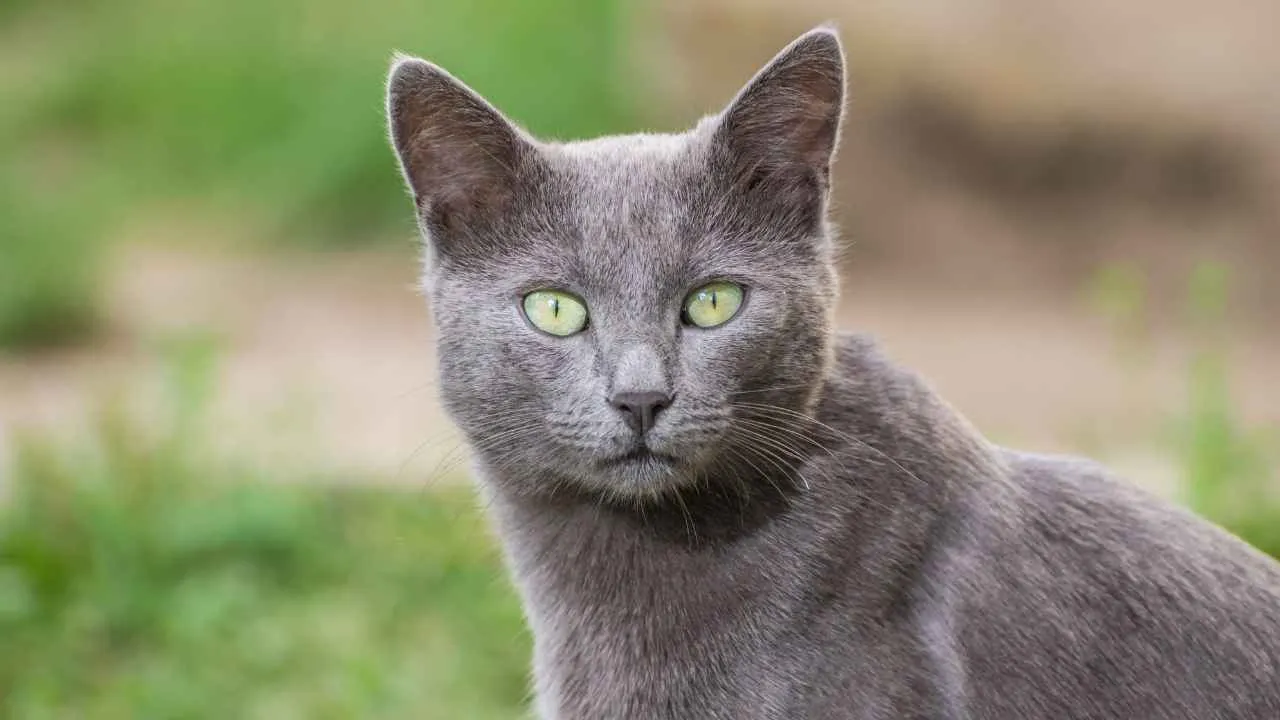
Also known as the Archangel Blue, Archangel Cat, Spanish Blue, or Maltese Blue, the Russian Blue is admired for its coat and vivid green eyes.
According to Britannica, the Russian Blue is a domestic cat breed known for its short, plush-like coat. Originating from Russia, this elegant breed carries a quiet dignity and a naturally reserved charm.
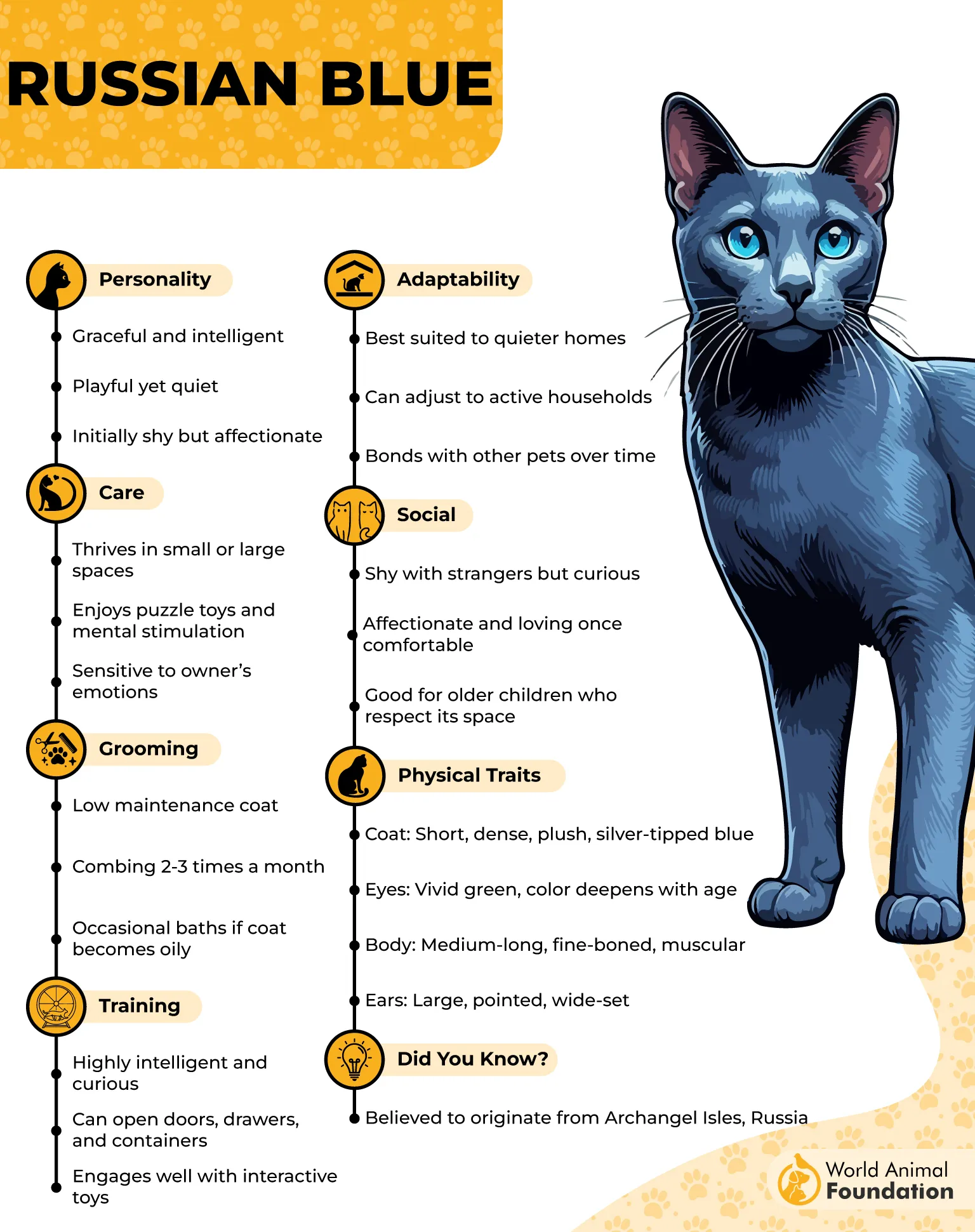
Russian Blues are famously drawn to predictability, thriving in homes where daily schedules remain consistent. Regular feeding times, familiar play routines, and calm surroundings help reduce anxiety and allow their affectionate side to emerge comfortably.
Highly intelligent and observant, this breed quickly learns household patterns and notices even subtle changes. Their preference for order explains why structured routines help them feel secure, balanced, and emotionally at ease.
Because they tolerate alone time well, Russian Blues suit owners with steady schedules rather than chaotic lifestyles.
Fun fact: the Russian Blue is believed to descend from the royal cats once kept by Russian czars.
2. Persian
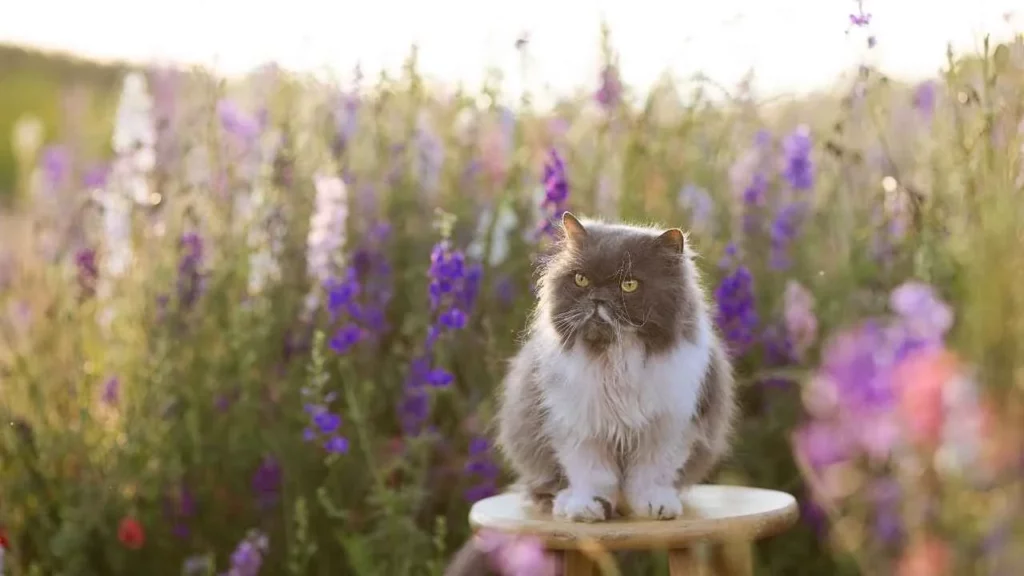
Also known as the Persian Longhair, this ancient breed traces its roots to Persia (modern-day Iran) and is admired for its flat face, flowing coat, and serene demeanor.
According to PetMD, Persian cats are believed to be one of the oldest cat breeds, with origins dating back to the 1600s. Persians are medium-sized cats, with a calm, composed presence.
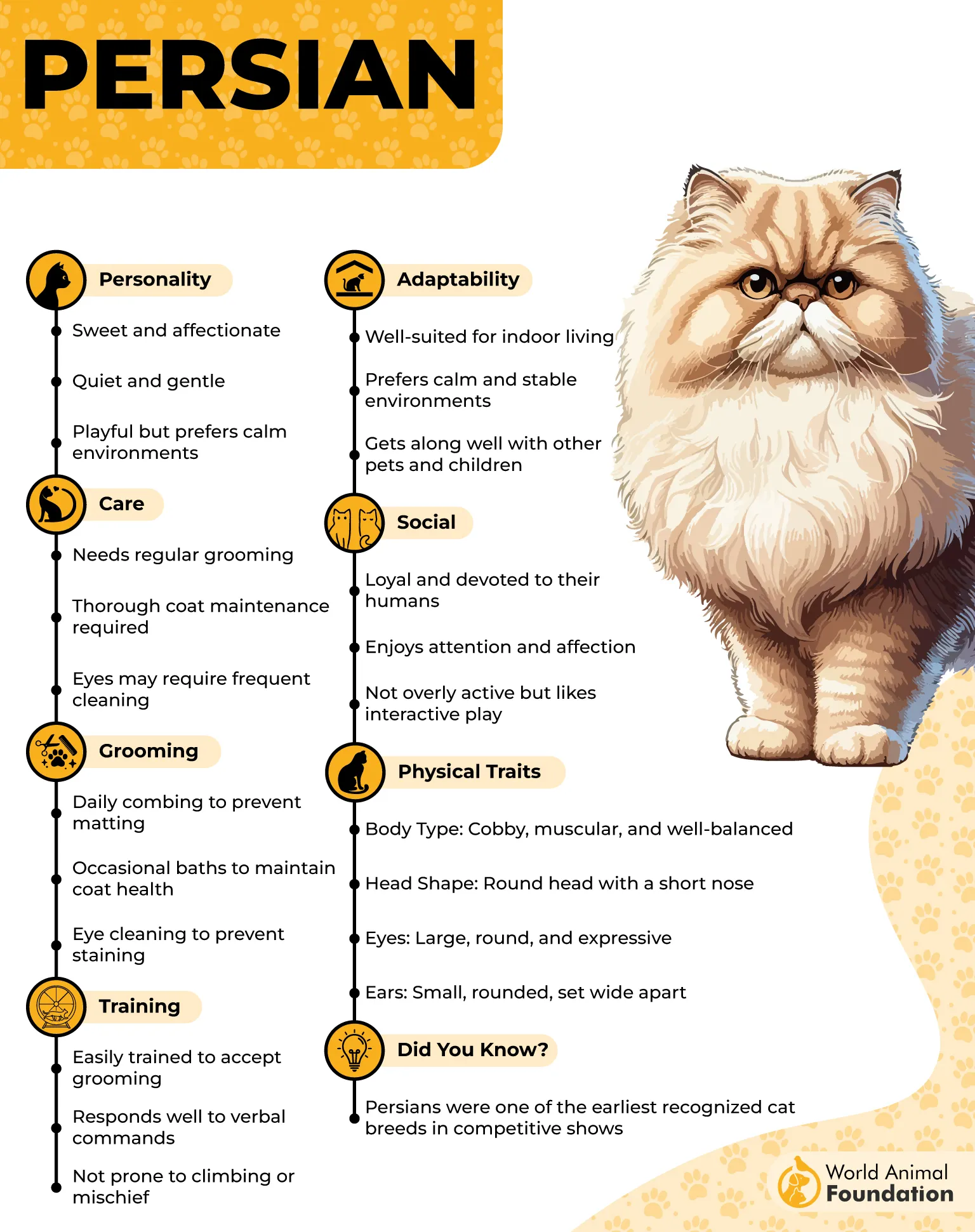
Persians thrive in predictable environments where daily routines remain steady. Consistent feeding times, quiet surroundings, and familiar spaces help them feel secure, allowing their affectionate nature to surface through gentle purring, kneading, and close companionship.
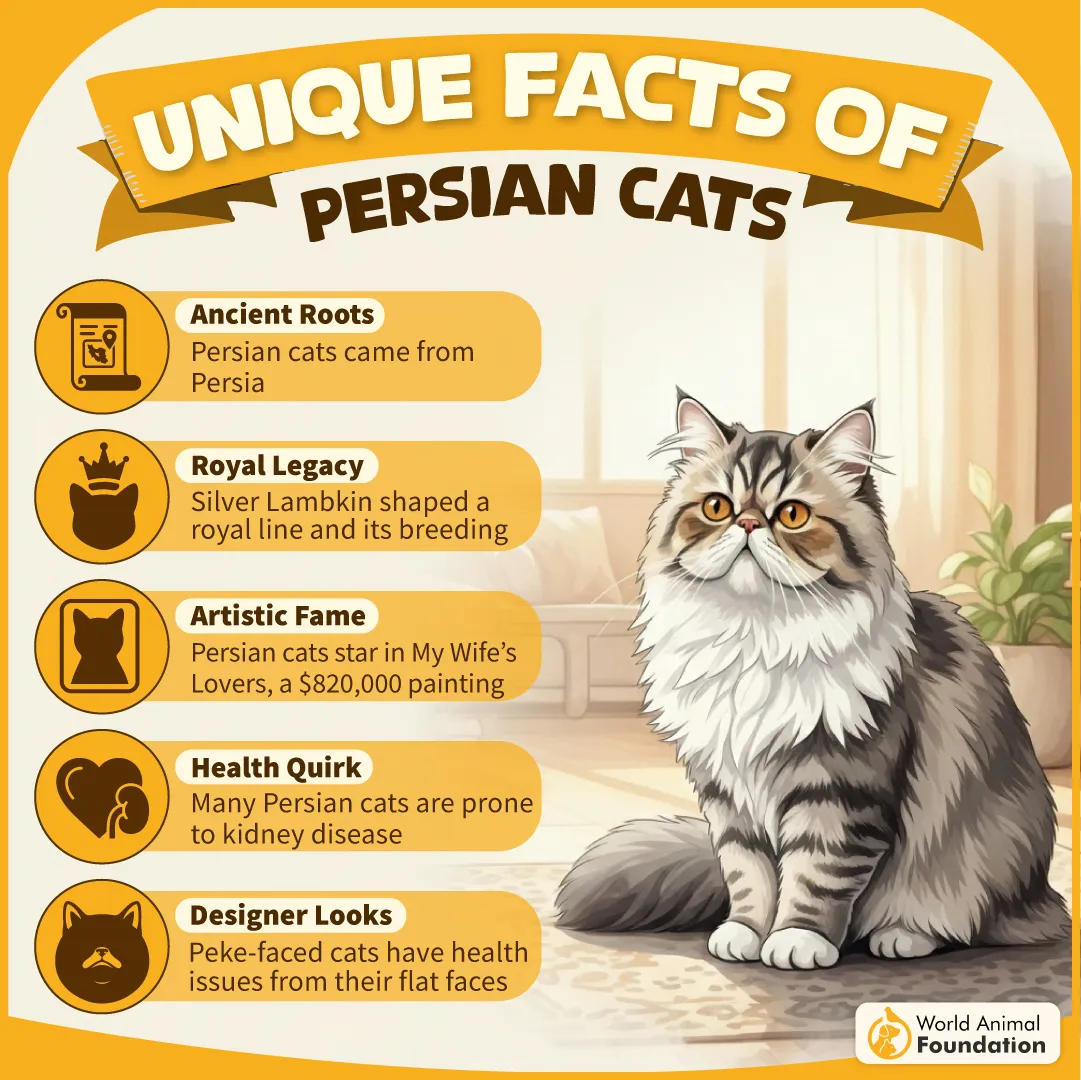
Predictability plays a key role in shaping Persian behavior. When routines are stable, these cats are relaxed and trusting, choosing to rest nearby, groom their favorite humans, or quietly observe household rhythms without stress or agitation.
Because they dislike chaos, Persians are best suited to calm homes with minimal disruptions.
Fun fact: Persian cats are known for being quiet communicators and often express affection through slow blinking, gentle head bumps, and soft trills rather than loud meowing.
3. British Shorthair
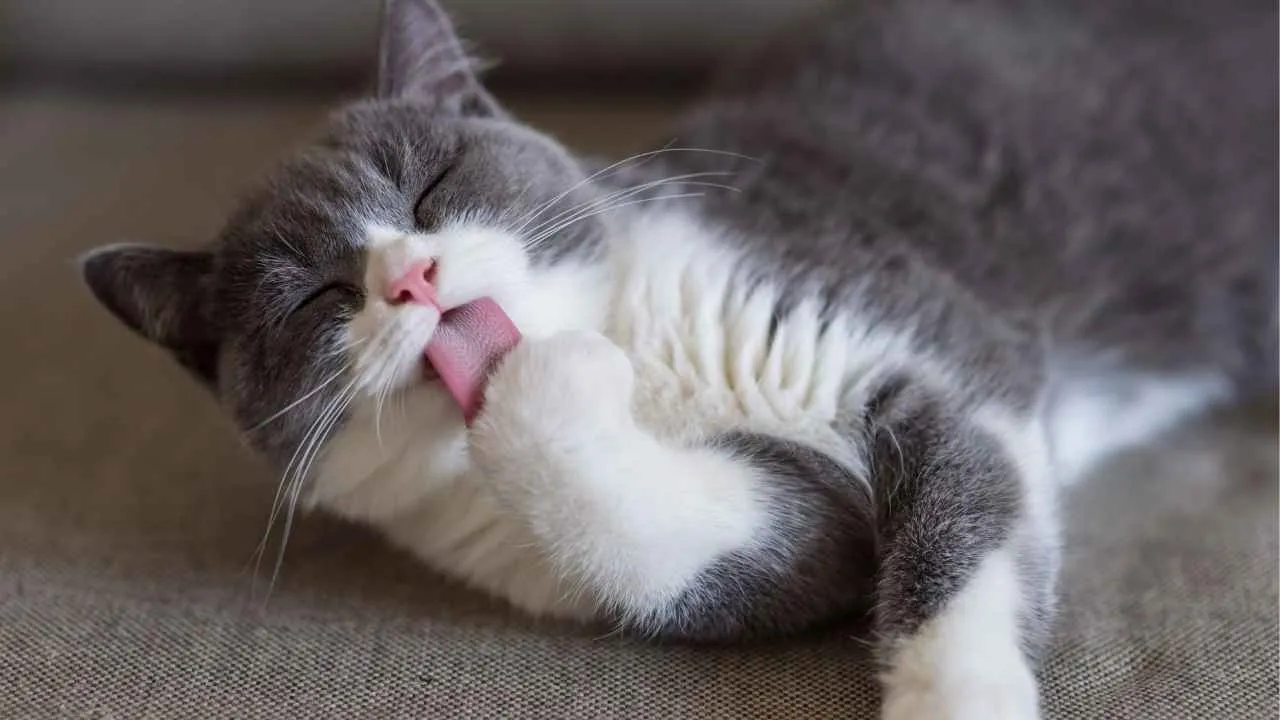
Also known as the British Blue or simply Shorthair, the British Shorthair is one of the oldest cat breeds, with roots tracing back to Great Britain.
According to WebMD, British Shorthairs are relaxed cats that can do well on their own. Recognized for its round face, plush coat, and sturdy build, this breed embodies calm elegance and quiet confidence.
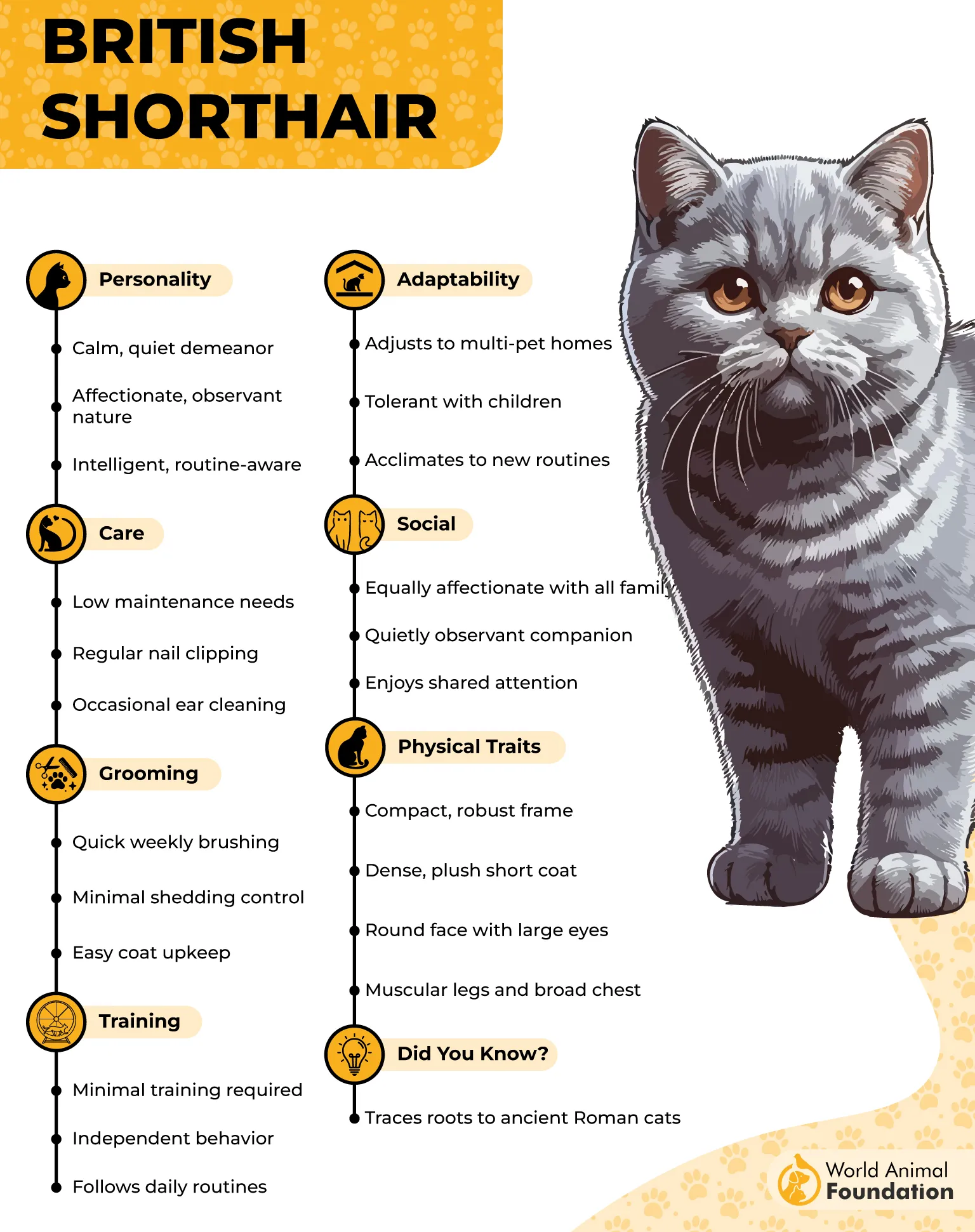
British Shorthairs are naturally drawn to predictability, making them ideal for households with consistent schedules. They appreciate regular mealtimes, familiar resting spots, and a steady daily rhythm that allows them to observe their surroundings without disruption.
When it comes to personality traits of routine-loving cat breeds, this cat stands out for its independence paired with gentle affection. British Shorthairs enjoy companionship on their own terms and thrive when interactions follow a familiar, respectful pattern rather than constant stimulation.
Their laid-back nature helps them settle easily into structured homes where calm behavior is valued.
Fun fact: the British Shorthair is believed to descend from cats brought to Britain by Roman legionaries over 2,000 years ago.
4. Scottish Fold
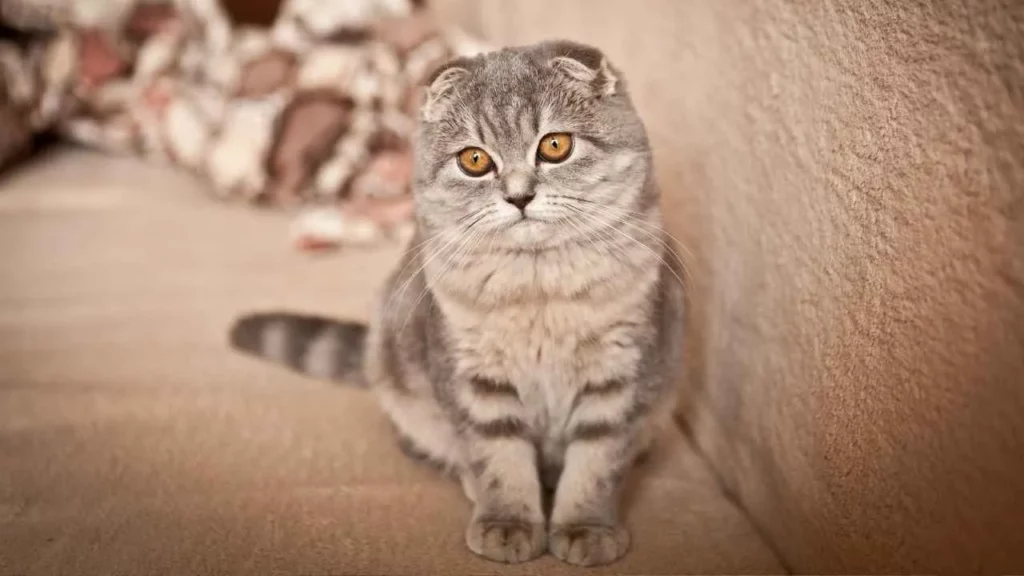
Also known simply as the Fold, the Scottish Fold originated in Scotland and is instantly recognizable by its forward-folded ears and round, plush appearance. This medium-sized breed is calm, affectionate, and quietly observant, making it a natural fit for predictable home environments.

Scottish Folds tend to feel most secure when their days follow a familiar pattern. Consistent feeding times, regular play sessions, and stable household rhythms help reduce stress and allow their gentle personality to shine through.
The role of early socialization and habit formation is especially important for this breed. When routines are introduced early, Scottish Folds learn to anticipate daily events and often form deep bonds with the people who share those rituals with them.
Their mild energy level and preference for quiet interaction make sudden changes challenging.
Fun fact: Scottish Folds usually begin developing their signature folded ears when they are around three weeks old, as the cartilage-softening gene becomes active.
5. Chartreux
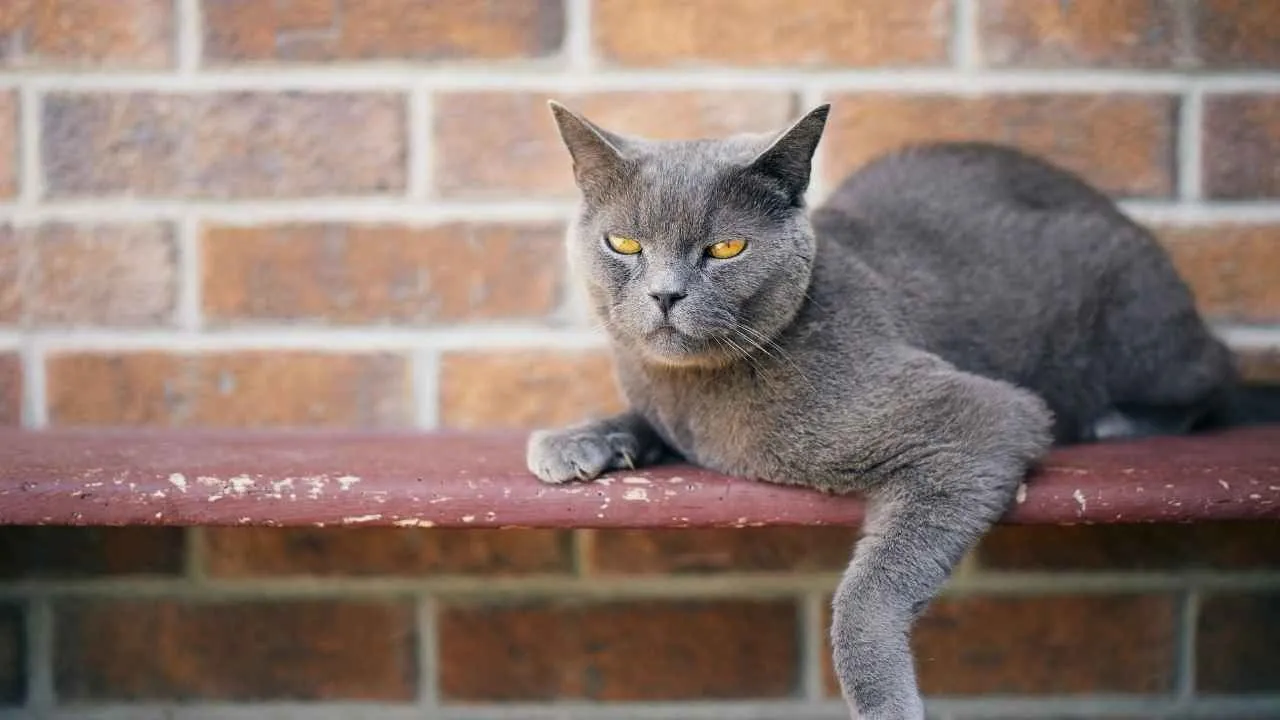
Also known as the French Blue, the Chartreux is a rare breed from France, recognized for its muscular, cobby build, short limbs, and dense blue-gray double coat. Its copper or orange eyes and signature “smiling” expression give it a calm, reassuring presence.
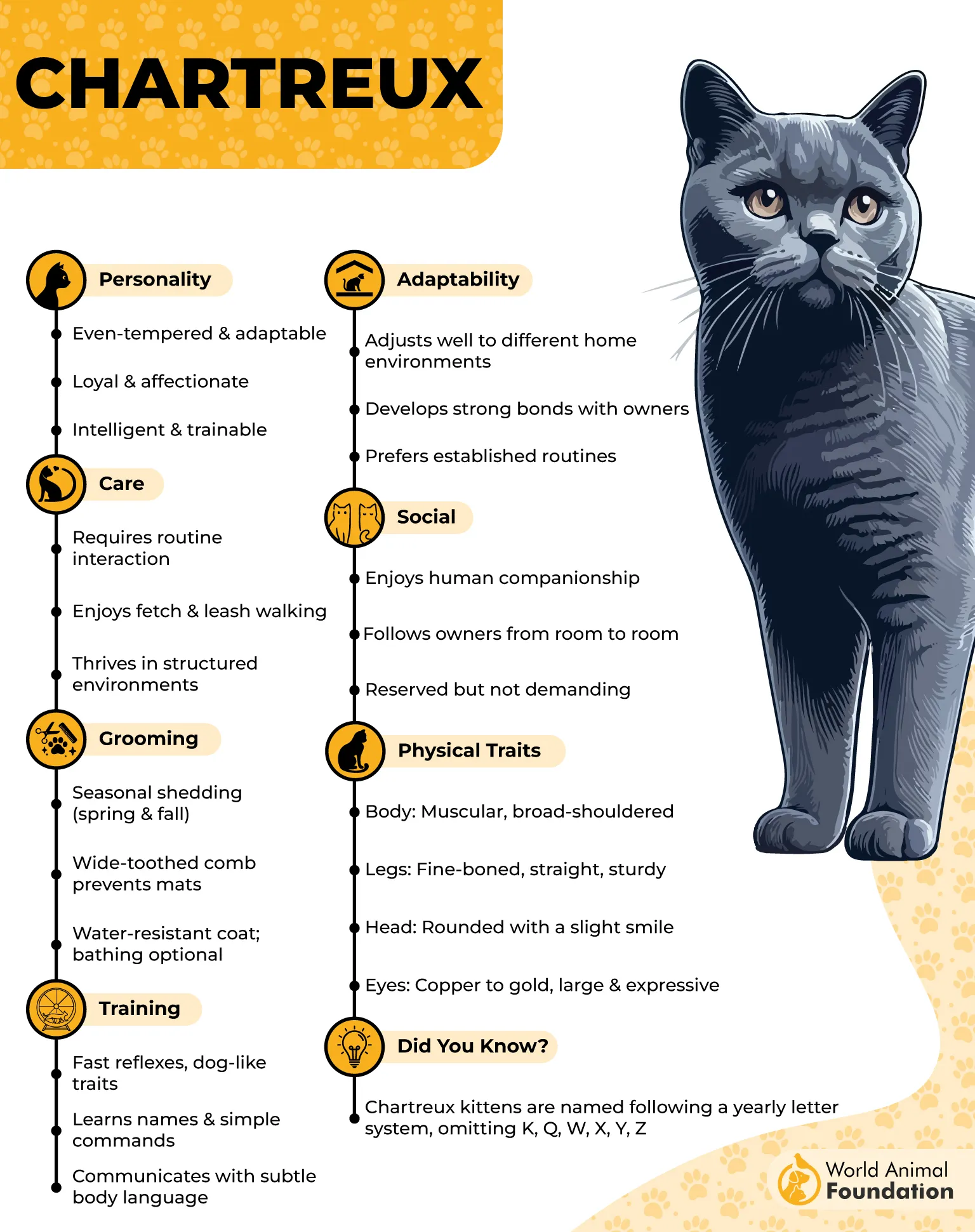
This breed is especially well suited to structured routines. Chartreux cats feel most secure when feeding, play, and rest happen at predictable times, allowing their observant nature to relax into familiar daily rhythms.
The benefits of structured feeding and play times are clear with this breed. Regular schedules help channel their strong hunting instincts into focused play sessions, supporting both mental engagement and physical balance without overstimulation.
Indoor life with consistent routines promotes long-term well-being for the Chartreux.
Fun fact: indoor Chartreux cats often live longer, healthier lives due to reduced risks from injury, disease, and environmental hazards.
6. Himalayan
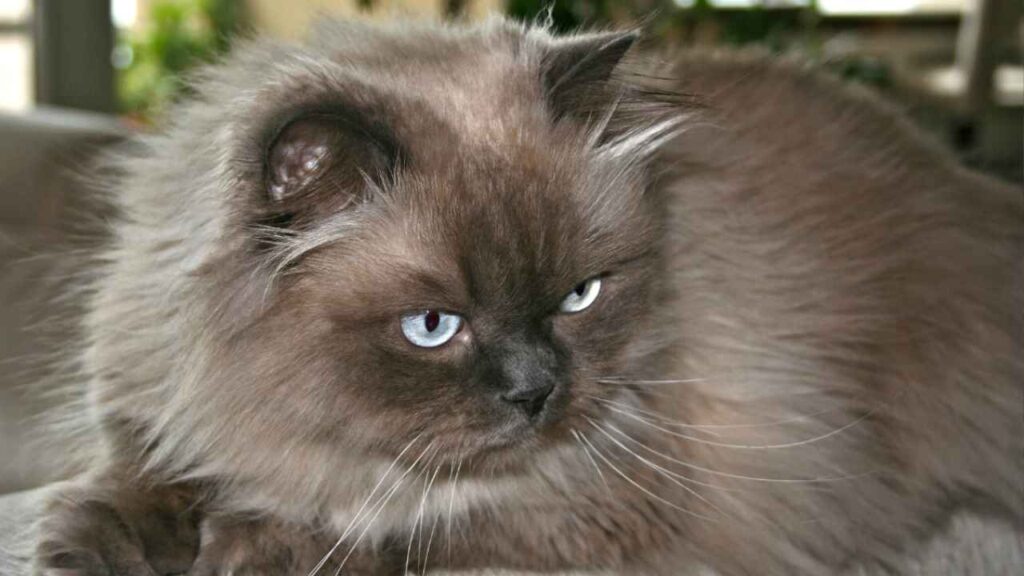
Also known as the Himalayan Persian, this breed blends the long, silky coat of the Persian with the pointed coloring and blue eyes of the Siamese. Calm and observant, Himalayans have a quiet presence and are content spending their days close to familiar people and spaces.
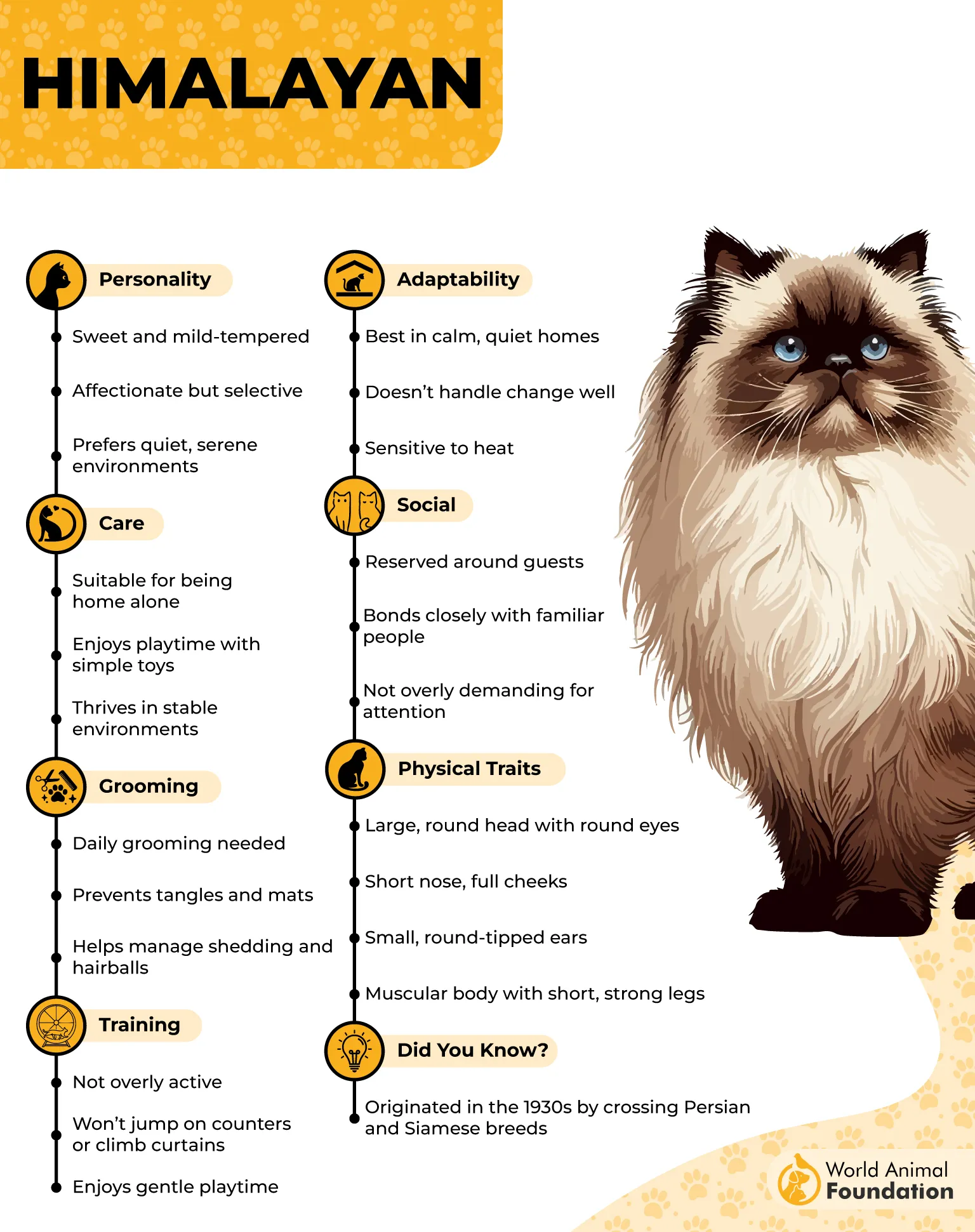
Himalayans are well suited to structured routines, finding comfort in predictable feeding times, grooming schedules, and daily rest periods. Consistency helps them feel secure, allowing their affectionate and relaxed personality to shine without stress.
Disrupting a Himalayan’s routine can lead to subtle challenges. Changes in meal timing, grooming habits, or environment may cause anxiety, reduced appetite, or reluctance to engage, especially since they prefer calm, steady surroundings.
Maintaining structure also supports their physical needs, particularly coat care and diet.
Fun fact: due to their flat facial structure, Himalayan cats may benefit from specialized food to help with eating comfort, digestion, and coat health.
7. Exotic Shorthair
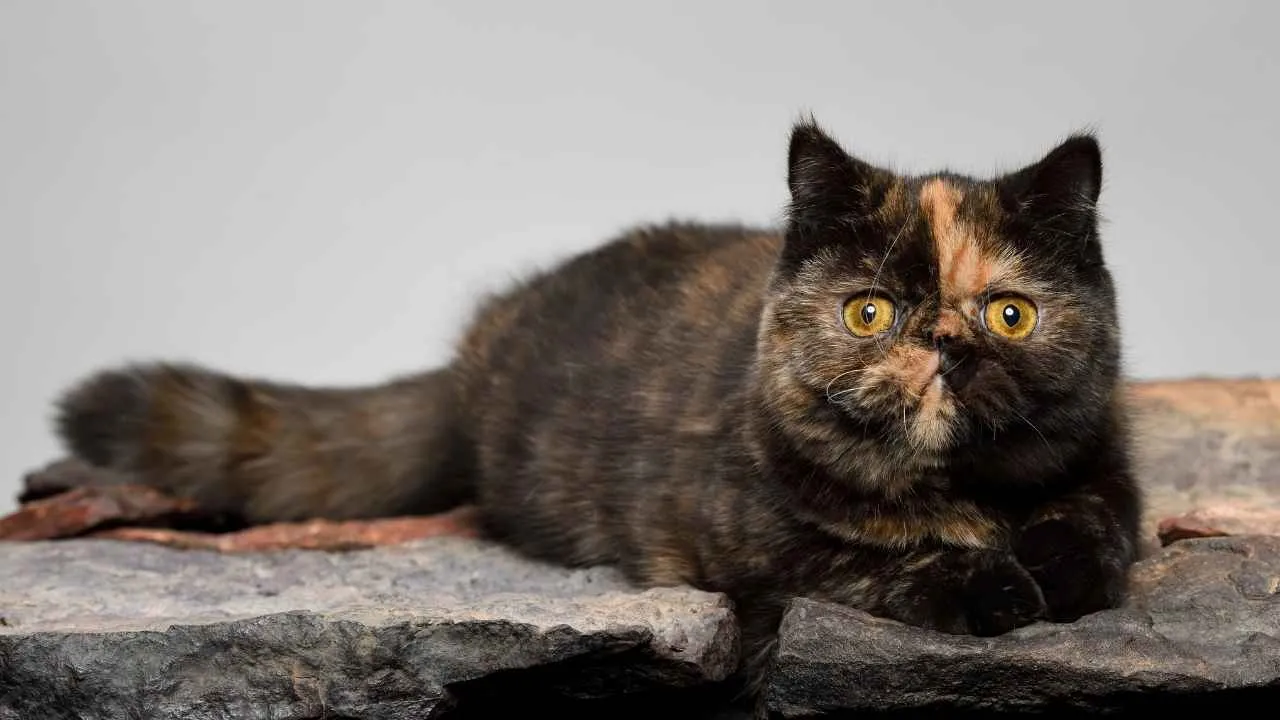
Also known as the Shorthaired Persian, the Exotic Shorthair is instantly recognizable by its round face, large expressive eyes, and plush teddy-bear look. This medium-sized breed has a sturdy, muscular build and a calm, affectionate demeanor that suits predictable households.
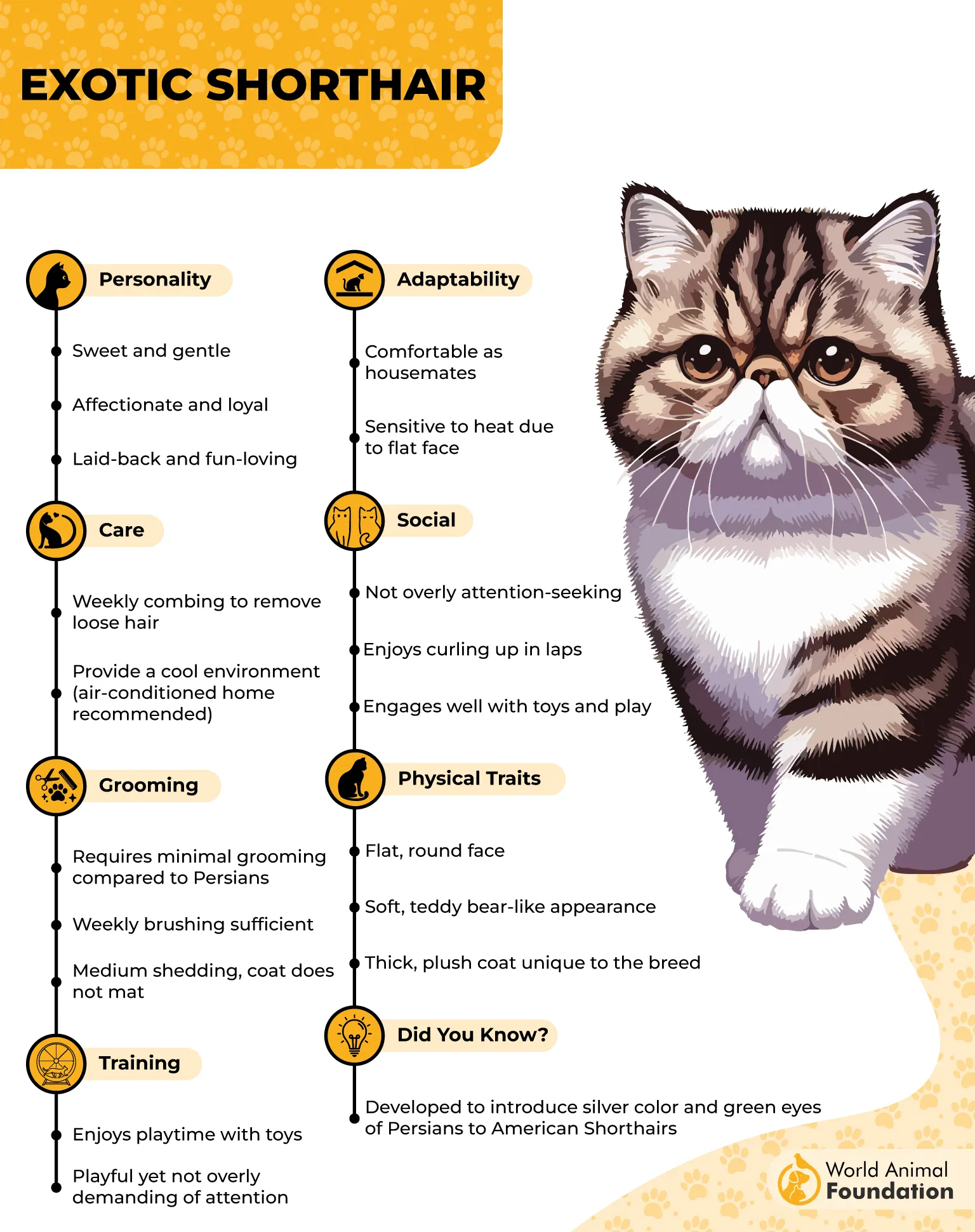
Cats that prefer structured routines often thrive with consistency, and the Exotic Shorthair is no exception. They enjoy regular feeding times, familiar resting spots, and quiet daily rhythms that allow them to relax without surprise or overstimulation.
When choosing the right breed for a predictable lifestyle, this cat’s balanced temperament stands out. Exotic Shorthairs enjoy gentle play and interactive moments, but they’re equally content lounging beside their owners, fitting easily into stable routines.
Their adaptable nature makes them well suited to apartments or larger homes where schedules remain steady.
Fun fact: despite their Persian-like appearance, Exotic Shorthairs have a short, dense coat that’s much easier to maintain than long-haired Persians.
Conclusion
Cat breeds that prefer structured routines show how consistency can bring out the best in a feline friend. While most cats appreciate some independence, certain intelligent cats with a calm demeanor and gentle nature truly breed thrive in predictable environments.
These cats enjoy knowing when meals, playtime, and rest occur, allowing them to relax and display their sweet temperament. From gentle giants to smaller, more dog-like personalities, routine helps them feel secure and confident among family members and other animals.
Compared to other breeds, routine-loving cats often bond closely with their humans, becoming devoted companions and trusted feline companions. Whether it’s Siamese cats, Burmese cats, or another best cat choice, the right structure ensures each cat fits comfortably into home life.
With balanced personal space, steady interaction, and room for a playful nature, these cats grow into ideal companions with strong social skills and a naturally curious spirit.
