




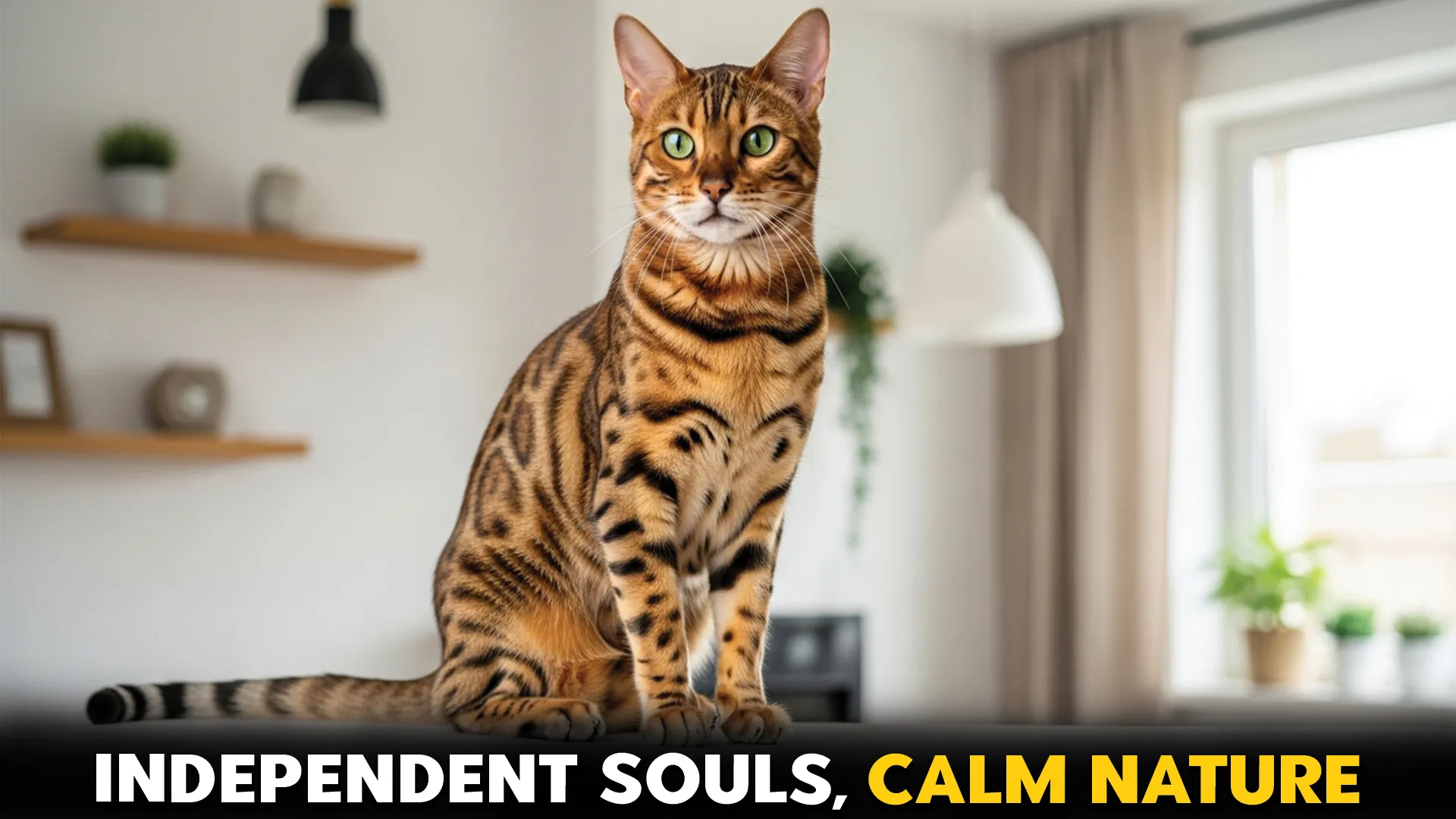
Some cats are basically tiny roommates who pay rent in vibes. They like you, they just do not need a full-time audience, and that is not cold, it is just their comfort zone. A solitude-loving cat can be a refreshingly easygoing kind of friendship: you share a space, exchange the occasional slow blink, and enjoy each other’s company without constant check-ins.
Think: calm companionship, selective cuddles, and a built-in reminder that “personal space” is a real lifestyle. If your ideal pet relationship includes quiet evenings, minimal clinginess, and affection on mutual terms, you are in the right place.
Ahead, we will look at cat breeds often described as more independent and content doing their own thing, so you can pick a feline match that fits your home, your schedule, and your expectations.
Fun Fact
Cats do not only purr when they are happy. Some cats also purr during tense moments, like a vet visit, or when they are trying to settle down for a nap. It is one of those quirky cat features that feels like a built-in “calm mode,” even when the situation is not exactly relaxing.
Cat Breeds That Prefer Solitude
1. Bengal
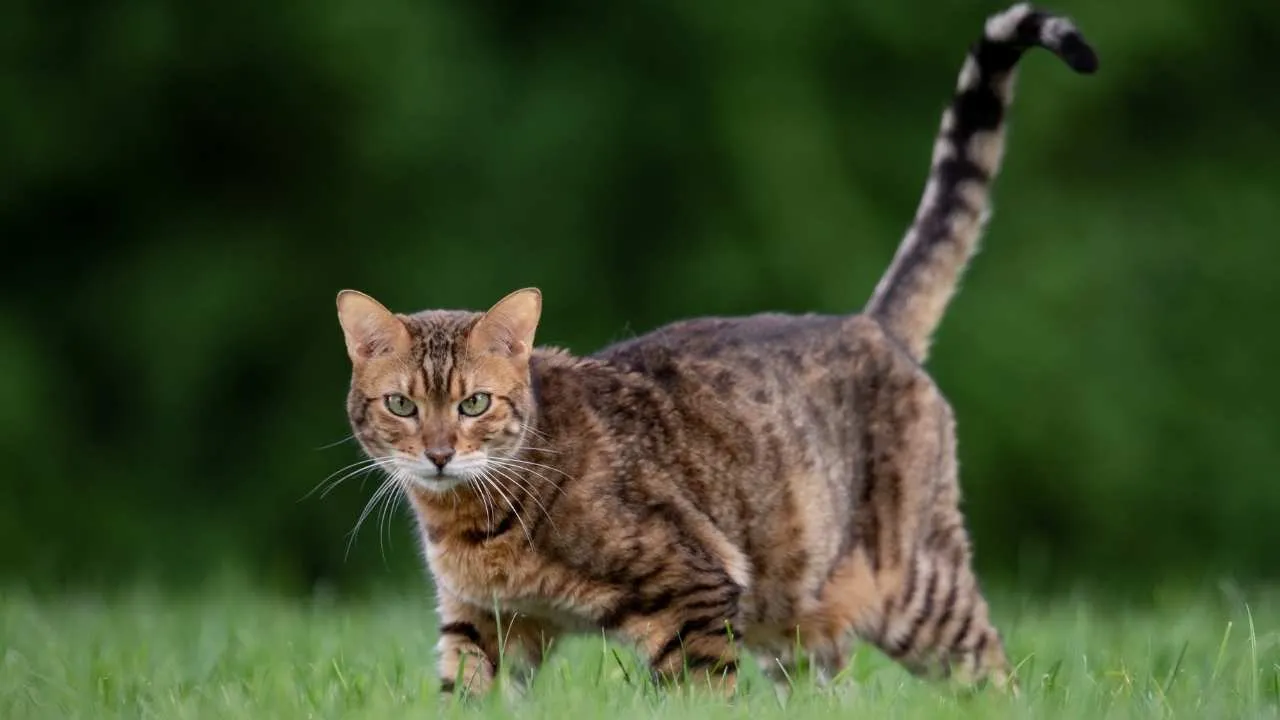
Bengals are constantly on the move and prefer a household that keeps pace with their curiosity. They explore everything, from dripping faucets to open shelves, and will invent their own entertainment if left unstimulated. Quiet corners are rarely their priority.
Human company is important, but interaction happens on their terms. They enjoy play far more than prolonged cuddling and usually abandon laps quickly for something more interesting. Attention is expected, even when you thought you were done for the day.
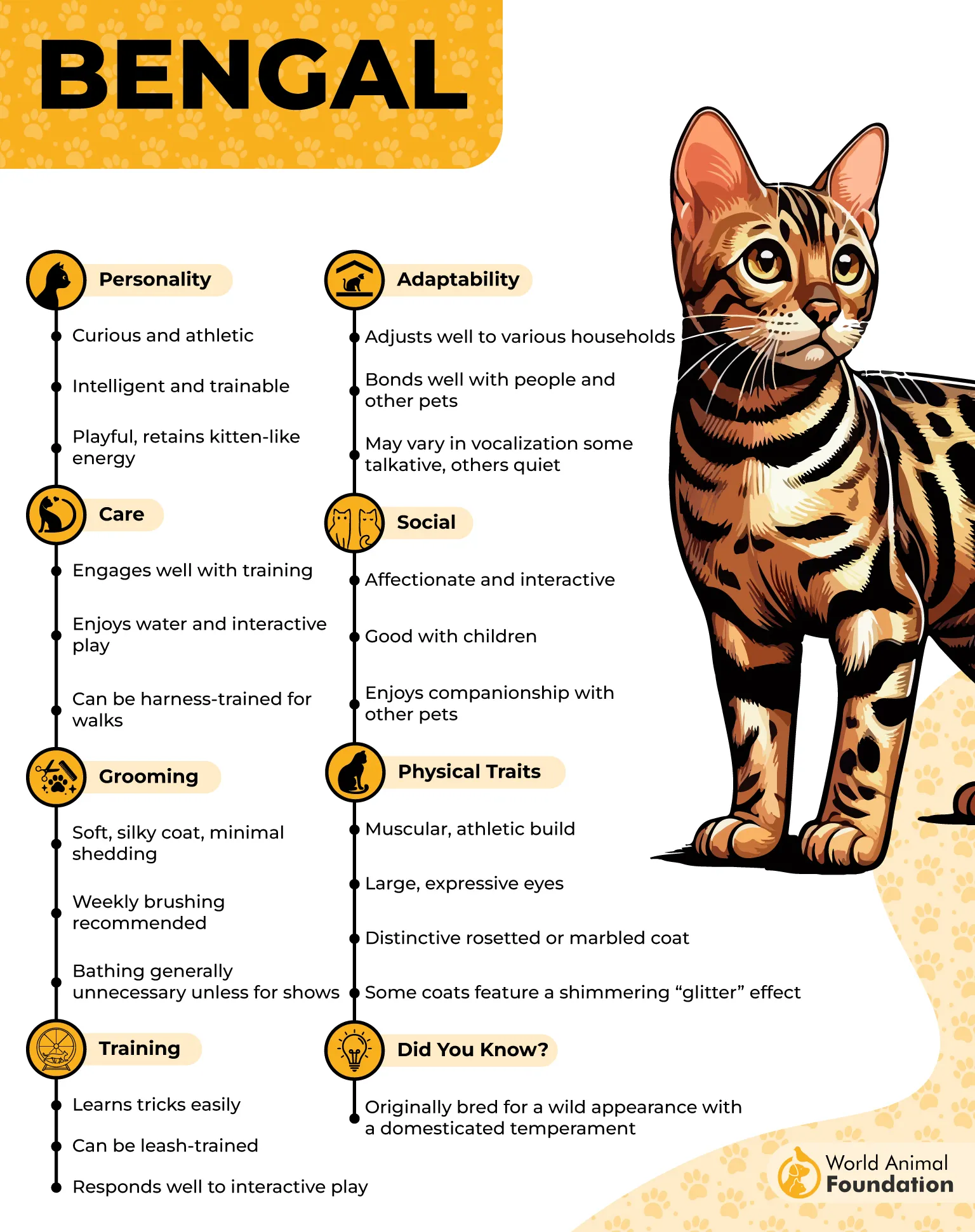
As mentioned by Purina, mental stimulation matters as much as physical activity for Bengals. Give them cat trees, window views, puzzle feeders, and plenty of interactive play. Without it, boredom can turn into mischief, and two Bengals can mean double the chaos!
Fun Fact
Bengals are famously fascinated by running water and often try to interact with it. Watching a Bengal investigate a sink can be surprisingly entertaining.
2. Siamese
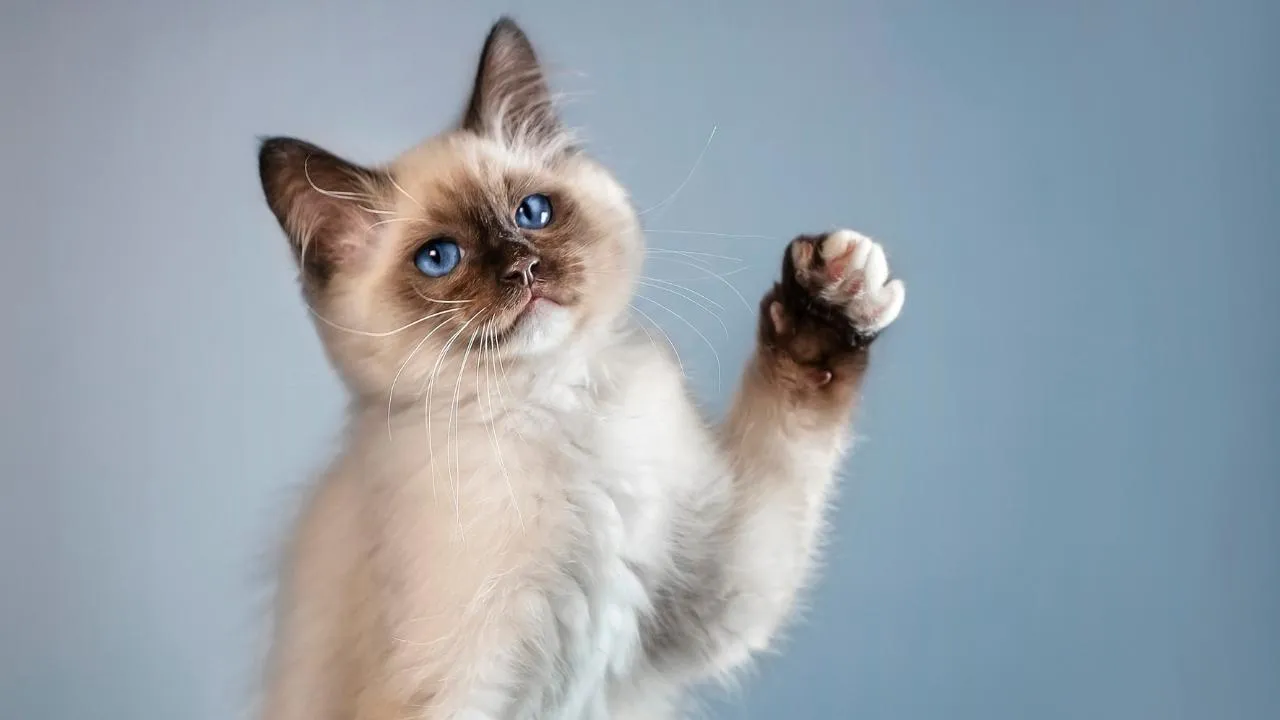
Siamese are highly intelligent and independent, so they can keep themselves occupied without constantly asking for attention. Their personalities are often described as distinctive, which is a polite way of saying they have opinions.
If you want a cat with real presence and confidence, a Siamese is a great choice. They can be companionable without turning every moment into a cuddle appointment. Give them space and a bit of engagement, and they tend to thrive.
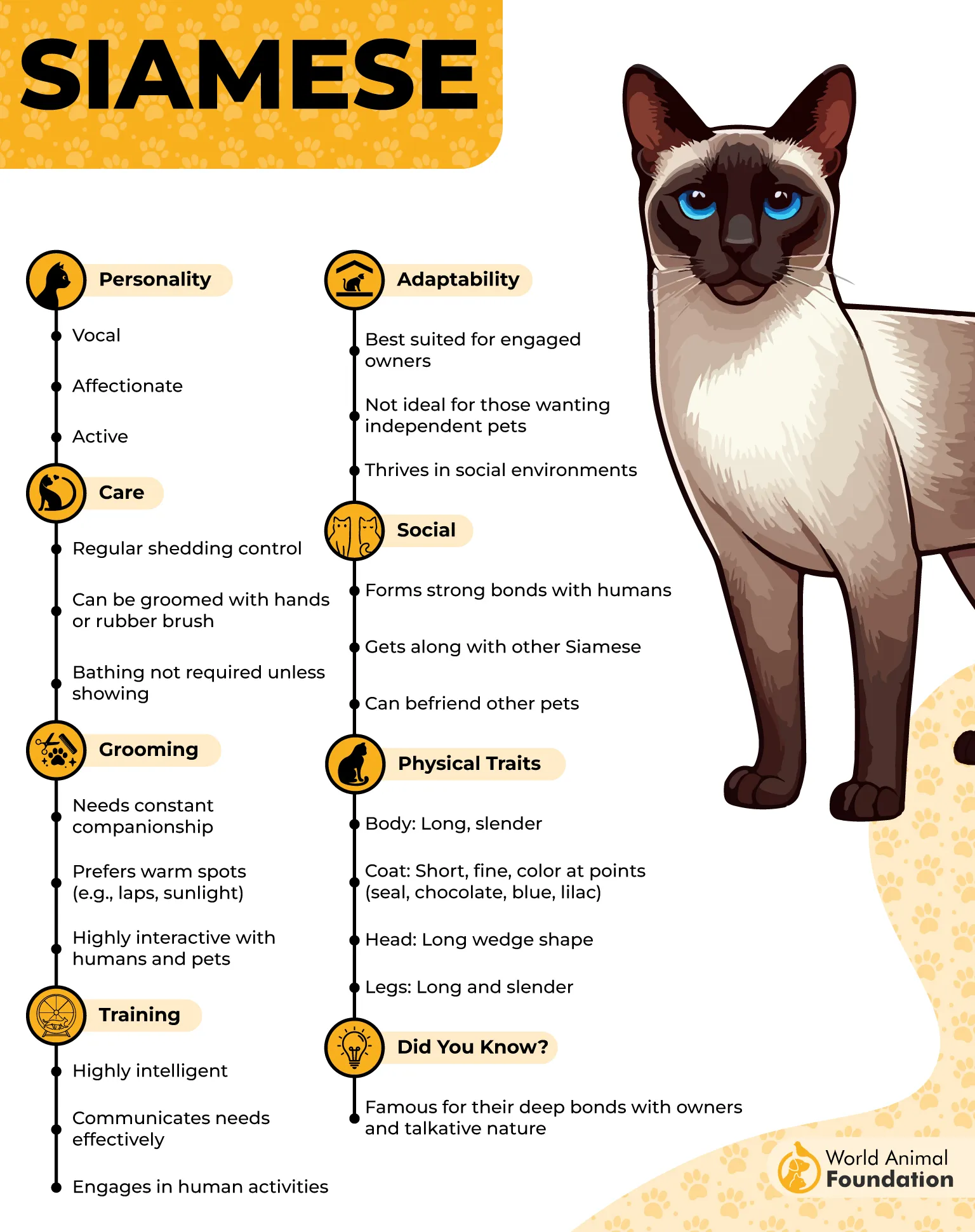
Many Siamese cats form a close bond with one person in the household. That loyalty doesn’t automatically translate into neediness, though; they often strike a comfortable middle ground between hanging out and doing their own thing. You may notice them nearby, then suddenly off on a private patrol.
Fun Fact
Siamese cats are noted as originating from Thailand. Their history is part of why they’re so recognizable and widely admired.
3. Abyssinian
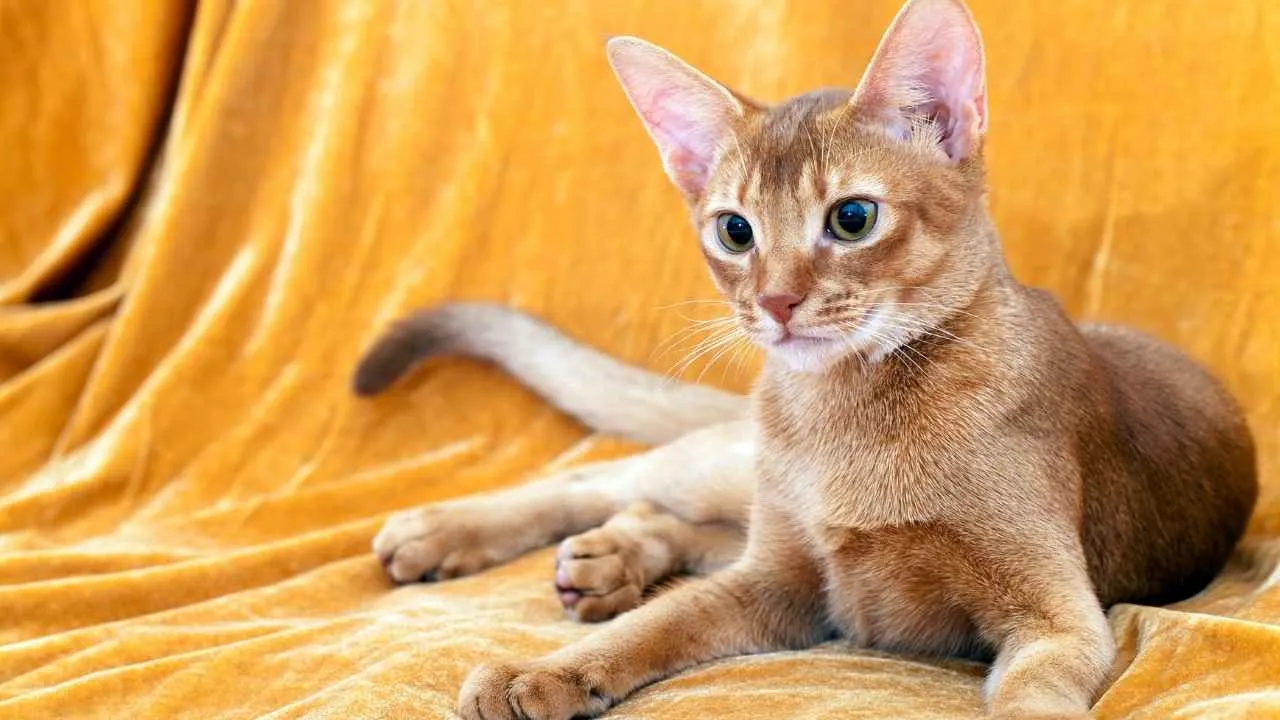
The Abyssinian is a natural explorer, often in motion and rarely idle. Their sleek, ticked coat and lively demeanor make them look perpetually alert. Curious by instinct, they enjoy climbing to the highest point in the room just to see what’s happening below.
Abyssinians have short, silky fur that is low-shedding and easy to maintain. Weekly brushing keeps their coat healthy and provides bonding time. They generally have resilient skin, but checking for dryness or irritation ensures they stay comfortable and happy.
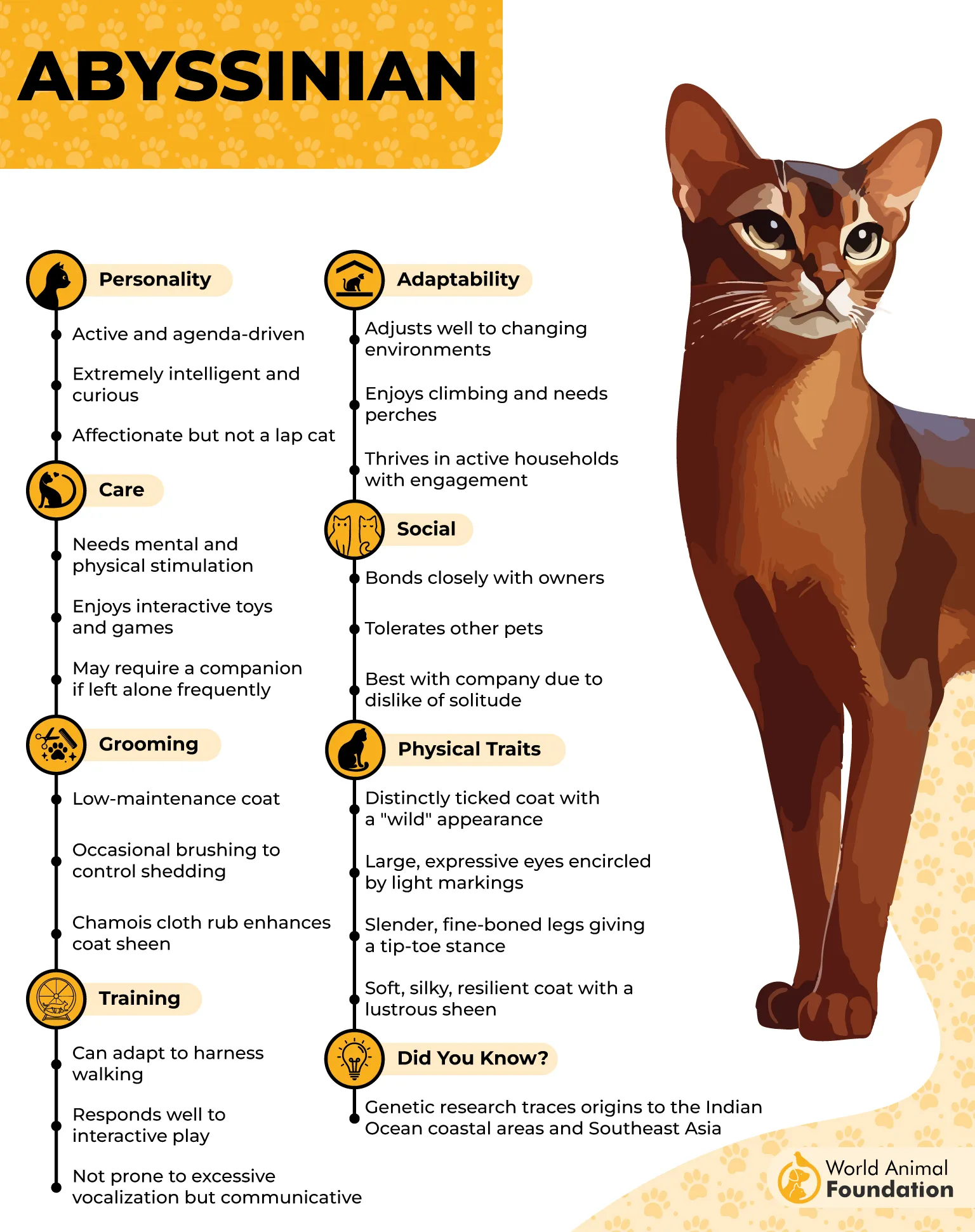
Their independence doesn’t come from aloofness; it’s simply part of their adventurous spirit. As noted by PDSA, it is an active breed with plenty of energy, so providing cat trees and engaging toys helps them burn off that energy and stay content.
Fun Fact
The Abyssinian is one of the world’s oldest known cat breeds, and their ancestors are believed to have roamed regions near the Indian Ocean long before modern breeding began.
4. Russian Blue
The Russian Blue carries a gentle, graceful air that fills a room without a sound. With a soft blue-gray coat and piercing green eyes, they often prefer to observe from a quiet spot rather than be in the middle of activity.
Russian Blues are clever and independent, so training can be a playful challenge. They’ll learn routines like litter box use easily, but often wait patiently for treats or toys. Consistent schedules and tasty rewards keep them engaged and happy.
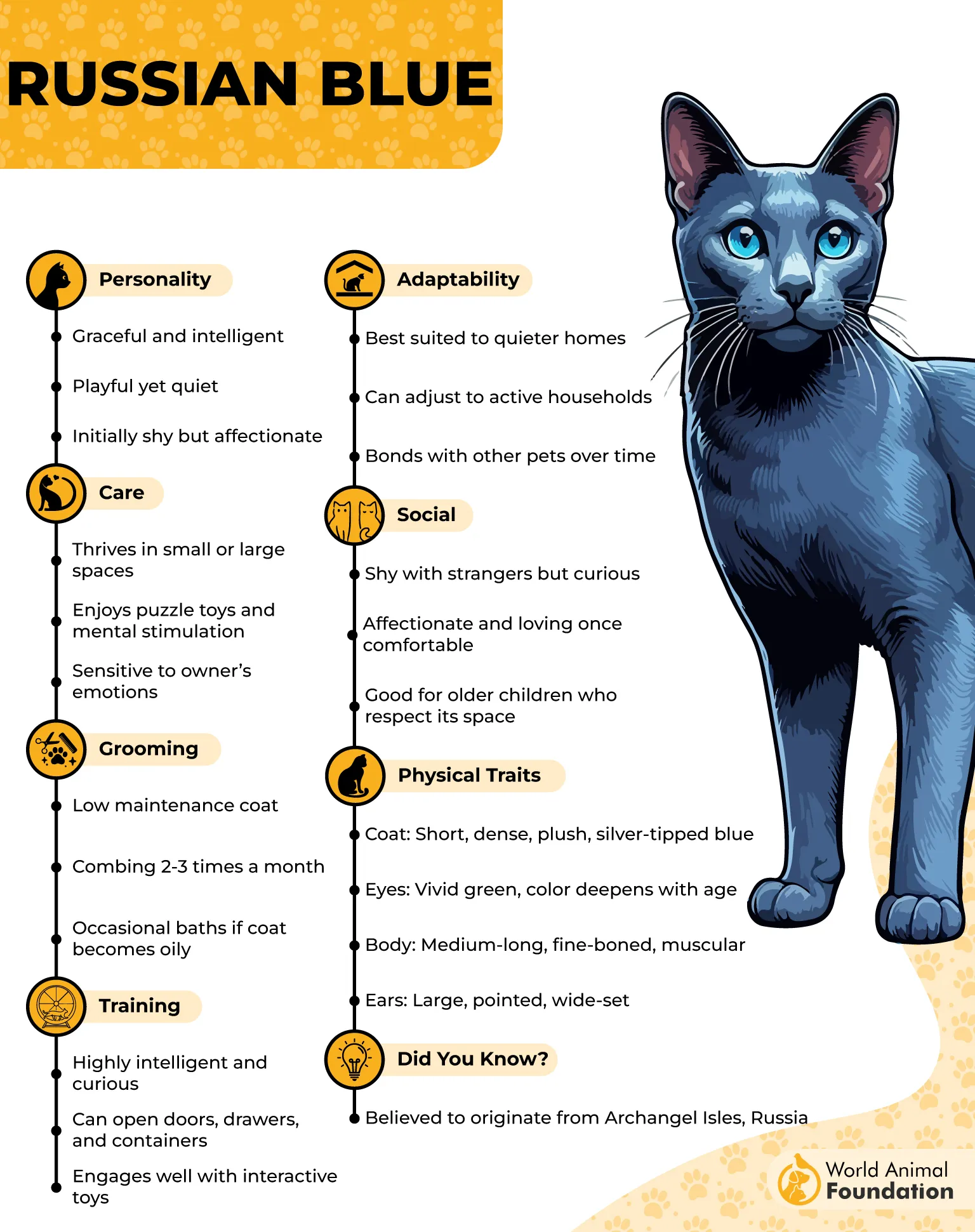
According to PetMD, while affectionate, they’re not demanding and spend time alone comfortably, reflecting a serene confidence. They value routine and calm environments where they can relax without interruption.
Fun Fact
The Russian Blue’s dense double coat often appears to shimmer in certain lighting, giving it a luxurious silvery sheen.
5. British Shorthair
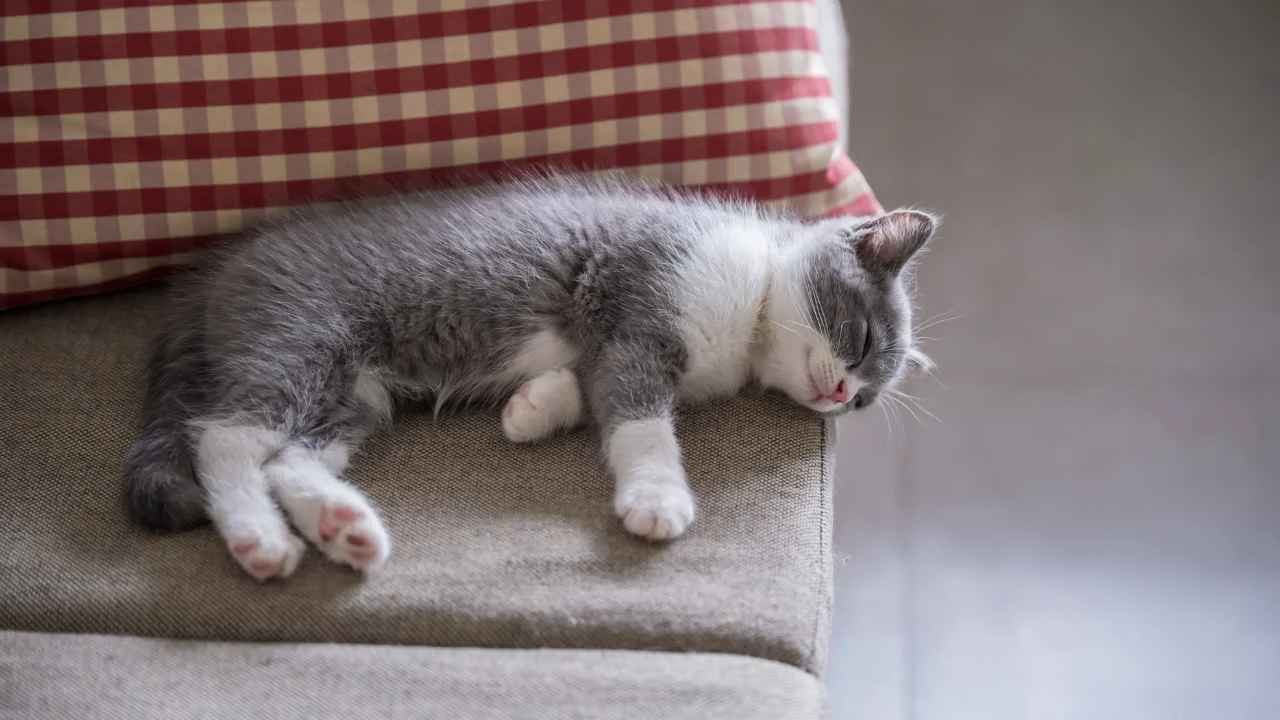
The British Shorthair exudes quiet charm and stability. Their plush coat and rounded features make them look eternally calm, and that’s exactly how they act. They prefer lounging peacefully nearby rather than climbing on laps or chasing excitement.
Low-energy and composed, British Shorthairs bring a cozy, grounded presence to any home. Their independent temperament doesn’t mean they’re detached; just dignified and content with their own company.
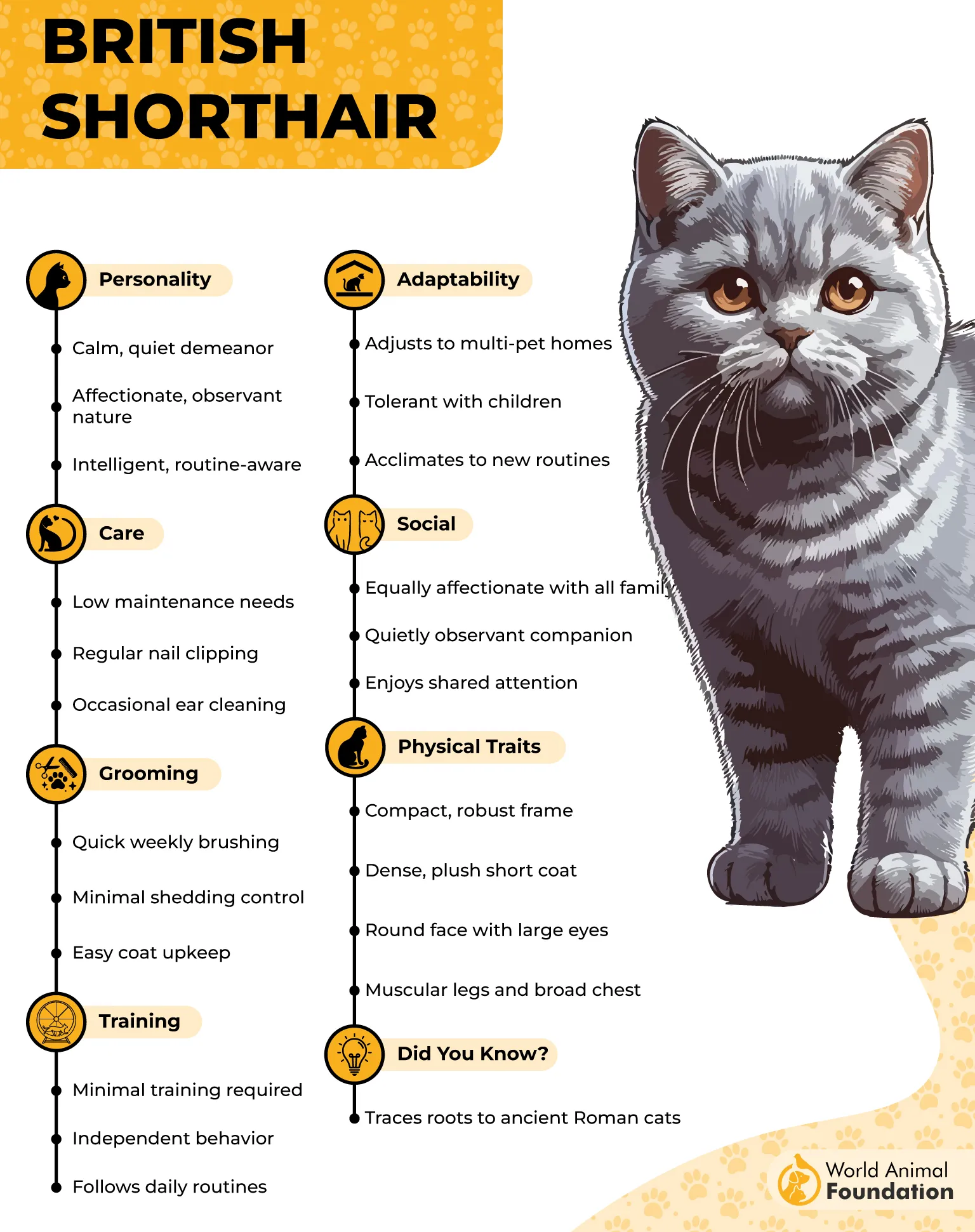
These cats are friendly but value their personal space. They enjoy being around people without constant handling and are content to nap or observe from a distance. Their easy-going nature makes them an excellent choice for calm households or apartment living.
Fun Fact
The breed’s famous blue-gray coat and round face inspired the iconic look of the “Cheshire Cat” from Alice in Wonderland.
6. Scottish Fold
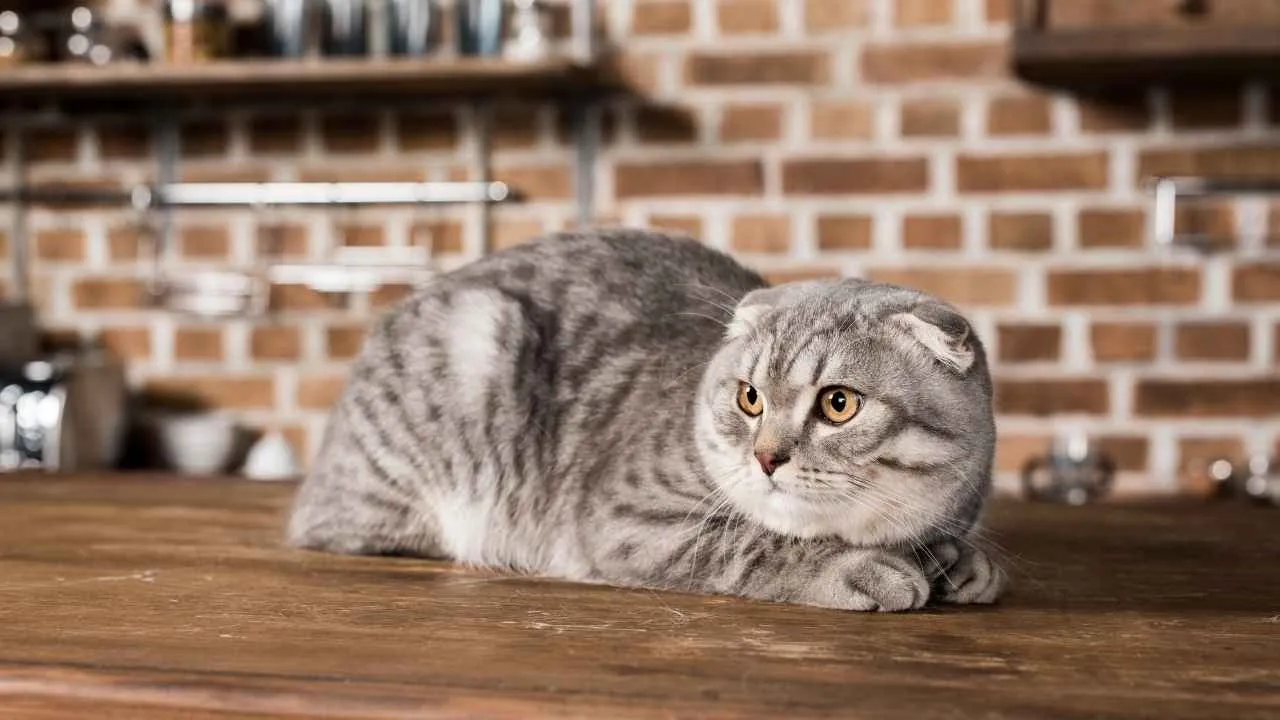
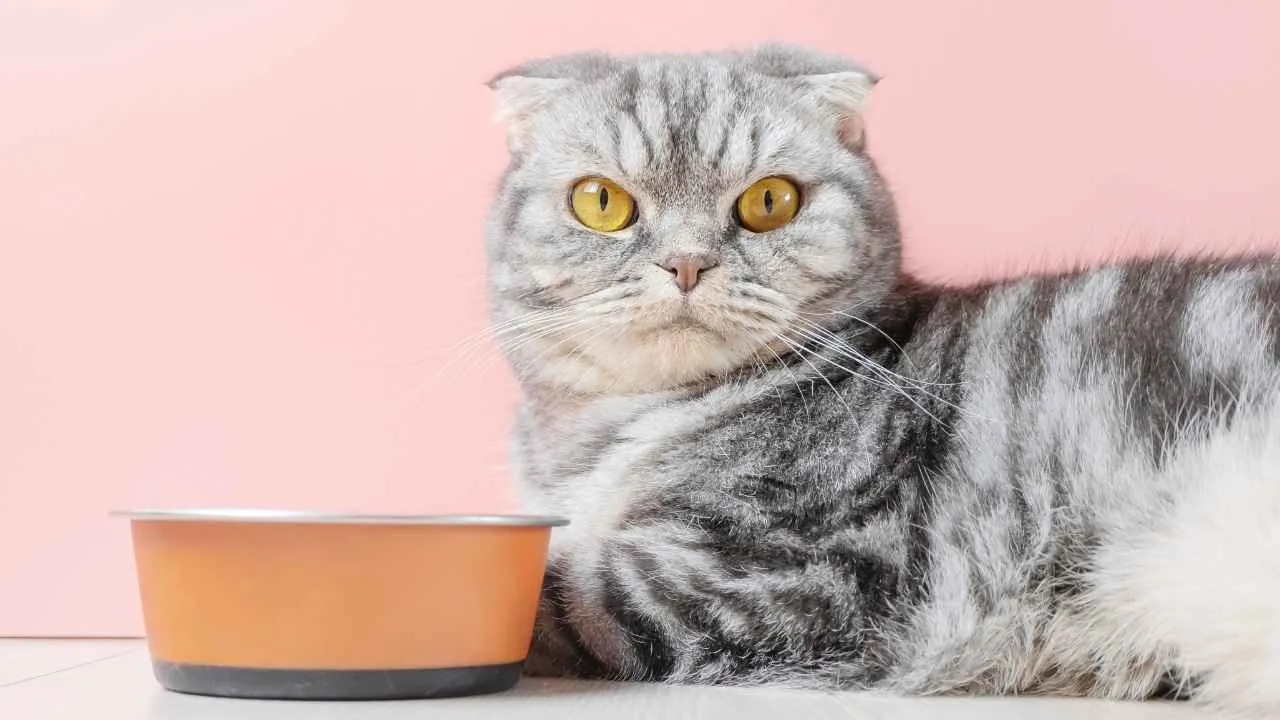
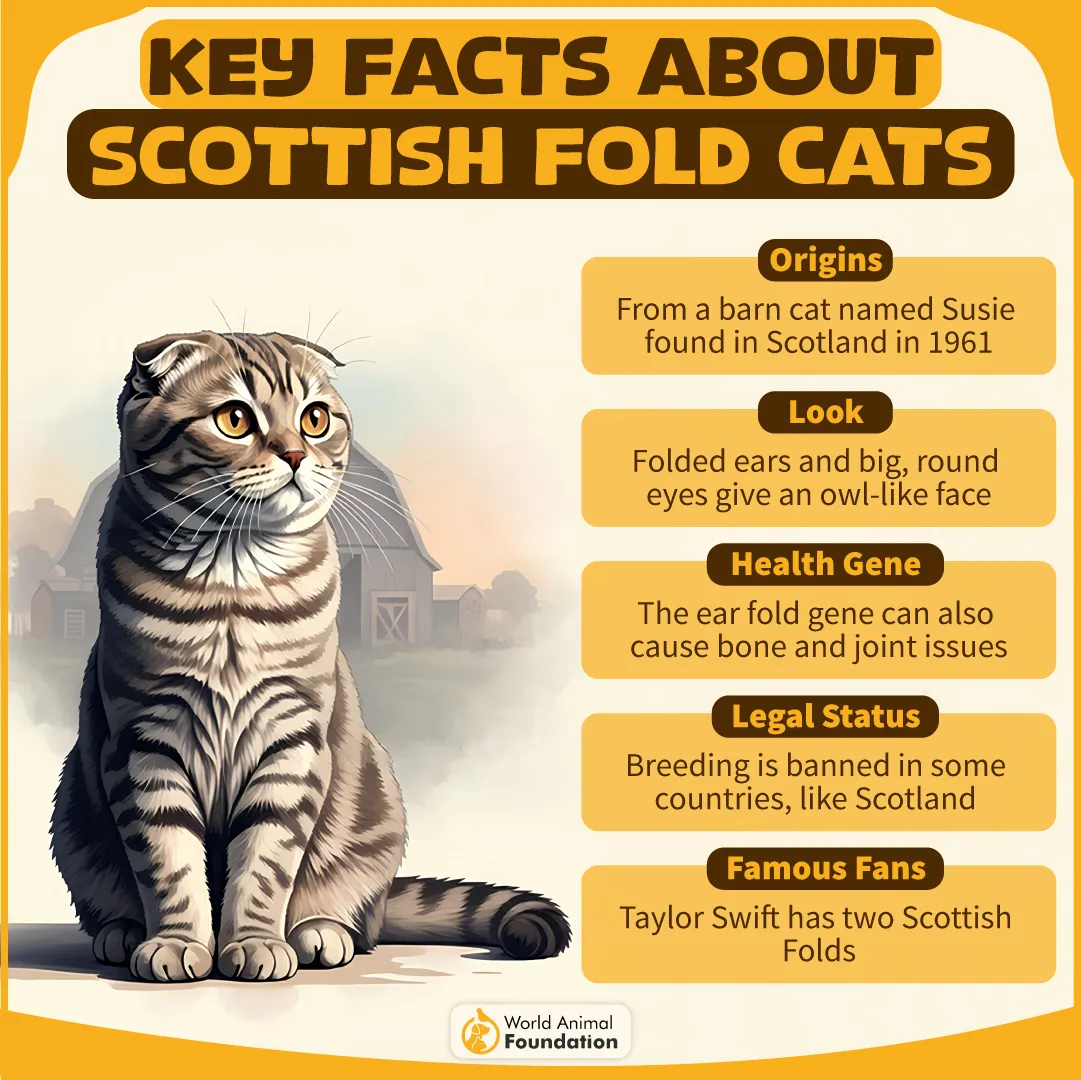
Scottish Folds have a charming, laid-back vibe that’s easy to live with. They often do well with other cats and cat-friendly dogs, so multi-pet homes can suit them. With people, they’re friendly and especially good with kids who treat them kindly.
At home, this cat often lounges first and investigates later, moving at an unhurried pace. They may trail you from room to room, then curl up in a favorite nook and supervise quietly. That blend of closeness and personal space keeps them pleasantly low-effort to live with.

The folded ears are part of the charm, yet they come with serious controversy. Many veterinarians oppose breeding because the folded-ear gene is linked with osteochondrodysplasia, a cartilage and bone disease that can cause pain or debilitation.
Fun Fact
Pop singer Taylor Swift has two Scottish Folds named Olivia and Meredith. A Scottish Fold also appears in the movie Argyll.
7. Norwegian Forest Cat
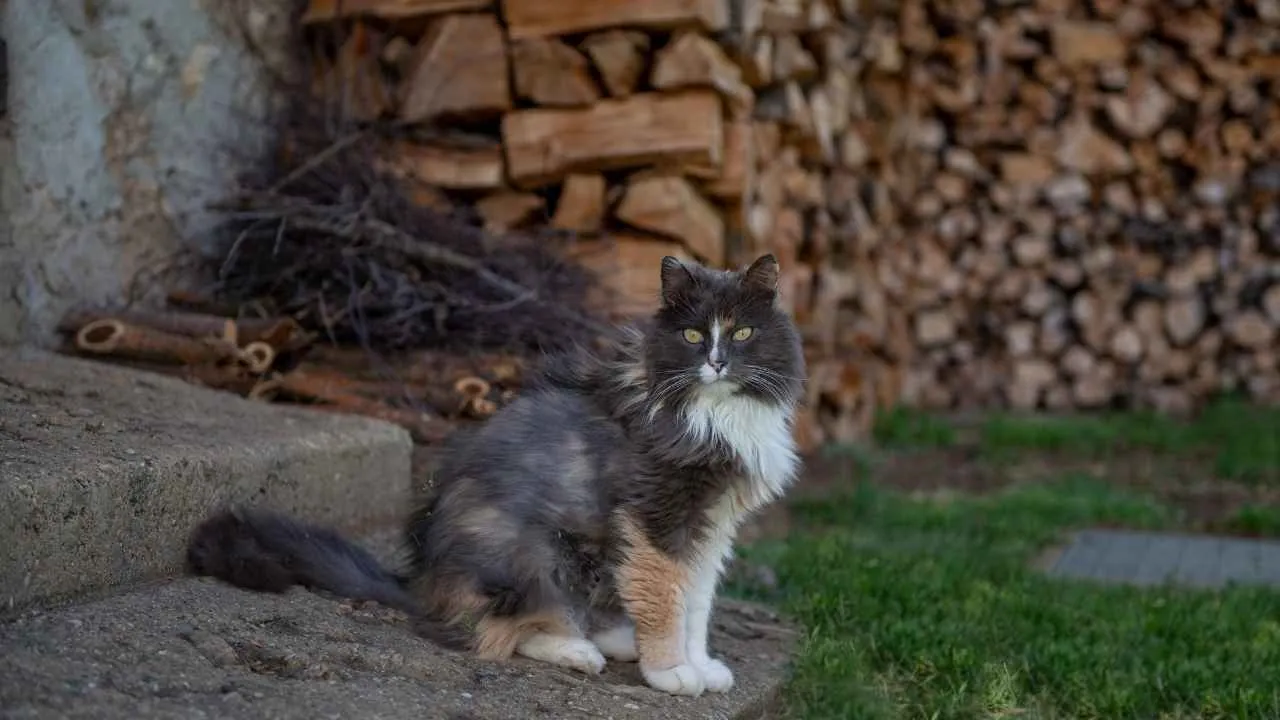
The Norwegian Forest Cat is a friendly breed with a long history in Norway. Vikings kept cats like these on ships to help control rodents. They’re playful and interactive, while still keeping an independent streak.
A hunter’s mindset shows up in their play. Many enjoy pouncing on mouse-like toys or chasing feather wands, then taking a slow “security walk” through their space. They might even start chasing birds or other animals if they get the chance, so keep a close eye on them when you’re outdoors together.
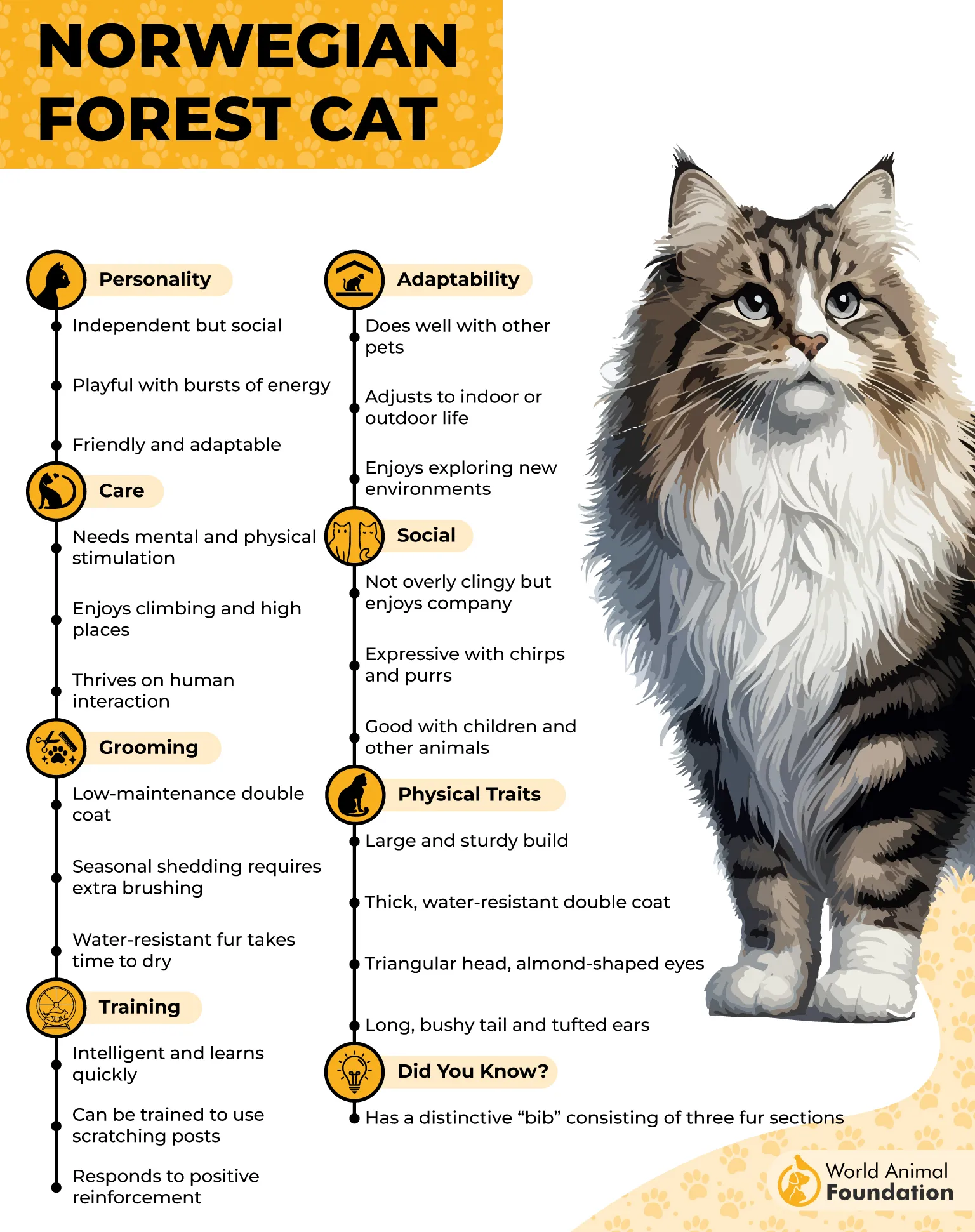
That thick, water-repellent coat needs regular combing to prevent mats, and seasonal shedding can mean extra grooming. Climbing is a big deal, so tall cat trees and sturdy shelving help them explore safely. Hot weather is not their favorite, so a cool hangout spot can make a big difference.
Fun Fact
In Norway, the breed is called skogkatt, meaning “forest cat.” Norse tales even connect these impressive climbers with the goddess Freyja.
8. Maine Coon
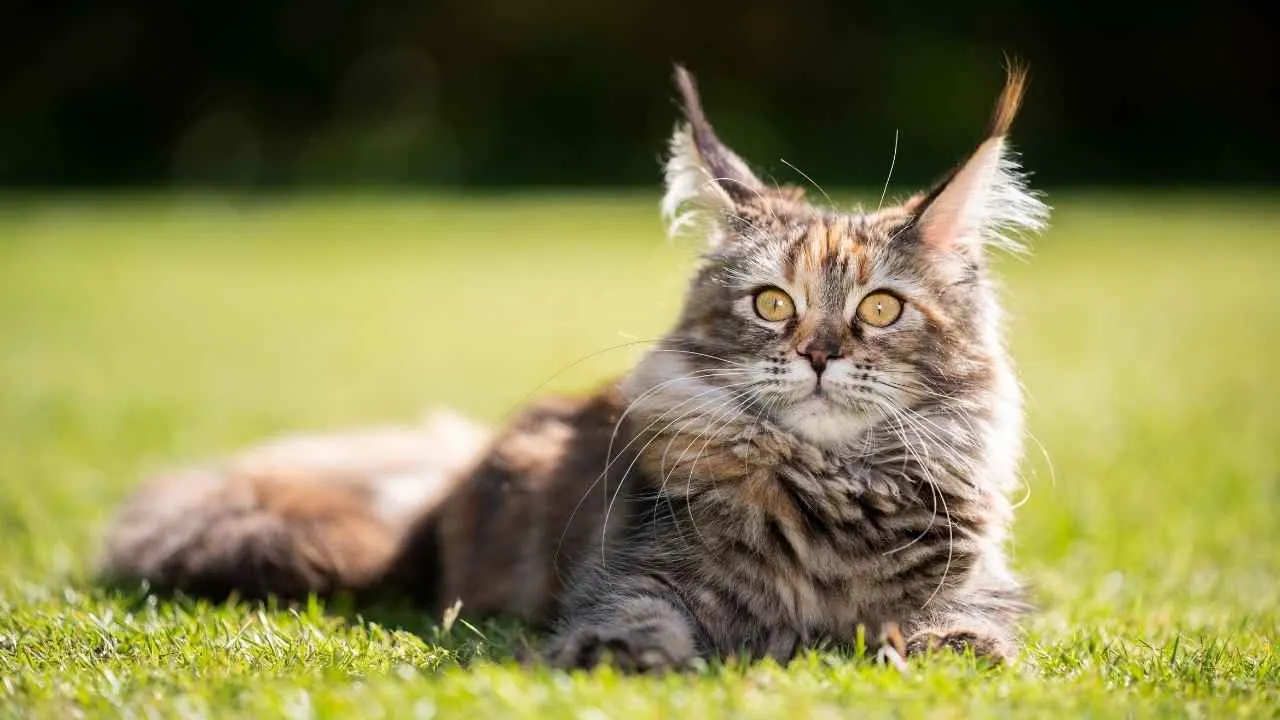
A Maine Coon is a large cat that often alternates between playful curiosity and long naps. They’re gentle and friendly with family, yet they manage solo downtime well, so they’re not constantly underfoot. Many owners hear more chirps, chatters, and trills than classic meows.
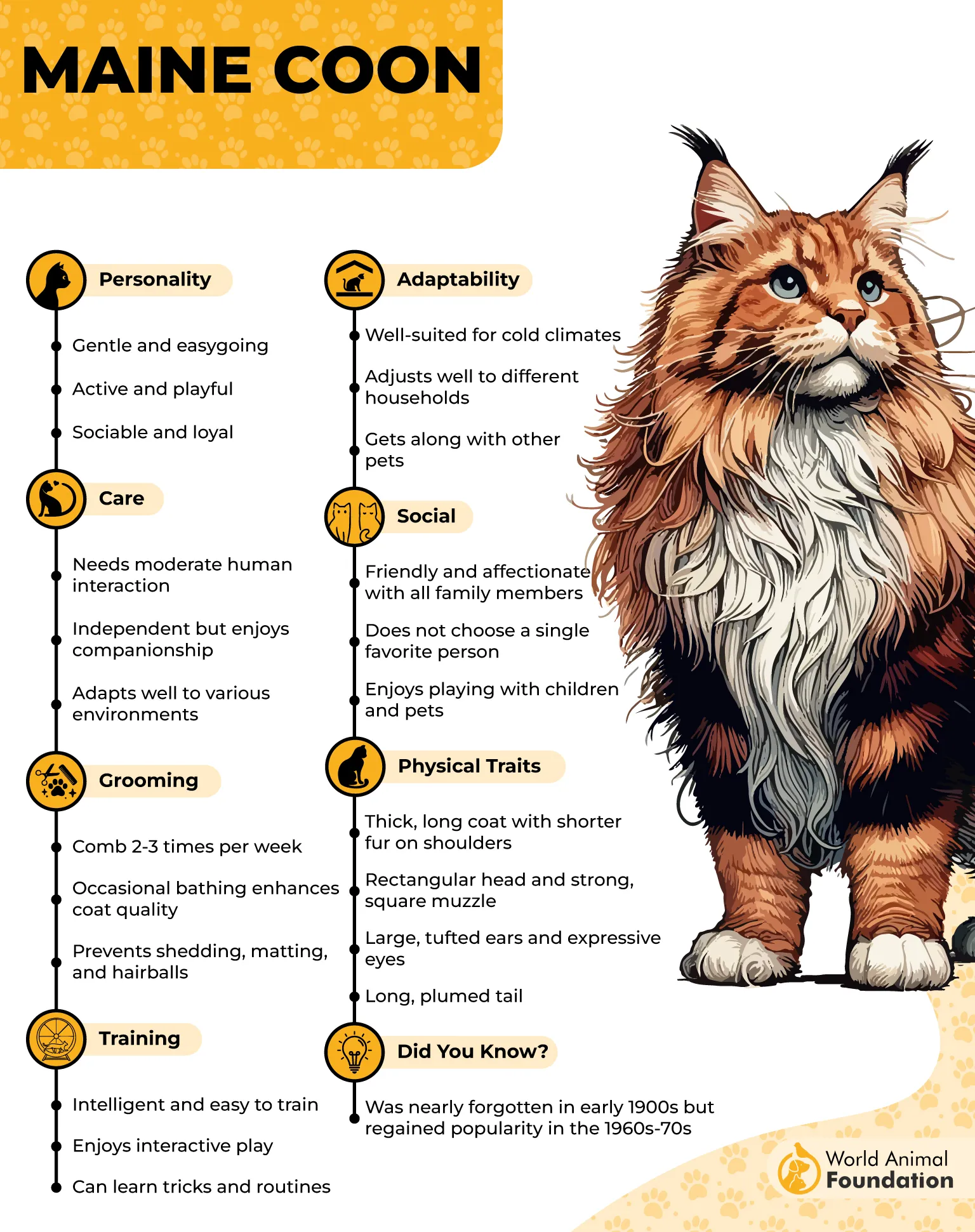
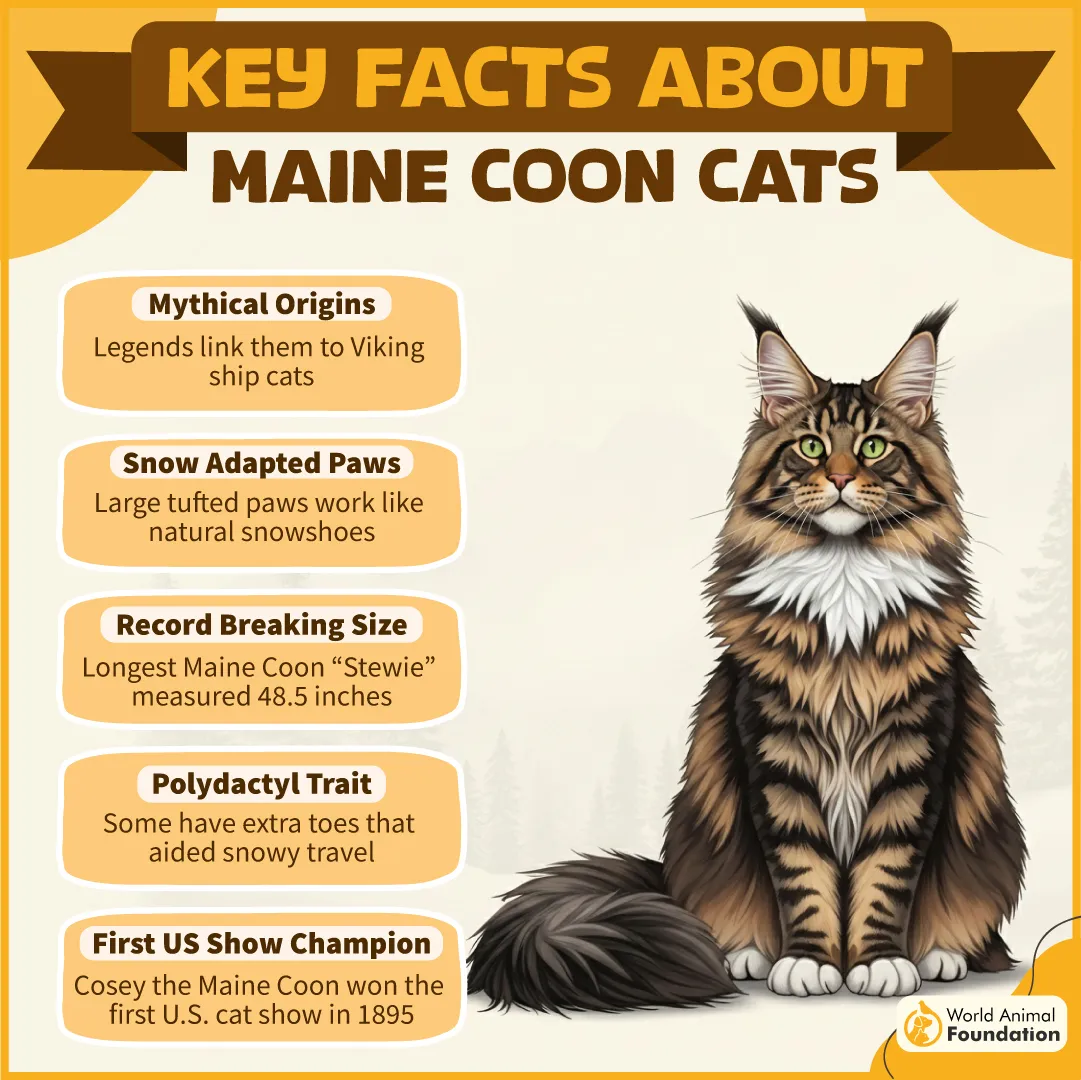
This gentle giant is recognized by a long, bushy tail, tufted paws made for snow, and ears with little points of hair at the tips. Their coat is smooth and shaggy, shorter on the shoulders and longer on the stomach. Regular grooming is expected, and many Maine Coons accept brushing with good humor.
Daily play and social time help keep them content and can curb problems like furniture scratching or extra noise. After a few short play sessions, they’re usually happy to snooze in a cat bed, on a sunny windowsill, or on the couch nearby. It’s an easy rhythm for family life.
Fun Fact
Folktales about the Maine Coon include royal escape stories and seafaring legends. A popular myth says they’re part raccoon, but that idea is genetically impossible.
9. Persian
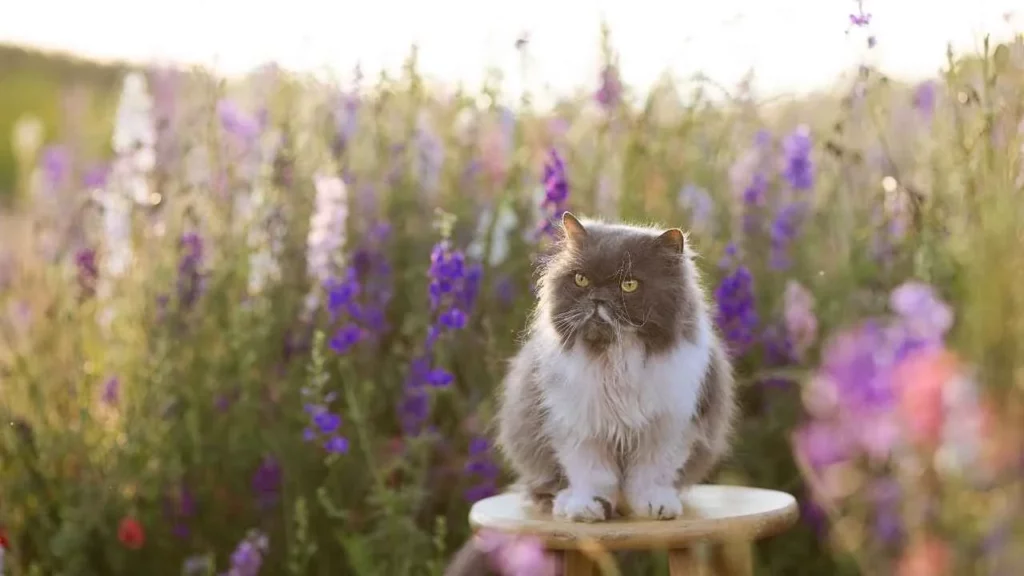
Persian cats are known for luxurious long coats and sweet, expressive faces. Their temperament is relaxed, and they enjoy hanging out with their people without acting pushy about it. When the house is busy, they often choose a quiet corner and watch with calm focus.
They’re perfectly fine spending time on their own, especially when the plan involves grooming that impressive fur or settling into a favorite lounging place. This self-sufficient side can suit someone who works long hours or travels regularly. Give them a comfortable routine, and they tend to handle daytime alone time smoothly.
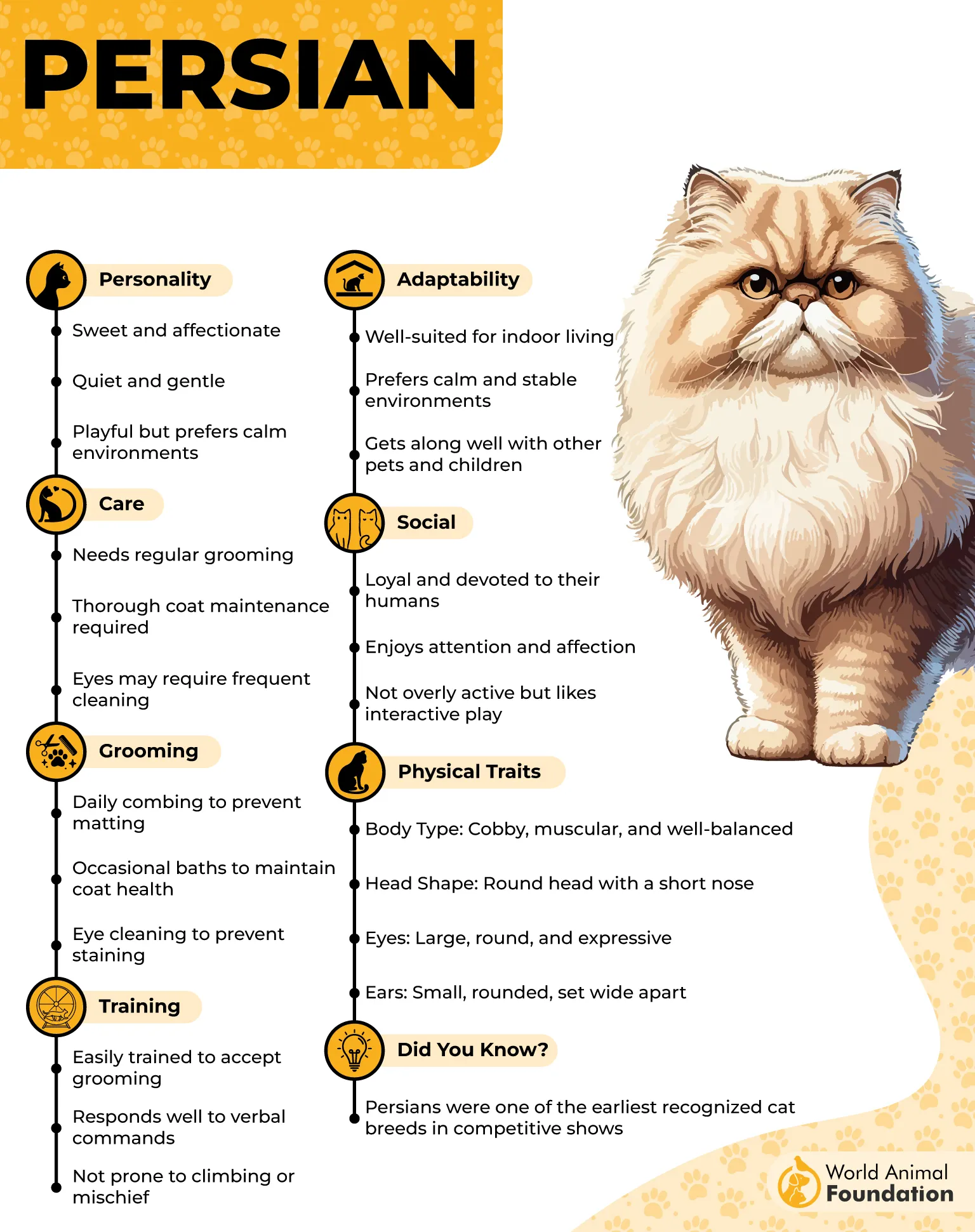
With family, Persians can be very affectionate, though they may be a little shy around strangers. That can look like a warm greeting for familiar faces and a polite retreat when new visitors arrive. If you enjoy a cat who keeps things mellow, a Persian can feel like the living room’s resident zen coach.
Fun Fact
Queen Victoria owned several Persian cats, which helped boost the breed’s popularity among British high society. Early examples of the breed were shown at London’s first cat show.
10. American Shorthair
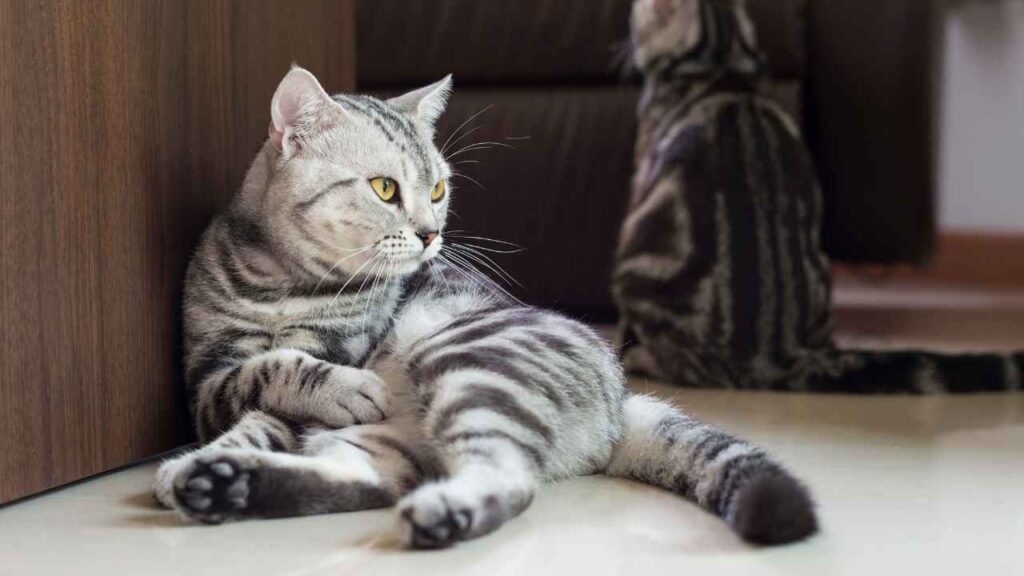
The American Shorthair has an easy-going, adaptable personality that fits a wide range of households. Changes in routine usually don’t rattle them much, so they can roll with a busy week or a lazy weekend.
Looks-wise, this breed is often described as muscular with a round face and a short coat. Grooming is straightforward, with weekly brushing typically keeping the coat in good shape. Put together, you get a cat that can be social on cue, then happily self-entertain when the house is occupied elsewhere.
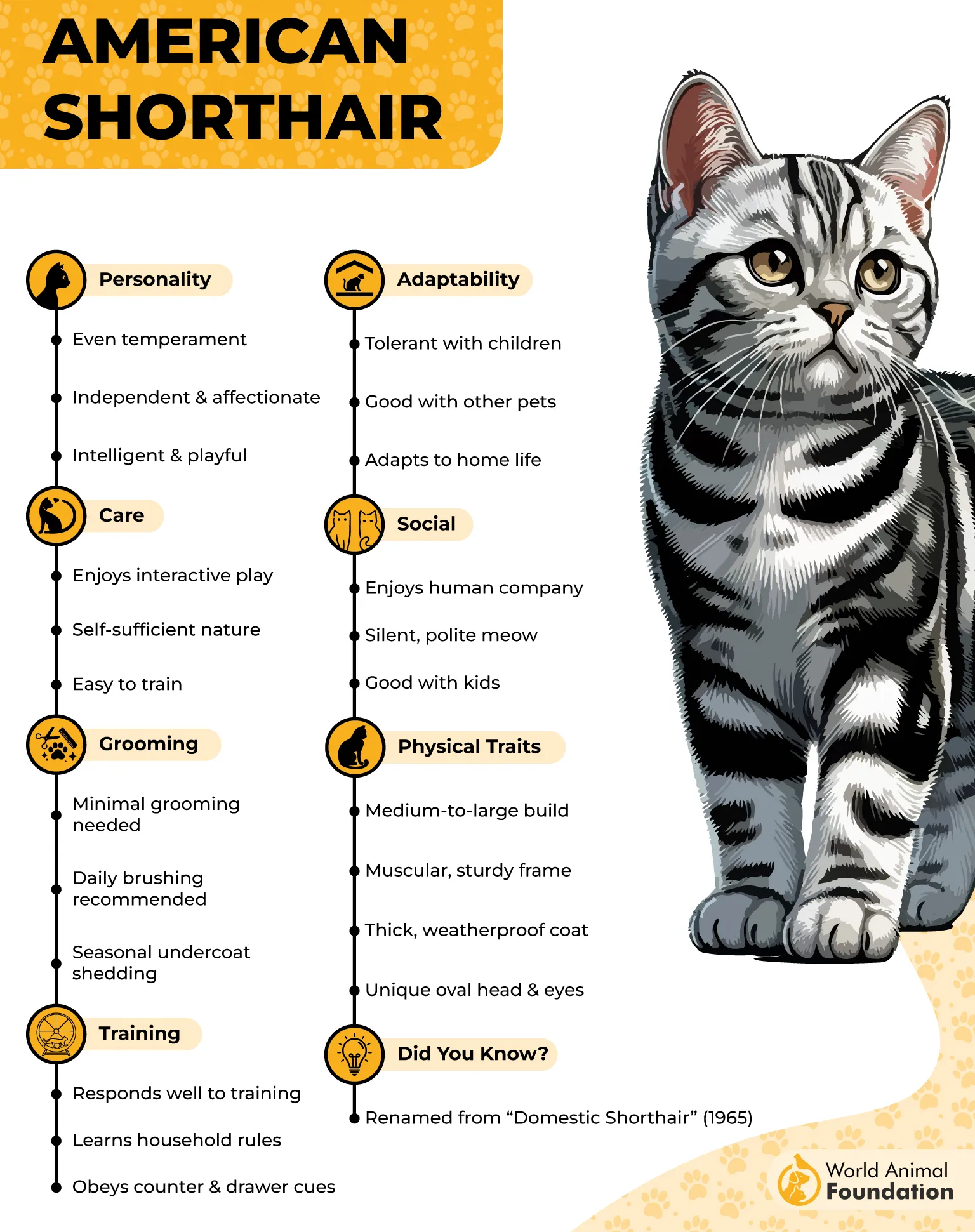
A strong hunting instinct often shows up as indoor exploration and play. Some will “watch over” their territory from a lookout spot, then switch to batting toys around when the mood hits. They can enjoy time with you and still handle quiet hours alone without fuss.
Fun Fact
American Shorthairs come in over 80 colors and patterns, and their friendly, self-sufficient nature means they love playtime but can happily entertain themselves too.
Conclusion
Solitude-loving cats show us that connection does not require constant attention. From playful explorers to calm observers, these breeds bring personality, charm, and affection on their own terms, making every interaction feel special and rewarding.
Think about the kind of companionship you want in your home. If calm presence, curiosity, and gentle affection suit your lifestyle, one of these independent cat breeds could fit seamlessly into your daily rhythm, giving you a connection without constant demand.
Engage with these breeds by visiting a shelter or breeder and meeting them in person. Observe their personalities and see which one sparks a bond that feels just right for your home and lifestyle.
