




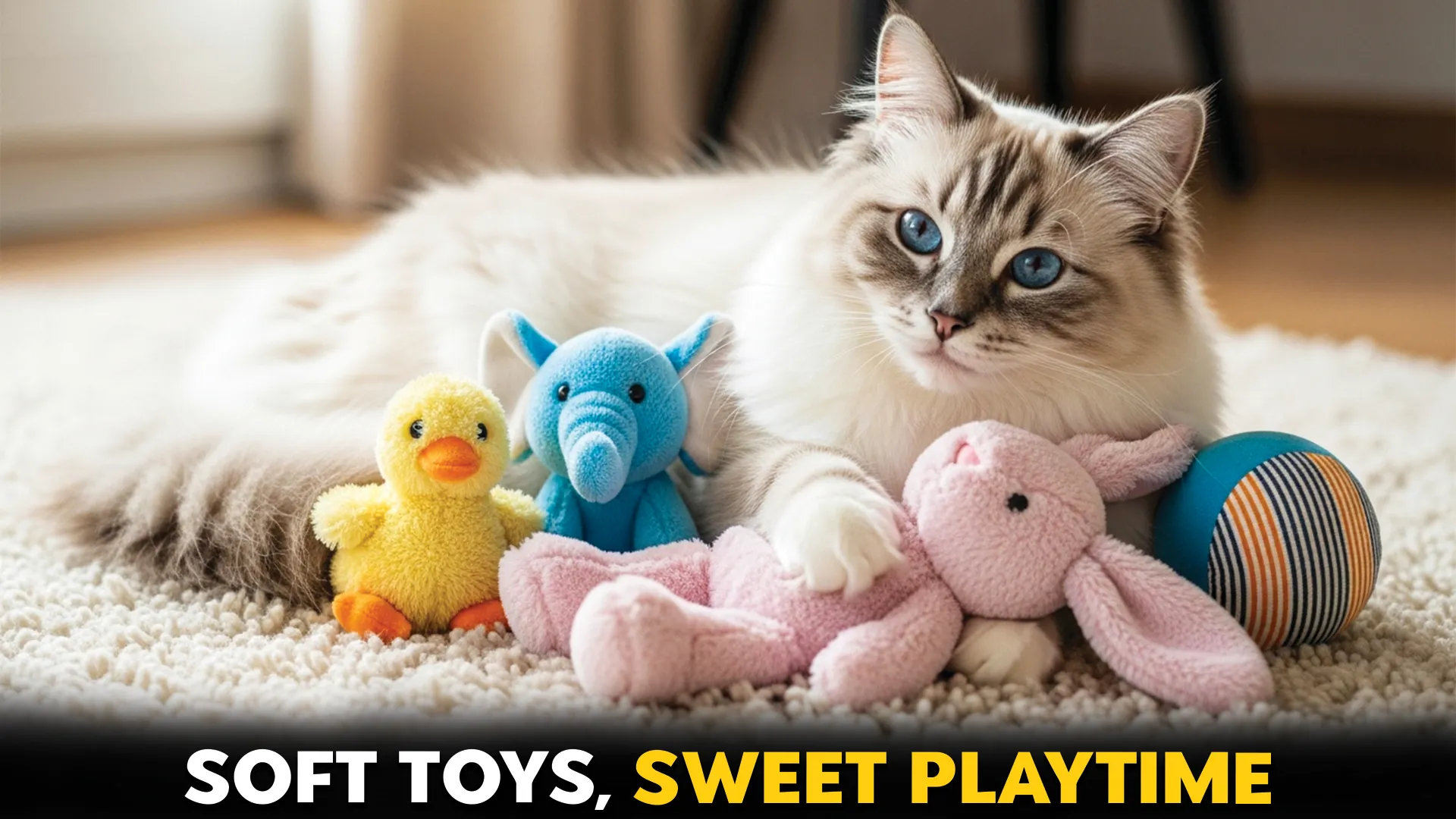
Cats may all enjoy playtime, but not every feline is drawn to the same toys. While some prefer chasing lasers or climbing towers, other breeds show a clear affection for soft, plush toys they can cuddle, knead, or gently carry around.
Soft toys often appeal to cats with calmer, more affectionate personalities. Breeds known for their gentle nature tend to enjoy toys that mimic comfort rather than competition, treating plush items as companions instead of prey.
This behavior can be linked to early developmental instincts, emotional sensitivity, and a strong desire for close interaction with familiar textures. For these cats, playtime doubles as a source of relaxation and security.
In this article, we explore seven cat breeds that especially prefer soft toys. From cuddly companions to intelligent, emotionally attuned felines, these affectionate cats highlight how play preferences vary—and why choosing the right toys can strengthen the bond between you and your cat.
Cat Breeds That Prefer Soft Toys
1. Ragdoll
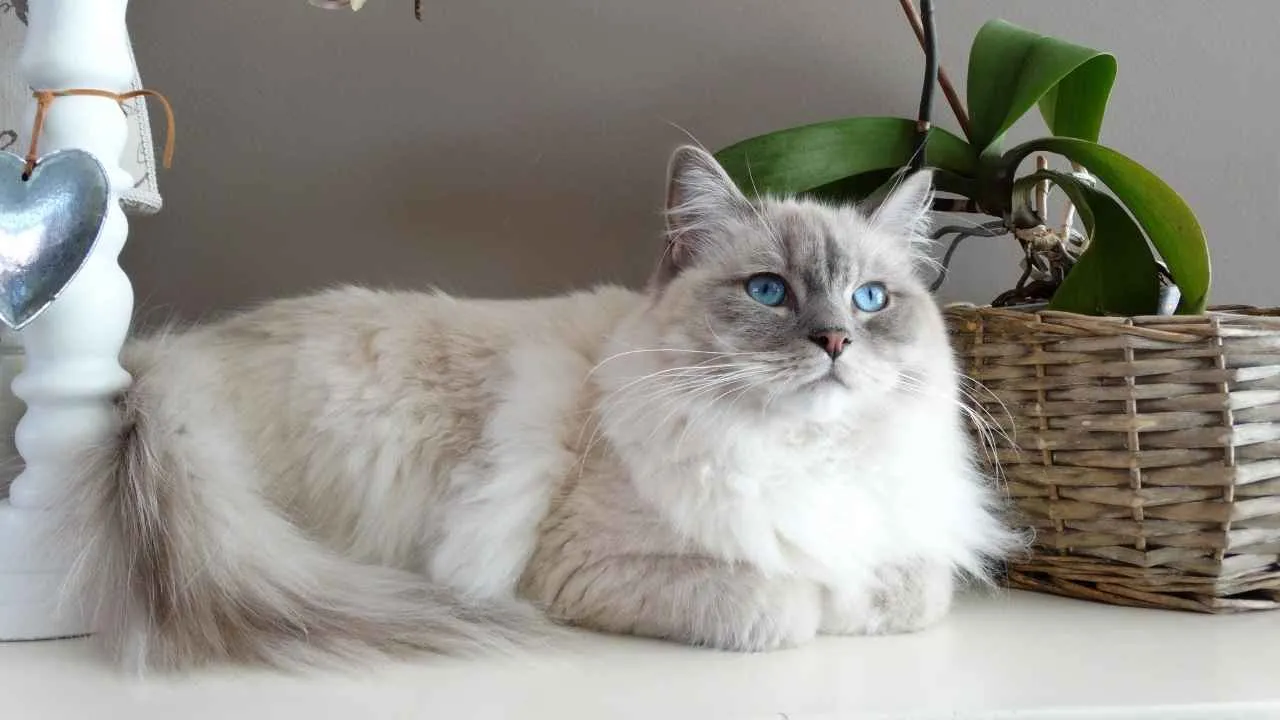
The Ragdoll, sometimes called the gentle giant, is also linked to its California origins and possible ties to Persian or Birman lines. According to Britannica, the Ragdoll is a long-haired cat breed known for completely relaxing its muscles when lifted, causing it to resemble a limp rag doll.
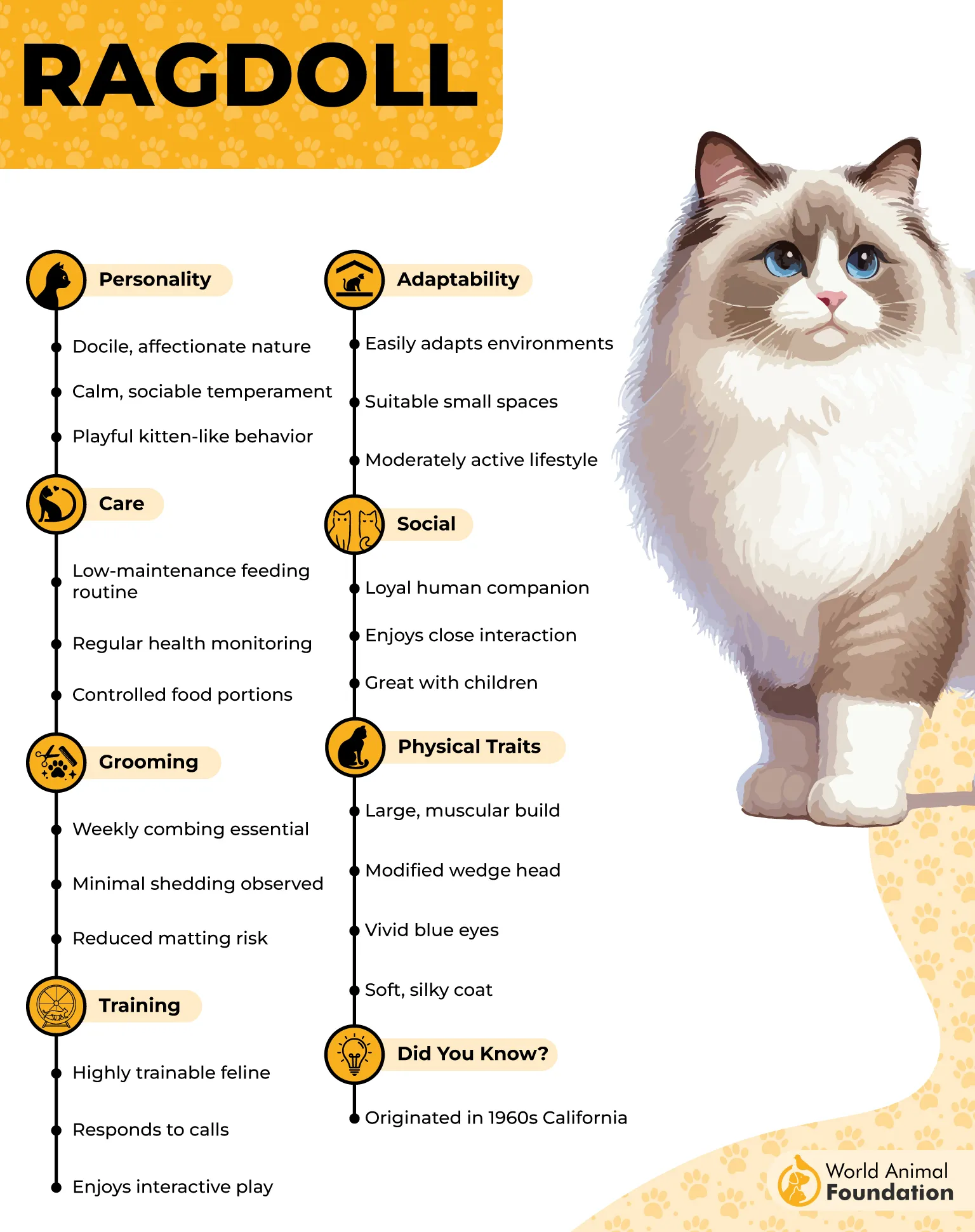
Because of their relaxed temperament, Ragdolls gravitate toward soft toys they can bat, cuddle, or carry rather than rough, high-intensity playthings. Plush mice, fabric balls, and stuffed toys appeal to their gentle play style and need for comfort.
Ragdolls enjoy light, interactive play that feels soothing rather than overstimulating. Soft toys allow them to engage at their own pace, providing mental stimulation without overwhelming their laid-back energy levels.
Their strong bond with owners means they often play nearby, treating plush toys as extensions of companionship rather than prey.
Fun fact: Ragdolls earned their name because many go limp and relaxed when picked up.
2. Persian
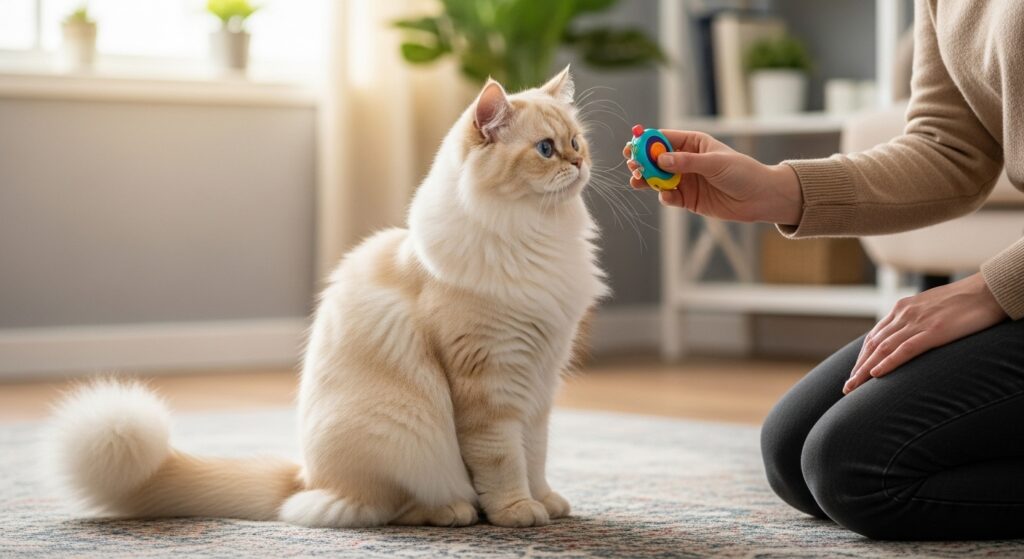
The Persian, also known as the Longhair or Iranian cat, is one of the oldest and most recognisable breeds, famous for its round face, large eyes, and luxurious coat. Calm and placid by nature, this breed is built for comfort rather than chaos.
According to PetMD, Persian cats are believed to be among the oldest cat breeds, with origins that may date back to the 1600s.
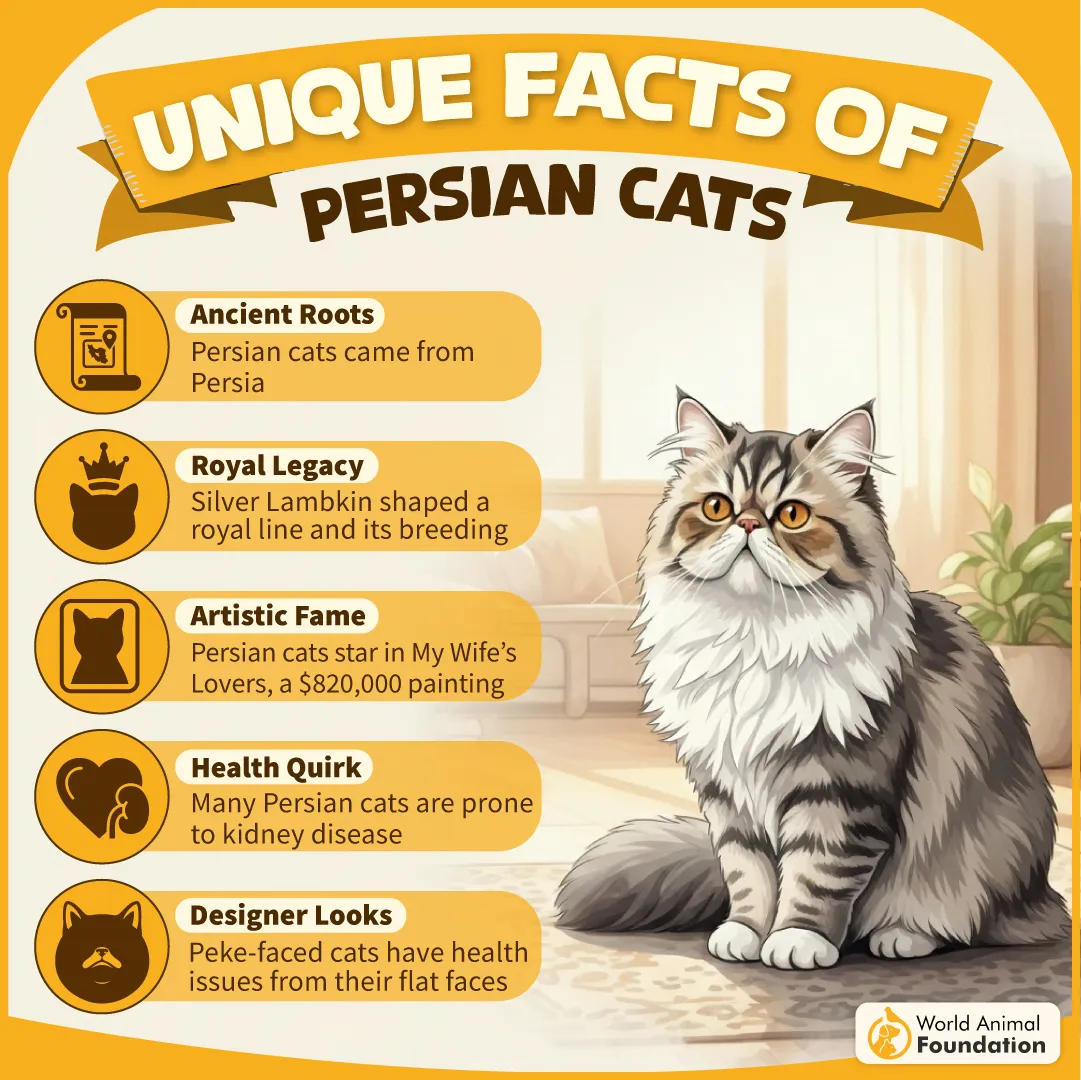
Persians naturally gravitate toward soft toys that match their gentle play style. Instead of chasing fast-moving objects, they prefer plush toys they can paw, cuddle, or quietly bat while lounging beside their favorite person.
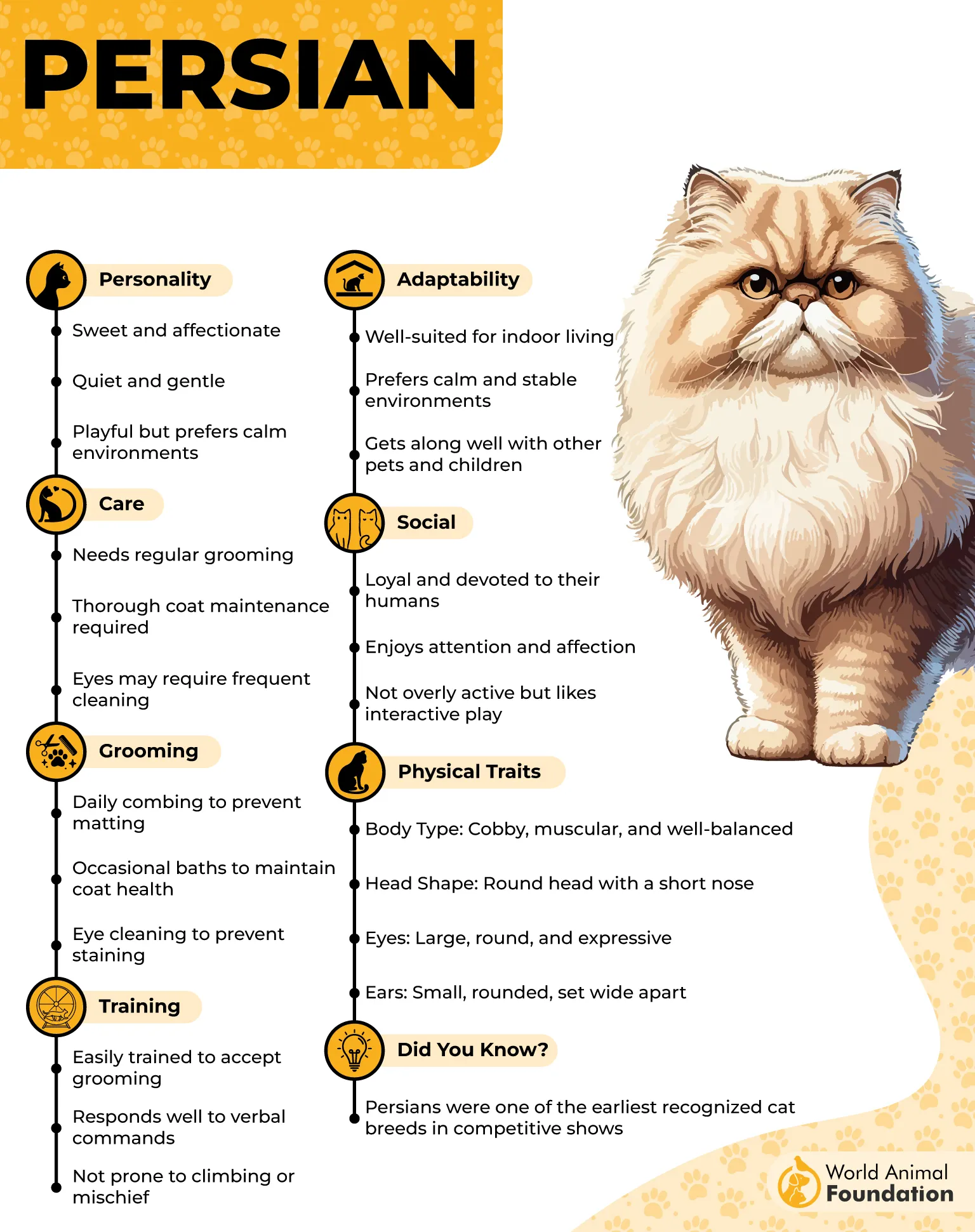
Because they’re not highly athletic or energetic, soft toys offer the perfect balance of stimulation without overstimulation. These toys suit their slow-paced routines and allow them to engage playfully while remaining relaxed and settled.
Highly intelligent yet undemanding, Persians enjoy interactive moments that feel soothing rather than intense. A plush toy often becomes part of their daily lounging ritual, reinforcing their love of calm, cozy play.
Fact: Persian cats are known to sleep and lounge extensively as adults, earning them the nickname “furniture with fur.”
3. Exotic Shorthair
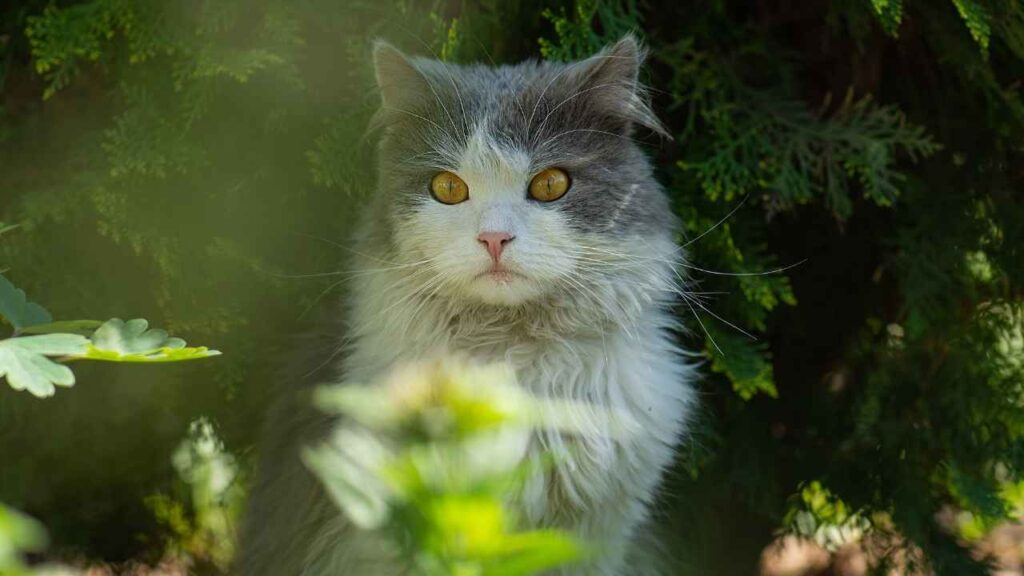
The Exotic Shorthair, often called the “lazy person’s Persian,” is a short-haired cousin of the Persian with the same round face, big eyes, and teddy-bear look.
According to WebMD, Exotic Shorthairs are known for being affectionate and gentle cats. This medium-to-large breed is people-oriented, making it a natural indoor companion.
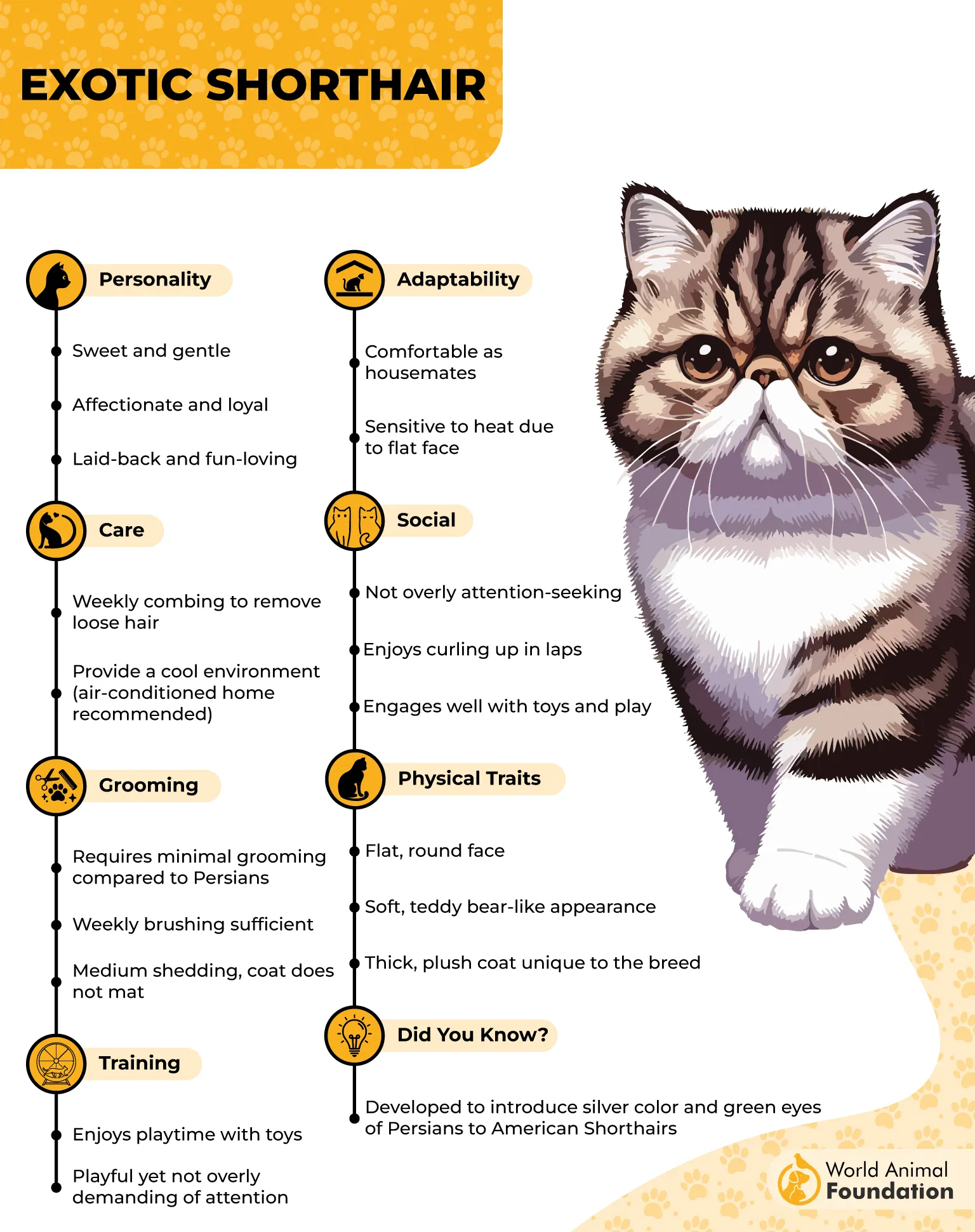
Calm by nature, Exotic Shorthairs tend to prefer soft toys they can bat, hug, or nap beside rather than fast-paced chase games. Plush mice, fabric balls, or stuffed toys suit their relaxed play style and match their love of comfort over chaos.
Unlike high-energy breeds, Exotics enjoy short, quiet play sessions followed by long cuddle breaks. Soft toys appeal to their nurturing instincts and allow them to play independently without overstimulation, which fits perfectly with their low-energy personality.
Their strong bond with humans also means they associate comfort toys with security, especially when resting nearby. With a dense, plush coat and mellow temperament, this breed thrives on cozy routines and gentle play.
Fact: Exotic Shorthairs typically weigh up to 15 pounds and are known for their easygoing, low-energy personality.
4. Birman
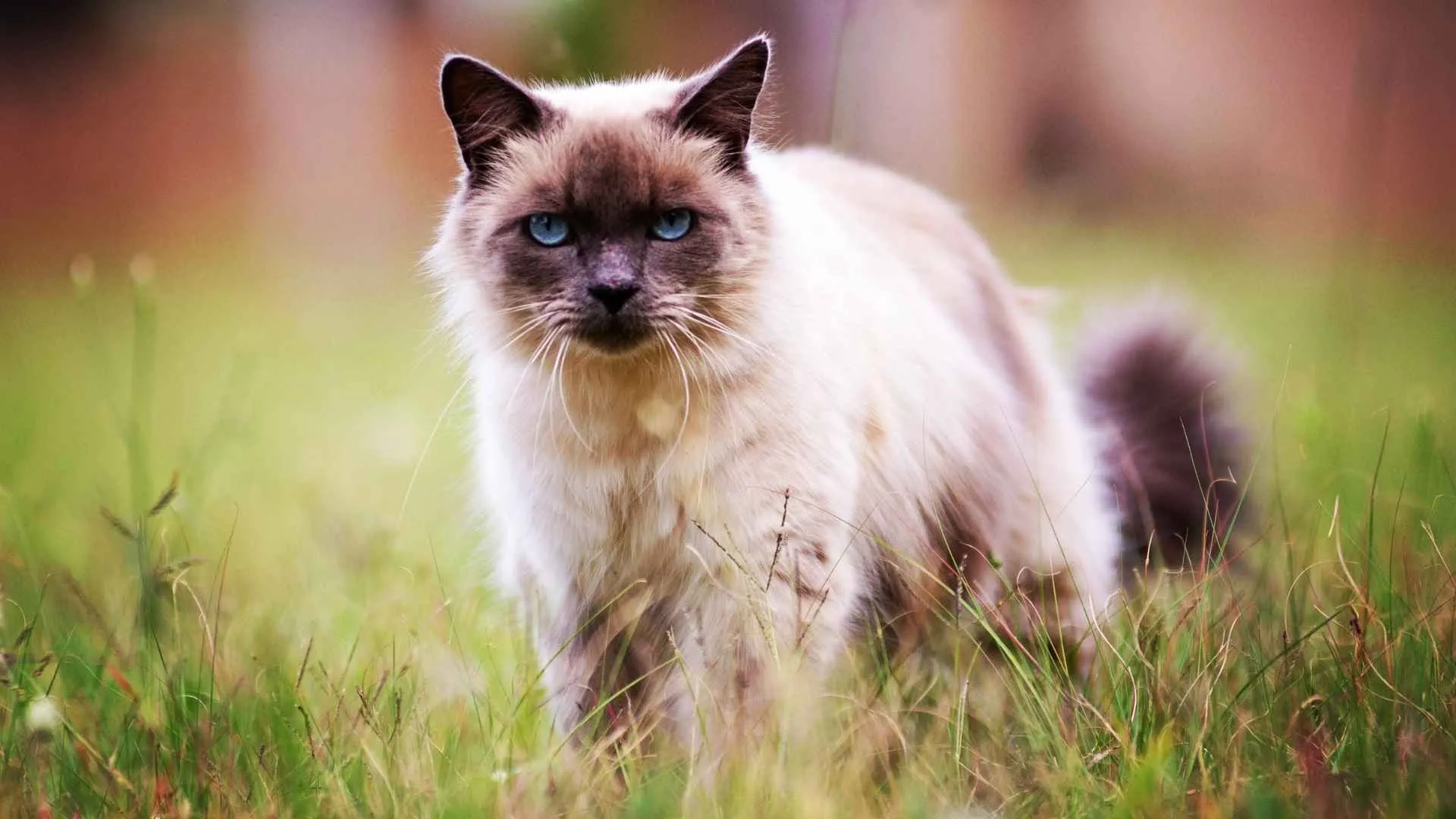
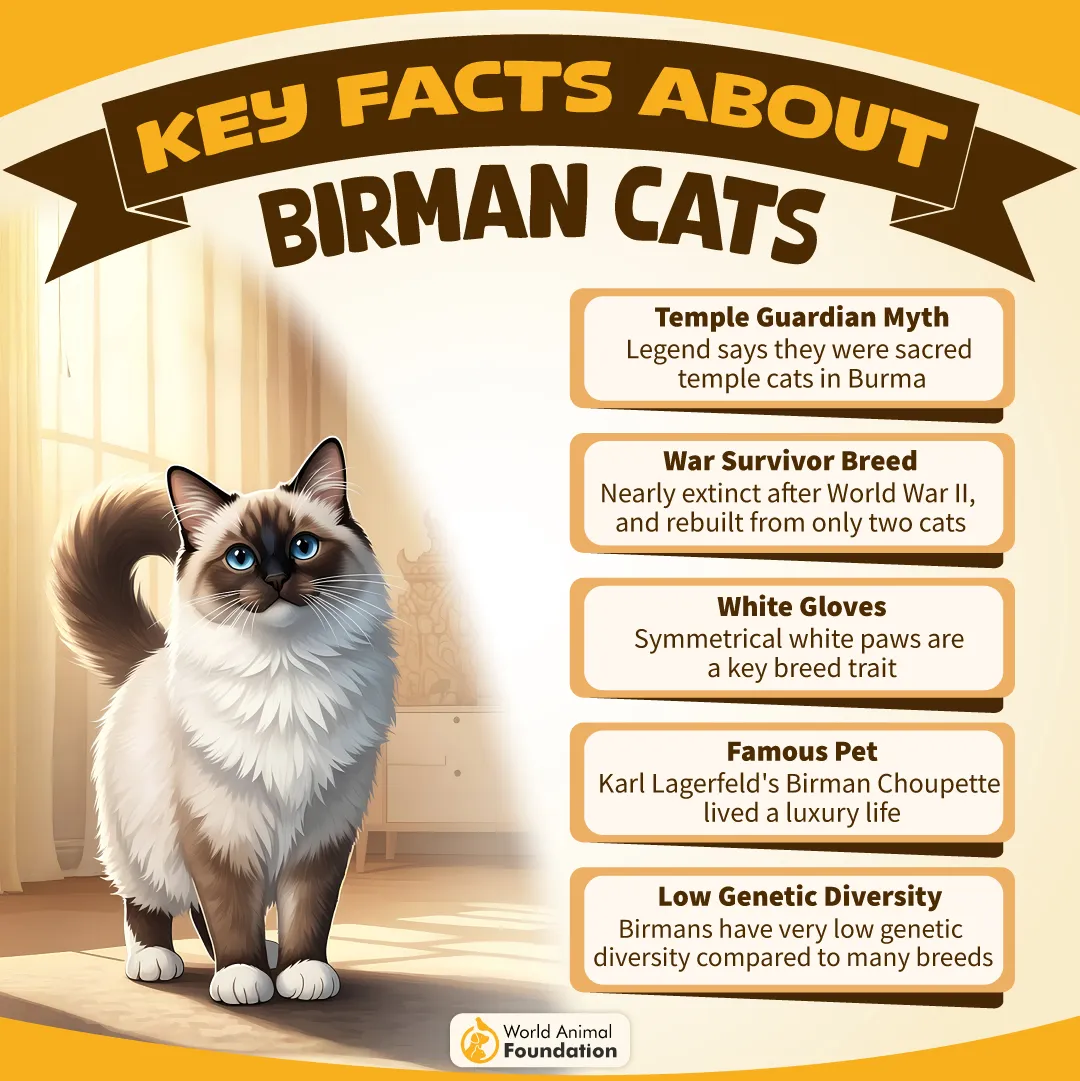
Often called the Sacred Cat of Burma, the Birman is instantly recognizable by its blue eyes, white “gloved” paws, and silky colorpoint coat. This gentle, people-loving breed is calm, adaptable, and deeply attached to its household.

When it comes to play, Birmans favor a softer approach. Rather than rough play or frantic chasing, they’re drawn to plush toys they can paw, cuddle, or gently bat around. Soft textures suit their tender temperament and allow them to enjoy play without overstimulation.
Their playful side is subtle but consistent. Birmans may carry soft toys to quiet corners, knead them like blankets, or engage in relaxed games near their favorite humans. This breed enjoys interaction, but prefers calm, comforting play over high-energy antics.
Because of their patient and social nature, Birmans often share toys peacefully with children or other pets.
Fun fact: All Birman cats have blue eyes and four white paws, and adults typically weigh between 7 and 14 pounds with a lifespan of up to 16 years.
5. Maine Coon
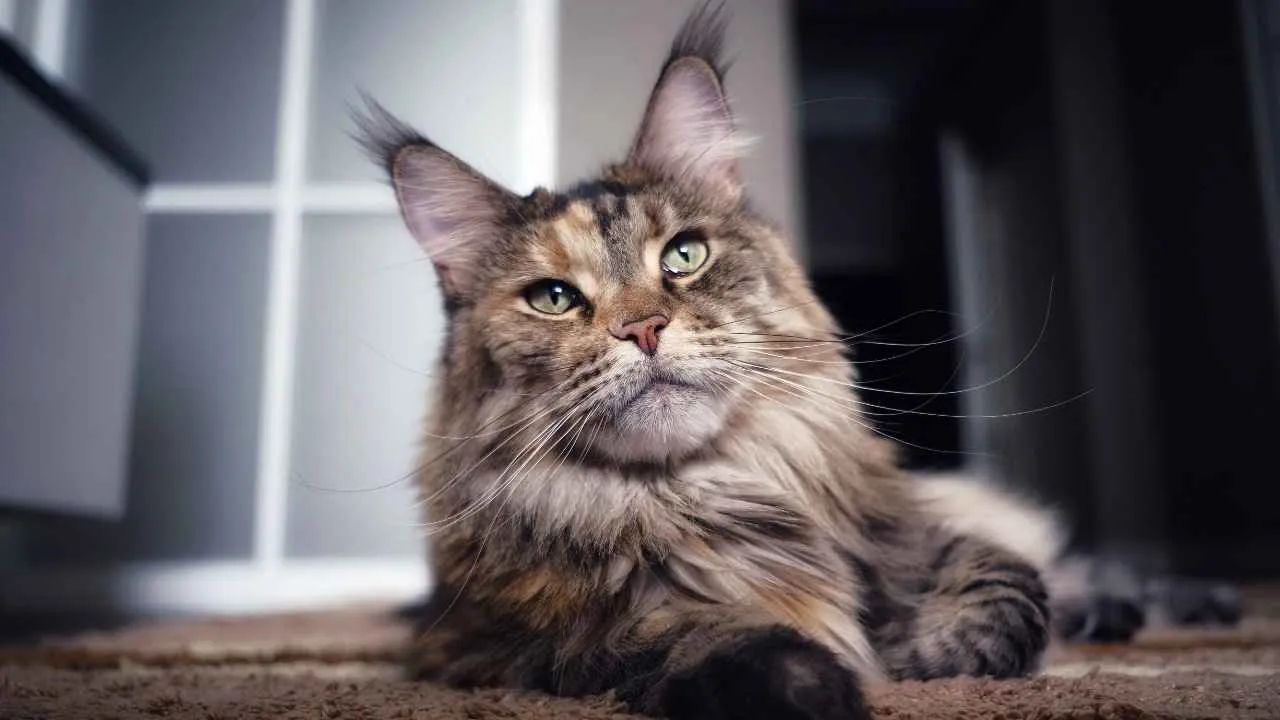
Often called the gentle giant of the cat world, the Maine Coon is also known as the American Longhair. This large breed stands out for its shaggy coat, tufted ears, and famously friendly personality that makes it a favorite family companion.
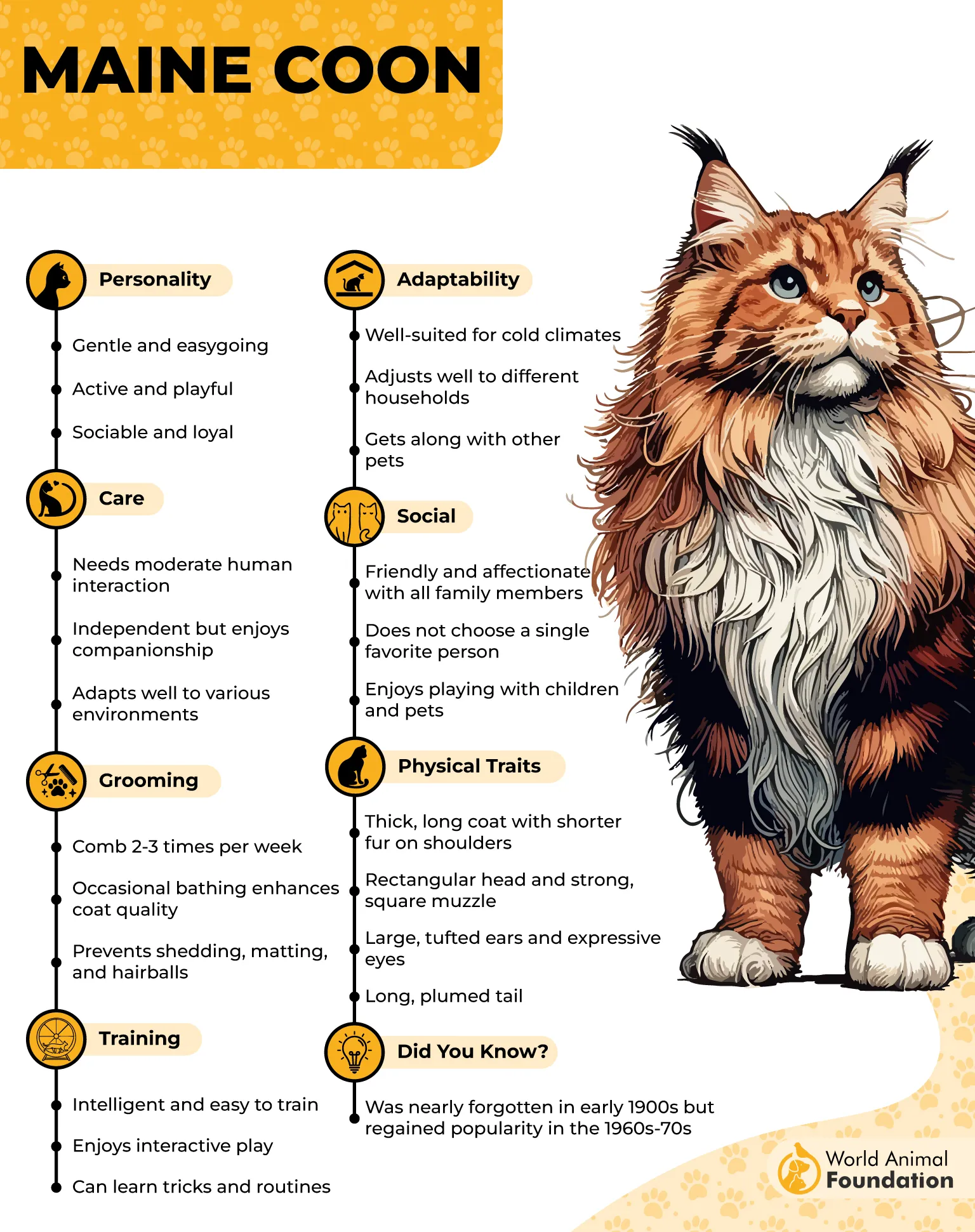
Despite their impressive size, Maine Coons have a soft, affectionate side that draws them to plush toys and padded objects. They enjoy kneading, carrying, or curling up with soft items, treating them as comforting playmates rather than prey.
Their balanced energy level plays a role in this preference. Maine Coons enjoy bursts of play but are equally content lounging, which makes soft toys ideal for gentle interaction without overstimulation. These toys suit their calm, social nature perfectly.
Because they mature slowly and retain kitten-like playfulness, Maine Coons often form lasting attachments to familiar textures.
Fun fact: Maine Coons are one of the largest domestic cat breeds, with adults weighing up to 18 pounds and stretching up to 40 inches in length.
6. Scottish Fold
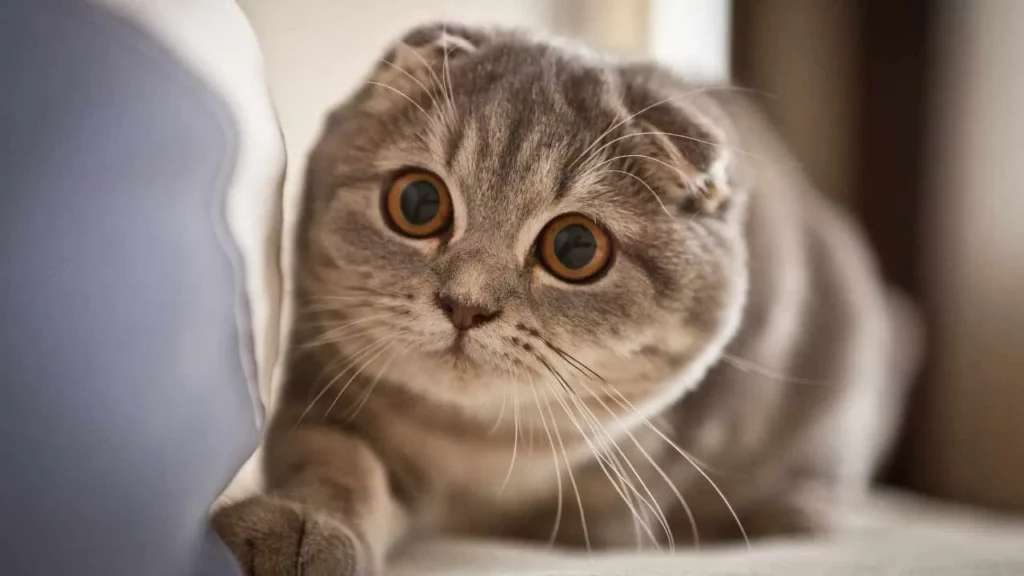
The Scottish Fold, sometimes simply called the Fold, is instantly recognizable for its forward-folded ears, round face, and wide, expressive eyes. Originating in Scotland, this short-haired breed is known for a gentle appearance that perfectly matches its sweet, calm temperament.

When it comes to play, Scottish Folds are far more drawn to plush, soft toys than fast-paced chase games. Their relaxed nature means they enjoy batting at stuffed mice, hugging fabric toys, or quietly carrying soft items to cozy spots rather than sprinting across the room.
These cats are affectionate without being demanding, often choosing to lounge near their people while entertaining themselves with comforting toys. Soft textures seem to appeal to their nurturing instincts, making plush toys a soothing source of mental stimulation rather than high-energy excitement.
Because Scottish Folds thrive on companionship, they often incorporate soft toys into bonding moments, playfully interacting while staying close to their humans or other pets.
Fact: Scottish Folds typically weigh up to 11 pounds and have an average lifespan of around 14 years.
7. Burmese
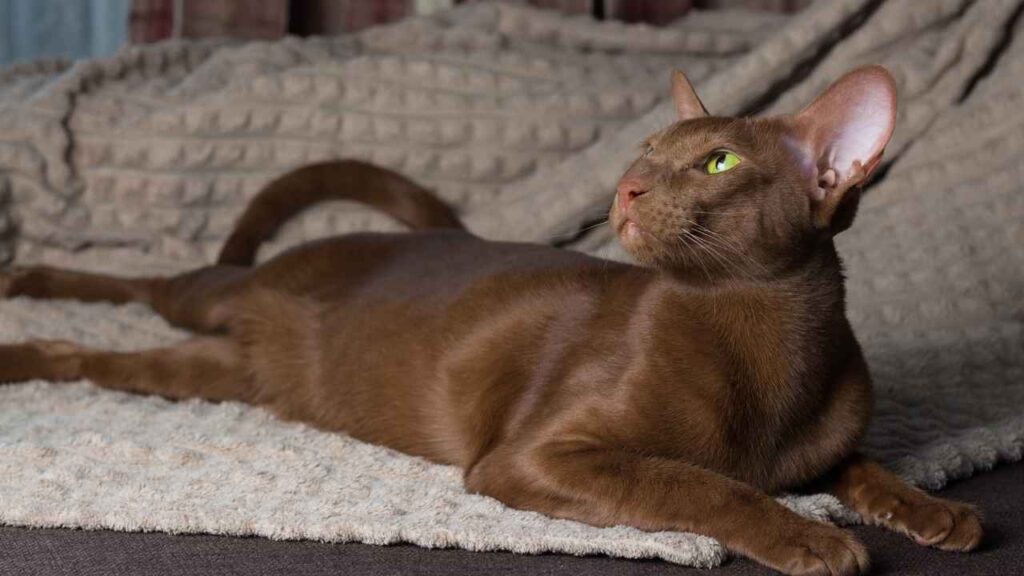
The Burmese, sometimes linked to its ancestral roots in Myanmar (formerly Burma), is a compact yet muscular cat with a rounded head, expressive gold eyes, and a deceptively solid build. Developed in the United States during the 1930s, this short-haired breed is known for its people-focused personality and close bonds with humans.
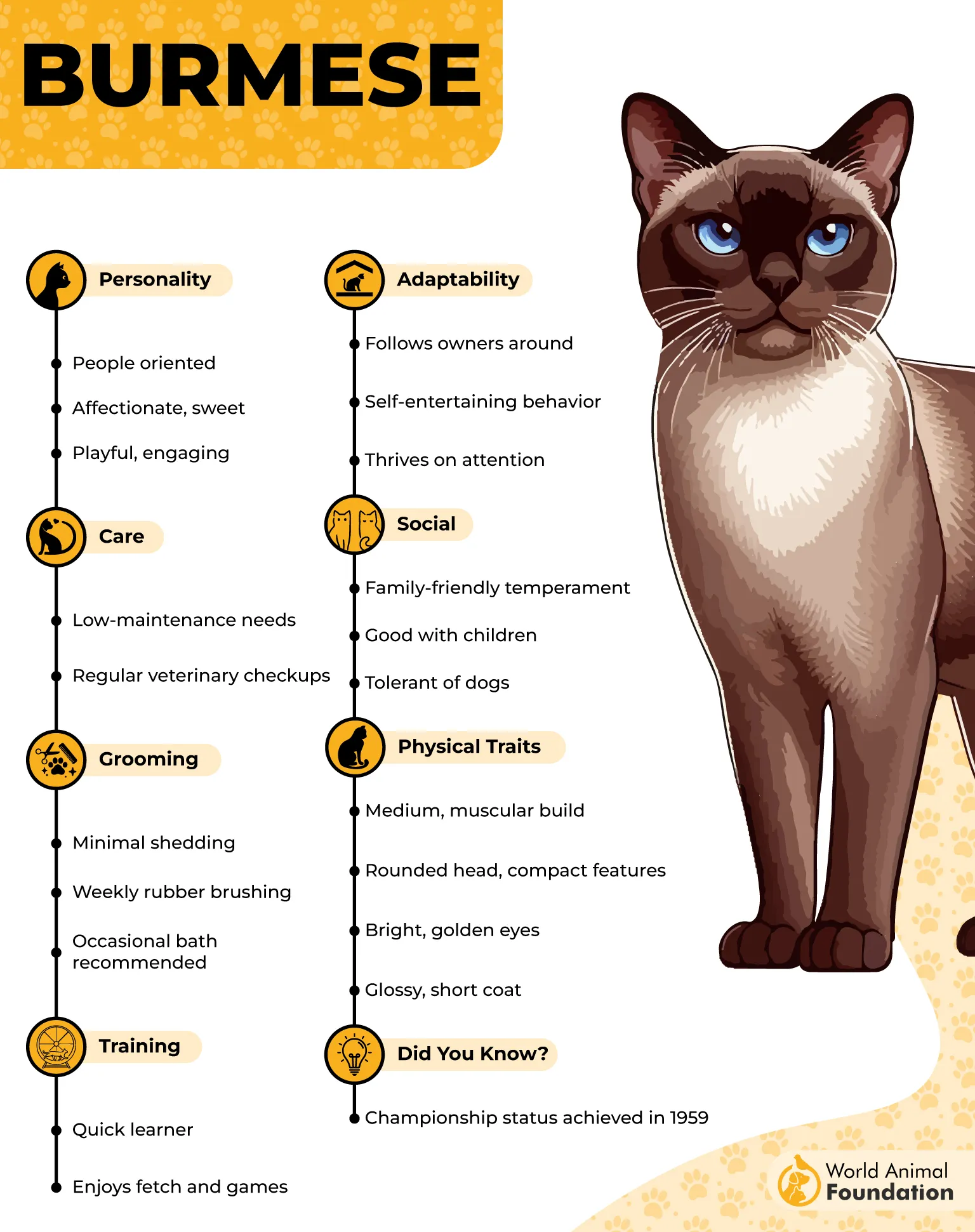
Highly affectionate and emotionally attached, Burmese cats often treat soft toys as comfort objects rather than just playthings. Plush mice, fabric balls, or stuffed toys are frequently carried around, cuddled, or slept beside, reflecting their strong desire for companionship and closeness.
Unlike high-prey-drive breeds that prefer chasing or pouncing, Burmese cats gravitate toward gentle, interactive play. Soft toys allow them to engage without overstimulation, making these items ideal for relaxed bonding sessions with their favorite humans.
Their sociable nature also means they enjoy shared playtime, often bringing soft toys to owners as invitations to interact. This breed thrives on emotional connection, and toys that feel comforting help reinforce that bond.
Fact: Burmese cats can live up to 18 years and are known for being friendly, playful, and highly sociable with both people and other animals.
Conclusion
Cats that gravitate toward soft toys often share gentle personalities and a strong desire for comfort. Breeds with a silky coat or thick fur tend to enjoy plush textures that mimic warmth and closeness, making stuffed toys especially appealing.
Unlike wild cats driven by intense hunting instincts, these breeds favor soothing play that fits naturally into calm household routines. Soft toys become part of daily life, offering security, relaxation, and a quiet way to engage without overstimulation.
Across different breeds, preferences can also be influenced by colors and patterns that catch the eye and textures that feel inviting. Many of these cats happily include soft toys in interactions with family members, carrying them around or curling up beside them.
This behavior highlights how play style reflects temperament, showing that comfort-focused cats often choose toys that support bonding, reassurance, and peaceful companionship.
