




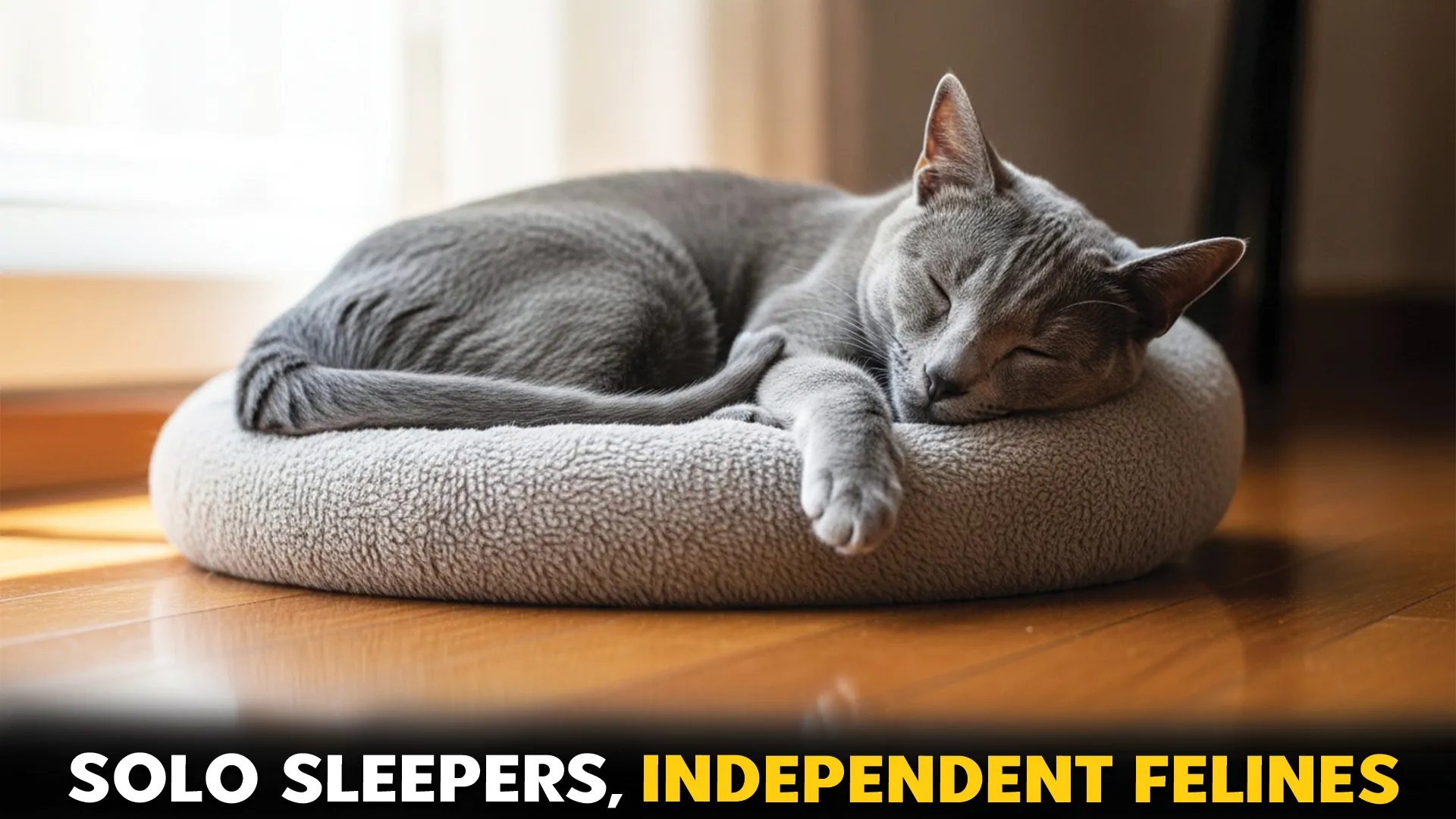
Some cats crave constant closeness, curling up beside their humans or nestling into shared spaces whenever they sleep. Others, however, are just as content drifting off on their own. These independent sleepers value personal space and often choose quiet, undisturbed spots where they can fully relax without interruption.
Cats with a more independent nature tend to feel secure on their own, using sleep as a time to recharge privately. Rather than avoiding affection, these cats simply balance connection with autonomy, enjoying companionship on their own terms while preserving peaceful rest.
Understanding independent feline sleep habits can help pet parents better support their cat’s comfort. Breeds that prefer sleeping alone often thrive in calm environments, adapt well to being left solo for parts of the day, and rarely become anxious or clingy.
They still enjoy playtime and interaction, but when it’s time to rest, solitude feels safest. In this article, we’ll explore seven cat breeds that prefer sleeping alone—and what their solo snoozing style reveals about their unique personalities.
Cat Breeds That Prefer Sleeping Alone
1. Russian Blue
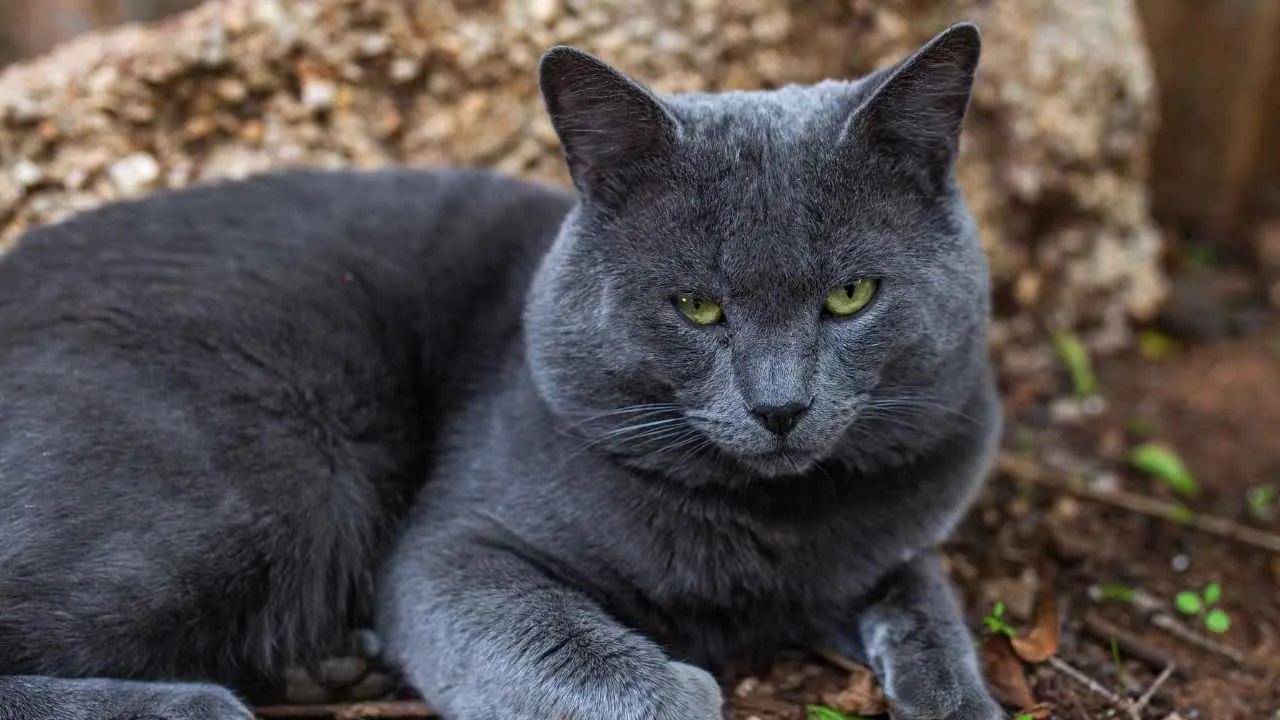
Also known as the Archangel Blue, the Russian Blue is an elegant, short-haired breed admired for its blue-gray coat, silver sheen, and striking green eyes.
According to Britannica, the Russian Blue is a domestic cat breed recognized for the high quality of its short, plush-like coat. Originating in northern Russia, this cat is intelligent, reserved, and naturally independent.
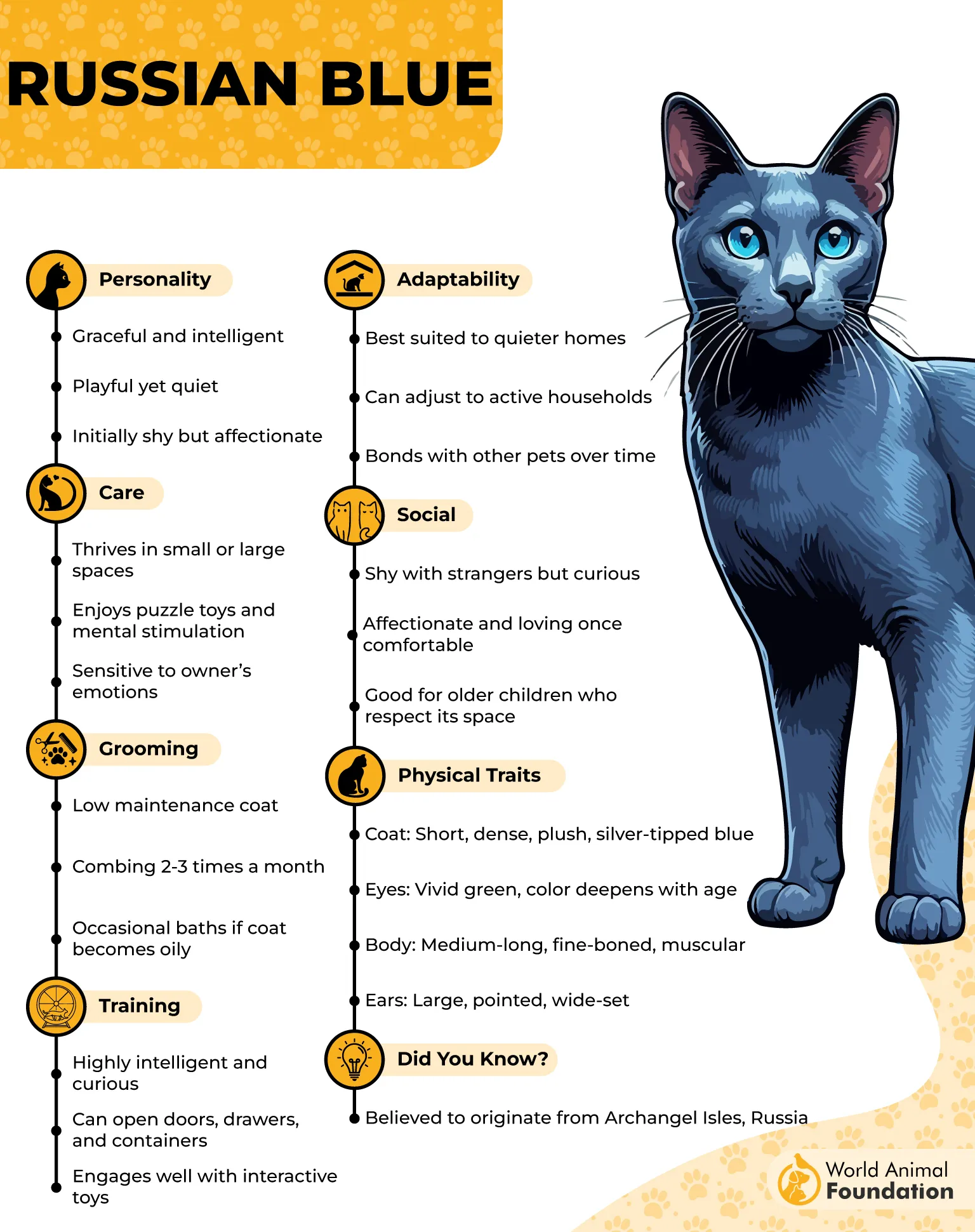
The Russian Blue often prefers sleeping alone in a quiet, familiar spot. They value personal space during rest and are most comfortable when undisturbed, especially in calm, predictable homes.
Their independent streak means they’re unlikely to seek shared sleeping spaces, even though they form strong bonds with their people. Solo sleep helps them recharge, while daily play and mental challenges satisfy their social and intellectual needs.
Russian Blues balance affection with autonomy, greeting owners warmly while still choosing solitude at bedtime.
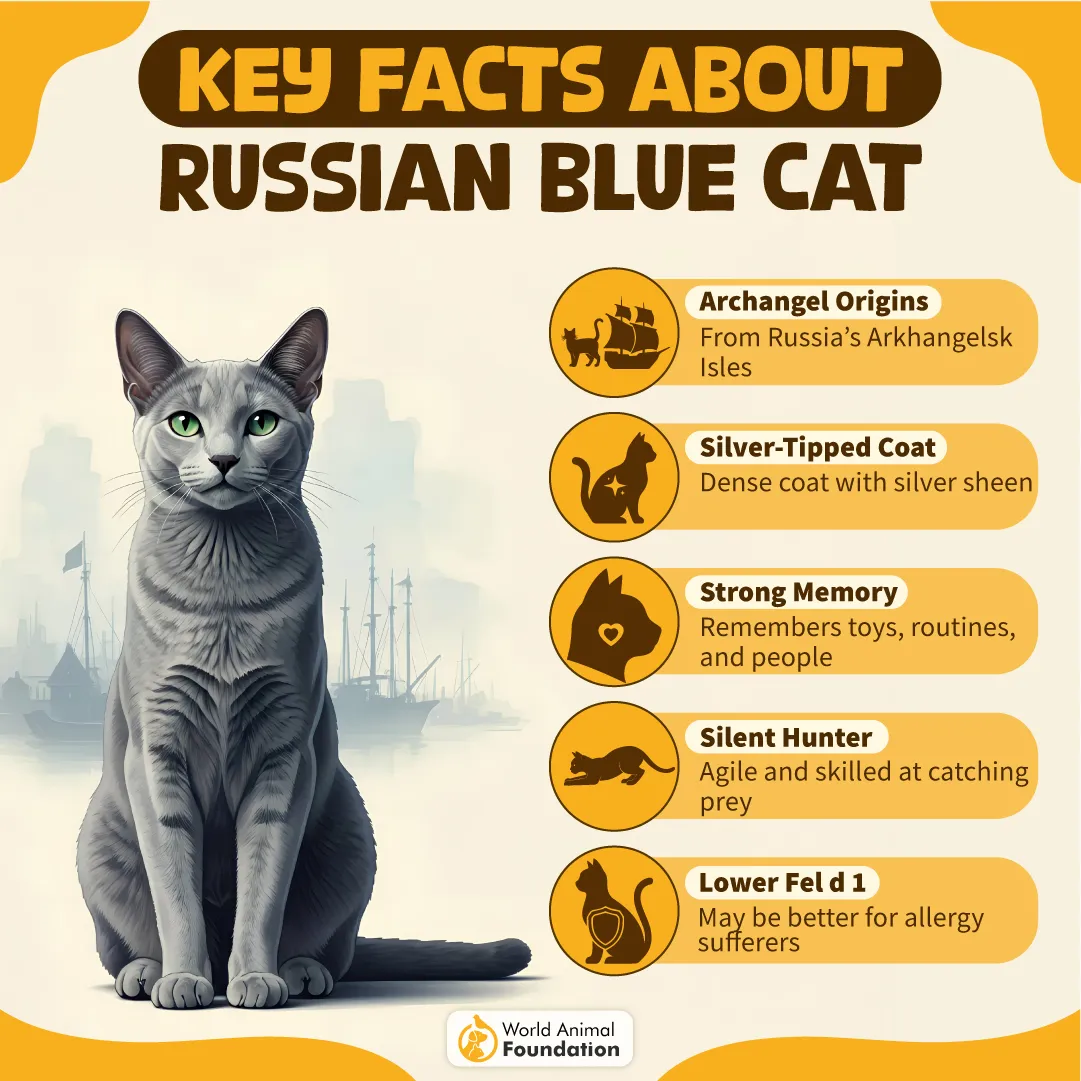
Interesting fact: Russian Blues are believed to have originated in the port city of Arkhangelsk and were first exhibited in England in the late 1800s.
2. British Shorthair
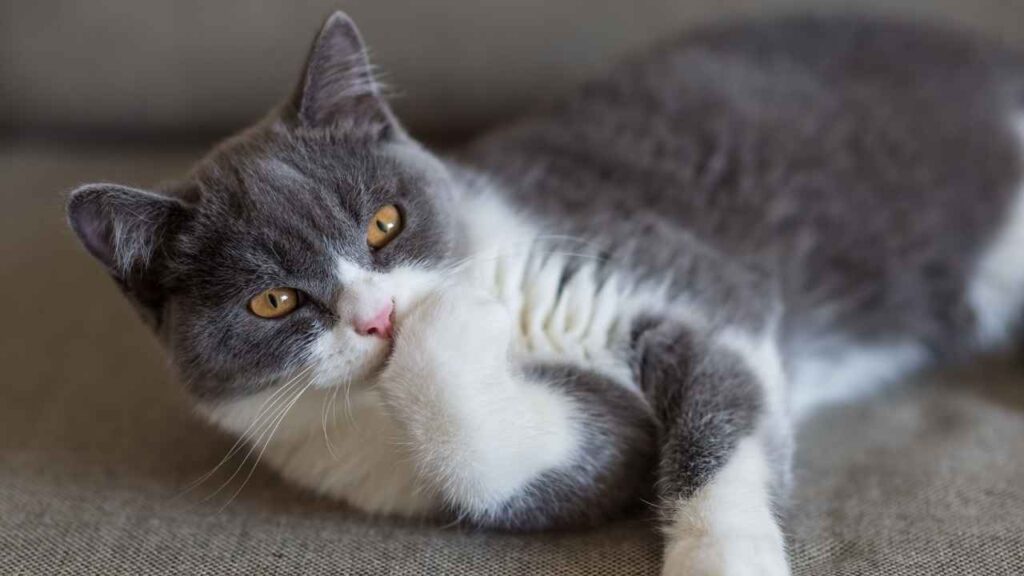
Also known as the British Blue, the British Shorthair is a solid, plush-coated breed admired for its round face and calm expression. While blue-gray is the most famous color, this breed appears in many shades and is prized for its relaxed, self-sufficient temperament.
According to PetMD, often described as the “teddy bear” of cat breeds in both appearance and temperament, the British Shorthair is believed to have originated in ancient Egypt before traveling with humans to Rome and eventually to Great Britain.
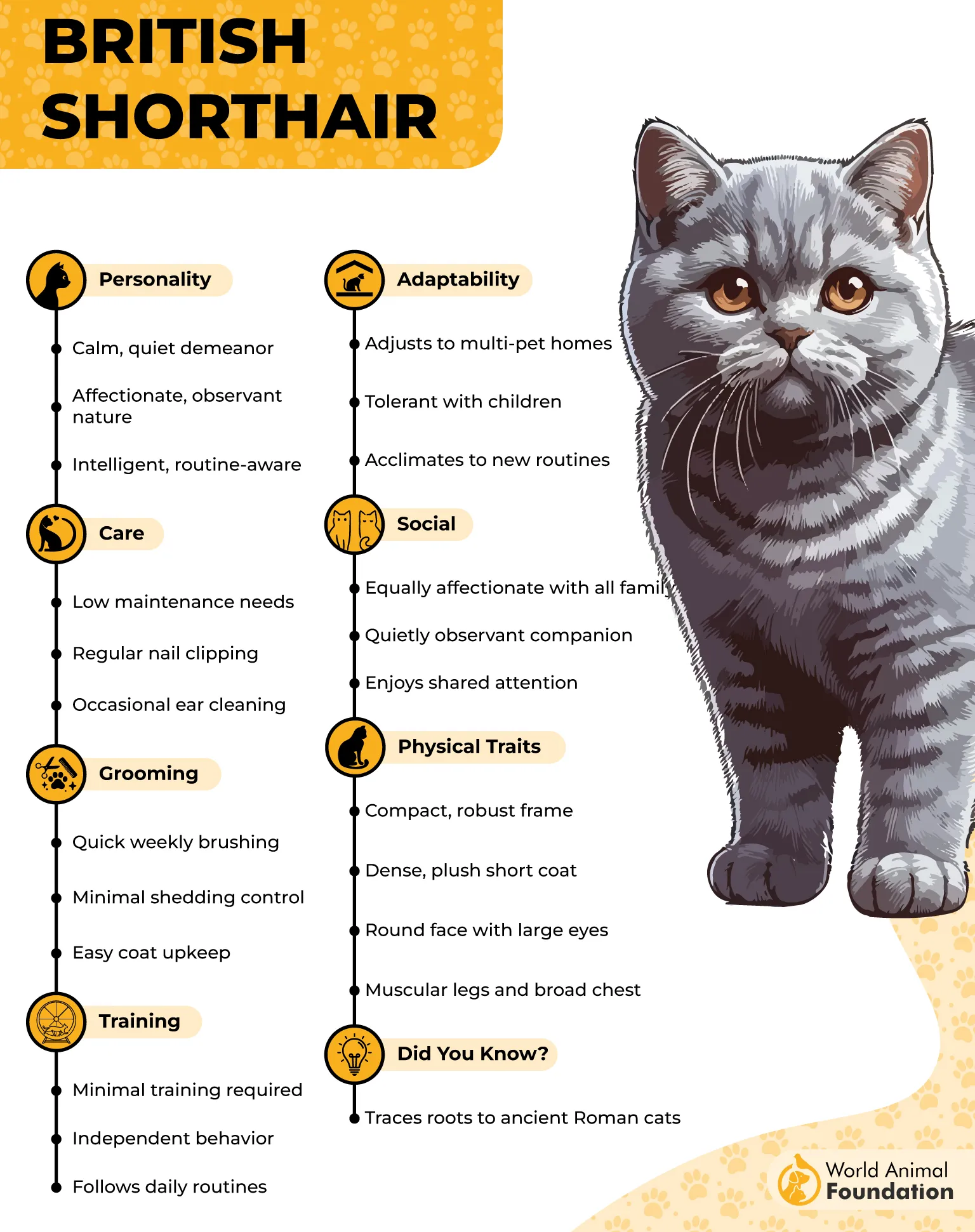
Fitting the theme of affectionate—but on their own terms, British Shorthairs enjoy companionship without constant closeness. When it comes to sleep, they often choose their own cozy spot rather than curling up directly beside someone.
These cats favor quiet rest after short bursts of play, making solo sleeping a natural extension of their independent streak. They’re content dozing alone in a favorite chair, windowsill, or at the foot of the bed.
Though not clingy, they still value being near their people and will often nap within view rather than in your arms.
Interesting fact: British Shorthairs are prone to weight gain, so regular play and portion control are important to maintain their health.
3. Norwegian Forest Cat
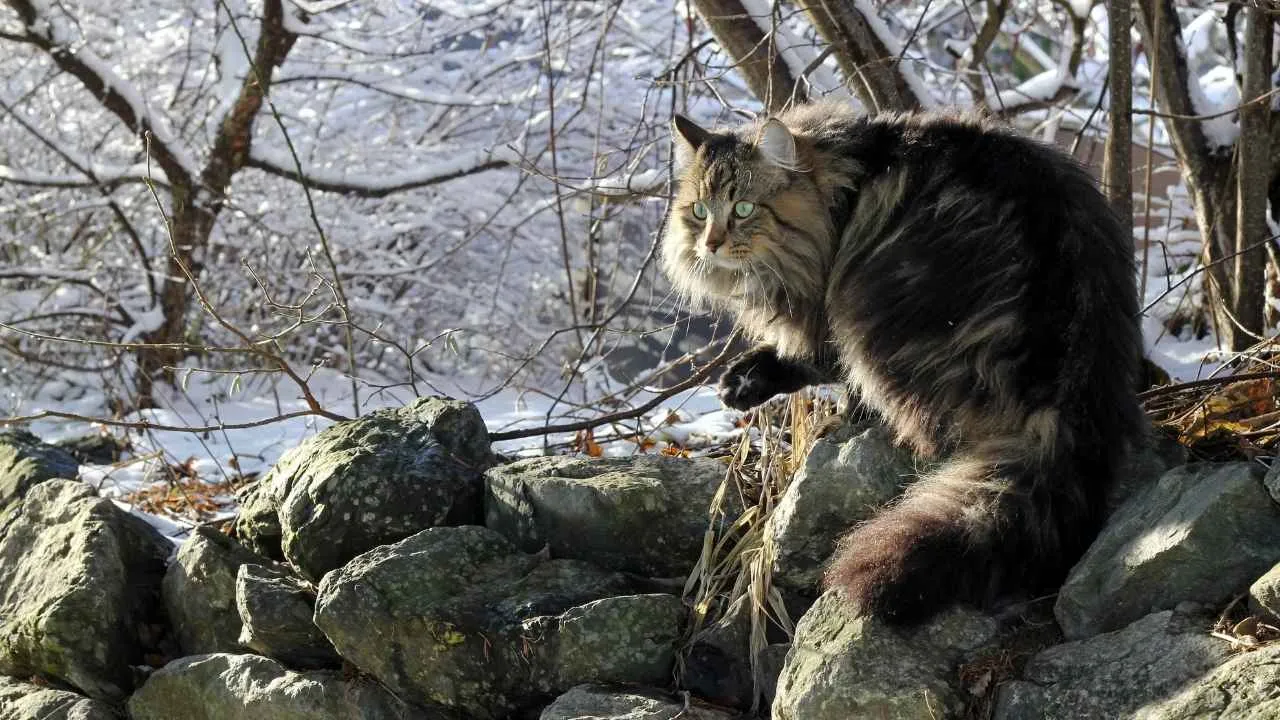
According to WebMD, Norwegian Forest Cats are social and playful and are capable of adapting well to a variety of living environments.
Also known as the Wegie or skogkatt, the Norwegian Forest Cat is a large breed that developed naturally in the forests of Norway. Hardy and majestic, this cat is admired for its thick coat, calm expression, and balanced personality.
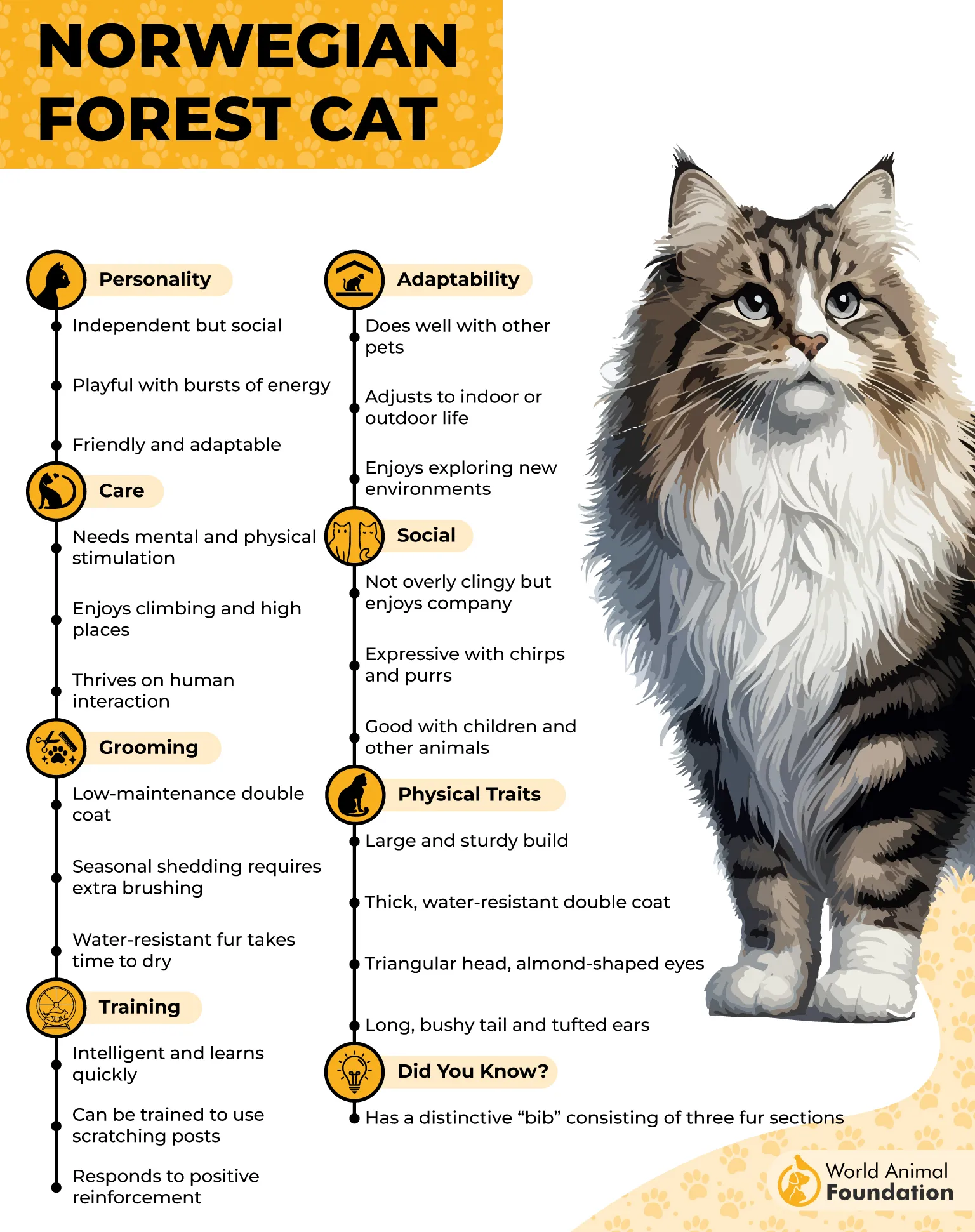
Norwegian Forest Cats enjoy human company but prefer having their own sleeping space rather than sharing a lap or bed all night. After play or interaction, they often retreat to a quiet, cozy spot to rest alone.
Their independent sleep habits come from a mix of self-sufficiency and comfort. While affectionate, they recharge best when undisturbed, making them well-suited to owners who respect personal space during downtime.
These cats are content being left alone for periods and don’t become anxious without constant closeness.
Interesting fact: Norwegian Forest Cats mature slowly and can take up to five years to reach full size, retaining a playful yet independent nature into adulthood.
4. American Shorthair
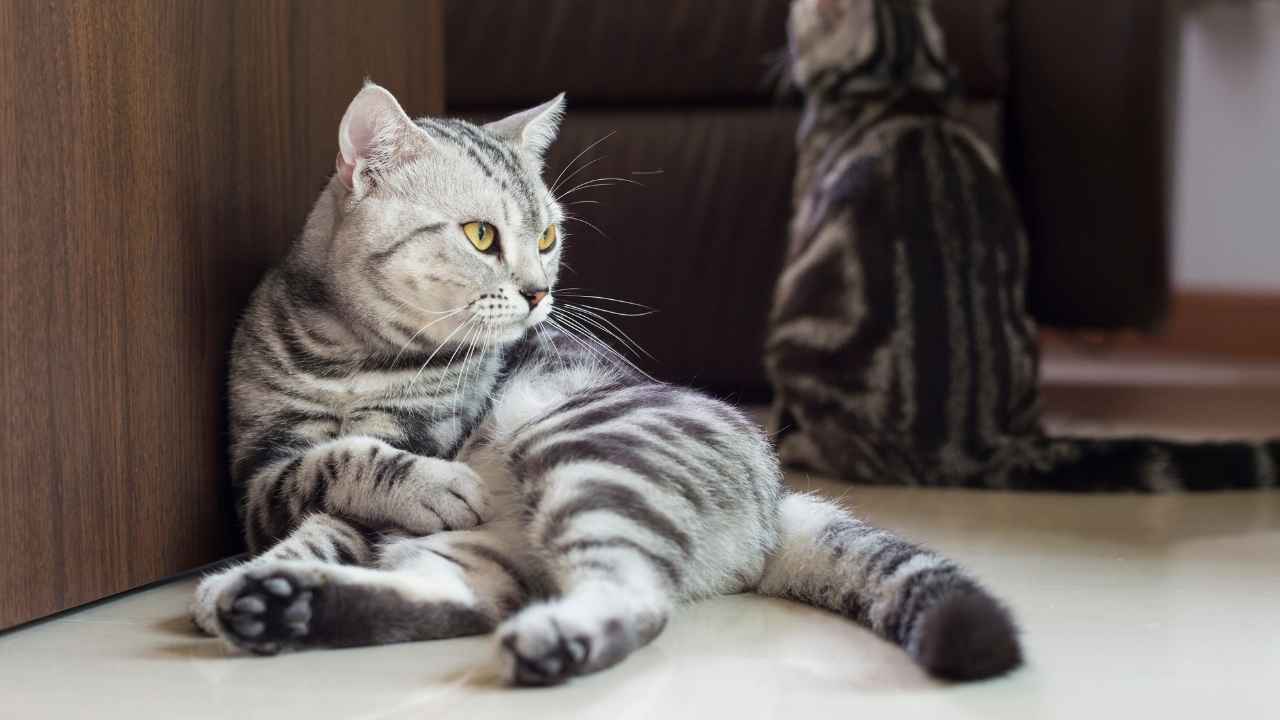
Also known as a classic all-American companion, the American Shorthair is a medium-to-large, short-haired breed valued for its sturdy build, round face, and calm expression. Originally descended from working ship cats, it’s adaptable, patient, and quietly confident.
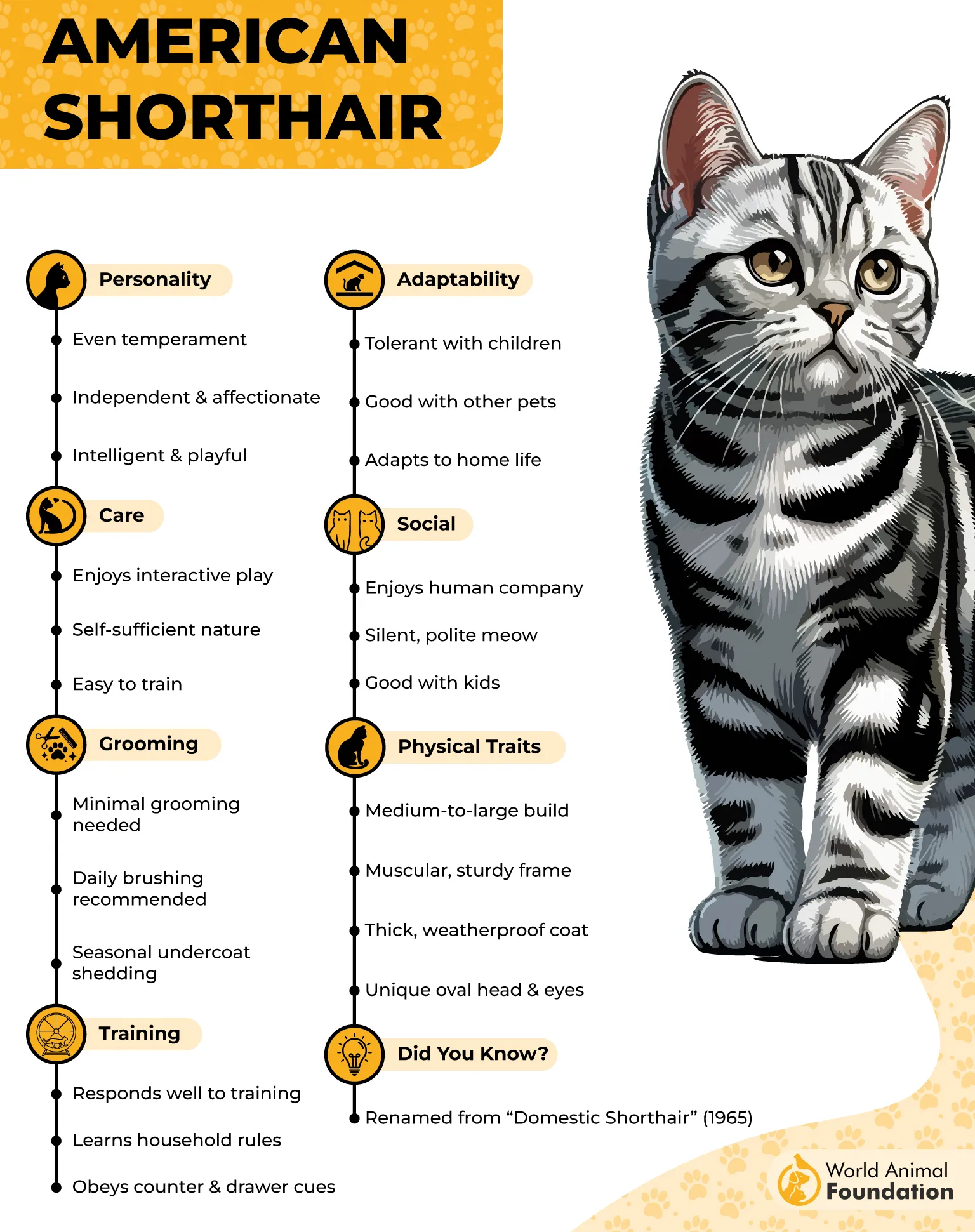
This breed often enjoys sleeping alone, choosing peaceful spots where it can fully unwind. While affectionate during waking hours, the American Shorthair doesn’t rely on constant closeness to feel secure, making solo sleep a comfortable preference rather than a sign of distance.
Their calm, self-sufficient temperament means they’re content curling up in a quiet room after brief play or exploration. Independent rest helps them recharge, especially in homes with children, other pets, or daily activity around them.
Balanced and unbothered by routine changes, they shift easily between social time and solitude.
Interesting fact: American Shorthairs commonly live 15–20 years and were originally prized for their strong hunting instincts on early sailing ships.
5. Korat
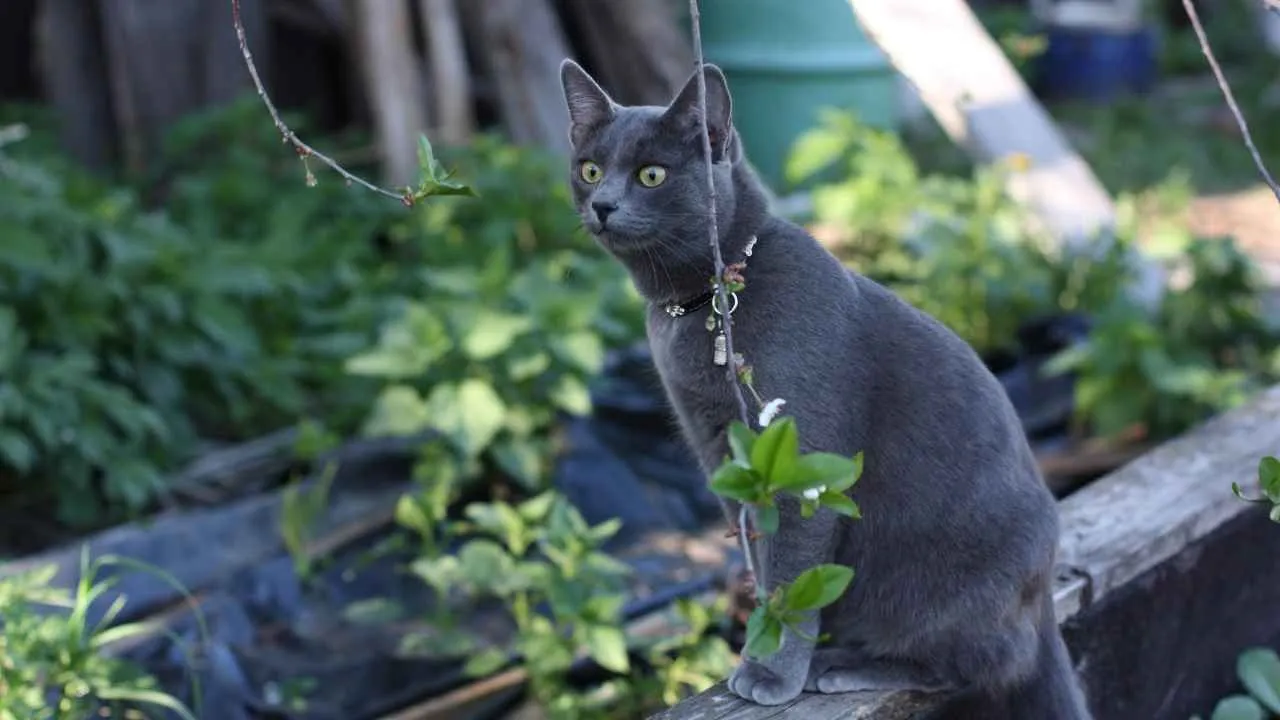
Also known as the Si-Sawat, the Korat is a rare Thai breed admired for its silver-tipped blue-gray coat, heart-shaped face, and luminous green eyes. Compact yet sturdy, this intelligent cat carries a regal presence and a long cultural history in Thailand.
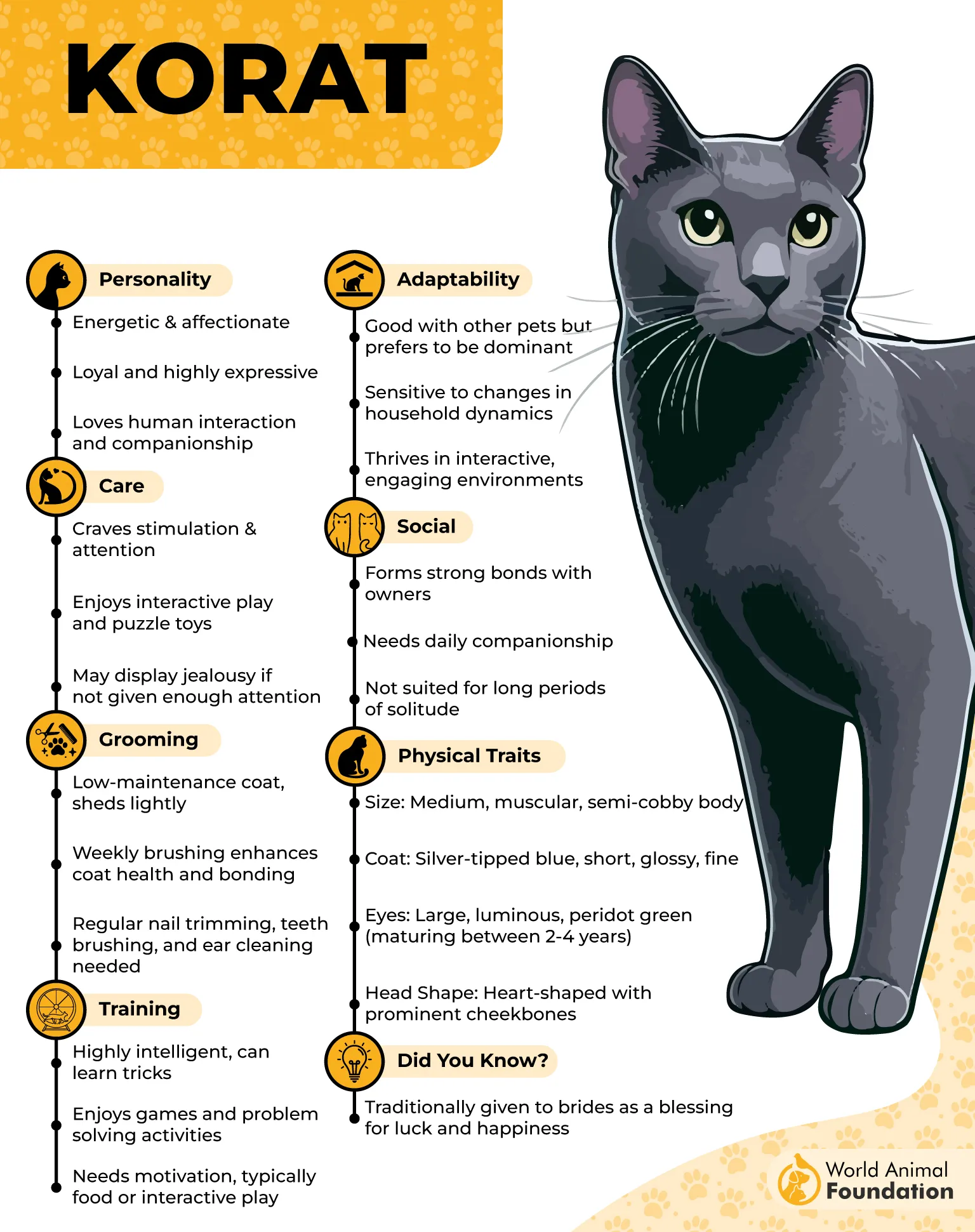
Although affectionate and loyal, Korats often prefer choosing their own quiet sleeping spots rather than sharing beds or crowded areas.
They enjoy closeness on their own terms, balancing social interaction with independence. After play or following their humans around the house, Korats commonly retreat to a peaceful, solo space to recharge without disturbance.
This independent sleep style reflects their thoughtful nature and sensitivity to overstimulation.
Interesting fact: The Korat has existed for over 900 years in Thailand and is traditionally considered a symbol of good luck.
6. Himalayan
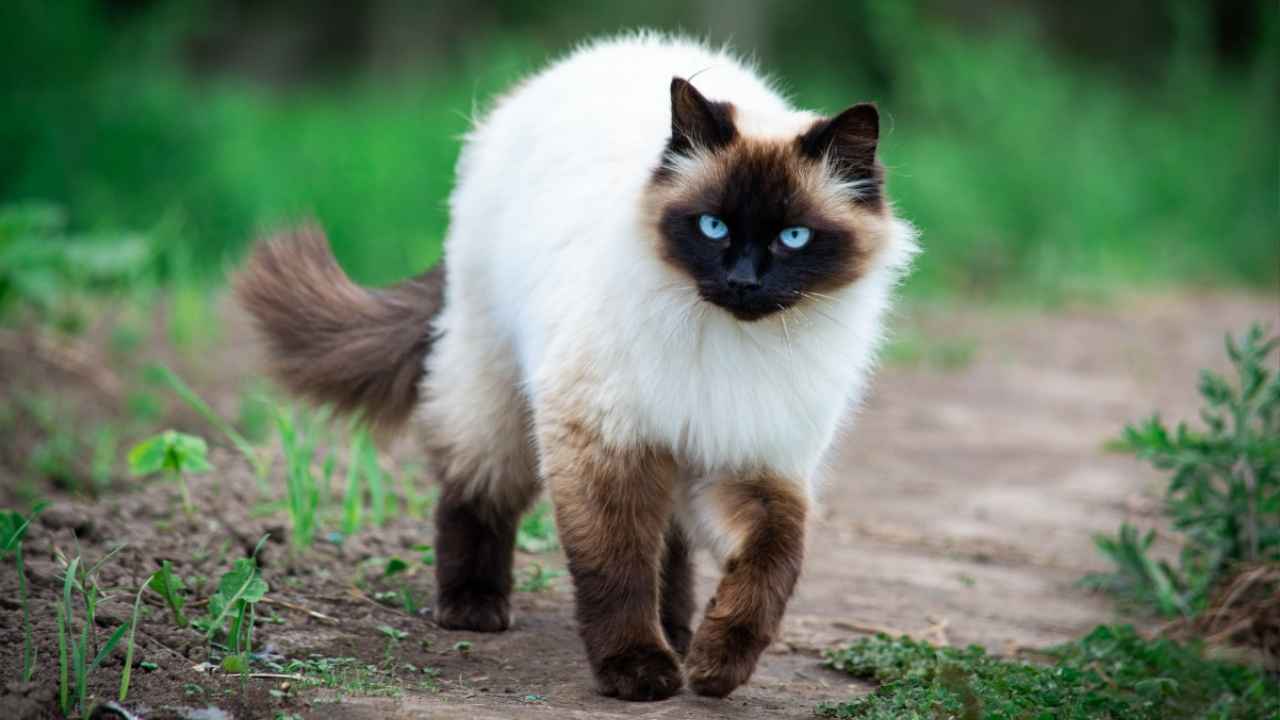
Also called the Himmie, the Himalayan is a striking blend of Persian elegance and Siamese colorpoint markings. With long silky fur, deep blue eyes, and a calm presence, this breed is intelligent, observant, and quietly independent.
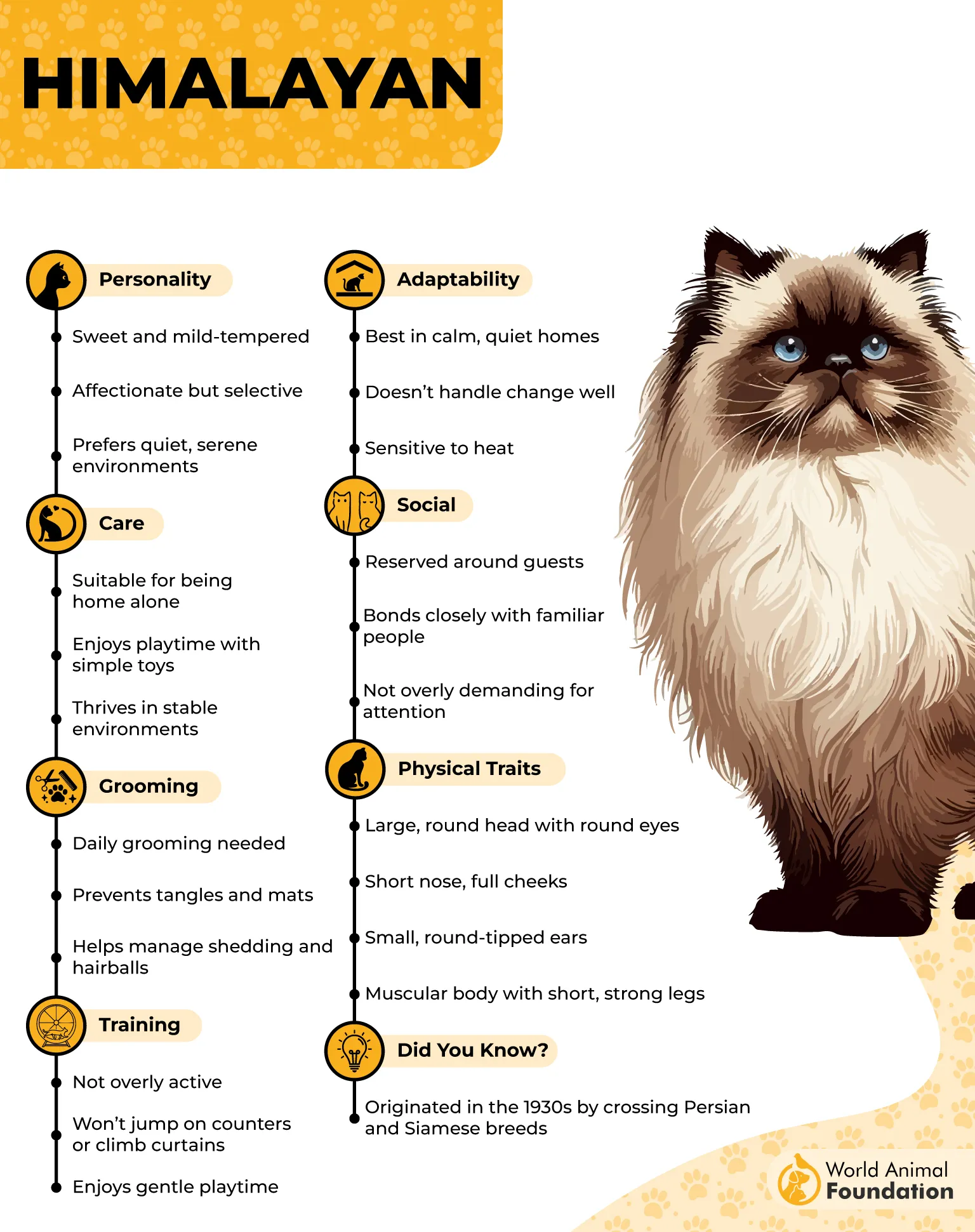
Fitting the idea of a low-cling, high-comfort sleeper, Himalayans enjoy affection but don’t need constant physical closeness. When it’s time to rest, many prefer a peaceful, private spot where they can stretch out undisturbed.
Their independent streak means they’re less likely to demand shared sleeping spaces, especially if the environment is calm and familiar. Solo sleeping allows them to fully relax while still enjoying daytime companionship on their own terms.
Although not aloof, Himalayans balance connection with autonomy, making them ideal for owners who respect personal space.
Interesting fact: The Himalayan was developed by crossing Persian and Siamese cats, combining long coats with pointed coloring and vivid blue eyes.
7. Turkish Van
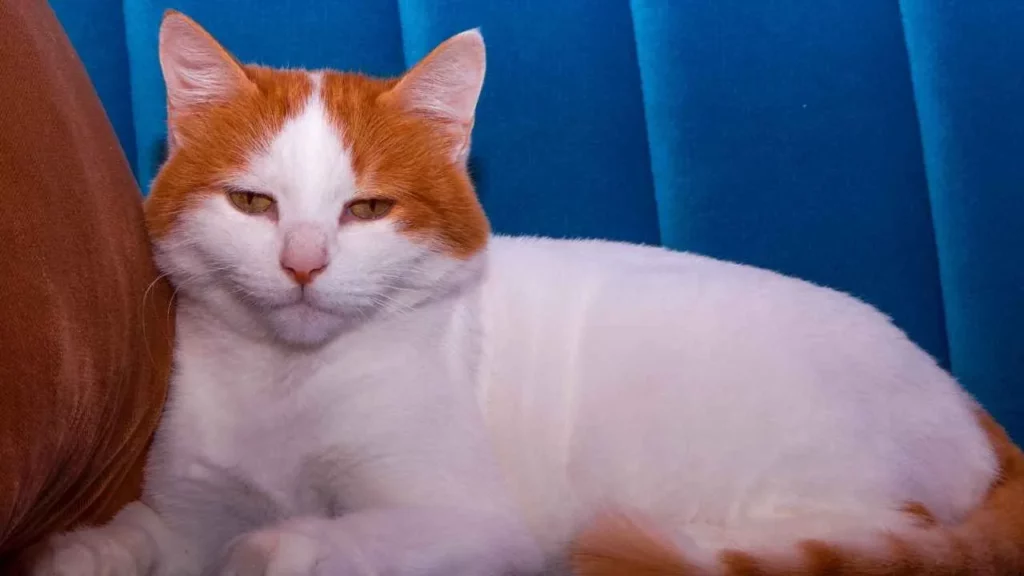
Also known as the “Swimming Cat,” the Turkish Van is a striking, muscular breed from the Lake Van region of Turkey, recognized for its mostly white coat with colored head and tail markings. This ancient breed is athletic, confident, and highly independent despite its affectionate side.
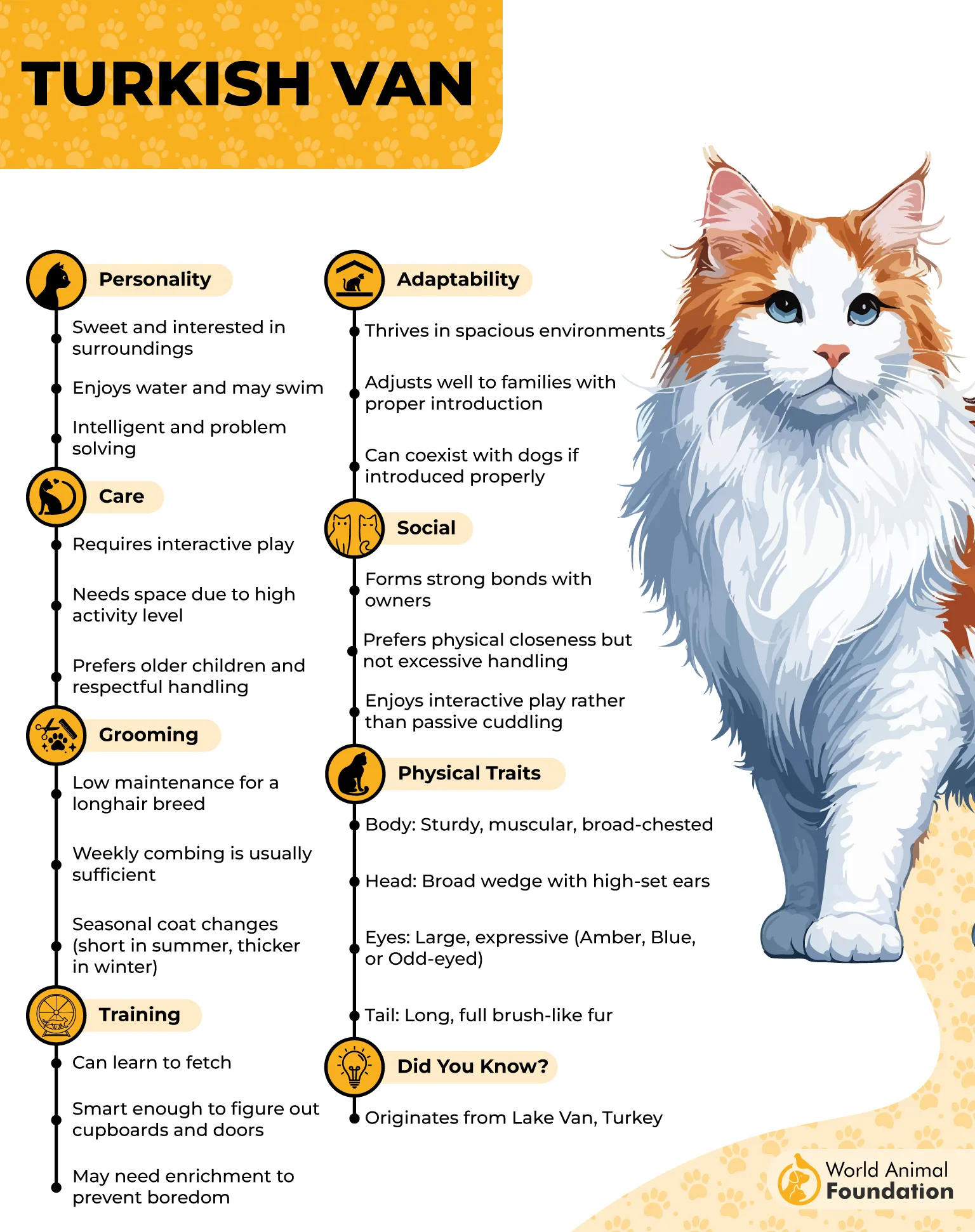
When it comes to rest, the Turkish Van often fits most content snoozing alone behavior. These cats enjoy choosing their own quiet sleeping spots, preferring uninterrupted rest over shared nap time, even in homes where they are closely bonded to their people.
Their independent streak means they’re comfortable entertaining themselves during the day and settling down solo at night. While they enjoy companionship, sleep is treated as personal downtime rather than a social activity.
This balance of loyalty and self-sufficiency makes them well-suited for owners who respect boundaries.
Interesting fact: Turkish Vans are one of the oldest known cat breeds and are famous for their unusual love of swimming.
Conclusion
In conclusion, some breeds are naturally more comfortable resting on their own, making them ideal for people who value independent yet affectionate pets. Calm cats are known for being generally quiet and content with solo downtime.
These quiet cats love predictable routines and are well-suited for small living spaces, where cats spend much of their time resting peacefully while remaining a loyal feline friend to their cat owner.
Even though many cats prefer sleeping alone, they still benefit from engagement during waking hours. Providing cat toys, cat trees, and food puzzles helps satisfy a curious mind and ensures enough mental stimulation, reducing boredom or separation anxiety.
Whether you’re caring for big cats or quieter companions, balancing independence with enrichment supports healthier, happier cats.
