




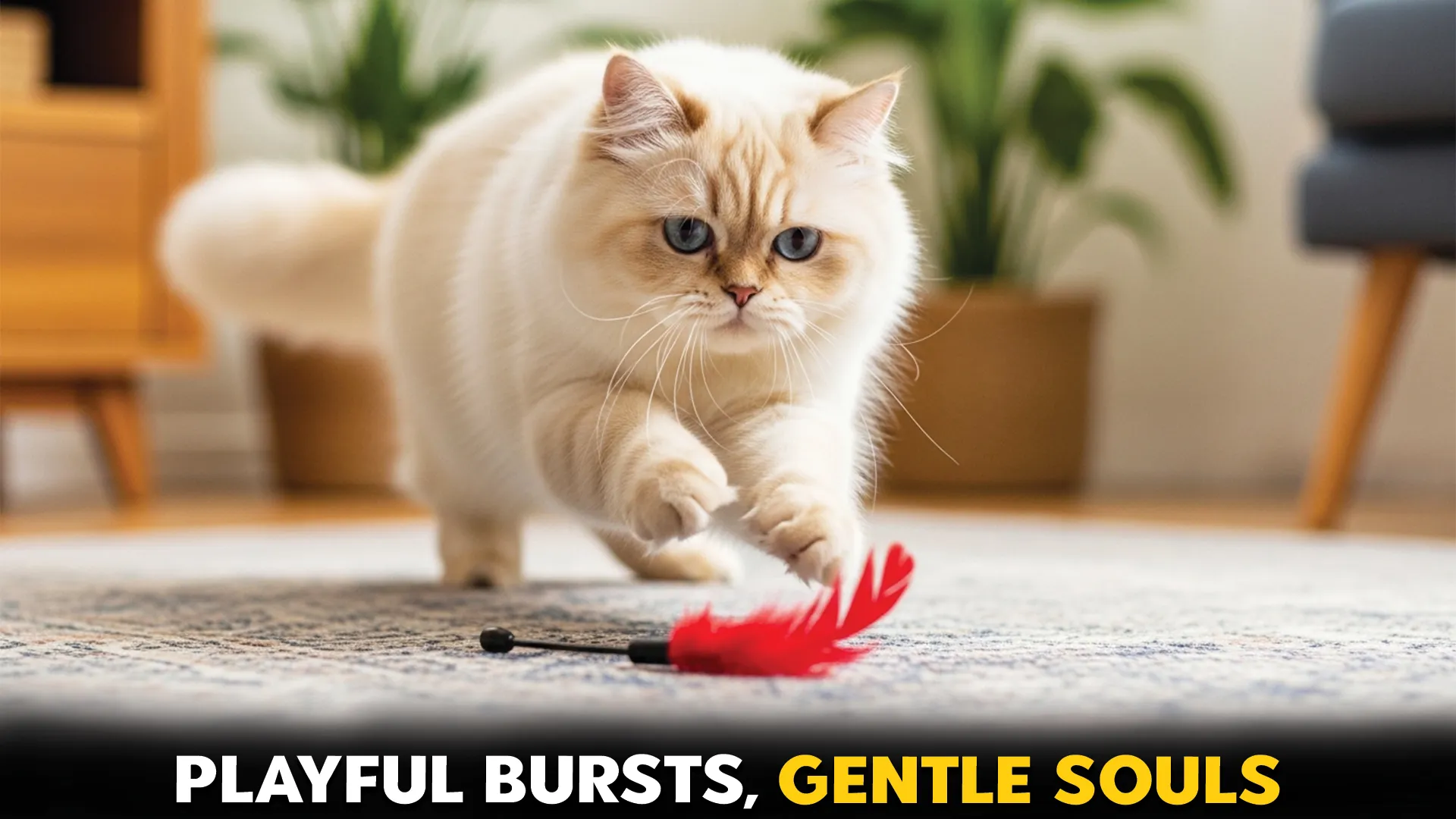
Not every cat is built for marathon play sessions or constant zoomies. While some thrive on nonstop action, others prefer brief moments of activity followed by long, satisfying stretches of rest. These cats aren’t lazy—they simply have a different rhythm, one that balances movement with relaxation in a way that suits quieter homes and calmer routines.
In the wild, cats expend energy in quick, focused bursts to stalk and pounce, then conserve energy afterward. Breeds with lower overall energy levels often mirror this pattern indoors, enjoying short games that engage their instincts without overstimulation.
Energy levels also shape personality and daily habits. Cats that favor short bursts of activity tend to be more laid-back, content with a few interactive toys or gentle play before returning to napping or cuddling. They’re ideal for apartment living, busy schedules, or anyone seeking a relaxed companion.
In this article, we’ll explore seven cat breeds that prefer short bursts of activity—and why their play style makes them such easygoing, enjoyable pets.
Cat Breeds That Prefer Short Bursts of Activity
1. British Shorthair
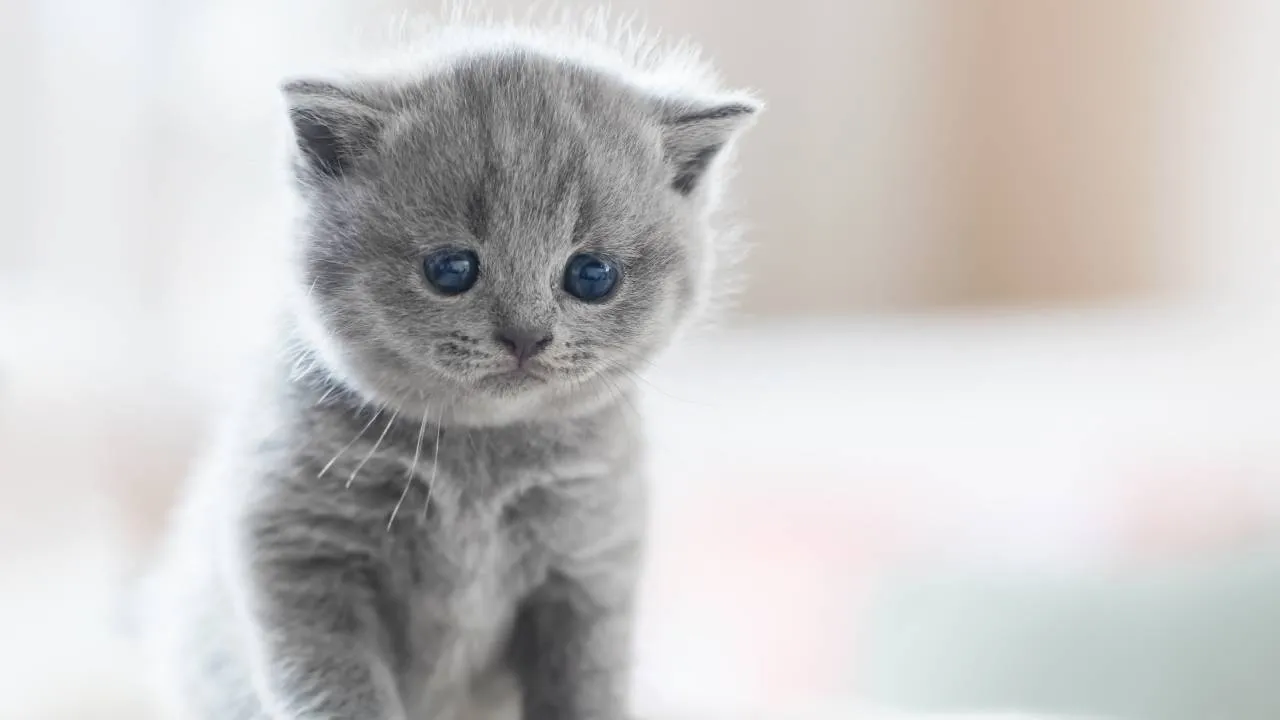
Also known as the British Blue, the British Shorthair is a sturdy, plush-coated cat with a teddy bear look and a famously calm demeanor.
According to Britannica, the British Shorthair is known for its strength, naturally good health, and frequent tendency to sleep.
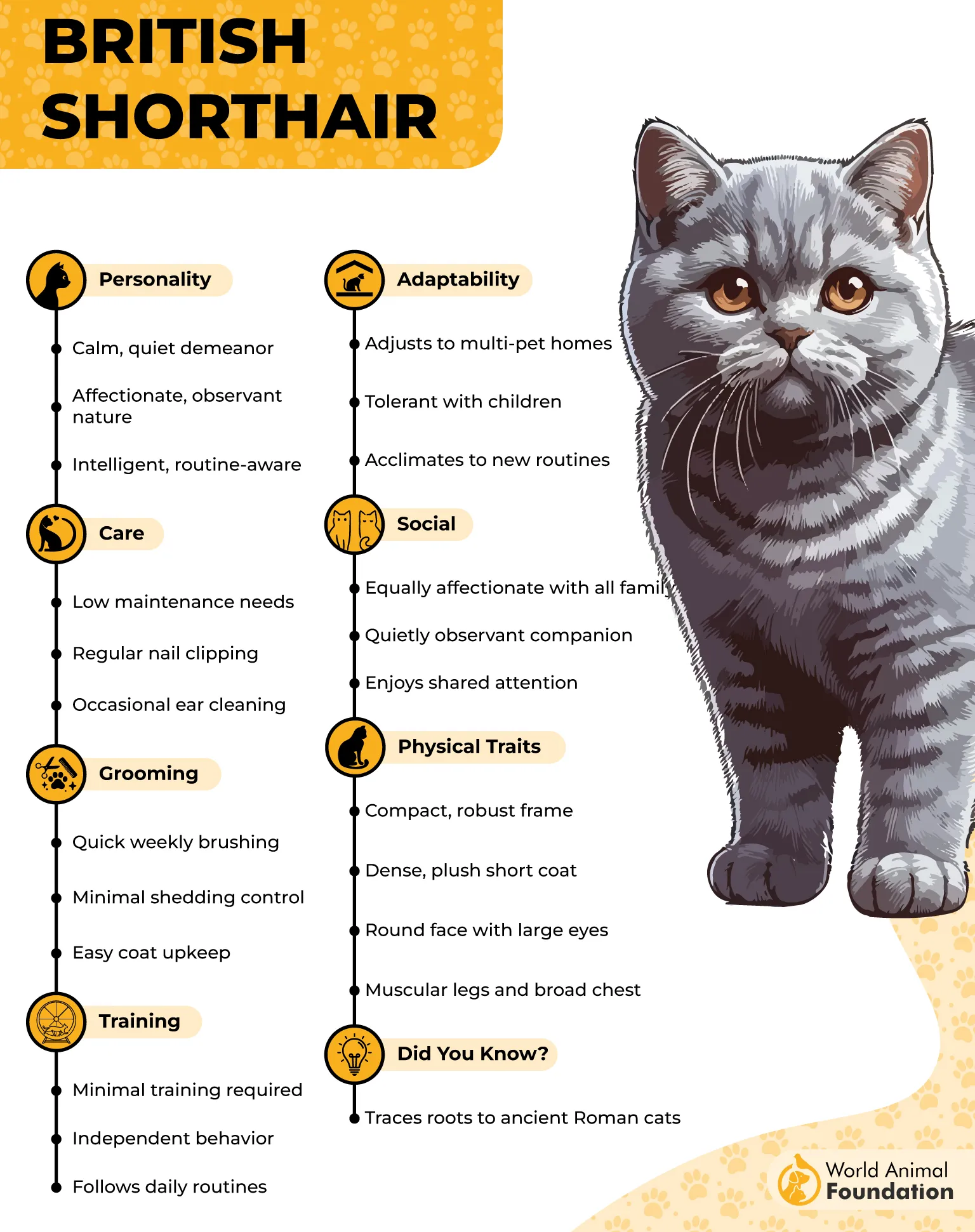
Playful in quick, intense spurts, British Shorthairs prefer brief moments of action rather than long, exhausting play sessions. They’ll happily chase a toy or pounce once or twice, then return to supervising their home from a comfortable spot.
Their naturally low energy level mirrors classic feline hunting behavior—short bursts of effort followed by rest. This makes them well-suited for apartments or busy households where daily play can be gentle and structured.
Because they’re content lounging most of the day, maintaining short daily play helps keep them fit and engaged.
Interesting fact: British Shorthairs are known for taking “fake naps,” often springing up the moment their humans move to another room.
2. Persian
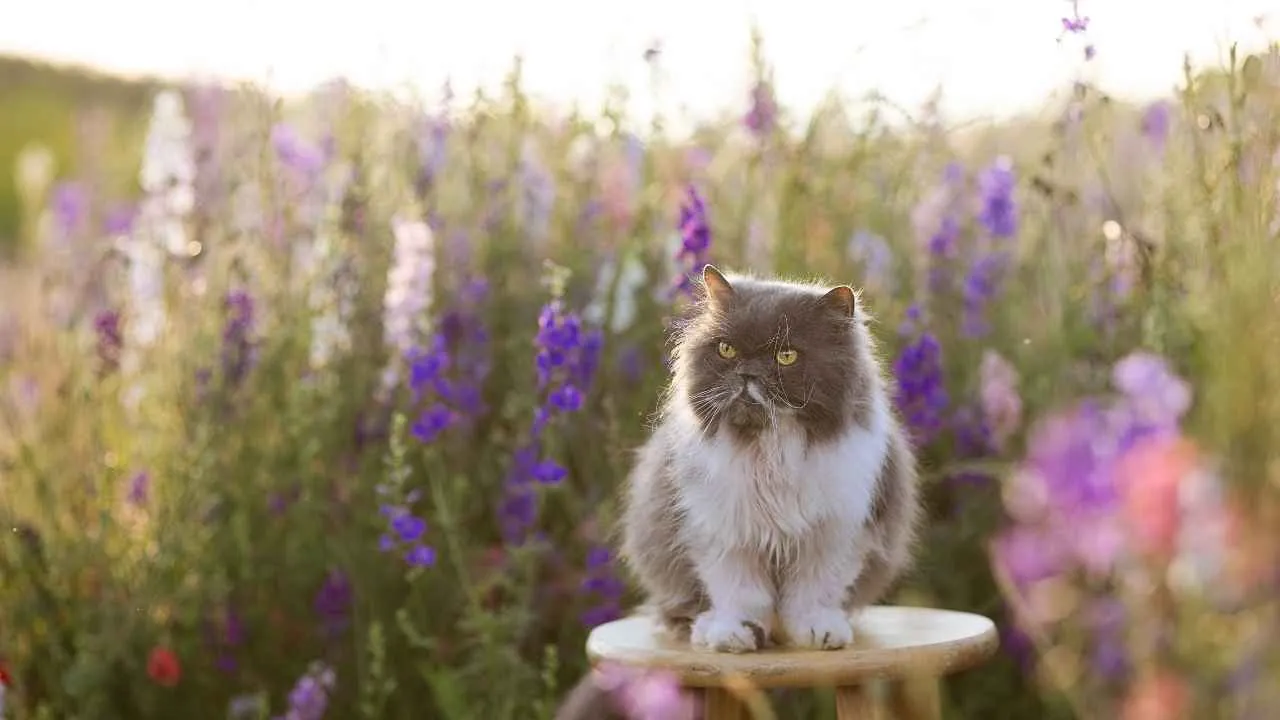
Also known as the Persian Longhair, the Persian is one of the oldest and most recognizable cat breeds, admired for its flowing coat, round face, and serene expression.
According to PetMD, Persian cats are believed to be among the oldest cat breeds, with origins that may trace back to the 1600s.
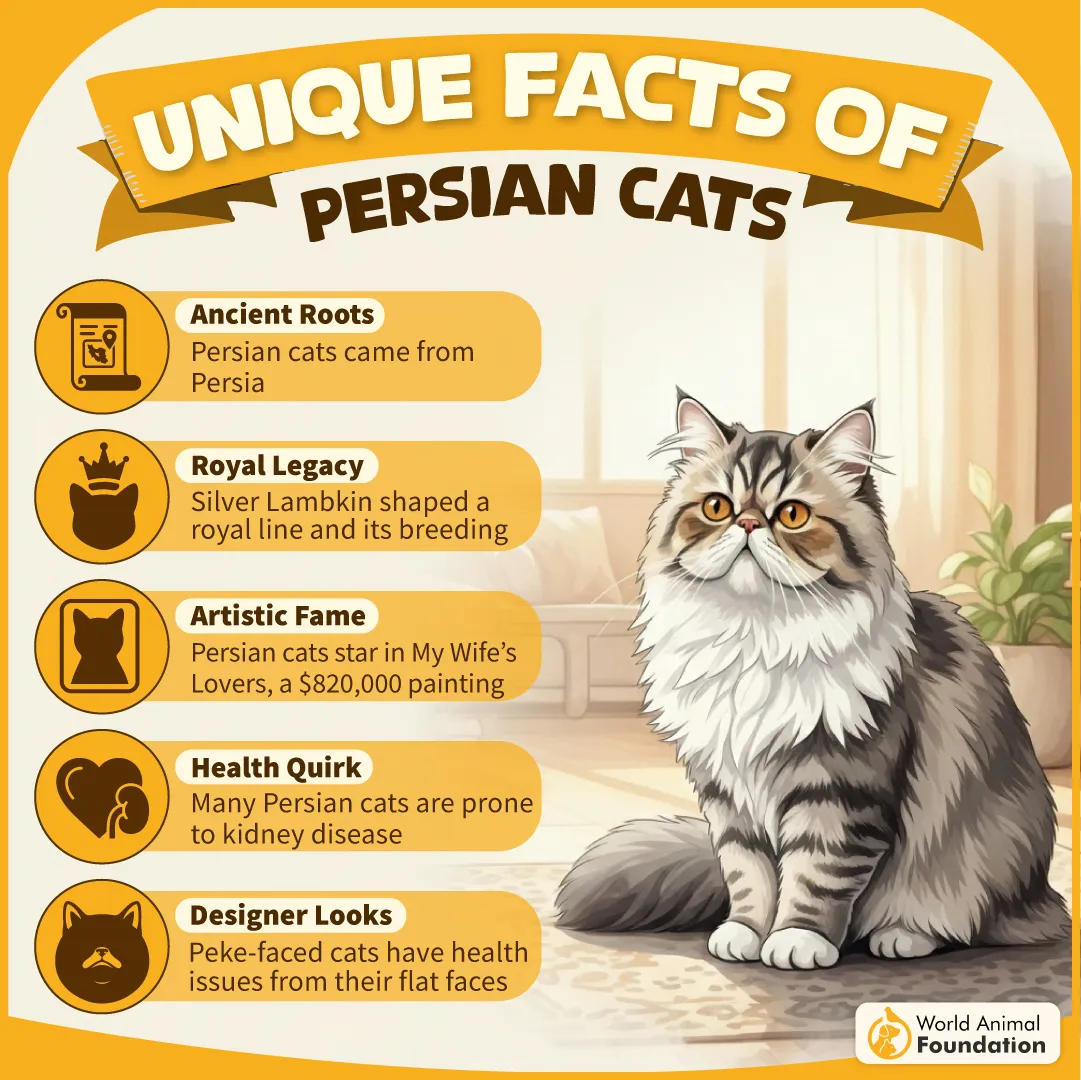
Fitting the idea of high energy—but only in short doses, Persians enjoy brief moments of playful engagement before returning to their favorite lounging spots. A few minutes with a toy mouse or feather wand is often enough to satisfy their activity needs.
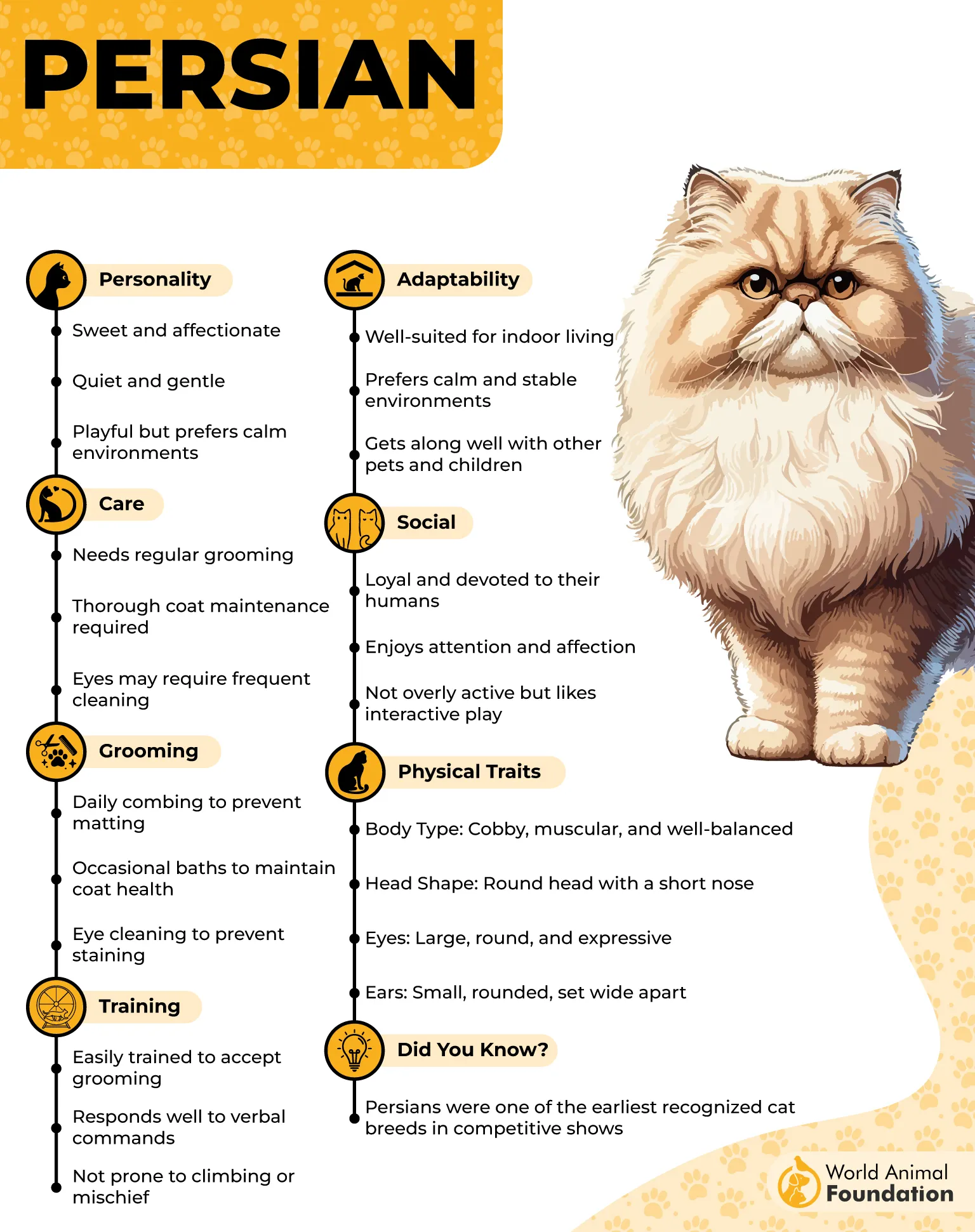
Their preference for short play sessions aligns with their calm temperament. Rather than climbing or racing around the house, Persians conserve energy, making them ideal for quiet homes where relaxed routines are valued.
Because they’re less active, structured but brief play helps maintain health without overwhelming them.
Interesting fact: Longhaired cats resembling Persians appear in artwork dating back to 1684 B.C., highlighting the breed’s ancient and enduring presence.
3. Ragdoll
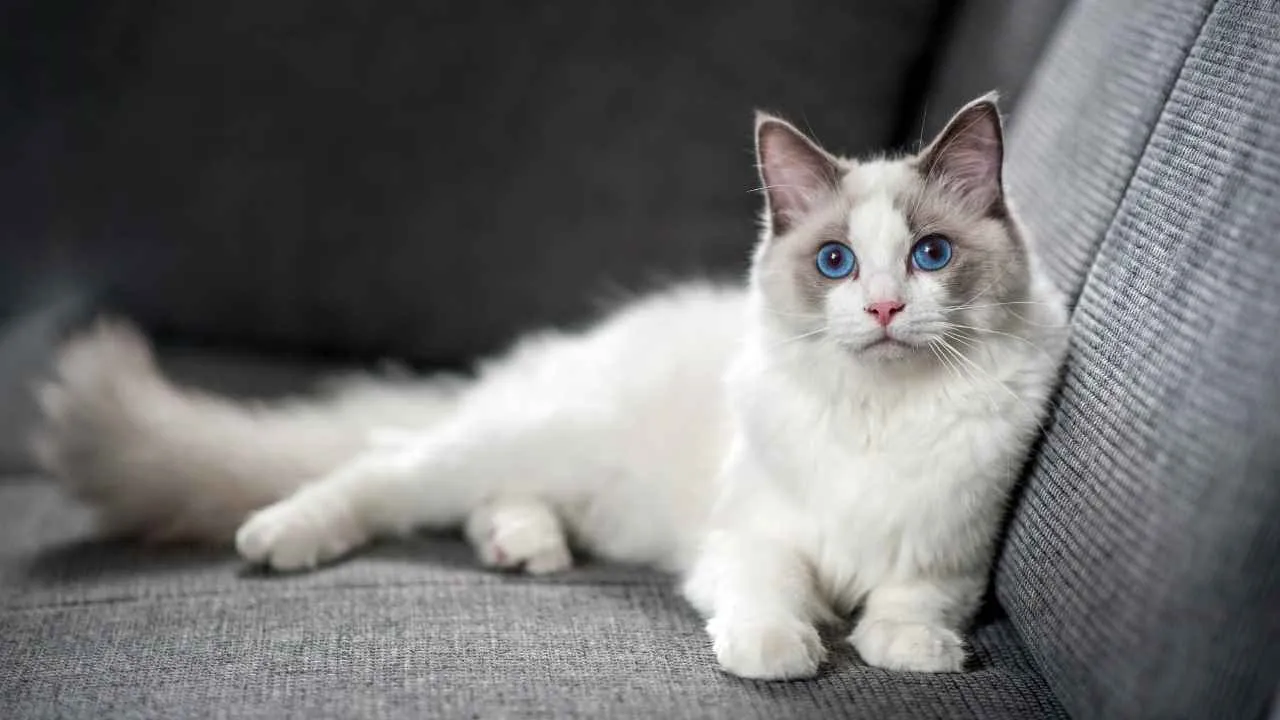
Also known simply as the Ragdoll cat, this large, blue-eyed breed is instantly recognized for its soft semi-long coat and famously relaxed demeanor.
According to WebMD, Ragdoll cats are known for being a calm and patient breed. Ragdolls are trusting, affectionate, and deeply people-oriented, often going limp when picked up.
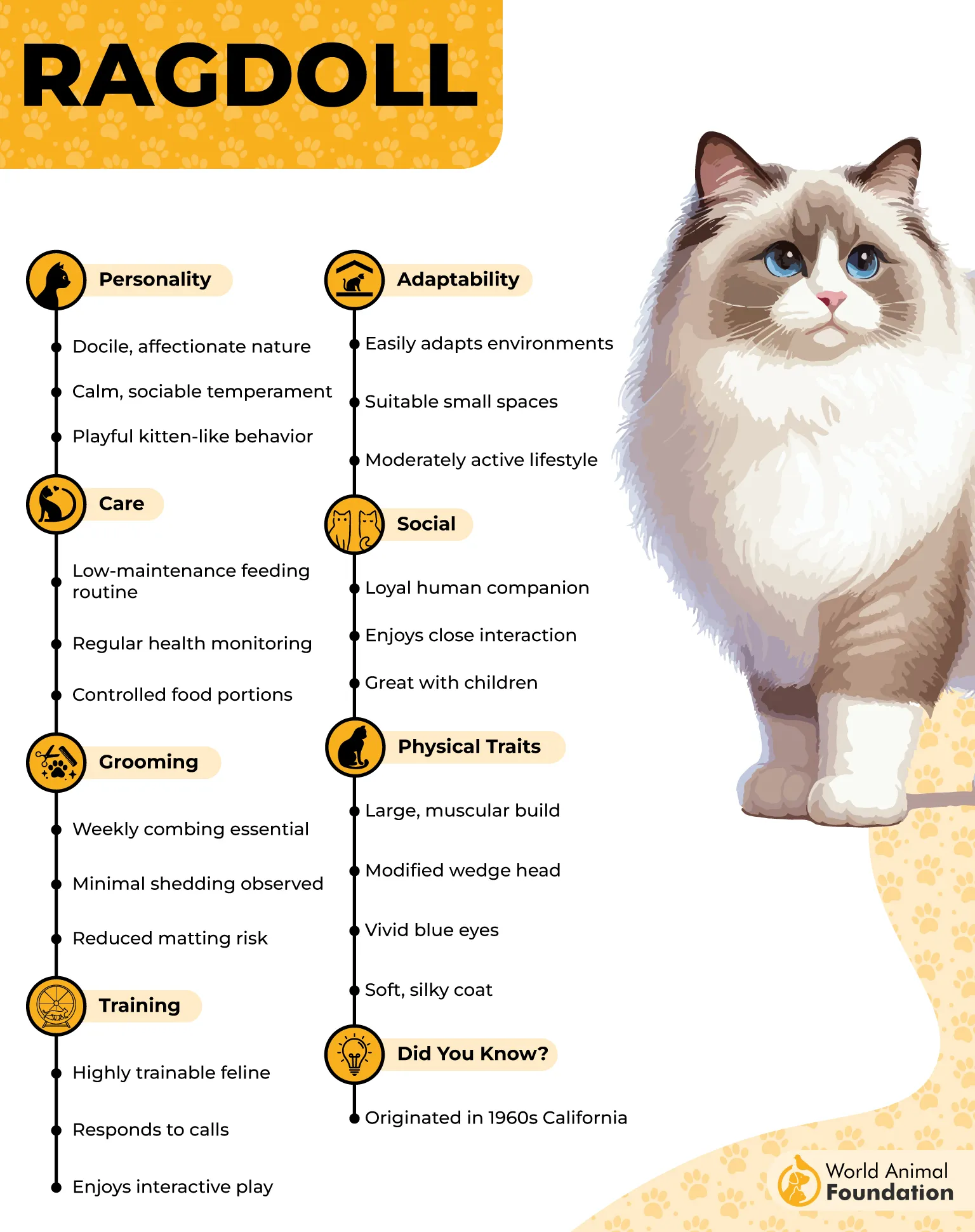
Ragdolls aren’t high-energy by default, but they do enjoy short, purposeful bursts of play. A quick chase after a toy or a brief interactive game is usually enough before they happily return to lounging.
Their play style reflects balanced energy levels rather than constant motion. Ragdolls engage when invited, especially with wand toys or gentle games, but they don’t demand nonstop activity or extended sessions.
This preference for short play followed by rest makes them ideal for families and calm households.
Interesting fact: Despite being one of the largest domestic cat breeds, Ragdolls are known for their quiet nature and exceptional tolerance with children and other pets.
4. Exotic Shorthair
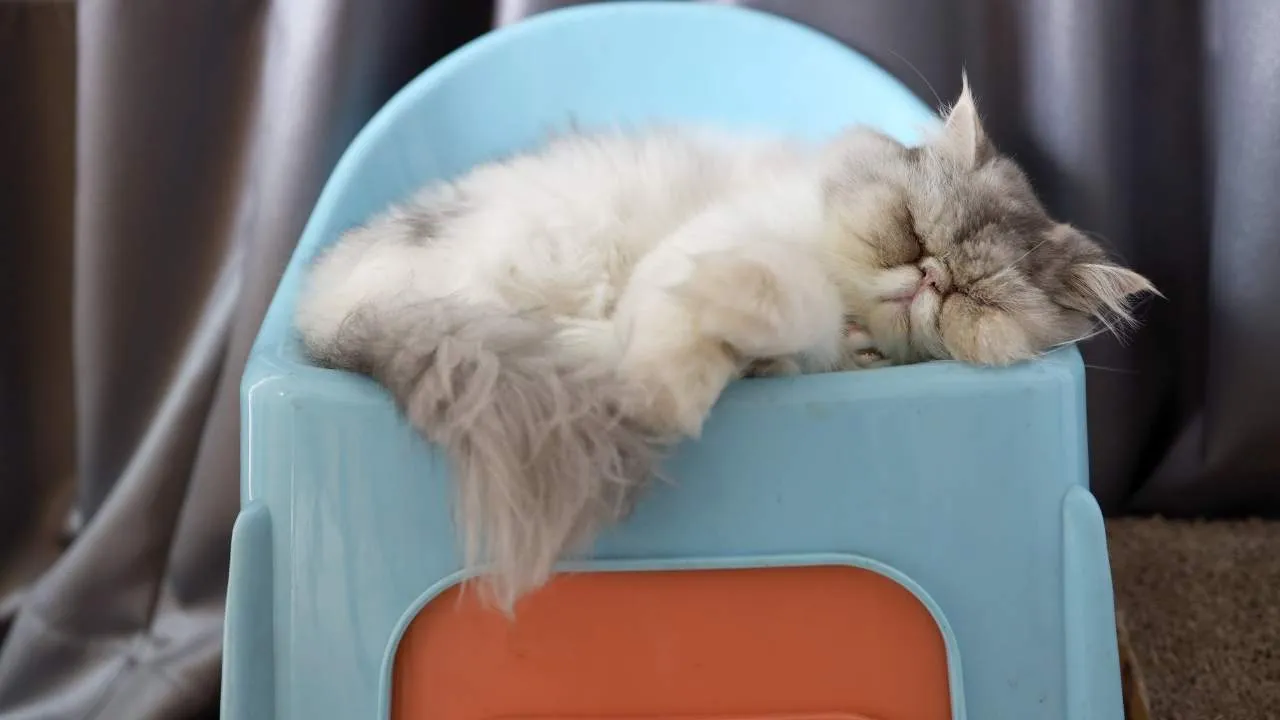
Often called the “lazy person’s Persian,” the Exotic Shorthair shares the Persian’s round face and sweet expression but sports a short, plush coat that’s far easier to maintain. This medium-sized breed is gentle, affectionate, and perfectly content with a relaxed lifestyle.
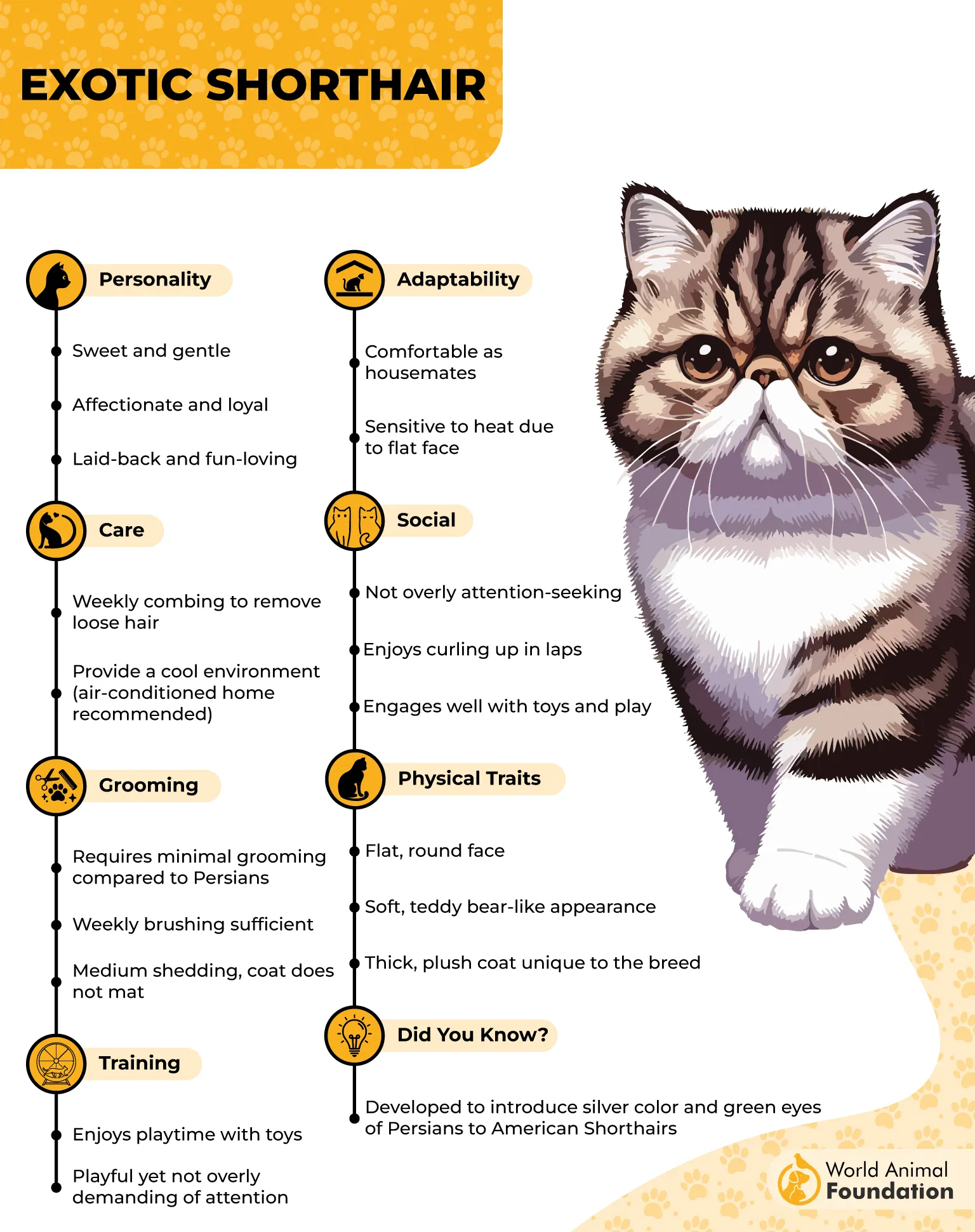
The Exotic Shorthair enjoys playful moments in moderation. They’re happy to engage in short bursts of activity—batting at feather wands or chasing a toy—before quickly settling down for a long, cozy rest.
Their low energy level means they don’t require constant stimulation to stay satisfied. Brief, interactive play sessions suit them best, allowing them to satisfy hunting instincts without becoming overstimulated or restless.
After a few minutes of play, Exotics are usually ready to curl up beside their favorite person.
Interesting fact: The Exotic Shorthair was developed in the United States and is known for needing only weekly brushing despite its teddy-bear plush coat.
5. Scottish Fold
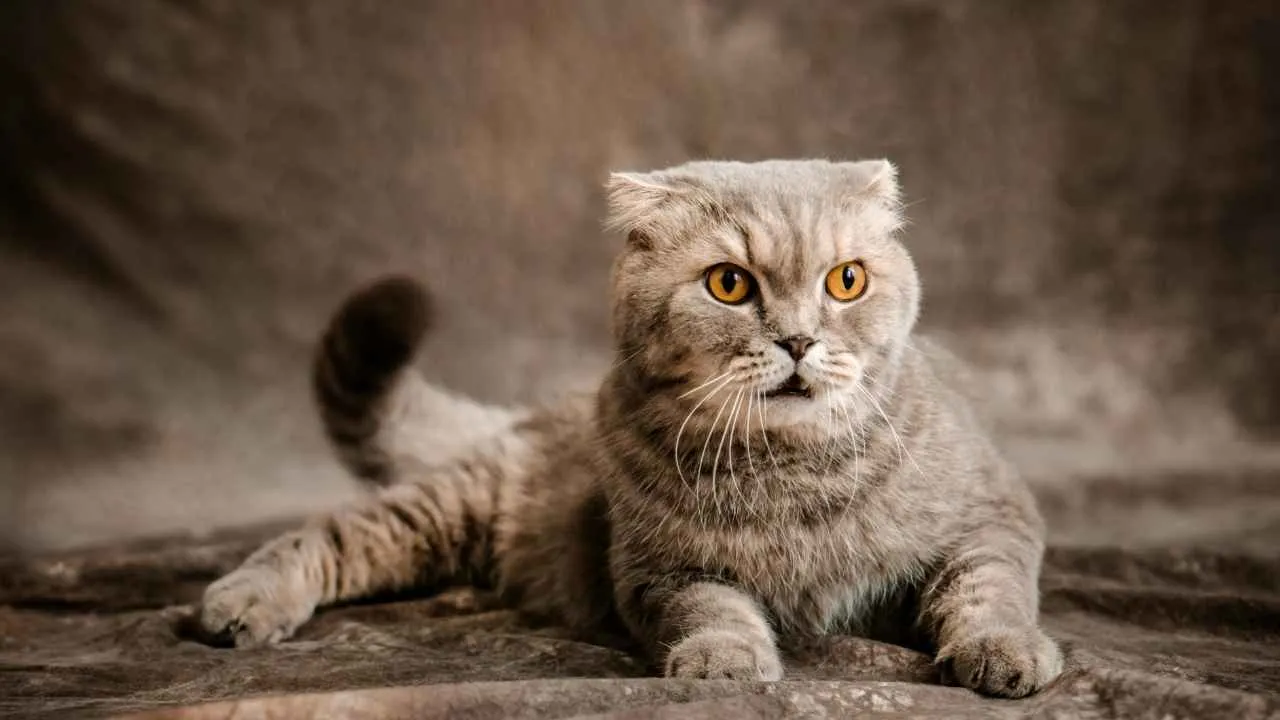
Also known simply as the Fold, the Scottish Fold is a short-haired breed from Scotland, instantly recognized by its forward-folded ears and round, owl-like face. Affectionate and sociable without being demanding, this cat is gentle, people-oriented, and quietly charming.

When it comes to activity, Scottish Folds are well-suited to brief play followed by extended relaxation. They enjoy light interaction with toys or humans but rarely demand long, high-energy sessions, preferring a slower, more measured pace.
Short bursts of play align well with their generally calm temperament. After a few minutes of engagement, they’re content to lounge nearby, nap, or simply observe household activity from a comfortable spot.
This balance of mild curiosity and long lounging makes them appealing to quieter homes.
Important fact: The folded-ear trait is caused by a cartilage mutation that can be linked to painful joint disorders, so veterinary guidance and joint health monitoring are essential.
6. Chartreux
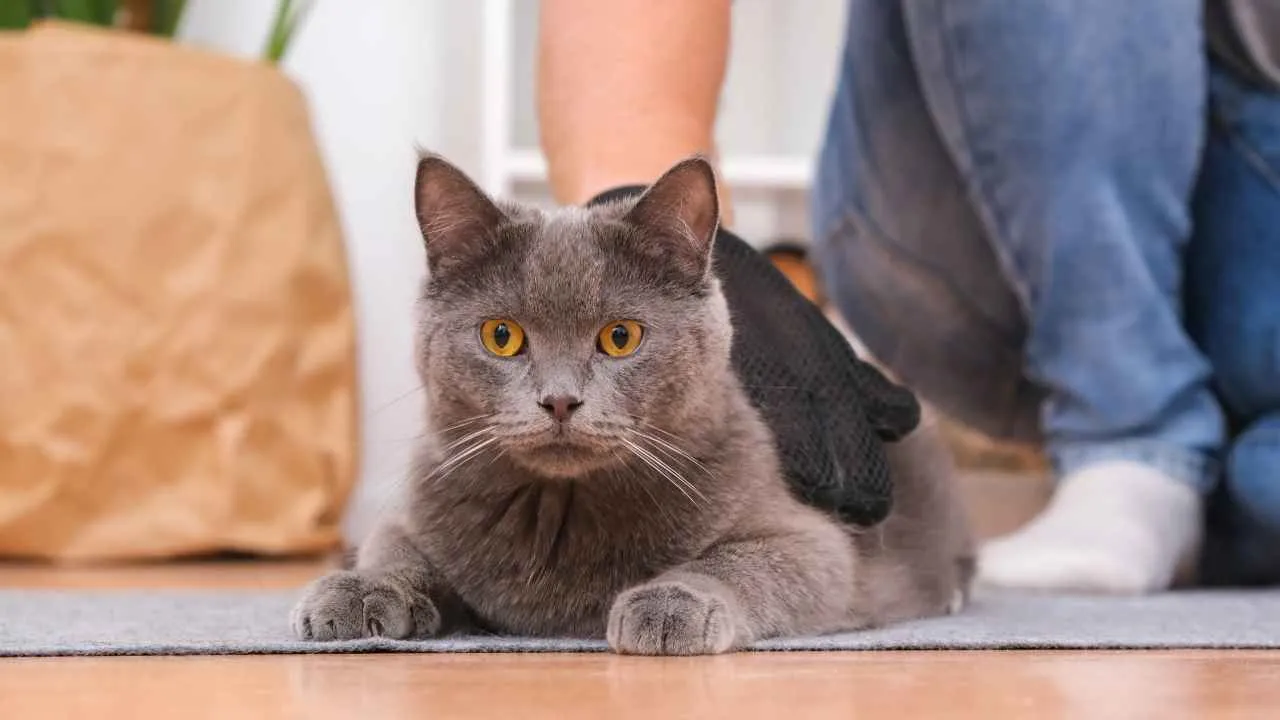
Also known as the French Blue cat, the Chartreux is a medium-sized breed from France, recognized for its solid blue-gray coat, copper eyes, and quietly confident presence. Sturdy yet elegant, this cat blends strength with a calm, friendly personality.
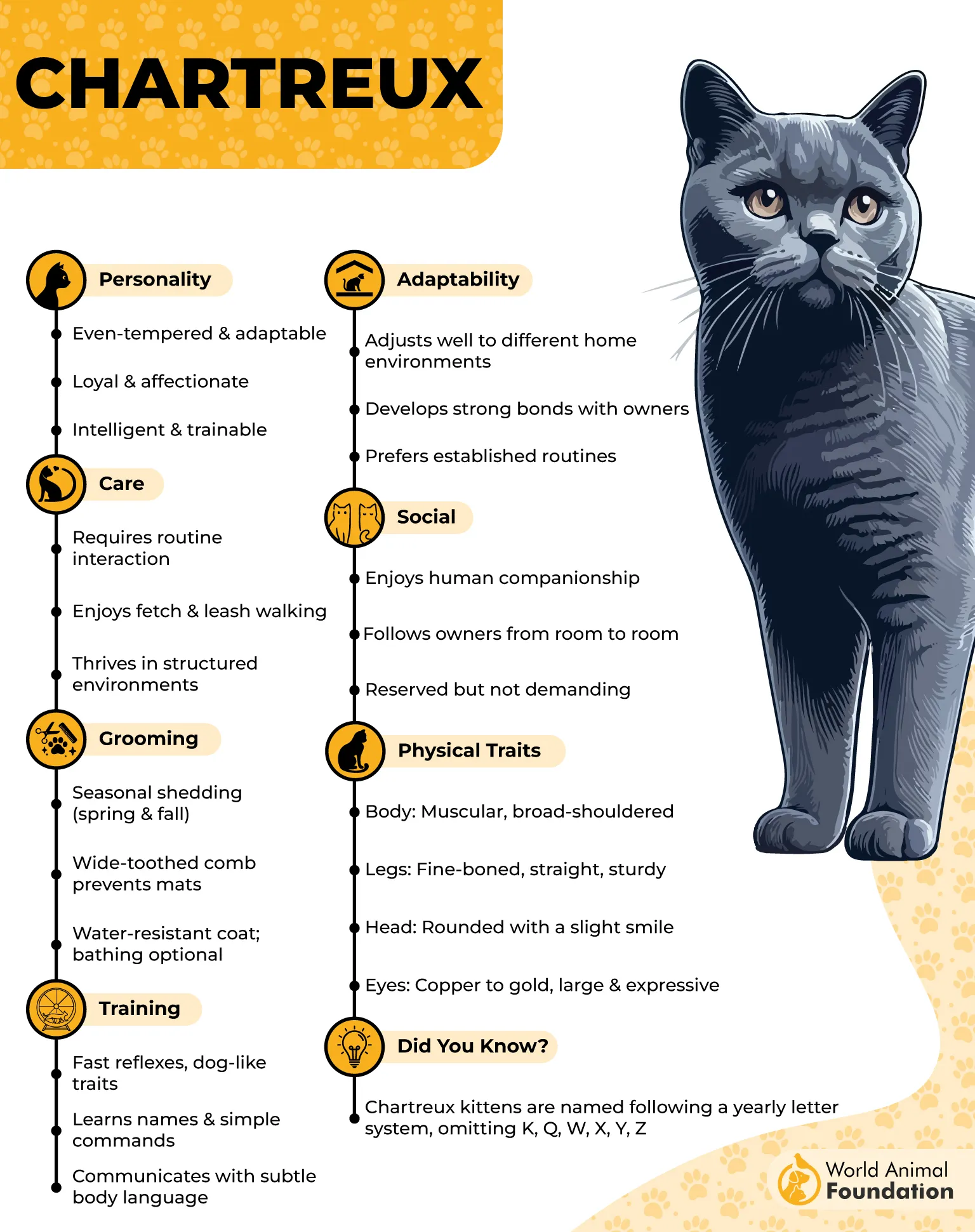
True to being active on their own schedule, Chartreux cats enjoy movement in measured doses. Rather than constant play, they prefer brief, purposeful activity followed by long periods of rest, making them well-suited to relaxed households.
Their natural hunting instincts emerge in short bursts—quick chases, climbing, or a sudden dash after a toy—before they settle back into observation mode. This balanced rhythm keeps them mentally satisfied without demanding nonstop engagement.
Because they’re calm and self-directed, Chartreux cats are happy entertaining themselves between short play sessions.
Interesting fact: Chartreux cats were once prized by French monks for their exceptional mousing skills in monasteries.
7. American Shorthair
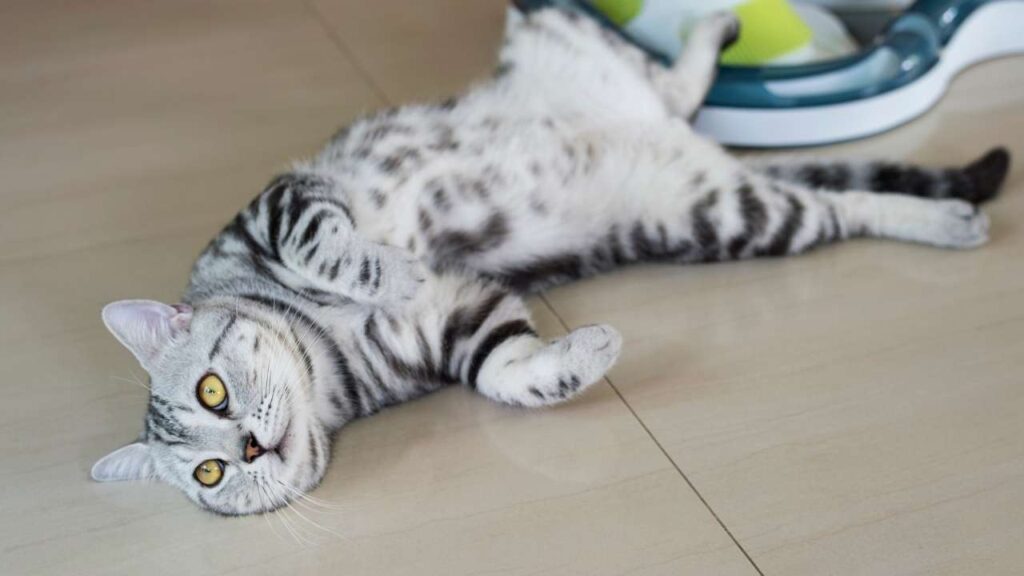
Also known as the Domestic Shorthair’s pedigreed cousin, the American Shorthair is a medium-to-large cat admired for its sturdy build, round face, and wide range of coat colors. Originally brought to the U.S. by early settlers, this breed is adaptable, healthy, and famously even-tempered.
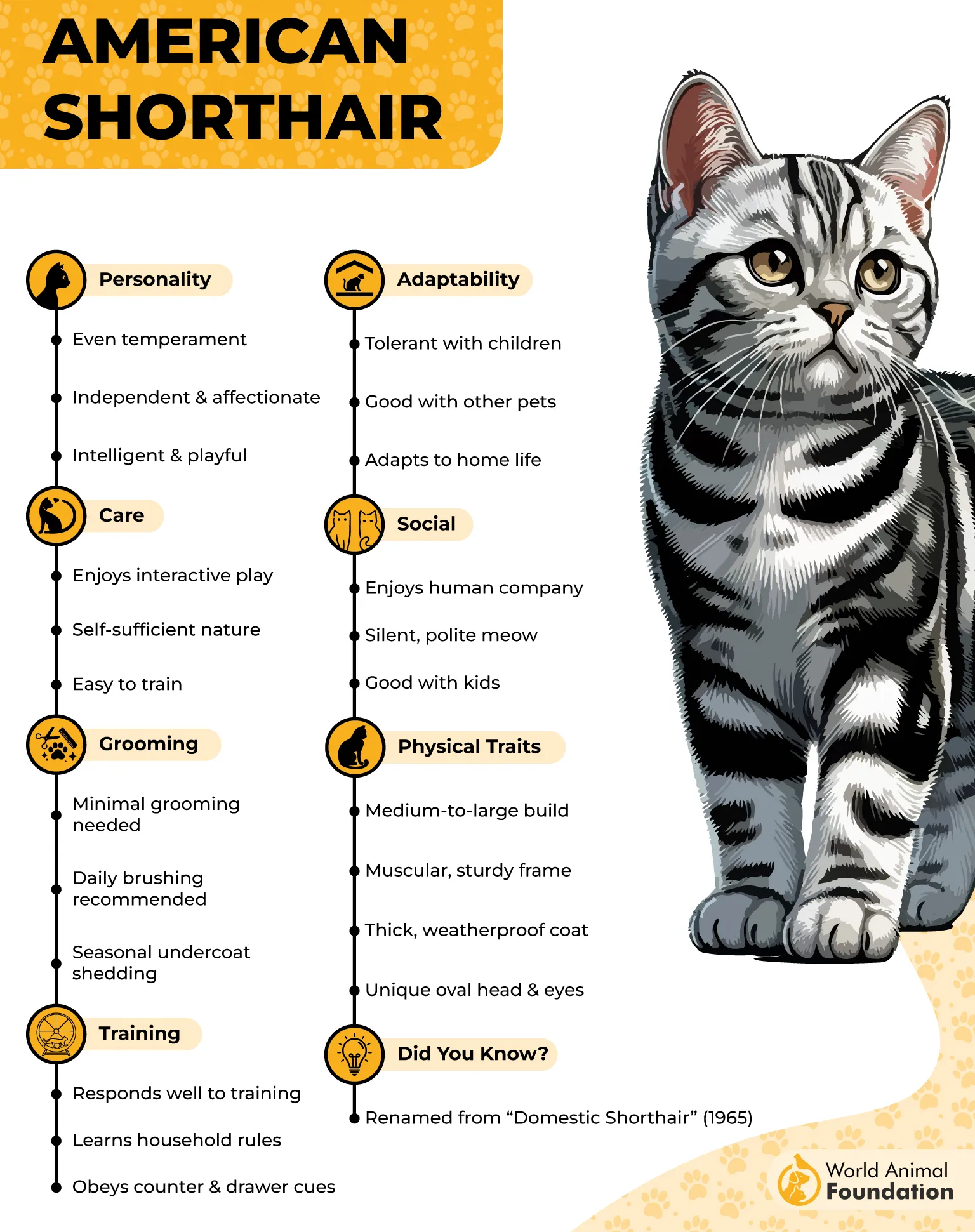
When it comes to activity, the American Shorthair fits the idea of being fast, focused, and then fully relaxed. They enjoy brief, engaging play sessions that tap into their hunting instincts, followed by long periods of rest or quiet observation.
Rather than constant stimulation, these cats prefer balanced energy. A short game with a wand toy or a quick chase around the room is usually enough before they’re ready to curl up on the couch and recharge.
This play style makes them ideal for families, seniors, or anyone wanting a low-maintenance companion that still enjoys interaction.
Interesting fact: American Shorthairs often live 15–20 years and were originally valued as skilled ship cats that protected food supplies from rodents.
Conclusion
In the cat world, it makes sense that most cats don’t want nonstop activity. Certain breeds and even many breeds thrive with short play followed by rest, especially in small apartments or small spaces.
These cats balance playful energy with calm downtime, making them a purr fect match for an indoor cat lifestyle that values comfort over chaos.
For pet parents, this means choosing setups that support brief fun and long relaxation—think feather toys, puzzle feeders, scratching posts, and a cozy cat tree or tall cat trees near a sunny window.
With cozy beds, cuddle sessions, and thoughtful enrichment, these cats are perfectly suited to indoor life, happy spending time close to you while keeping things easy and relaxed.
