




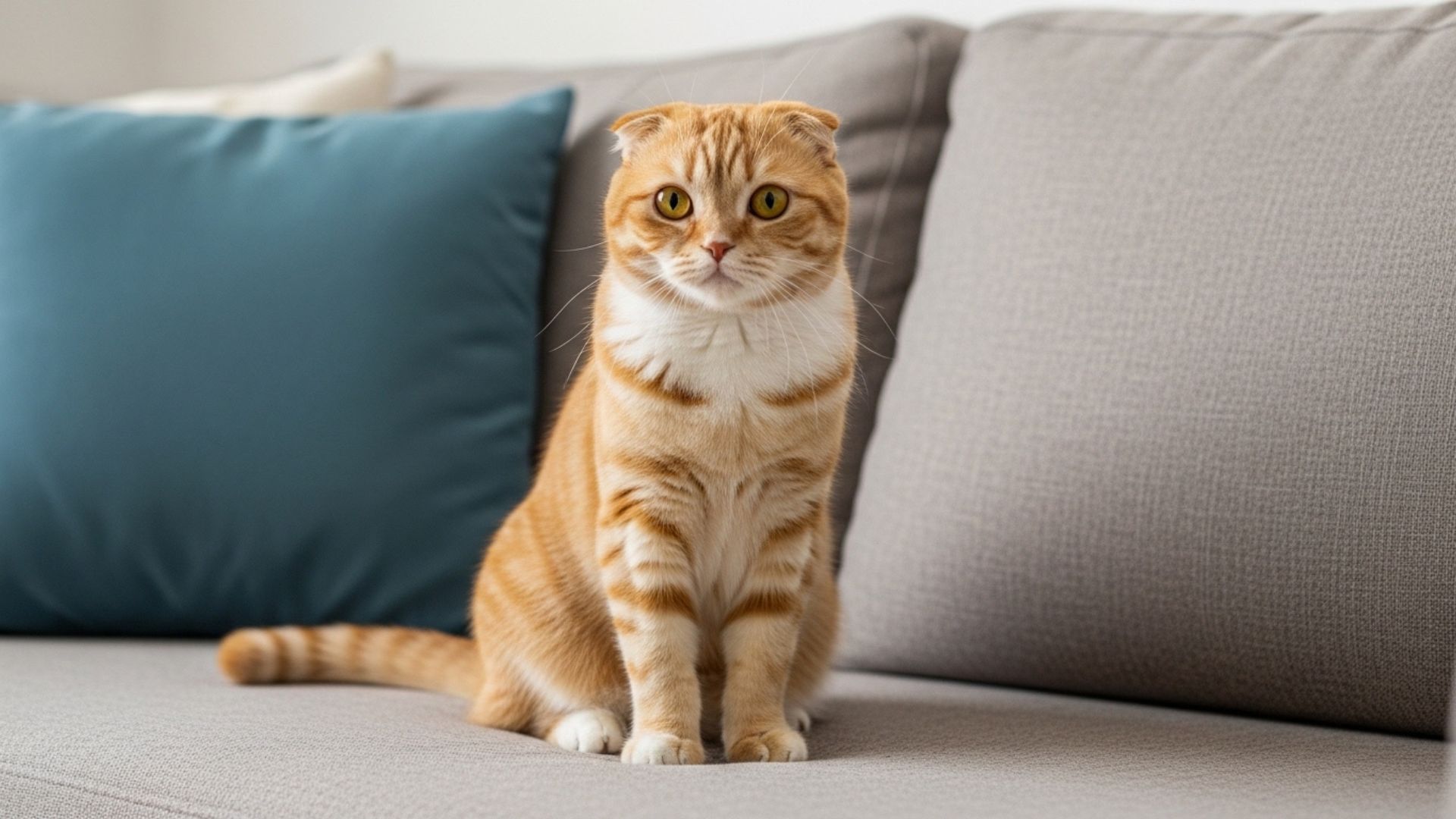
Lighting plays a bigger role in a cat’s daily life than many owners realize. While food and play often get the most attention, consistent lighting quietly shapes how cats rest, move, and feel throughout the day. Certain breeds are especially sensitive to changes in brightness and shadows, preferring environments where light follows a predictable rhythm rather than constant shifts.
Calm, easygoing breeds—often seen lounging openly and resting deeply—tend to thrive when daylight, evening glow, and nighttime darkness arrive in a familiar sequence. When lighting is erratic or overstimulating, these cats may struggle to relax, nap less soundly, or appear unsettled despite their normally relaxed demeanor.
Consistent brightness supports healthy sleep cycles, encourages confidence in open spaces, and reinforces a sense of safety. Breeds known for their gentle temperament and love of routine often rest more visibly, not because they’re lazy, but because their environment allows them to fully unwind.
In this article, we’ll explore seven cat breeds that prefer predictable lighting—and why thoughtful light routines can make a meaningful difference in their well-being.
Cat Breeds That Prefer Predictable Lighting
1. Ragdoll
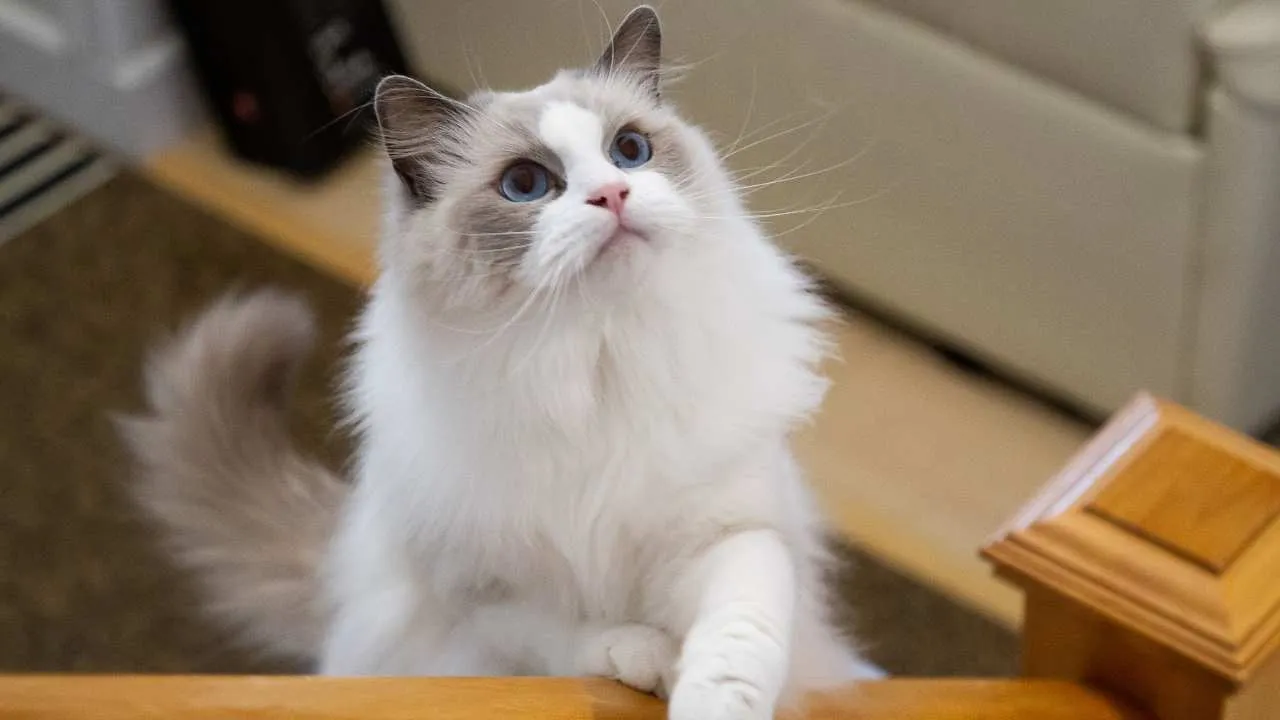
Also known as the “puppy cat,” the Ragdoll is a large, long-haired breed instantly recognized for its striking blue eyes, silky coat, and relaxed, floppy posture.
According to Britannica, these cat enjoys playing retrieval games. This affectionate cat is deeply people-oriented and adapts easily to household routines.
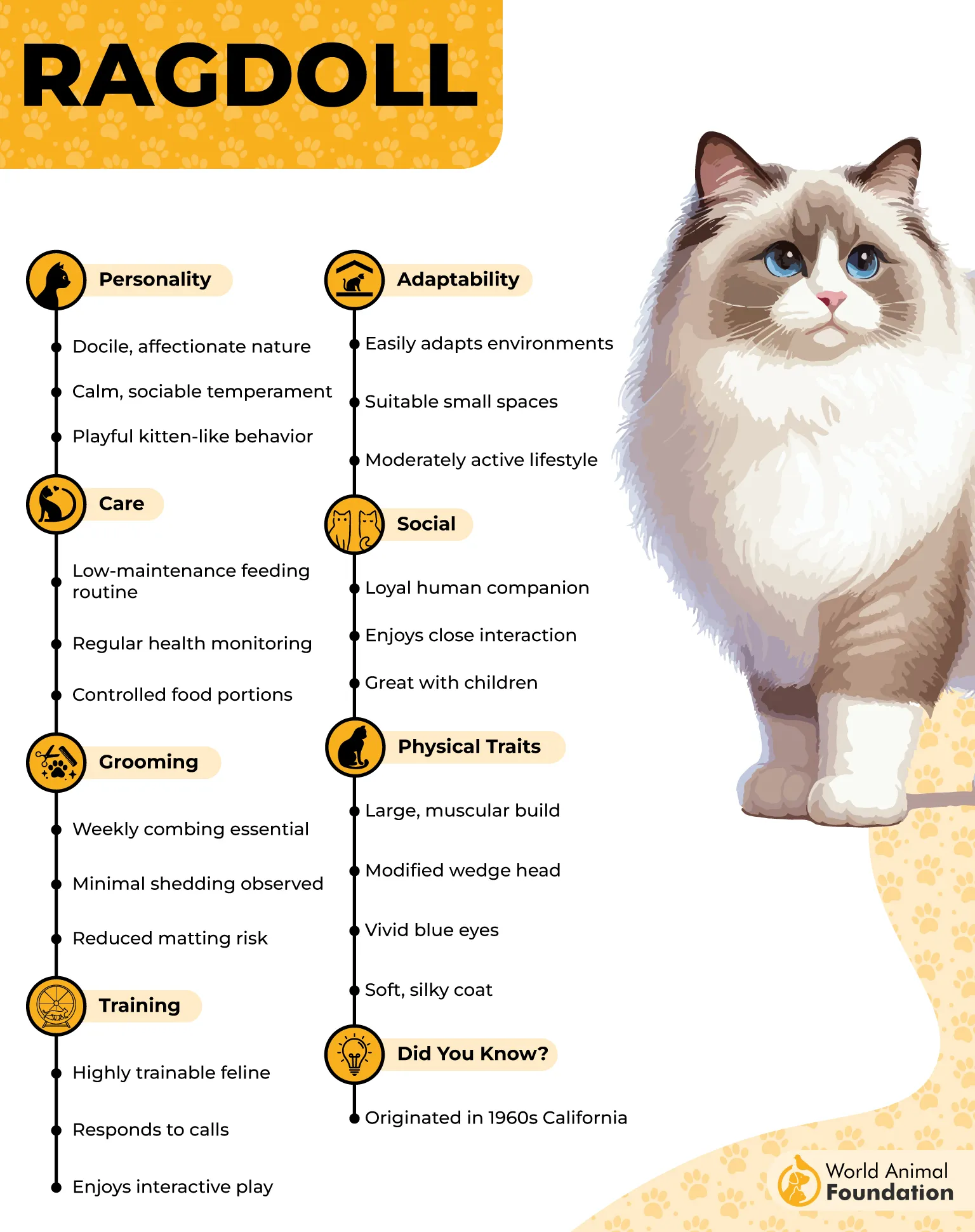
True to calm and routine-loving tendencies, Ragdolls respond especially well to predictable lighting patterns. Steady daylight and soft evening lighting help them relax fully, supporting their naturally long and uninterrupted rest cycles.
Because they are emotionally steady and less reactive to sudden changes, consistent lighting reinforces their sense of safety rather than triggering alertness. When light shifts are gentle and expected, Ragdolls rest openly in shared spaces without anxiety.

Their preference for moderate activity followed by extended downtime makes lighting consistency even more important as they age.
Interesting fact: Ragdolls are known for conserving energy through calm efficiency, favoring gentle play sessions followed by long, peaceful naps.
2. British Shorthair
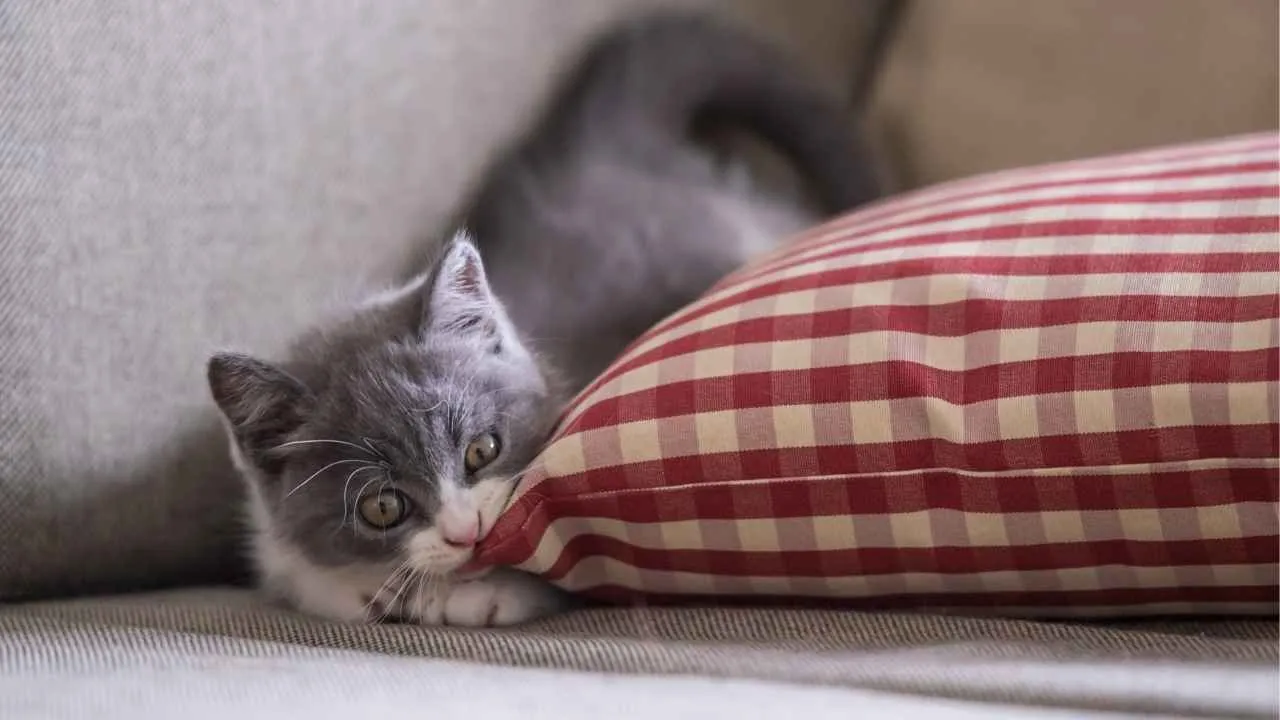
Also known as the British Blue, the British Shorthair is a classic breed recognized for its round face, plush, dense coat, and stocky build.
According to PetMD, they are affectionate and personable. Calm and composed, this indoor-loving cat is well-suited to quiet homes with predictable daily rhythms.
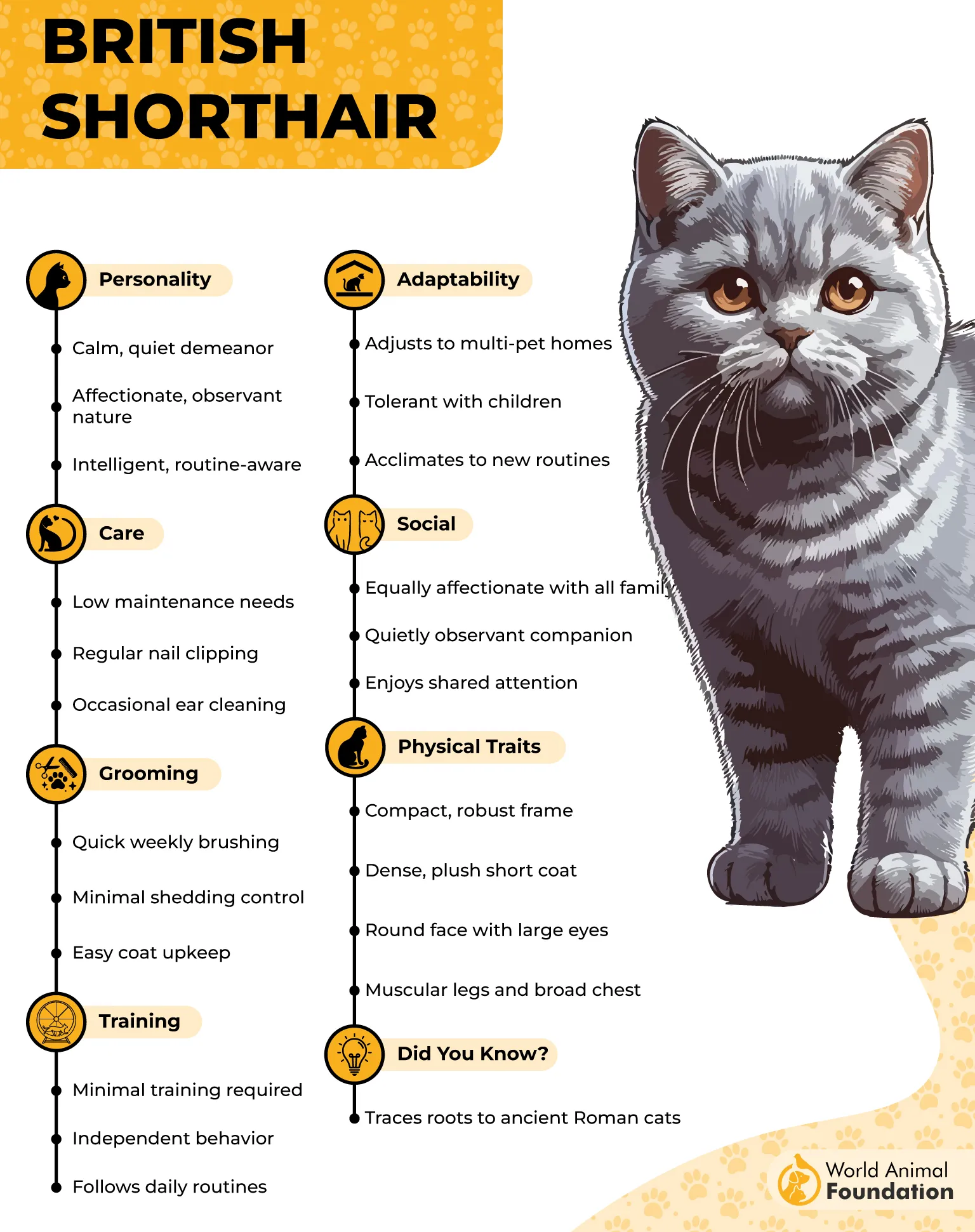
British Shorthairs can be sensitive to sudden light changes, especially in spaces where they nap or rest during the day. Consistent lighting helps them feel secure, supporting their preference for calm environments and uninterrupted downtime.
Because they spend long stretches resting, abrupt brightness or frequent switching between light and dark can disrupt their natural sleep patterns. Soft, steady light throughout the day encourages relaxed behavior and helps maintain their famously even temperament.
Predictable lighting also complements their low-activity lifestyle, reducing stress and supporting healthy routines.
Interesting fact: British Shorthairs are prone to weight gain due to their slower metabolism, making stable routines and environments especially important for their overall well-being.
3. Persian
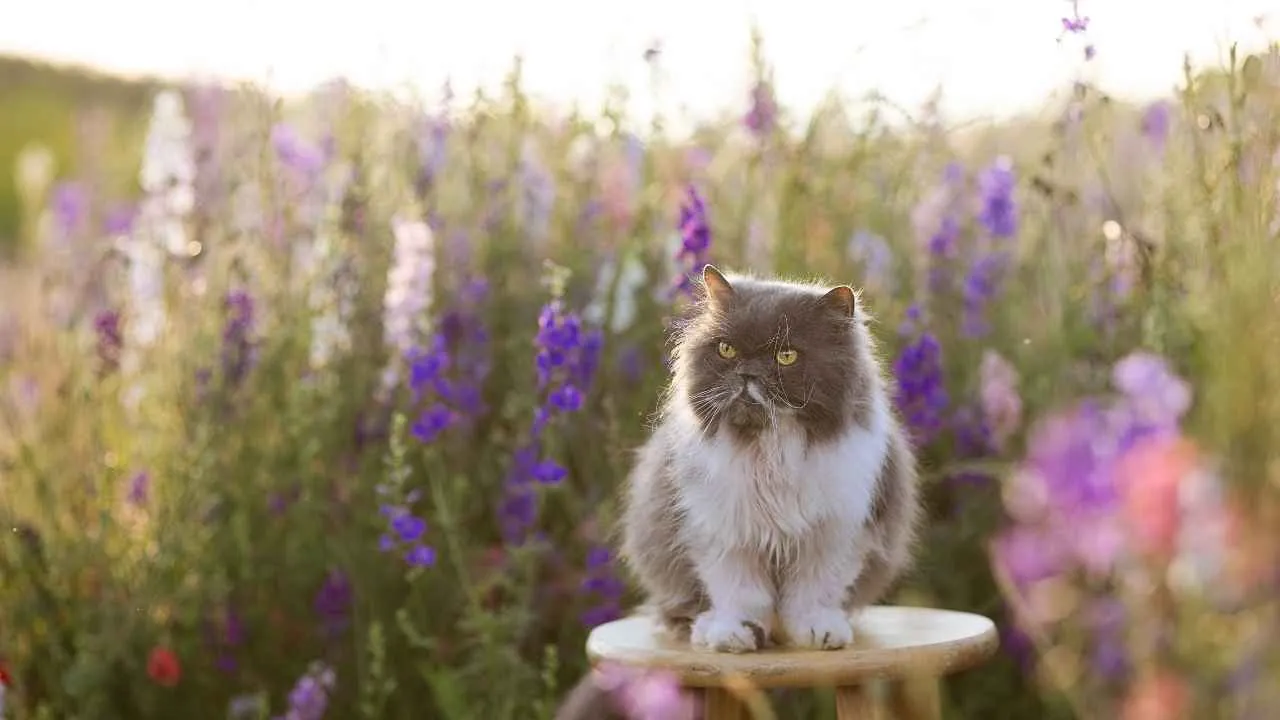
Also known as the Iranian cat, the Persian is one of the oldest and most recognizable cat breeds, prized for its round face, short nose, and long, flowing coat.
According to Purina, the Persian is a docile and quiet cat that prefers a calm, relaxing environment. With roots tracing back centuries, this breed is closely associated with elegance, calmness, and a distinctly indoor lifestyle.
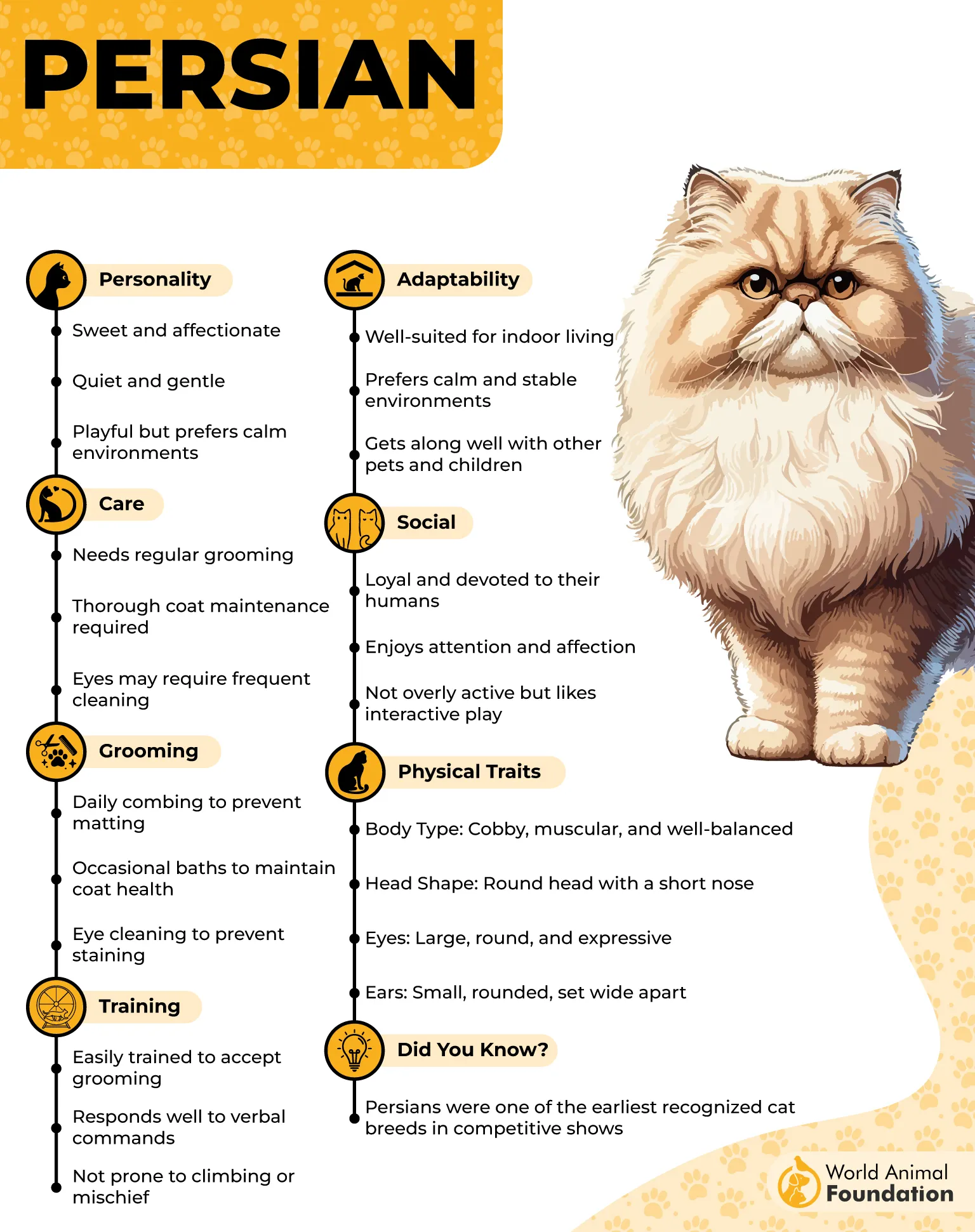
Persians fit perfectly under the idea of thriving in stable indoor environments. They prefer softly lit spaces where brightness remains consistent throughout the day, allowing them to rest peacefully without sudden changes that may feel overstimulating.

Because they are not highly active or curious, predictable lighting helps Persians maintain their relaxed routines. Gentle daylight and steady evening lighting encourage long naps, quiet observation, and a sense of security in their favorite resting spots.
Their fondness for sun-warmed surfaces also makes reliable light patterns especially comforting.
Interesting fact: Persian cats were showcased at London’s Crystal Palace cat show in the 1800s and were famously adored by Queen Victoria, helping cement their regal reputation.
4. Scottish Fold
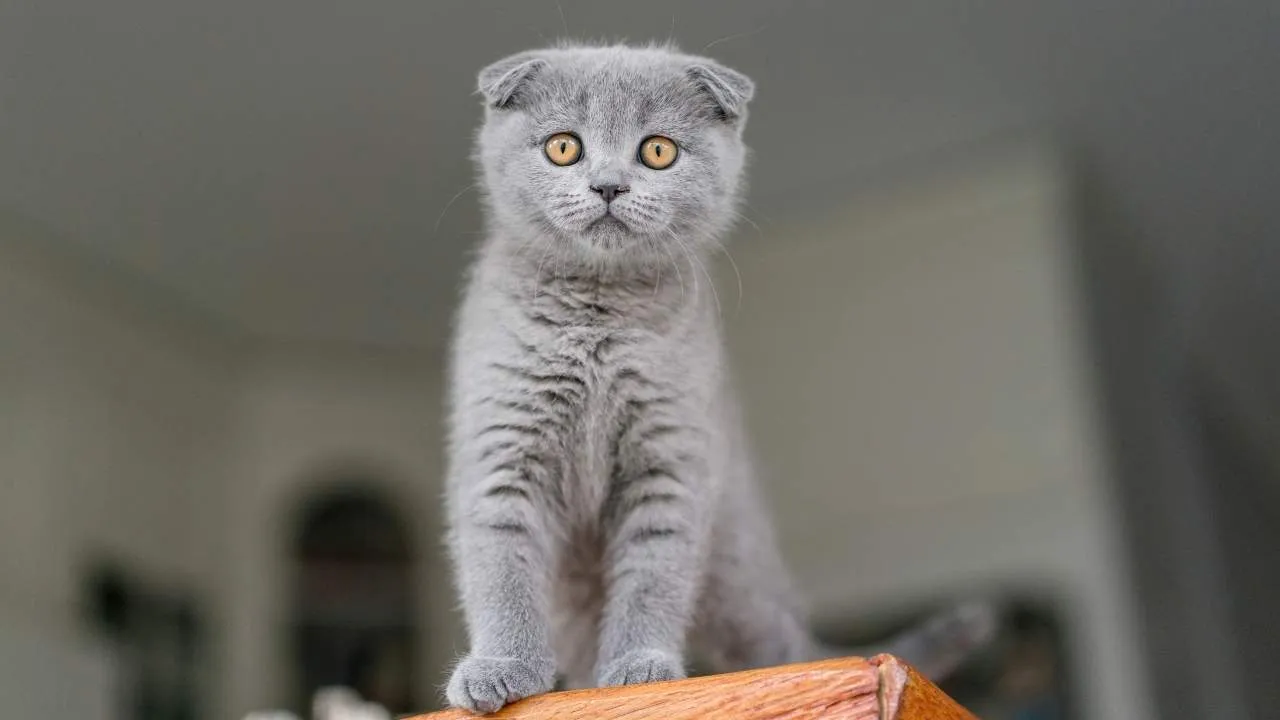
Also known as the Scottish Shorthair when born with straight ears, the Scottish Fold is a medium-sized breed instantly recognized for its forward-folded ears, round face, and wide, expressive eyes. Originating in Scotland in the 1960s, this cat is admired for both its whimsical appearance and gentle personality.

Scottish Folds fit the idea of a creature of habit well, showing a strong preference for calm, predictable environments. Consistent lighting helps them feel secure, encouraging their relaxed tendency to lounge openly rather than retreat into hiding spots.
Because they are sensitive and observant, sudden changes in brightness or harsh lighting can make them uneasy. Soft, steady light patterns support their natural sleep rhythms and help maintain their calm, affectionate demeanor throughout the day.
These cats enjoy being near their people without demanding attention, often resting quietly while supervising household activity.
Interesting fact: The Scottish Fold’s signature ears are caused by a dominant genetic mutation first observed in a farm cat named Susie in 1961.
5. Birman
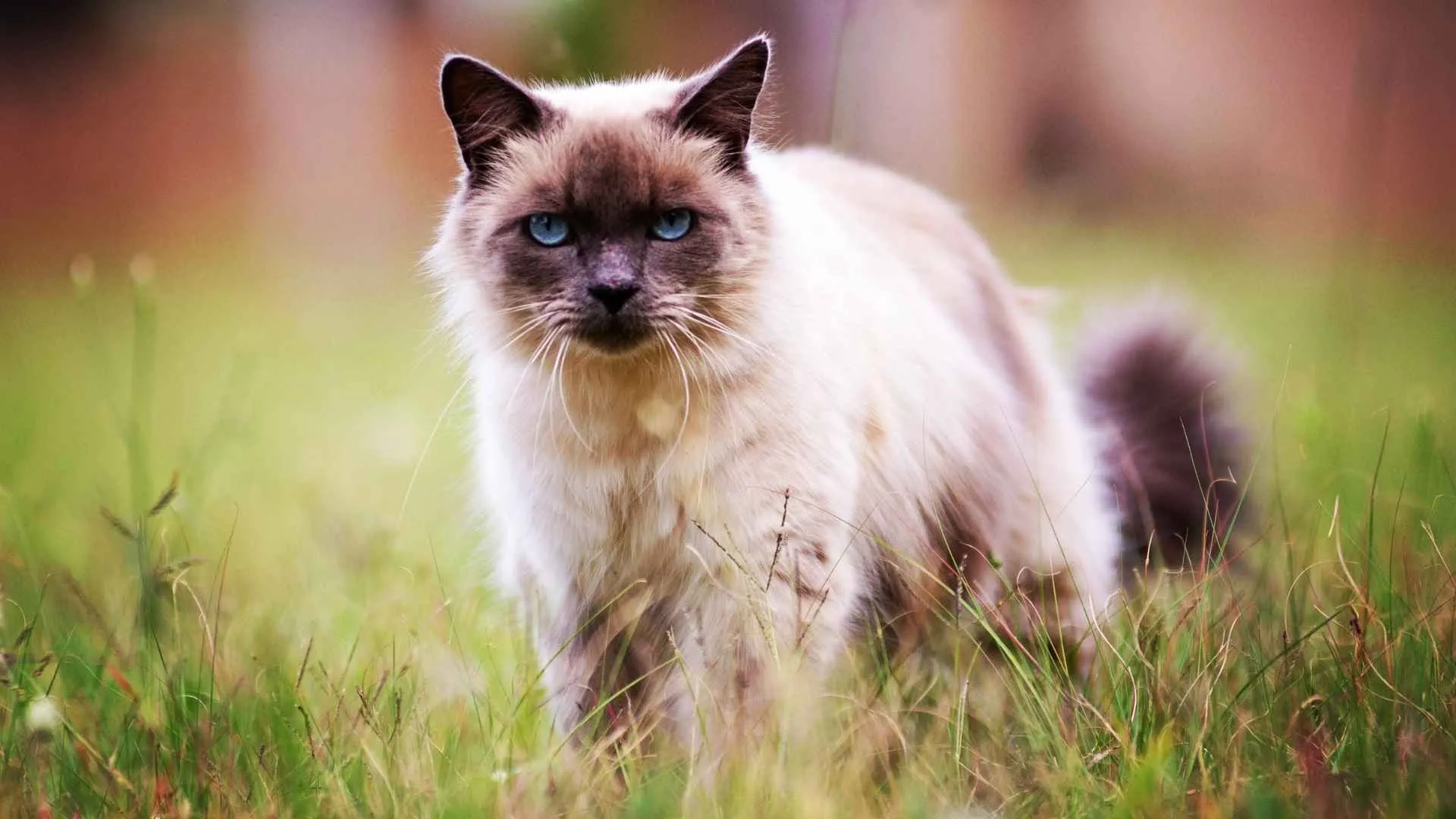
Also known as the Sacred Cat of Burma, the Birman is a semi-longhaired breed admired for its silky coat, deep blue eyes, and distinctive white “gloves.” Originating in Burma (now Myanmar), this gentle, medium-to-large cat has long been associated with calm, temple-like environments.

Birmans tend to favor soft, even lighting that mirrors their naturally serene temperament. Harsh brightness or frequent lighting changes can make them retreat, while consistent, diffused light encourages them to relax openly and remain confident in shared spaces.
Because they are affectionate yet sensitive, predictable lighting helps Birmans maintain steady sleep and rest cycles. Gentle illumination supports their preference for quiet observation, light play, and peaceful companionship rather than overstimulation.
Their colorpoint coats also benefit from stable indoor lighting, which helps them feel secure as they lounge or nap throughout the day.
Interesting fact: Birmans are born completely white and gradually develop their colorpoints as they mature, while their paws remain permanently white.
6. Exotic Shorthair
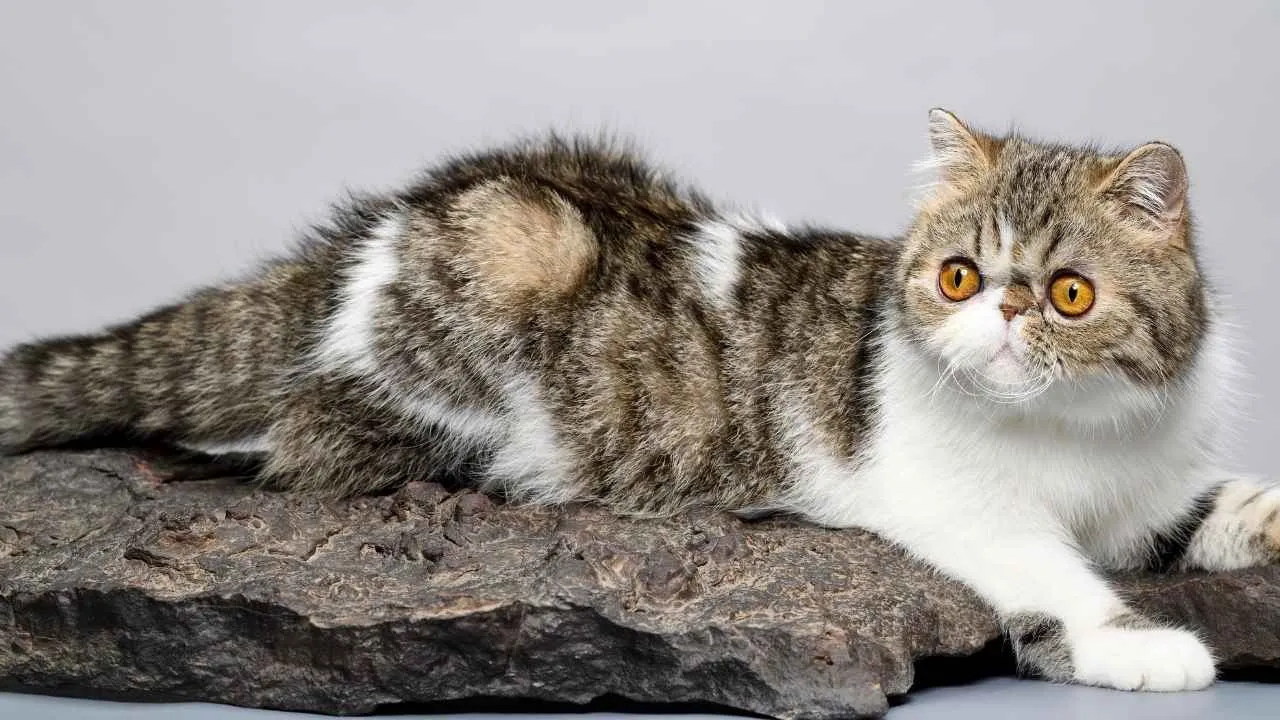
Also known as the Exotic, the Exotic Shorthair was developed in the 1950s by crossing Persian cats with American Shorthairs or Burmese cats. With a plush short coat, round face, and large expressive eyes, this breed is calm, affectionate, and deeply routine-oriented.
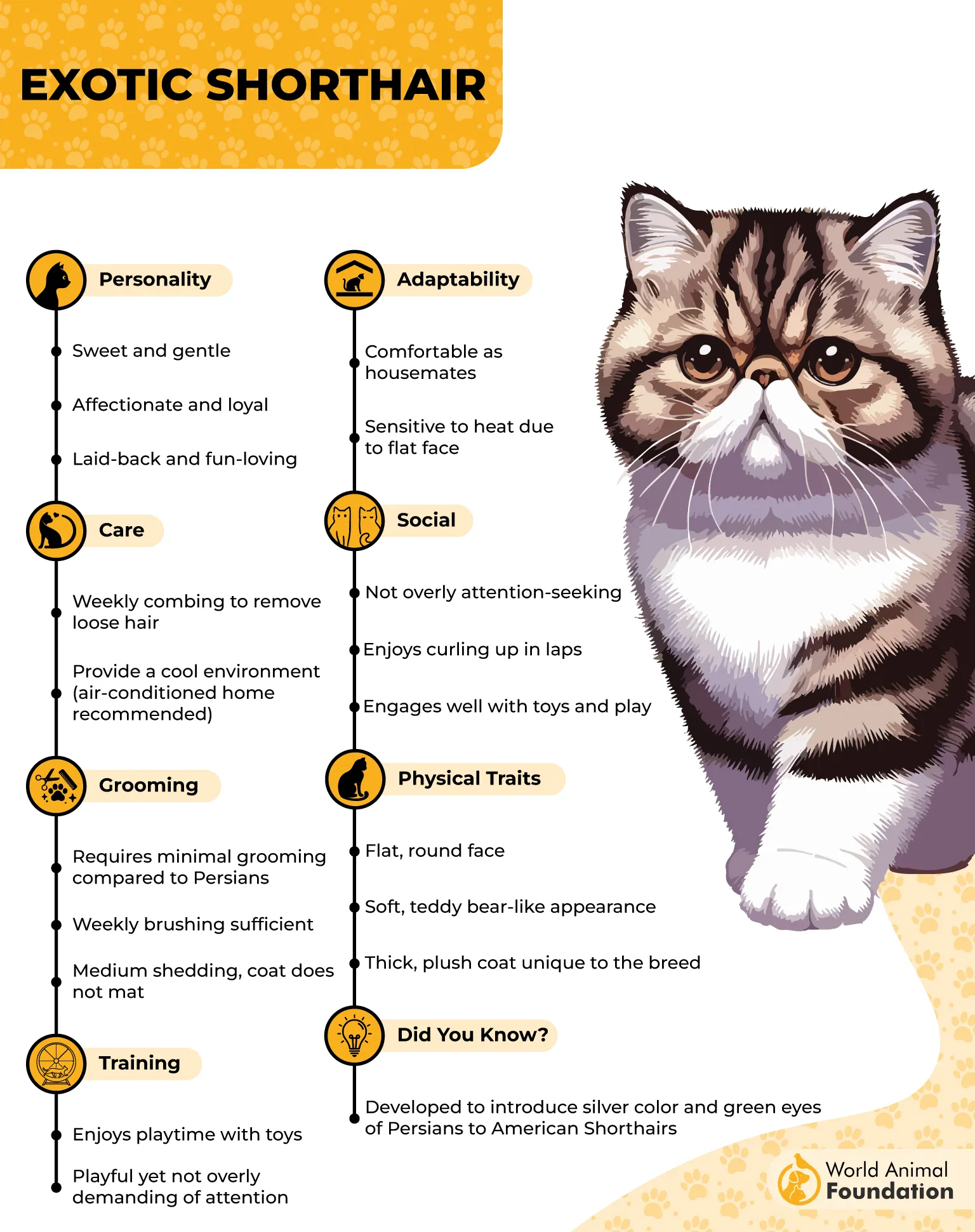
Exotic Shorthairs are creatures of habit and often struggle when their environment changes abruptly. Sudden lighting shifts can feel overwhelming, making predictable light levels especially important for helping them feel safe and settled.
Because they prefer quiet spaces and gentle interaction, consistent lighting supports their ability to relax in favorite resting spots. Stable brightness helps reduce stress, encourages regular sleep patterns, and complements their naturally low-key lifestyle.
These cats enjoy balance—short play sessions followed by rest in familiar places—and predictable lighting reinforces that rhythm.
Interesting fact: Exotic Shorthairs are known to communicate more with their expressive eyes than their soft, musical voices.
7. Chartreux
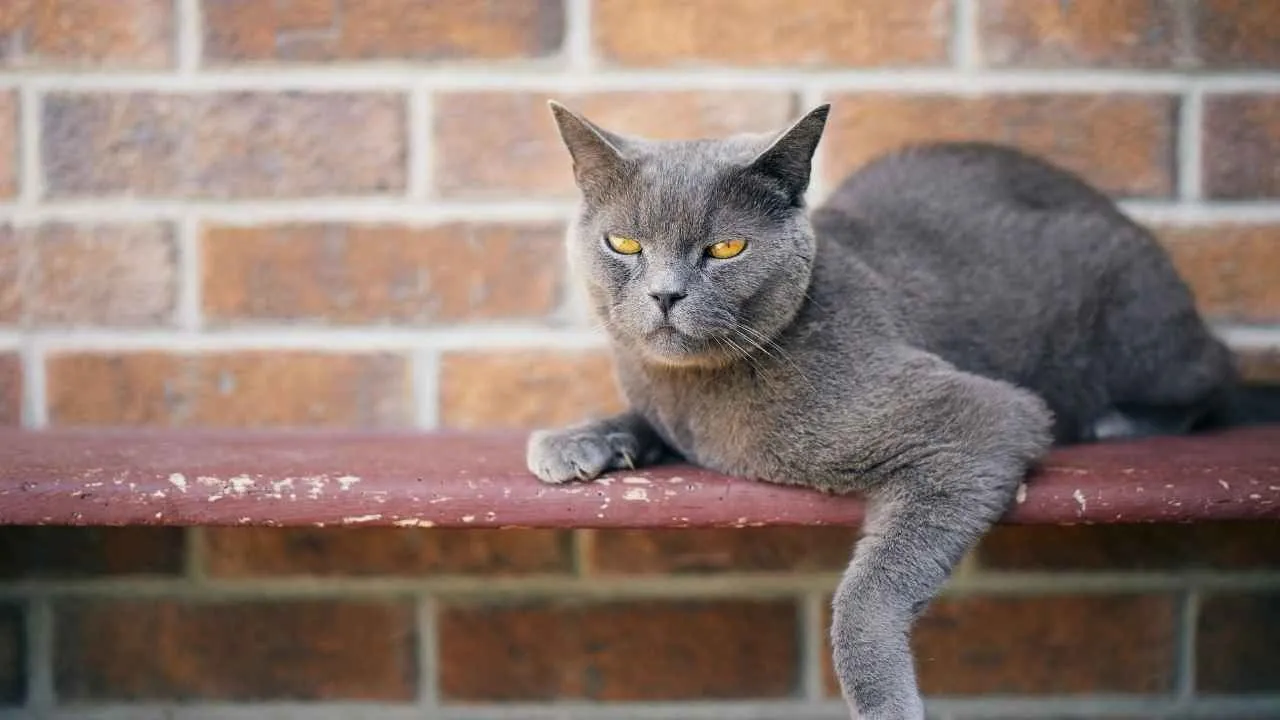
Also known as the French Blue cat, the Chartreux is a medium-sized, sturdy breed admired for its dense blue-gray coat, rounded face, and copper-to-gold eyes. This rare French native is calm, dignified, and quietly devoted to its household.
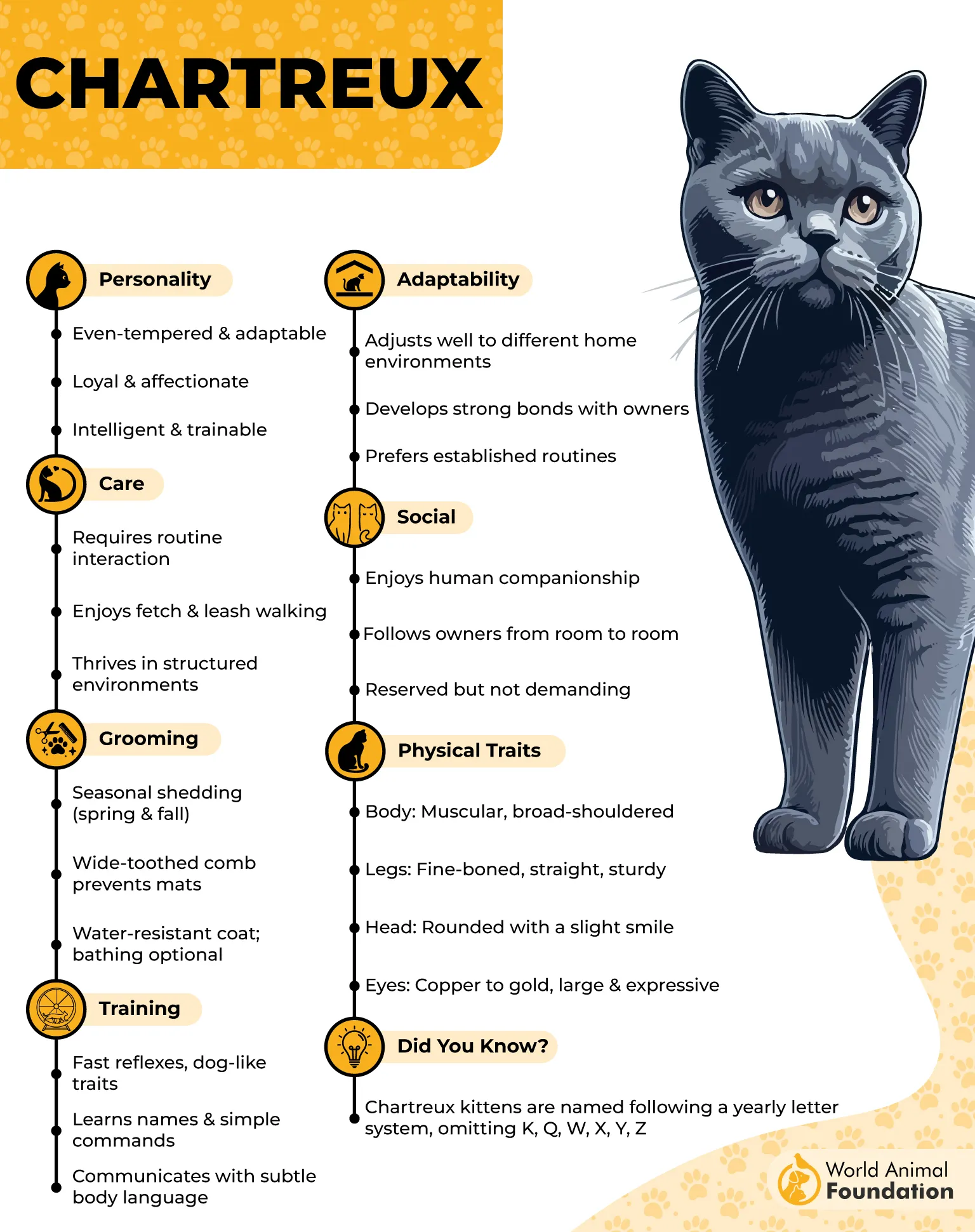
Well-suited for structured homes, the Chartreux tends to prefer environments with steady rhythms—including predictable lighting. Consistent light patterns help this naturally low-key breed feel secure, encouraging relaxed movement and confident use of shared spaces.
Because Chartreux cats are creatures of habit, sudden changes in brightness or erratic lighting can feel unsettling. Soft, consistent illumination supports their routines, from following family members room to room to settling comfortably for rest or gentle play.
Their quiet nature pairs well with stable sensory input, allowing them to remain observant without overstimulation.
Interesting fact: Chartreux cats are known for being unusually quiet, often communicating with expressive eyes rather than frequent meowing.
Conclusion
Predictable lighting plays a quiet but powerful role in supporting cats with a calm demeanor and a love for quiet routines. For many indoor cats, especially those with a low-energy lifestyle or who prefer lounging, steady light helps regulate rest, reduce stress, and create a true calming presence.
Whether it’s a chill cat stretched on soft beds or a gentle giant relaxing beneath tall cat trees, consistent lighting reinforces comfort without constant stimulation.
For cat parents, thoughtful lighting works hand in hand with predictable routines, scratching posts, and peaceful layouts—ideal for apartment living and indoor life.
When homes support natural rhythms, these graceful cats thrive as some of the best cats for peaceful environments without becoming overly demanding.
