




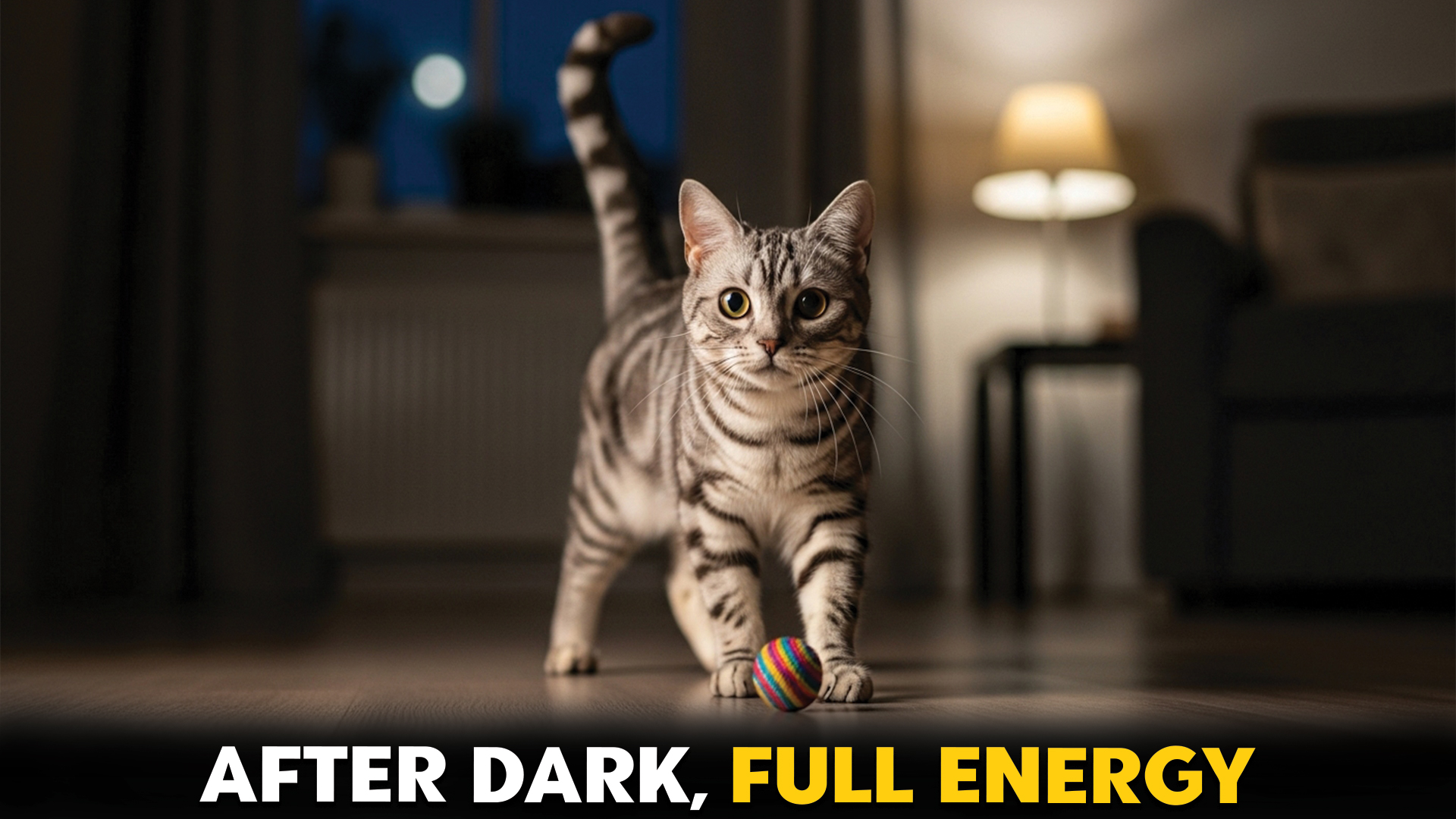
Cats may spend much of the day sleeping, but when the lights go out, some breeds truly come alive. While most felines are crepuscular—naturally active at dawn and dusk—certain cats lean even more toward nighttime energy. These breeds seem to save their curiosity, playfulness, and focus for the quiet hours, making them fascinating companions for people who thrive after sunset.
Understanding why some cats are more active at night starts with instinct. Feline senses are finely tuned for low-light conditions, a trait inherited from wild ancestors that hunted in darkness. Genetics, breed temperament, and energy levels all influence whether a cat prefers midnight play sessions or daytime lounging. For some breeds, nighttime is when their confidence and intelligence shine brightest.
If you’re a night owl or simply notice your cat becoming lively after dark, choosing the right breed can make all the difference. In this article, we’ll explore seven cat breeds that prefer nighttime activity, uncovering how their natural rhythms, behaviors, and personalities align perfectly with life after sundown.
Cat Breeds That Prefer Nighttime Activity
1. Abyssinian
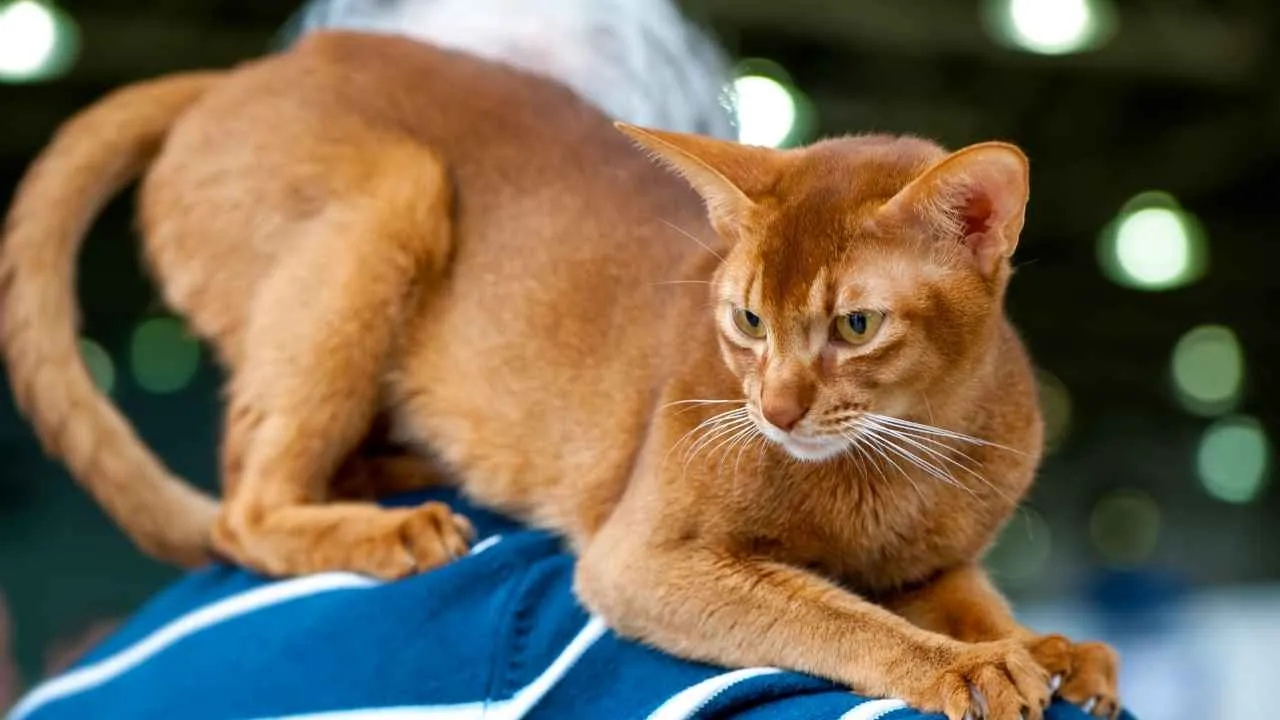
The Abyssinian, often called the “Aby” or known historically as the Bunny Cat for its ticked coat, is a sleek, athletic breed admired for intelligence and curiosity. With a short, finely textured coat and alert expression, this breed is built for constant movement and exploration.
According to Purina, the Abyssinian is a sleek, long, and lean cat with a muscular build, a moderately wedge-shaped head, and large almond-shaped eyes, often described as a “supermodel” among cats.
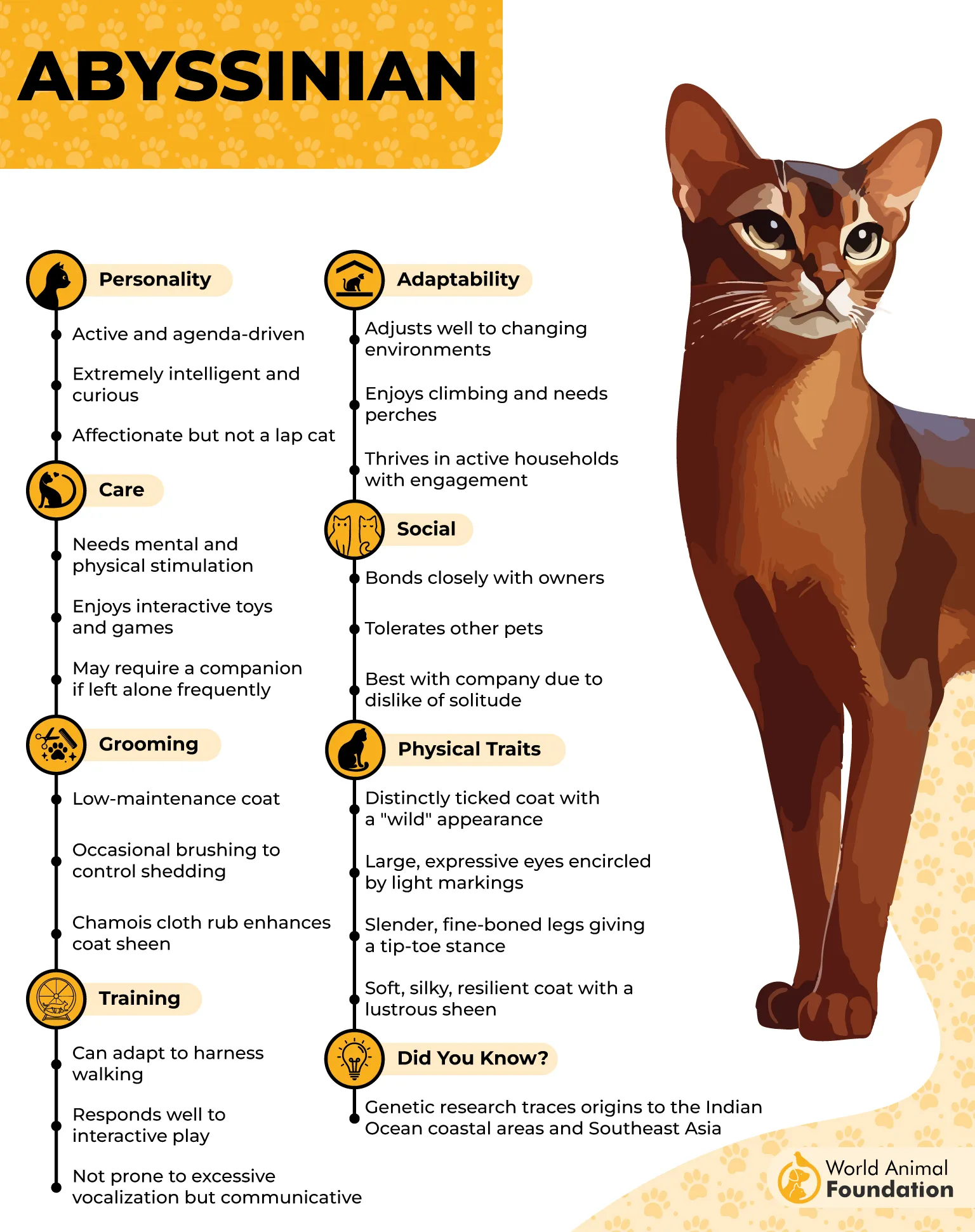
When night falls, Abyssinians tend to shift into high gear. Their natural curiosity keeps them active after sunset, patrolling rooms, climbing furniture, and investigating anything new in their environment while most households wind down.
Rather than lounging through the evening, this breed thrives on nighttime interaction. Abyssinians enjoy puzzle toys, chasing games, and interactive play during late hours, making them a great match for owners who stay up late and enjoy an engaged feline presence.
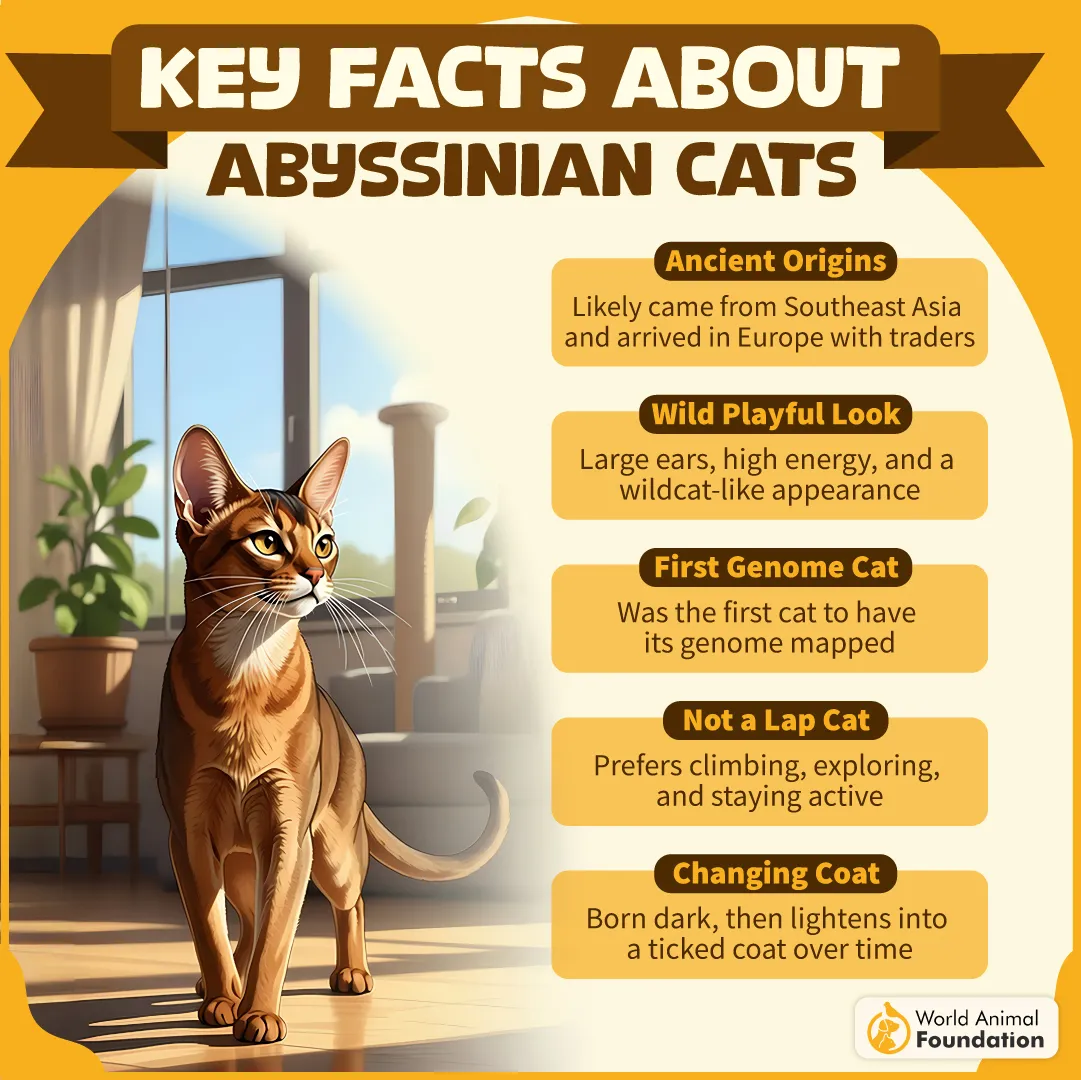
Although not classic lap cats, they like being near their people, even during late-night routines.
A key fact: Abyssinians are widely recognized as one of the most playful and intelligent cat breeds, known for learning tricks and staying active well into the evening.
2. Siamese
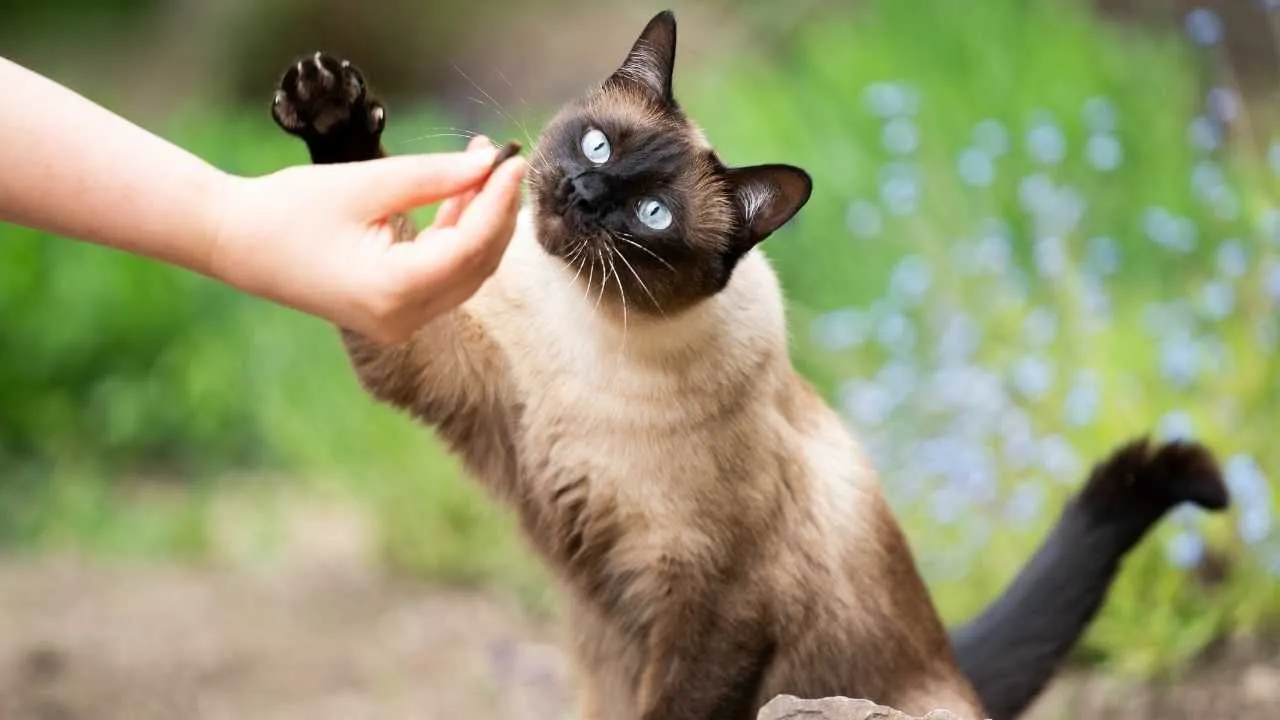
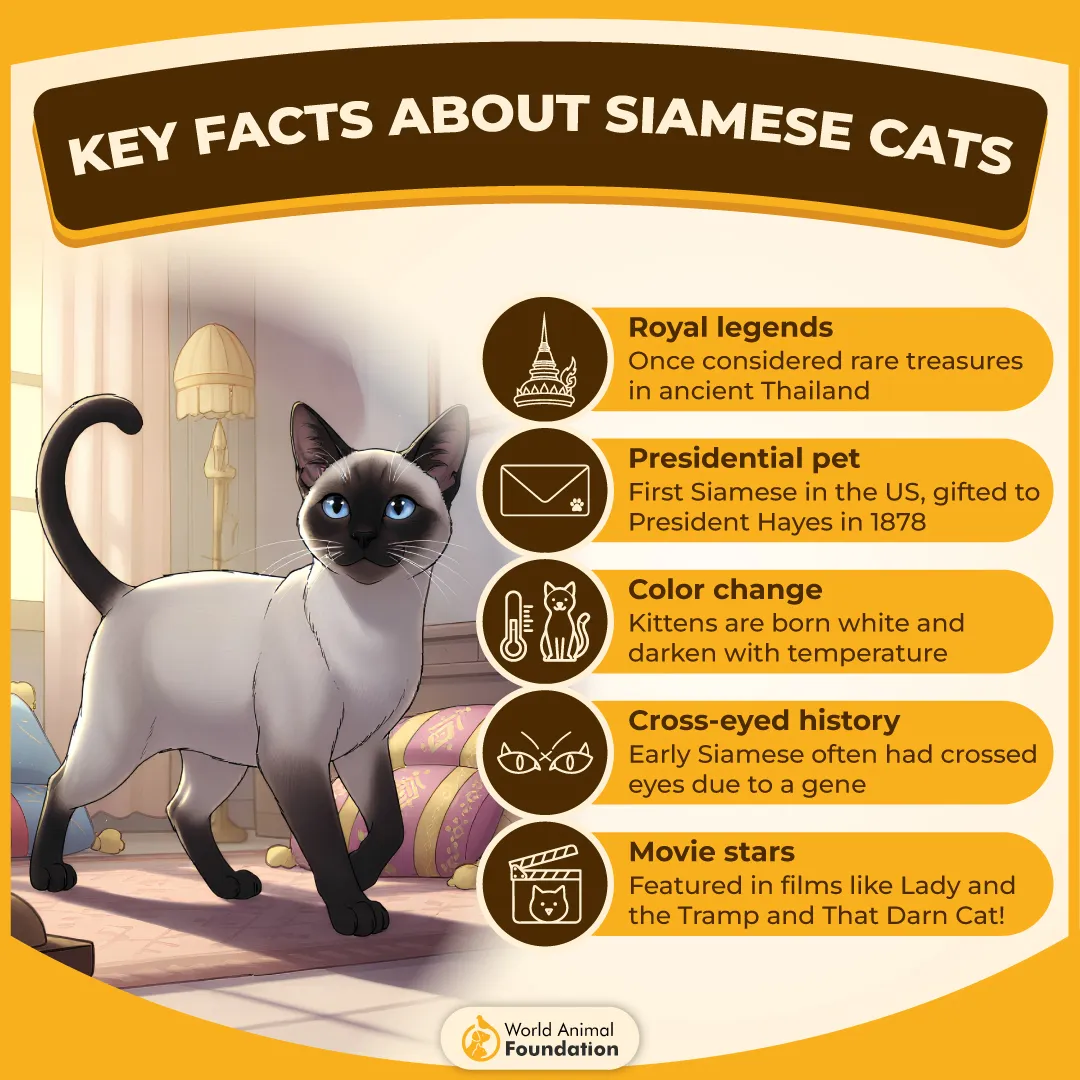
The Siamese, also known as the Thai cat or Wichien Maat, is instantly recognizable by its sleek body, color-point coat, and striking blue eyes.
According to Hill’s Pet, the Siamese is characterized by a long, graceful, and elegant build. This ancient breed is famous for strong bonds with people and a bold, expressive personality.
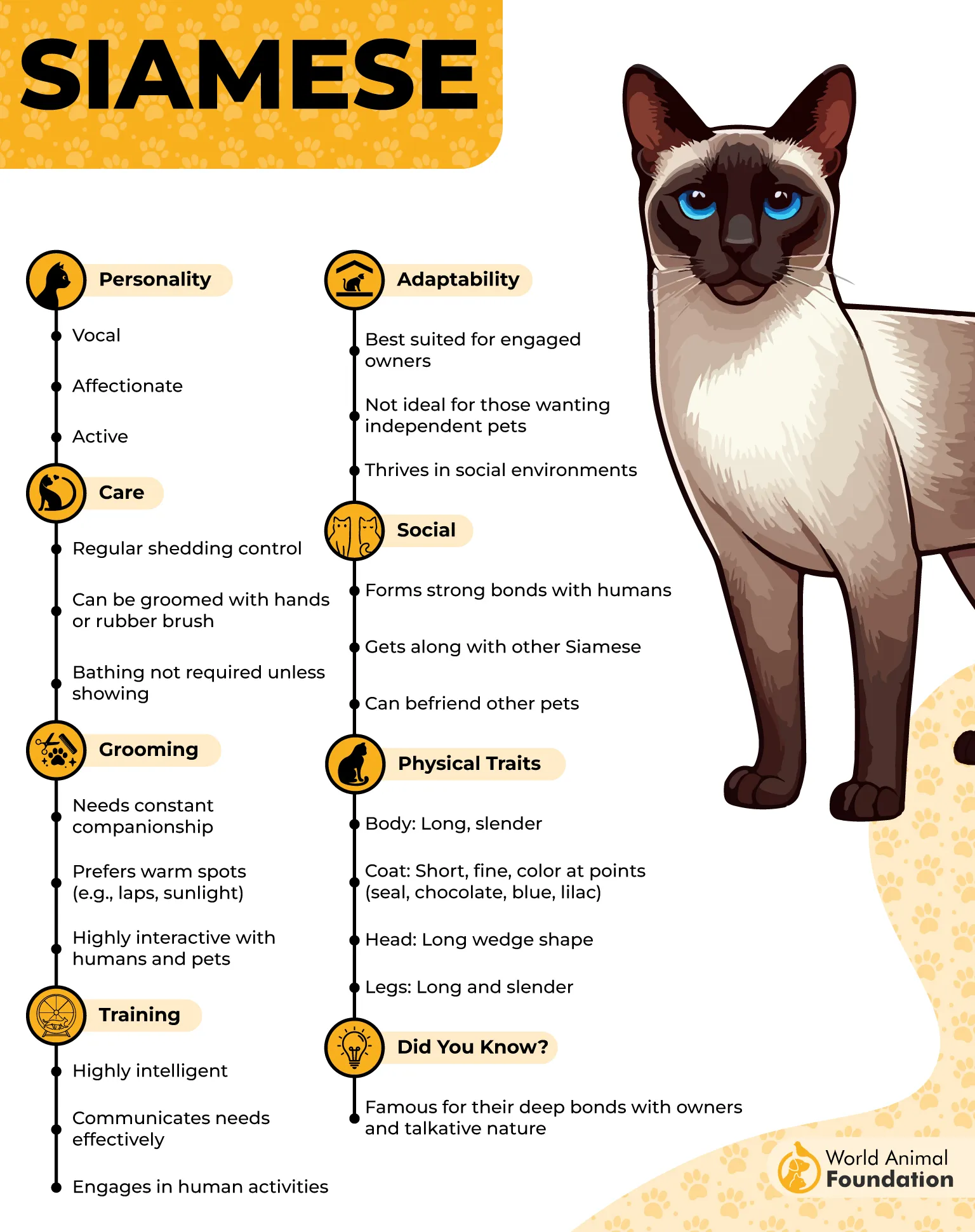
As the house quiets down, Siamese cats often become more animated. Their high intelligence and curiosity keep them roaming, playing, and seeking interaction late into the night, making them ideal companions for night owls.
Rather than sleeping through the dark hours, they crave engagement after sunset. Puzzle toys, fetching games, and interactive play help channel their nighttime energy while satisfying their need for mental stimulation.
Siamese cats are also famously vocal, using distinctive meows to communicate needs or invite play during evening hours.
A key fact: This breed is widely known for its high energy levels and talkative nature, often remaining playful and alert well after dark.
3. Bengal
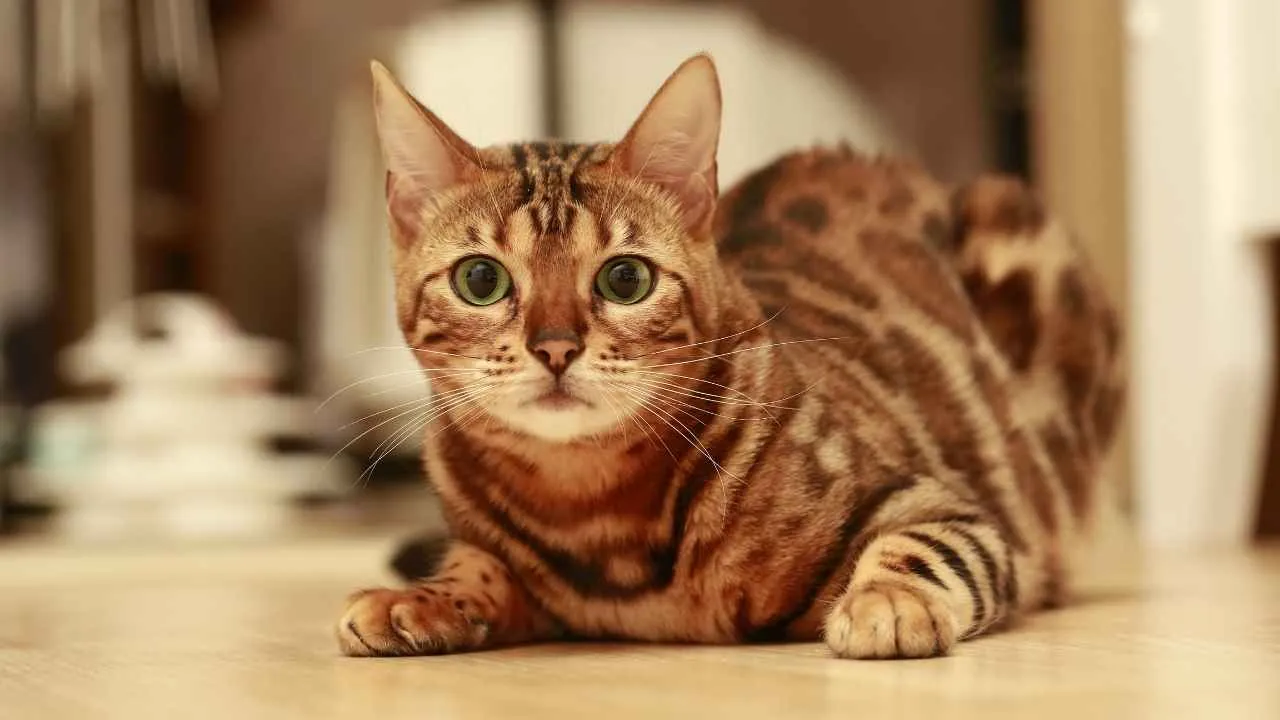
The Bengal, sometimes called the Leopard Cat hybrid due to its ancestry, stands out for its dramatic rosetted coat and athletic build. Developed to resemble a wild feline while maintaining a friendly temperament, Bengals combine exotic looks with domestic charm.
PetMD states Bengals are far from couch potatoes—depending on their lineage, they typically require more activity and mental stimulation than many other domestic cat breeds.
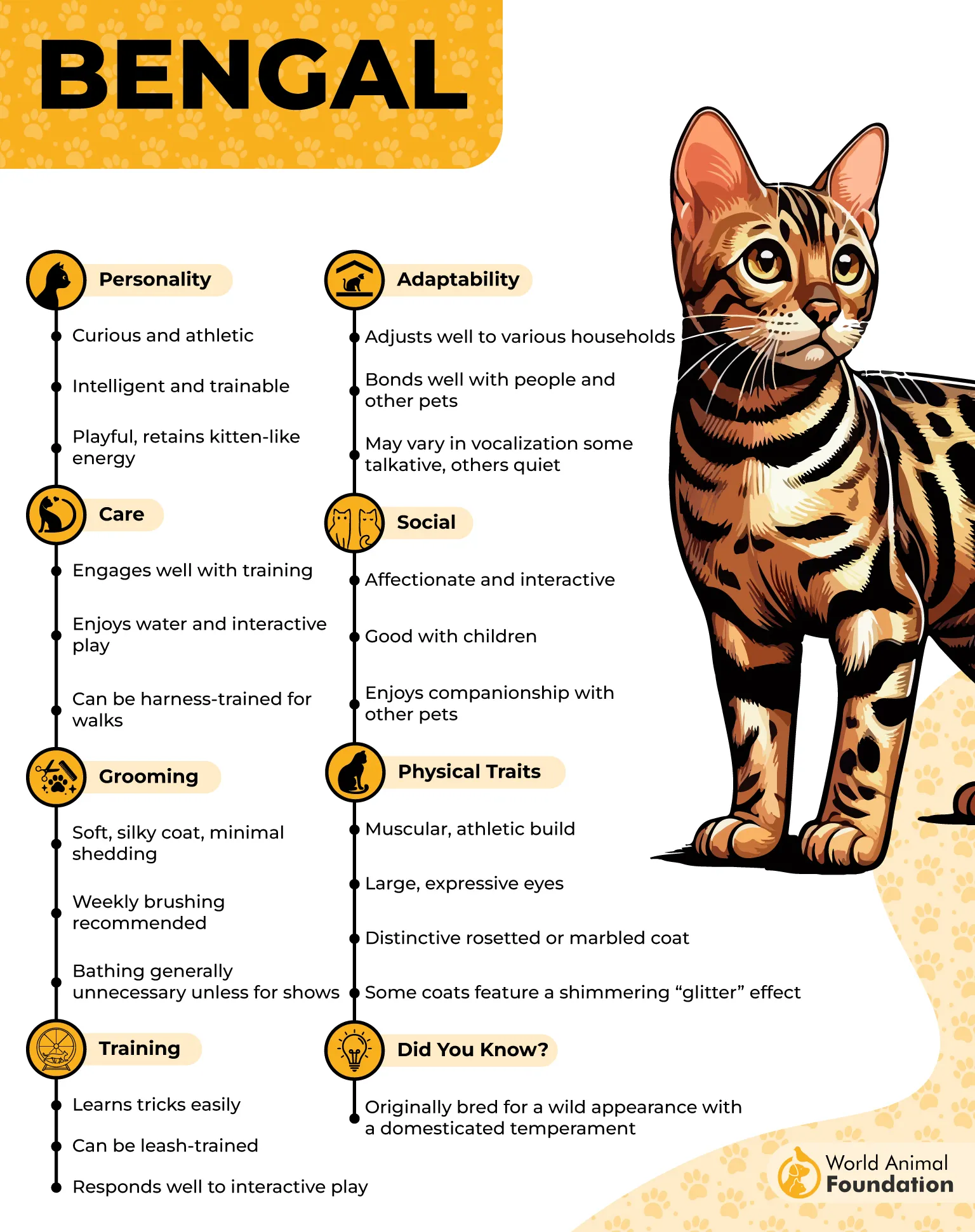
As night sets in, Bengals often become more alert and animated. Their wild roots contribute to heightened evening energy, making them eager to climb, leap, and patrol their surroundings when the house grows quiet.
This breed thrives on nighttime stimulation and interactive play. Puzzle toys, chasing games, and training sessions suit their sharp intelligence, keeping them mentally engaged during late hours rather than settling down early.
Bengals also enjoy human interaction after dark, often initiating games or following their owners from room to room.
A notable fact: Despite their wild appearance, Bengals have been selectively bred for generations to ensure they are affectionate, playful companions with excellent temperaments.
4. Oriental Shorthair
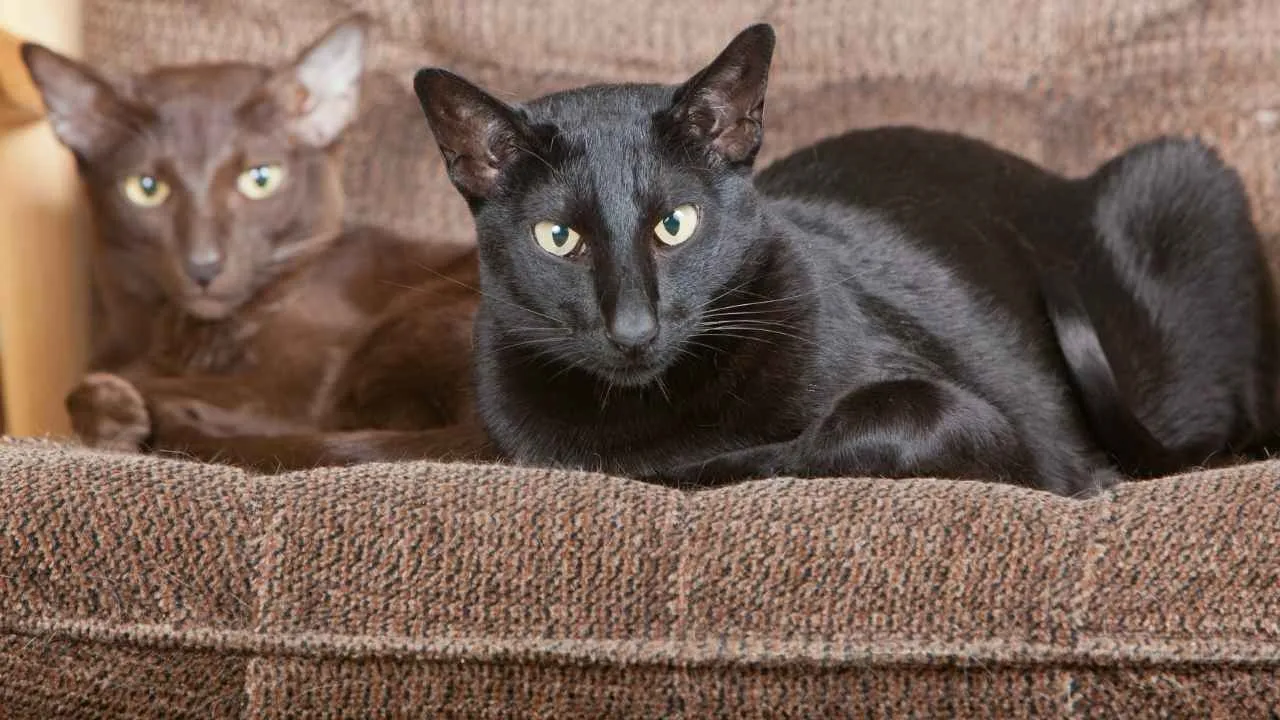
The Oriental Shorthair, closely related to the Siamese and sometimes called the “rainbow cat” for its vast range of colors and patterns, was developed in the mid-20th century. Its sleek body, large ears, and expressive face give it a striking, modern look.
When evening arrives, this breed truly comes alive. Oriental Shorthairs are energetic and curious, often becoming more playful as the lights go out and the house quiets down, making nighttime their favorite window for activity.
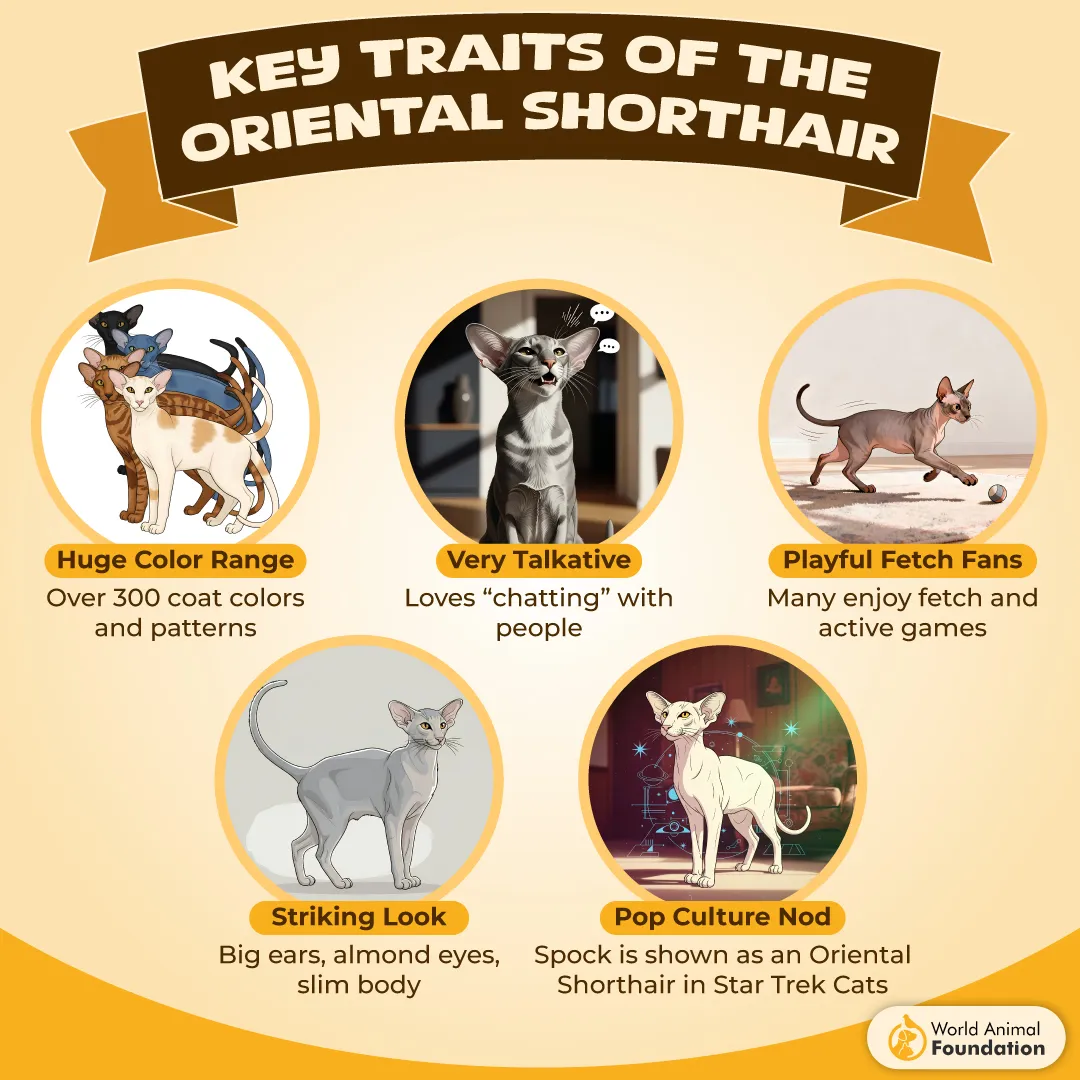
They crave interaction after dark, frequently initiating games, vocal conversations, or interactive toy sessions. Their intelligence and eagerness to learn tricks keep them mentally stimulated well into the night.
Climbing, jumping, and exploring high spots are common nocturnal habits, so cat trees and enrichment are essential.
A fun fact: Oriental Shorthairs were created by crossing Siamese cats with Abyssinian, British Shorthair, and domestic shorthairs to expand coat colors and patterns.
5. Sphynx
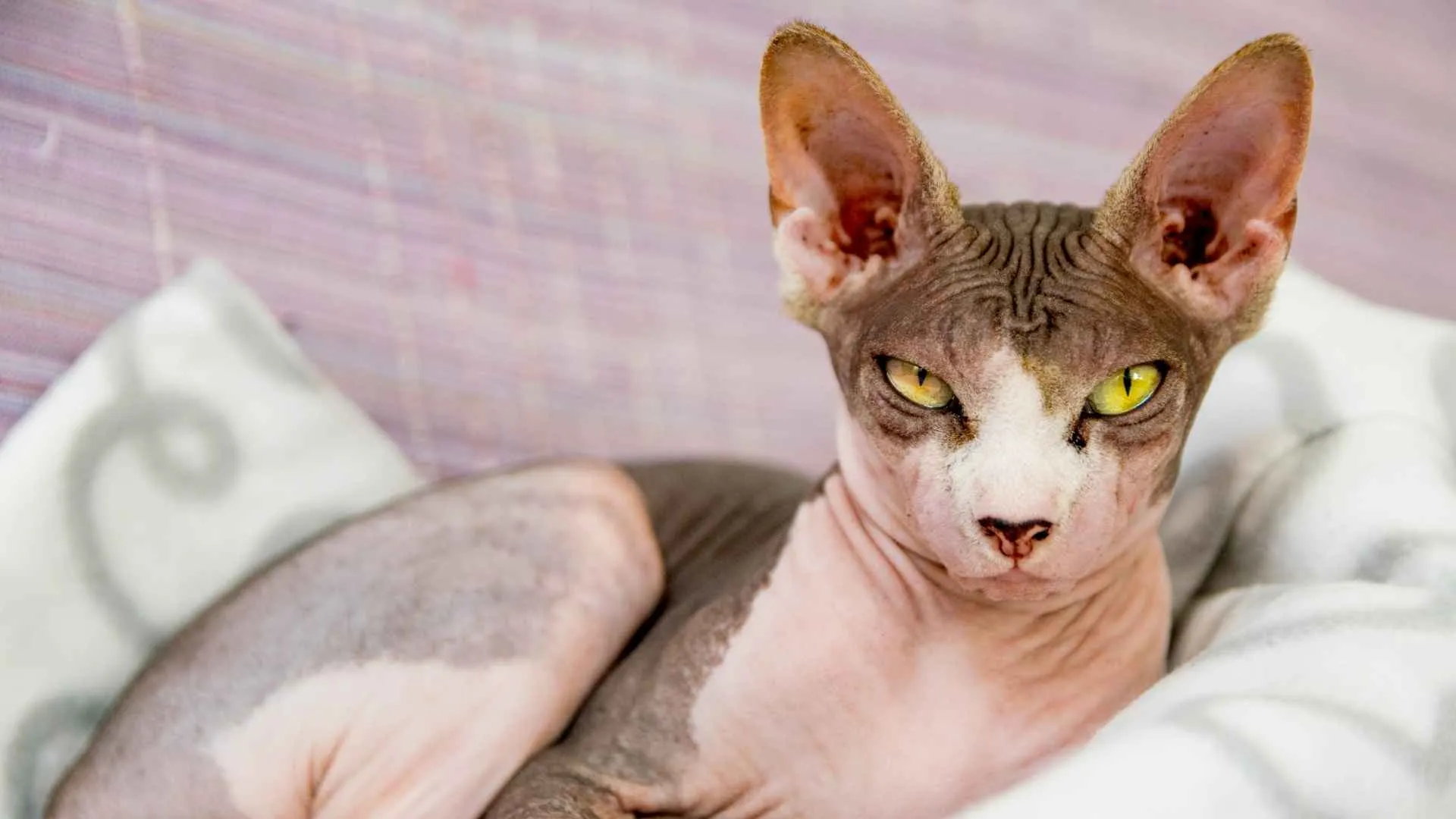
The Sphynx, often nicknamed the “hairless cat,” is instantly recognizable for its bare skin, oversized ears, and expressive eyes. Despite the lack of fur, this breed is warm, affectionate, and famously people-oriented, often compared to a dog in its devotion.
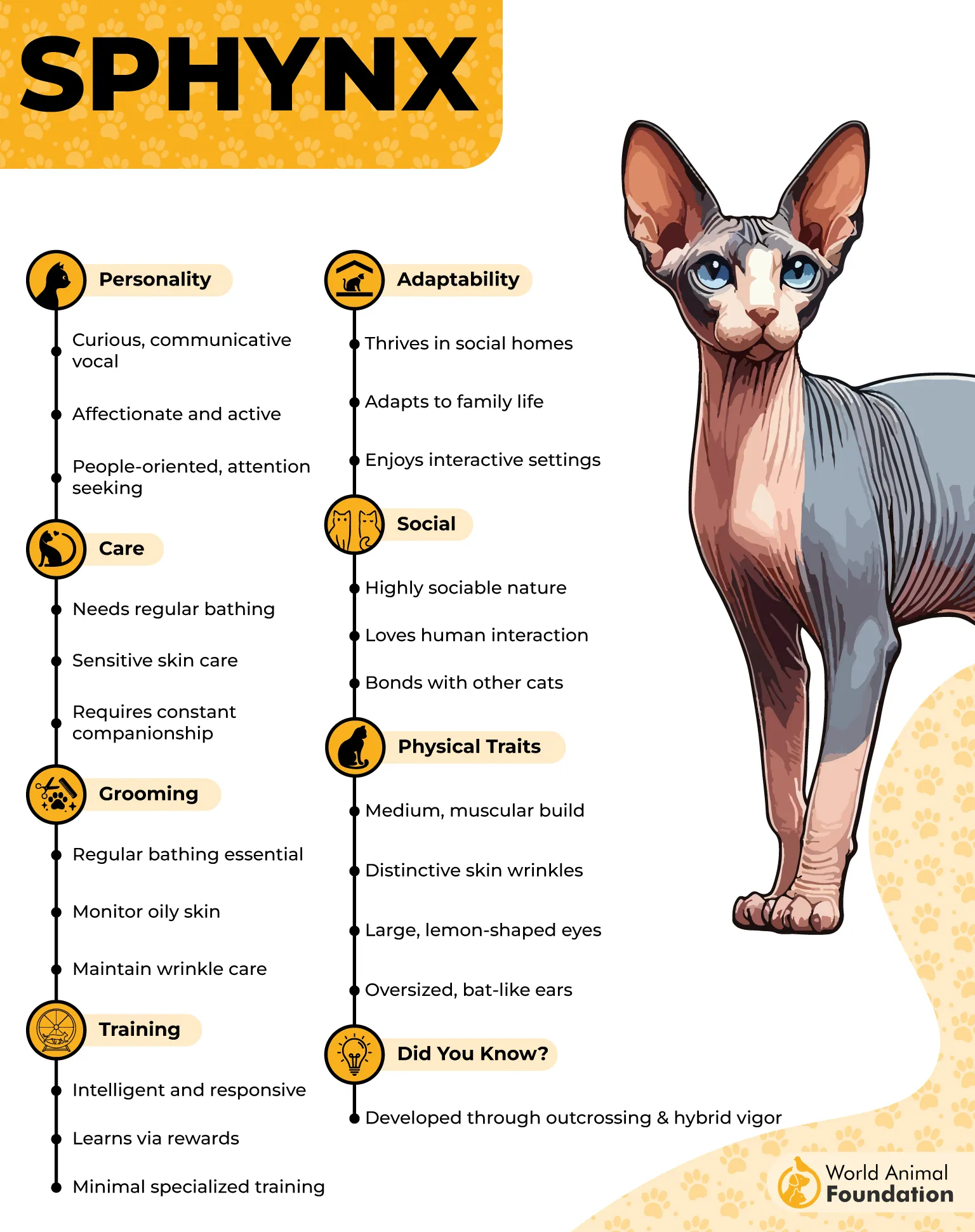
When night falls, the Sphynx truly comes alive. Their naturally high energy and curiosity mean they’re eager to play, explore, and interact long after other cats have settled down, making them a perfect match for night owls.
Because they burn extra energy to regulate body temperature, Sphynx cats alternate between bursts of nighttime activity and short naps in warm spots. Interactive toys, climbing structures, and hands-on play help channel their late-night enthusiasm productively.
They also crave human companionship after dark, happily burrowing under blankets or initiating games at odd hours.
A key fact: Sphynx cats need frequent activity and stimulation, as their energetic nature can quickly turn mischievous if they’re bored, especially during nighttime hours.
6. Tonkinese

The Tonkinese, sometimes called a Siamese–Burmese hybrid, blends the sleek elegance of the Siamese with the warmth of the Burmese. This medium-built cat has soft, muted coat colors, expressive eyes, and a gentle, chirp-like voice.
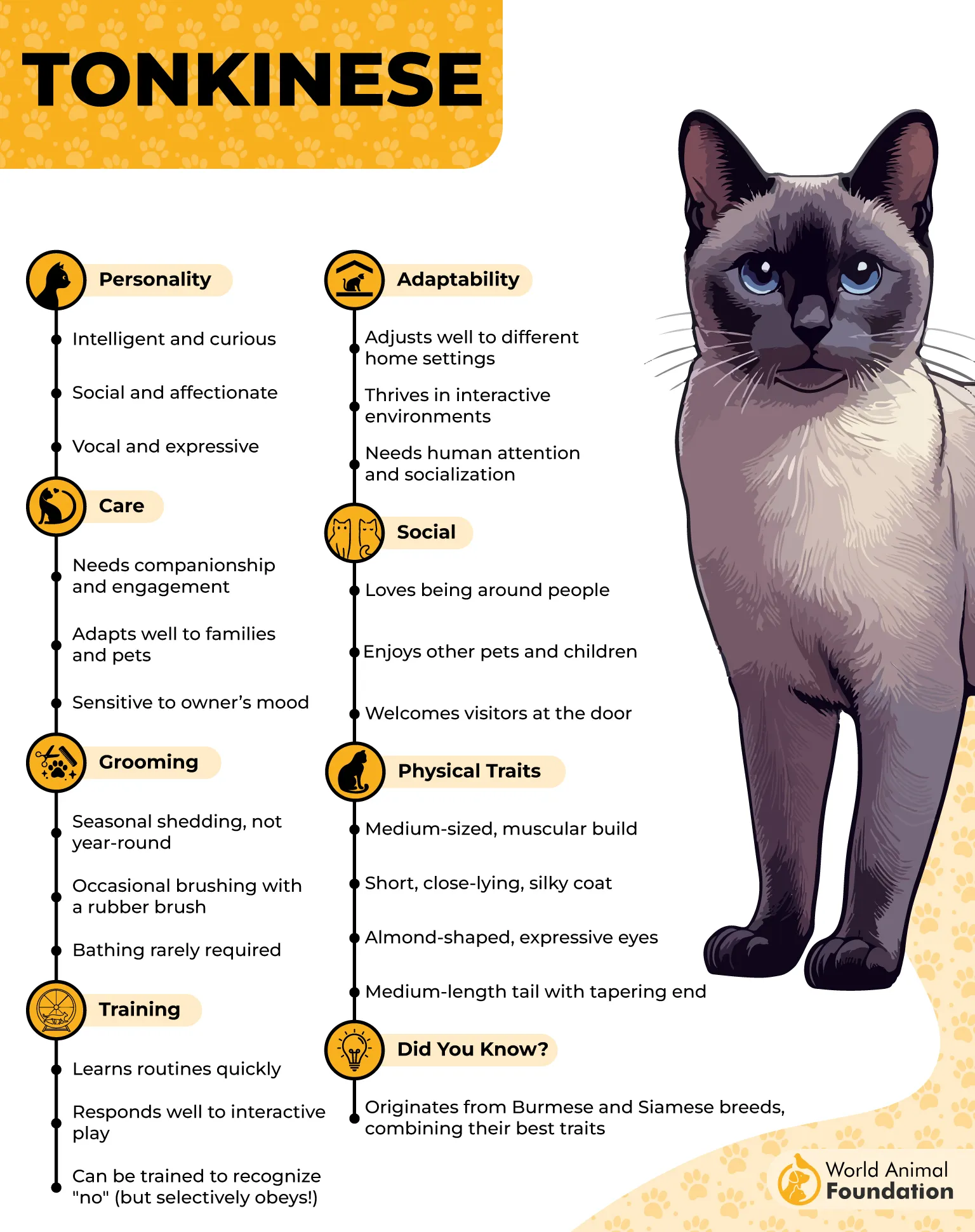
When night falls, the Tonkinese often shifts into high gear. Curious and agile, this breed enjoys exploring drawers, chasing shadows, and turning quiet evenings into playful adventures that suit night-loving households.
Their intelligence shines after dark through interactive games and problem-solving play. Tonkinese cats stay mentally engaged at night, entertaining themselves or inviting their humans to join in with toys and gentle vocal cues.
Despite their nocturnal energy bursts, Tonkinese cats crave companionship. They happily follow family members around late at night, combining playful antics with affectionate moments.
A key fact: This breed is known for being social and dog-like in behavior, often learning tricks and thriving on close interaction with both people and other cats.
7. Turkish Angora
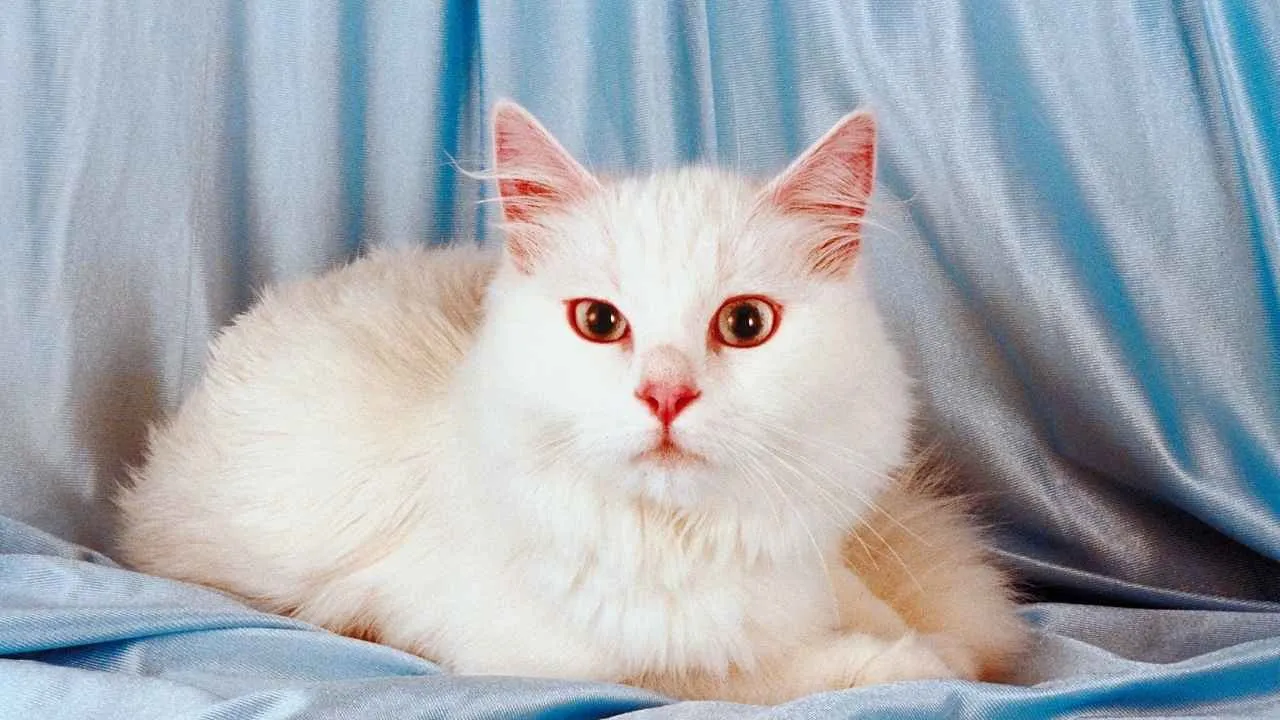
The Turkish Angora, sometimes simply called the Angora, is an ancient Turkish breed admired for its silky coat, plume-like tail, and alert expression. Graceful yet athletic, this cat is known for sharp intelligence and a strong bond with its favorite person.
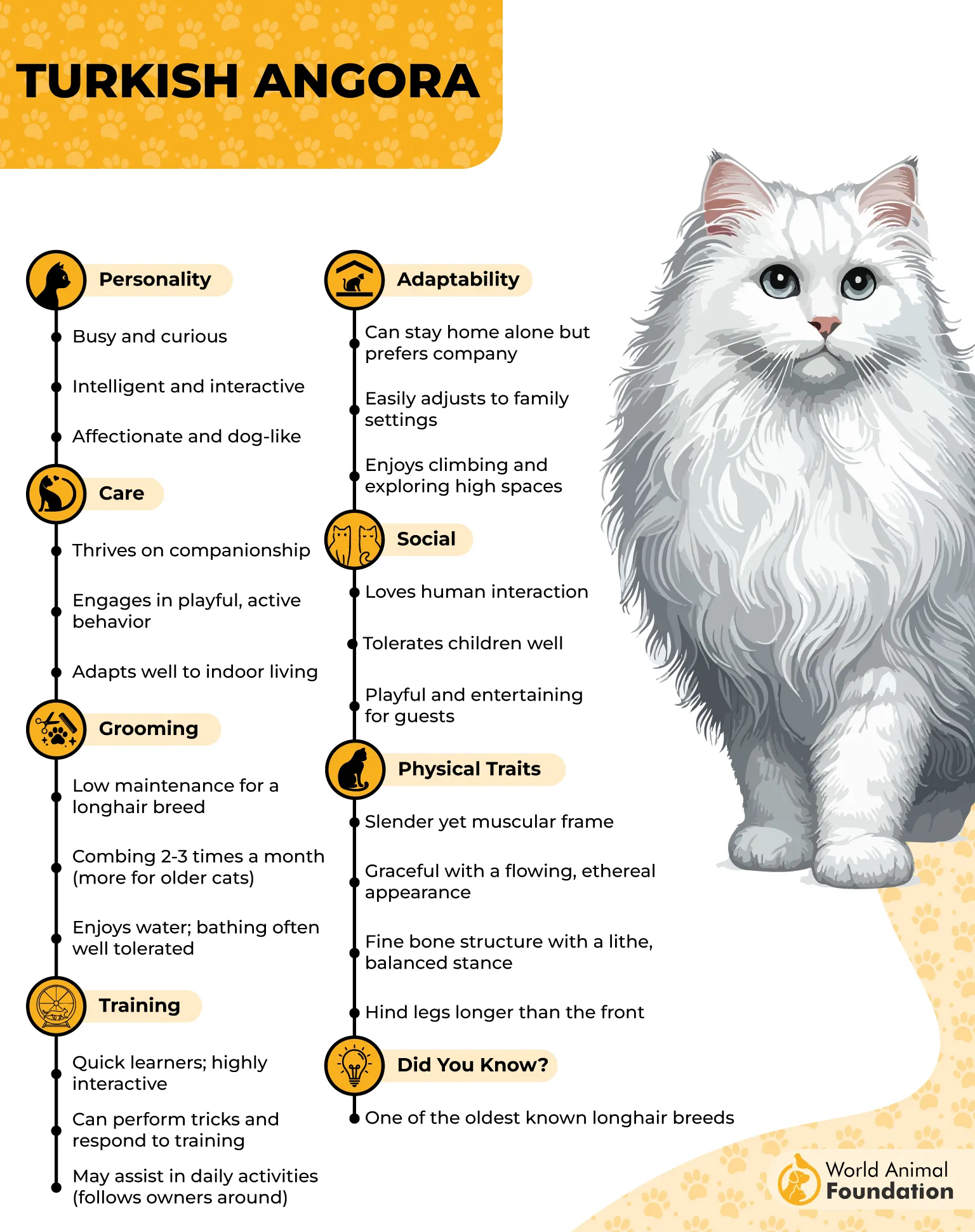
During the day, Turkish Angoras may appear calm and observant, but nighttime reveals their energetic side. Once the lights dim, they become active explorers, darting through rooms and investigating every sound or movement.
Their love of climbing and hunting instincts often peak after sunset. High shelves, toys, and interactive games help channel this nocturnal energy, making evenings lively for owners who stay up late.
Despite their independent streak, Angoras enjoy involving their humans in nighttime play, often initiating games when the house is quiet.
A key fact: Turkish Angoras have little to no undercoat, which makes their flowing fur surprisingly low-maintenance compared to other long-haired breeds.
Conclusion
Cats that prefer nighttime activity remind us that feline behavior doesn’t always follow a human schedule. While cats sleep through much of the day, day napping and evening rest help fuel bursts of energy after bedtime.
For many adult cats and kittens alike, being nocturnal makes sense—these rhythms are shaped by wild ancestry and natural instincts. Midnight zoomies, play time with ping pong balls, or investigating food bowls often happen when the house is quiet, and they’re fully awake.
For indoor cats, especially playful cats or incredibly playful breeds, this pattern can work well with the right setup. Puzzle feeders, interactive toys, and a flexible sleep schedule support both the pet and human companions.
Whether you have only one cat or two cats, understanding age, rest needs, and bedtime habits helps your feline friend thrive, turning nighttime activity into healthy, enriching behavior.
