




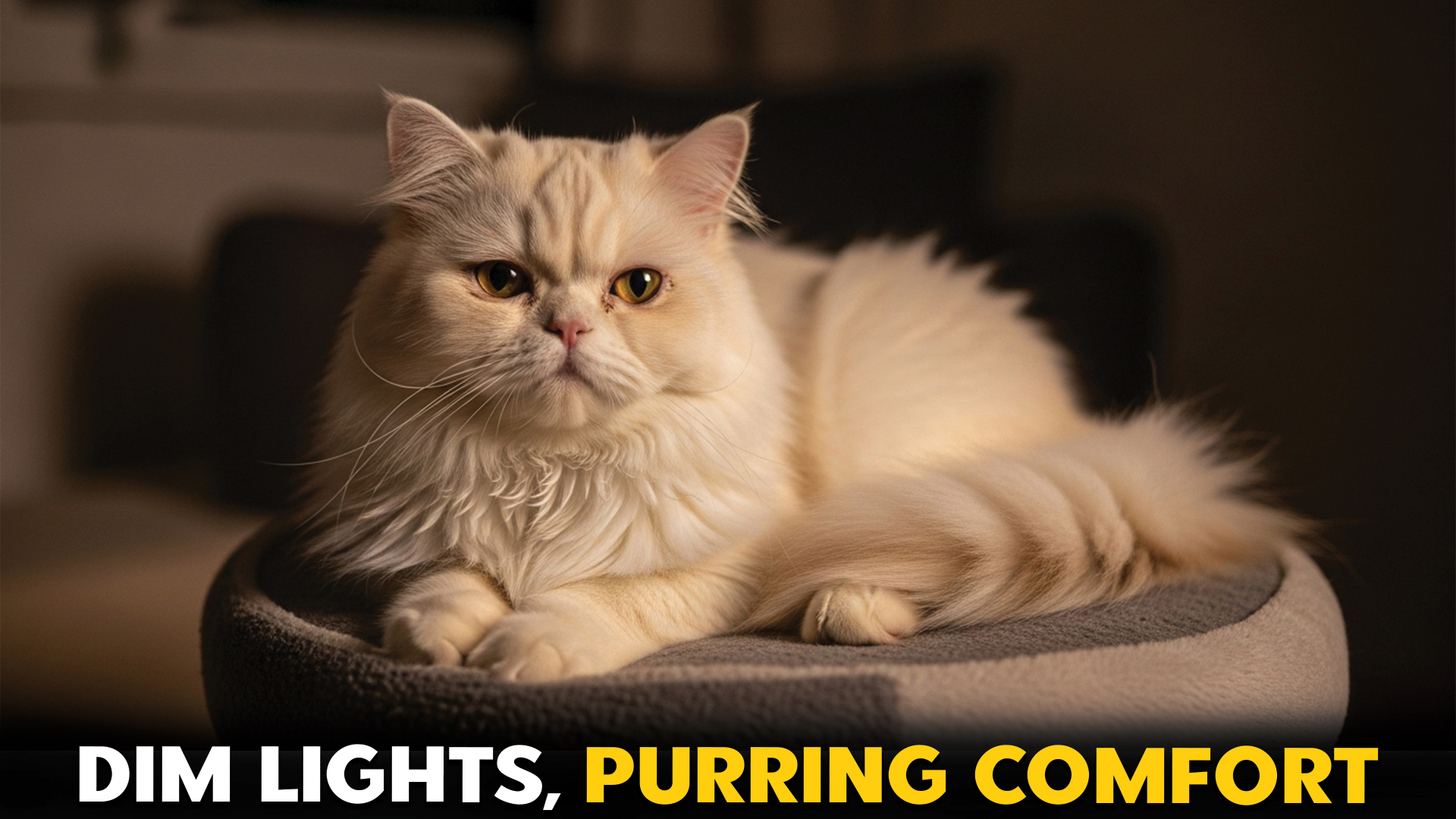
Cats experience the world very differently from humans, especially when it comes to light. While we rely heavily on brightness to navigate our surroundings, some feline breeds feel most comfortable when the lights are low and the atmosphere is calm. These cats aren’t hiding from activity—they’re simply wired to thrive in dimmer environments where their senses feel balanced and secure.
So why do certain cats prefer low lighting? It largely comes down to biology. Cats have highly developed night vision, thanks to a specialized eye structure that allows them to detect movement and detail in minimal light. For some breeds, this natural advantage pairs with a calm, observant temperament, making softly lit spaces far more appealing than brightly illuminated rooms.
In this article, we’ll explore seven cat breeds that genuinely prefer low-light environments. From understanding how feline vision adapts to dim spaces to why subdued lighting supports relaxation and confidence, you’ll discover which breeds feel most at home when the lights are turned down—and why that preference can make them wonderfully soothing companions.
Cat Breeds That Prefer Low Lighting
1. Persian
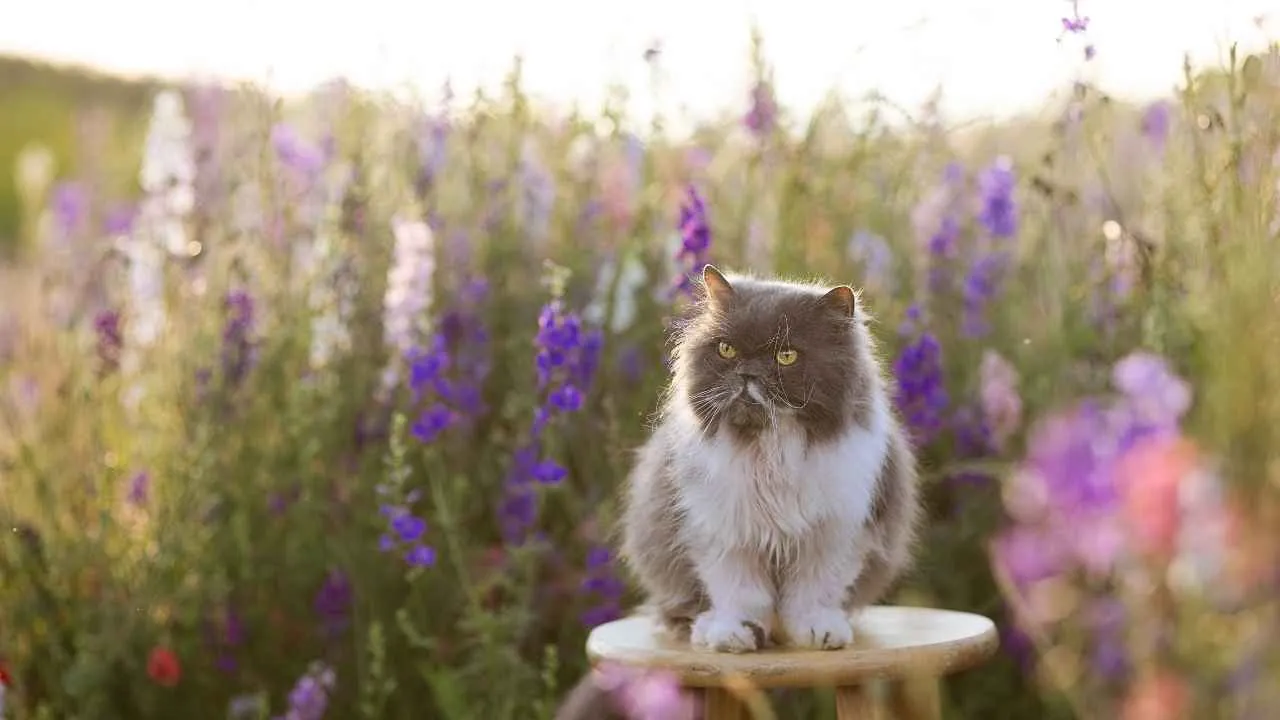
The Persian, also known as the Longhair or Shirazi, is instantly recognizable by its flat face and round eyes. According to Britannica, the cat’s coat is long, flowing, and luxurious. This ancient breed is calm by nature and built for a relaxed, indoor lifestyle.
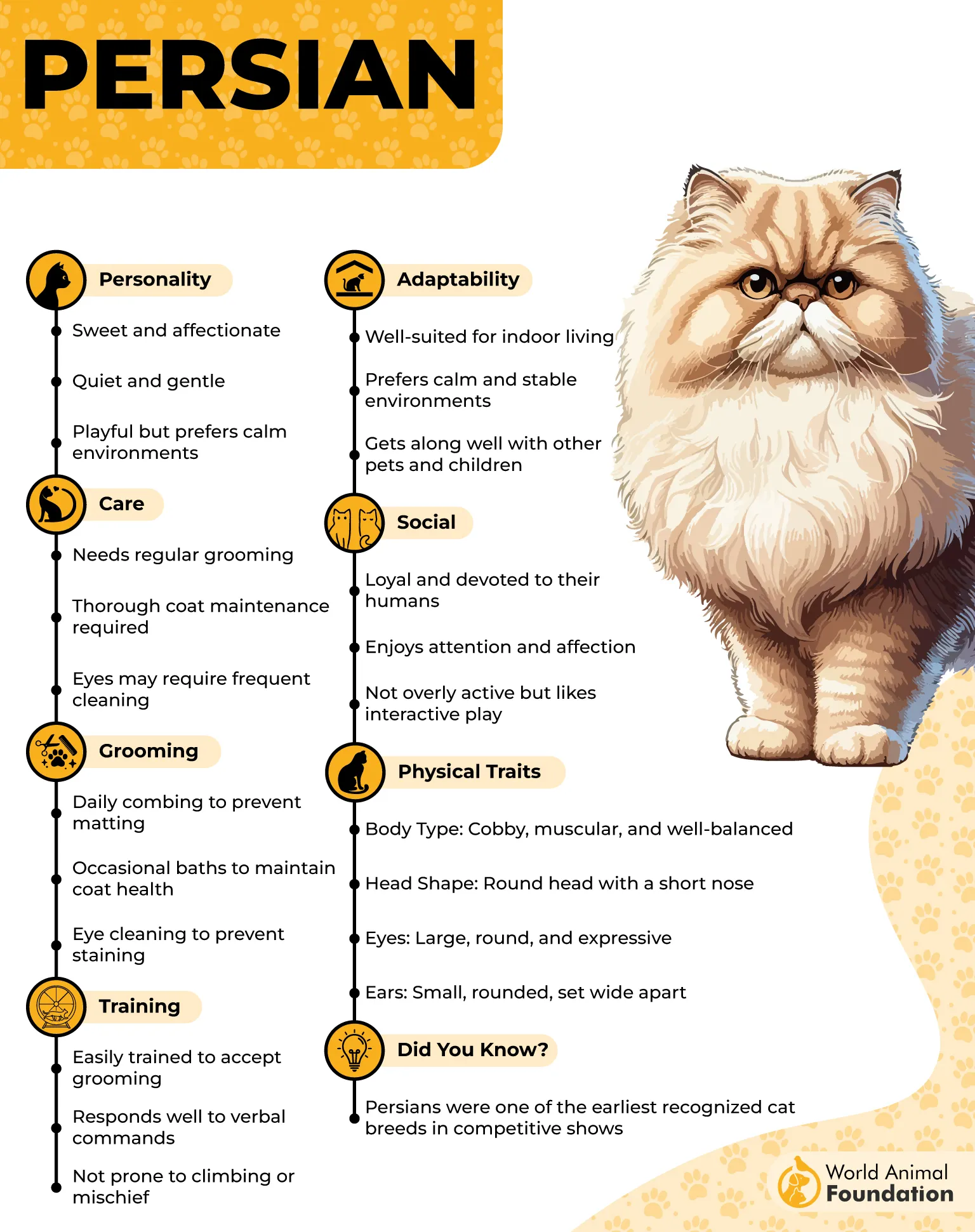
Persians are especially comfortable in softly lit spaces, where their gentle temperament truly shines. Bright, busy environments can feel overwhelming, making dim rooms a better match for their low-energy preferences.
Rather than climbing high shelves, this breed prefers quiet observation from cozy spots. Low lighting supports their tendency to lounge, nap, and watch household activity without feeling overstimulated.
Their brachycephalic facial structure can make heavy activity and heat uncomfortable, which is why shaded, calm spaces suit them best.
Fact: Persian cats are prone to breathing difficulties due to their flattened faces and may struggle in warm or overly active environments.
2. Birman
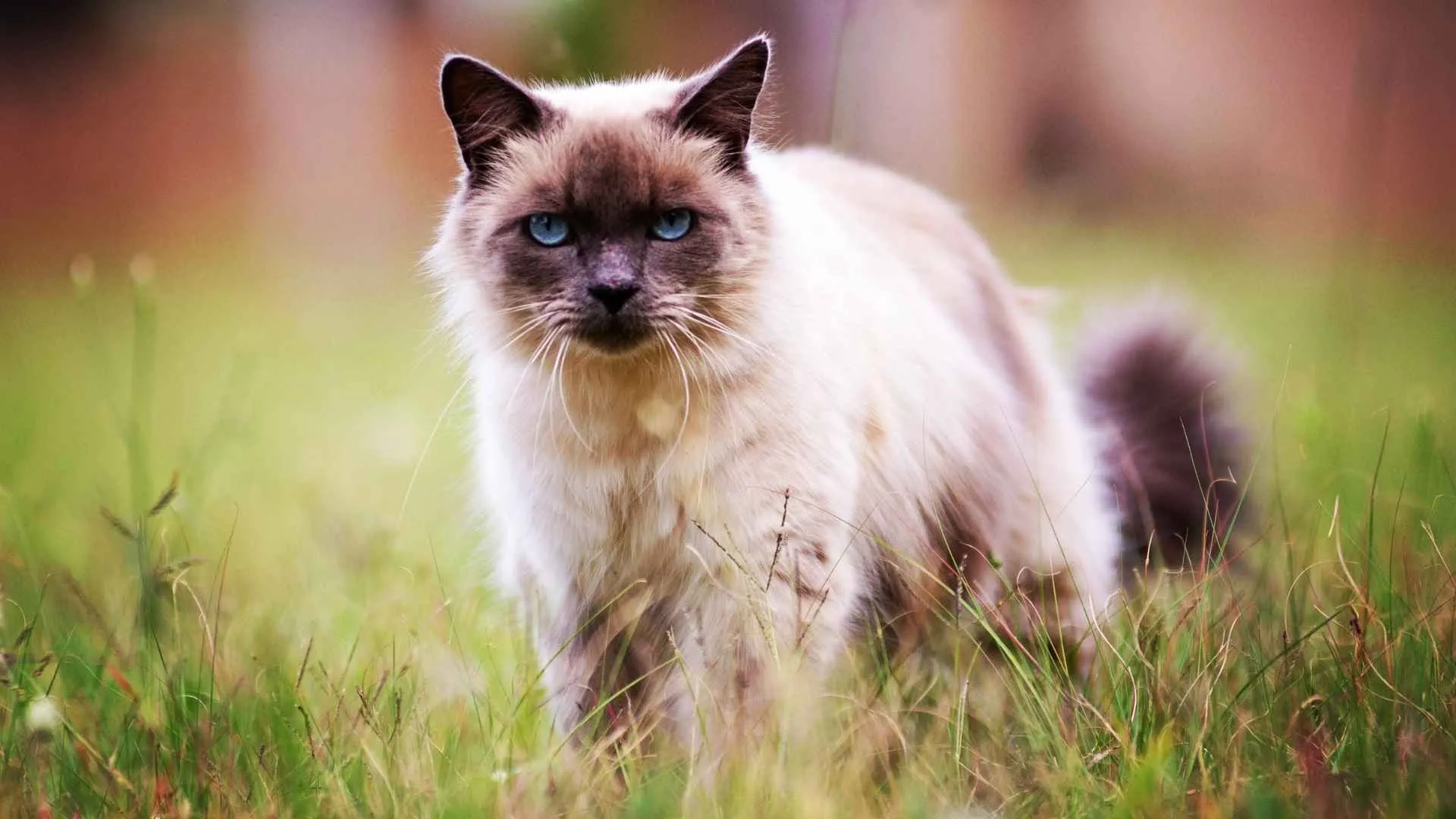
The Birman, also known as the Sacred Cat of Burma, is a medium-sized breed admired for its silky pale coat, deep sapphire-blue eyes, and serene presence. Once associated with temple life, this breed was shaped to be a devoted companion rather than an active hunter.
According to PetMD, the Birman legend tells of 100 temple cats said to have golden eyes, long white fur, and earth-colored, mittened paws.

Birmans feel most at ease in softly lit rooms, where their calm temperament stands out. Bright, bustling environments can overwhelm them, while gentle lighting encourages them to relax, observe, and settle comfortably beside their humans.

Their affectionate nature pairs well with quiet evenings and dim spaces, making them ideal for homes that favor a soothing atmosphere. Instead of seeking constant stimulation, Birmans prefer lounging, cuddling, and quietly following family routines in peaceful surroundings.
Although playful in short bursts, they’re happiest unwinding in cozy corners with muted light. Their low predatory drive and easygoing personality mean they rarely crave high-energy environments or intense visual stimulation.
Fact: Birmans were selectively bred as companion cats and are known for being affectionate, calm, and less predatory than many other breeds.
3. Ragdoll
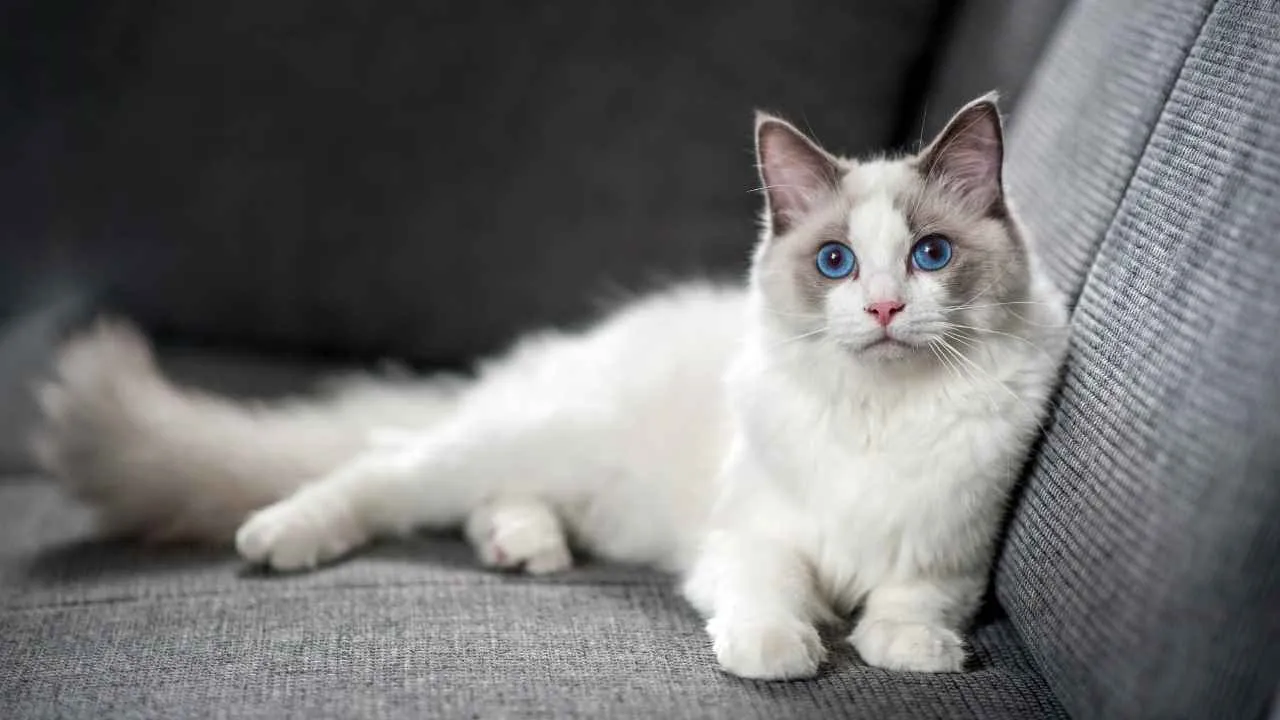
The Ragdoll, sometimes called the “gentle giant,” is a large, blue-eyed breed known for its silky, long coat and famously relaxed temperament.
According to WebMD, Ragdoll cats are known for being a calm and patient breed. Originating in California, this breed is instantly recognisable for its soft features and calm presence.
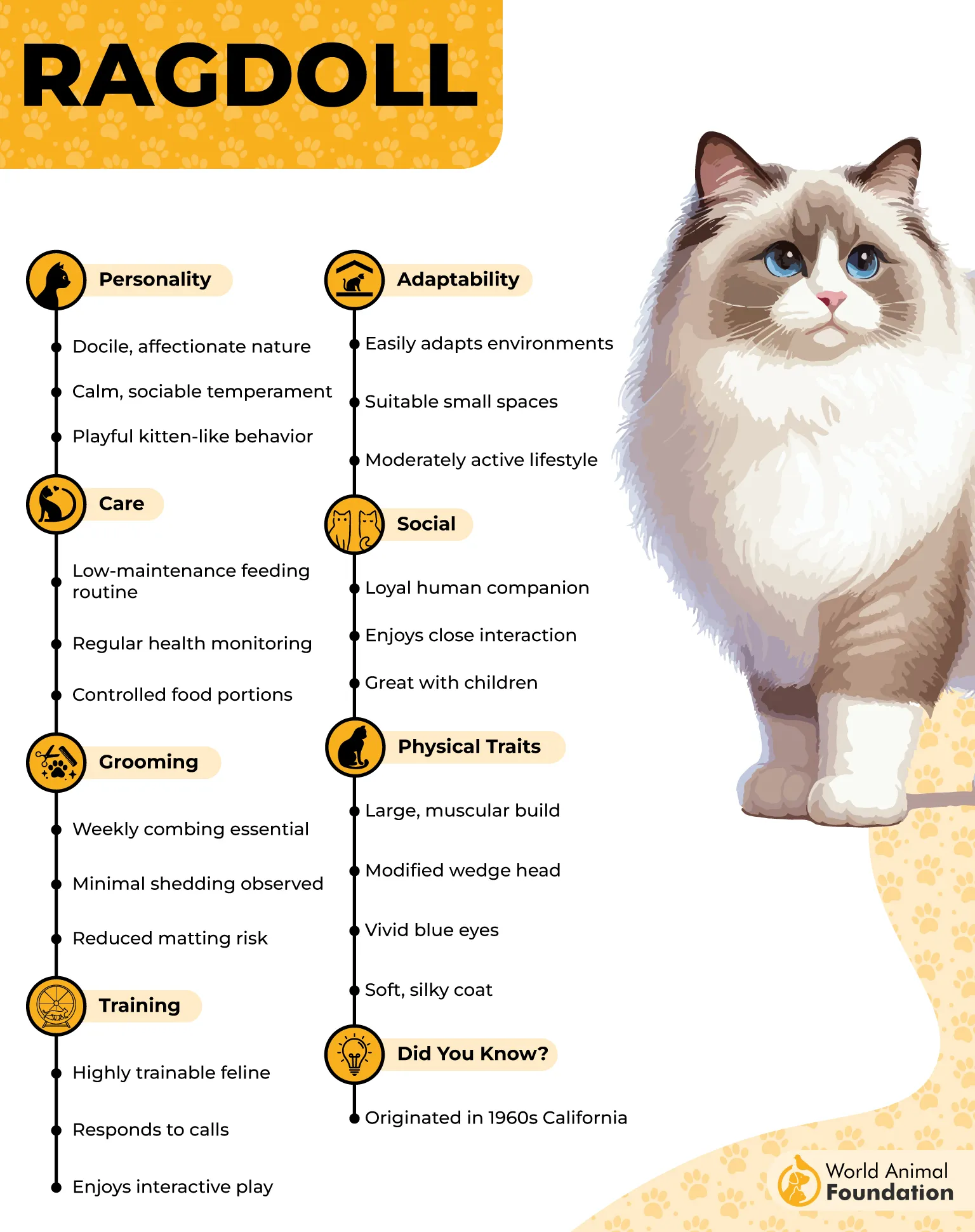
Ragdolls tend to feel most comfortable in softly lit rooms, where their laid-back nature truly shines. Bright, busy environments don’t appeal to them as much as dim, quiet spaces where they can lounge peacefully without sensory overload.
Their preference for low lighting pairs well with their gentle habits and low prey drive. Rather than prowling or staying alert, Ragdolls often nap, cuddle, or quietly follow their humans, especially during evenings when the household naturally winds down.
Emotionally intuitive and deeply people-oriented, they thrive in calm homes where lighting and energy levels remain subdued. This relaxed rhythm helps them feel secure and content, reinforcing their reputation as affectionate indoor companions.
Fact: Ragdolls are known to go completely limp when picked up, a trait that inspired their name and reflects their famously docile nature.
4. British Shorthair
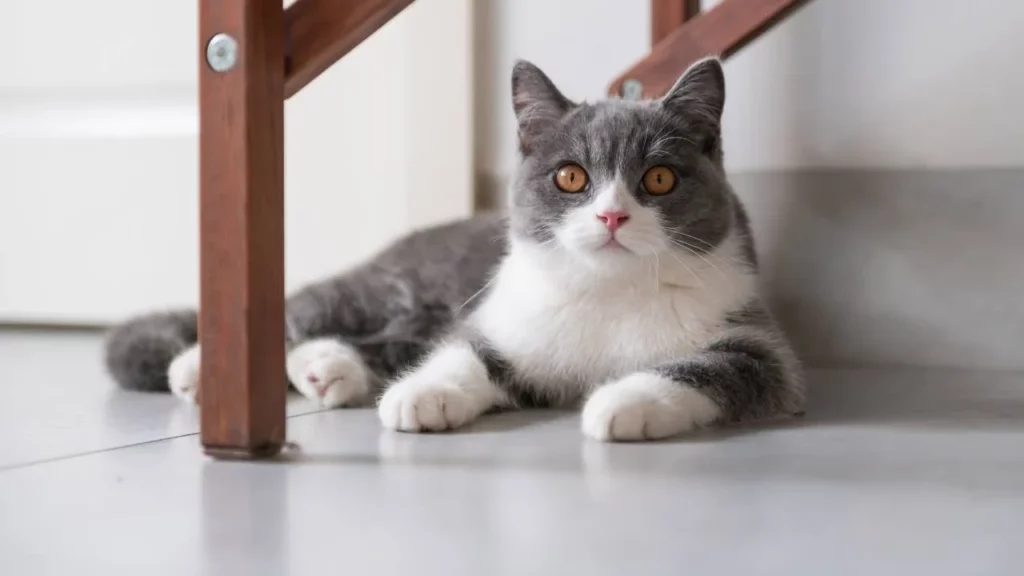
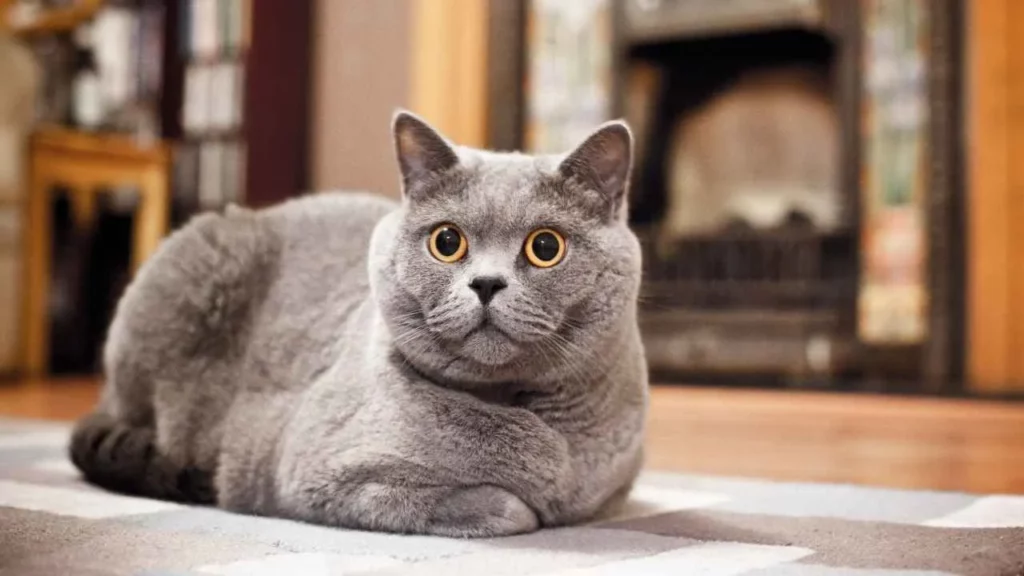
The British Shorthair, sometimes called the British Blue when sporting its iconic gray coat, is a sturdy, round-faced cat with a calm, composed presence. Known for dense fur, chubby cheeks, and expressive eyes, this breed carries a quietly confident charm that suits relaxed homes.
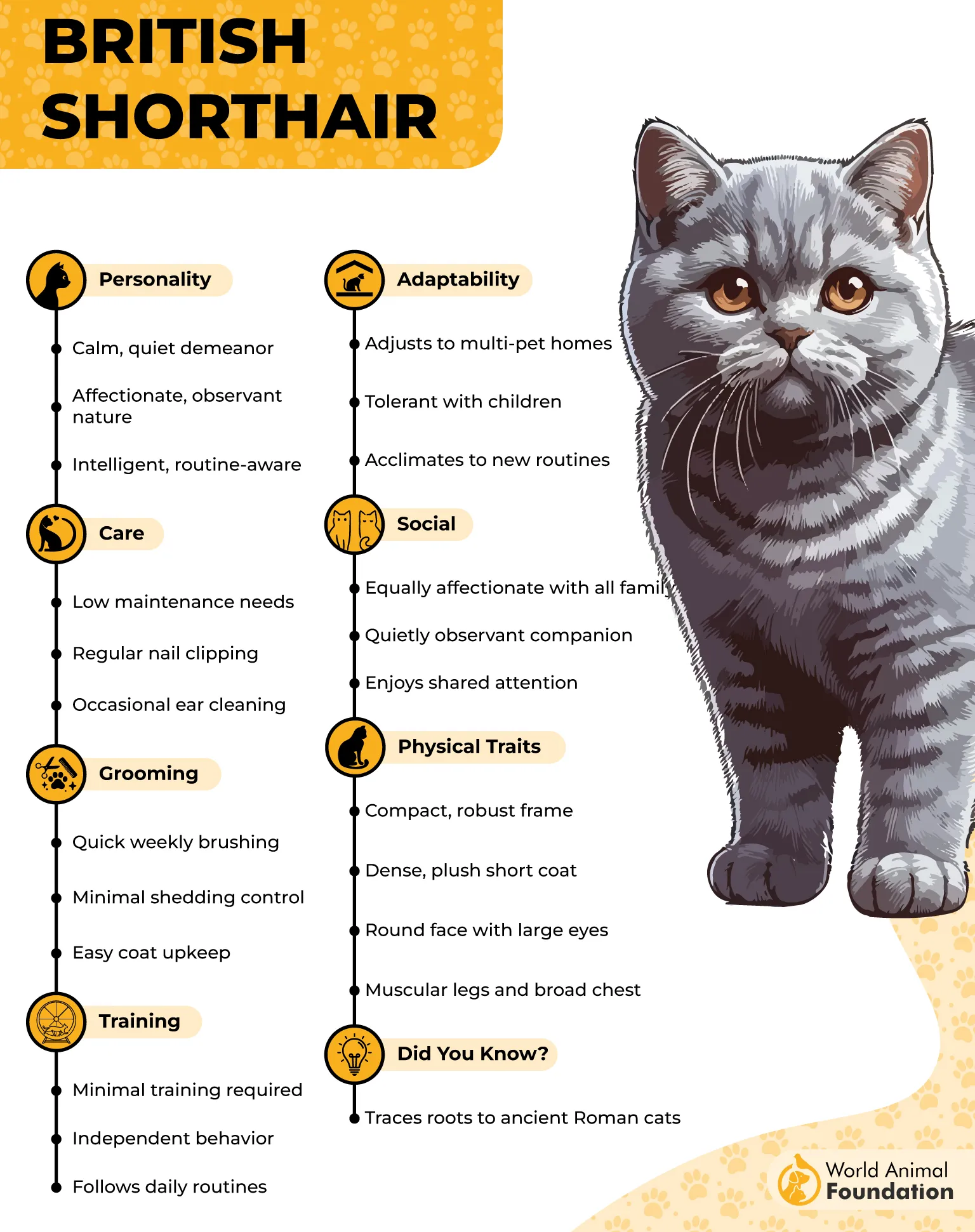
Rather than seeking constant stimulation, they prefer dim, peaceful spaces that allow them to observe their surroundings without sensory overload, making low lighting especially soothing for them.
British Shorthairs are not overly demanding and tend to settle comfortably in quiet corners or shaded perches. Their reserved personality means they’re content lounging near their humans, enjoying companionship without needing bright lights or high activity levels.
With their balanced energy and low-key nature, they handle subtle environmental changes well and rarely become overstimulated.
Fact: Purebred British Blue Shorthairs are known for having striking orange-amber eyes that strongly contrast with their dense blue-gray coats.
5. Russian Blue
The Russian Blue, sometimes called the Archangel Blue, is instantly recognizable by its blue-silver coat, emerald eyes, and refined, elegant build. This breed is known for its quiet demeanor and preference for peaceful, predictable environments.
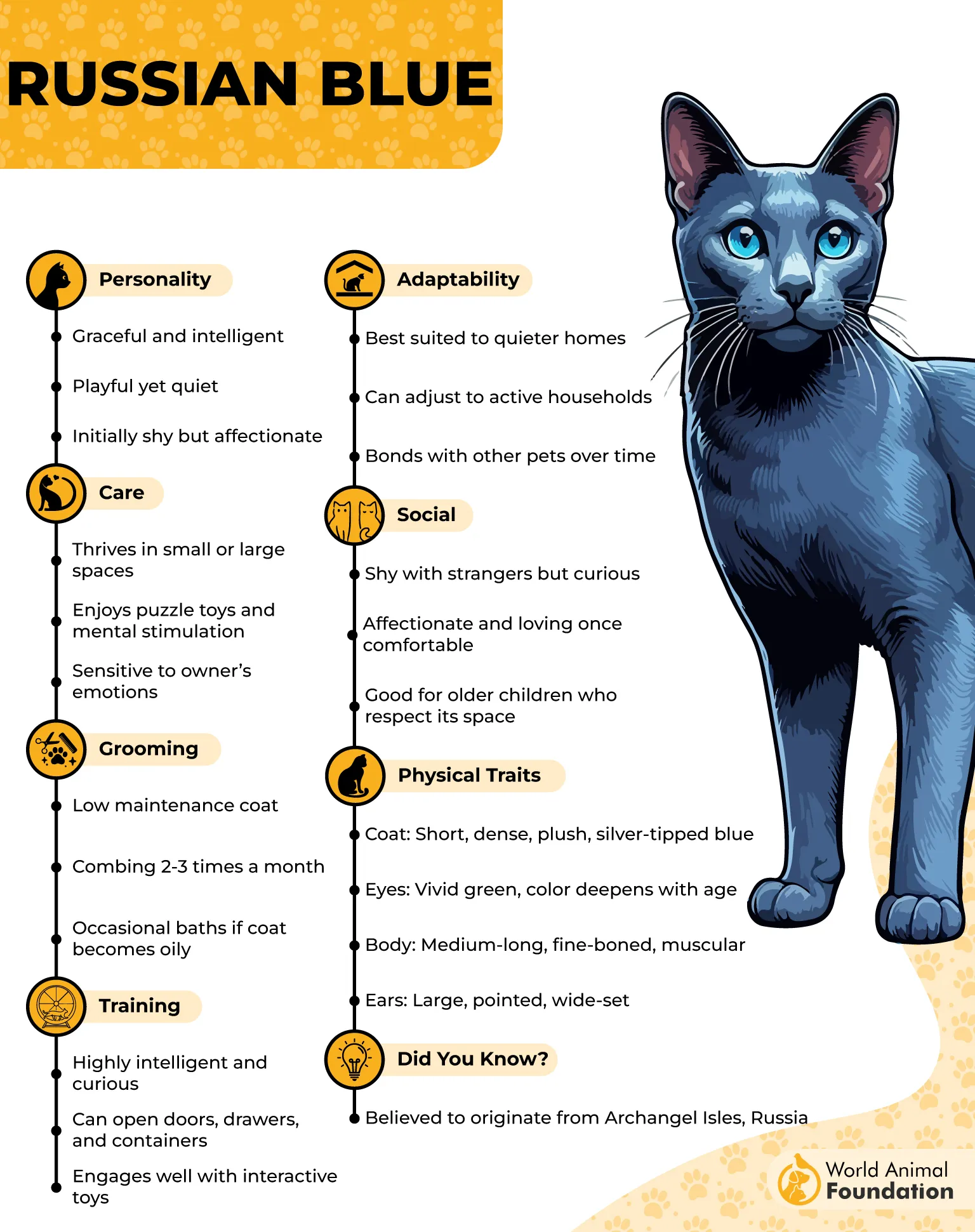
Bright, bustling spaces can overwhelm them, while dim lighting allows them to relax and observe without stress, aligning perfectly with their cautious nature.
Their sensitivity to surroundings makes low-light homes ideal, as these cats often retreat to shadowed corners or cozy hideaways when things feel too intense. In calm lighting, they’re more likely to engage gently with trusted humans and enjoy quiet companionship.
While they may appear aloof at first, Russian Blues form deep bonds over time, especially in serene settings.
Fact: Russian Blues are known for being less vocal than many breeds and often prefer quiet routines over unfamiliar, stimulating environments.
6. Exotic Shorthair
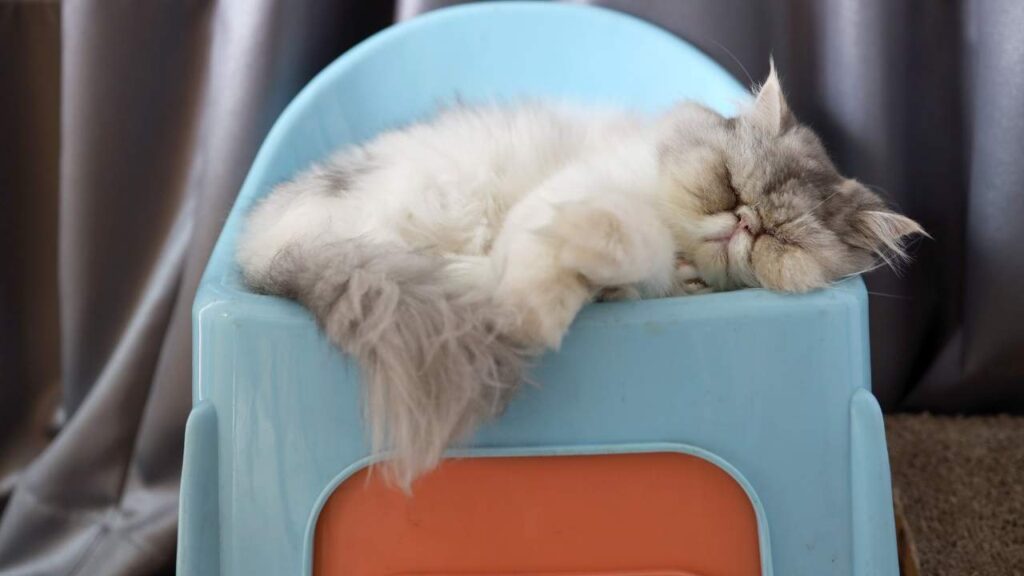
The Exotic Shorthair, often nicknamed the “lazy person’s Persian,” was developed in the 1950s by crossing Persians with American Shorthairs and other breeds. It keeps the Persian’s round face and plush look, but with a short, velvety coat that’s far easier to maintain.
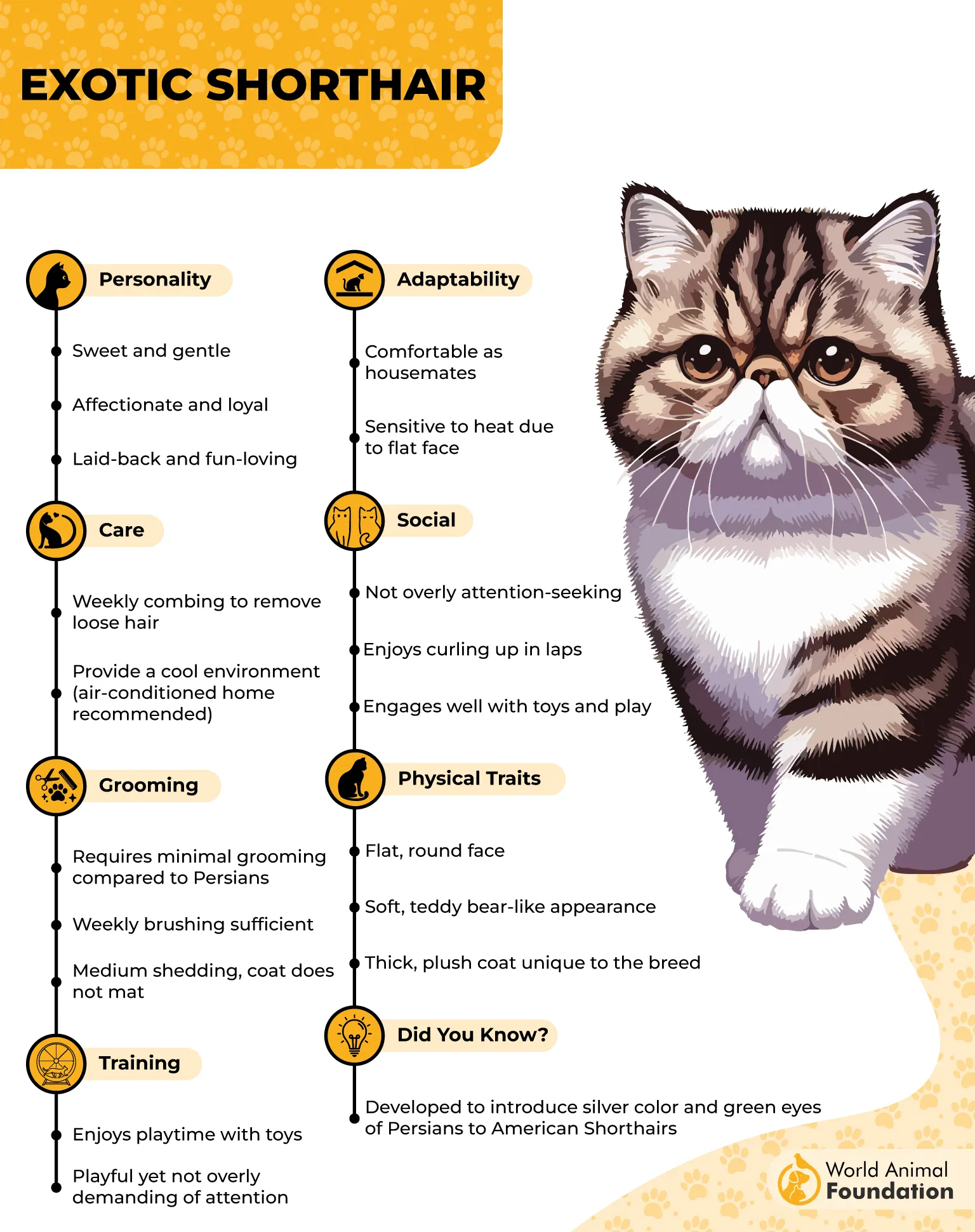
This breed is naturally calm and low-energy, making it especially comfortable in softly lit spaces. Exotic Shorthairs aren’t drawn to bright, busy environments and tend to relax best in quiet rooms with muted lighting.
Their laid-back personality pairs well with apartments that receive limited sunlight. Rather than seeking sunny perches, they prefer cozy corners, dim bedrooms, or shaded living areas where they can nap undisturbed.
While they enjoy gentle play, their activity level remains modest, and they’re content spending long periods resting near their favorite humans.
Fact: Exotic Shorthairs were specifically bred to preserve the Persian’s appearance while reducing grooming demands through a short, plush coat.
7. Maine Coon
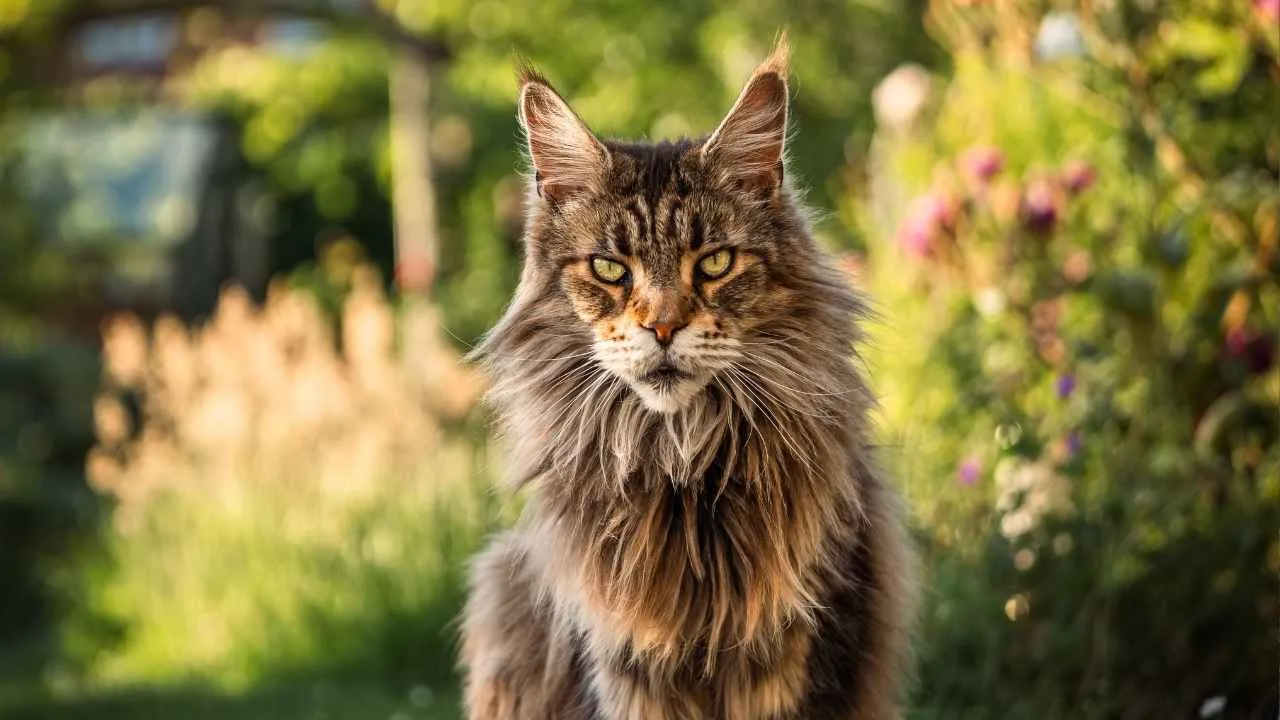
Often called the “gentle giant” of the cat world, the Maine Coon—sometimes known as the American Longhair—is famous for its large frame, tufted ears, and friendly, dog-like personality. This breed combines impressive size with a calm, adaptable nature that suits relaxed indoor living.
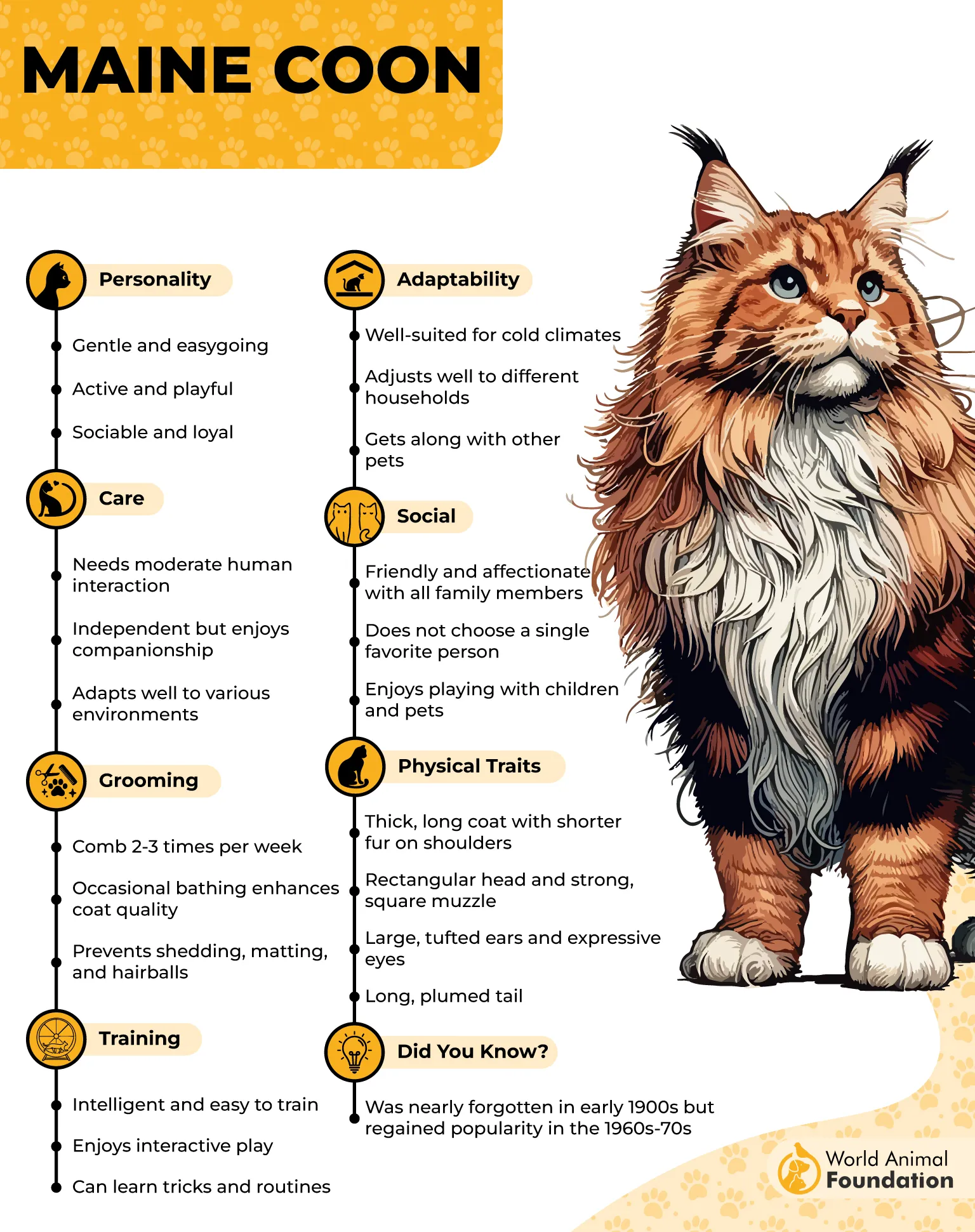
Maine Coons are especially comfortable in dim or softly lit spaces, where their excellent night vision and observant instincts come into play. Low lighting allows them to move confidently without overstimulation, making evening hours a favorite time for quiet exploration or rest.
Rather than seeking bright, busy rooms, they often choose shaded corners or darker areas to lounge near their family. Their laid-back temperament means they’re content to simply watch household activity unfold, even when the lights are turned down.
This preference pairs well with their affectionate side, as Maine Coons enjoy calm companionship more than constant action.
Fact: Many Maine Coons are polydactyl, meaning they have extra toes that help with balance and stability.
Conclusion
Choosing a cat that prefers low lighting can make life easier for pet parents who enjoy calm, softly lit homes. These breeds are often more relaxed, observant, and comfortable unwinding without constant stimulation.
Not all cats thrive in bright spaces, and for many, dim environments feel safer and more soothing. From a low-maintenance cat with a silky coat to breeds with striking blue eyes that quietly watch from the shadows, these feline companions adapt beautifully to subdued settings.
Even households with other pets can find harmony when lighting and energy levels stay balanced. For allergy sufferers, selecting the right furry friend matters just as much as ambiance, especially when loose hairs and daily grooming are concerns.
Some rex cats with a curly coat or other adaptable breeds benefit from puzzle feeders and cozy window perches instead of high-energy play.
While siamese cats and similar breeds can enjoy interaction, low-light environments often help cats settle, rest, and bond without stress—proving that comfort matters as much as personality.
