




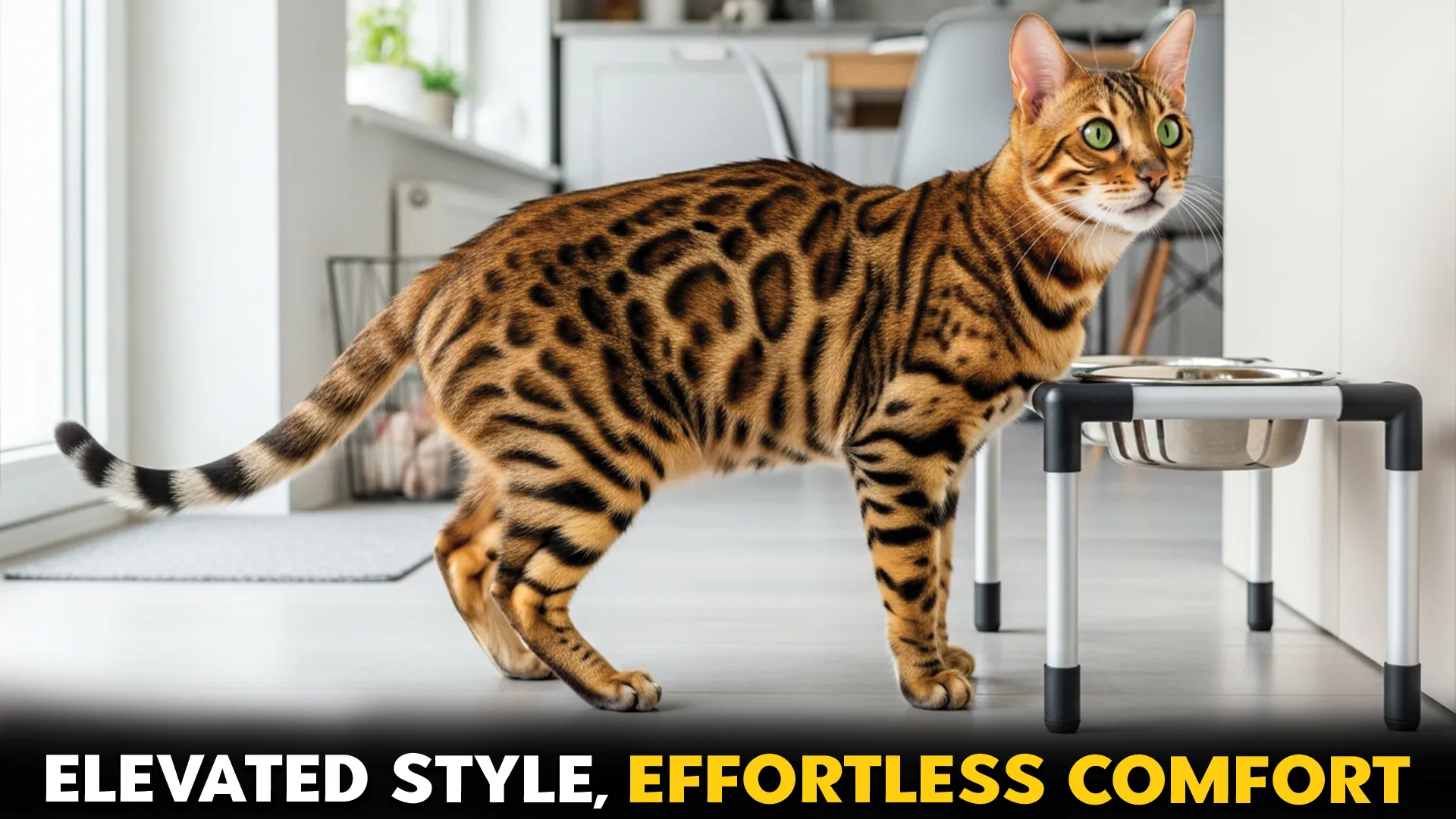
Cats may live in our homes, but many of their habits are shaped by instincts that reach back to their wild ancestors. One fascinating example is how and where they prefer to eat.
While floor-level bowls work for some, other cats show a clear preference for elevated feeding stations, choosing higher ground whenever possible. This behavior isn’t random—it’s rooted in survival, awareness, and comfort.
Elevated feeding allows cats to scan their environment while they eat, helping them feel secure and undisturbed. Much like their wild relatives that dined on ledges or tree branches, these cats associate height with safety, reduced stress, and better focus during meals.
In this article, we explore why some cat breeds are especially drawn to elevated feeding setups and how this preference connects to their natural instincts. From improved posture to emotional reassurance, raised feeding stations can support both physical comfort and mental well-being—especially for agile, alert, and observant felines that thrive above ground level.
Cat Breeds That Prefer Elevated Feeding Stations
1. Bengal
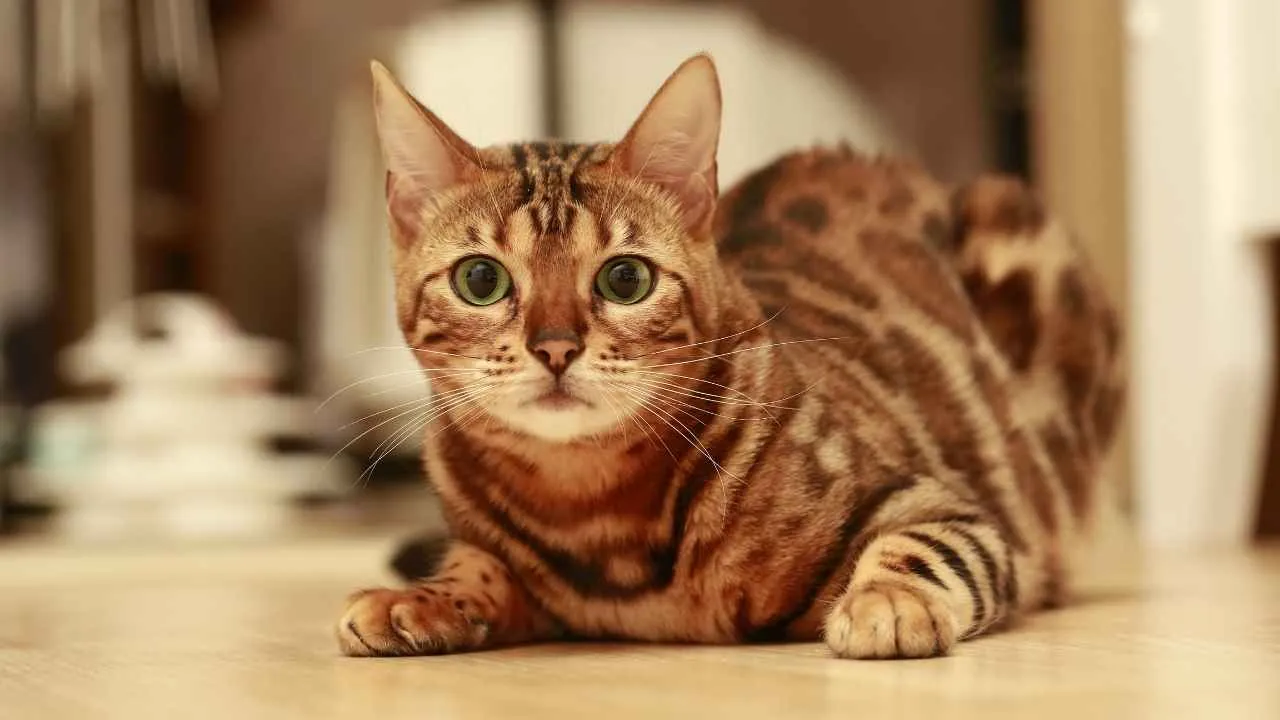
The Bengal, also known as the Leopardette, is a striking hybrid-inspired breed developed from domestic cats and the Asian leopard cat.
According to Britannica, the Bengal is a short-haired domestic cat breed created in the United States during the 1970s and 1980s through the crossbreeding of an Asian leopard cat and a domestic tabby.
As natural climbers, Bengals are instinctively drawn to higher ground, which often extends to their feeding habits. Elevated feeding stations appeal to their desire for awareness and control, allowing them to survey their surroundings while eating—much like they would in the wild.
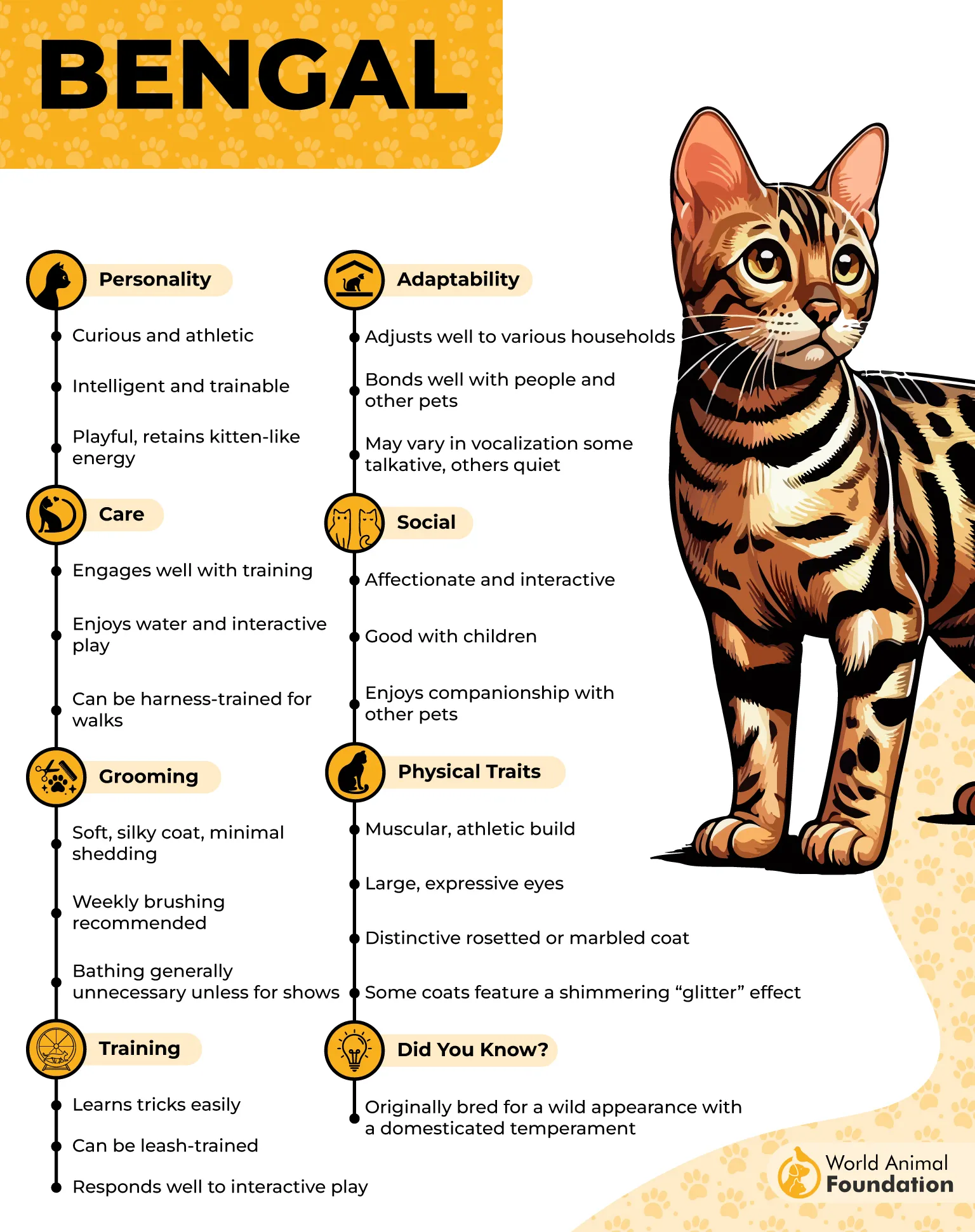
Their boundless energy and curiosity mean Bengals rarely stay grounded for long. They enjoy jumping onto counters, shelves, and cat trees, making raised food bowls feel intuitive rather than unusual. Eating at height also aligns with their preference for mentally engaging environments.
Because Bengals thrive on stimulation, elevated dining can become part of a broader enrichment routine that includes climbing, exploration, and play. It supports both their physical agility and alert mindset, helping meals feel purposeful rather than passive.
Fun fact: Many Bengal cats have a naturally “glittered” coat caused by a gene mutation that makes their fur shimmer when it reflects light.
2. Abyssinian
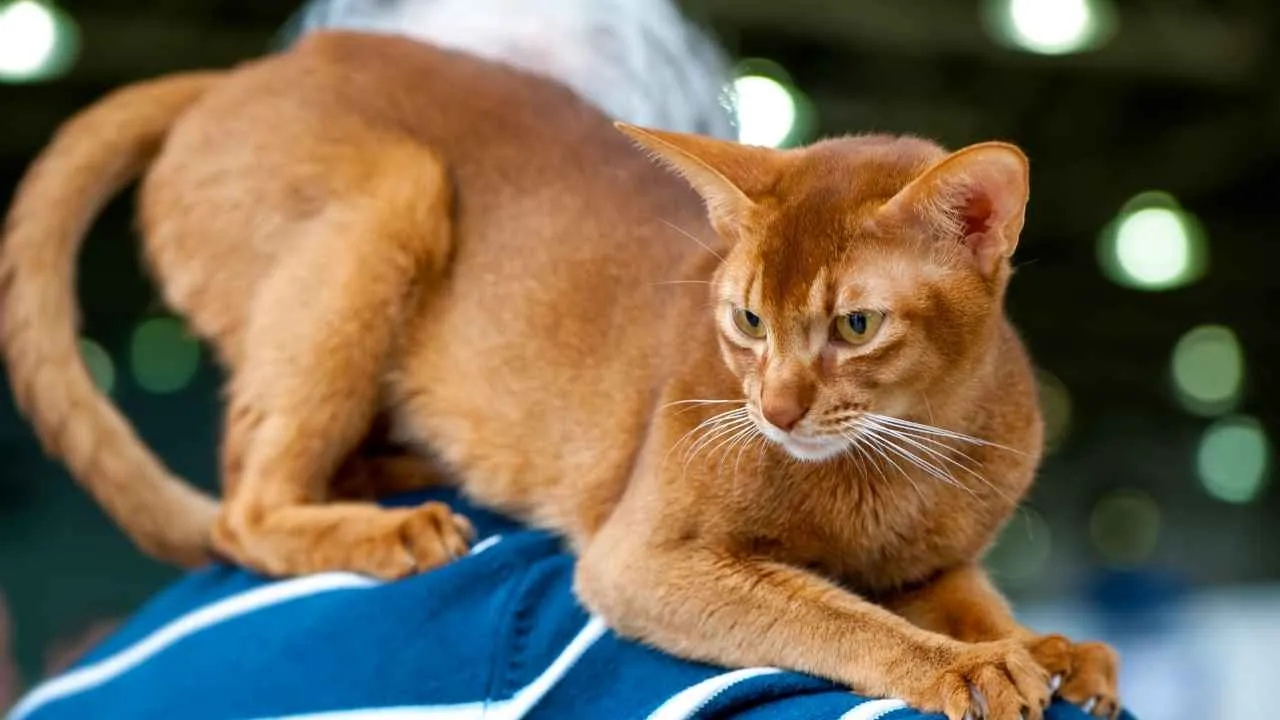
Often nicknamed the “Aby” or the “supermodel of the cat world,” the Abyssinian is one of the oldest and most elegant cat breeds.
According to PetMD, Abyssinian cats bear a strong resemblance to the cats portrayed in ancient Egyptian murals. Known for its ticked coat, long legs, and alert expression, this breed is built for movement and elevation.
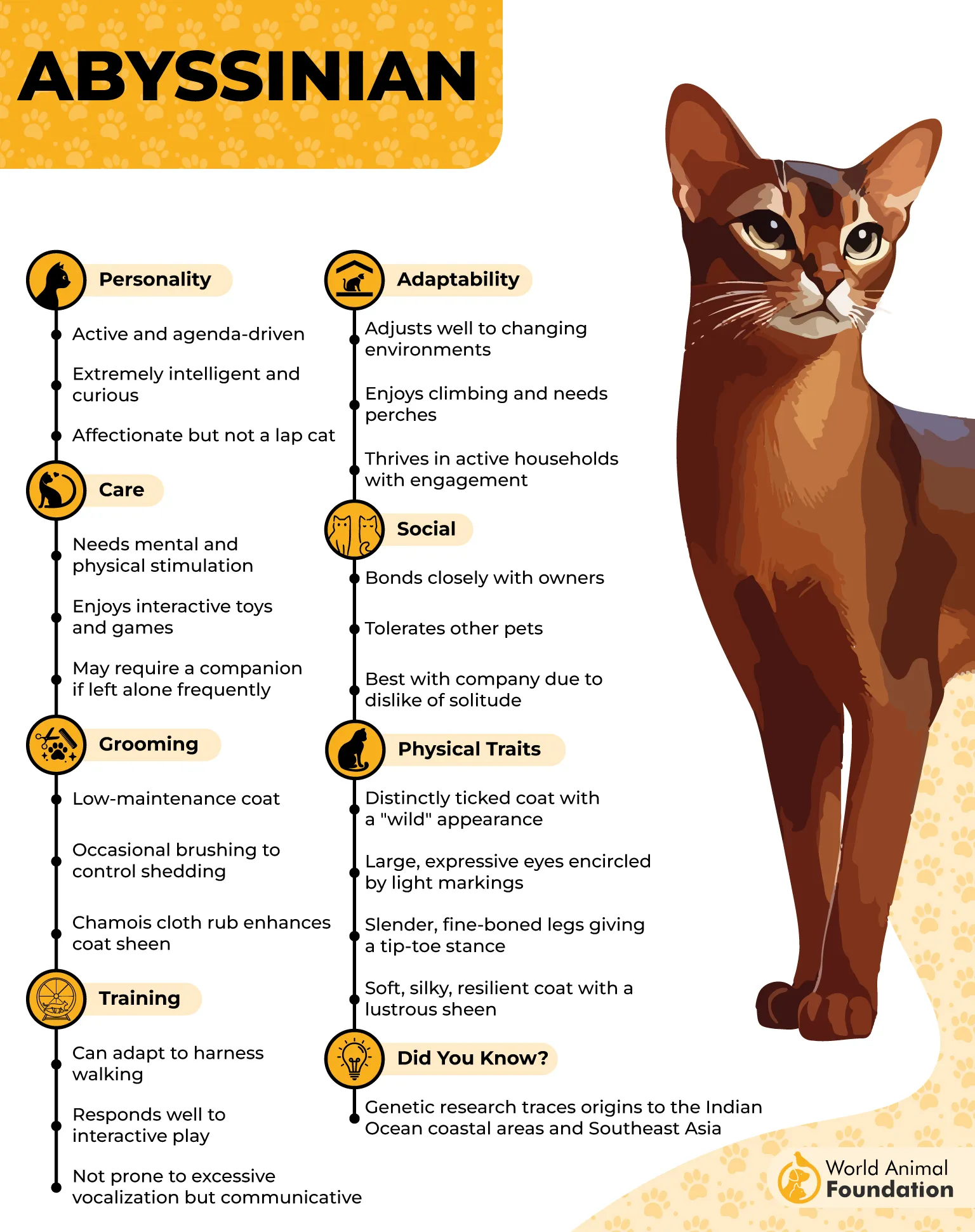
Abyssinians are naturally drawn to high places, and that instinct carries over to mealtimes. Their long, athletic legs and upright posture make elevated feeding stations feel more natural, allowing them to eat while staying aware of everything happening around them. Height gives them confidence and control.
Because Abyssinians are highly curious and observant, they dislike feeling cornered or distracted while eating. Raised bowls placed on shelves, cat furniture, or sturdy platforms align with their preference for vertical living and help reduce stress during meals.
This breed thrives in environments that encourage climbing, perching, and structured routines, making elevated feeding part of a lifestyle rather than a novelty.
3. Savannah
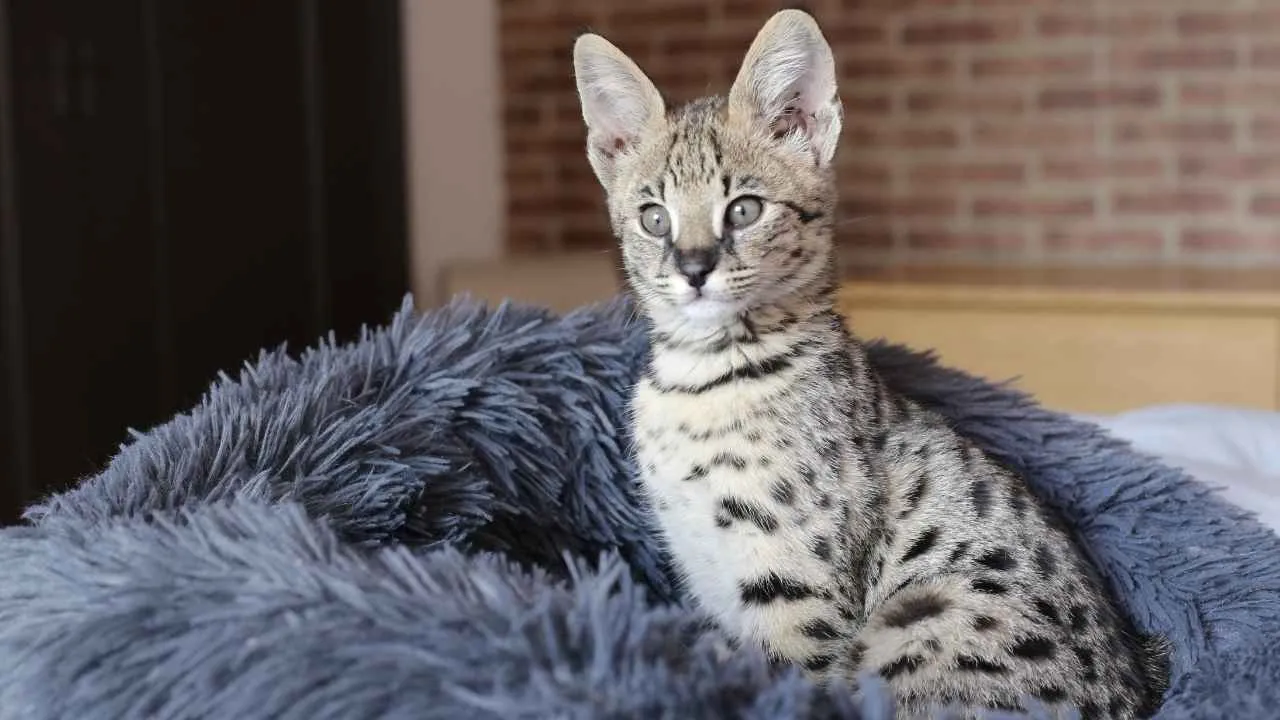
The Savannah cat, sometimes simply called the Savannah or SBT Savannah in later generations, is a striking hybrid breed developed from the African serval and domestic cats.
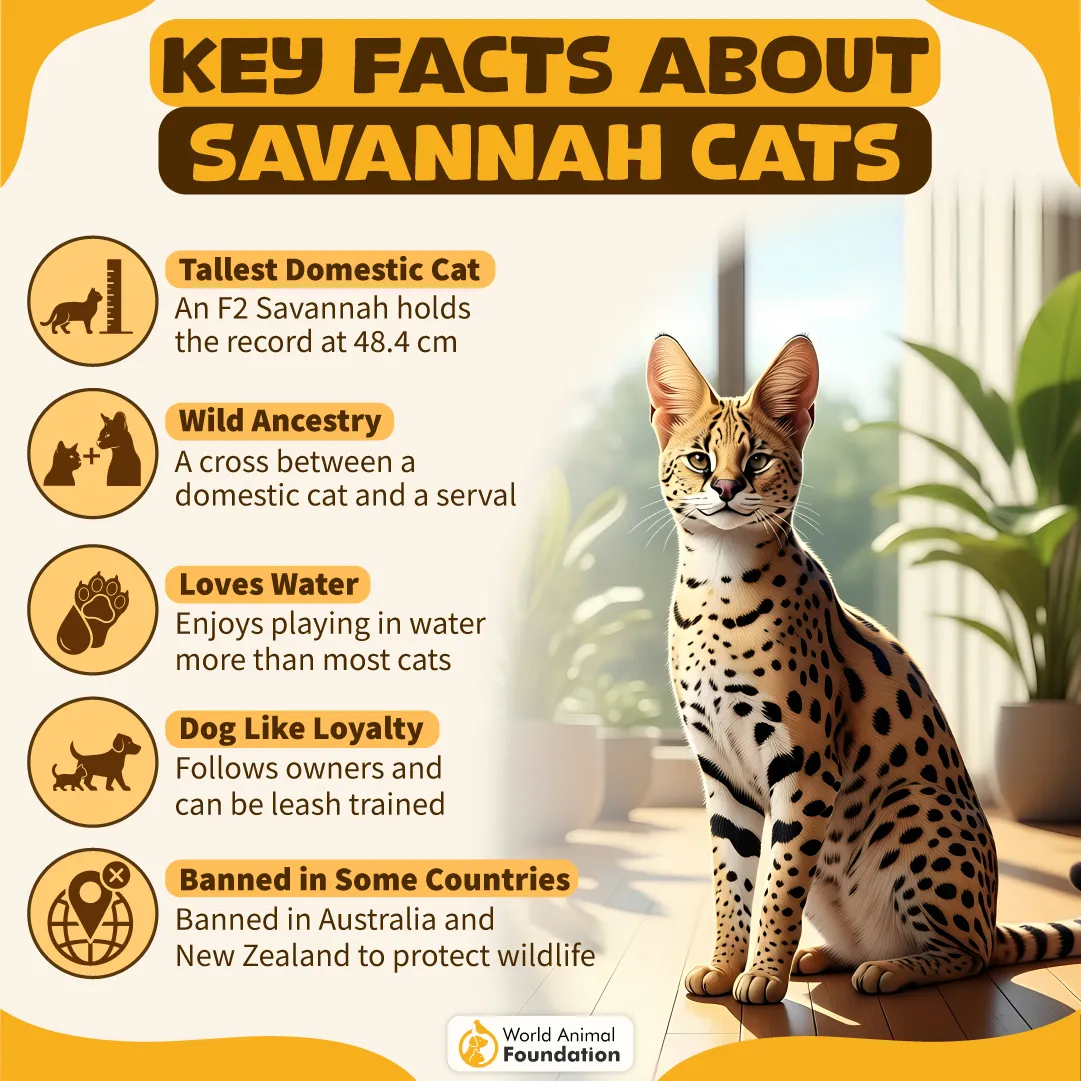
According to WebMD, Savannah cats are social and inquisitive, and they are known for having a distinctive coat. Its long legs, tall ears, and spotted coat give it a distinctly wild look paired with domestic adaptability.
Naturally agile and alert, Savannahs are drawn to height in almost every aspect of life—including mealtimes. Elevated feeding stations appeal to their instinct to eat from a vantage point, where they can survey their surroundings while remaining relaxed and focused.
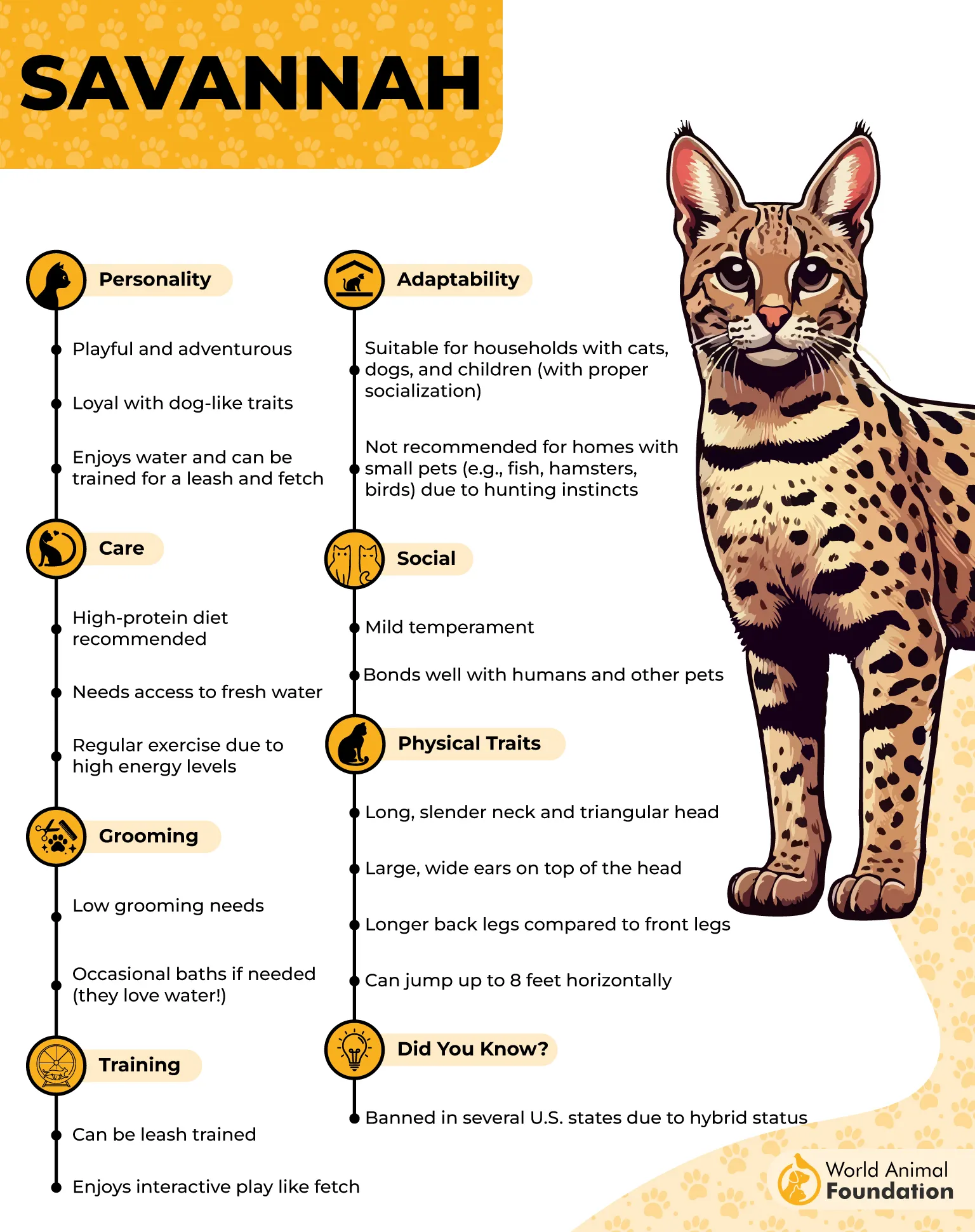
Their strong legs and athletic build make hopping onto raised platforms effortless, and eating up high feels intuitive rather than forced. This preference mirrors the serval’s behavior in the wild, where elevation offers both safety and control during vulnerable moments like feeding.
Savannahs are intelligent and curious, often associating elevated bowls with enrichment rather than routine. Providing raised feeding areas can reduce stress, improve posture, and align with their natural instincts for vertical living.
4. Oriental Shorthair
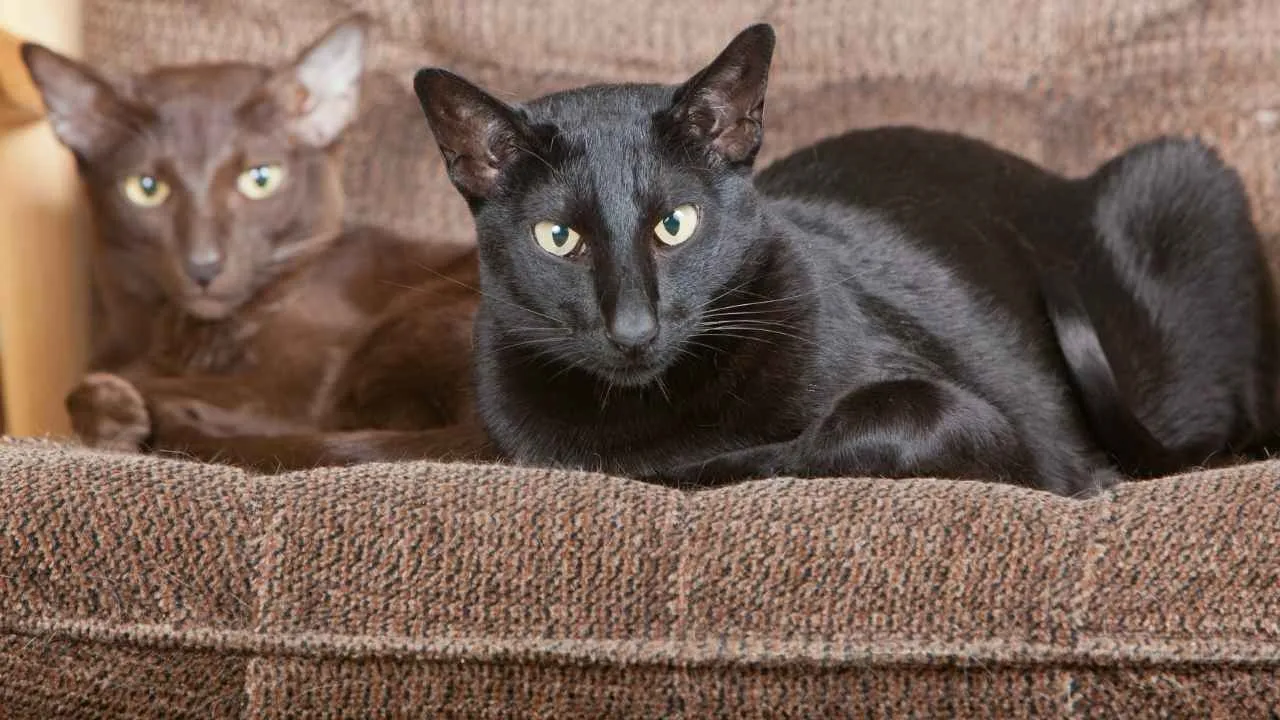
The Oriental Shorthair, sometimes called the OSH, descends from Siamese lines and is known for its wedge-shaped head, oversized bat-like ears, and sleek, whip-thin tail. With almond-shaped green or occasionally blue eyes, this medium-sized breed has an unmistakably alert appearance.
Naturally curious and highly confident, the Oriental Shorthair prefers environments where it can observe everything happening around it. Elevated feeding stations suit this breed well, allowing them to eat while keeping a watchful eye on their surroundings from a comfortable vantage point.
Their long legs and agile build make climbing second nature, so raised bowls on shelves or platforms feel intuitive rather than forced. Eating at height aligns with their instinct to stay engaged, aware, and in control of their space.
Because they thrive on involvement, Oriental Shorthairs often choose feeding spots that place them closer to human activity rather than tucked away on the floor.
5. Norwegian Forest Cat
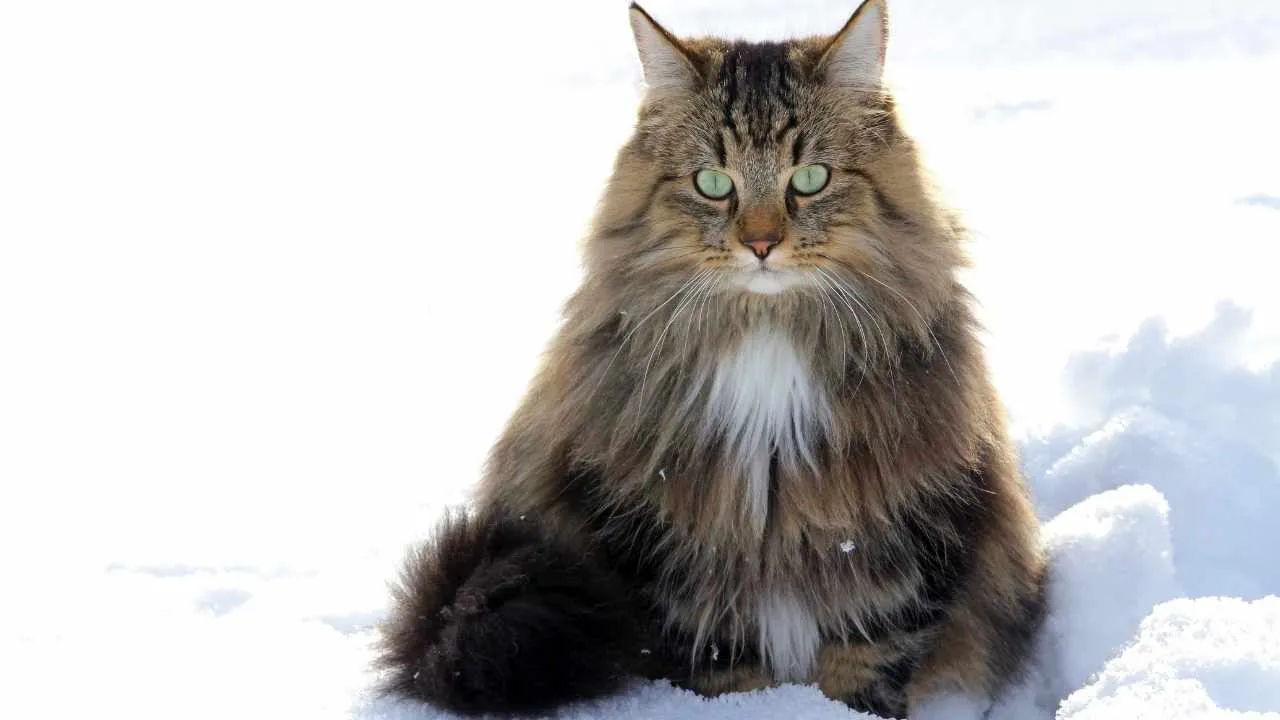
The Norwegian Forest Cat, often called the Wegie or skogkatt, is a natural climber with roots in Scandinavian legend. With a strong build, tufted ears, bushy tail, and wild appearance, this breed is both striking and deeply people-oriented.
Because of their history of navigating forests and high terrain, Wegies feel most comfortable when resources are placed above ground. Elevated feeding stations align with their instinct to seek height, allowing them to eat while calmly surveying their surroundings.
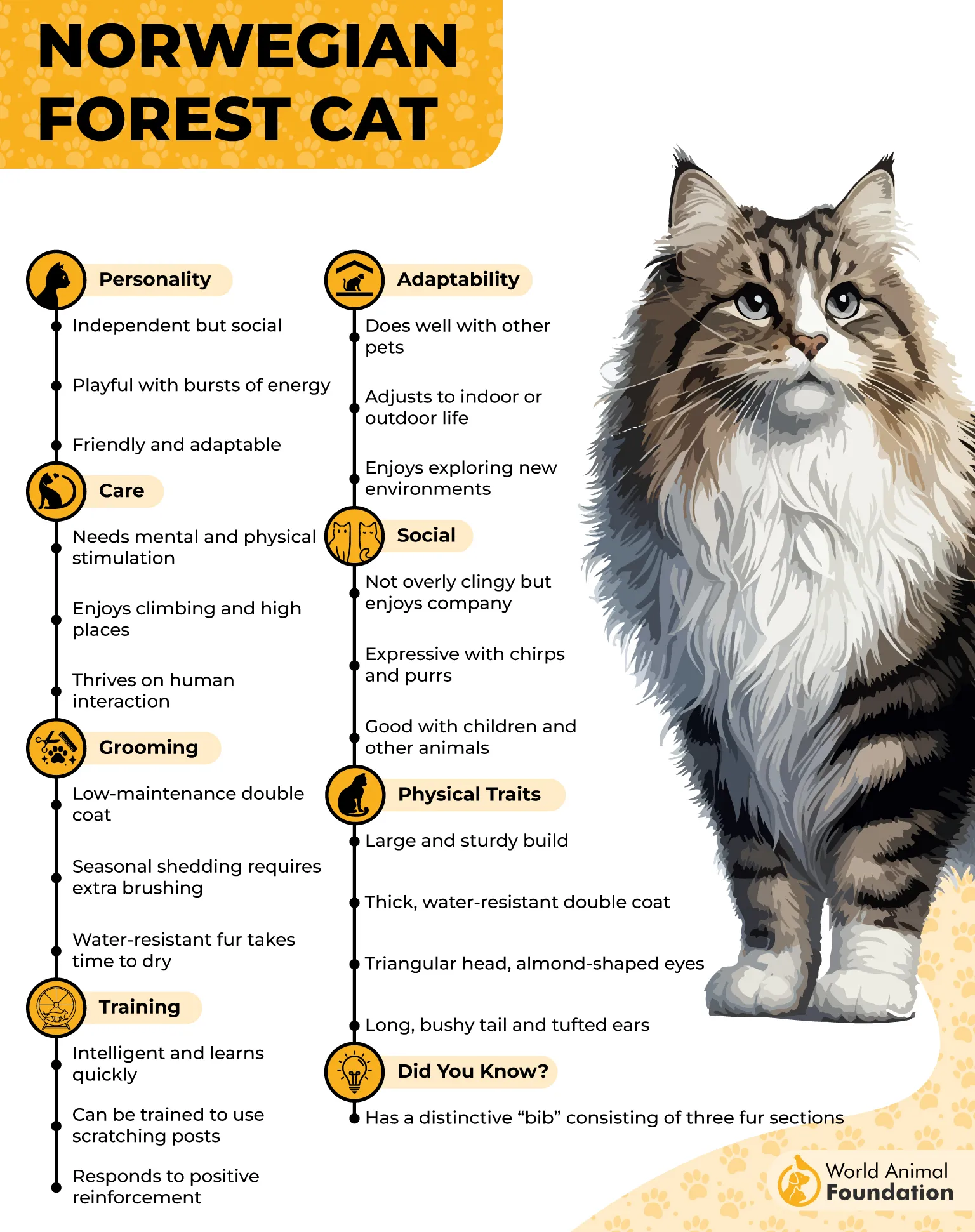
These cats are selective about where they dine and often prefer quiet, raised spots over busy floor areas. Feeding at a higher level also suits their large frame, reducing the need to crouch and helping them eat more comfortably.
Despite their rugged look, Norwegian Forest Cats are affectionate and social, fitting easily into family life with children and other pets.
Fun fact: In Norse mythology, cats resembling Norwegian Forest Cats were said to pull the goddess Freyja’s chariot.
6. Turkish Angora
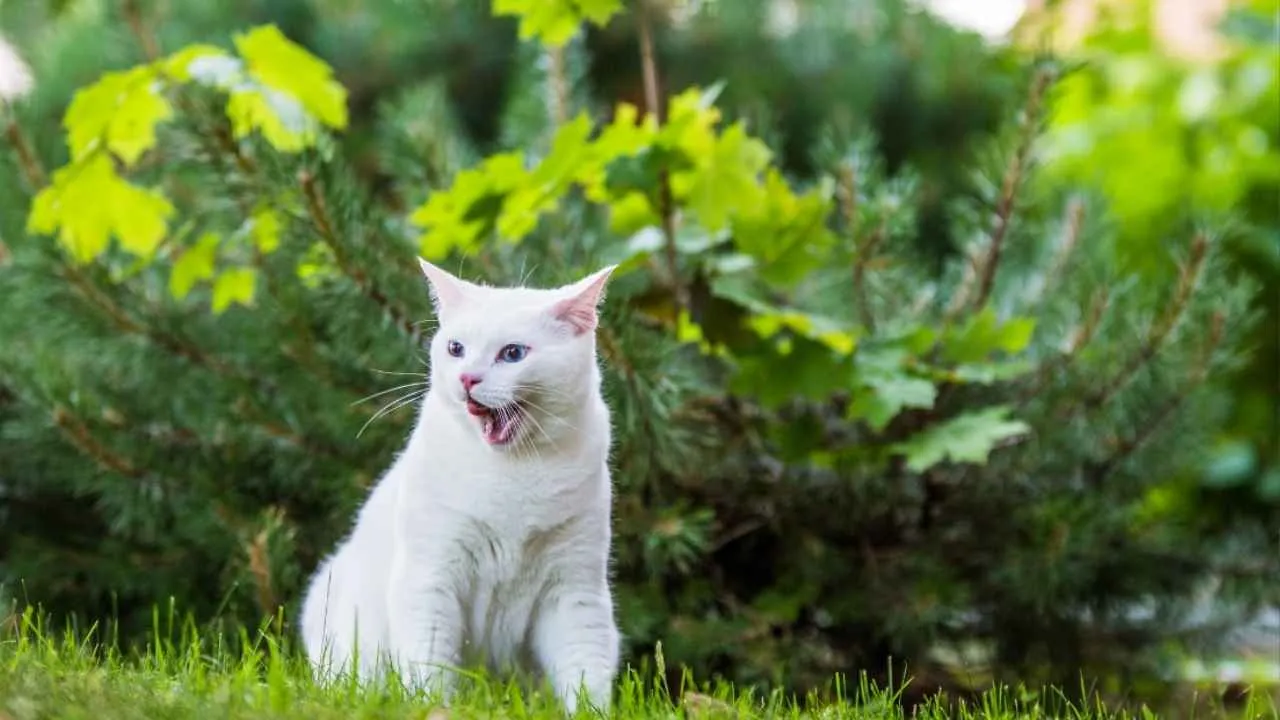
The Turkish Angora, also known as the Ankara cat or Angora, is one of the oldest domestic cat breeds, admired for its silky coat, almond-shaped eyes, and refined build. Originating in Turkey, this elegant breed carries itself with a light, athletic confidence.
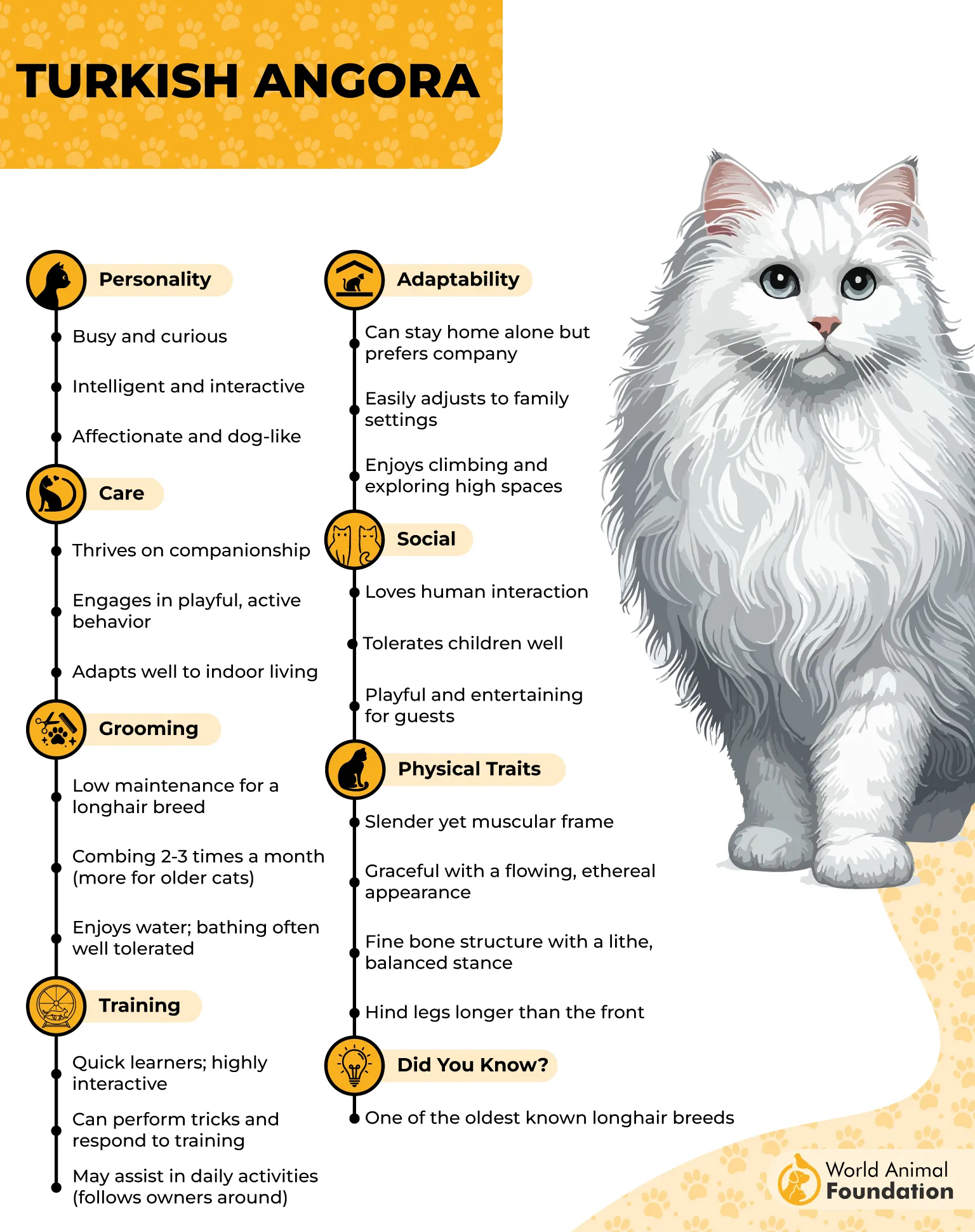
Naturally agile and long-limbed, the Turkish Angora is drawn to height in daily life, from climbing furniture to choosing raised spots for rest and meals. Elevated feeding stations suit their instinct to observe surroundings while eating, helping them feel secure and in control.
Their intelligence and curiosity mean they quickly learn where food is placed and often favor higher platforms that match their climbing habits. Eating above ground aligns with their graceful movement style and reduces distractions in busy households.
Although affectionate and people-oriented, Turkish Angoras value independence and personal space. Raised feeding areas allow them to dine peacefully without interruption, fitting their poised yet assertive nature.
Fun fact: Turkish Angoras were once protected by the Turkish government as a national treasure and preserved through a special breeding program.
7. Japanese Bobtail
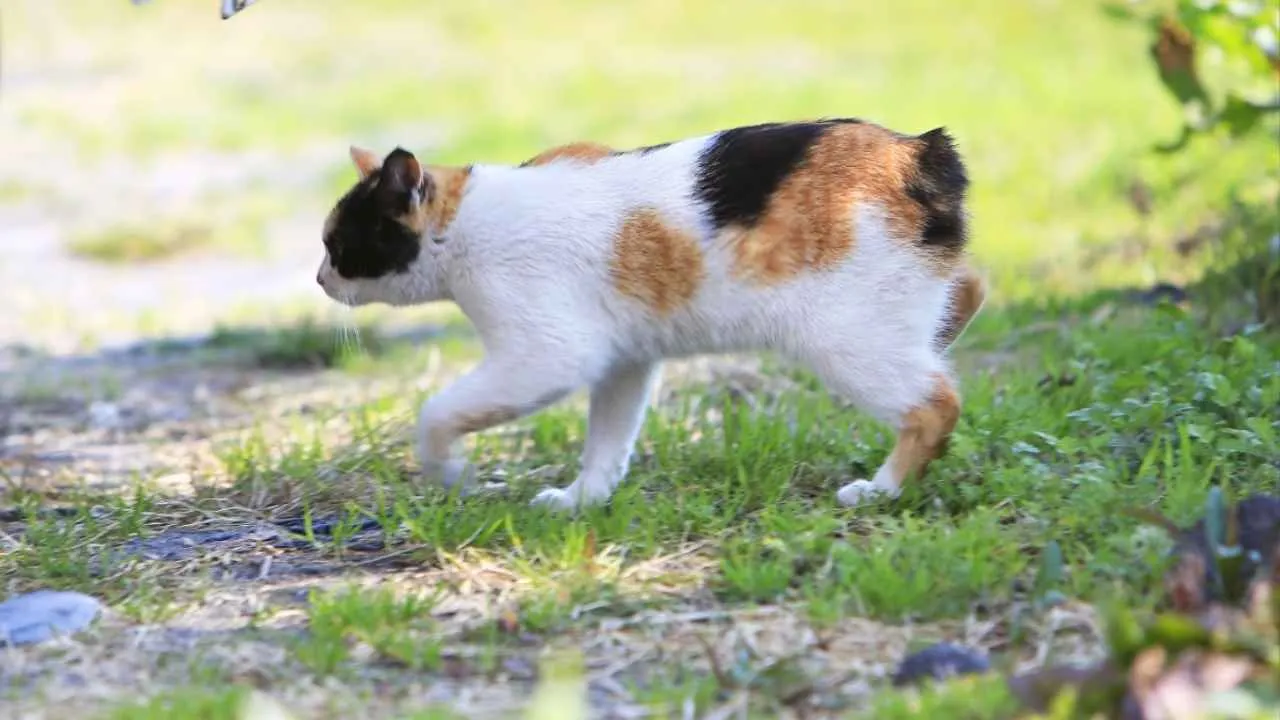
The Japanese Bobtail, also known as the Chrysanthemum Cat, is instantly recognized by its short, kinked tail and sleek, athletic build. An ancient breed from Japan, it comes in both long-haired and short-haired varieties and is celebrated for its intelligence and alert nature.
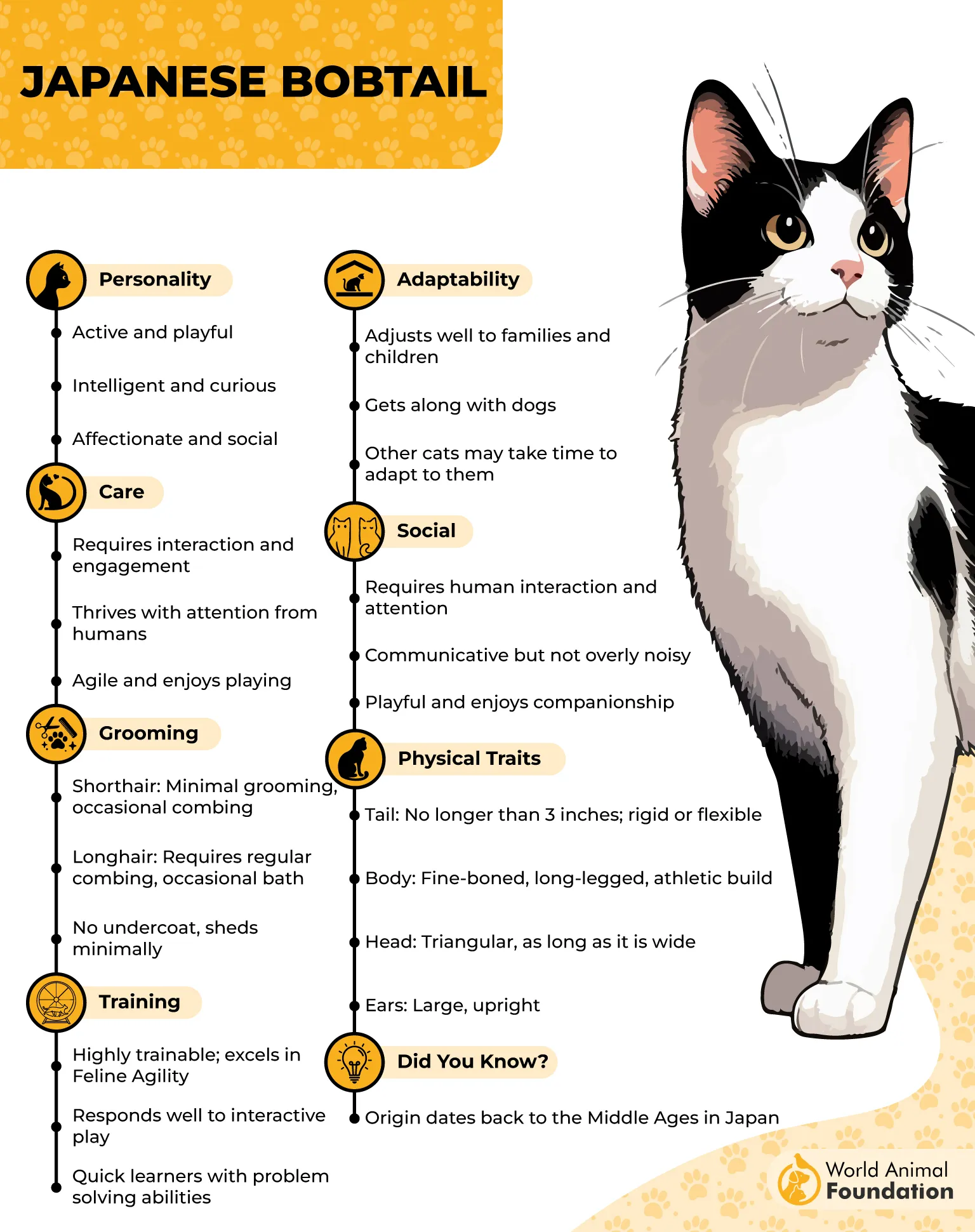
Highly observant and naturally curious, Japanese Bobtails feel most at ease when they can oversee their surroundings. This instinct makes elevated feeding stations especially appealing, as eating from a higher position allows them to stay aware of movement and activity nearby.
These cats are agile climbers who enjoy vertical spaces, whether it’s shelves, cat trees, or raised platforms. Feeding above ground fits seamlessly with their preference for height, offering both security and mental stimulation during mealtimes.
Social and people-oriented, Japanese Bobtails adapt well to busy households but still value feeling safe and in control.
Fun fact: Their fluffy, petal-like tail earned them the nickname “Chrysanthemum Cat,” and in Japan, the tricolour Mike-neko variety is considered a symbol of good luck.
Conclusion
Choosing elevated feeding stations can make a noticeable difference for cats that feel safer and more comfortable eating above ground. Using elevated cat bowls or a proper cat feeding station helps reduce awkward positioning, supports better digestion, and minimizes whisker fatigue.
For older cats and senior cats dealing with joint pain or reduced mobility, the right bowl height can ease neck strain and make it easier to reach food.
Even younger cats and multi-cat households benefit from elevated cat feeders, as they help manage multiple cats, reduce competition, and keep both cat food and water bowls cleaner with less mess and spilled water.
For every cat owner and pet parent aiming to keep their feline friend happy, raised cat setups offer practical health benefits. Elevated feeders made from dishwasher-safe stainless steel are easy to maintain, aid digestion, and suit a cat’s size while providing easy access.
Whether you have many cats, small dogs, or are managing health issues, elevated feeders support better digestion, reduce stress, and create a cleaner, more comfortable feeding routine for every feline friend.
