




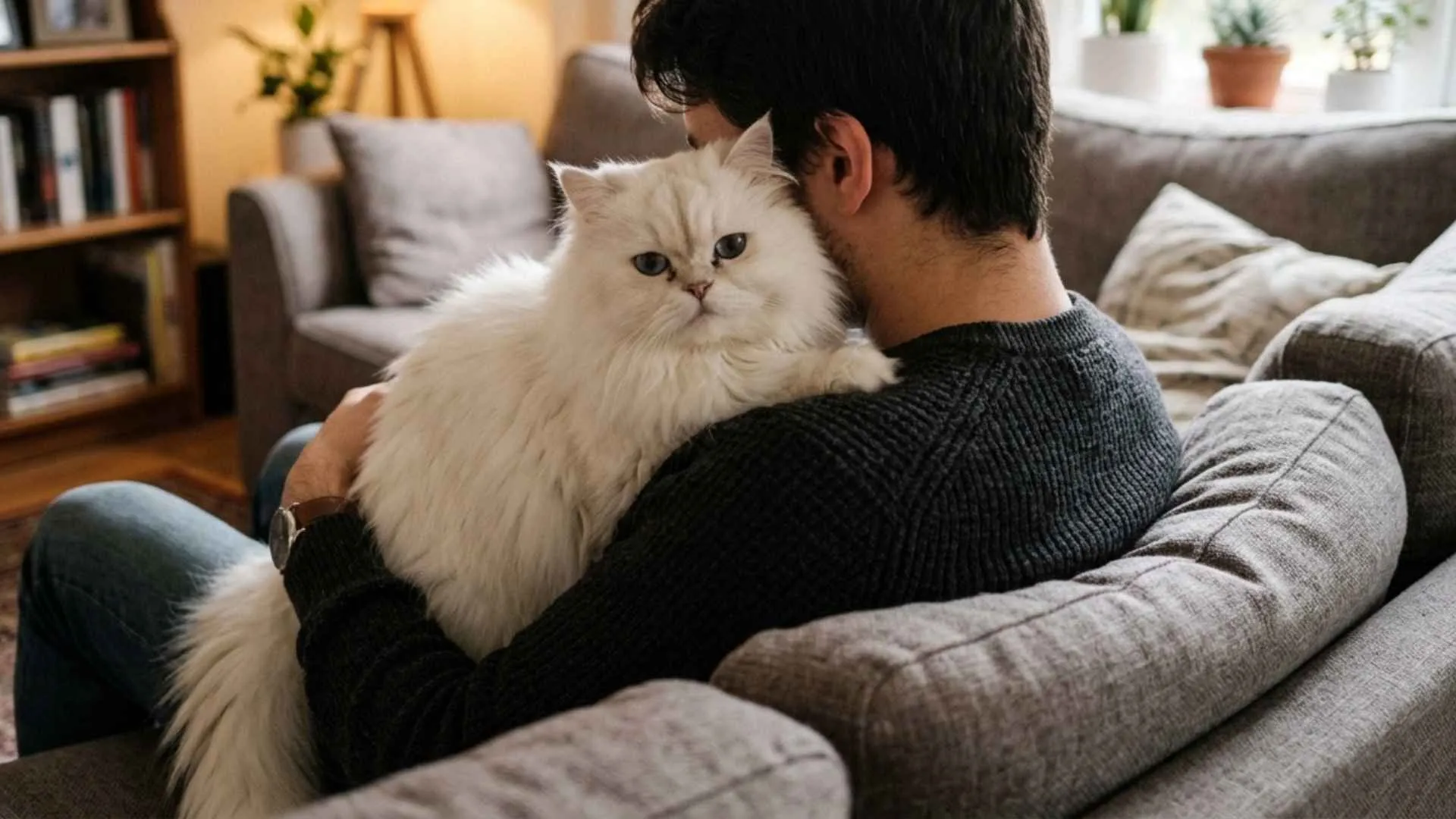
Cats are often seen as adaptable companions, but not every feline thrives in a busy, unpredictable household. Some cat breeds naturally gravitate toward calm, mature environments where routines are steady and interactions are gentle.
These cats tend to form deeper bonds with adults who understand boundaries, respect quiet moments, and appreciate subtle affection over constant attention. For people seeking a relaxed, emotionally attuned pet, certain breeds are simply better suited to adult companionship.
Breeds with calm dispositions, lower tolerance for noise, and a preference for predictable surroundings often feel more secure with adult companions. They value consistency, quiet spaces, and meaningful one-on-one interaction, rather than high-energy play or frequent disruptions.
Traits such as emotional awareness, independence, and gentle affection make these cats ideal for adults living alone, couples, or quieter households. In this article, we’ll explore cat breeds that flourish in peaceful homes, offering loyal companionship, calm presence, and a refined connection that grows stronger with time.
Cat Breeds That Prefer Adult Companionship
1. Russian Blue
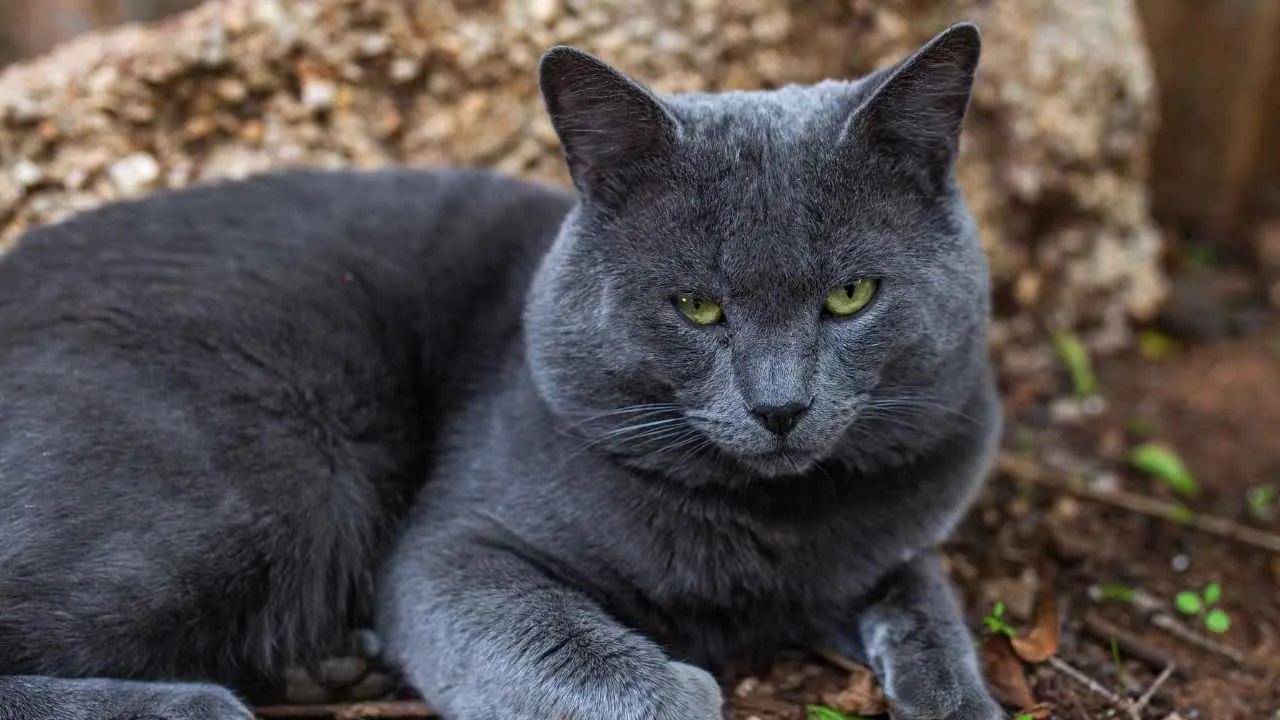
The Russian Blue, sometimes simply called the Archangel Blue, is instantly recognised by its blue-grey coat, vivid green eyes, and elegant build. Originating in Russia, this breed is known for its reserved charm, intelligence, and quiet loyalty.
According to Britannica, the Russian Blue is a domestic cat breed recognized for the exceptional quality of its short, plush-like coat.
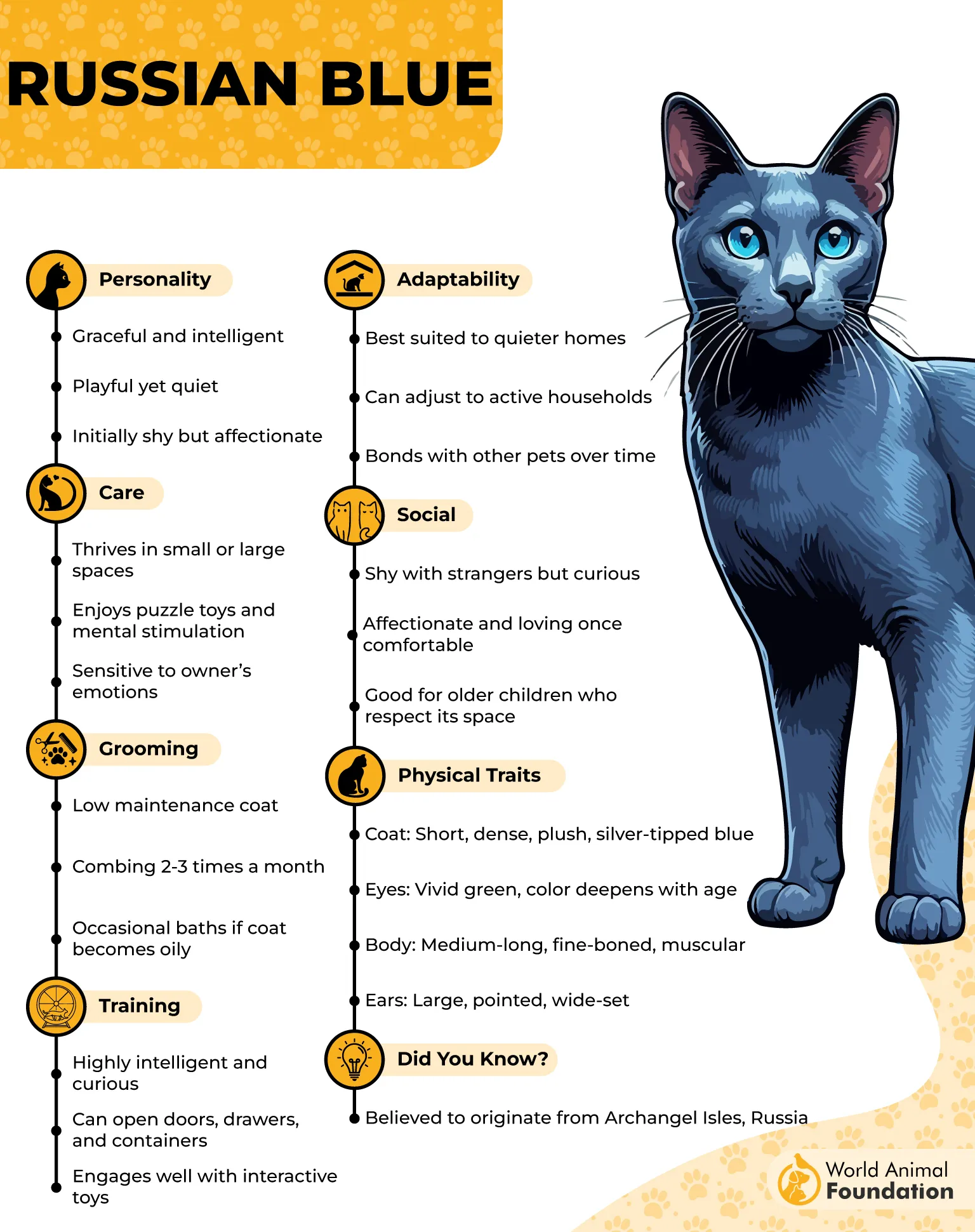
Russian Blues are especially well-suited to adult households that value calm routines and low-key companionship. They tend to be cautious with strangers and busy environments, making peaceful homes with predictable schedules far more appealing than noisy or chaotic settings.
With their gentle and independent nature, they often form a deep bond with one particular adult, quietly following them from room to room. While affectionate, they aren’t overly demanding and are content spending time alone, provided their environment feels secure and familiar.
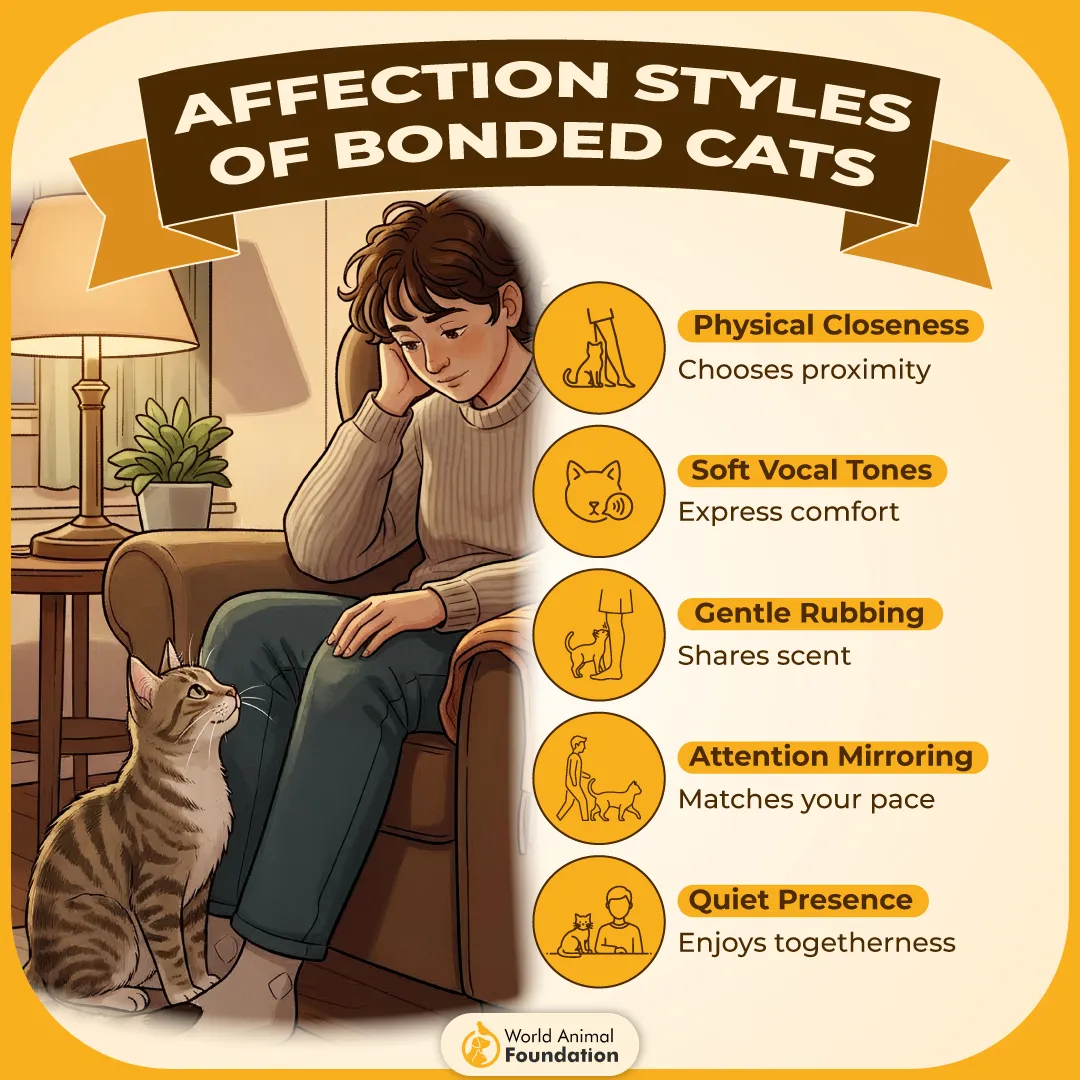
This balance of independence and devotion makes them ideal for adults who work regular hours and enjoy relaxed evenings at home. Once trust is earned, a Russian Blue becomes a steady, emotionally attuned companion that thrives on consistency and mutual respect.
Fun fact: Russian Blue cats are known for attaching strongly to one person and often greet their favorite human at the door when they return home.
2. Persian
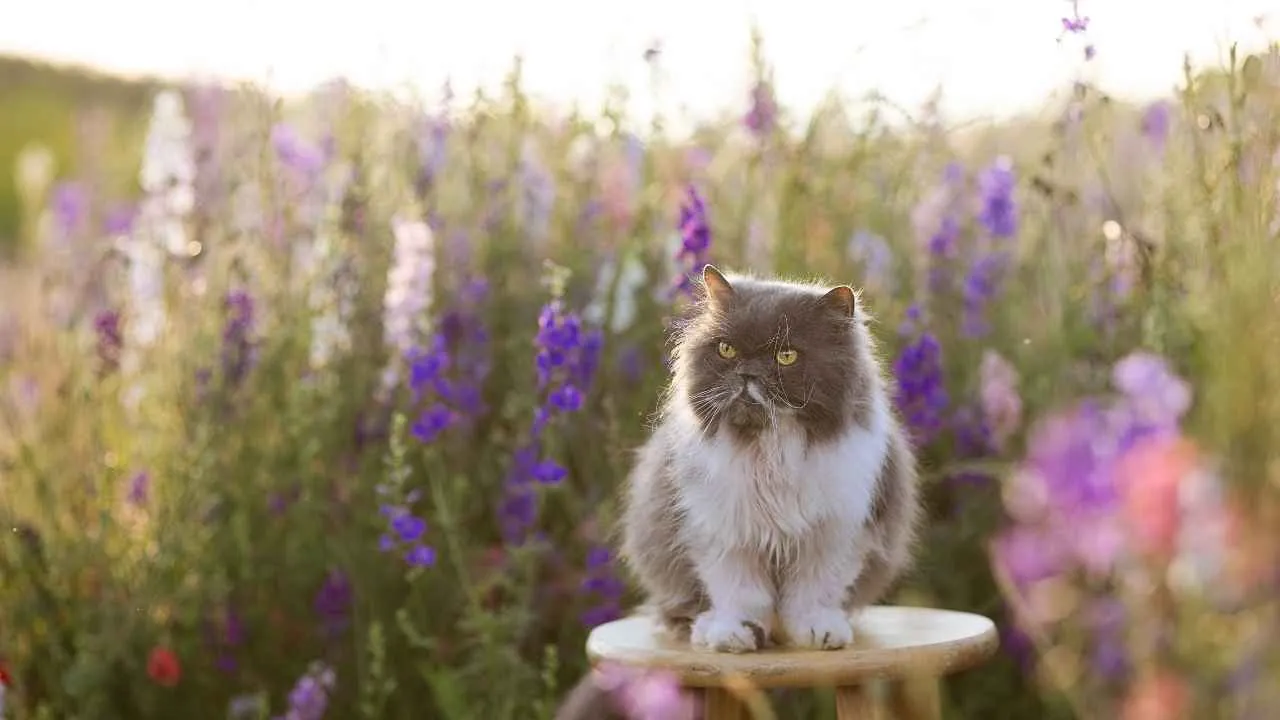
Also known as the Persian Longhair, this ancient breed traces its roots to old Persia and is instantly recognised by its round eyes and flowing coat.
According to PetMD, Persians have not always had flat faces. Persians carry a dignified presence, pairing classic beauty with a famously serene temperament that suits quiet homes.
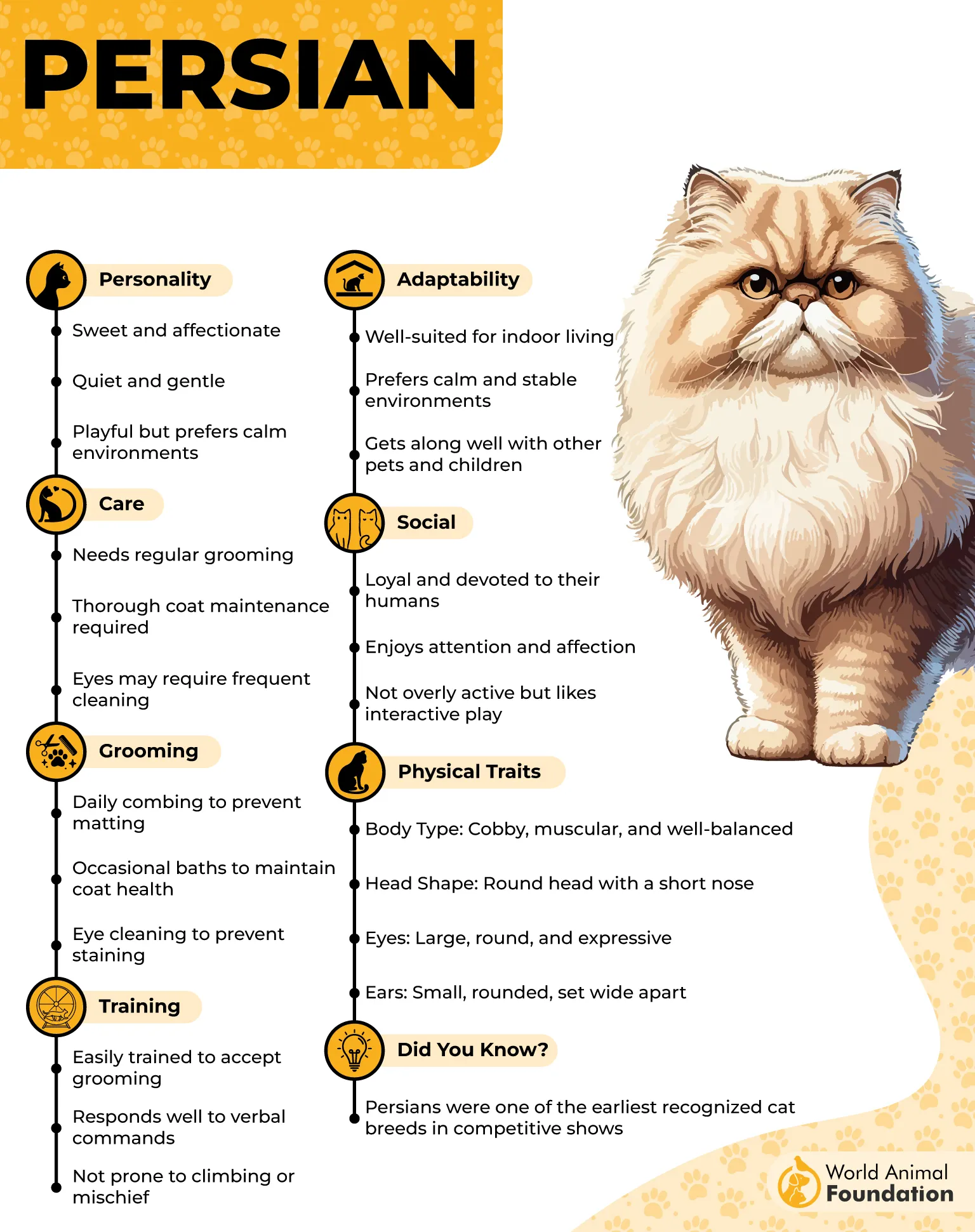
When it comes to adult companionship, Persians shine as affectionate without being intrusive. They enjoy closeness and gentle cuddling but rarely demand constant interaction, making them ideal for adults who appreciate calm, predictable routines over high-energy play.
Persians prefer peaceful indoor environments where noise and sudden activity are kept to a minimum. Their laid-back nature means they’re content spending long hours lounging nearby, offering companionship through presence rather than persistent attention—something many adult owners find comforting.
Their long, dense coat does require regular grooming, which often becomes a soothing bonding ritual rather than a chore. With attentive care and a tranquil household, Persians reward their humans with loyalty, soft affection, and an unhurried pace of life.
Fact: Persian cats are among the oldest known cat breeds, with depictions dating back as far as 1684 BC.
3. British Shorthair
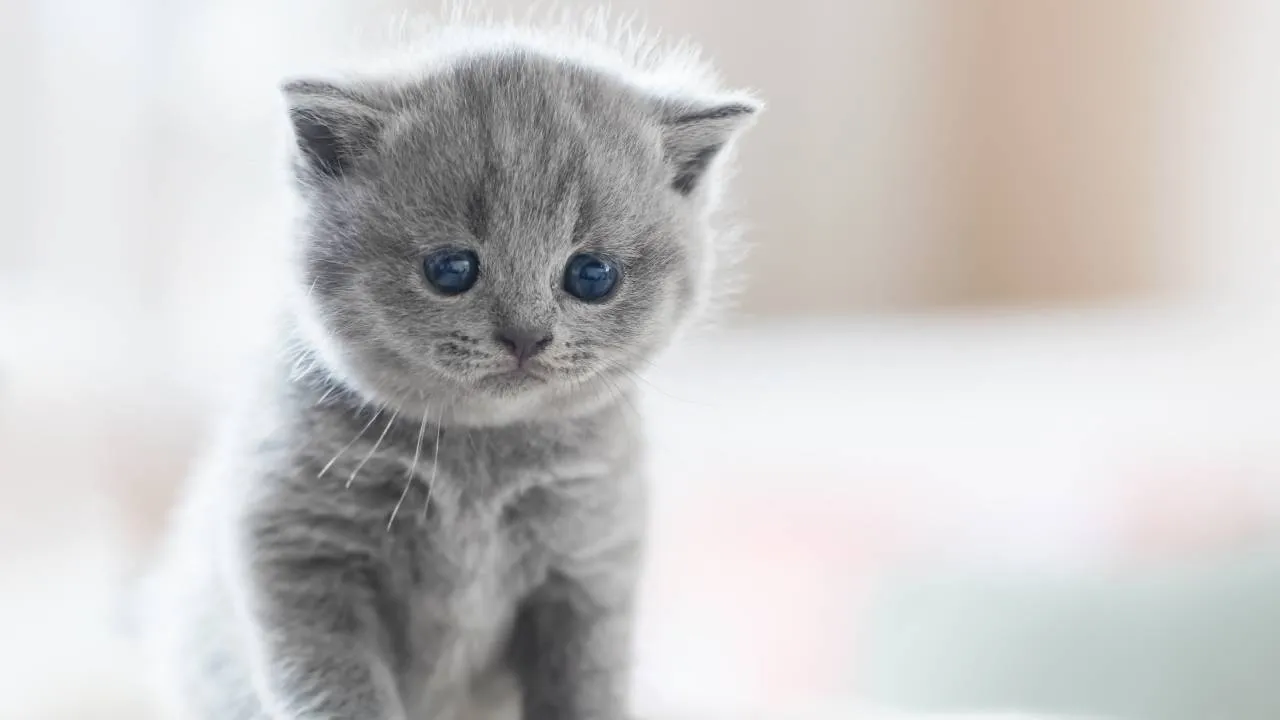
The British Shorthair, sometimes called the British Blue, is instantly recognisable for its round face, dense plush coat, and sturdy build. With a calm, dignified presence, this breed is often likened to a living teddy bear with quiet confidence.
According to PDSA, the British Shorthair is generally a relaxed and inactive breed with a tendency toward laziness, and it typically doesn’t require daily brushing except during shedding seasons, when loose hair should be removed from its dense coat.
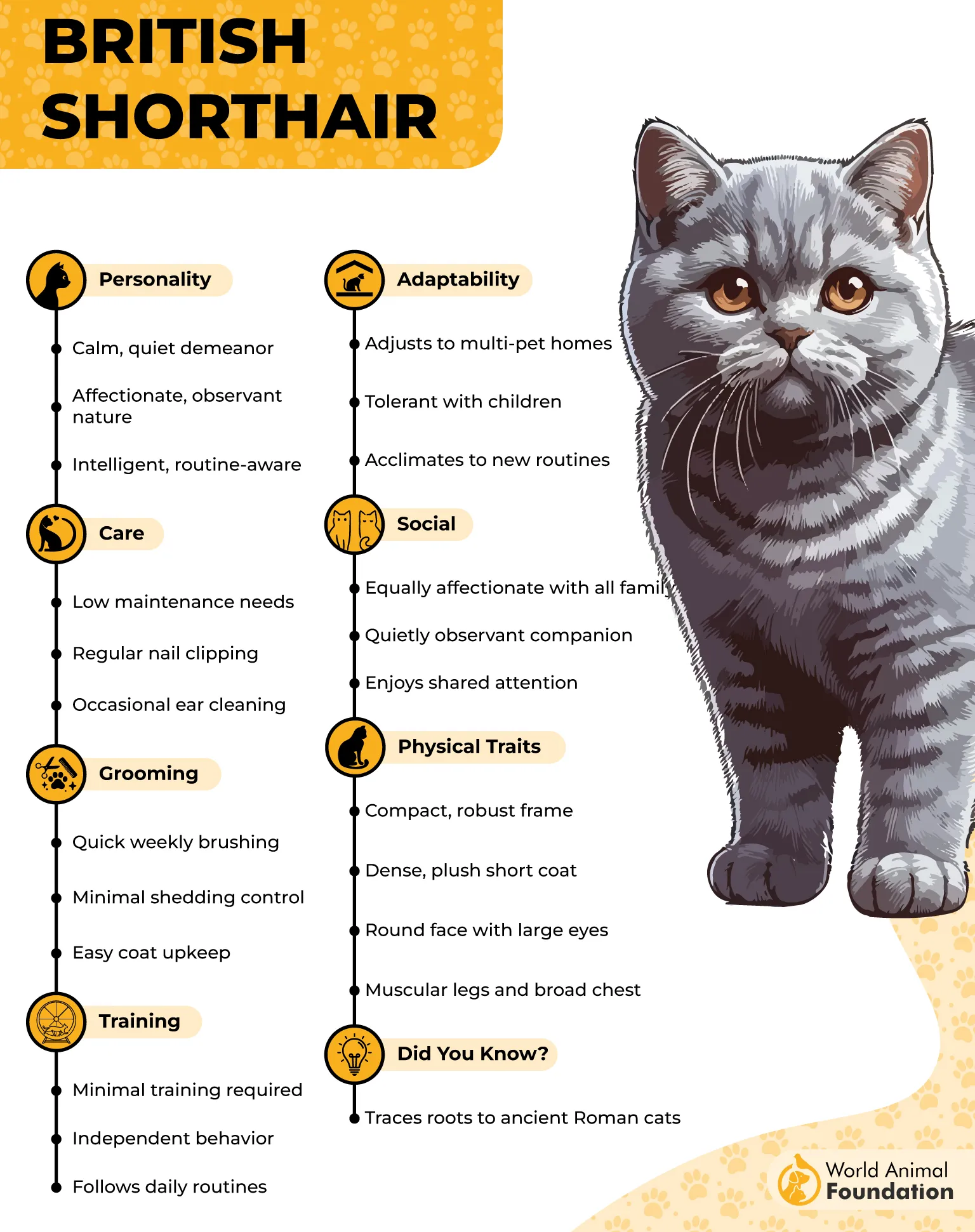
Well-suited to adult households, British Shorthairs prefer predictable routines and low-noise environments. They enjoy being near their people without demanding constant attention, making them ideal for adults who value peaceful companionship over high-energy interaction.
Rather than climbing into laps, they’re content to sit beside you, observing daily life with gentle curiosity. This reserved affection tends to resonate with adults who appreciate subtle bonds and cats that respect personal space.
While patient and tolerant, British Shorthairs can withdraw during loud or chaotic moments, which is why calmer homes suit them best. Their easygoing temperament also helps them coexist with other pets when introductions are gradual.
Fun fact: British Shorthairs often learn their owner’s routine so well that they’ll quietly protest with a soft paw tap if something changes unexpectedly.
4. Scottish Fold
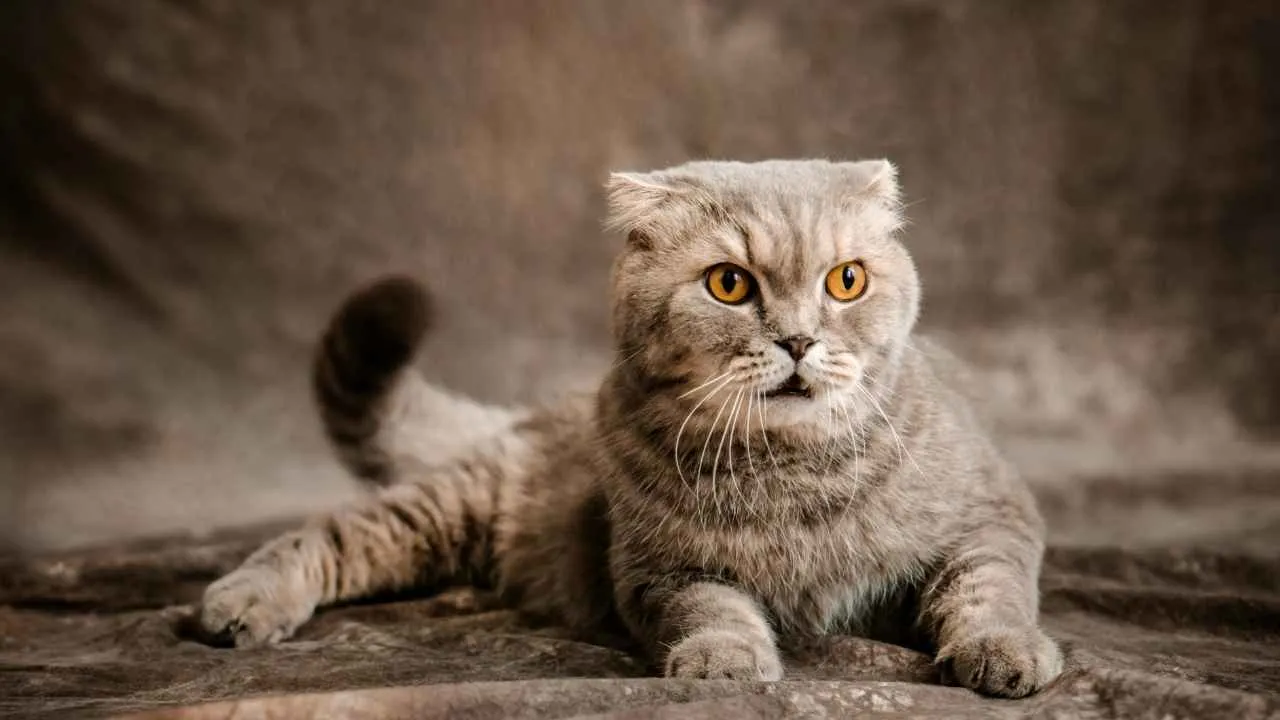
The Scottish Fold, sometimes simply called the Fold, is instantly recognised for its forward-folded ears and round, owl-like face. Medium-sized and plush-coated, this breed combines a distinctive look with a naturally gentle personality.

Scottish Folds tend to gravitate toward adults who offer calm, predictable interaction rather than constant stimulation. They enjoy quiet company, often choosing to sit close to their favourite person instead of demanding attention, which suits mature households well.
Loyal and people-focused, this breed forms strong bonds and prefers being part of everyday routines without chaos. Their soft voices and relaxed energy make them comfortable companions for adults who appreciate subtle affection over high-energy play.
While intelligent and curious, Scottish Folds are not overly demanding and adapt well to peaceful homes. They coexist nicely with other pets when introductions are slow, but they truly thrive with attentive adult companions who value consistency.
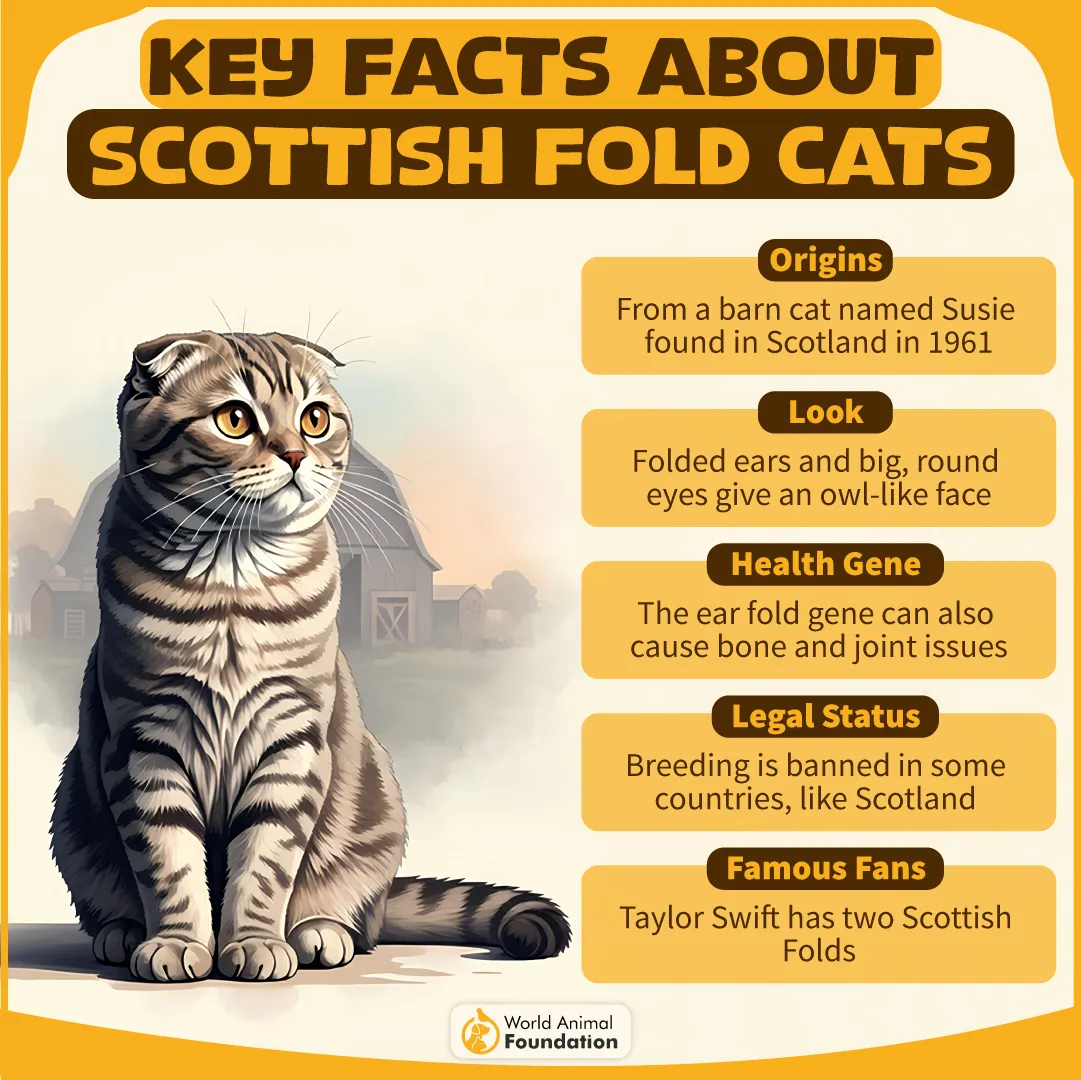
Fact: The Scottish Fold’s signature ears come from a natural genetic mutation first observed in a Scottish farm cat named Susie.
5. Chartreux
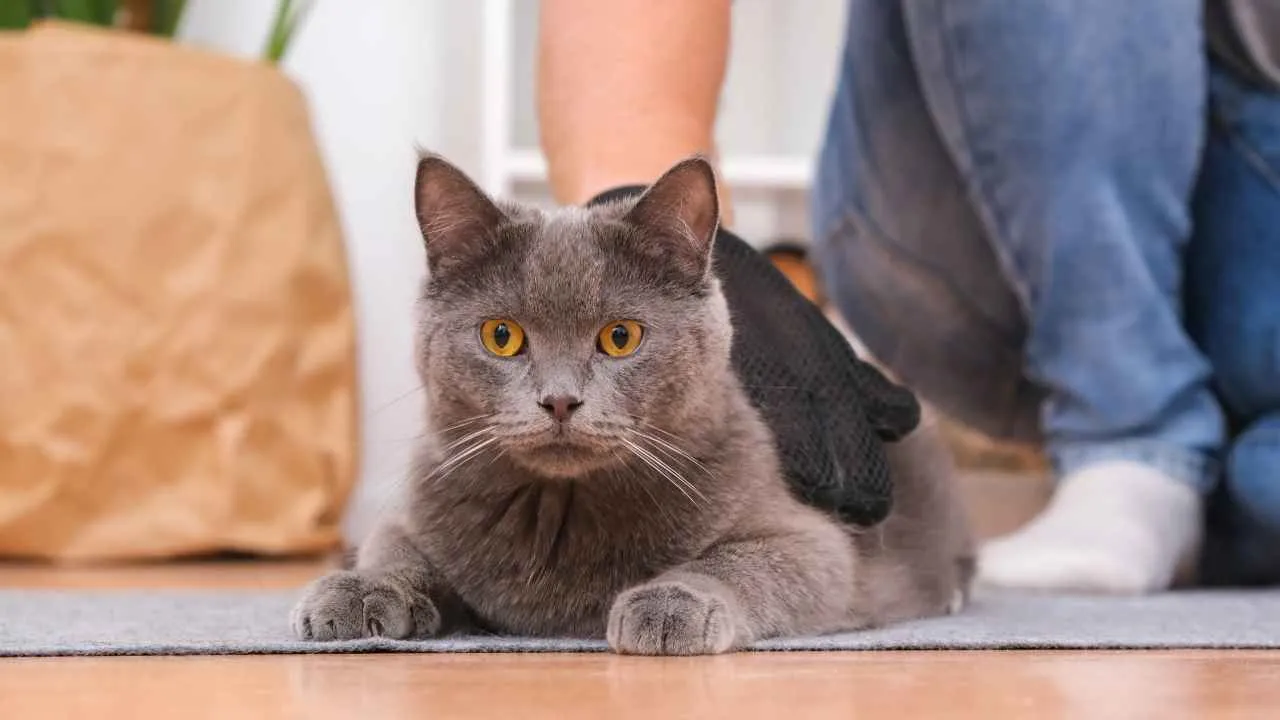
Also known as the French Blue, the Chartreux is instantly recognised by its plush blue-gray coat, copper-gold eyes, and sturdy, muscular build. This historic French breed is calm, observant, and naturally drawn to peaceful, predictable homes.
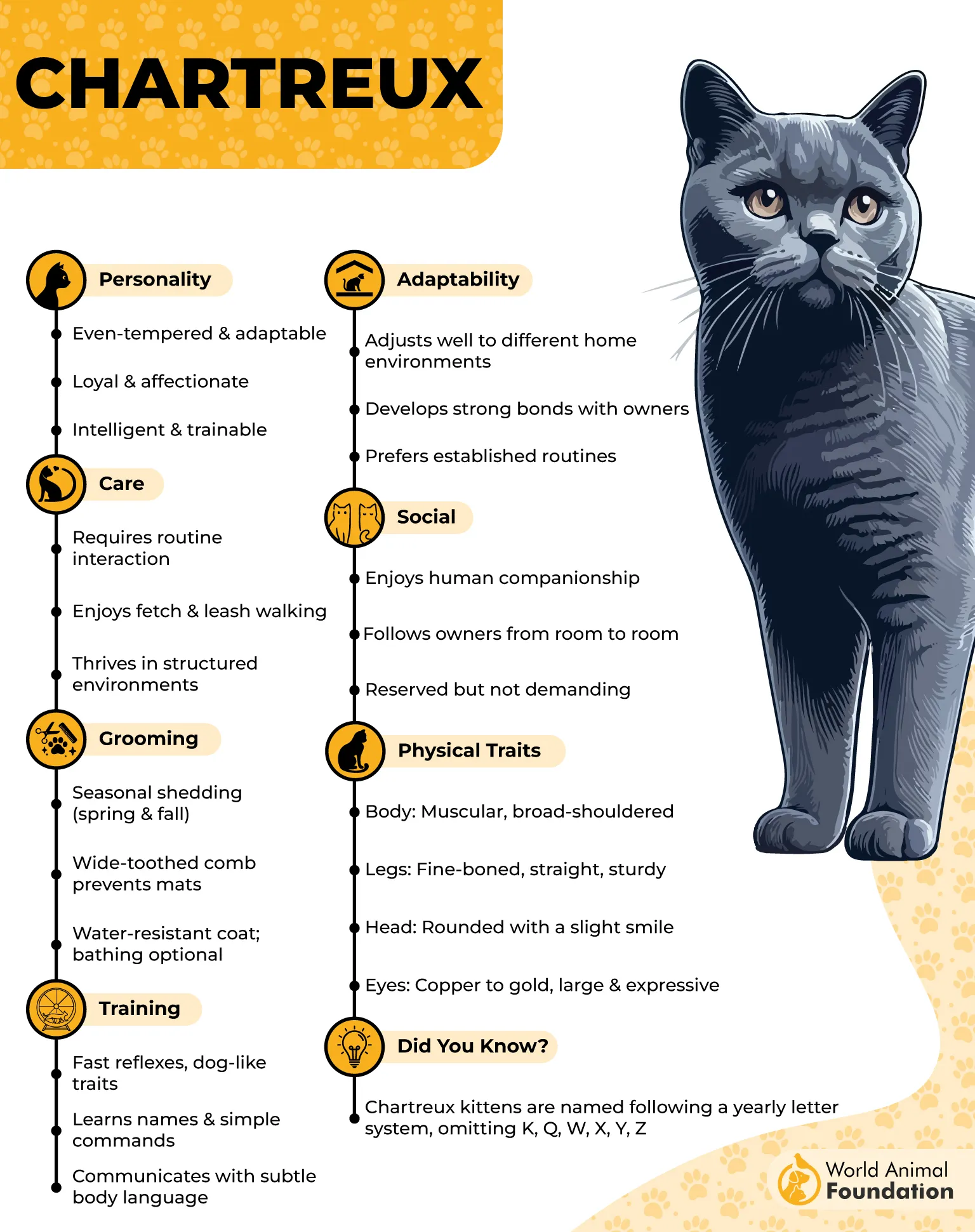
They dislike chaos and excessive noise, preferring quiet routines, gentle handling, and unhurried interaction. Adults who value calm evenings and subtle affection tend to earn this breed’s deepest trust.
Rather than demanding constant attention, the Chartreux shows affection through presence. They often choose one primary person, following them quietly from room to room and communicating mostly through expressive eye contact instead of vocalisation.
Short, focused play sessions followed by long naps suit their rhythm perfectly. They remain playful into adulthood but are never overwhelming, thriving in homes where emotional awareness and consistency matter more than stimulation.
Fun fact: Chartreux cats are so intelligent that some have learned to open doors or even turn electronic devices on and off.
6. Norwegian Forest Cat
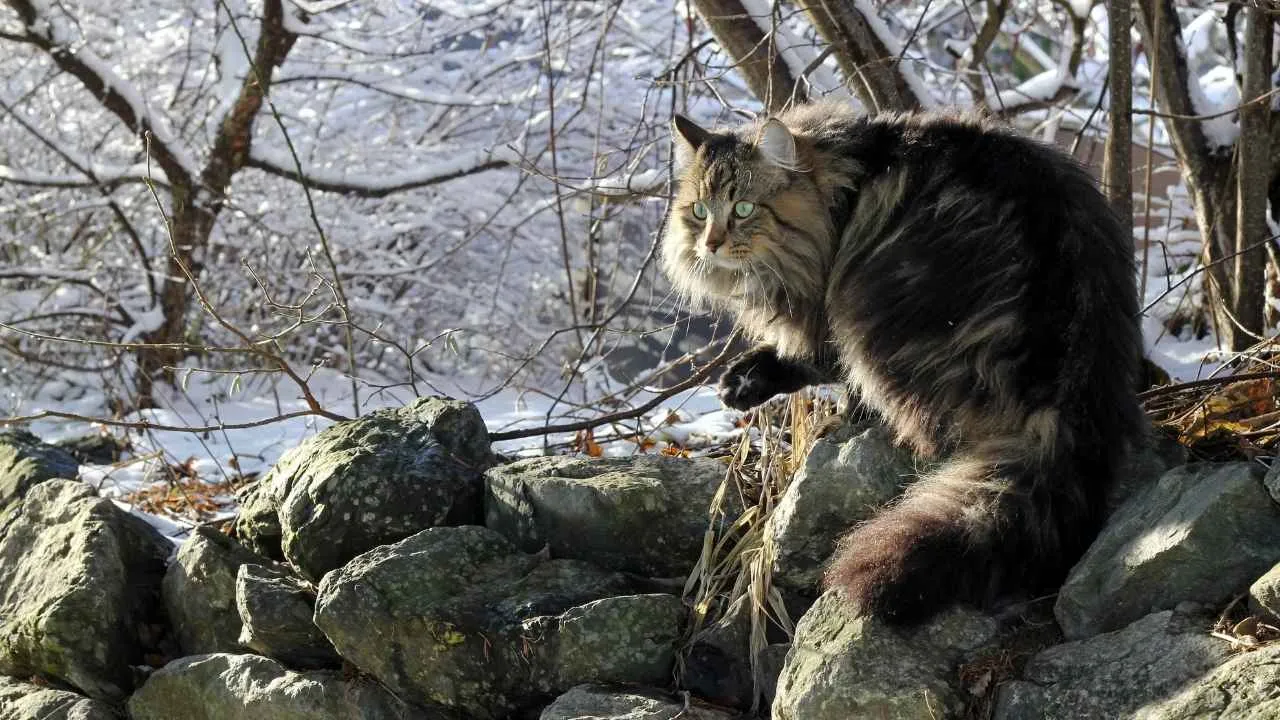
The Norwegian Forest Cat, often called the Wegie or Skogkatt, is a large, long-haired breed with a dense, weather-resistant coat and a strong, natural build. Originating from the forests of Norway, this cat combines independence with a warm, affectionate personality.
Norwegian Forest Cats tend to favor companionship on their own terms, making them better suited to calm, adult-centered households. They enjoy being near their owners but are not typically clingy or overly demanding of attention.
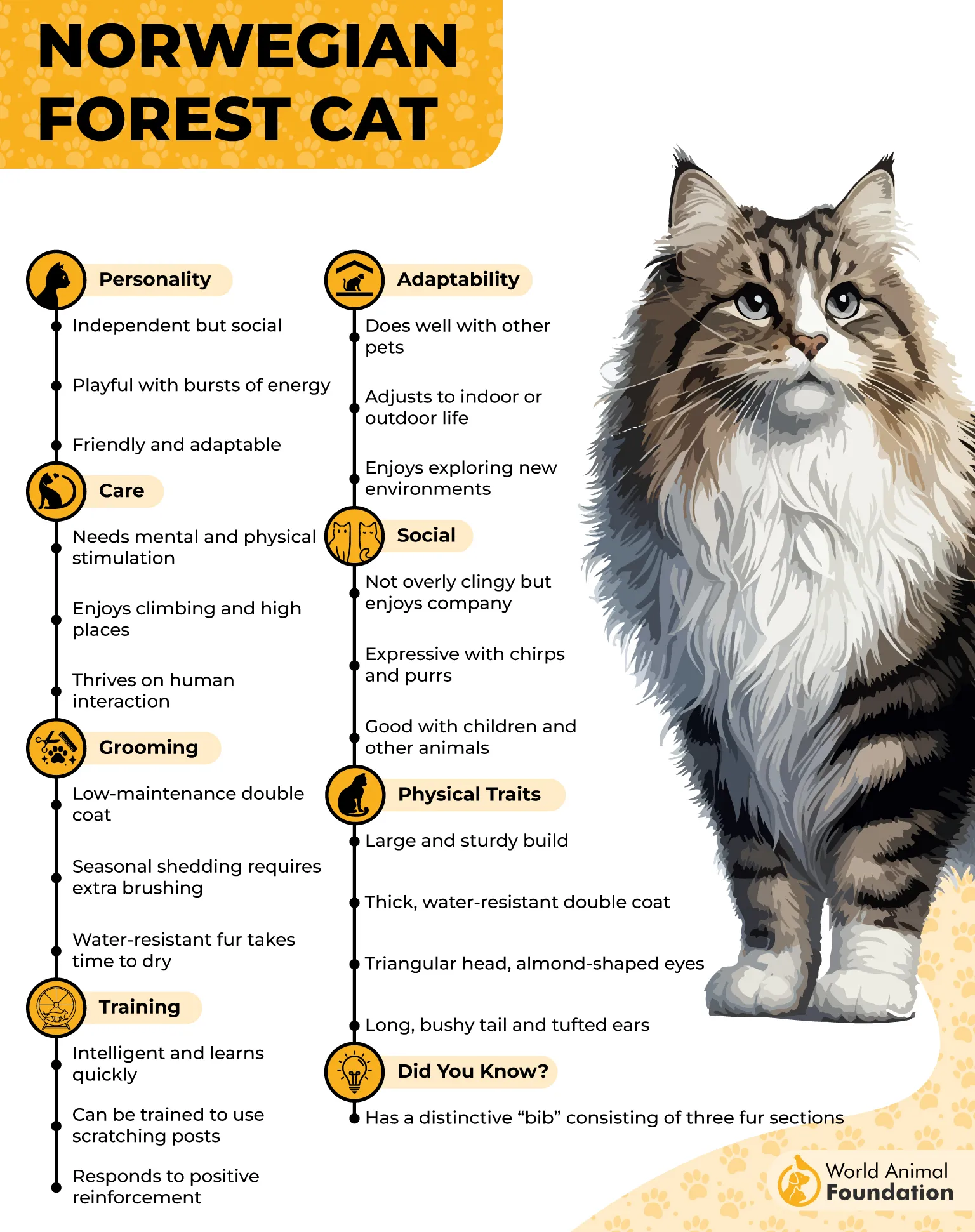
Rather than staying constantly on a lap, they prefer to sit nearby or quietly follow along with daily activities. Their independent nature allows them to balance affection with personal space, which many adults appreciate.
These cats are friendly and adaptable, forming strong bonds while maintaining a sense of self-sufficiency. Their gentle and even-tempered behavior makes them ideal companions for those who value a relaxed and respectful relationship.
Fact: Norwegian Forest Cats may enjoy brief cuddles, but they usually prefer staying close rather than sitting on laps for long periods.
7. Birman
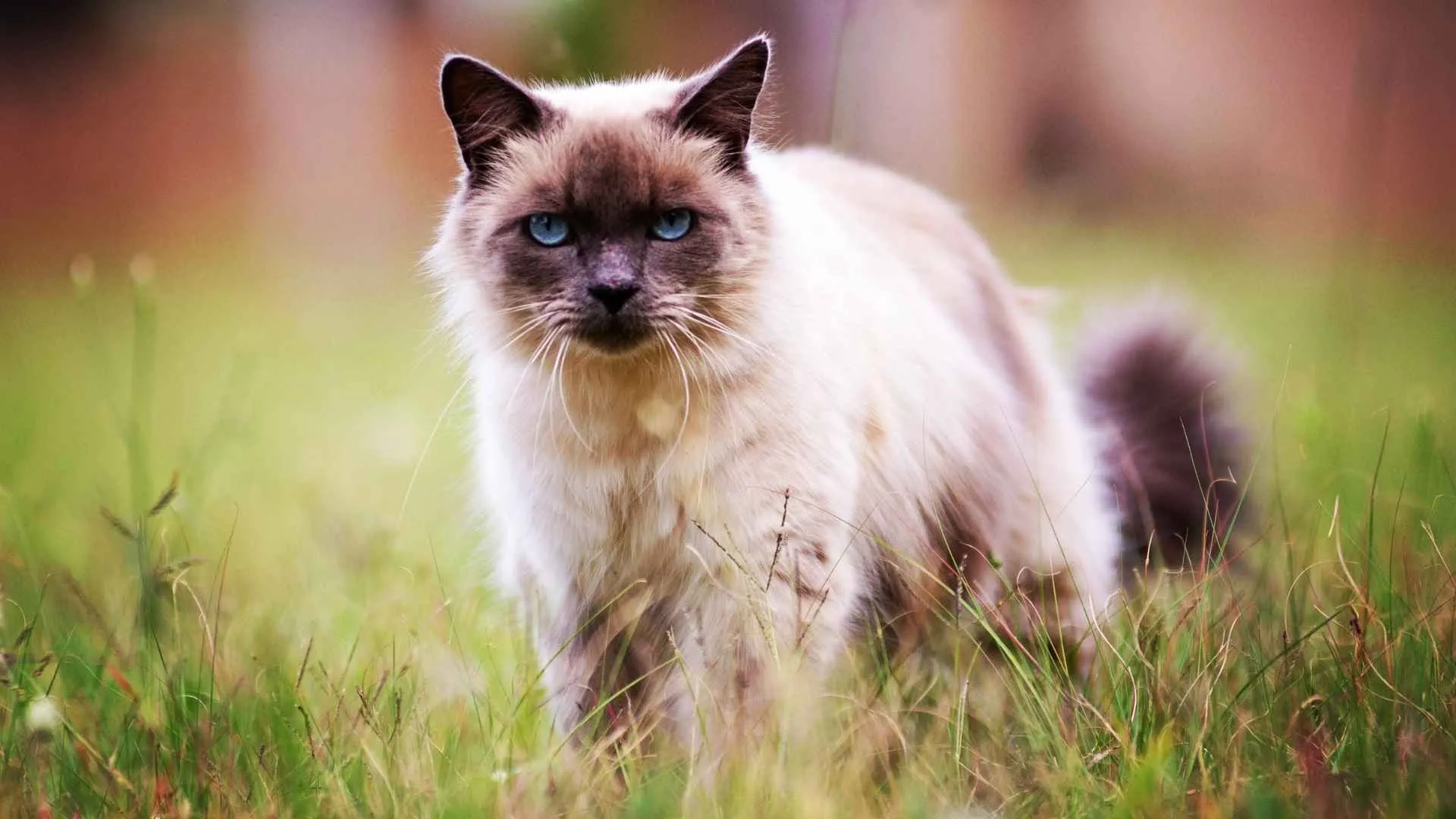
Often called the Sacred Cat of Burma, the Birman is instantly recognisable by its deep blue eyes, silky medium-length coat, and distinctive white “gloves” on each paw. With a calm presence and balanced personality, this breed carries an air of quiet elegance that suits mature households.

Birmans tend to bond deeply with their chosen humans, preferring steady routines and gentle interaction over constant activity. This makes them especially comfortable with adults who appreciate subtle affection and respect a cat’s need for personal space. Loud or chaotic environments can overwhelm them, so calmer homes are ideal.
Unlike highly demanding breeds, Birmans enjoy companionship without being intrusive. They’ll often settle nearby rather than insist on attention, making them wonderful partners for adults who work from home or enjoy peaceful evenings. Their affectionate nature shows through soft follow-arounds and relaxed cuddle sessions.
Emotionally intuitive and reserved, Birmans thrive when trust is built slowly. Their loyalty grows stronger with consistency and patience, rewarding adult companions with a deeply affectionate bond.
Fun fact: Birmans are steeped in legend and were once believed to be temple companions in ancient Burma, symbolising loyalty and devotion.
Conclusion
Cat breeds that prefer adult companionship often shine because of their calm personality traits and gentle nature. Many affectionate cat breeds, including some of the most affectionate cat breeds, thrive in quiet homes where cat owners can truly spend time bonding.
Whether it’s a loving cat that likes to sit quietly nearby or affectionate cats that enjoy being lap cats, these breeds make an ideal feline friend for a relaxed human family.
If you’re considering adoption, a local shelter can help match you with a cat that bonds well with other animals while fitting seamlessly into an adult household.
