




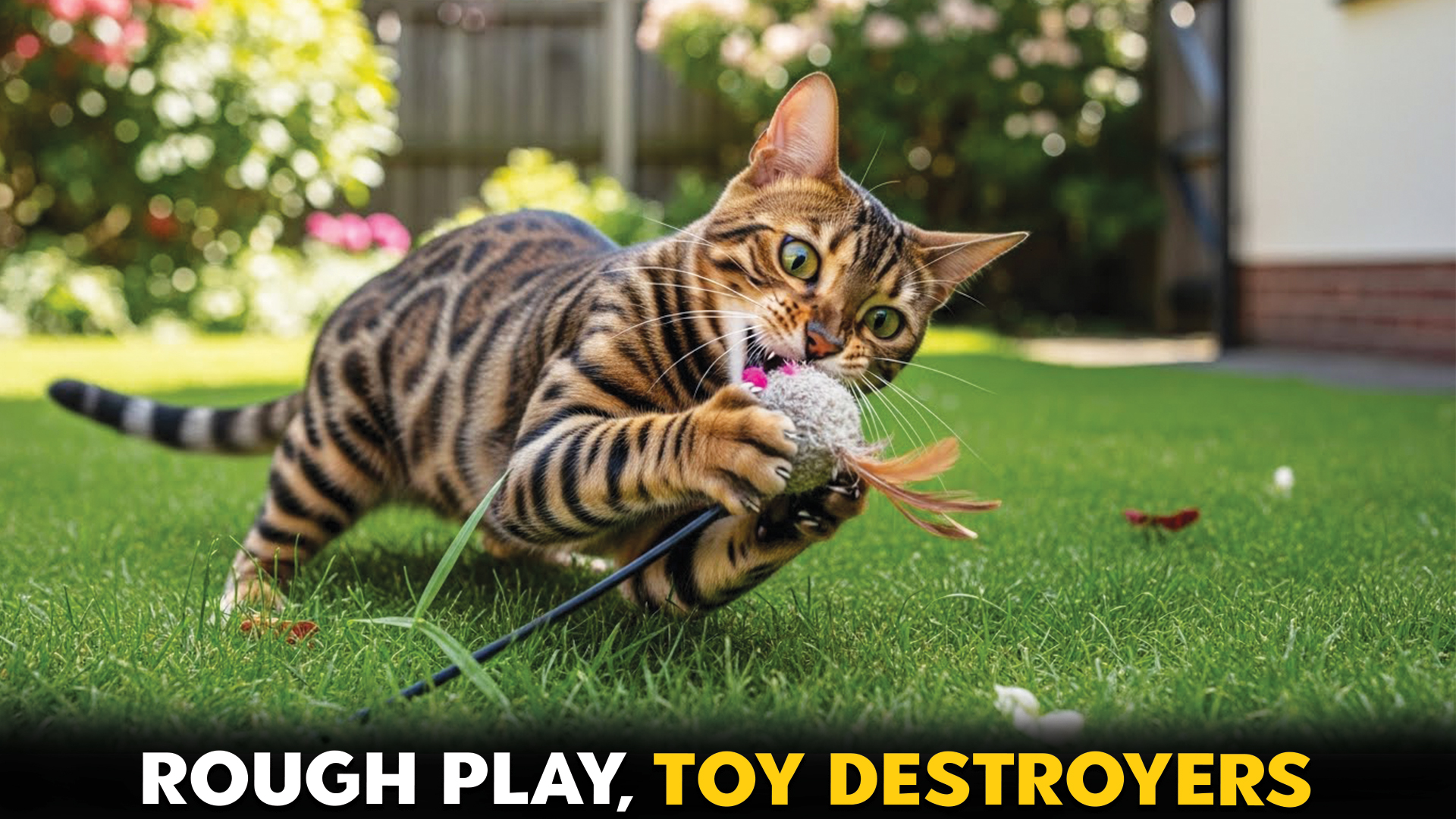
Not all cats are content with gentle swats and quiet play. Some breeds bring an extra dose of energy, enthusiasm, and intensity to every interaction. These cats are known for playing rough—pouncing with purpose, wrestling with toys, and chasing anything that moves. Their bold play style reflects confident personalities and a strong drive for stimulation.
While most cats spend a large part of the day sleeping, certain breeds stay active far longer than average. They thrive on movement, exploration, and hands-on play that challenges both body and mind. For pet parents who enjoy interactive games and don’t mind a bit of chaos, these high-energy cats can be endlessly entertaining companions.
Selective breeding has helped highlight these spirited traits, creating cats that are adventurous, curious, and eager to engage. If you’re looking for a feline that plays hard and keeps life lively, this guide explores cat breeds known for their rough-and-tumble play style.
9 Cat Breeds That Play Rough
1. Bengal
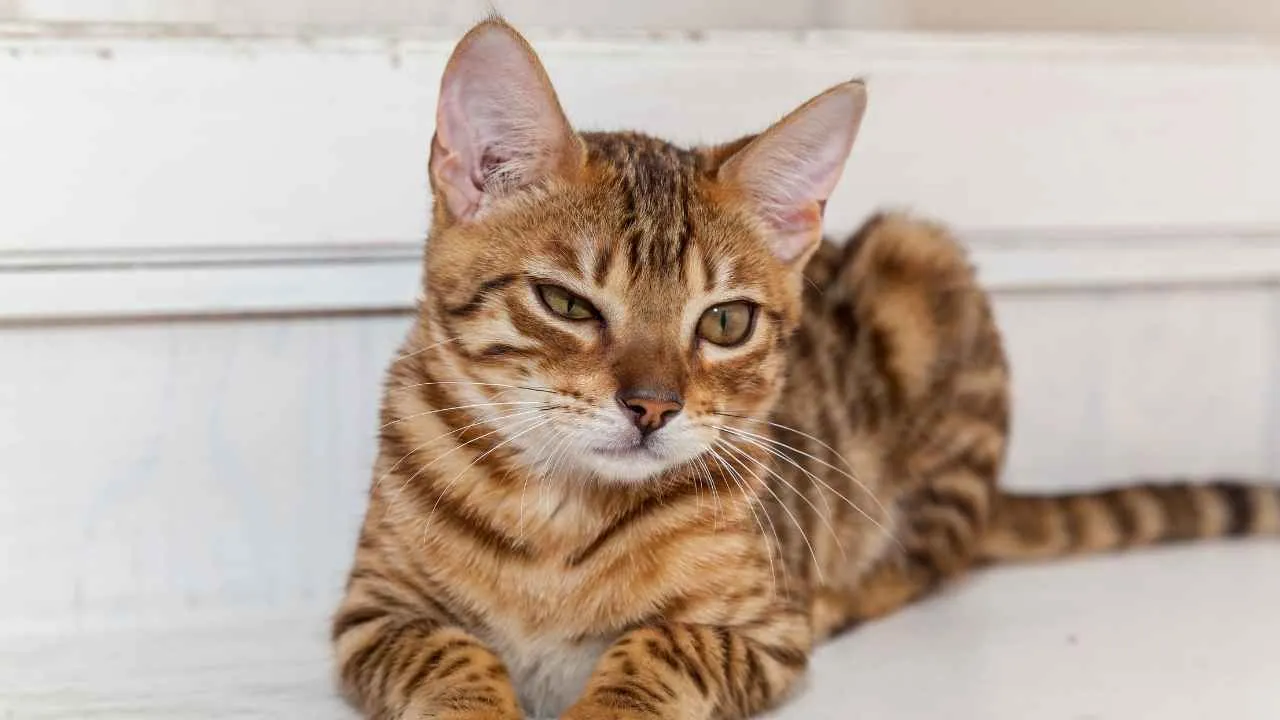
Also known as the Bengal cat or “miniature leopard,” this striking breed was developed from domestic cats and the Asian Leopard Cat. Its sleek, spotted coat and athletic build hint at wild roots that strongly influence its energetic personality.
According to Britannica, the coat color can vary, though brown, silver, and gray are common, and the ears are small and slightly pointed.
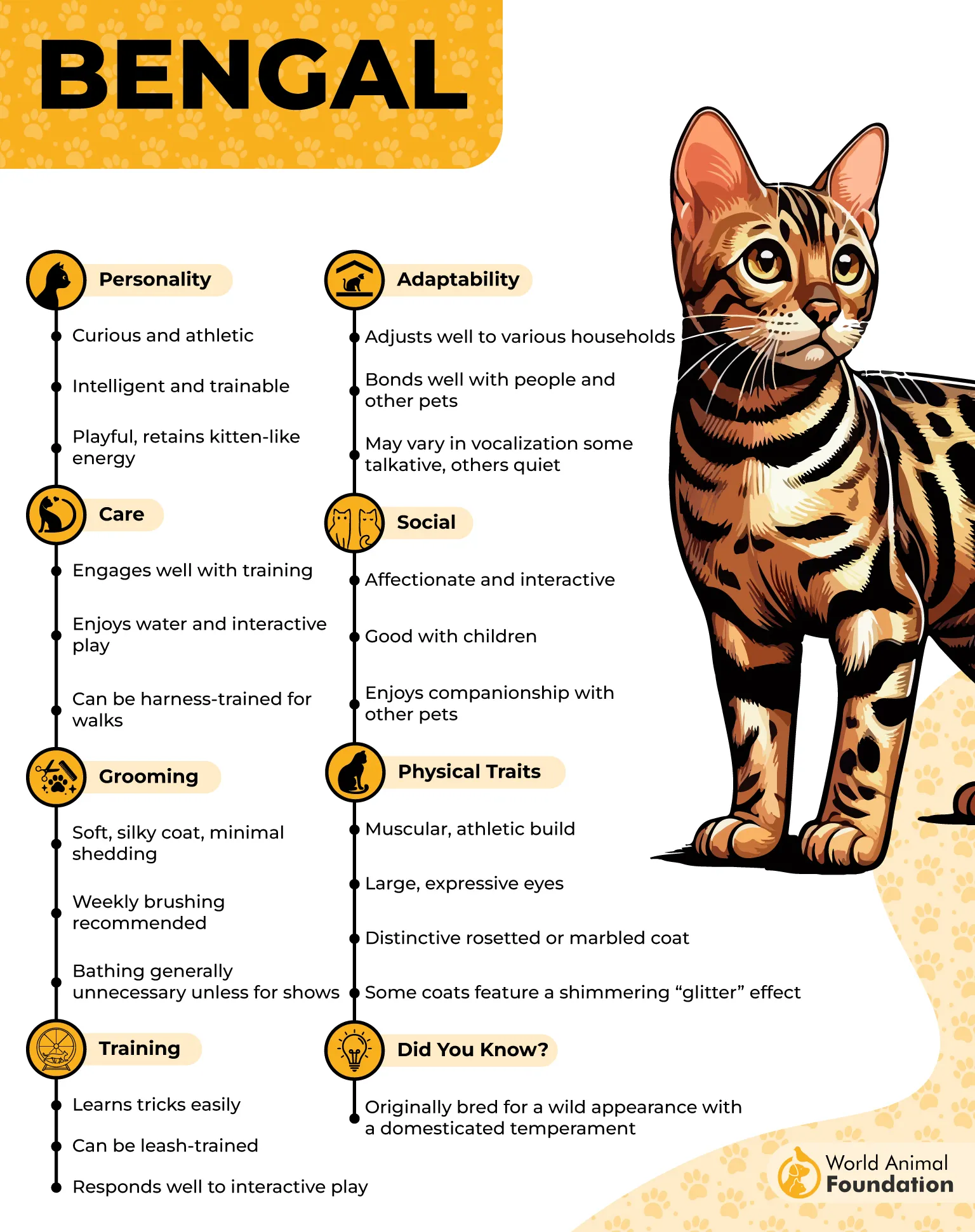
When people say Bengals “play rough,” they’re usually describing intense, physical play. Bengals pounce, wrestle toys, climb aggressively, and treat playtime like a full-contact sport rather than a gentle pastime.
Their high intelligence and curiosity push them to test limits, turning furniture, shelves, and scratching posts into obstacle courses. Rough play for a Bengal isn’t aggression—it’s an outlet for excess energy and natural hunting instincts.
Understanding this play style is essential for harmony at home. Interactive toys, climbing structures, and frequent engagement help channel their intensity productively.
Fun fact: Bengals are known for constantly exploring and climbing rather than lounging quietly, thanks to their wild ancestry.
2. Abyssinian
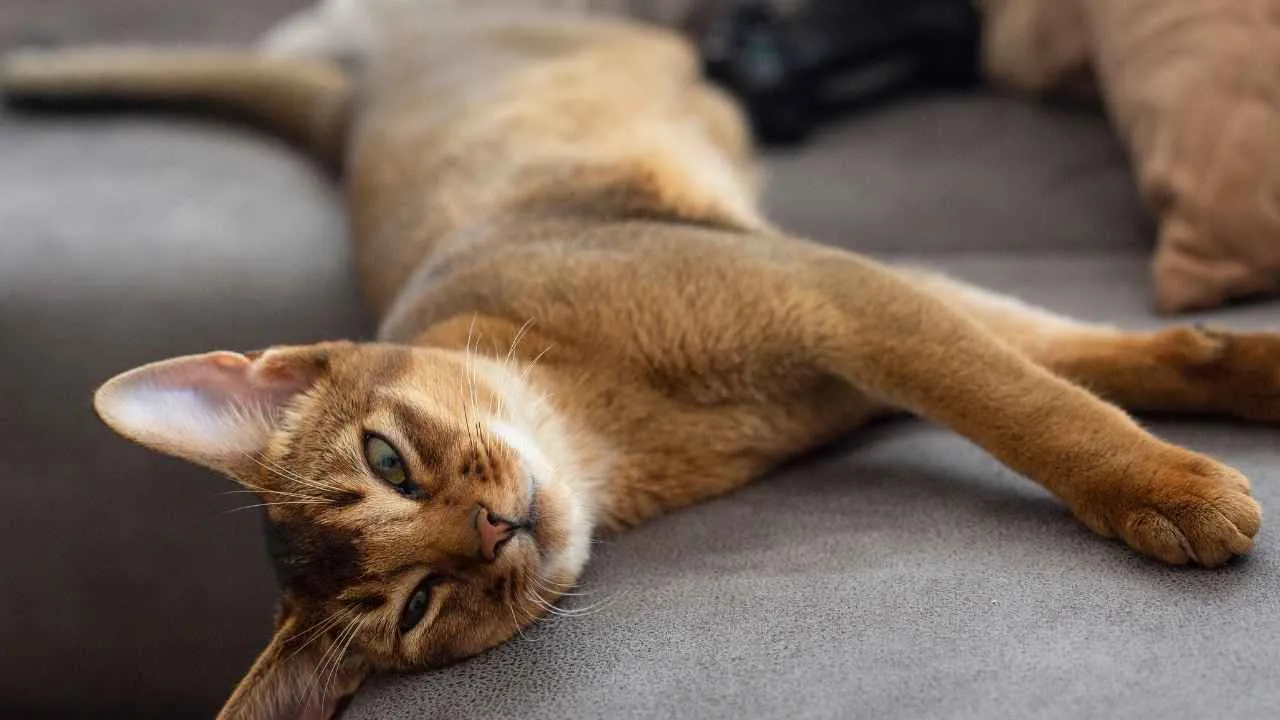
Also called the “clown of the cat world,” the Abyssinian is known for its ticked coat and wildcat-like appearance. This ancient-looking breed is sleek, alert, and constantly in motion, giving it a naturally athletic and energetic presence.
According to PetMD, Abyssinian cats—often called Abys—closely resemble the cats shown in ancient Egyptian murals.
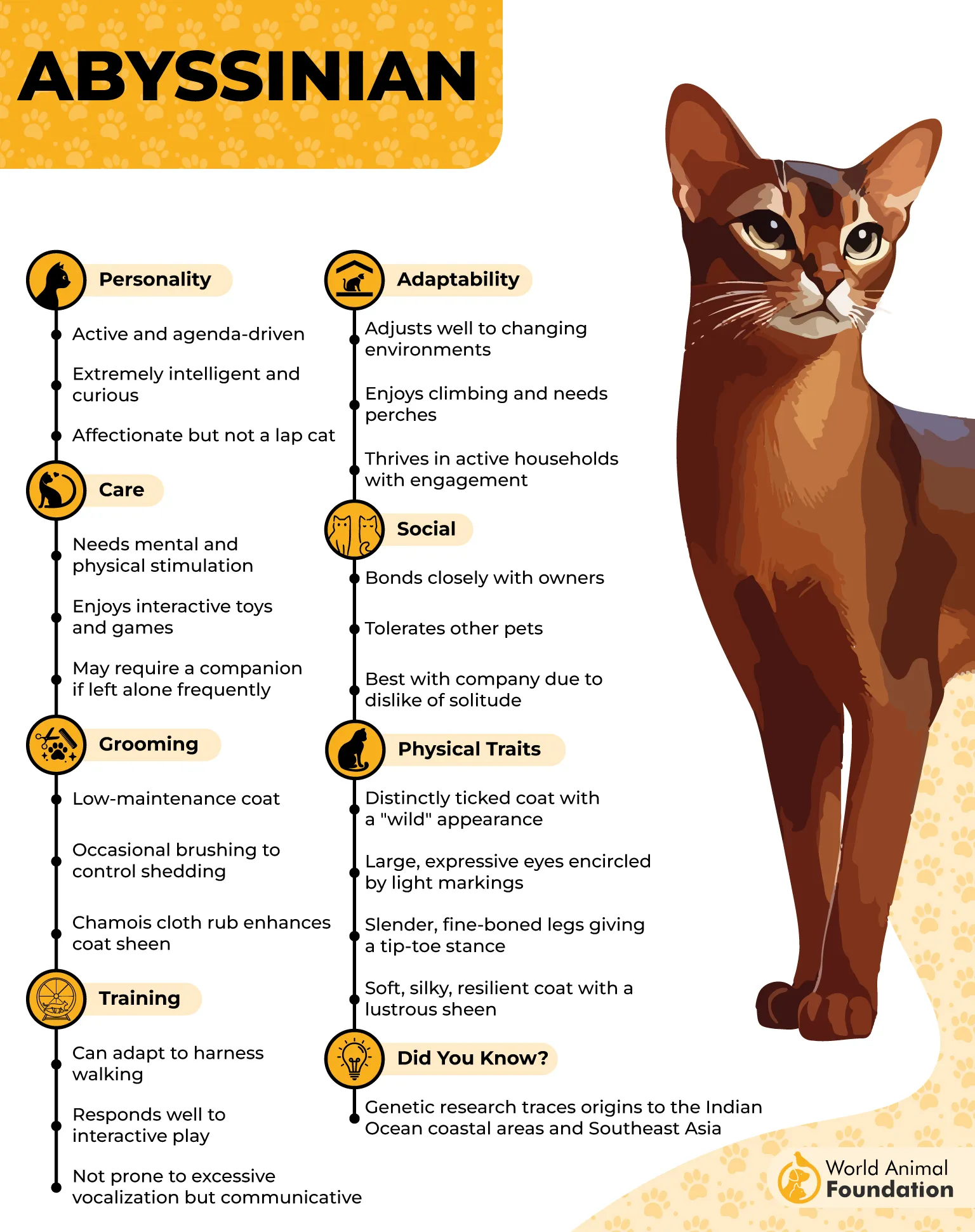
Abyssinians are famous for playing rough, often pouncing, chasing, and wrestling with toys—or anything that catches their attention. Their strong hunting instincts and sharp reflexes explain why some cat breeds are more physical than others, especially those bred for agility and speed.
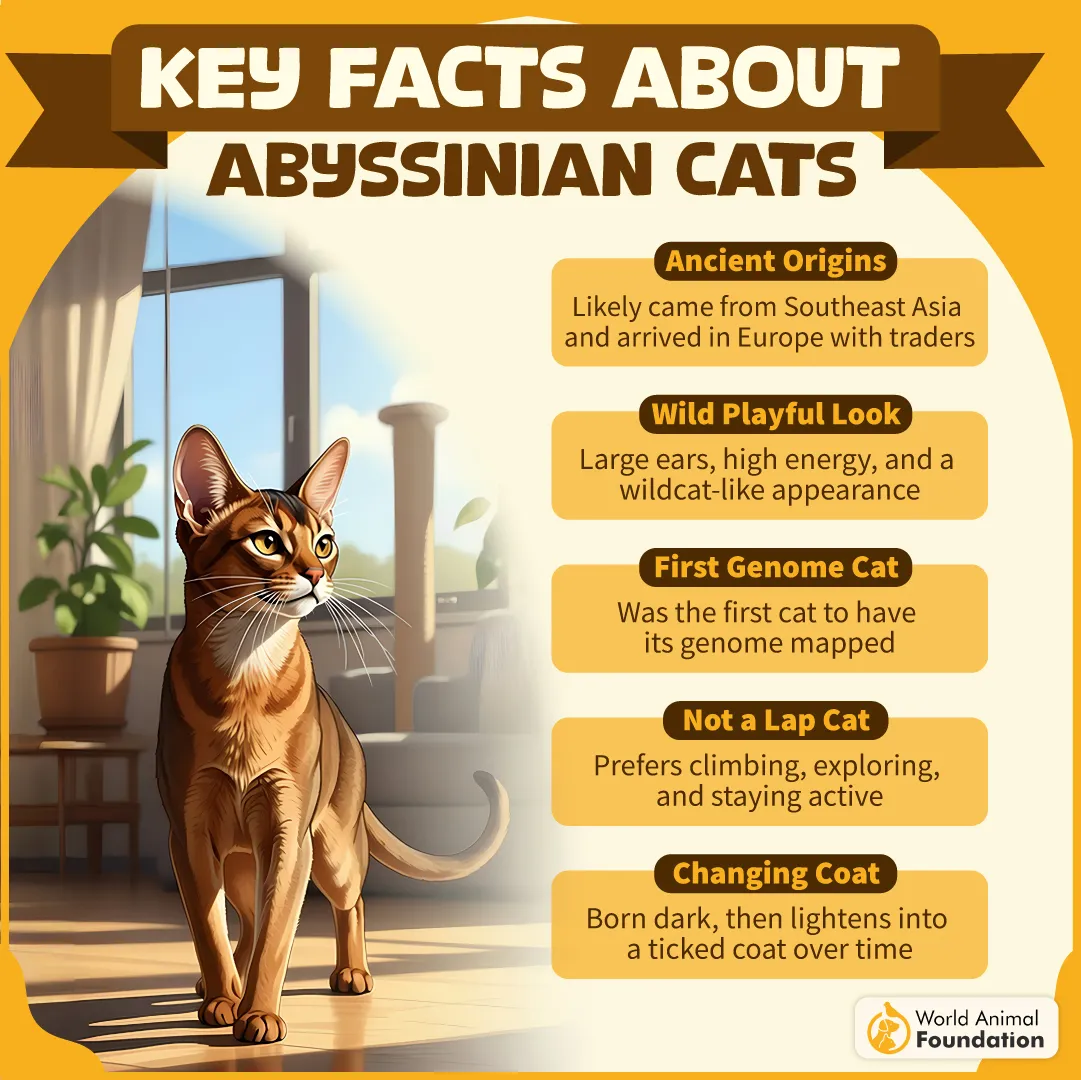
Unlike lap-loving cats, Abyssinians prefer action over stillness. They thrive on interactive play, food puzzles, and games that allow them to stalk, leap, and test their limits, which helps channel their physical energy in positive ways.
This breed’s intensity comes from a mix of intelligence, curiosity, and drive rather than aggression.
Fun fact: Abyssinians are quick learners and can be taught games like fetch, often choosing play over resting on a lap.
3. Maine Coon
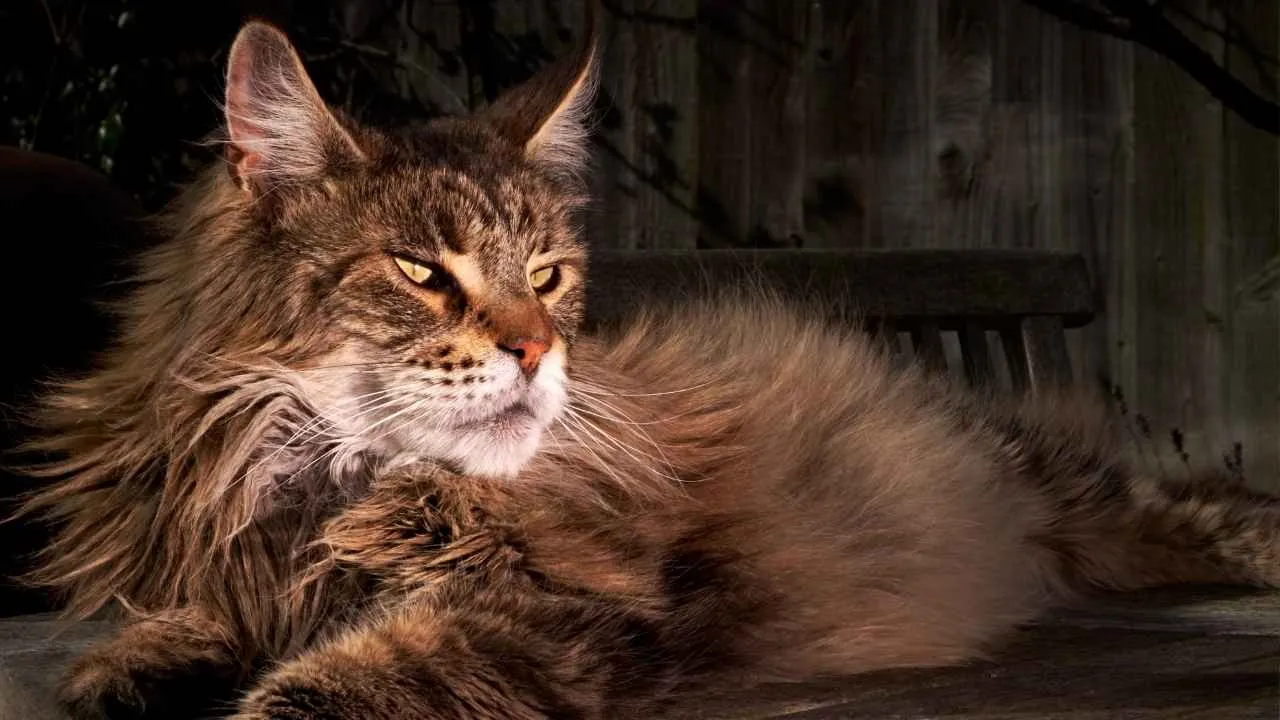
Also called the “gentle giant,” the Maine Coon is one of the largest domestic cat breeds, easily recognized by its tufted ears, bushy tail, and rugged build.
According to WebMD, Maine Coon cats are a larger breed that’s known for being affectionate and friendly. Despite their imposing size, they are famously friendly, social, and deeply involved in daily household life.
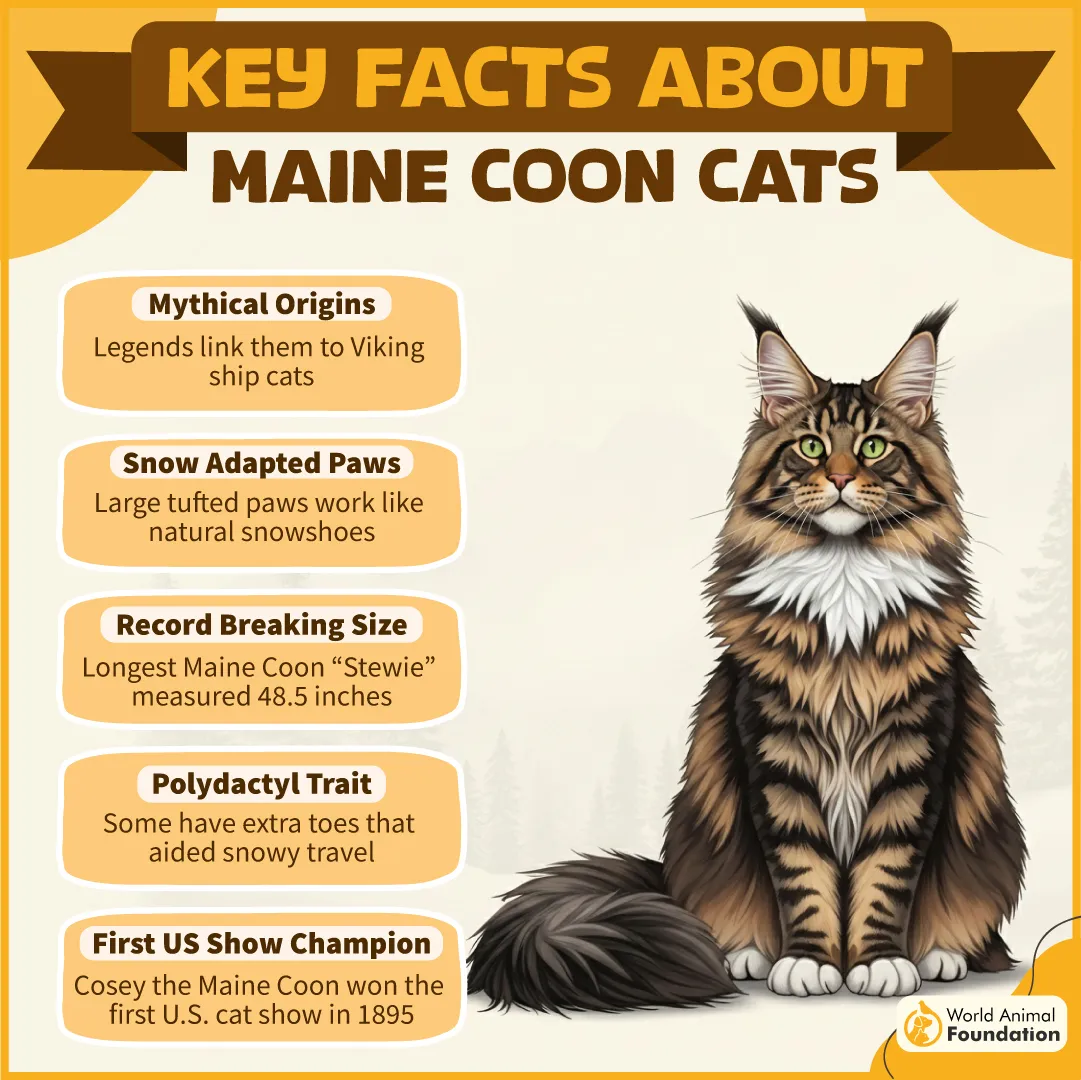
When it comes to rough play, Maine Coons bring both strength and enthusiasm. Their powerful bodies and high energy levels make wrestling toys, chasing games, and full-contact play sessions a regular part of their routine, especially during kittenhood and adolescence.
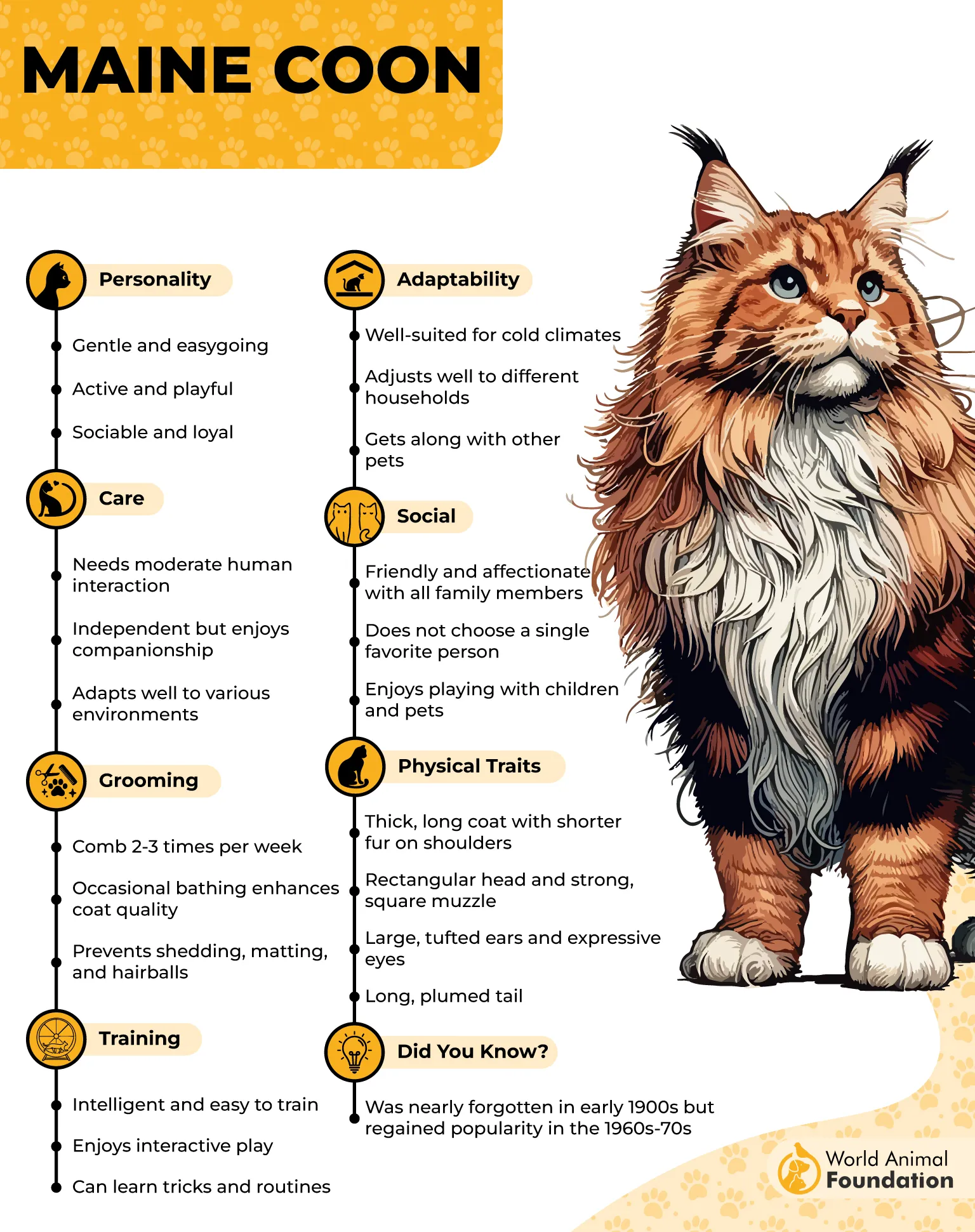
These cats are highly intelligent and curious, which means rough play is often mixed with problem-solving and interactive challenges. They enjoy games that involve climbing, tackling sturdy toys, and even splashing in water, making playtime intense but engaging rather than aggressive.
High-energy households suit this breed best, as Maine Coons need plenty of space and stimulation to burn off energy.
Fun fact: Maine Coons can weigh over 20 pounds and are one of the few cat breeds known to enjoy playing in water.
4. Siberian
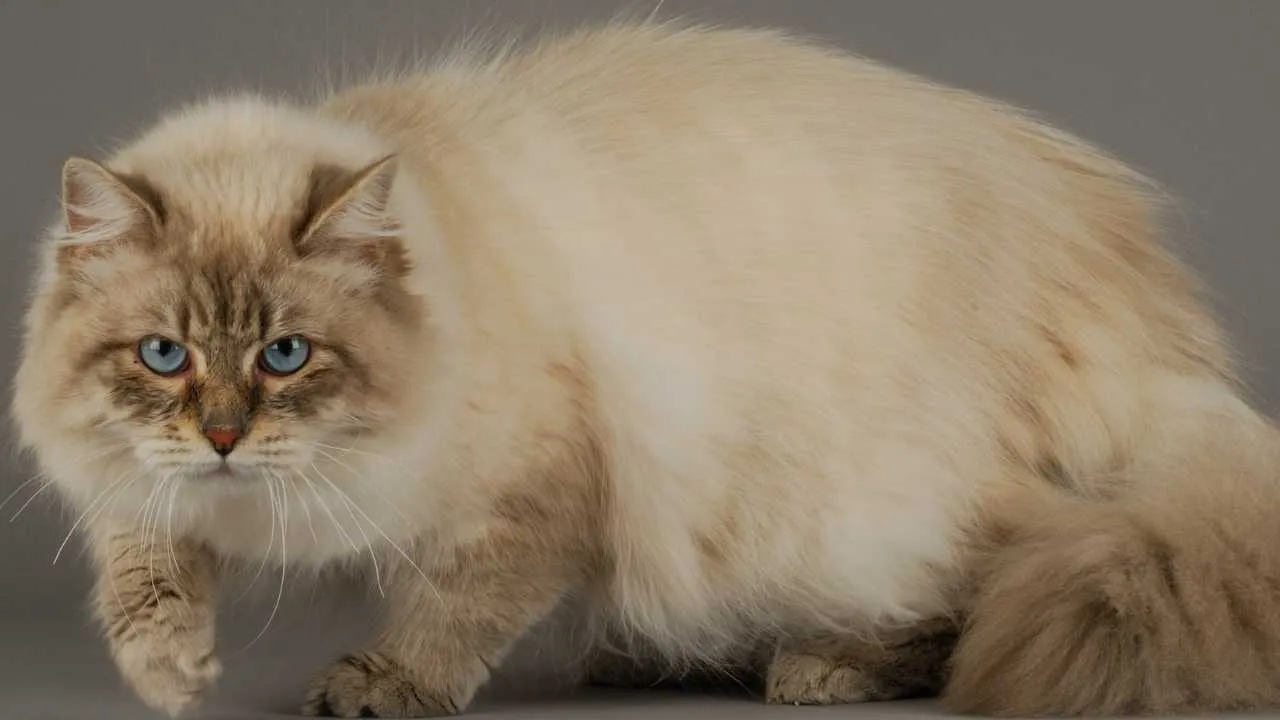
Also known as the Siberian Forest Cat, this ancient breed hails from Russia and is often regarded as the ancestor of many modern long-haired cats. With a dense, fluffy coat and powerful build, Siberians combine rugged strength with a friendly, approachable nature.
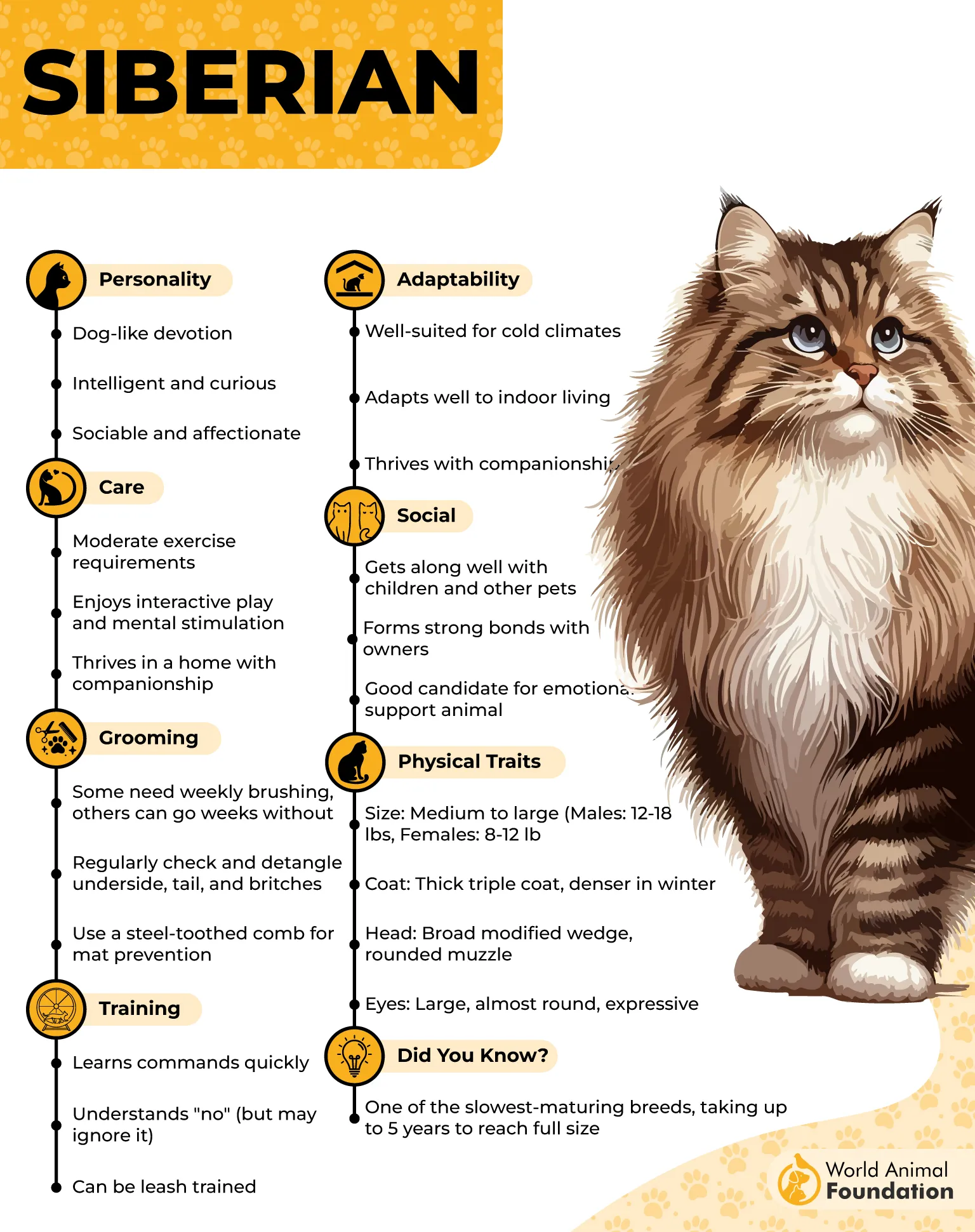
When it comes to rough play, Siberians excel. These muscular, athletic cats love physical games that involve jumping, chasing, and wrestling with toys, making them a great match for owners who enjoy high-energy interaction.
Their playful intensity lasts for years, as Siberians mature slowly and retain a kitten-like enthusiasm well into adulthood. They thrive on puzzle toys, climbing structures, and interactive play that allows them to fully use their strength and coordination.
Despite their bold play style, they are affectionate and social, fitting well into active households with children or other pets.
Fun fact: Siberian cats can take up to five years to fully mature, which explains their long-lasting playful and energetic behavior.
5. Ocicat
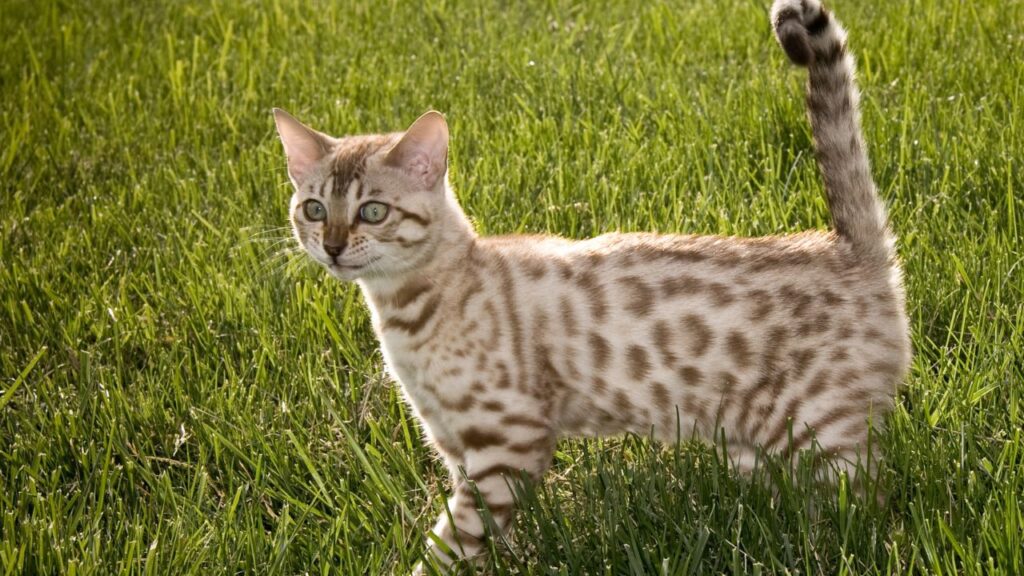
Sometimes called the “wild-looking domestic,” the Ocicat is a fully domestic breed created for its spotted coat and athletic build. Muscular and sturdy, this cat combines an exotic appearance with a social, dog-like personality that thrives on activity and interaction.
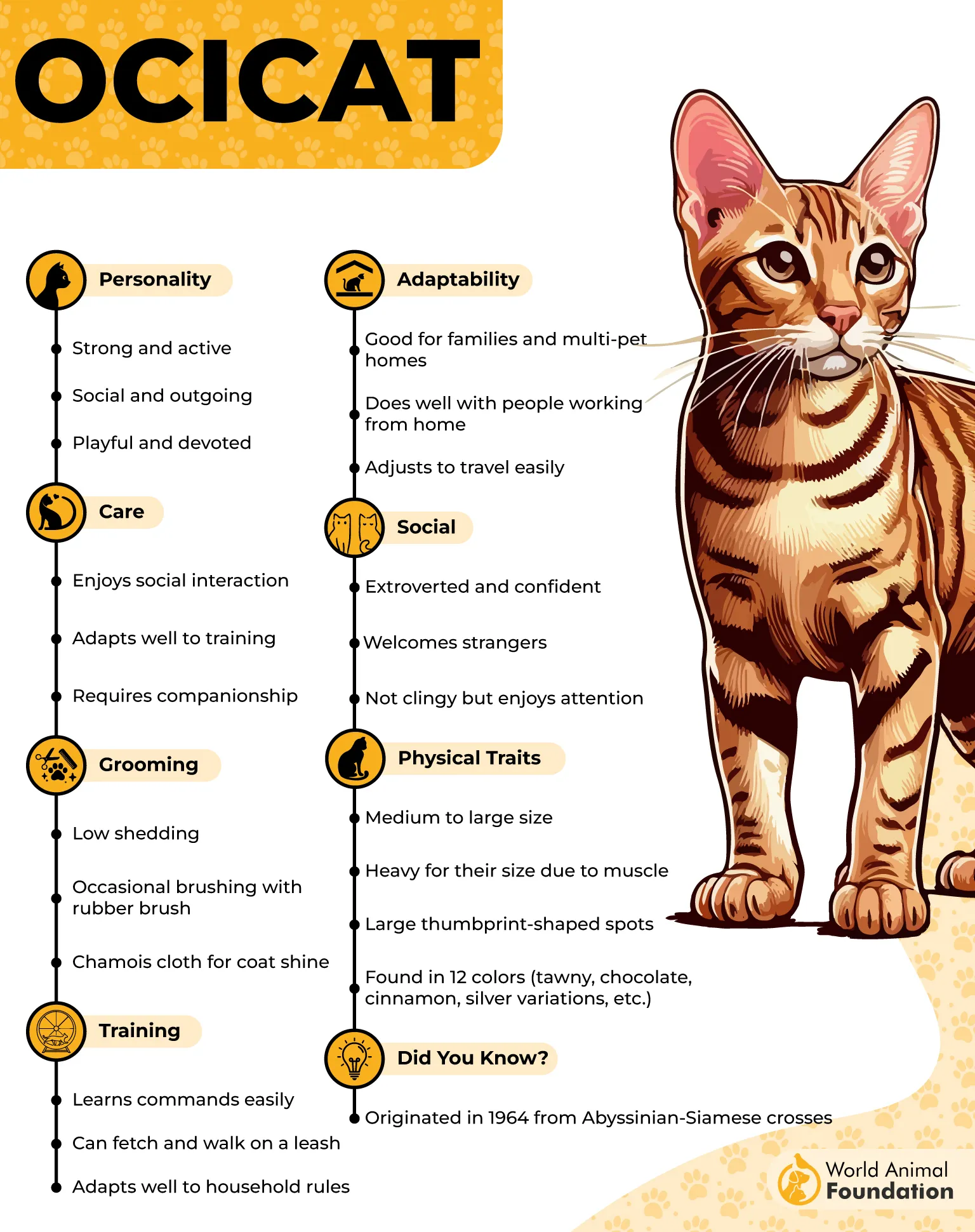
When it comes to rough play, Ocicats go all in. They love running, leaping, wrestling toys, and inventing energetic games that involve chasing and pouncing. This physical play is driven by enthusiasm and curiosity, not hostility, and is best supported with climbing structures and interactive toys.
Understanding rough play versus aggression is key with this breed. Ocicats play hard but remain relaxed and friendly—ears stay neutral, claws are usually retracted, and play pauses easily when redirected, signaling healthy engagement rather than stress.
Because they crave stimulation, structured play helps channel their intensity positively.
Fun fact: the Ocicat is the only 100% domestic cat breed intentionally developed to have a wild, spotted coat.
6. Savannah
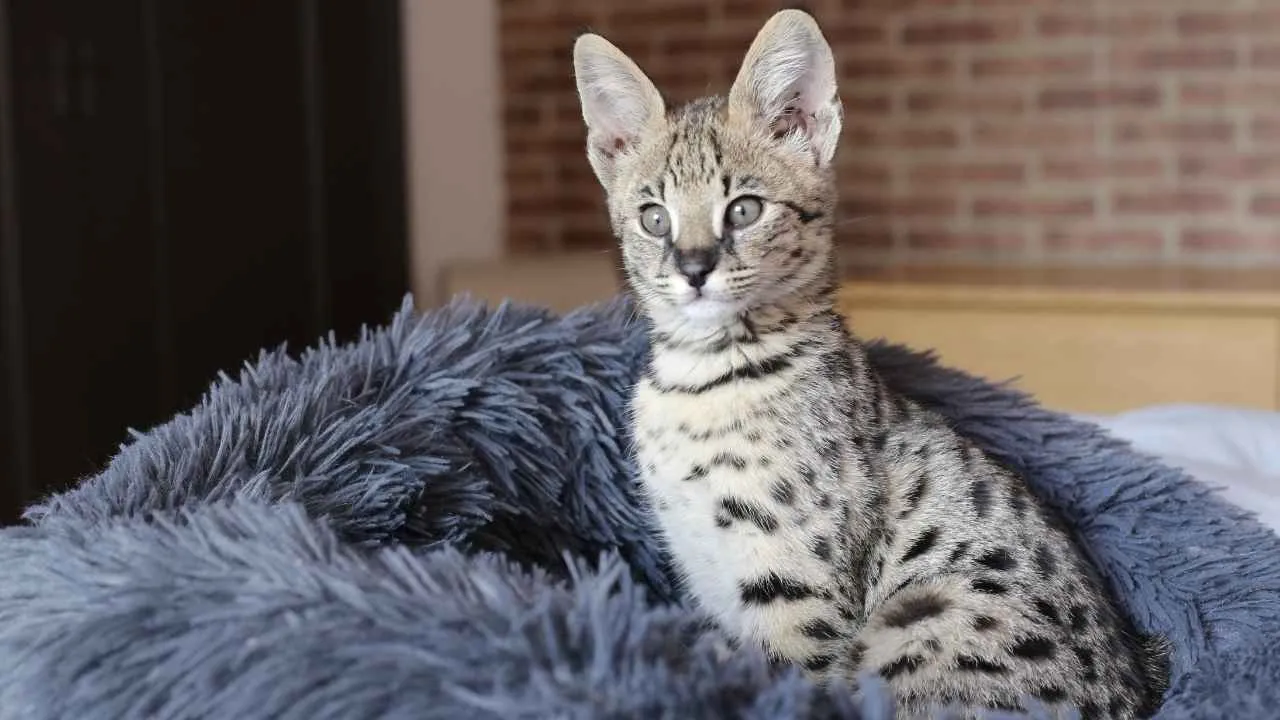
Also known as the Savannah cat, this striking breed resembles its African serval ancestor with tall ears, bold spotting, and a long, athletic frame. Early-generation Savannahs, especially F1s, are rare, extremely costly—often around $20,000—and restricted in some areas, while later generations are more common in homes.
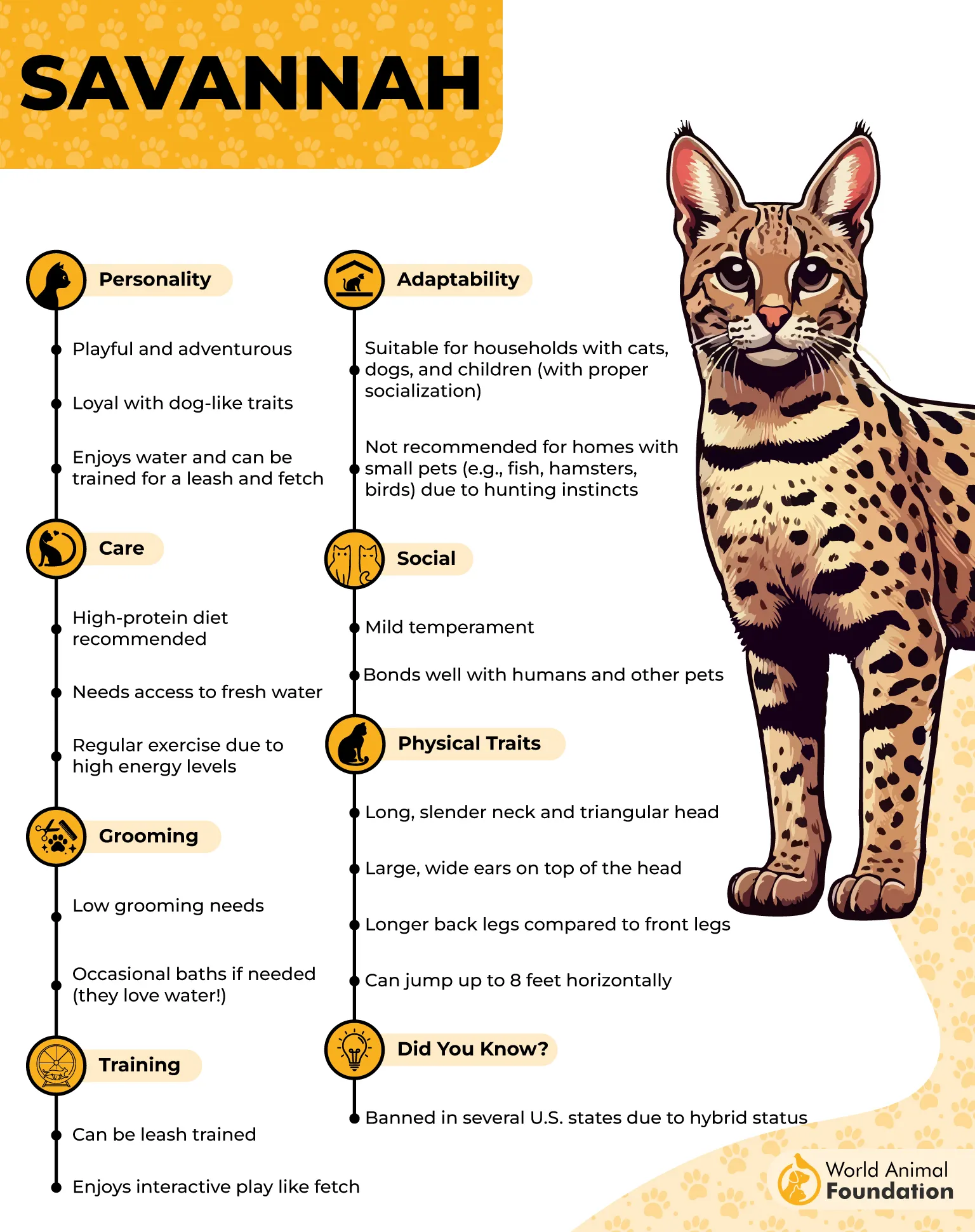
Savannahs are famous for their intense, physical play style. They leap, chase, wrestle, and pounce with enthusiasm, often turning rough play into an all-out athletic event that reflects their high energy and wild heritage.
Managing and redirecting rough play safely starts with structure. Providing tall cat trees, sturdy scratching posts, and interactive toys helps channel their jumping and hunting instincts into acceptable outlets instead of hands or furniture.
Consistent training and enrichment are essential to prevent boredom-related mischief.
Fun fact: Savannah cats can jump up to 8 feet straight from a standing position, a trait inherited from their wild ancestry.
7. Manx
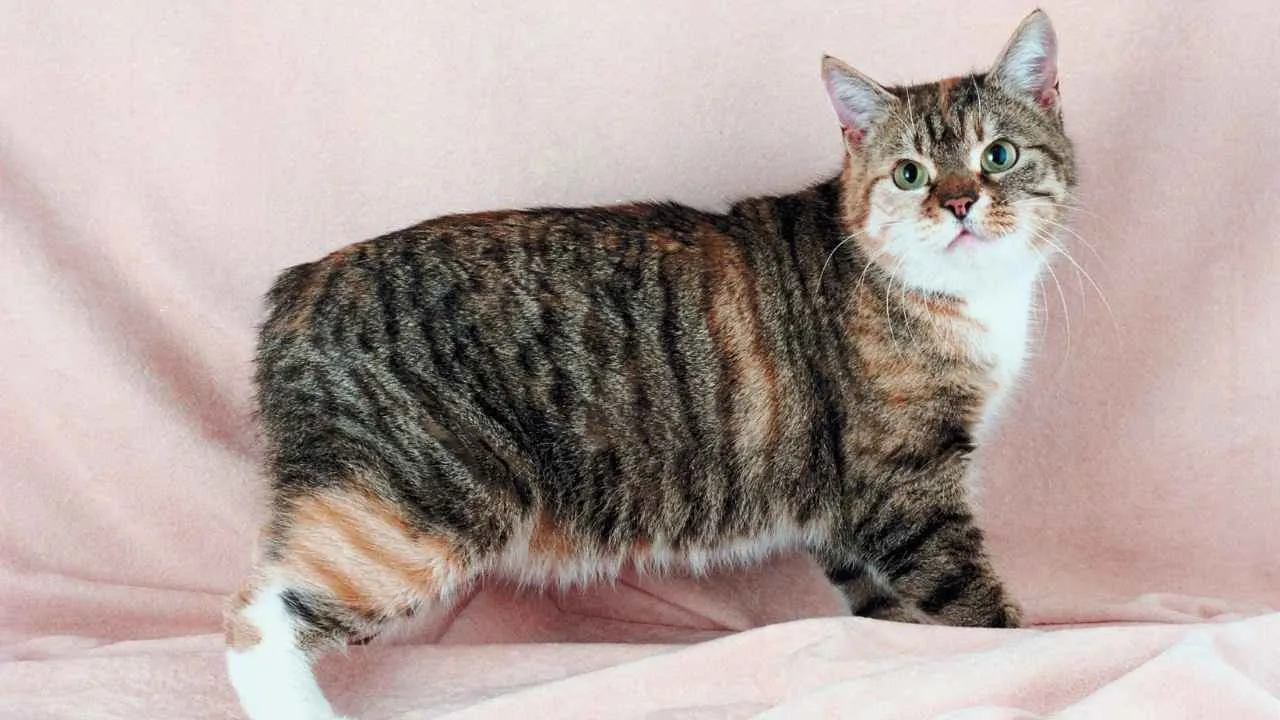
Also known as the Stubbin, the Manx is a distinctive breed from the Isle of Man, famous for its naturally short or completely absent tail. This social, sturdy cat comes in nearly every coat color and pattern, with both short- and long-haired varieties recognized.
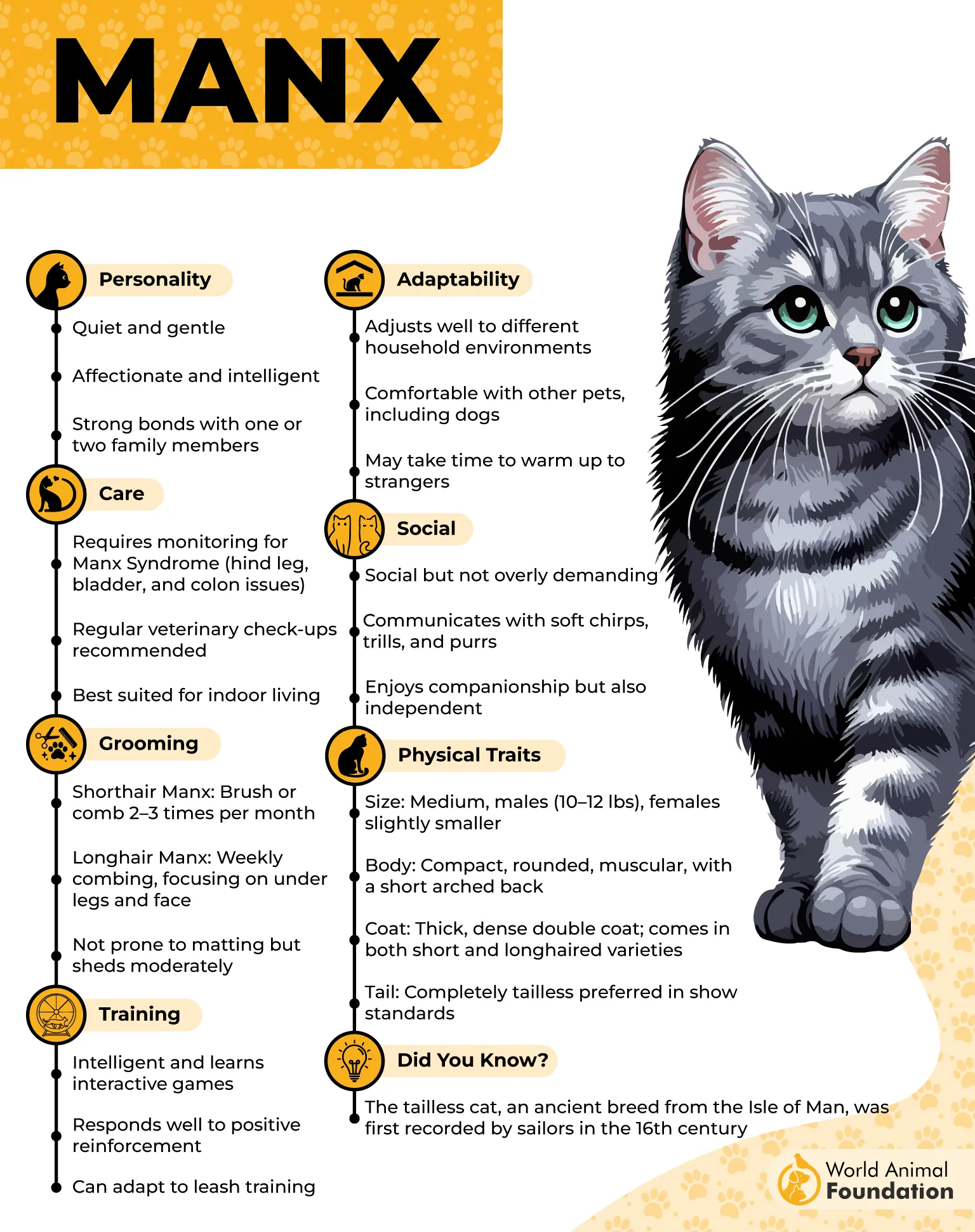
Its powerful hind legs, high energy, and fearless curiosity make it a natural wrestler and chaser, often tackling toys with intensity and enthusiasm. Many owners liken their play style to that of a playful puppy.
Because Manx cats enjoy physical challenges, the best toys are those that withstand vigorous activity. Durable fetch toys, interactive puzzle feeders, and sturdy scratching posts allow them to channel energy safely while satisfying their love for chasing and grabbing.
Structured playtime is essential to keep their roughhousing fun and controlled.
Fun fact: the Manx is the only cat breed intentionally bred to be tail-free, a trait caused by a natural genetic mutation.
8. Oriental Shorthair
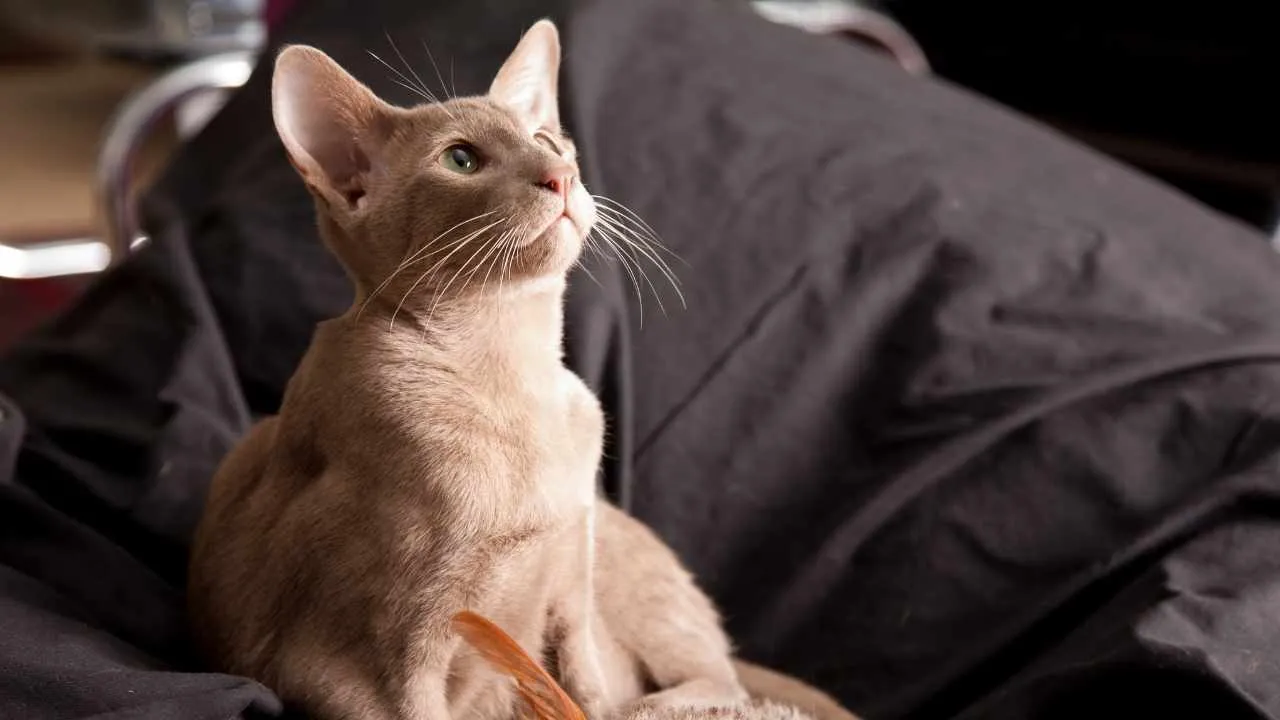
Also known simply as the Oriental, the Oriental Shorthair is instantly recognizable for its sleek, dancer-like body, oversized ears, and expressive face. Closely related to the Siamese, this breed is built for motion and thrives in lively, engaging environments.
They love chasing, pouncing, and leaping from furniture with impressive agility, often turning intense play sessions into full-body workouts that burn off their endless energy.
These cats crave interaction and don’t play quietly for long. Interactive toys, climbing spaces, and games that involve fast movement help channel their rough-and-tumble style in a positive way, especially in homes that enjoy active pets.
Deciding if a rough-playing cat fits your household depends on tolerance for constant activity and curiosity.
Fun fact: Oriental Shorthairs are famously inquisitive and will investigate every corner of a home, turning even ordinary objects into toys.
9. Siamese
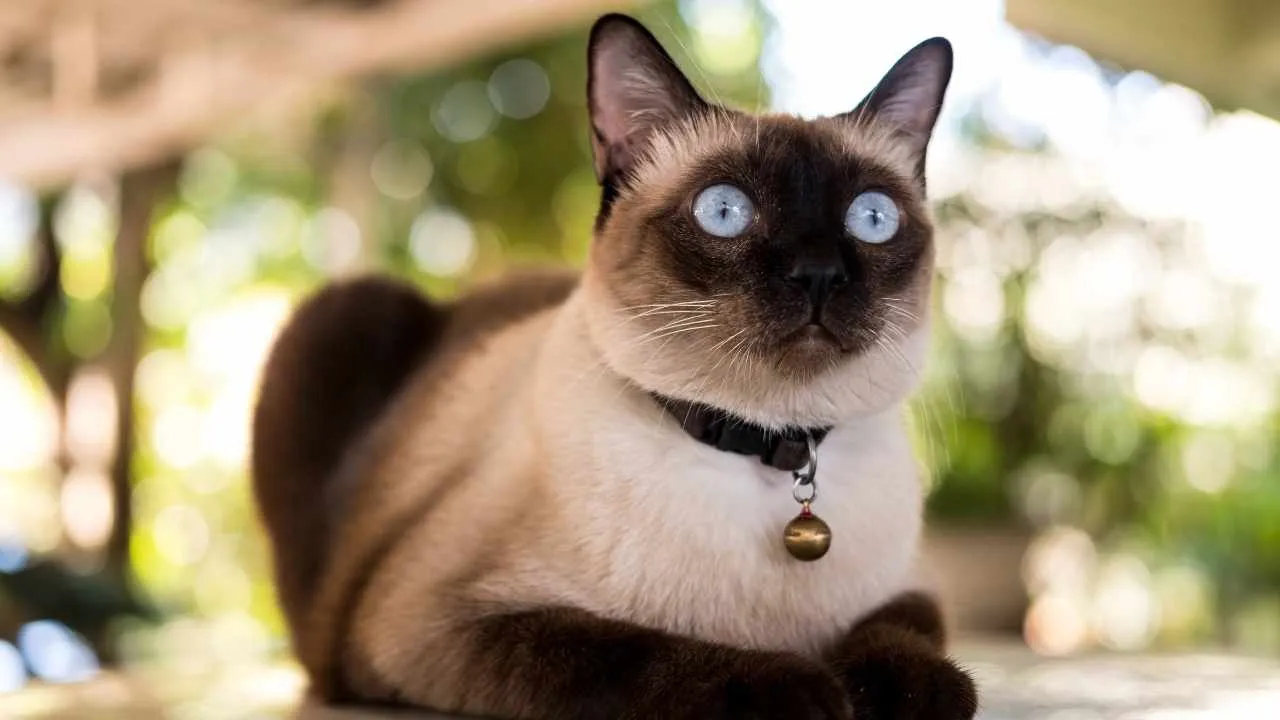
Also known as the Thai cat, the Siamese originated in Thailand and is instantly recognizable by its sleek body, short glossy coat, and pointed coloration on the ears, face, paws, and tail. Striking blue eyes and a long, muscular frame give this breed a refined yet athletic appearance.
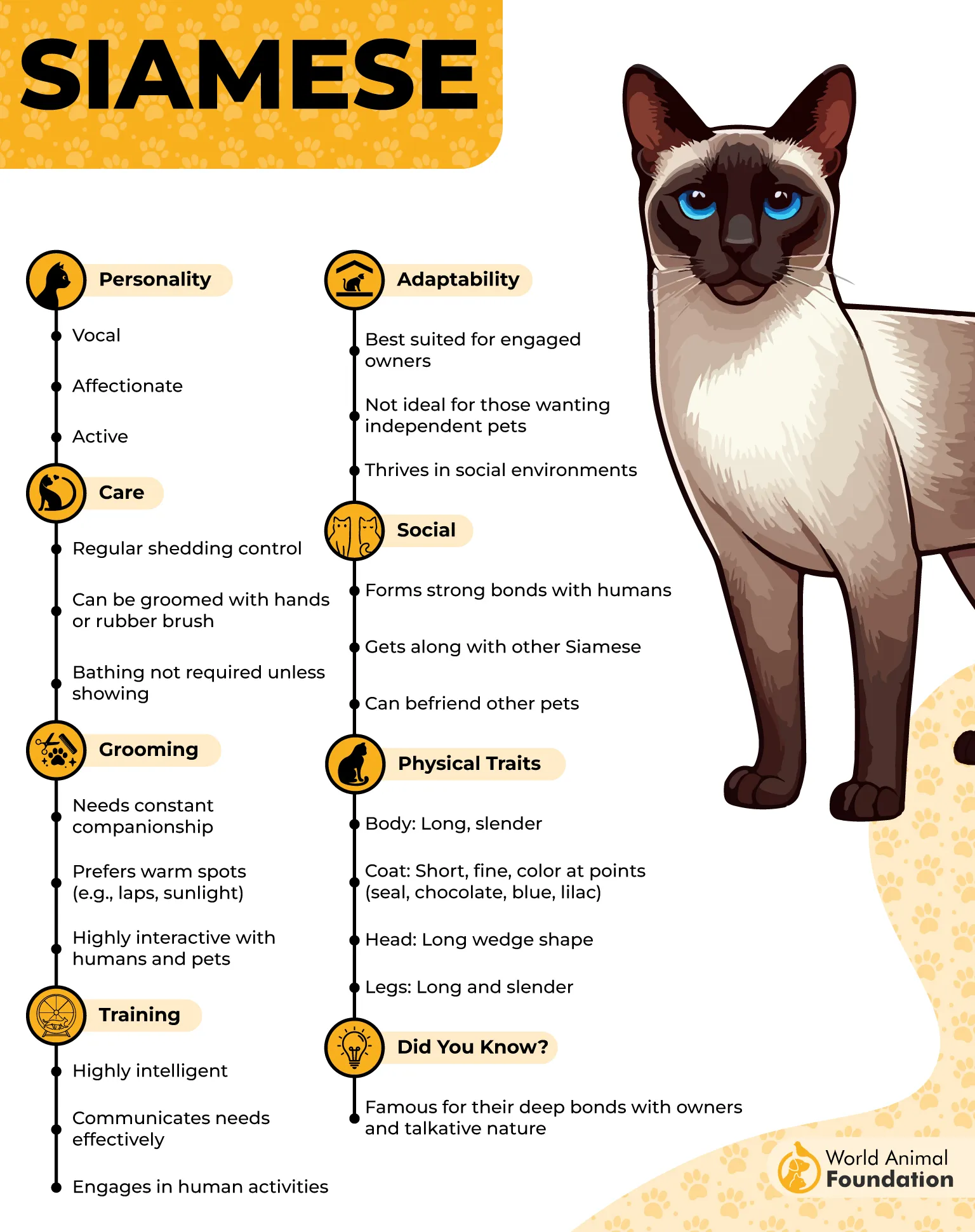
Siamese cats are famously energetic and intensely playful, often engaging in rough, hands-on play that includes chasing, pouncing, and wrestling toys. Their high intelligence and curiosity drive them to turn everyday objects into games, keeping them constantly on the move.
Living with a high-energy Siamese means embracing interaction. These cats crave attention, initiate play frequently, and may become mischievous if under-stimulated, making regular play sessions essential for harmony at home.
They thrive in environments where their physical and mental energy is well managed through enrichment and companionship.
Fun fact: Siamese cats are known for being extremely vocal and will often “talk” to their owners when they want to play or interact.
Conclusion
In conclusion, cat breeds that play rough often display a bold side of a furry friend rooted in instincts shared with wild cats. While many cats engage in physical play, a cat’s personality, individual personality, age (young cats vs. adult cat), and environment shape cat’s behavior.
According to guidance often referenced by the International Cat Association, rough play isn’t the same as aggression in cats—reading body language helps cat owners tell the difference. Even cats that assert dominance within their own species can still be the least aggressive when properly socialized.
With the right care, toys that let them play fetch, and consistent routines like a clean litter box, rough players can be an affectionate pet—sometimes even incredibly affectionate.
Some have a silky coat and a surprisingly gentle temperament, becoming laid back and calm with family, though cautious with strangers or other animals. The most important thing is respecting their needs while nurturing trust.
