




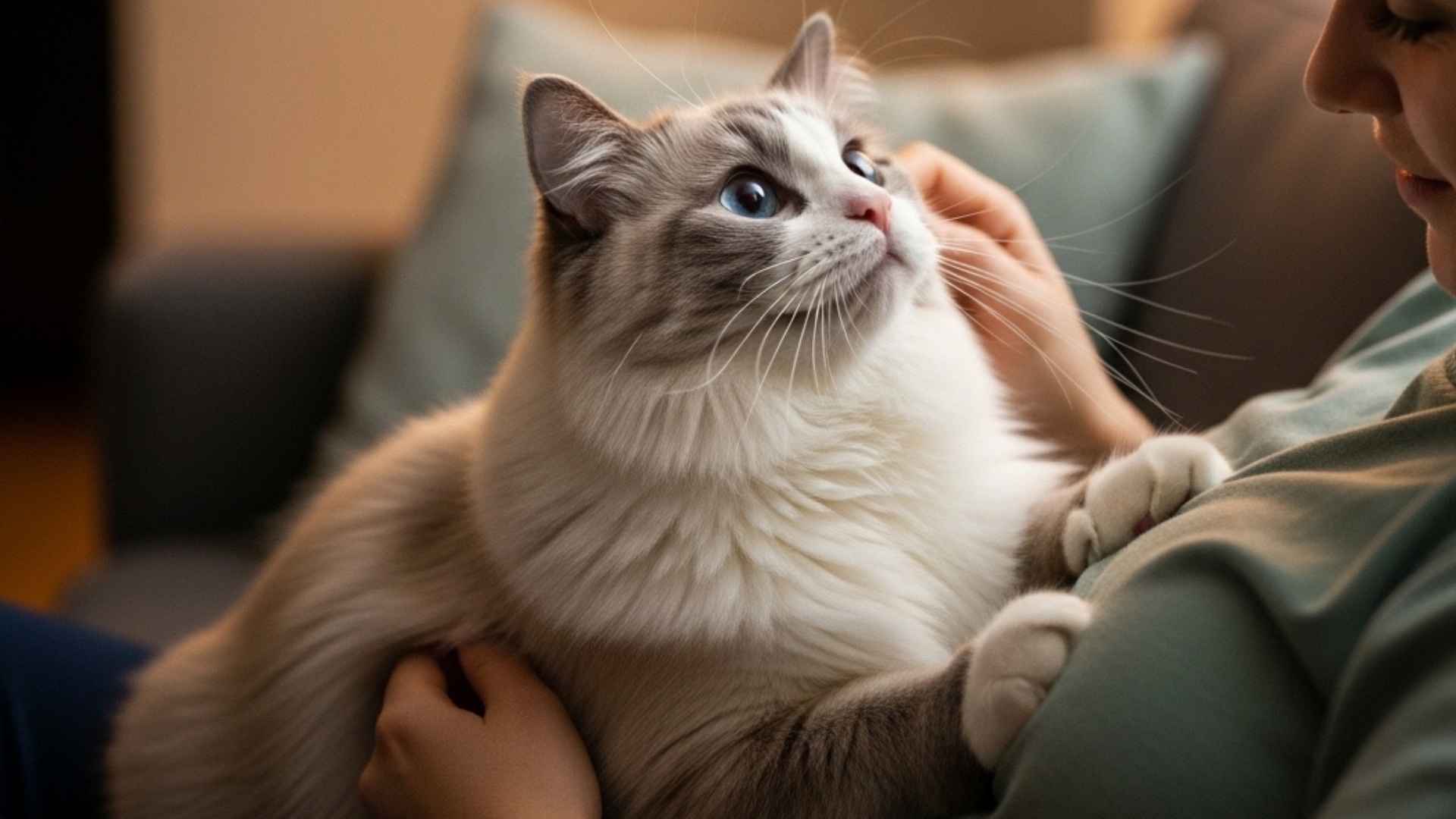
Cats are often thought of as independent and mysterious, but many owners know their feline companions are far more emotionally aware than they appear. Some cat breeds seem especially tuned in to human feelings, responding to stress, sadness, or joy with surprising sensitivity.
This ability has made cats increasingly valued not just as pets, but as emotional companions who quietly adapt to the emotional climate of the home.
Cats pick up on subtle cues like tone of voice, body language, daily routines, and even changes in energy levels. Over time, emotionally attuned breeds may begin to mirror their owner’s mood—becoming calmer when you’re low, more playful when you’re upbeat, or simply staying close when comfort is needed most.
Cats that thrive on human interaction often form deep attachments, allowing them to reflect emotional states almost instinctively. In this article, we explore cat breeds known for this unique emotional connection and their remarkable ability to mirror the moods of the people they love.
Cat Breeds That Mirror Owner Moods
1. Siamese
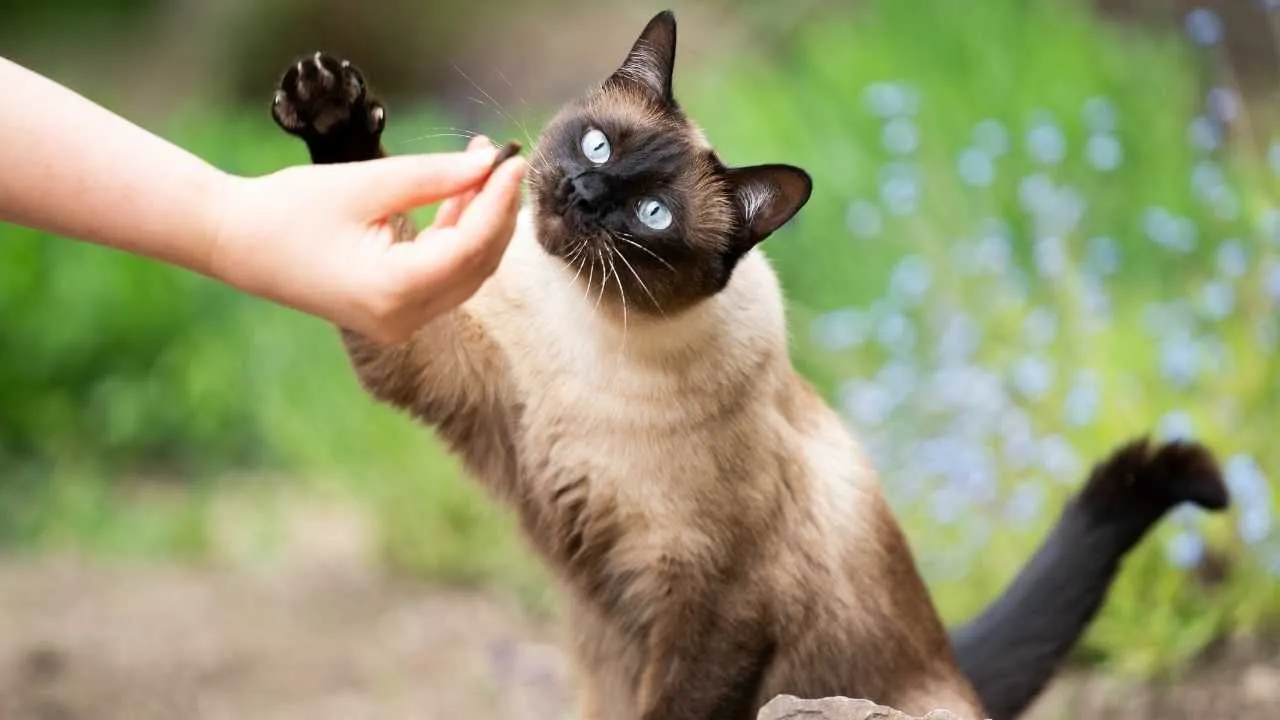
Also known as the Thai cat, the Siamese is instantly recognizable for its sleek body, colorpoint coat, and striking blue eyes.
According to Britannica, the coat color and pattern are genetically recessive traits, meaning they do not appear in the immediate offspring when a Siamese is bred with another cat breed.
Originating from Thailand, this breed is famous for its vocal nature, sharp intelligence, and strong emotional connection with people.
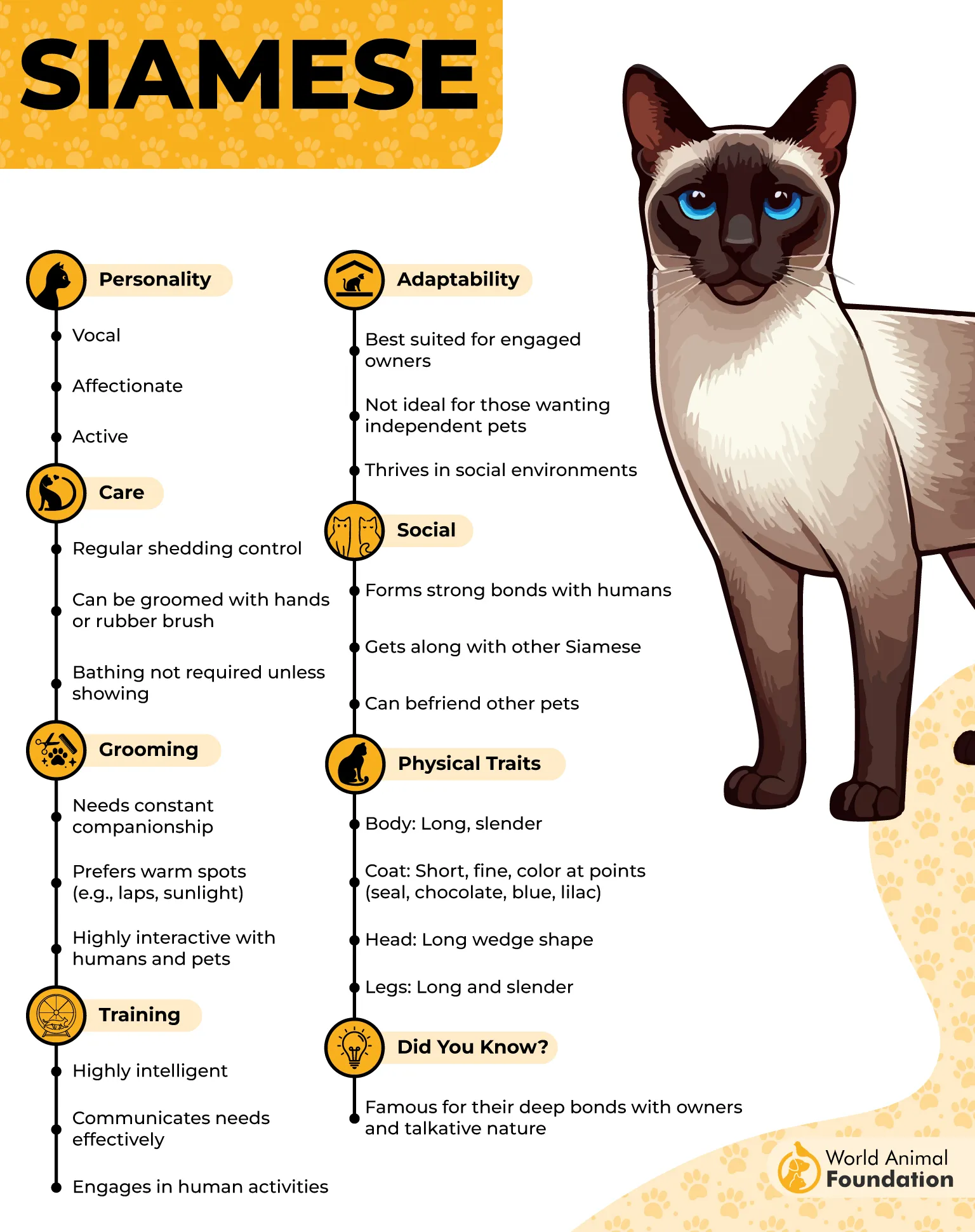
Siamese cats are exceptionally sensitive to their owner’s emotions, often reacting to changes in mood with comforting closeness or animated conversation. When their human feels low, they may stay nearby, offering quiet companionship or gentle vocal reassurance.
Highly social and people-oriented, Siamese cats mirror household energy with ease. A relaxed home brings out their affectionate side, while stress or tension can make them more vocal and clingy, reflecting the emotional atmosphere around them.
Their dog-like loyalty means they thrive on interaction and routine, forming intense bonds that make them deeply responsive to human feelings.
Fun fact: Siamese cats are so people-focused that they’re often adopted in pairs to prevent loneliness and emotional distress.
2. Ragdoll
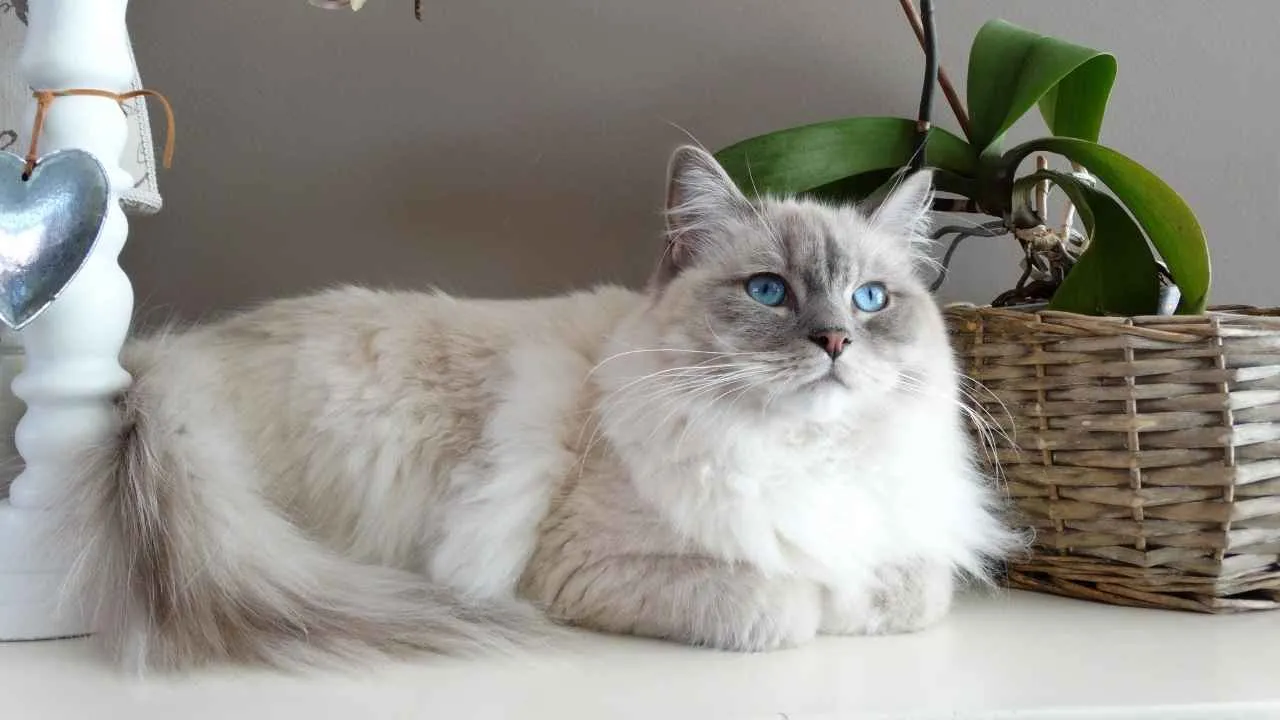
Also called the “puppy cat,” the Ragdoll is known for its soft, flowing coat, striking blue eyes, and famously relaxed demeanor.
According to Purina, Ragdolls are affectionate, intelligent, and playful cats. This breed stands out for its gentle temperament and deep attachment to its people.
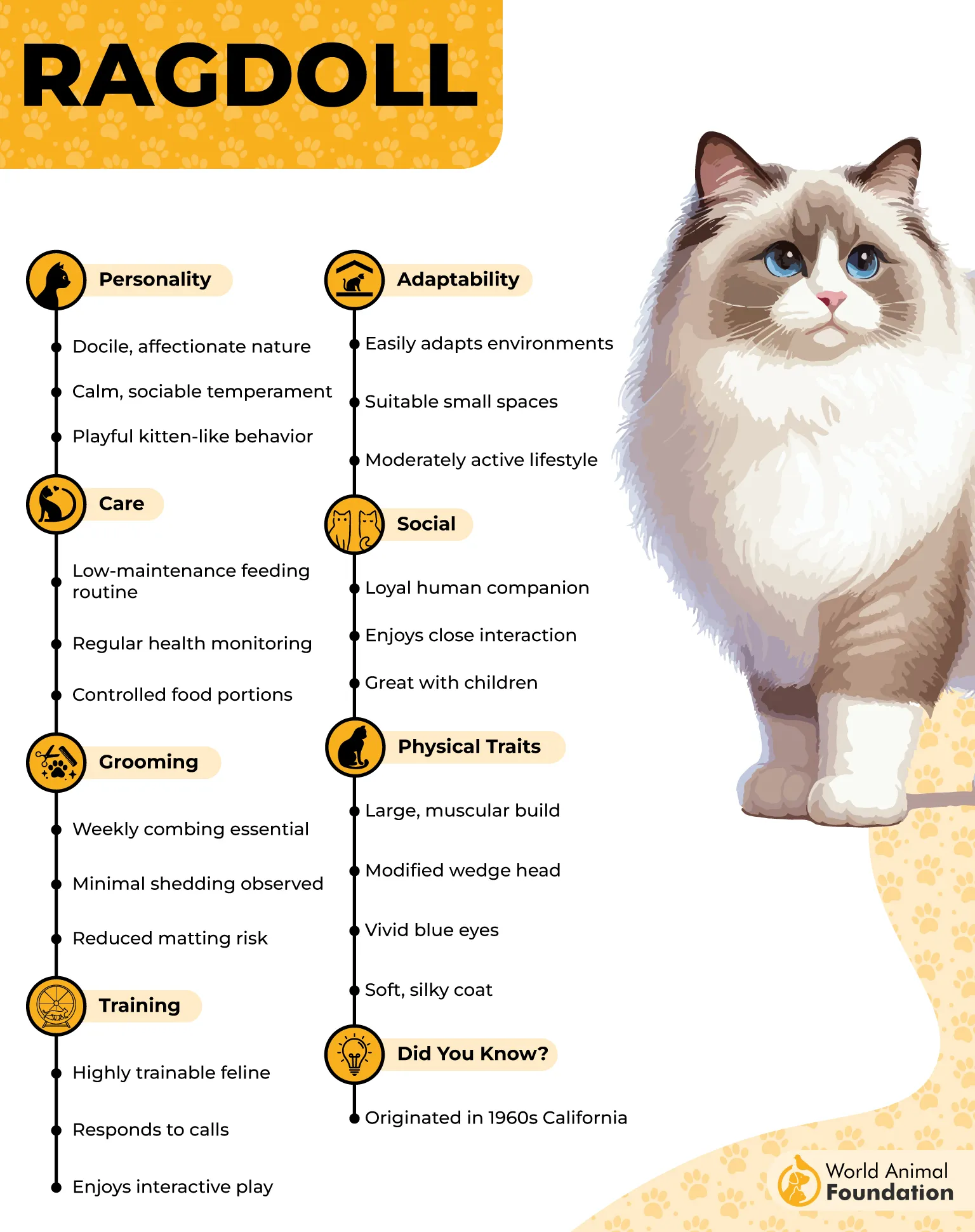
Ragdolls are especially skilled at matching their owner’s emotional pace. When life feels hectic, they remain soothing and steady; when you’re calm, they settle right alongside you, mirroring that peaceful energy with ease.
Highly affectionate without being demanding, they often follow their humans from room to room, offering quiet companionship. Their tendency to go limp when held reflects not just trust, but an emotional openness that responds to human moods.
Because they thrive on closeness, Ragdolls often sense stress or sadness and respond with cuddling or staying nearby. Their presence alone can feel grounding and reassuring.
Fun fact: Ragdolls earned their name because they famously relax completely and go floppy when picked up.
3. Maine Coon
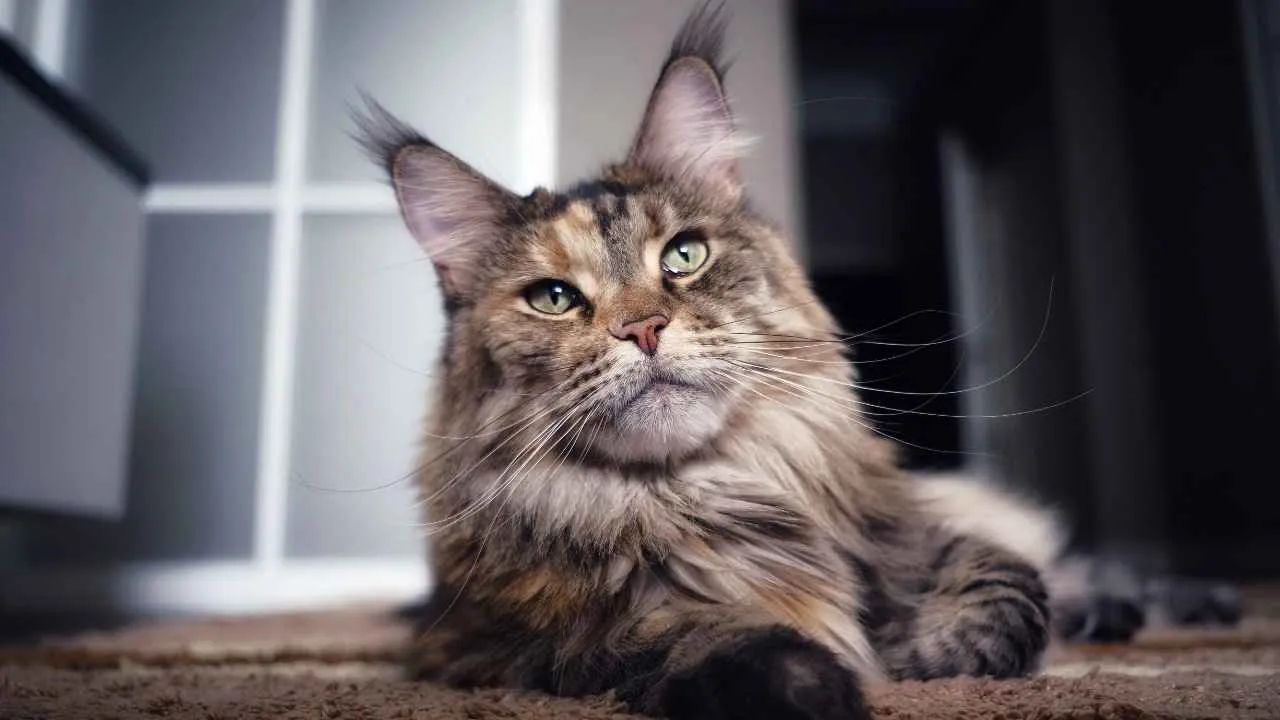
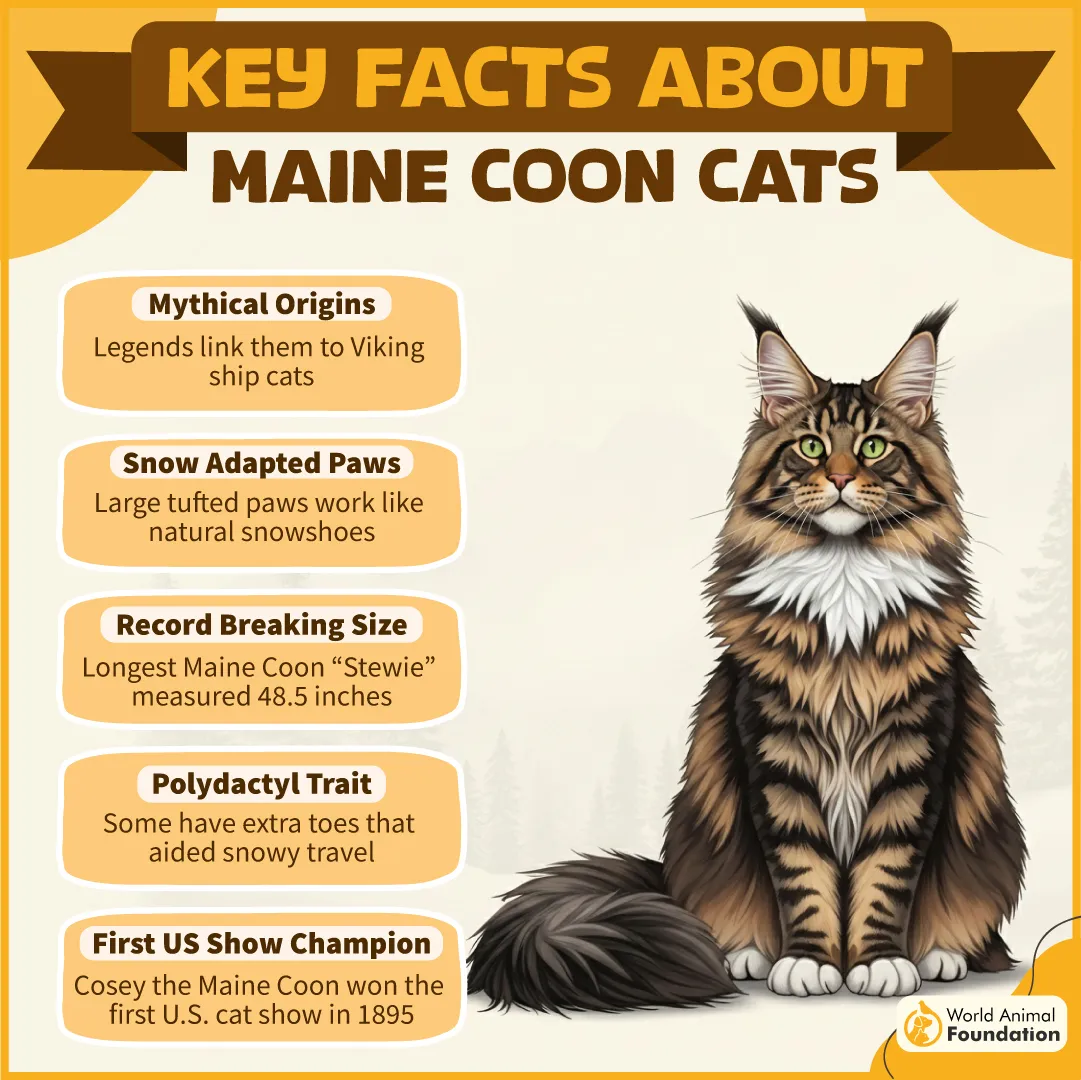
The Maine Coon, often called the “gentle giant,” is the official state cat of Maine and one of the largest domestic breeds. With their shaggy coats, tufted ears, and signature “M” marking on the forehead, these sociable, dog-like companions are known for loyalty and expressive vocalizations.
According to Petplan, Maine Coon cats are affectionate and sweet-natured, displaying a gentler temperament than their large size and shaggy coats might imply.
Maine Coons have a bright, adaptable temperament and tend to warm up gradually before revealing their affectionate, extroverted side. They often attach closely to one person, shadowing them from room to room and adjusting their energy to match the household mood.
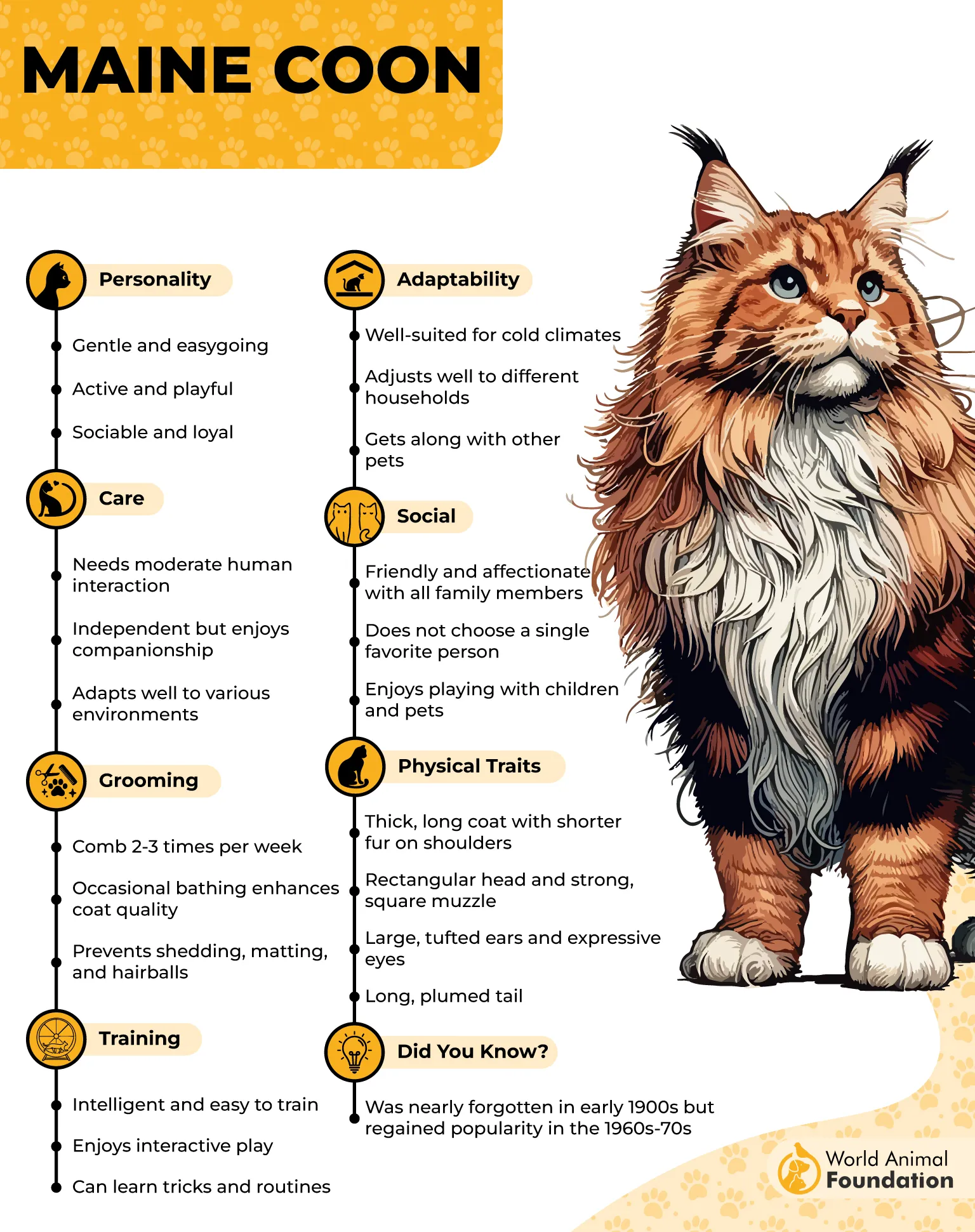
When you’re active, they’re ready for games and bursts of playful chaos; when you’re relaxed, they’re content to lounge nearby or bird-watch quietly. Their balanced independence allows them to sit close without demanding constant lap time.
Highly intelligent and easy to train, they respond well to patience, toys, and consistent interaction.
Fun fact: Interestingly, Maine Coons are natural swimmers with semi-water-repellent coats and are famously fascinated by taps, sinks, and even shallow baths.
4. Burmese
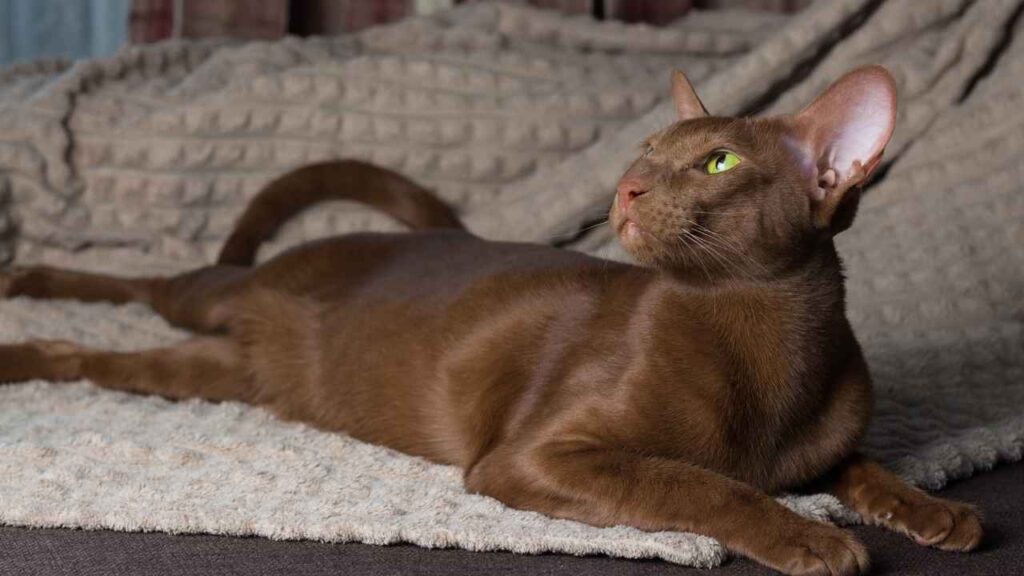
Also called the “brick wrapped in silk,” the Burmese is a compact, sleek-coated breed with a glossy short coat and expressive golden eyes. Descended from Siamese lines, they share intelligence and devotion, but with a softer voice and gentler presence.
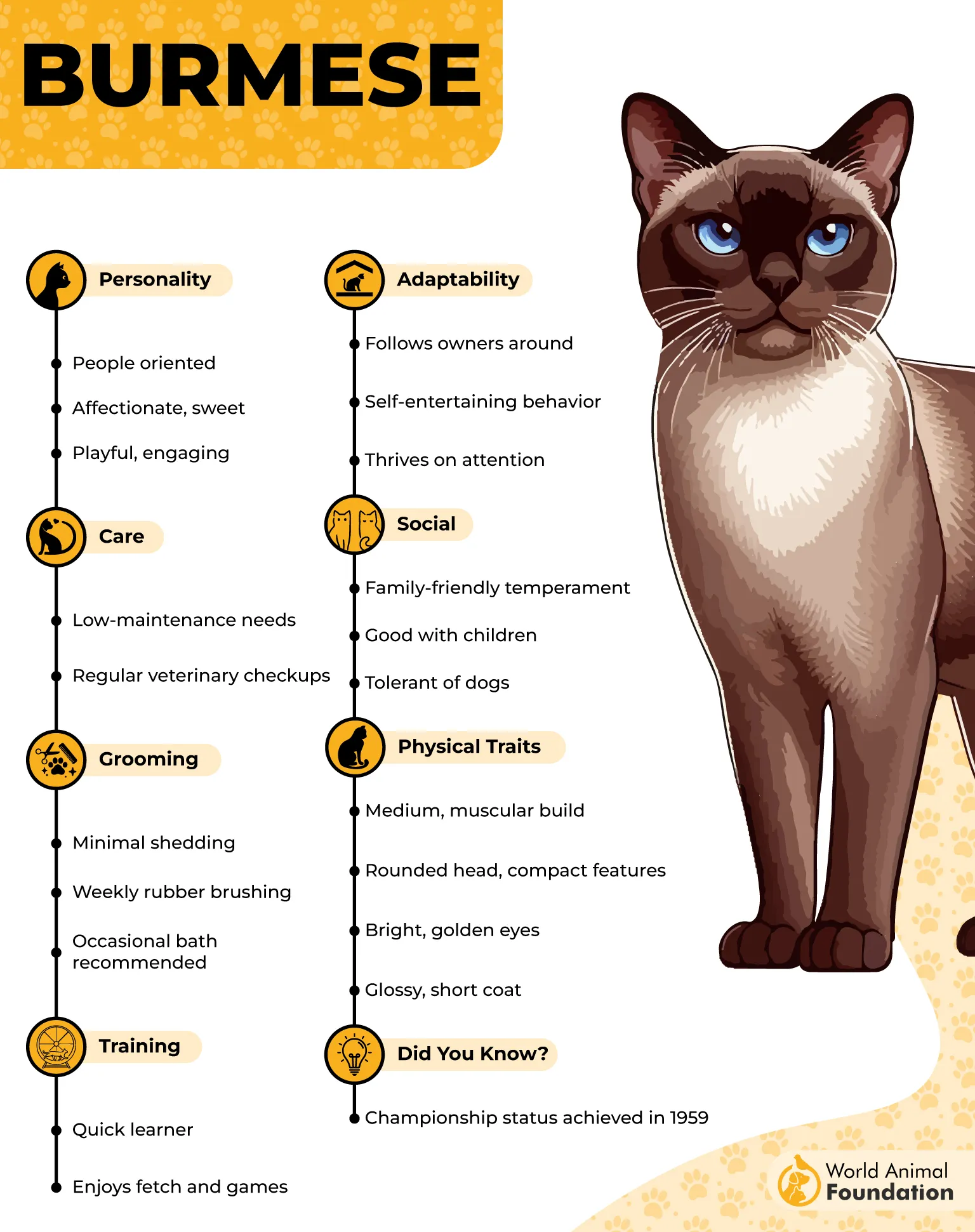
Burmese cats are highly tuned into their owner’s emotional state, often responding to sadness or stress by staying close. When energy dips, they become calm shadows, offering steady companionship rather than demanding attention.
Their affectionate nature makes them excellent emotional mirrors, adjusting their behavior to match the household mood. In quiet moments, they settle into peaceful cuddles; during happier times, their playful side resurfaces with warmth and enthusiasm.
Exceptionally people-focused, Burmese cats dislike being left alone and thrive when included in daily routines. Their constant proximity, gentle purring, and loving gestures make them natural comforters.
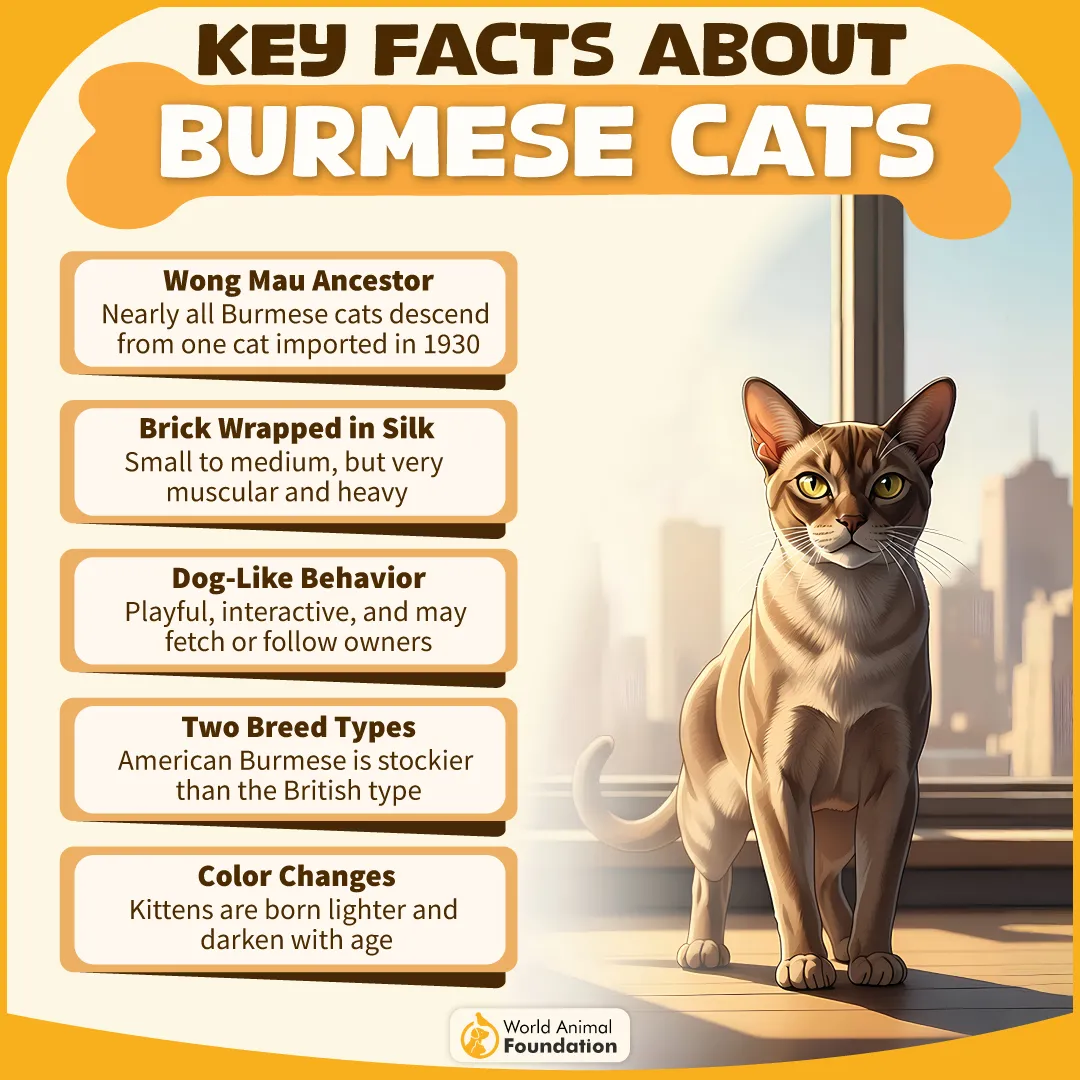
Fun fact: Despite being very talkative, Burmese cats are known for having a noticeably softer, sweeter voice than their Siamese relatives.
5. Sphynx
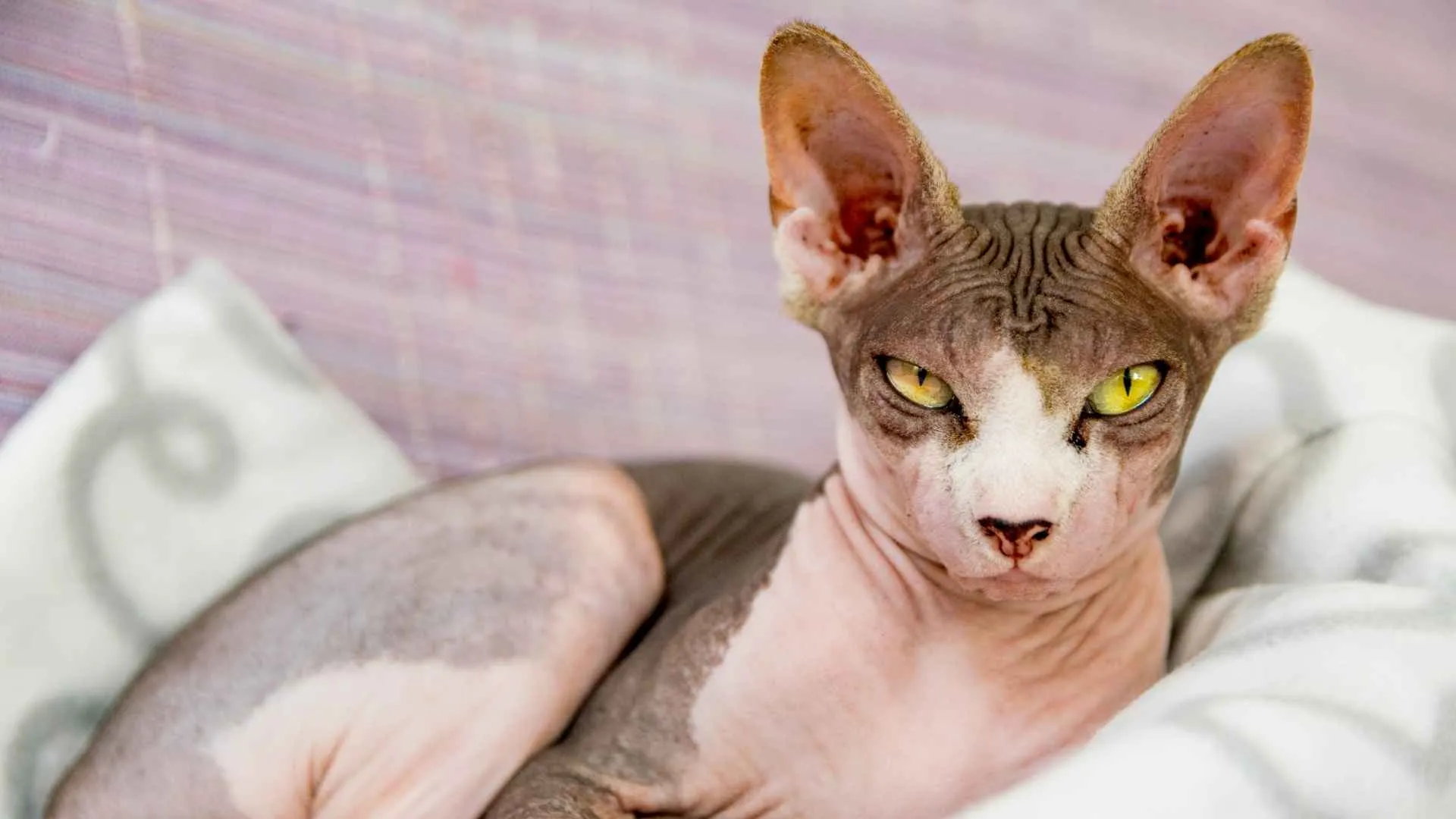
Also known as the Canadian Hairless or simply the hairless cat, the Sphynx stands out for its peach-fuzz skin, large ears, and expressive eyes. Originating in Canada, this breed is defined as much by its affectionate personality as its unusual appearance.
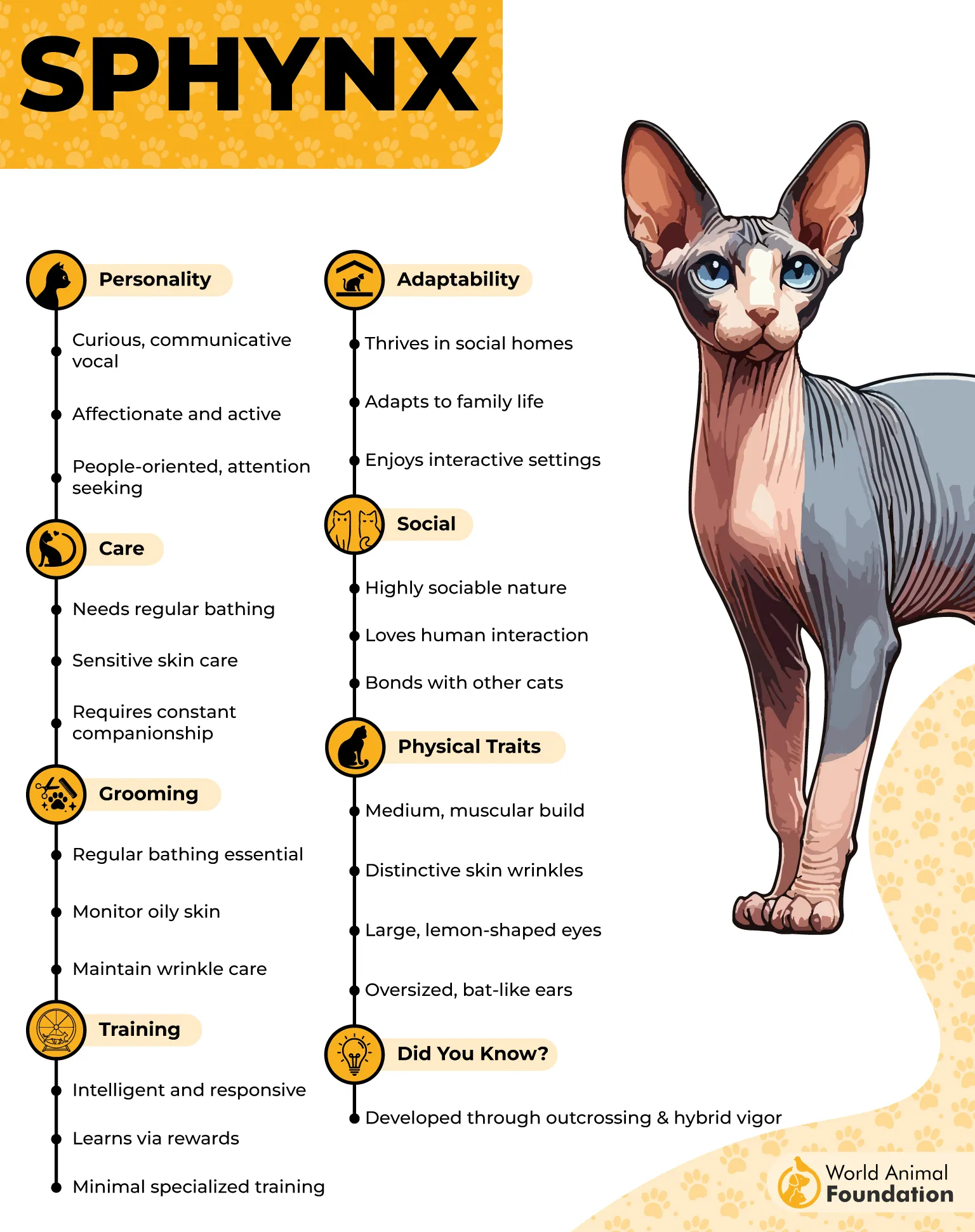
Sphynx cats are highly attuned to their owner’s emotional state, often adjusting their behavior to match the mood in the room. When their human feels stressed or low, they instinctively seek close contact, offering warmth, cuddles, and constant companionship.
Because they crave interaction, Sphynx cats are quick to notice emotional shifts and respond with playful energy or quiet affection. Their need for closeness isn’t just physical—it reflects a deep emotional awareness and desire to stay connected.
Extremely people-oriented and observant, the Sphynx thrives in emotionally expressive households where moods are shared openly.
Fun fact: Lacking fur, Sphynx cats often snuggle under blankets or against their owners to stay warm, strengthening their reputation as one of the most emotionally bonded cat breeds.
6. Scottish Fold
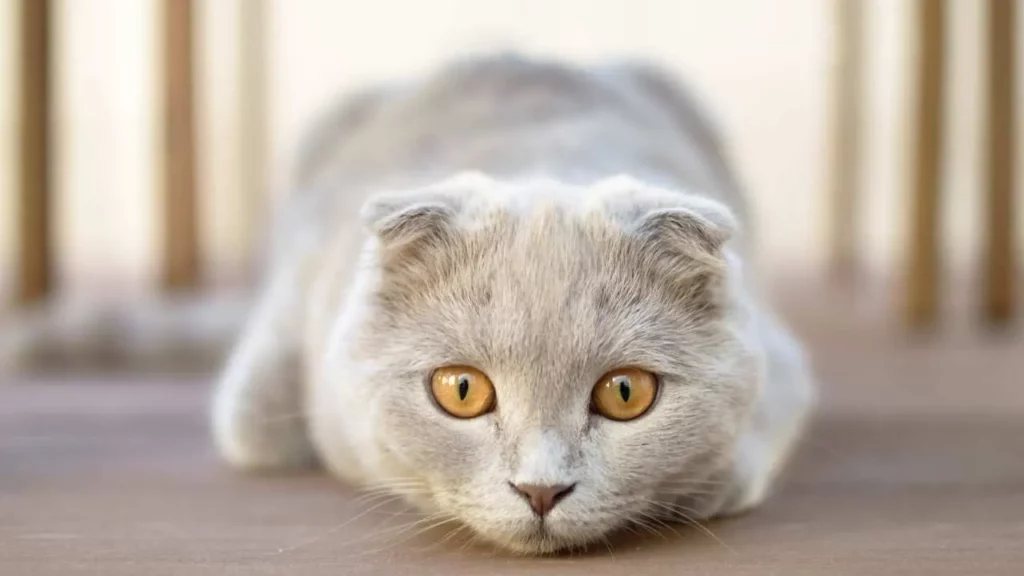
Also known simply as the Fold, the Scottish Fold is instantly recognized by its folded ears and round, expressive face. Originating in Scotland, this breed is gentle, adaptable, and deeply people-oriented, making it a natural emotional companion.

Scottish Folds are highly attuned to their owner’s moods and daily rhythms. They often trail their humans quietly, observing behavior and emotions before settling nearby when comfort or company seems needed.
Rather than demanding attention, they mirror emotional energy in subtle ways. A calm household brings out their relaxed, affectionate side, while stress may prompt them to stay closer, offering silent reassurance through presence alone.
Social yet soft-spoken, they thrive in homes where routine and emotional stability matter. Their gentle companionship feels intuitive, as if they instinctively know when to engage and when to simply sit beside you.
Fun fact: Scottish Folds are famous for their “Buddha sit,” often lounging upright on their hind legs, a posture many owners find calming and endearing.
7. Russian Blue
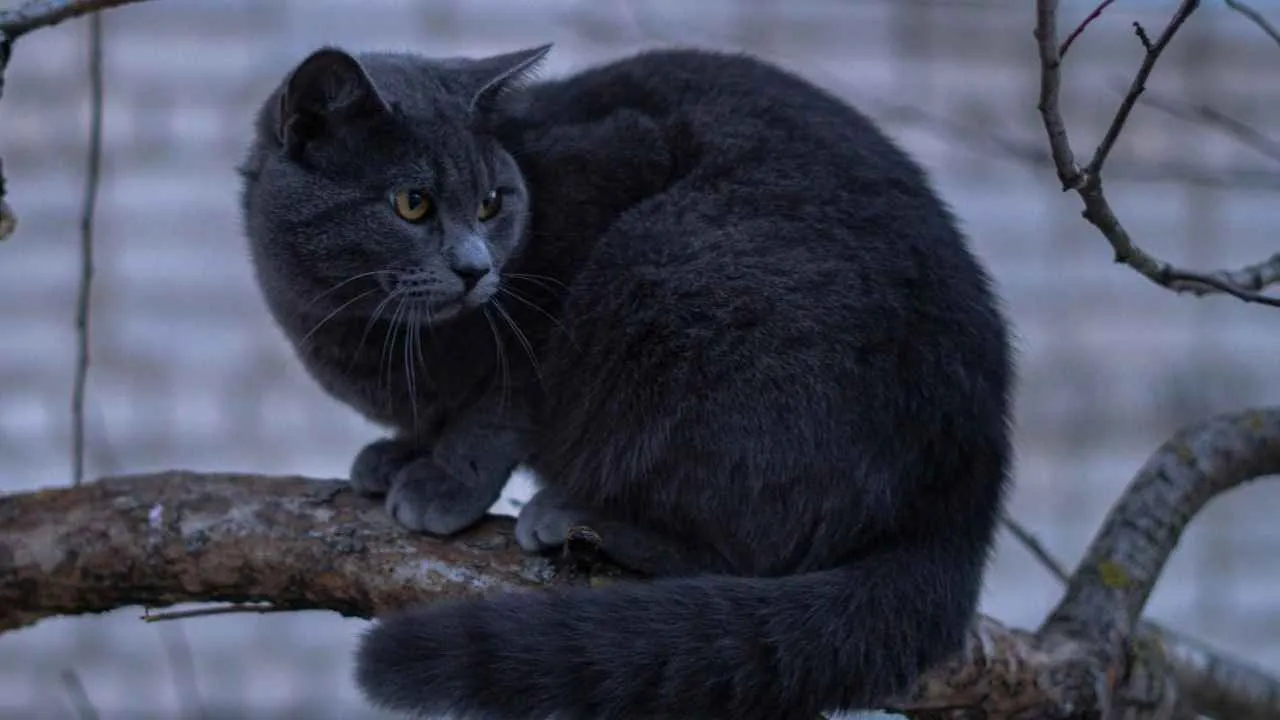
Also known simply as the Russian Blue, this elegant breed is recognized for its plush blue-gray coat, vivid green eyes, and calm, reserved presence. Originating in Russia, they’re admired for their quiet intelligence and gentle demeanor.
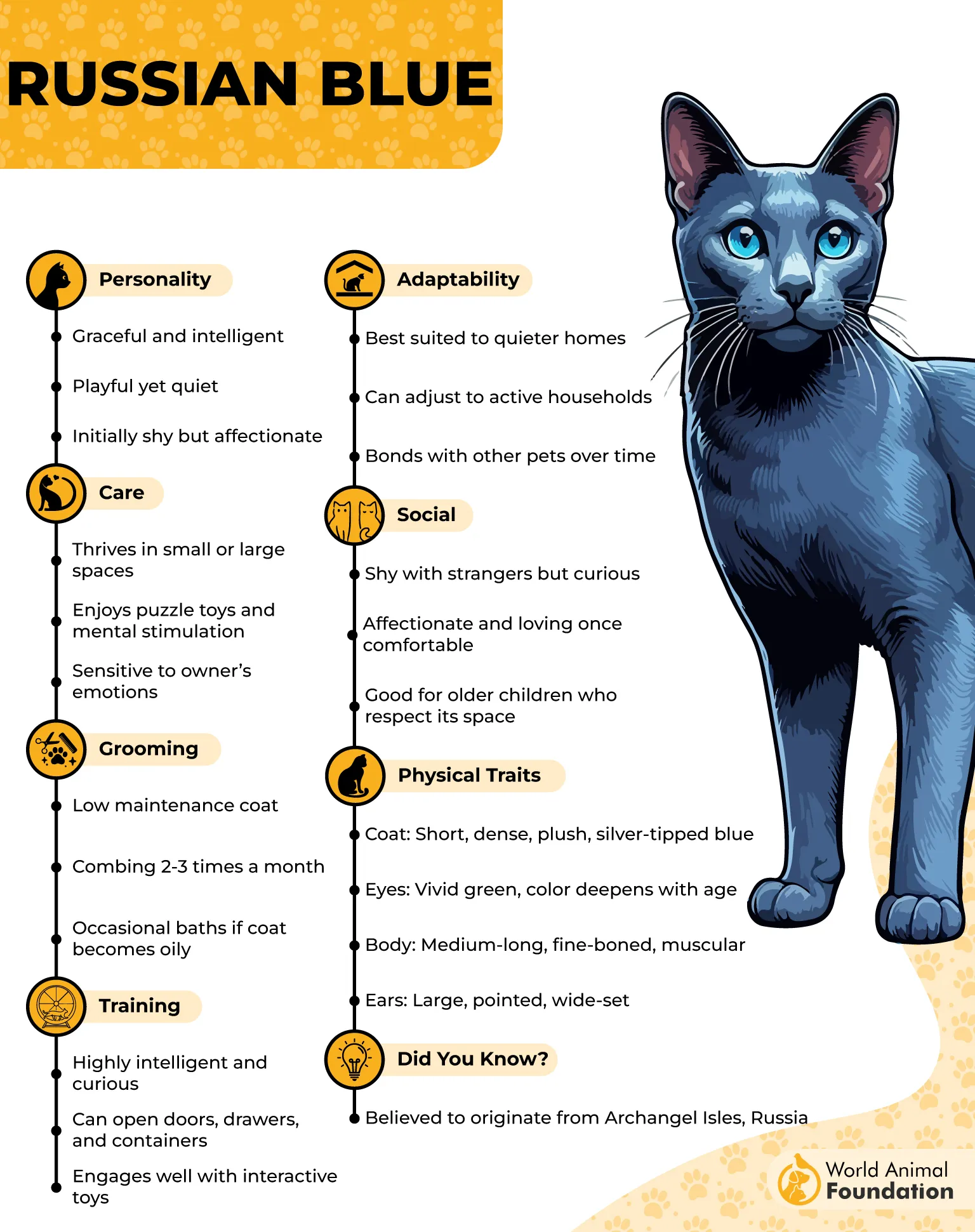
Russian Blues are exceptionally sensitive to emotional shifts in their owners. When they sense stress or sadness, they often respond by staying close, offering silent comfort rather than demanding attention, making their support feel natural and reassuring.
Highly routine-oriented, they thrive in stable environments and mirror the emotional rhythm of the household. A peaceful home brings out their affectionate side, while tension can make them more withdrawn, reflecting their owner’s mood in subtle ways.
Once bonded, their loyalty is deep and selective, creating a private emotional connection built on trust.
Fun fact: Russian Blue cats are known to form lifelong bonds with one chosen person, often remaining devoted for their entire life.
Conclusion
Cats are far more emotionally aware than many people realise, and certain cat breeds are especially skilled at reflecting the feelings of their humans.
For cat owners seeking a calming presence, some cats can form a strong emotional bond rooted in emotional intelligence.
From a gentle giant with a famously affectionate temperament to breeds with a playful nature or gentle nature, the feline world is full of ideal companions that respond to moods in much the same way we do.
These popular breeds thrive in calm environments and often support overall well-being through quiet companionship.
Their calming presence, shared emotions, and intuitive responses make them deeply connected partners in everyday life and emotional balance.
