





Some cats don’t just live alongside their humans—they seem to study them. From copying daily routines to mirroring moods and habits, certain cat breeds are especially known for mimicking owner behavior. Whether it’s following you from room to room, napping when you do, or appearing the moment a routine begins, these cats act like tiny reflections of the people they love.
Breeds that are highly people-oriented tend to observe human behavior closely, picking up patterns through repetition and familiarity. Over time, these cats learn when you wake up, where you relax, and even how you interact with others, then adjust their own behavior to match.
Cats learn human habits through observation, association, and routine. When a cat repeatedly sees certain actions followed by rewards—attention, play, or food—it begins to mirror those actions. In this article, we’ll explore cat breeds that are especially skilled at syncing their lives with yours, creating bonds that feel deeply connected and surprisingly human-like.
Cat Breeds That Mimic Owner Behavior
1. Siamese
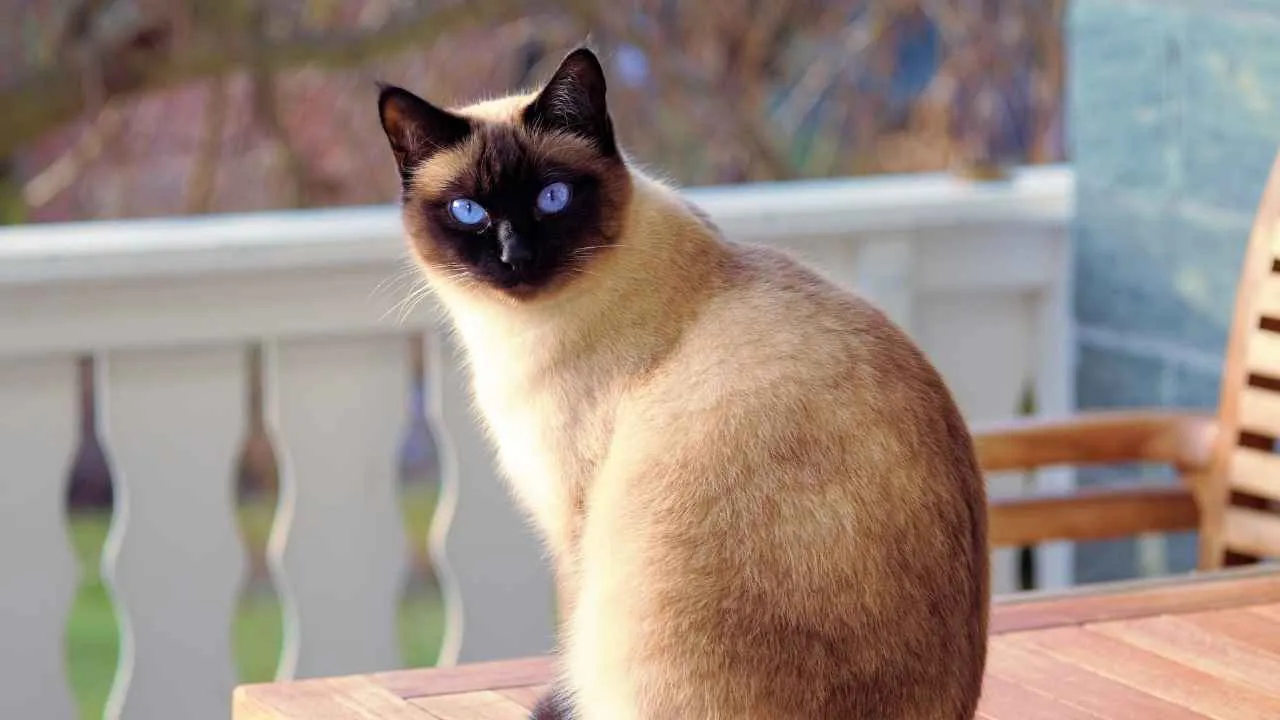
Also known as the Thai cat or Wichianmat, the Siamese is an ancient breed from Thailand, recognized for its color-point coat, blue almond-shaped eyes, and large ears.
According to Britannica, the breed’s points can appear in several colors, including dark brown (seal), blue-gray (blue), milk-chocolate brown (chocolate), pinkish gray (lilac), and reddish orange (red). Highly intelligent and deeply social, this breed has a long history of close relationships with humans.
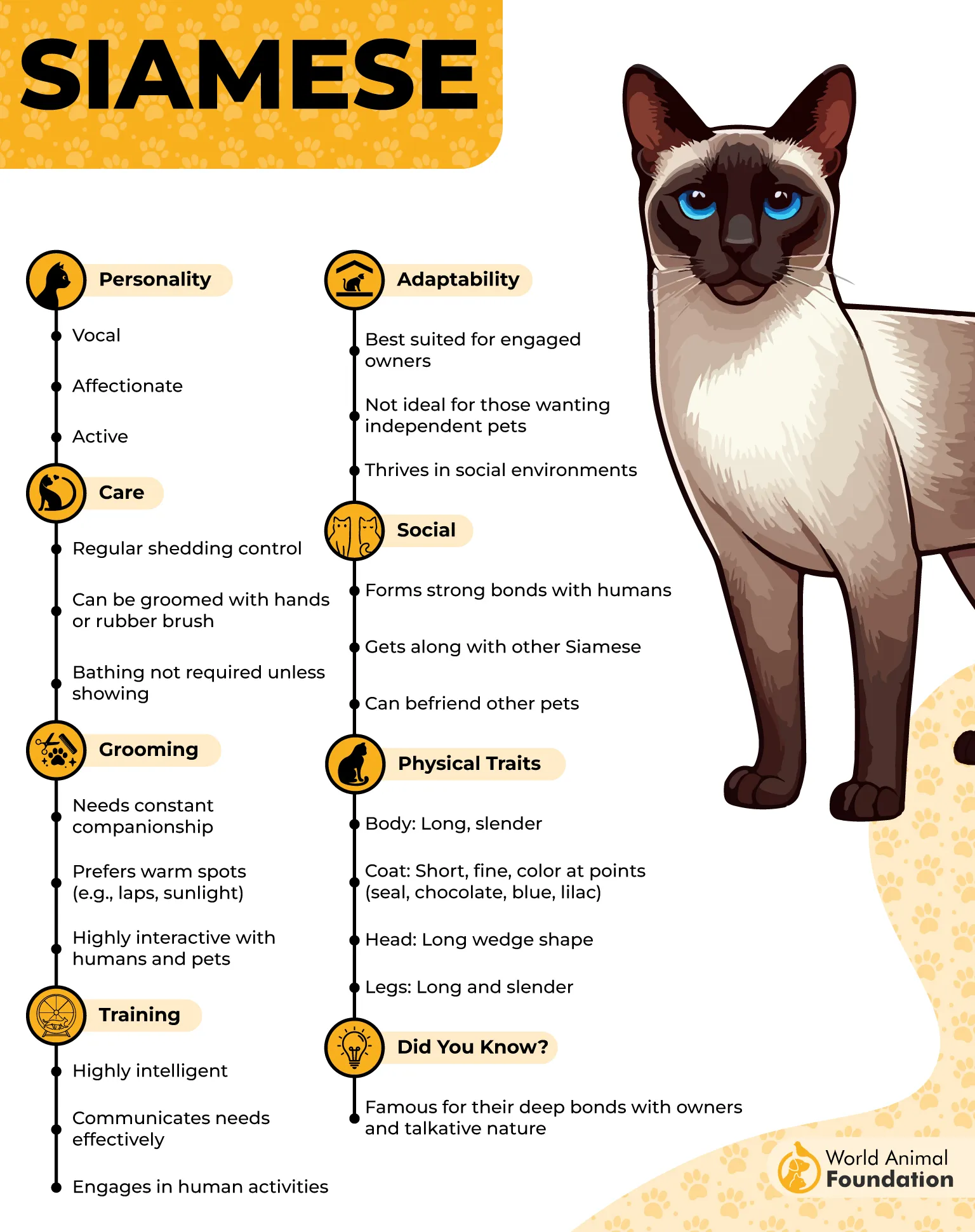
Siamese cats are famous for acting like a “social shadow,” closely mimicking their owner’s daily habits. They observe routines carefully and often mirror behaviors such as waking times, work patterns, and relaxation moments.
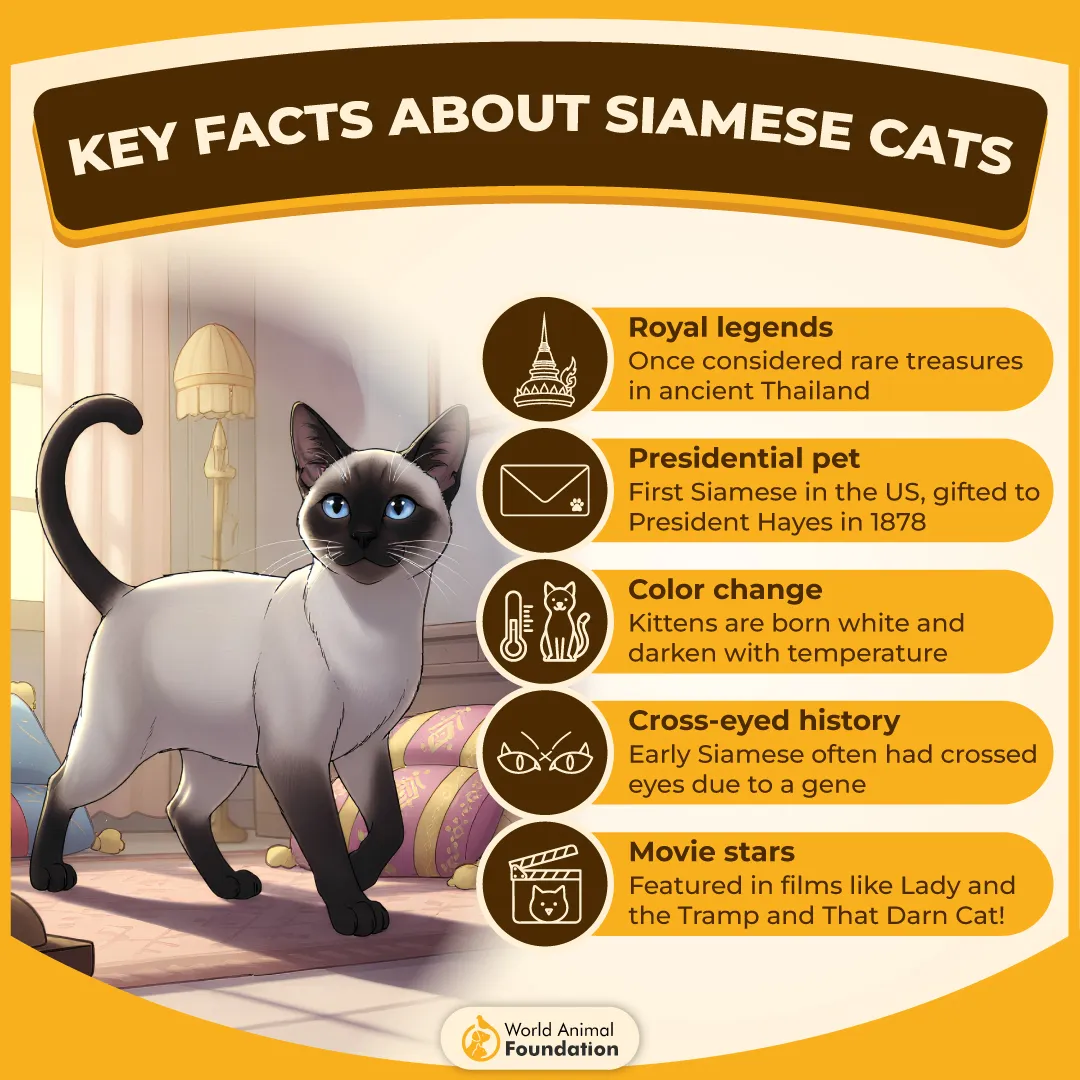
Because they crave interaction, Siamese cats quickly learn when attention, play, or food happens. Their strong curiosity and emotional awareness drive them to follow, vocalize, and synchronize their actions with the people they bond with most.
This tendency to imitate makes them feel almost dog-like in loyalty and engagement.
Fun fact: Siamese cats were described in ancient Thai manuscripts called the Tamra Maew, where they were considered as rare and valuable as gold.
2. Ragdoll
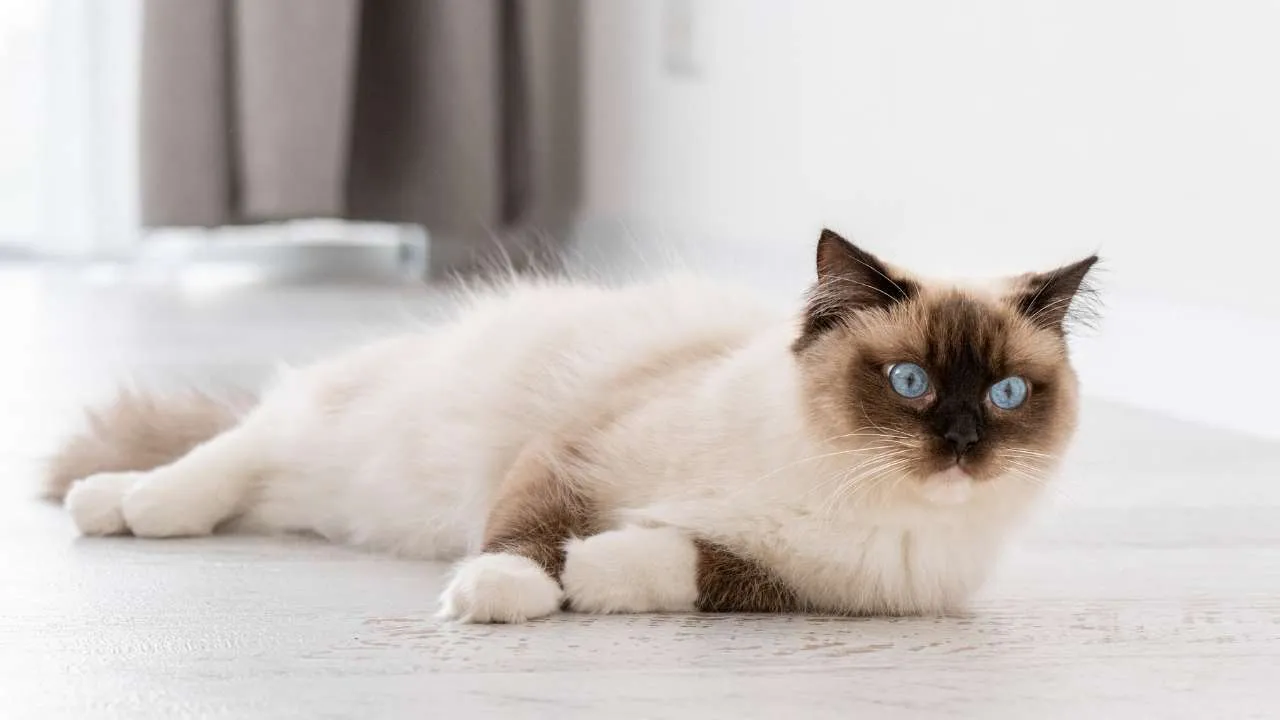
Often nicknamed the “floppy cat,” the Ragdoll is known for its striking blue eyes, plush coat, and exceptionally relaxed temperament.
According to PetMD, the Ragdoll gets its name from its tendency to relax completely and become floppy when being petted, cuddled, or held. This breed is deeply people-oriented, preferring to stay close to its humans throughout the day.
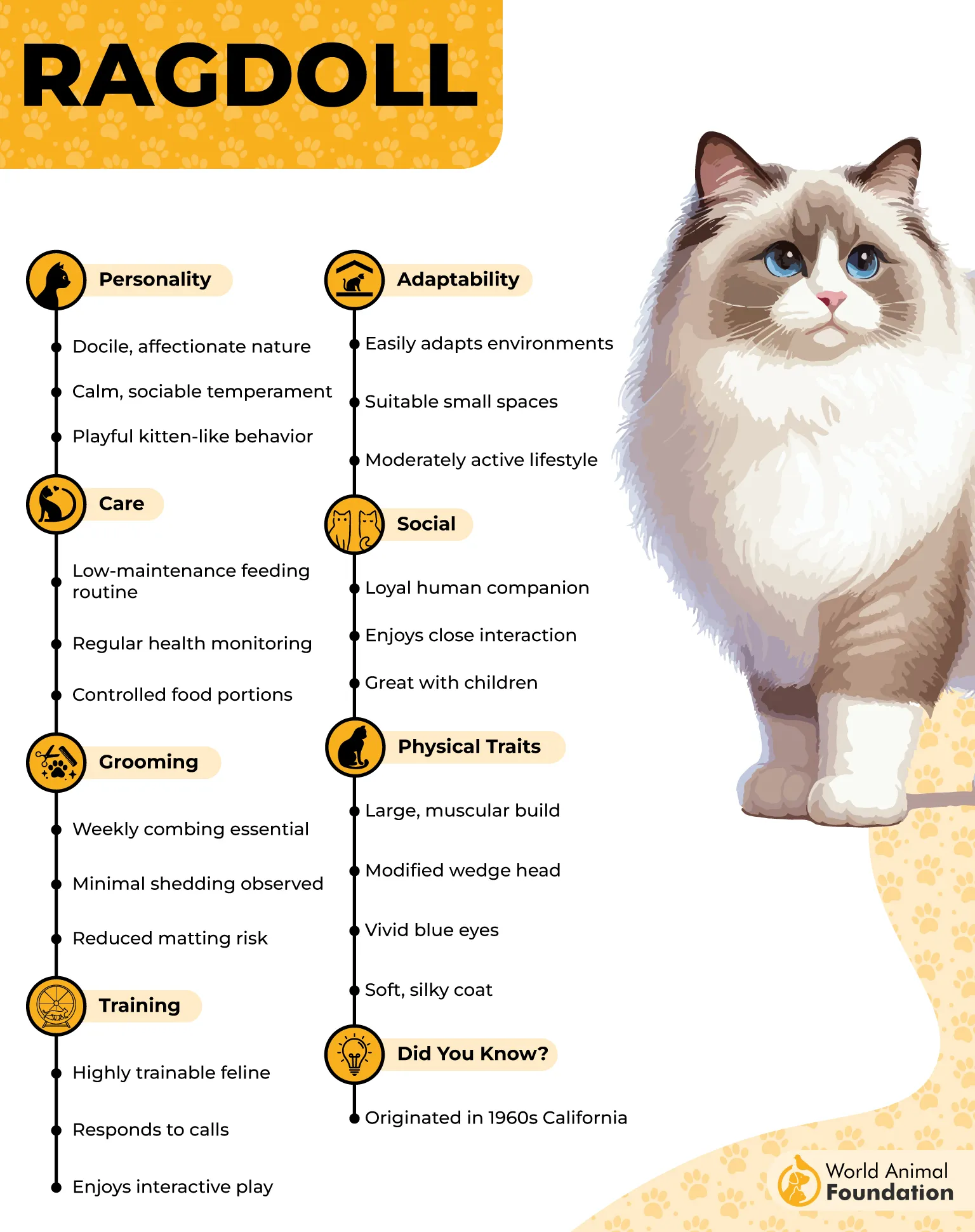
Ragdolls are subtle mimics, often syncing their daily rhythms with their owners. If you relax, they settle nearby; if you move rooms, they follow. This quiet mirroring makes them feel like calm companions who naturally match household routines.
While not overly vocal, Ragdolls respond attentively to tone and timing, learning when attention, meals, or rest usually happen. Their strong emotional awareness allows them to adapt their behavior based on their owner’s habits rather than acting independently.
Because they form deep bonds, Ragdolls are especially tuned in to human behavior patterns.
Fun fact: UFAW points out that around 30% of Ragdolls carry a gene linked to hypertrophic cardiomyopathy (HCM), a heart condition that responsible breeders now screen for.
3. Burmese
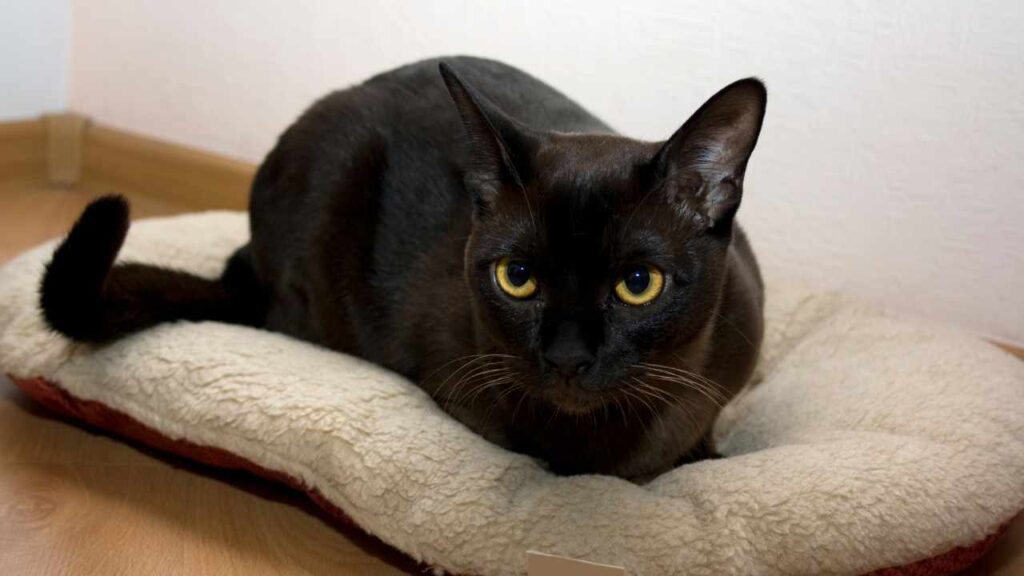
Also known as the “dogs of the cat world,” the Burmese cat stands out for its rounded features, expressive eyes, and sleek coat.
According to WebMD, Burmese cats are affectionate and enjoy being around people. Originating from Southeast Asia, this breed is deeply people-focused and thrives on close human connection.
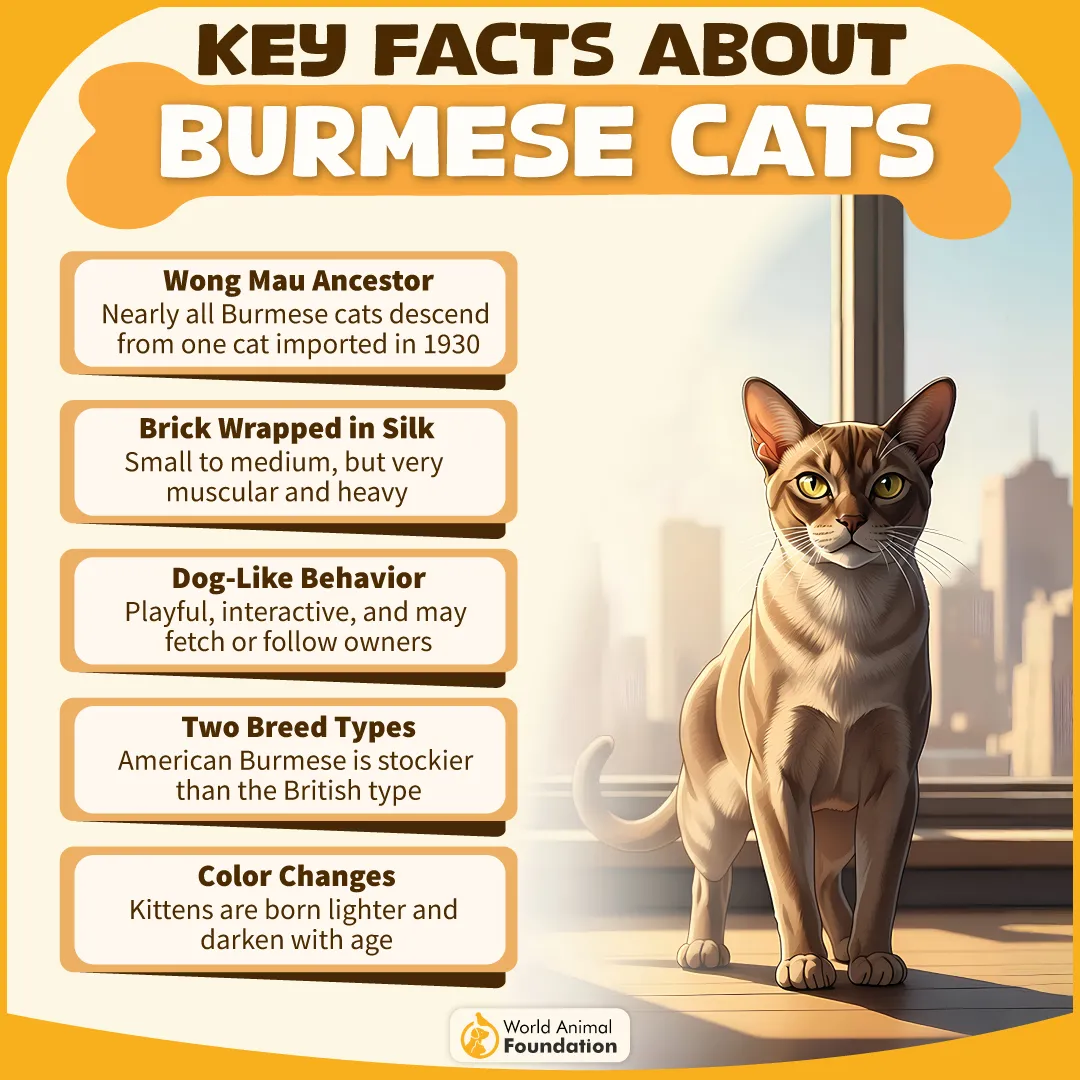
Burmese cats are emotionally in tune and constantly observing their owners. They pay close attention to routines, moods, and habits, often mirroring behaviors like following schedules, resting when you do, or joining daily activities.
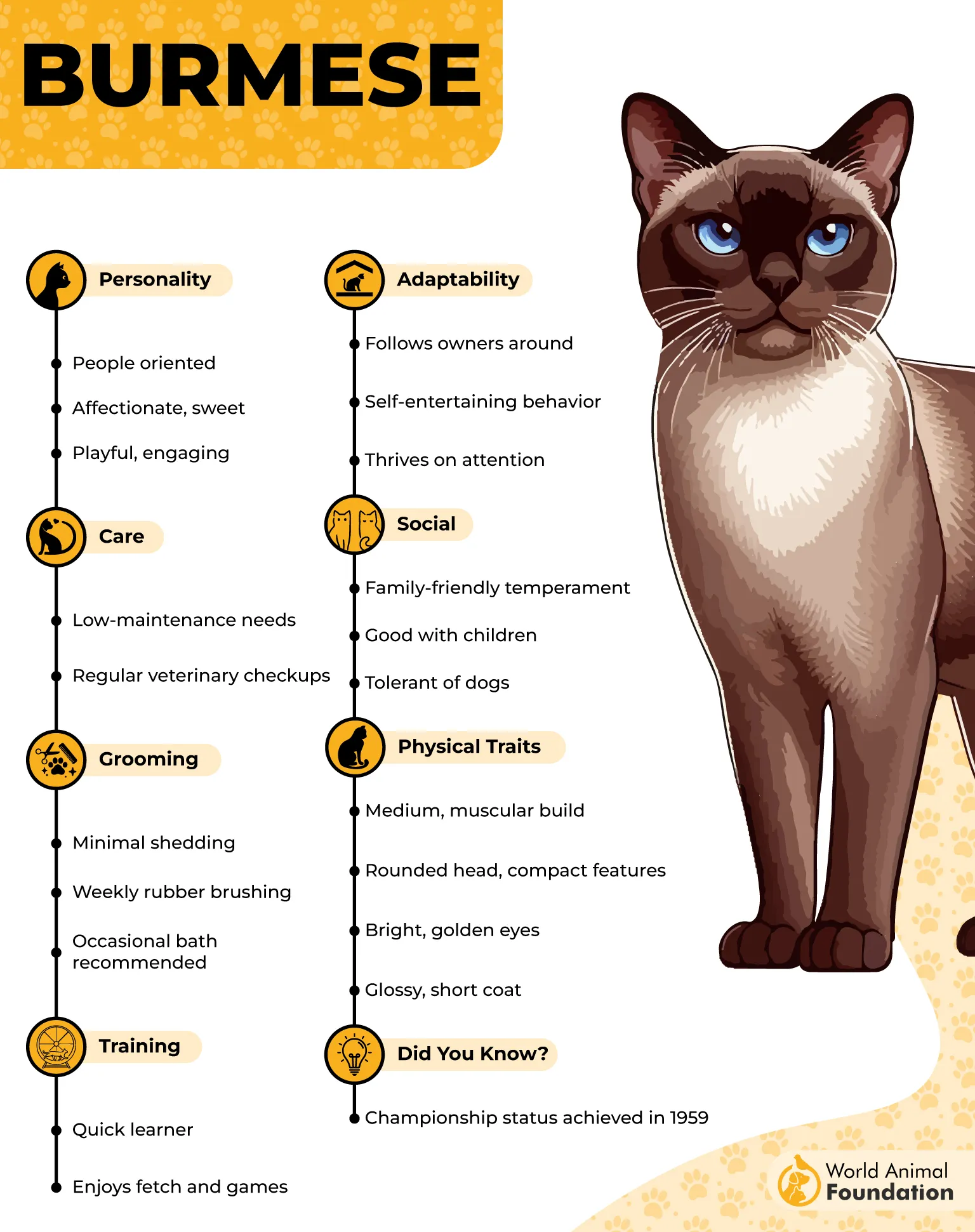
Because they form strong bonds, Burmese cats naturally adapt their behavior to match the household rhythm. Their tendency to stay nearby and participate makes them especially good at picking up human habits through observation and repetition.
Highly intelligent and curious, this breed enjoys interactive play and problem-solving that often reflects what their owners do.
Fun fact: The modern Burmese breed traces back to a single cat named Wong Mau, brought to the U.S. in the 1930s, who helped establish the breed worldwide.
4. Tonkinese
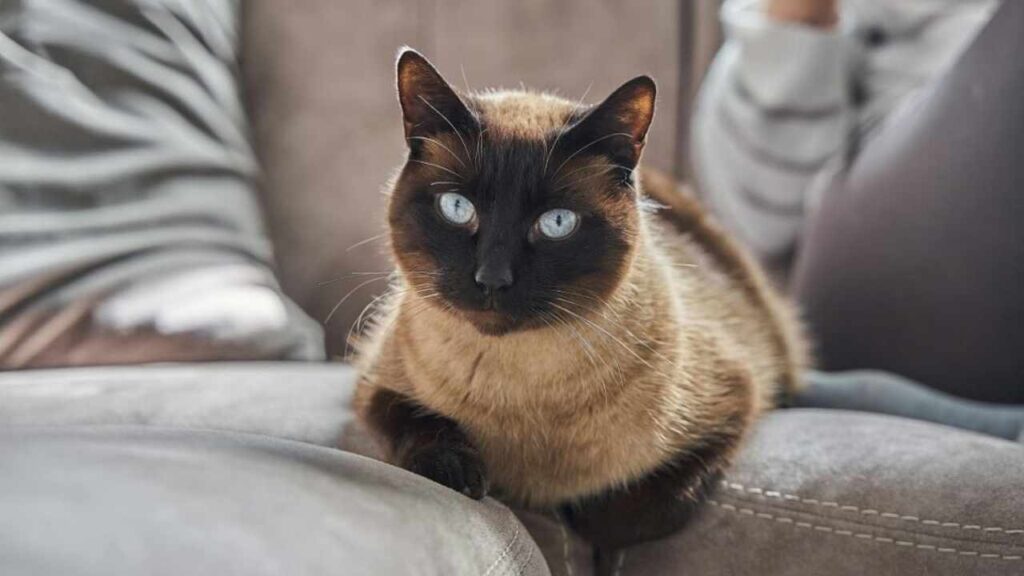
Also known as the “Tonk,” the Tonkinese is a people-focused breed created by crossing Siamese and Burmese cats. With a sleek short coat and expressive eyes, this medium-built cat is known for its social, curious, and playful personality.
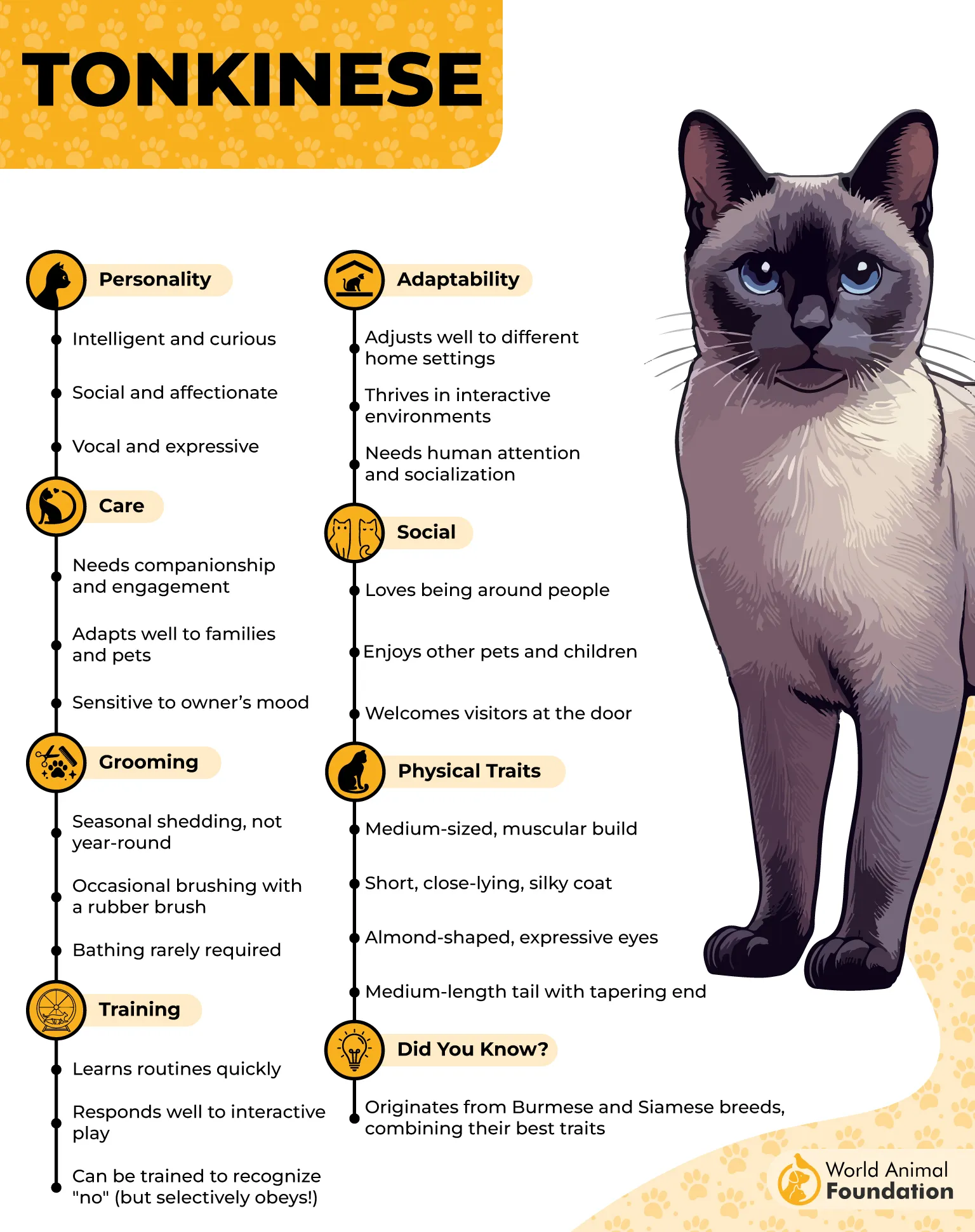
Tonkinese cats are highly observant and naturally inclined to mirror their owners’ habits. They closely watch daily routines and often copy behaviors like following schedules, greeting people at the door, or settling down when their humans relax.
Their strong desire to be involved makes imitation almost instinctive. Whether you’re moving from room to room or starting a familiar activity, a Tonkinese is likely nearby, learning patterns and responding in ways that feel surprisingly in sync.
Intelligent and mischievous, this breed thrives on interaction and mental stimulation, which reinforces learned behaviors through repetition.
Fun fact: Tonkinese cats are known as excellent problem-solvers who will often figure out how to access places specifically by watching how their humans do it.
5. Maine Coon
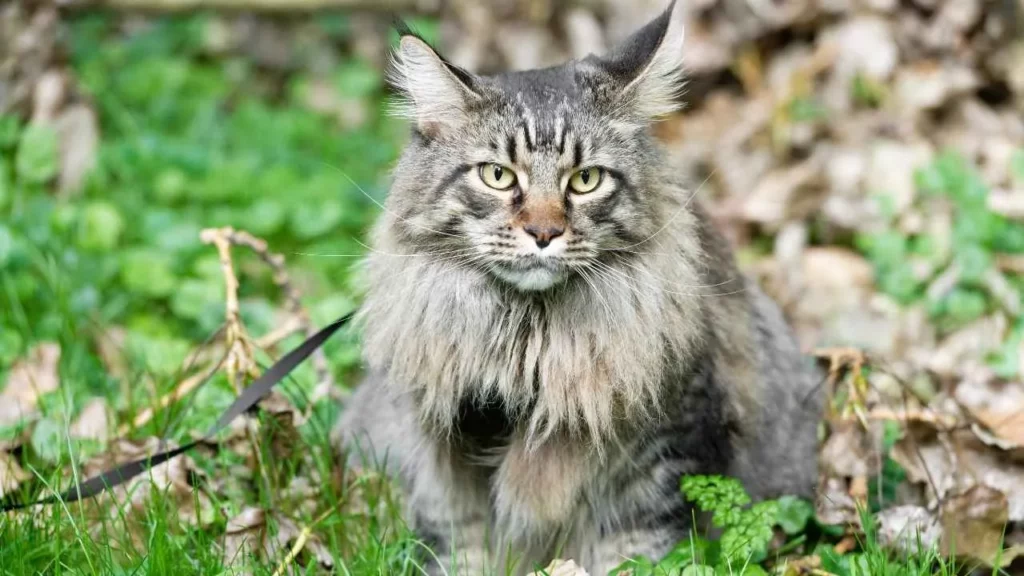
Often called the “gentle giant,” the Maine Coon is known for its shaggy coat, tufted ears, and lion-like ruff. This large, easygoing breed has an affectionate personality that makes it feel like a true member of the household.
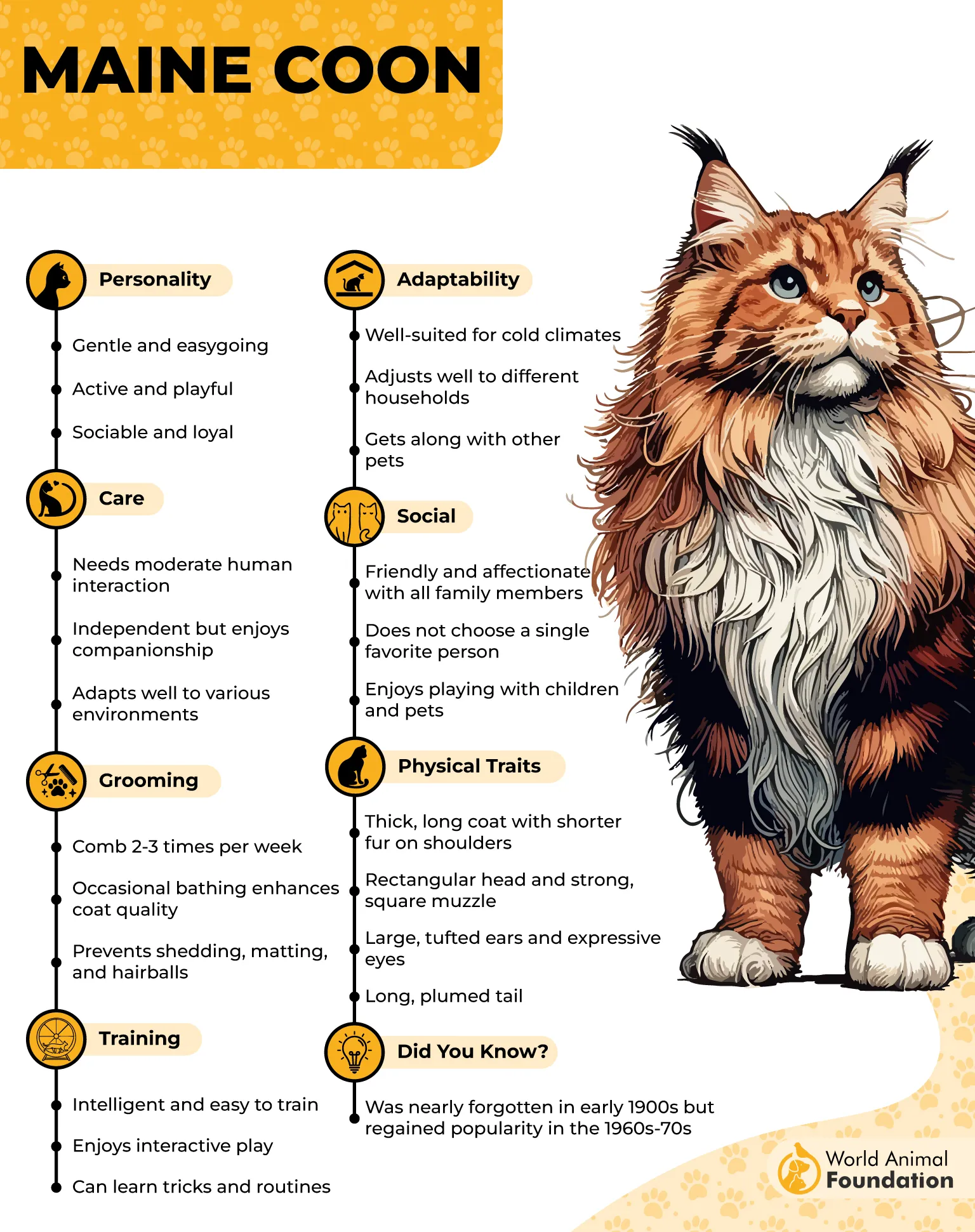
Maine Coons are natural routine followers who closely mirror their owner’s daily habits. They tend to wake, rest, and move through the home in sync with familiar human schedules, quietly observing before joining in.
Highly emotionally intuitive, this breed picks up on changes in mood and routine with ease. Whether a household becomes busier or more relaxed, Maine Coons adjust their behavior to match, often choosing to stay nearby rather than demand attention.
Their adaptability makes them excellent at blending into family life without disruption.
Fun fact: Some Maine Coons are polydactyls, meaning they have extra toes—a harmless inherited trait that adds to their unique charm.
6. Abyssinian
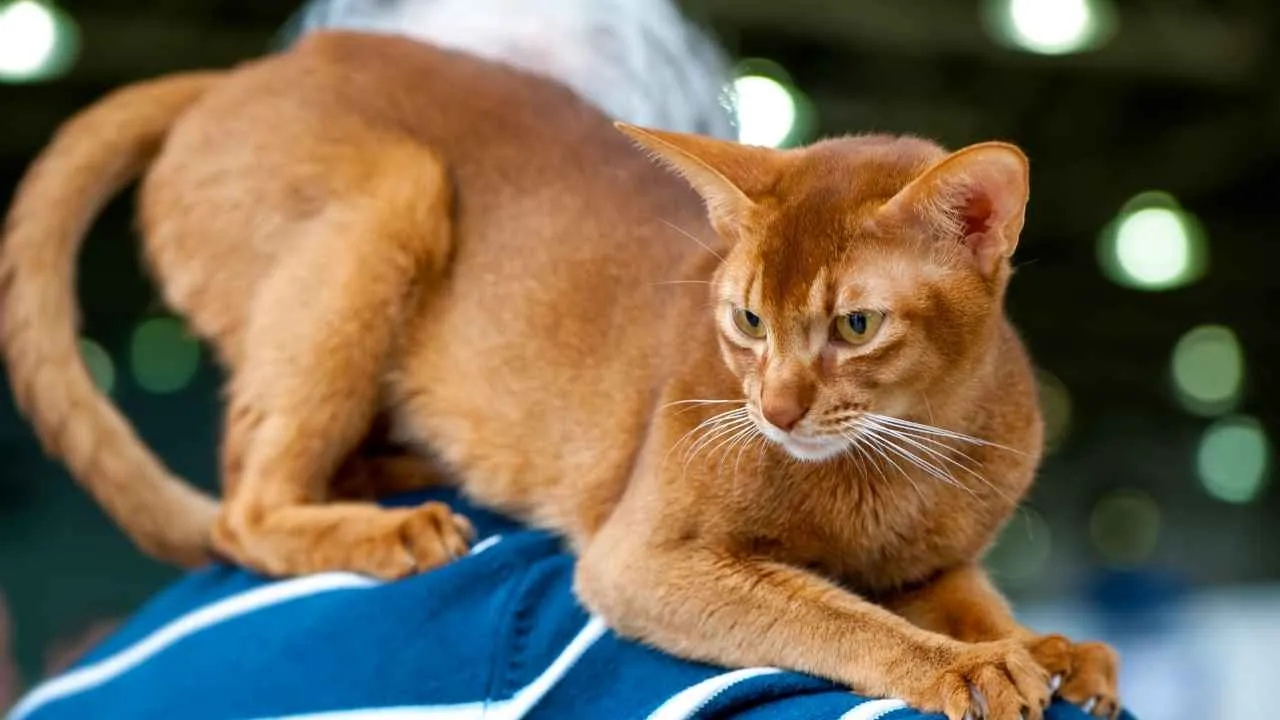
Often called the “Aby,” the Abyssinian is one of the oldest known cat breeds, admired for its ticked coat, athletic build, and alert expression. Elegant yet endlessly curious, this breed is widely recognized for exceptional intelligence and social awareness.
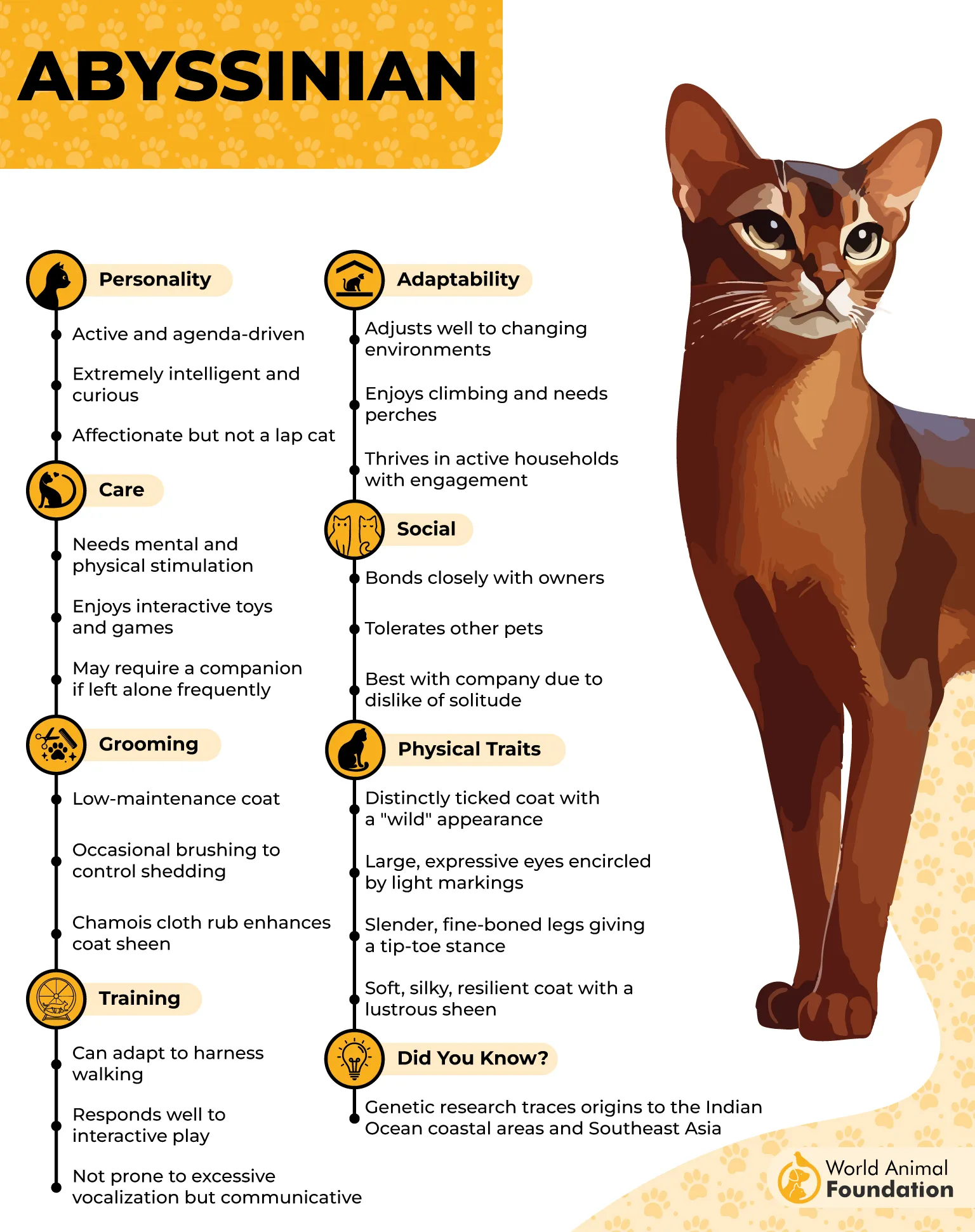
Abyssinians are highly human-oriented and often mirror their owner’s daily habits. They observe routines closely, showing up when you move rooms, becoming active when you are, and resting when the house settles down.
Their sharp minds make them quick to copy behaviors they find rewarding. Whether it’s investigating your workspace, joining playtime on cue, or following along during walks, Abyssinians naturally sync their energy with their people.
Because they crave interaction, these cats thrive in homes where they can stay mentally engaged and involved.
Fun fact: Abyssinians are sometimes nicknamed “Aby-grabbys” because they love picking up and stealing objects that catch their interest.
7. Bengal

Often called the “mini leopard,” the Bengal is known for its striking spotted or marbled coat, athletic build, and confident presence. This highly intelligent breed is people-focused and thrives on being involved in everyday household life.
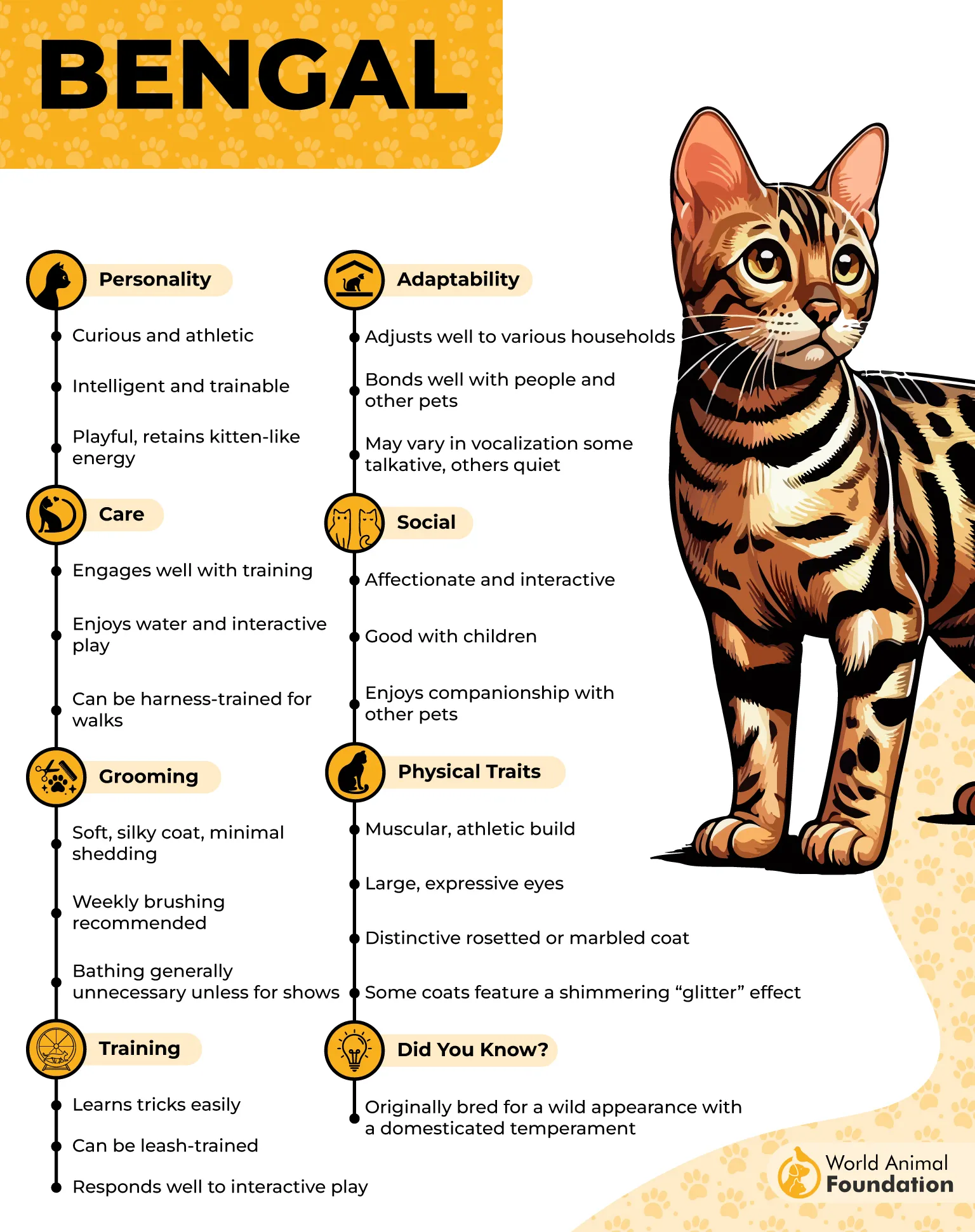
Bengals are famous for mimicking owner behavior, often shadowing their humans from room to room. If you’re active, curious, or talkative, a Bengal is likely to mirror that energy, matching routines and joining in whatever you’re doing.
Their strong observational skills help them quickly pick up habits like play schedules, work-from-home routines, or even how doors, drawers, and toys operate. Bengals don’t just watch—they participate, adapting their behavior to stay connected with their favorite people.
Because they form deep bonds, Bengals prefer constant interaction and stimulation, making them true companion mimics rather than background pets.
Fun fact: Despite common myths, most Bengals are not hybrids—only early-generation cats with a wild ancestor qualify as such.
Conclusion
Cats that mimic their owners show just how adaptable domestic cats can be. Often compared to dog-like cat breeds, these felines display dog-like behaviors such as following routines, greeting human families, and even learning to play fetch.
For many pet owners, this mirroring of cat behavior creates a deeper bond, turning a curious kitten-like companion into a loyal feline friend that feels like a dog—yet still unmistakably a cat.
While most cats don’t mimic as strongly, some popular cat breeds—including sphynx cats and even a Scottish fold—stand out for being extremely affectionate and people-focused. Whether indoor cat or shared with other pets and other animals, these cats adapt over their entire lives.
