




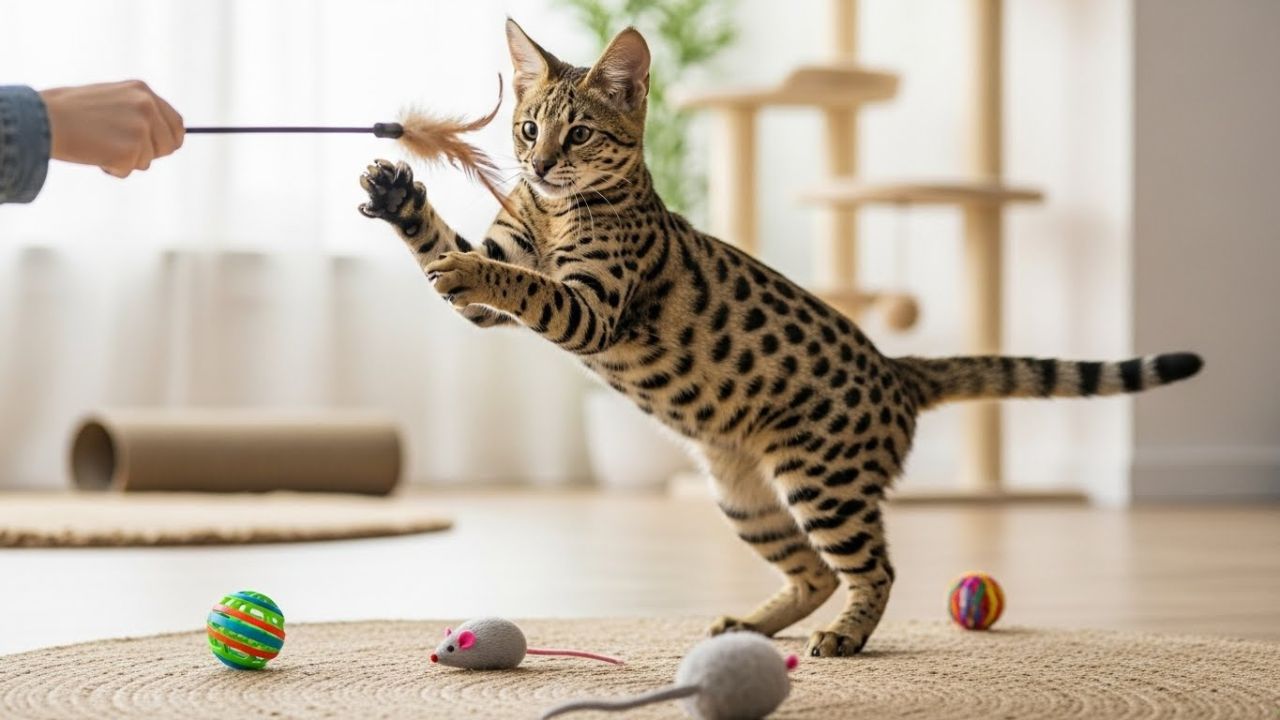
When people think of playful pets, dogs often steal the spotlight—but cats can be just as energetic, curious, and toy-obsessed. While some felines are perfectly content curling up for long naps or quiet cuddles, others thrive on activity and constant stimulation. These playful cats eagerly chase feather wands, pounce on moving toys, and even surprise their owners by fetching or splashing in water.
Playfulness in cats isn’t just entertaining—it’s an essential part of their well-being. Regular play helps cats burn off excess energy, stay mentally sharp, and strengthen their bond with their humans. Over time, cat enthusiasts and breeders have recognized these traits, intentionally selecting breeds known for their lively personalities, athleticism, and love of interactive games.
Whether you’re drawn to an energetic Abyssinian or a fun-loving feline that demands daily play sessions, choosing the right breed can transform your home into a hub of activity and laughter.
In this article, we highlight cat breeds that love to play with toys, making them ideal companions for owners who enjoy an active, engaging relationship with their cat.
Cat Breeds That Love to Play with Toys
1. Bengal
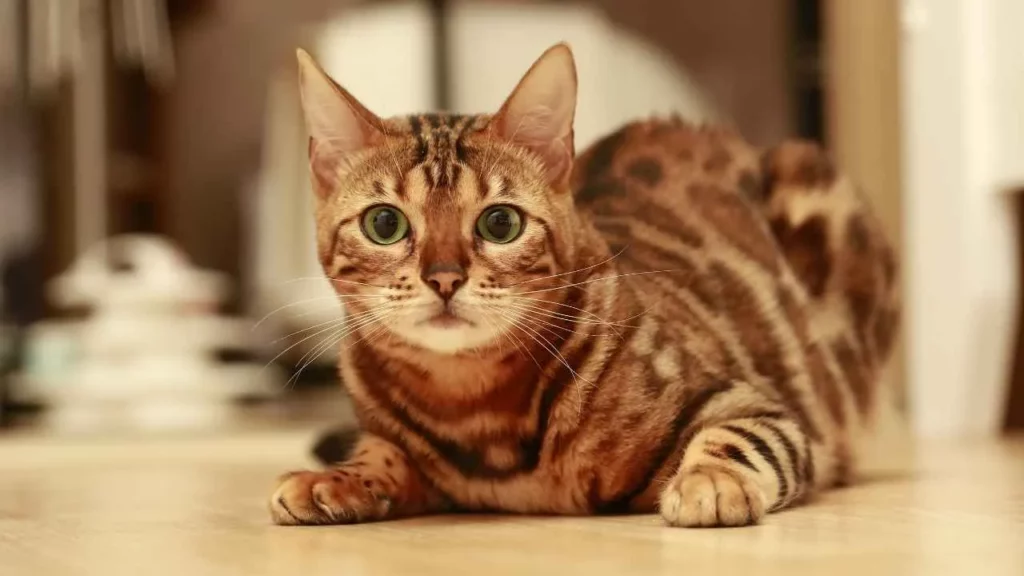
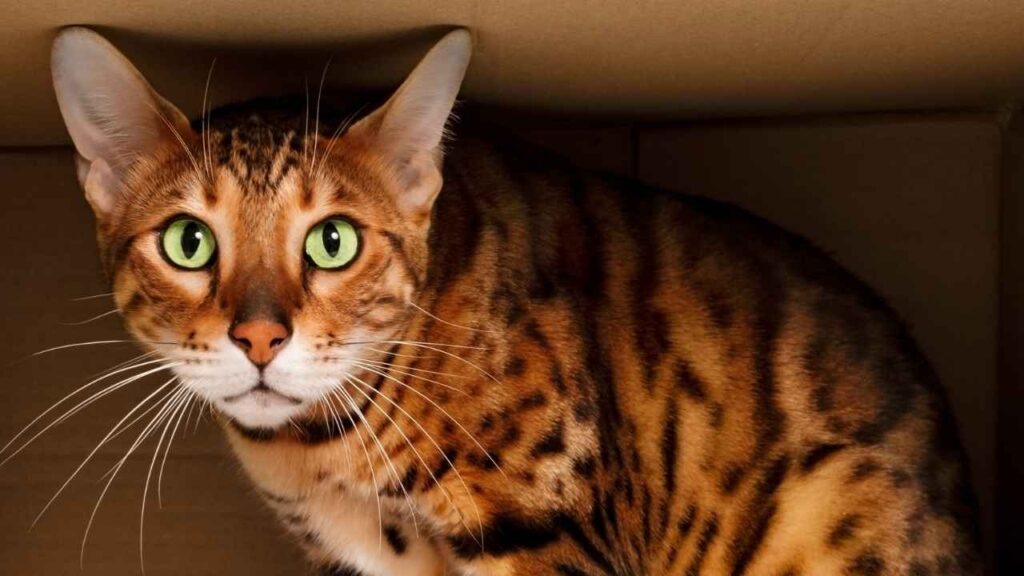
Often nicknamed “miniature leopards” for their striking, spotted coats, Bengal cats are instantly recognizable and impossible to ignore. This breed combines a wild appearance with a highly social, people-focused personality that keeps them involved in daily household life.
According to Purina, although the breed has an eye-catching appearance, its physical build is not extreme; instead, it is a well-proportioned cat without exaggerated traits, featuring relatively small ears, a wedge-shaped head, tidy paws, and an overall athletic shape.
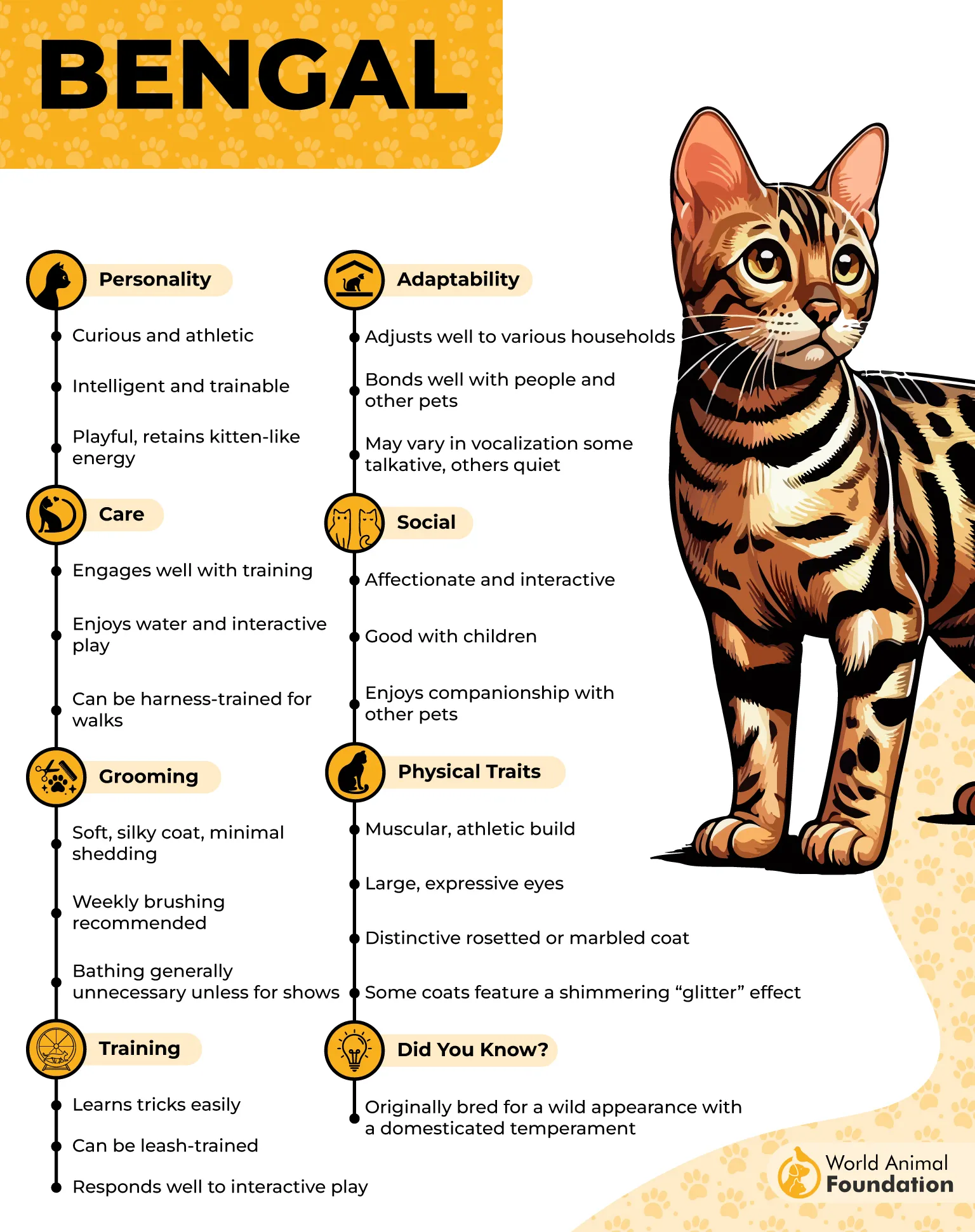
Bengals are among the most toy-driven cats you’ll meet. They love interactive games, frequently play fetch, splash in water, and even enjoy leash walking. Their curiosity and intelligence mean they’re always looking for something to chase, climb, or investigate.
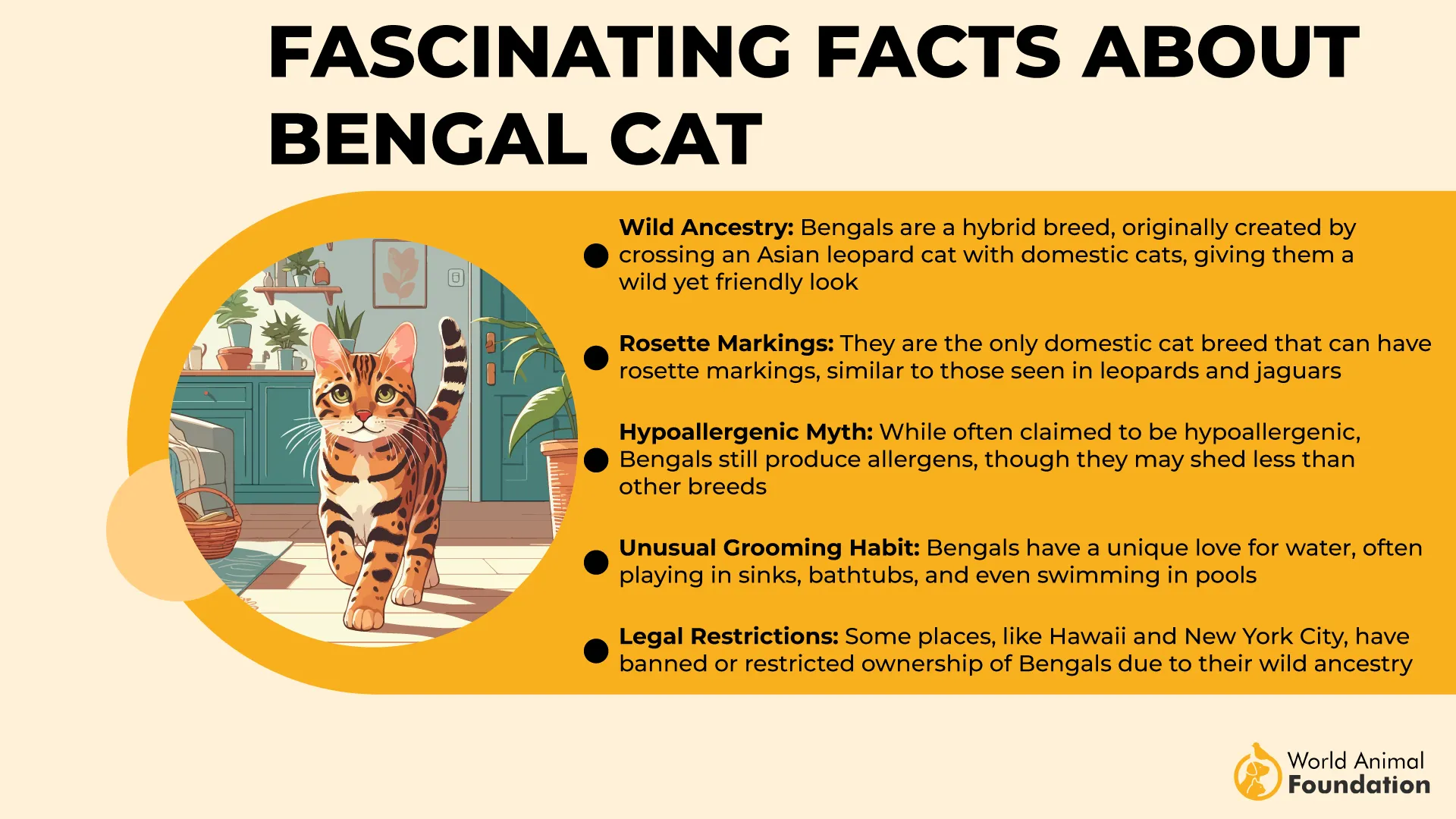
Some cats are more playful because of high energy levels and sharp problem-solving skills, and Bengals exemplify this perfectly. They need constant stimulation through puzzle toys, climbing structures, and hands-on play, or they may become bored and demanding.
While affectionate, Bengals aren’t typical lap cats. Their love language is movement and engagement, making them ideal for owners who enjoy active play sessions and mental challenges.
Fact: Bengals are known to enjoy playing fetch and interacting with water, behaviors uncommon in many other cat breeds.
2. Abyssinian

Often nicknamed “the clown of the cat world,” the Abyssinian is instantly recognizable by its distinctive ticked coat and sleek, athletic build. Its wildcat-like appearance is matched by an alert expression and an endlessly curious personality.
According to PetMD, Abyssinian cats—often called “Abys”—closely resemble the cats shown in ancient Egyptian wall paintings.
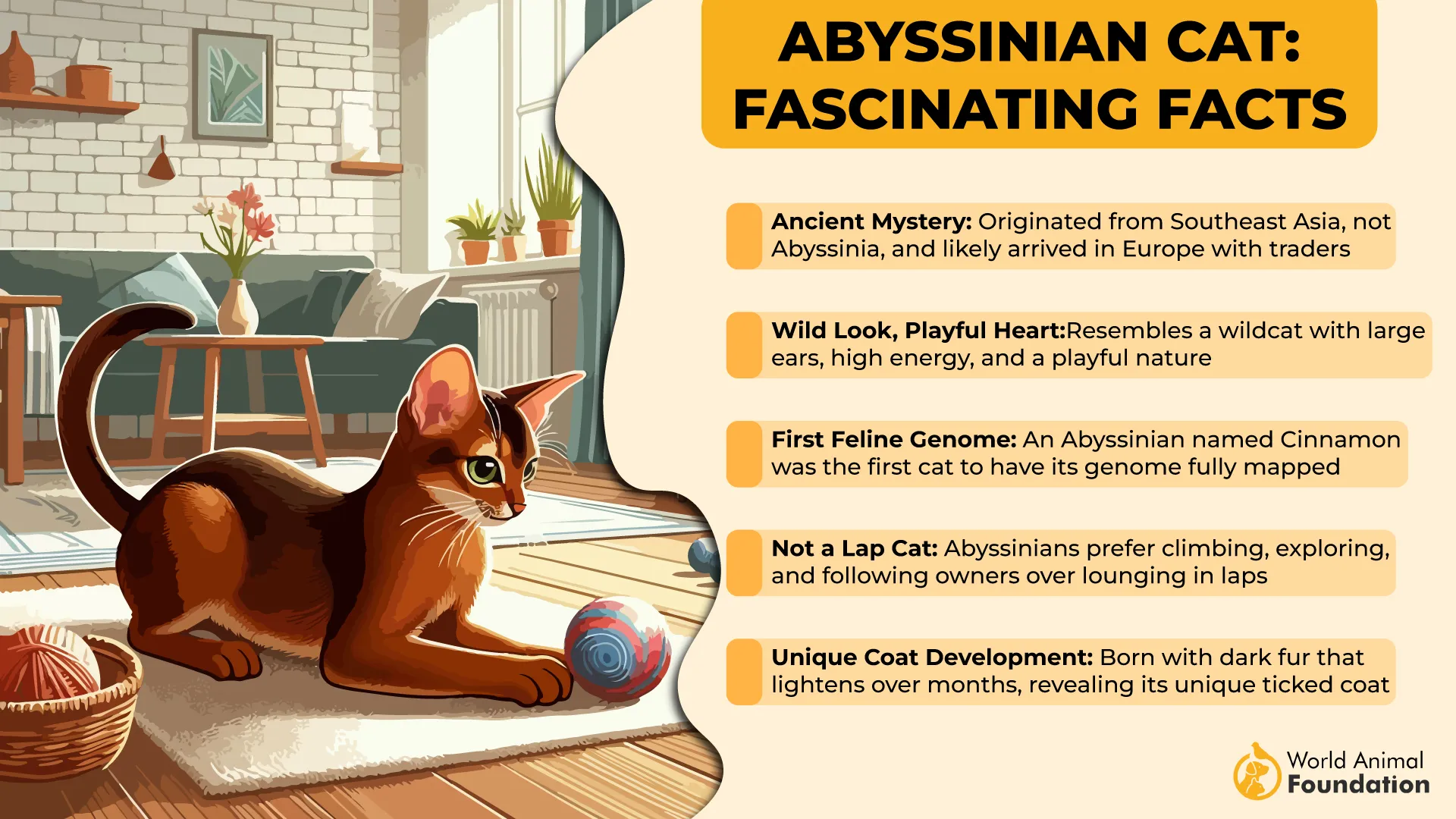
Playtime is essential for this high-energy breed. Abyssinians are agile athletes who love toys that encourage chasing, climbing, and problem-solving. Interactive wand toys, balls, and puzzle feeders keep their sharp minds engaged while satisfying their natural urge to stay in motion.
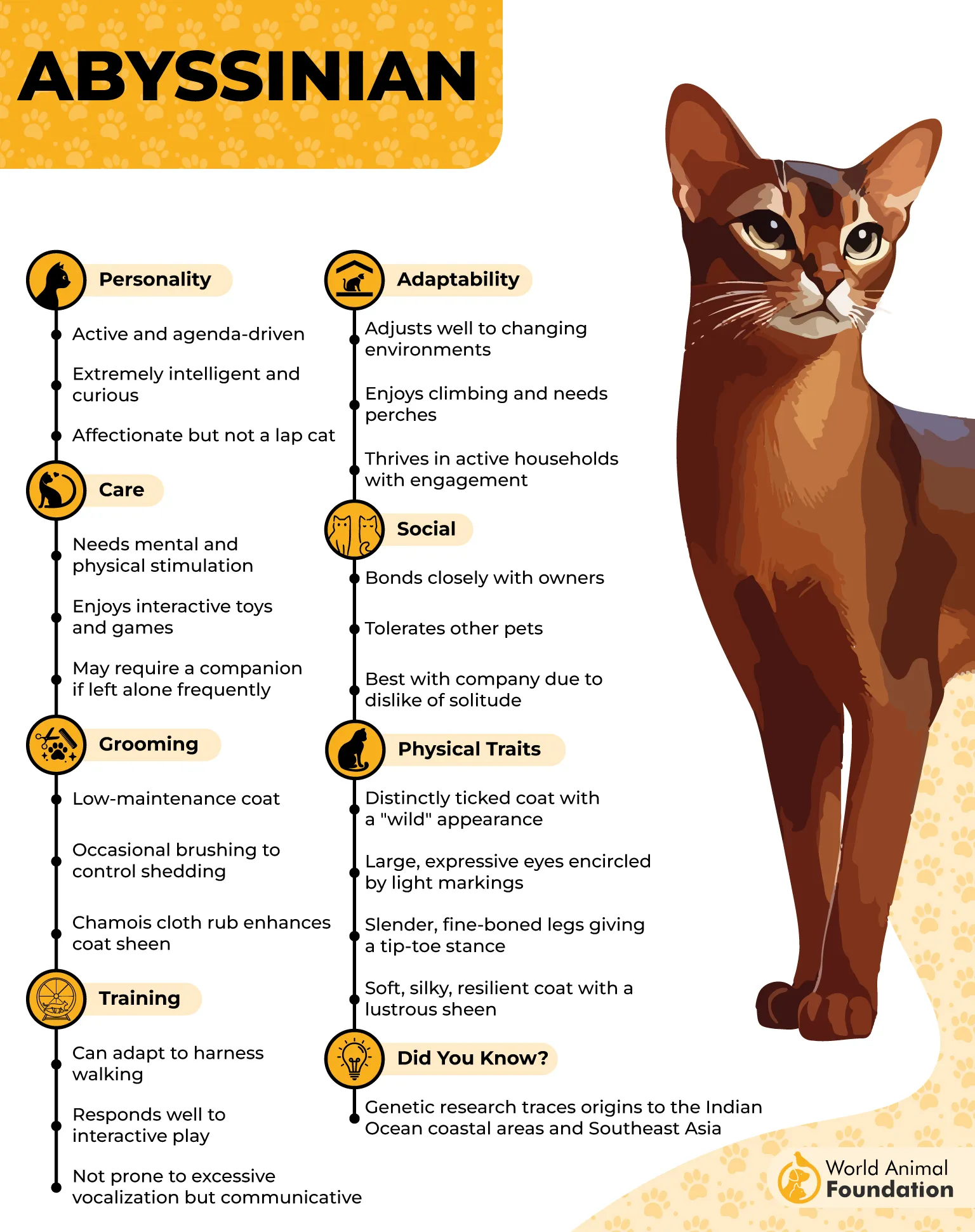
These cats thrive in active households where play is part of the daily routine. They prefer environments filled with climbing structures, elevated perches, and rotating toys that prevent boredom. Social by nature, Abyssinians enjoy interactive games with their humans and often welcome playmates.
When choosing toys for a high-energy cat like the Abyssinian, variety is key. Toys that stimulate both physical movement and mental focus work best.
Fact: Abyssinians are known for their playful, mischievous personality, earning them the nickname “the clown” of the cat world.
3. Siamese
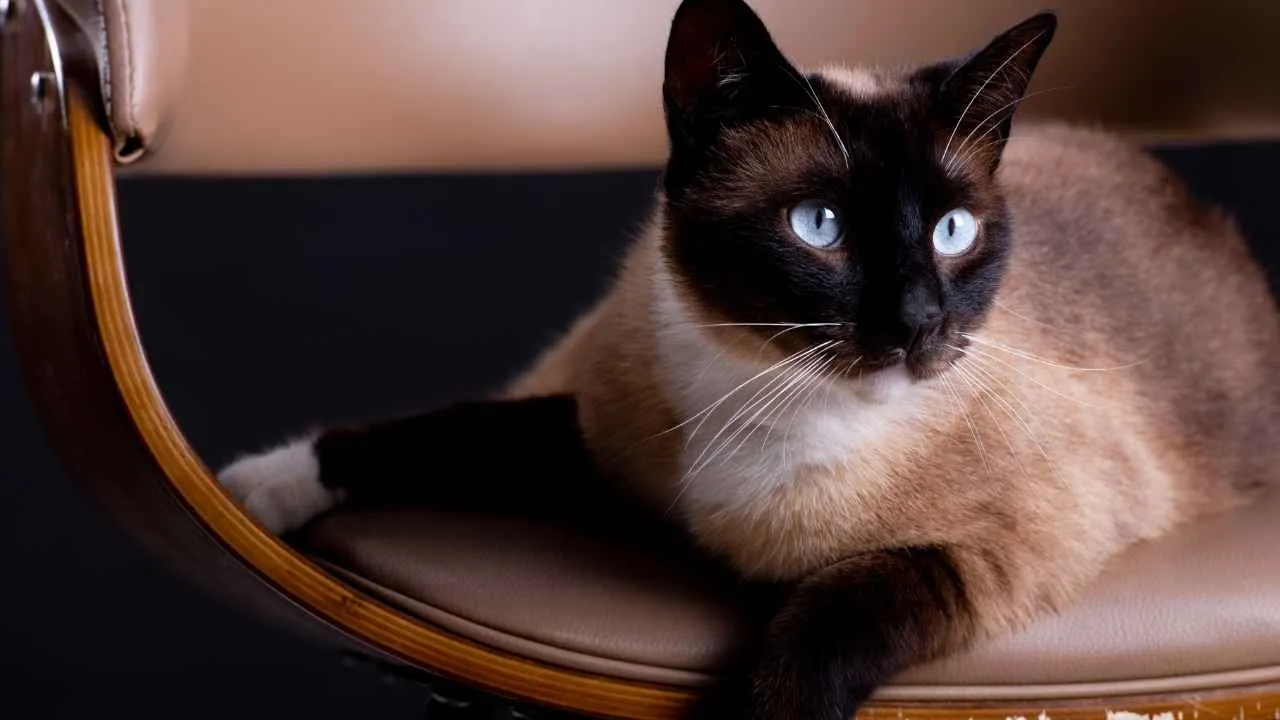
Also known as the Thai Siamese and affectionately nicknamed the Meezer, the Siamese is a sleek, striking cat recognized for its blue eyes, pointed coat, and expressive face.
According to WebMD, the Siamese is a cat breed that originated in Thailand. This breed is famous for its outgoing personality and strong attachment to people.
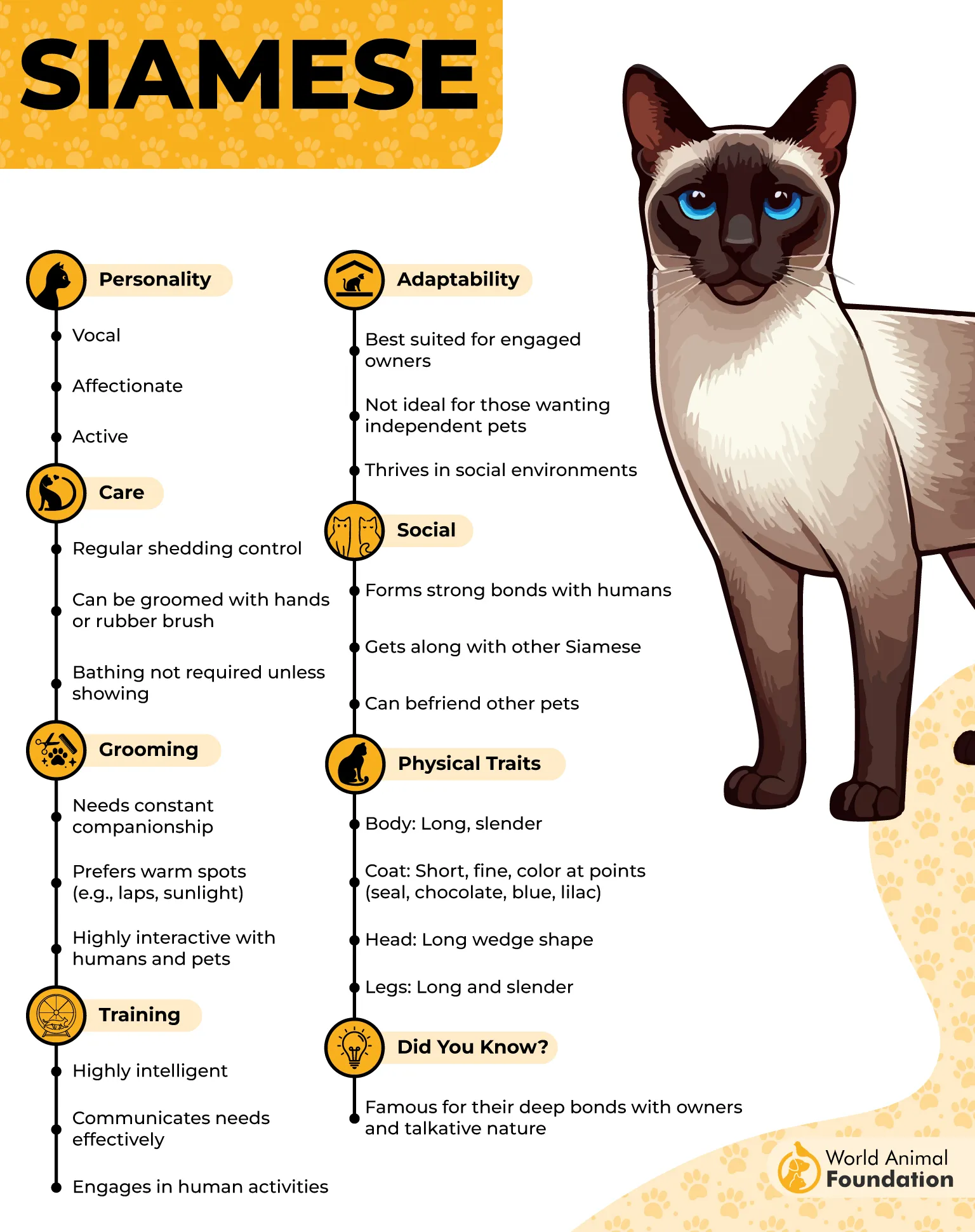
When it comes to play, Siamese cats are true standouts. Highly intelligent and endlessly curious, they thrive on interactive toys that challenge their minds. Puzzle feeders, wand toys, and games of fetch help channel their energy and prevent boredom.
A Siamese left without stimulation will often invent its own entertainment. These clever cats are known to open cabinets, explore hiding spots, and even turn on faucets, making toys and structured playtime essential for a happy household.
Their love for toys is closely tied to their social nature. Siamese cats enjoy play that involves human interaction, such as clicker training or agility-style activities, strengthening bonds while keeping them engaged.
Fact: Siamese cats are famously vocal and will demand attention with a loud, low-pitched voice.
4. Cornish Rex
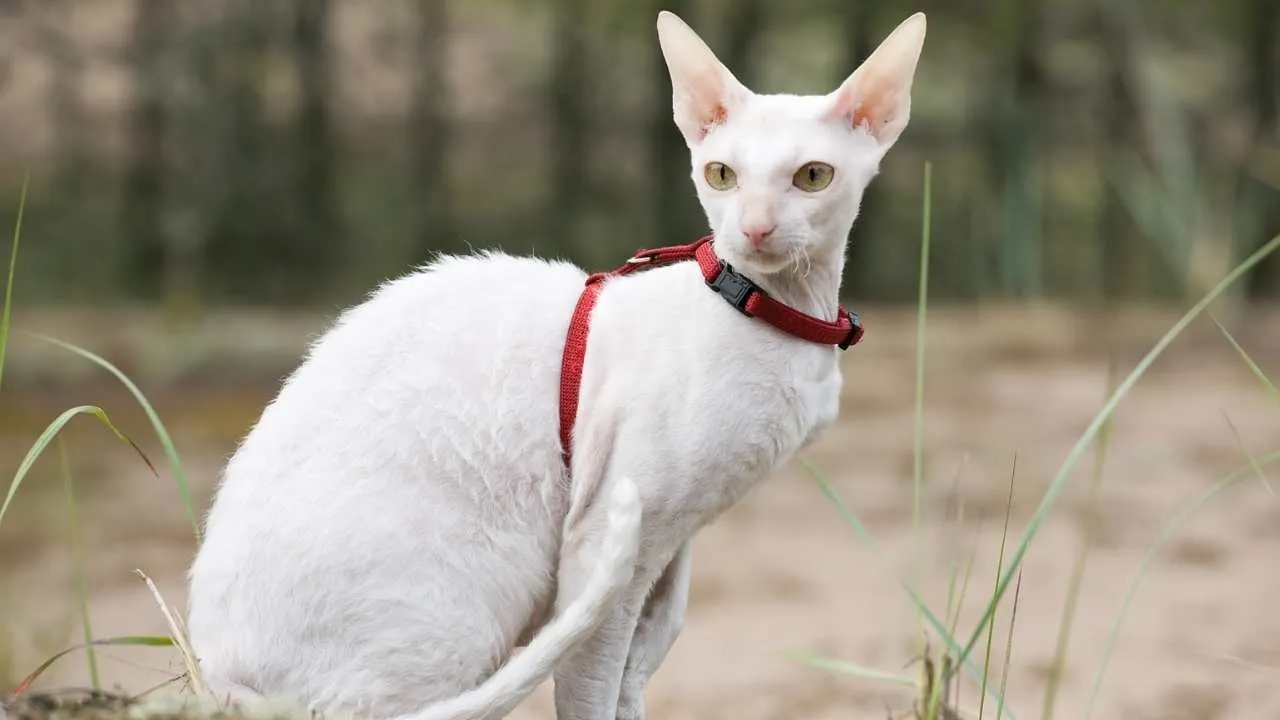
The Cornish Rex, sometimes noted for its distinctive curly coat, is instantly recognizable by its slender build and athletic frame. Known for bi-color variations like black and white or gray and white, this breed combines unique looks with boundless energy.
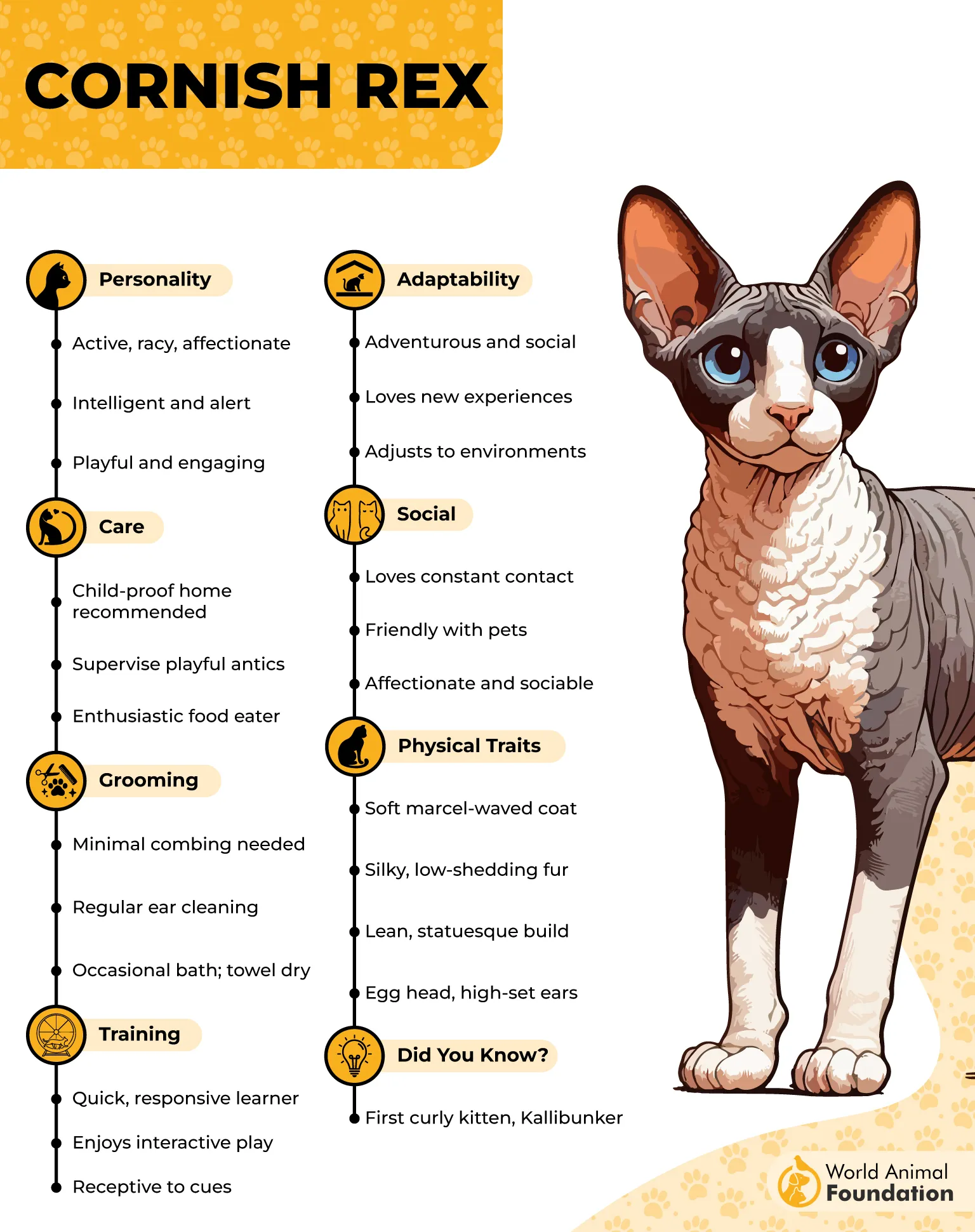
When it comes to play, the Cornish Rex is a true chaser. These cats love to run, leap, and sprint through the house, eagerly pursuing moving toys, laser pointers, or anything that sparks motion. Their constant curiosity keeps them in action.
As pouncers, they excel at turning everyday objects into games. Whether batting at a dangling toy or launching surprise attacks from high perches, they thrive in environments filled with cat trees, shelves, and interactive setups that encourage climbing and jumping.
Cornish Rex cats are also clever puzzle-solvers who enjoy mental challenges alongside physical play. Toys that require problem-solving or human participation keep them happiest.
Fact: Cornish Rex cats are known for their curly coats and tireless love of running, jumping, and play.
5. Savannah
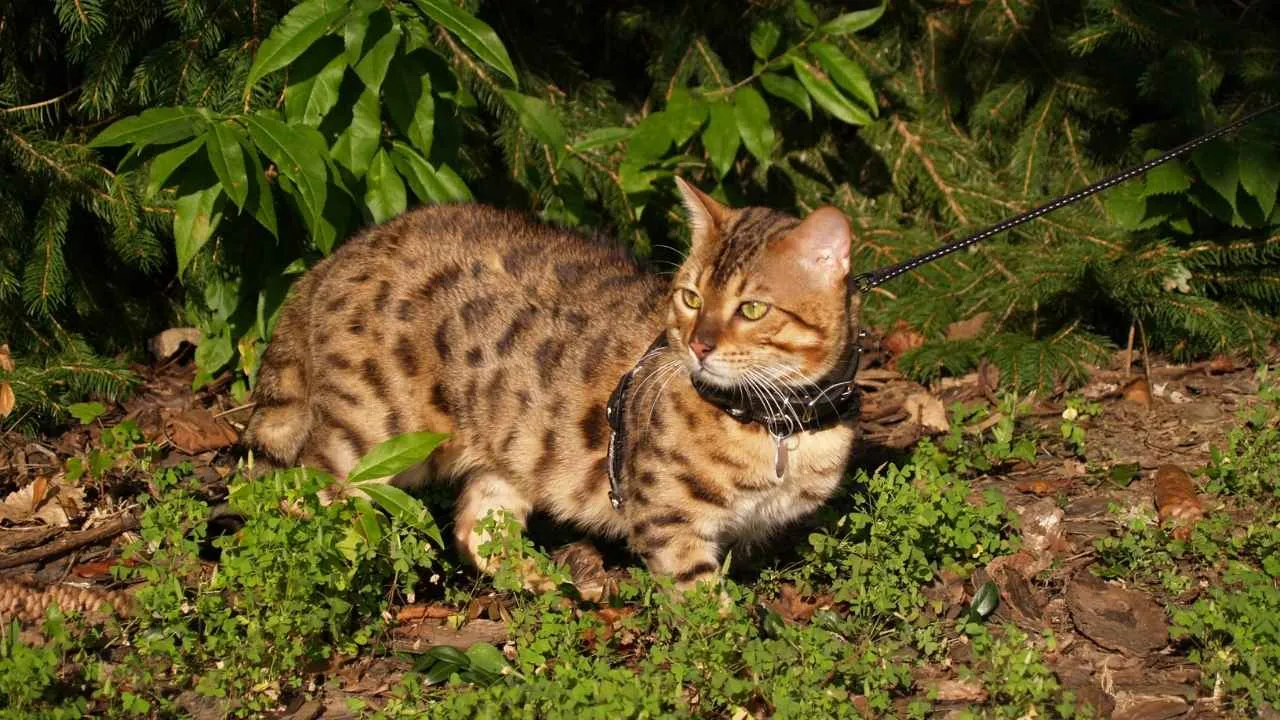
Also known simply as the Savannah cat, this striking hybrid breed descends from the African serval and a domestic cat. With long legs, large ears, and a spotted coat, the Savannah has an unmistakably wild look paired with a highly intelligent nature.
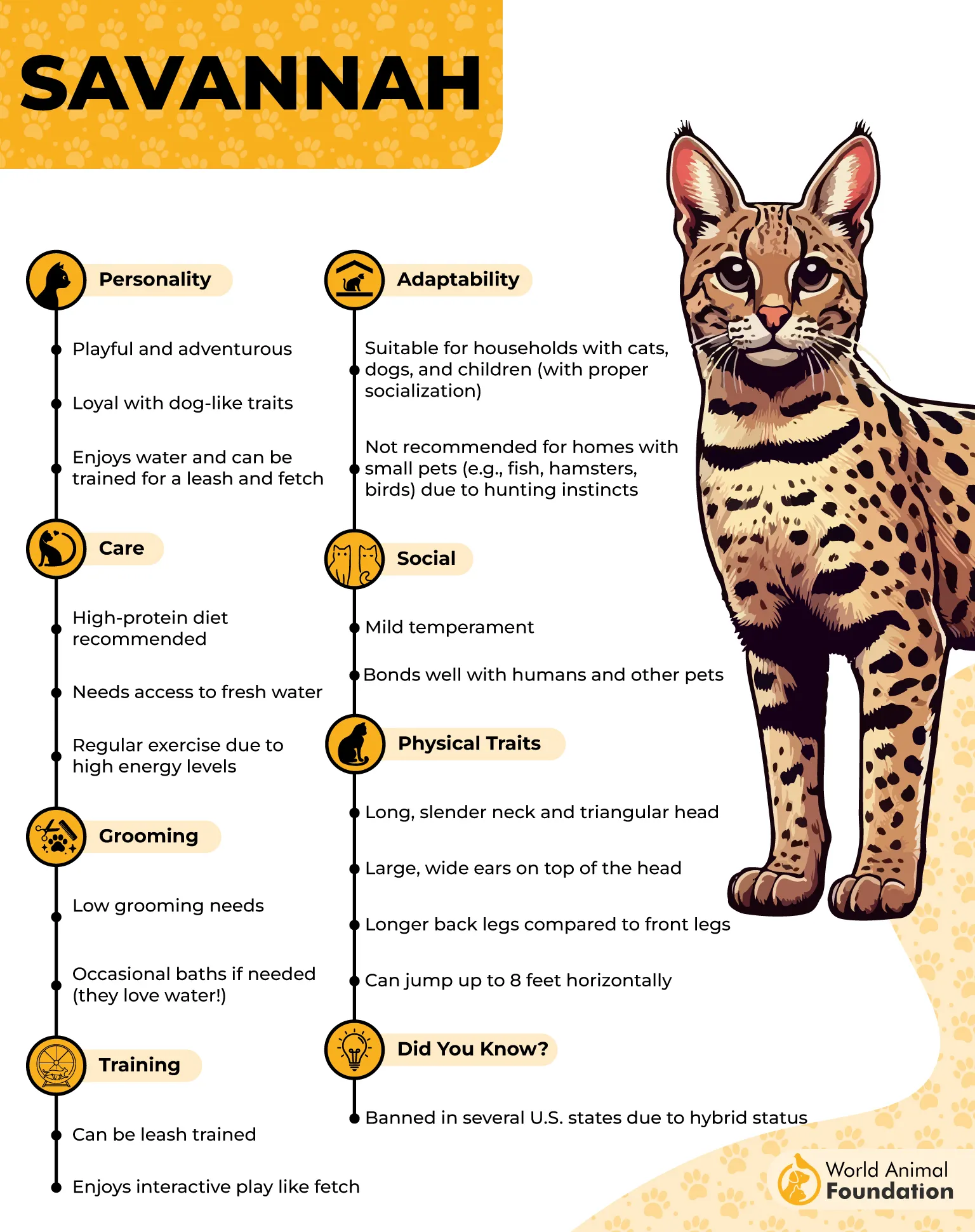
Play is essential for this breed. Savannahs are extremely active and thrive on toys that challenge both body and mind. Interactive puzzles, wand toys, and games that encourage jumping or chasing suit their athletic abilities and keep boredom at bay.
Because they’re often described as “velcro cats,” Savannahs enjoy toys that involve their humans. Fetch-style toys, climbing structures, and leash training align well with their curiosity and love of engagement, making playtime a shared experience.
Choosing toys for a Savannah means matching their high energy and problem-solving skills. Durable, mentally stimulating toys are key to preventing frustration and channeling their drive productively.
Fact: Savannah cats can leap up to 8 feet in the air, making vertical and climbing toys especially important.
6. Ocicat
The Ocicat is a striking, spotted breed often compared to a small leopard, though it’s entirely domestic. Developed from Abyssinian and Siamese crosses, it combines exotic looks with a confident, people-loving personality.
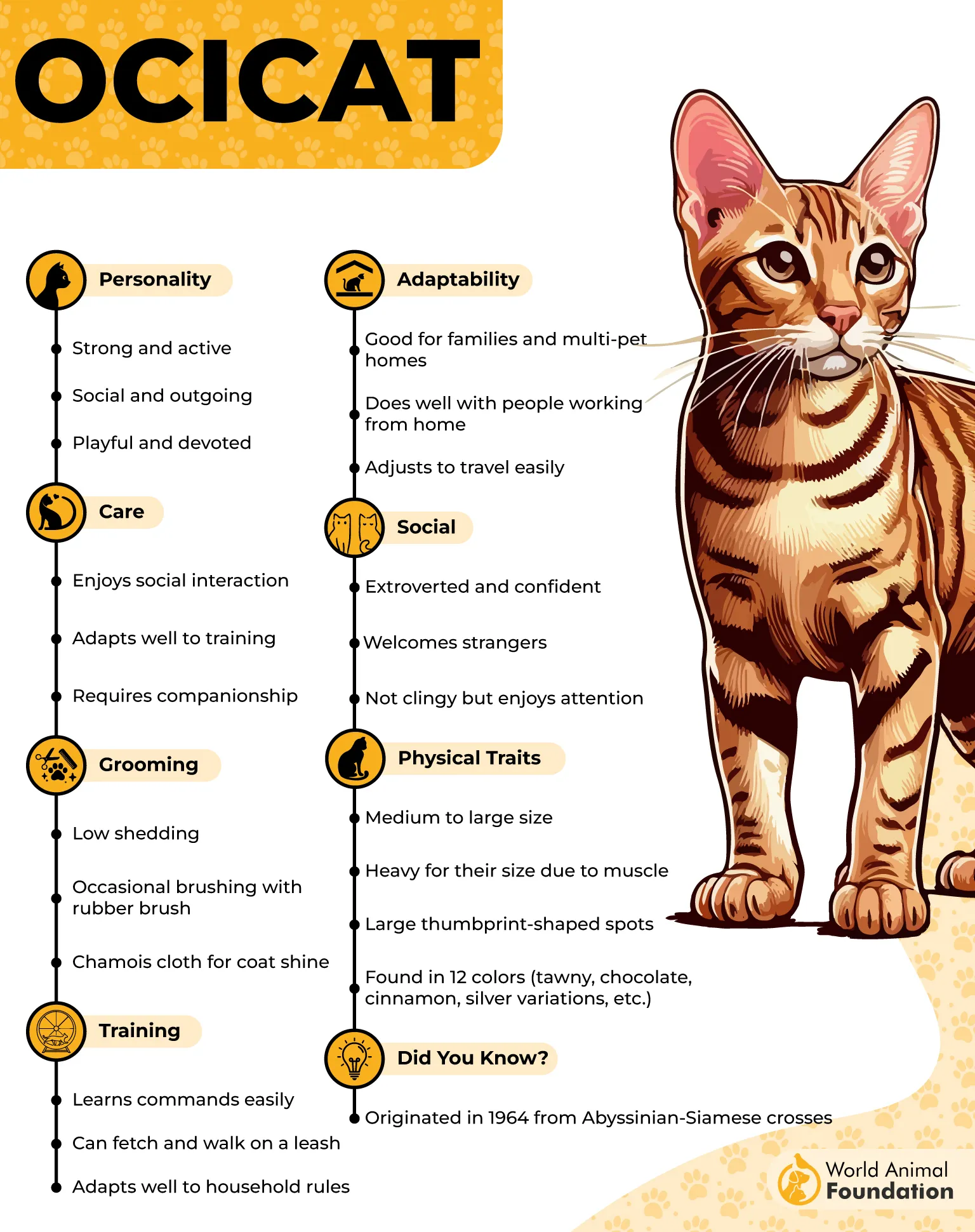
Playfulness comes naturally to this energetic cat. Ocicats are highly intelligent and thrive on interactive toys, puzzle games, and activities that challenge their minds. Many enjoy learning tricks, responding to their names, and even playing fetch with sturdy toys.
Because they’re so social and active, Ocicats do best with regular, engaging play sessions. Rotating toys helps prevent boredom, while interactive play strengthens their bond with humans. Their enthusiasm makes them ideal for owners who enjoy hands-on play.
Toy safety is essential for such an eager player. Choose durable toys without loose strings or small parts, and supervise high-energy play to avoid accidents.
Fact: Despite their wild appearance, Ocicats have no wild cats in their ancestry and are known for a friendly “tabby temperament.”
7. Turkish Van
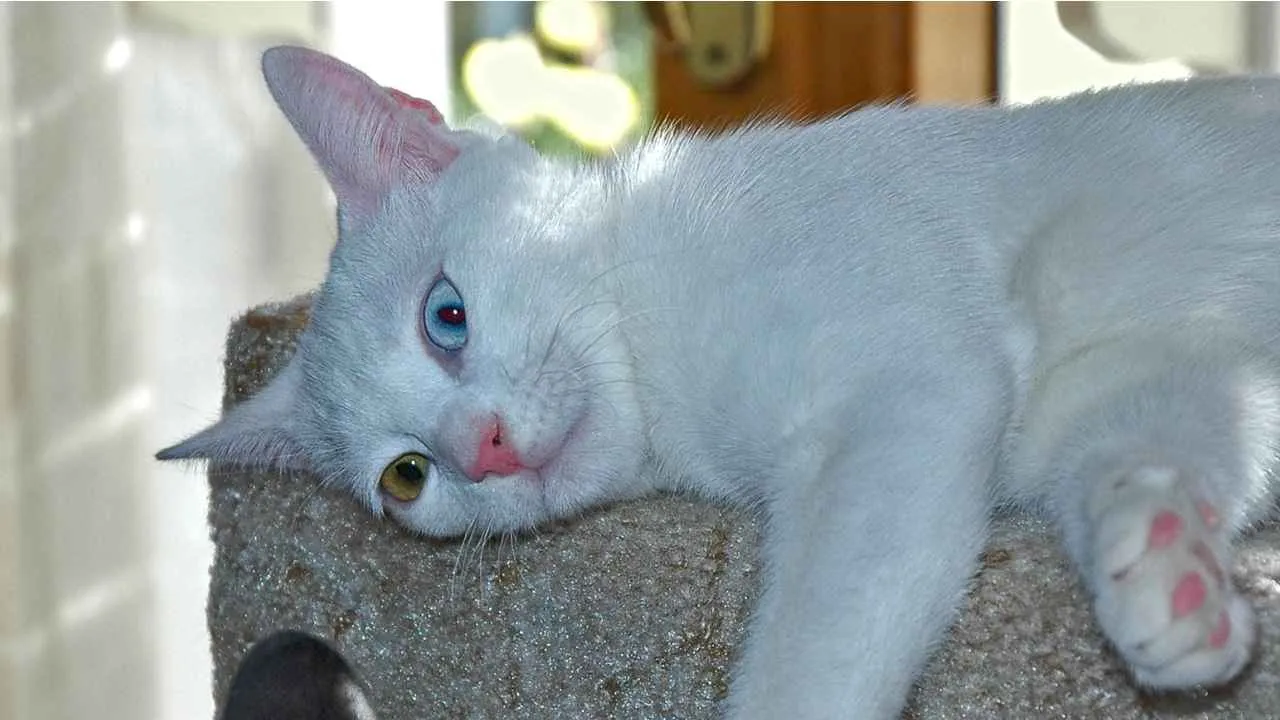
Often nicknamed the “swimming cat,” the Turkish Van is a large, athletic breed known for its striking white coat with colored markings on the head and tail. Its water-resistant, cashmere-like fur and ancient roots traced to Turkey make it truly distinctive.
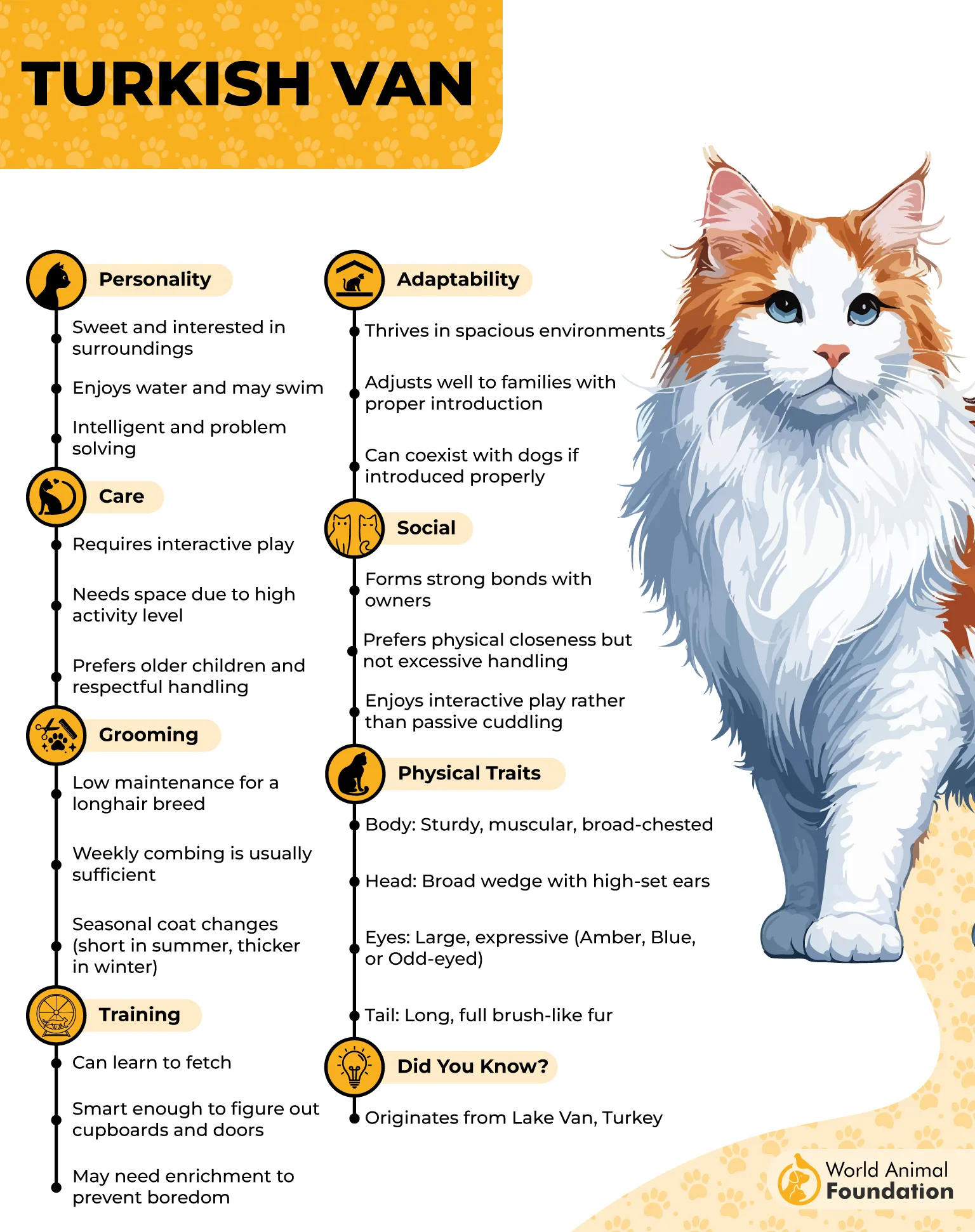
Playfulness is at the heart of this breed’s personality. Turkish Vans are bursting with energy and love interactive toys that involve chasing, jumping, and problem-solving. Their intelligence makes them quick learners, so games like fetch or clicker training keep them mentally and physically engaged.
Unlike typical lap cats, Turkish Vans prefer active closeness over cuddling. They enjoy being near their humans and will often initiate play, making daily toy sessions essential to prevent boredom and channel their high energy in healthy ways.
When considering how much playtime a cat needs each day, Turkish Vans sit at the higher end of the spectrum. Multiple play sessions help satisfy their curiosity and athletic drive.
Fact: The Turkish Van earned its “swimming cat” nickname due to its unusual love of water and tendency to join humans in baths or pools.
8. Manx
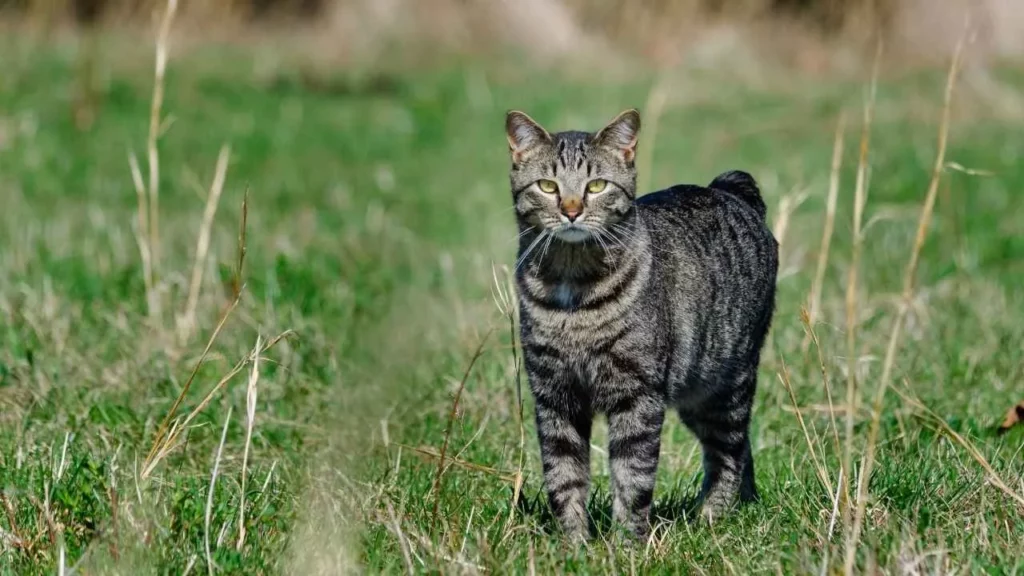
Originating from the Isle of Man, the Manx—sometimes called the tailless Manx—is instantly recognizable for its lack of a tail and strong hind legs. This intelligent, sweet-natured breed combines a calm temperament with surprising athleticism.
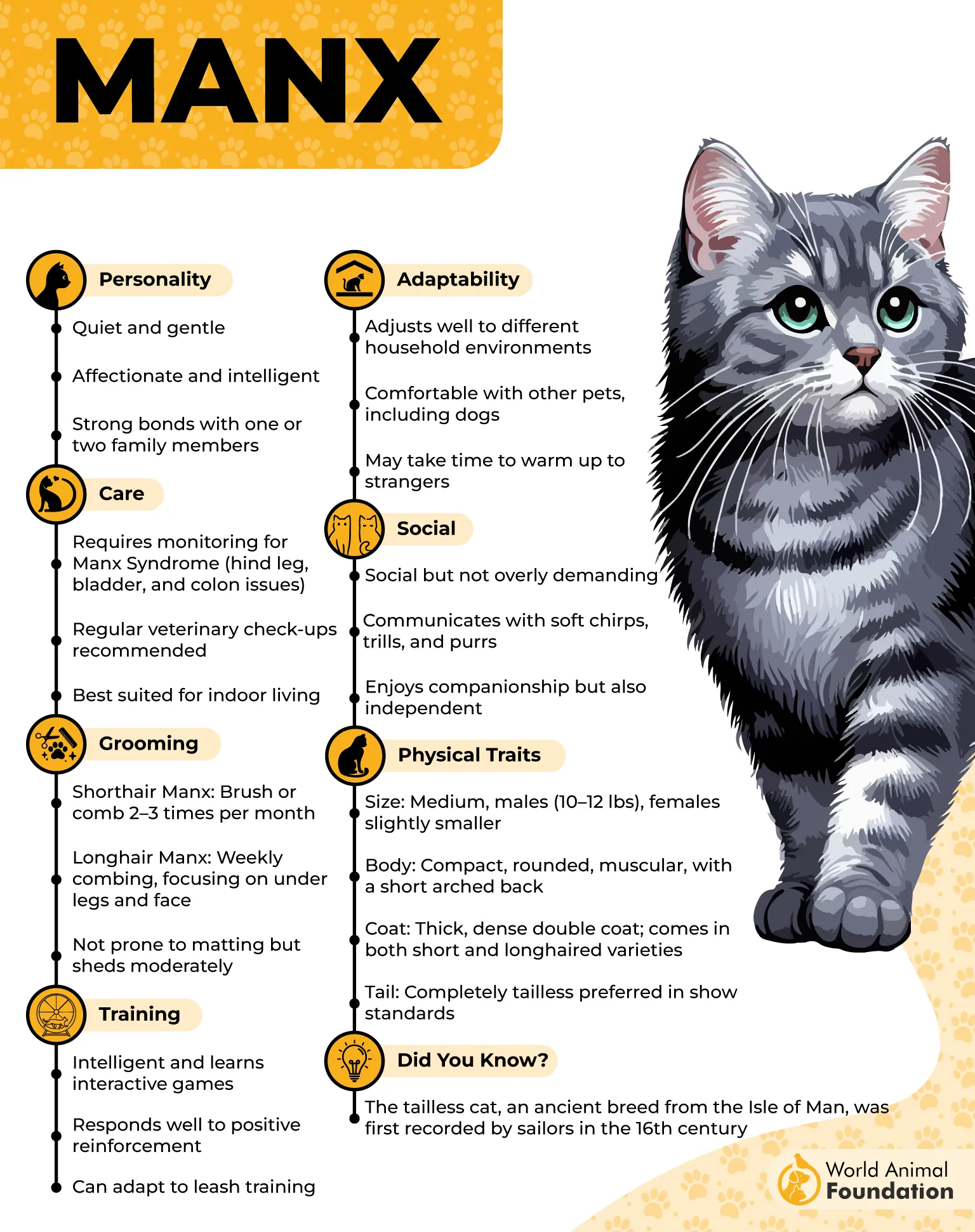
When it comes to toys, the Manx truly shines. Many love interactive play, happily fetching toys, carrying them around, or inventing games of their own. Their powerful back legs allow them to leap high, make sharp turns, and turn simple toys into exciting challenges.
Keeping play fresh is essential for this clever cat. Rotating toys, introducing puzzle games, and creating new activities help prevent boredom and keep their minds engaged. Manx cats are also known for using their paws to open cabinets or doors, so variety and novelty matter.
Despite their playful energy, Manx cats know when to settle. After an active session, they’re content curling up for affection, making playtime feel well-balanced.
Fact: According to the CFA, Manx cats are often described as dog-like due to their loyalty and love of interactive play.
9. Devon Rex
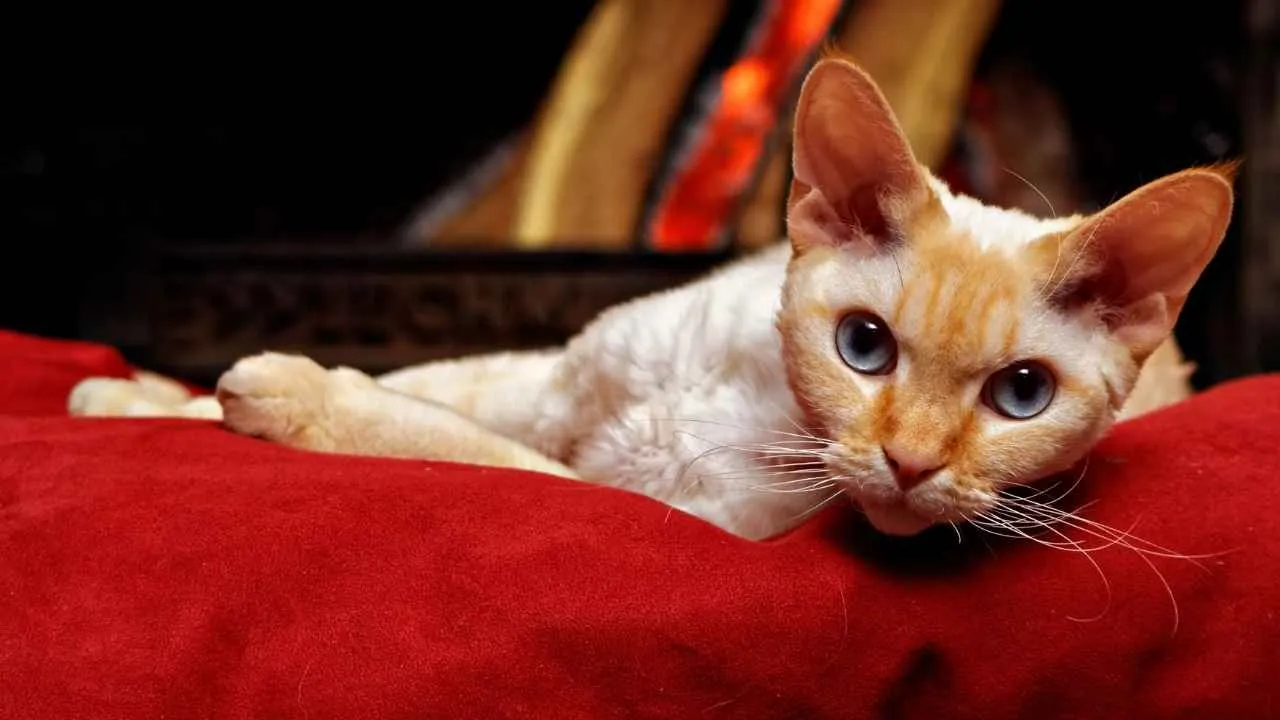
Also known as the Pixie Cat, the Devon Rex is a small, short-haired breed with oversized ears, an elfin face, and a soft, curly coat. Originating in England in the 1960s, this breed is instantly recognizable and full of personality.
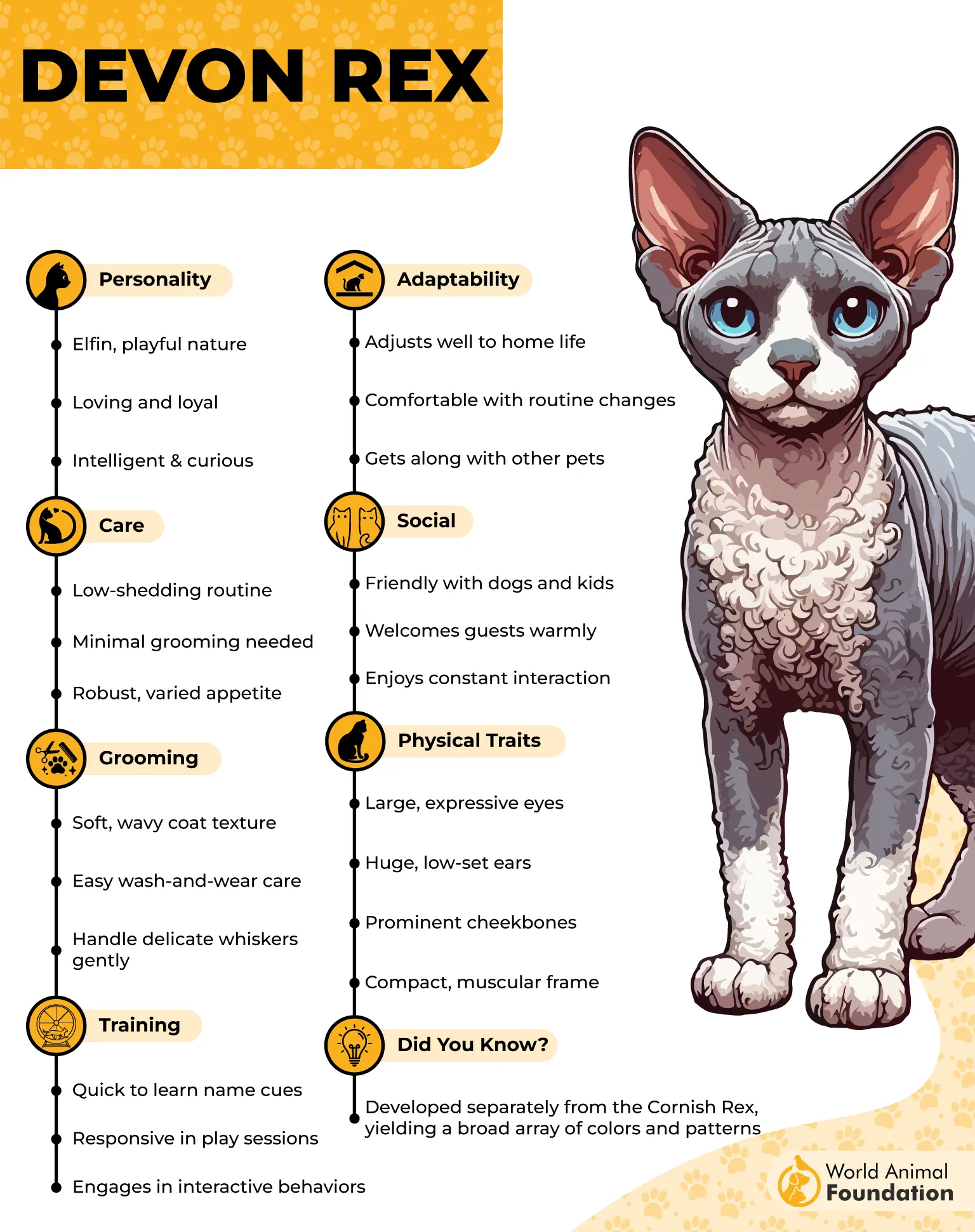
When it comes to play, the Devon Rex truly shines. Exceptionally active and people-oriented, these cats adore toys that challenge their agility and intelligence. Wand toys, crinkly balls, and anything they can chase or bat around quickly become favorites.
If you enjoy making DIY toys, this breed won’t disappoint. Simple creations like paper balls, cardboard tunnels, or dangling ribbons can keep a Devon Rex entertained for hours. Their curiosity and high energy mean they’re always eager to investigate something new.
Because they thrive on interaction, rotating toys helps prevent boredom and keeps playtime exciting. Their love for games also strengthens the human–cat bond.
Fact: Devon Rex cats typically weigh between 6 and 9 pounds and are known for being highly playful and social.
Conclusion
Playtime is more than entertainment—it’s essential to healthy cat behavior, especially for indoor cats that rely on structured cat play for stimulation. From toy mice to toys with a string attached, most cats are instinctively drawn to predatory games that let them stalk, chase, and capture.
Whether you’re entertaining a curious kitten or encouraging adult cats to stay active, rotating toys helps maintain a cat’s interest, since many cats eventually lose interest in the same items.
Interactive play also supports daily exercise, helps cats awaken their natural instincts in the morning, and can be influenced by treats, food, or catnip.
Always supervise play—avoid using fingers or toys that cats bite with their mouth, as scratches can break skin and become infected. With thoughtful attempts to vary toys, you positively influence both mental and physical well-being.
