




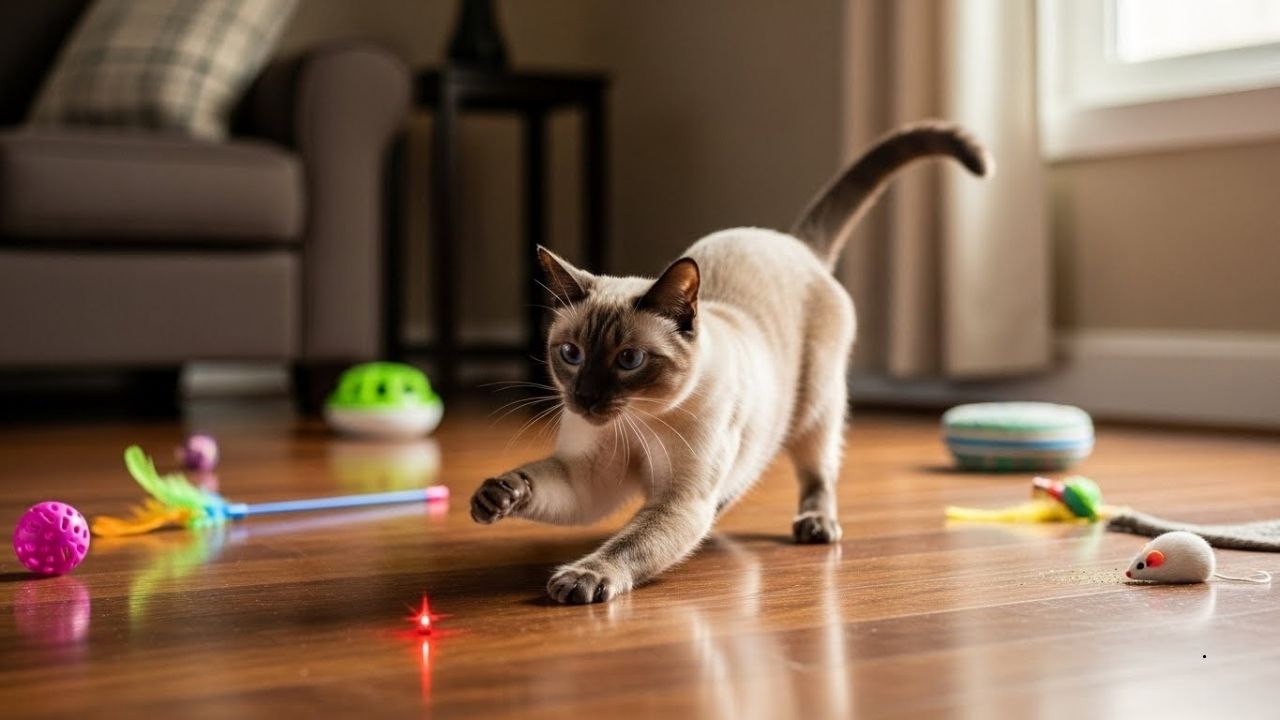
Interactive toys can turn playtime into a rich, rewarding experience for cats and their people. Some breeds seem to light up when a toy moves, chirps, or challenges their minds, showing off curiosity, quick reflexes, and problem-solving skills.
Choosing the right toys helps keep your cat engaged, supports their natural instincts, and makes every day more fun for both of you. Whether your cat loves chasing feathers, pouncing on puzzle toys, or “hunting” hidden treats, understanding how play fits into their life makes a big difference.
In this article, we look at cat breeds that tend to enjoy interactive play and offer insight into how their personalities match up with toys that move, think, or invite teamwork.
Cat Breeds That Love Interactive Toys
1. Bengal
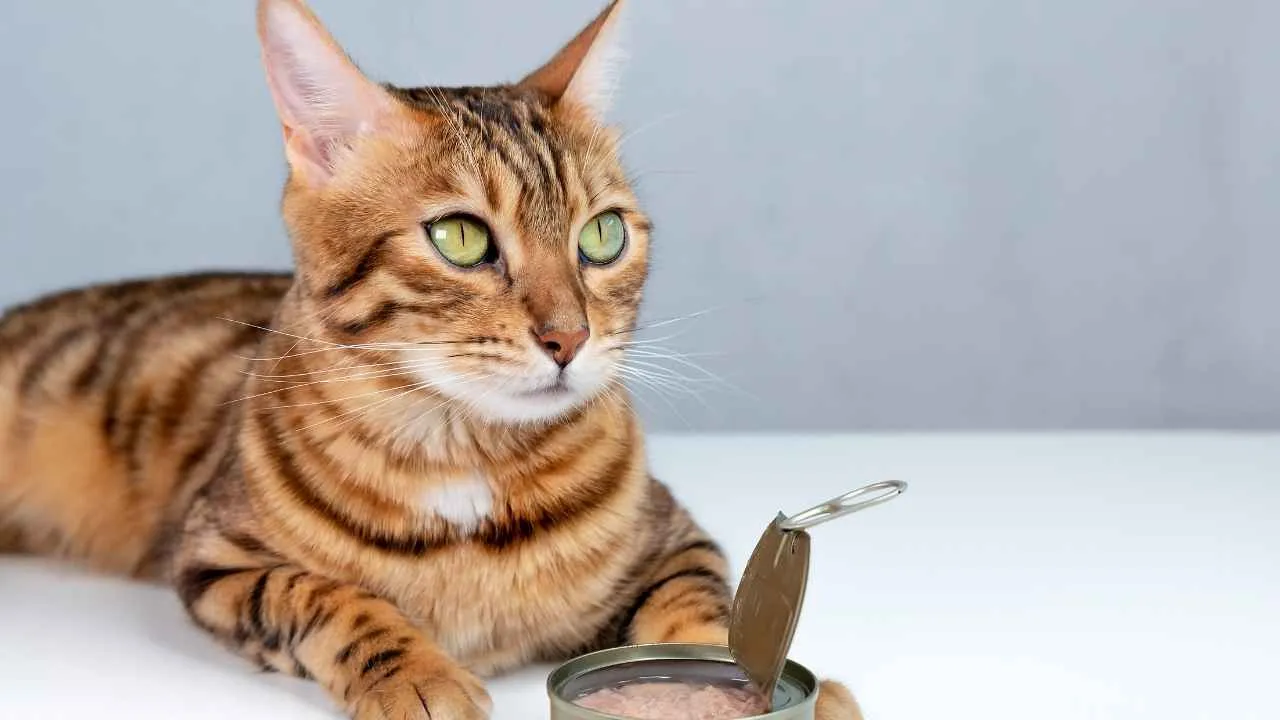
Bengals are highly active cats with sharp intelligence and strong curiosity. They are known for staying busy and often look for ways to entertain themselves if nothing is happening. This mental drive makes them quick to engage with toys that move, respond, or hide rewards.
This breed enjoys learning through play and often figures out how toys work faster than expected. Bengals are problem solvers and enjoy activities that involve chasing, jumping, or manipulating objects. Simple toys may lose their appeal quickly if they do not offer a challenge.
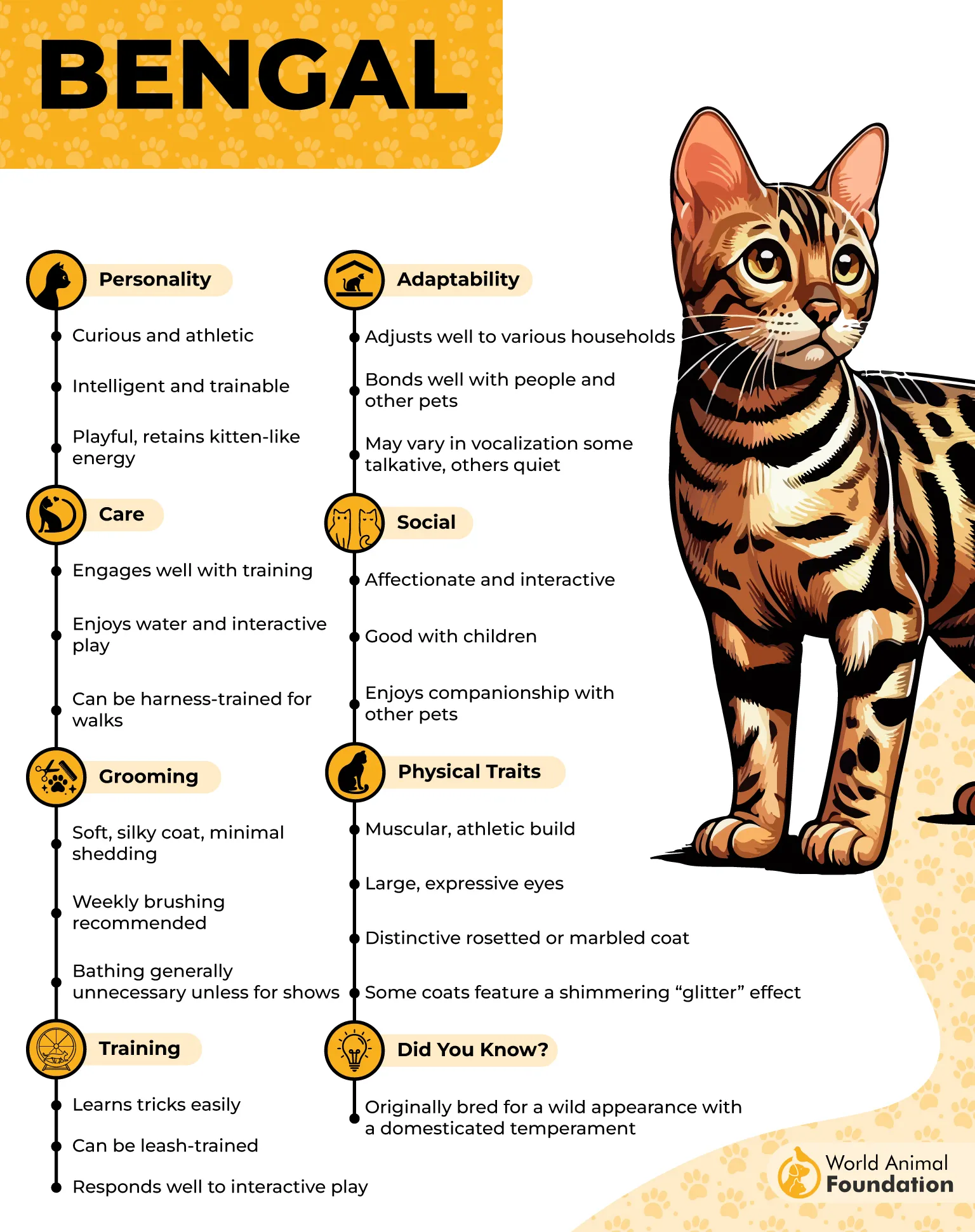
PetMD states that Bengal cats are also very people-focused and enjoy interactive sessions rather than solo play. Games that involve human participation tend to hold their attention longer. Playtime often becomes a shared activity instead of a background distraction.
Why This Cat Is a Good Fit
Loves toys that challenge the brain, not just the body
Thrives on interactive games with people involved
Easily bored without engaging play options
2. Abyssinian
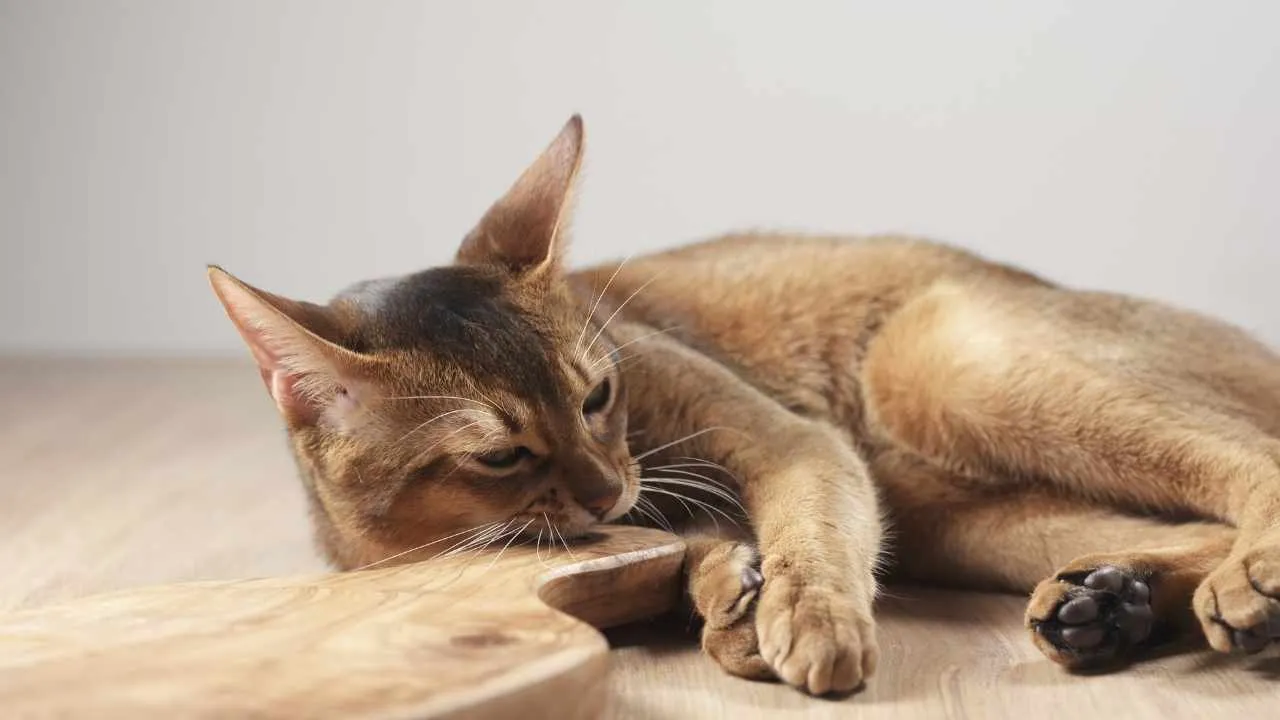
Abyssinians are energetic, curious, and constantly on the move. They enjoy exploring their environment and rarely stay still for long. Play is an essential part of how they interact with the world.
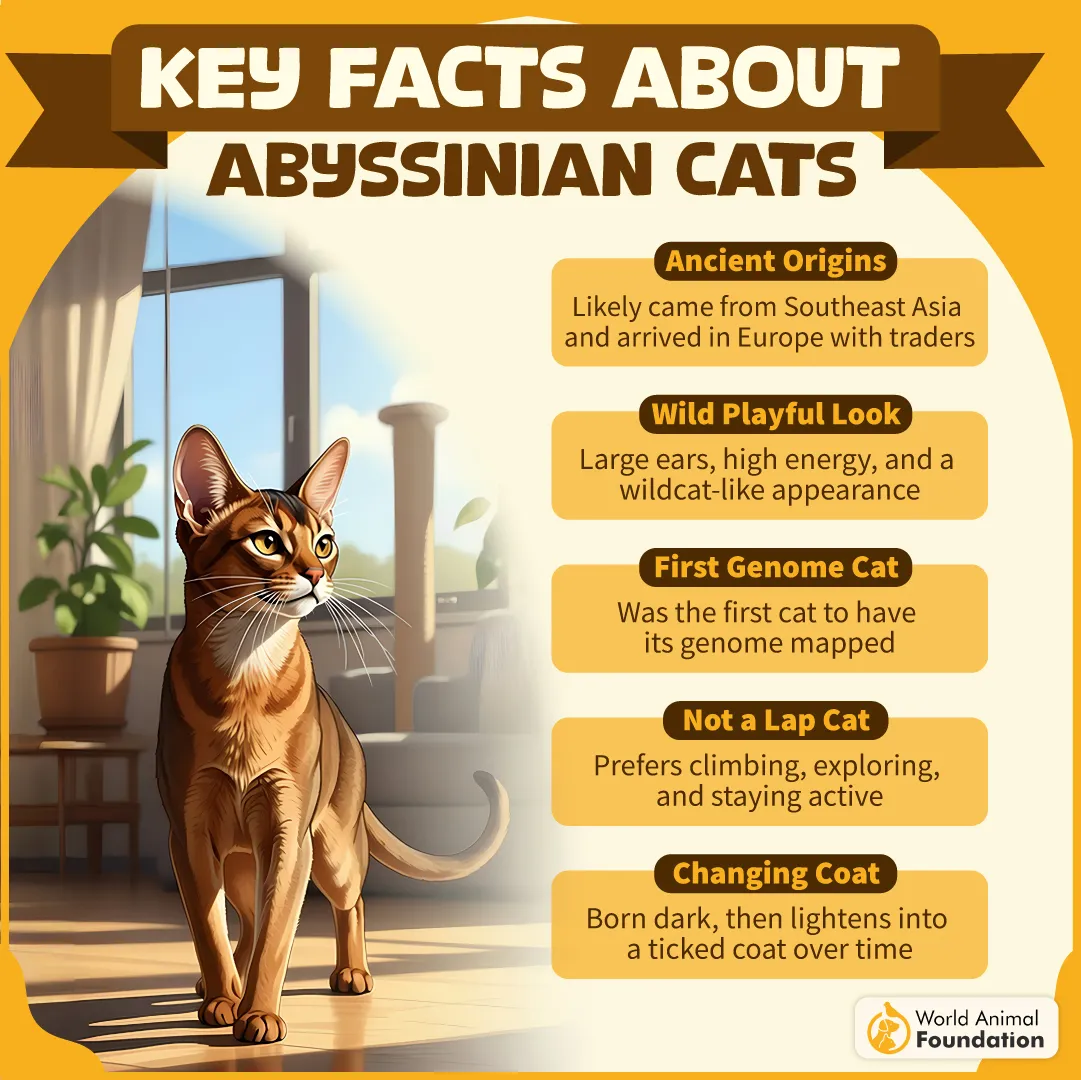
As per CFA, this breed is known for its intelligence and quick reactions. Abyssinians often enjoy toys that encourage climbing, leaping, and problem-solving. They are happiest when play feels like an adventure rather than a routine.
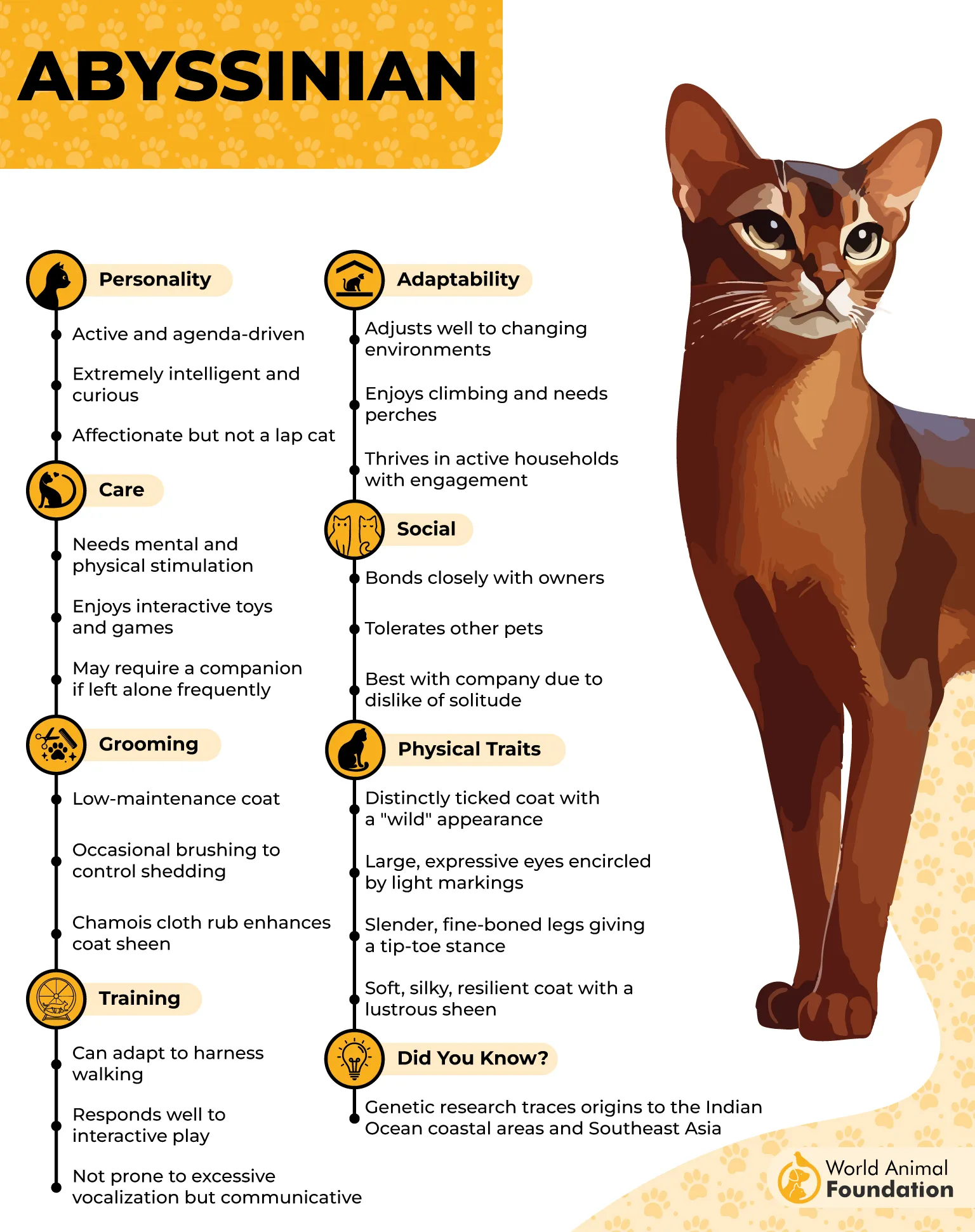
Abyssinians prefer interactive toys over passive ones. They enjoy chasing moving targets and engaging with toys that respond to their actions. Playtime helps satisfy both their physical energy and mental focus.
Why This Cat Is a Good Fit
Naturally curious and eager to engage with toys
Enjoys fast-paced and mentally stimulating play
Best suited for active households
3. Siamese
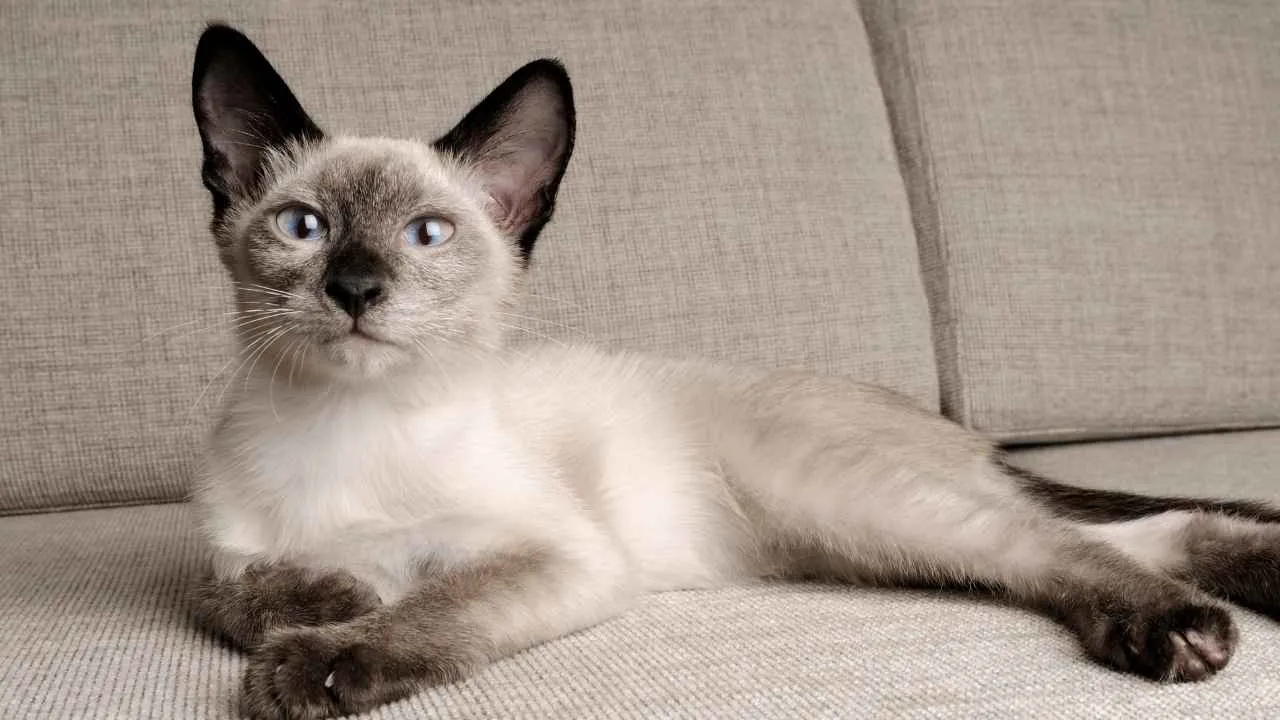
As per Purina, Siamese cats are highly social and mentally sharp. They are known for being vocal, expressive, and deeply involved in their surroundings. Play is one of the ways they communicate and bond.
This breed enjoys toys that involve interaction and feedback. Siamese cats often prefer games that include their humans rather than playing alone. They respond well to toys that move unpredictably or encourage teamwork.
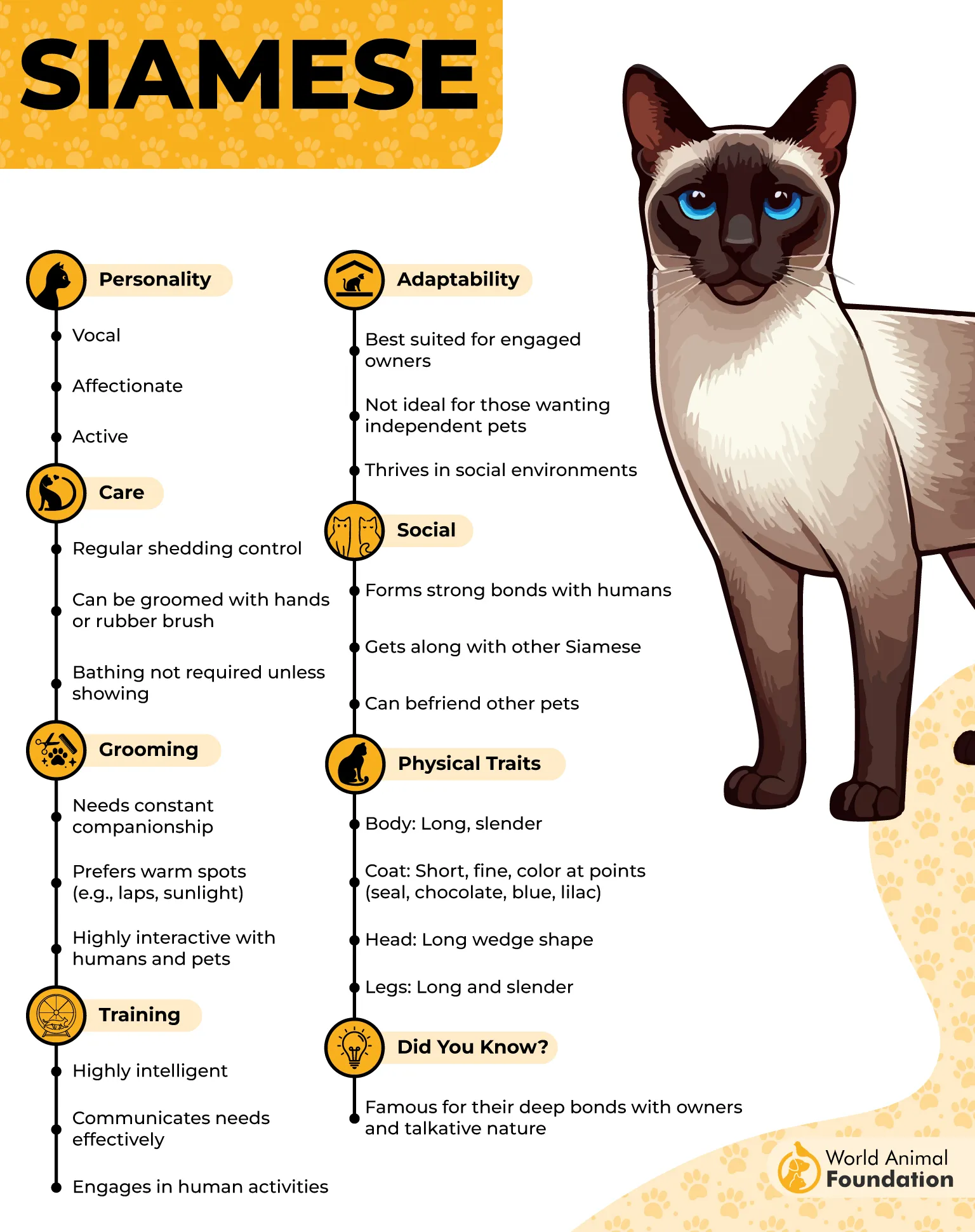
Siamese cats can become bored without enough stimulation. Regular play sessions help keep them content and focused. Interactive toys support their need for engagement and attention.
Why This Cat Is a Good Fit
Strong preference for interactive play with people
Enjoys toys that encourage communication and movement
Benefits from regular mental engagement
4. Savannah
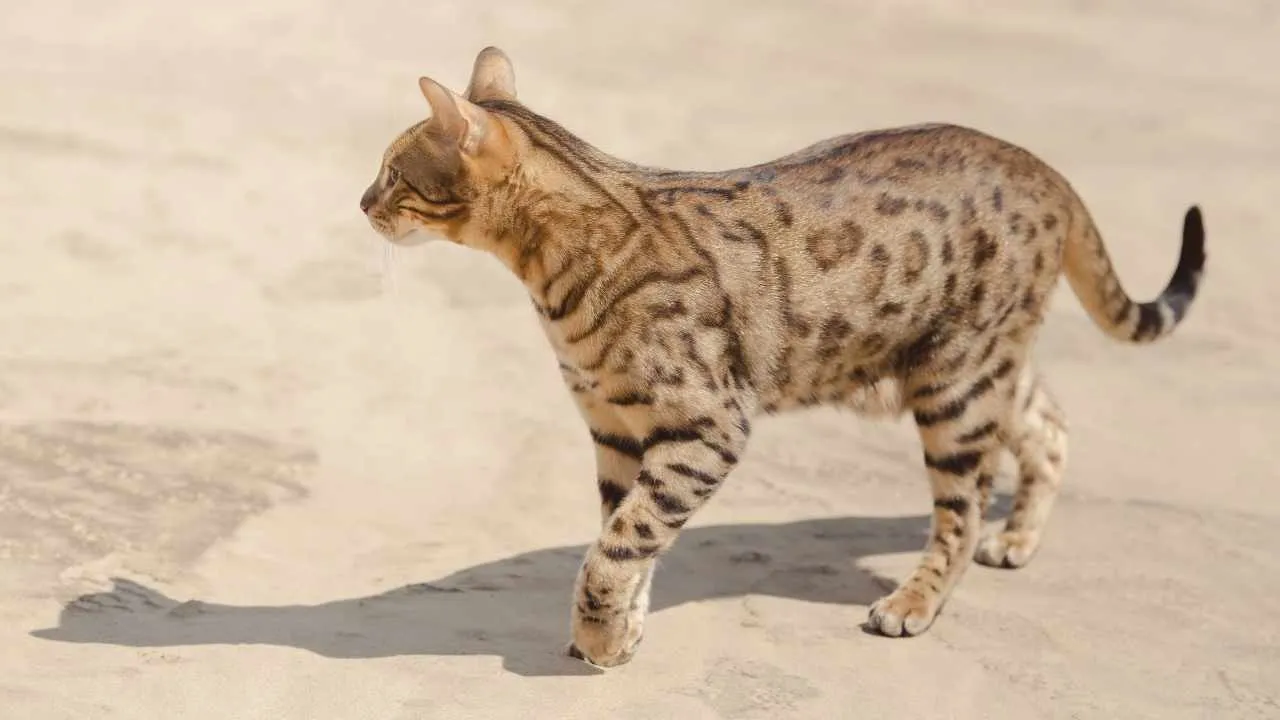
Savannah cats are known for their bold personalities and intense curiosity. They are highly alert and often investigate everything around them. Playtime is a natural extension of their exploratory behavior.
This breed enjoys toys that mimic hunting and problem-solving. Savannah cats often prefer interactive toys that move, hide, or change direction. Simple toys may not hold their interest for long.
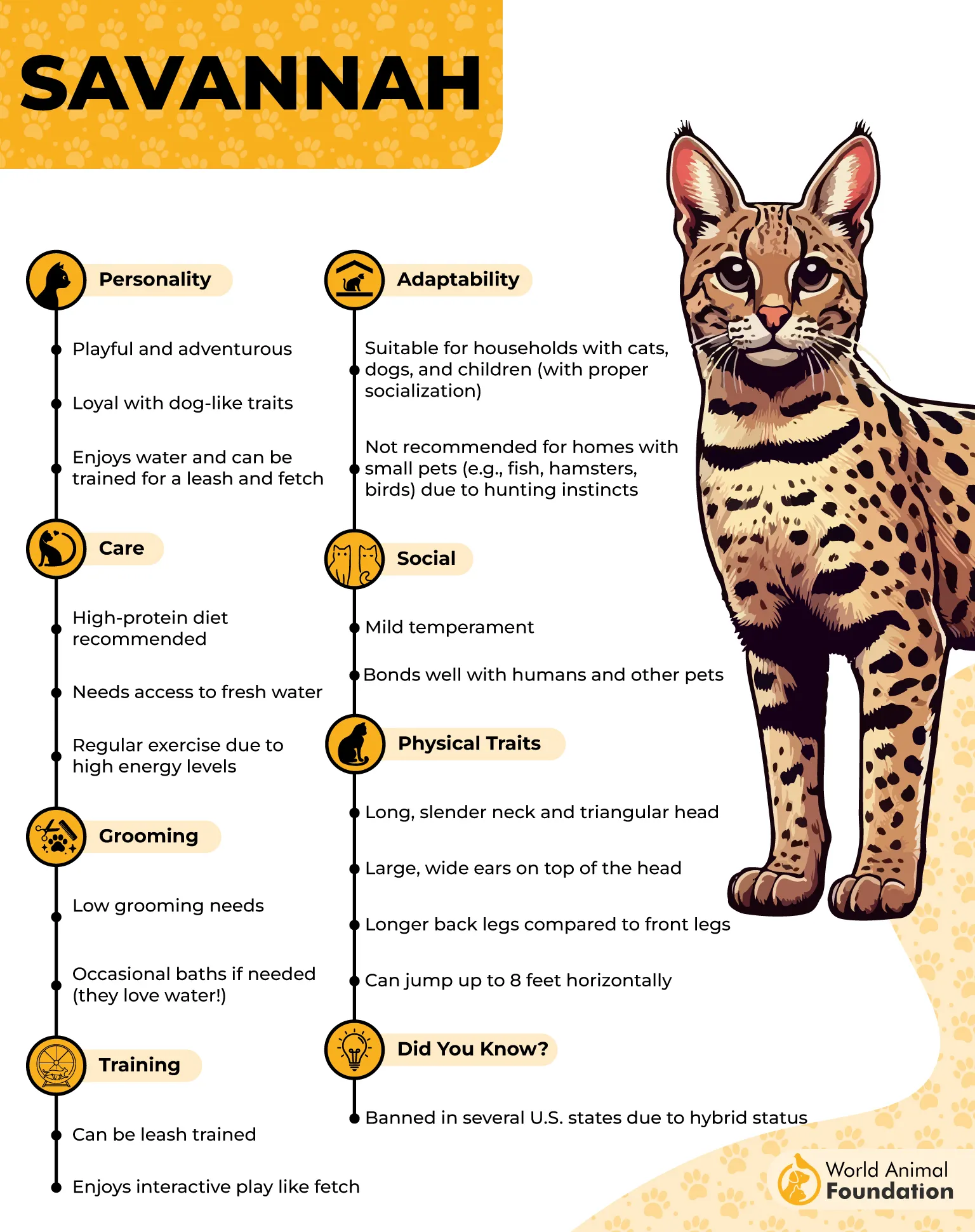
Savannah cats are confident and energetic, often turning play into full-body activity. They enjoy games that allow them to jump, chase, and think at the same time. Interactive toys help channel their energy in positive ways.
Why This Cat Is a Good Fit
Thrives on complex, engaging toys
Enjoys playing that mimics real-world challenges
Needs regular interactive stimulation
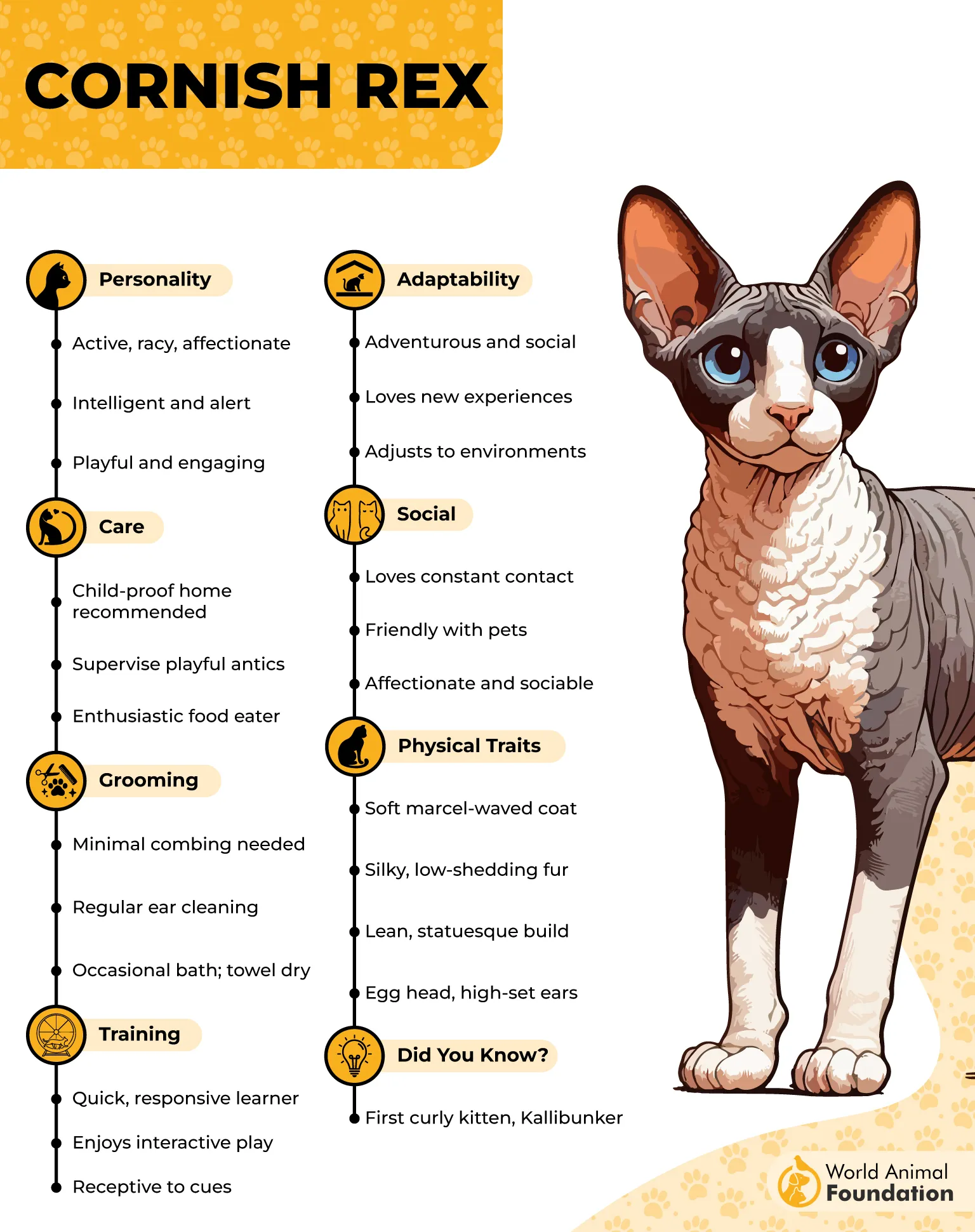
5. Cornish Rex
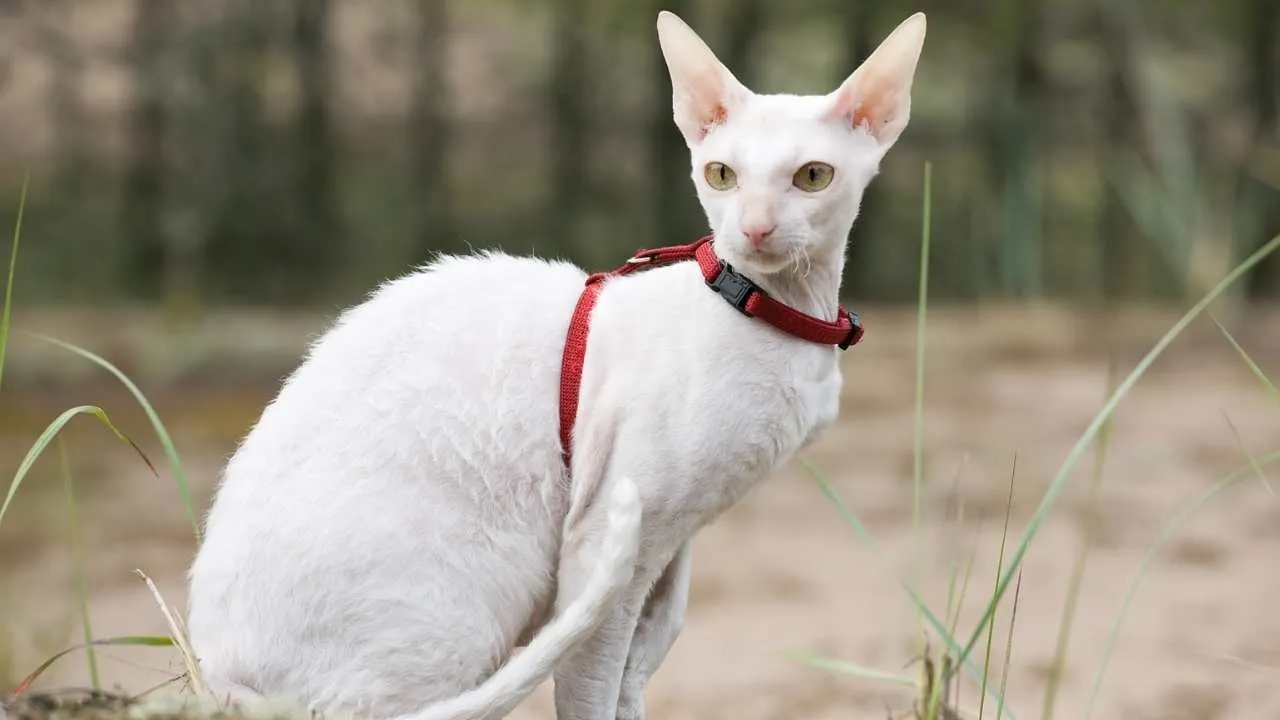
The Cornish Rex is playful, energetic, and known for its love of activity. Its lightweight body and agility make it quick and responsive during play. This breed often turns everyday moments into games.
Cornish Rex cats enjoy toys that allow fast movement and frequent interaction. They are known for staying playful well into adulthood. Toys that involve chasing or quick reactions are especially appealing.
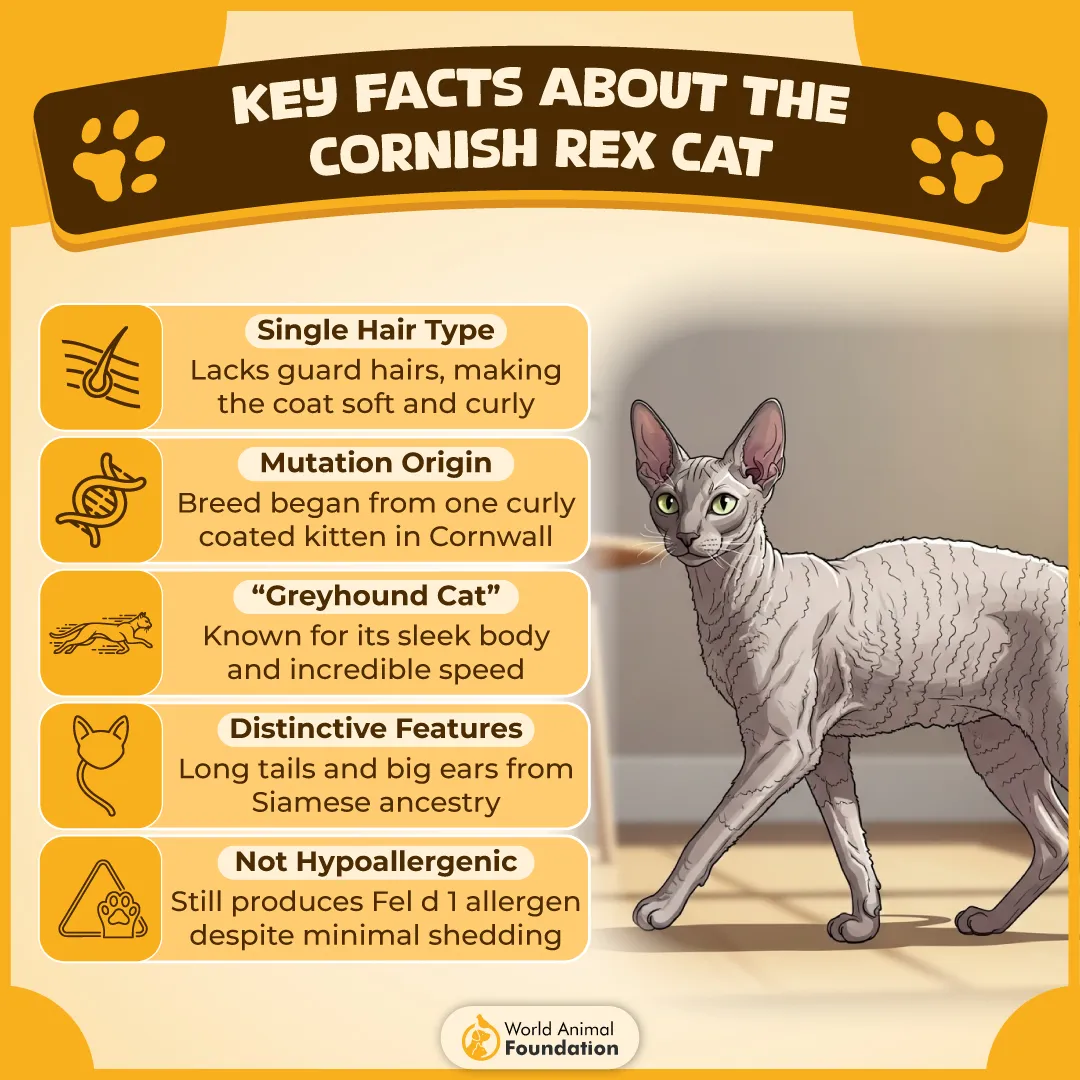
This breed is also people-oriented and enjoys shared playtime. Cornish Rex cats often seek out attention and enjoy being part of the action. Interactive toys help meet both their social and physical needs.
Why This Cat Is a Good Fit
Playful personality that stays active long term
Enjoys fast-paced and interactive toys
Thrives on shared play experiences
6. Tonkinese
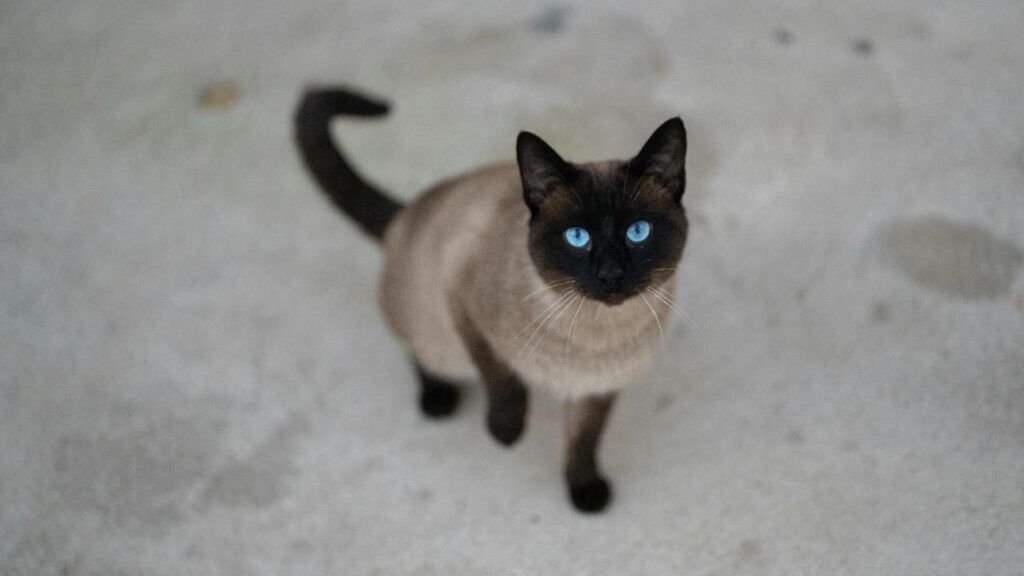
The Tonkinese cat is known for its lively personality and strong interest in what people are doing. This breed tends to stay involved in household activity and prefers interaction over quiet observation. It often seeks out engagement through play rather than resting alone.
Tonkinese cats are intelligent and enjoy activities that challenge their thinking. They respond well to toys that move, react, or reward problem-solving. Interactive toys help keep their minds busy and prevent boredom.
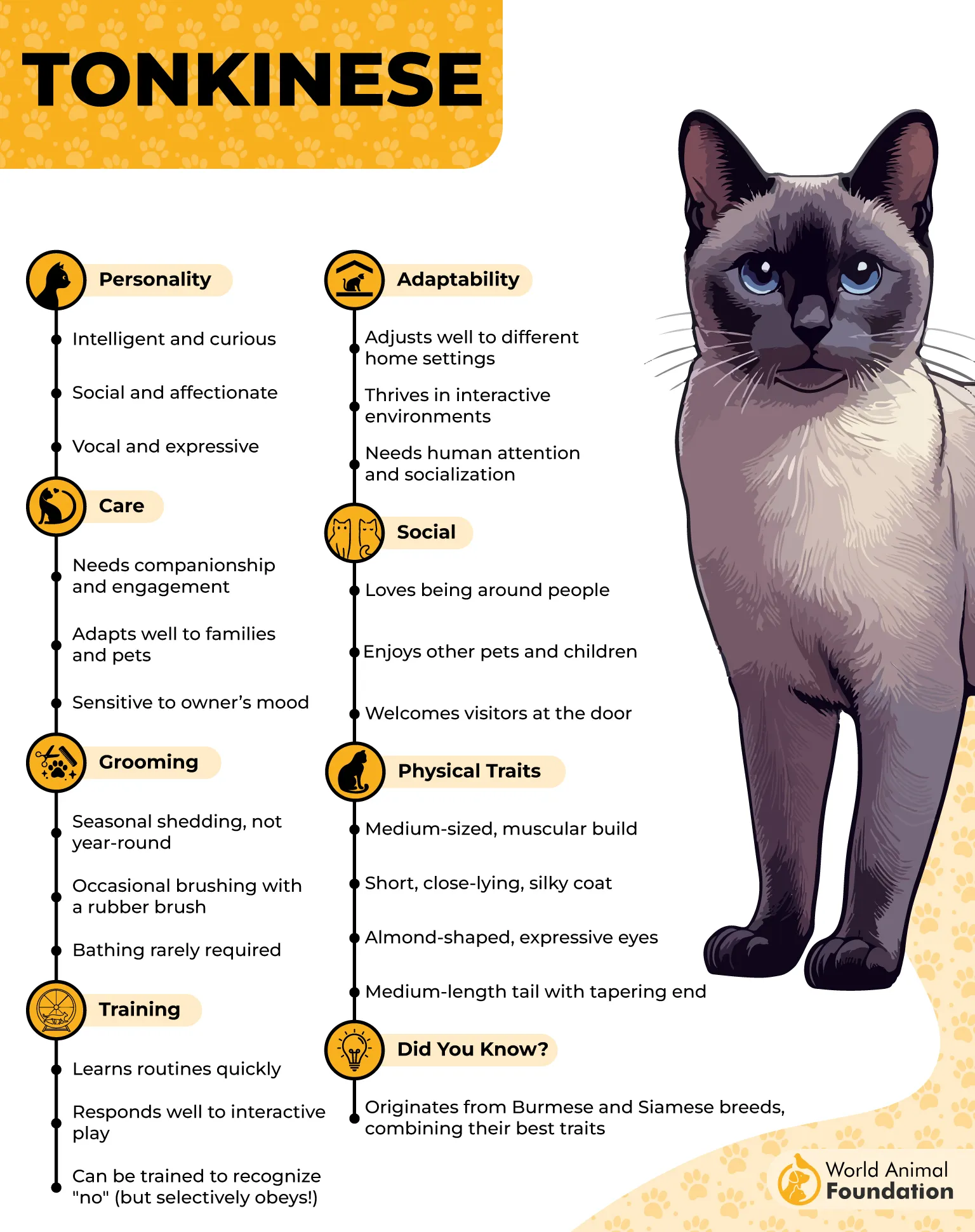
This breed is also highly social and enjoys shared playtime with humans. Tonkinese cats often turn play into a group activity and may bring toys to their owners. Their enthusiasm makes play sessions feel energetic and personal.
Why This Cat Is a Good Fit
Enjoys toys that require thinking and participation
Thrives on interactive play with people
Stays engaged and curious throughout the day
7. Ocicat
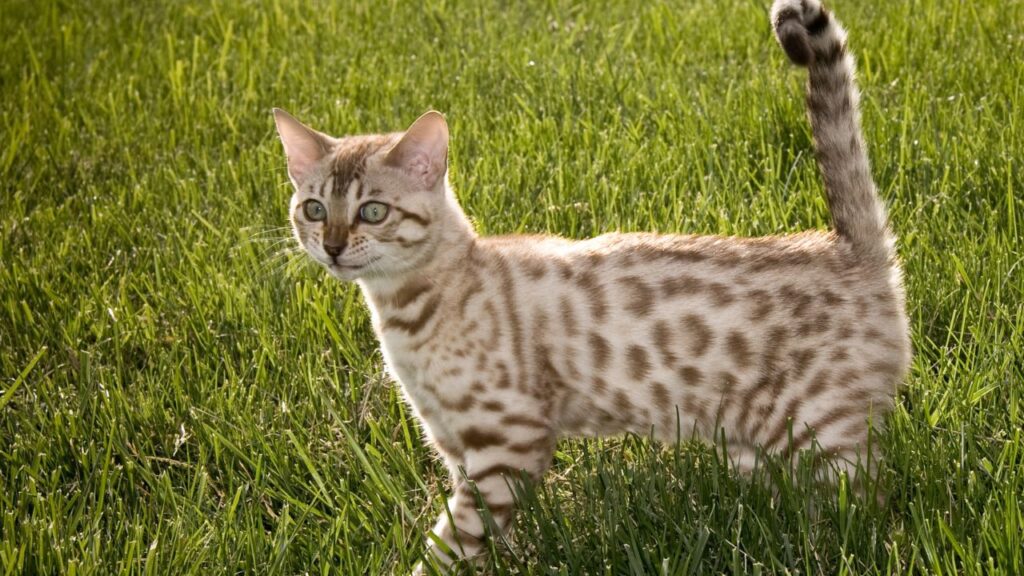
The Ocicat has a bold, athletic look paired with a confident and playful personality. Despite its wild appearance, this breed is very people oriented and enjoys being part of daily routines. Activity and interaction are important parts of its life.
Ocicats are known for being energetic and intelligent. They enjoy toys that involve movement, chasing, and problem-solving. Interactive toys help satisfy their need for both physical exercise and mental stimulation.
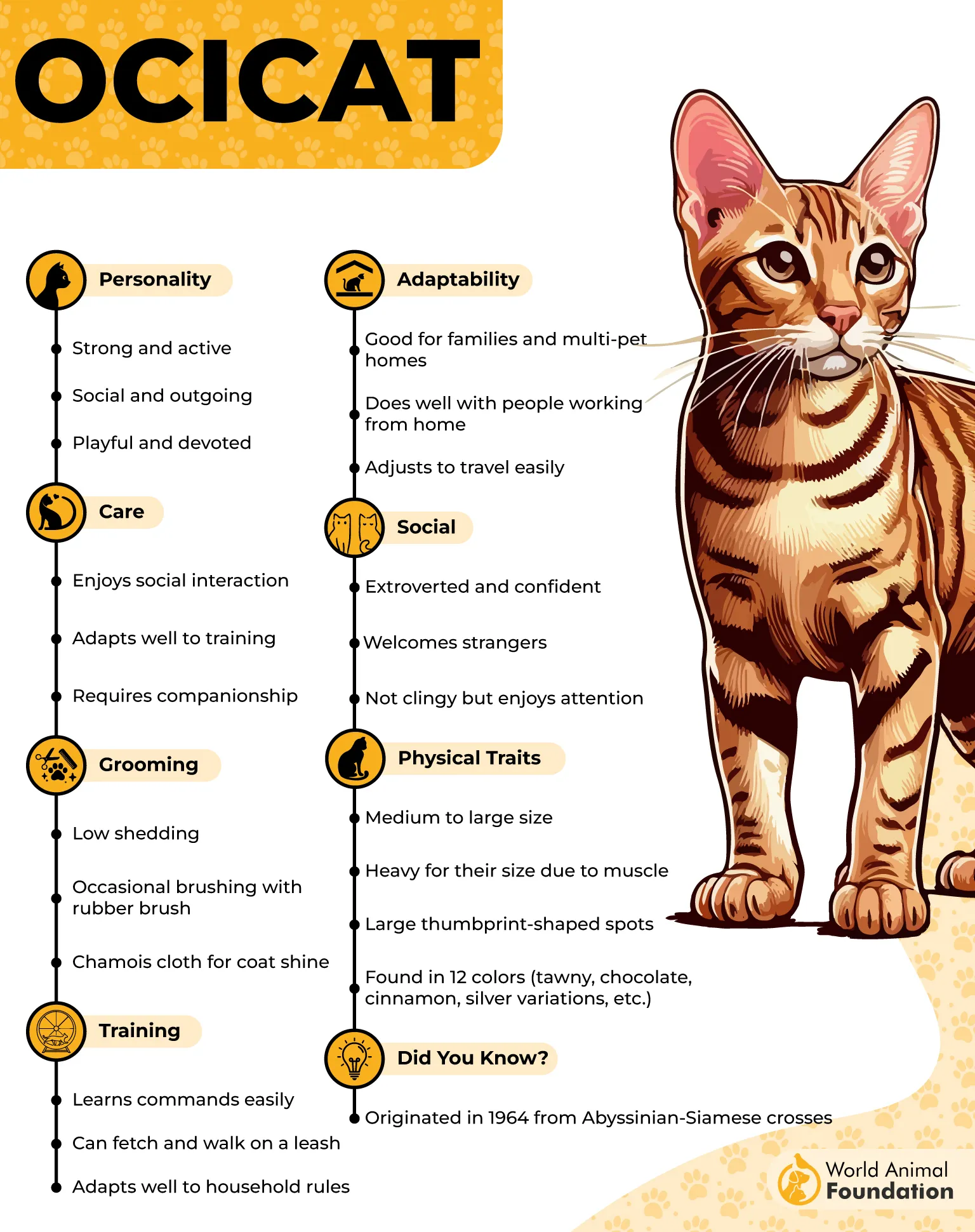
This breed often enjoys learning games and may stay interested in toys longer than many cats. Ocicats like variety and tend to lose interest in repetitive play. Rotating interactive toys helps keep them engaged.
Why This Cat Is a Good Fit
High energy and a curious nature suit interactive toys
Enjoys variety and challenge during play
Best for owners who enjoy active play sessions
8. Devon Rex
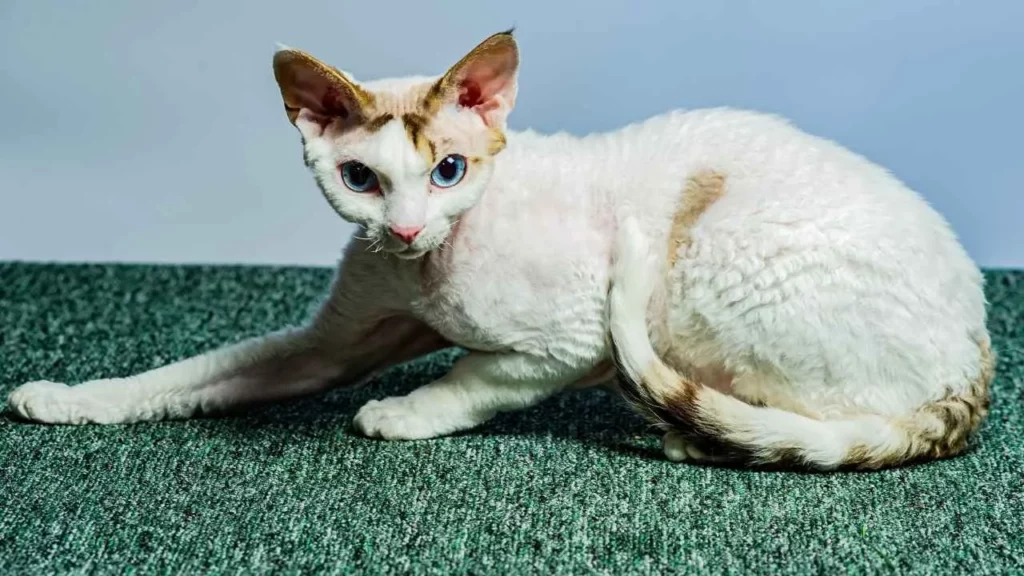
The Devon Rex is playful, quirky, and full of personality. Its lightweight body and quick movements make it especially responsive during playtime. This breed often looks for entertainment and enjoys being involved.
Devon Rex cats are known for staying playful well into adulthood. They enjoy toys that allow fast reactions and frequent interaction. Games that involve chasing or human participation tend to be favorites.
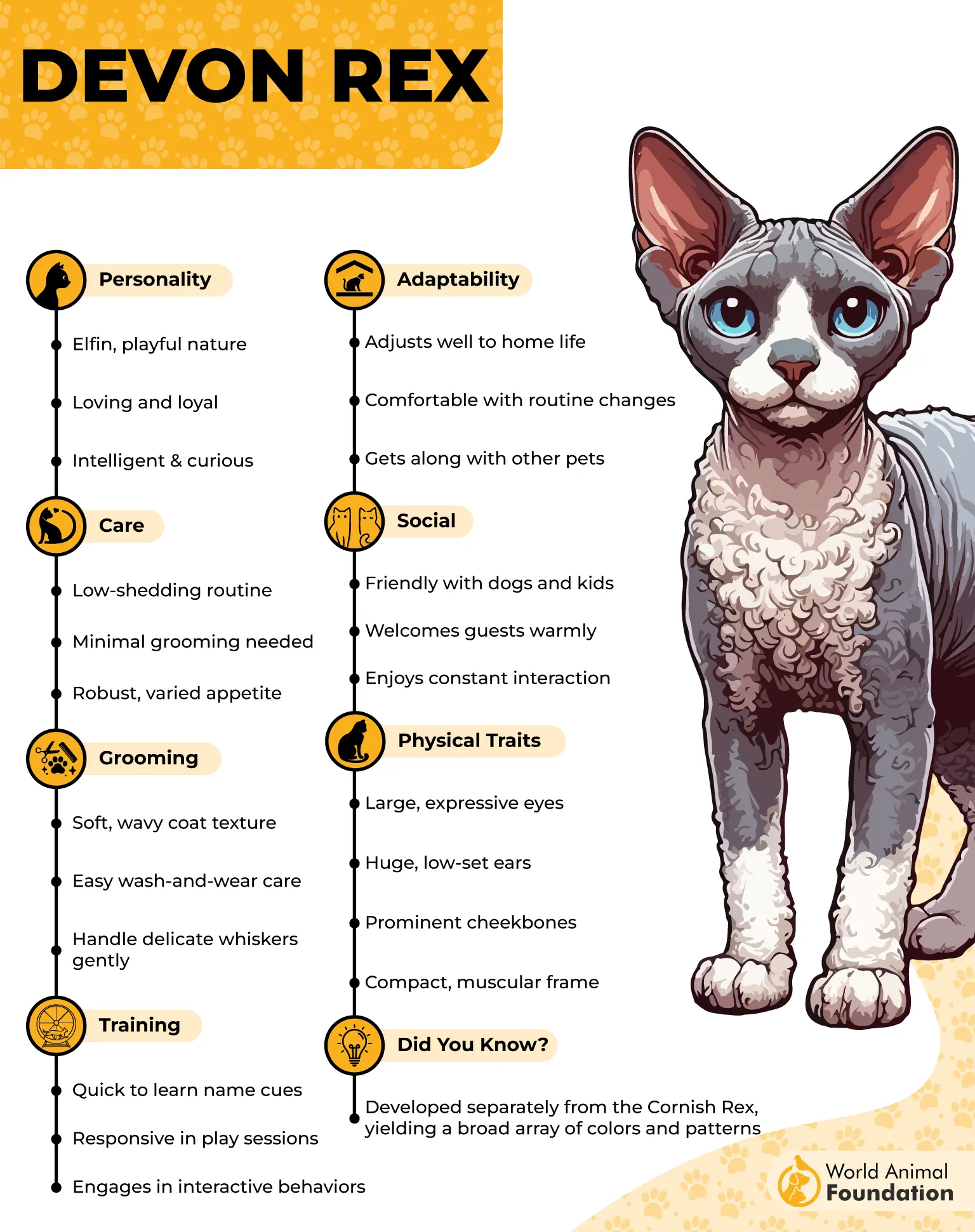
This breed is also very people-focused and enjoys attention. Playtime often doubles as bonding time with their owners. Interactive toys help meet both their social and physical needs.
Why This Cat Is a Good Fit
Playful attitude that stays strong over time
Enjoys toys that involve speed and interaction
Thrives on shared play experiences
9. Maine Coon
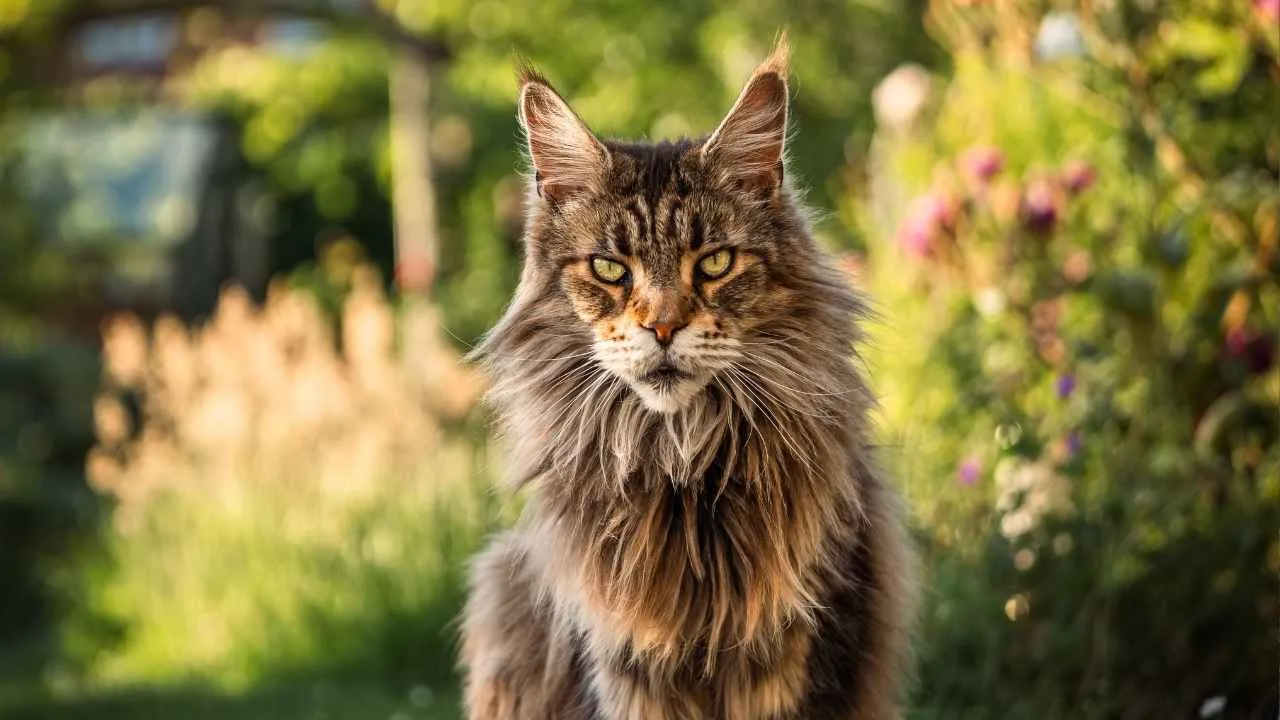
Maine Coons are intelligent, curious cats with a relaxed but playful nature. They often enjoy interactive toys that allow them to explore and experiment. Play tends to be thoughtful rather than frantic.
This big cat breed is known for problem-solving and learning routines quickly. Maine Coons often enjoy puzzle toys or games that involve figuring things out. They may take their time, but stay focused.
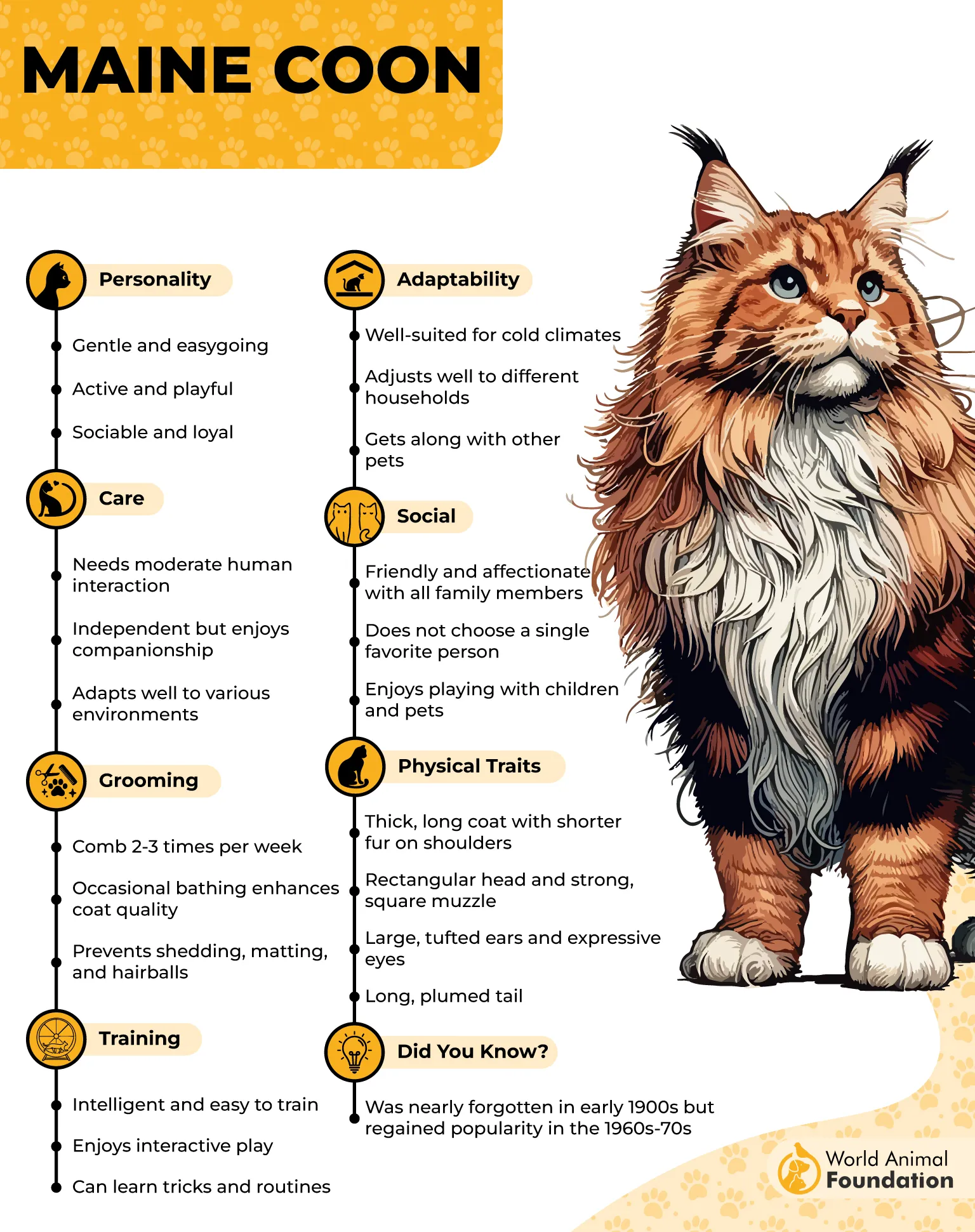
Maine Coons also enjoy social play and often include their owners. Their size and strength add an entertaining twist to interactive games. Playtime is usually calm, steady, and engaging.
Why This Cat Is a Good Fit
Enjoys mentally engaging toys and puzzles
Prefers interactive play over solo activity
Suit owners who like relaxed but involved play
Conclusion
Playful cat breeds bring constant motion and curiosity into a house, turning everyday spaces into places to explore. A high-energy cat or playful kitty often loves to play, climb tall cat trees, chase wand toys, and solve puzzle feeders or food puzzles. Many remain playful well past the kitten stage, showing a mischievous personality that includes opening cabinets, learning simple tricks, or even playing fetch around the house.
Daily exercise, hiding spots, laser pointers, and clicker training help most cats stay happy, especially highly intelligent and extremely active pets. Whether living with other cats, a dog, or other animals, the goal is the same: helping your pet live its best life.
Other breeds, such as the Japanese Bobtail and Turkish Van, may also enjoy playing fetch and interactive play, depending on personality and energy levels.
