




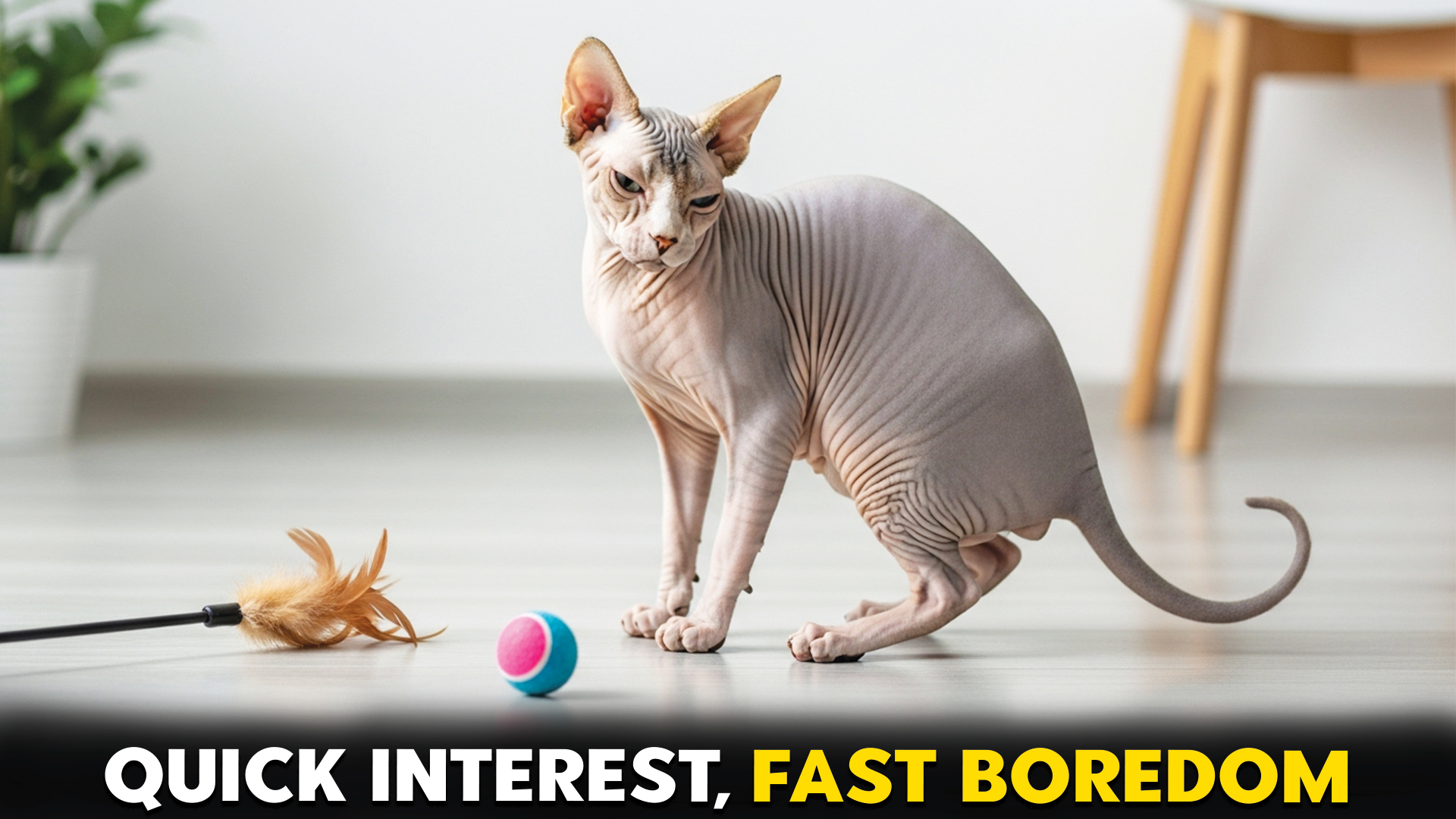
Cats are often seen as endlessly curious, but some breeds lose interest faster than others once the novelty wears off. This quick boredom isn’t laziness—it’s usually tied to how a cat’s mind works. Highly observant or intelligent cats can decide within seconds whether something is worth their attention, moving on as soon as stimulation drops.
A short attention span in cats is often linked to intelligence and sensitivity. Breeds that are naturally perceptive may analyze a toy, sound, or interaction quickly, then disengage once it no longer feels rewarding.
Others prefer calm observation over prolonged play, watching the world around them rather than actively participating. These cats aren’t uninterested in life—they simply enjoy it in quieter, more selective ways.
In this article, we’ll explore cat breeds known for losing interest quickly and what that means for daily life. From independent loungers to thoughtful observers, these cats remind us that feline engagement comes in many forms, not all of them energetic or long-lasting.
Cat Breeds That Lose Interest Quickly
1. Persian
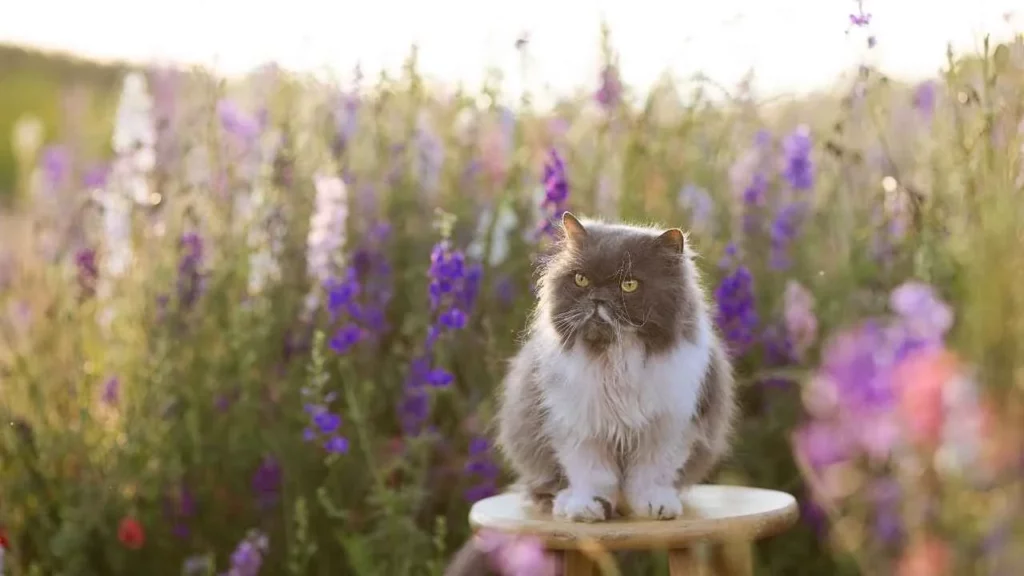
Often called the Persian Longhair, the Persian is one of the oldest and most recognizable cat breeds, known for its flat “peke-faced” profile, round eyes, and flowing coat.
These cats are calm, reserved, and deeply attached to familiar routines and people. Royal Canin states that they are loving and gentle cats.
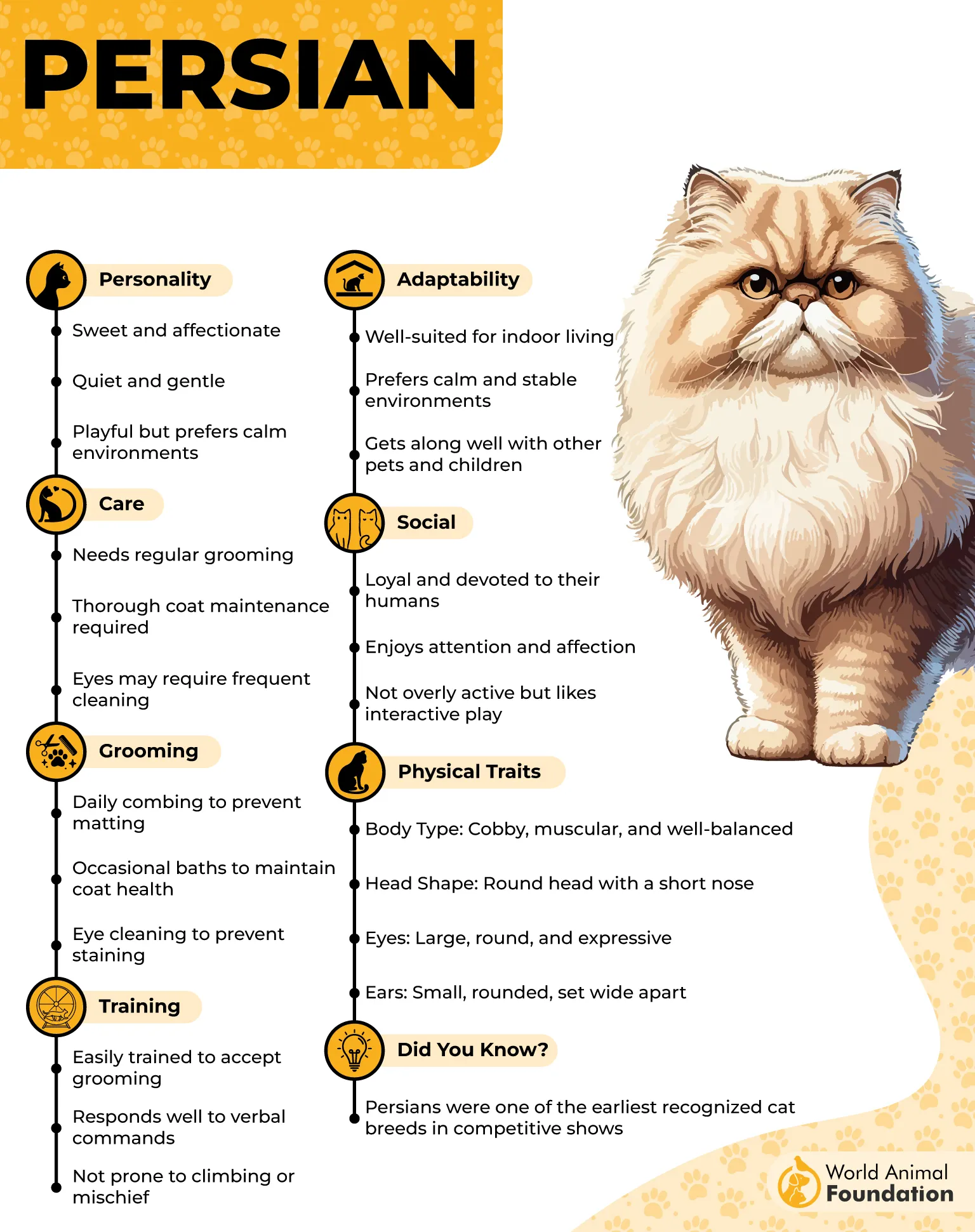
When it comes to play, Persians tend to lose interest quickly once stimulation feels repetitive or too energetic. Rather than chasing toys for long stretches, they prefer observing their surroundings or enjoying brief, gentle interactions that don’t demand much effort.
This breed shows affection in quiet ways, choosing petting sessions and relaxed companionship over constant activity. Their intelligence is subtle, which means they may disengage from games that feel overwhelming, noisy, or overly physical, opting instead for peaceful lounging.
Because of their laid-back nature, Persians are content watching household activity from a cozy spot, bonding through presence rather than play.
Fact: Persian cats typically have a lifespan of about 10–13 years, according to the provided content.
2. British Shorthair
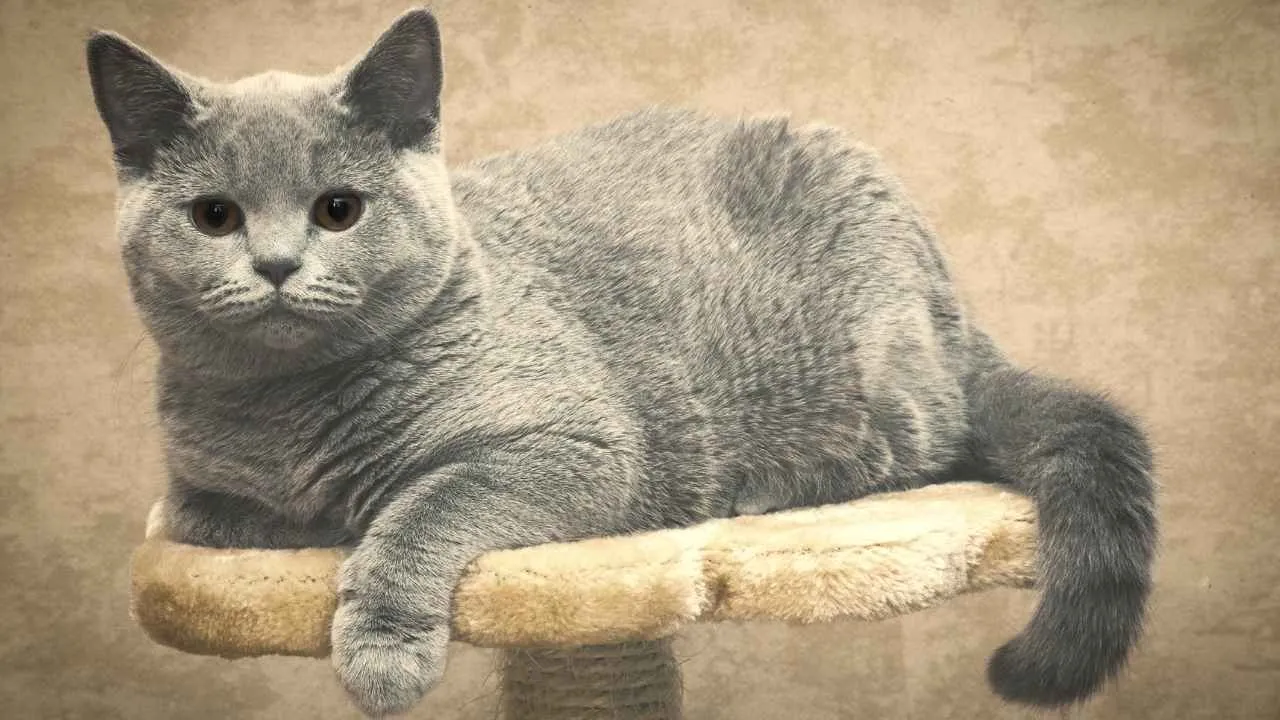
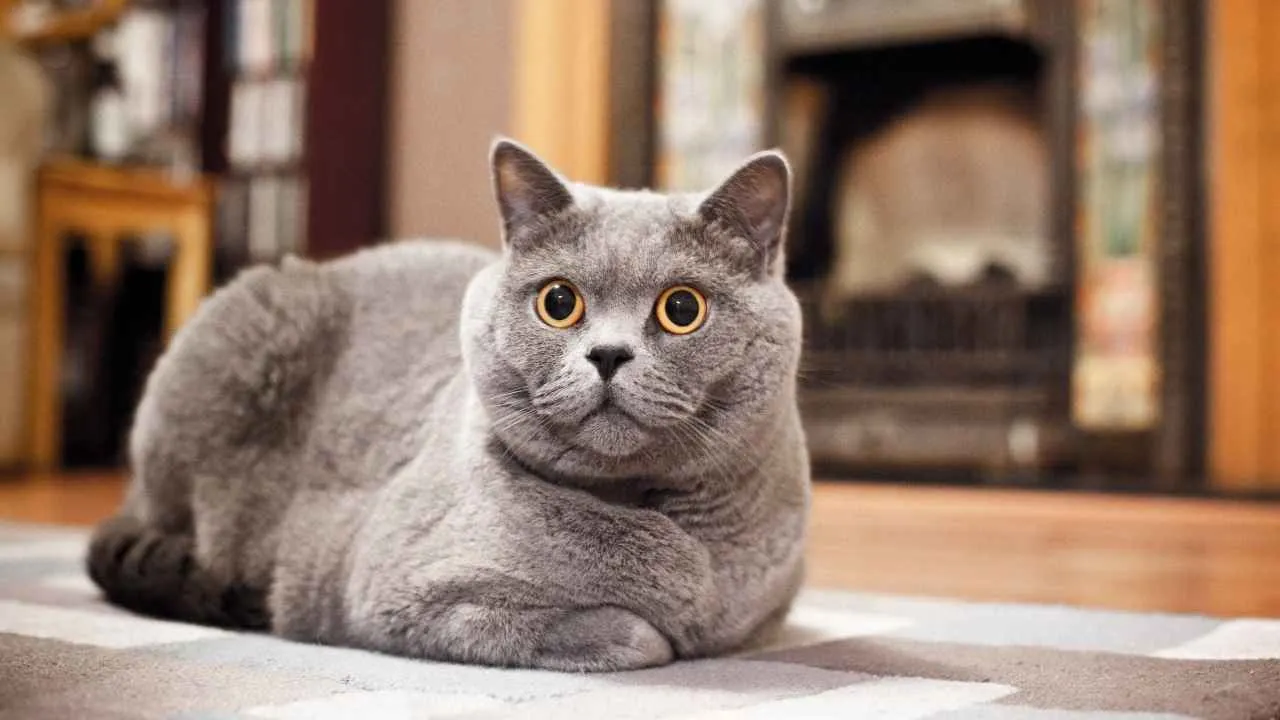
Often called the British Blue, the British Shorthair is a medium-to-large cat known for its round face, plush short coat, and calm demeanor.
According to PetMD, British Shorthairs are widely popular cats, largely due to their appealing looks and temperament. This easygoing breed matures slowly and is admired for its teddy bear–like appearance and quiet confidence.
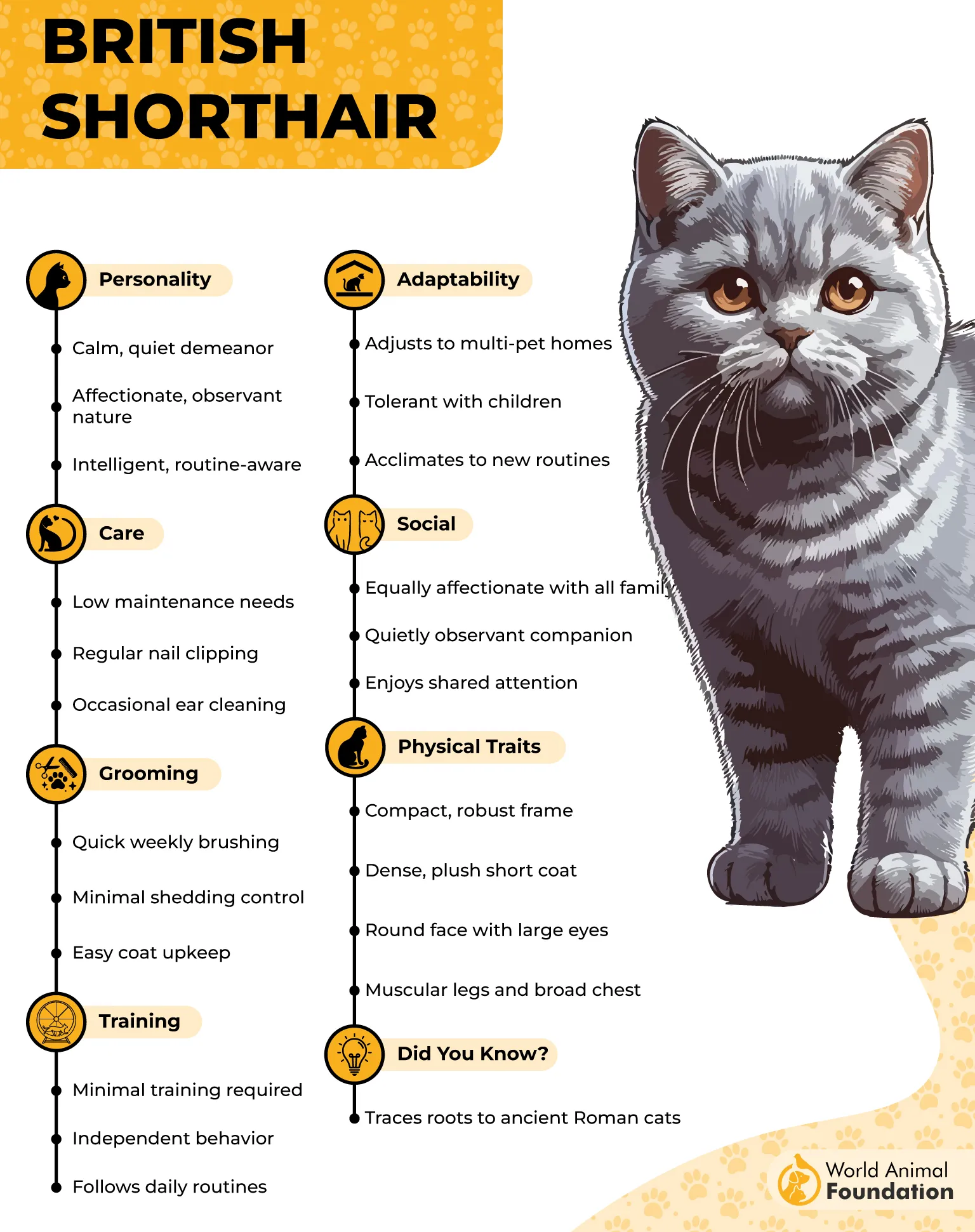
When it comes to engagement, British Shorthairs can show brief bursts of interest followed by quick disengagement. They enjoy playtime but prefer short, meaningful sessions rather than constant stimulation, making them a good example of cats with selective attention.
Their intelligence means they quickly assess toys or activities and may lose interest once curiosity is satisfied. Instead of high-energy antics, they favor observing their surroundings, lounging nearby, or calmly interacting on their own terms.
This breed’s relaxed nature makes them affectionate without being clingy, and they’re content to switch from play to rest without fuss.
Fact: British Shorthairs have an average lifespan of about 12 to 16 years and are known to be slow to fully mature, often taking up to five years.
3. Chartreux
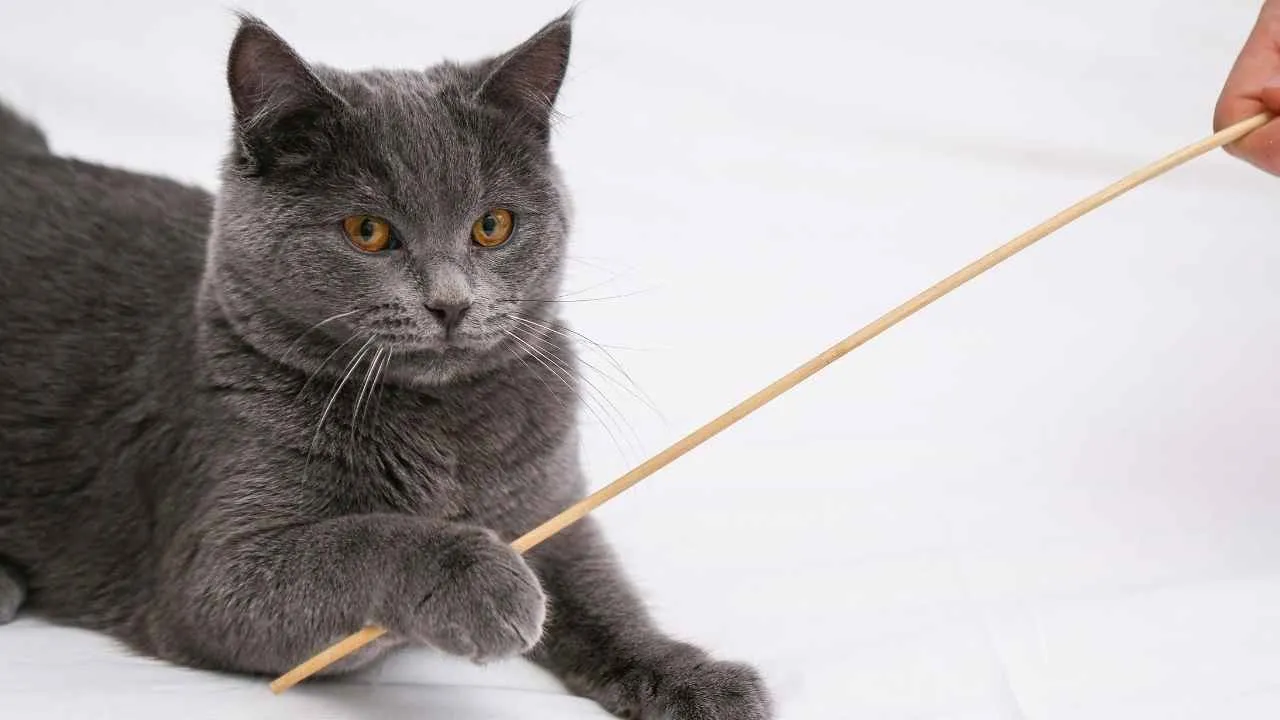
Often simply called the Chartreux, this rare French breed is known for its sturdy build, blue-gray woolly coat, and signature “smiling” expression with copper-to-gold eyes.
According to WebMD, Chartreux cats are typically calm and tend to be gentle companions during play. Medium in size and naturally developed, it has a calm, thoughtful presence that sets it apart from flashier breeds.
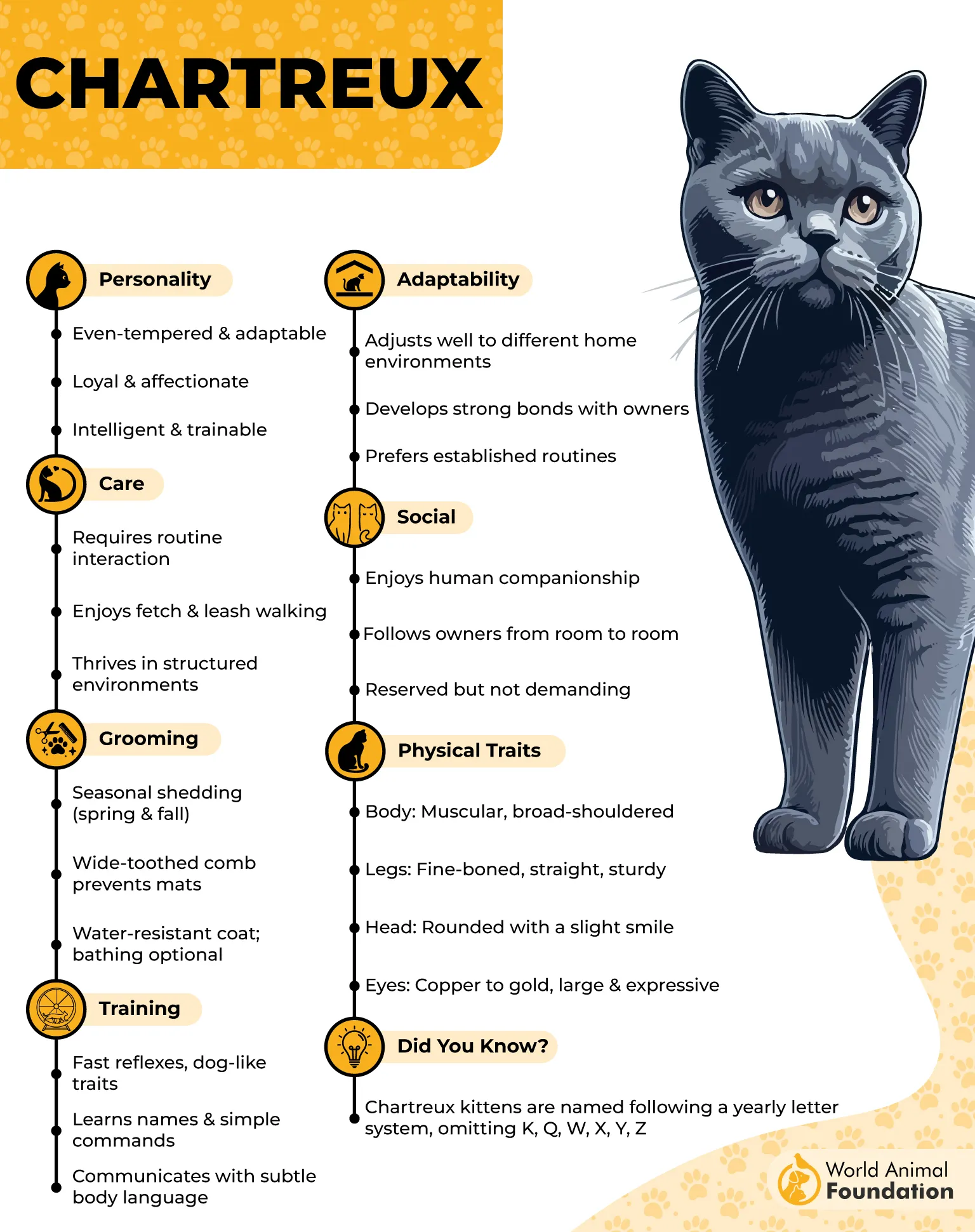
When it comes to play, the Chartreux shows interest quickly—but novelty matters. Intelligent and observant, this cat may enthusiastically explore a new toy or puzzle, then quietly walk away once it’s figured out. Short bursts of engagement suit its preference better than long, repetitive sessions.
Rather than constant stimulation, the Chartreux enjoys routines and low-key interaction. It often follows family members around the house at a distance, content to watch rather than participate. This reserved nature can look like boredom, but it’s really selective attention.
Affectionate without being demanding, the Chartreux bonds deeply yet dislikes chaos. Its ideal day that balances brief play, climbing, meals, and long naps, making it playful—until it’s not new anymore.
Fact: The Chartreux is one of the few natural cat breeds and is considered the national cat of France.
4. Scottish Fold
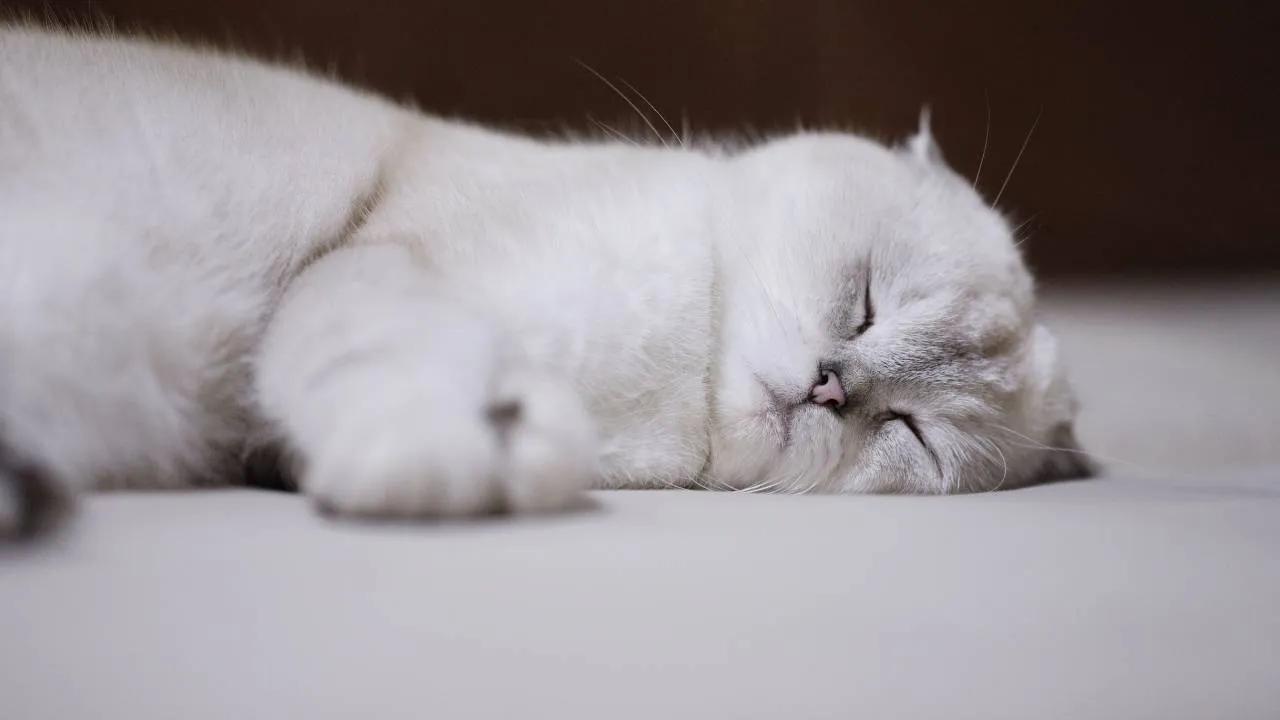
The Scottish Fold, sometimes simply called the Fold, is instantly recognized for its folded ears, round face, and plush coat. Originating in Scotland, this medium-sized breed is calm, affectionate, and known for its quietly observant personality rather than nonstop activity.

When it comes to play, Scottish Folds are smart but selective. They’ll investigate a toy with curiosity, engage briefly, then lose interest once the challenge fades. This short attention span reflects their thoughtful nature—they prefer quality interaction over long, repetitive play sessions.
These cats are independent thinkers who enjoy mental stimulation in small doses. Puzzle toys, gentle games, or simply watching household activity often hold their attention more than high-energy play. Once satisfied, they’re happy to retreat to a cozy spot and relax near their favorite person.
Because of this balance of intelligence and calm, Scottish Folds thrive in predictable environments with routine. Sudden changes or overstimulation can cause them to disengage quickly, reinforcing their reputation as a breed that knows when it’s “over it.”
Fact: Adult Scottish Folds typically weigh between 6 and 13 pounds, with males being larger than females.
5. Russian Blue
The Russian Blue, sometimes called the Archangel Blue, is instantly recognizable by its plush silver-blue coat and vivid green eyes. This semi-foreign breed is known for its quiet charm, gentle manners, and preference for calm, predictable environments.
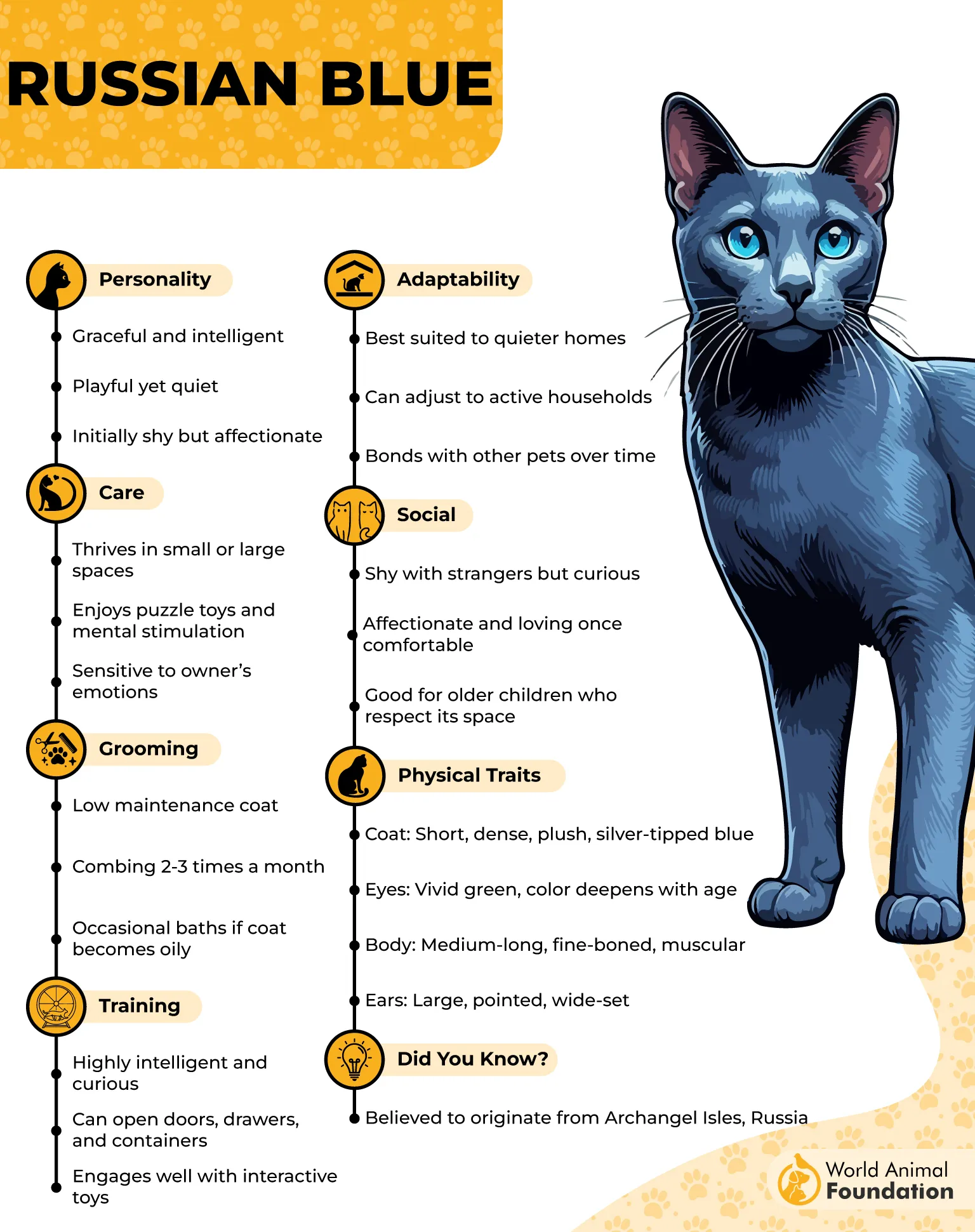
They enjoy play and interaction, but only in short, meaningful bursts, often choosing to observe from a perch rather than stay actively involved for long.
Affectionate yet selective, this breed bonds deeply with its people while maintaining independence. Russian Blues prefer attention on their own terms and may disengage if a situation becomes too loud, busy, or overwhelming, making them well-suited to peaceful households.
Their intelligence thrives on routine, and they are content entertaining themselves when left alone. Climbing furniture, watching from above, or quietly following their favorite person suits their style better than constant hands-on interaction.
Fact: Russian Blues are known to thrive on routine and will reliably appear at mealtimes, often acting as a natural alarm clock for breakfast.
6. Siberian
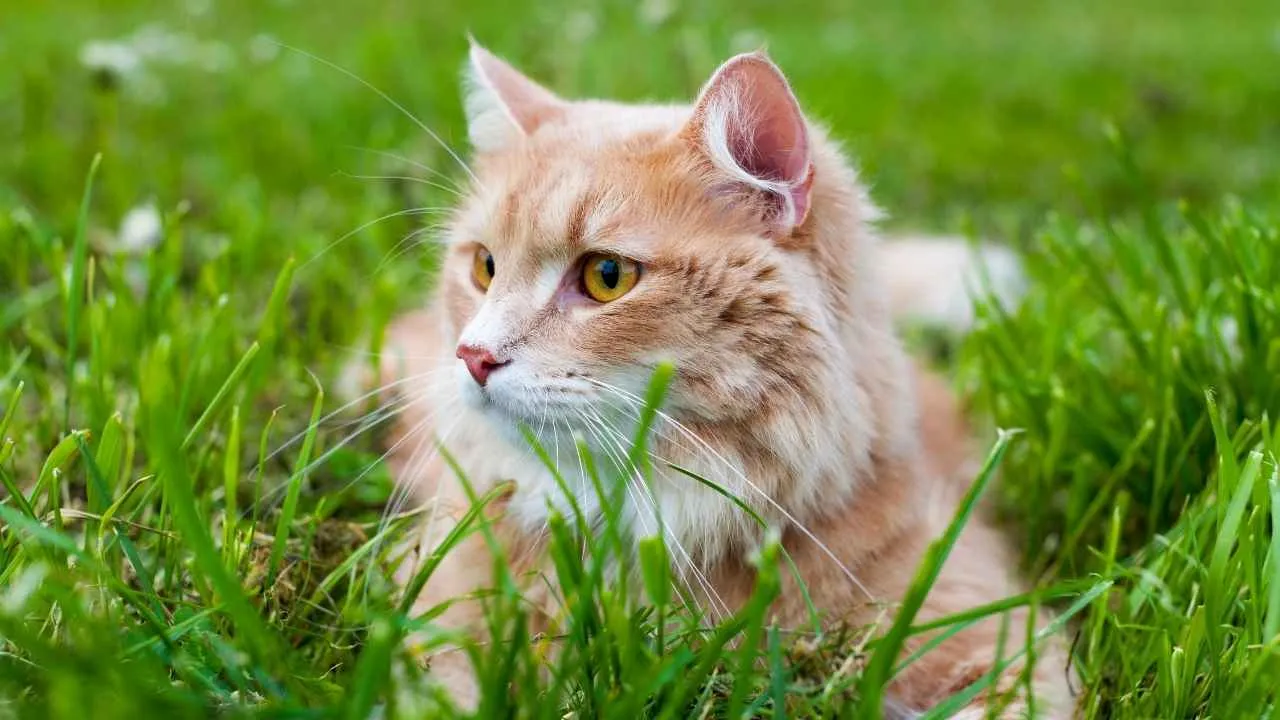
Often called the Siberian Forest Cat, the Siberian is a natural breed from Russia known for its muscular build, triple coat, and calm confidence. Shaped by harsh environments, this breed developed independence alongside strong problem-solving skills.
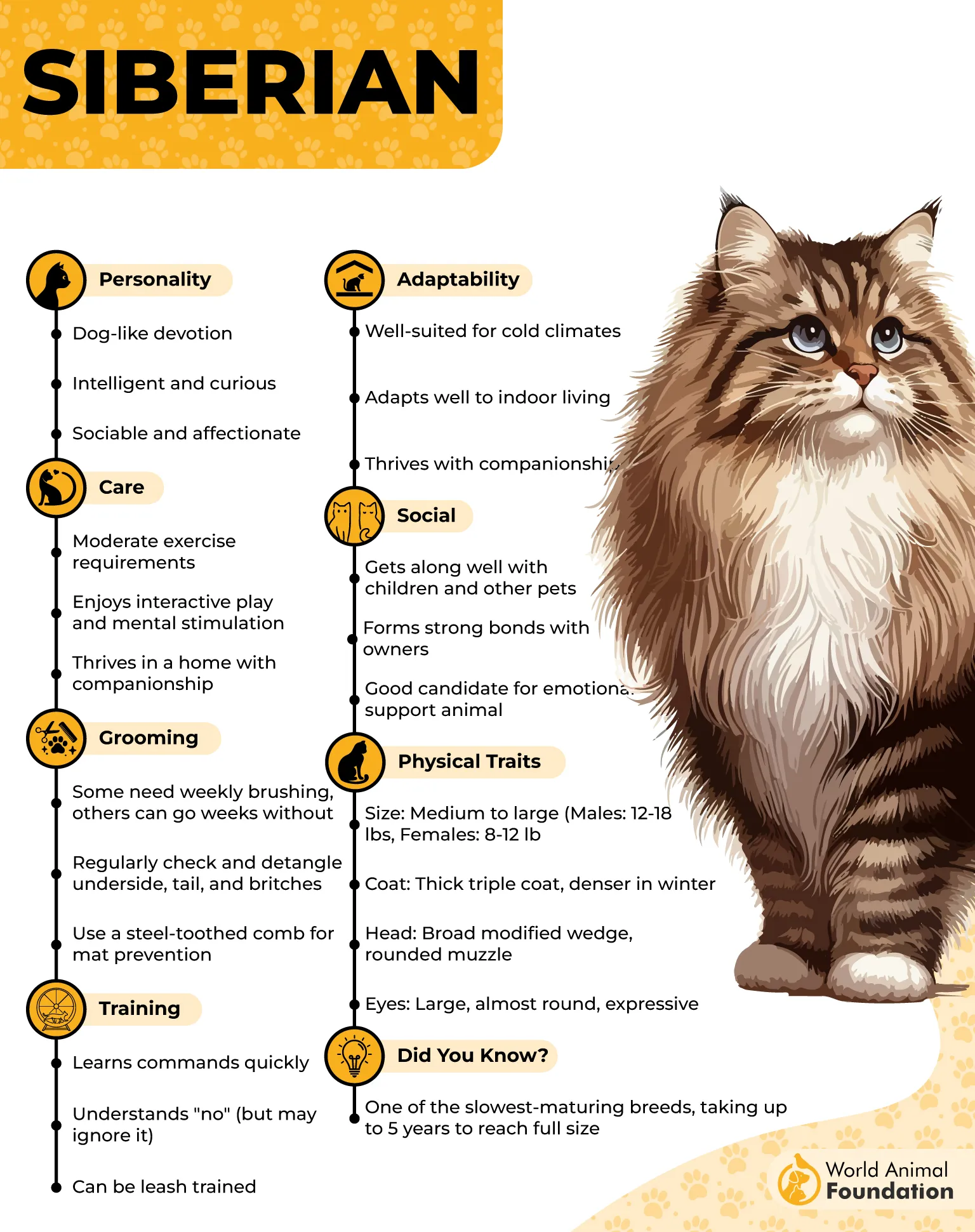
Siberians are highly intelligent, which is exactly why they can lose interest quickly. Once a toy, game, or activity no longer challenges them, they tend to disengage and look for something more stimulating. Repetitive play doesn’t hold their attention for long.
These cats thrive on variety and mental puzzles, enjoying interactive games, training sessions, and problem-solving tasks. Without enough novelty, their active minds move on fast, preferring exploration, climbing, or observing their surroundings instead.
Despite their curiosity, Siberians aren’t clingy and handle alone time well, choosing engagement on their own terms.
Fun fact: The Siberian developed naturally without human-directed breeding, resulting in a self-sufficient cat that values independence as much as interaction.
7. American Shorthair
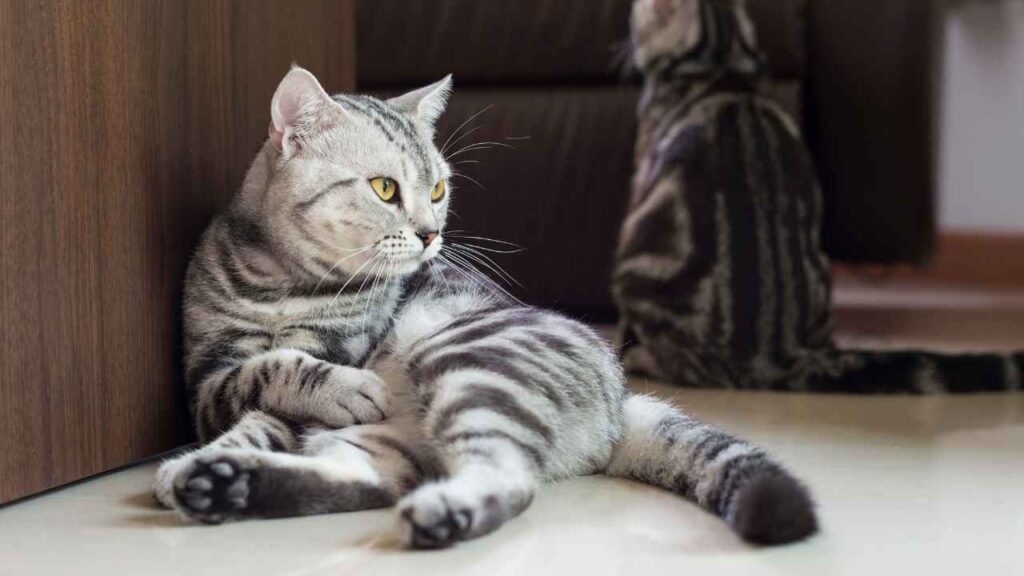
Often called the Domestic Shorthair in earlier records, the American Shorthair is a well-established breed known for its sturdy build, short, dense coat, and adaptable personality. Originating from working cats brought to America by early settlers, this breed blends charm with practicality.
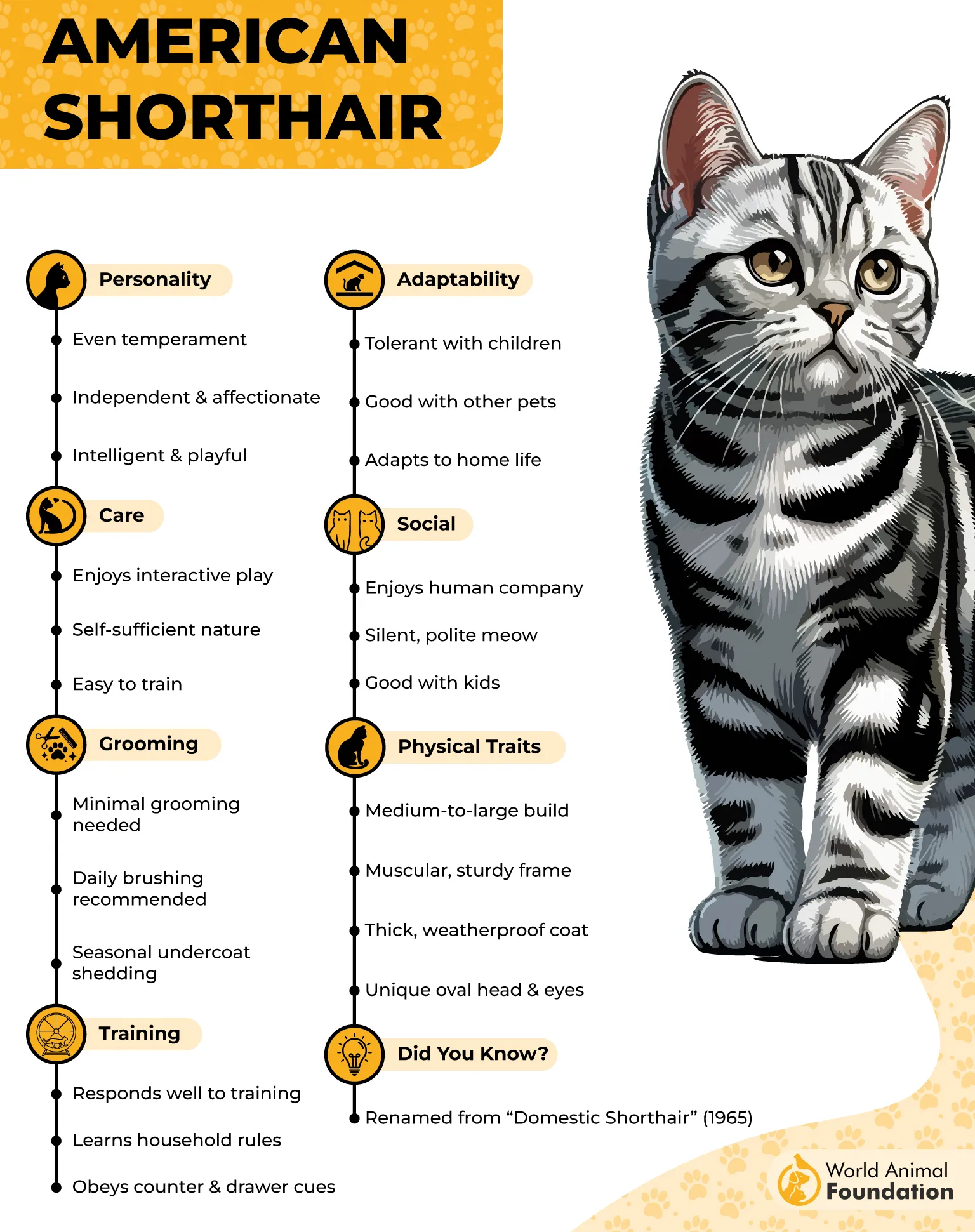
They may eagerly investigate a toy at first, then lose interest once they’ve “figured it out.” This easily bored tendency reflects their intelligence—they prefer variety and purposeful activities over repetitive games.
Their independent streak also plays a role in their short attention span. While gently playful even into old age, they’re not overly needy and often choose observation over constant interaction. This makes them endlessly charming companions who engage on their own terms.
Despite moments of laziness, they remain athletic hunters at heart, especially alert to insects or small movements around the home.
Fact: The American Shorthair was officially registered by the CFA in 1904 and renamed in 1966.
Conclusion
In conclusion, cat breeds that lose interest quickly often share traits such as independence and a calm demeanor. Some breeds are admired for their relaxed personalities, but this same calmness can sometimes translate into shorter attention spans.
While their curly coat or silky coat may attract many owners, it’s important to remember that these cats may engage on their own terms. Compared to other breeds, they may prefer brief interaction rather than constant stimulation, especially as they grow from a young age into adulthood.
When choosing a new pet, understanding the parent breeds and temperament is essential. Recognizing their natural behavior helps build a better bond and realistic expectations.
