




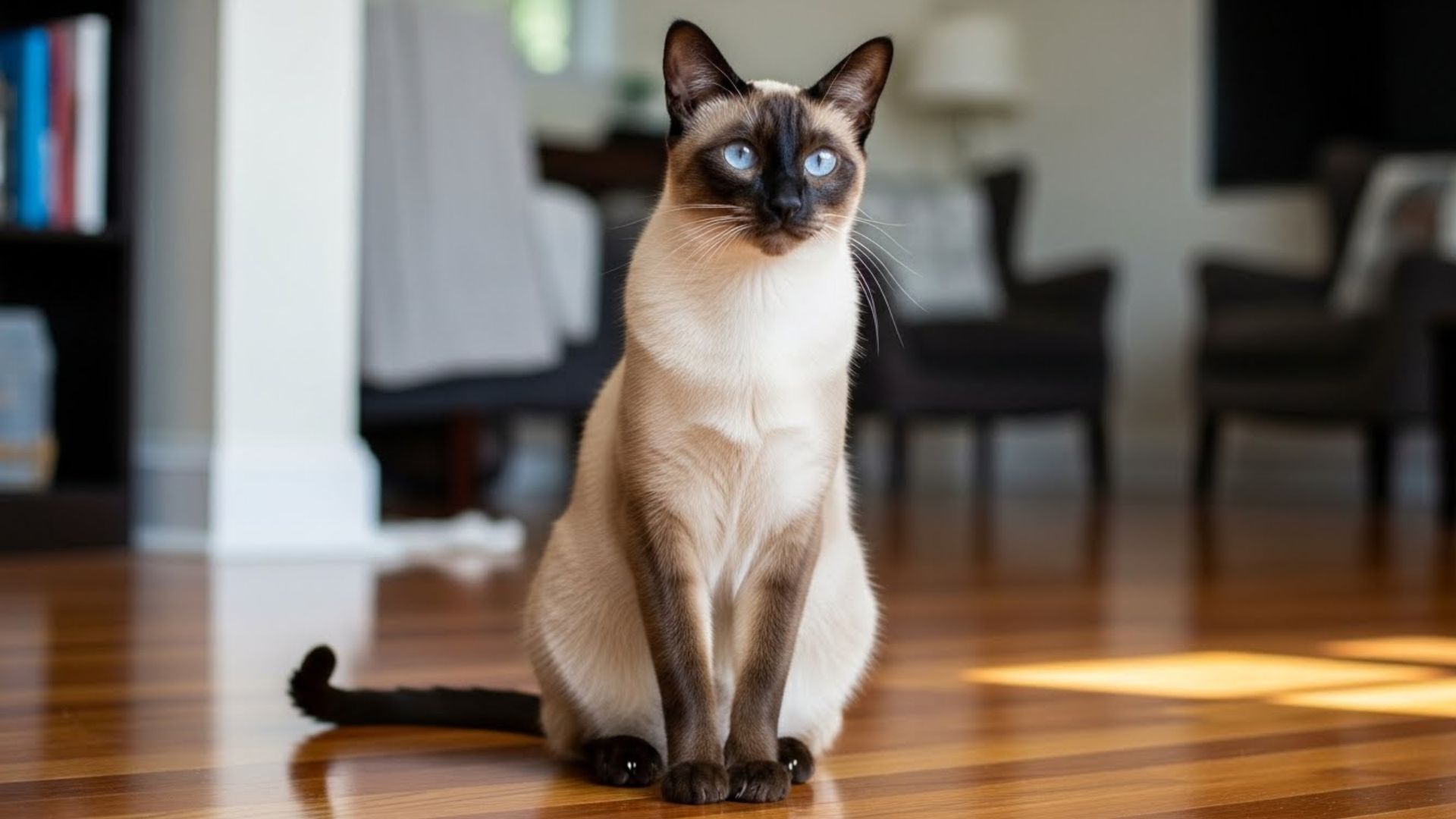
Every cat has a unique personality, but some breeds are known for picking up household routines with surprising ease. From understanding where to scratch to learning feeding schedules and daily boundaries, the right cat can make home life feel smoother and more predictable.
If you are hoping for a feline companion who adapts well to rules and structure, breed tendencies can offer helpful clues. This guide explores cat breeds that are often described as attentive, observant, and responsive to guidance.
While training always depends on patience and consistency, choosing a breed that naturally engages with its environment can set the stage for a more harmonious home for both cats and humans.
Cat Breeds That Learn Household Rules Quickly
1. Siamese
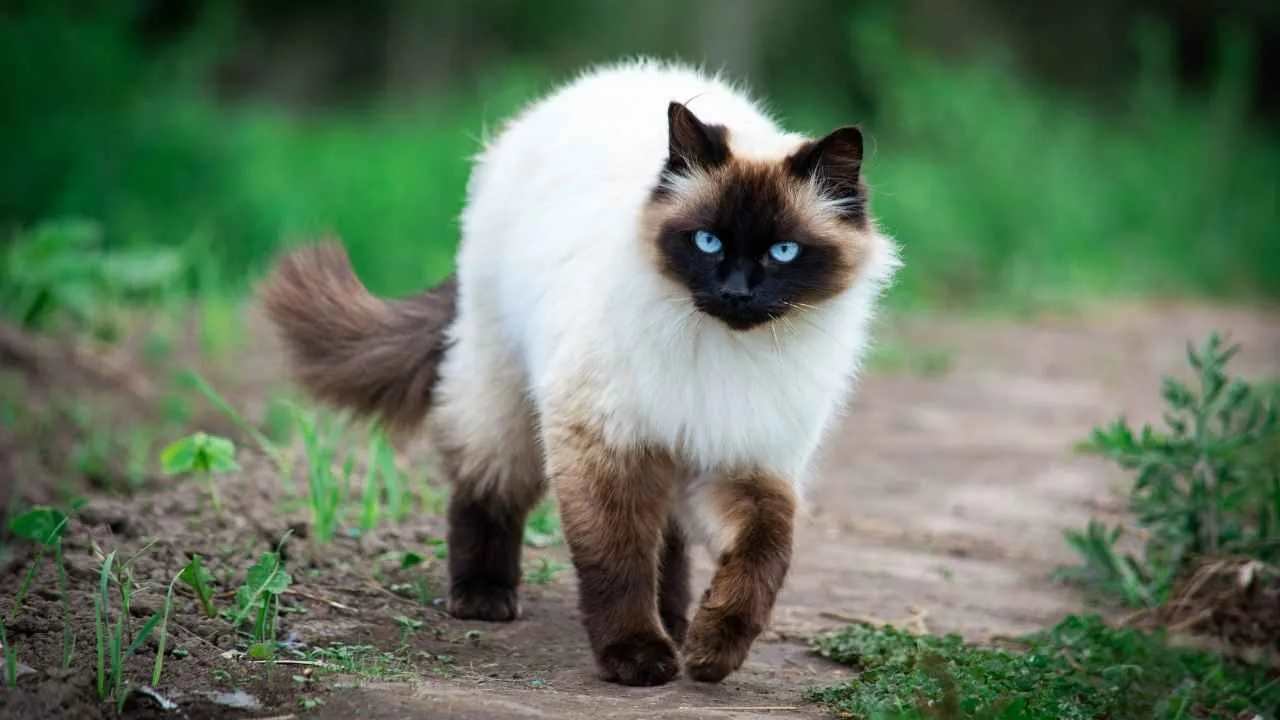
Siamese cats are deeply tuned in to the people they live with and tend to shape their behavior around human activity. They rarely ignore what is happening in the home and often insert themselves into daily moments. This strong people focus makes their reactions easy to notice.
Instead of quietly blending into the background, Siamese cats are expressive and responsive. They often react right away when routines shift, whether that involves feeding, play, or attention. Their vocal nature means they clearly signal recognition and expectations.
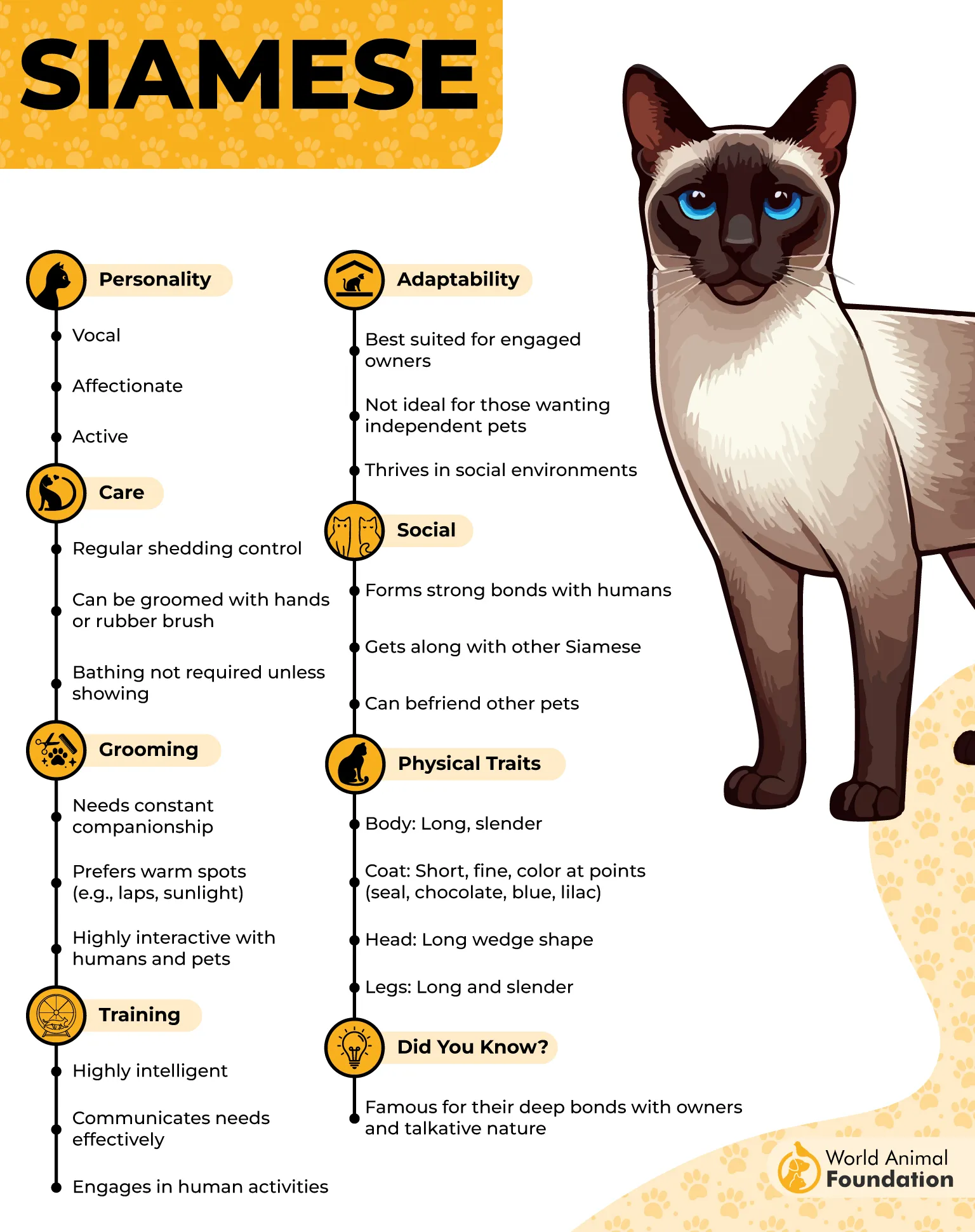
Because they thrive on interaction, they do best when responses from people stay clear and steady, as noted by Britannica. Mixed signals can lead to frustration, while consistent guidance helps them relax. Their behavior often mirrors how predictable the household feels.
Why This Cat Is a Good Fit
Picks up on human routines quickly
Responds clearly when expectations stay consistent
Great for first-time owners who want an interactive cat
2. Bengal
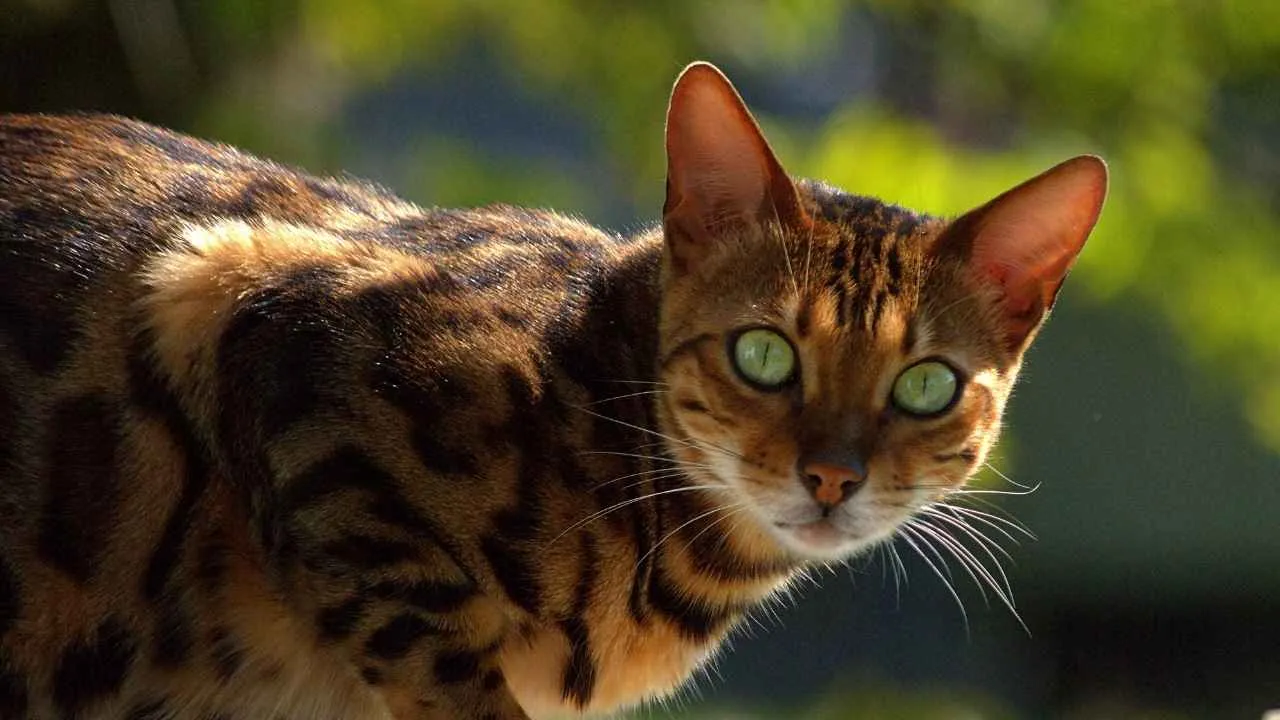
Bengals experience the world through movement and exploration rather than quiet observation. They like to investigate spaces, climb, and interact with their environment in hands-on ways. This makes them very aware of what they are allowed to access.
Their intelligence often shows up as curiosity and testing limits. As per Purina, Bengals may push boundaries simply to see what happens next. Clear physical rules help reduce confusion and repeated testing.
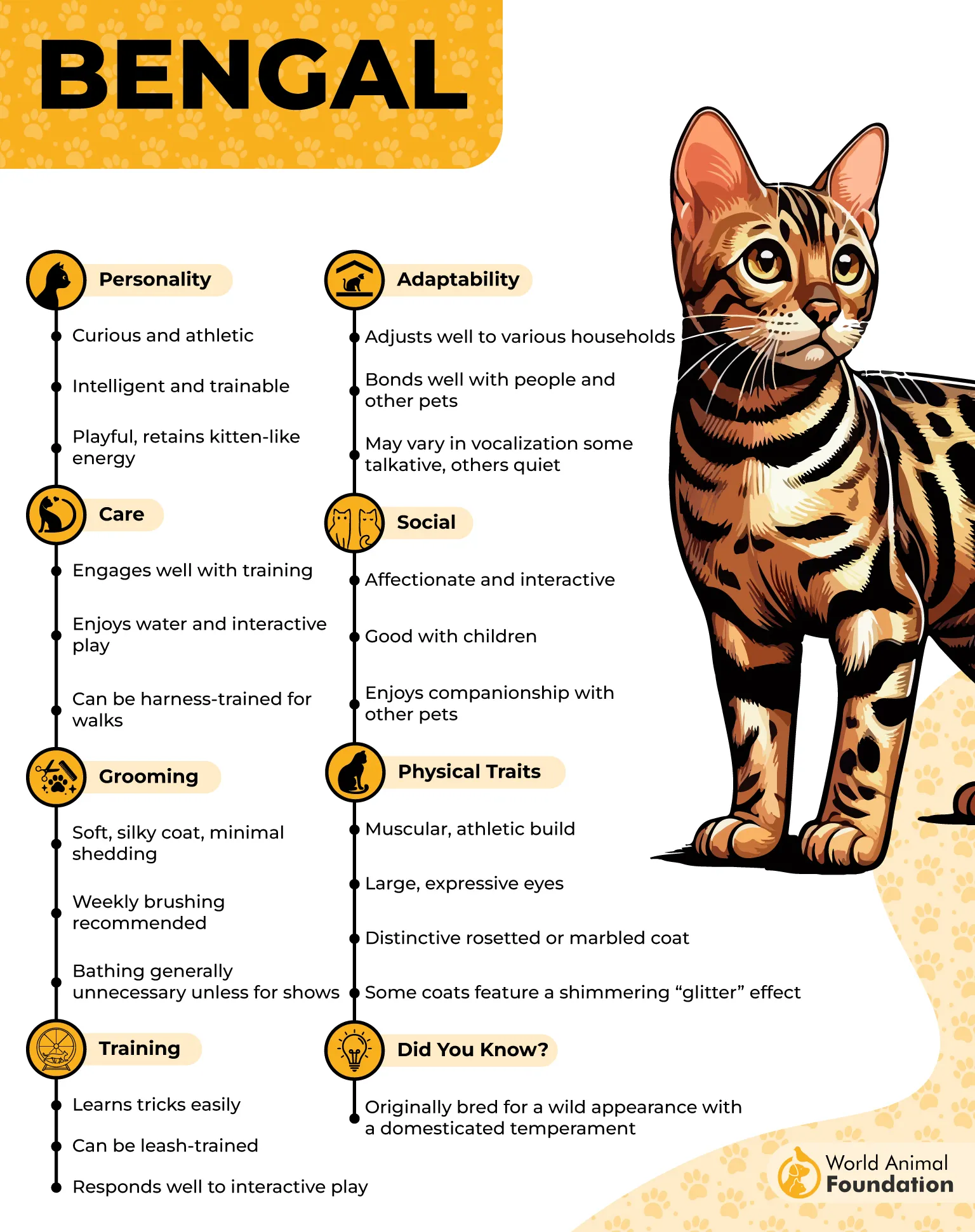
They do best in homes where daily patterns stay steady, and their energy has direction. Sudden changes without structure can lead to restlessness. When limits are clear, Bengals tend to adjust more smoothly.
Why This Cat Is a Good Fit
Learns rules by interacting with the environment
Benefits from clear and consistent boundaries
Works for first-time owners ready for an active cat
3. Abyssinian
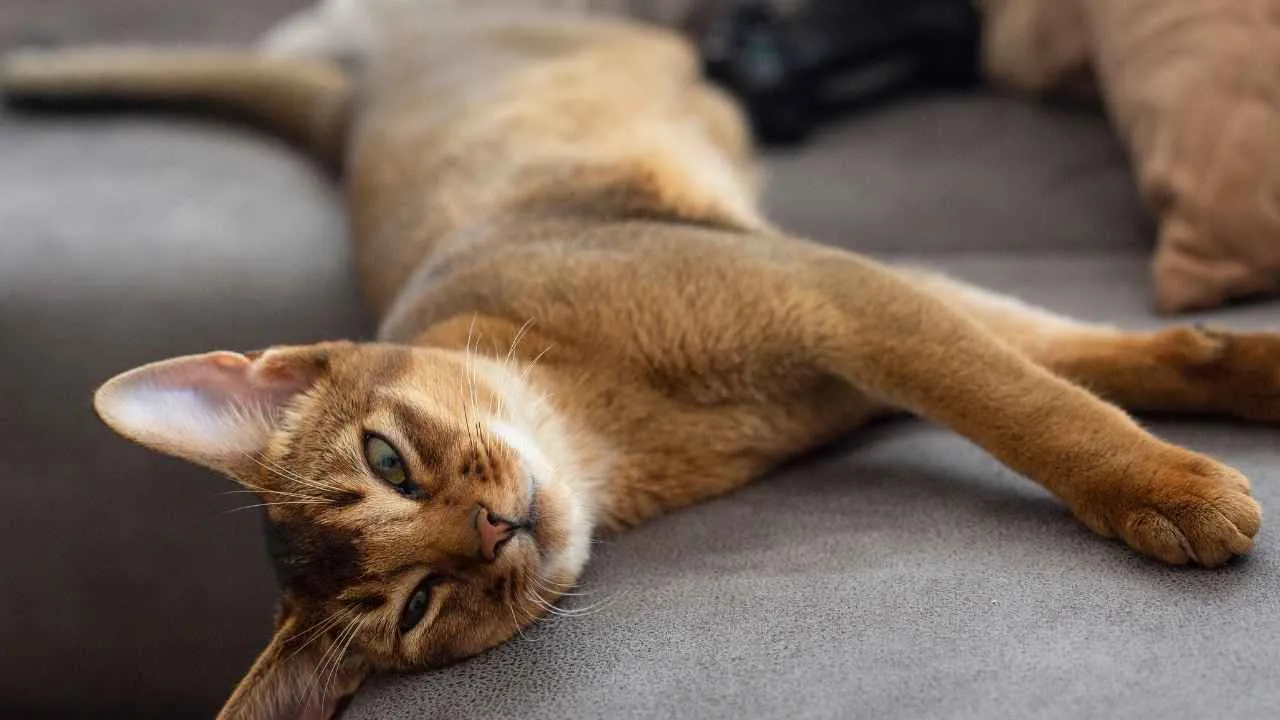
Abyssinians are alert, fast-moving cats that like to stay aware of everything around them. They often choose spots where they can watch activity unfold. This constant awareness shapes how they respond to household life.
Rather than waiting to be guided, Abyssinians often learn by watching. They tend to anticipate routines and place themselves where things usually happen. Their learning style is closely tied to observation.
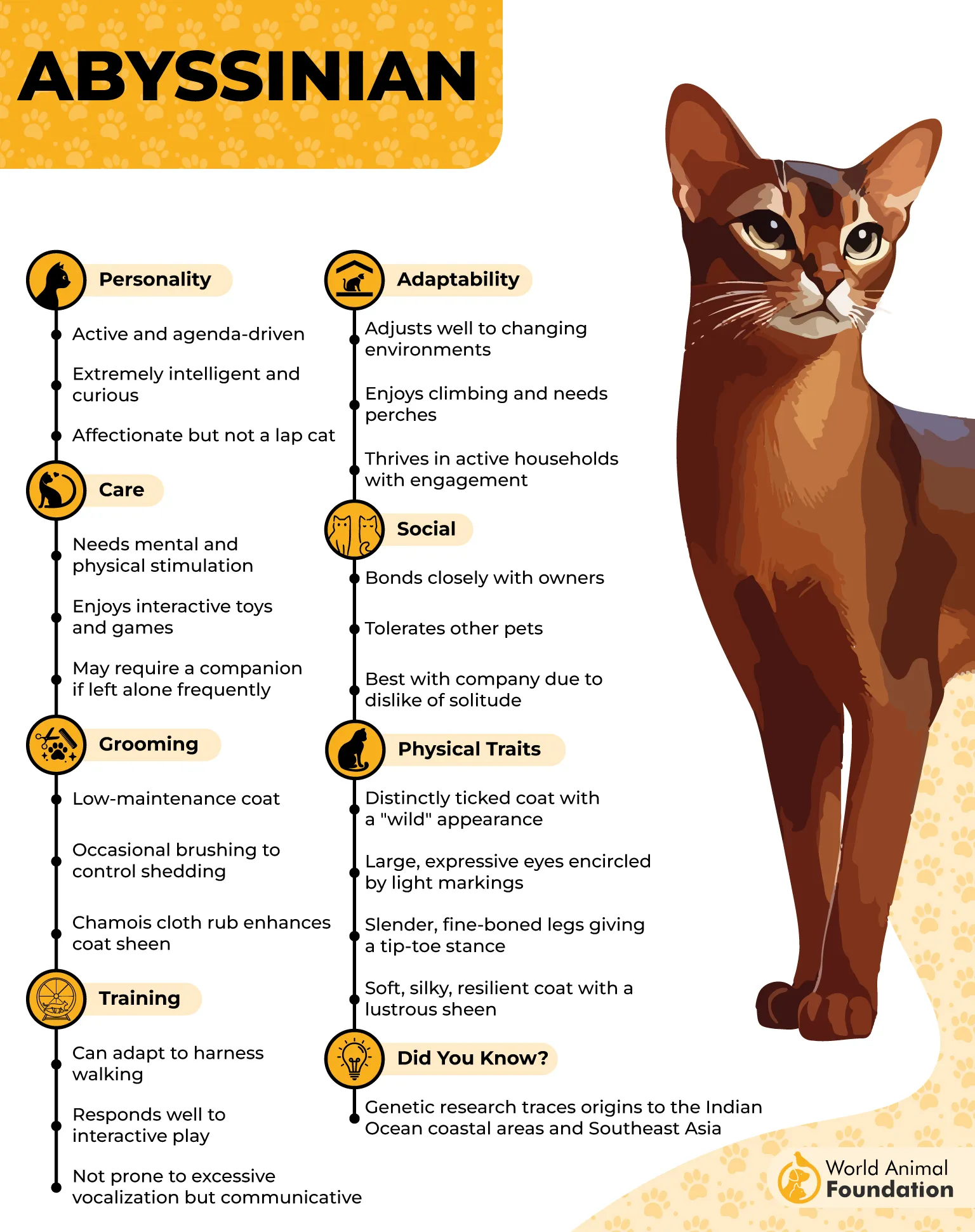
CFA states that they do best in homes with a steady rhythm and regular engagement. Unpredictable environments can leave them unfocused. Structure helps channel their energy in positive ways.
Why This Cat Is a Good Fit
Learns routines by watching daily activity
Stays engaged in homes with steady movement
A good match for first-time owners who enjoy lively cats
4. Scottish Fold
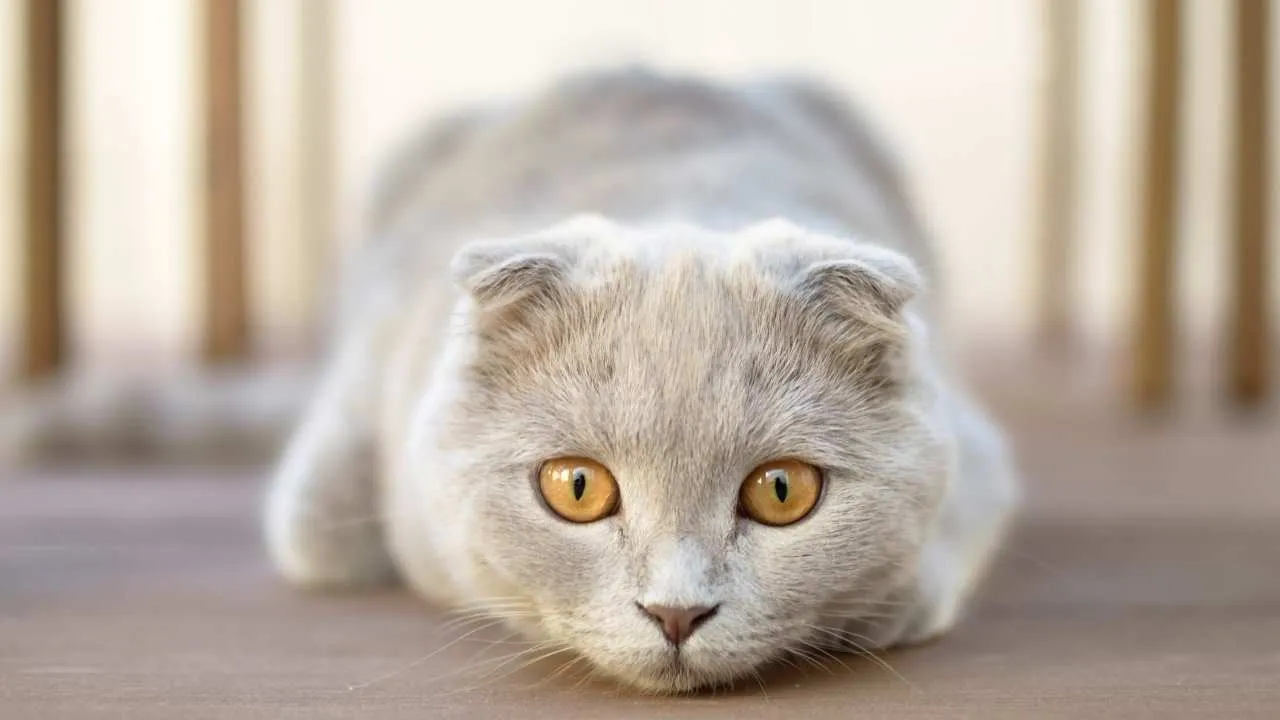
Scottish Fold cats have a calm, easygoing approach to home life. They often settle into familiar spots and prefer environments that feel relaxed. Their steady habits make routines easy to maintain.
They tend to pause and observe before reacting to changes. Rather than testing limits, Scottish Folds usually adapt quietly over time. This thoughtful behavior helps them adjust smoothly.

Homes that stay predictable suit them best. Consistency helps them feel secure and comfortable. They often follow household rules without much effort when things stay calm.
Why This Cat Is a Good Fit
Adjusts smoothly to stable routines
Prefers calm and predictable environments
Ideal for first-time owners wanting a low-key companion
5. Burmese
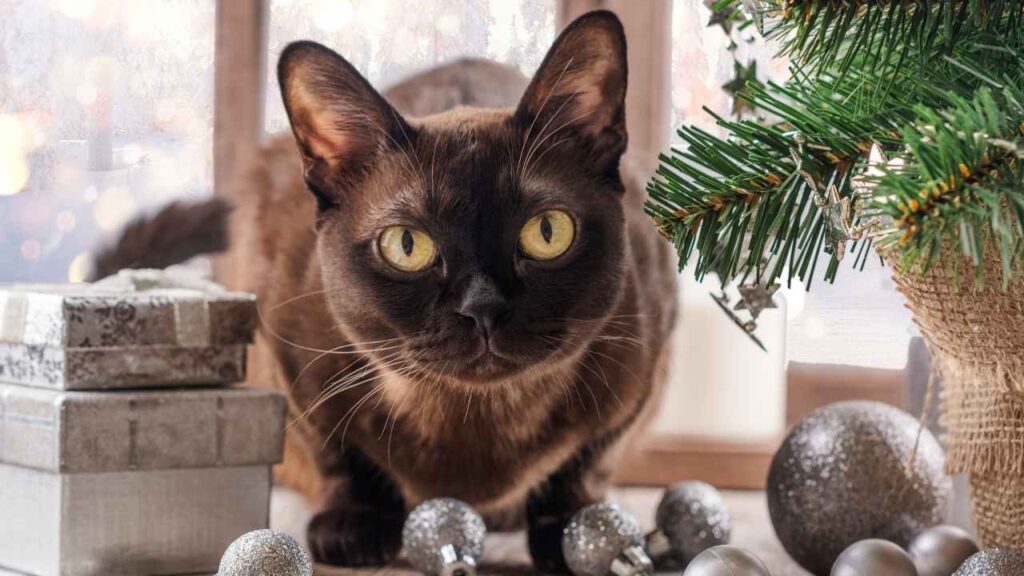
Burmese cats are affectionate and strongly connected to their people. They like being involved and often stay close throughout the day. Their behavior is closely tied to shared routines.
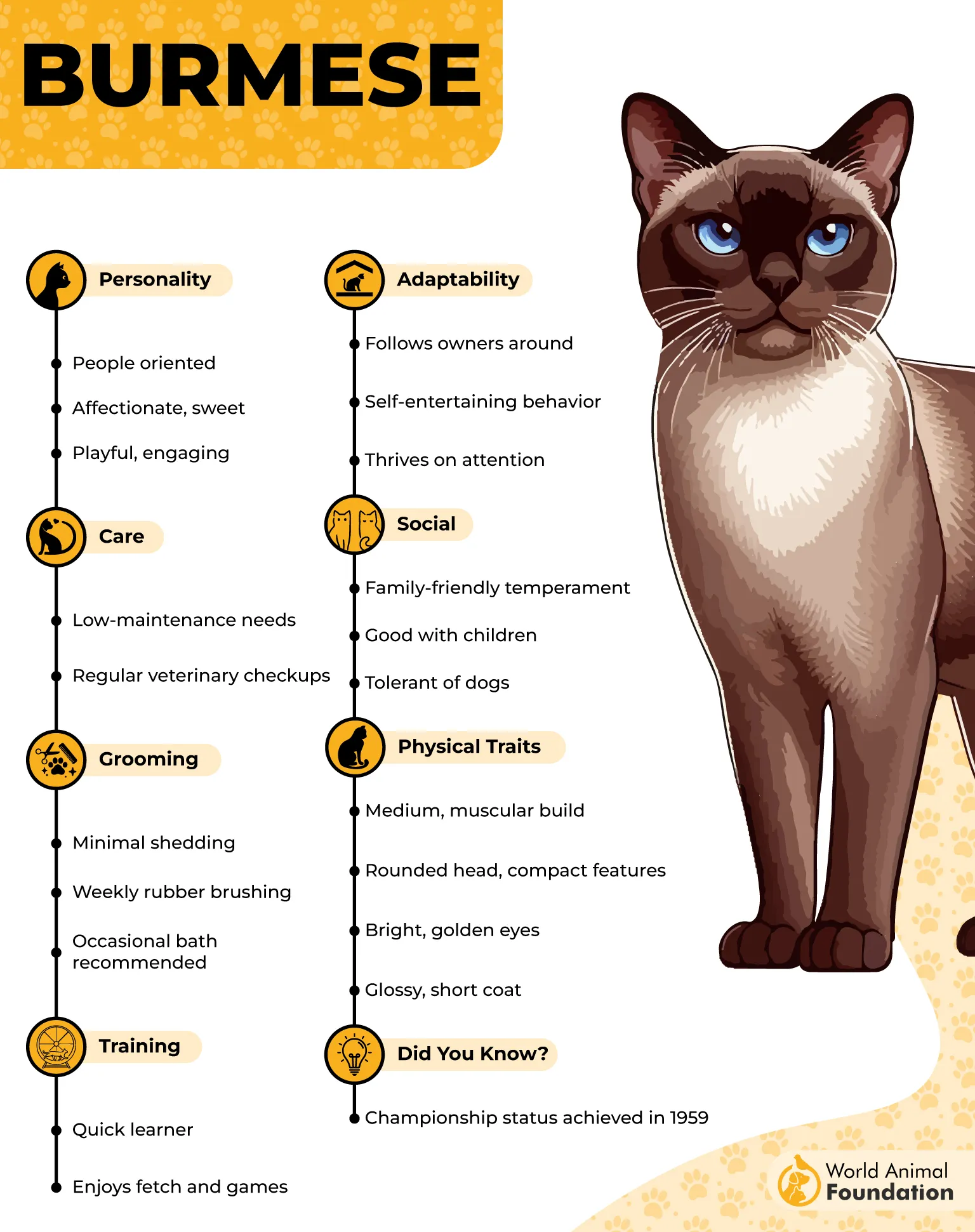
They are playful but also attentive to repetition, especially when it involves interaction. Burmese cats often remember sequences that include play, attention, and rest. Their focus stays centered on people rather than objects.
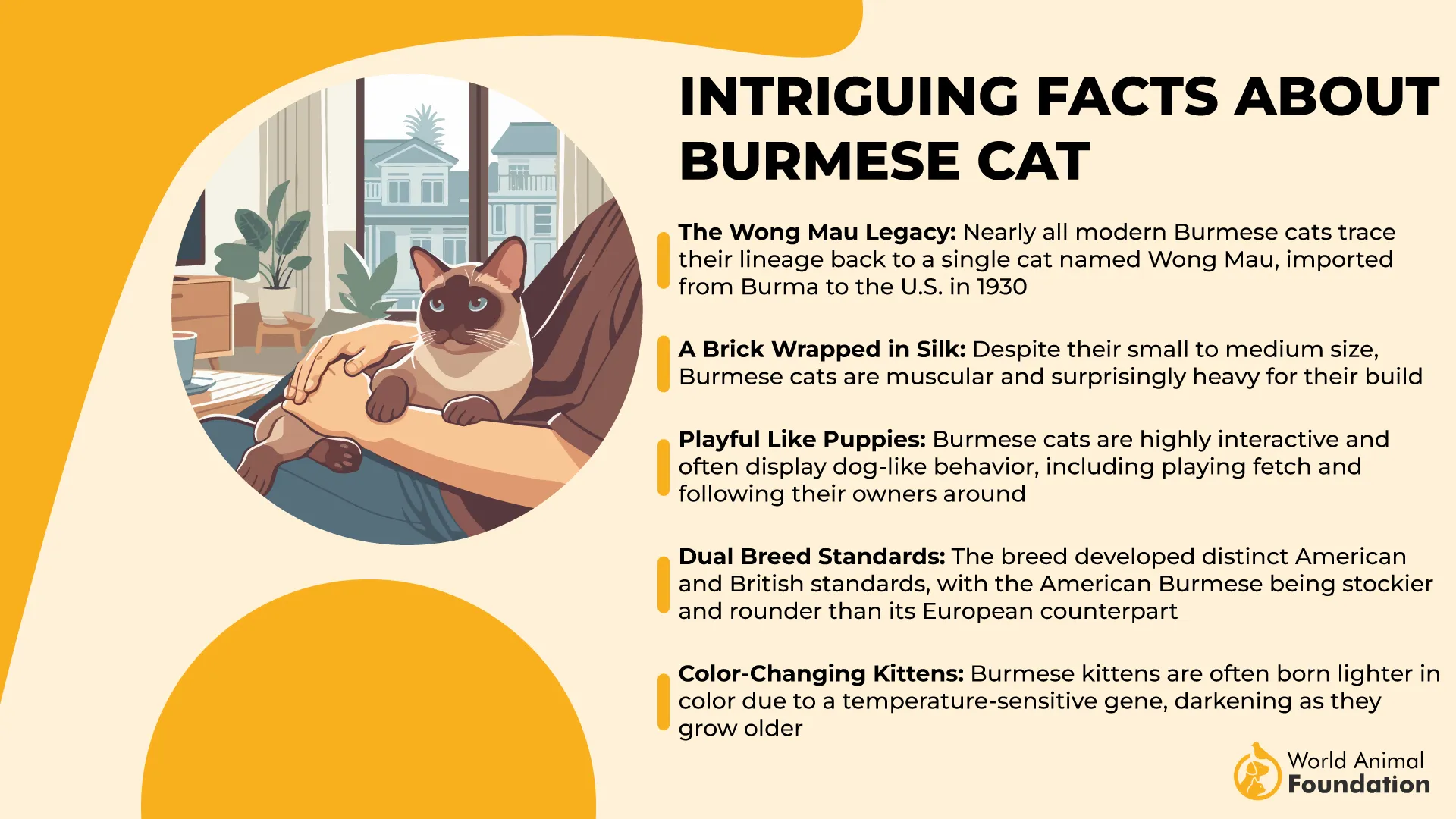
Because of this, consistency matters. Clear routines help them feel secure and confident. When expectations stay steady, they adapt easily.
Why This Cat Is a Good Fit
Learns routines through close interaction
Responds well to consistent schedules
Friendly option for first-time owners seeking connection
6. Persian

Persian cats have a long history dating back centuries and are often appreciated for their calm, steady presence in the cat world. As domestic cats, they prefer peaceful surroundings and tend to stay close to familiar routines. Their quiet nature makes their behavior easy to predict.
Rather than chasing constant activity, Persians spend time resting and observing their environment. They pick up daily patterns like feeding or quiet time without needing much encouragement. This slow, thoughtful pace supports steady habits.
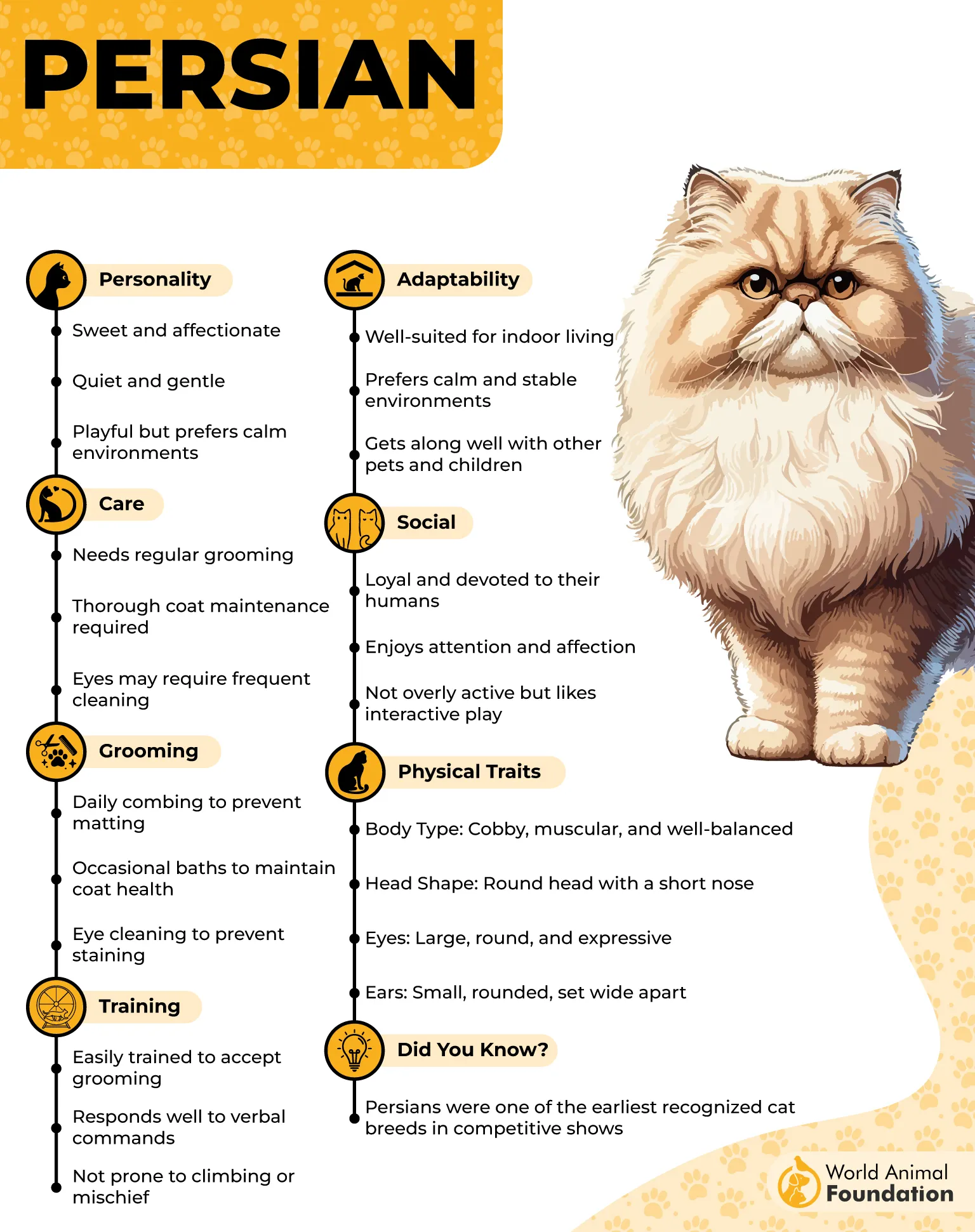
They are well-suited to homes that value routine and low noise. A stable environment helps them feel secure and relaxed. Their beautiful coat also encourages regular grooming as part of daily care.
Why This Cat Is a Good Fit
Settles easily into predictable household routines
Prefers calm environments over constant activity
A good option for pet parents wanting a relaxed feline friend
7. Cornish Rex
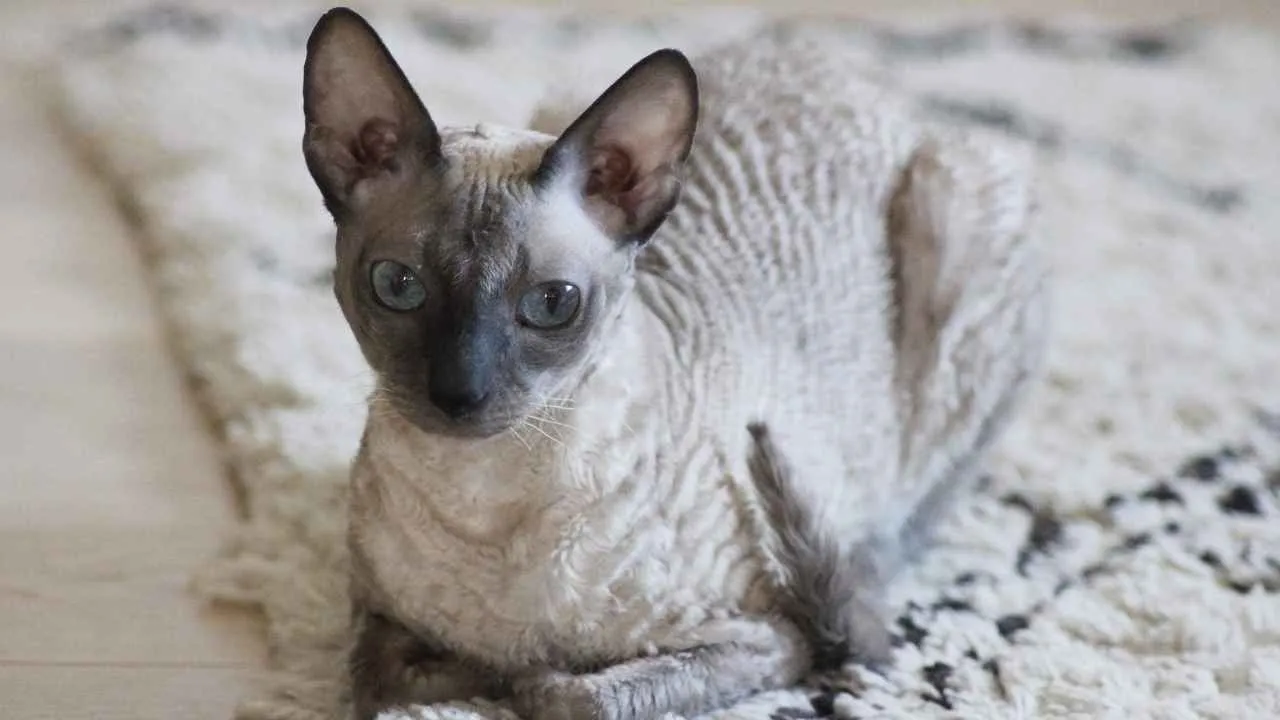
Cornish Rex cats are known for being a playful cat that thrives on activity and attention. Their sleek build and athletic movement keep them involved in whatever is happening nearby. They enjoy staying busy and rarely sit still for long.
They often learn through interactive play rather than quiet observation. Games, cat toys, and movement-based routines hold their attention. Their energy supports quick responses to repeated activities.
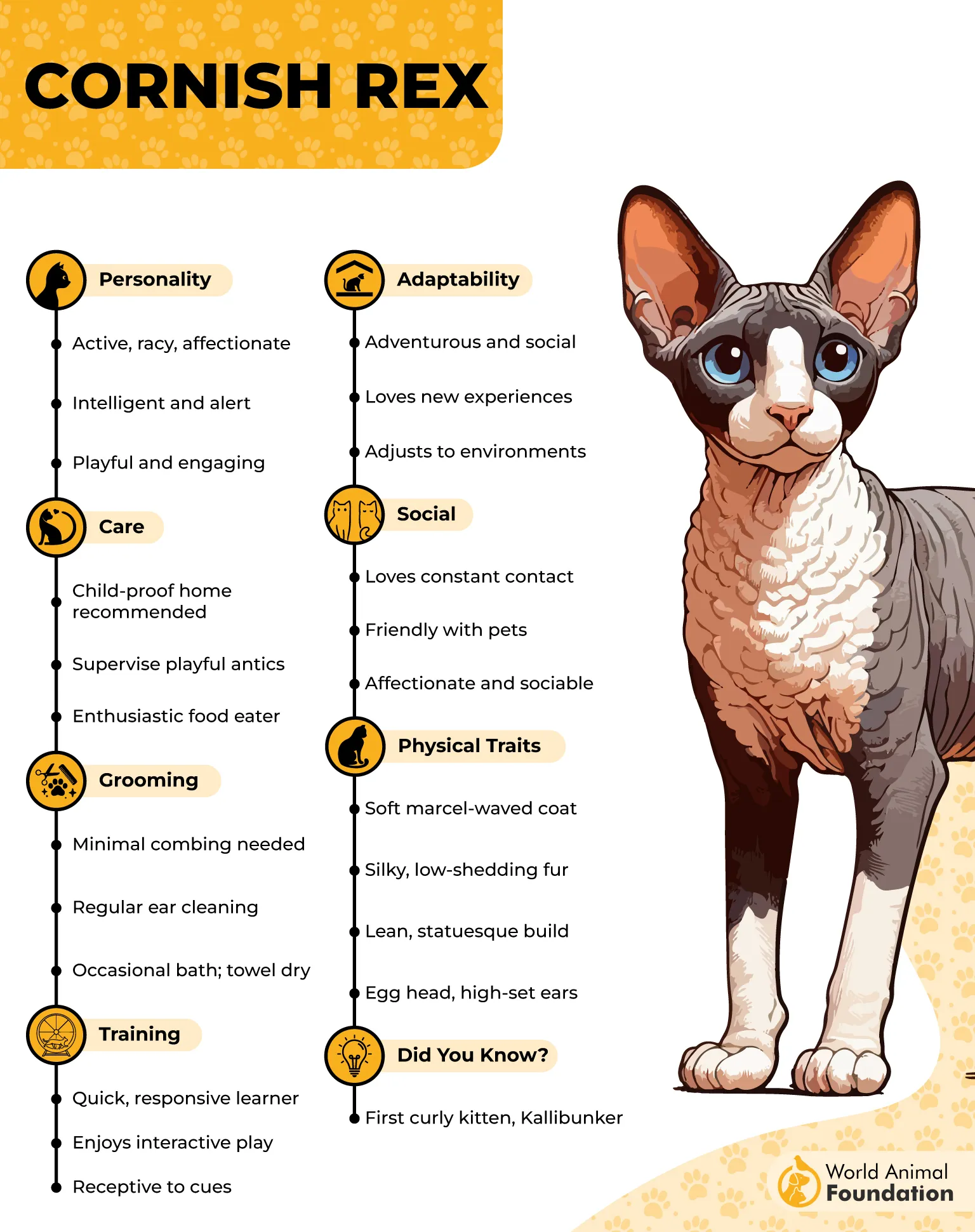
Because they can become bored easily, structure matters. Clear routines paired with interactive toys help prevent boredom. They do best in homes that enjoy active engagement.
Why This Cat Is a Good Fit
Responds well to interactive play and repetition
Needs physical and mental stimulation daily
A lively choice for first-time owners who enjoy engagement
8. Turkish Angora
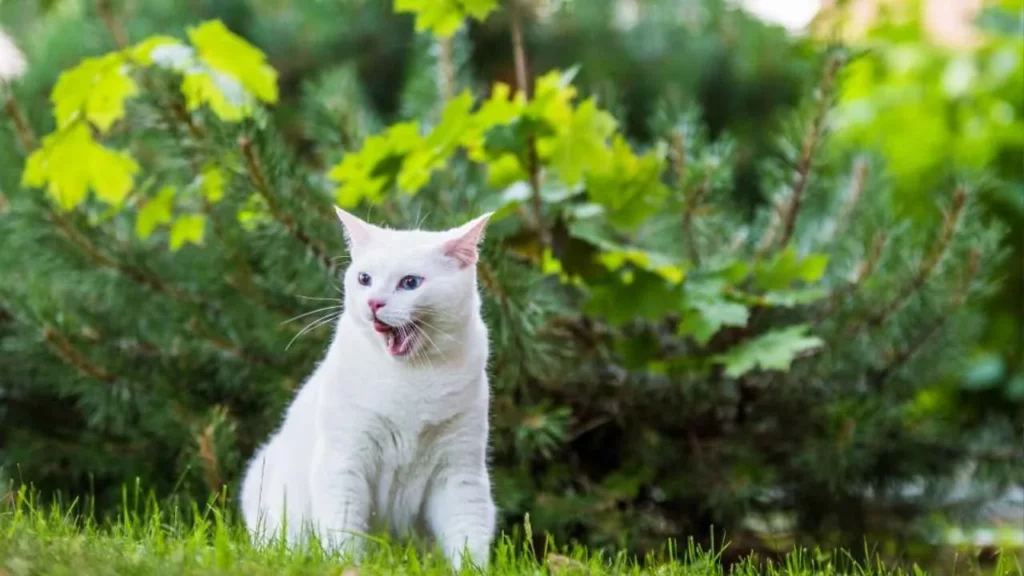
Turkish Angoras are known for their curious nature and alert behavior. They like to explore their space and stay involved in household activities. This awareness helps them recognize routines quickly.
They are often described as highly intelligent and attentive to changes around them. Turkish Angoras remember patterns tied to people, sounds, and movement. Their sharp focus reflects strong feline intelligence.
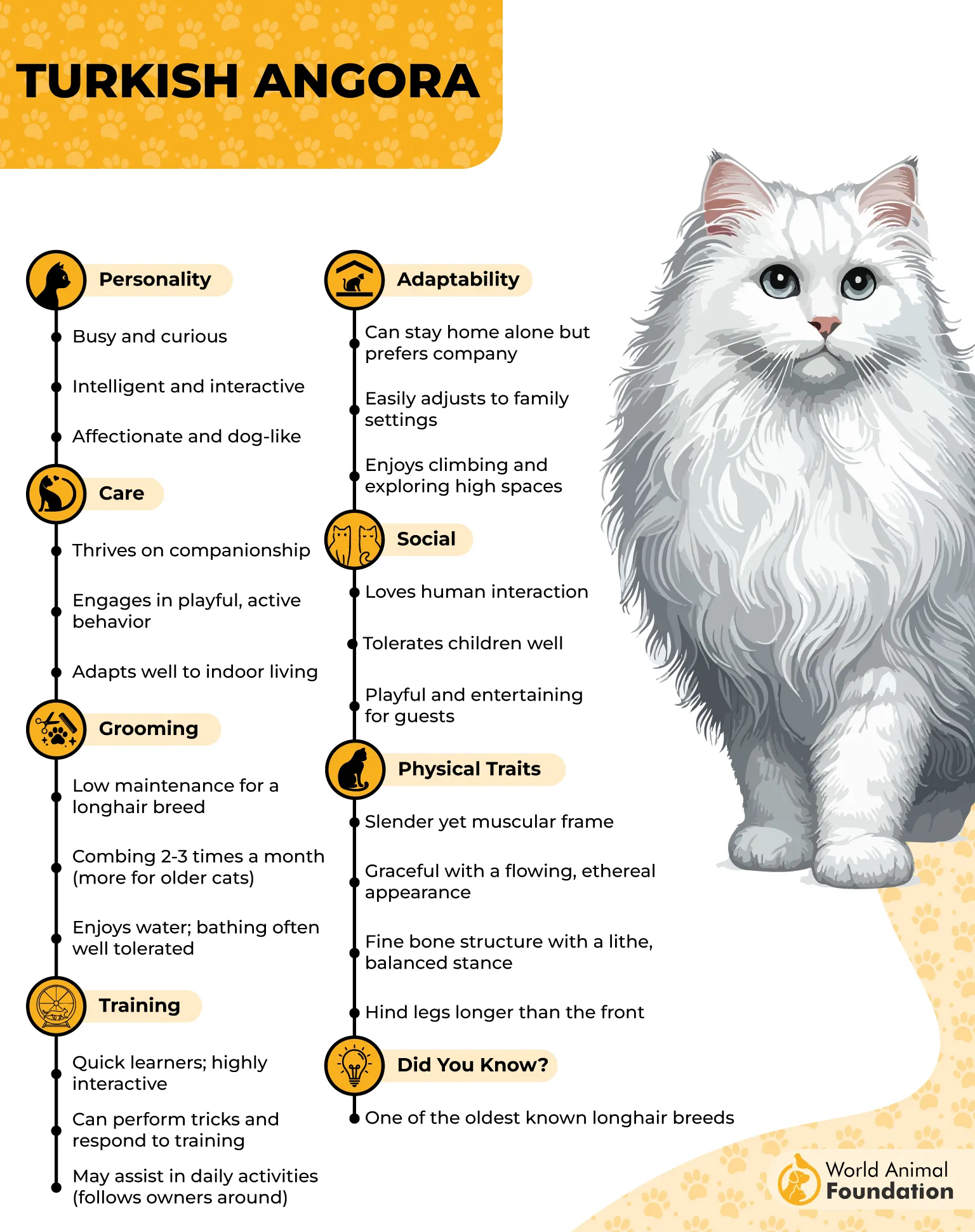
Because they enjoy stimulation, they do best with clear expectations. Consistent routines help them stay balanced. Without structure, they may seek their own entertainment.
Why This Cat Is a Good Fit
Notices daily routines and changes quickly
Thrives in homes with regular interaction
Appeals to cat lovers who enjoy an alert companion
9. Korat
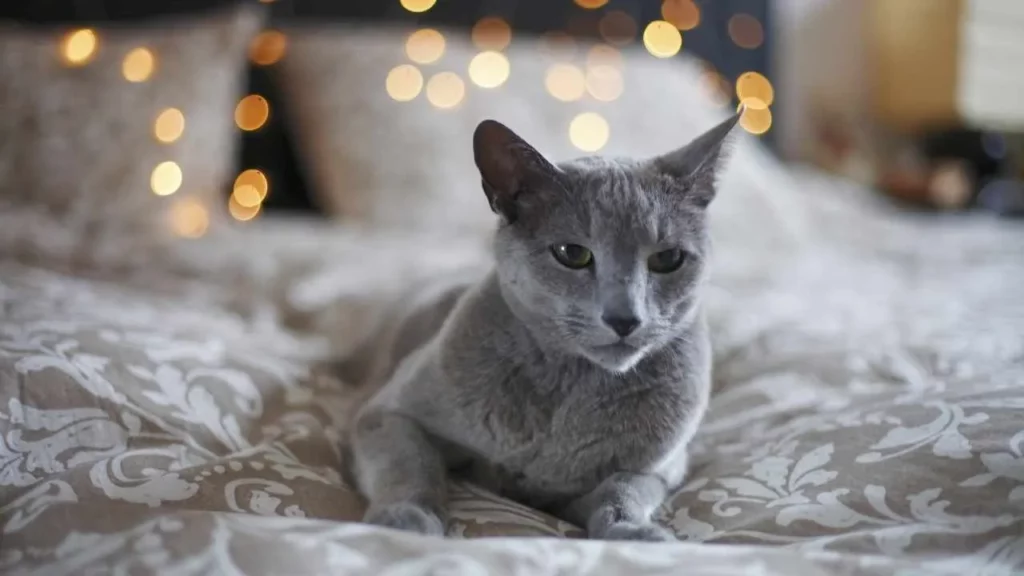
Korats are considered an ancient breed with deep roots and a strong connection to their families. They tend to observe quietly before engaging, especially in new situations. This careful approach shapes their steady behavior.
They often show emotional intelligence, responding to human emotions with sensitivity. Korats prefer company and form close bonds with familiar people. Their attention is focused more on relationships than objects.
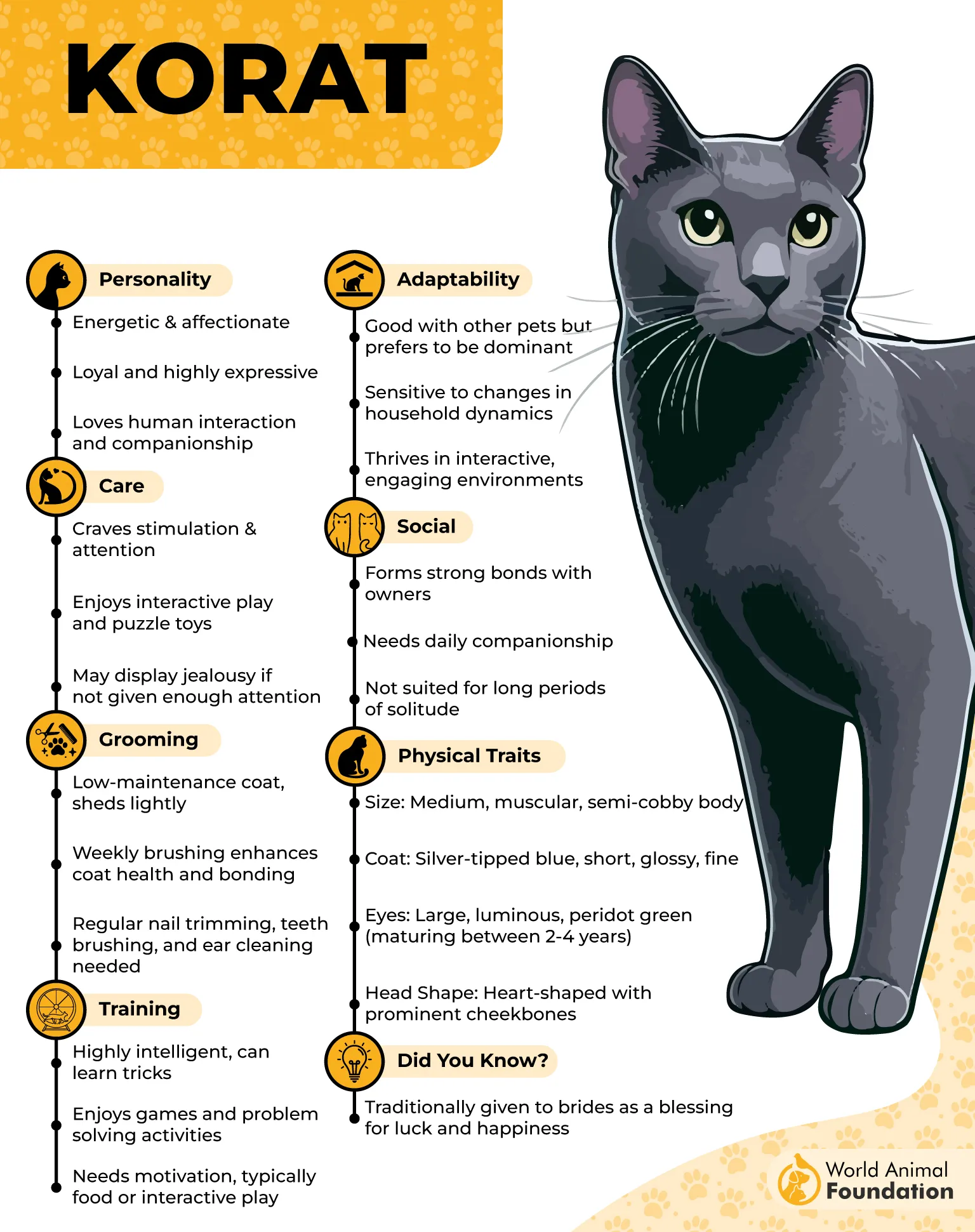
They do best in stable homes with minimal disruption. Consistent routines help them feel secure. Sudden changes can make them uneasy.
Why This Cat Is a Good Fit
Learns routines through quiet observation
Prefers calm homes with quality time
Suitable for first-time owners seeking a thoughtful companion
10. Savannah
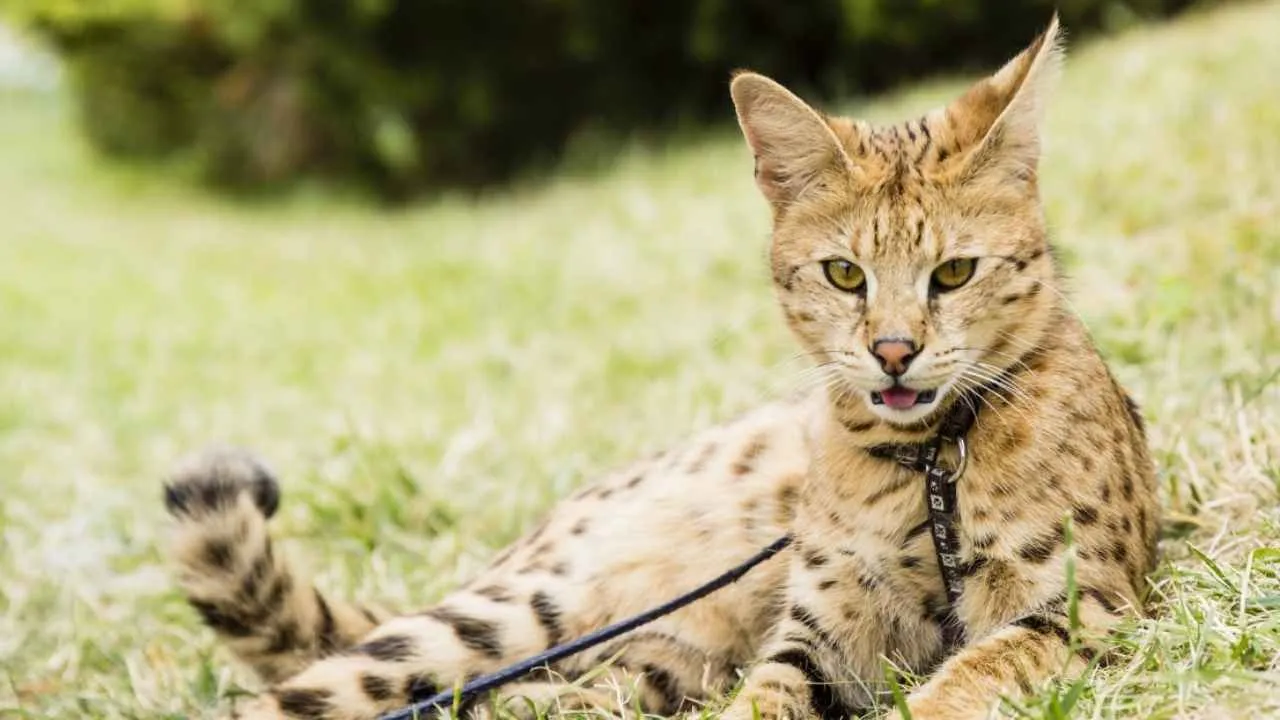
Savannah cats are an exotic breed with a background linked to the Asian leopard cat. They are athletic, alert, and constantly aware of their surroundings. This makes them highly responsive to space and movement.
They tend to learn rules through experience and testing boundaries. Savannahs often explore vertically and horizontally, using cat trees to stay active. Their behavior reflects high intelligence and strong problem-solving skills.
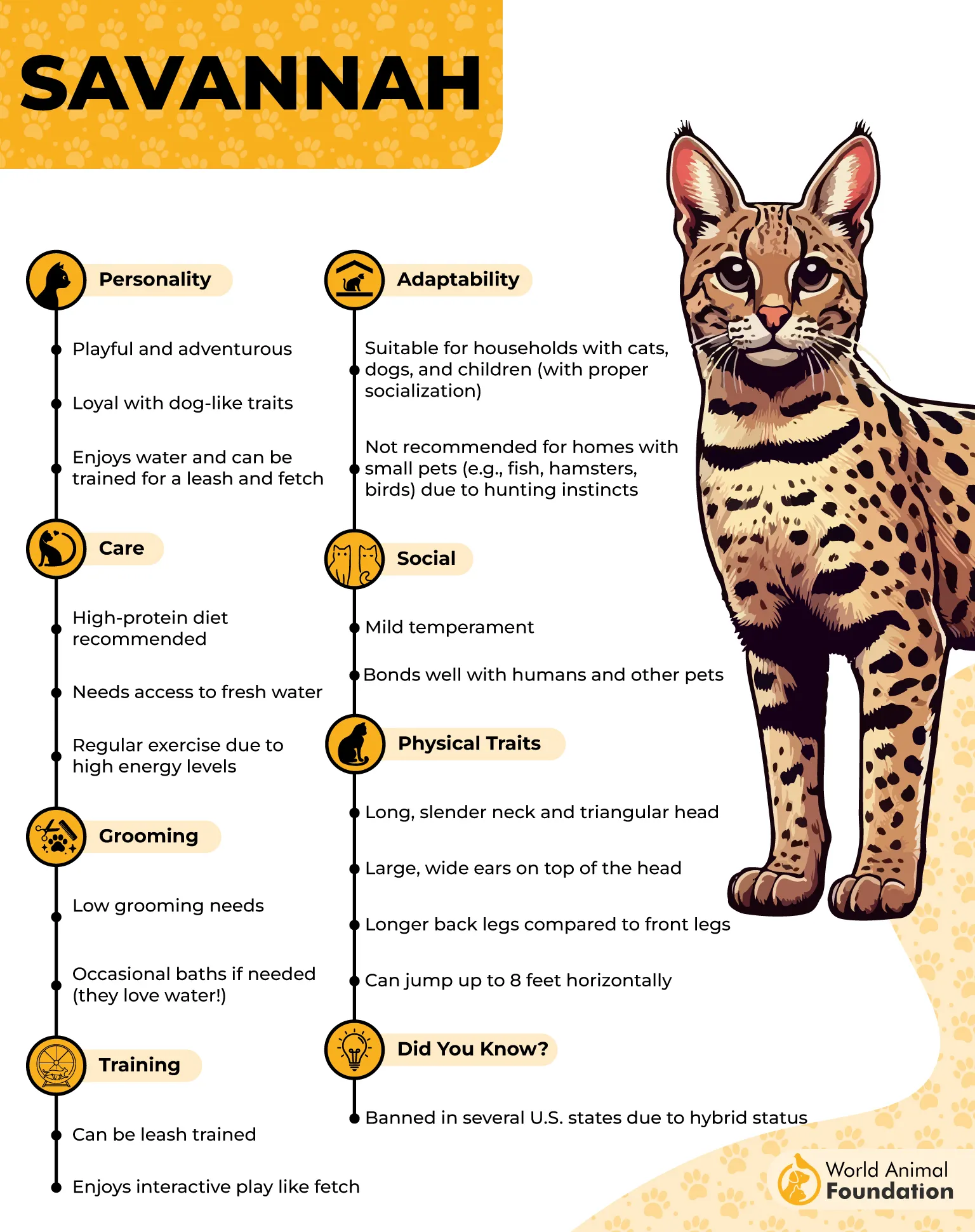
Because of their energy, a clear structure is essential. Consistent routines and boundaries help guide their behavior. They are best suited to confident owners who enjoy active cats.
Why This Cat Is a Good Fit
Learns household rules through clear boundaries
Benefits from structured routines and space to move
A unique option for pet parents ready for an active cat
Conclusion
Living with one of the smartest cat breeds can add structure, fun, and connection to everyday family life. Many intelligent cat breeds enjoy learning boundaries, responding to positive reinforcement, and staying engaged through play games, cat tricks, and simple mental challenges.
A smart cat often adapts well around other cats, other pets, and even other animals, especially when routines stay consistent. Some owners enjoy teaching skills like walking on a leash, training, or using a scratching post as part of their daily habits.
Beyond the breeds covered here, other breeds such as the Maine coon, Turkish Van, Japanese Bobtail, and American Shorthair are often mentioned among the most intelligent cat breeds.
