




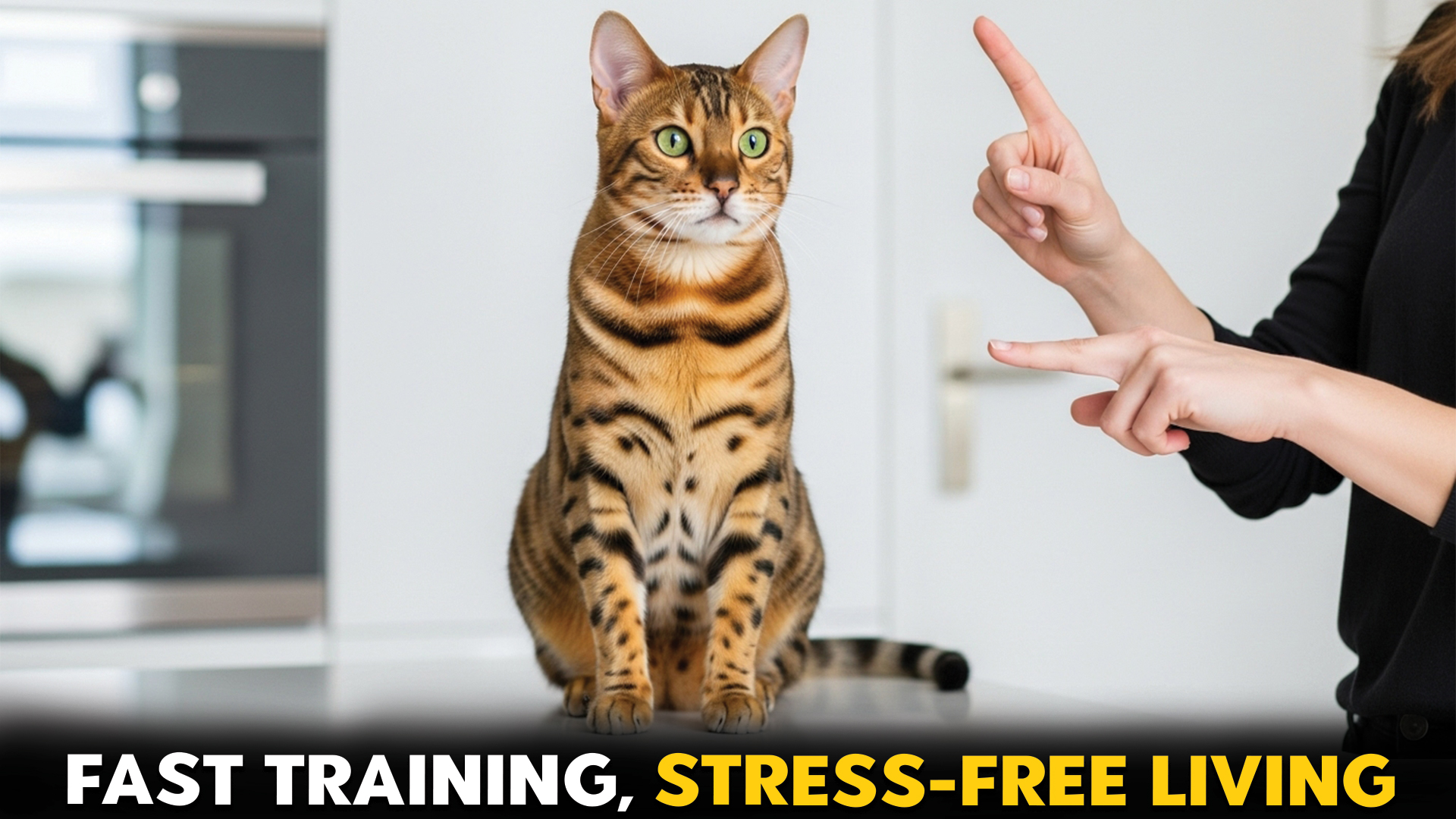
Cats may have a reputation for doing things their own way, but some breeds pick up household rules surprisingly fast. From staying off counters to using scratching posts instead of furniture, certain cats seem to understand boundaries with minimal guidance. This difference often comes down to intelligence, curiosity, and how receptive a breed is to learning through routine and reinforcement.
Why do some cat breeds learn rules faster than others? It largely depends on how they process their instincts. Highly intelligent cats tend to observe patterns, connect cause and effect, and adapt their behavior when it benefits them. Rather than seeing unwanted actions as stubbornness, understanding the motivation behind a cat’s choices can make training more effective and far less frustrating.
Trainability in domestic cats is closely tied to engagement. Breeds that enjoy interaction, problem-solving, and mental stimulation are more likely to respond to gentle training. With patience, consistency, and the right setup, these cats can quickly learn household boundaries, proving that cats are far more teachable than they’re often given credit for.
Cat Breeds That Learn Household Boundaries Fast
1. Siamese
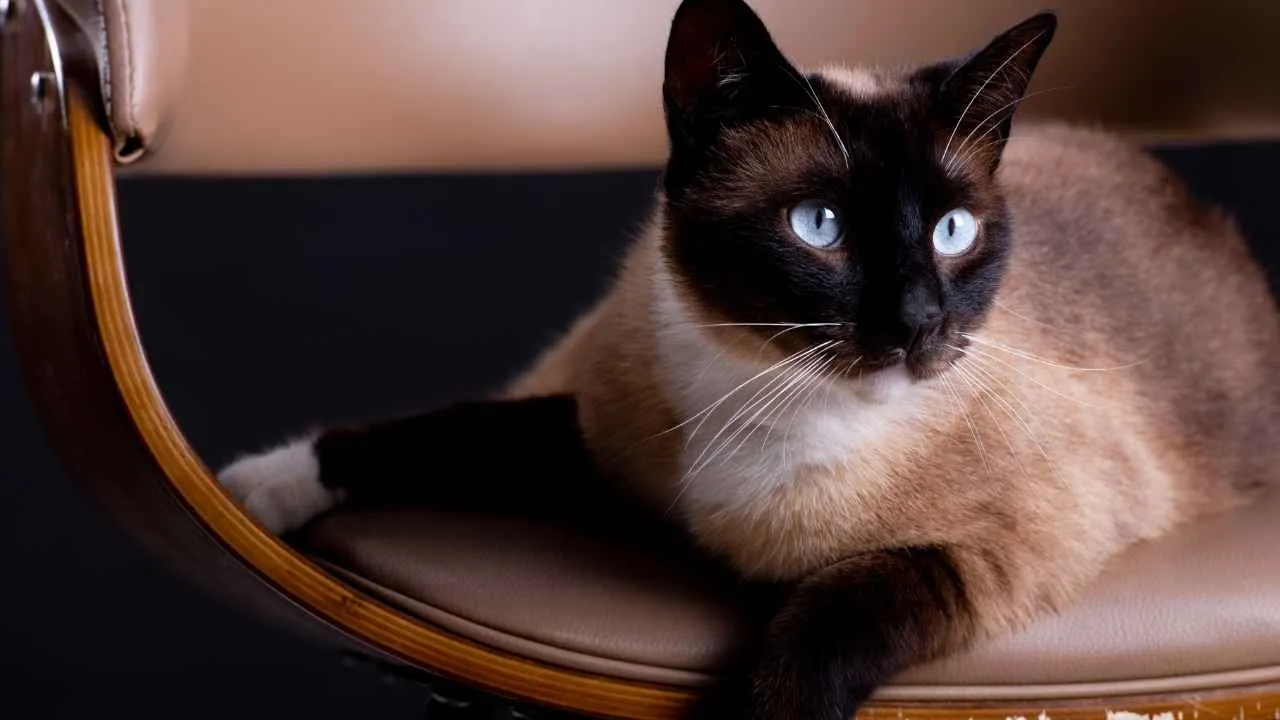
Also known as the Thai cat or “Meezer,” the Siamese is instantly recognizable for its sleek body, color-point coat, and striking blue eyes. This ancient breed has long been cherished for its social nature and close bond with humans.
According to Britannica, the Siamese cat was first introduced to the United States in 1878 and later exported to the United Kingdom in 1884.
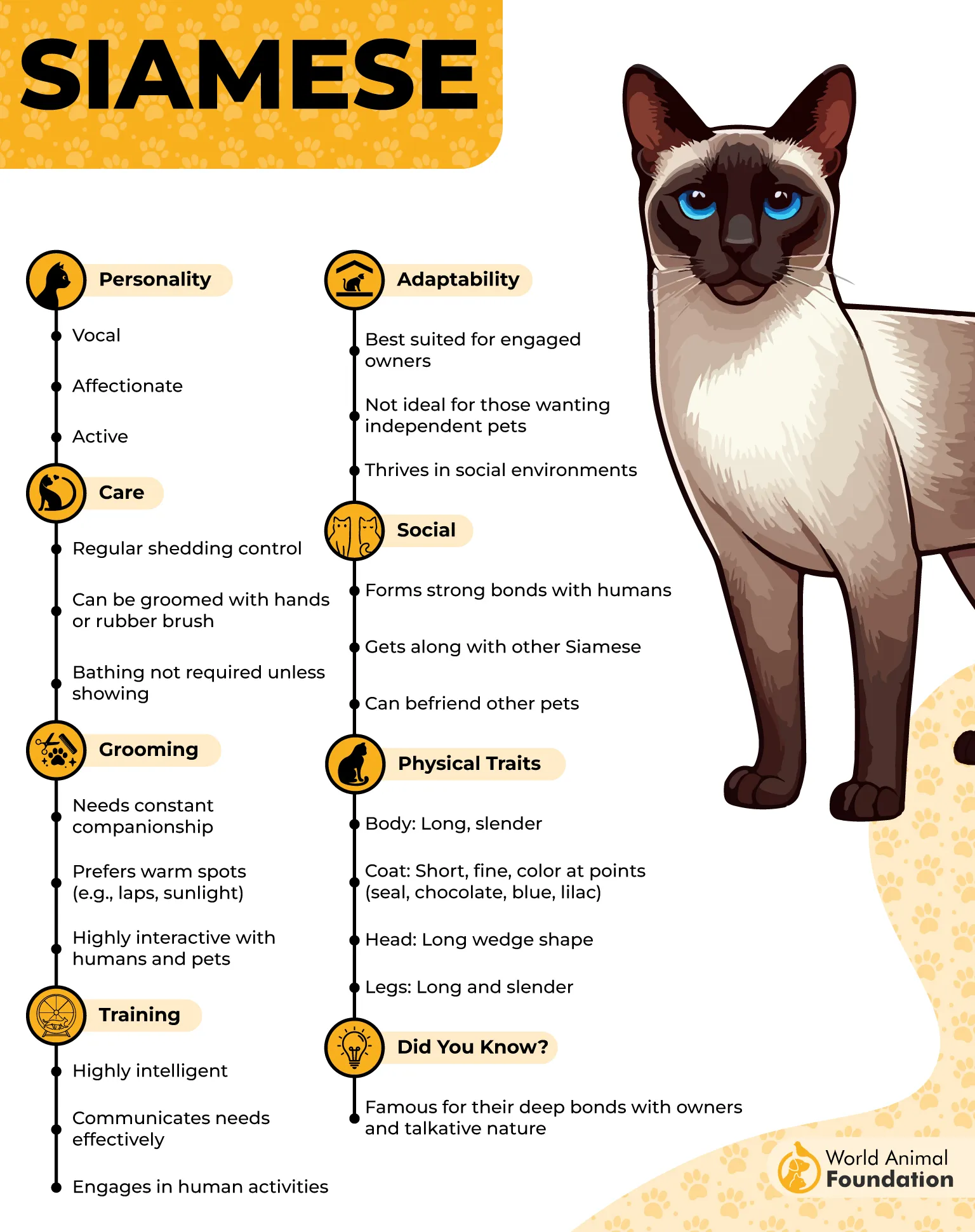
Siamese cats are quick to understand household limits because they crave interaction and approval. Their people-pleasing personality makes them highly receptive to learning where they’re allowed to go and what behaviors earn positive attention.
Highly intelligent and curious, this breed thrives during training sessions that involve structure and engagement. Teaching rules such as staying off counters or using designated play areas often comes naturally when guidance is consistent and rewarding.
Because they love being involved in daily routines, Siamese cats quickly adapt to household expectations.
Fun fact: Siamese cats are famous for being extremely vocal and often “talk back” during training, turning learning into a two-way conversation.
2. Maine Coon
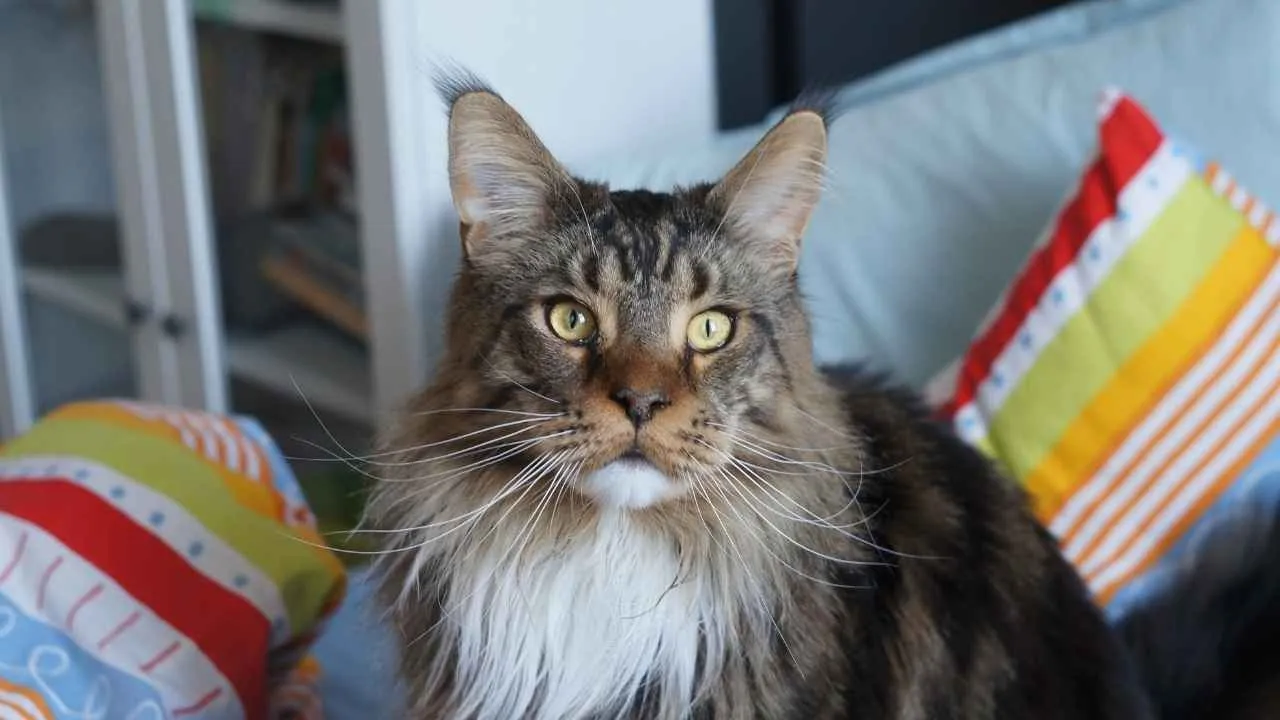
Often called the “gentle giant,” the Maine Coon is one of the largest and most recognizable domestic cat breeds, admired for its long, flowing coat and friendly expression.
According to PetMD, Maine Coon cats originated in Maine, and the breed remains the official state cat there. Thought to have arrived in America with seafarers, this breed developed resilience, intelligence, and adaptability over centuries.
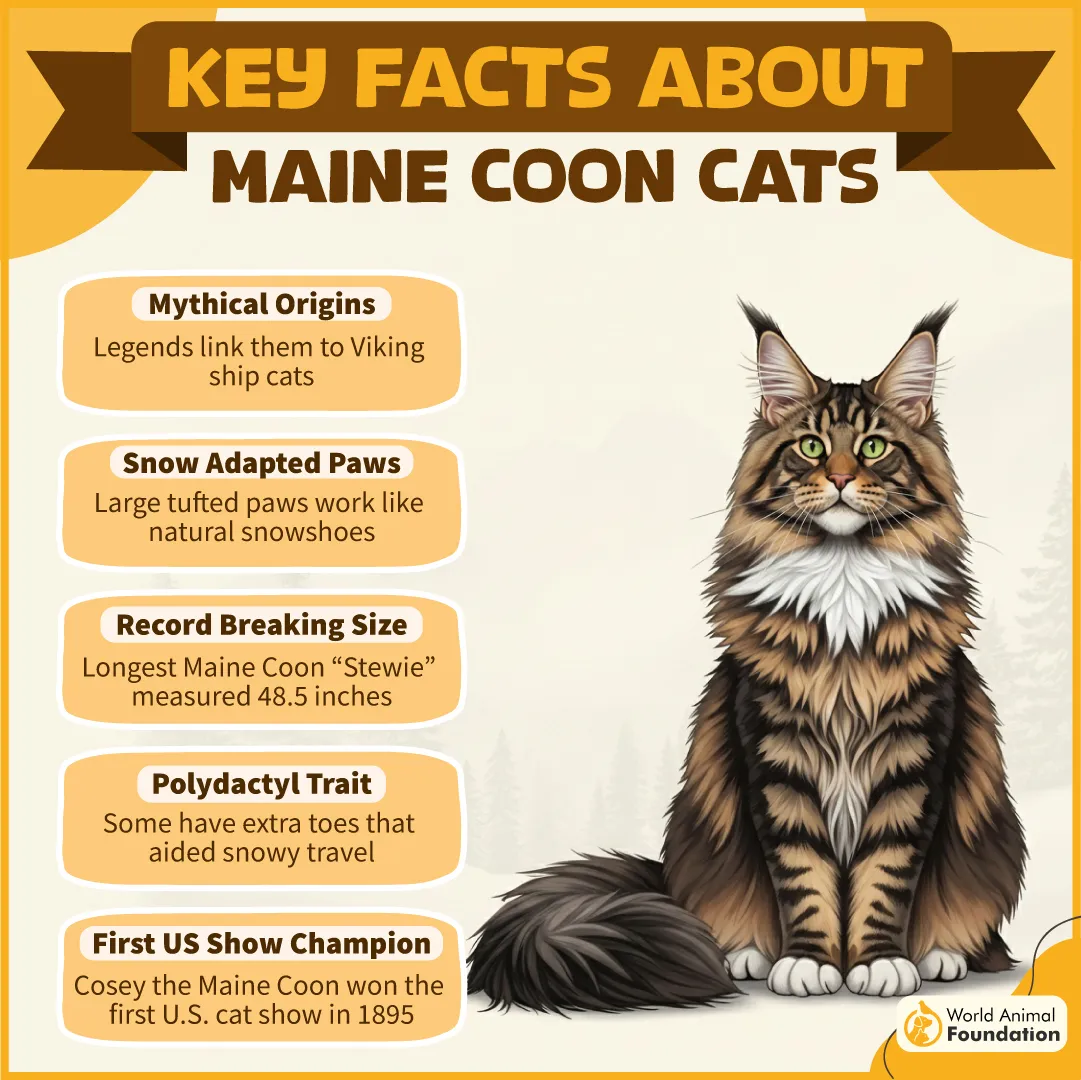
Maine Coons are naturally observant and quick to understand household rules. Their calm, people-oriented nature helps them watch, learn, and adjust their behavior without constant correction, making boundary training feel intuitive rather than forced.
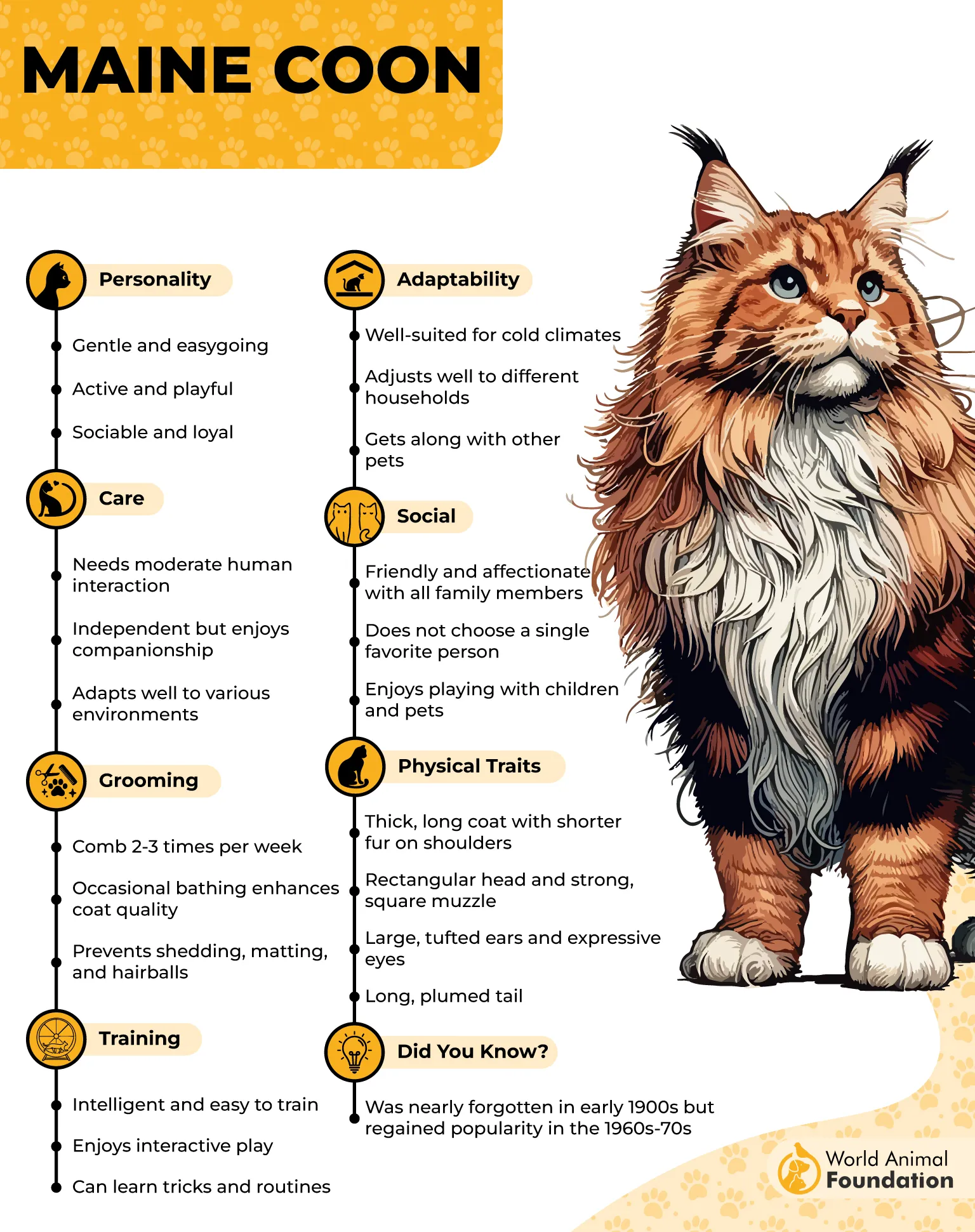
Highly intelligent and eager to please, this breed responds especially well to consistency, praise, and gentle guidance. Maine Coons tend to respect routines, learn acceptable spaces quickly, and adapt smoothly to family life, even in busy households.
Because they are tolerant and patient, Maine Coons often excel in homes with children and other pets, picking up expectations with ease.
Fun fact: The Maine Coon earned its “gentle giant” nickname for its large size paired with an unusually calm, easygoing temperament.
3. Bengal
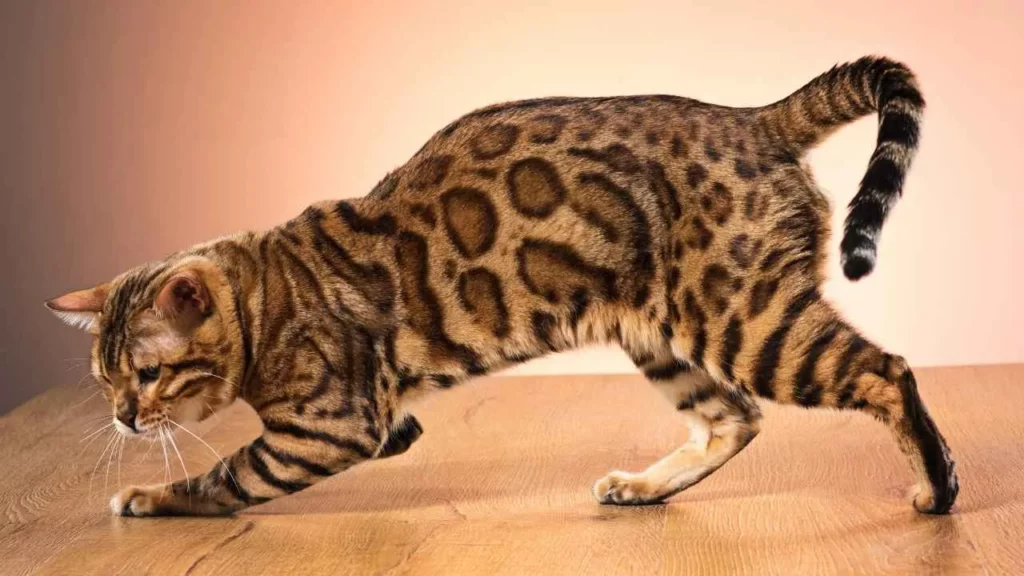
Often called the “mini leopard,” the Bengal is a striking breed descended from the Asian Leopard Cat, known for its spotted or marbled coat and athletic build.
According to WebMD, Bengal cats—famous for their leopard-like coats—can be a great choice for families. Its wild appearance is paired with sharp intelligence and an energetic, curious nature.
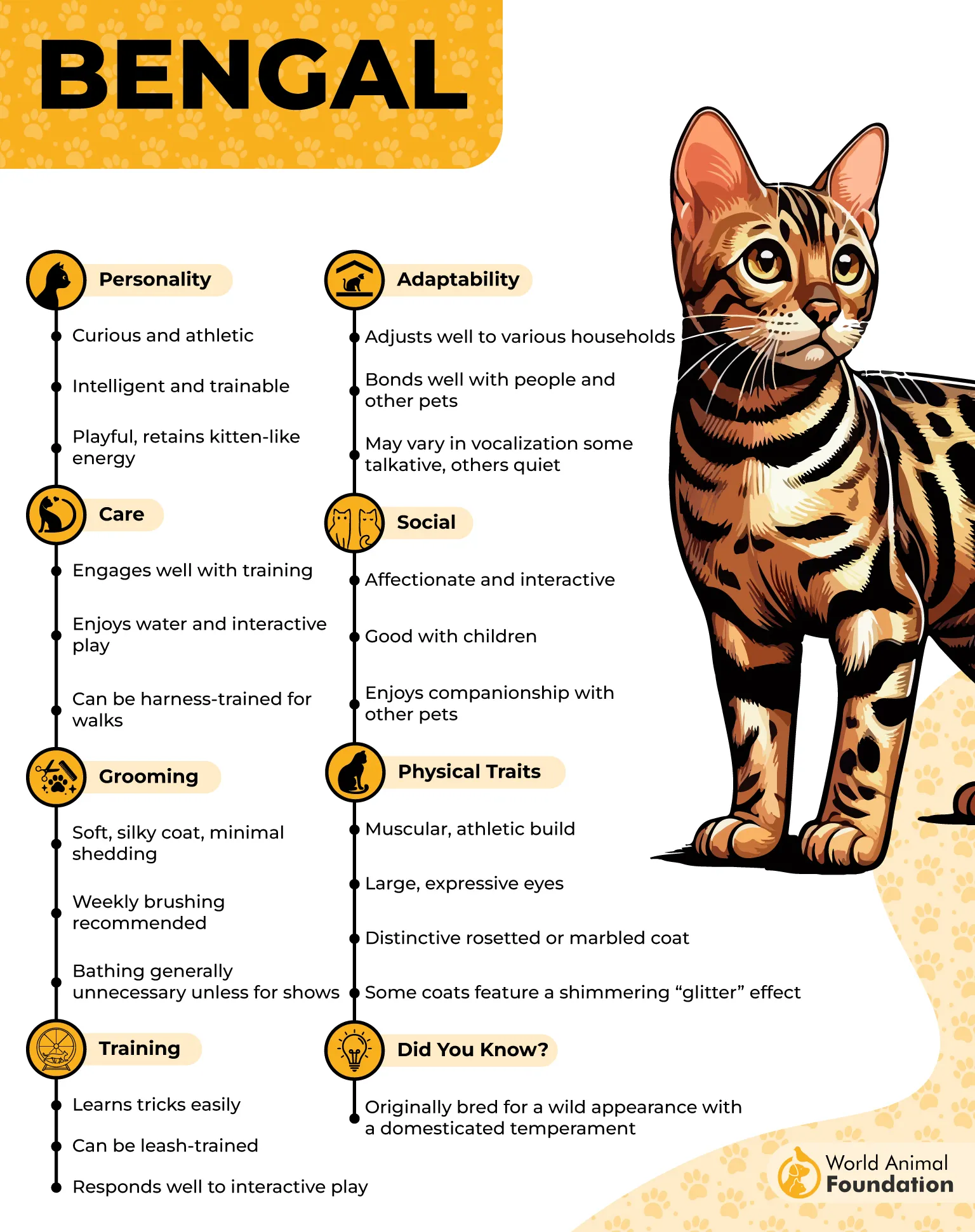
Bengals are fast learners with strong adaptability, quickly picking up household boundaries when given clear guidance. Their ability to observe patterns helps them understand rules like where they’re allowed to climb or which surfaces are off-limits.
Highly interactive and mentally driven, this breed responds well to structured training and redirection. Bengals thrive when rules are paired with enrichment, using puzzles, toys, and games to channel their curiosity productively.
Because they enjoy learning and pleasing their people, Bengals often excel at boundary training compared to less active breeds.
Fun fact: Despite being fully domestic, Bengals retain traits from their Asian Leopard Cat ancestors, which contribute to their intelligence and wild-looking coats.
4. Burmese
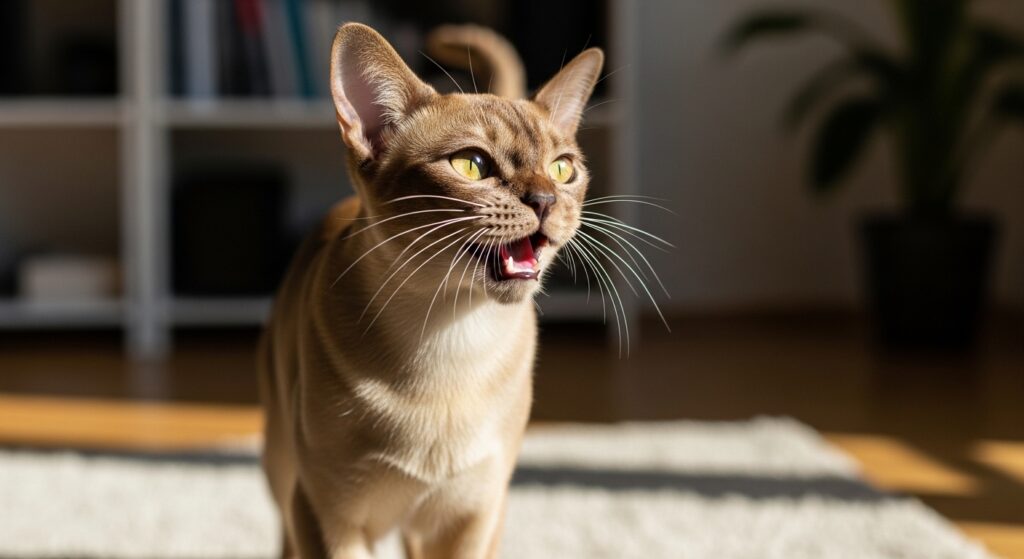
Also known simply as the Burmese cat, this breed is recognized for its sleek, close-lying coat, compact build, and expressive eyes. Friendly and people-focused, Burmese cats are highly intelligent and naturally tuned into household rhythms.
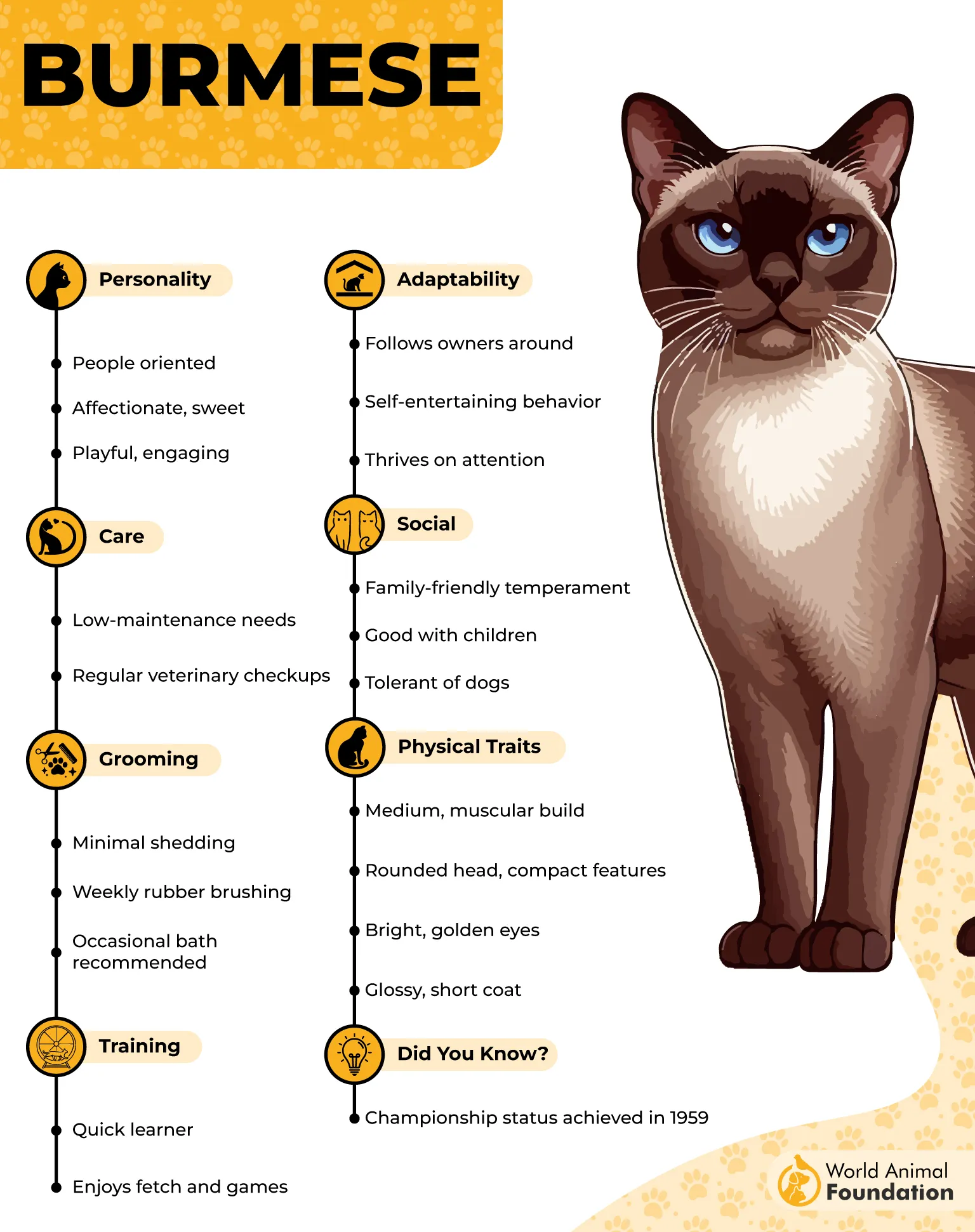
Burmese cats learn household boundaries quickly because they are deeply aware of routine and space. They pay close attention to daily patterns, making it easier for them to understand where they’re allowed to go and what behaviors are expected.
Their strong trainability sets them apart, as they respond well to positive reinforcement and clicker training. Commands like sit, come, or stay off restricted areas are often picked up faster than with more aloof breeds.
Because they crave interaction and structure, consistency helps them thrive.
Fun fact: Burmese cats can even be trained to walk on a leash or play fetch, highlighting just how adaptable and quick-learning this breed can be.
5. Abyssinian

Often called the “Aby,” the Abyssinian is a sleek, athletic cat recognized for its ticked coat, alert ears, and inquisitive expression. This elegant breed is outgoing, affectionate, and known for closely following household activity.
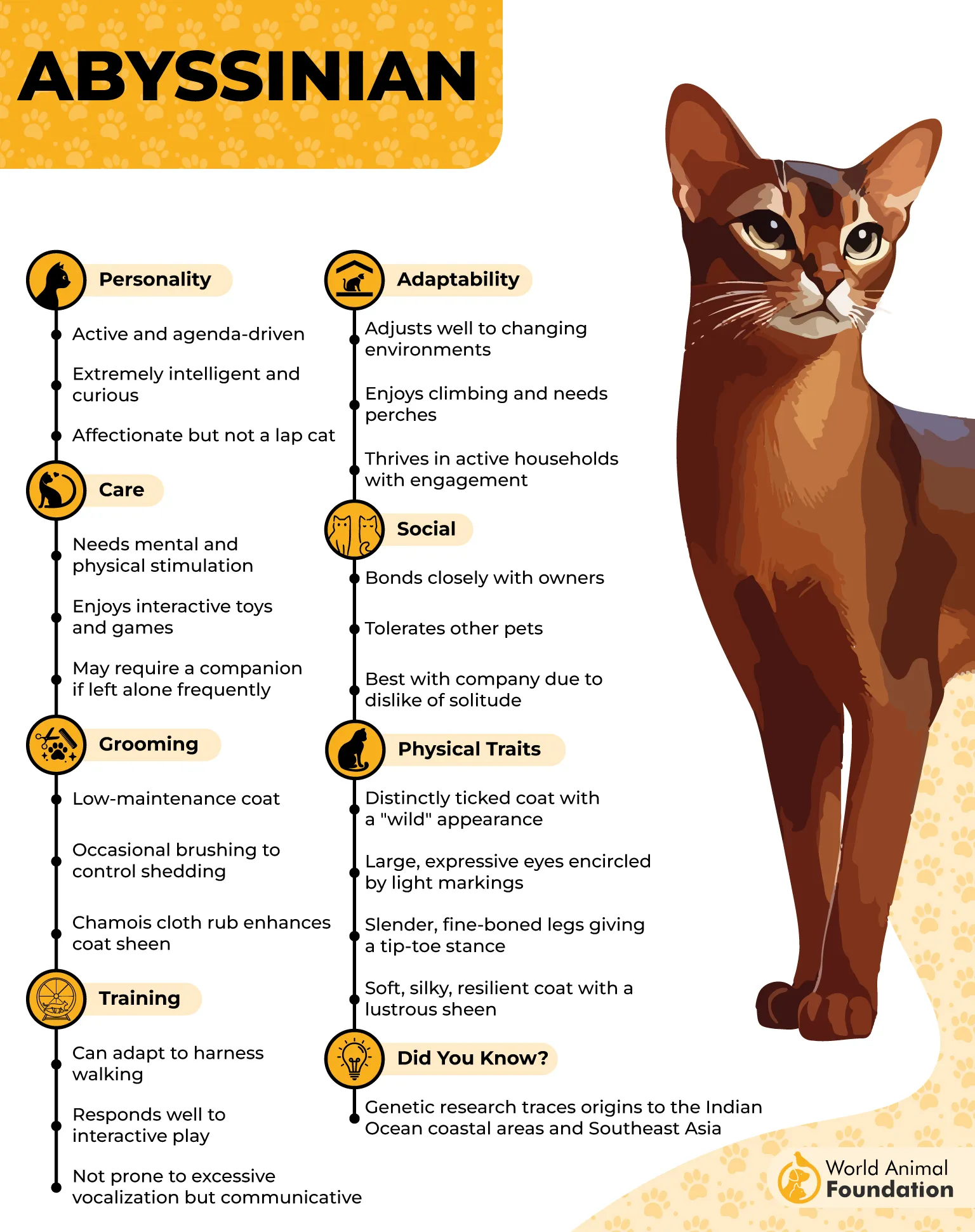
Abyssinians learn household boundaries quickly because they’re highly intelligent and observant. With regular interaction, they pick up rules through pattern recognition, responding well to gentle guidance and consistent routines.
While not typically lap cats, they enjoy being near their people and thrive when given clear outlets for energy. Interactive play, puzzle feeders, and structured exercise help them channel curiosity into acceptable behaviors.
Their quick learning style makes redirection easy, whether it’s choosing a scratching post or respecting off-limits spaces.
Fact: Abyssinians are so trainable that many can learn to play fetch, walk on a leash, and even complete feline agility courses.
6. Scottish Fold
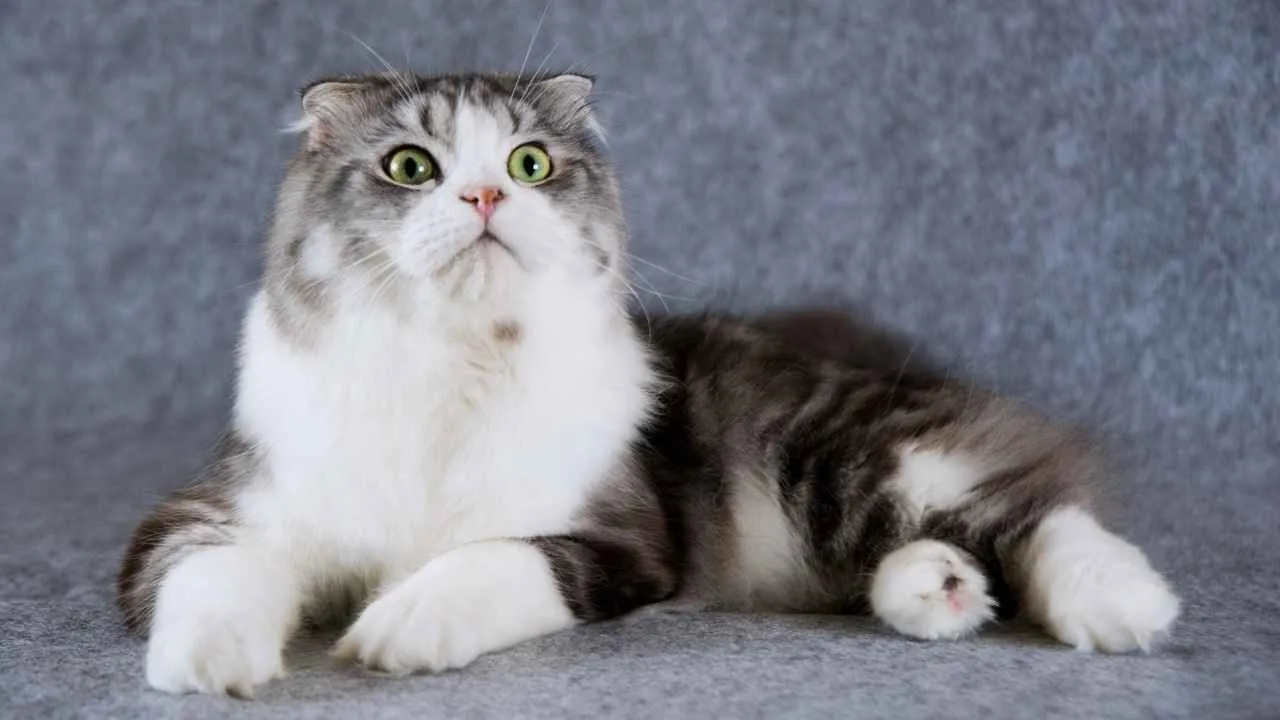
Also known as the Highland Fold in its longhaired variety, the Scottish Fold is instantly recognizable by its forward-folded ears and round, expressive face. Originating in Scotland, this breed is calm, sociable, and quietly intelligent.

Scottish Folds are curious but highly responsive to training, which helps them learn household boundaries quickly. They observe routines closely and adapt well when rules are introduced with consistency and gentle guidance.
Because they enjoy mental stimulation, puzzle toys, wand games, and structured play help reinforce limits like where to climb or scratch. Their moderate energy level allows them to focus without becoming overstimulated.
Affectionate and people-oriented, Scottish Folds respond best to calm, positive reinforcement rather than strict correction.
Fun fact: Scottish Folds are considered one of the smartest cat breeds and often enjoy learning tricks once they master basic household rules.
7. Tonkinese
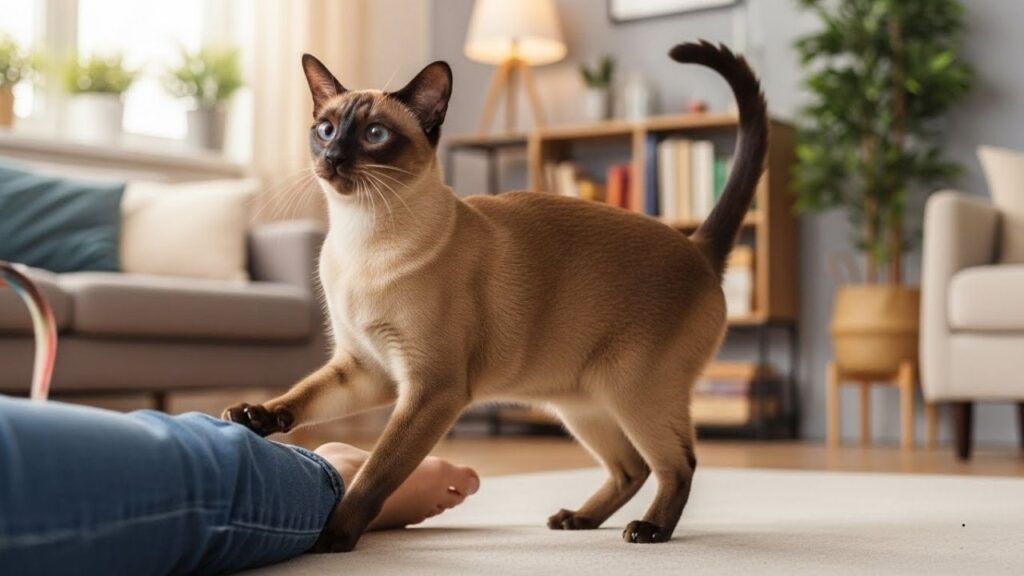
Often called the “Tonk,” the Tonkinese is a hybrid of the Siamese and Burmese, blending the best of both breeds. With a silky short coat, soft pointed or mink patterns, and a sturdy yet elegant build, this cat has a warm, balanced presence.
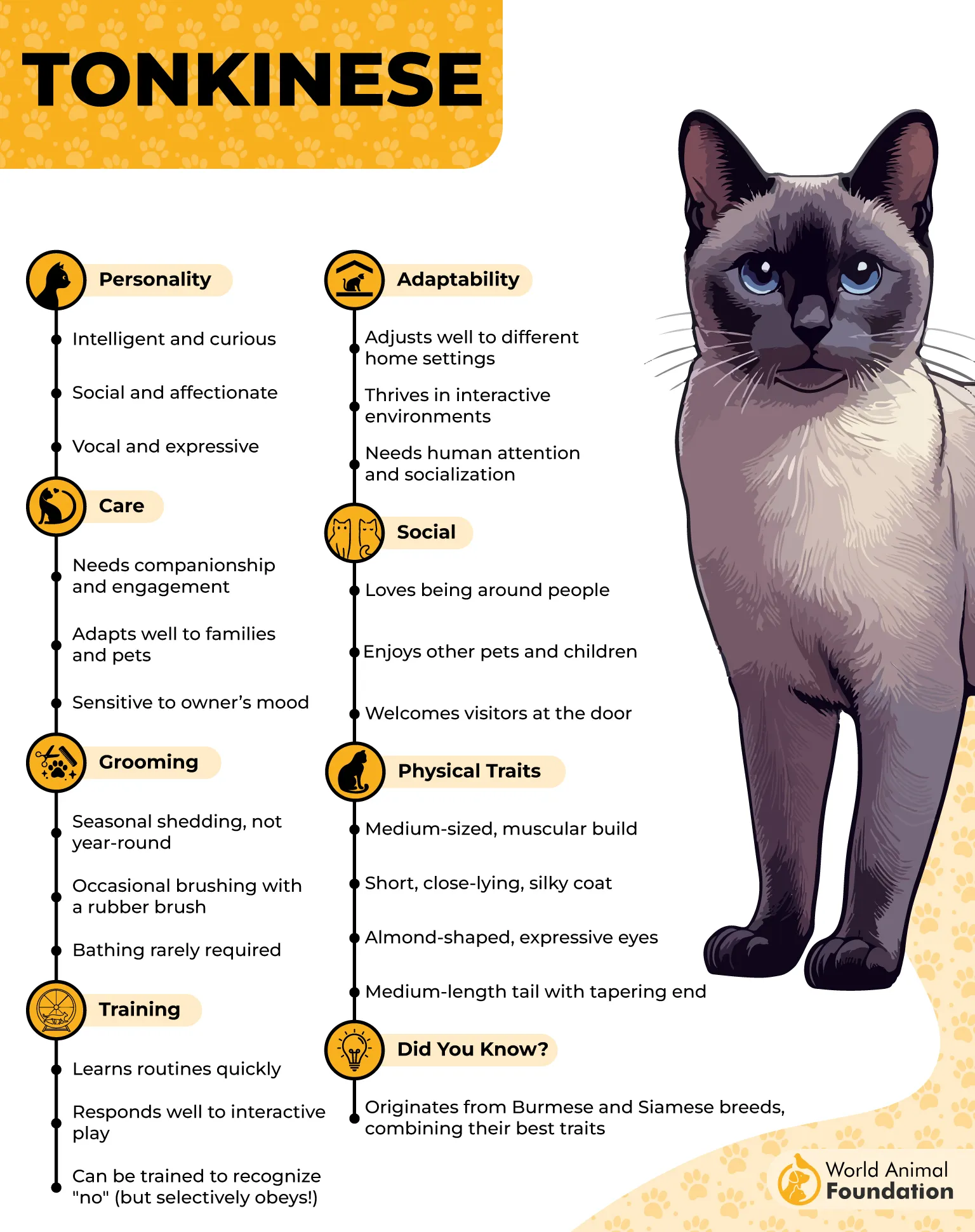
Tonkinese cats learn household boundaries quickly thanks to their intelligence and people-focused nature. They pay close attention to routines and expectations, making it easier for them to understand where they’re allowed—and where they’re not.
Rule-savvy and emotionally intuitive, this breed responds well to gentle guidance and consistency. Because they enjoy being involved with their humans, they’re motivated to follow rules that keep harmony in the home.
Their moderate energy level helps them strike a balance between play and calm behavior, reducing boundary-testing antics.
Fun fact: Tonkinese cats are known for their soft, chirp-like vocalizations, which are much quieter than the famously loud Siamese meow.
8. American Shorthair

Also known as the American Shorthair Cat, this breed is a classic all-American companion with a rounded face, sturdy build, and short, glossy coat. Originally prized as a working mouser, it blends calm charm with quiet intelligence.
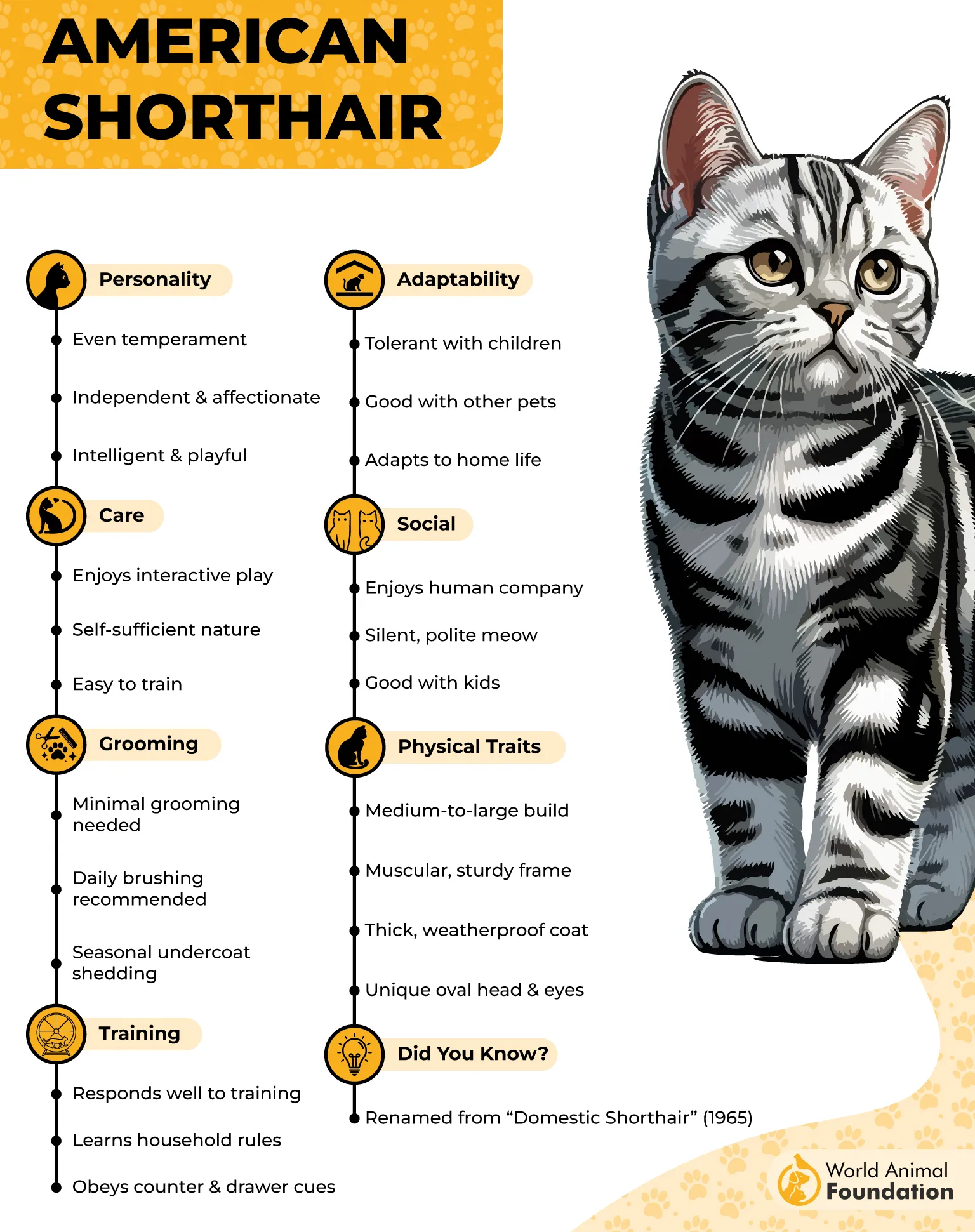
American Shorthairs are highly observant and quick to read their surroundings, which helps them learn household boundaries with ease. They notice patterns—what’s allowed, what’s off-limits—and adjust their behavior without much repetition.
Their easygoing temperament makes them especially responsive to positive reinforcement. Instead of pushing limits, they tend to respect rules once they understand expectations, whether that means staying off counters or using designated scratching areas.
Naturally curious but not overly impulsive, this breed prefers harmony and routine in the home.
Fun fact: American Shorthairs descend from cats that hunted rodents on early shipping boats, which helped shape their adaptability and problem-solving skills.
9. Korat
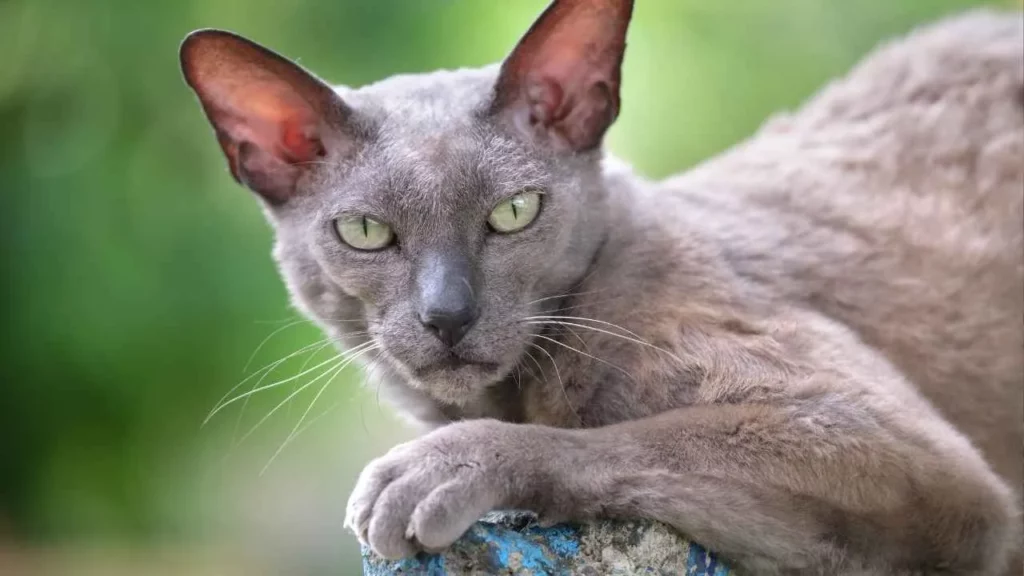
Also known as the Si-Sawat, the Korat is an ancient Thai breed prized for its silver-tipped blue-gray coat, heart-shaped face, and luminous eyes. Revered as a symbol of good fortune, this cat combines elegance with a deeply perceptive nature.
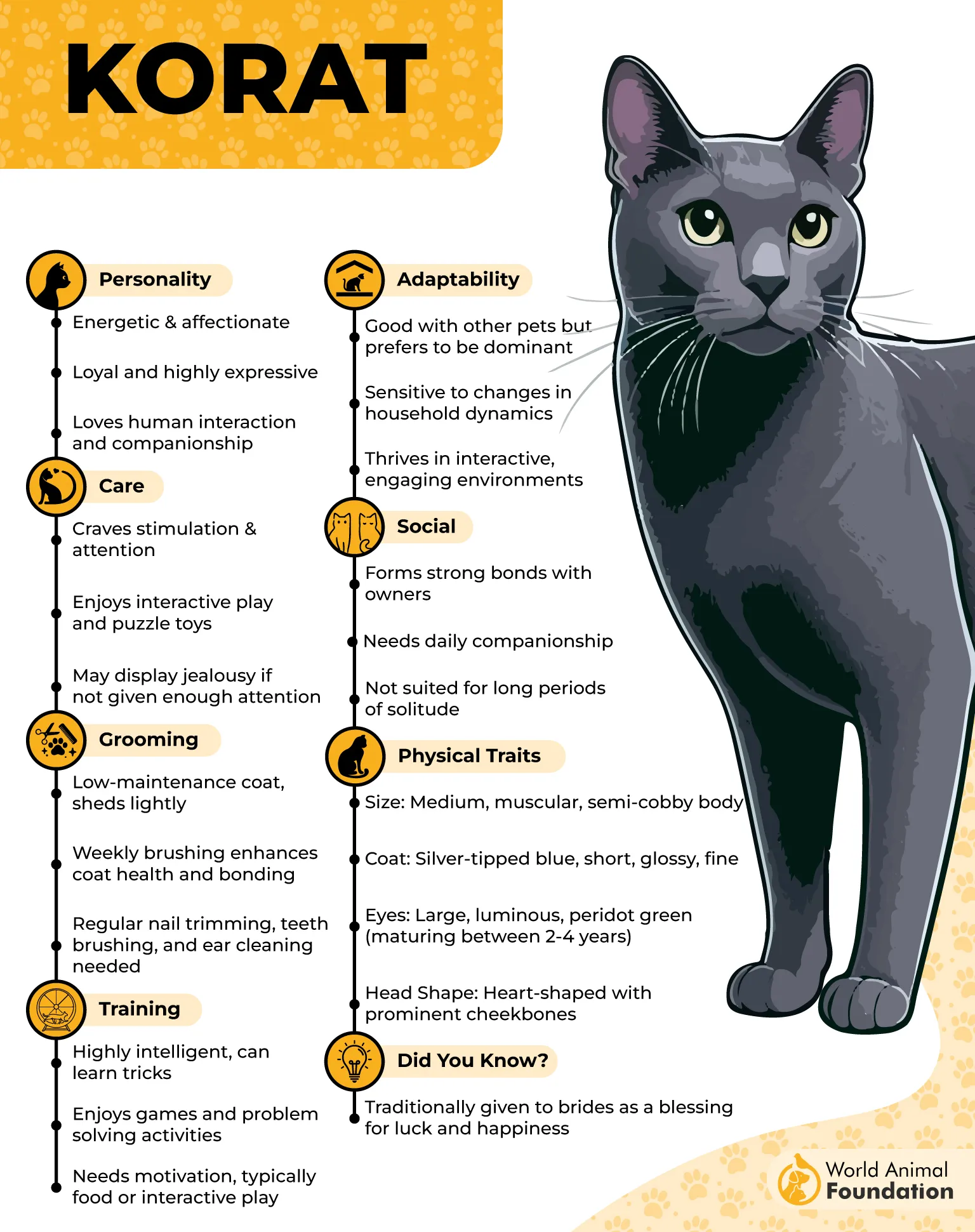
They pay attention to patterns in daily routines, allowing them to understand rules with minimal repetition and little need for correction.
Highly loyal and people-focused, this breed responds best to calm guidance rather than constant reminders. Once expectations are clear, Korats tend to remember them, adjusting behavior to maintain harmony within the home.
Emotionally sensitive and aware of their surroundings, Korats thrive in stable environments where consistency is rewarded.
Fun fact: In Thailand, Korats were traditionally gifted—not sold—as symbols of prosperity, happiness, and lasting love.
Conclusion
In conclusion, many intelligent cat breeds demonstrate an impressive ability to learn household routines, making them well-suited for homes with family members, older children, or even small children.
High-intelligence cats display strong social intelligence, awareness of human emotions, and a generally gentle nature. These traits help a feline friend understand limits around spaces, feeding areas, and interactions with other animals or other cats, forming strong bonds over time.
With the right environment—such as cat trees, climbing structures, interactive toys, and interactive games—most cats learn faster, whether starting as a kitten or an older cat. Activities like trick training can channel attention-seeking behavior in a positive, almost dog-like way.
