




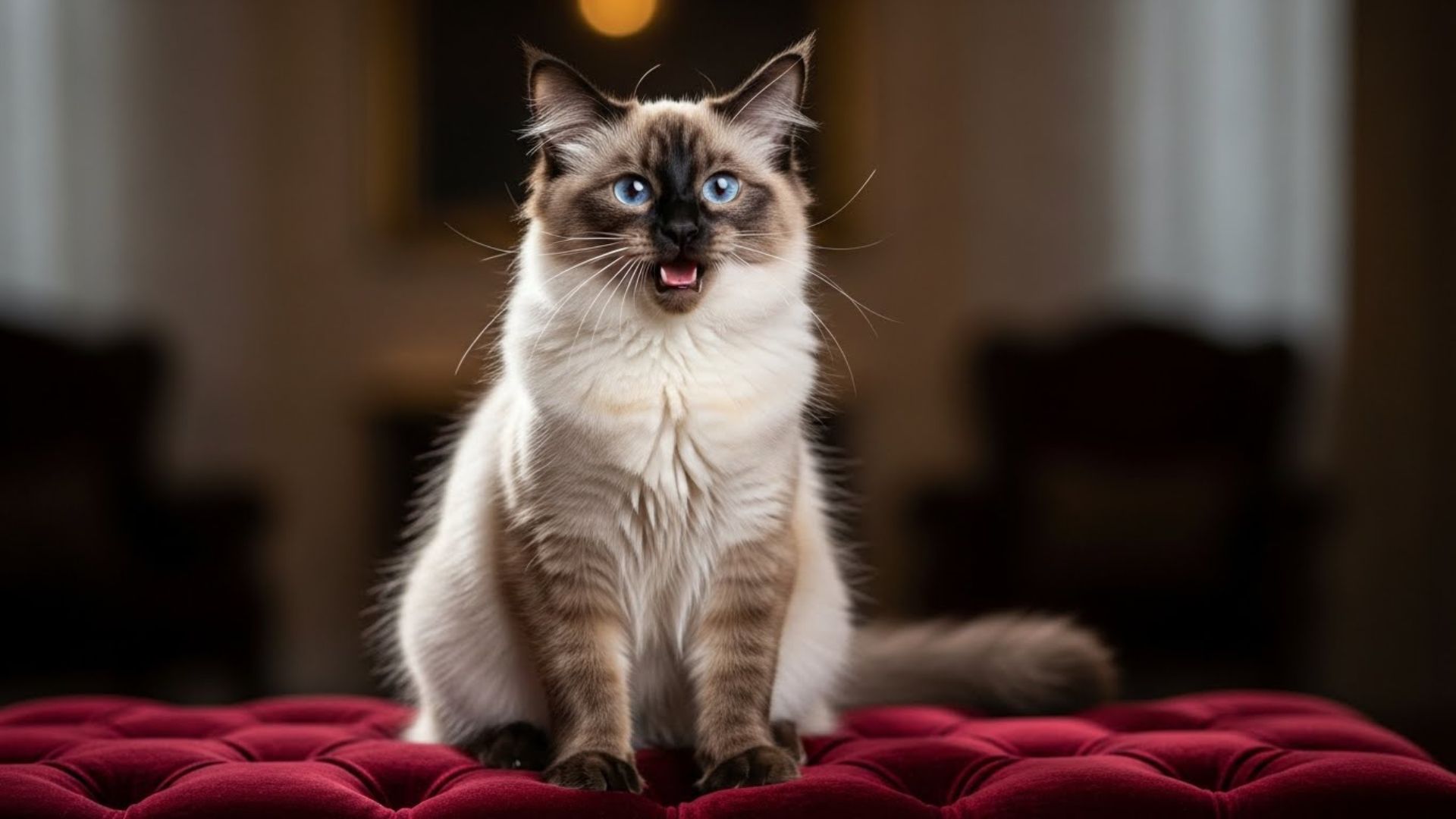
Cats may not bark like dogs, but anyone who has lived with a particularly chatty feline knows they’re far from quiet. From dramatic yowls echoing down the hallway to soft chirps and trills used to demand attention, cats have a surprisingly wide vocal range. While many cats communicate subtly, some breeds are famous for sounds that are anything but ordinary.
These unusual vocalizations aren’t just random noise. They’re a form of expression shaped by genetics, personality, and a cat’s relationship with humans.
Certain breeds have developed distinctive ways of “talking,” using prolonged meows, raspy calls, melodic chirps, or even strange cooing sounds to get their point across. Whether they’re greeting you at the door or protesting a closed bedroom, these cats make sure they’re heard.
In this article, we’ll explore cat breeds known for their odd and memorable vocal habits. If you’re curious about why some cats seem to hold full conversations—or you’re wondering whether a more expressive feline fits your lifestyle—these unique voices of the cat world are sure to capture your attention.
Cat Breeds That Have Odd Vocalizations
1. Siamese
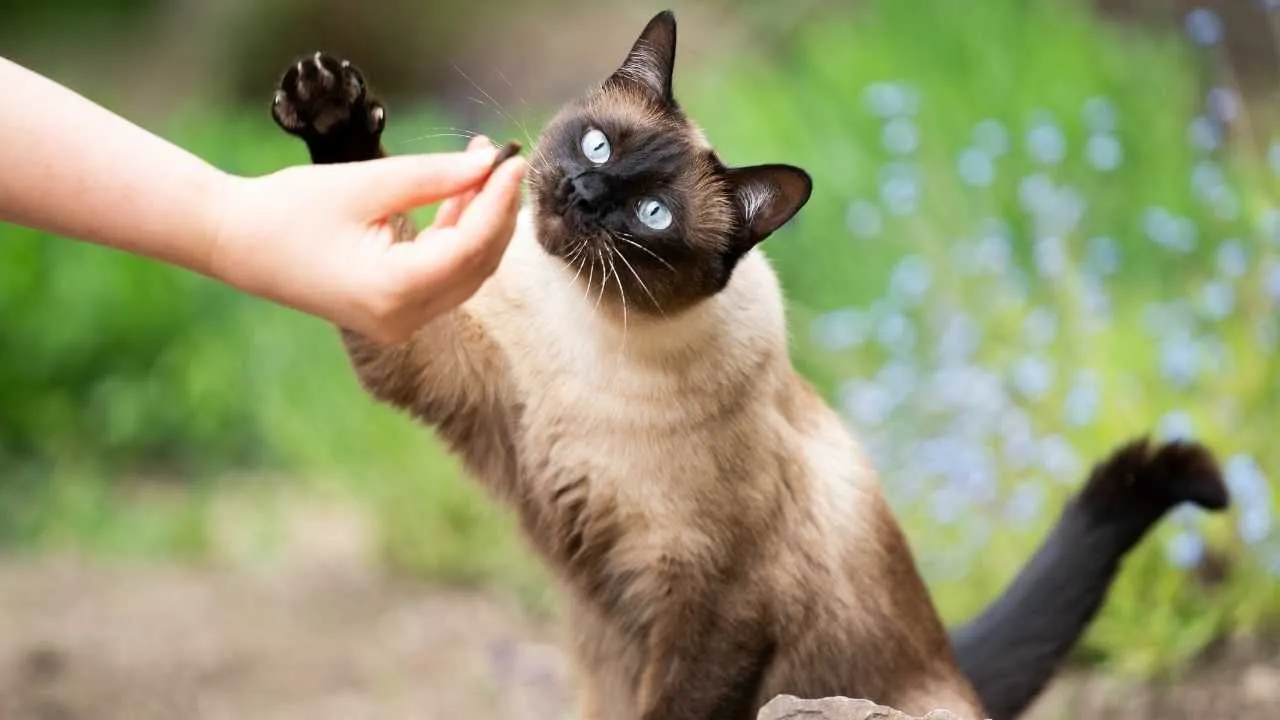
The Siamese, often simply called the Siam cat, is one of the oldest purebred cats, originating in Thailand. Sleek, elegant, and instantly recognizable, this breed has long fascinated people worldwide.
According to Britannica, the Siamese is a popular short-haired domestic cat breed that originated in Thailand, which was officially known as Siam until 1939.
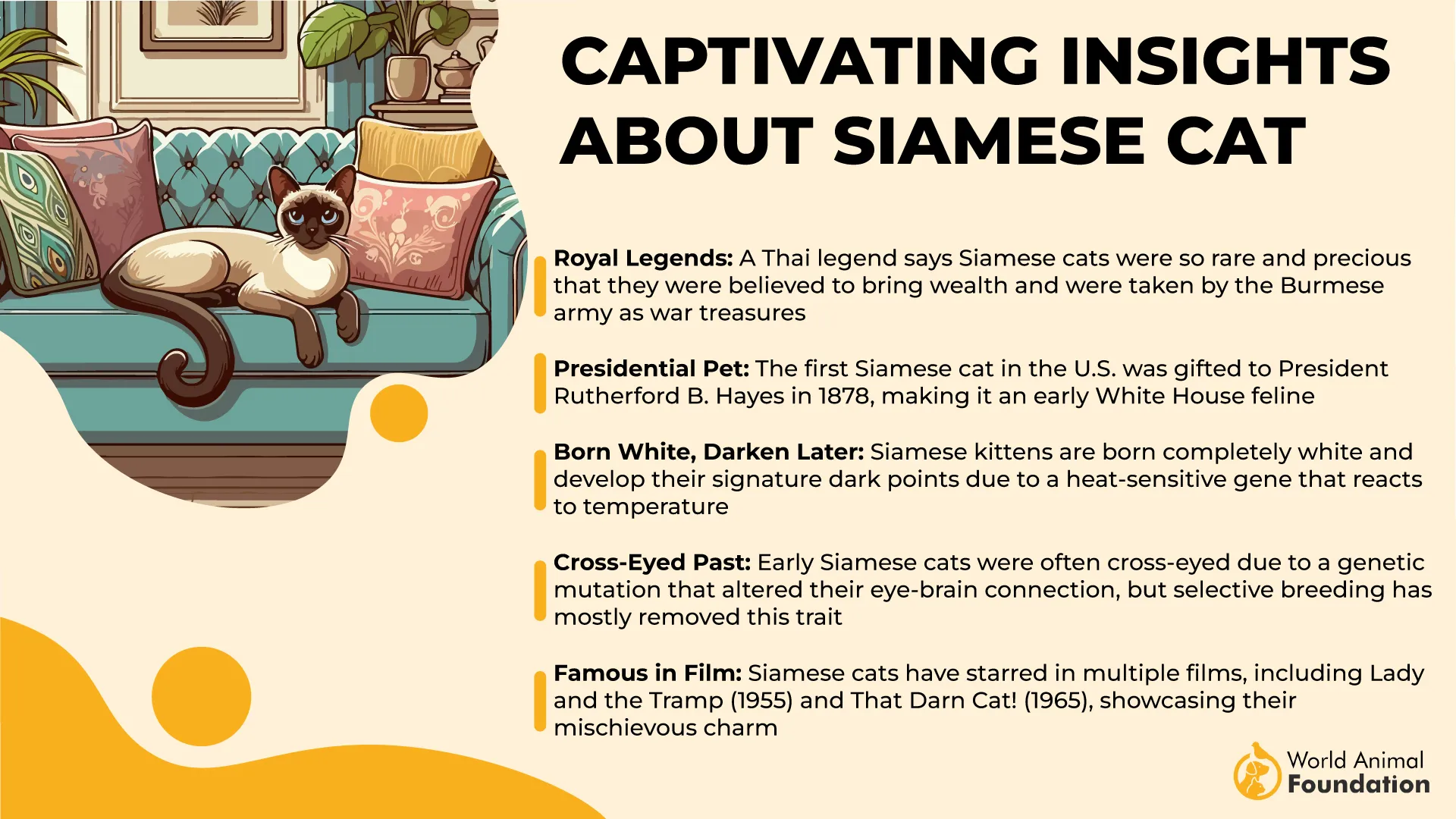
What truly sets the Siamese apart is its unmistakable voice. Known for loud, low-pitched meows that can sound almost like a human baby’s cry, these cats use sound as a primary way to connect with their people.
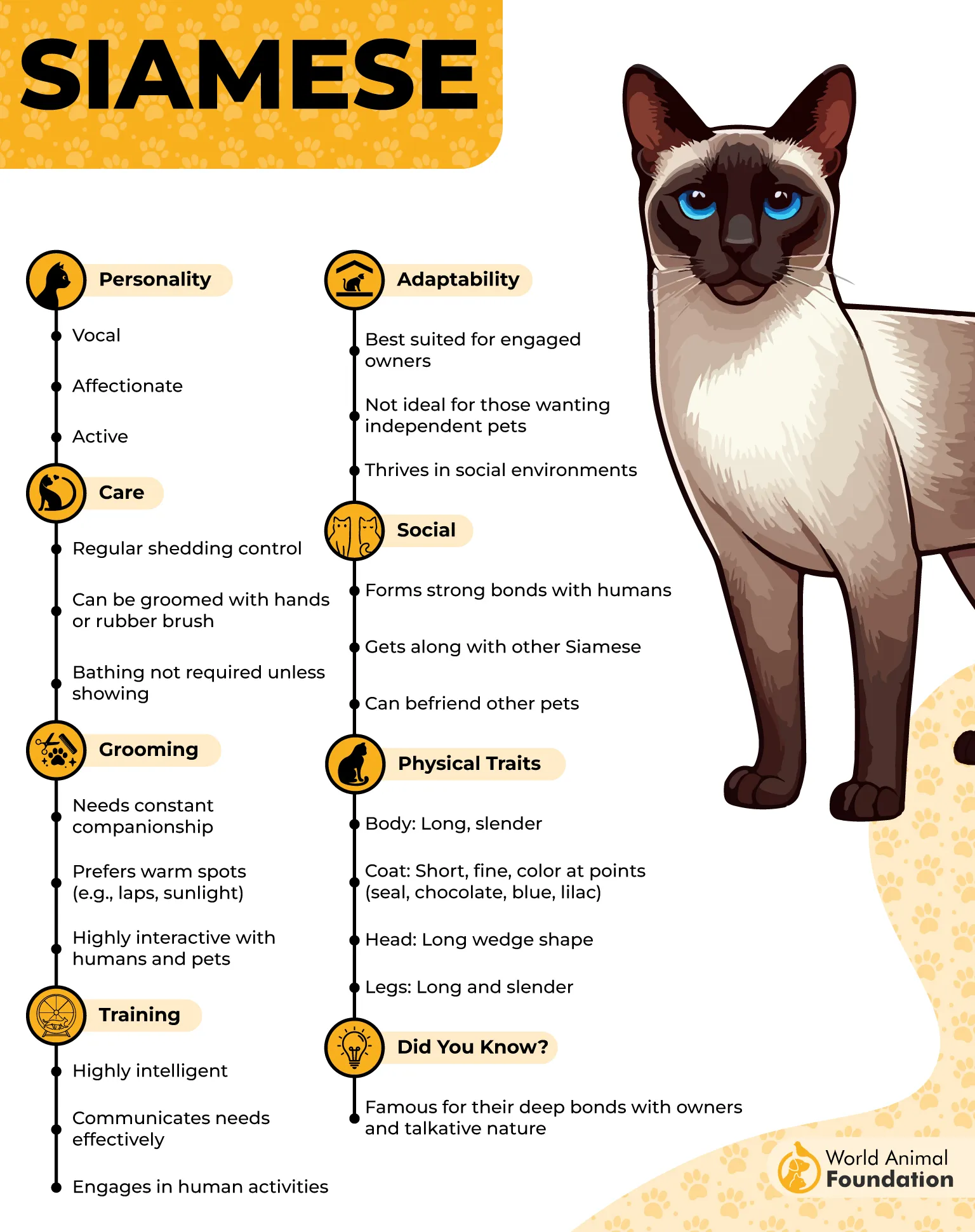
From a scientific perspective, Siamese vocalizations are linked to intelligence and strong social bonding. Their wide vocal range—meows, chirps, trills, and persistent calls—helps them communicate needs, emotions, and curiosity with striking clarity.
Because they are deeply people-oriented, Siamese cats “talk” more than most breeds, often engaging in full conversations. Their expressive sounds are reinforced by close human interaction, making vocalization a learned and rewarded behavior.
Fact: Siamese cats originated in Thailand and are famous for their loud, distinctive meows that resemble baby-like cries.
2. Oriental Shorthair
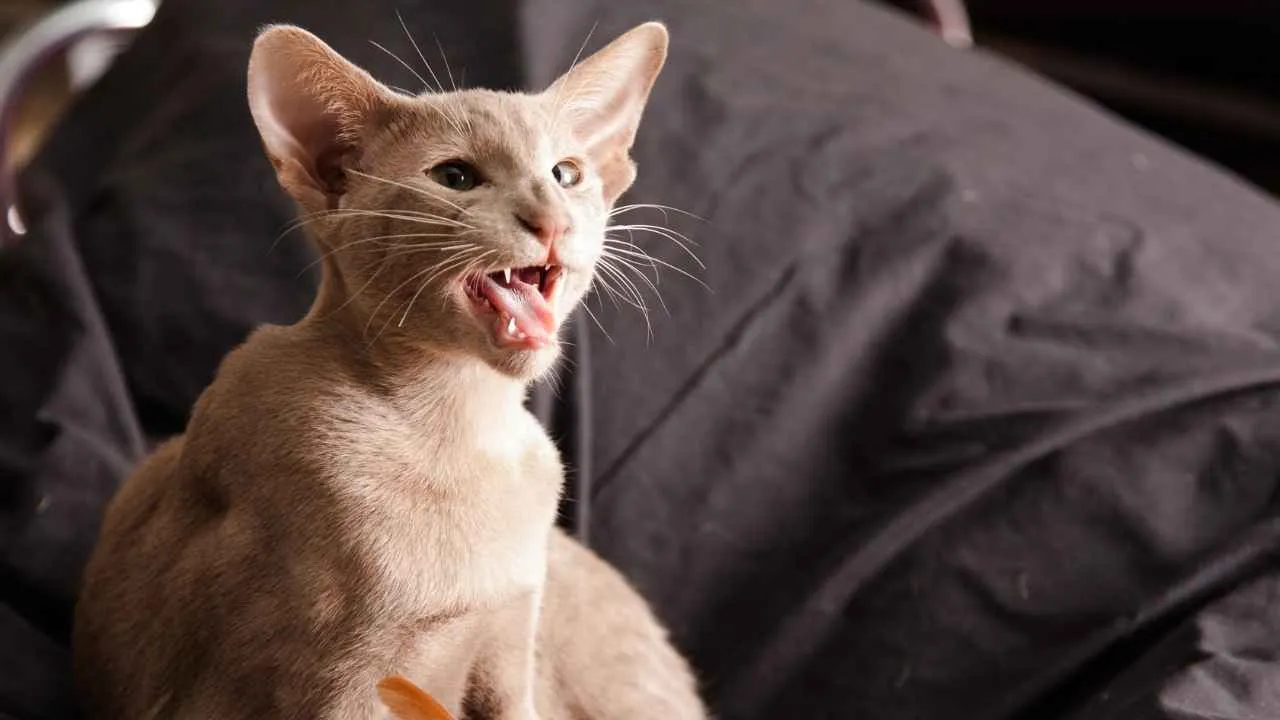
Also known as the Rainbow Cat or even the playful nickname “Honking Cat,” the Oriental Shorthair is a close relative of the Siamese family, including the Balinese and Oriental Longhair.
According to PetMD, the Oriental Shorthair is highly social and often initiates “conversations,” readily putting itself at the center of attention. With a sleek, athletic build and short coat that appears in hundreds of color variations, this breed is instantly recognizable.
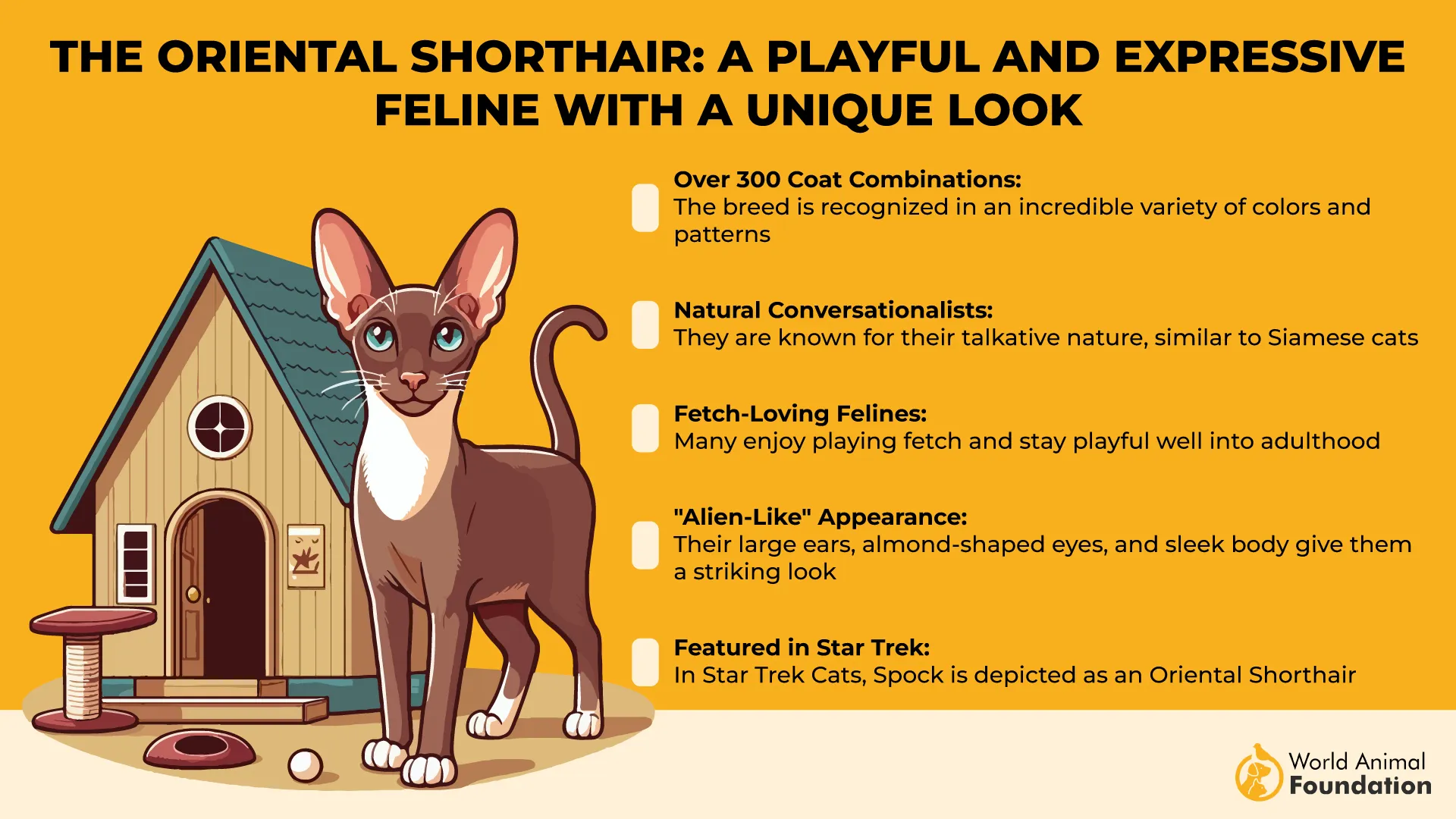
What truly sets the Oriental Shorthair apart is its voice. These cats are famously expressive, using a wide range of sounds—from drawn-out meows to unusual chirps and honk-like calls—to communicate. Their vocalizations often sound emotional or urgent, making them hard to ignore.
Highly people-oriented, Oriental Shorthairs use their voices as a primary way to bond. They “talk” during play, follow their humans while commenting on daily activities, and often vocalize simply to maintain interaction rather than demand food.
For households that enjoy constant conversation, this breed thrives. However, their talkative nature means they do best with owners who appreciate frequent communication and engagement rather than silence.
Fact: Oriental Shorthairs are known for distinct voices that can sometimes sound like a crying baby.
3. Tonkinese
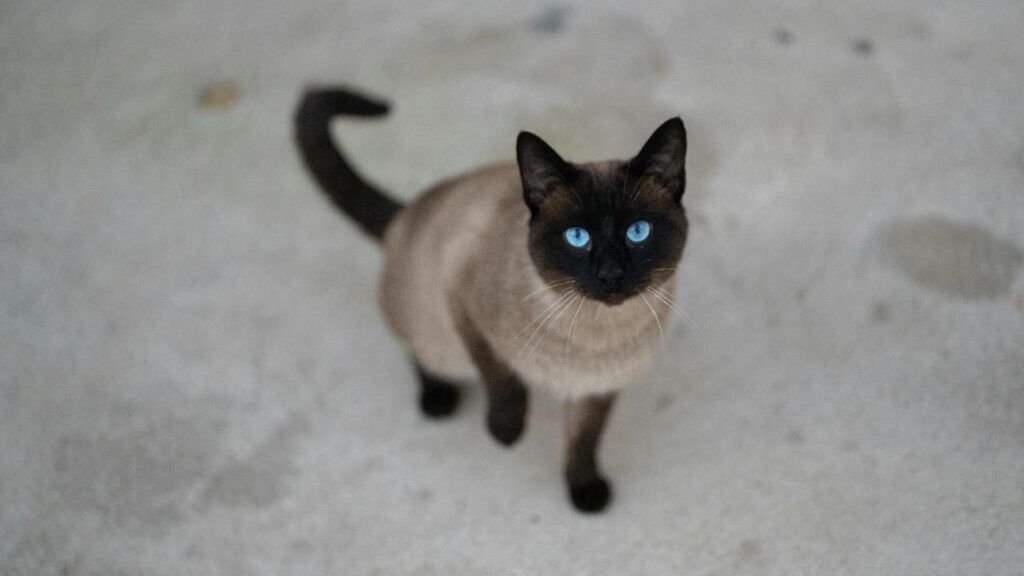
The Tonkinese, sometimes affectionately called the “Tonk,” is a hybrid breed developed from Siamese and Burmese cats. According to WebMD, Tonkinese cats are known as an intelligent and sociable breed.
This blend gives them a sleek build, expressive aqua-to-green eyes, and a personality that thrives on interaction and communication.
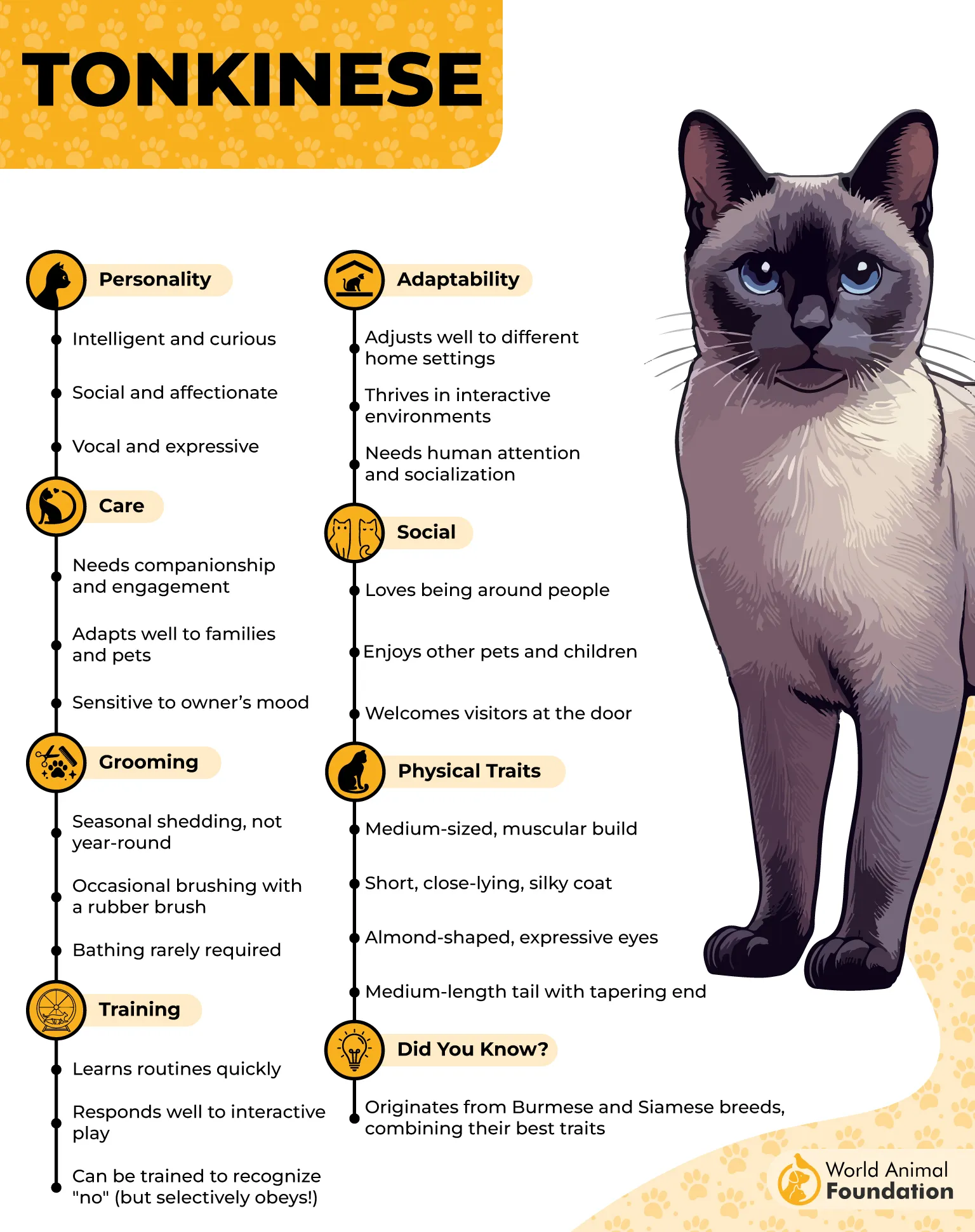
Because both parent breeds are famously vocal, the Tonkinese inherited an unusual and engaging voice. Instead of constant loud yowls, they use a mix of meows, chirps, and trills to express their needs, often sounding like they’re holding a conversation rather than making demands.
These cats are highly people-oriented and dislike being ignored, so their odd vocalizations often appear when they want company. A Tonkinese may coo softly while following you around or chirp when you make eye contact, clearly responding to human speech.
Their sociable nature also explains the variety in their sounds. Tonkinese adjust their tone depending on mood—playful trills during games, gentle meows for affection, and louder calls if they feel left out—making their voices as expressive as their personalities.
Fact: Tonkinese cats are known to “answer” their owners when spoken to, using multiple vocal sounds rather than a single meow.
4. Sphynx
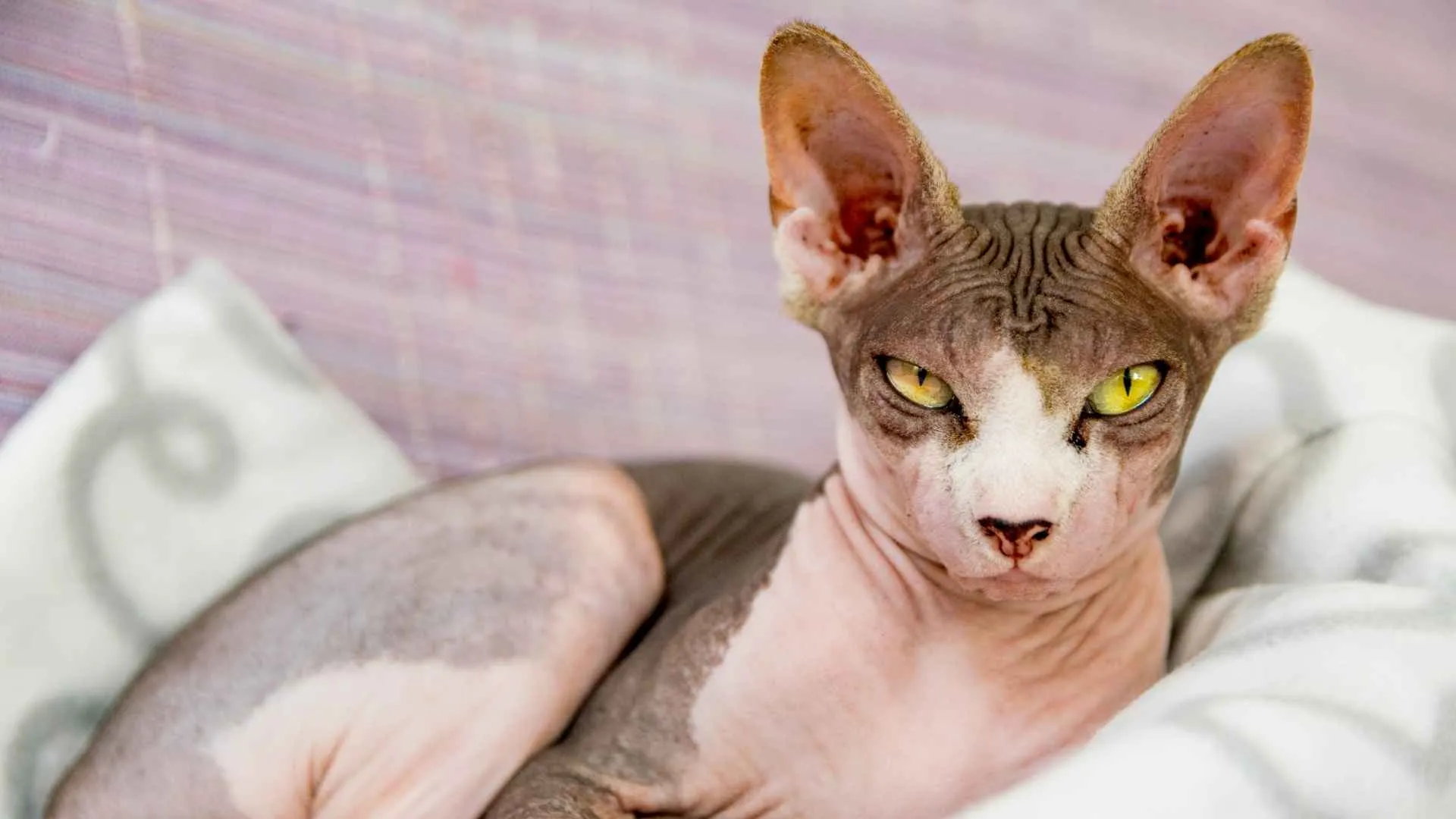
The Sphynx, sometimes called the Canadian Hairless Cat, is instantly recognizable for its smooth, nearly furless body, oversized ears, and expressive eyes.
Originating in Canada during the 1960s from a natural genetic mutation, this breed was later developed through careful breeding programs to preserve its unique look and affectionate nature.
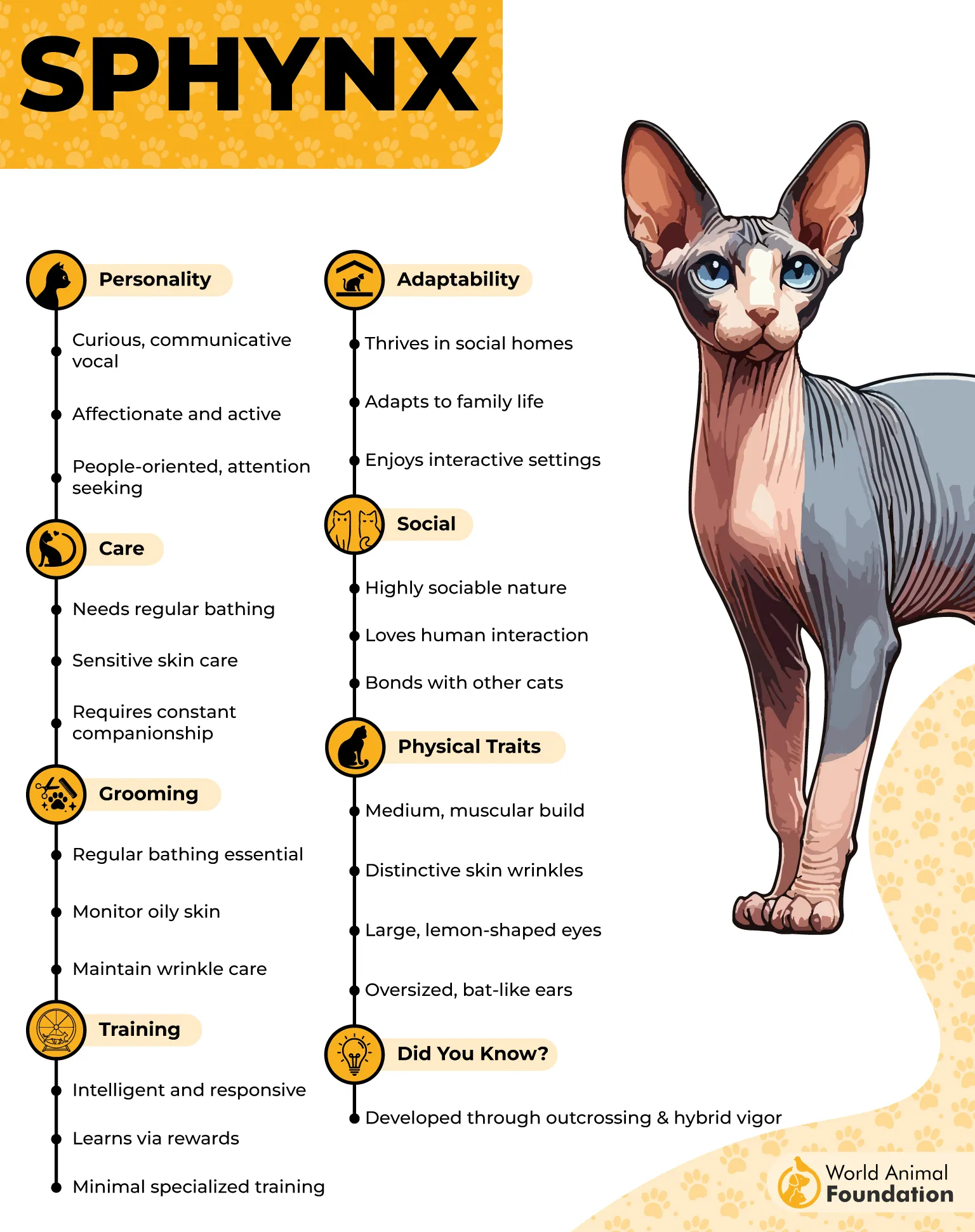
Beyond appearances, the Sphynx is famous for its unusual and frequent vocalizations. Rather than relying on silence or subtle cues, these cats actively “talk” to their humans using a mix of meows, chirps, trills, and soft yowls. Their extroverted personality means they rarely hesitate to announce their needs or opinions.
Breed history plays a major role in this chatty behavior. Bred specifically for companionship, Sphynx cats crave constant social interaction and warmth, often using vocal sounds to request cuddles, attention, or shared activities around the home. Their lack of fur also influences communication, as they rely more on sound and close contact to bond.
Fact: The modern Sphynx descends from two natural mutation lines discovered in Canada and Minnesota during the 1970s.
5. Bengal
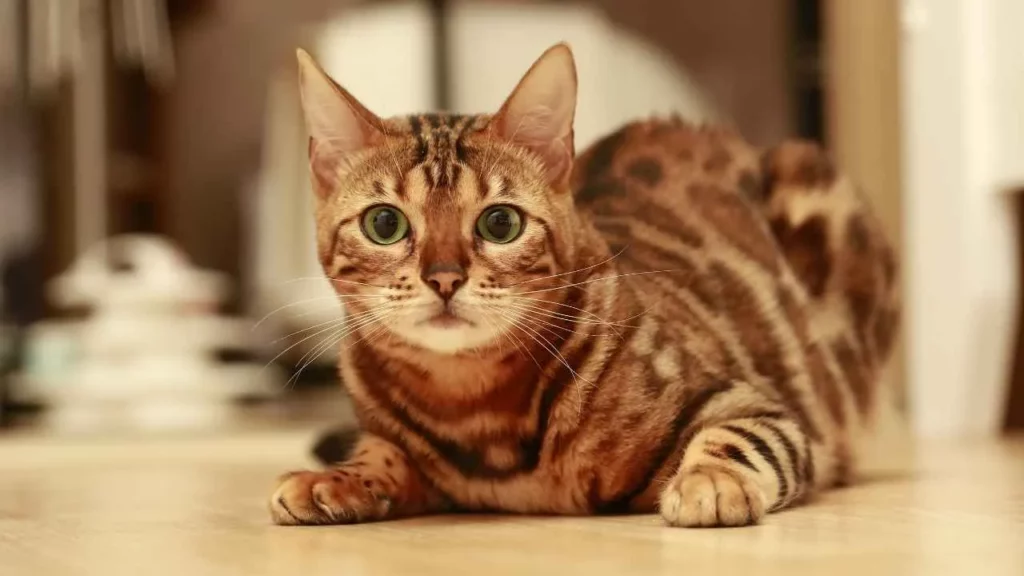
Also known for its leopard-like look, the Bengal is a modern American breed developed in the 1980s by crossing domestic cats with the Asian leopard cat. Muscular, athletic, and strikingly patterned, this breed combines a wild appearance with a fully domestic personality.
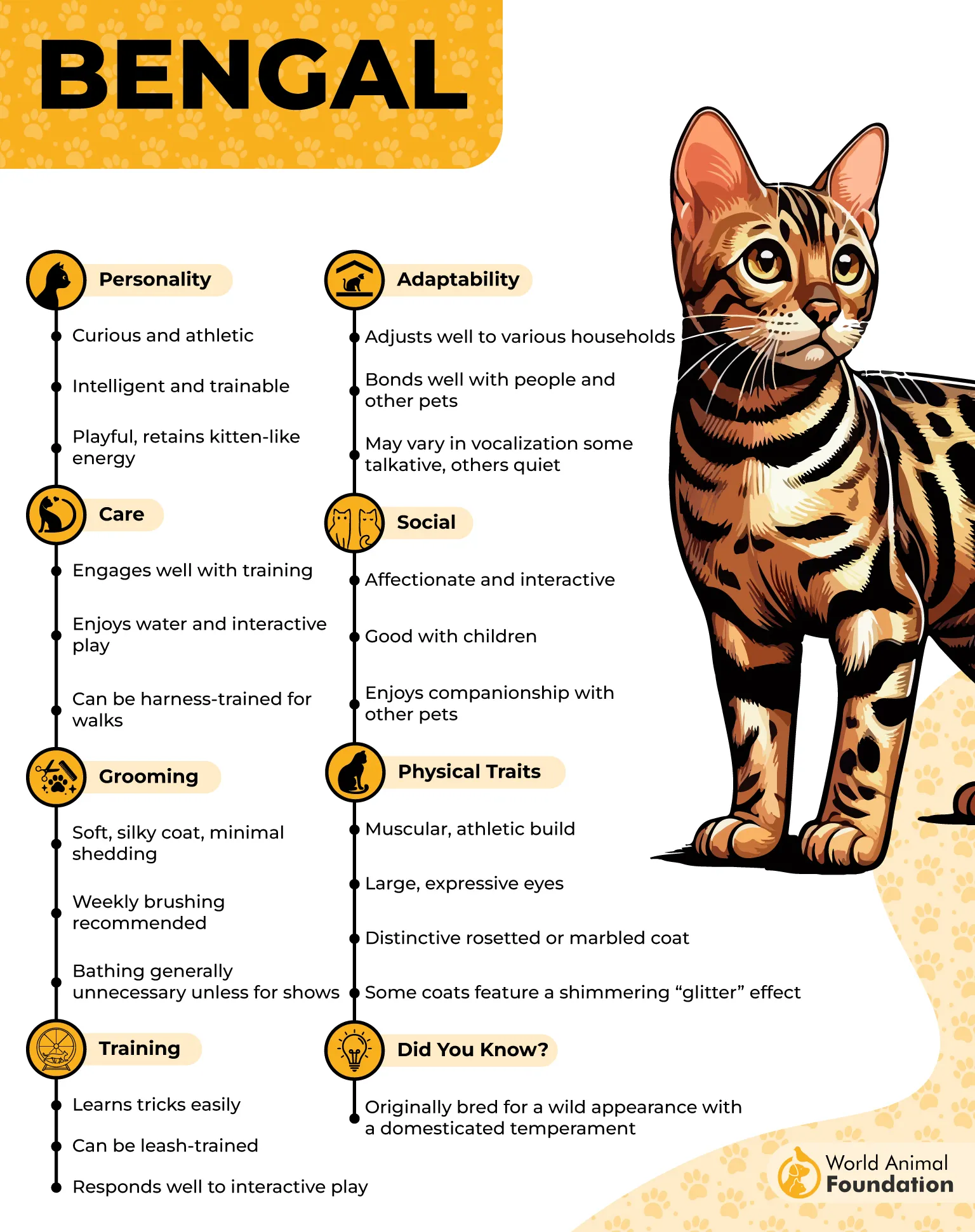
Bengals are famous for having voices that sound different from typical meows. Instead of simple calls, they often use chirps, trills, gravelly coos, and short growls to communicate curiosity, excitement, or mild frustration. These unusual sounds are part of their highly expressive nature.
Because Bengals are intelligent and alert, their odd vocalizations often signal engagement rather than aggression. A chirping sound may mean they’re inviting play, while louder, raspy calls can appear in new environments or when they want attention from their humans.
Understanding these sounds helps owners respond appropriately, since Bengals thrive on interaction and mental stimulation. When their vocal “commentary” is acknowledged with play or exploration, it strengthens communication and reduces stress-driven noise.
Fact: Bengals typically weigh between 8 and 15 pounds and are known for an unusual fondness for water.
6. Turkish Van
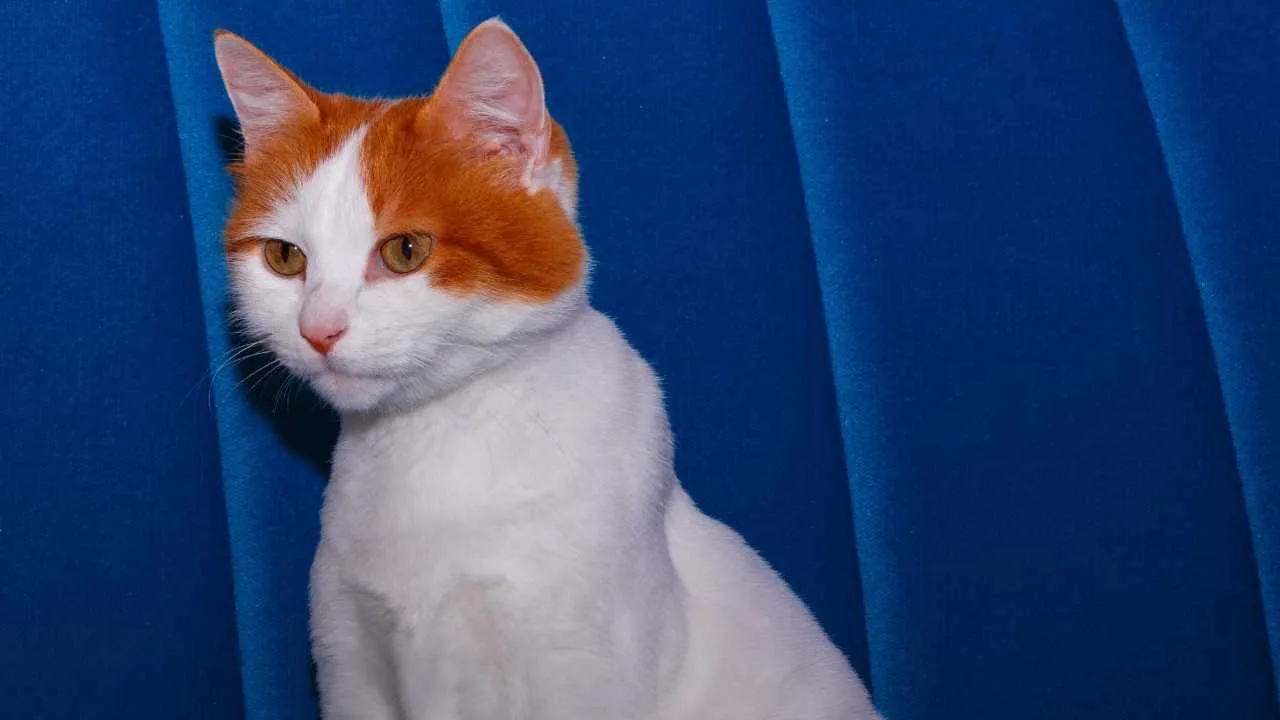
The Turkish Van, sometimes called the “Swimming Cat,” is a rare breed from Turkey’s Lake Van region, easily recognized by its mostly white coat with color limited to the head and tail. Often mistaken for the Turkish Angora, the Van is more muscular, robust, and distinctly athletic in build.
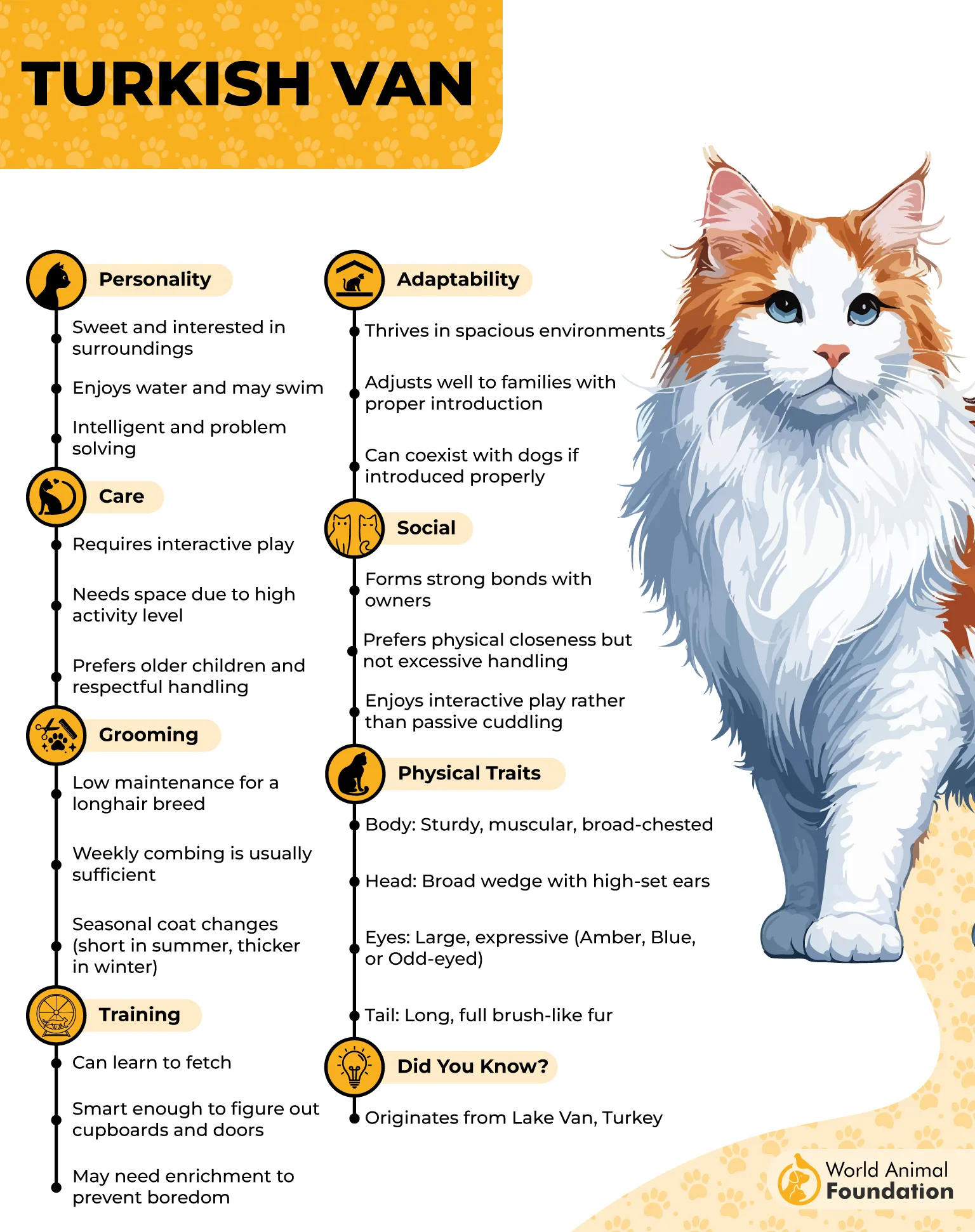
When it comes to odd vocalizations, the Turkish Van is surprisingly expressive. These cats are curious explorers who tend to narrate their discoveries with a mix of chirps, trills, and demanding meows. Their voices often reflect excitement rather than need, signaling active minds at work.
Unlike constant chatterers, Vans vocalize with purpose. They crave interaction on their own terms and will “talk” when they want attention, stimulation, or freedom to explore. This selective communication often feels intentional, suggesting both emotional awareness and sharp intelligence.
Their strong-willed nature means these vocal signals can also set boundaries. Turkish Vans use sound to express preferences, moods, and curiosity, making their communication style feel thoughtful rather than noisy.
Fact: Turkish Van kittens are known to voluntarily play in water, reflecting the breed’s adaptability and intelligence.
7. Maine Coon
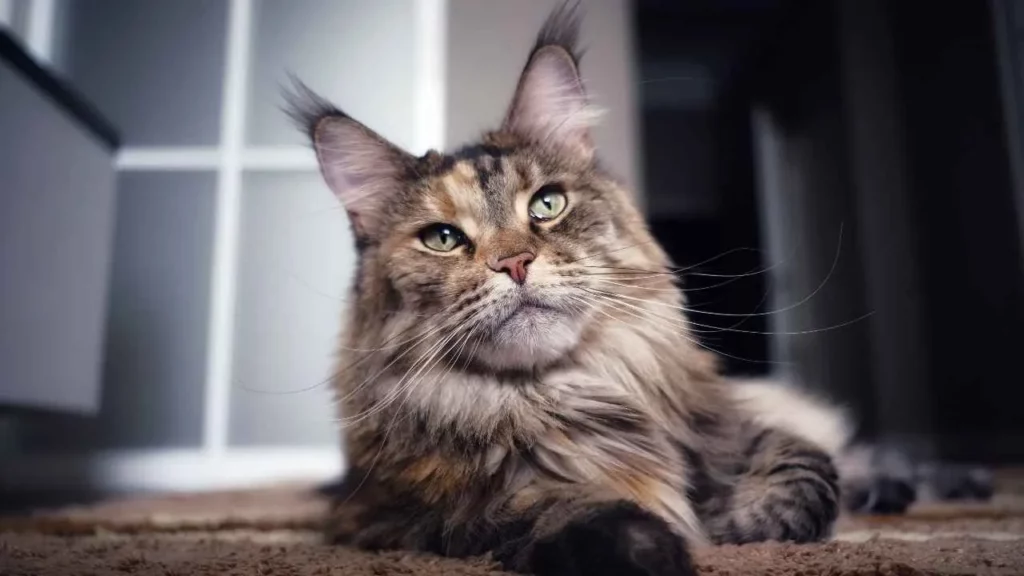
The Maine Coon, often nicknamed the Gentle Giant or American Longhair, is a large, rugged cat known for its tufted ears, bushy tail, and expressive personality. Originating in the United States, this breed combines impressive size with a surprisingly soft, social demeanor.
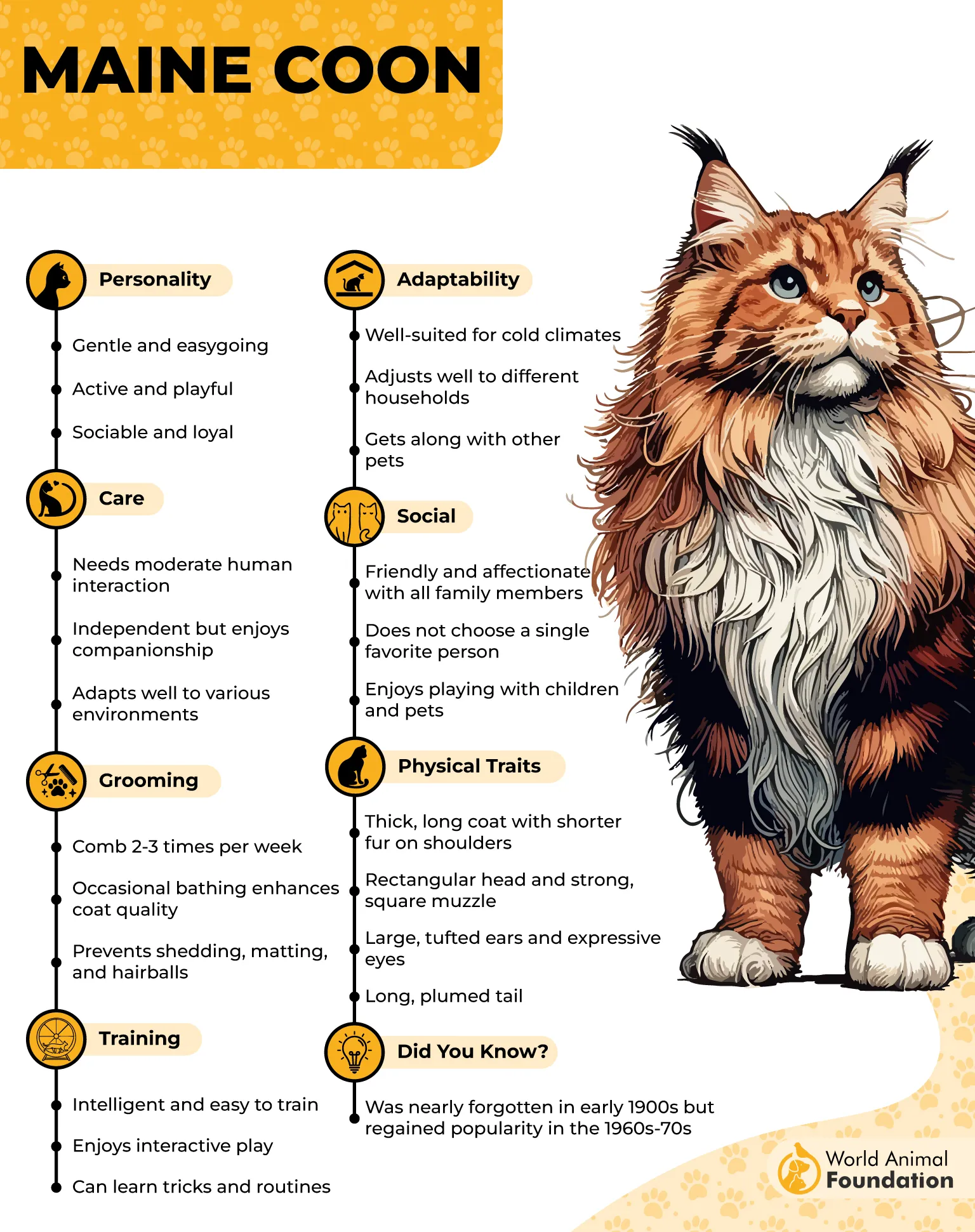
What truly sets the Maine Coon apart in this article is its unusual range of vocalizations. Instead of constant loud meowing, they’re famous for chirps, trills, and melodic murmurs that sound almost like a conversation. These odd sounds are often used to greet family members, show curiosity, or gently ask for attention.
Their vocal habits are closely tied to body language. Ear position, tail movement, and posture often accompany these sounds, helping owners interpret moods like excitement, anxiety, or contentment. Learning this “language” makes living with a highly vocal cat far more rewarding.
Maine Coons use their voices to bond rather than demand, making them expressive yet pleasant companions.
Fact: Adult male Maine Coons typically weigh between 18 and 22 pounds, making them the largest non-hybrid domestic cat breed.
Conclusion
In exploring vocal cat breeds, this article explores how cats meow in ways that go far beyond loud meows or simple calls for food. From talkative cats that constantly seek attention to generally quiet house cats that surprise cat owners with sudden chatter, these vocal abilities reveal a cat’s feelings and desire to connect with human companions.
While feral cats and other animals rely on instinct, many domestic breeds have developed a chatty nature to attract attention and form a special bond with people.
Among the most vocal cat breeds, you’ll find a talkative breed with a playful nature, a friendly nature, and a unique appearance, from Bengal cats with wild leopard looks to Scottish Fold cats shaped by a spontaneous genetic mutation.
Other breeds, like the Egyptian Mau, enjoy climbing, spending time with other pets, and interacting with other cats. Whether closely related to ancient lines or the first cat you welcomed home, these cats prove that odd sounds help strengthen bonds.
