




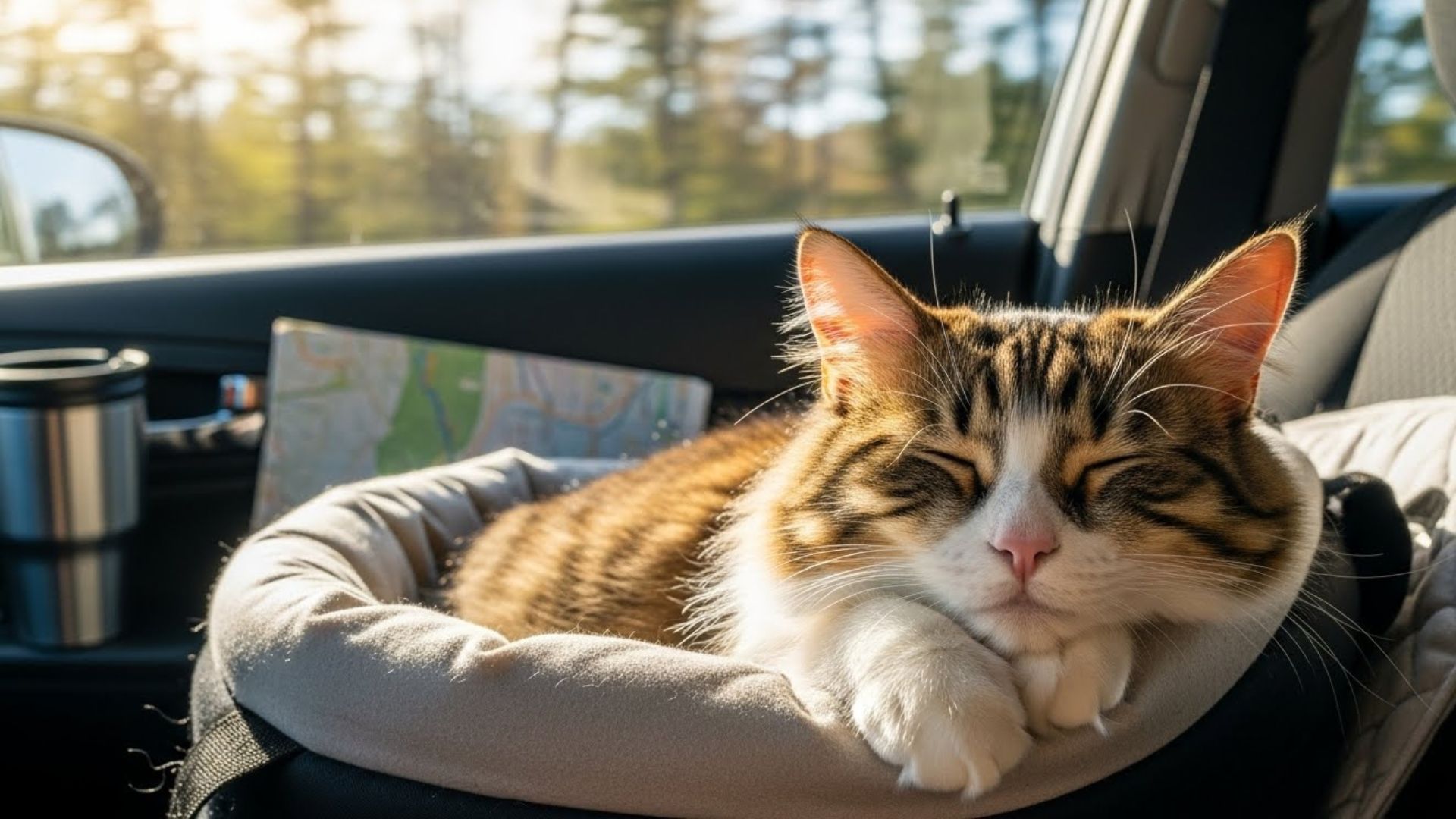
Traveling with a cat can be challenging, especially for pets that dislike change or unfamiliar environments. While many cats prefer staying close to home, some breeds tend to handle travel stress better due to their adaptable personalities and comfort with routine changes.
For pet owners who travel frequently or enjoy bringing their cat along, choosing a breed that adjusts well to new settings can make the experience smoother for everyone involved. In this article, we explore cat breeds that are often better suited for travel, focusing on temperament, flexibility, and overall ease of handling.
With the right preparation and a compatible cat, travel can become a calmer and more enjoyable experience.
Cat Breeds That Handle Travel Stress Well
1. Abyssinian
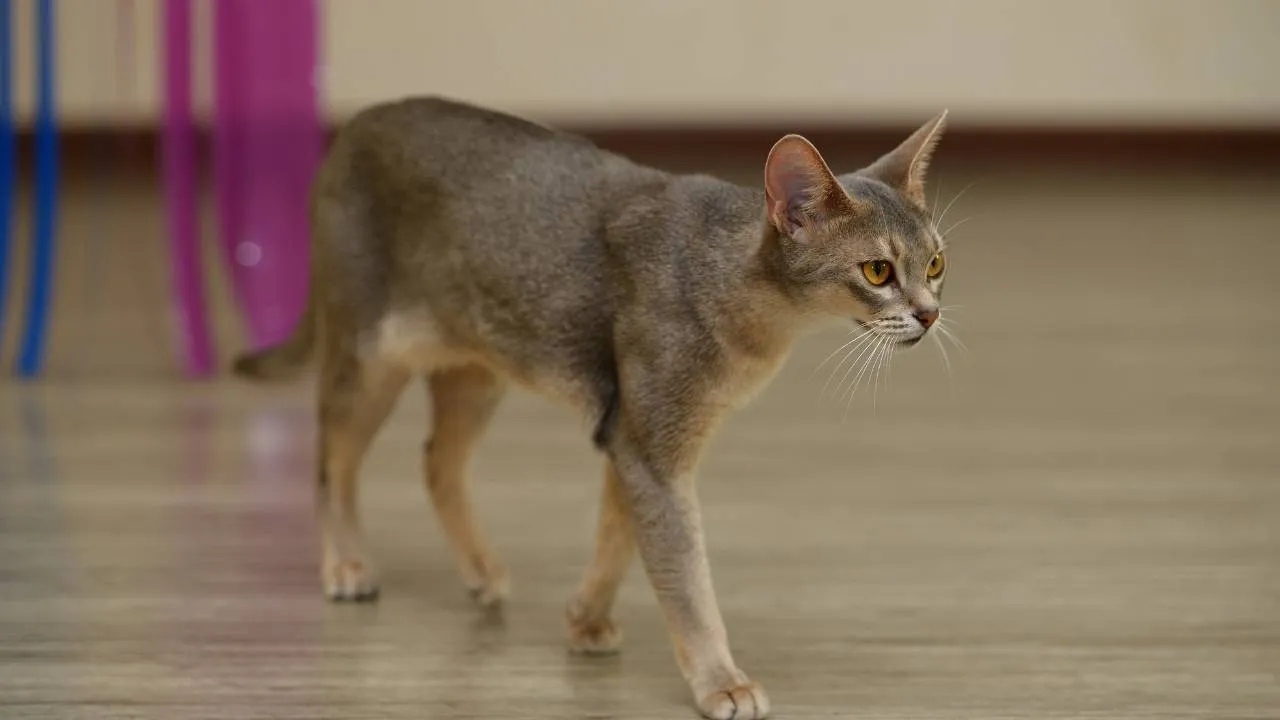
The Abyssinian is known for its alert nature and curiosity about the world around it. This breed often enjoys being involved in activity and tends to stay engaged rather than withdrawn. Its confident attitude shapes how it responds to new environments.
Highly intelligent and playful, Abyssinians often adapt quickly when routines change. They enjoy exploration and may show interest in unfamiliar sights and sounds. Mental stimulation plays an important role in keeping them comfortable and focused.
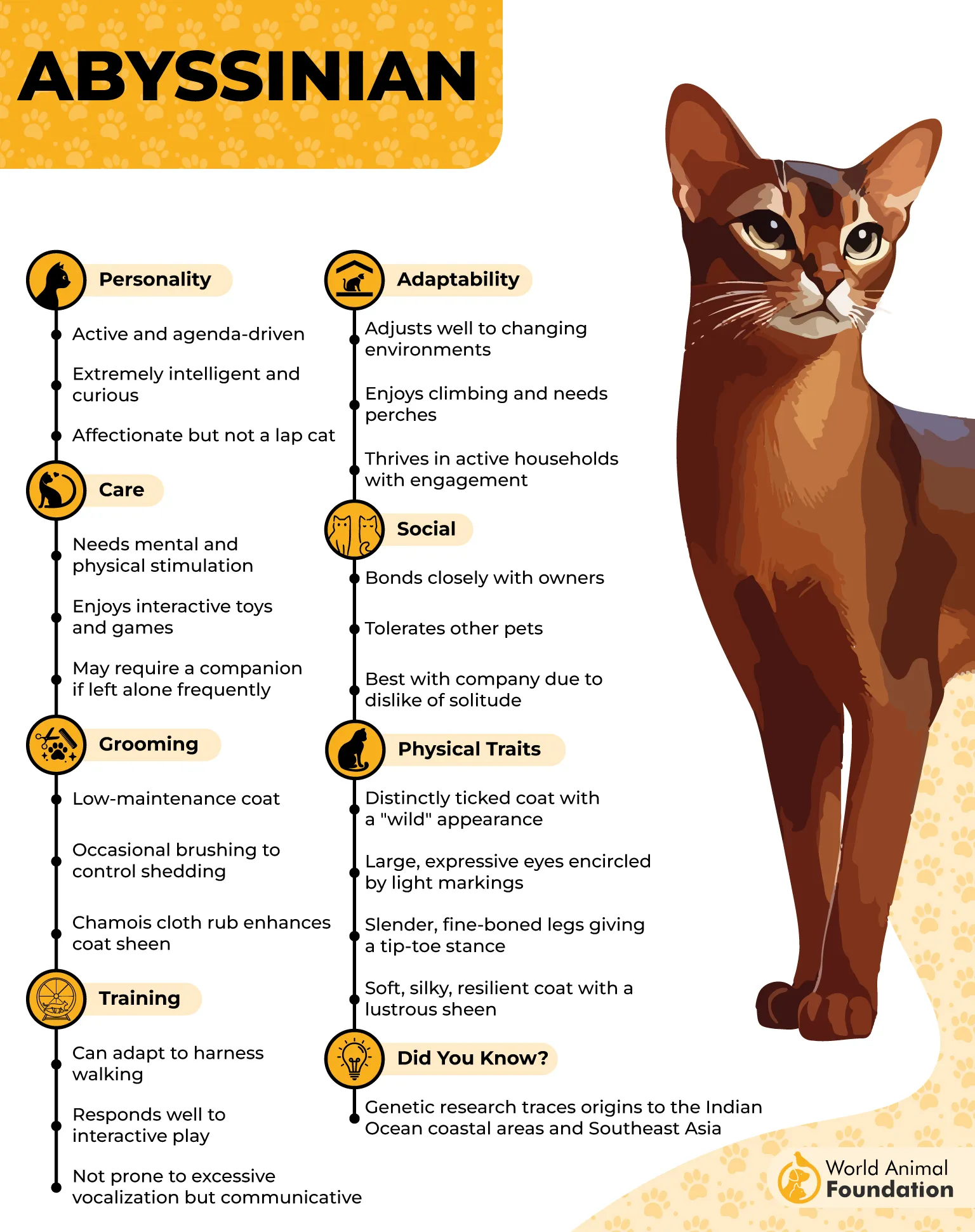
With a short, fine coat, grooming needs are minimal and easy to maintain. The breed’s athletic build supports active movement without fuss. These traits often support smoother transitions during outings or short trips.
Why This Cat Is a Good Fit
Curious personality supports comfort in new settings
Adapts quickly to changing routines
Low grooming needs simplify travel care
2. Bengal
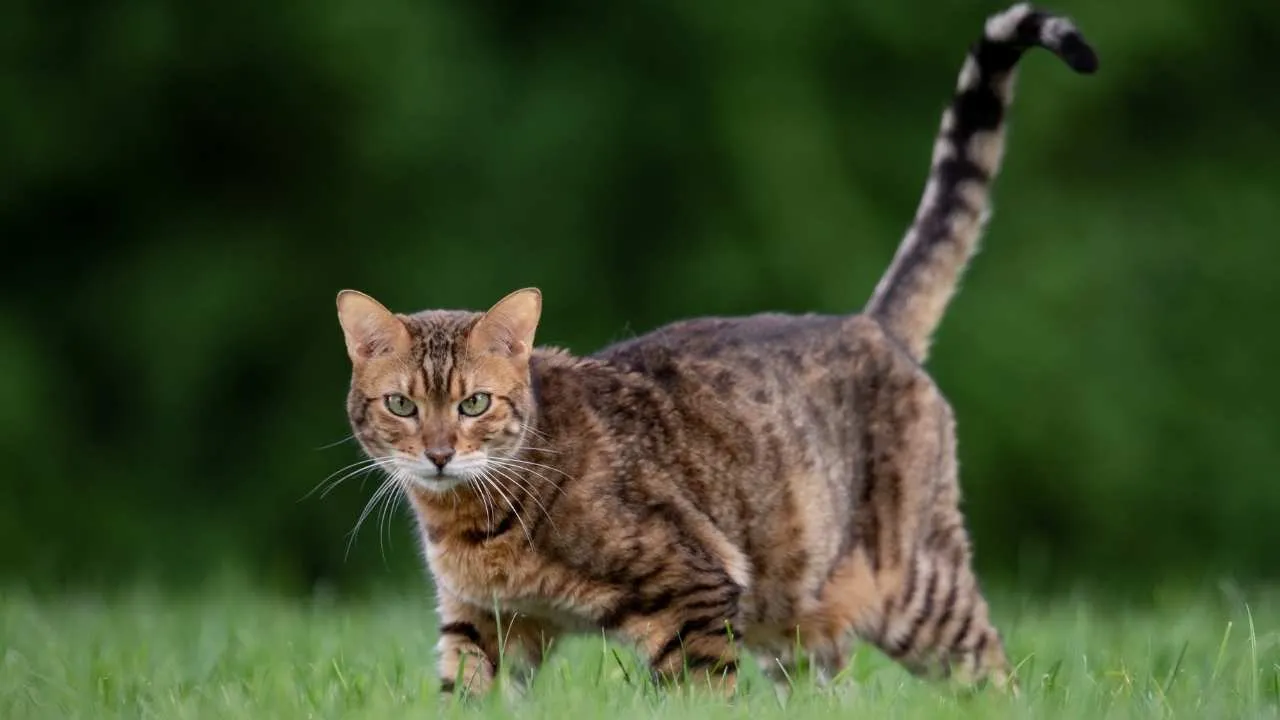
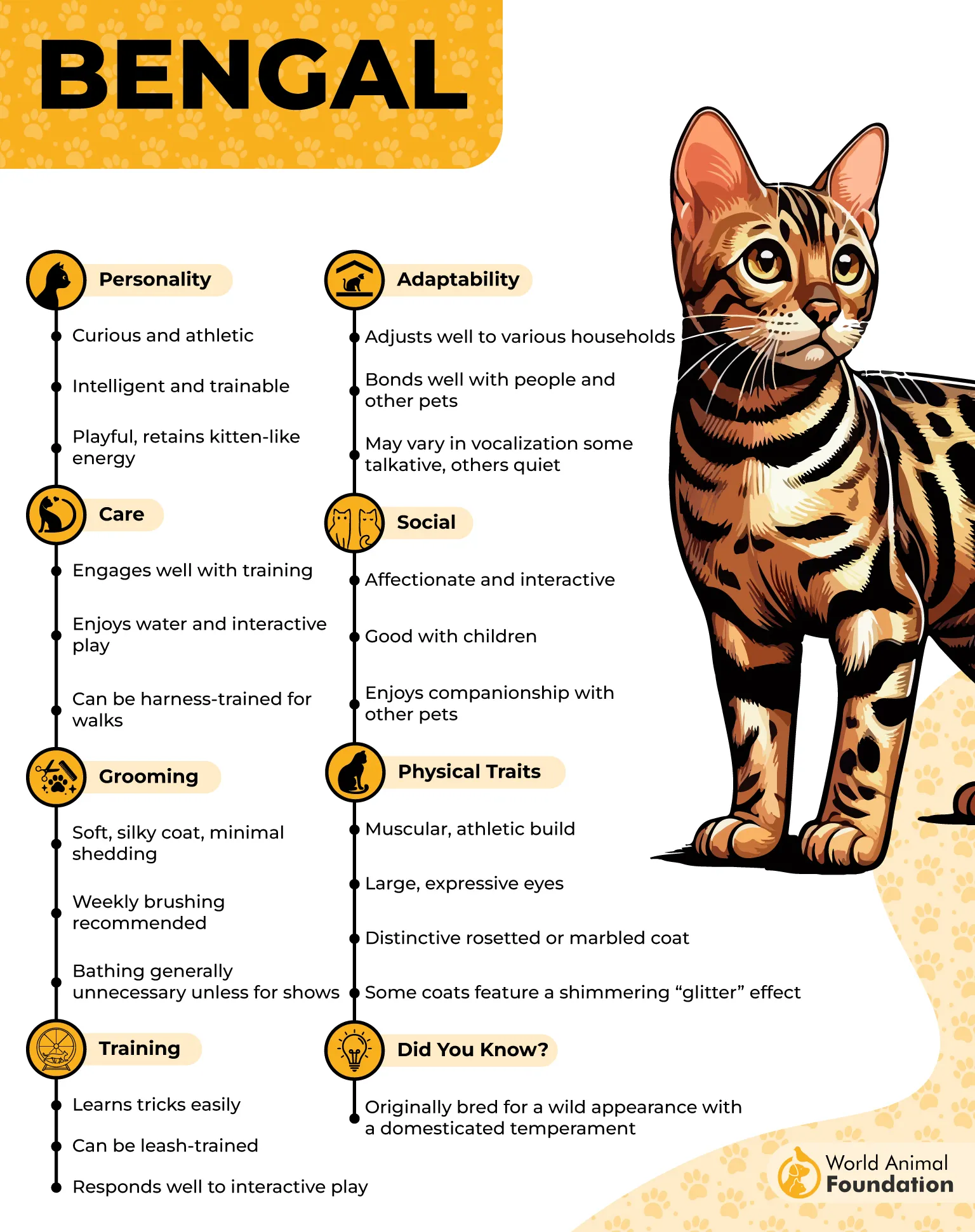
Bengal cats are recognized for their bold personality and high energy levels. This breed often enjoys stimulation and remains alert during activity. Confidence plays a major role in how the Bengals respond to unfamiliar surroundings.
Purina states that they are highly interactive and often seek engagement rather than hiding. Bengals tend to enjoy exploring new spaces when given structure and attention. Their interest in movement can help redirect stress during travel.
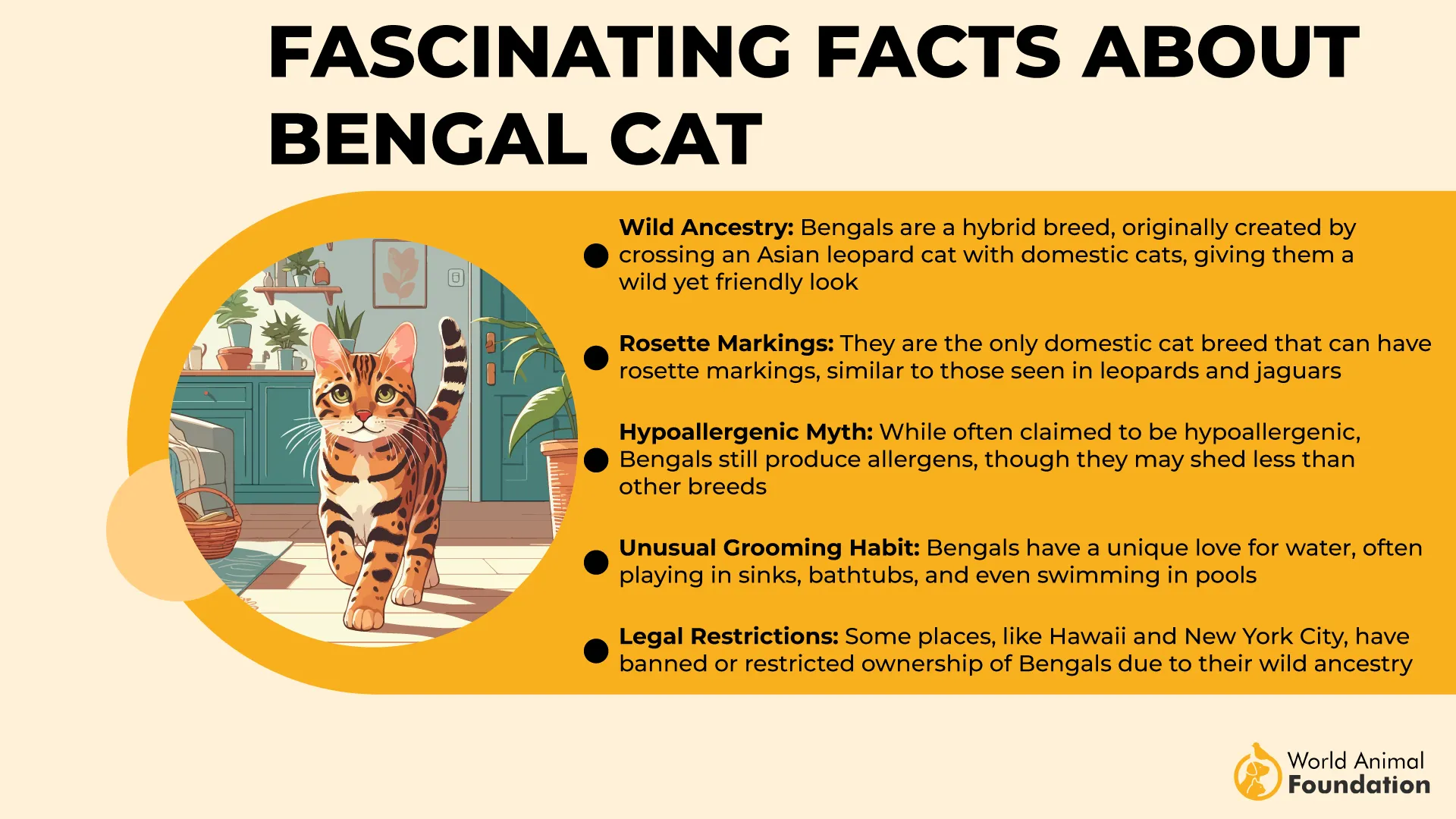
The Bengal’s short, dense coat is easy to care for and requires little maintenance. Grooming is straightforward even during busy schedules. These qualities can help keep routines consistent while away from home.
Why This Cat Is a Good Fit
A confident nature supports travel exposure
Enjoys exploration rather than withdrawal
Short coat simplifies on-the-go care
3. British Shorthair
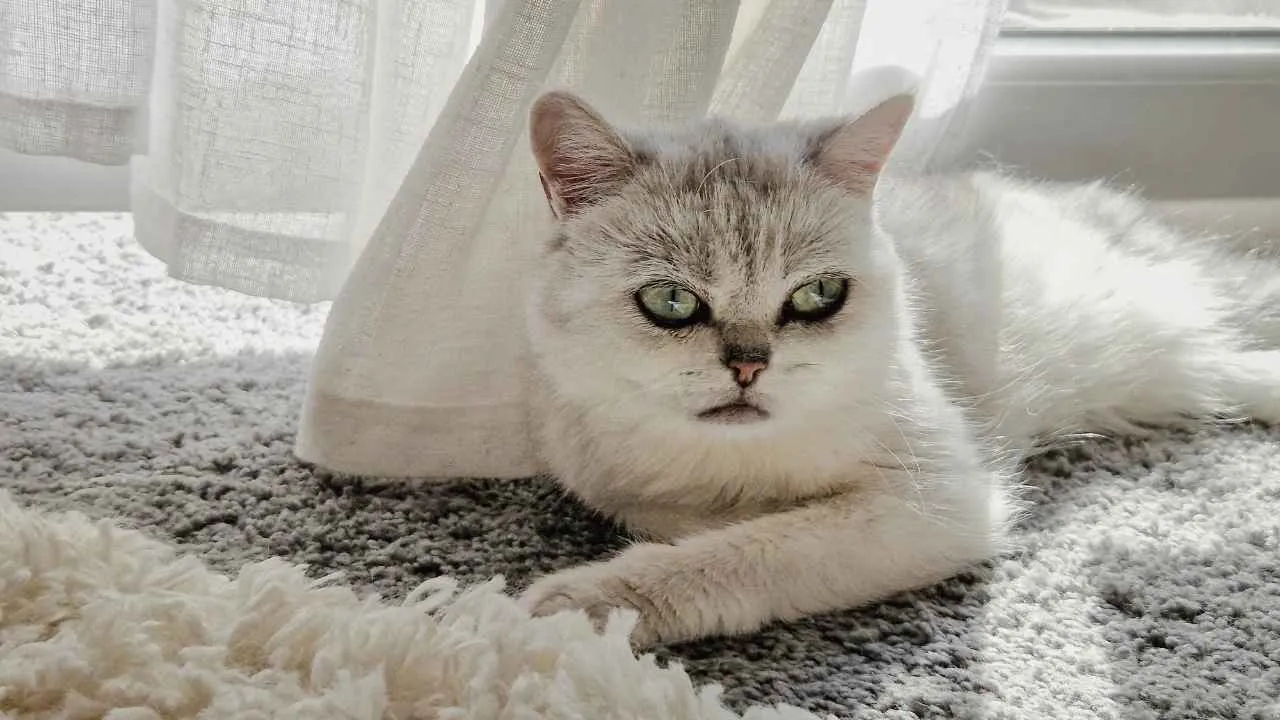
The British Shorthair is known for its calm demeanor and steady behavior. This breed often remains composed in changing situations. Its relaxed approach can help reduce tension during movement or relocation.
PDSA notes that British Shorthairs tend to be independent and observant. They may take time to adjust, but usually do so quietly. Their ability to remain settled supports smoother transitions.
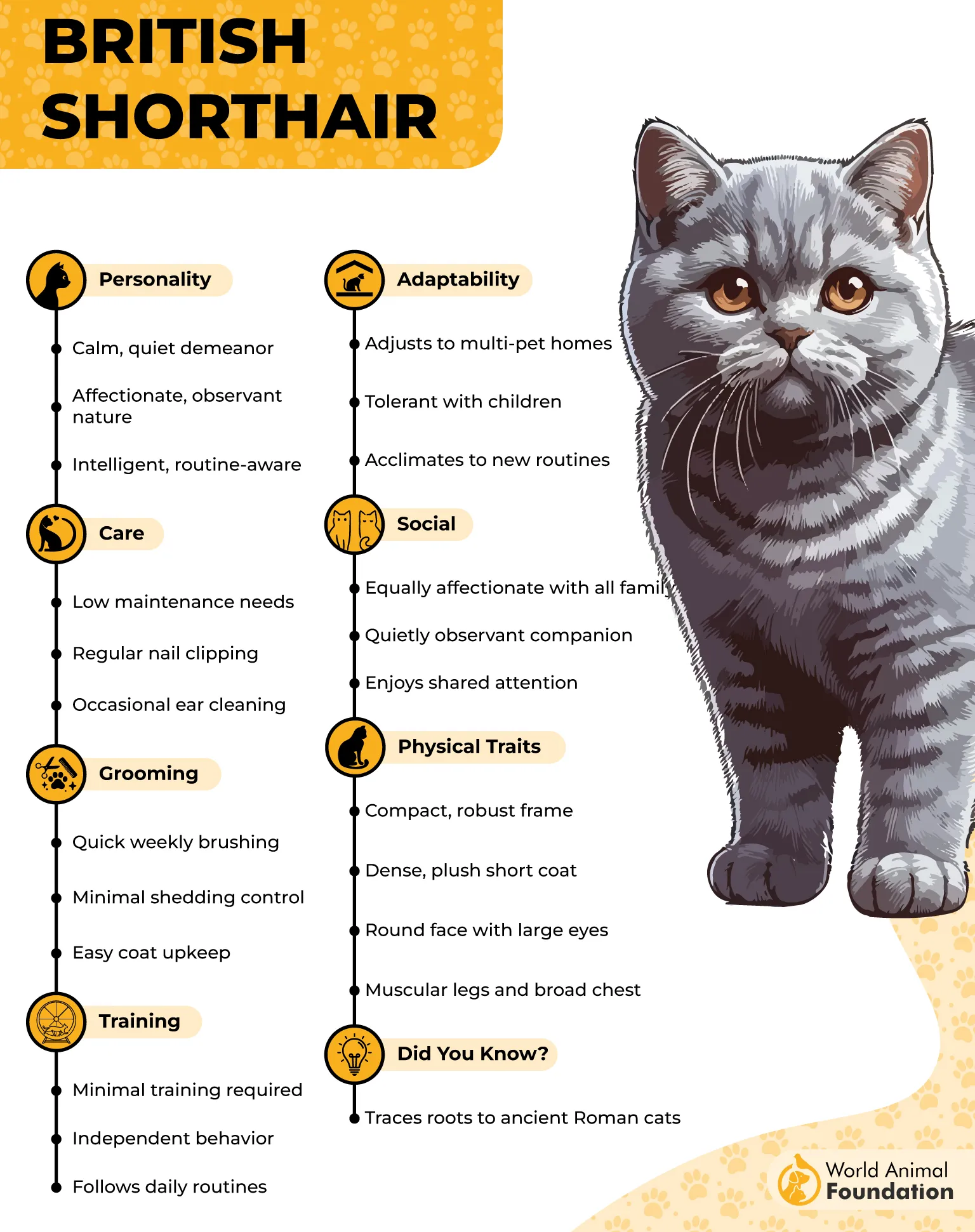
With a dense, plush coat, grooming needs are manageable and predictable. The breed often prefers secure carriers and familiar handling. These traits can support comfort during controlled travel experiences.
Why This Cat Is a Good Fit
Calm temperament reduces travel stress
Independent nature supports quiet adjustment
Predictable care routine eases transitions
4. Manx
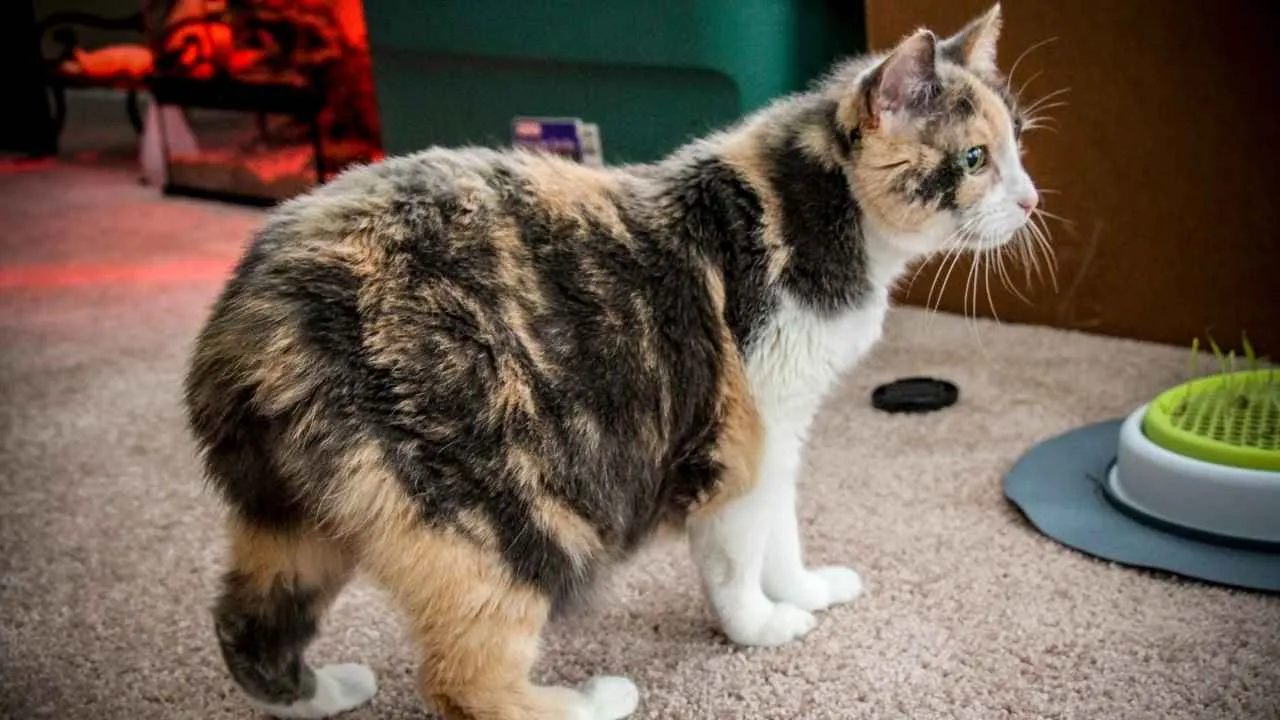
The Manx is known for its strong personality and close bond with people. This breed often shows loyalty and enjoys staying near familiar companions. That connection can provide reassurance in new places.
Manx cats are typically intelligent and adaptable. They often respond well to routine changes when handled calmly. Their confidence helps them navigate unfamiliar environments.
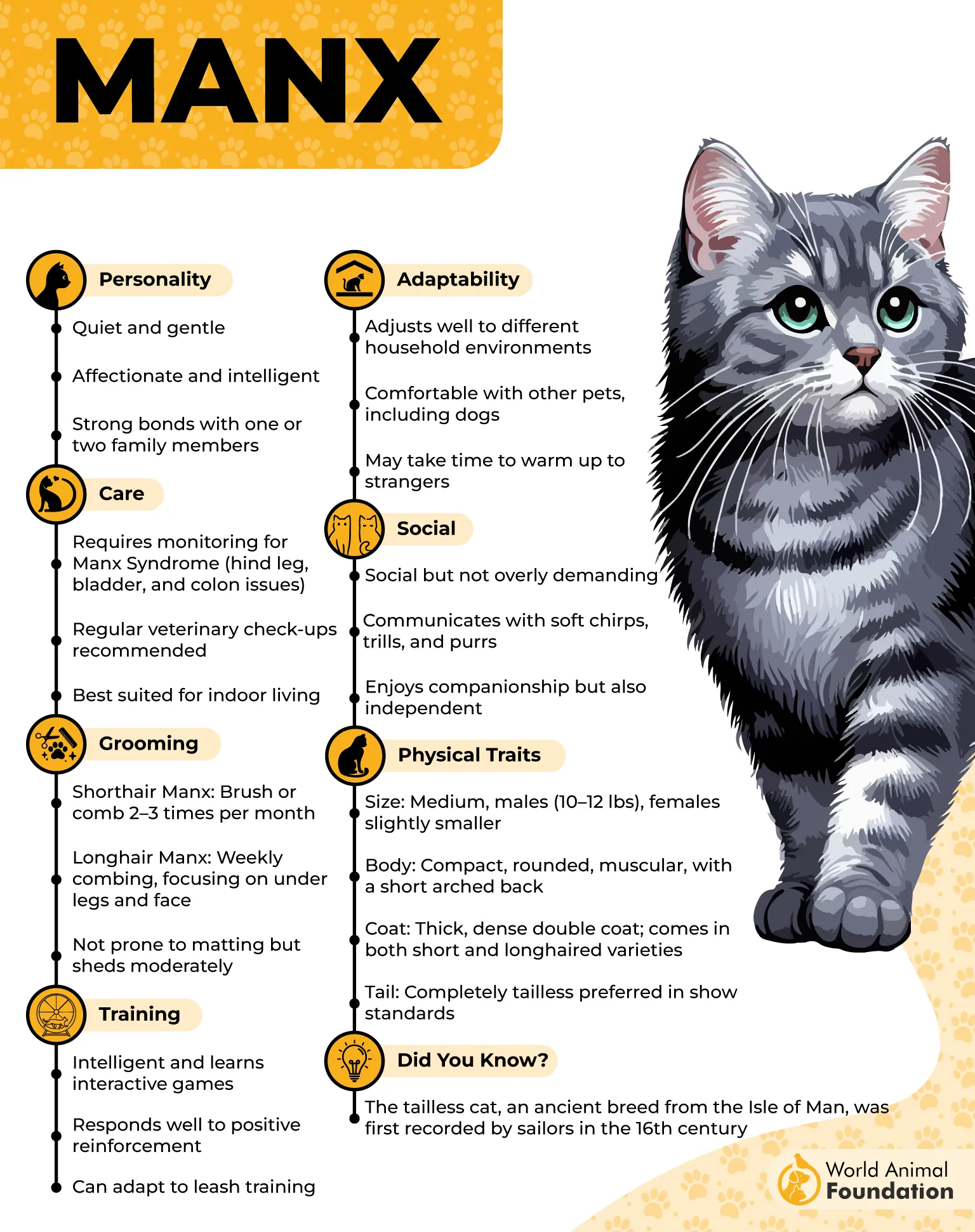
With a short to medium coat, grooming needs are simple. PetMD points out that the breed’s sturdy build supports active movement without fragility. These qualities often help the Manx remain steady during travel experiences.
Why This Cat Is a Good Fit
Loyal nature offers reassurance during travel
Adapts well to routine changes
Low-maintenance coat supports mobility
5. Ocicat
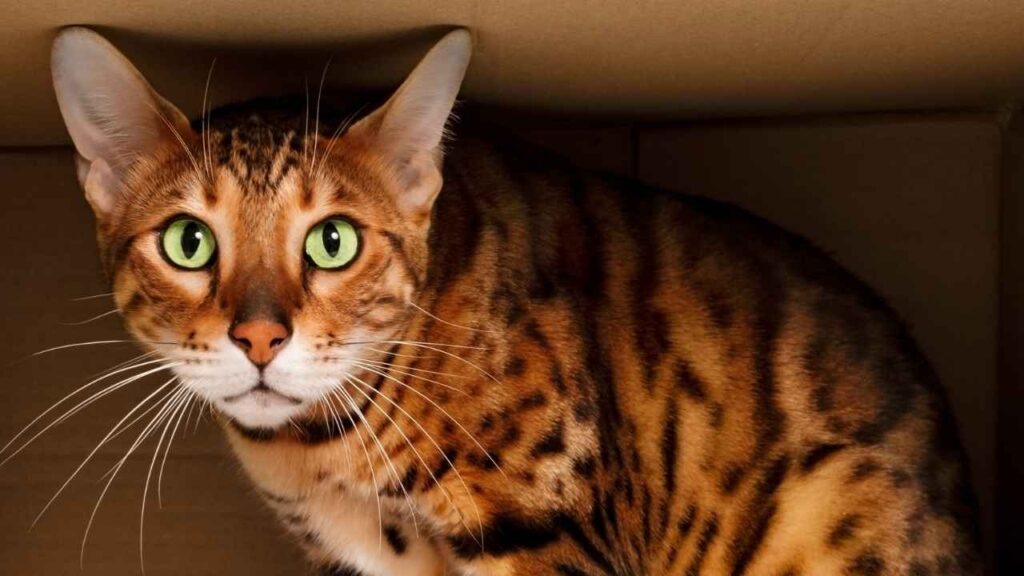
The Ocicat is known for its outgoing personality and strong interest in human interaction. This breed often enjoys being involved in daily activities and tends to approach new situations with curiosity rather than hesitation. Its confident nature can influence how it responds to unfamiliar places.
Ocicats are active and intelligent, often seeking engagement through play and exploration. They usually adapt well to change when given attention and structure. Mental stimulation helps them stay focused and comfortable in new environments.
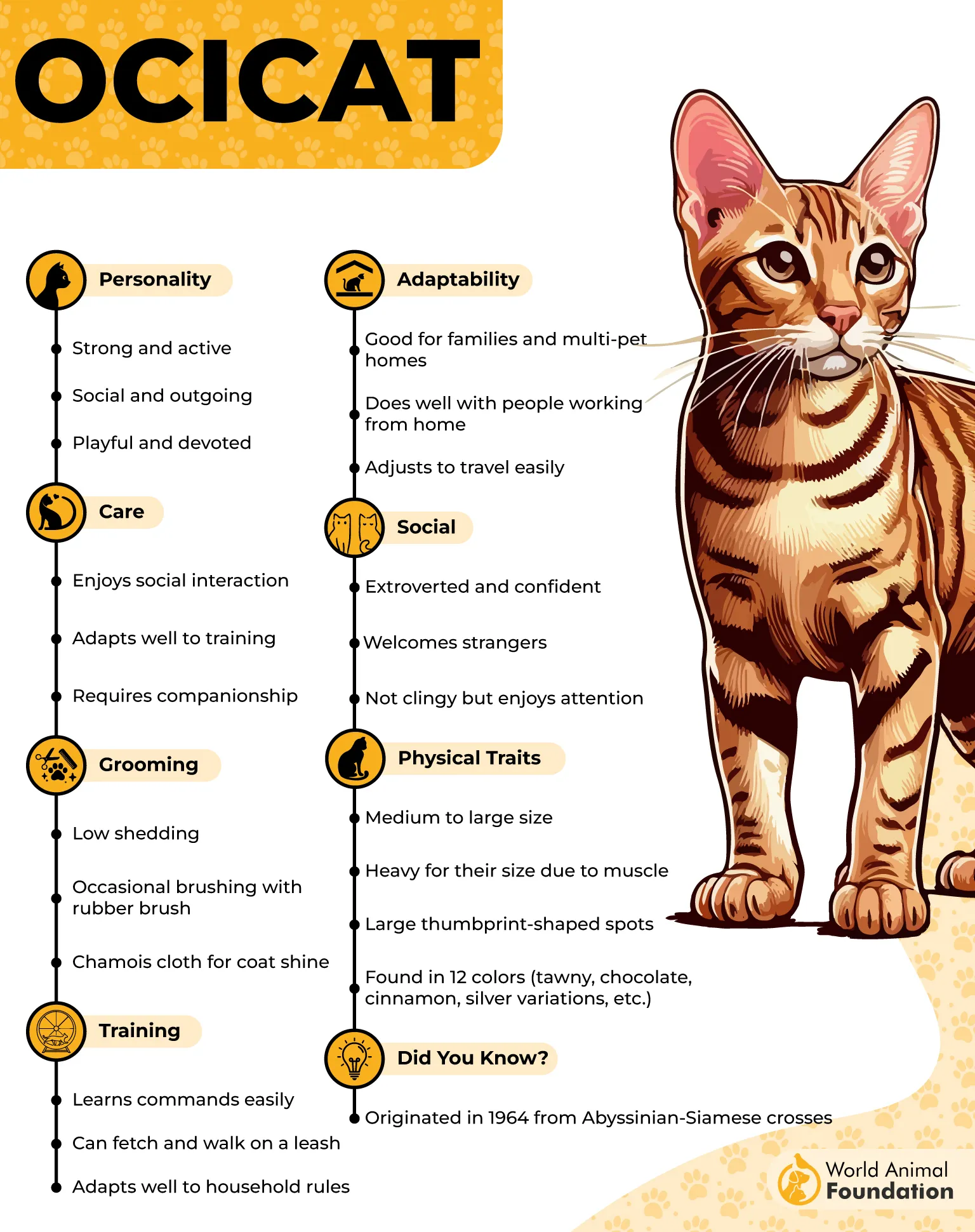
With a short, smooth coat, grooming needs are minimal and easy to manage. The breed’s athletic build supports movement and alertness without appearing fragile. These traits can help maintain consistency during travel routines.
Why This Cat Is a Good Fit
An outgoing personality supports adaptability
Enjoys interaction during unfamiliar situations
Low grooming needs simplify travel care
6. Chartreux
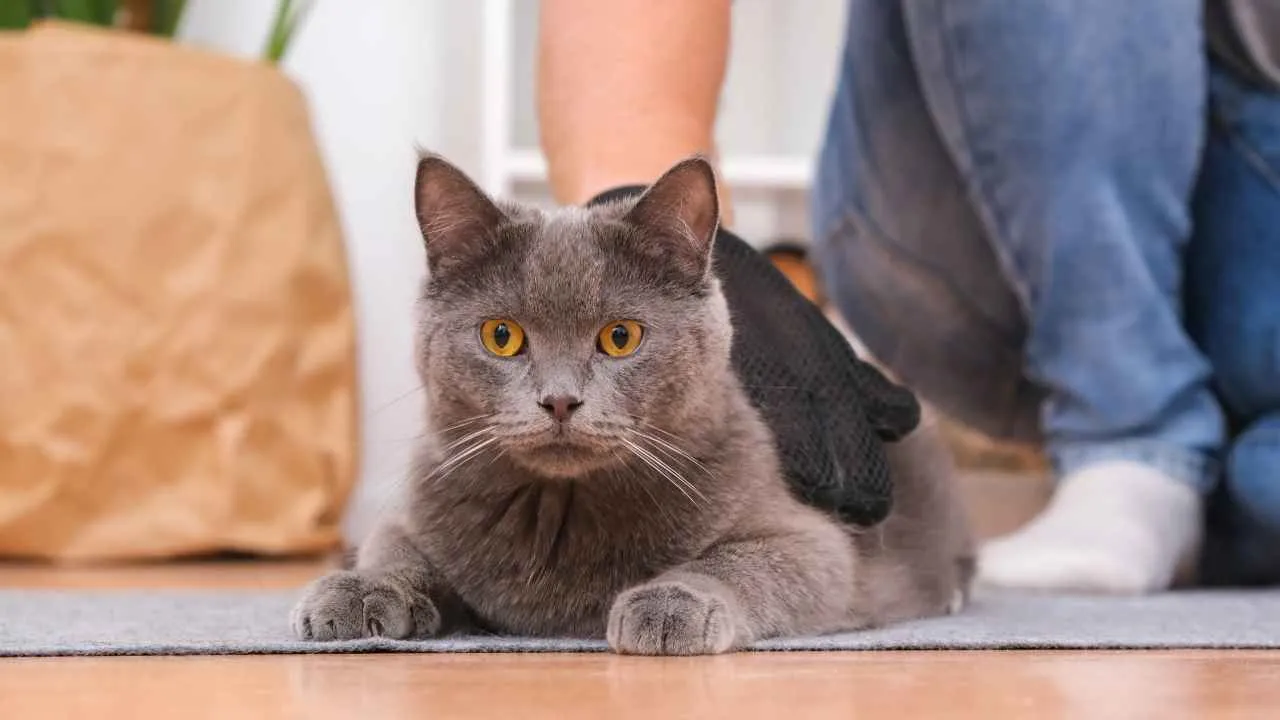
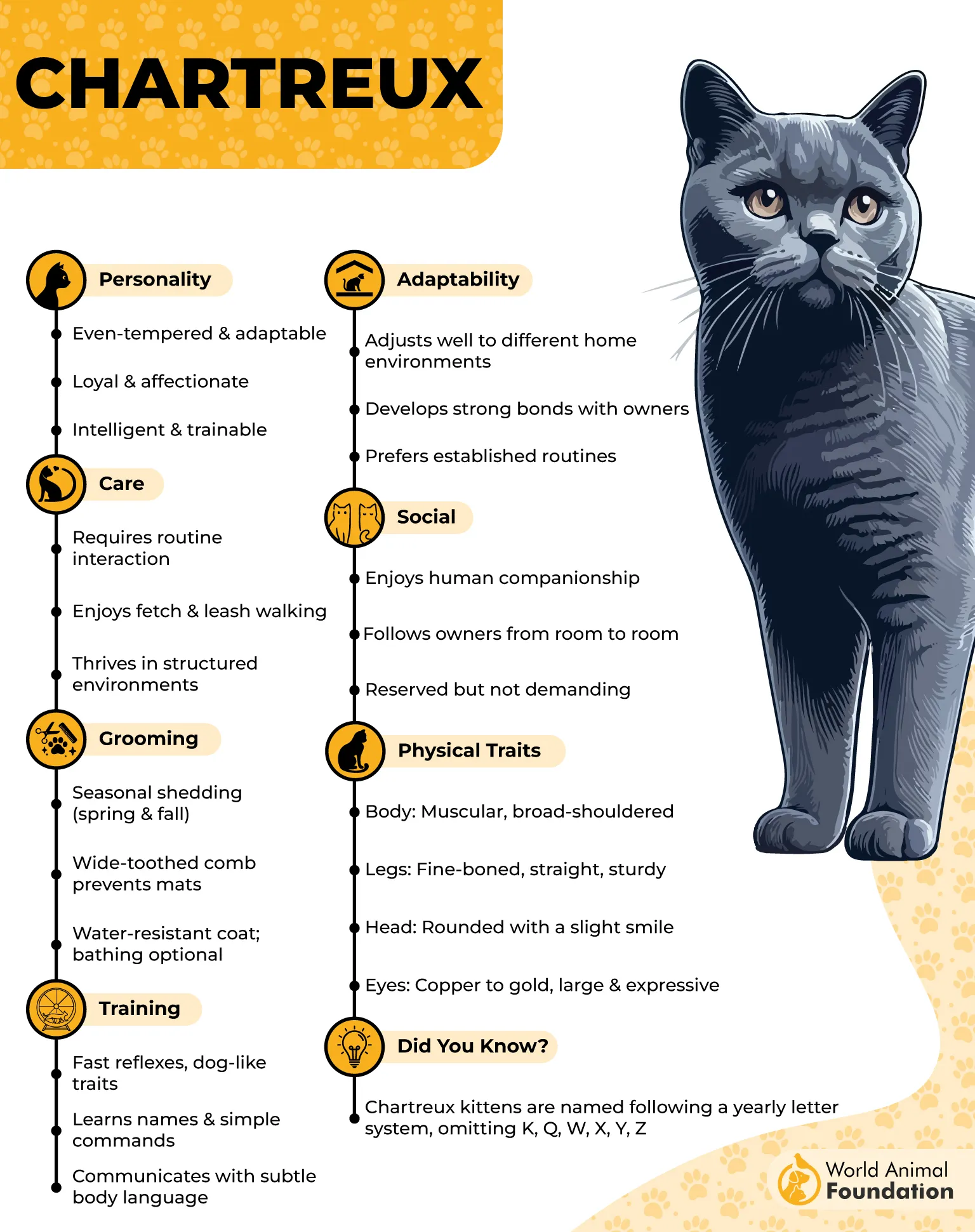
The Chartreux is known for its calm presence and thoughtful behavior. This breed often forms close bonds with its owners and prefers staying near familiar people. Its composed nature can help reduce stress during transitions.
Chartreux cats are typically quiet and observant. They tend to adjust gradually to new surroundings without panic or excessive reaction. This steady adjustment style supports smoother travel experiences.
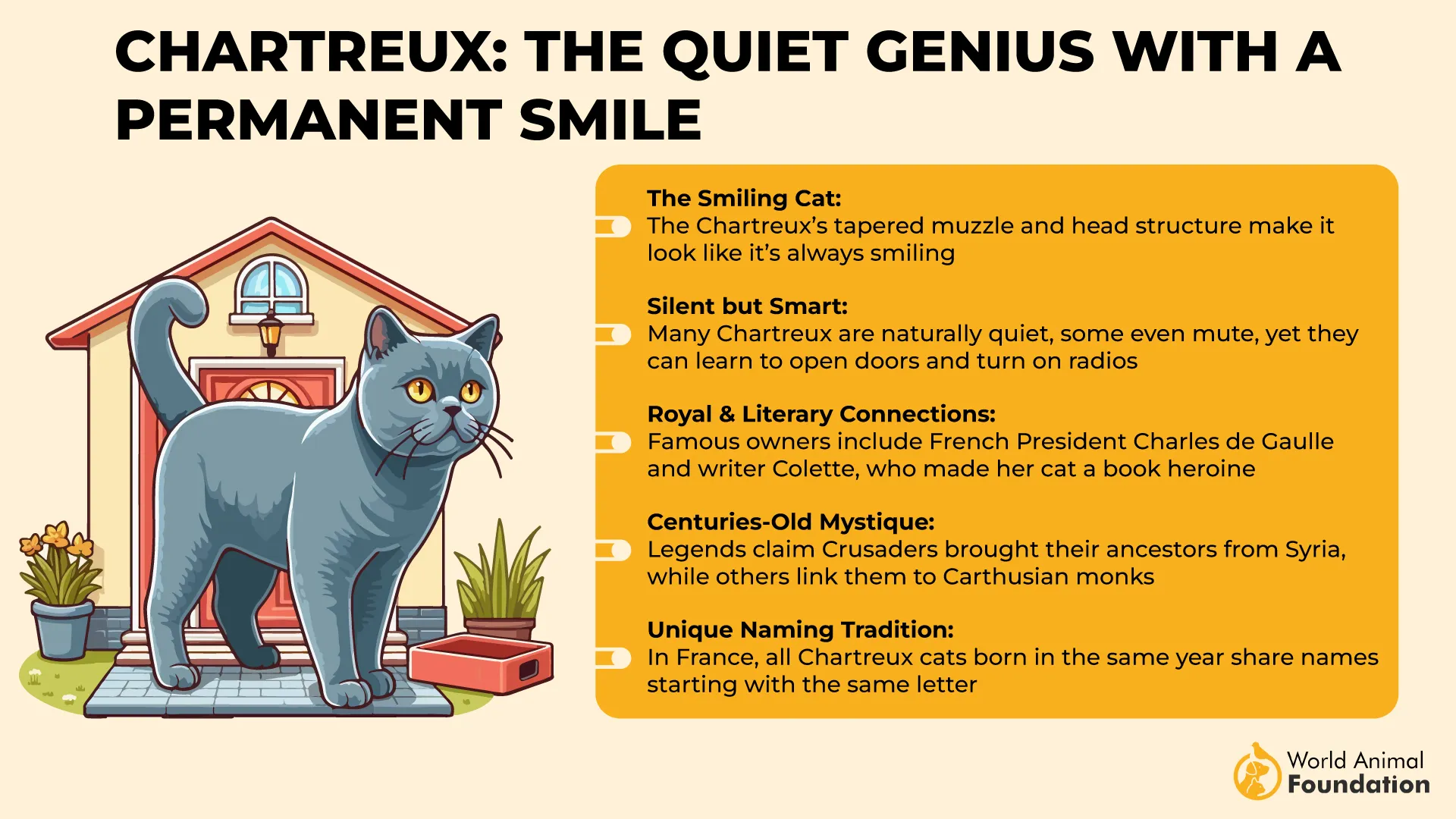
The breed has a dense, woolly coat that is easy to maintain with routine brushing. Grooming remains manageable even when away from home. Their relaxed demeanor often pairs well with structured travel plans.
Why This Cat Is a Good Fit
Calm behavior helps manage travel stress
A strong bond provides reassurance in new places
Predictable care routine supports consistency
7. Turkish Van
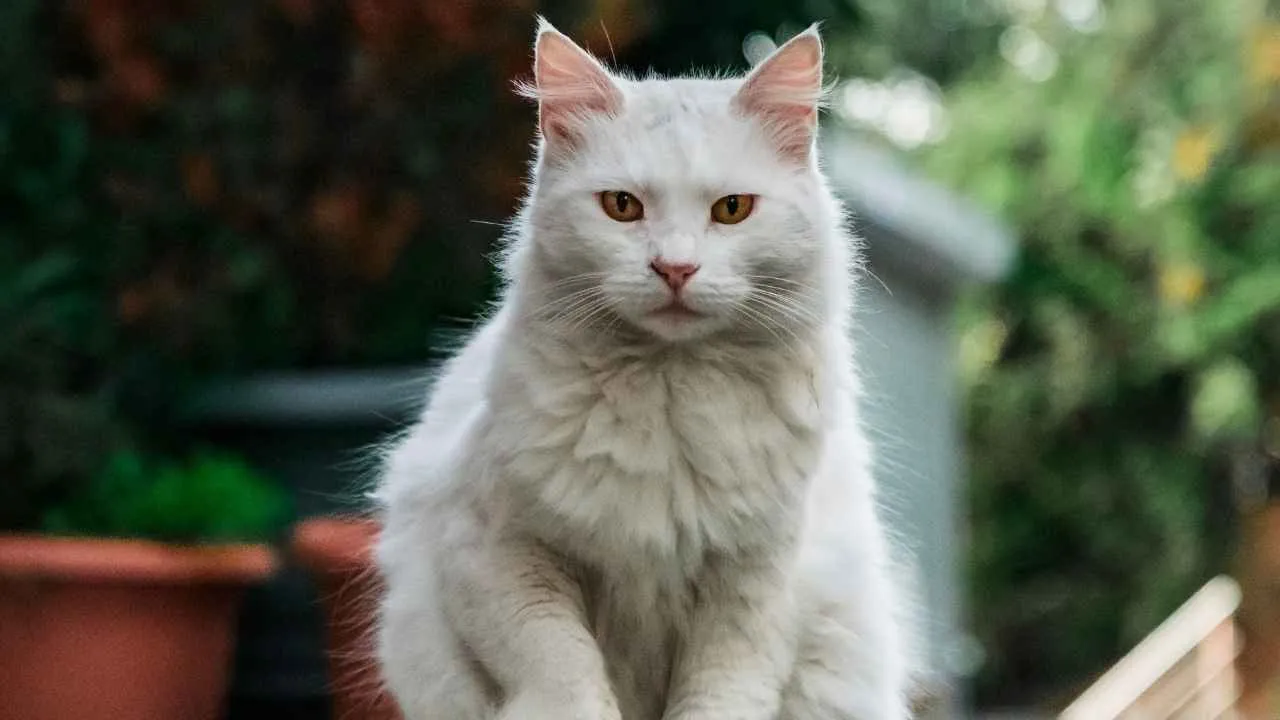
The Turkish Van is known for its energetic personality and curiosity. This breed often enjoys exploring its surroundings and shows interest in movement and activity. Confidence plays a role in how it handles new environments.
Turkish Vans are intelligent and alert, often engaging actively with changes around them. They tend to enjoy stimulation and may adapt well when travel includes interaction. Routine engagement helps keep them settled.
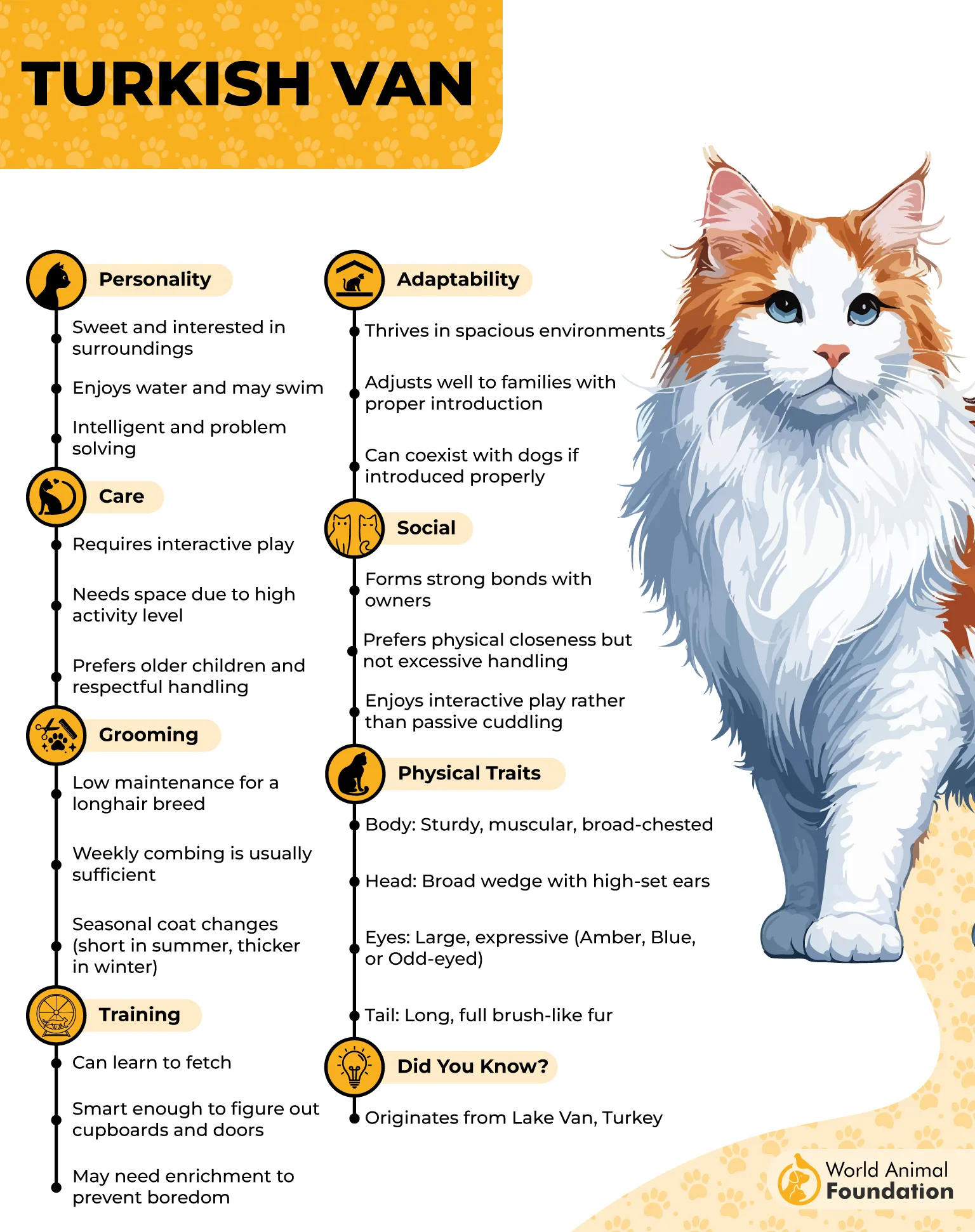
With a semi-long coat that lacks a heavy undercoat, grooming is manageable. The breed’s strong build supports active movement. These qualities often support flexibility during travel experiences.
Why This Cat Is a Good Fit
Curious nature supports exploration during travel
Enjoys activity in changing environments
Coat care remains manageable on the go
Conclusion
Choosing a travel-friendly cat breed can make a rewarding experience for cat lovers who want a feline companion that feels calm and secure on the move. While most cats prefer routine, certain breeds show a laid-back nature, affectionate personalities, and strong bonds with human companions that help them enjoy traveling.
Proper preparation matters for both the cat and the travel environment, including familiar items like a favorite blanket, interactive toys, a portable litter box, regular breaks, and a well-ventilated car or train space. Paying attention to the cat’s comfort, food, bed, and regular interaction helps keep things calm on long trips and outdoor adventure plans.
Other breeds such as Siamese cats, Scottish Folds, Maine Coon, and even a rescue cat or laid-back lap cat may also become excellent companions for travelers, depending on lifestyle, training, and individual temperament.
