




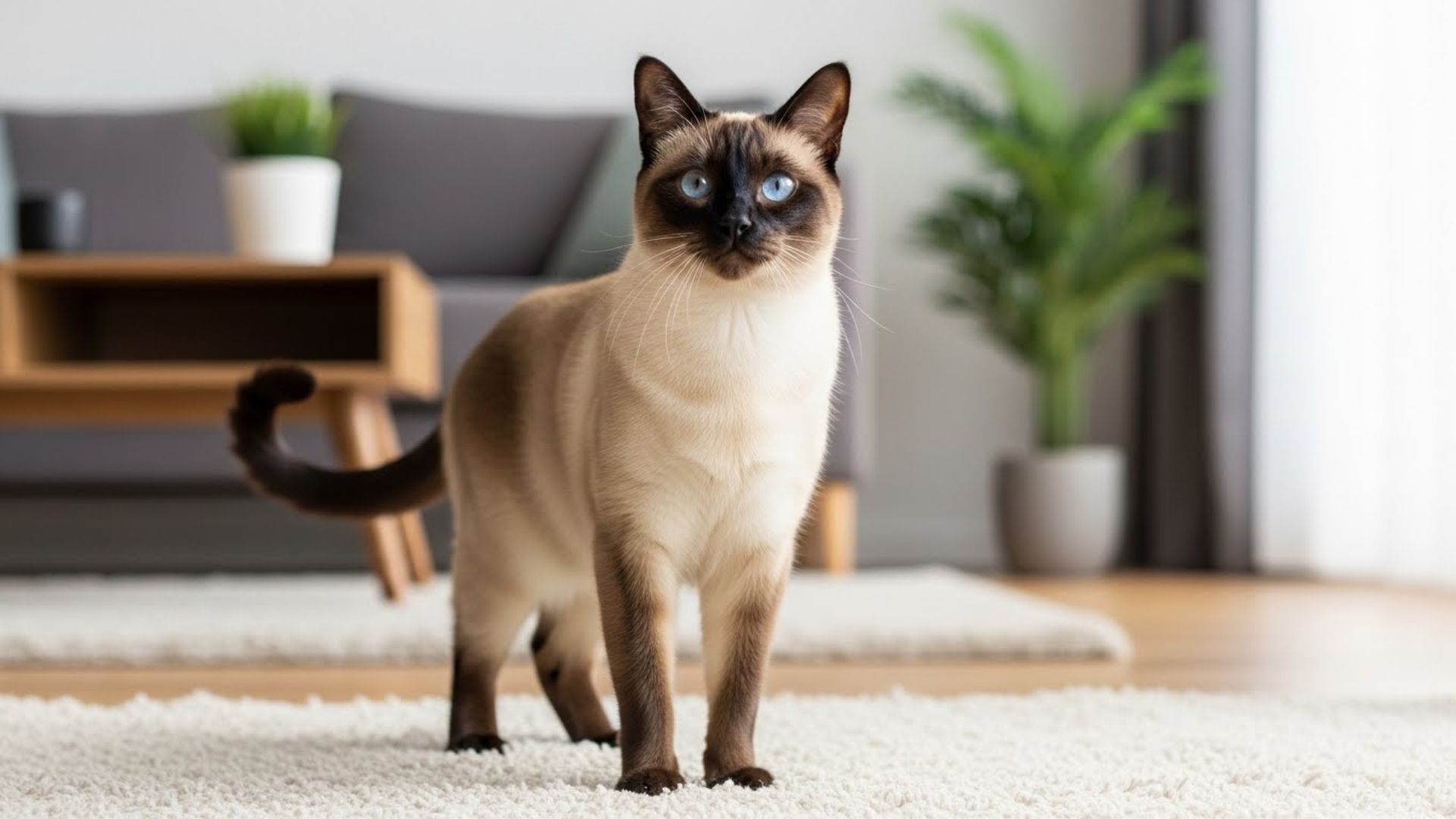
Cats may be famous for their laid-back image, but some breeds are anything but idle. Highly intelligent and naturally curious, these cats crave stimulation and can grow restless when their minds aren’t challenged.
When boredom sets in, it often shows through mischievous behavior—knocking items off shelves, opening cabinets, or inventing their own not-so-ideal games. For pet parents, understanding which cats get bored easily is key to creating a happy, well-balanced home.
Keeping these sharp-minded felines satisfied takes more than the occasional toy toss. They need daily interaction, problem-solving opportunities, and engaging environments that encourage exploration and play.
Interactive toys, puzzle feeders, climbing structures, and regular play sessions all help channel their energy productively. Without these outlets, boredom can quickly turn into frustration for both cat and owner.
In this article, we’ll explore cat breeds that are especially prone to boredom due to their intelligence and high energy levels.
Cat Breeds That Get Bored Easily
1. Abyssinian
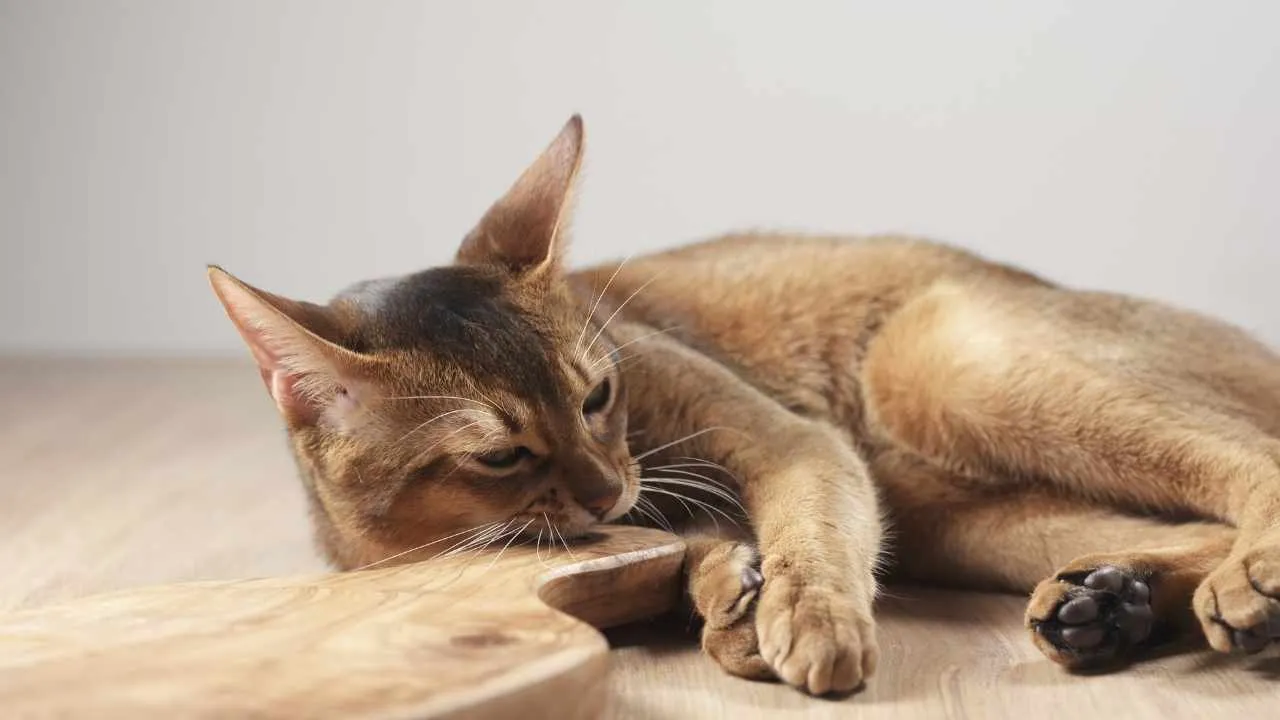
Often called the “Aby,” the Abyssinian is a medium-sized, lean, and muscular cat with a short, ticked coat and an alert expression.
According to Britannica, the Abyssinian is a domestic cat breed that likely originated in Egypt and is often considered the living breed that most closely resembles the sacred cats of ancient Egypt.
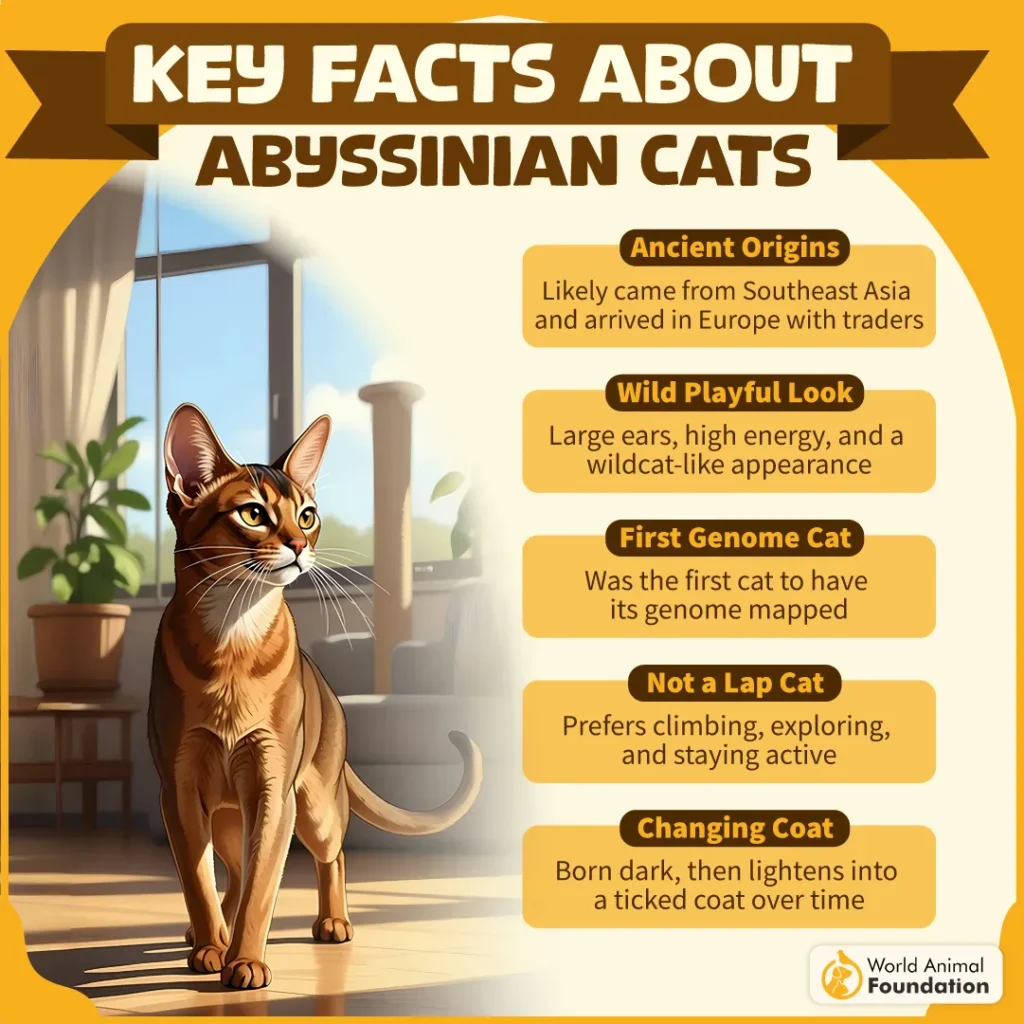
Abyssinians are constantly on the move, which explains why they’re especially prone to boredom. Their intelligence and problem-solving instincts push them to explore cupboards, doors, and high places, turning any quiet moment into an opportunity for discovery. Without enough stimulation, they quickly invent their own entertainment.
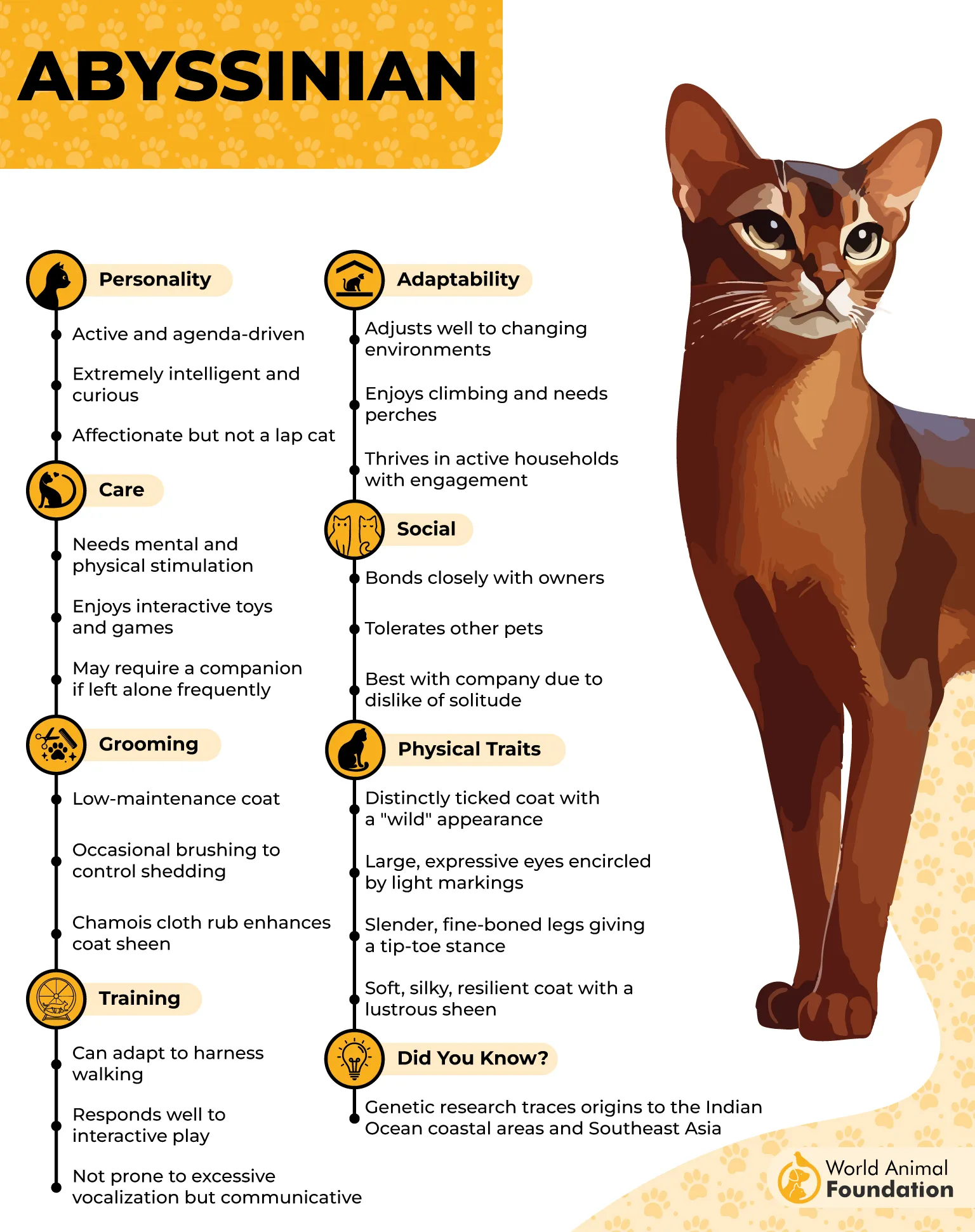
Because of this sharp mind, Abys need daily interactive play to stay content. Puzzle toys, climbing structures, and games like fetch help channel their energy while preventing destructive behaviors. They thrive when their environment offers variety and mental challenges.
Social by nature, Abyssinians enjoy human involvement and even companionship from other pets. When left alone too often or without enrichment, their boredom can lead to mischief rather than rest.
Fact: Abyssinians are highly intelligent and may start knocking items over or opening cabinets if they aren’t kept busy.
2. Bengal
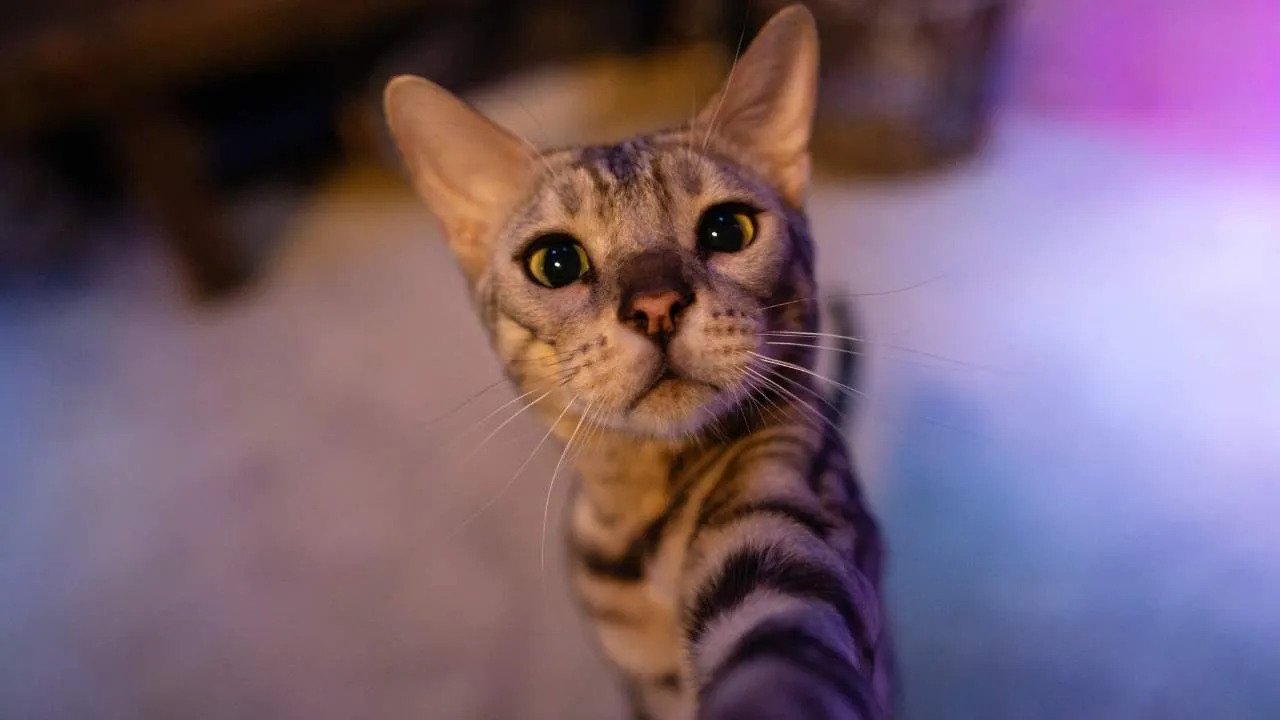
Also known for their wildcat-inspired look, Bengal cats stand out with sleek, spotted coats and a confident, athletic build.
According to PetMD, the Bengal cat’s leopard-like appearance is so convincing that it may be mistaken for a miniature leopard, and that comparison is fairly accurate.
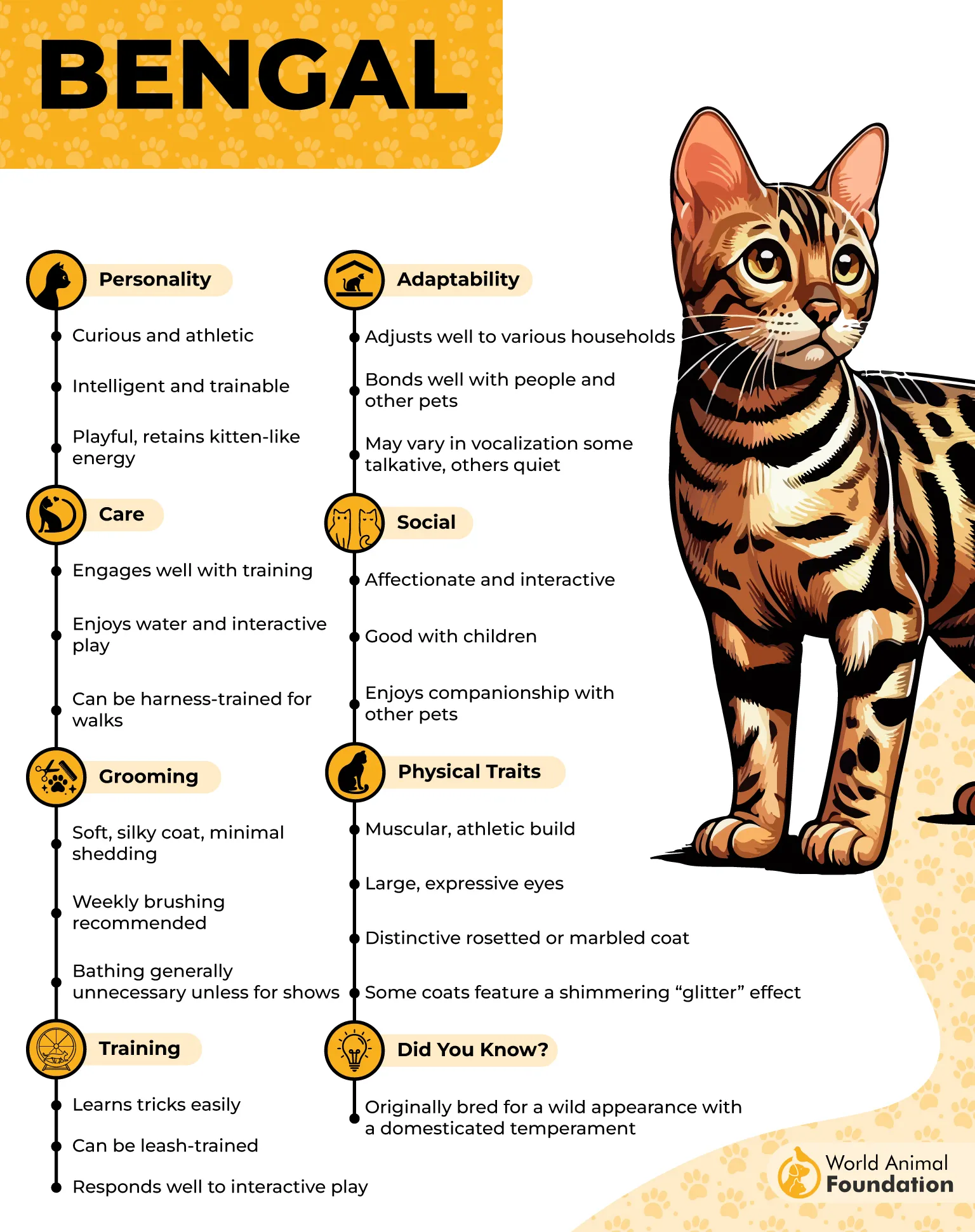
This intelligence is exactly why the Bengals get bored so easily. Their sharp minds constantly seek challenges, and without stimulation, they invent their own entertainment—often by opening cabinets, shredding paper, or swiping household items. For this breed, boredom isn’t quiet; it’s disruptive.
Energy plays a huge role in their restlessness. Bengals love to climb, leap, and explore every surface they can reach, making vertical spaces and cat furniture essential. Interactive toys, puzzle feeders, and frequent play sessions help keep their curiosity focused in healthy ways.
The link between intelligence, energy, and boredom is clear with Bengals: the more mentally gifted they are, the more engagement they require. A well-enriched environment allows them to thrive rather than act out.
Fact: Bengals are one of the few cat breeds known to enjoy playing with water.
3. Siamese
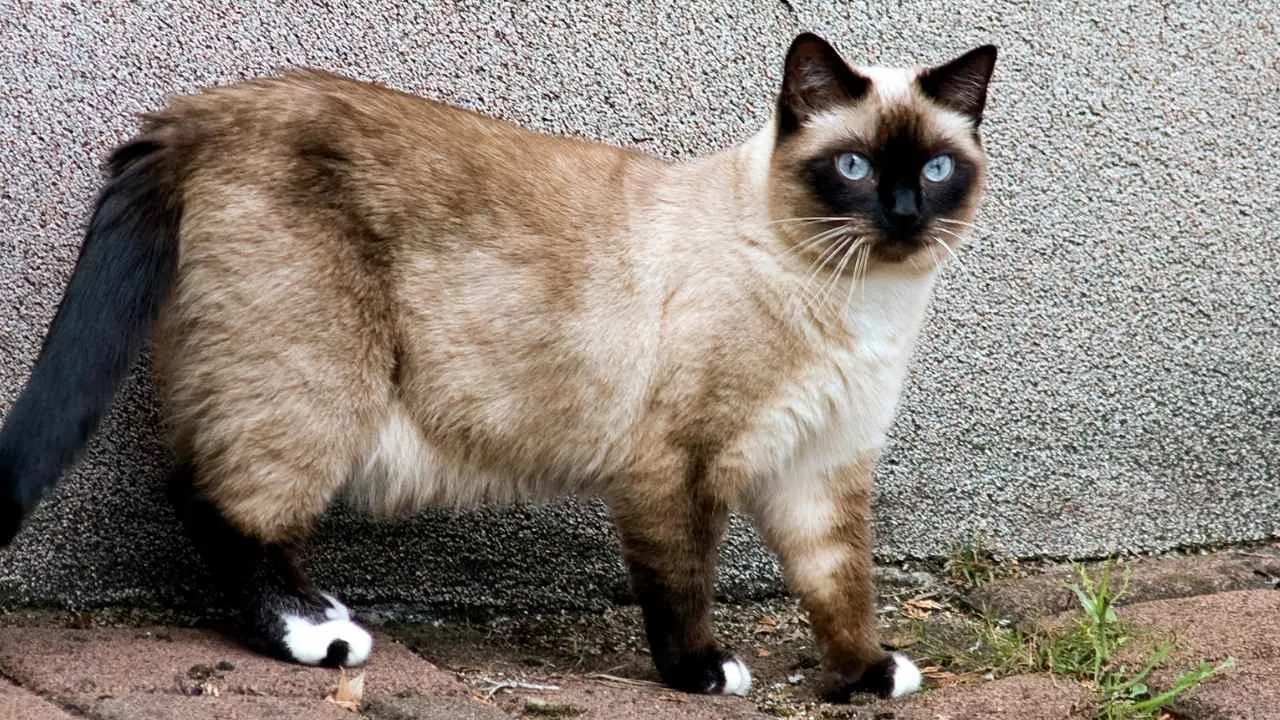
Also known as the “Meezer,” the Siamese is a long, elegant breed recognized for its sleek body, long legs, and striking blue eyes. Originating from Thailand, this cat is famous for its vocal nature and deep attachment to its human family.
According to WebMD, they are often seen as classic “people cats” because they enjoy engaging with their owners, sleeping beside them, and curling up on their laps.
As one of the most intelligent cat breeds, the Siamese becomes bored quickly without constant mental engagement. Their sharp minds push them to explore, problem-solve, and even invent mischief if left unstimulated, making them a classic example of cats that need ongoing interaction.
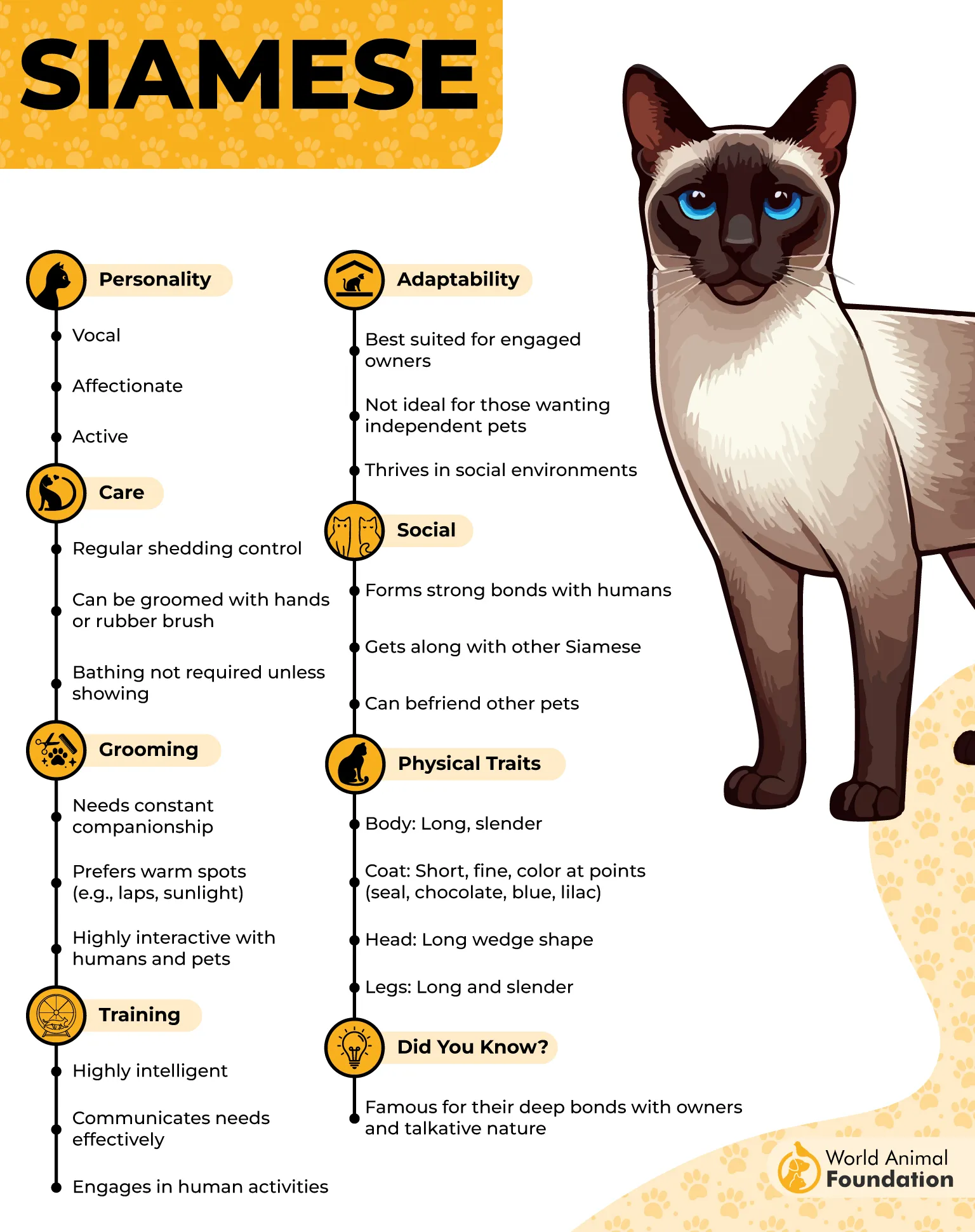
Highly social and people-oriented, Siamese cats thrive on games, conversation, and shared routines. Interactive toys, puzzle feeders, tall cat trees, and clicker training help keep their curiosity satisfied and prevent boredom-driven behaviors like tearing paper or opening drawers.
This breed forms intense bonds and expects daily involvement from its owners, making it best suited for households that can offer time, attention, and enrichment.
Fact: Siamese cats were once considered royal temple guardians in Siam and were gifted to European diplomats in the late 1800s.
4. Burmese
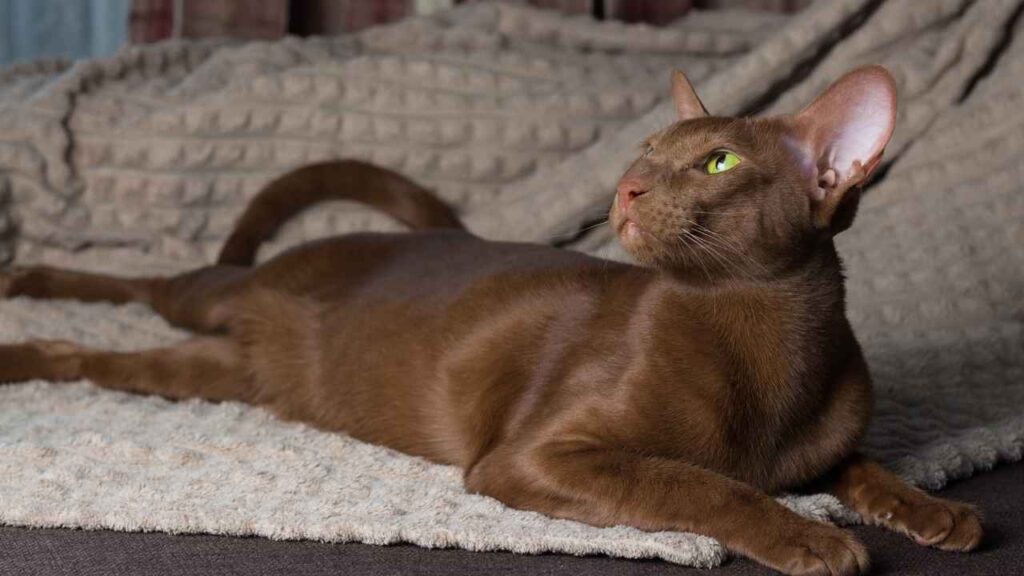
Also known simply as the Burmese cat, this breed is famous for its compact build, expressive eyes, and famously youthful spirit. Often described as having a “forever-kitten” personality, Burmese cats remain lively and curious well into adulthood.
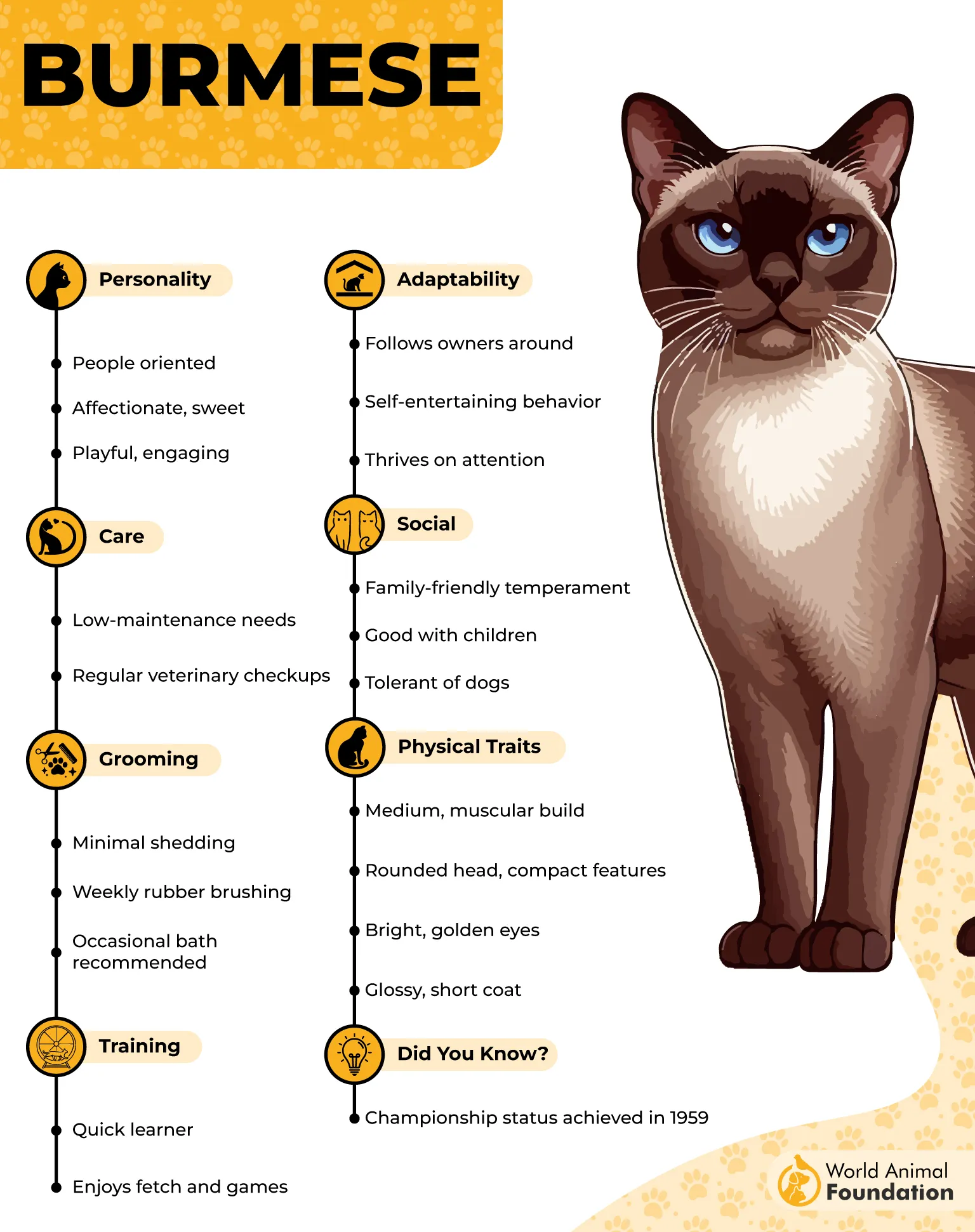
Burmese are classic examples of active and playful breeds that dislike idle time. Their boundless energy means they constantly seek interaction, whether that’s chasing toys, climbing cat trees, or following their humans from room to room. Without stimulation, boredom can set in quickly.
Mental engagement is just as important as physical play for this intelligent breed. Puzzle toys, learning simple tricks, and games like fetch help prevent them from inventing their own mischief, such as opening drawers or cabinets. They thrive in homes where daily play is a routine.
Highly social and affectionate, Burmese cats don’t enjoy being left alone for long periods. Households willing to invest time, attention, and interactive activities are the best fit for keeping this energetic cat content and well-behaved.
Fact: Burmese cats are known to stay playful and rambunctious throughout their entire lives.
5. Cornish Rex
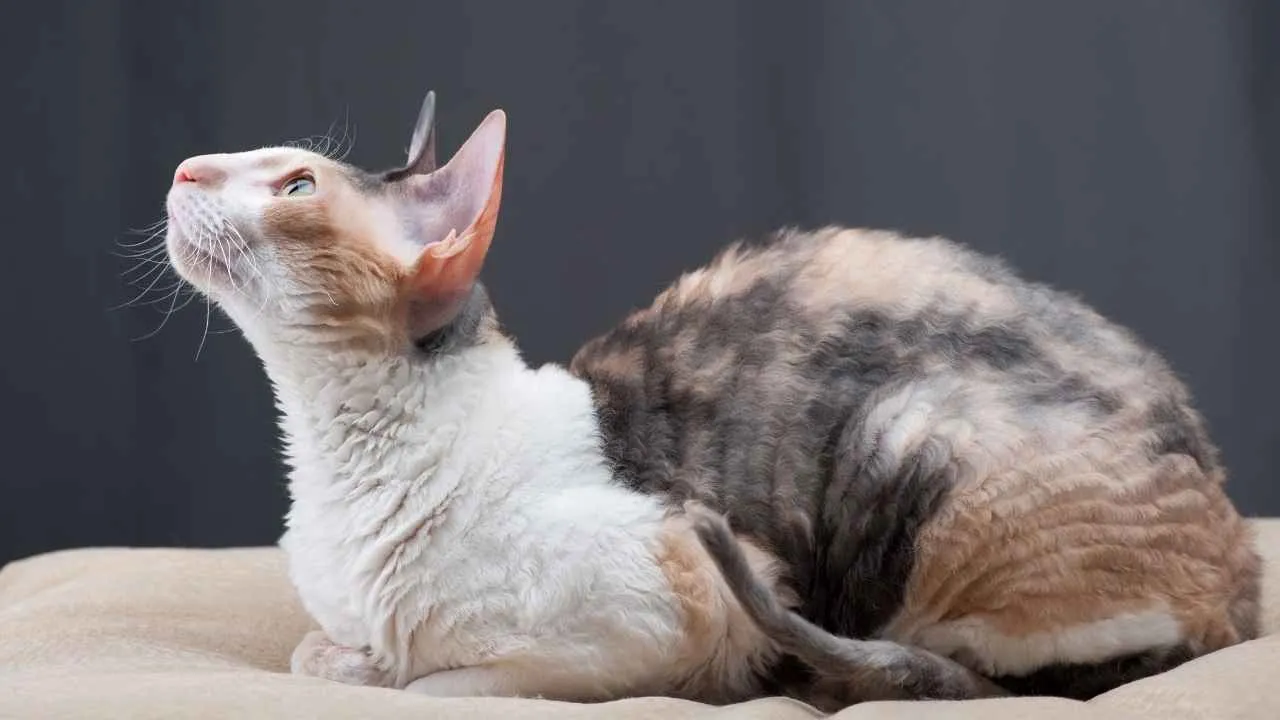
The Cornish Rex, sometimes simply called the Rex cat, stands out instantly thanks to its short, curly coat and slender, athletic frame. Known for its playful charm and elf-like features, this breed is extremely people-oriented and thrives on constant engagement.
When it comes to boredom, the Cornish Rex is one of the quickest cats to show it. Highly intelligent and endlessly curious, this breed needs daily mental challenges, or it will invent its own entertainment. Interactive toys, puzzle feeders, and games with humans are essential to keep their active minds occupied.
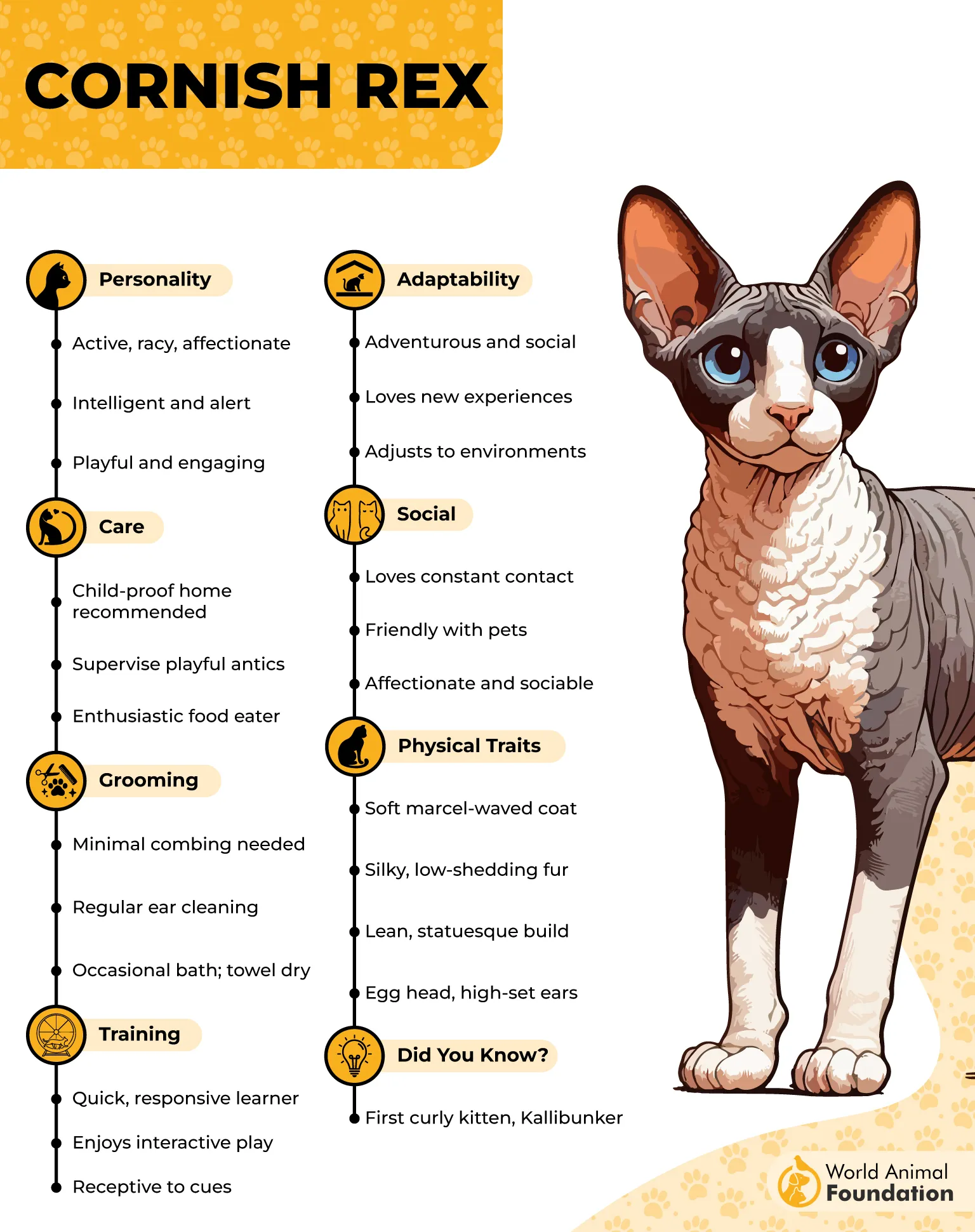
These energetic climbers love vertical space and will naturally seek out the highest shelves or cat trees in the home. Because they crave interaction, Cornish Rex cats often follow their owners from room to room, turning everyday moments into playtime and social bonding opportunities.
As a social cat breed that dislikes being alone, the Cornish Rex does best in homes where someone is around often or where another pet can provide companionship.
Fact: Cornish Rex cats are known to create their own fun if understimulated, often opening cabinets or knocking items over to stay entertained.
6. Turkish Van
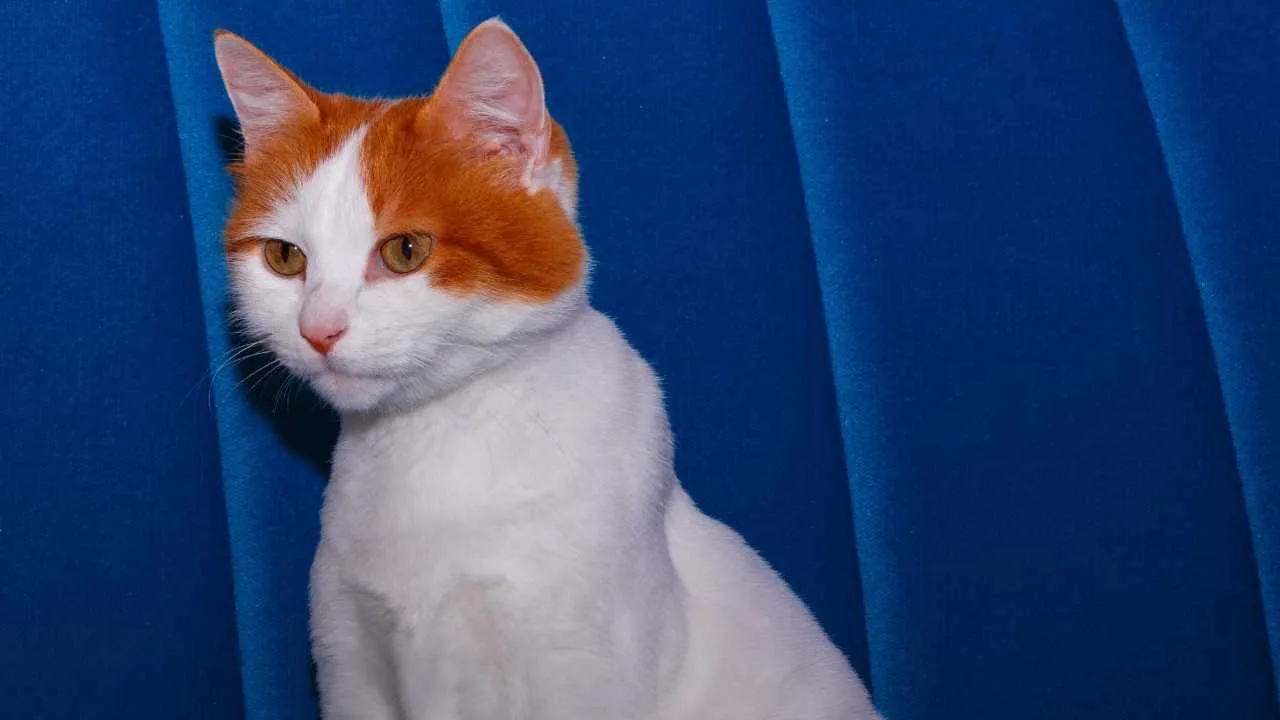
The Turkish Van, often called the “Swimming Cat,” is an ancient and rare breed known for its striking looks and unusual love of water. Originating in Turkey, this distinctive cat has been admired for centuries and stands out for both its intelligence and athletic build.
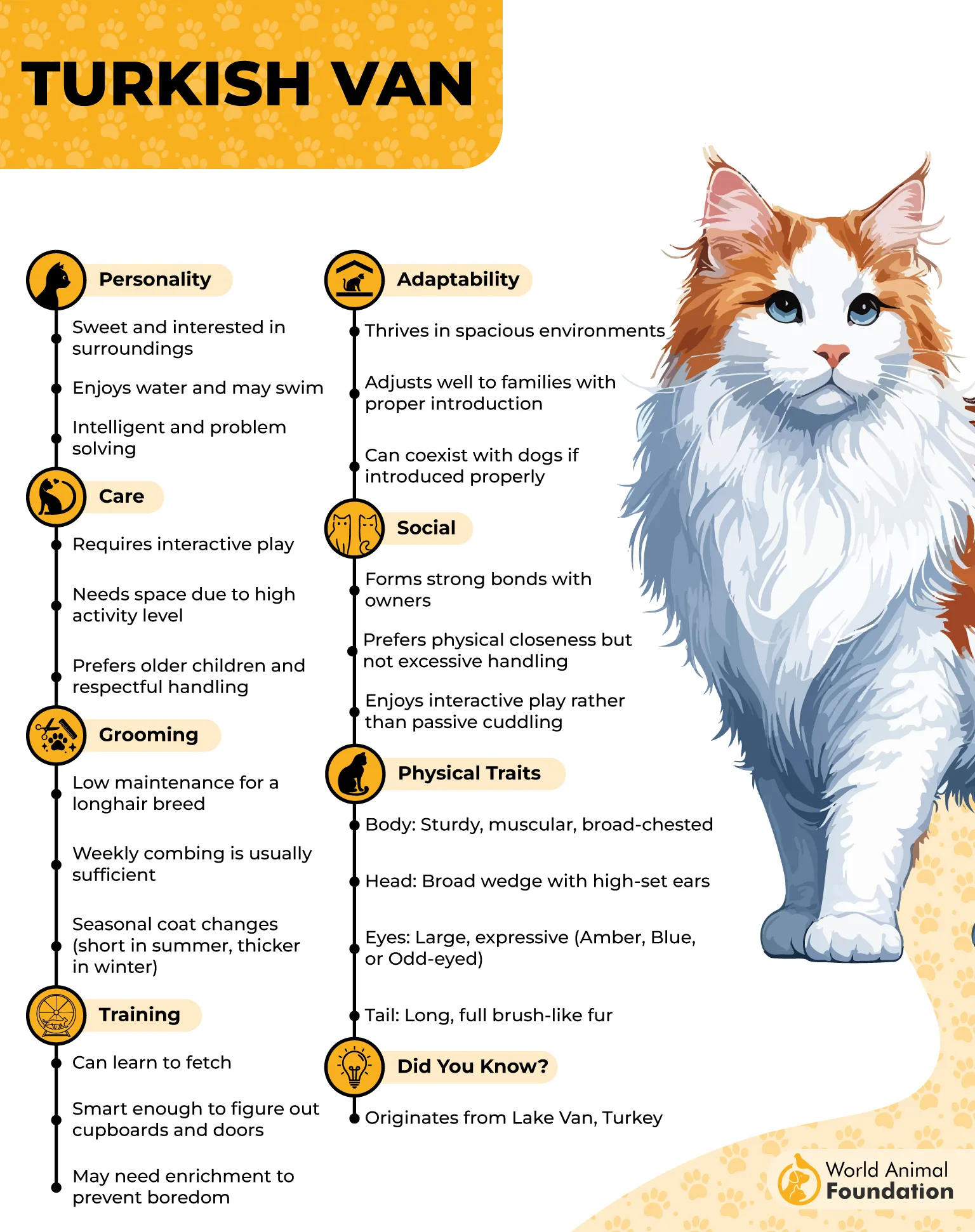
Highly curious and mentally sharp, the Turkish Van can become restless without enough stimulation. When bored, this breed may climb to door tops, knock items off surfaces, or investigate trash bins, turning curiosity into disruptive behavior.
Their active nature means they need frequent, engaging play to stay balanced. Water-safe toys, puzzle feeders, and tall cat trees help prevent destructive habits caused by understimulation and keep their clever minds occupied.
Turkish Vans are affectionate and loyal but thrive best with owners who enjoy interactive routines. Without consistent mental challenges and physical outlets, their boredom can quickly lead to mischief rather than calm companionship.
Fact: Turkish Vans are one of the few cat breeds that genuinely enjoy water and will often splash in sinks or bathtubs.
7. Ocicat
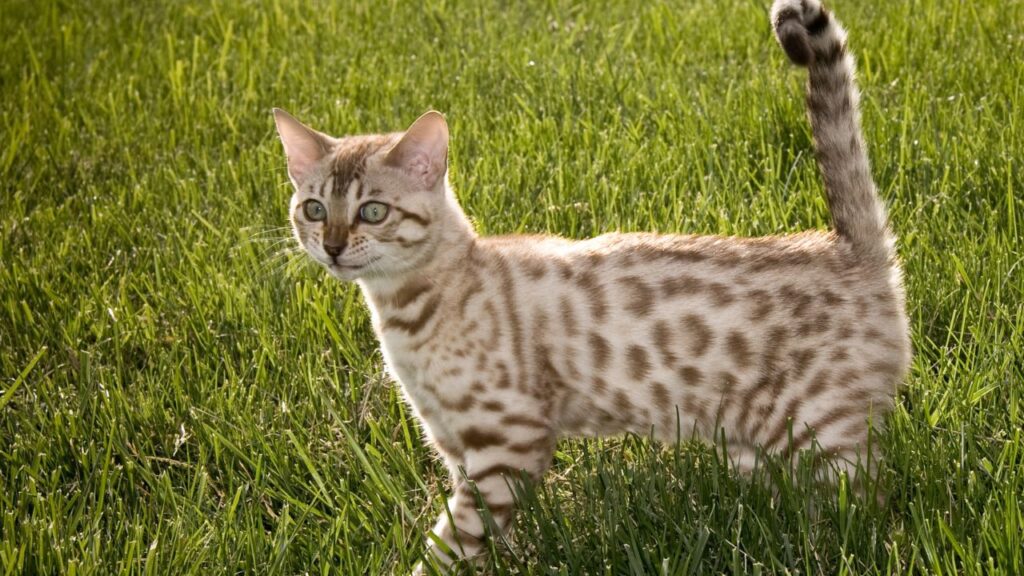
The Ocicat, sometimes nicknamed for its wild ocelot-like look, is a fully domestic breed developed from Abyssinian and Siamese lines. Its spotted coat and athletic build hint at a cat that thrives on action and engagement rather than idle lounging.
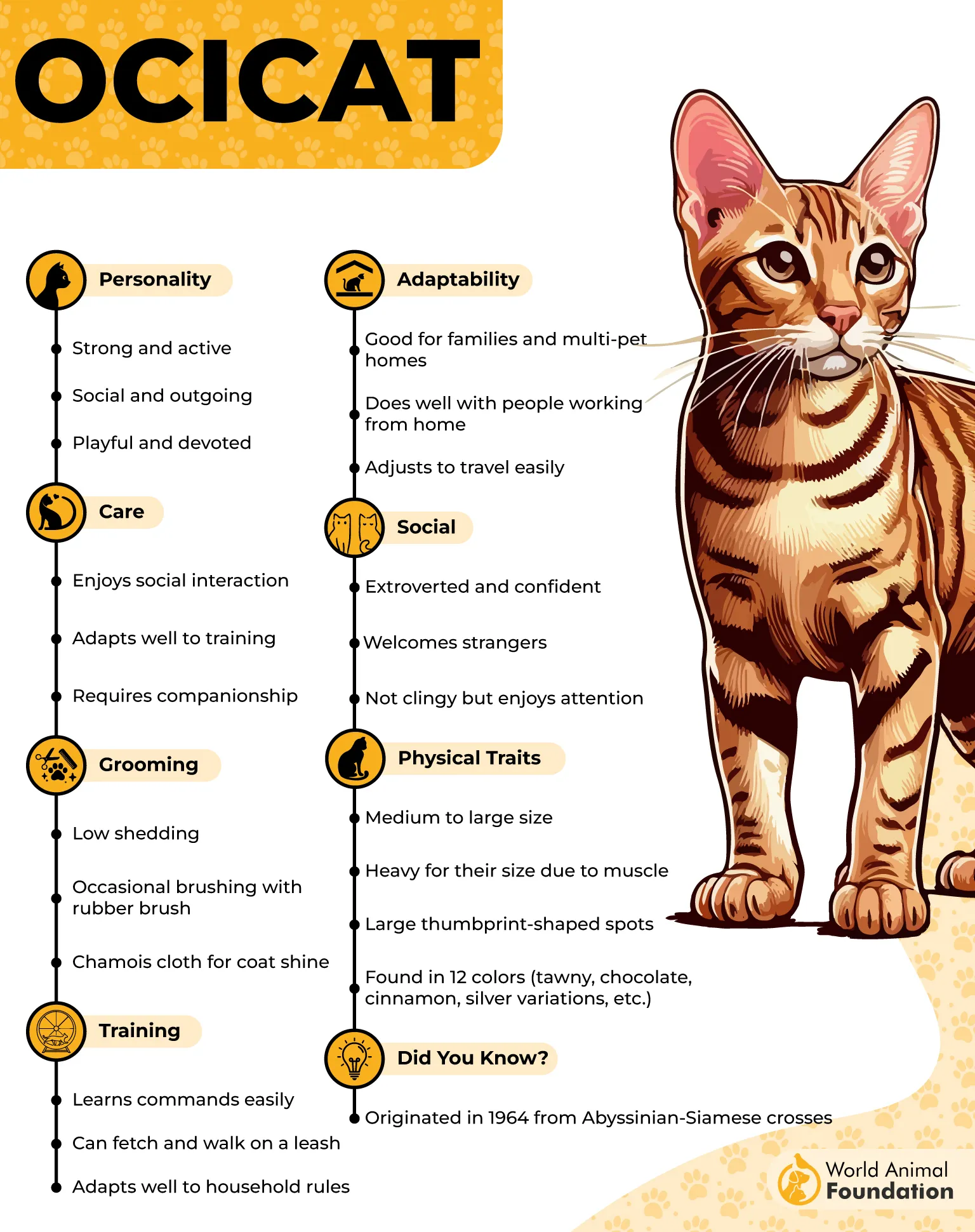
Highly intelligent and energetic, Ocicats get bored quickly without mental challenges. They enjoy learning names, responding to cues, and turning daily routines into games, making them best suited for homes that enjoy active interaction and training.
Because they crave stimulation, boredom can lead to clever mischief like opening cabinets or exploring forbidden spaces. Interactive toys, puzzle feeders, leash walks, and frequent play sessions help channel their curiosity into positive outlets.
For people choosing a cat that matches a busy, hands-on lifestyle, the Ocicat excels with enrichment and attention. A stimulating home with climbing options and scratching areas keeps them happy and prevents restlessness.
Fact: Ocicats are known to learn tricks such as fetch and leash walking when given regular mental and physical stimulation.
Conclusion
Cat breeds that get bored easily stand out in the cat world for their need for constant stimulation and human interaction. While most cats enjoy rest, many cats—especially high-energy cats with a playful nature—require engagement to avoid frustration.
These cats thrive on interactive toys, games like playing fetch, and exploration around the house, showing a sometimes dog-like or mischievous personality. Compared with other cat breeds, they are rarely quiet cats, instead acting as an extremely active and curious feline companion.
For pet owners, choosing the right match matters. Breeds with an outgoing personality, such as a shorthair cat, Thai Siamese, or even comparisons to wild cats like the African serval, need enrichment to stay balanced.
When supported properly, they become a great family pet, gentle yet energetic, coexisting with other animals and bonding closely as a loyal feline friend with colored markings and even a low-pitched voice.
