




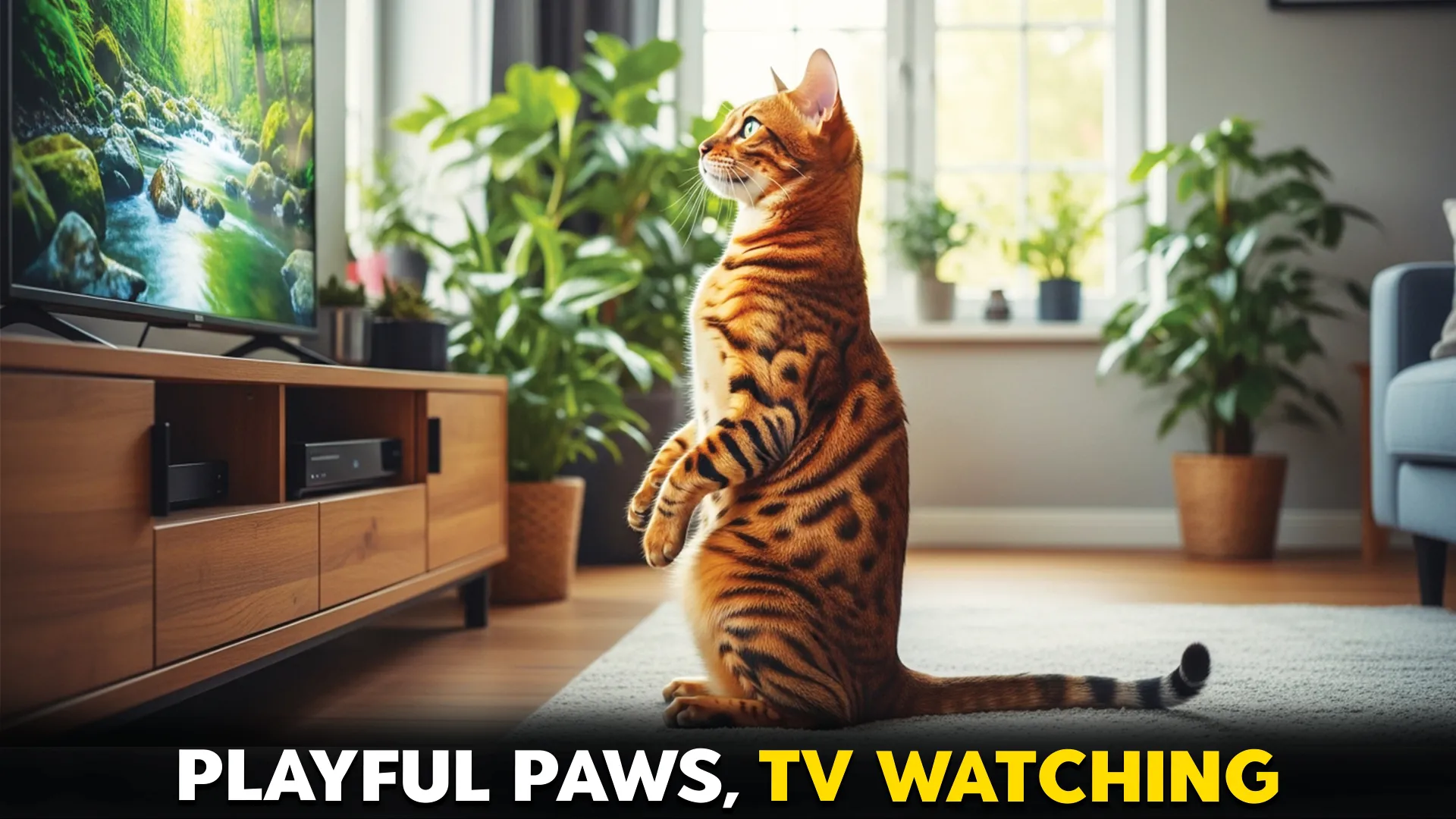
Cats may be known for their independence, but many are surprisingly captivated by what’s happening on the screen. From fluttering birds to darting fish, moving images can trigger a cat’s natural curiosity and hunting instincts.
For some breeds, watching TV becomes a favorite pastime, offering visual stimulation that mimics real-world prey without leaving the comfort of the couch.
Certain breeds are especially attentive to flickering visuals and soft nature sounds, making wildlife shows or cat-focused videos particularly engaging. These cats don’t just watch passively—they stalk, paw, and chatter as if the action were real.
What makes a cat a true TV lover often comes down to personality and sensory awareness. Curious, playful cats tend to enjoy screens more, especially when the experience is shared with their humans.
When used safely and in moderation, television can provide enrichment, mental stimulation, and even a cozy bonding moment between cats and their owners.
Cat Breeds That Enjoy Watching TV
1. Bengal
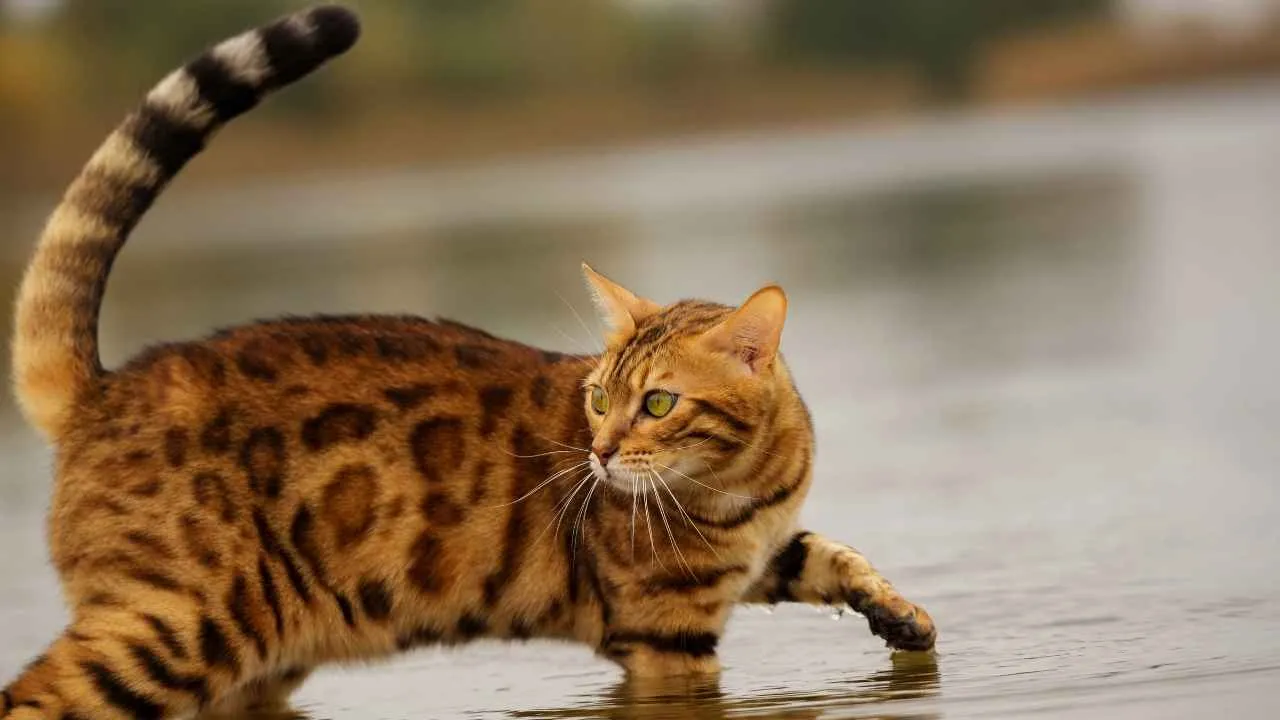
The Bengal, sometimes called the domestic “mini-leopard,” is known for its striking spotted coat and wild ancestry linked to the Asian leopard cat. This intelligent, athletic breed stands out for its curiosity and constant need for stimulation.
According to PetMD, the Bengal is a striking hybrid created by crossing a domestic shorthair cat with an Asian leopard cat.
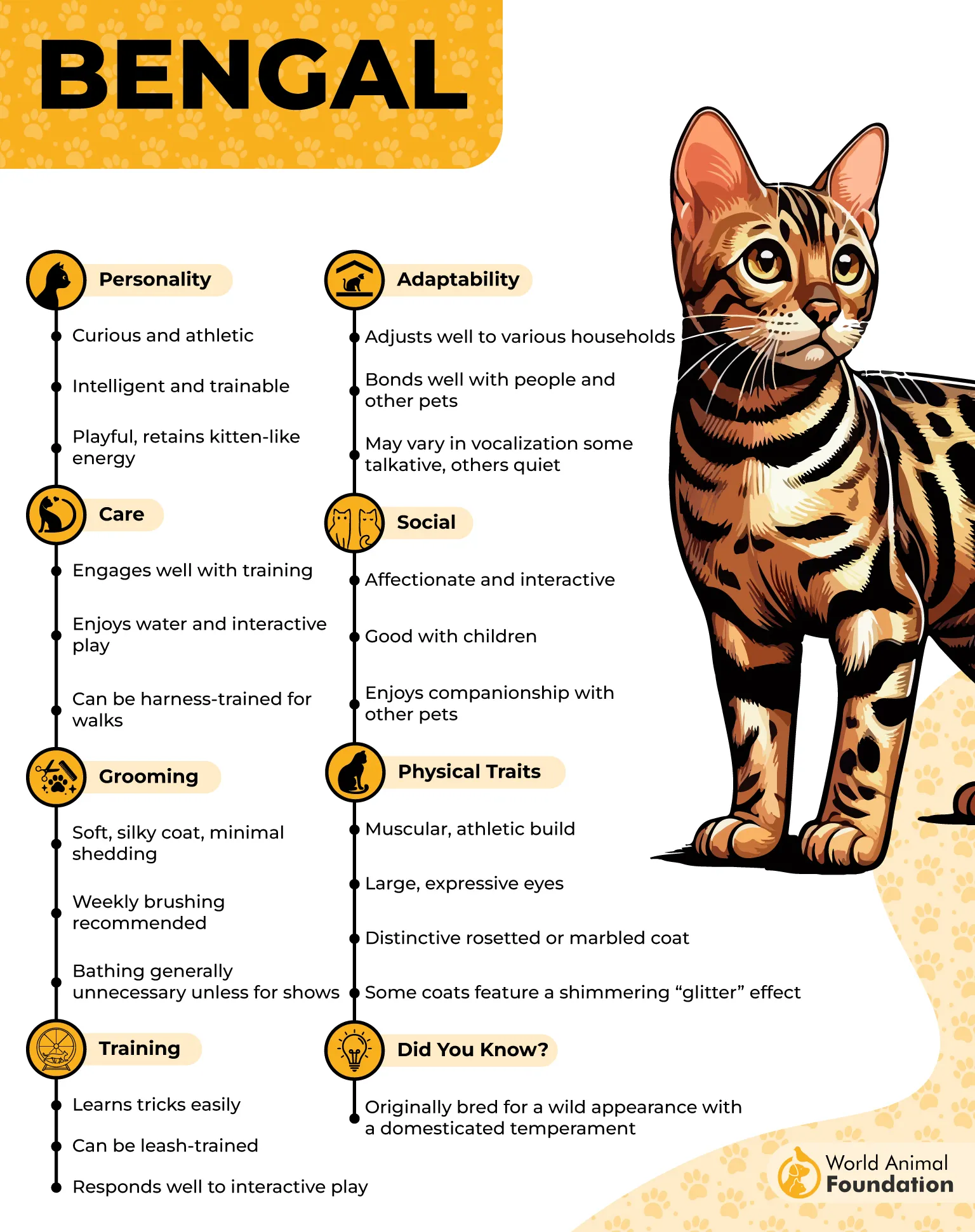
When it comes to watching TV, Bengals are easily entertained by movement and sound. Fast-moving images of birds, insects, or small animals quickly grab their attention, much like a window view does. Screens become an extension of their environment, keeping their sharp minds engaged.
Because Bengals are highly energetic, visual entertainment helps prevent boredom. TV programs, paired with climbing shelves or perches nearby, give them a safe way to observe, stalk, and mentally “hunt” without destructive behavior. This makes screen time a useful enrichment tool rather than passive viewing.
Their playful, alert personality means they rarely ignore what’s happening around them, including screens.
Fact: Bengals are known to be especially intelligent and energetic, requiring more environmental enrichment than many other domestic cat breeds.
2. Siamese
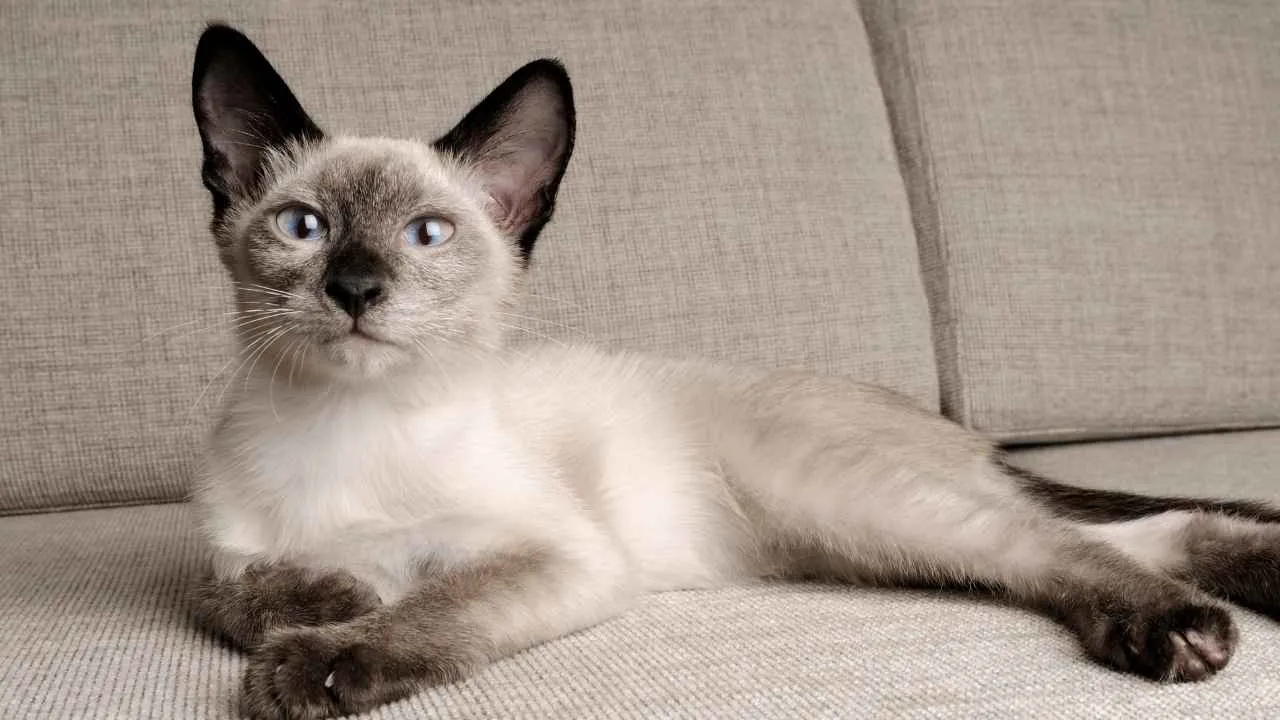
The Siamese, also known as the “Meezer,” is instantly recognizable for its sleek body, colorpoint coat, and striking blue eyes. This breed is famous for its strong personality and deep attachment to its favorite person.
According to PDSA, they’re excellent jumpers and seem to love heights, so providing a cat tree can help them jump up high safely.
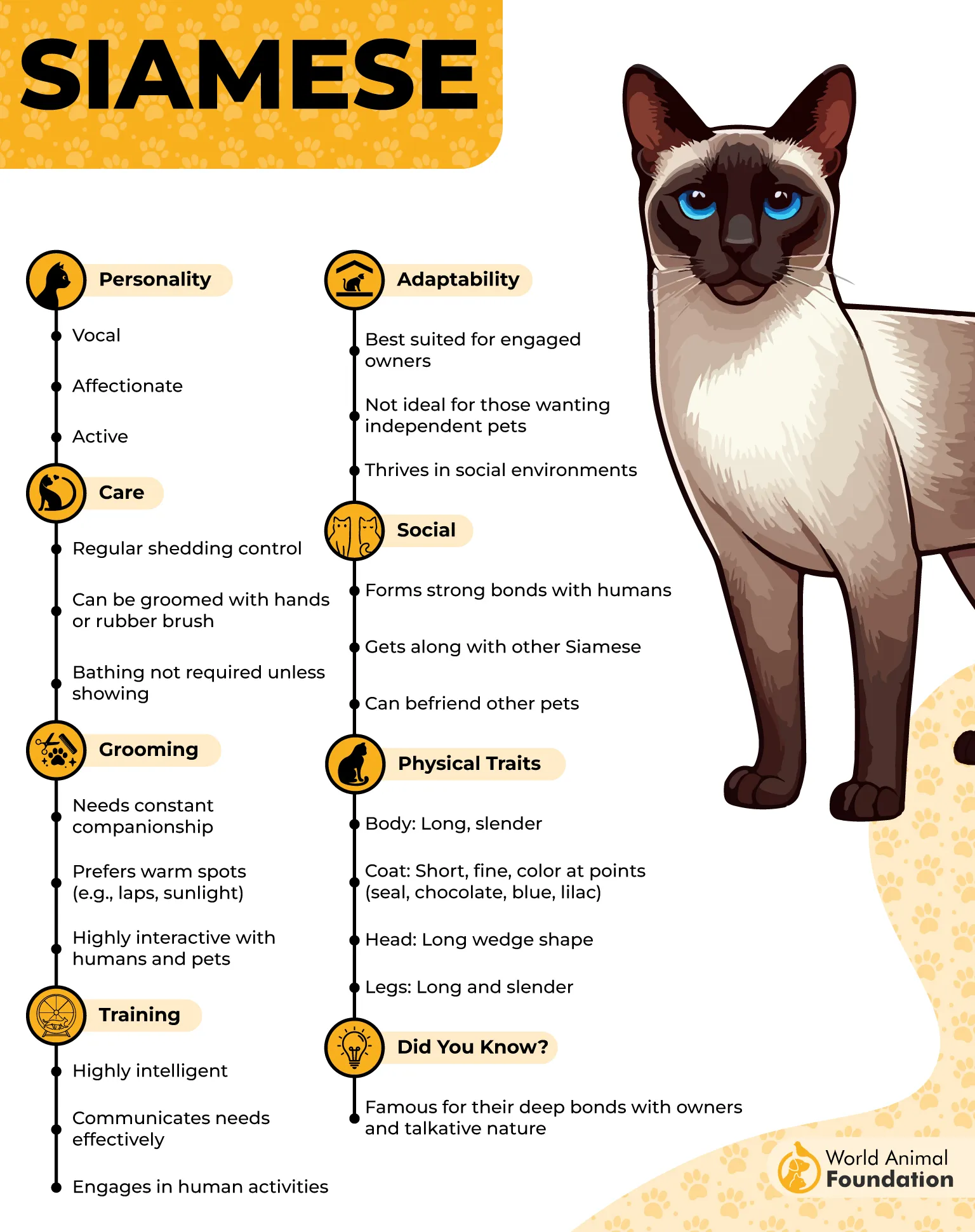
Highly people-oriented, Siamese cats are naturally drawn to whatever their humans are doing, including watching TV. Their sharp vision and curiosity make moving images and shifting colors on screens especially captivating, particularly when paired with sound.

Because Siamese cats crave closeness, they often treat TV time as shared bonding time. They’re likely to sit directly in front of the screen, perch on the couch arm, or climb onto their owner while following the action with intense focus.
Their intelligence and vocal nature mean they may even “comment” on what they see, responding to sudden movements or noises.
Fact: Siamese cats are known for being extremely affectionate and people-focused, often insisting on staying physically close to their owners during daily activities like watching TV.
3. Abyssinian
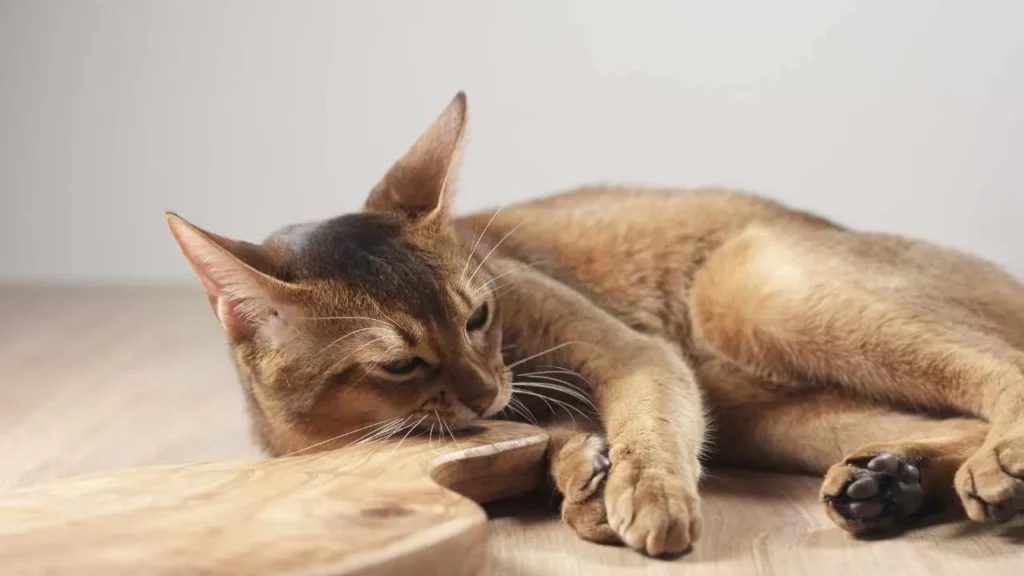
The Abyssinian, often nicknamed the “Aby” or playfully called an “Aby-grabby,” is one of the oldest selectively bred cat breeds. Known for its ticked coat and athletic build, this curious cat has roots linked to cats brought from Abyssinia in the late 1800s.
According to Purina, they do best with an experienced owner and need high levels of enrichment, including simulated hunting games and interactive play.
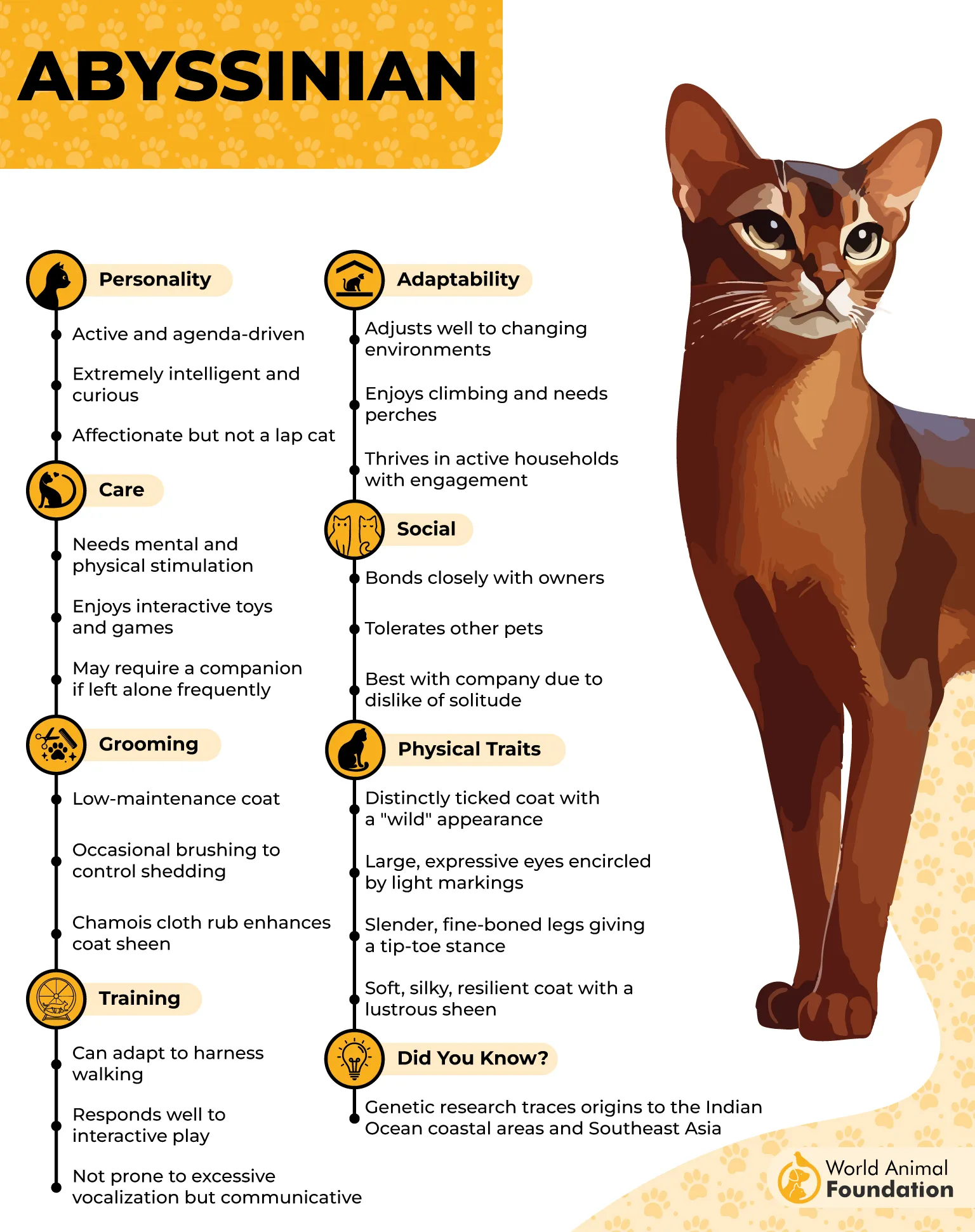
When it comes to watching TV, Abyssinians are especially stimulated by fast movement on the screen. Their sharp eyes track birds, insects, and quick motions with intense focus, making nature shows or animated visuals irresistible entertainment.
Highly intelligent and always alert, this breed treats screens much like interactive puzzles. Watching moving images helps satisfy their need to explore and investigate, particularly when paired with climbing spots or cat trees nearby.
Even during downtime, Abyssinians stay mentally engaged and enjoy visual stimulation as a form of enrichment.
Fact: Abyssinians are famously energetic cats that thrive with tall climbing structures and mentally stimulating activities to stay happy and balanced.
4. Oriental Shorthair
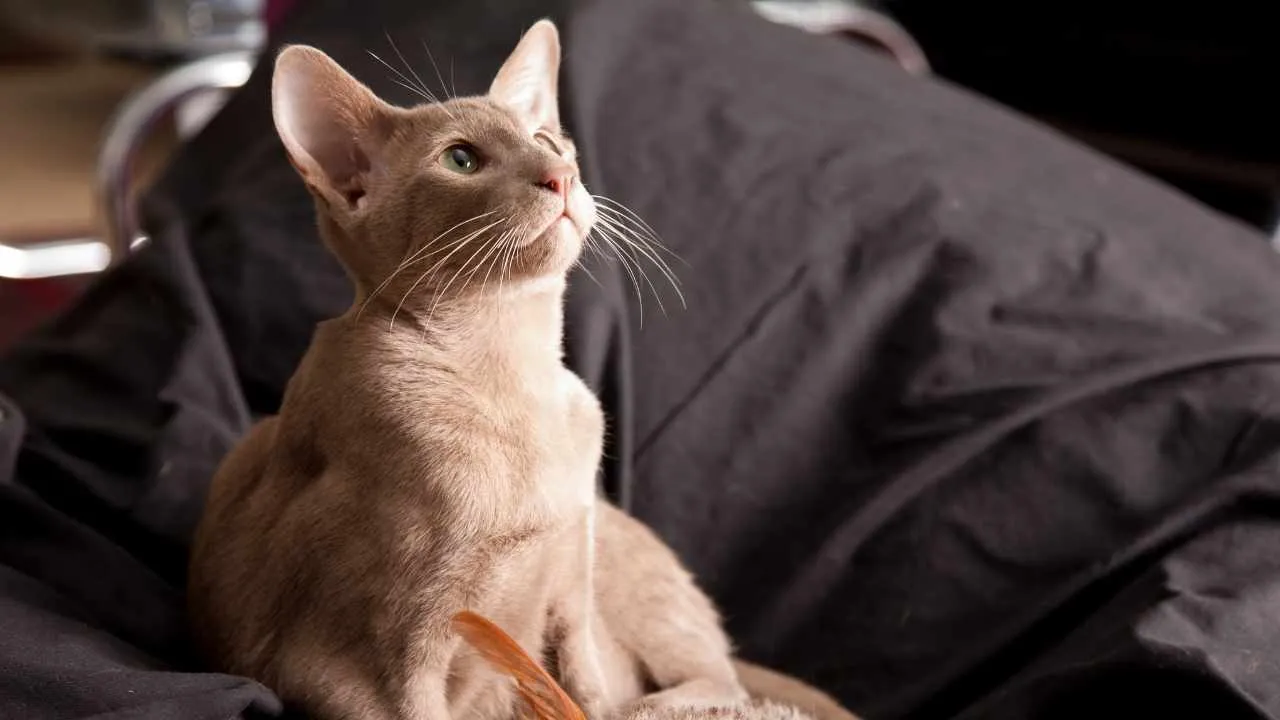
The Oriental Shorthair, often nicknamed the “Ornament” or “Rainbow Cat,” traces its roots back to the Siamese, sharing the same sleek body and alert expression. With oversized ears, vivid eyes, and countless coat variations, this breed is visually striking and naturally curious.
That curiosity makes the Oriental Shorthair especially drawn to screens. Fast-moving images, changing colors, and lively sounds on TV easily capture their attention. Their agile minds enjoy tracking motion, turning television time into a stimulating visual game.
Highly social and intelligent, Orientals don’t just watch TV passively—they often react with chirps, paw taps, or excited movement. Programs featuring animals or nature can hold their focus, offering mental enrichment when human interaction is limited.
Because they thrive on engagement, TV can complement their playful personality when paired with toys or perches nearby.
Fact: Oriental Shorthairs are considered one of the most intelligent and vocal cat breeds, often forming deep bonds and actively seeking stimulation from their environment.
5. Savannah
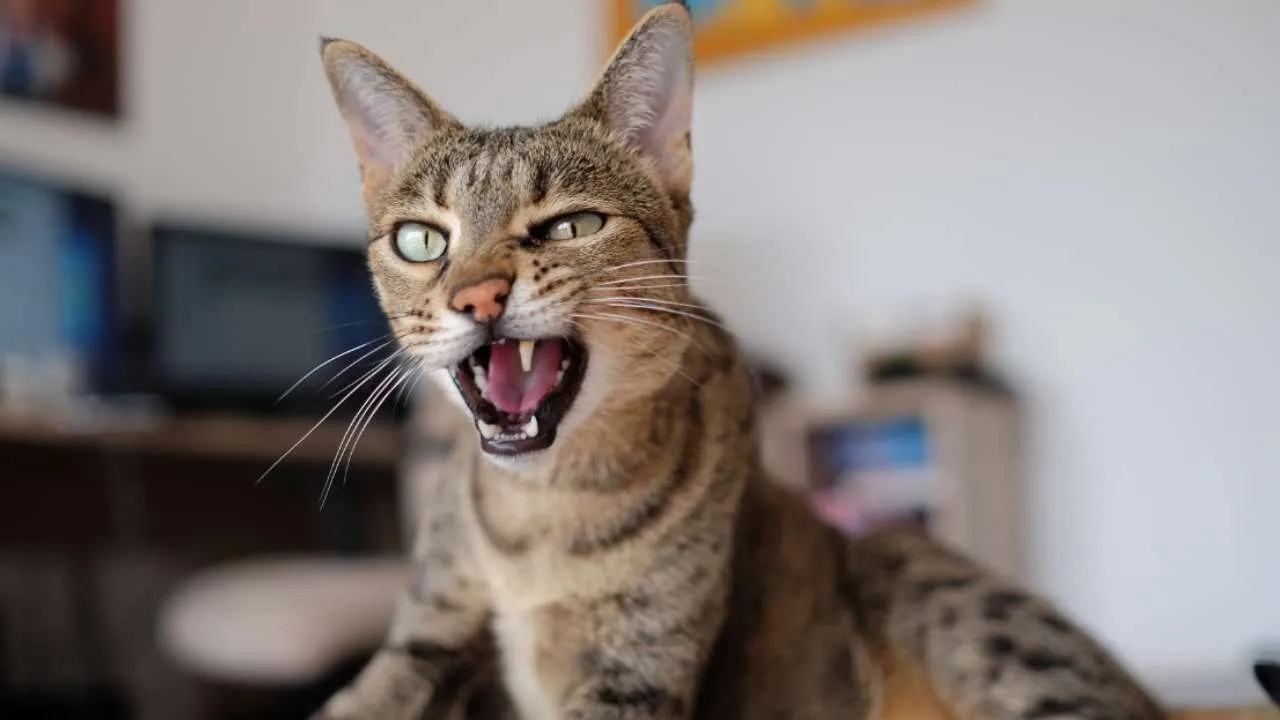
The Savannah, also known simply as the Savannah cat, is a striking hybrid breed developed from the African serval and domestic cats. With tall ears, long legs, and an exotic spotted coat, this breed stands out both in appearance and personality.
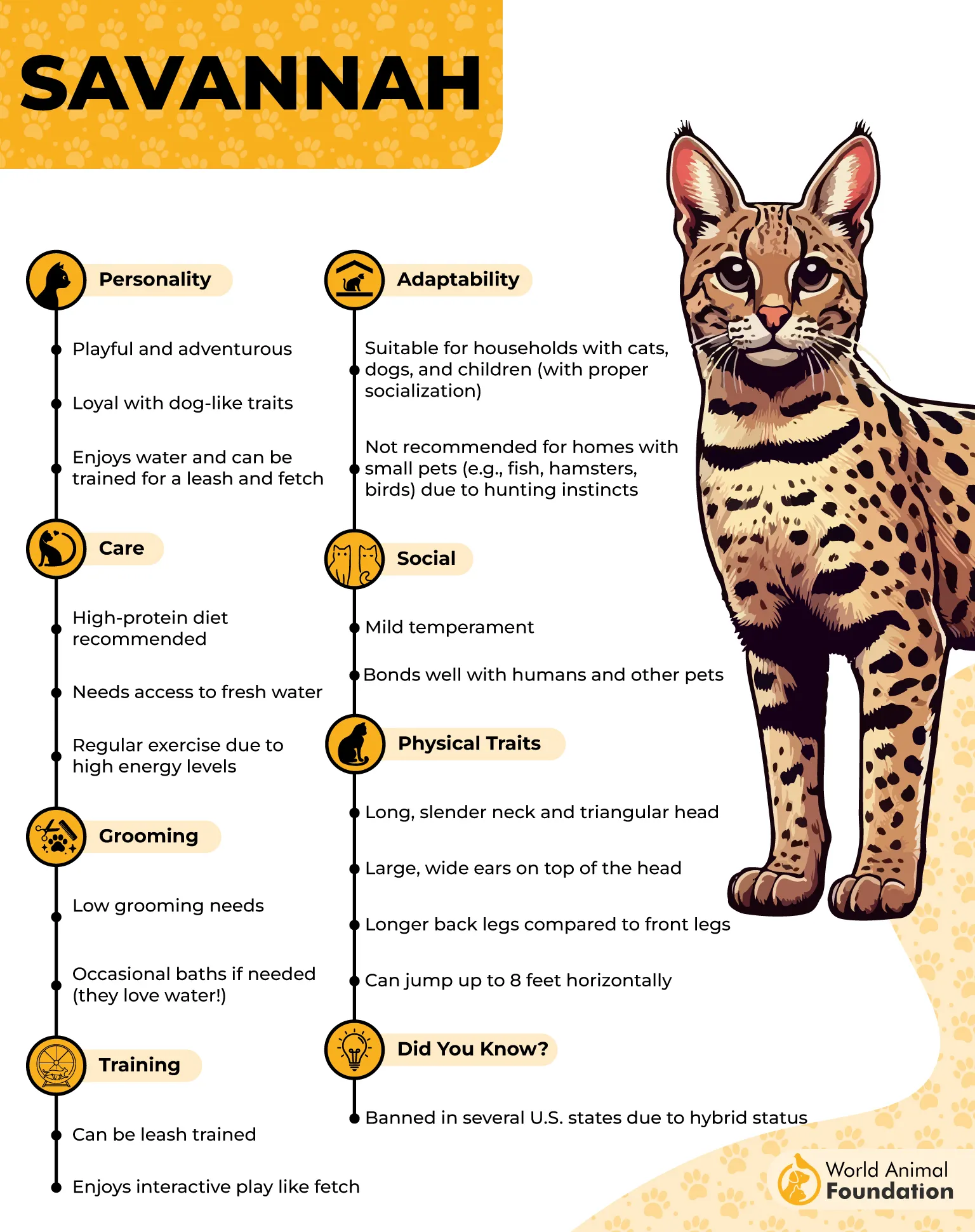
As highly social cats, Savannahs love shared activities with their humans, and watching TV often becomes part of that routine. Their strong prey drive makes fast-moving visuals—like birds, animals, or nature scenes—especially captivating, keeping them engaged beside their owners.
Because Savannahs thrive on interaction, screen time works best when combined with companionship. Sitting near their favorite people while observing moving images satisfies both their curiosity and need for bonding, making TV a shared experience rather than a solo distraction.
Their intelligence and athleticism mean enrichment is essential, and visual stimulation helps prevent boredom.
Fact: Savannah cats are excellent jumpers and can leap impressive distances, a trait that reflects their active, observant nature even when watching a screen.
6. Maine Coon
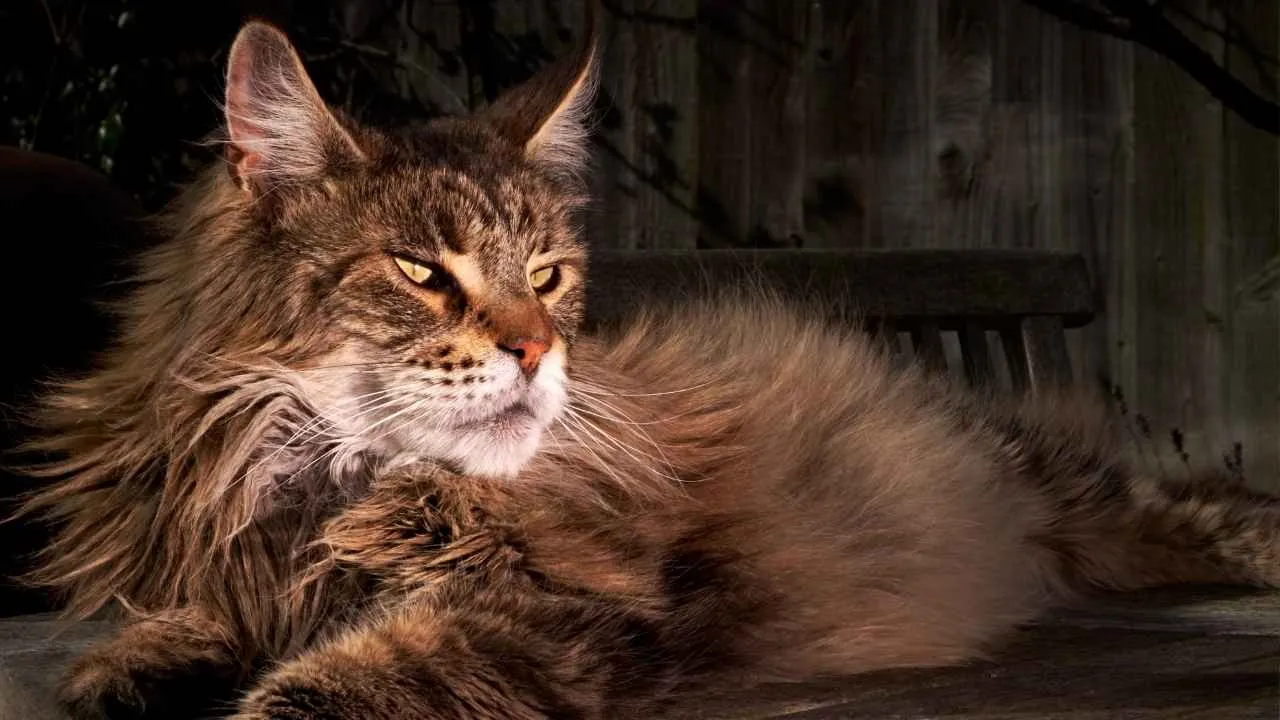
Often called the “gentle giant,” the Maine Coon is also known as the American Longhair and is one of the largest domestic cat breeds. With tufted ears, a bushy tail, and an intelligent expression, this breed combines striking looks with a friendly, adaptable personality.
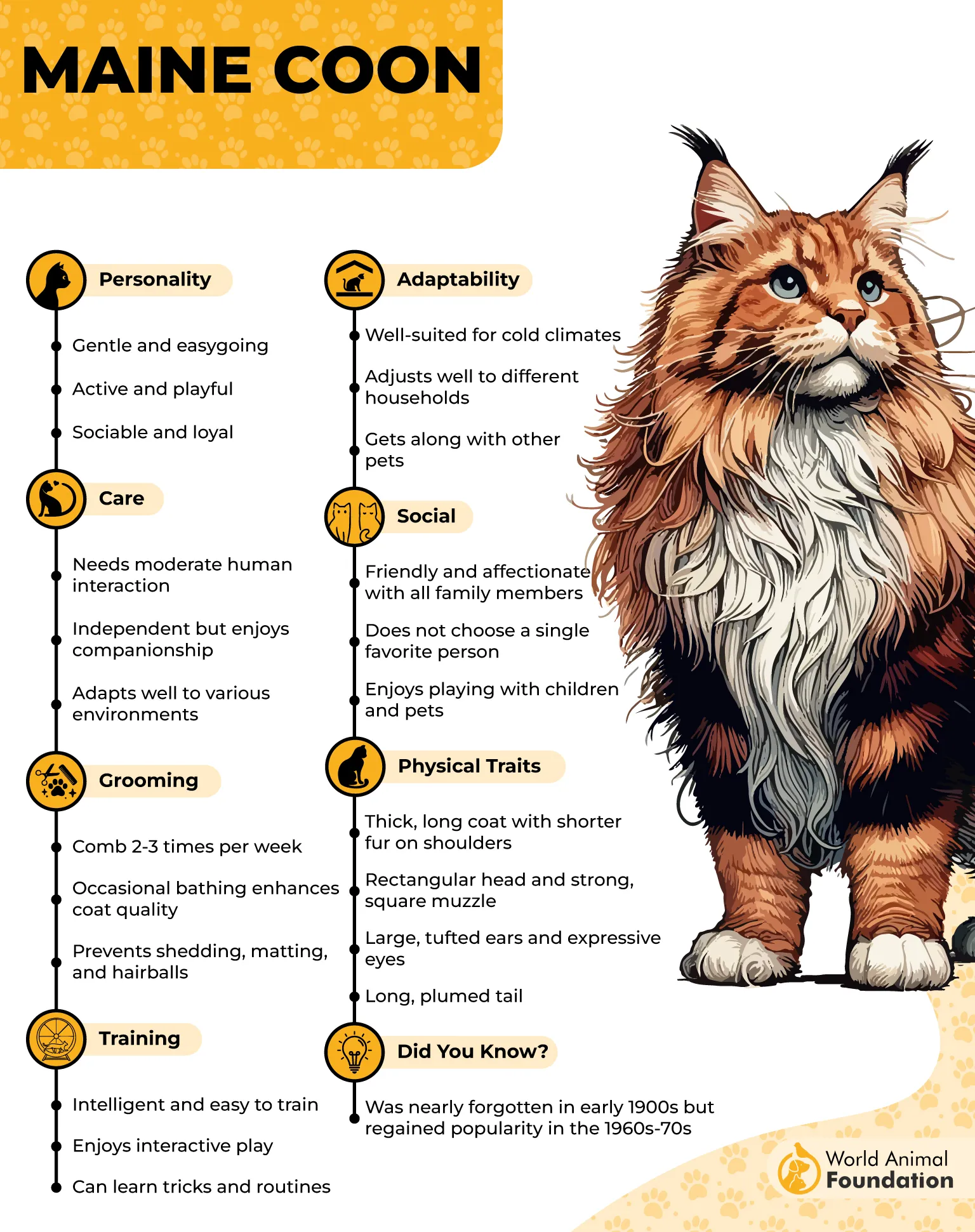
When it comes to watching TV, Maine Coons are alert observers who enjoy tracking movement on the screen. Their sharp focus and expressive eyes make fast-paced nature shows, birds, and outdoor scenes especially captivating, keeping them mentally engaged indoors.
Because they are inquisitive and playful, TV can serve as an extra source of enrichment alongside window views and interactive toys. Maine Coons often sit calmly nearby, following on-screen action with subtle head tilts or ear movements rather than frantic pouncing.
Their slightly talkative nature adds to the experience, as they may chirp or trill in response to interesting sights or sounds.
Fact: Maine Coon cats are well known for their quiet chirping and trilling vocalizations rather than loud meows.
7. Turkish Van

The Turkish Van, often nicknamed the “swimming cat,” is a natural breed from the Lake Van region of Turkey, admired for its seasonal coat and distinctive van pattern with color on the head and tail. Known for intelligence and athleticism, this breed combines independence with loyalty.
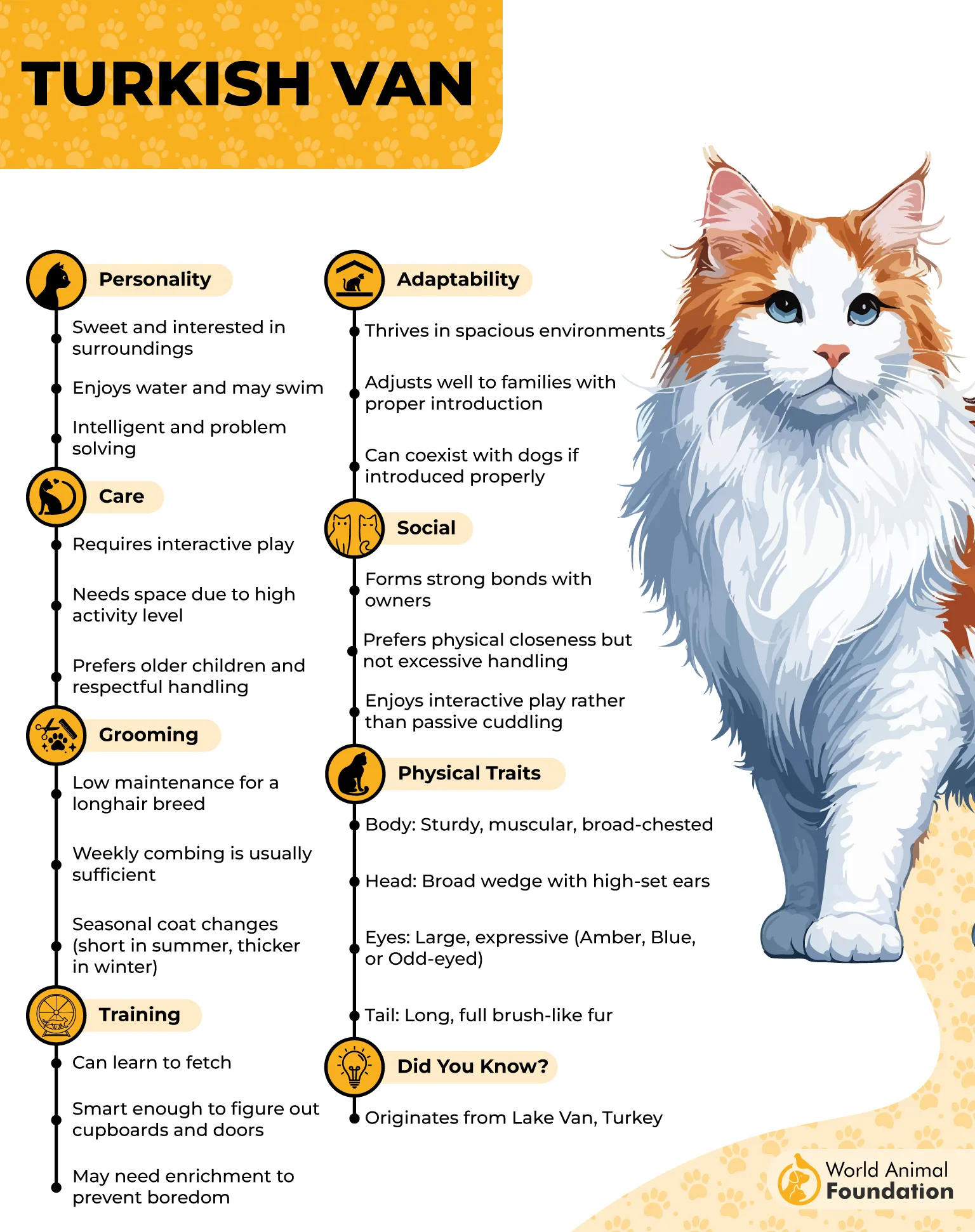
Despite their active reputation, Turkish Vans enjoy downtime beside their favorite people. When the household settles, they’re happy to sprawl on the couch, where moving images and sounds from the TV easily catch their attention. Their curiosity makes screens surprisingly engaging.
Because they’re alert and observant, Turkish Vans are drawn to nature programs or animal footage that mimics real-life movement. Watching TV becomes an extension of their environment, offering mental stimulation when outdoor exploration isn’t possible.
After playtime or problem-solving games, these cats often relax close by, quietly “commenting” on what’s happening on screen.
Fact: Turkish Vans are known to curl up next to their owners on the couch once playtime ends, making them affectionate companions during TV time.
Conclusion
Cats watching TV may seem amusing at first, but for many curious breeds, the moving images on a TV screen genuinely spark interest.
From animal videos that mimic natural prey to fast motion resembling snooker balls rolling across a table, cats respond to visual stimulation in ways that surprise even seasoned cat owners.
Some pets will sit quietly for three hours, tracking movement, while other cats lose interest quickly. Just like people, all my cats have different viewing habits, proving personality plays a major role.
For households with a new cat or multiple family members, TV time can become a shared routine. While TVs never replace enrichment like playtime or clean litter boxes, they can add variety to indoor life.
Whether living alongside dogs or other cats, screens may offer safe stimulation when outdoor hunting isn’t possible. Across five groups of feline personalities, one thing remains clear: when used thoughtfully, TV can be an engaging pastime for curious cats and their humans alike.
