




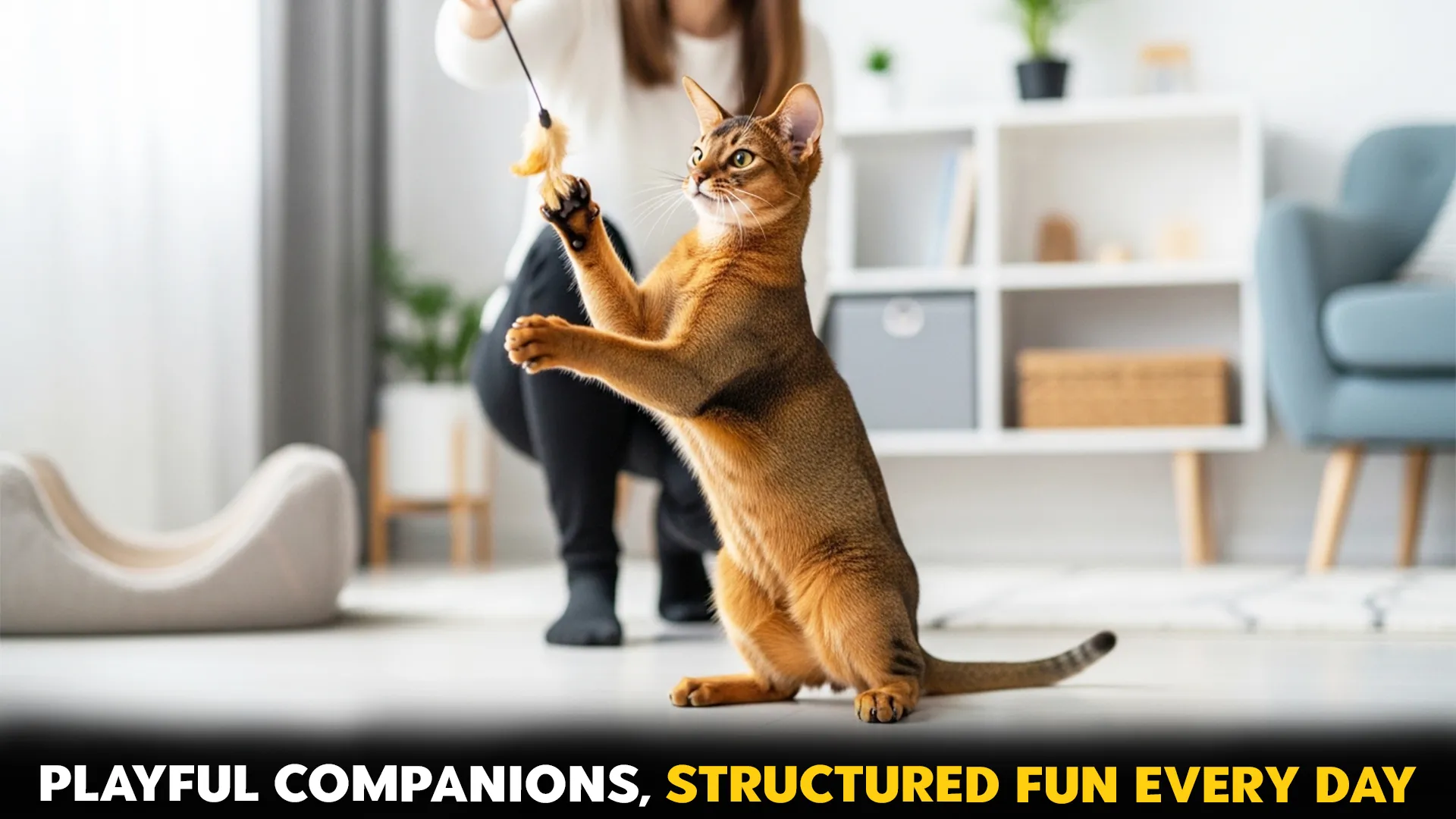
Play is more than just fun for cats—it’s a deeply rooted instinct tied to their hunting heritage and natural curiosity. Some cats, especially high-energy breeds, don’t just enjoy spontaneous bursts of activity; they truly flourish when playtime follows a predictable structure. Scheduled sessions give these cats a clear outlet for their energy while helping them stay mentally sharp and emotionally balanced.
Short, frequent play sessions help mimic the stalk-and-chase patterns cats once relied on in the wild, keeping them engaged without overstimulation. For indoor cats in particular, routine play prevents boredom, supports physical fitness, and reduces unwanted behaviors that can arise when energy goes unmanaged.
Rotating toys, incorporating puzzle feeders, and keeping sessions brief but consistent allow cats to anticipate interaction and feel fulfilled. When play becomes part of a daily rhythm, active breeds are happier, more focused, and better companions in dynamic households.
Cat Breeds That Enjoy Structured Play Sessions
1. Abyssinian
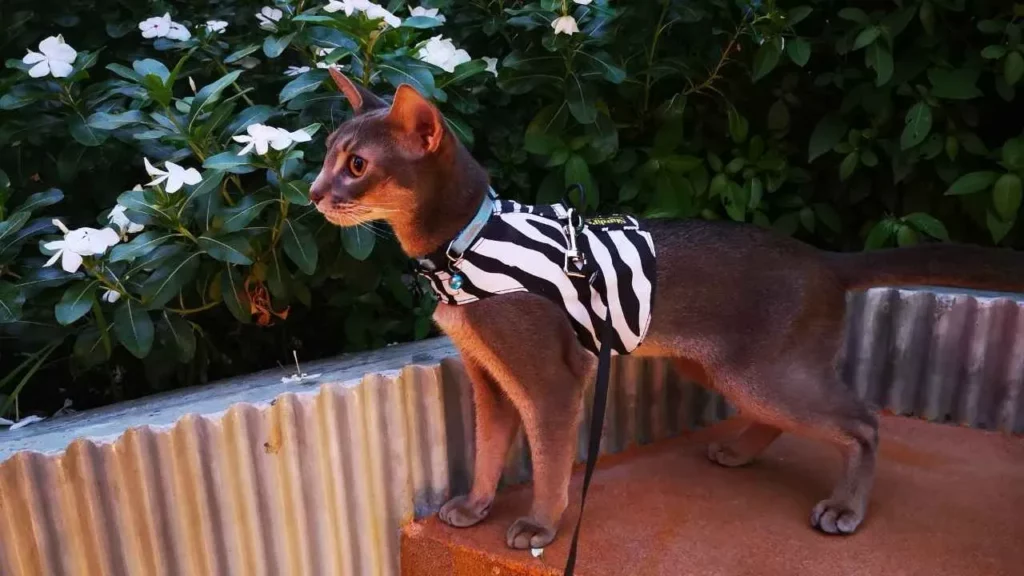
Often called the “Aby,” the Abyssinian is a medium-sized, athletic cat known for its ticked coat, almond-shaped eyes, and mini-puma build.
With a short, silky coat and striking colors like ruddy, blue, sorrel, and fawn, this breed stands out for both beauty and agility. According to Britannica, the Abyssinian is a graceful, slender cat characterized by long legs and a long, tapering tail.
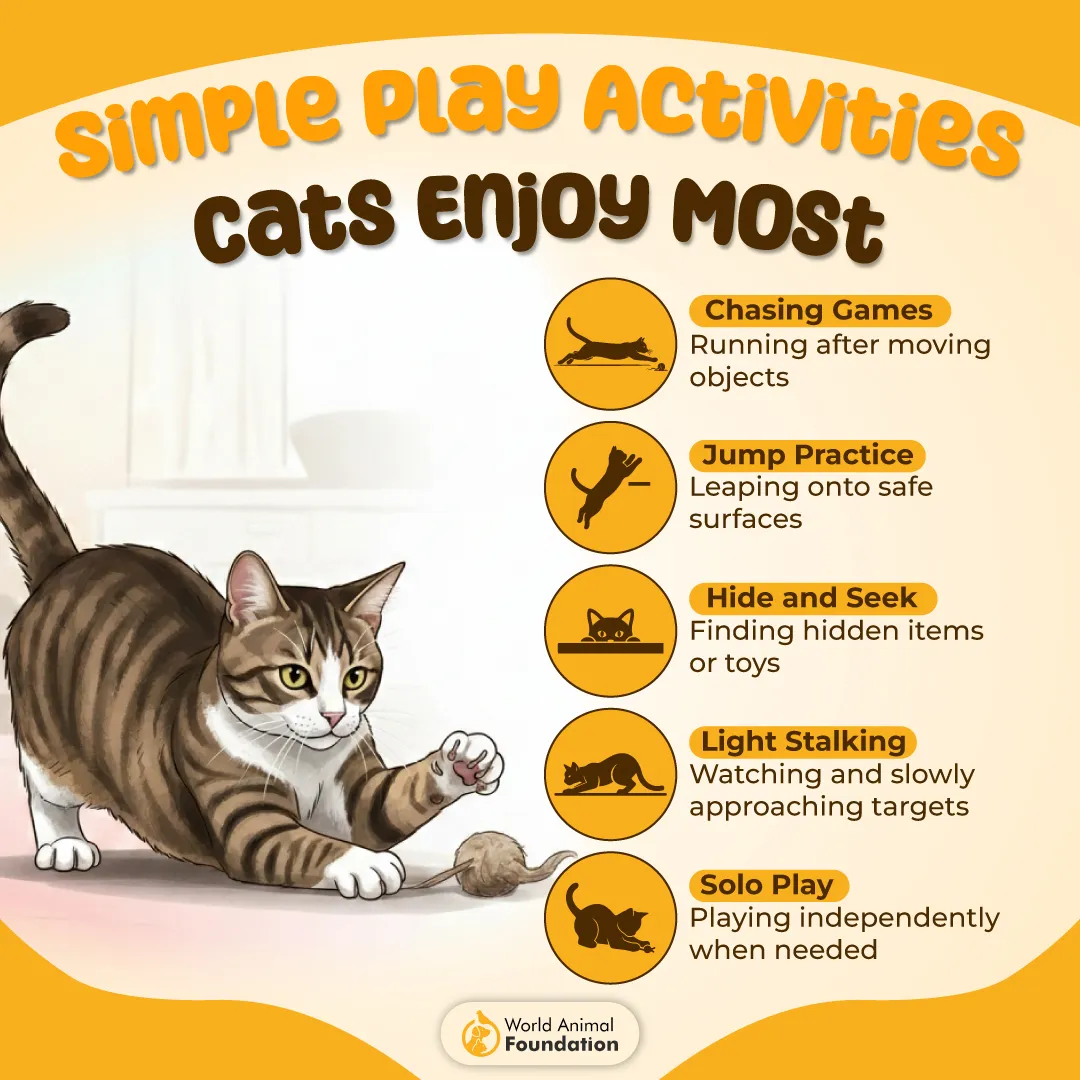
Abyssinians are highly energetic and game-oriented, making them ideal for structured play sessions. They crave routine activities that involve chasing, climbing, and problem-solving, and they stay happiest when play is scheduled and mentally engaging.
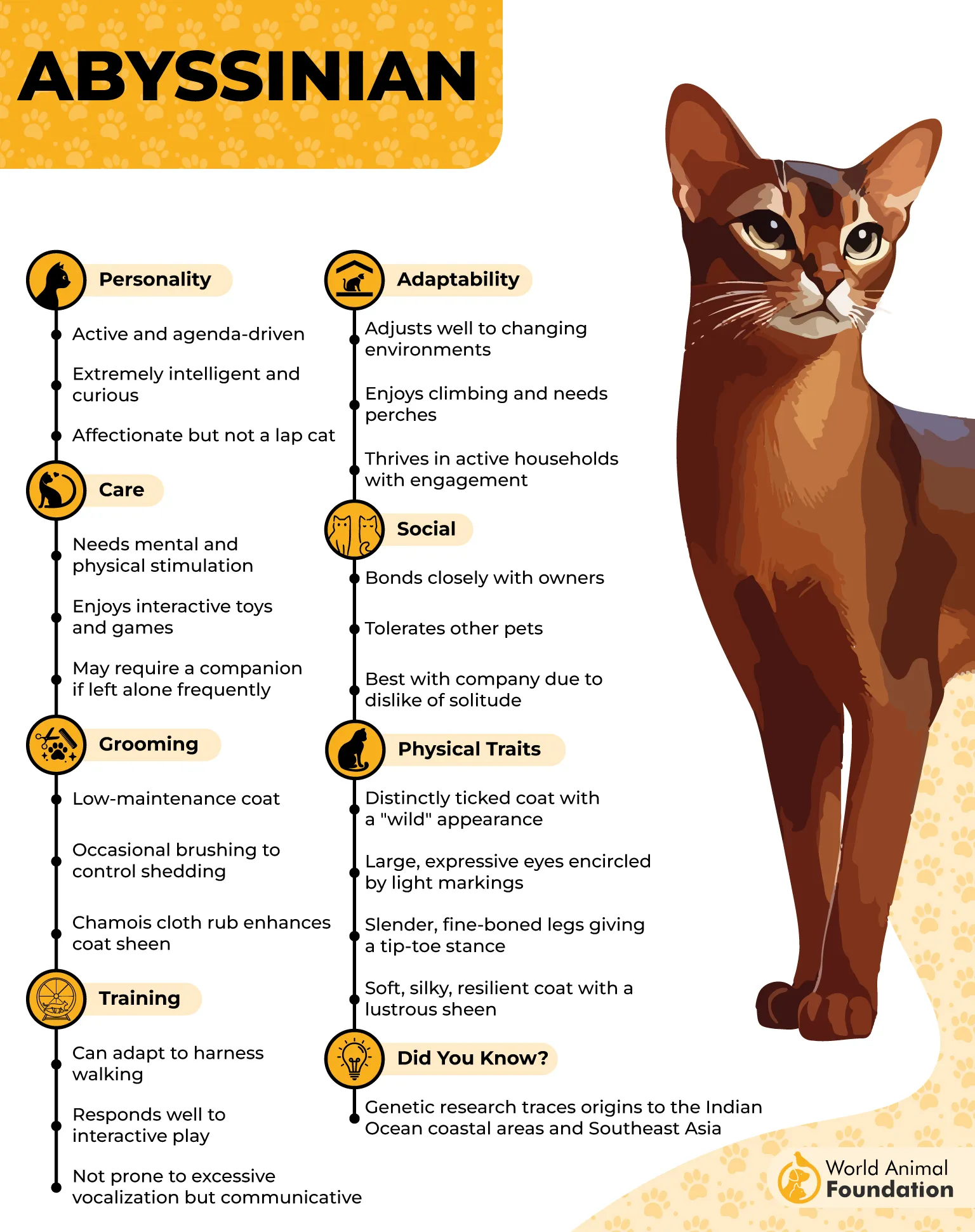
Intelligent and curious, this breed thrives on interactive toys, puzzle feeders, and training-style games. Structured play helps channel their strong hunting instincts while preventing boredom, especially for indoor Abyssinians who need consistent stimulation.
Because of their social nature and high movement needs, Abyssinians do best in homes that can offer daily, organized playtime. This breed is known for its intense curiosity and exceptional athleticism.
2. Siamese
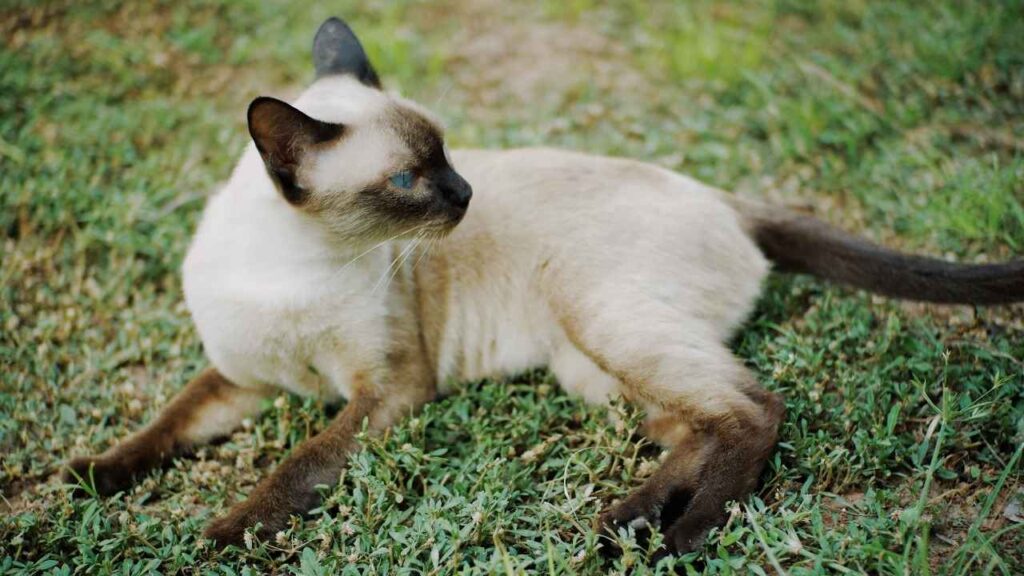
Also known as the Thai cat, the Siamese is instantly recognizable for its sleek body, color-point coat, and vivid blue eyes.
According to PetMD, Siamese cats possess distinctive and striking physical traits that have played a role in their long and notable history. Originating in Thailand, this elegant breed is famous for its vocal nature, sharp intelligence, and strong attachment to its humans.
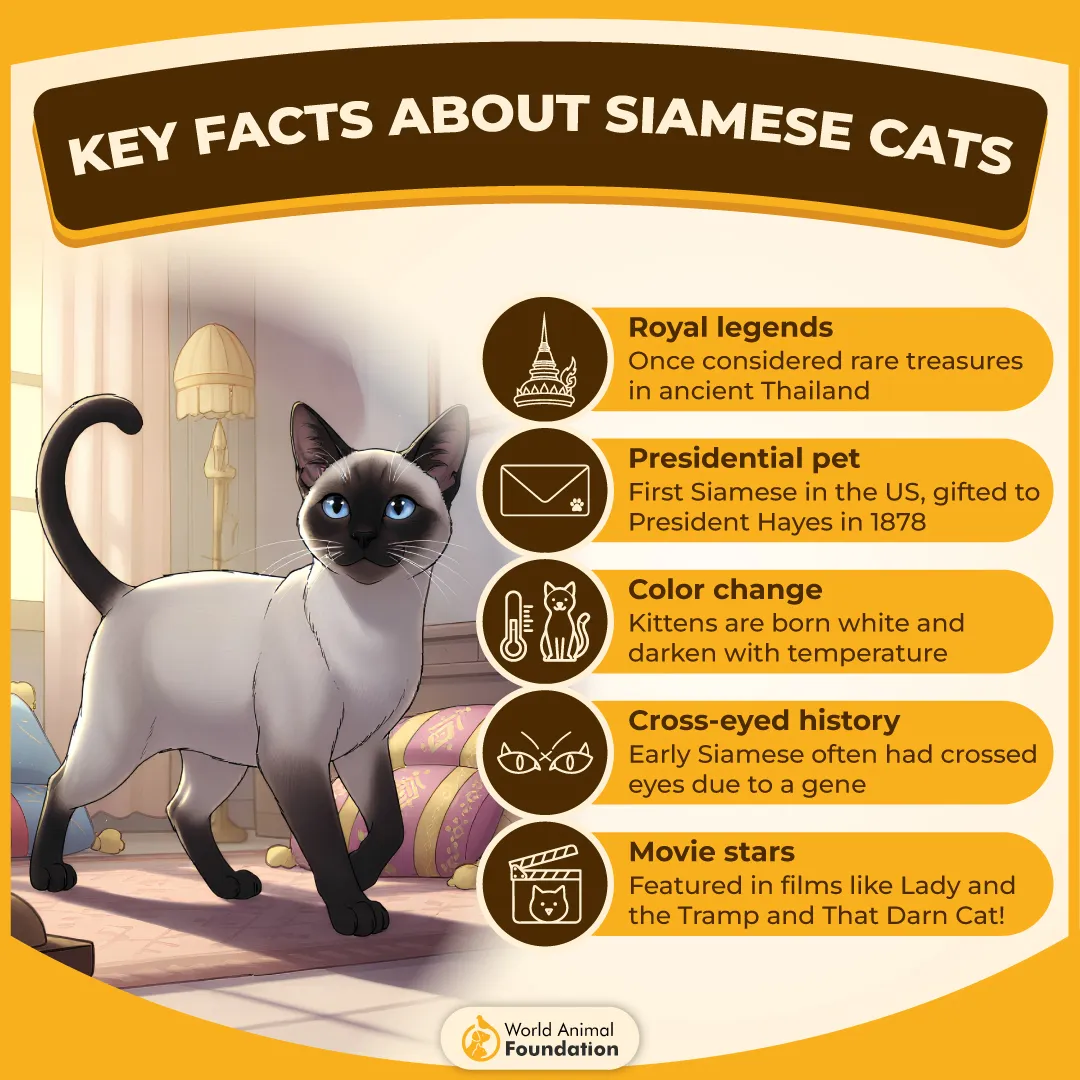
Siamese cats thrive on structured play that gives them a clear purpose. Their task-focused mindset makes them especially responsive to games involving problem-solving, puzzle toys, and interactive challenges that engage both mind and body.
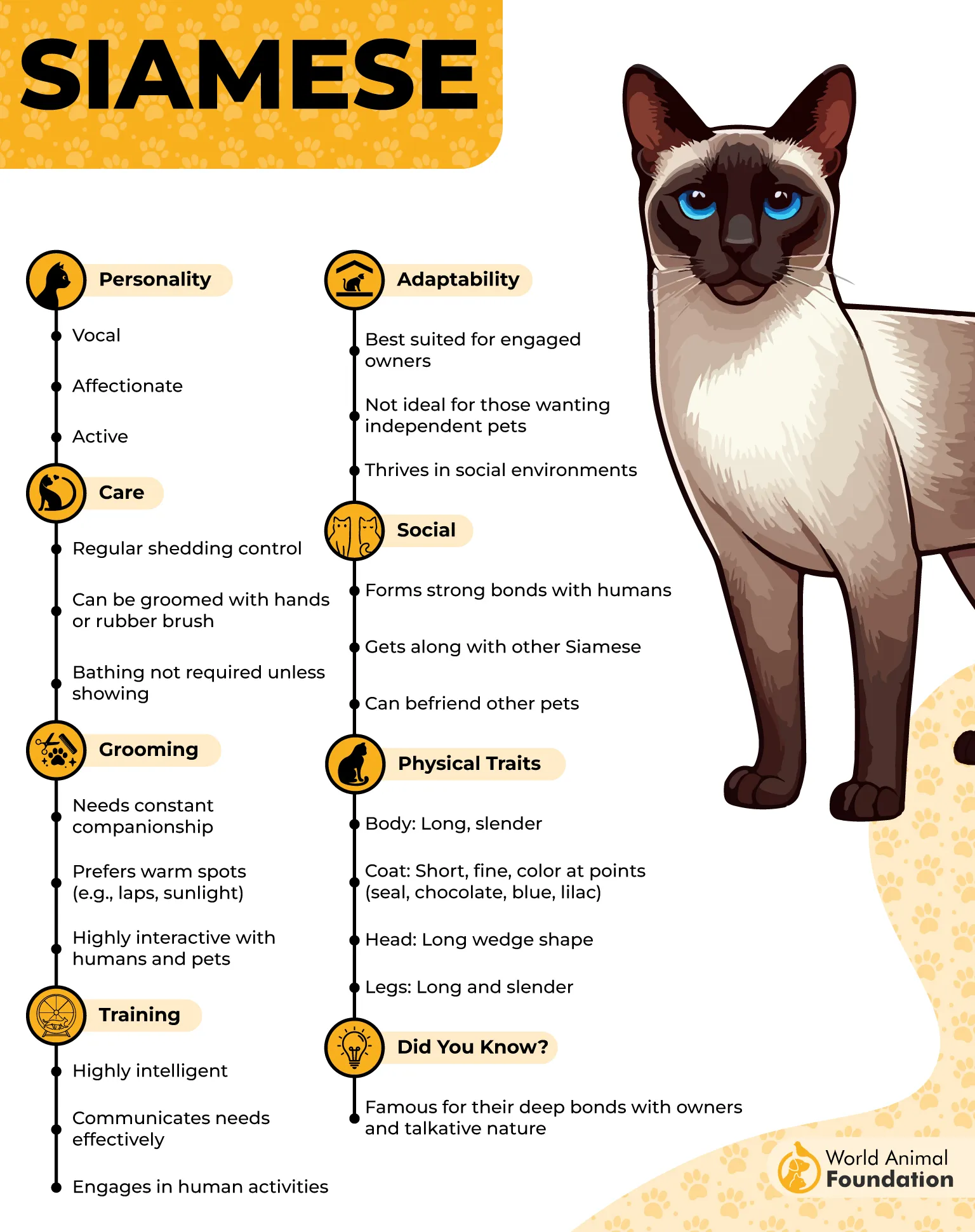
Highly intelligent and energetic, the Siamese excels at routine-based activities such as fetch, climbing courses, and timed play sessions. Consistent structure helps satisfy their curiosity and prevents frustration, especially since they dislike being left without stimulation.
Deeply social and often described as dog-like, Siamese cats form intense bonds and expect daily interaction. Known for their love of puzzles and vocal communication, this breed is both mischievous and mentally driven.
3. Bengal
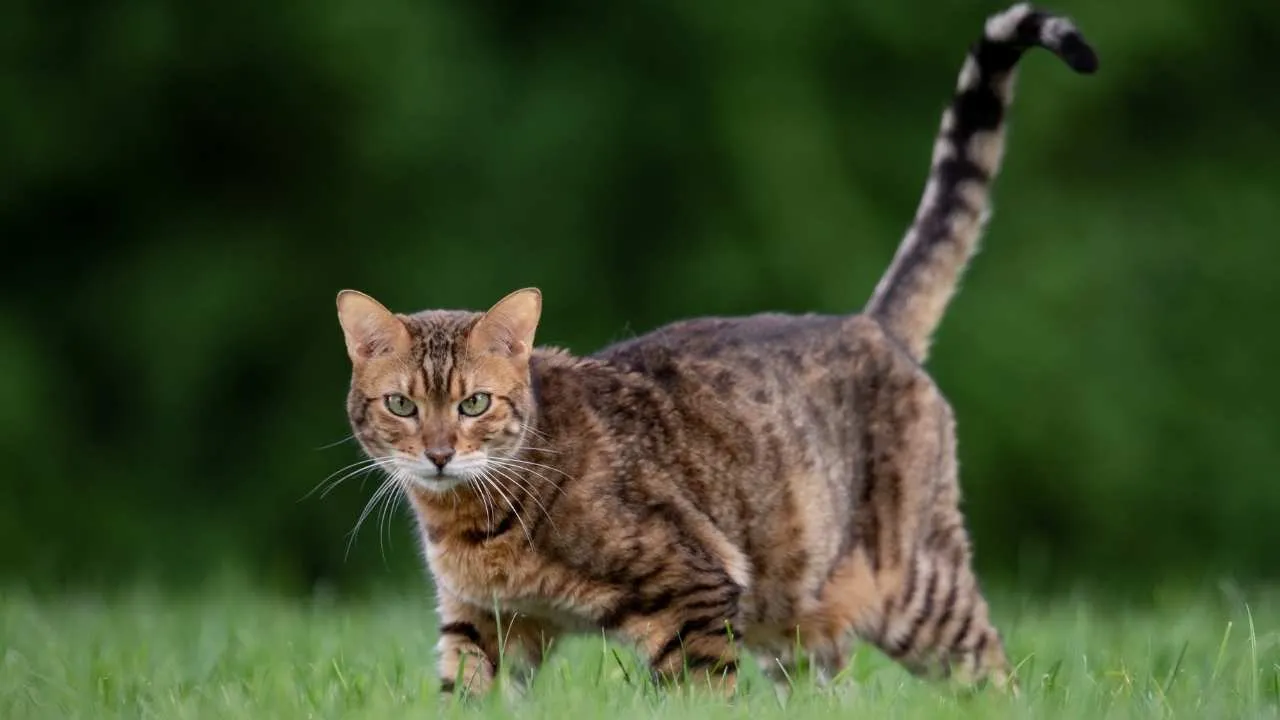
Often called the “mini leopard,” the Bengal cat is known for its muscular build and striking rosetted or marbled coat that sometimes appears to shimmer.
Descended from crosses with the Asian leopard cat, Bengals combine a wild look with a confident, modern domestic temperament. According to PDSA, Bengal cats are highly intelligent and energetic, requiring ample mental stimulation and regular opportunities for exercise.
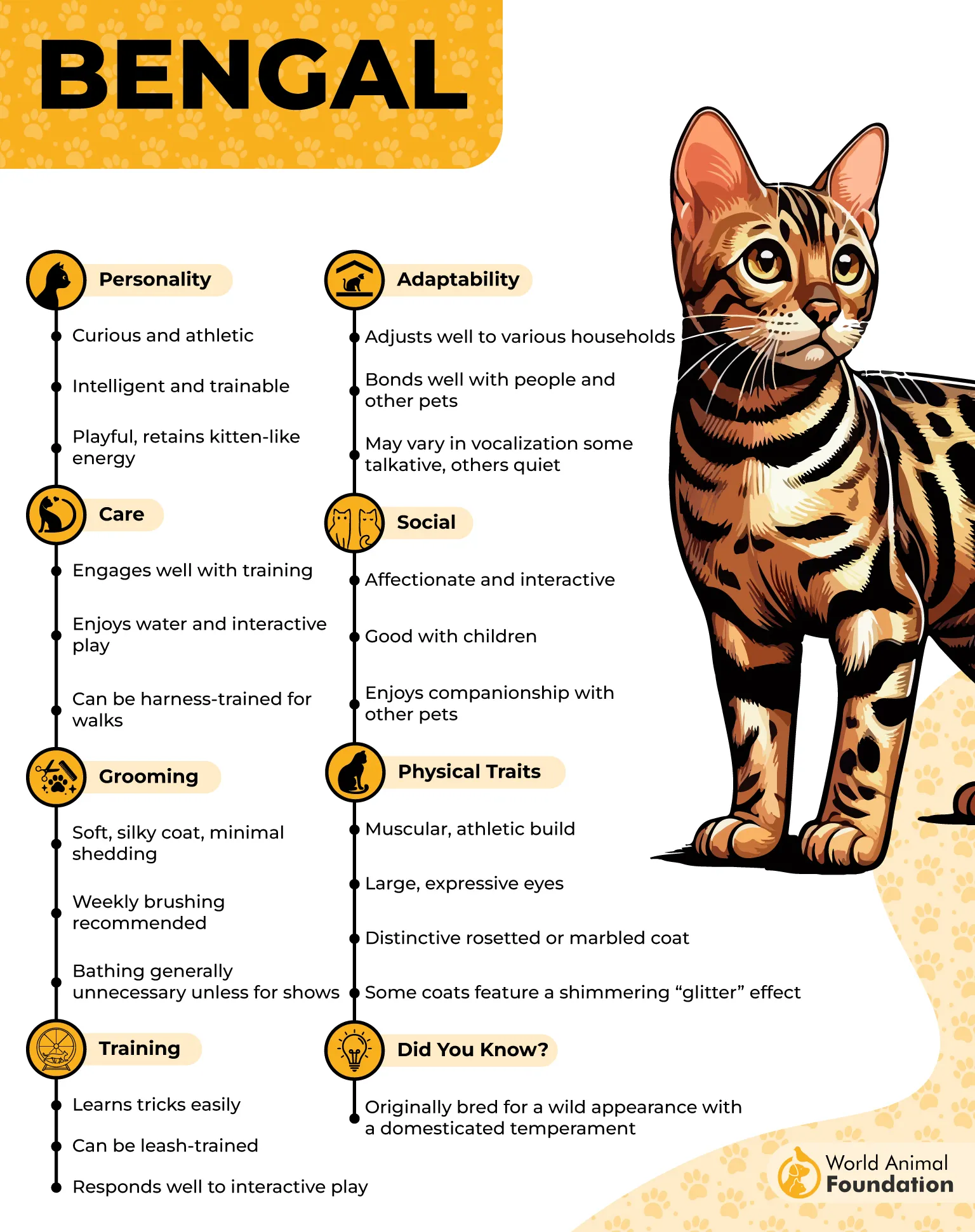
Highly athletic and energetic, Bengals thrive on structured play sessions that include interactive toys and physical challenges. Their powerful bodies and sharp reflexes make them especially drawn to games that involve chasing, pouncing, and problem-solving.
This breed’s intelligence means unstructured play isn’t enough. Scheduled activities with puzzle toys, climbing setups, and rotating challenges help keep Bengals mentally focused and prevent boredom-driven mischief. Interactive routines are essential for channeling their hunting instincts productively.
Bengals are curious, adventurous, and demand engagement, making them best suited for active households committed to daily play. Known for their inquisitive nature and love of stimulation, Bengals are confident, energetic cats with a strong drive to explore.
4. Oriental Shorthair
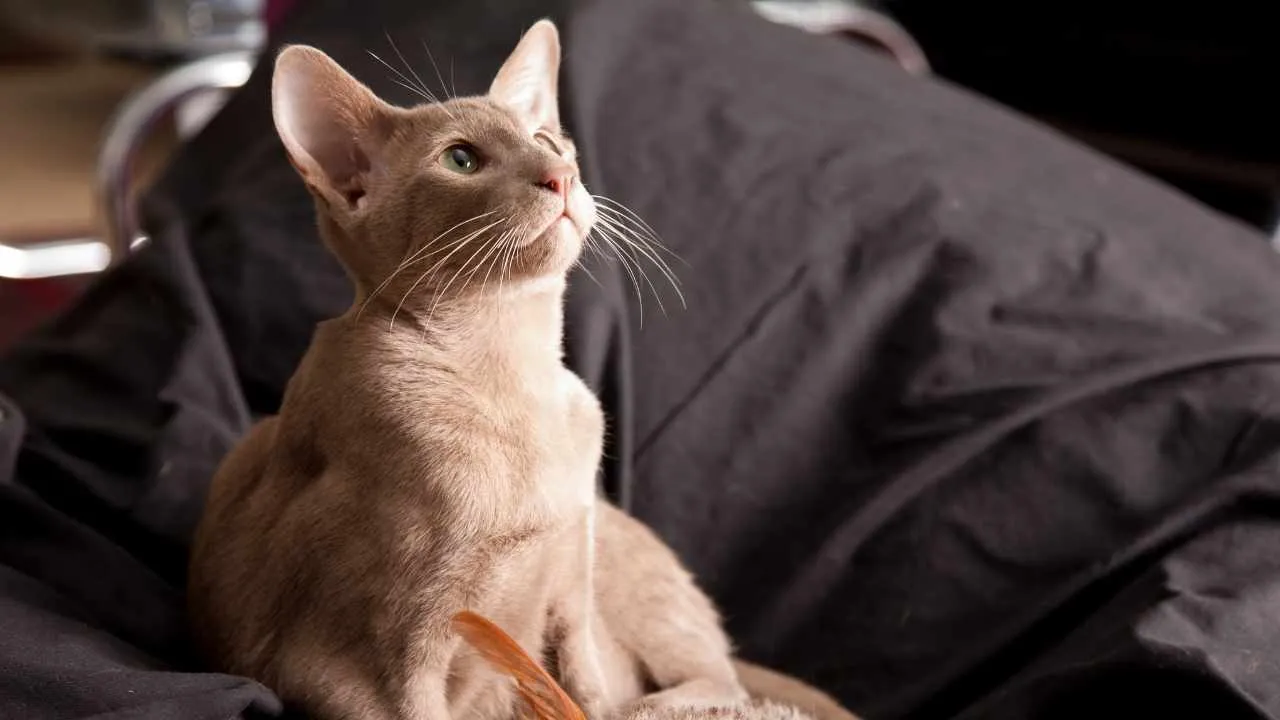
Also called the “Rainbow Cat,” “Ornamental,” or “Honking Cat,” the Oriental Shorthair is a sleek, elegant breed with a long, muscular body, oversized ears, and a short, glossy coat in hundreds of color variations. Closely related to the Siamese, this breed is known for its striking appearance and expressive personality.
Highly social and routine-driven, Oriental Shorthairs thrive on structured play sessions that include daily interaction. They enjoy being part of a predictable schedule and quickly grow bored without consistent mental and physical engagement.
Intelligent and eager to learn, this breed excels at interactive games such as fetch, trick training, and harness walking. Structured play helps satisfy their curiosity, channel their energy, and strengthen their bond with family members.
Because they are vocal, affectionate, and extremely people-focused, Oriental Shorthairs do best in active homes where playtime is a daily ritual. This breed is often considered lower in allergen production than many cats.
5. Sphynx
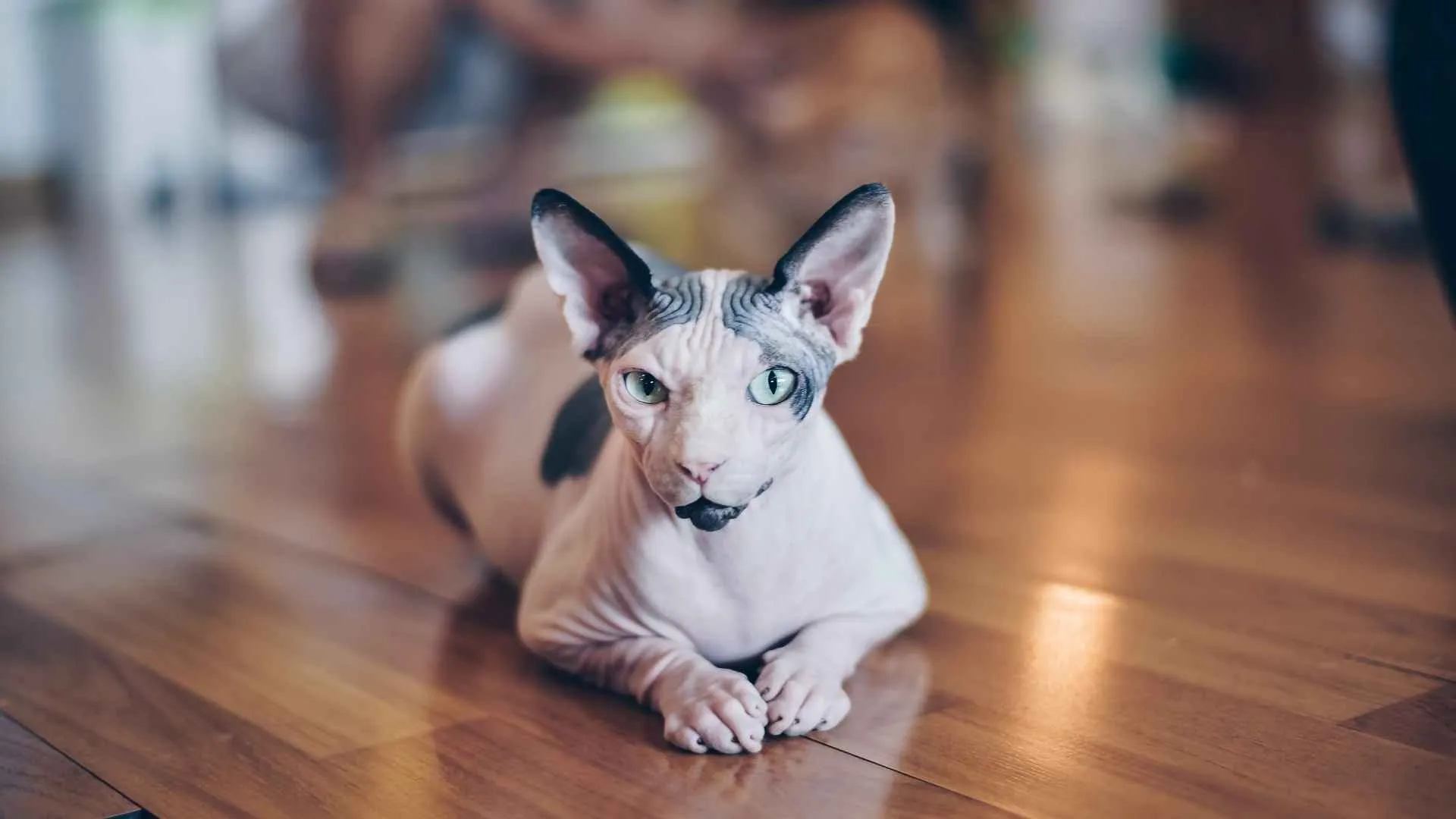
Often called the hairless cat, the Sphynx is instantly recognizable for its wrinkled skin, oversized ears, and expressive, curious eyes. Despite its unusual appearance, this breed is sleek, muscular, and surprisingly warm to the touch, with a personality that’s anything but reserved.
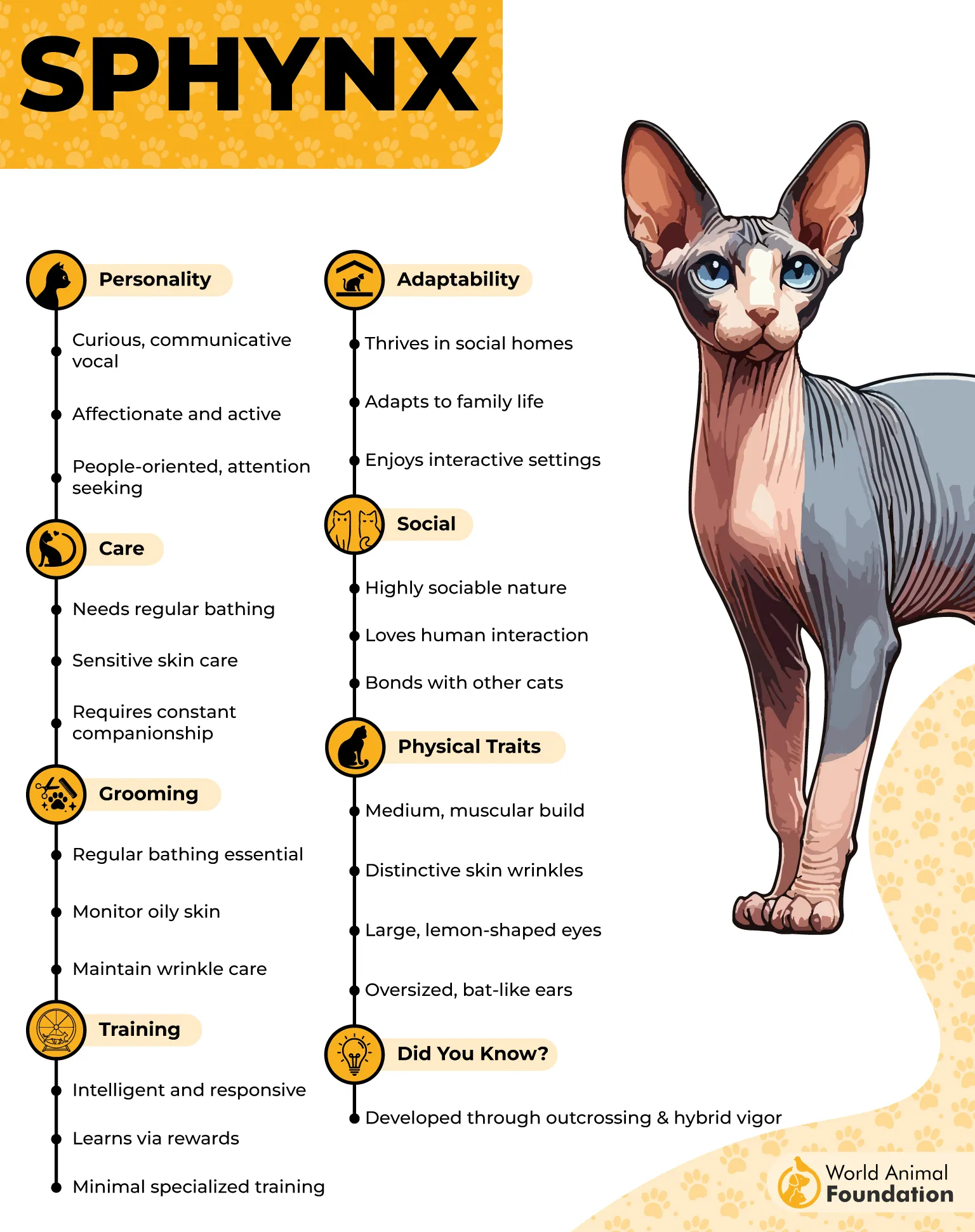
Sphynx cats thrive on structured play sessions that keep their active minds engaged. They enjoy routines built around puzzle toys, climbing challenges, and interactive games that give them a clear focus and satisfy their natural curiosity.
Highly social and attention-loving, the Sphynx prefers play that involves human participation. Scheduled activities help prevent boredom and mischief, while also strengthening their emotional connection with their family.
Because they are intelligent and easily bored, consistent play routines are essential for this breed’s happiness.
Fun fact: Sphynx cats are often described as “dogs in cat suits” because they follow their people everywhere and crave constant interaction.
6. American Bobtail
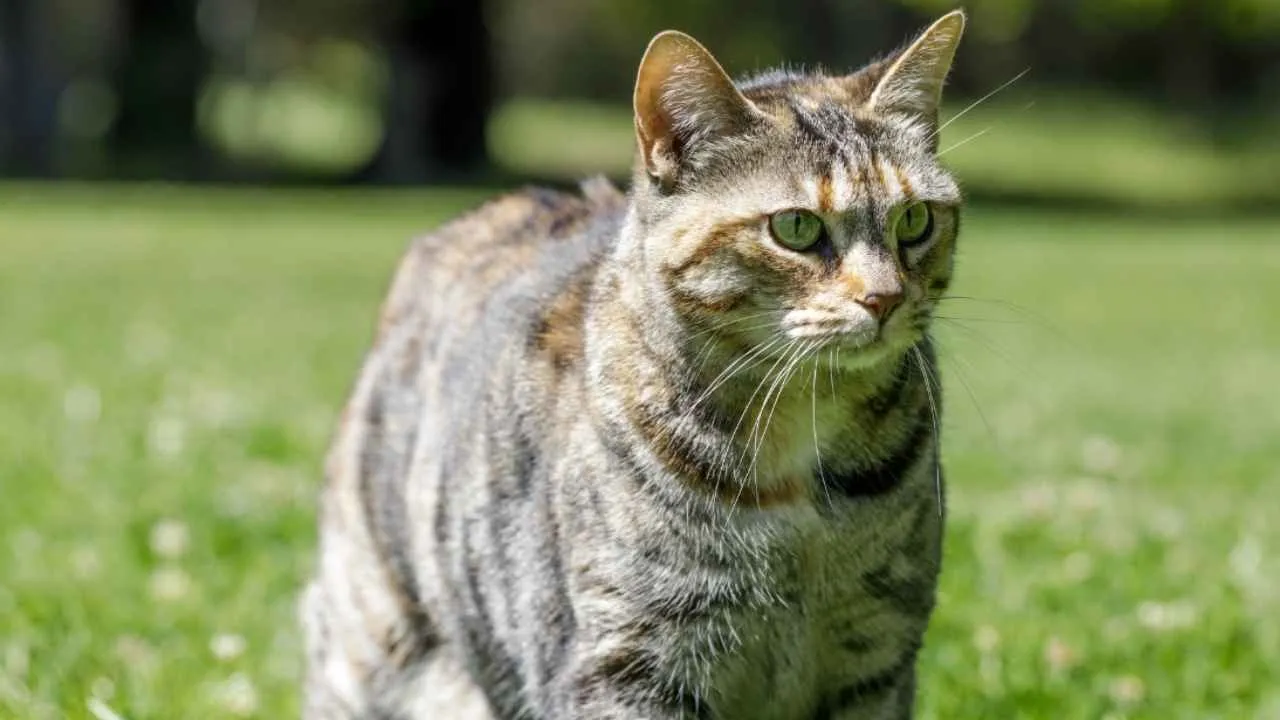
Also known simply as the Bobtail, the American Bobtail is instantly recognized by its naturally short, stubby tail and sturdy, athletic build. Though it may look wild at first glance, this breed is friendly, intelligent, and deeply people-oriented.
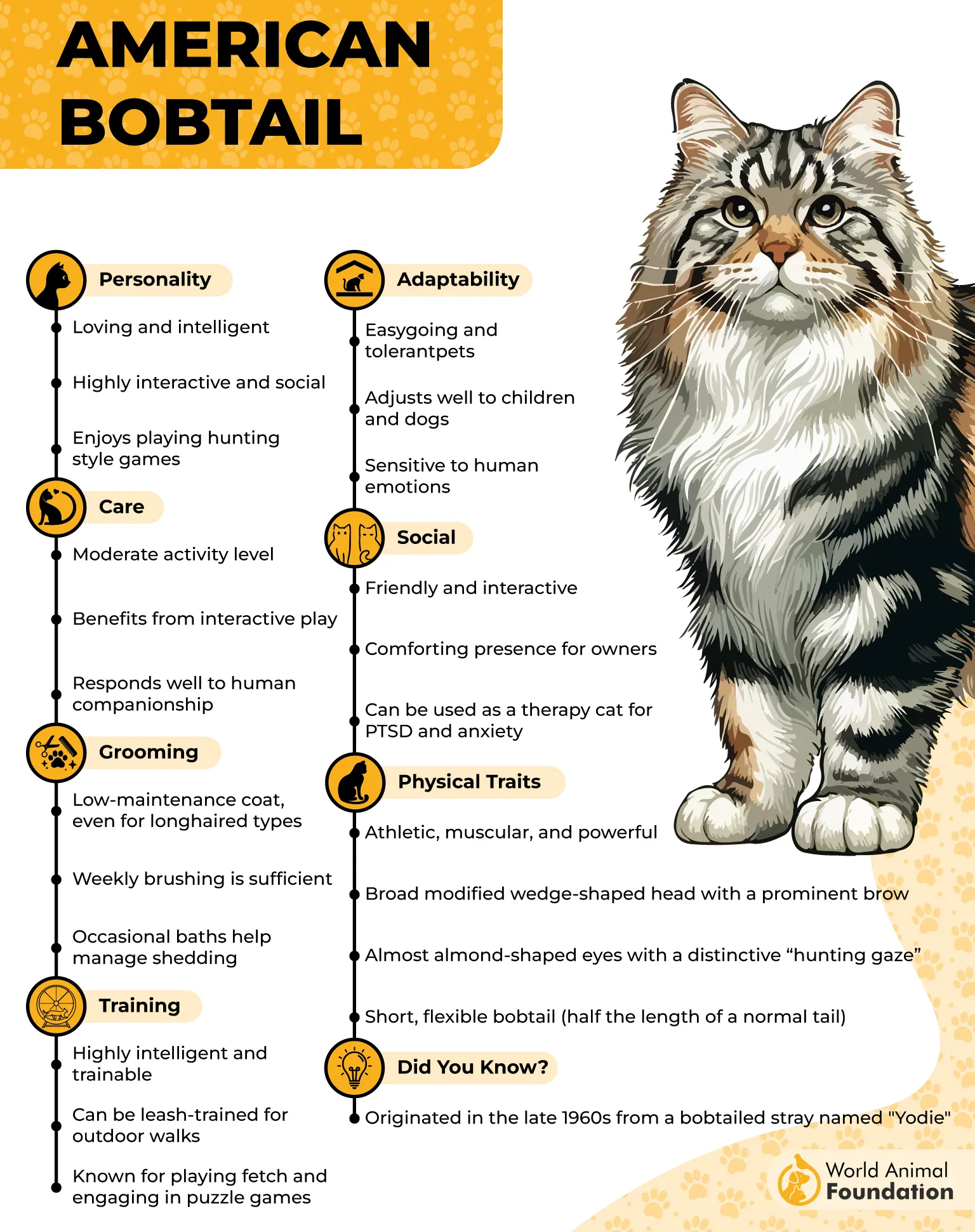
American Bobtails respond exceptionally well to structured, training-style play. Their sharp awareness and problem-solving skills make them eager participants in games that involve learning, repetition, and clear goals rather than random activity.
Agile and alert, this breed enjoys interactive toys, puzzle games, and even fetch-style play. Scheduled play sessions help channel their energy productively while keeping them mentally engaged and emotionally balanced.
Often described as dog-like in loyalty, American Bobtails enjoy play that strengthens their bond with family members.
Fun fact: many American Bobtails can be leash-trained and genuinely enjoy going for supervised walks with their humans.
7. Turkish Angora
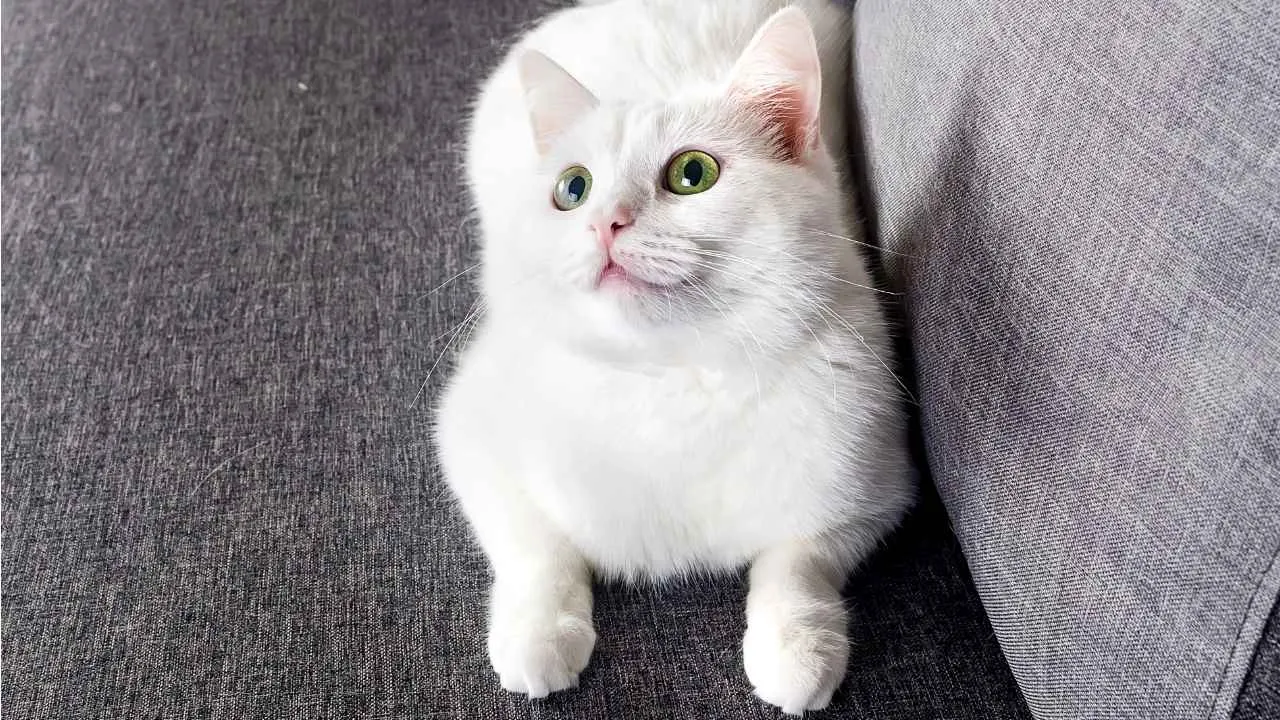
Also known as the Ankara cat or the “ballerina cat,” the Turkish Angora is one of the oldest long-haired cat breeds, prized for its silky coat, graceful build, and alert expression. Originating in Turkey, this elegant breed is as agile and intelligent as it is eye-catching.
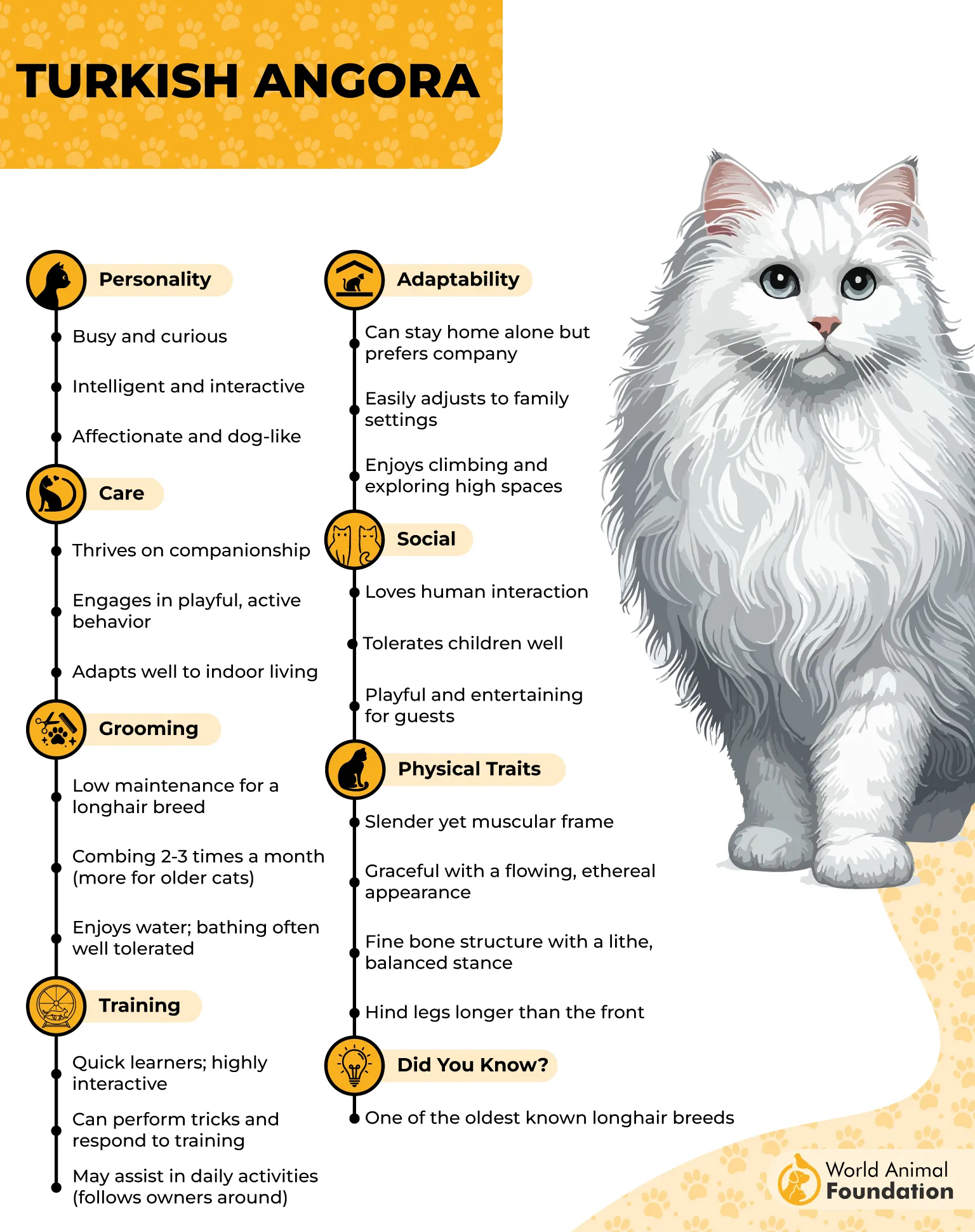
Turkish Angoras excel during structured play sessions that challenge their sharp minds. They enjoy puzzle feeders, clicker training, and interactive toys that require problem-solving, making routine play far more engaging than random activity.
Naturally curious and quick to learn, this breed responds well to games that involve learning tricks, fetch, or following simple cues. Consistent play routines help channel their energy and keep their active brains focused and satisfied.
Highly involved in their owner’s daily life, Turkish Angoras thrive when playtime is purposeful and mentally stimulating.
Fun fact: the Turkish Angora was Europe’s first long-haired cat breed and earned the nickname “ballerina cat” because of its elegant, performance-like movements.
Conclusion
Structured play is essential for keeping some of the most energetic cats mentally satisfied and physically balanced. In the cat world, many active cat breeds benefit from daily play sessions that reflect their wild heritage.
These energetic cat breeds thrive on interactive play using food puzzles, scratching posts, and cat trees, especially tall cat trees that encourage climbing like their ancestors among wild cats. For domestic cats, routine play helps manage energy as cats age, keeping them confident and engaged.
Understanding a cat’s own personality is key to choosing the right routine. Some active cats love to play fetch, while others prefer structured training sessions that suit their outgoing personality and affectionate nature.
