




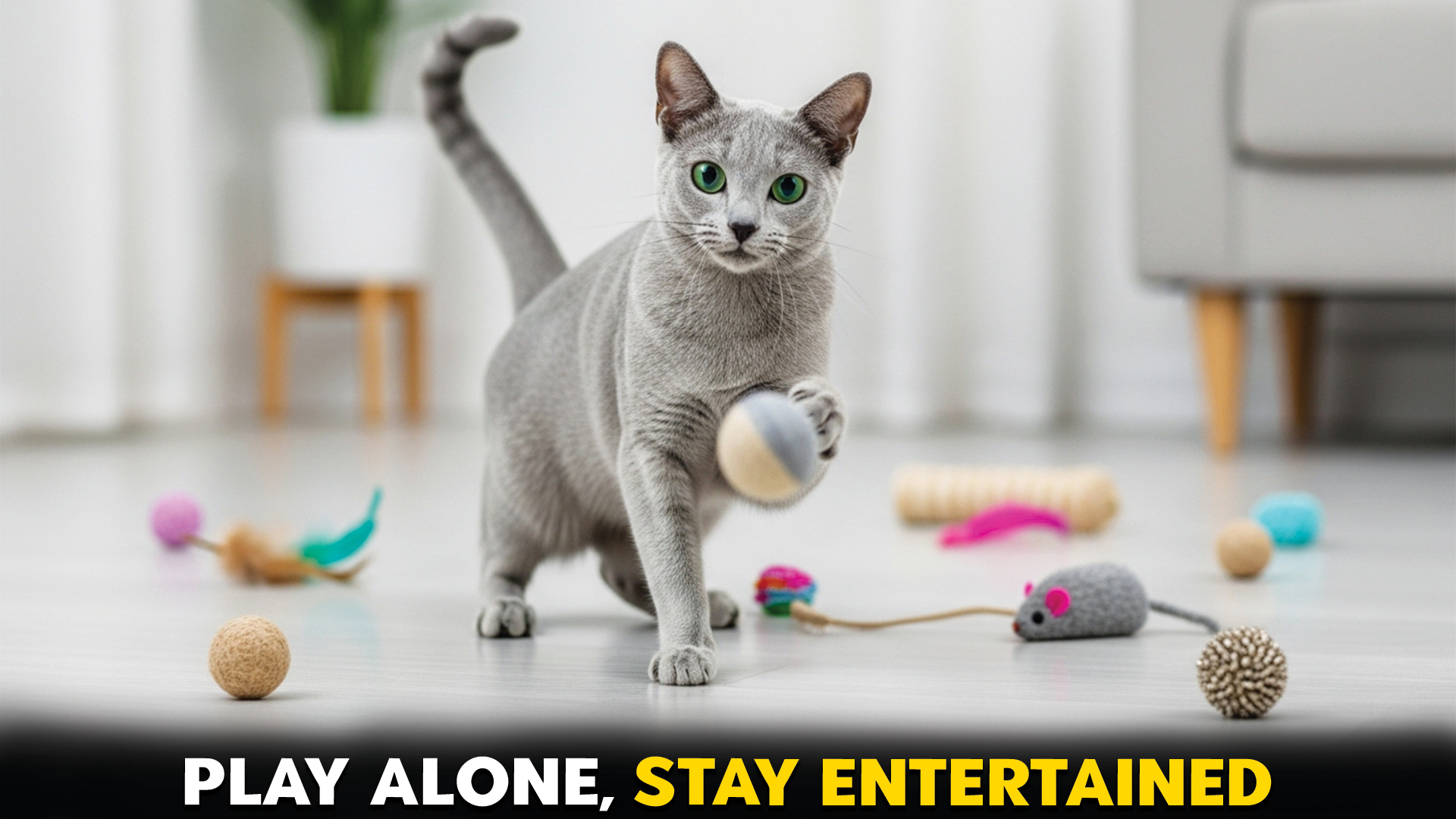
Not every cat craves constant interaction or nonstop games with people or other pets. Some felines are perfectly content entertaining themselves, finding joy in solo play that lets them explore, observe, and think independently.
These cats often prefer a calm environment where they can engage on their own terms, making them ideal companions for households that appreciate a more hands-off dynamic.
Cats that enjoy playing alone typically share a few defining traits. They tend to be confident, self-sufficient, and mentally sharp, able to stay occupied without becoming stressed or destructive when left alone.
Instead of demanding attention, they use puzzle toys, climbing spaces, or quiet observation to satisfy their curiosity. Their independence doesn’t mean they lack affection—it simply means they value personal space and routine.
Understanding why some cats prefer solo play can help you choose a breed that truly fits your lifestyle. Independent, self-entertaining cats are often low-maintenance, emotionally balanced, and well-suited for pet parents who want companionship without constant supervision.
When personalities align, both cats and humans enjoy a more harmonious, stress-free relationship.
Cat Breeds That Enjoy Solo Play
1. British Shorthair
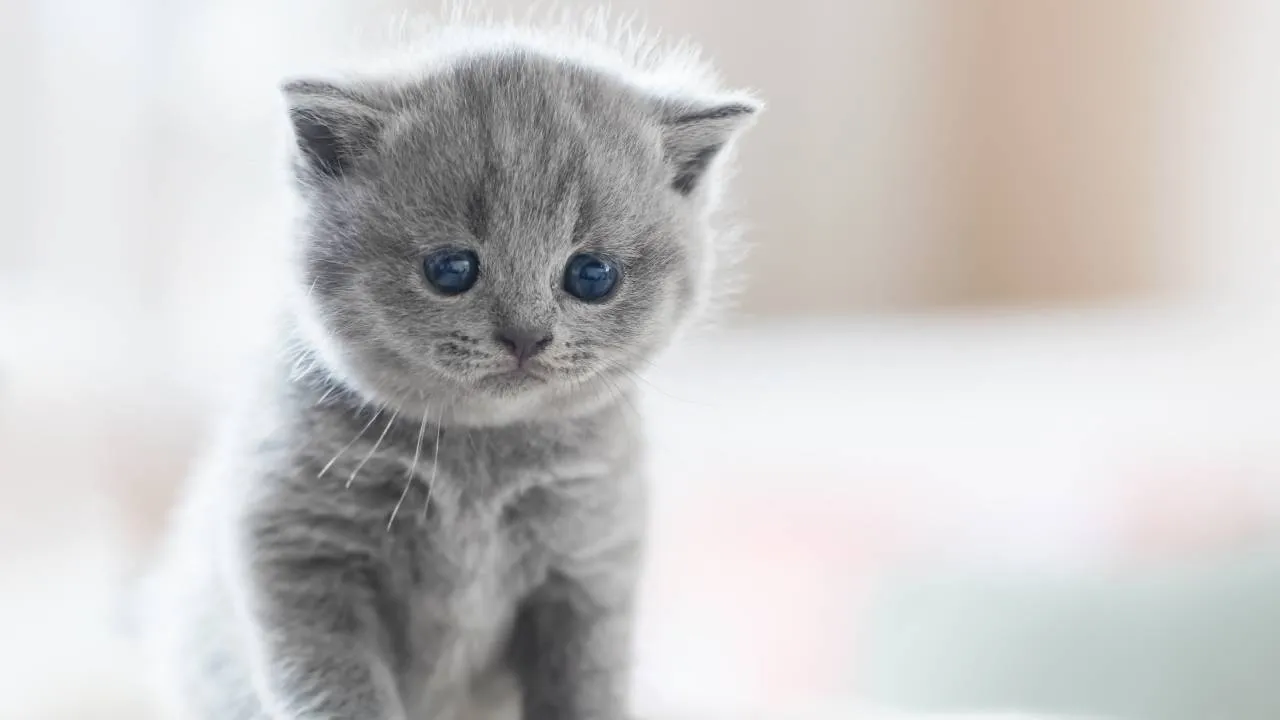
Sometimes called the “Brit” or even nicknamed the Winston Churchill of the cat world, the British Shorthair is known for its round face, dense short coat, and calm confidence.
According to Britannica, adult males typically weigh more, while females are generally somewhat smaller. Often seen in blue-gray but available in many colors, this sturdy breed carries a dignified, quietly observant presence.
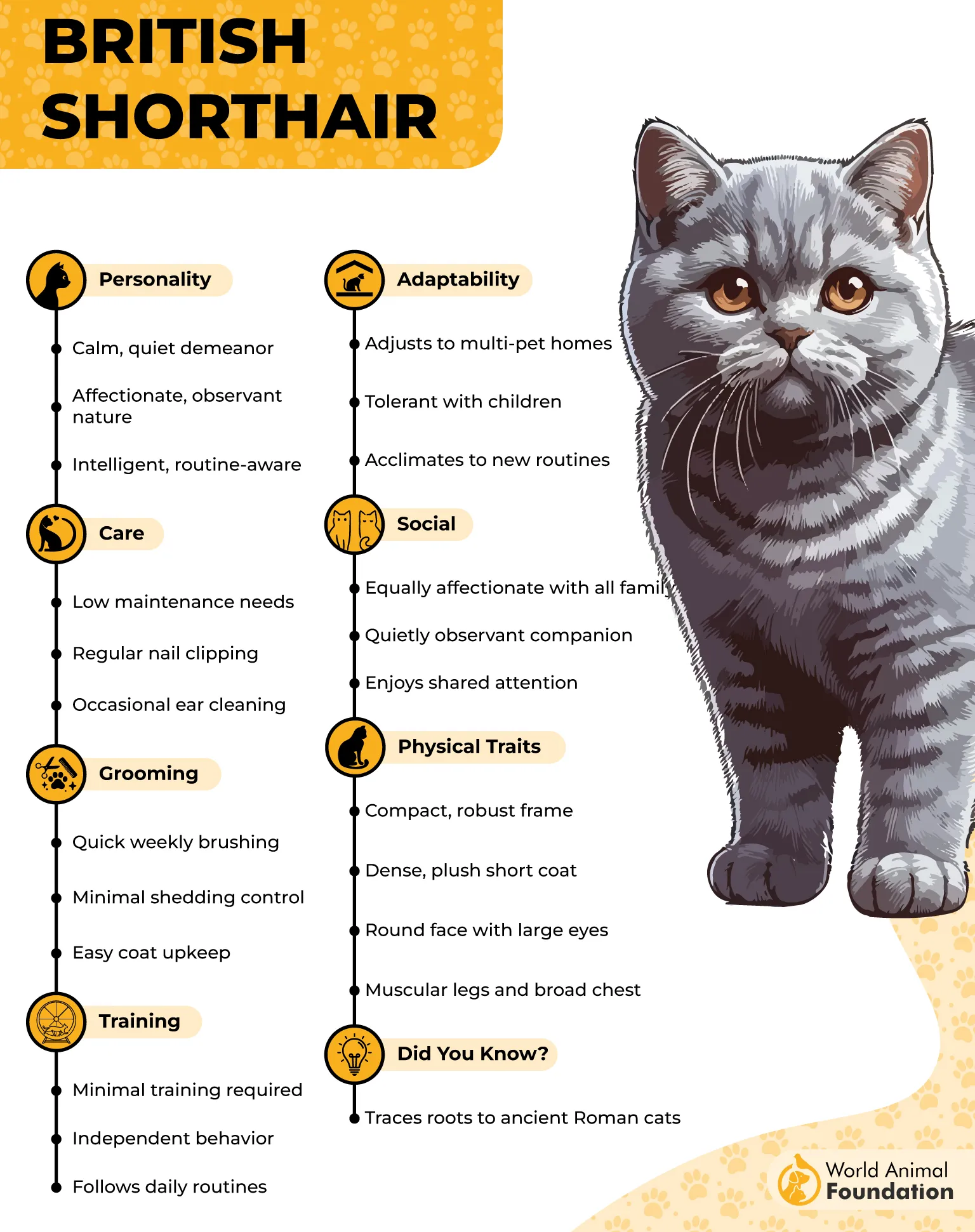
British Shorthairs are naturally independent and content spending time on their own. Rather than demanding constant attention, they prefer peaceful environments where they can lounge, watch their surroundings, or engage with toys at their own pace.
Their strong hunting instincts make solo play especially satisfying. Puzzle feeders, prey-style toys, and window perches keep them mentally stimulated without needing frequent human involvement, making them ideal for pet parents who appreciate a low-key companion.
Although affectionate and loyal, British Shorthairs show love subtly, often choosing to sit nearby instead of on laps.
Confident, adaptable, and emotionally balanced, this short-haired cat breed can take time to warm up—but once bonded, they become devoted companions with roots tracing back to ancient Roman cats brought to Britain.
2. Russian Blue
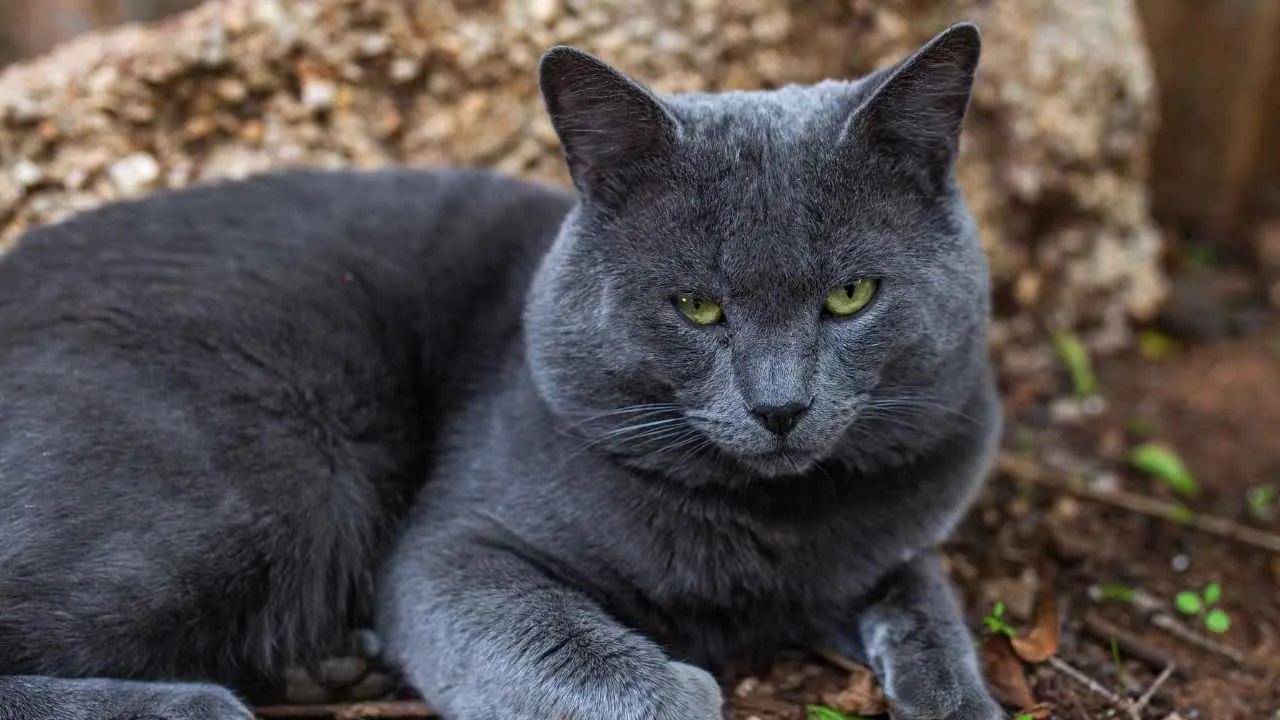
Also called the Archangel Blue, the Russian Blue is instantly recognizable by its plush, silver-blue coat and vivid green eyes. Elegant and softly spoken, this breed has a calm, reserved presence and prefers a predictable, peaceful home environment.
According to PetMD, the Russian Blue is a rare breed in the U.S. and Canada and is known for its independence, intelligence, and beauty.
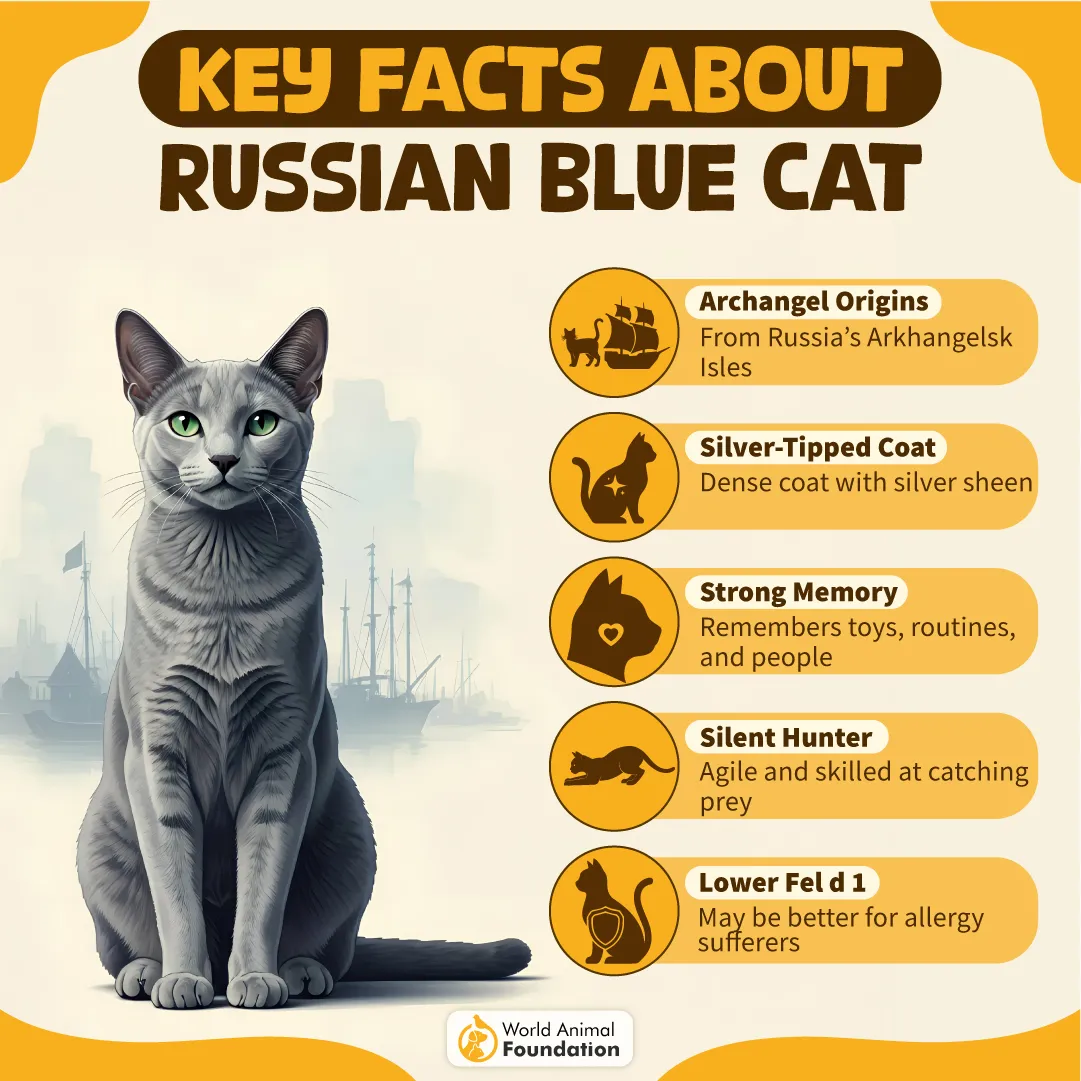
Naturally independent, Russian Blues are content entertaining themselves for long stretches of time. They enjoy quiet solo activities such as perching in high places, watching birds through windows, or thoughtfully exploring their surroundings without constant human involvement.
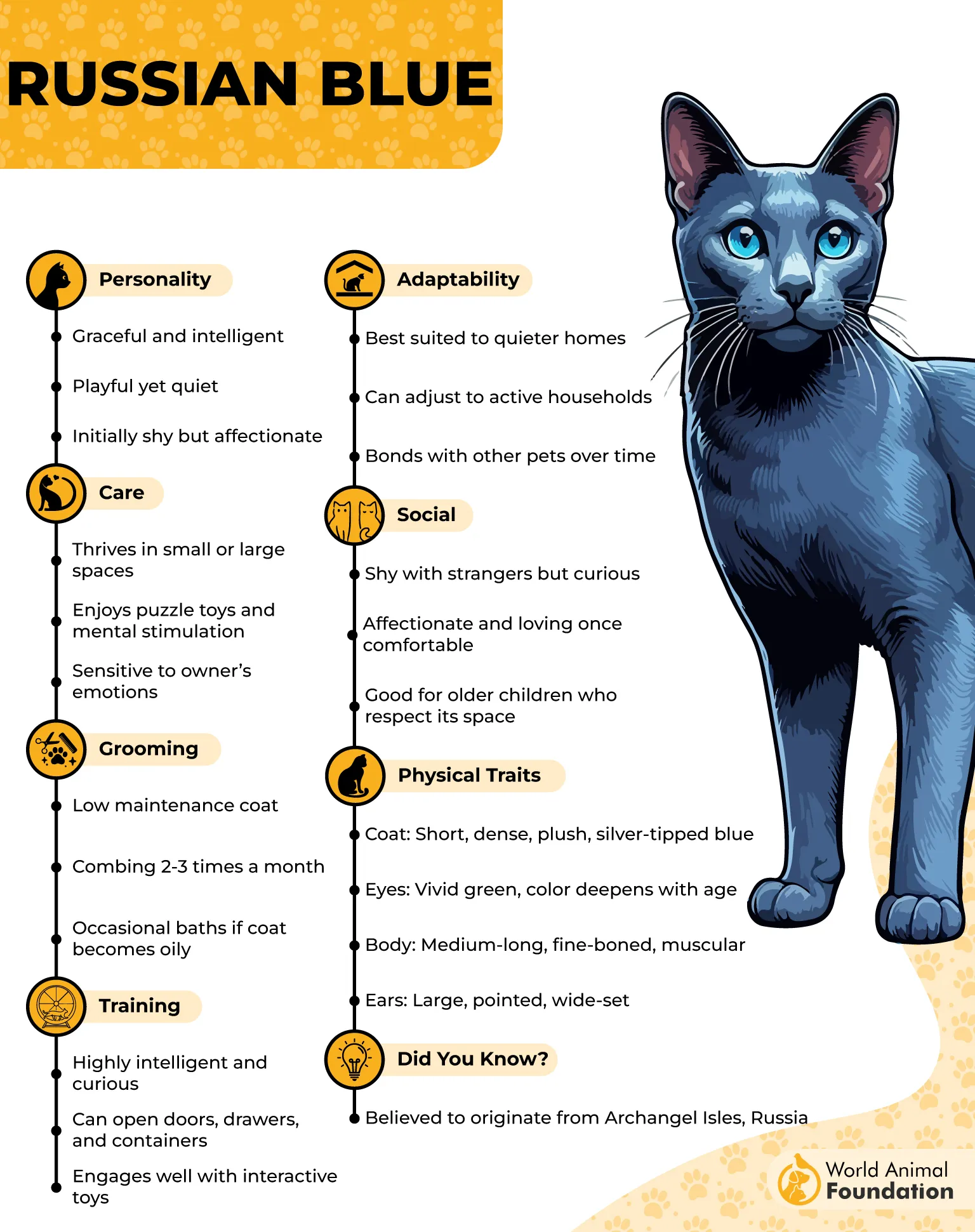
Highly intelligent and self-motivated, this breed benefits from toys that challenge the mind rather than nonstop physical play. Feather toys, puzzle games, and objects that tap into their hunting instincts keep them satisfied while allowing them to play independently at their own pace.
Although affectionate with trusted humans, Russian Blues are not overly demanding and often choose solitude over chaos. They thrive in calm households and may feel overwhelmed by energetic children or pets, making them a strong match for owners who appreciate quiet companionship.
Fact: Russian Blue cats can live up to 20 years.
3. American Shorthair

Also known as the American Domestic Shorthair, this breed is admired for its sturdy build, round face, and classic short coat that comes in many patterns. Originally valued as a hardworking “working cat,” the American Shorthair is adaptable, resilient, and comfortable managing its own time.
According to Purina, this intelligent and moderately active cat enjoys learning tricks and engaging in puzzles and interactive toys that challenge its mind.
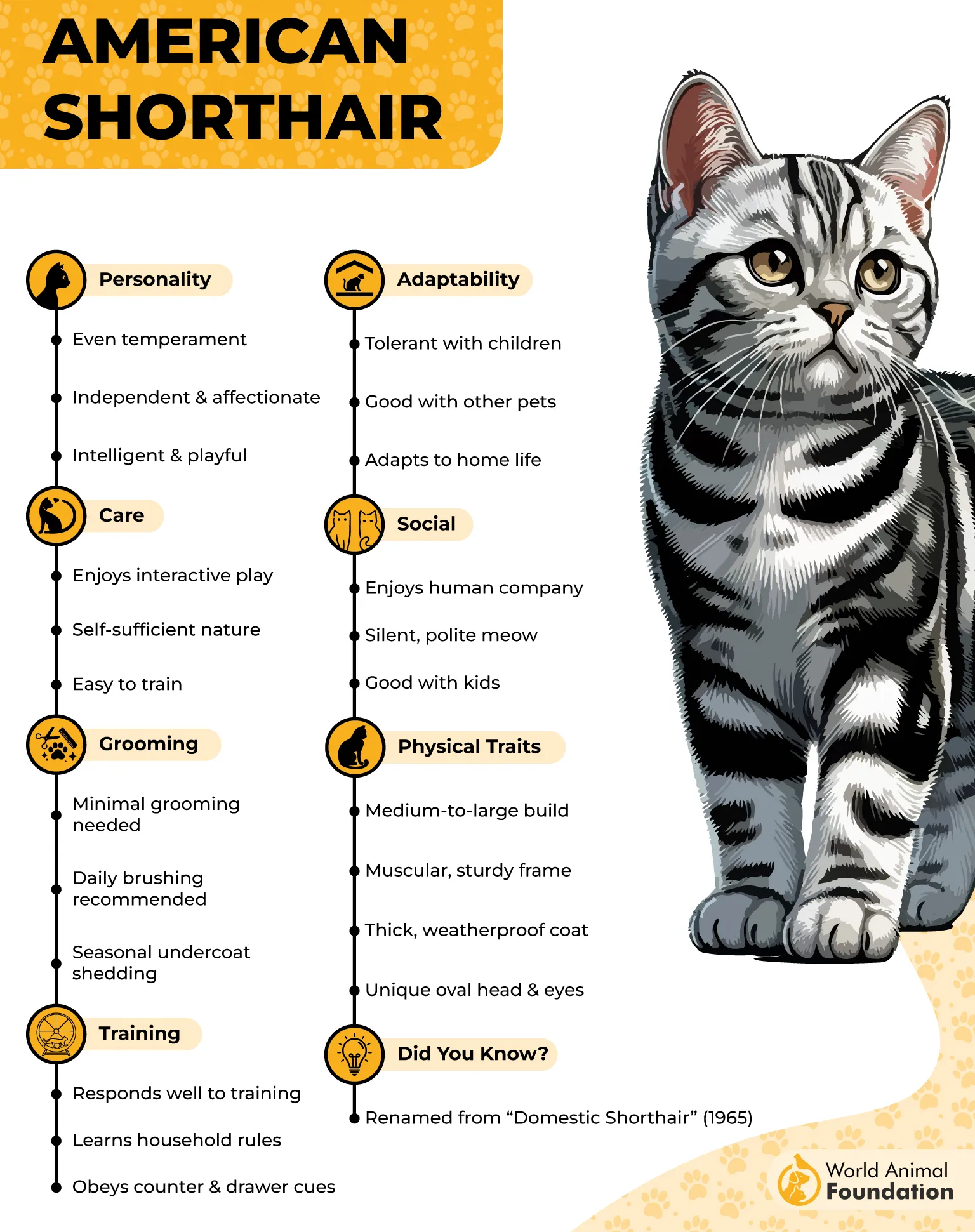
This breed is known for handling alone time with ease, making it a great match for homes where constant attention isn’t possible. Calm and self-reliant, American Shorthairs can happily entertain themselves without becoming anxious or disruptive.
Their strong hunting instincts play a big role in their love for solo play. Chasing toys, exploring quiet corners, or observing their surroundings satisfies their curiosity and keeps their sharp minds engaged, even without human involvement.
While independent, they still enjoy companionship on their own terms, often supervising household activities from a distance. Easy to groom and naturally patient, this breed benefits from interactive toys that channel its instincts. A notable
Fact: American Shorthairs are typically content either spending time alone or relaxing with their favorite people.
4. Norwegian Forest Cat
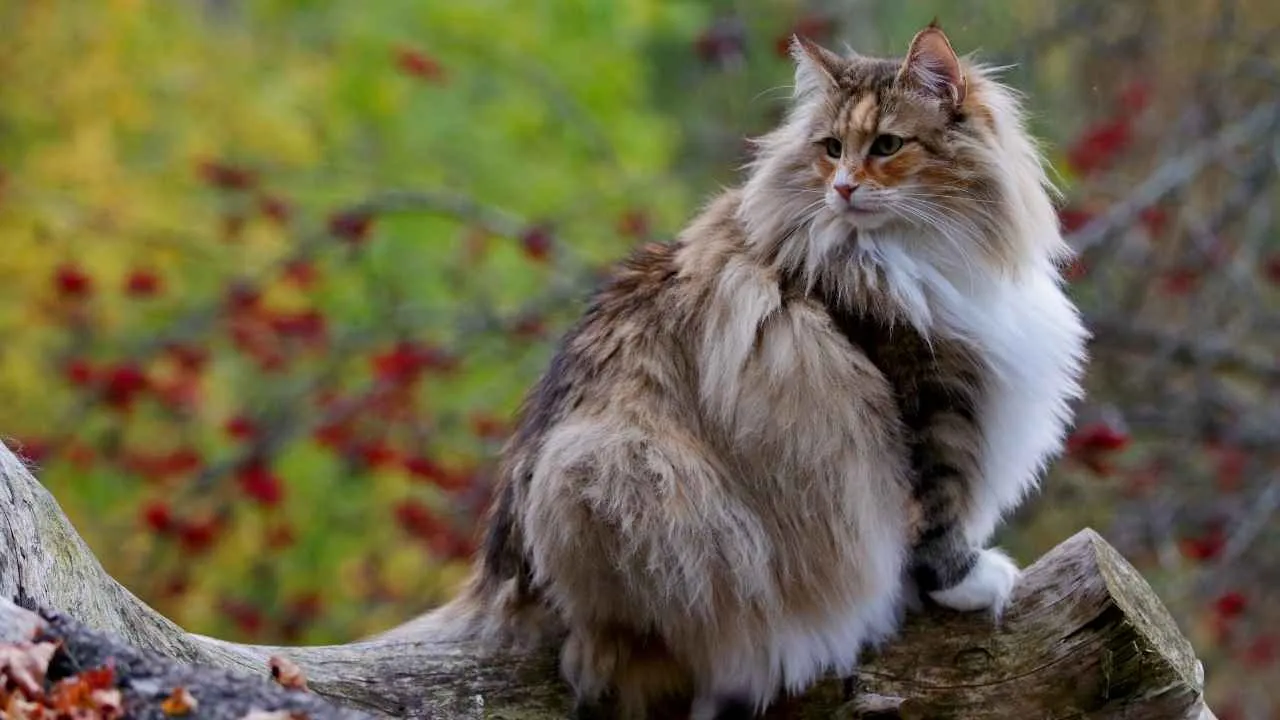
Often called the Wegie or skogkatt, the Norwegian Forest Cat is a large, rugged breed developed in Norway’s cold forests. Its long, waterproof coat, strong build, and alert expression reflect a cat shaped by nature and built for independence.
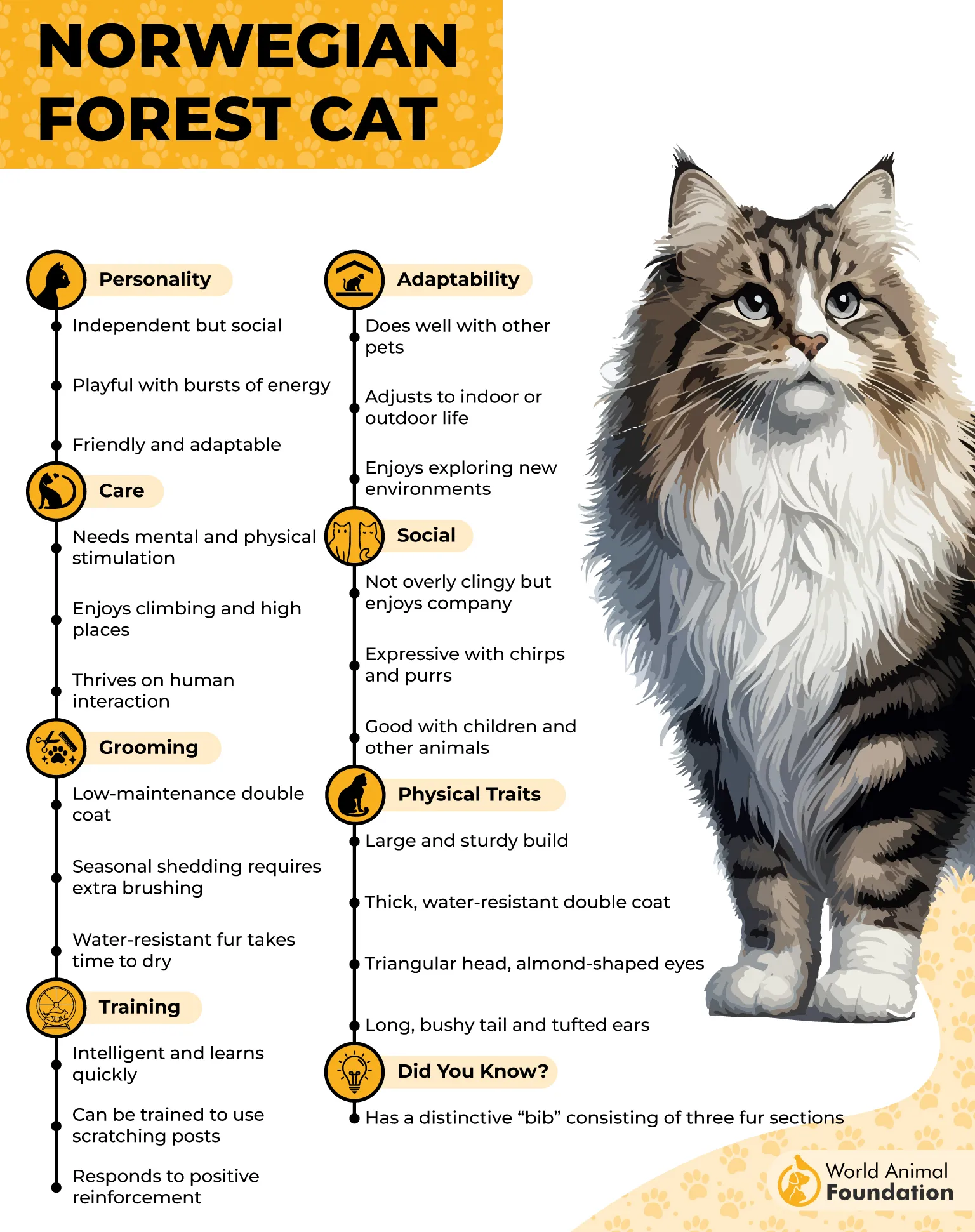
Despite forming close bonds with their families, Norwegian Forest Cats are comfortable spending time on their own. Their natural hunting instincts and curiosity make them excellent at self-directed play, whether climbing, observing, or exploring their environment quietly.
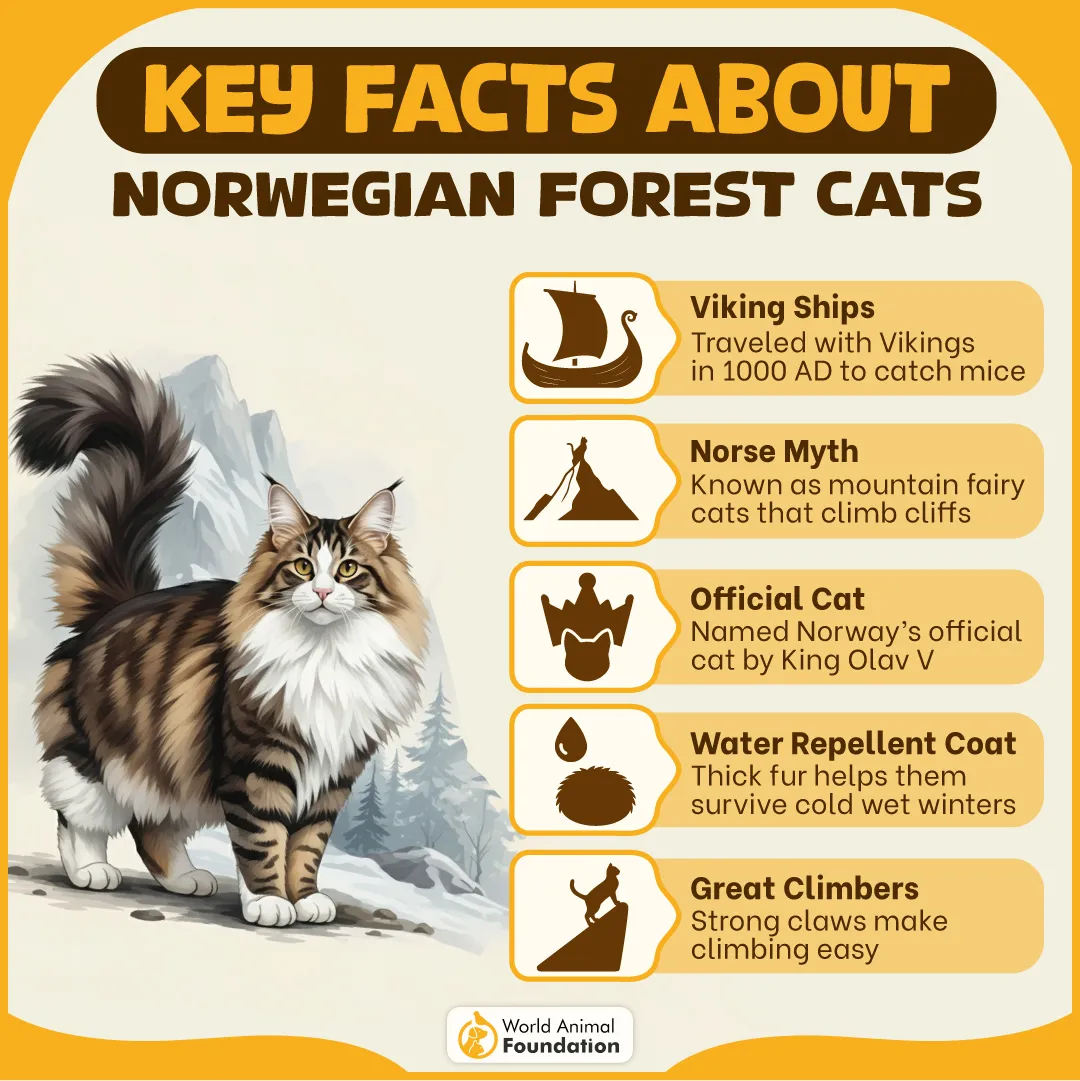
Calm and steady by temperament, this large cat breed prefers personal space over constant attention. They rarely demand laps or nonstop interaction, instead choosing to relax nearby or entertain themselves, making them well-suited for households that appreciate a peaceful, low-pressure companion.
While affectionate and friendly, Wegies are happiest when allowed freedom to move and think independently. Their adventurous yet balanced personality supports solo play without loneliness, and they can live up to around 16 years.
5. Chartreux
Also called the “French Blue,” the Chartreux is an ancient breed from France, easily recognized by its dense blue-gray coat and copper-to-gold eyes. With a wool-like texture and a naturally muscular build, this breed combines quiet strength with a calm, understated presence.
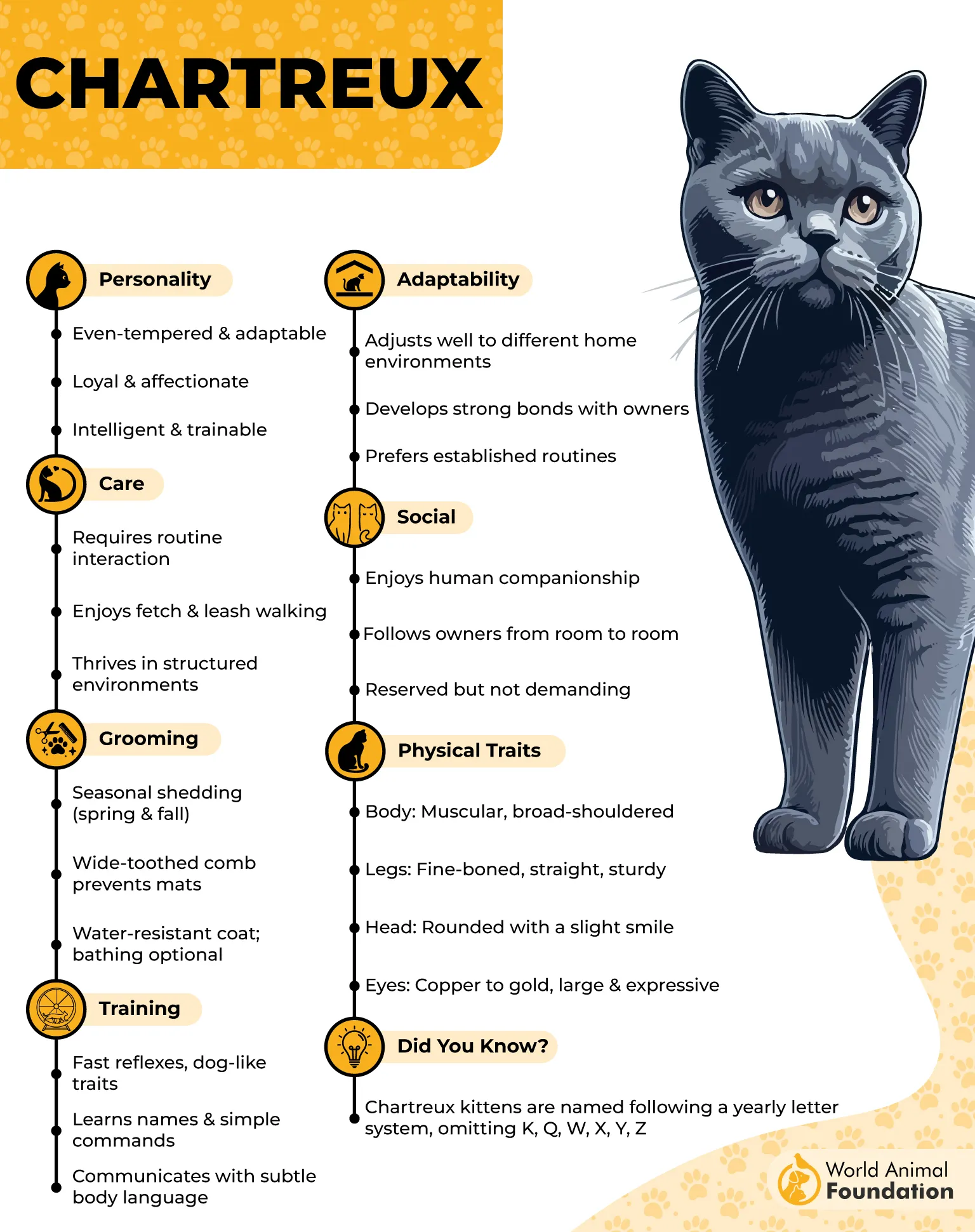
True to its monastery roots, the Chartreux is peaceful, observant, and comfortable spending time alone. Rather than demanding constant attention, these cats happily entertain themselves by stalking toys, watching birds, or lounging in a favorite spot.
Although independent, Chartreux cats are affectionate with their families and often form a deep bond with one chosen person. They enjoy gentle interaction but don’t rely on nonstop engagement, making them ideal for owners who appreciate a low-key, self-sufficient companion.
This breed thrives on short bursts of play followed by long naps, rarely vocalizing unless necessary. Naturally developed without selective breeding, the Chartreux typically stands 9 to 11 inches tall and weighs between 6 and 12 pounds.
6. Siberian
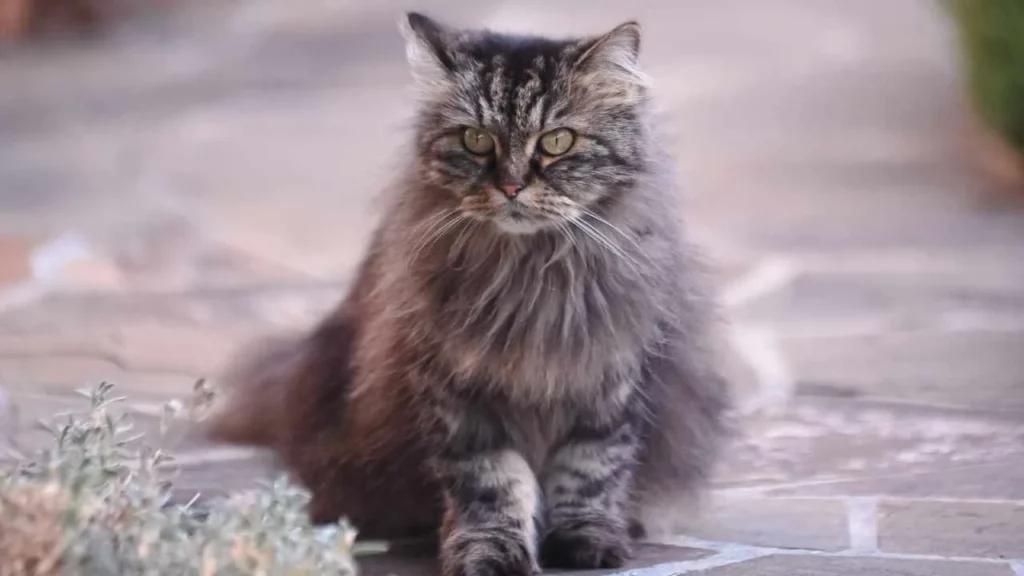
Also called the Siberian Forest Cat, the Siberian is an ancient breed from Russia, known for its sturdy build and thick, triple-layered coat designed for harsh climates. This naturally developed cat is intelligent, confident, and well-equipped to handle time on its own.
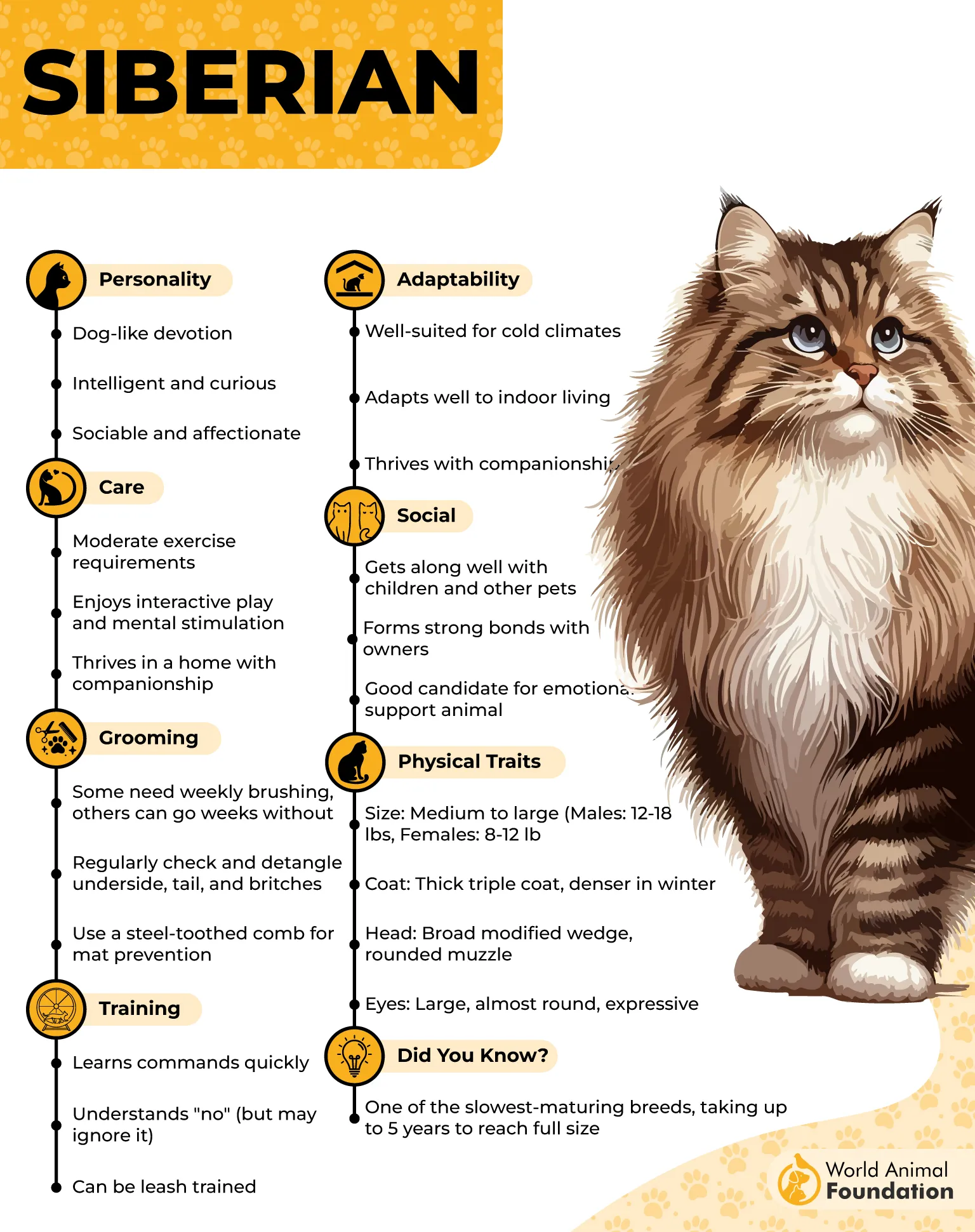
Because the breed evolved without human intervention, Siberians are comfortable entertaining themselves and staying mentally engaged. They don’t become anxious when left alone, often spending quiet time observing their surroundings or engaging in independent exploration.
Moderately active and highly capable hunters, Siberians enjoy solo activities that stimulate both mind and body. Puzzle toys, window views, or safe climbing spaces keep them occupied, making them engaging without being overly demanding of attention.
While they appreciate independence, Siberians also enjoy affection on their own terms and balance solo play with social time. This low-demand yet engaging breed can cost between $1,200 and $4,000 and has a life span of up to 18 years.
7. Turkish Angora
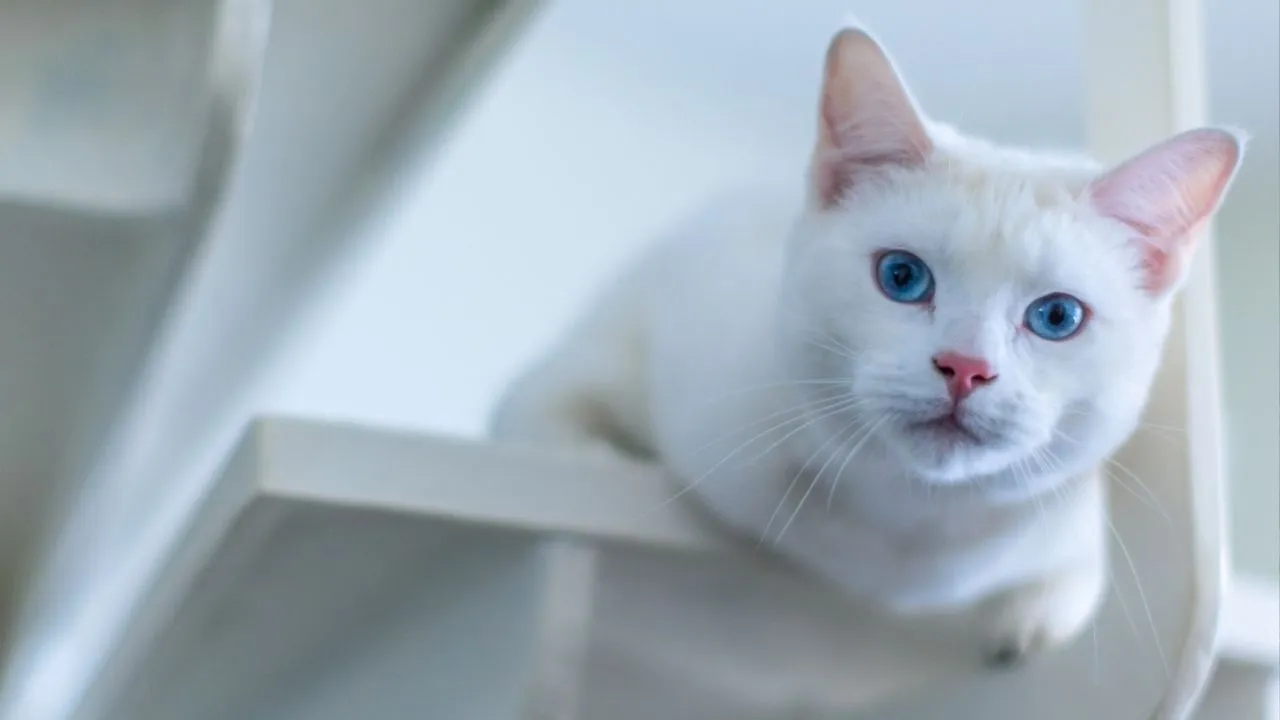
Also known as the Ankara cat, the Turkish Angora is a graceful longhaired breed admired for its silky coat, alert expression, and refined build. Beneath its elegant appearance is a confident, intelligent cat with a strong sense of independence.
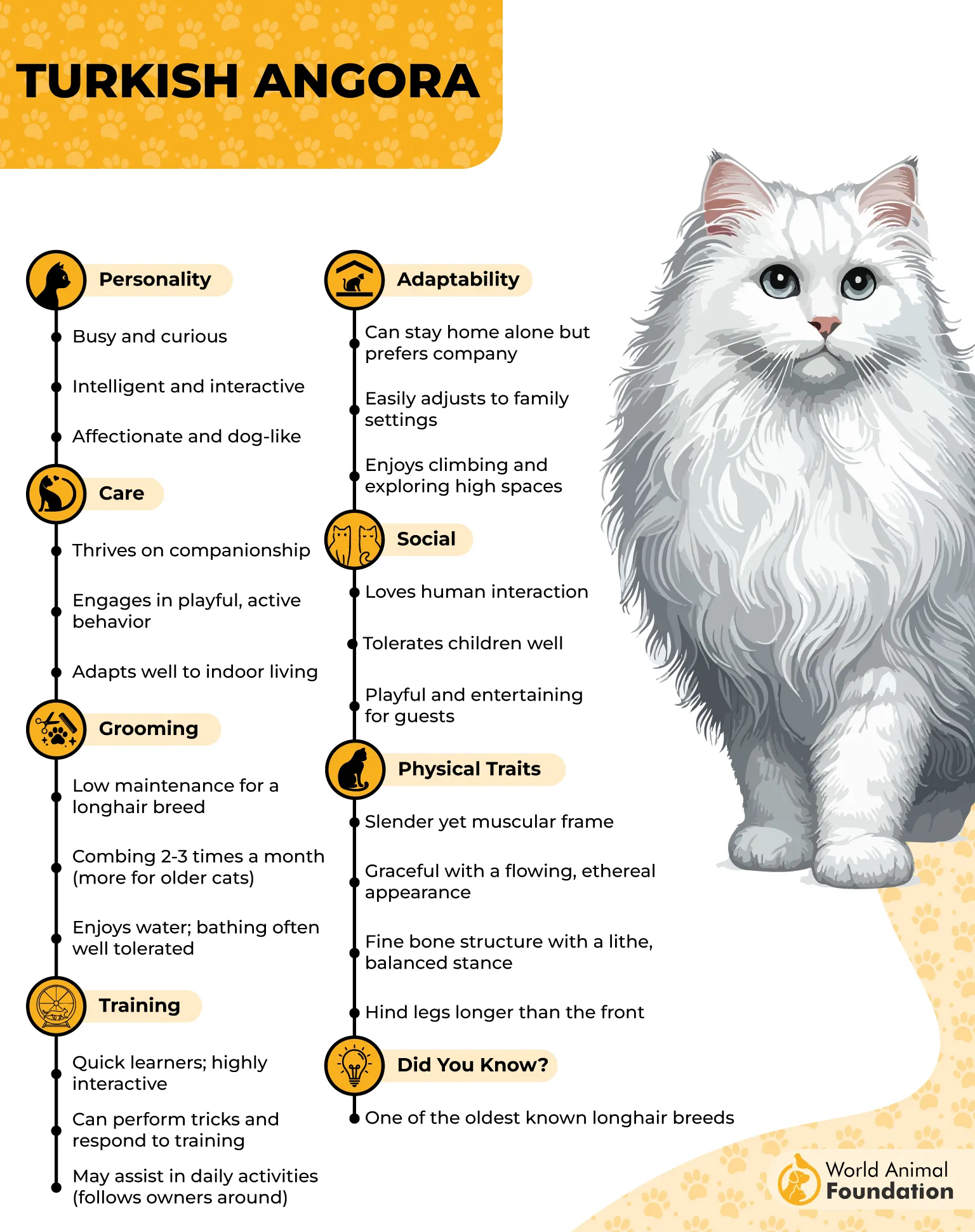
Turkish Angoras are well known for enjoying solo activities, often entertaining themselves with exploration, climbing, or self-directed play. They are curious thinkers who don’t need constant stimulation, making them well-suited for owners who appreciate a more independent feline companion.
While they value personal space and dislike being held too often, these cats still form deep bonds with their chosen person. Their affection is selective rather than constant, allowing them to balance independence with meaningful connection on their own terms.
Playful well into adulthood, Turkish Angoras are energetic, smart, and expressive cats that enjoy mental challenges and autonomy. Despite their delicate look, they are bold and self-assured, with a personality that is affectionate, sassy, and highly intelligent.
Conclusion
Choosing cat breeds that enjoy solo play can be a rewarding decision for cat owners who value balance and independence. Many breeds are perfectly happy keeping themselves entertained, whether perched on a cat tree, exploring scratching posts, or relaxing in cozy beds.
From a playful cat to an indoor cat with a calm demeanor, independent living suits busy individuals who may be away for long periods but still want a loving feline friend. These cats enjoy their own company yet can still share meaningful quality time.
While many breeds—from Ragdoll cats and lap cats to Bengal cats, Burmese cats, and the American shorthair cat—vary in personality, finding the right breed matters.
Whether it’s a gentle giant like maine coons, a Siamese cat, Persian cat, Exotic shorthair, Manx cat, Scottish fold, Japanese bobtail, Devon Rex, or even Persian, some are more dog-like, and others prefer independence.
With respectful children, regular grooming, and space for interactive games, cats can form strong bonds, feel secure, and become great companions—often the best cat for your home, even alongside other cats.
