




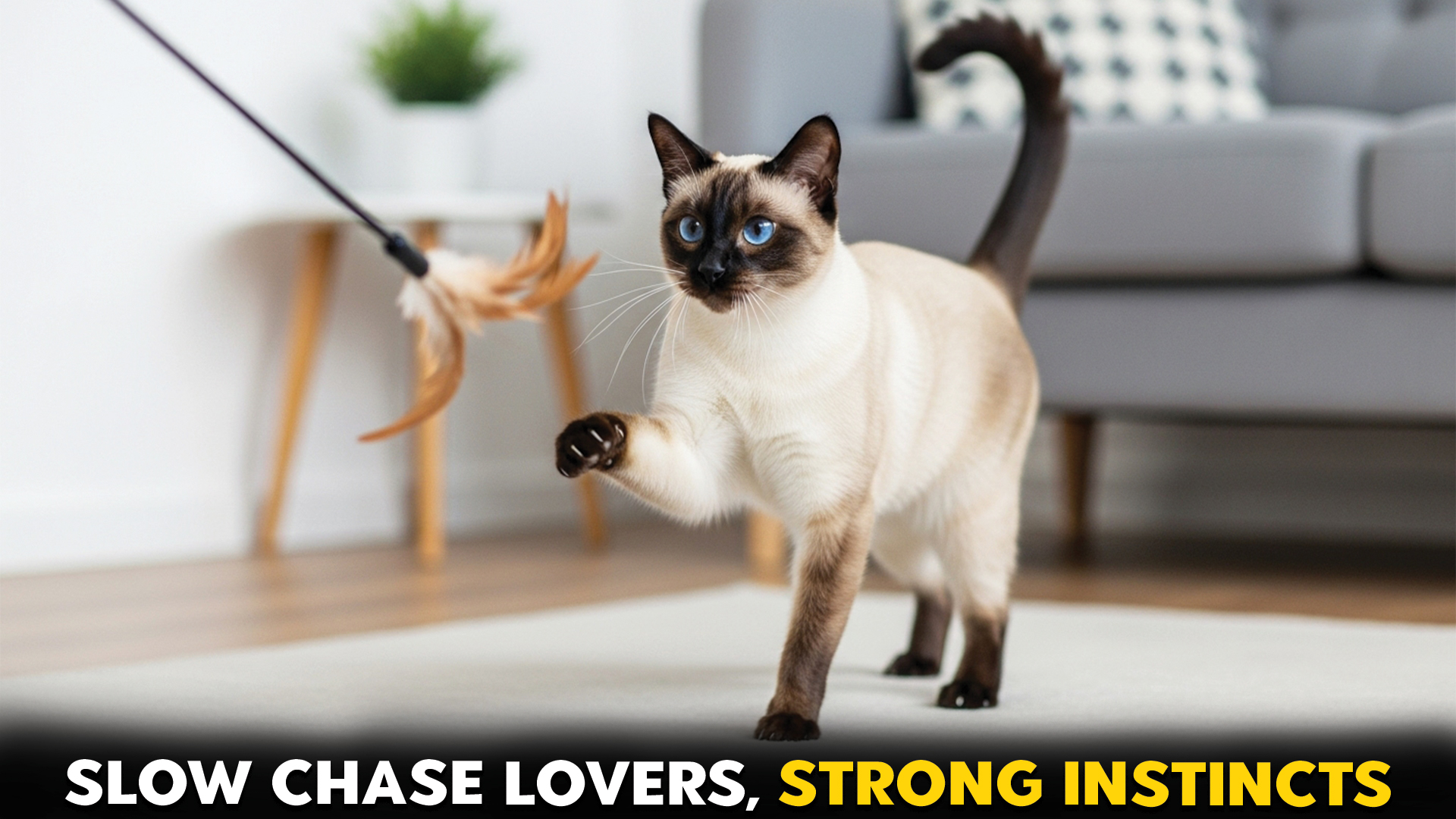
Not every cat enjoys frantic zoomies or nonstop pouncing. Just like people, felines have individual play styles, and some prefer a slower, more deliberate kind of fun.
Slow-chase games—where toys move steadily and predictably—appeal to cats that enjoy stalking, observing, and timing their moves rather than sprinting at full speed. These breeds find satisfaction in the anticipation as much as the catch.
Slow-chase play taps into a cat’s natural hunting instincts without overwhelming them. Instead of explosive bursts of energy, these games encourage focus, patience, and strategic movement.
For certain cats, this calmer style of play feels more rewarding and less stressful, allowing them to stay engaged without becoming overstimulated or tired too quickly.
Beyond entertainment, slow-chase games offer real mental and physical benefits. They promote gentle exercise, improve coordination, and provide important mental stimulation through problem-solving and tracking motion.
For cats that balance playfulness with a relaxed temperament, slow-chase activities create the perfect blend of enrichment and comfort—keeping them happy, healthy, and mentally sharp while strengthening the bond they share with their humans.
Cat Breeds That Enjoy Slow-Chase Games
1. Abyssinian
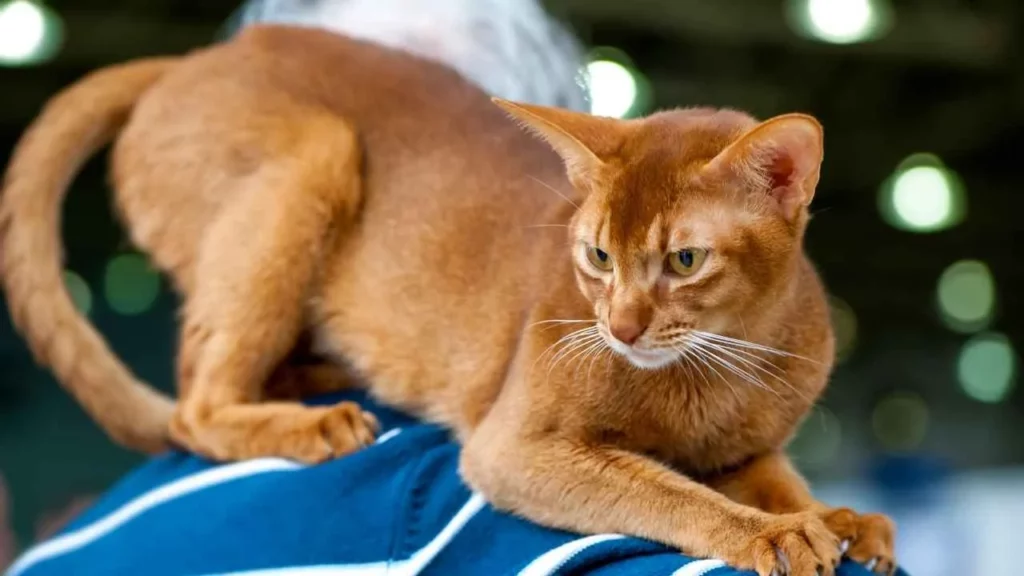
Often called “Abys” or nicknamed the “clown of the cat world,” the Abyssinian is an athletic, intelligent breed with a wild-looking ticked coat and an endlessly curious personality.
This breed thrives on interaction and is known for its dog-like affection paired with a strong independent streak. According to Purina, the Abyssinian has a strikingly wild look, giving the impression of an extreme athlete that has just wandered in from the jungle.
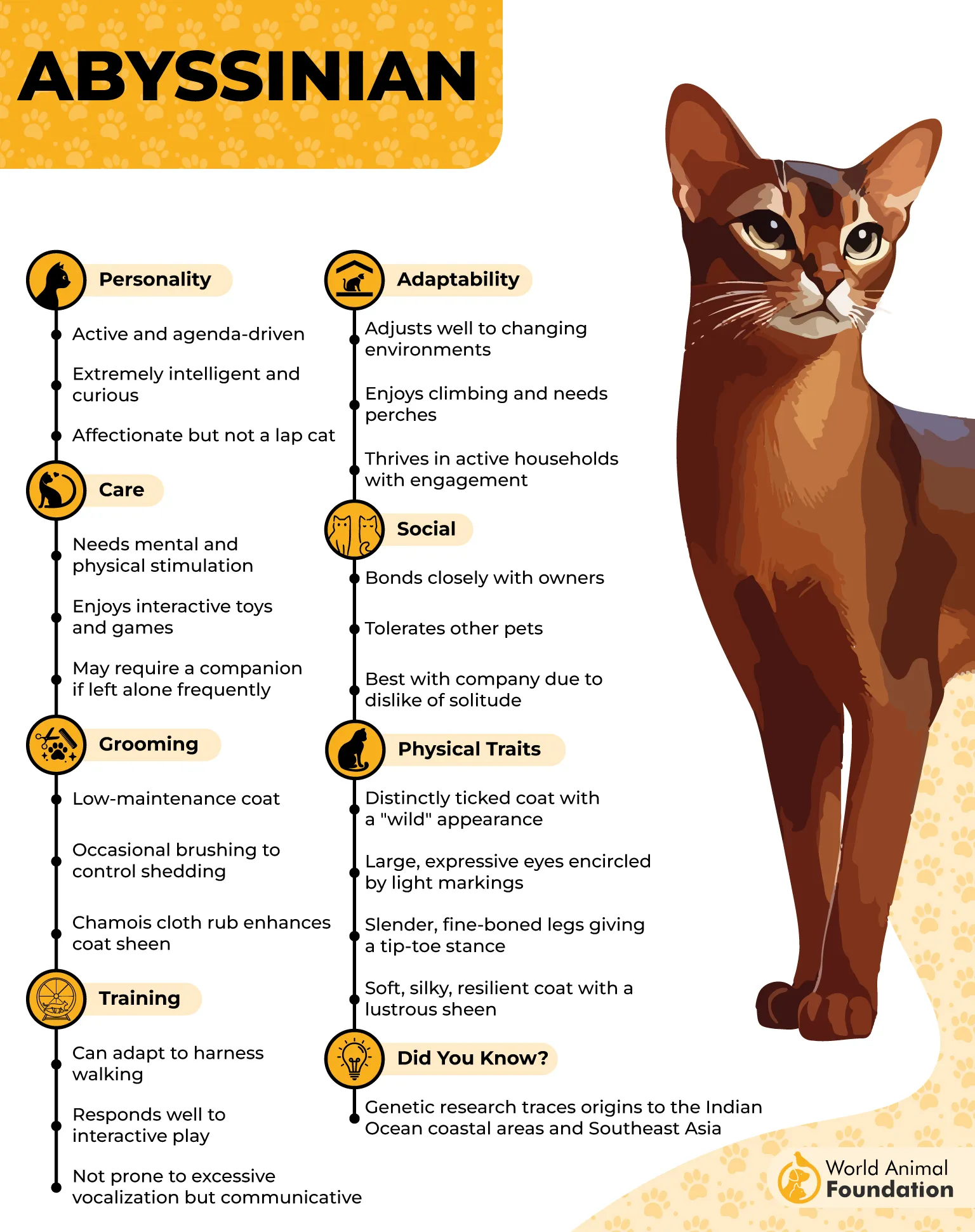
When it comes to play, Abyssinians shine as playful but patient hunters. They enjoy slow-chase games that let them stalk, observe, and plan their pounce rather than rushing in all at once. Their sharp minds make them especially responsive to toys that move deliberately and encourage strategy.
Slow, interactive play also satisfies the Abyssinian’s need for mental stimulation. These cats love learning tricks, solving food puzzles, and tracking movement, which makes calm chase games a perfect outlet for both body and brain without overwhelming them.
While not typical lap cats, Abyssinians bond deeply through shared activities and playful routines.
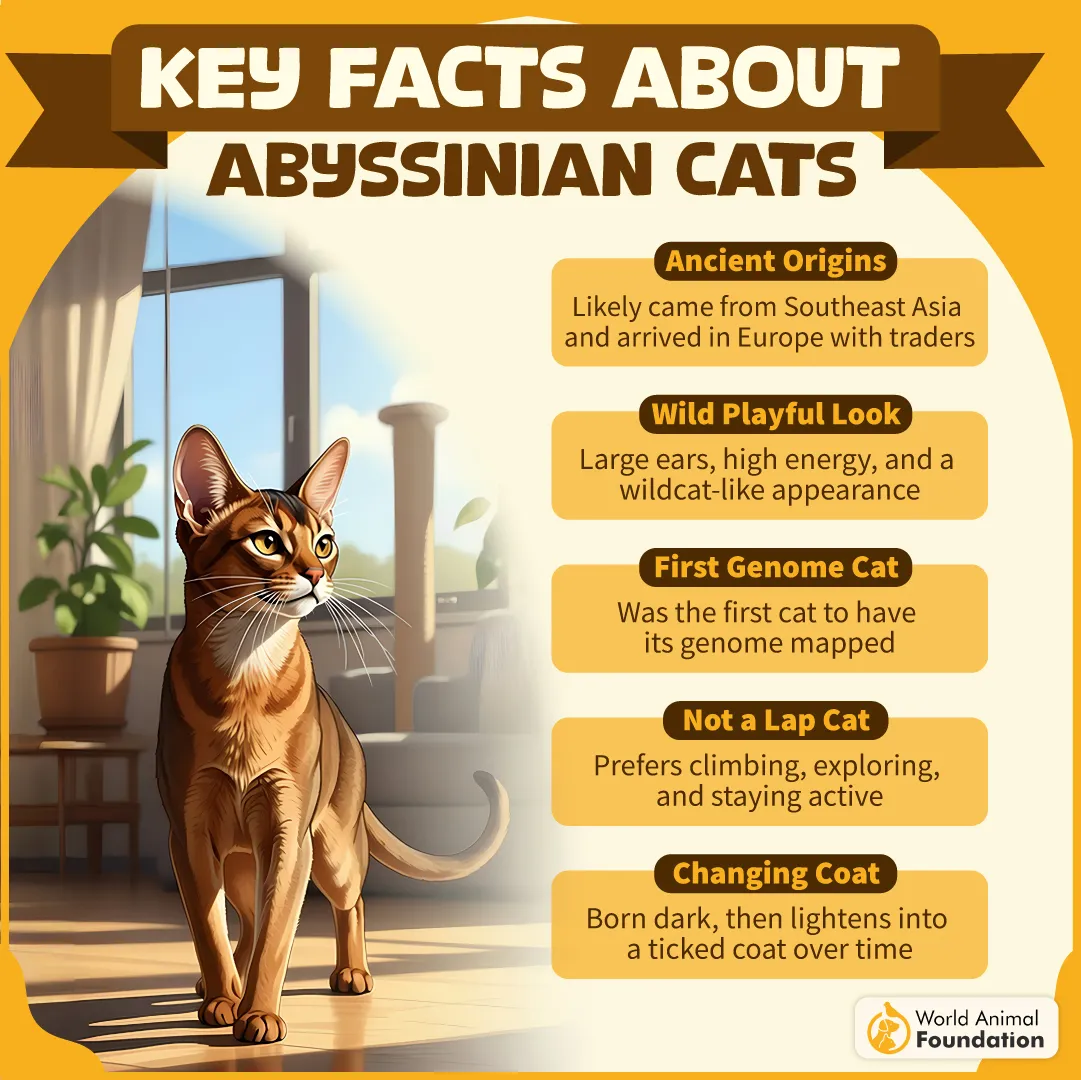
Fun fact: Abyssinians often communicate during play with soft chirps, gentle meows, and content purrs rather than loud vocalizations.
2. Bengal
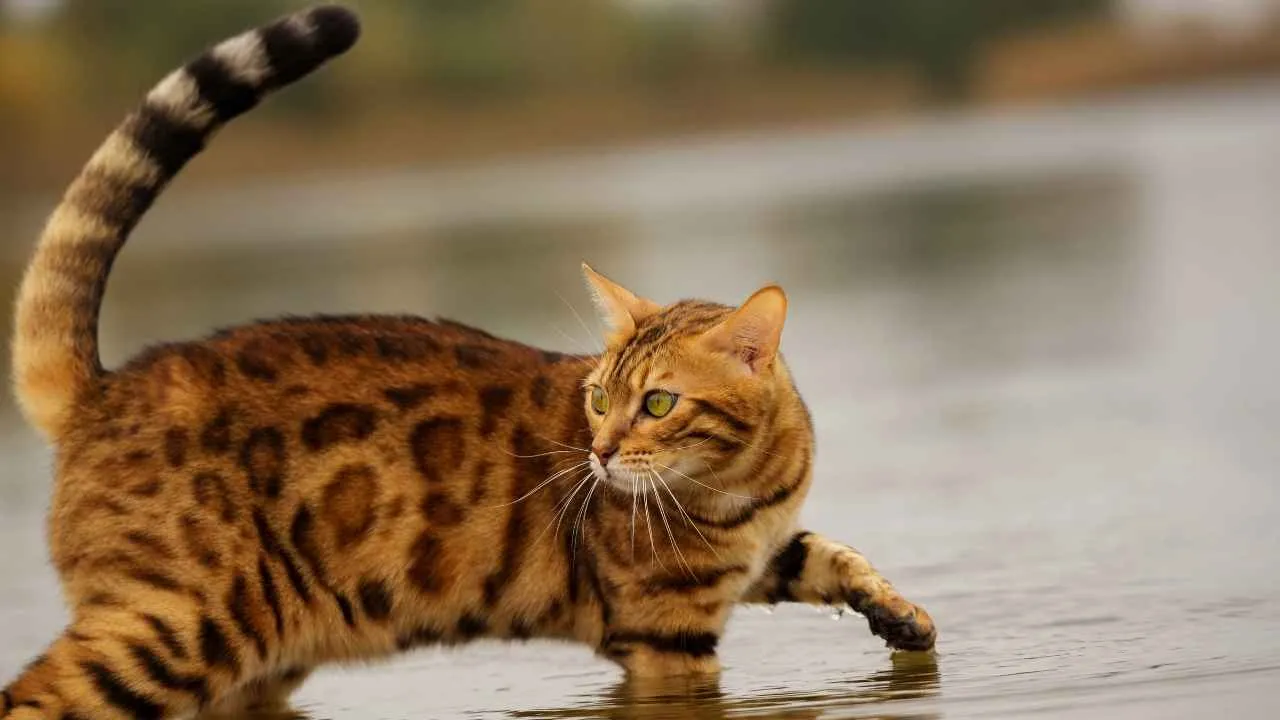
Often called “miniature leopards,” Bengal cats are a striking hybrid of domestic cats and the Asian leopard cat, instantly recognizable by their spotted or marbled coats and alert expressions. Their confident, athletic build reflects a curious mind that thrives on interaction and movement.
According to PetMD, they can live happily in a house or apartment as long as they have enough vertical space for exercise, and additions like cat trees, scratching posts, and cat shelves can make a small home more cat-friendly.
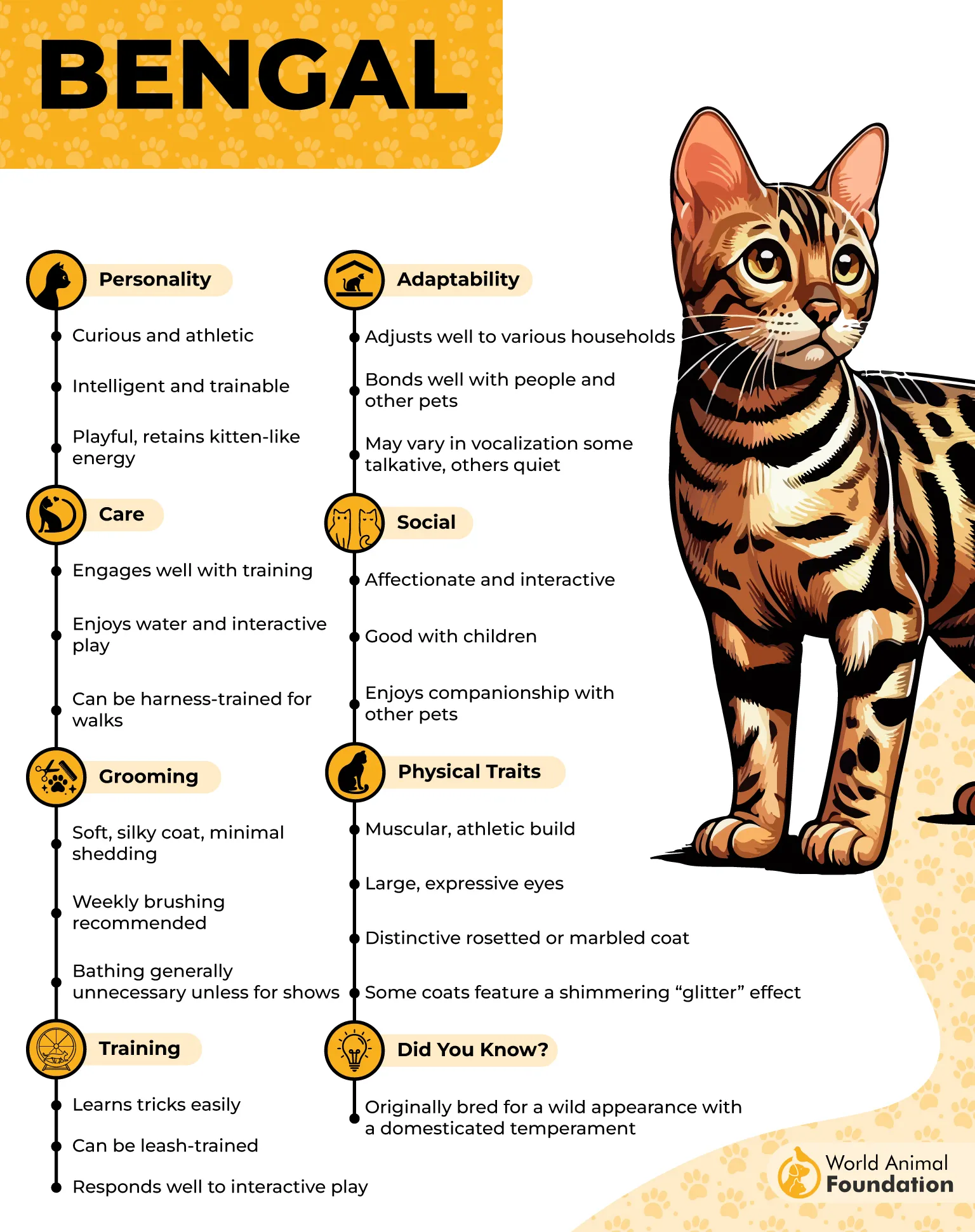
As strategic stalkers, Bengals excel at slow-chase games that mimic hunting in the wild. They enjoy tracking toys methodically, pausing to calculate each move before launching into action, which keeps their sharp instincts engaged without frantic bursts of play.
Their intelligence makes calm, intentional play especially rewarding. Bengals respond well to games that involve climbing, hiding, and controlled movement, allowing them to explore and problem-solve while staying mentally stimulated and focused on the chase.
Although affectionate with humans, Bengals are rarely content lounging for long periods.
Fun fact: Despite their wild ancestry, Bengal cats are not typically aggressive—when given enough stimulation, they channel their high energy into playful, friendly behavior rather than roughness.
3. Siamese
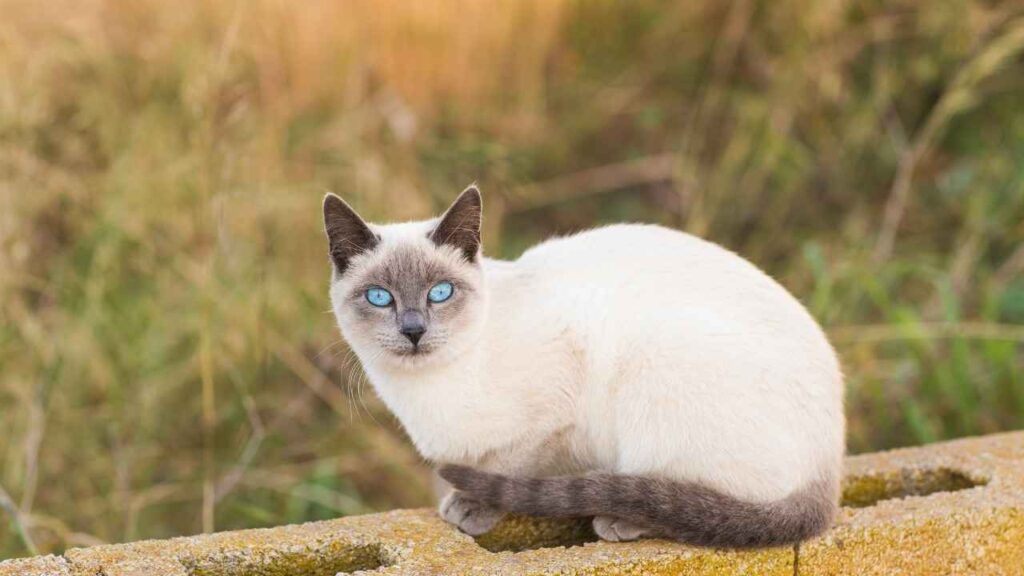
Often called “Meezers” or Thai Siamese, these elegant cats are instantly recognizable by their sleek bodies, pointed coats, and striking blue eyes. Originating in Thailand, Siamese cats are social and deeply bonded to their human families.
According to PDSA, they’re known for being loudly vocal and often very affectionate with people, enjoying nothing more than curling up on their owner’s lap.
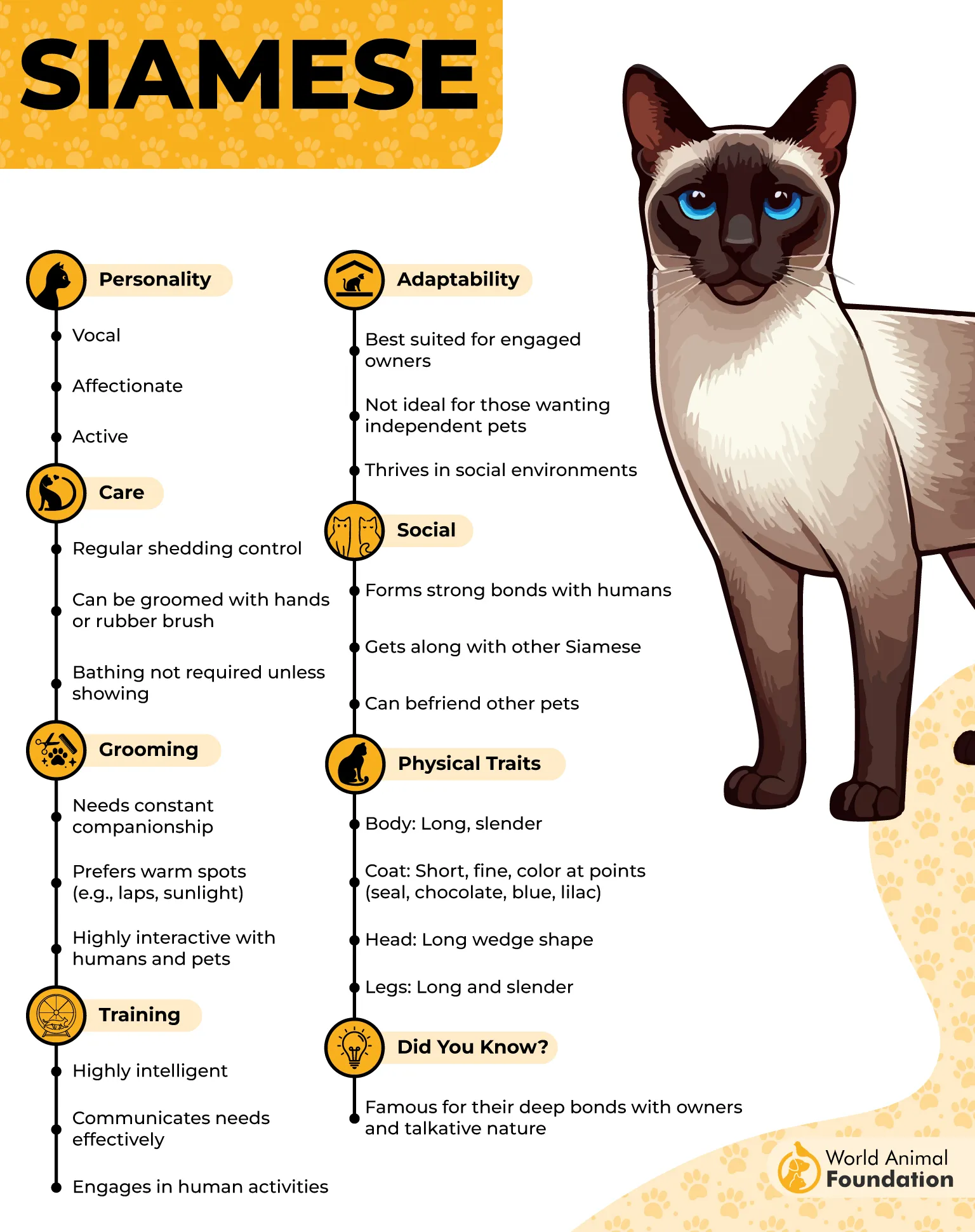
As gentle chasers with curious minds, Siamese cats love slow-chase games that let them stalk toys while staying close to their people. Rather than frantic bursts, they enjoy controlled movement that keeps their attention and satisfies their natural curiosity.
Their sharp intelligence means slow, interactive play works best when it includes problem-solving. Wand toys dragged deliberately or games that pause and restart, allow Siamese cats to stay mentally engaged without overwhelming their playful yet thoughtful nature.
Because they thrive on interaction, these cats often combine play with conversation, offering commentary as they track their “prey.”
Fun fact: Siamese cats are famous for their loud, expressive, almost conversational meows, a trait that earned them the nickname “Meezer.”
4. Maine Coon
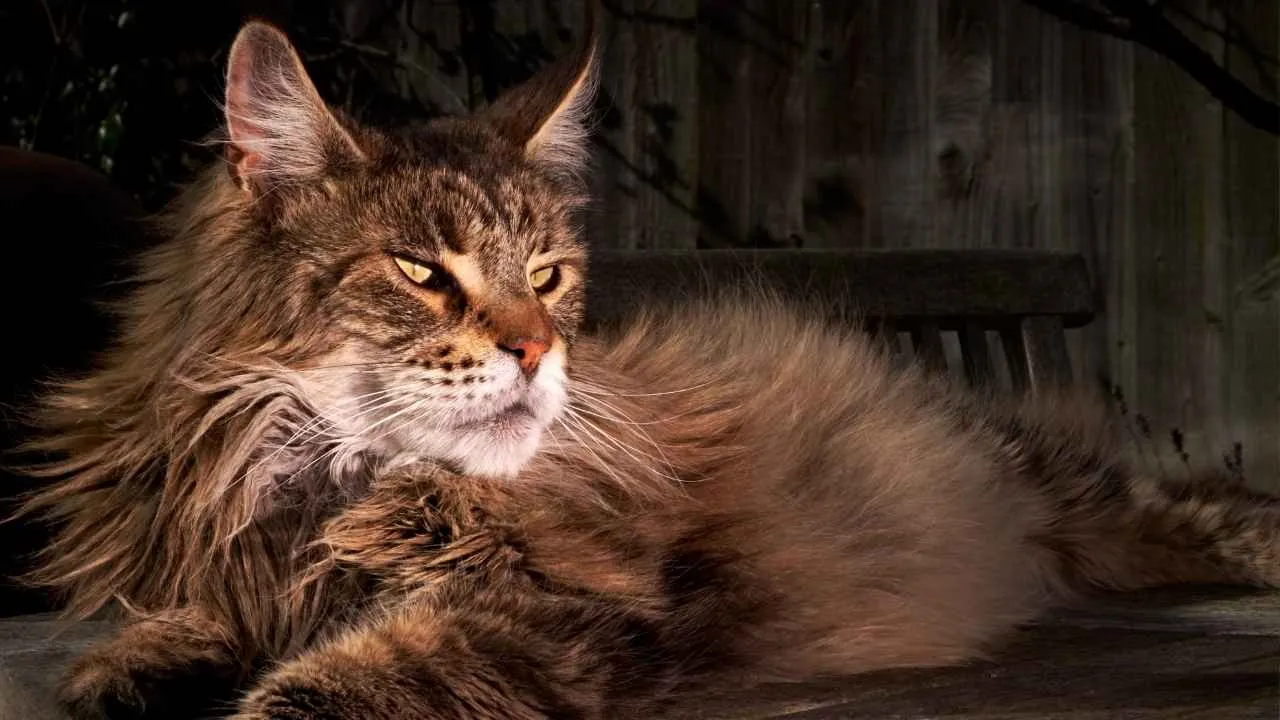
Often called the “gentle giant” or described as a “dog in a cat’s body,” the Maine Coon is a large, striking breed known for its friendly nature and high intelligence. Despite its impressive size and rugged look, this breed is affectionate, social, and deeply people-oriented.
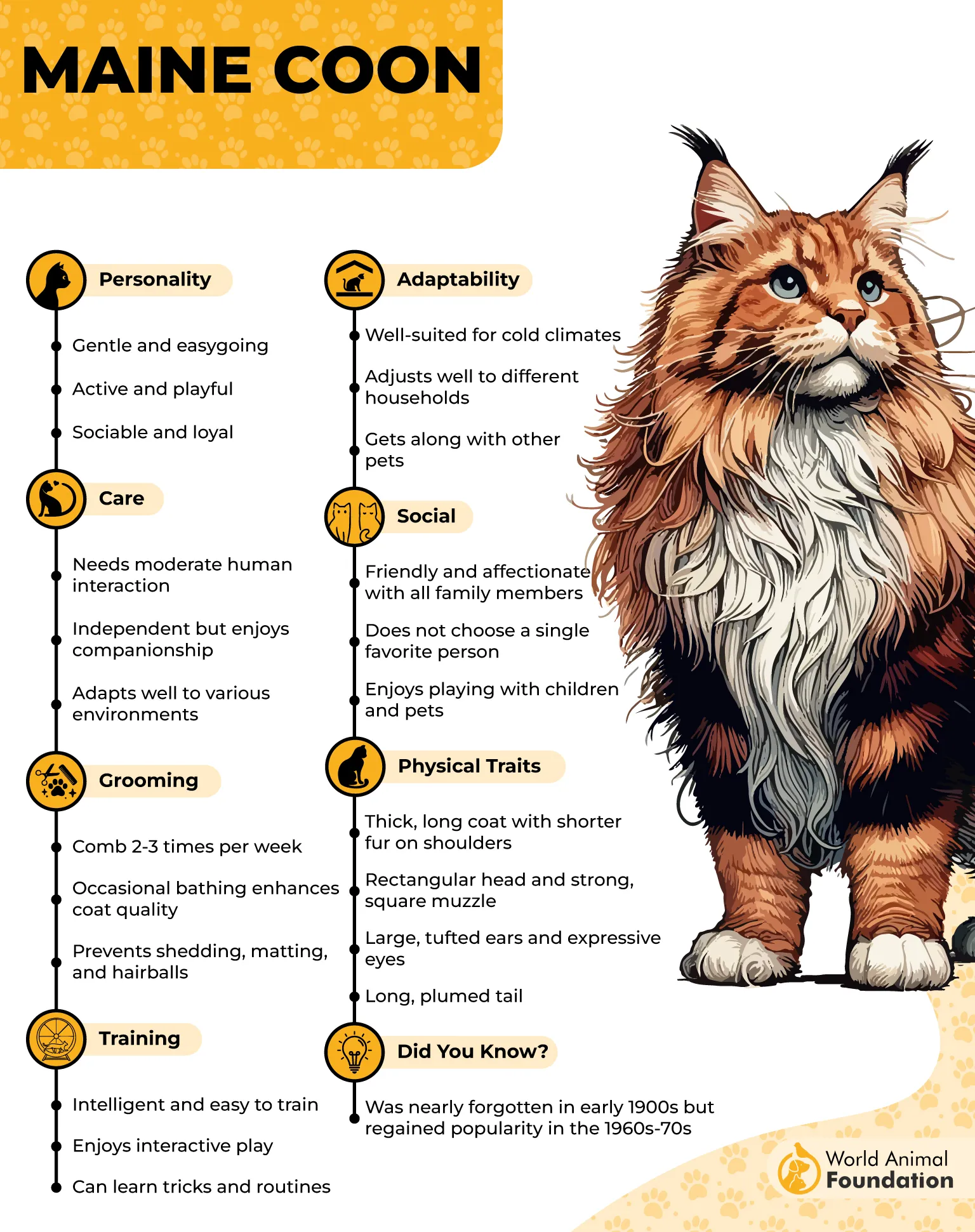
Maine Coons are perfectly suited to slow-chase games thanks to their calm focus and patient hunting style. Rather than frantic bursts of speed, they prefer to follow toys with steady concentration, making deliberate moves before engaging. This controlled play style matches their relaxed yet curious temperament.
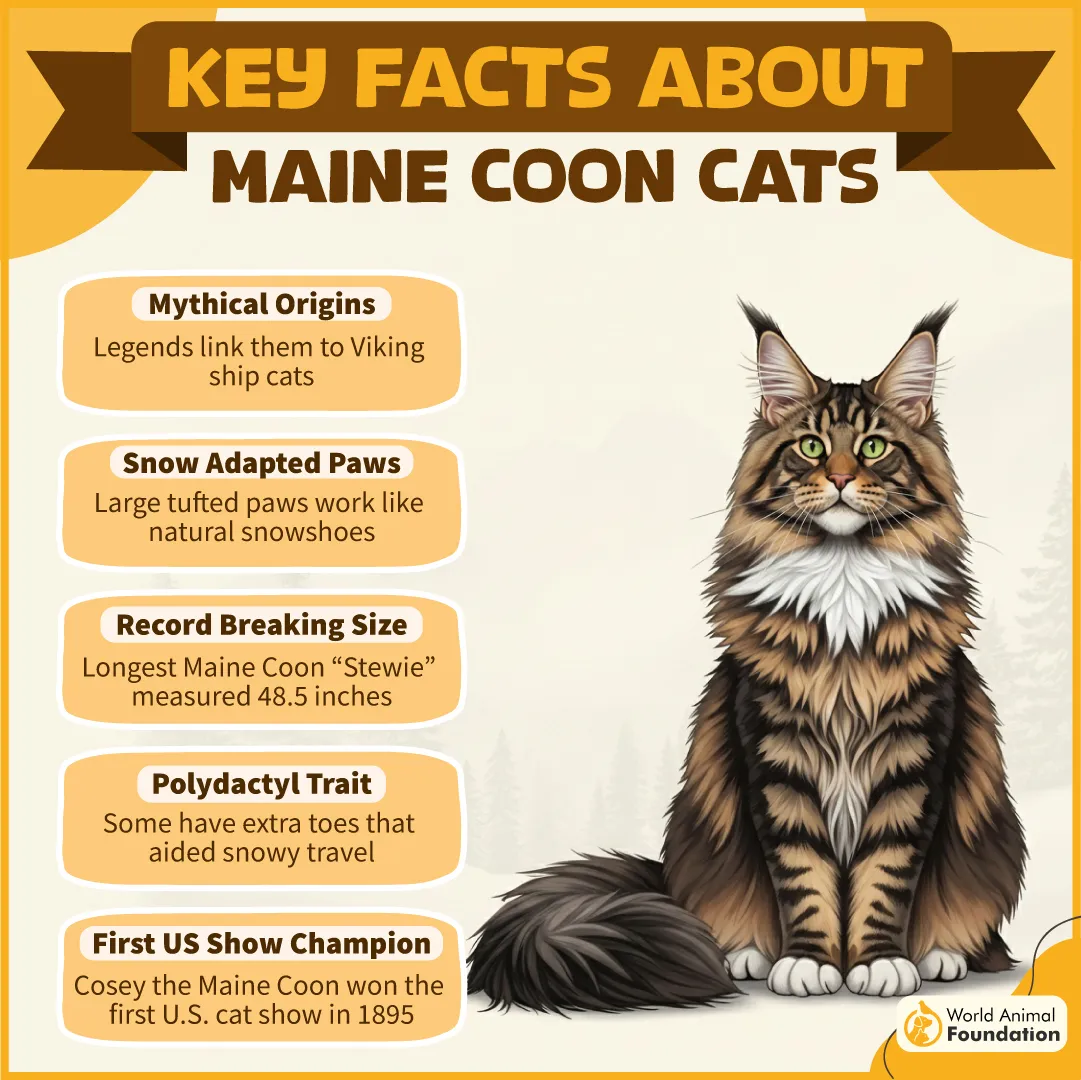
Their intelligence also plays a role in how they enjoy interactive play. Maine Coons often respond best to games that involve thinking, tracking, and problem-solving, keeping them mentally engaged without overstimulation. Slow-chase activities fit naturally into their routine and strengthen their bond with humans.
While playful, they remain gentle and composed, even during games.
Fun fact: Maine Coons are one of the few cat breeds known to enjoy water and are often affectionate enough to be leash-trained, reinforcing their “gentle giant” reputation.
5. Turkish Van

Often called the “swimming cat,” the Turkish Van is a rare and distinctive breed known for its striking appearance, lively intelligence, and unusual love of water. Originating from the Lake Van region, this cat combines elegance with an energetic, people-friendly personality.
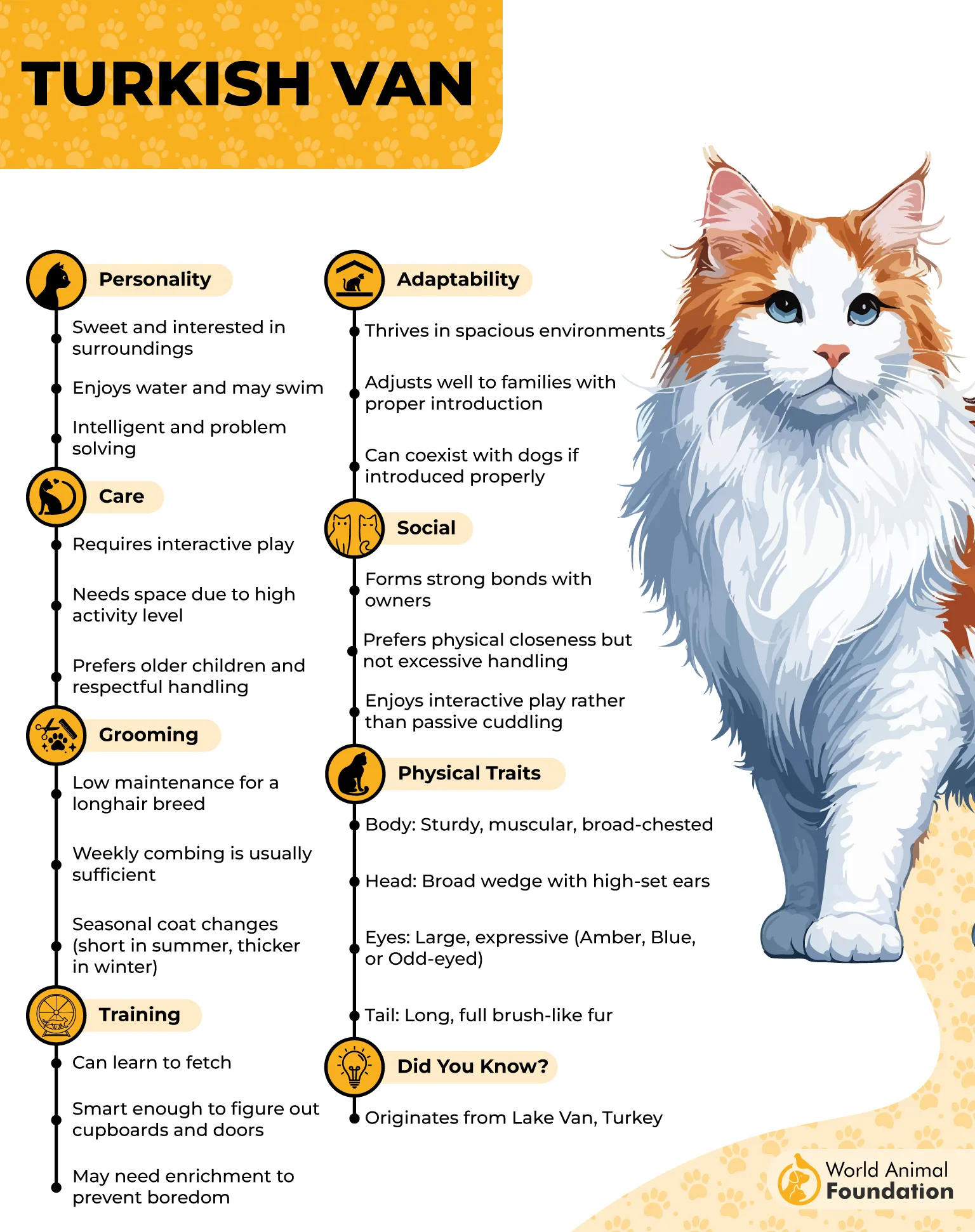
The Turkish Van is highly engaged and toy-driven. Rather than frantic bursts of speed, this breed enjoys tracking movement, studying toys, and timing its playful pursuits with precision, making thoughtful chase games especially rewarding.
Their sharp intelligence and curiosity mean Turkish Vans thrive on interactive play that challenges both mind and body. Toys that glide, bob, or change direction slowly keep them focused and entertained, helping channel their energy in a controlled, satisfying way.
Even as they mature, Turkish Vans retain a strong playful streak and often invite their humans to join in.
Fun fact: The Turkish Van’s soft, cashmere-like coat is naturally water-resistant, which helps explain its famous enthusiasm for swimming and water play.
6. Cornish Rex
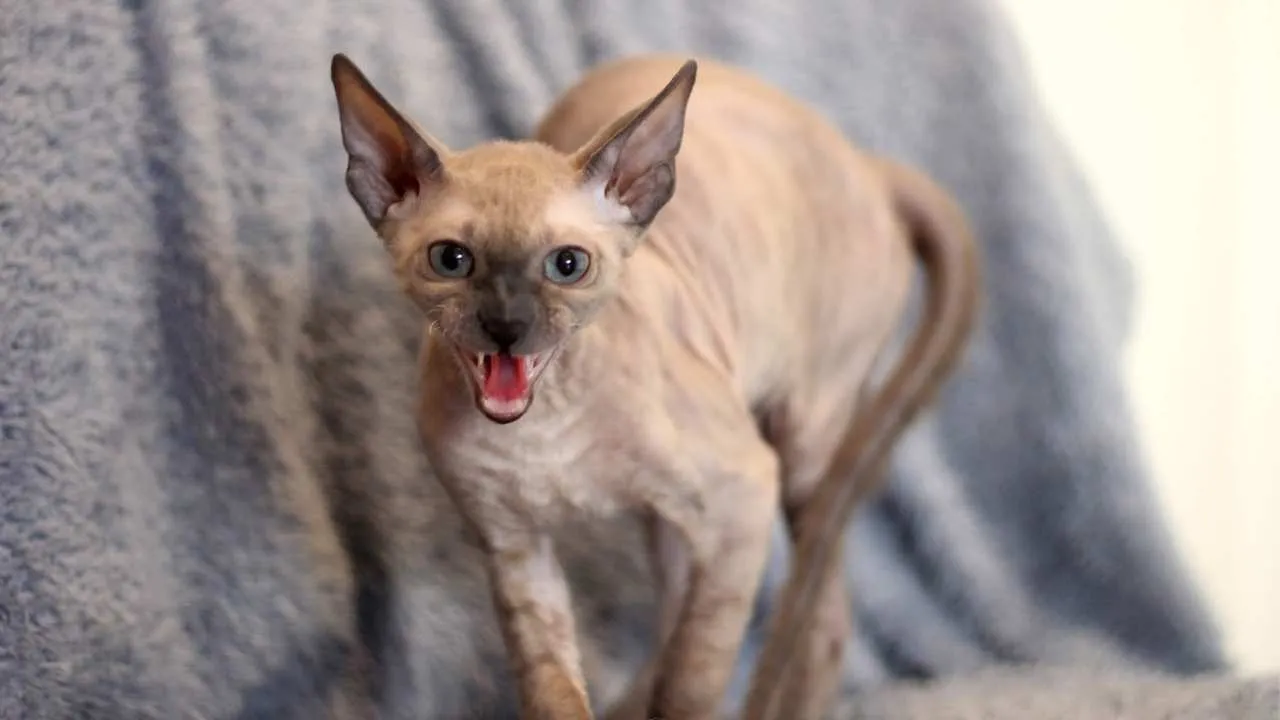
Often nicknamed the “Greyhound of cats,” the Cornish Rex is instantly recognizable for its lean build, large ears, and soft, wavy coat that feels more like down than fur. This intelligent and social breed is known for its mischievous charm and lively curiosity.
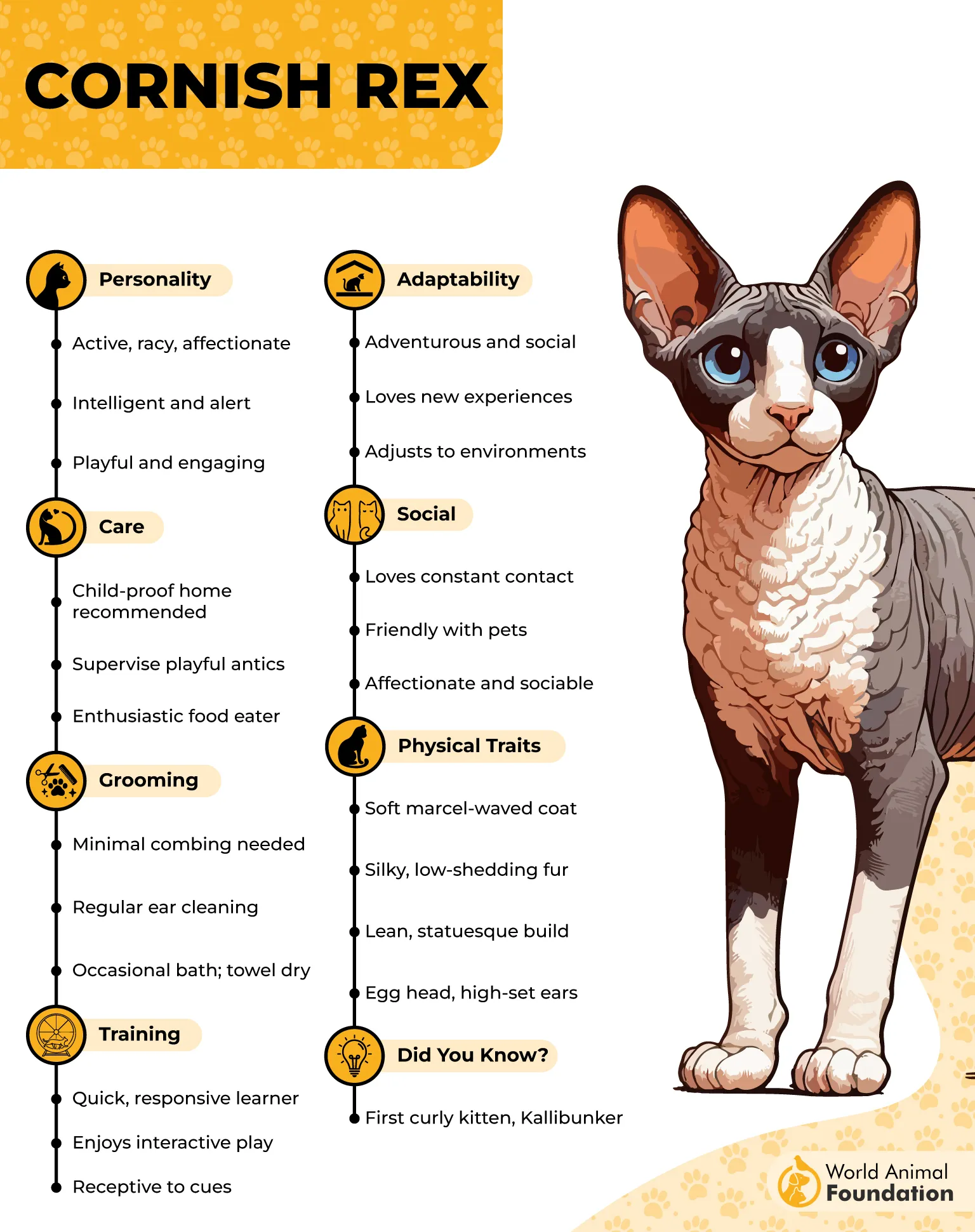
When it comes to play, the Cornish Rex excels at slow-chase games that let it move with purpose and grace. Rather than quick sprints, this breed enjoys pacing its pursuit, watching toys carefully before launching into a smooth, calculated chase.
Their playful streak is balanced by a surprisingly relaxed rhythm. Cornish Rex cats love interactive games that engage the mind without constant high-speed motion, making slow, teasing play sessions ideal for keeping them entertained and focused.
After playtime, they are just as happy curling up beside their favorite person, often seeking warmth and closeness.
Fun fact: Despite their energetic reputation, Cornish Rex cats frequently pause mid-play to snuggle, showing their unique mix of mischief and calm companionship.
7. Devon Rex

Often called the “pixie of the cat fancy,” the Devon Rex is also known as the Pixie Cat and is instantly recognizable by its oversized ears, elfin face, and curly coat. This people-oriented breed is affectionate, intelligent, and famously dog-like in its devotion.
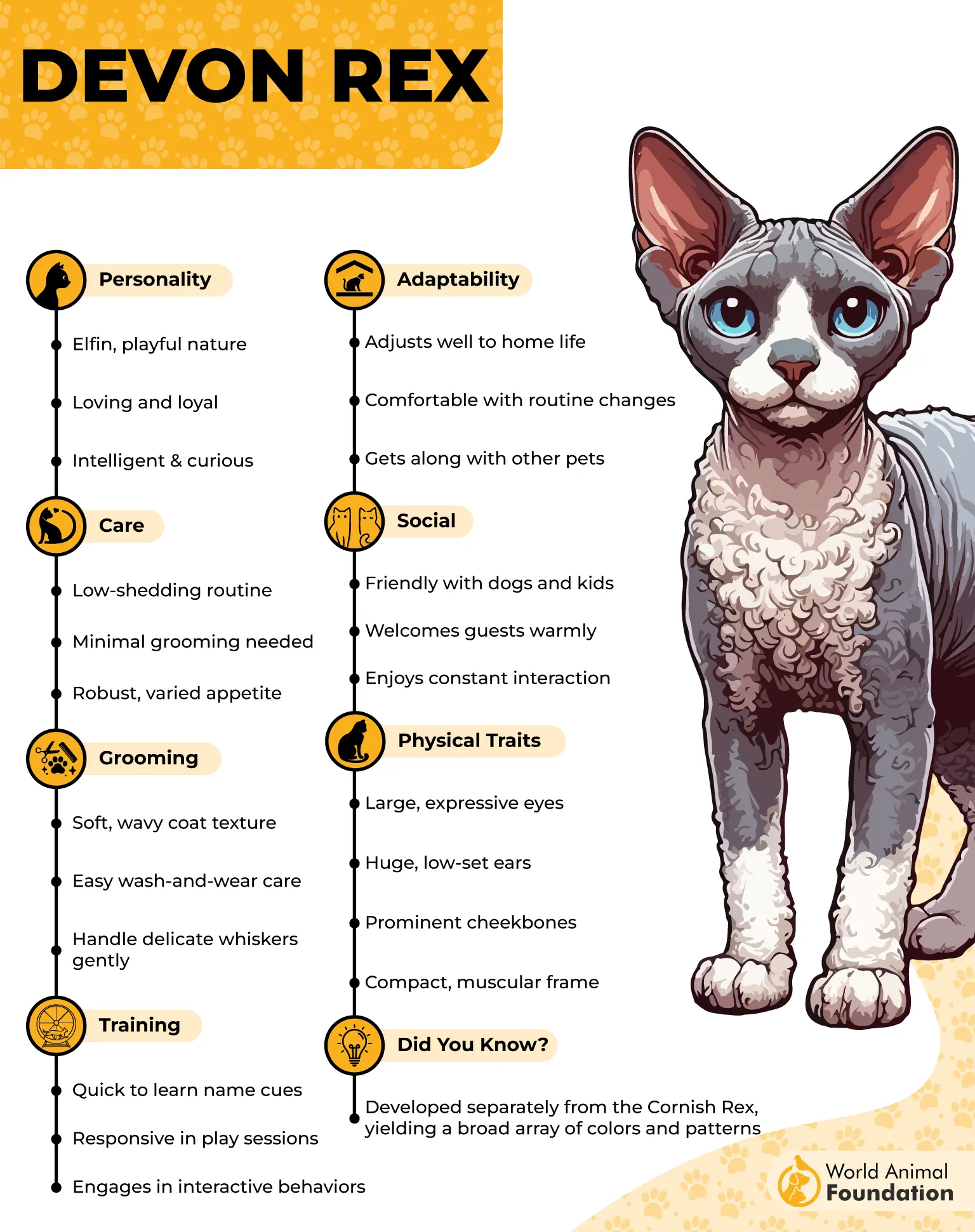
When it comes to play, the Devon Rex fits the idea of playful without the frenzy. They enjoy slow-chase games that involve teasing movement, hide-and-seek, or gentle pursuit rather than nonstop sprinting. Their curiosity keeps them engaged without tipping into chaos.
Slow-chase play suits their sharp minds as much as their agile bodies. Devon Rex cats love interactive toys that pause, change direction, or require patience, allowing them to stalk and pounce thoughtfully instead of rushing blindly.
Their relaxed, social nature means they often turn playtime into bonding time, following their humans and staying involved.
Fun fact: The Devon Rex is known for learning tricks easily and is often described as a mix of cat, dog, and monkey due to its playful intelligence.
Conclusion
Cat breeds that enjoy slow chase games combine a playful spirit with intelligence and curiosity. Many of the most playful cat breeds, such as Maine Coon cats, Burmese cats, the Abyssinian cat, Japanese Bobtail, and Oriental Shorthair, are energetic cats that love interactive play without constant high-speed zooming.
These active cats often show an affectionate nature, expressive eye contact, and a mischievous personality, making games feel like bonding moments rather than pure exercise.
These playful cat breeds tend to remain playful well into adulthood and usually get along with other pets and other animals. Their easygoing personalities suit active families who enjoy engaging playtime.
Puzzle feeders, slow chase toys, and activities that encourage regular exercise help prevent boredom and support mental stimulation. Some highly intelligent cats may even surprise owners by opening doors or learning routines.
Whether it’s signature folded ears or a curious gaze, their playful nature makes them endlessly entertaining companions.
