




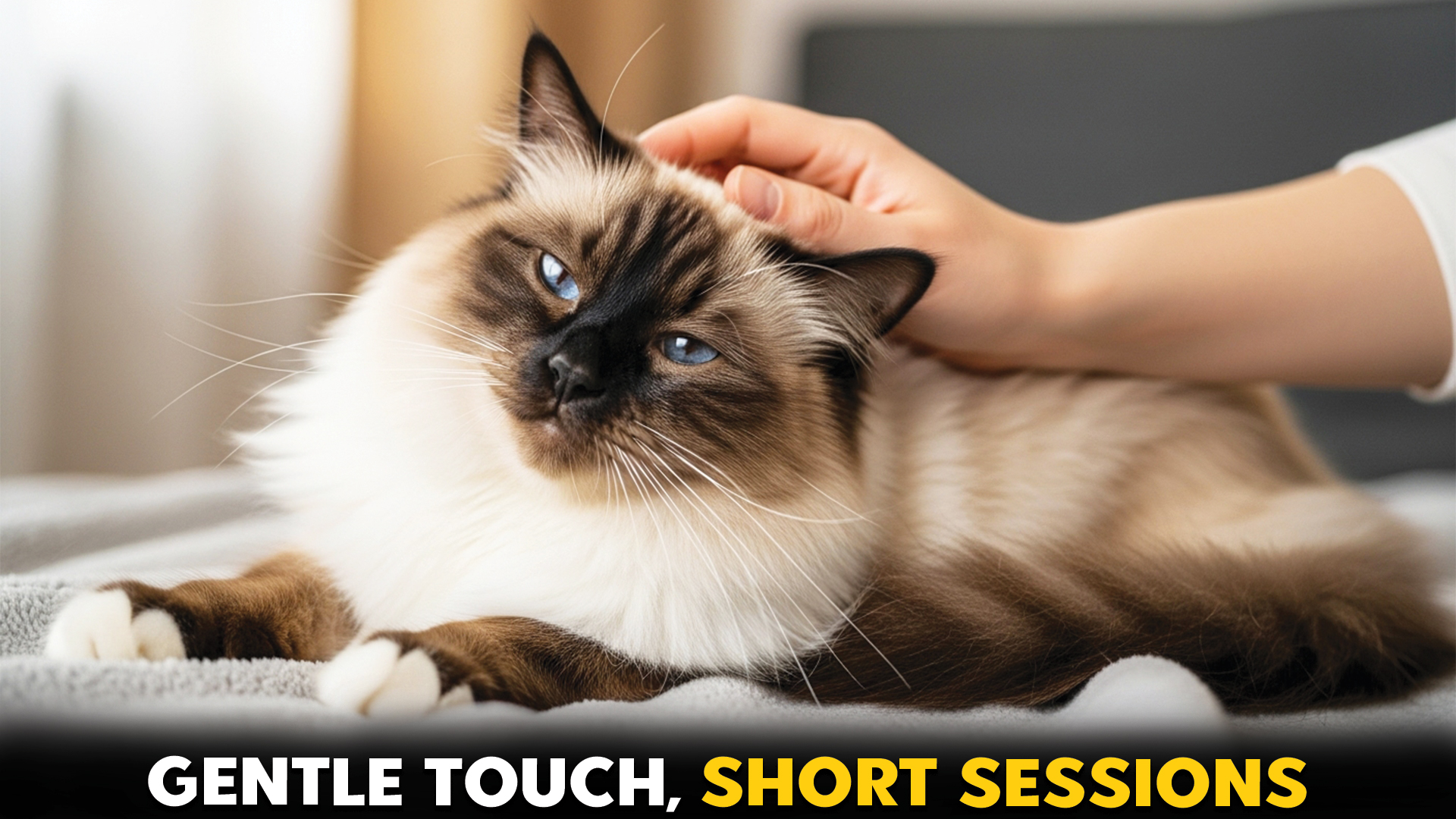
Cats have long fascinated humans with their graceful movements and distinct personalities, but not every feline craves endless cuddles. Some cats genuinely enjoy affection in smaller doses, preferring brief petting sessions that fit neatly into their comfort zone.
Household rhythm plays a big role in how cats experience touch. For many breeds, predictable routines and calm interactions help them feel secure, making short, intentional petting moments more enjoyable.
Cats that adapt well to daily schedules often show affection through proximity, slow blinks, or following you from room to room, instead of prolonged physical contact. Their comfort comes from consistency rather than constant handling.
Some cat breeds are especially good at balancing independence with affection. They adapt smoothly to daily routines, enjoy brief moments of touch, and then happily return to their own space. For pet parents who value harmony, these cats fit seamlessly into everyday life without demanding nonstop attention.
Cat Breeds That Enjoy Short Petting Sessions
1. British Shorthair
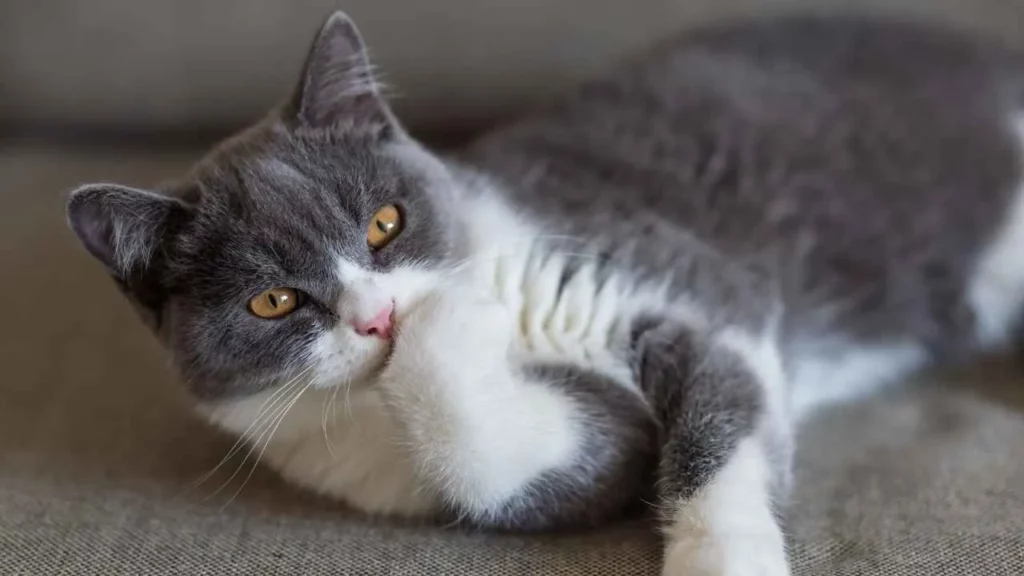
The British Shorthair, sometimes casually called the “Brit,” is a well-known breed from the United Kingdom, recognized for its round face, dense plush coat, and solid, sturdy build. This breed carries itself with quiet confidence and prefers a calm, predictable home environment.
According to Britannica, the British Shorthair is recognized for its sturdy build, naturally robust health, and tendency to sleep for long periods.
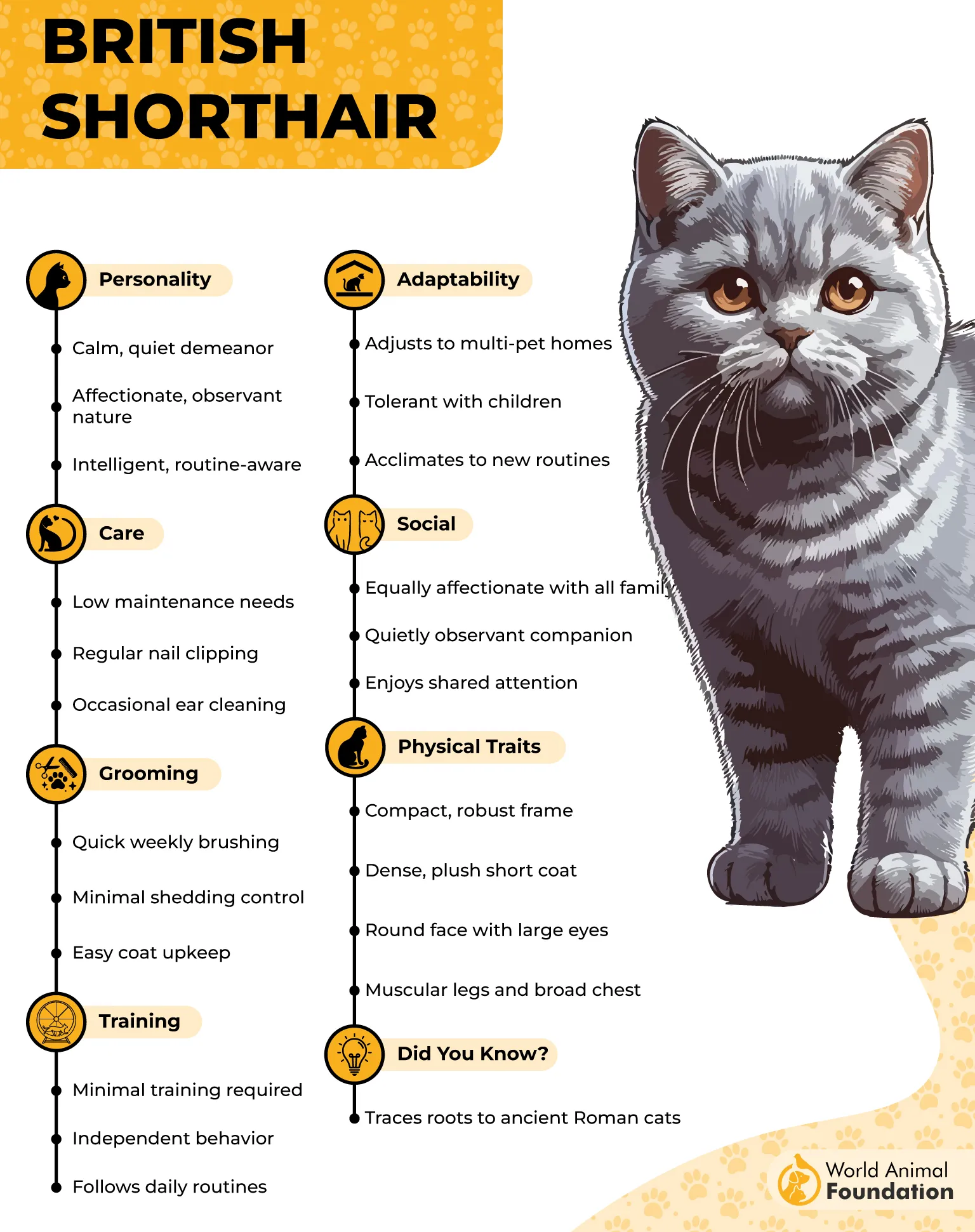
When it comes to affection, British Shorthairs enjoy short petting sessions rather than prolonged cuddles. They’re happiest receiving gentle strokes on their terms, often choosing to sit beside you instead of on your lap. This makes them ideal for owners who respect clear boundaries.
These cats show love in subtle ways, such as following you from room to room or settling nearby during quiet moments. Their independent streak means they can disengage easily once they’ve had enough physical contact, without stress or frustration.
As they mature, British Shorthairs become increasingly relaxed and less energetic, fitting well into low-key households that favor consistency.
Fact: Adult British Shorthairs typically stand about 12 to 14 inches tall and can weigh between 7 and 17 pounds.
2. Russian Blue
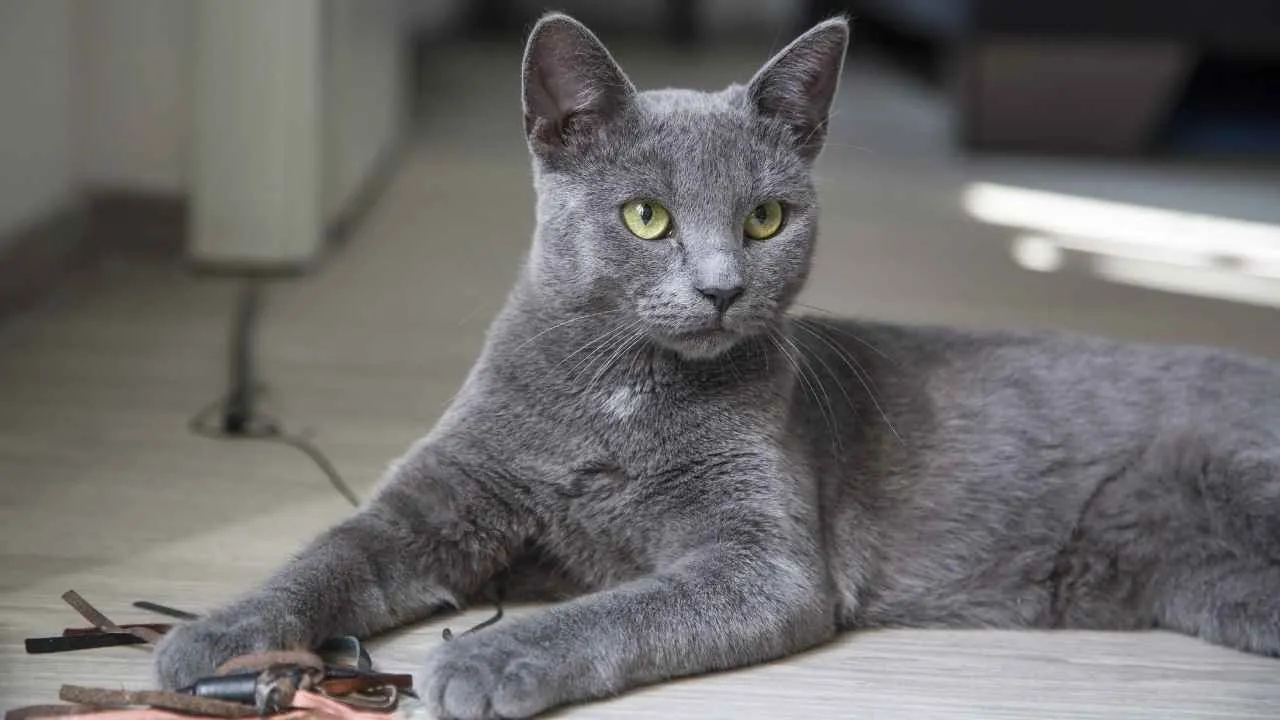
Often called the Archangel Cat, the Russian Blue stands out for its silver-blue coat, vivid green eyes, and naturally reserved charm. Originating in Russia, this breed is known for elegance, intelligence, and a calm, observant personality that prefers quality over constant attention.
According to PetMD, the Russian Blue is a relatively rare breed in the U.S. and Canada and is widely regarded as independent, intelligent, and striking in appearance.
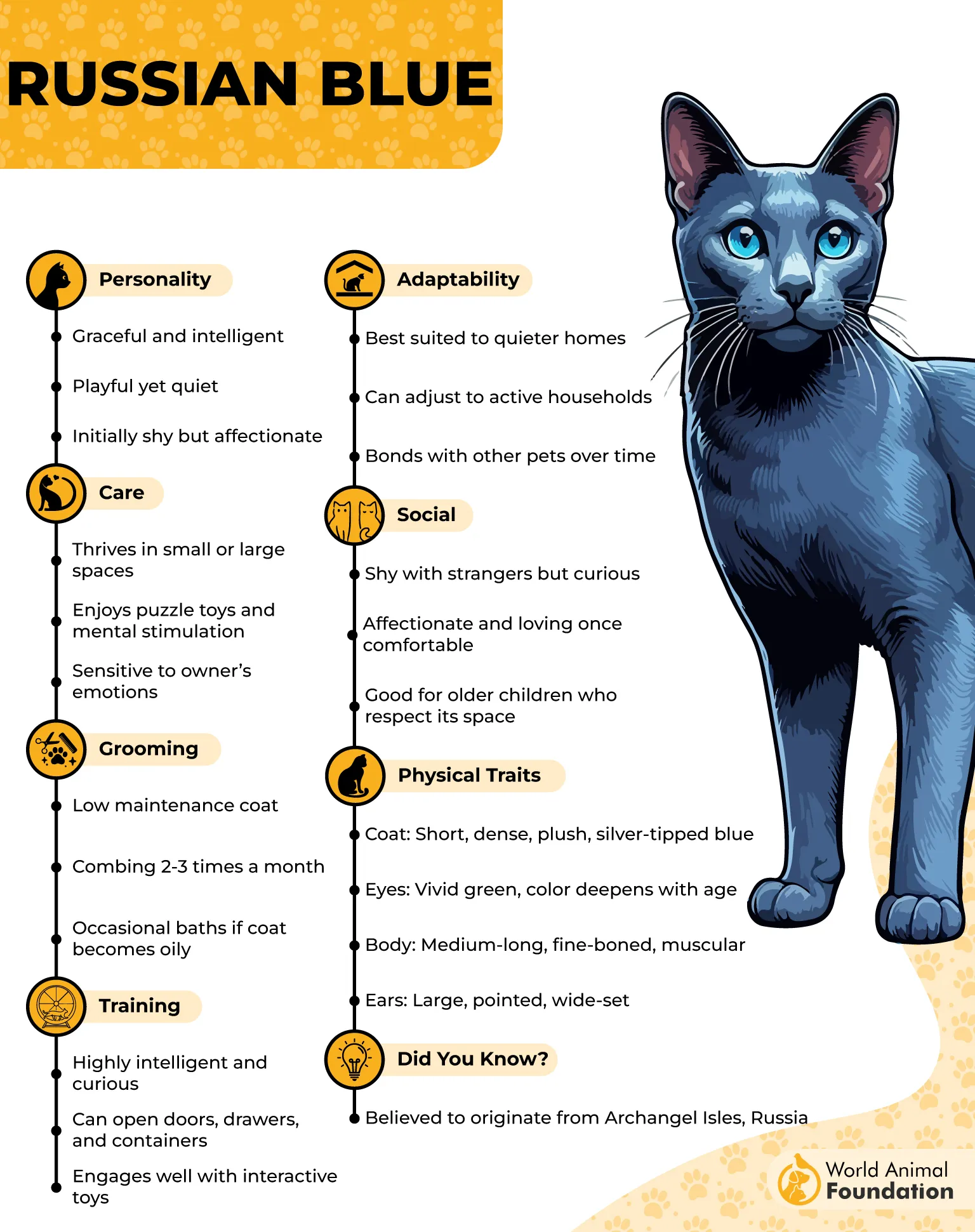
They’re playful when you initiate interaction, but perfectly content relaxing nearby when things quiet down, making them ideal for owners who respect boundaries.
This breed thrives in predictable, peaceful homes and responds best to gentle touch. Russian Blues often choose when to approach for affection, rewarding trust with soft purrs, brief cuddles, or quiet lap time before moving on.
Highly intelligent and curious, they stay engaged with puzzle toys, light training, and solo exploration.
Fact: Russian Blues are known to figure out how to open doors or cabinets and may even enjoy fetch or clicker training.
3. Bengal
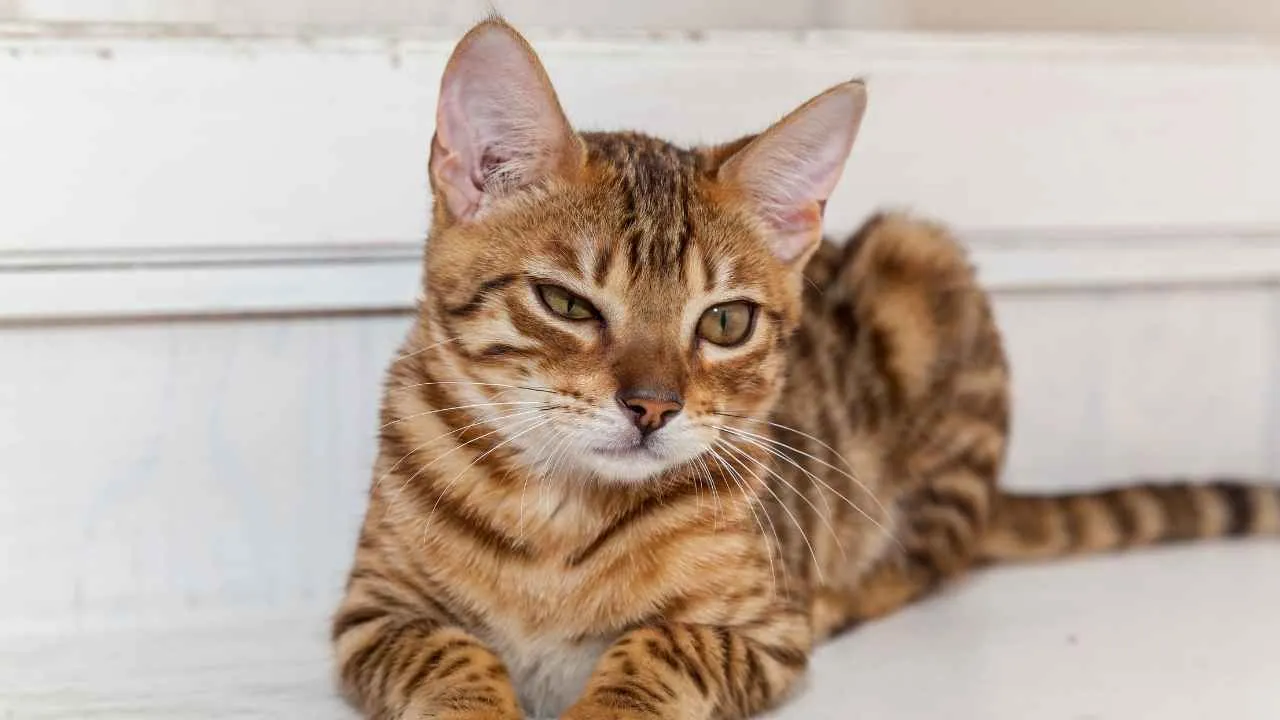
The Bengal, sometimes called a leopard cat hybrid, stands out for its wild-inspired spotted coat and athletic build. Descended from domestic cats and the Asian leopard cat, this breed combines exotic looks with a sharp, curious mind.
According to WebMD, Bengal cats—recognized for their leopard-like coats—can be an excellent choice for families.
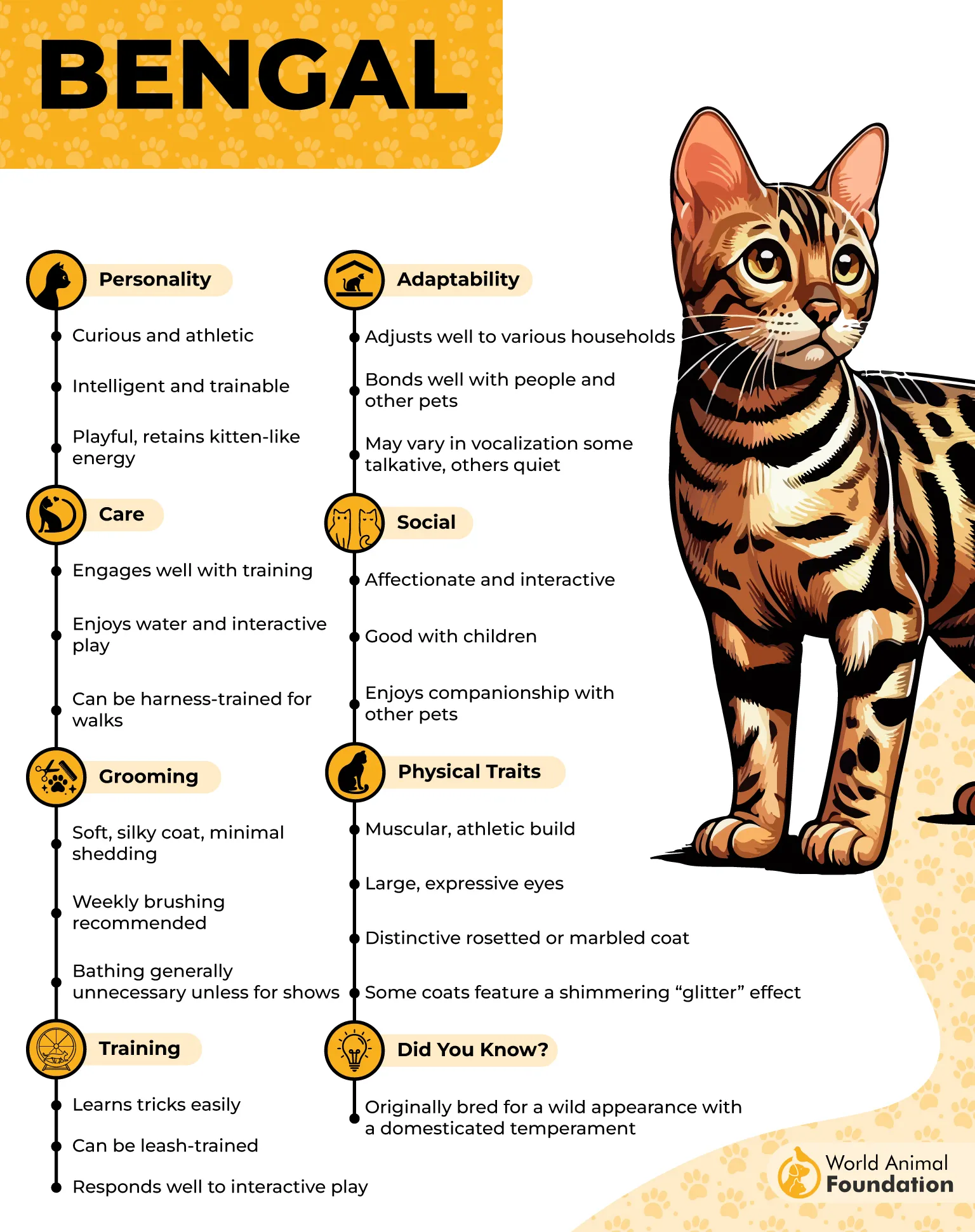
Bengals thrive in busy households where stimulation is constant. They enjoy attention but prefer short petting sessions, often choosing when affection starts and ends. For work-from-home owners, this balance makes them engaging without being clingy.
Rather than long cuddles, Bengals favor interaction through play. Brief strokes may be welcomed between climbing, chasing, or exploring, which suits owners who appreciate an energetic cat that doesn’t demand nonstop physical contact.
Their intelligence and independence mean they adapt well to varied schedules. With toys, puzzles, and space to move, Bengals stay content and affectionate in bursts, making them ideal for active homes that respect boundaries.
Fact: Bengals are highly intelligent and are known to enjoy learning tricks and even leash training.
4. Turkish Van
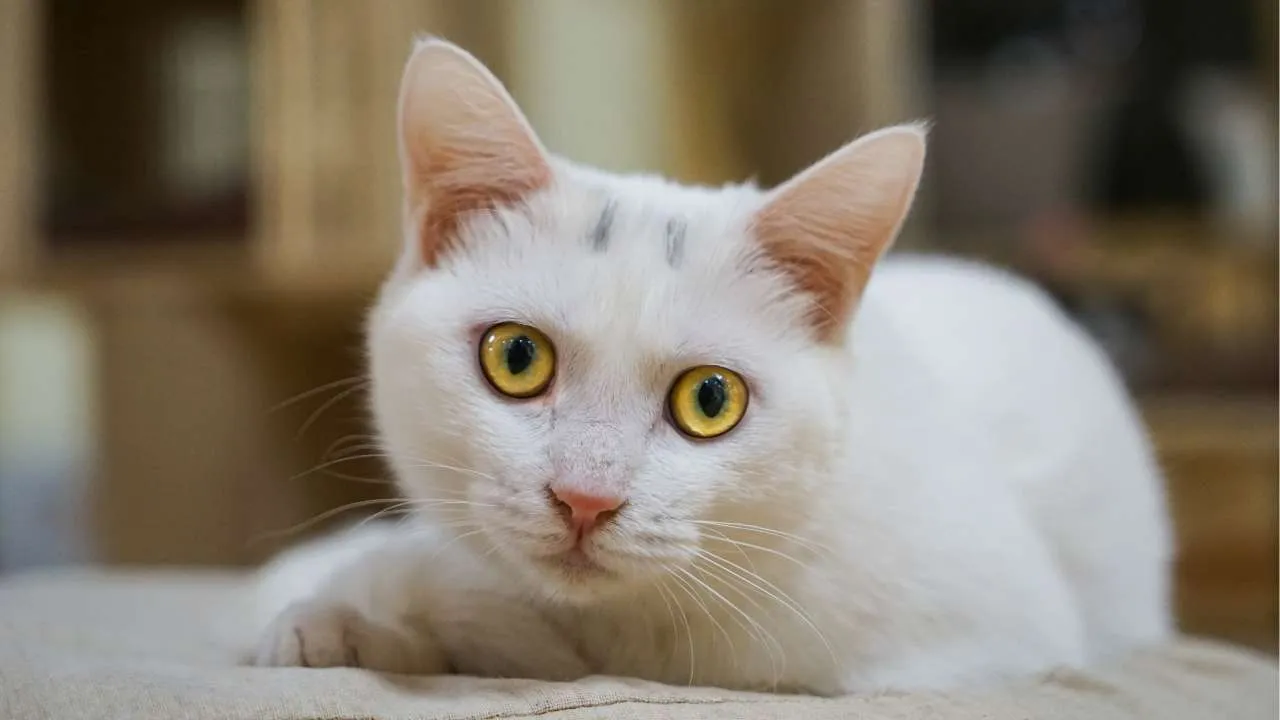
Often called the “Swimming Cat,” the Turkish Van is a natural breed from Turkey known for its white coat with colored markings and striking eyes. Athletic, intelligent, and muscular, this breed carries an adventurous spirit that sets it apart.
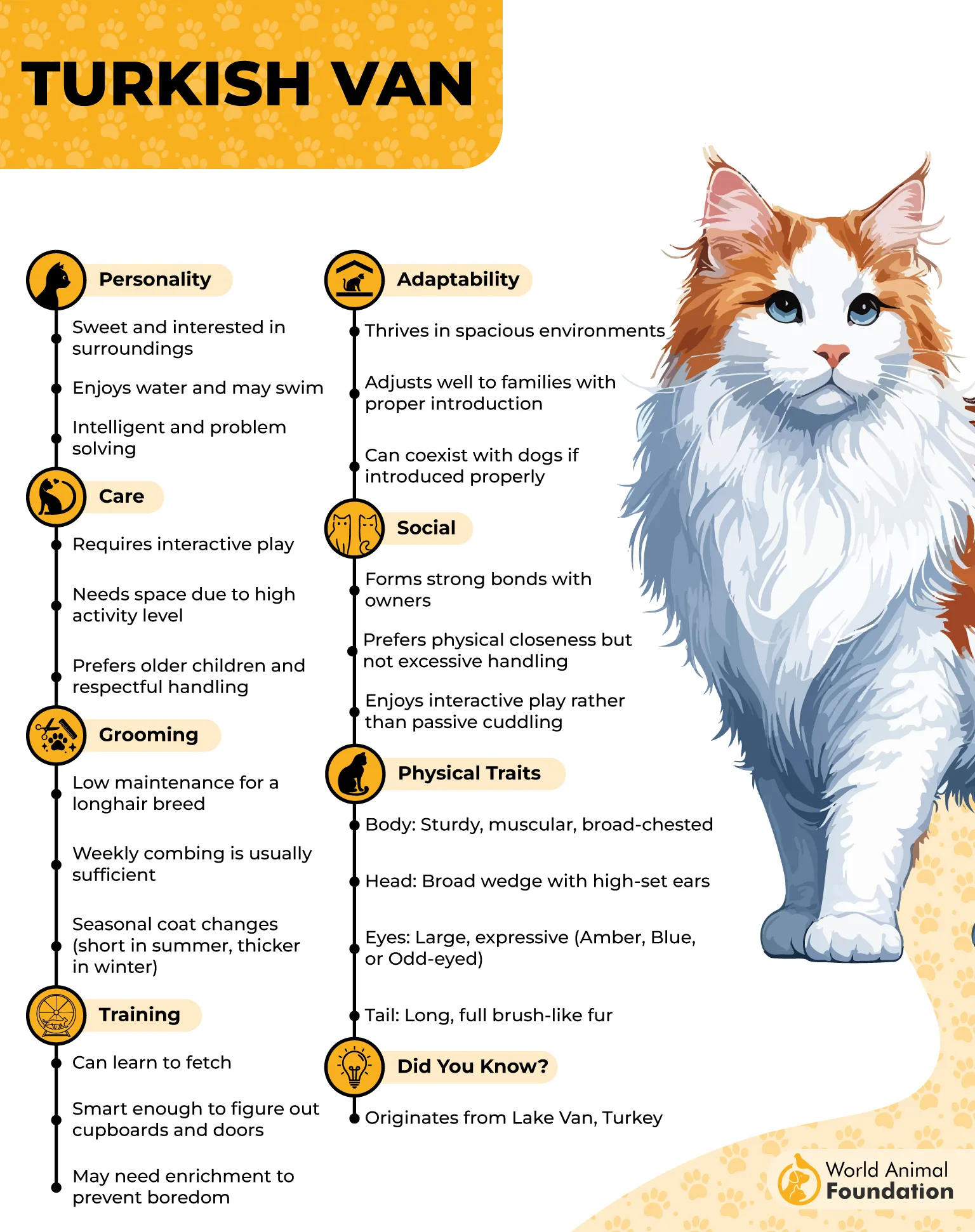
Turkish Vans prefer brief, meaningful interactions rather than long petting sessions. They enjoy being near their people but usually decide when contact starts and ends, making them well-suited to busy family schedules.
Their independent nature means they’re happiest when daily routines leave room for exploration, play, and quiet downtime. A short petting moment after playtime often feels just right before they move on to their next activity.
While not fond of being carried, Turkish Vans may surprise owners by curling up beside them when the mood strikes.
Fact: This breed is famous for its love of water and has a semi-long coat that becomes thicker during winter.
5. Oriental Shorthair
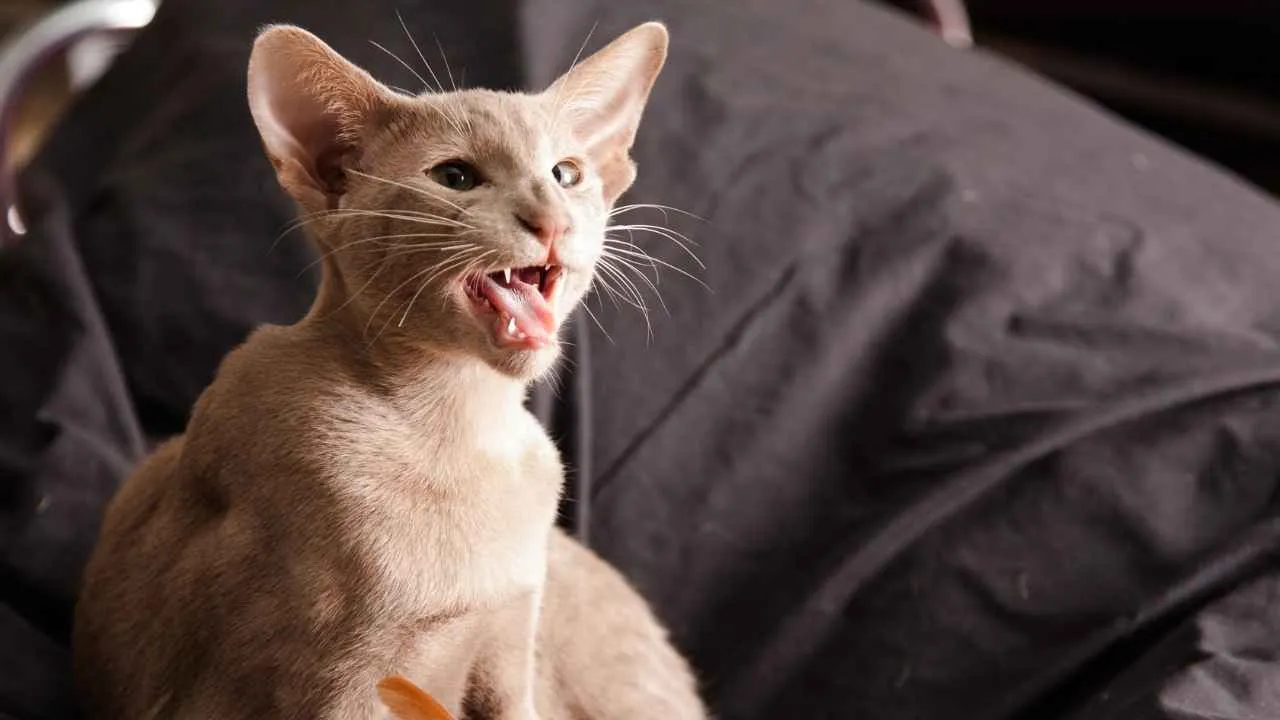
Often called the Oriental, the Oriental Shorthair stands out for its sleek build, oversized ears, and strikingly expressive face. Closely related to the Siamese, this Thai-origin breed is intelligent, energetic, and deeply curious about its surroundings.
They enjoy touch on their own terms, often approaching for quick strokes before moving on to explore, play, or observe household activity.
This breed is highly attuned to human movement and routines, frequently following owners from room to room. While not fond of being held for long, they balance independence with social awareness, making short petting moments feel intentional rather than overwhelming.
Oriental Shorthairs thrive with mental stimulation and companionship, often entertaining themselves with toys or climbing spaces.
Fact: Despite their independent streak, Oriental Shorthairs are known to be deeply people-oriented and dislike being left alone for long periods.
6. Norwegian Forest Cat
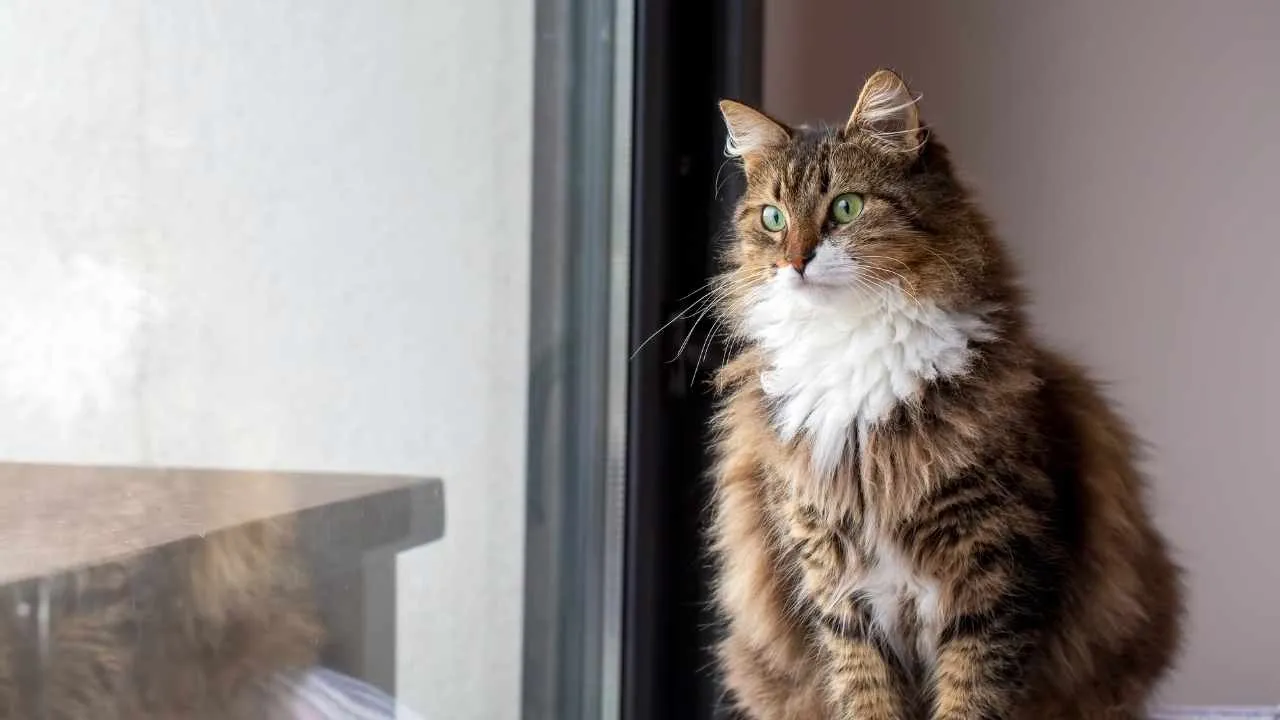
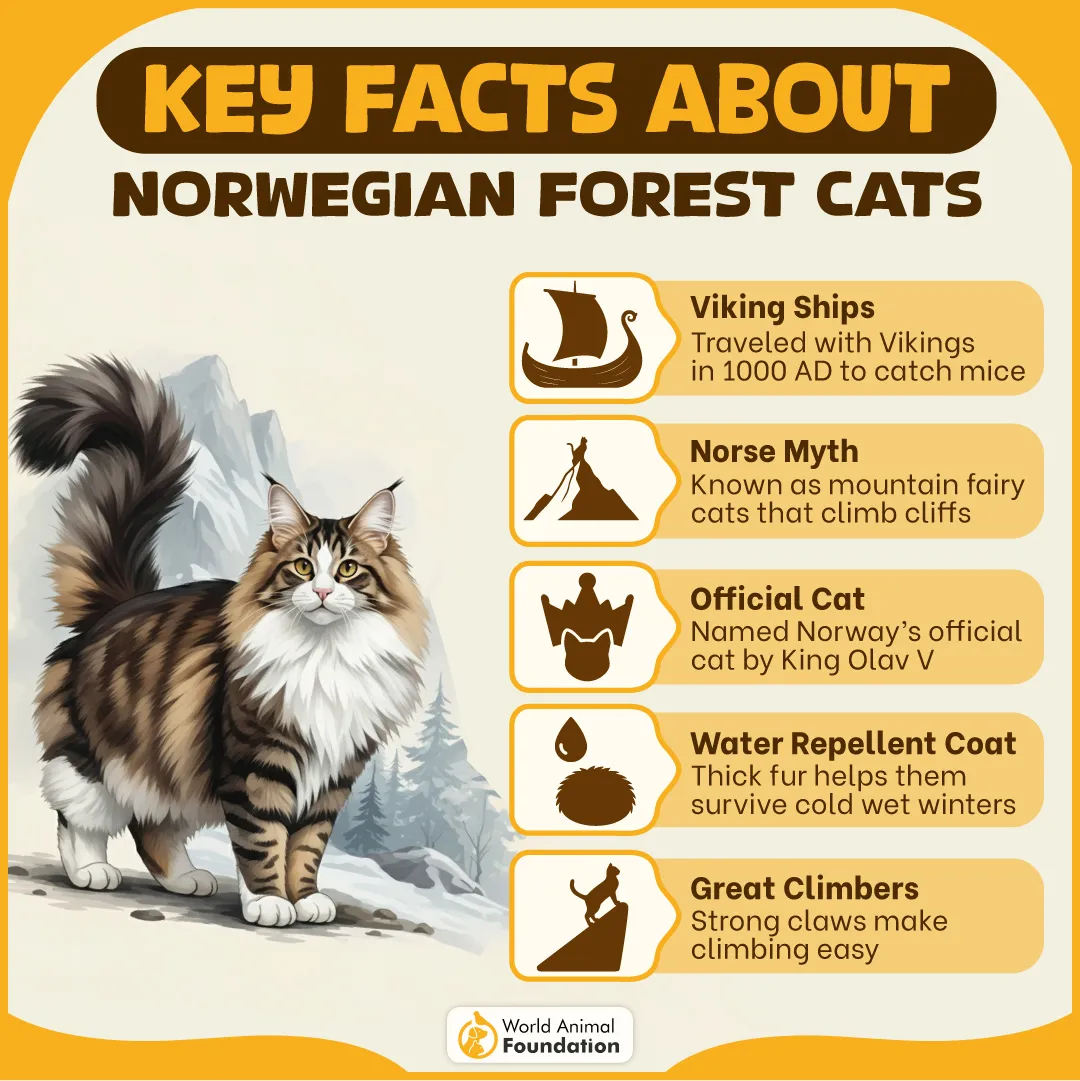
Often called the Wegie, the Norwegian Forest Cat is a striking breed shaped by Scandinavia’s harsh climate. Known for its thick, water-resistant coat, tufted ears, and powerful build, this cat carries a quiet, regal presence that feels both wild and refined.
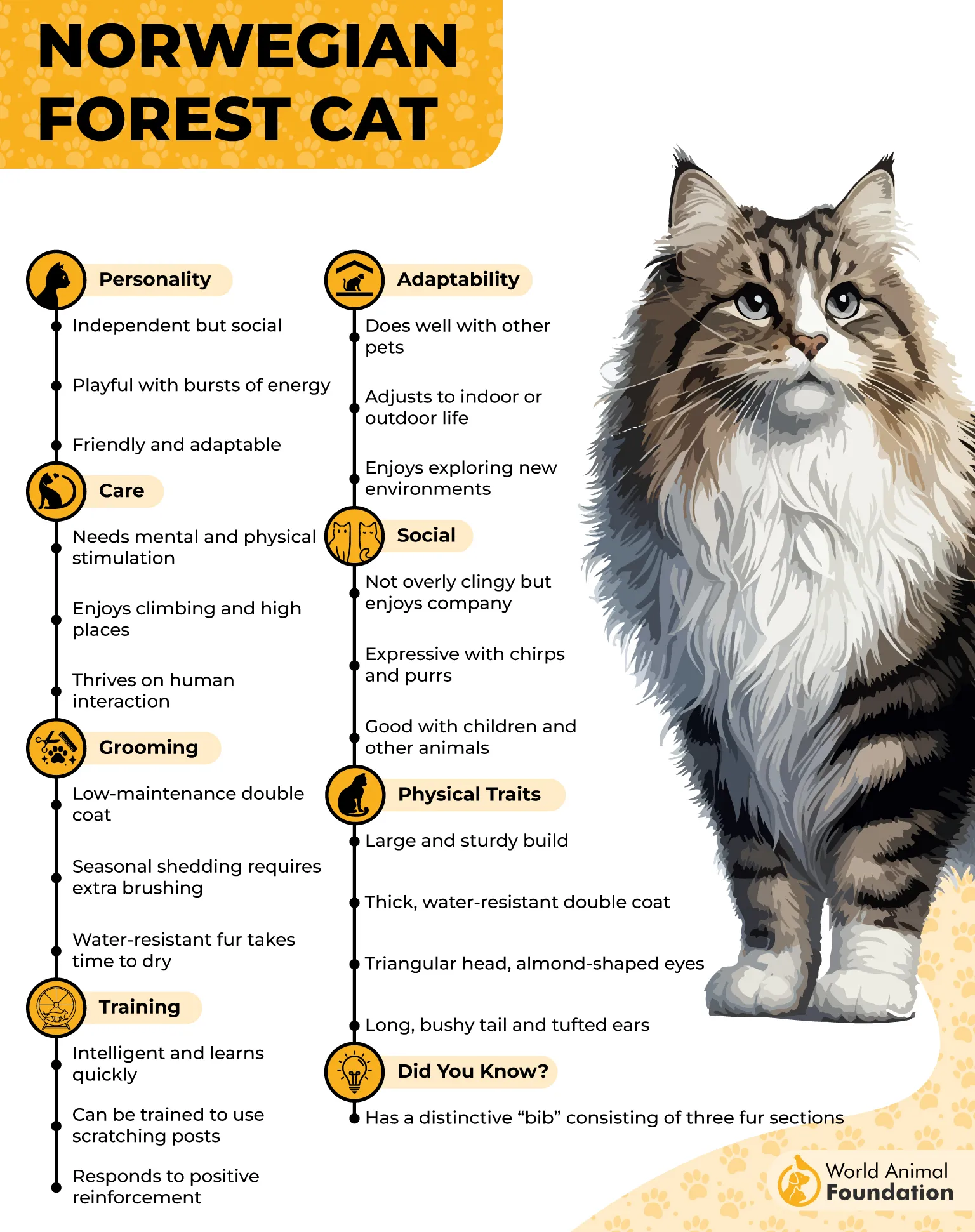
Despite their impressive size, Norwegian Forest Cats prefer calm interactions and tend to enjoy affection in brief, meaningful moments. They are more likely to sit beside you than stay in your lap, appreciating short petting sessions that don’t disrupt their sense of control.
These cats thrive in quiet, predictable environments where routines are respected. Gentle strokes and respectful pauses suit them best, as overstimulation can quickly end an otherwise pleasant interaction. Their independent nature means they decide when affection starts—and when it ends.
Highly intelligent and observant, they respond well to patience and positive reinforcement, especially in low-distraction settings. While they enjoy human companionship, their ideal bond is built on trust, space, and consistency rather than constant touch.
Fact: Norwegian Forest Cats are excellent climbers with a long history of surviving cold, rugged environments.
7. Siberian
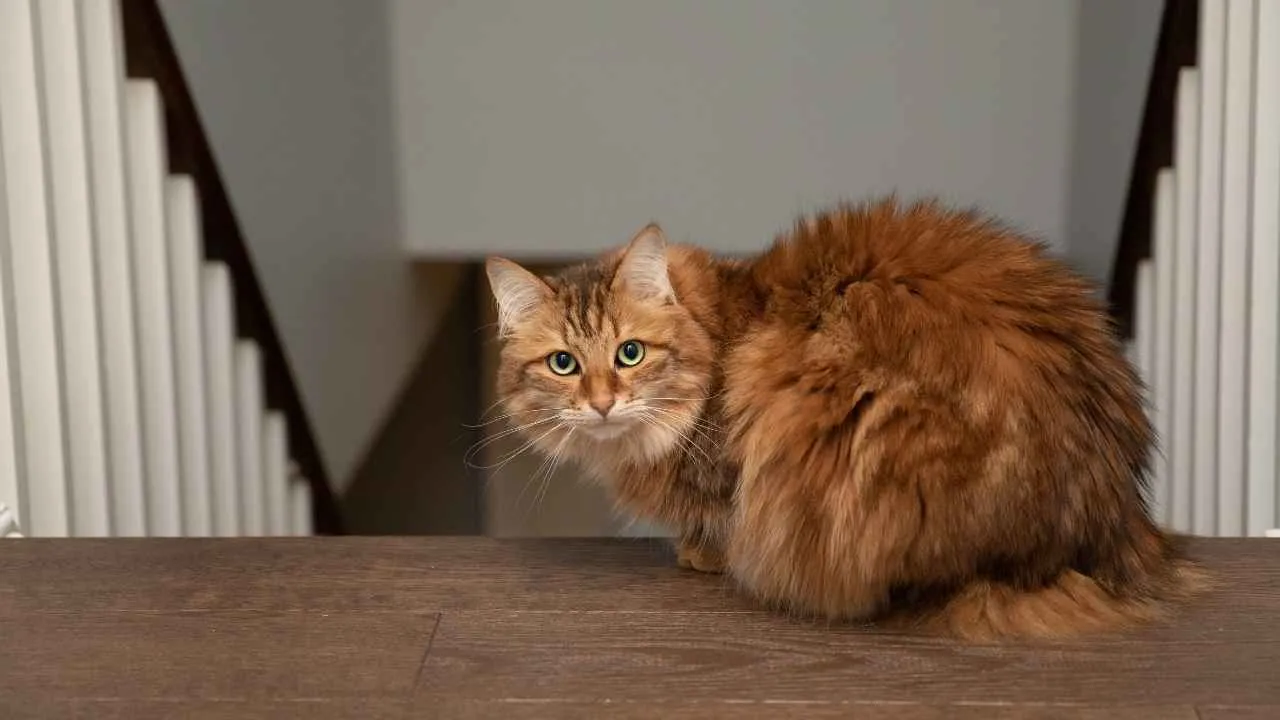
The Siberian, sometimes called the Siberian Forest Cat, originates from Russia and is known for its muscular build and thick, triple-layered coat. Despite its wild look, this breed is calm, intelligent, and well-adapted to family life.
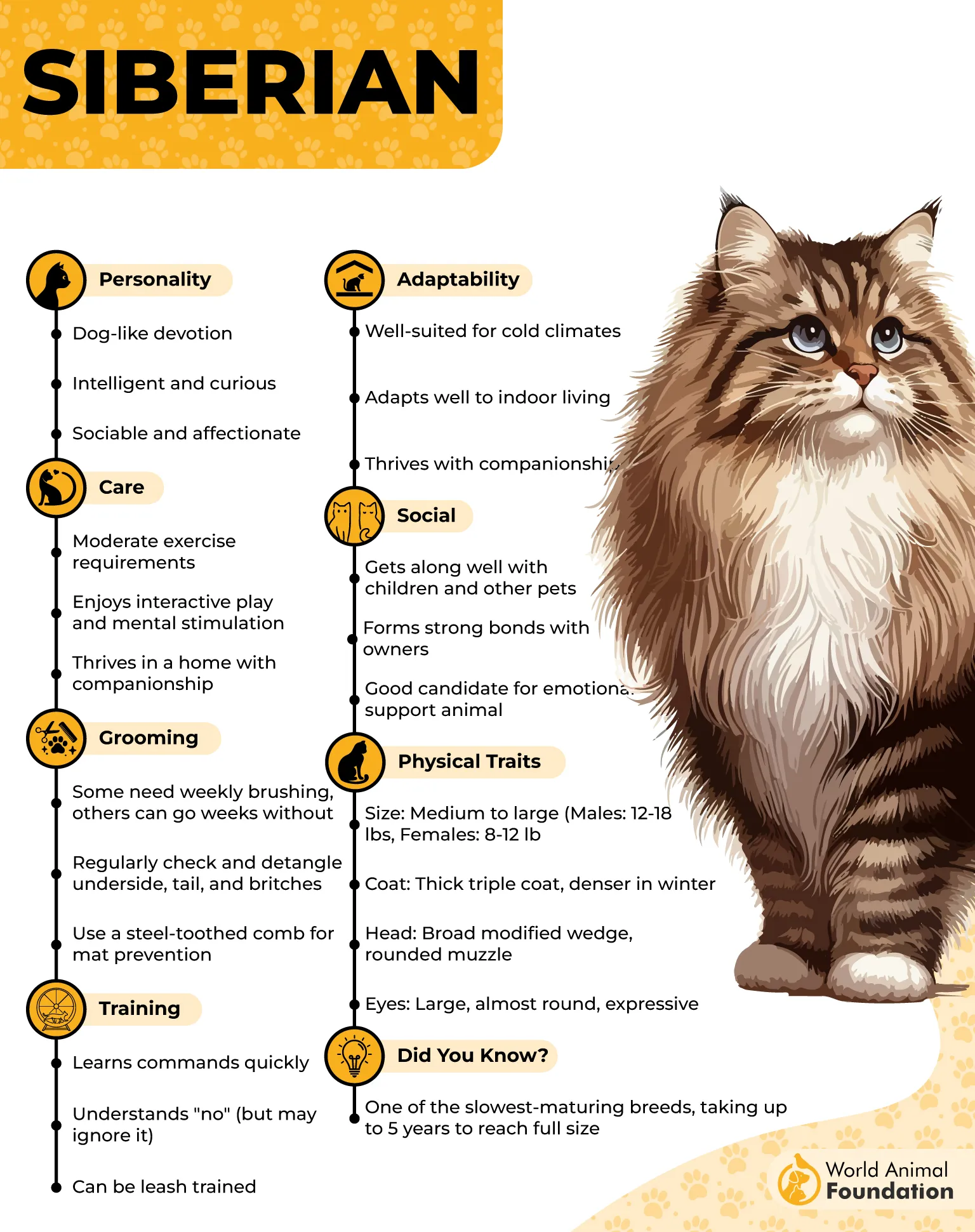
Siberians enjoy human presence but prefer affection in measured moments. Short petting sessions suit them best, as they like to decide when touch feels comfortable before returning to nearby observation.
Their balanced temperament allows them to sync with human energy easily. A Siberian may sit close, accept a few strokes, then wander off to explore, making affection feel meaningful rather than constant.
Playful bursts are common, followed by long periods of independence, which keeps interactions fresh and stress-free.
Fact: Siberian cats are known for their dense triple-layered coat developed to withstand Russia’s harsh climates.
Conclusion
Cats that enjoy short petting sessions remind us that affection doesn’t have to be constant to be meaningful. Many affectionate cat breeds—from Siamese cats and Burmese cats to Devon Rex cats and the Persian cat—prefer brief moments of human interaction before retreating to a cat bed or independent play.
While some cat owners dream of an ultimate lap cat, a fluffy or extremely affectionate lap cat, individual cats within the same breed often show a gentle nature that values balance over nonstop cuddles.
Other breeds can also thrive with short, intentional affection. Whether a mixed breed, ancient breed, or popular breed, these feline friends prove that love comes in many forms—even a quick stroke shared with a loving cat or furry friend.
