




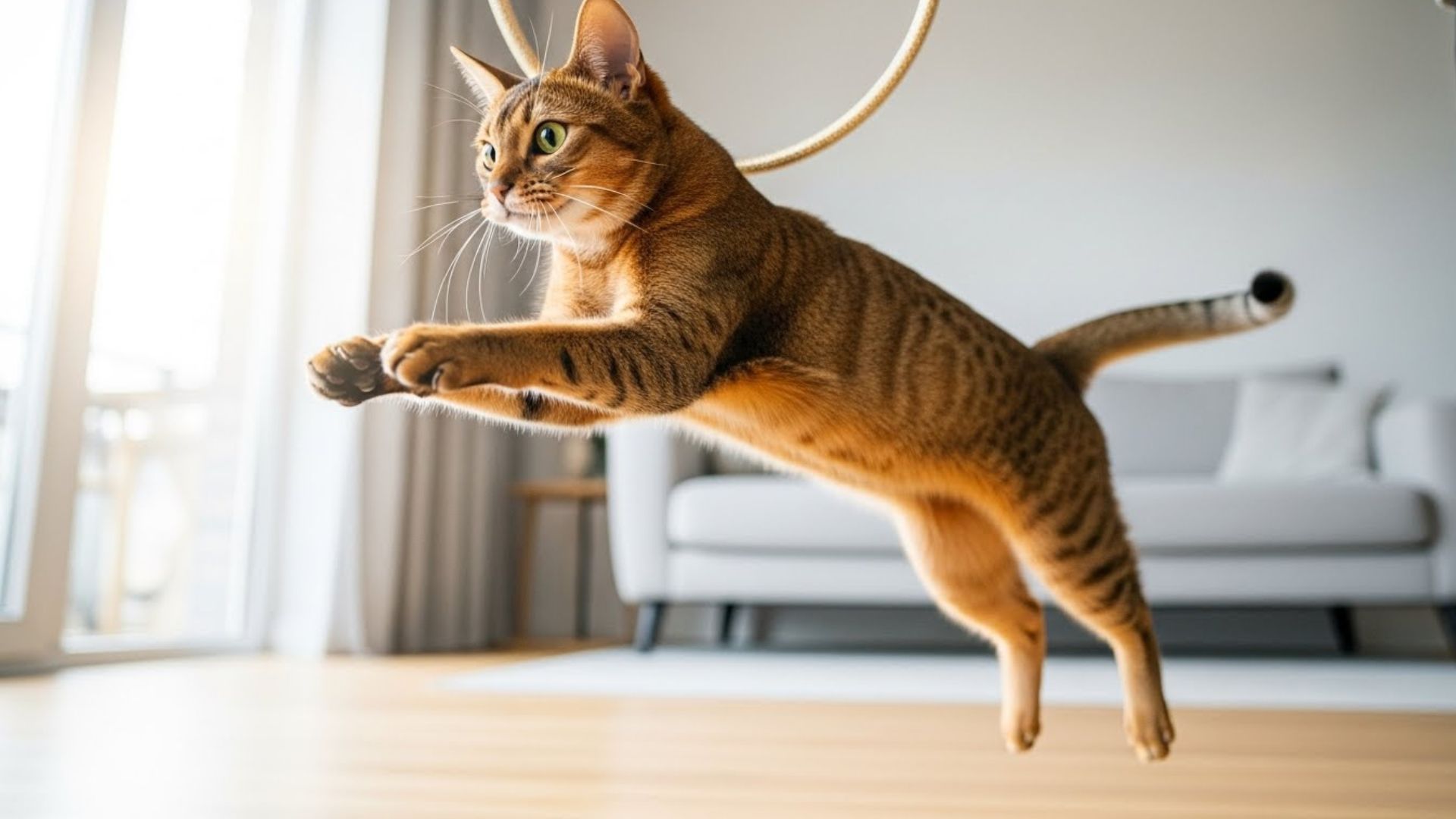
Cats may have a reputation for independence, but some breeds love showing off what they know. With the right motivation and a little patience, these cats enjoy learning tricks that go beyond simple play. From responding to cues to mastering interactive games, they thrive when their minds are challenged.
Many of these breeds enjoy problem-solving, routine, and spending focused time with their people, making training feel more like a shared activity than a chore. For cat owners who enjoy teaching, bonding, and a bit of daily fun, these clever cats bring energy and engagement into the home.
This article highlights cat breeds that are especially eager to learn, practice, and proudly show off new skills.
Cat Breeds That Enjoy Learning Tricks
1. Abyssinian
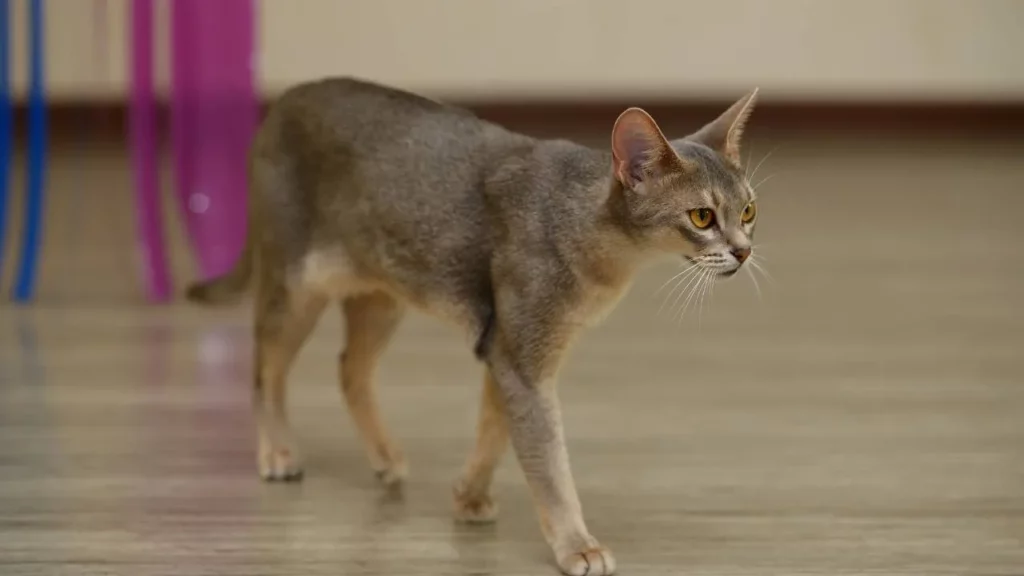
Abyssinians are known for their sharp minds and constant curiosity, which makes them natural learners. They enjoy being involved in everything happening around them and often treat training as a game rather than a task. Boredom does not suit this breed, so mental challenges are especially important.
This breed responds well to interactive training that allows movement and choice. Abyssinians enjoy activities like following cues, navigating simple obstacles, and engaging with puzzle-style play. Their attention span improves when lessons feel playful and fast-paced.
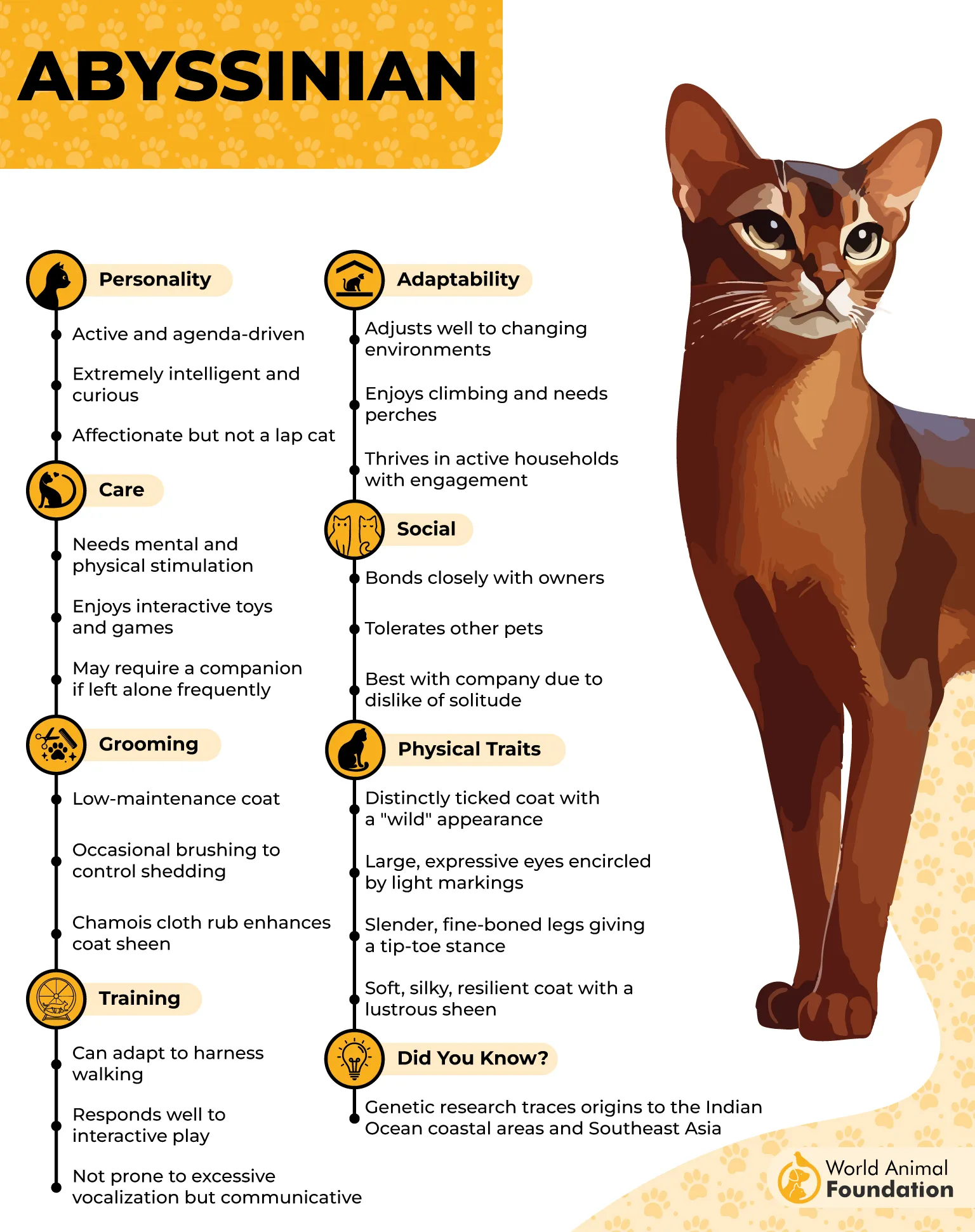
According to PetPlan, Abyssinians form strong connections with their people and enjoy shared routines. Training sessions often become bonding time, as they like working alongside familiar faces. Their enthusiasm for learning makes them entertaining students who stay eager for the next challenge.
Why This Cat Is a Good Fit
Enjoys daily interaction and mental challenges indoors
Learns quickly when training feels playful
Great for owners who want an active, engaged cat
2. Bengal
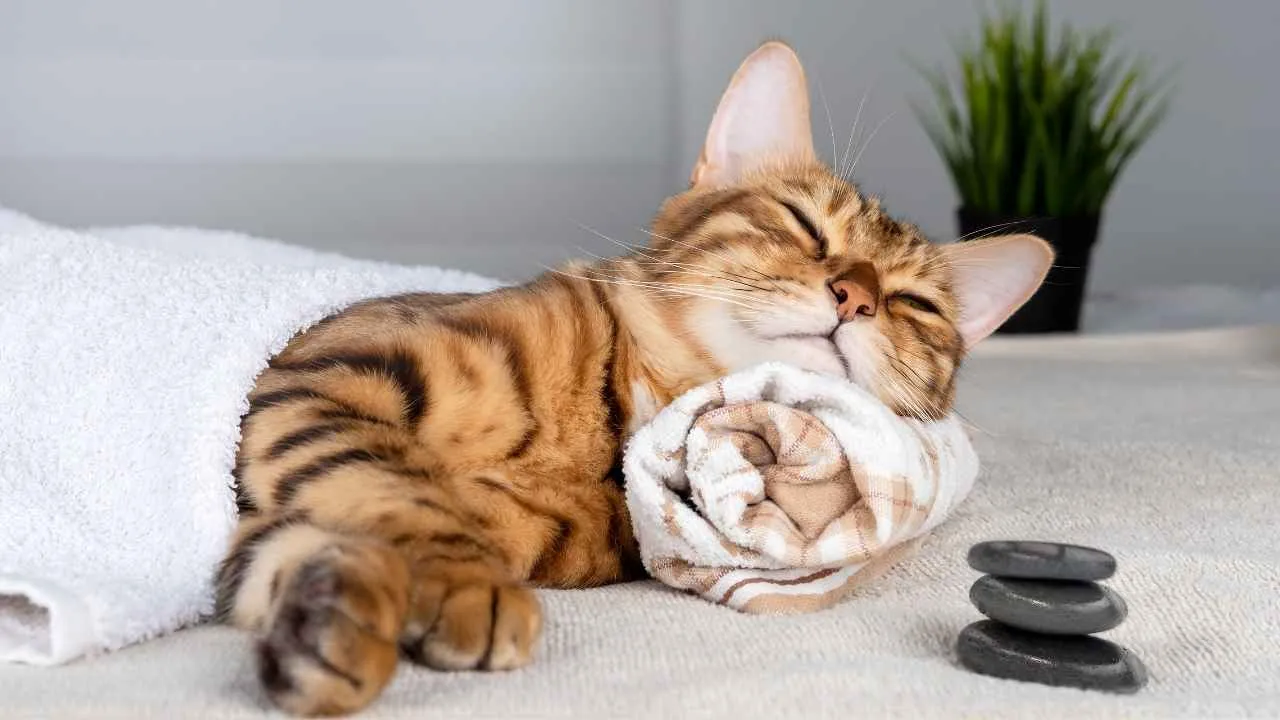
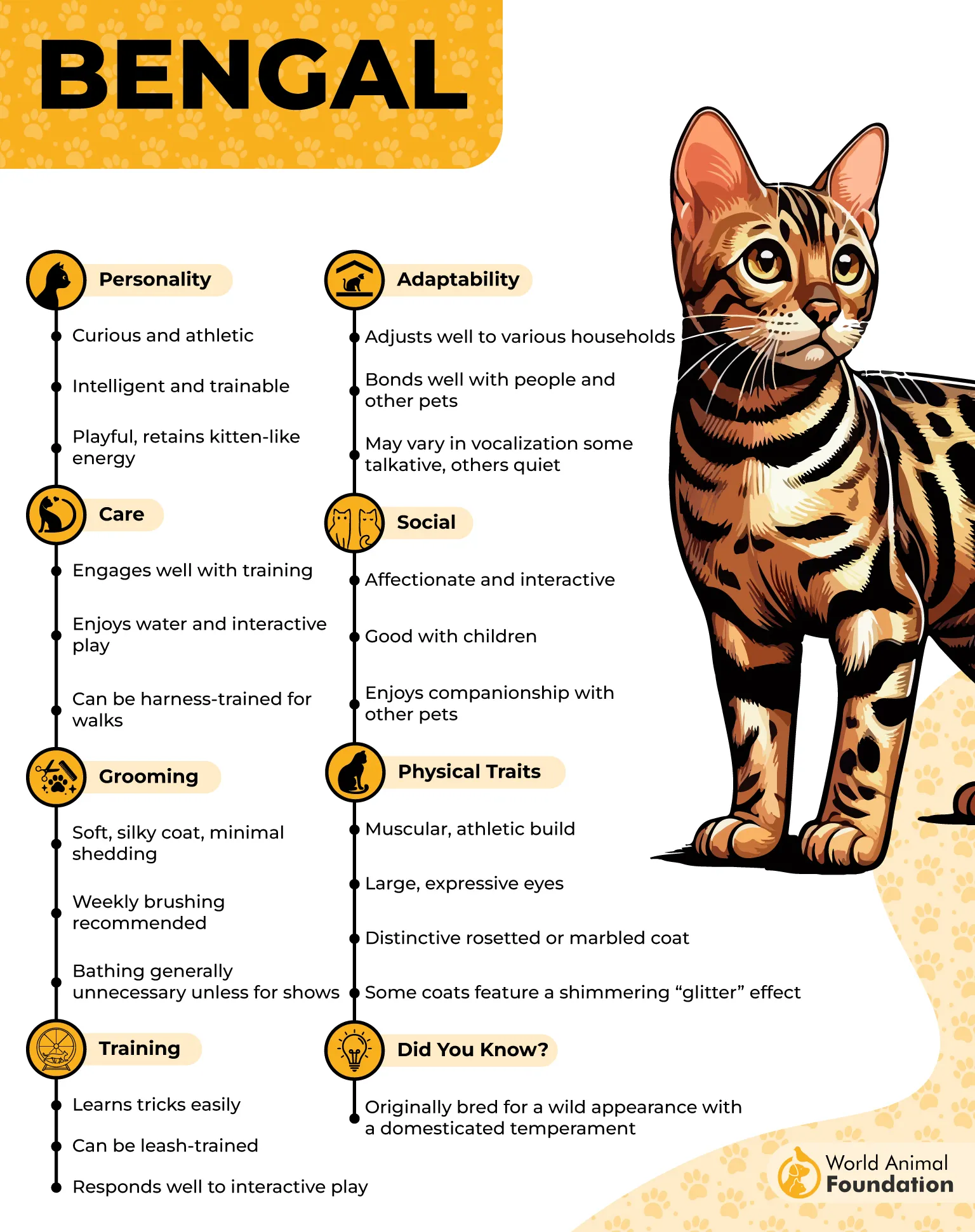
Bengals are highly intelligent cats that thrive on stimulation and variety. They approach learning with confidence and often pick up new behaviors quickly. Structured training helps channel their energy in positive ways.
This breed enjoys learning tricks that involve motion, such as jumping, retrieving, or responding to cues. Bengals are motivated by interaction and novelty rather than repetition. Keeping sessions short and interesting helps maintain their focus.
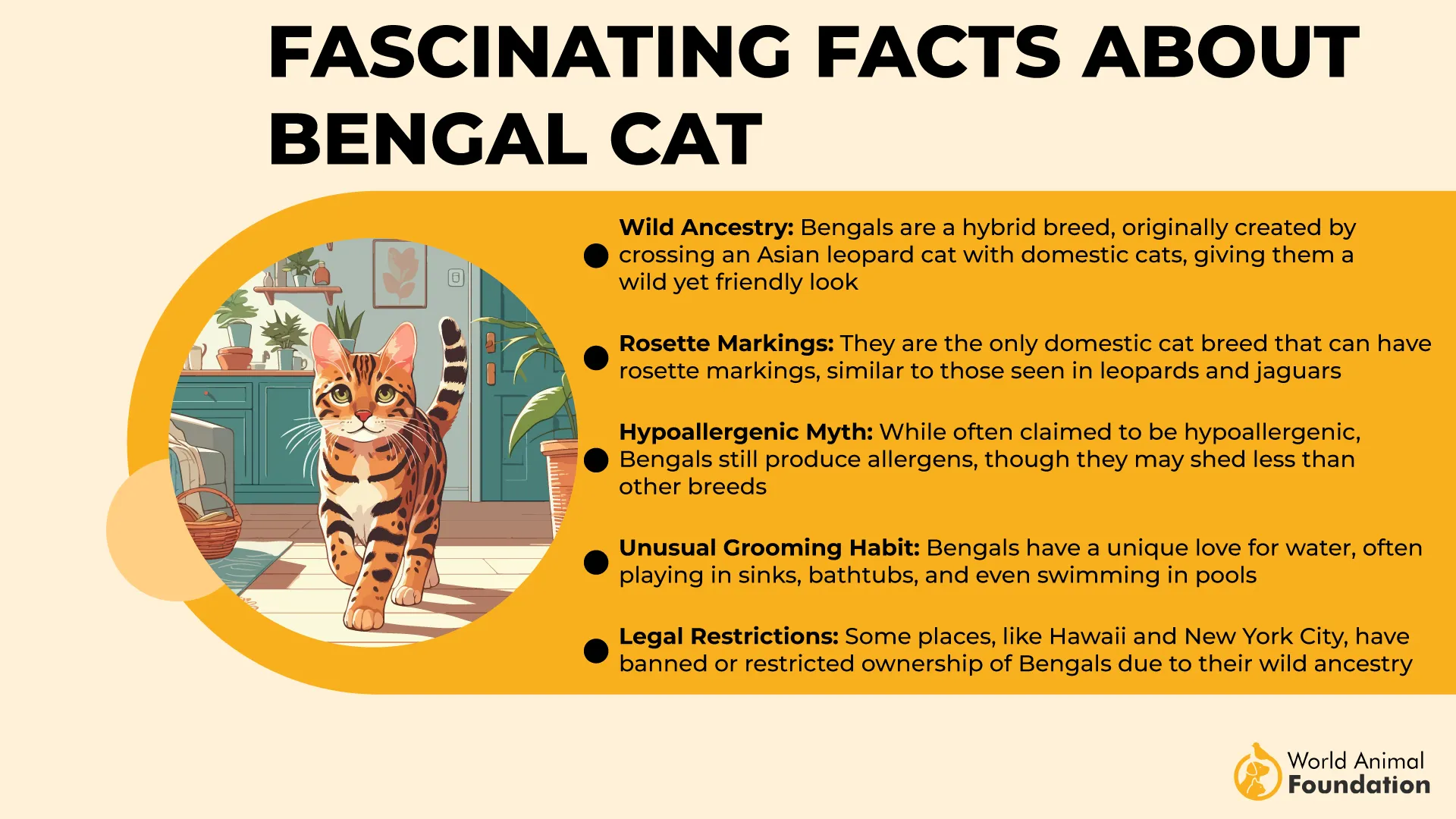
Purina states that Bengals enjoy being mentally challenged and dislike feeling ignored. Training gives them an outlet for curiosity while strengthening their bond with their owners. When properly engaged, they turn learning into an impressive performance.
Why This Cat Is a Good Fit
Ideal for active homes that enjoy interactive play
Responds well to structured indoor training
Keeps clever minds busy and entertained
3. Siamese
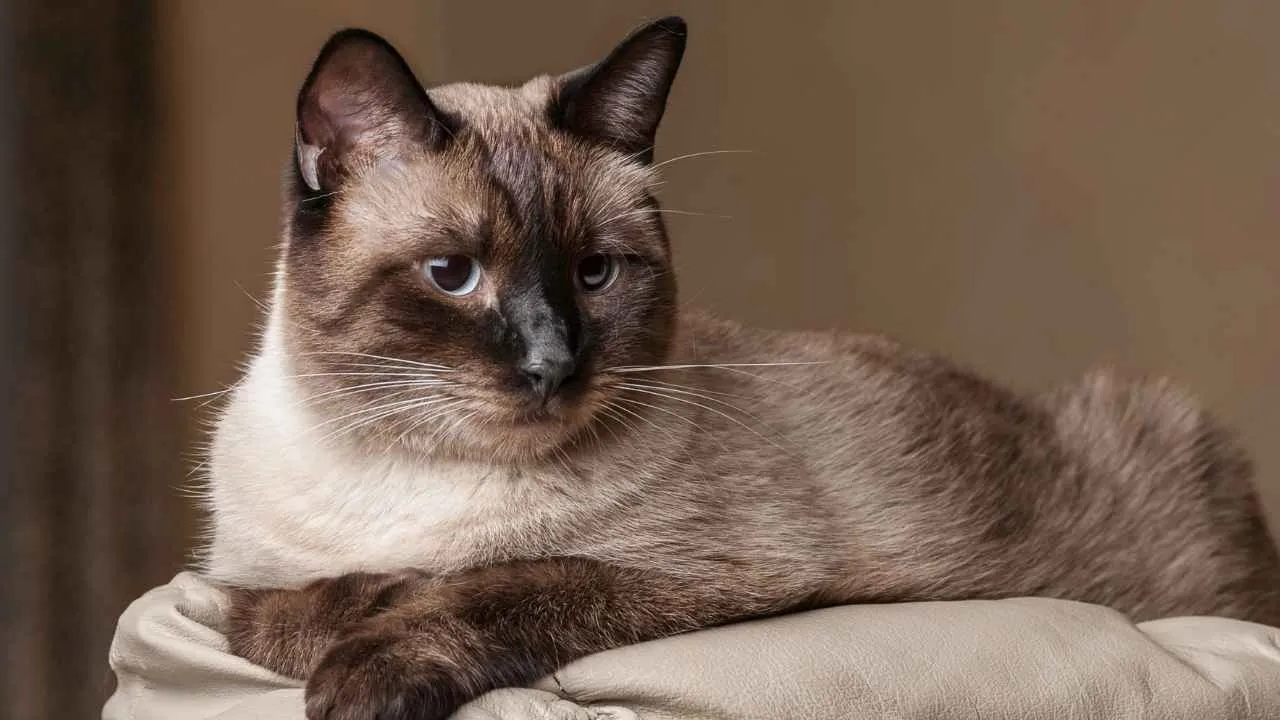
Siamese cats are communicative, people-focused, and eager to participate. They enjoy activities that involve attention and feedback from their owners. Learning tricks gives them another way to interact.
This breed often responds well to verbal cues and routine-based training. Siamese cats enjoy predictable sessions and tend to remember sequences quickly. Their expressive nature makes progress easy to notice.
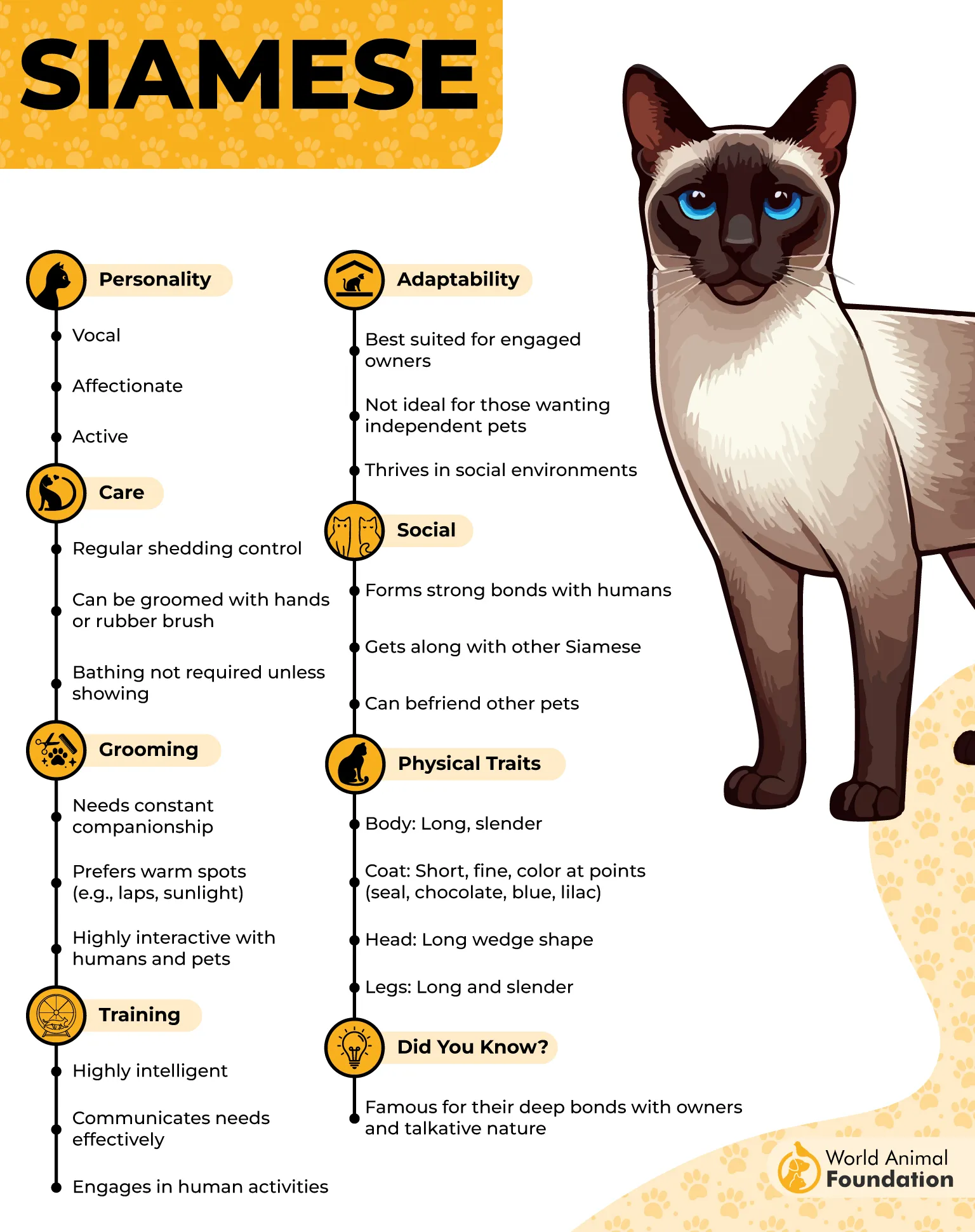
According to the CFA, training also helps satisfy their need for engagement. Siamese cats enjoy feeling included and mentally occupied. When learning together, they turn lessons into lively social moments.
Why This Cat Is a Good Fit
Thrives on interaction and shared activities
Enjoys routine-based indoor training
Well-suited for owners who like vocal, involved cats
4. Maine Coon
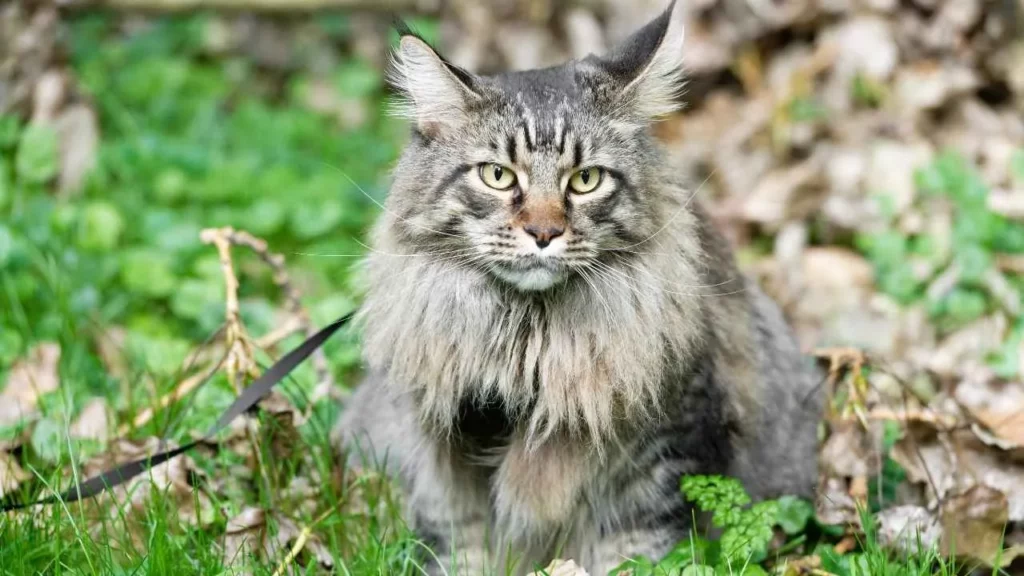
Maine Coons are large cats that combine intelligence with a relaxed, cooperative attitude. They often approach learning calmly, taking time to understand what is being asked. Their steady nature makes training sessions smooth and enjoyable.
This breed responds well to gentle instruction and consistent routines. Maine Coons enjoy learning tricks that involve following, touching targets, or simple retrieval. They tend to stay patient and focused during practice.
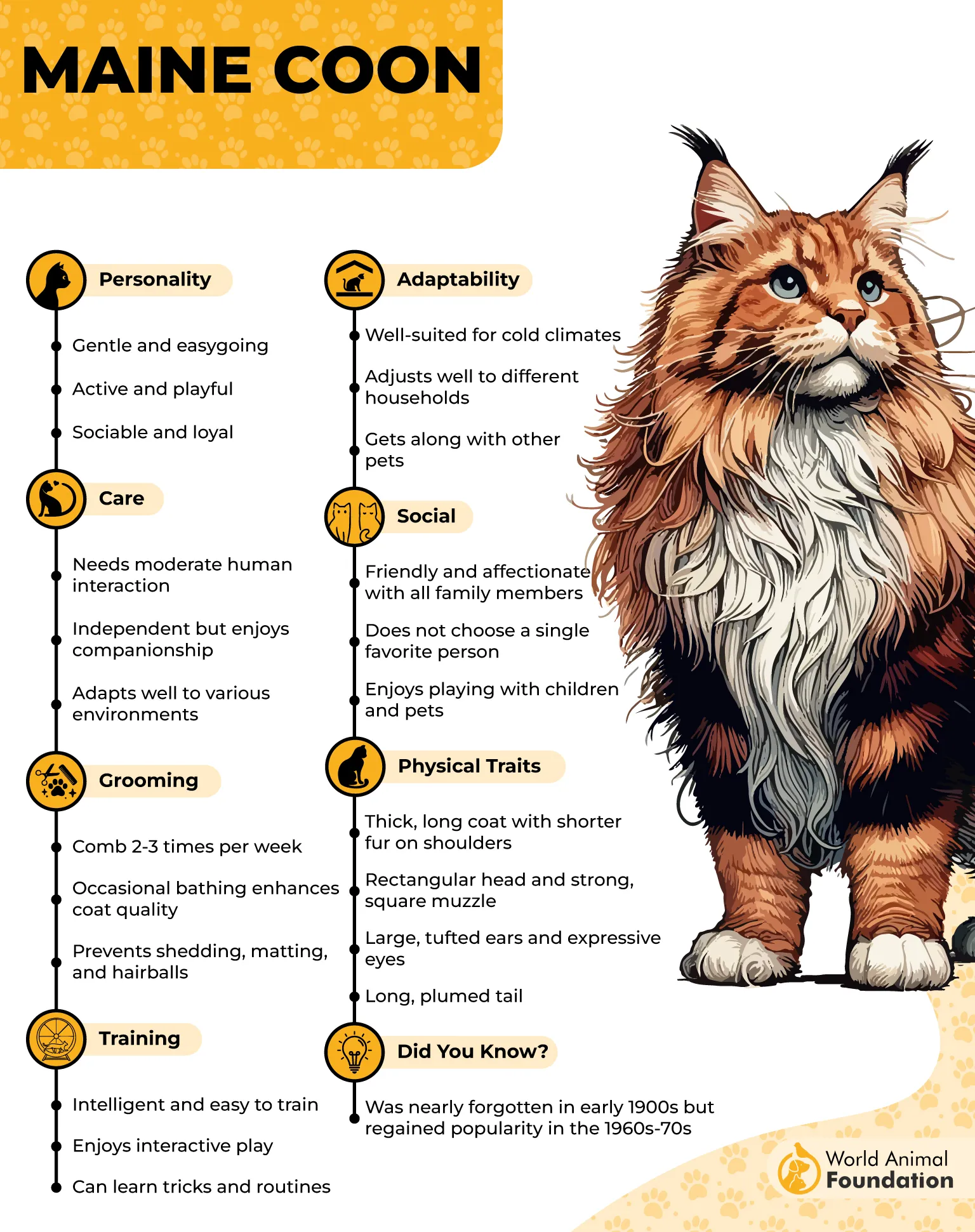
Training strengthens their already strong bond with family members. Maine Coons enjoy working alongside people and appreciate positive reinforcement. Their willingness to learn adds to their reputation as adaptable companions.
Why This Cat Is a Good Fit
Suit families looking for patient learners
Comfortable with indoor training routines
Enjoys calm, cooperative interaction
5. Turkish Van
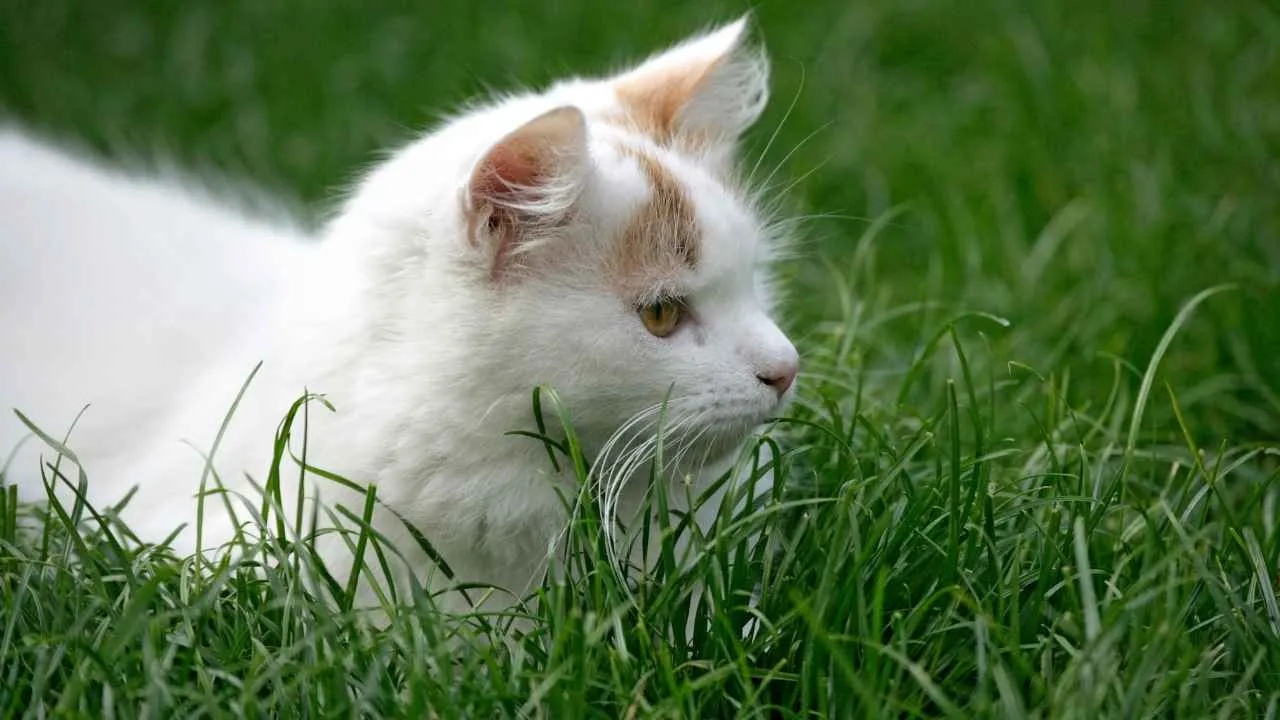
Turkish Vans are energetic, curious cats that enjoy figuring things out on their own terms. They are known for their confidence and willingness to explore, which makes training feel like a fun challenge rather than a lesson. New activities often grab their attention quickly.
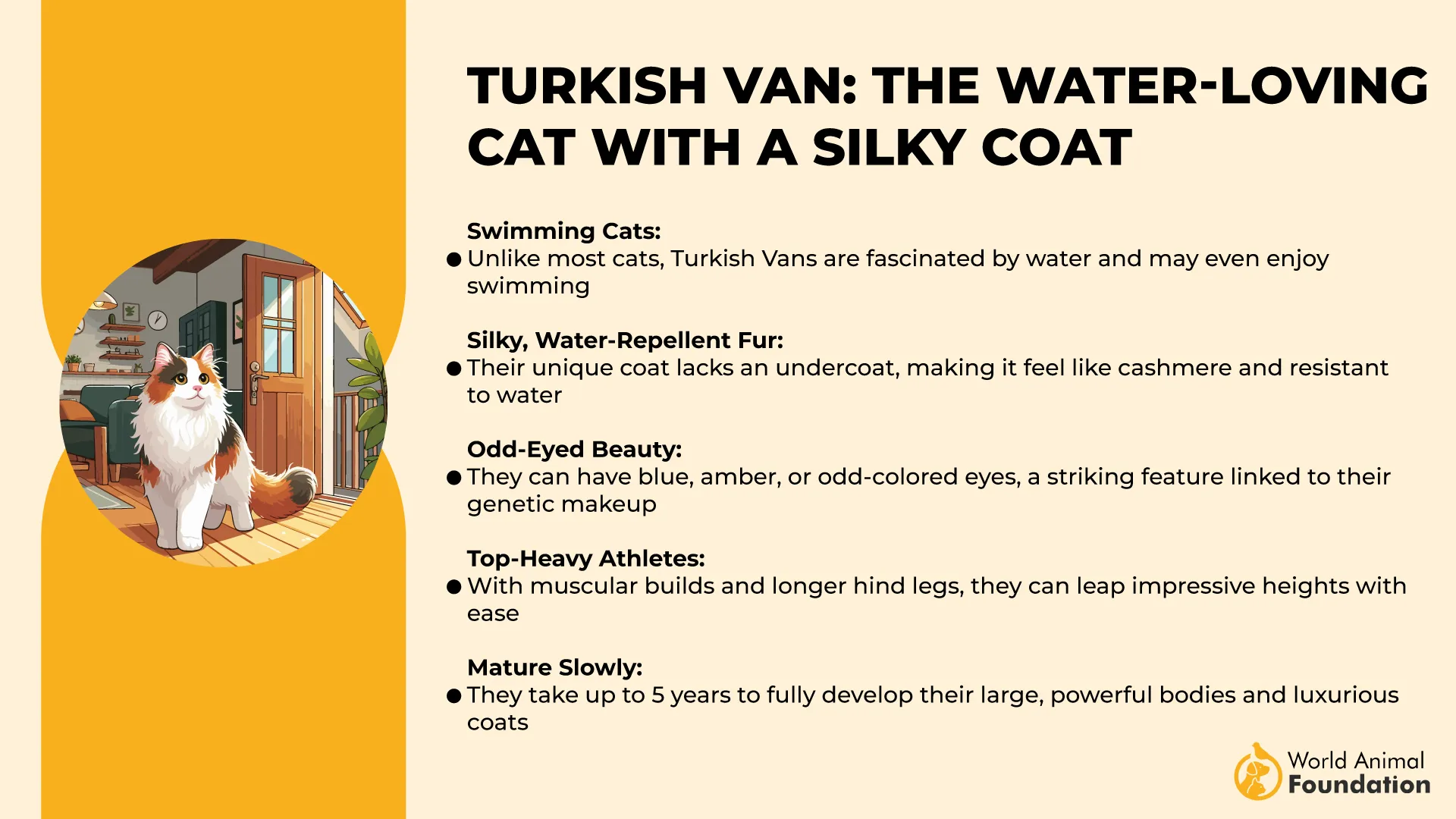
This breed responds best to training that allows freedom of movement and choice. Turkish Vans enjoy learning tricks that involve jumping, following targets, or playing interactive games. They tend to lose interest if sessions feel repetitive, so variety matters.
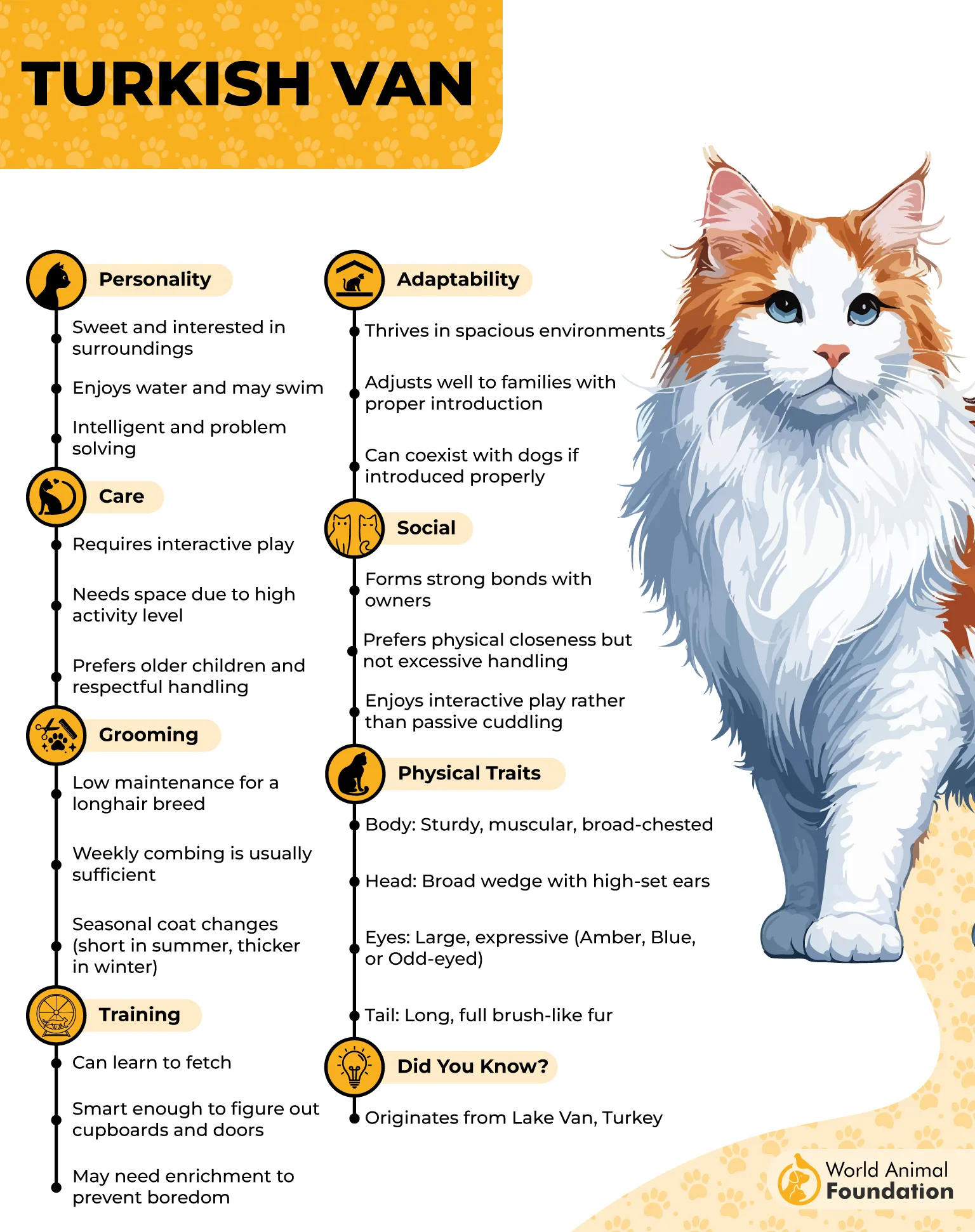
Turkish Vans enjoy spending time with their people, but like to stay mentally busy. Training offers a way to channel their curiosity while strengthening trust. When lessons stay playful, they often surprise owners with how fast they learn.
Why This Cat Is a Good Fit
Great for indoor homes that offer active play
Enjoys learning through movement and exploration
Keeps training sessions lively and engaging
6. Savannah
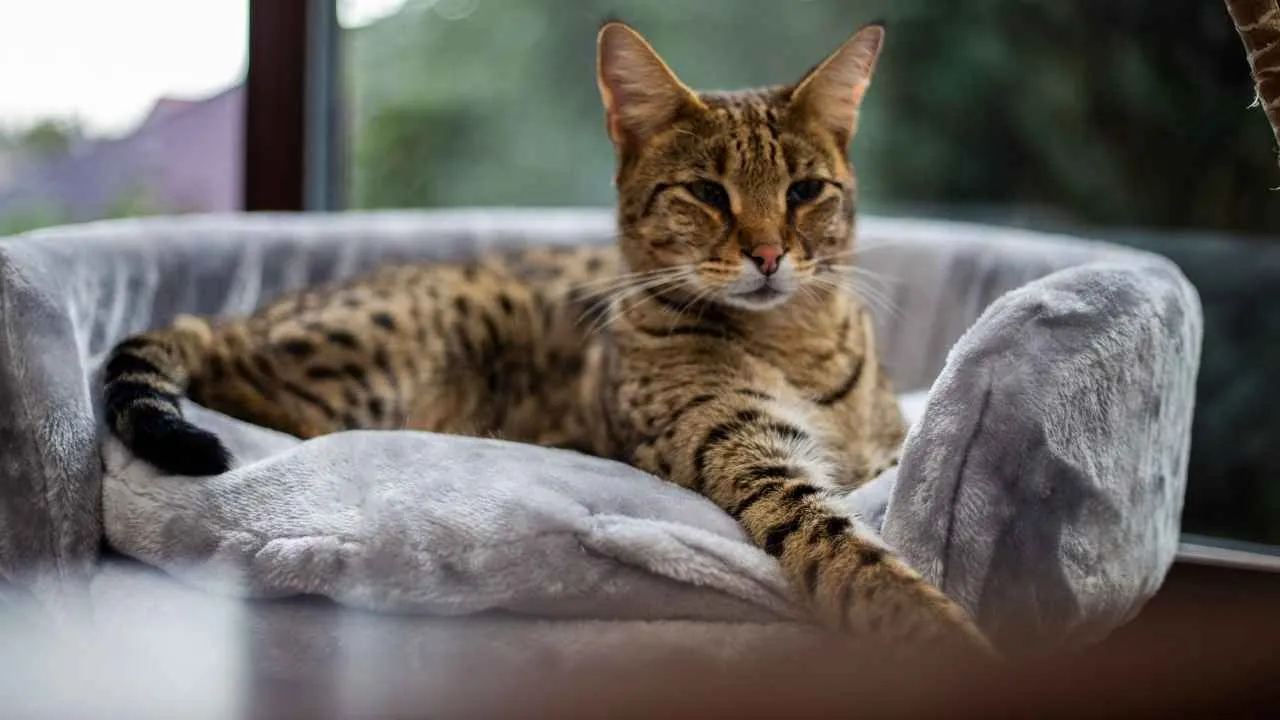
Savannah cats are highly intelligent and alert, often showing strong problem-solving skills. They notice patterns quickly and tend to test boundaries, which can make training both exciting and rewarding. Mental stimulation is essential for this breed.
This breed enjoys learning tricks that involve motion and interaction. Savannahs respond well to clear cues and structured routines. They are motivated by engagement rather than treats alone.
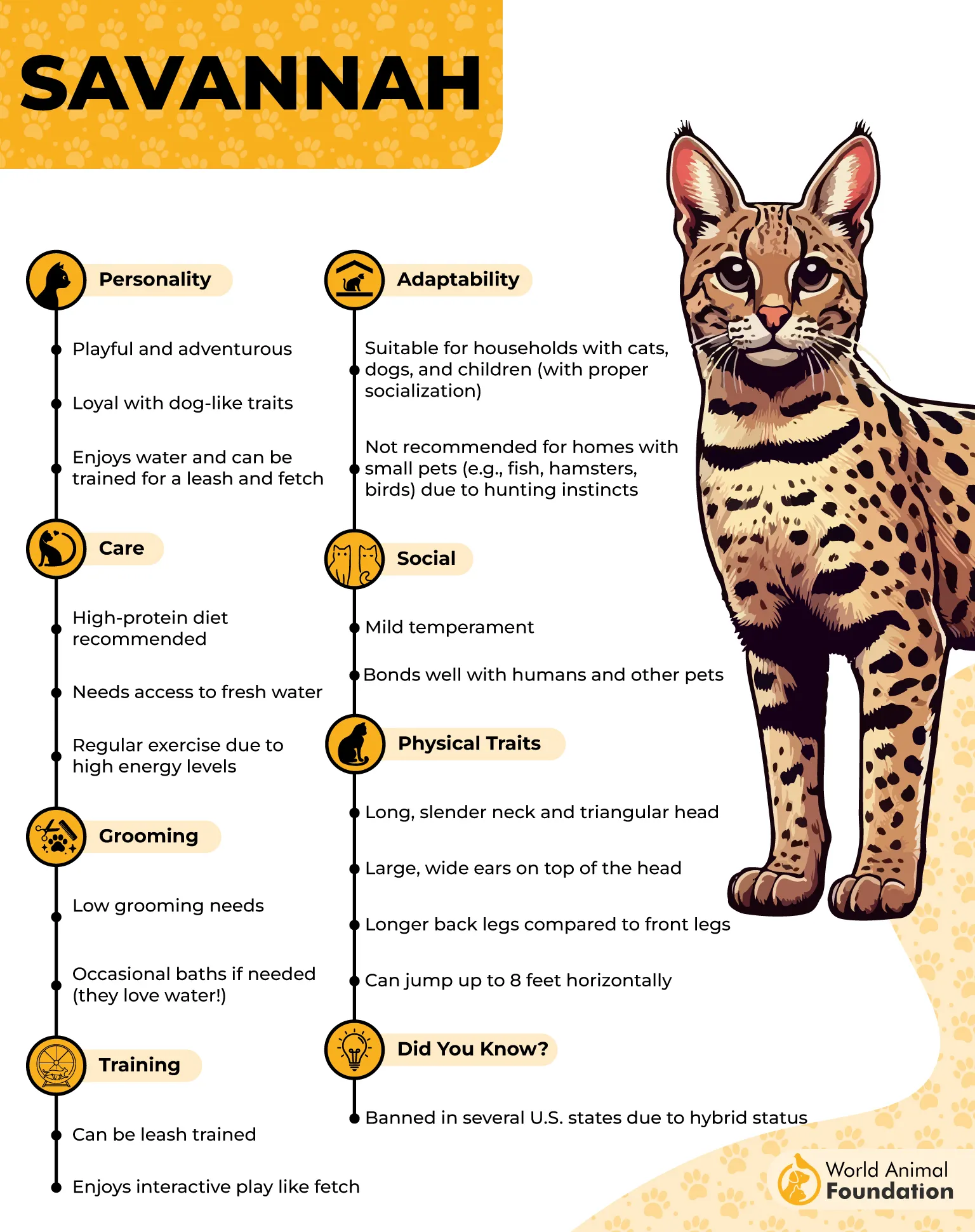
Training helps Savannah cats focus their energy in productive ways. They enjoy working closely with their owners and staying involved. With consistent guidance, they can become impressive learners who enjoy showing off what they know.
Why This Cat Is a Good Fit
Best for experienced owners who enjoy training
Thrives on structured indoor enrichment
Turns learning into an interactive experience
7. Scottish Fold
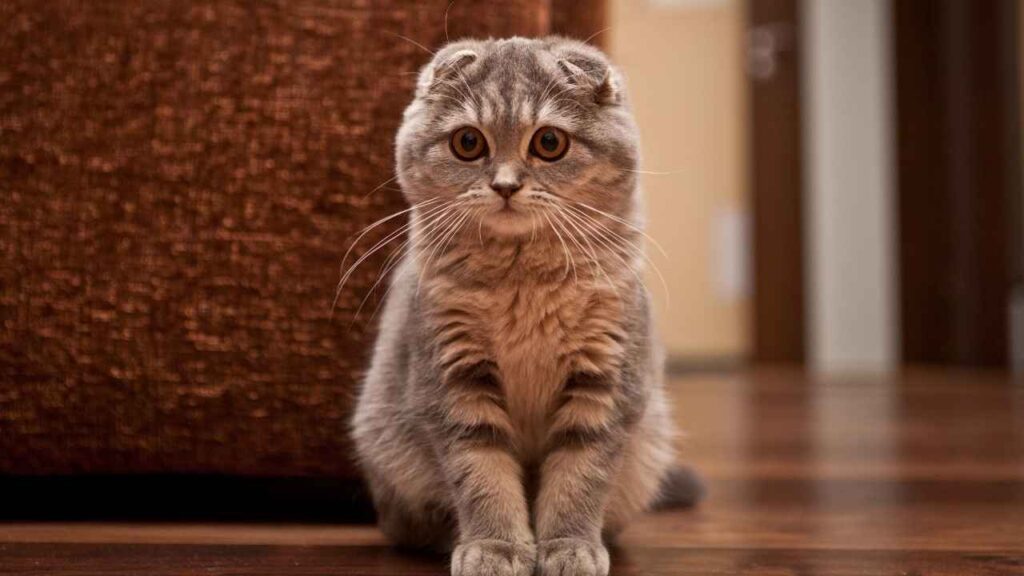
Scottish Folds are thoughtful learners with a calm, curious nature. They tend to observe first, then attempt new behaviors once they feel comfortable. This careful approach often leads to steady progress.
This breed responds well to gentle, low-pressure training sessions. Scottish Folds enjoy simple tricks that focus on interaction rather than speed. Consistency helps them feel confident while learning.

Training provides mental stimulation without overwhelming their relaxed temperament. Scottish Folds enjoy sharing quiet success moments with their owners. Their willingness to learn adds depth to their already charming personality.
Why This Cat Is a Good Fit
Ideal for calm indoor households
Enjoys low-stress, routine-based training
Good choice for owners who prefer gentle learners
Conclusion
Domestic cats with a love for learning bring a whole new level of fun into the cat world. Many of the smartest cat breeds show a strong problem-solving ability, paying attention to household routines and even responding to human emotions.
From Bengal cats with a wild appearance linked to the Asian leopard cat to gentle giants that feel almost dog-like, these intelligent cat breeds enjoy interactive toys, food puzzles, cat trees, and feline agility activities. Active cats that prefer company can get bored easily, so training helps prevent boredom while strengthening the bond between pet parents and their feline companion.
Other cats, such as the Russian Blue, Cornish Rex, or Turkish Angora, may also appeal to cat lovers looking for a highly intelligent feline friend that enjoys interactive games, other interactive toys, and learning household rules alongside other animals.
