




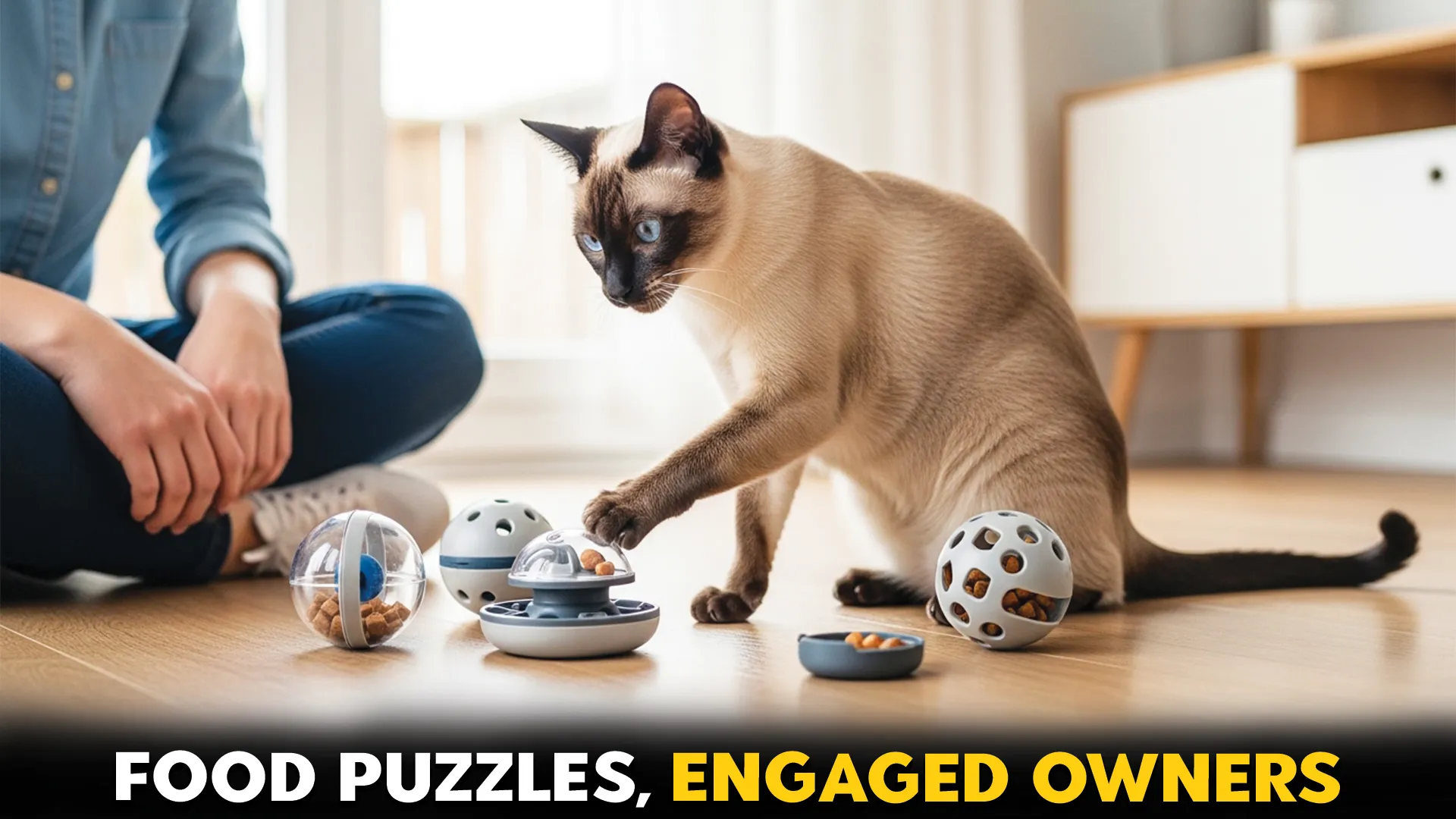
Cats are natural hunters and problem solvers, and food puzzles tap into those instincts in a fun, rewarding way. Instead of offering food in a bowl, food puzzles encourage cats to think, explore, and work for their treats or meals. This kind of enrichment can keep a cat mentally stimulated, slow down speedy eaters, and turn snack time into a playful challenge.
Many cats quickly learn to paw, bat, and nudge puzzle toys to release kibble or treats. Whether you are new to food puzzles or looking for ways to make feeding more interesting, understanding how these clever tools benefit cats can help you support your pet’s physical and mental well-being.
Cat Breeds That Enjoy Food Puzzles
1. Bengal
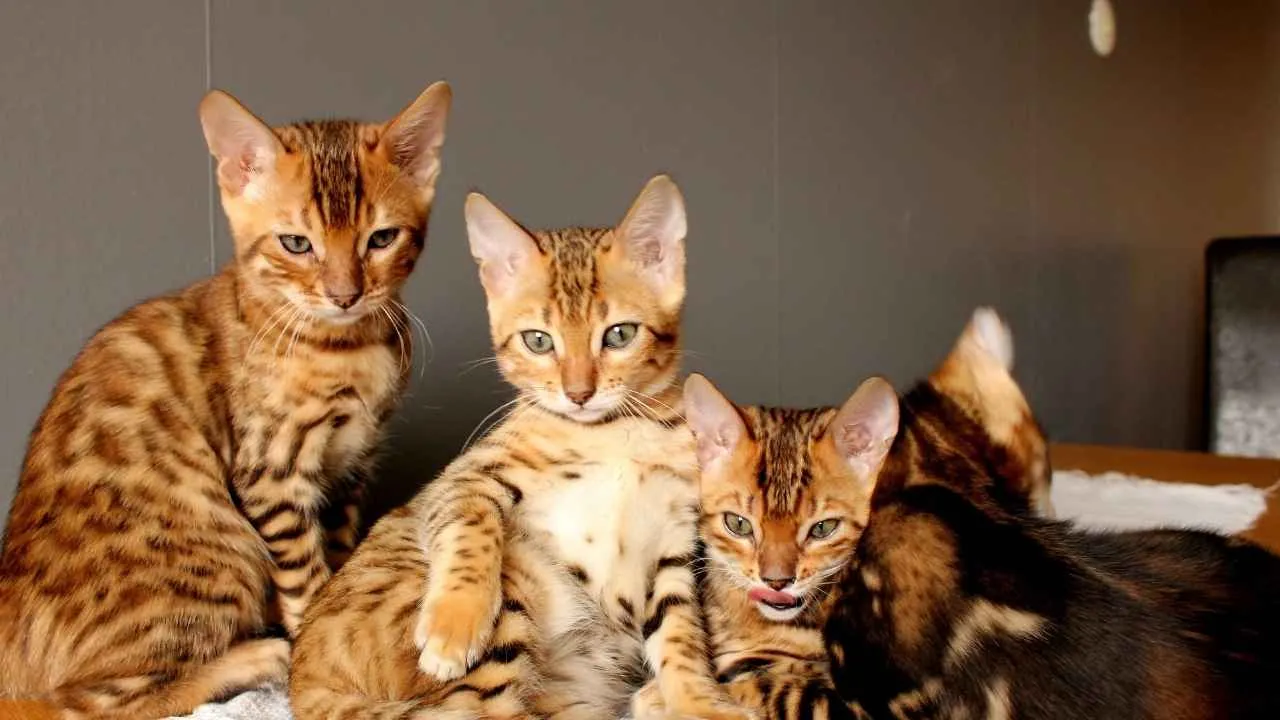
Few cats approach challenges with the confidence of a Bengal. They tend to inspect new objects carefully, circling and testing before fully committing. When a food puzzle appears, it quickly becomes a mission rather than a meal.
Bengals enjoy using both their brains and bodies at the same time. They will push puzzles across the floor, flip them with force, and keep adjusting tactics until food appears. This trial-and-error style suits their sharp instincts and keeps them engaged longer than simple toys.
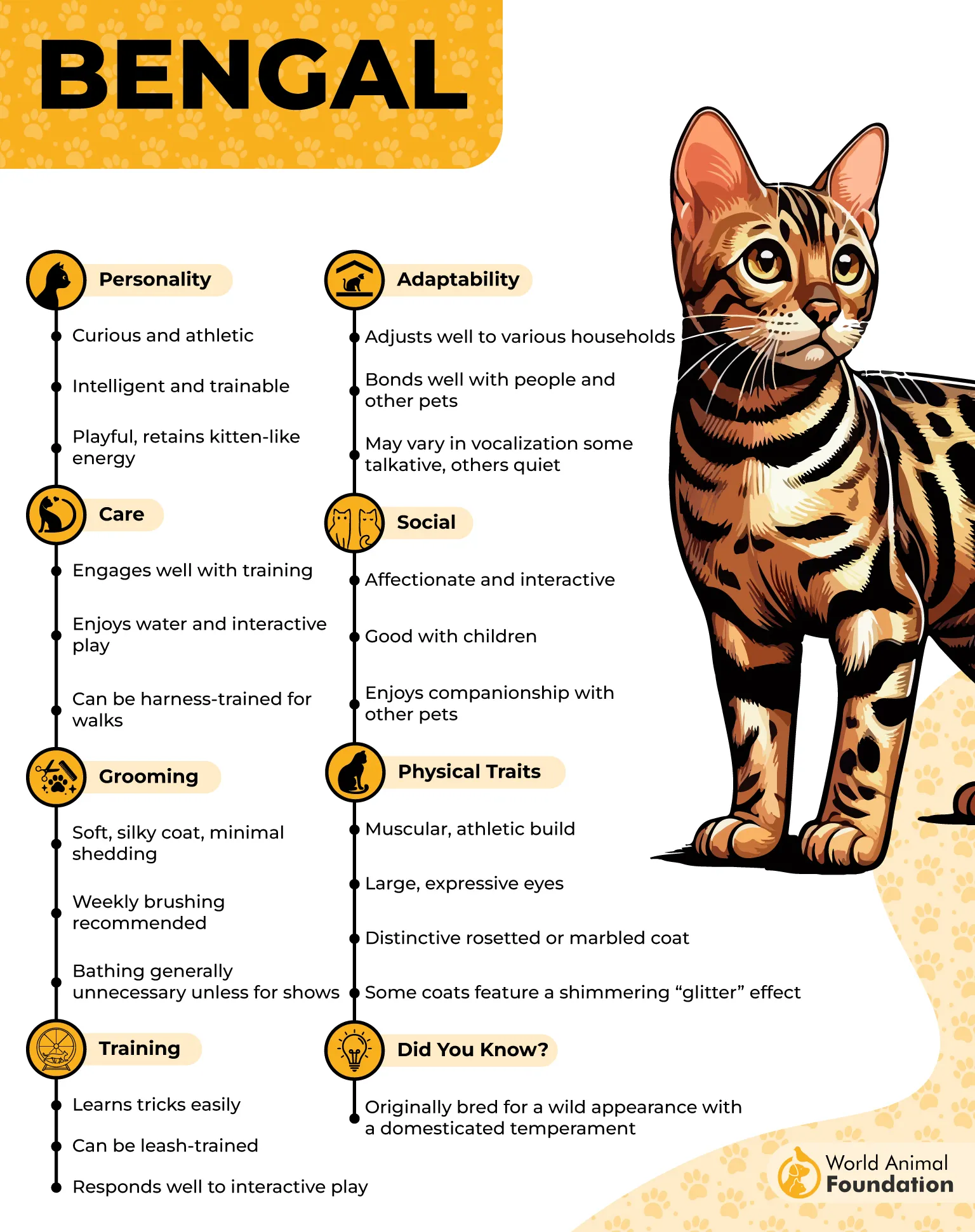
As per Purina, mental work is essential for this breed. Without enough stimulation, they may redirect energy toward unwanted behavior. Food puzzles offer a productive outlet that feels rewarding and purposeful, helping Bengals stay focused, satisfied, and mentally exercised throughout the day.
Why This Cat Is a Good Fit
Strong drive to investigate and problem solve
Enjoys puzzles that require persistence and strategy
Needs mental challenges to stay balanced
2. Abyssinian
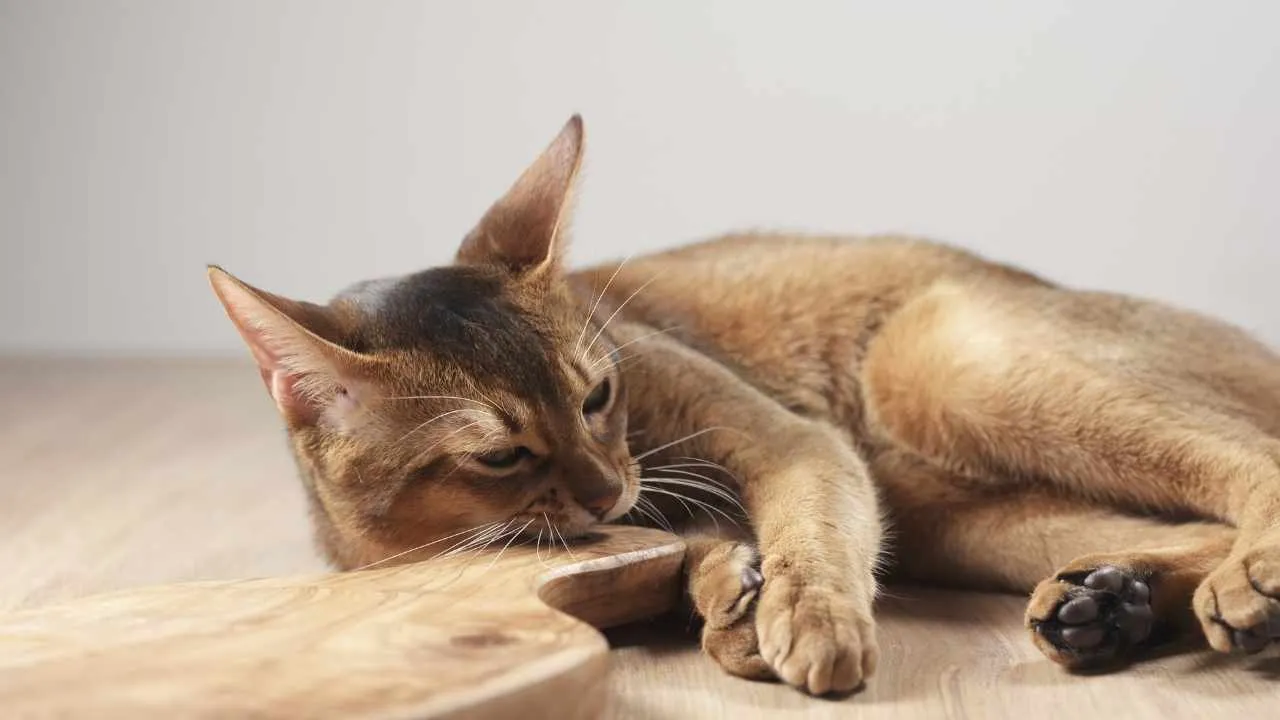
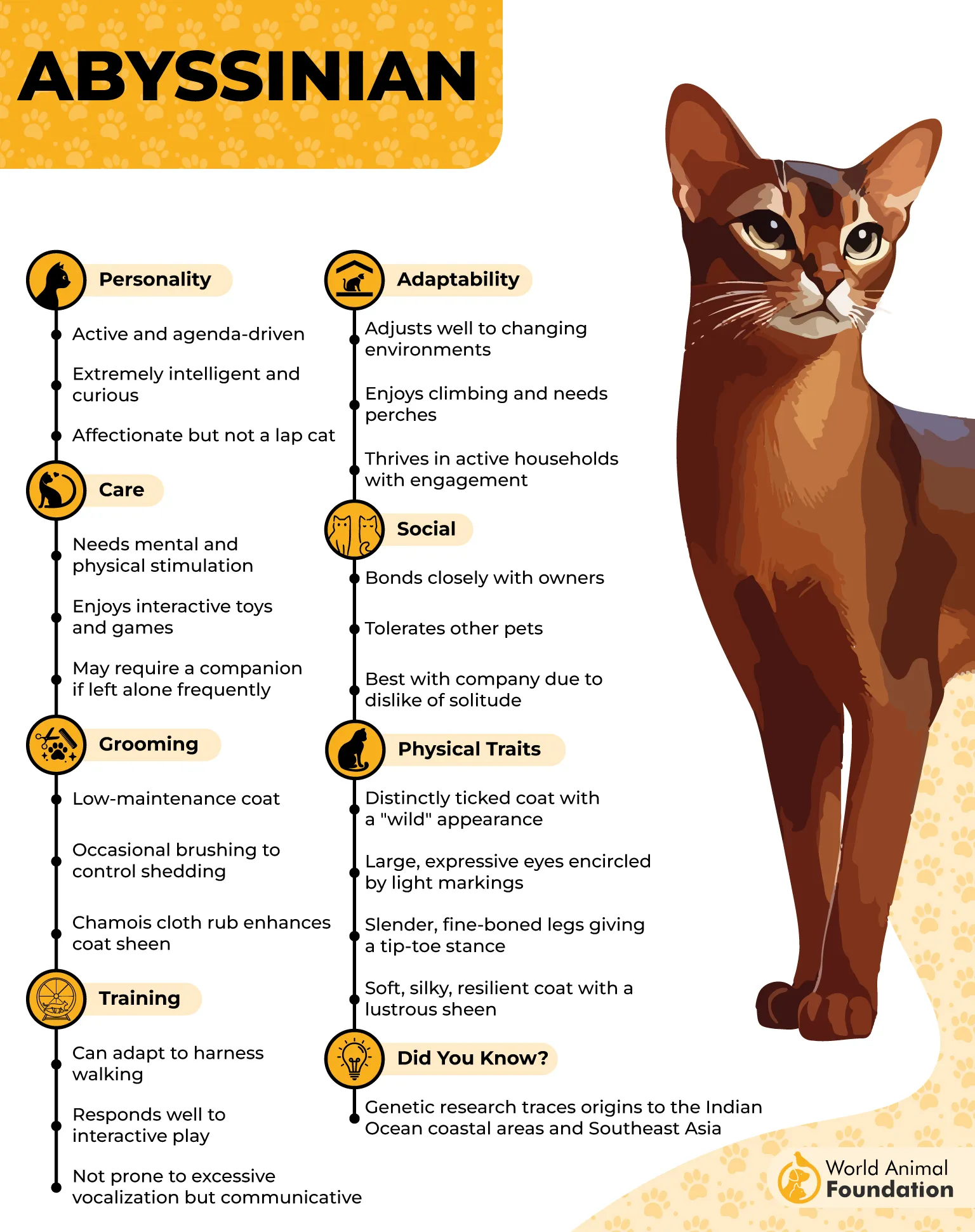
Abyssinians are alert observers who like to understand how things function. They often watch first, then act quickly once they decide something is worth their attention. Food puzzles tap directly into this thoughtful yet playful mindset.
Rather than brute force, Abyssinians rely on speed and precision. They prefer puzzles that let the cats capture, bat, tap, or nudge food free with their paws, teeth, and mouth in quick bursts. Once they understand the pattern, they often return repeatedly, treating the puzzle like a favorite game.
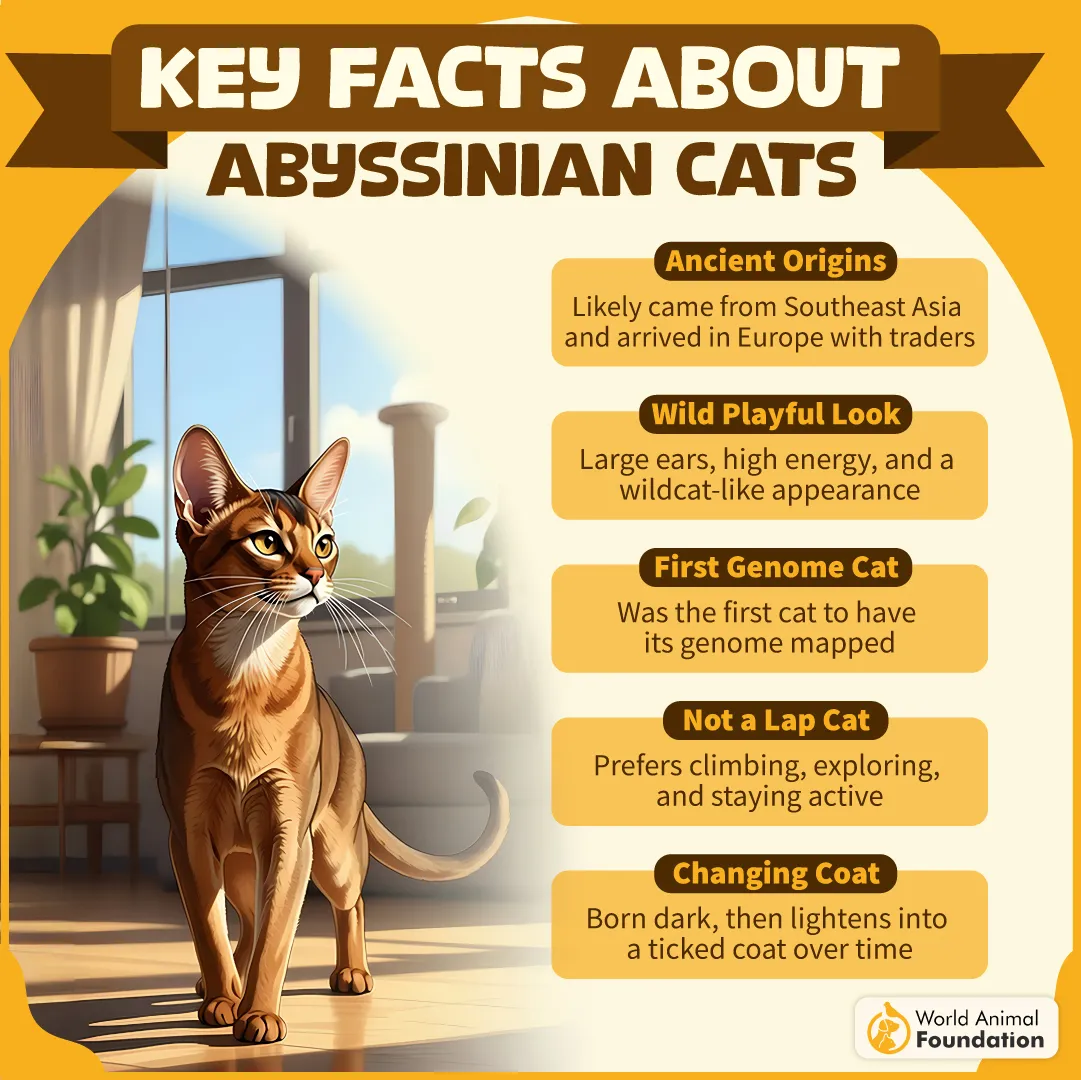
As per PetMD, these cats appreciate independence and do not need constant encouragement. Unlike free feeding, puzzle feeding gives them something to focus on while allowing them to work at their own pace. It adds variety to daily routines and keeps their sharp minds busy without overstimulation.
Why This Cat Is a Good Fit
Curious thinker who enjoys learning through interaction
Prefers fast, movement-based challenges
Thrives on independent mental activity
3. Siamese
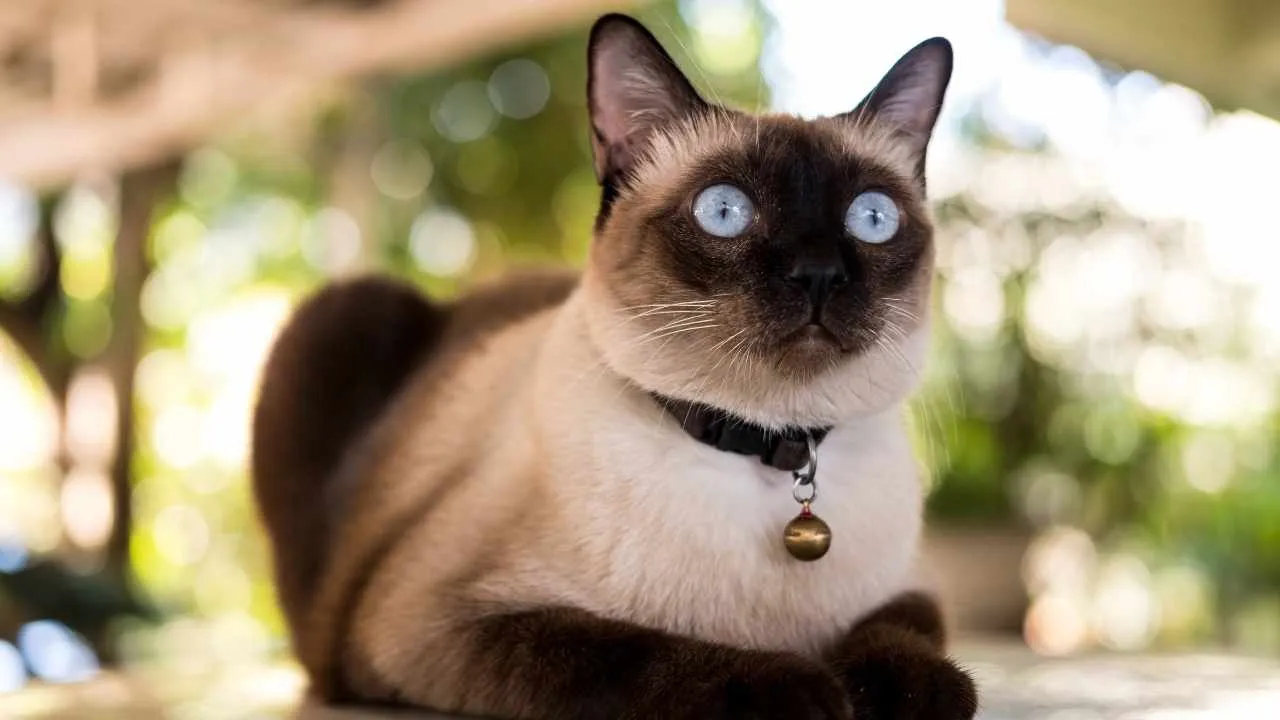
Siamese cats treat most activities as shared experiences, and food puzzles are no exception. They often involve their humans through vocal commentary or expect attention while working through a challenge. For them, the process matters as much as the reward.
This breed enjoys puzzles and new things that allow experimentation. Siamese cats may pause, reassess, and try new angles rather than repeating the same motion. Their intelligence keeps them engaged, especially when puzzles vary in difficulty or design.
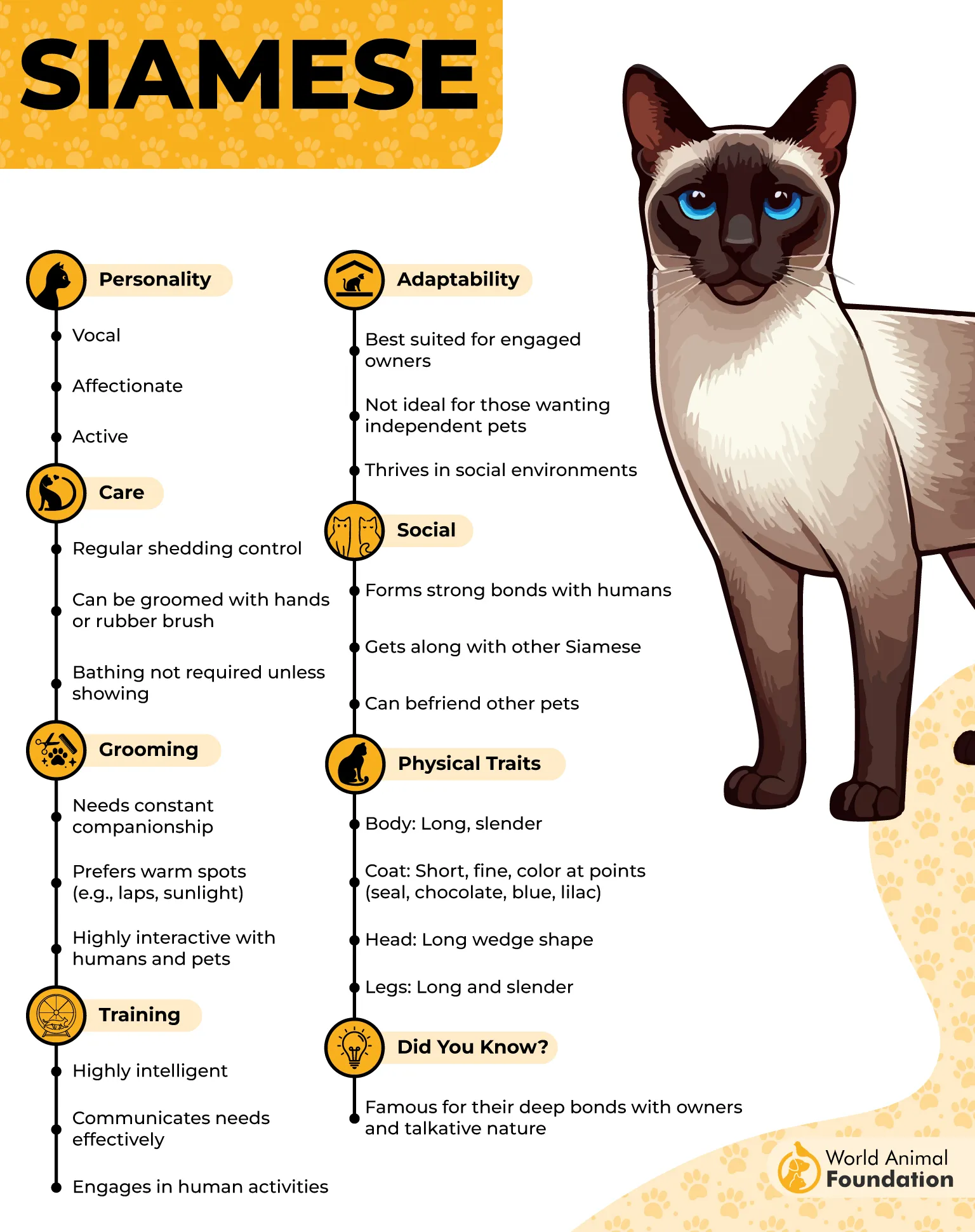
Routine matters to these domestic cats, but boredom does not. Introducing puzzle feeding helps keep meals interesting while supporting their need for stimulation. When their minds are occupied, they are calmer, more content, and less likely to demand constant entertainment. other puzzles
Why This Cat Is a Good Fit
Highly intelligent and mentally curious
Enjoys interactive and varied challenges around the house
Benefits from structured enrichment
4. Cornish Rex
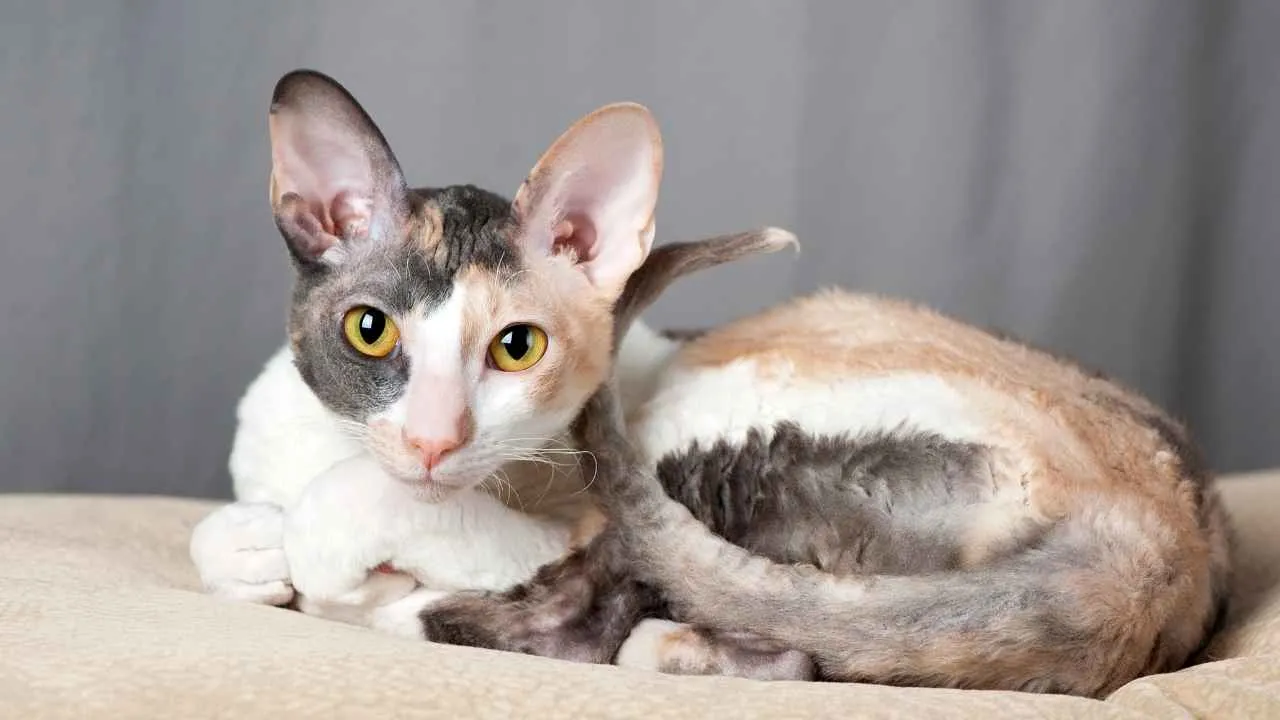
Cornish Rex cats approach puzzles with enthusiasm and creativity. Their nimble paws and flexible bodies make them excellent manipulators of small objects. They often jump right in, experimenting with movement and touch rather than observation.
This breed treats food puzzles as an extension of play. Rolling, swatting, and chasing food-dispensing toys fit their energetic personality perfectly. The physical aspect keeps them entertained while their minds stay engaged.
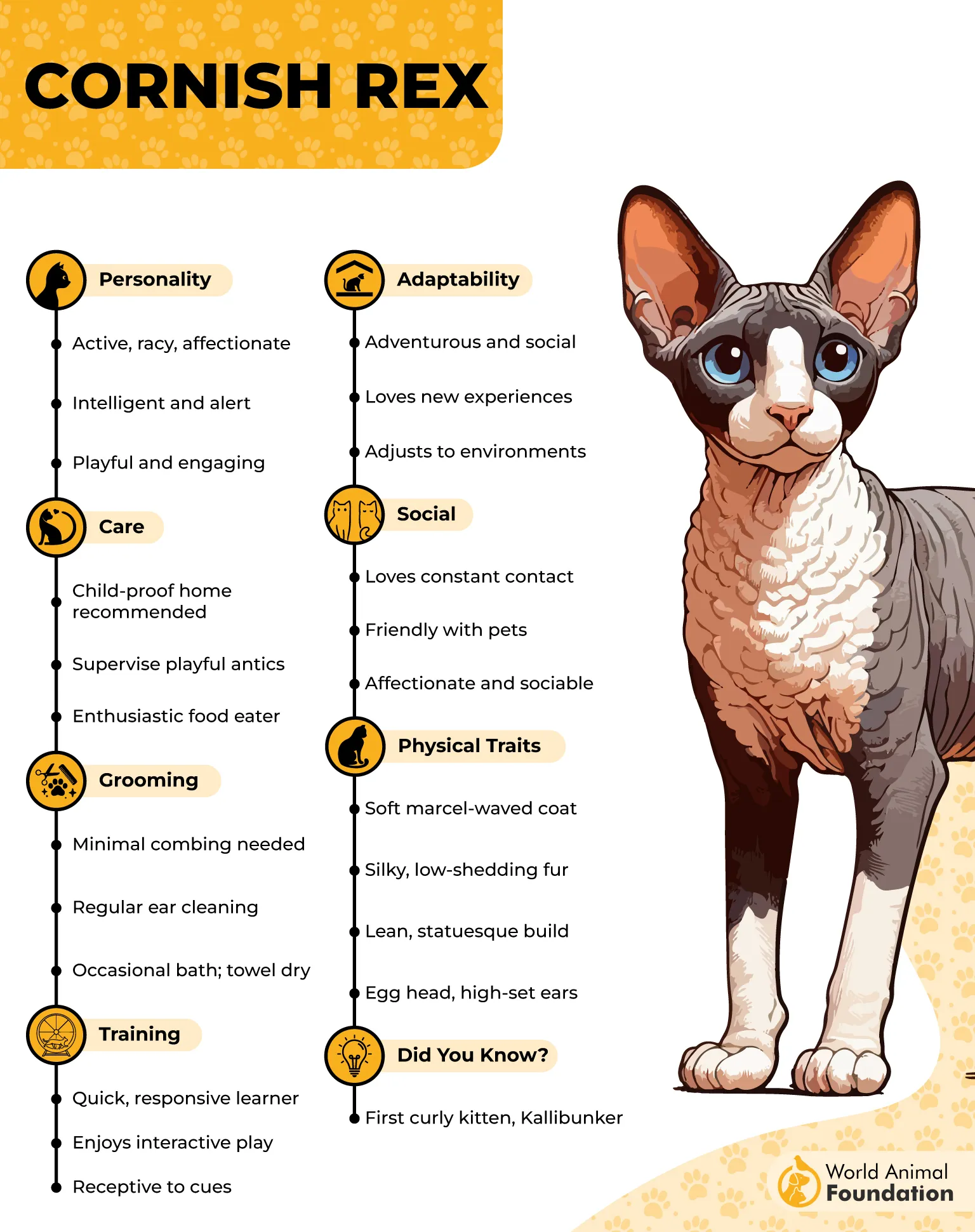
Because Cornish Rex cats are known for quick movements and high activity, puzzle feeding helps slow things down in a positive way. It turns mealtime into a focused activity rather than a rushed event, satisfying both their curiosity and their appetite.
Why This Cat Is a Good Fit
Agile and hands-on problem solver
Views puzzles as playful challenges
Benefits from slower, engaging feeding routines
5. Maine Coon
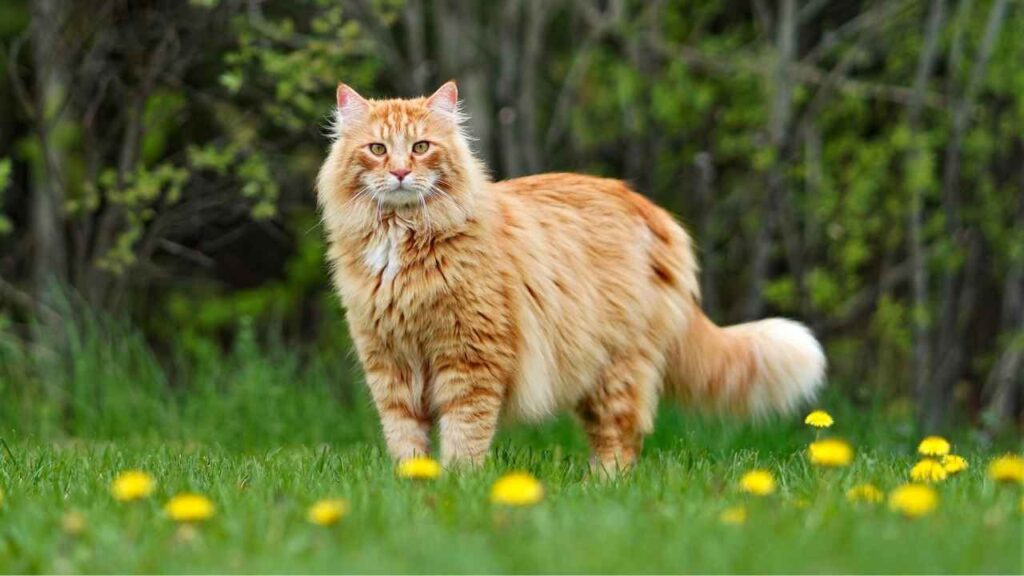
Maine Coons approach enrichment with patience and curiosity rather than speed. They tend to examine new objects carefully, using their paws to test movement before fully engaging. Food puzzles suit their thoughtful nature and give them time to work through a challenge without feeling rushed.
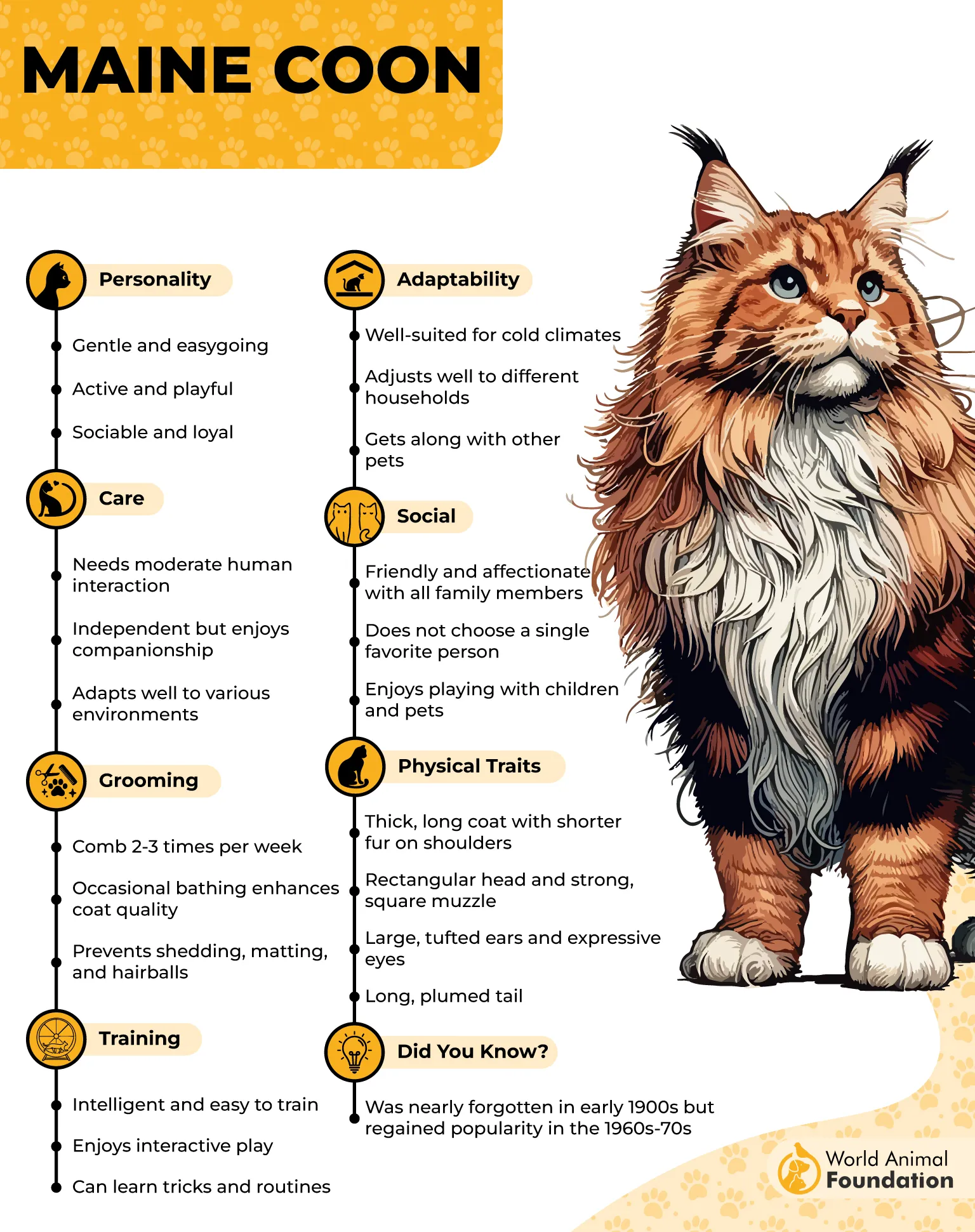
This big cat breed is known for intelligence paired with a calm demeanor. Maine Coons enjoy puzzles that reward steady effort, such as sliding compartments or rotating pieces that hold food. They often return to a puzzle multiple times, treating it as an ongoing project rather than a quick snack.
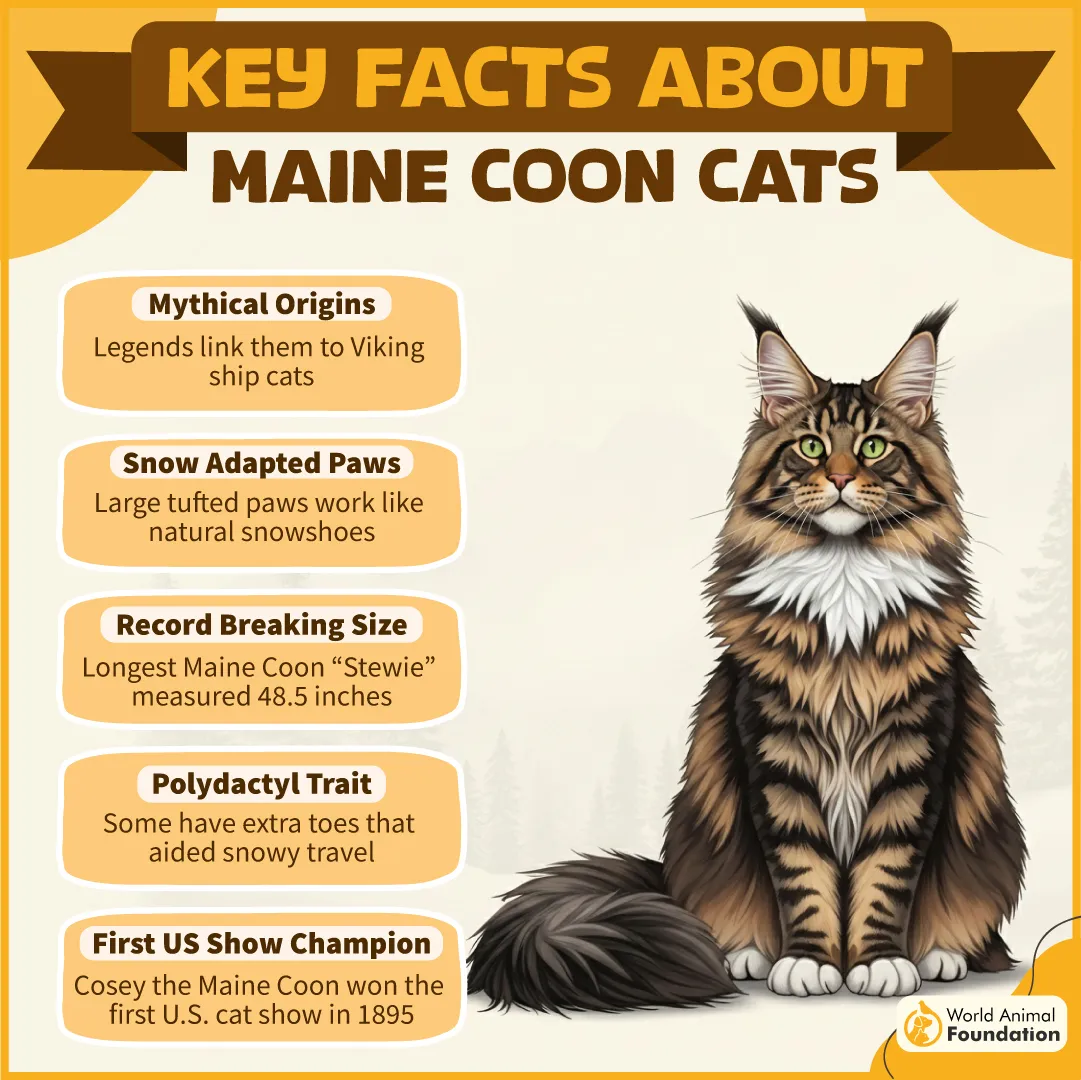
Because they are social and observant, Maine Coons often enjoy puzzle feeding near family activity. It allows them to stay involved while focusing their attention. Food puzzles add mental depth to their daily life and help satisfy their need for purposeful engagement.
Why This Cat Is a Good Fit
Intelligent and methodical problem solver
Prefers puzzles that reward patience
Enjoys enrichment alongside daily household activity
6. Turkish Angora
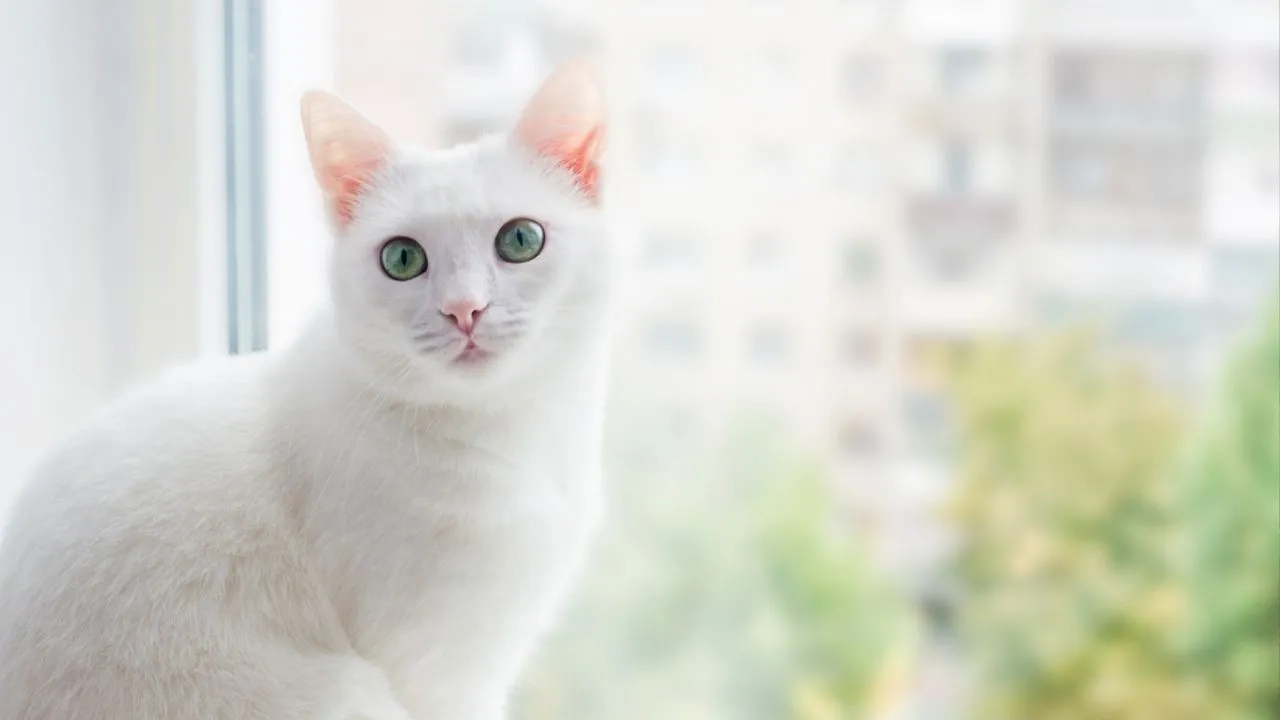
Turkish Angoras are quick thinkers with a playful, curious streak. They rarely hesitate to investigate something new, especially if it moves or reacts to their touch. Food puzzles appeal to their love of interaction and discovery.
This breed enjoys variety and can lose interest if challenges feel repetitive. Puzzles that change position, sound, or movement tend to keep them engaged longer. Turkish Angoras often combine speed and finesse, solving puzzles through quick taps rather than force.
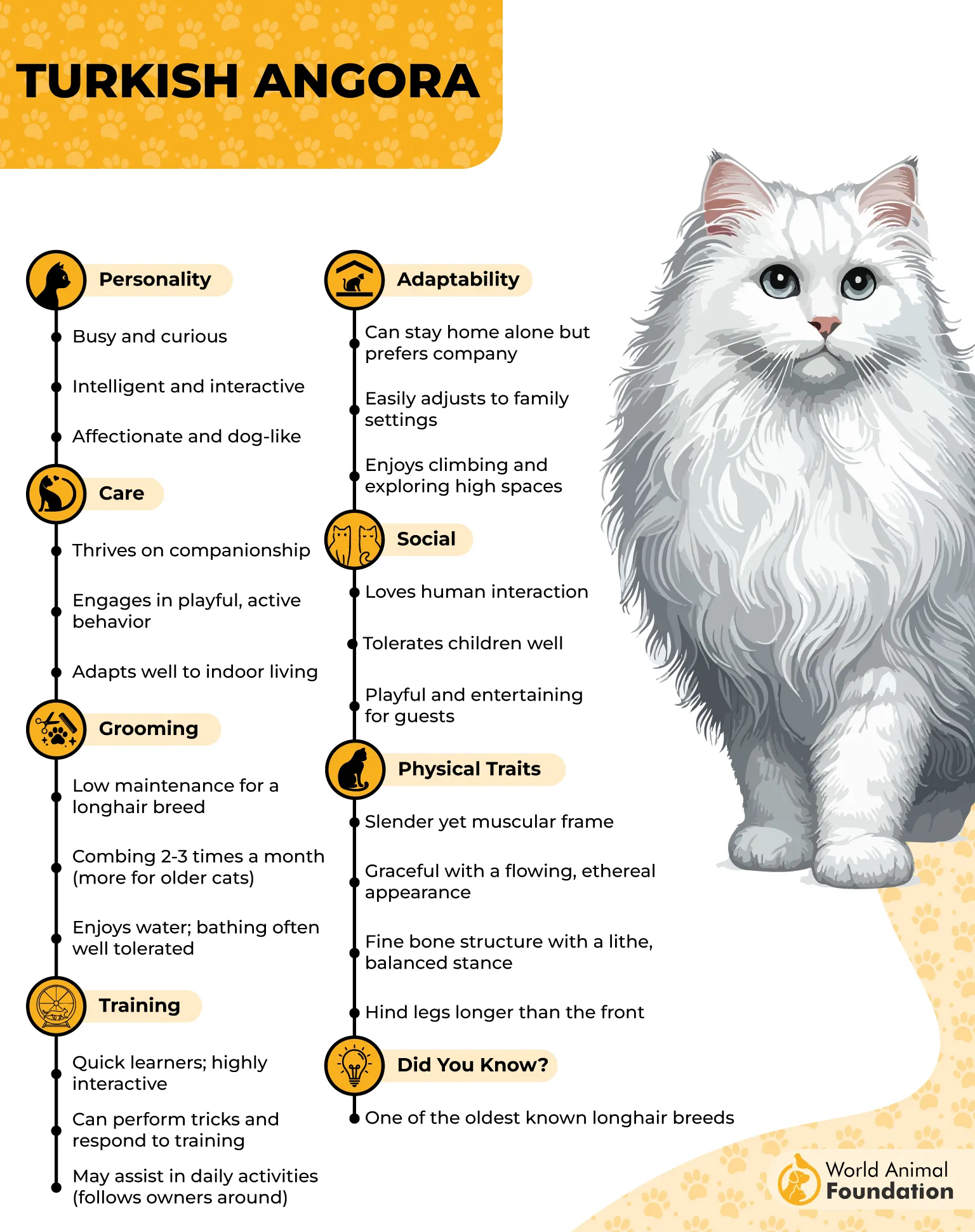
Mental stimulation is important for their overall happiness. Food puzzles give them an outlet for curiosity while adding structure to feeding time. When engaged, Turkish Angoras are focused, entertained, and less likely to search for excitement elsewhere.
Why This Cat Is a Good Fit
Curious and fast learner
Enjoys variety and interactive challenges
hrives with mentally engaging feeding routines
7. Savannah
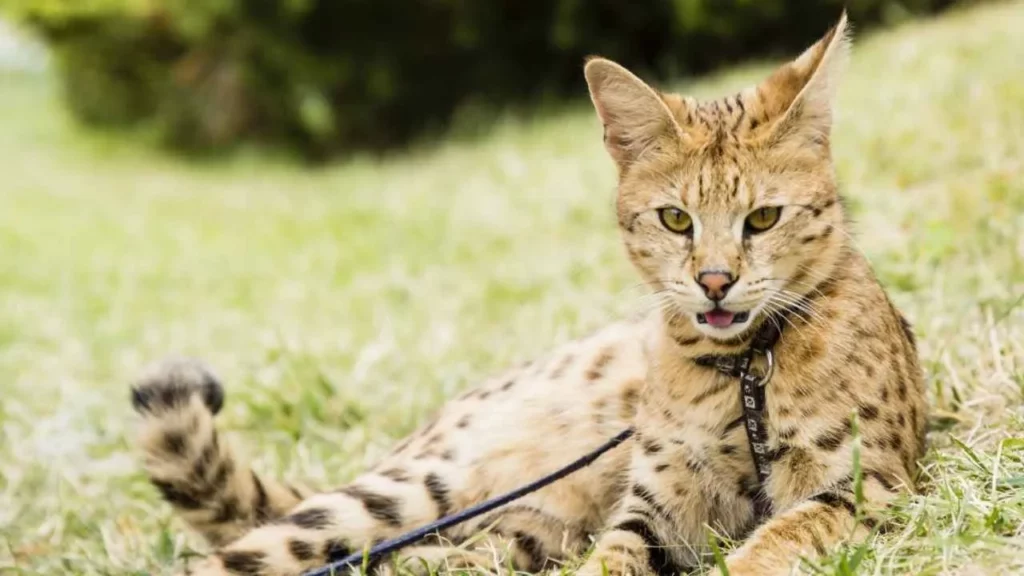
Savannah cats are highly alert and intensely curious, often approaching puzzles as if they are hunting tasks. They like challenges that require movement, planning, and persistence. Food puzzles provide an opportunity to use both physical coordination and problem-solving.
According to PetPlan, this breed is known for high intelligence and a need for stimulation. Savannahs often experiment with different strategies, pushing, lifting, or repositioning puzzles until food is released. Their focus can be impressive, especially when the reward feels earned.
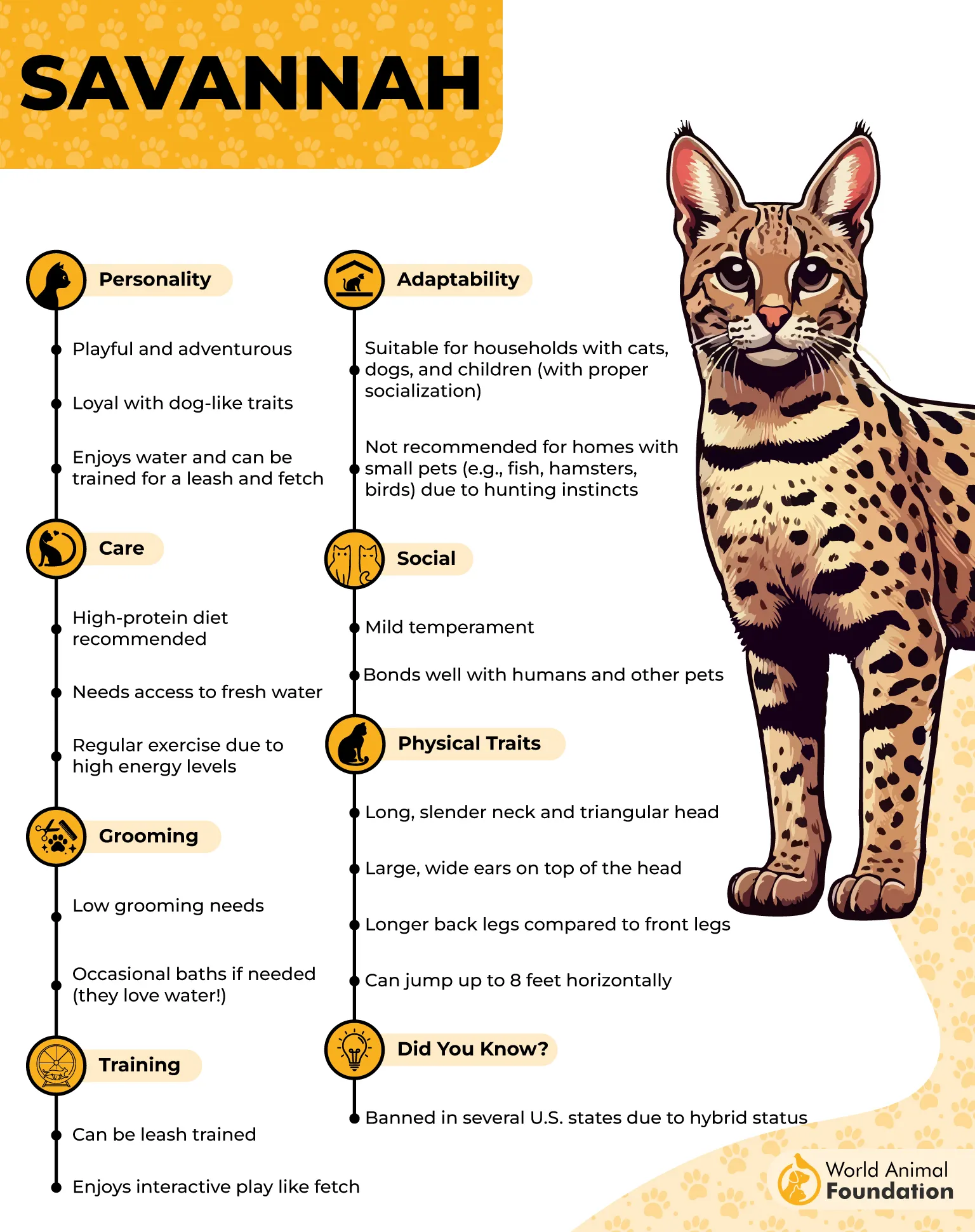
Because of their energy and drive, enrichment is essential. Cat food puzzles help channel that intensity into a productive activity. Turning meals into a challenge helps Savannah cats stay engaged, satisfied, and mentally balanced.
Why This Cat Is a Good Fit
Highly intelligent and driven by challenges
Enjoys complex, movement-based puzzles
Needs strong mental enrichment daily
Conclusion
Food puzzles turn everyday feeding into a meaningful activity that keeps cats mentally sharp and emotionally satisfied. For curious, intelligent, and active cats, working for food feels natural and rewarding. Wet or dry food puzzle feeding encourages problem solving, mimics natural foraging behavior, slows down fast eaters, and adds variety to daily routines.
Choosing the right puzzle and rotating options for your feline friend helps prevent boredom while supporting healthy habits. Whether your cat prefers careful investigation of tasty treats and food cleverly hidden inside the new food puzzle or energetic trial and error, food puzzle feeders offer enrichment that fits their instincts.
With patience and consistency, puzzle feeding can become a fun, engaging ritual even if you have other cats or dogs in the house, which benefits cat behavior every day.
