




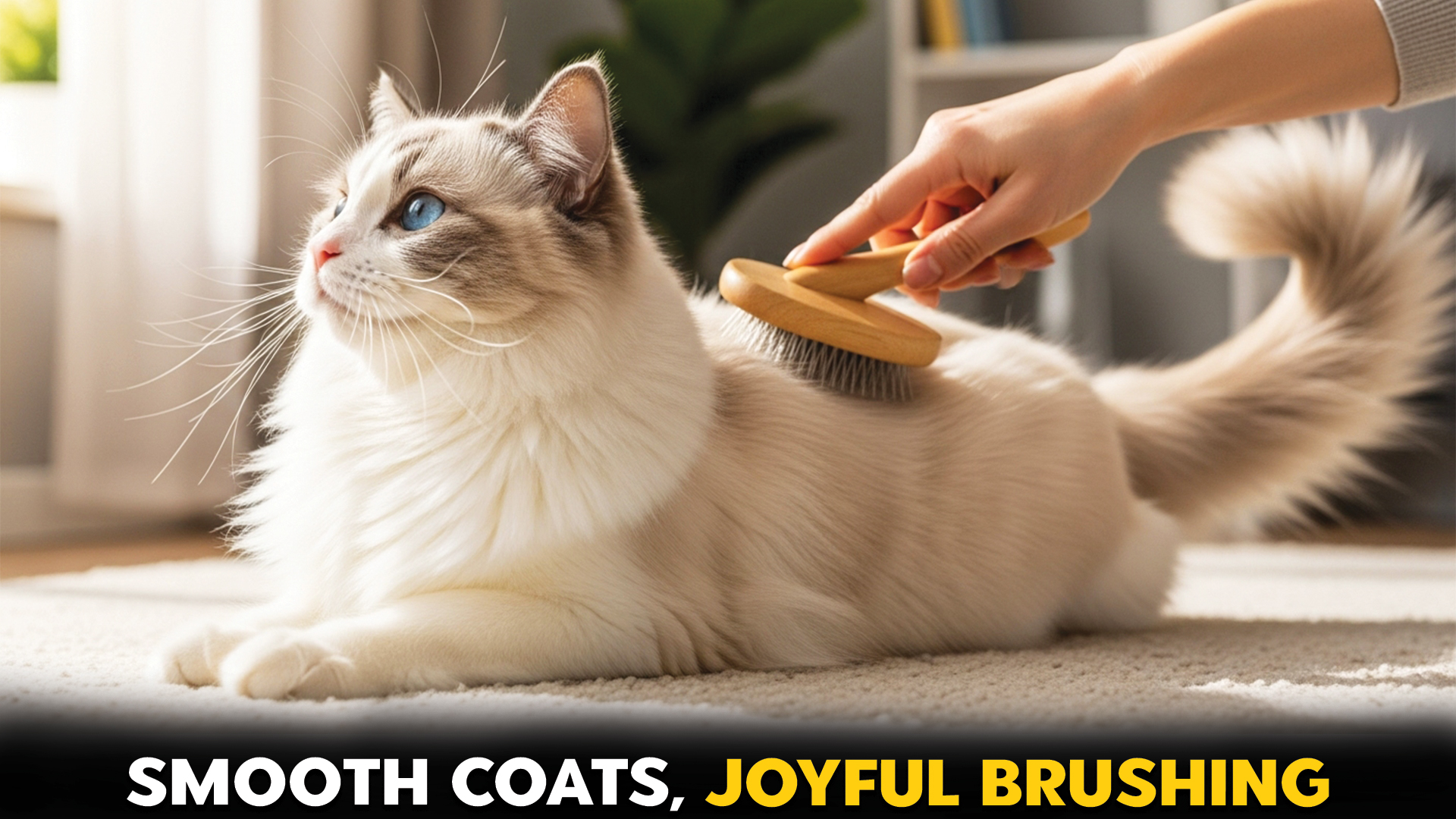
Brushing can be a soothing ritual for some cats and a dreaded chore for others. Understanding why certain cats lean into the brush while others flee starts with knowing how grooming connects to comfort, trust, and instinct. For many cats, brushing mimics social grooming behaviors, helping them relax while strengthening the bond with their human.
Why some cats love being brushed often comes down to coat type and skin sensitivity. Cats with longer, denser, or plush coats may experience real relief from regular brushing, as it removes loose hair, prevents tangles, and evenly distributes natural oils. Even short-coated cats can enjoy brushing when it’s done gently and consistently, especially if it becomes part of a calm routine.
In this article, we explore cat breeds that enjoy being brushed and what makes grooming pleasurable for them. By looking at the link between coat texture, grooming needs, and temperament, you’ll discover how the right brush and approach can turn grooming time into a moment of connection rather than conflict.
Cat Breeds That Enjoy Being Brushed
1. Maine Coon
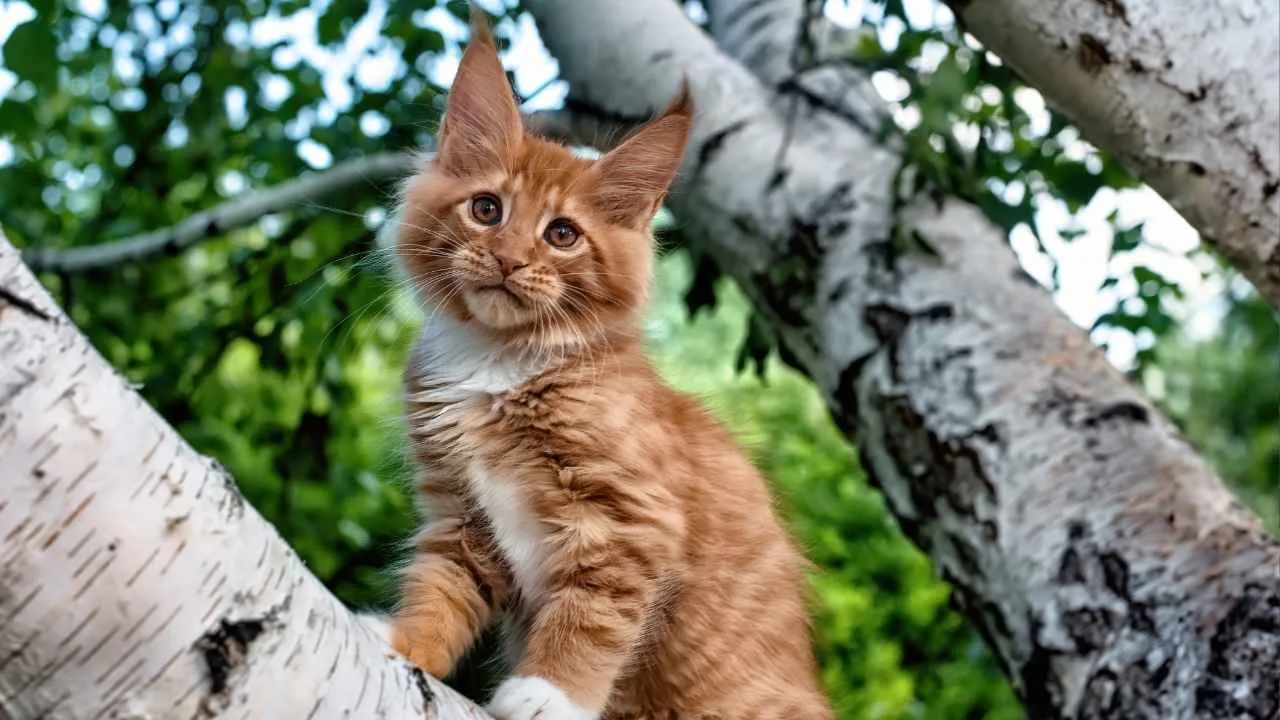
Also known as America’s gentle giant, the Maine Coon is a large, affectionate breed admired for its shaggy coat and easygoing temperament. Family-oriented and patient, this cat thrives on close human interaction.
According to Purina, the Maine Coon is a massive cat with a powerful, muscular, athletic body that matches its impressive size.
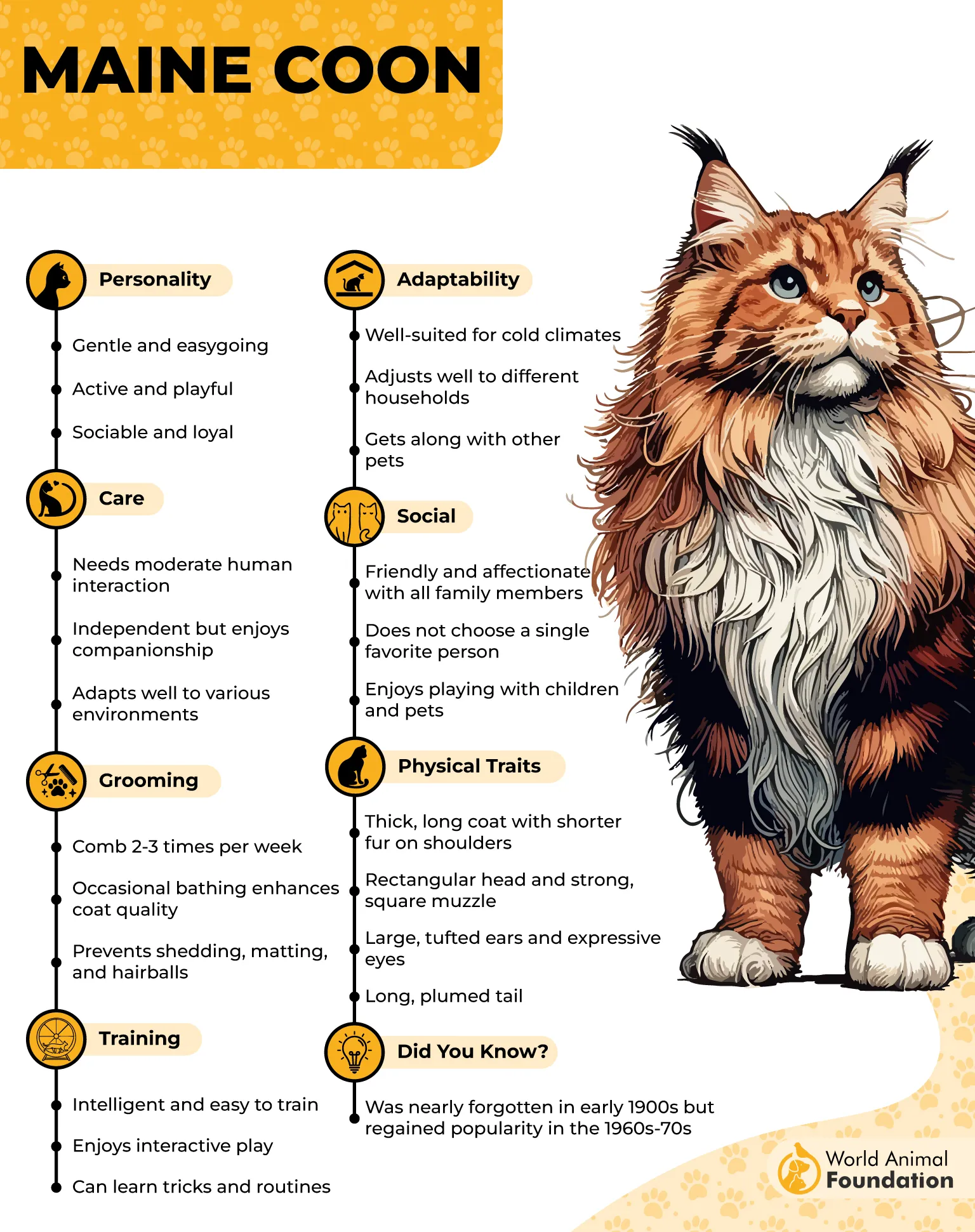
Maine Coons often enjoy being brushed because grooming doubles as quality time. Their calm nature and love of attention make brushing feel less like maintenance and more like bonding, especially when introduced early.
Their long, silky coat benefits from regular brushing, which helps prevent tangles and removes loose hair. Because they shed and can’t fully groom their dense undercoat alone, brushing brings noticeable comfort.
Many Maine Coons even tolerate bathing, thanks to a curious interest in water.
Fun fact: Maine Coons often enjoy grooming sessions because they naturally crave attention and physical interaction with their people.
2. Ragdoll
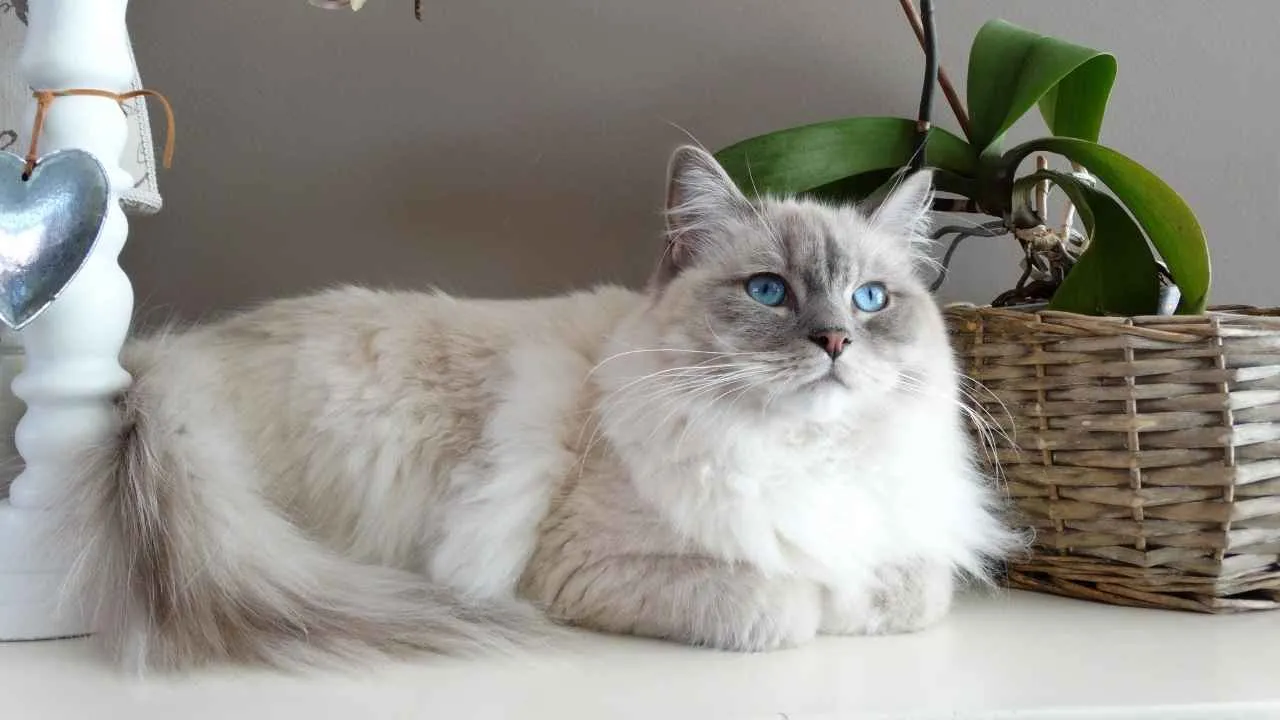
Also known simply as the Ragdoll, this breed is famous for its calm temperament, striking blue eyes, and silky semi-long coat.
Petplan notes that Ragdoll cats are affectionate companions with a beautifully soft coat. Developed in the United States, Ragdolls are cherished for their gentle, people-focused nature.
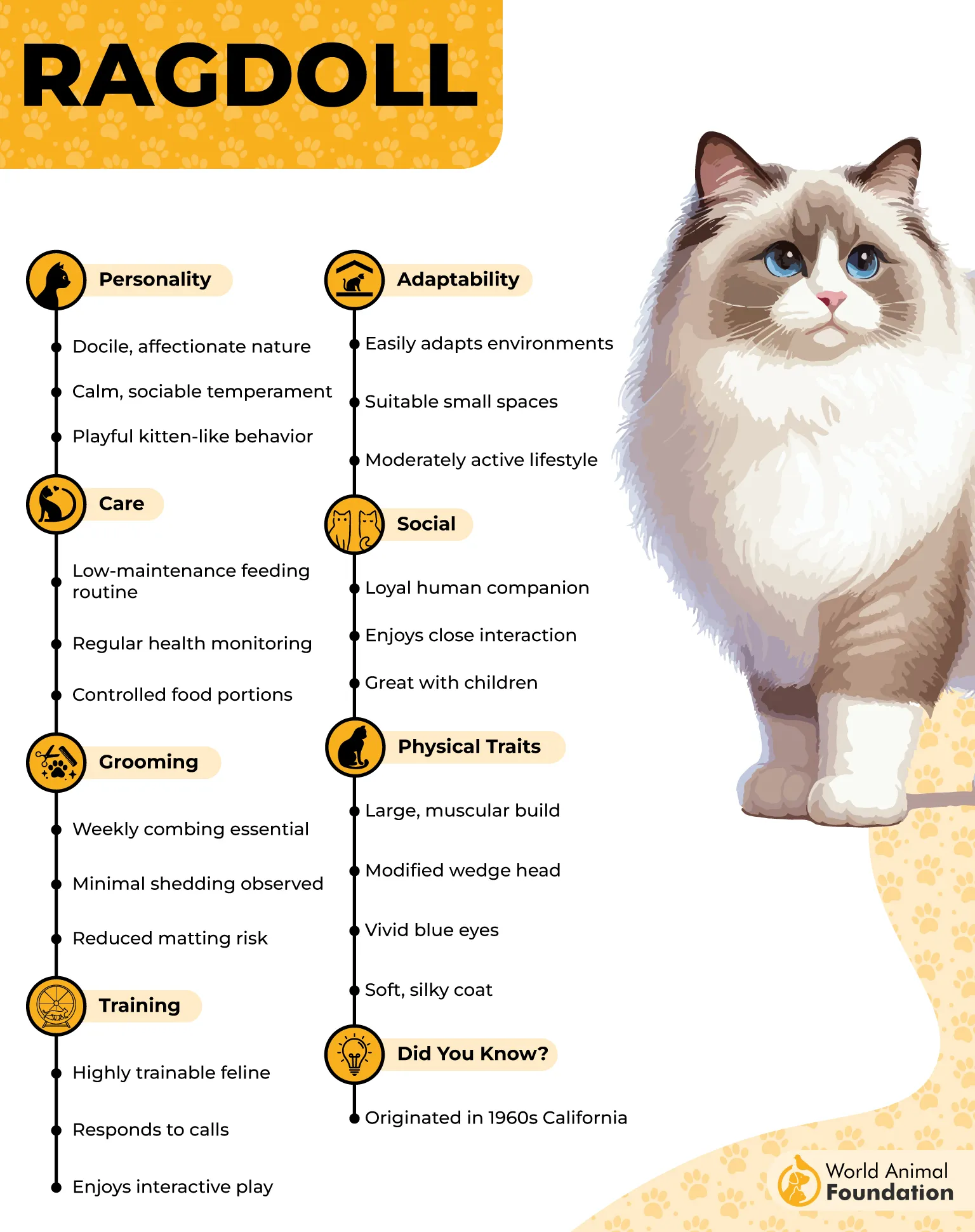
Brushing is often a welcome experience for Ragdolls because they strongly associate grooming with affection. Their relaxed disposition allows them to settle into brushing sessions, treating the attention as quality bonding time.
The coat’s soft texture benefits from regular brushing to reduce shedding and prevent tangles. Unlike some long-haired breeds, their fur resists matting, making grooming more comfortable and enjoyable.
Ragdolls tend to relax fully during grooming, sometimes going limp when handled, which makes brushing easier.
Fun fact: The Ragdoll breed earned its name from its tendency to go completely relaxed when picked up.
3. Siberian
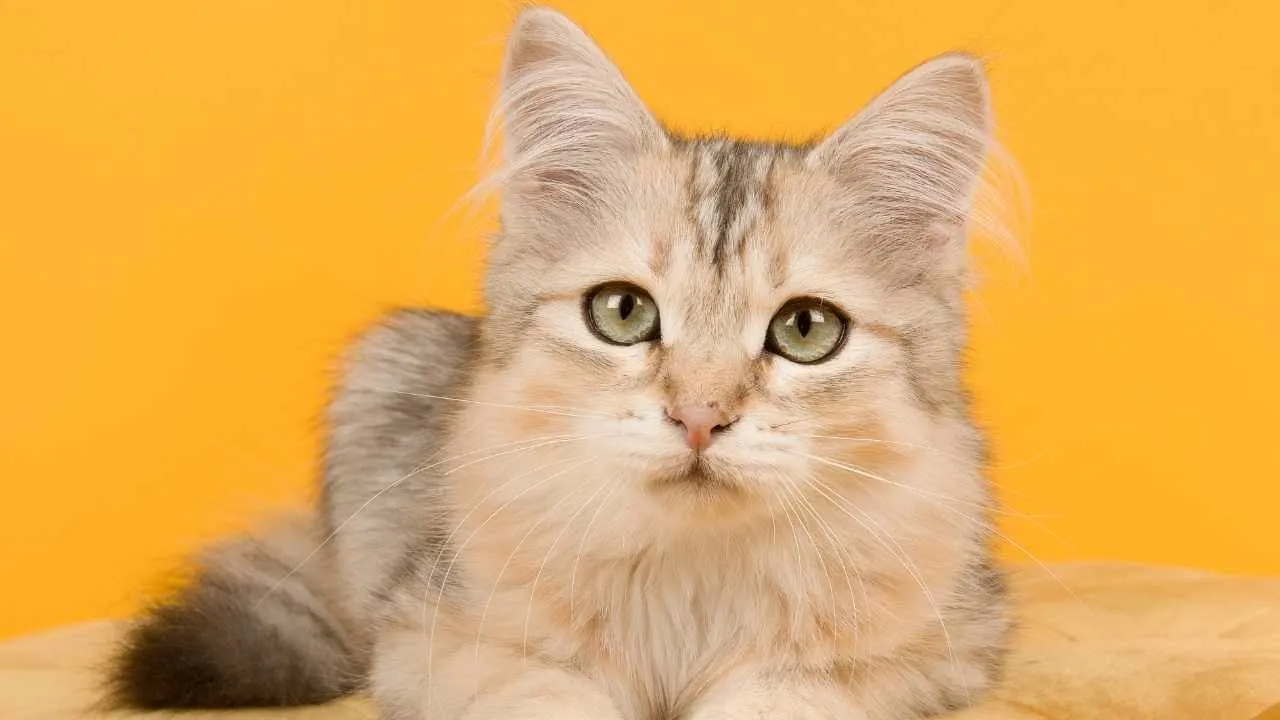
Also known as the Siberian Forest Cat, the Siberian is a natural breed that originated in Russia and has existed for centuries. With a majestic appearance and thick, luxurious fur, it was shaped by harsh winters and forest life.
PetMD states that Siberians are affectionate and clever cats that enjoy a mix of play, training, and rewards.
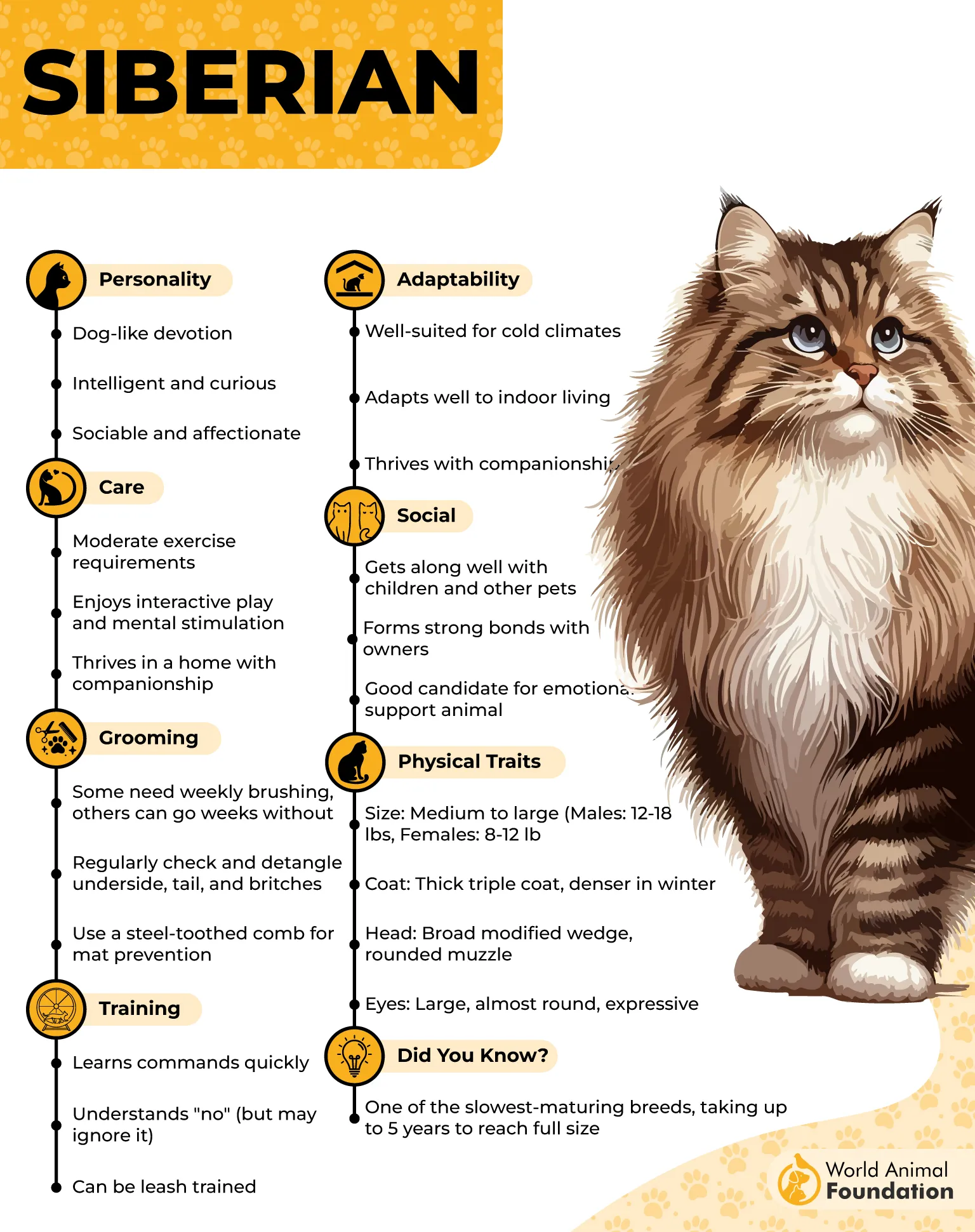
That dense, triple-layered coat makes brushing especially enjoyable for Siberians. Regular grooming helps remove loose hair and distribute natural oils, and many Siberians welcome brushing as a soothing, familiar routine.
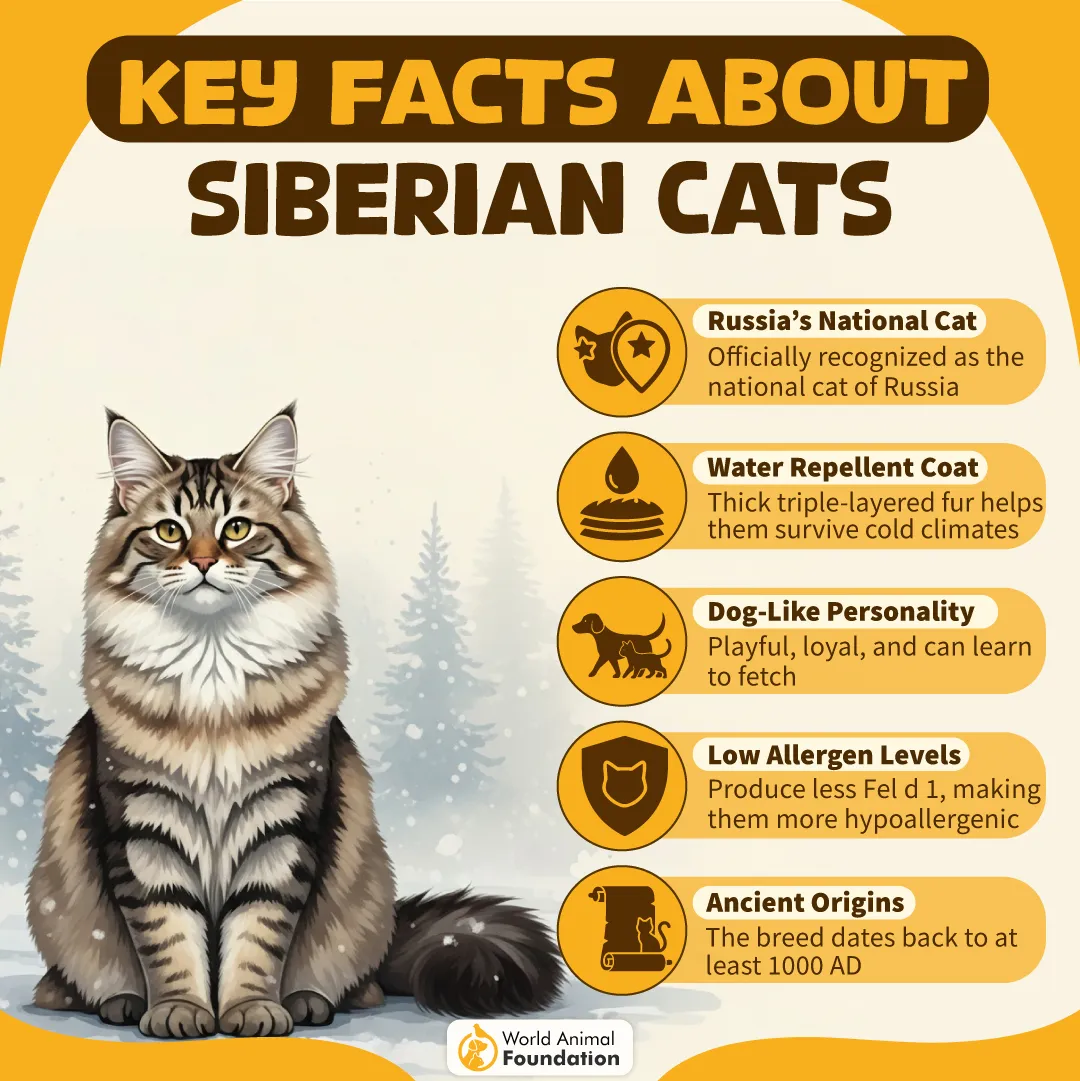
Their affectionate and easygoing personality plays a big role in this enjoyment. Siberians tend to be calm yet playful, often leaning into grooming sessions as a form of bonding and relaxation with their humans.
Because the coat is water-resistant and full, consistent brushing keeps it healthy and comfortable.
Fun fact: Siberian cats are often considered hypoallergenic because they produce lower levels of the Fel d 1 protein linked to cat allergies.
4. Persian
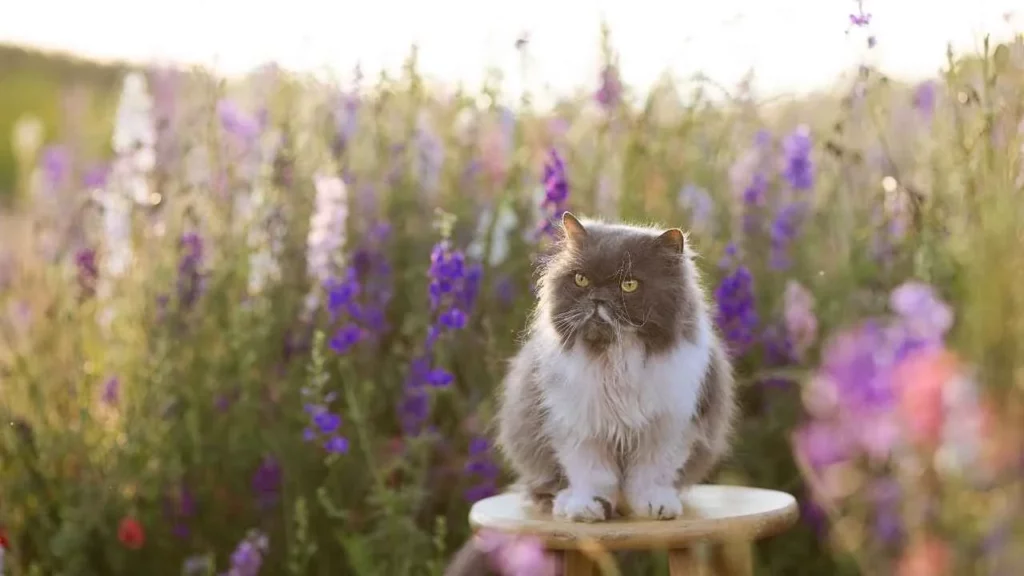
Also known as the Persian Longhair, the Persian is one of the most recognizable cat breeds, famous for its flat face, calm demeanor, and flowing coat. This breed has a long history tied to ancient Persia and early Europe.
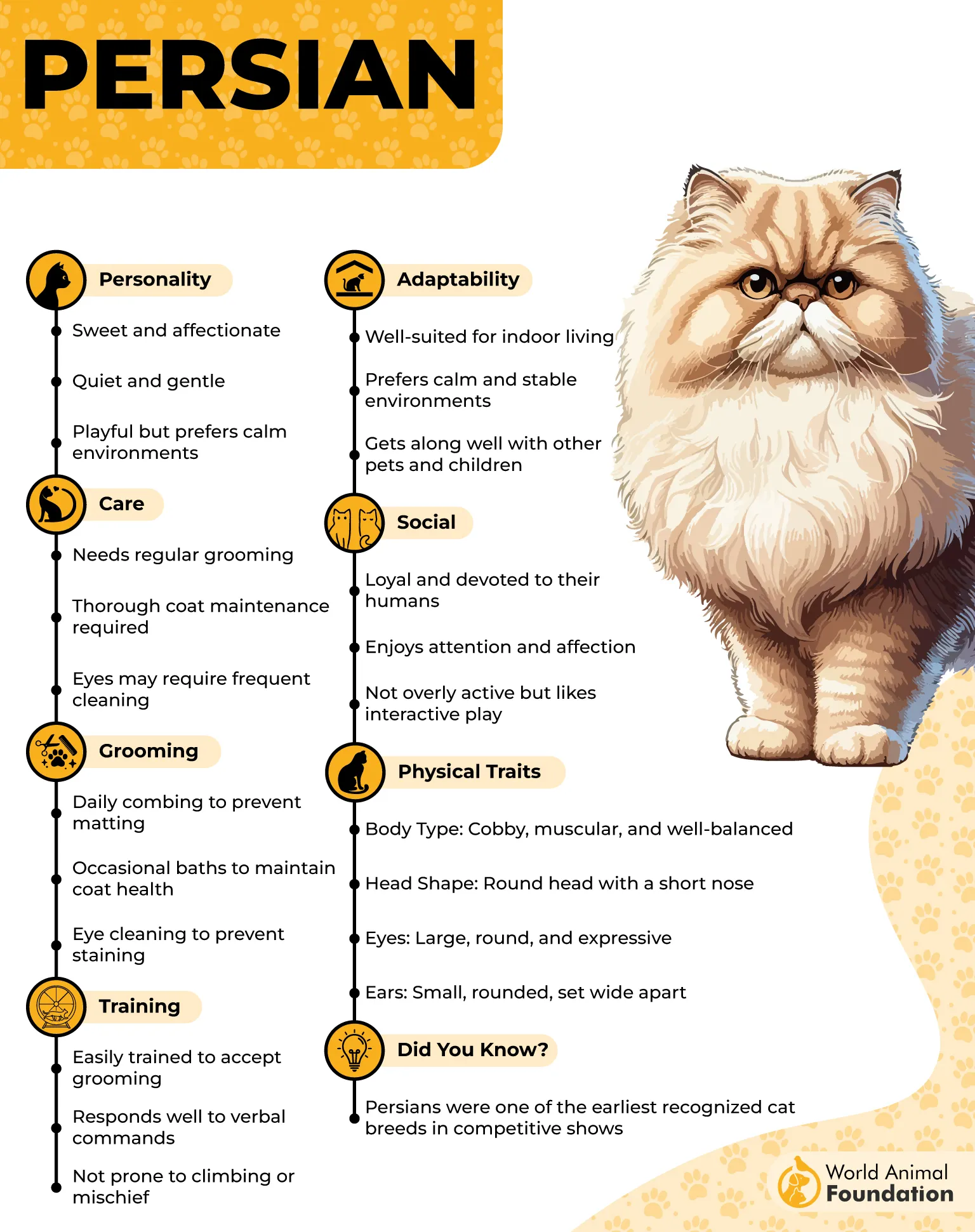
Persians often respond well to brushing because of their relaxed, gentle temperament. When grooming is done slowly and kindly, many Persians treat it as a soothing routine rather than a chore.
Their dense undercoat and long fur require regular attention to prevent tangles and mats, making brushing an important comfort measure. Over time, consistent grooming helps them associate brushes with relief and bonding.
Because Persians enjoy calm environments, brushing sessions can become quiet moments of trust and connection.
Fun fact: Persian cats are believed to be among the oldest long-haired breeds, with records of similar cats dating back to ancient times.
5. Birman
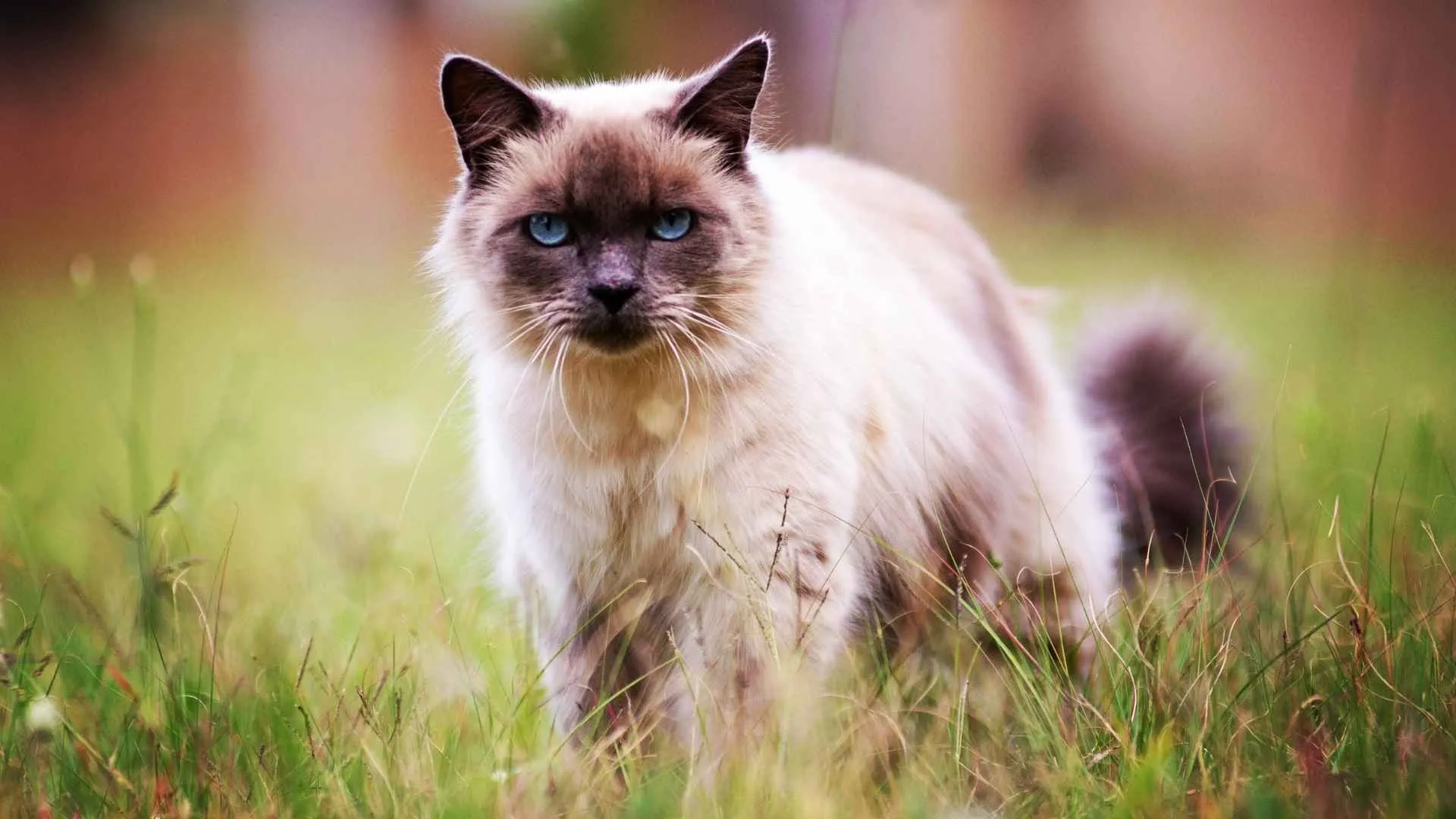
Also known as the Sacred Cat of Burma, the Birman is an elegant, long-haired breed admired for its deep blue eyes, silky coat, and signature white paws. Calm and affectionate, it has shared close bonds with humans for generations.

Birmans often enjoy being brushed because they associate grooming with gentle attention. Their relaxed temperament allows them to settle into brushing sessions comfortably, especially when it’s part of a calm, familiar routine.
The breed’s soft, flowing coat benefits from regular brushing to stay smooth and tangle-free. Because the fur isn’t prone to heavy matting, grooming tends to feel soothing rather than stressful for the cat.
Loyal and people-focused, Birmans frequently choose a favorite family member and seek quiet companionship.
Fun fact: The Birman is traditionally known as the “Sacred Cat of Burma,” a name tied to its long history alongside humans.
6. Norwegian Forest Cat
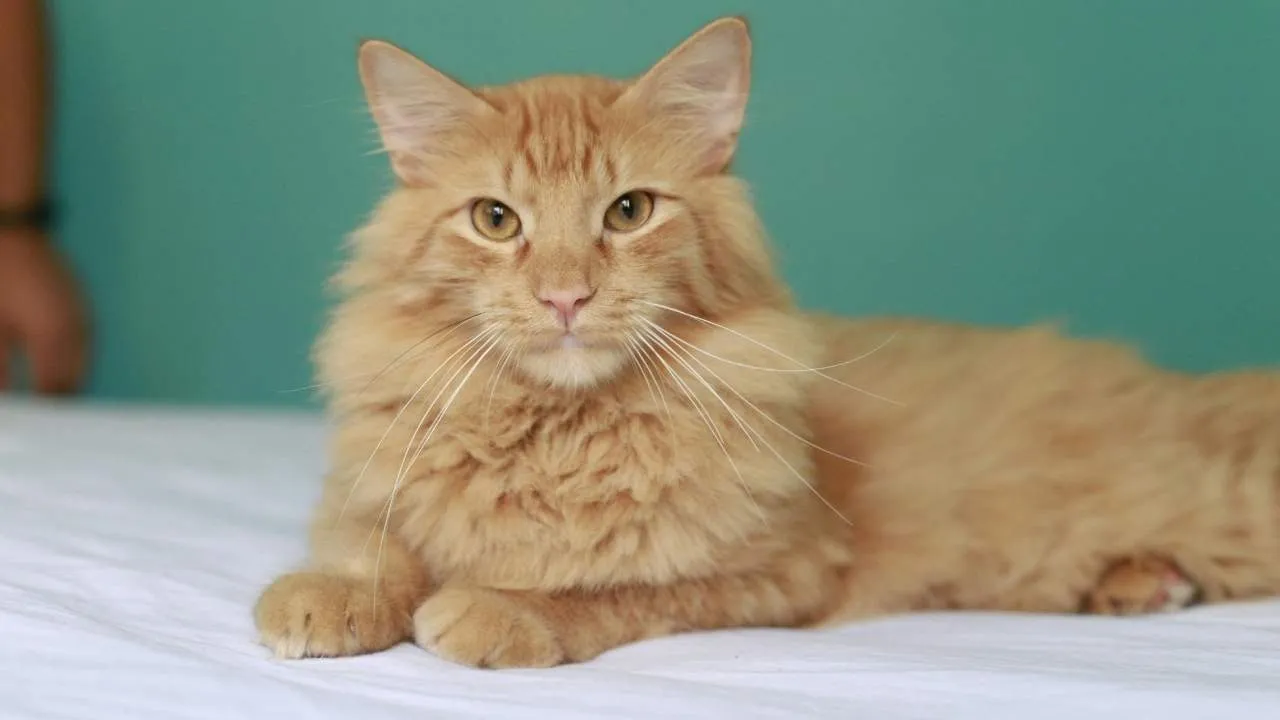
Also known as the Wegie, the Norwegian Forest Cat is a natural breed shaped by Scandinavia’s harsh climate. Its majestic appearance comes from evolution rather than selective breeding, giving it a calm, self-sufficient demeanor.
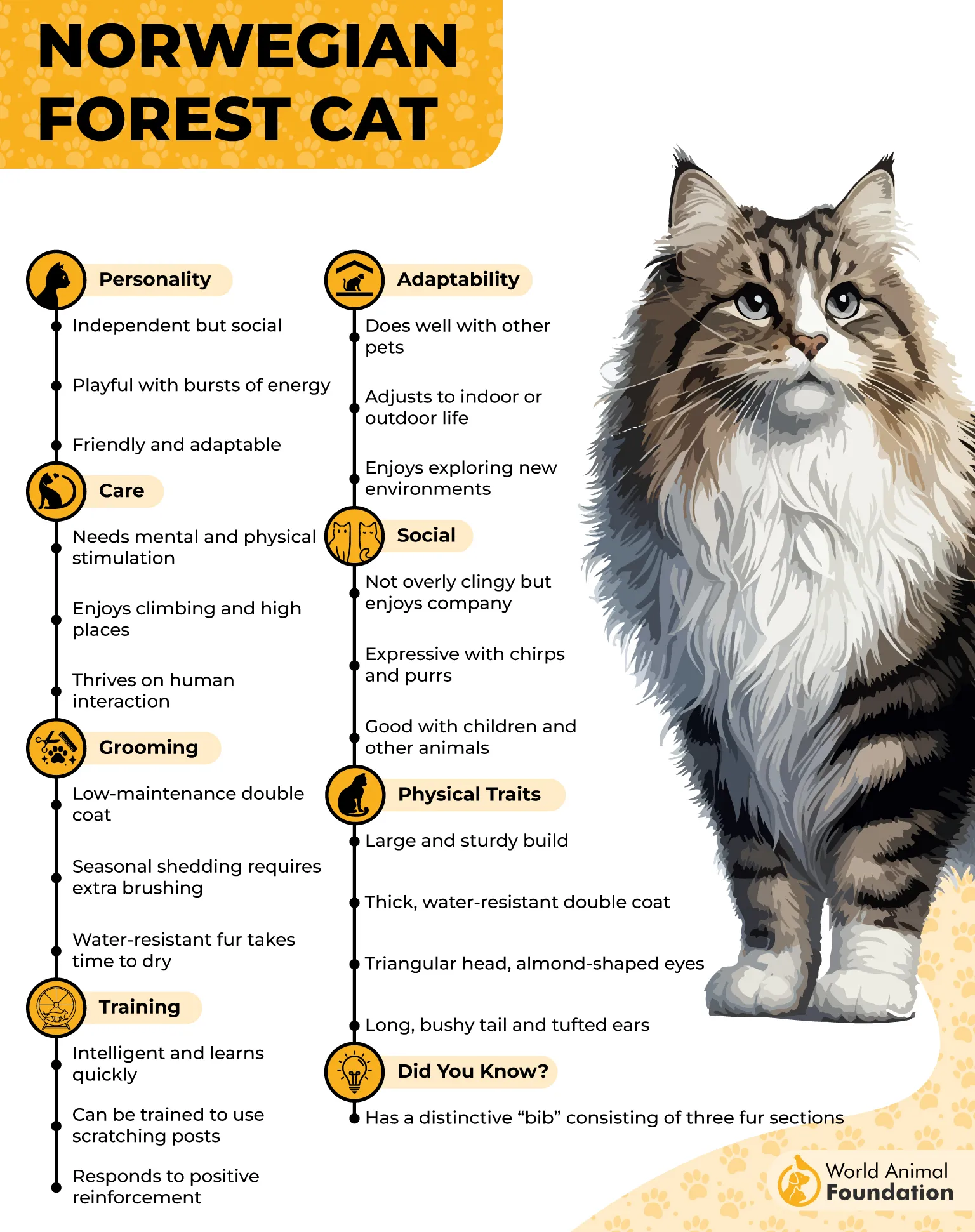
Despite a long, dense coat, this breed is surprisingly easy to groom. Norwegian Forest Cats typically tolerate brushing well because their fur resists matting and doesn’t tangle easily, reducing discomfort during grooming sessions.
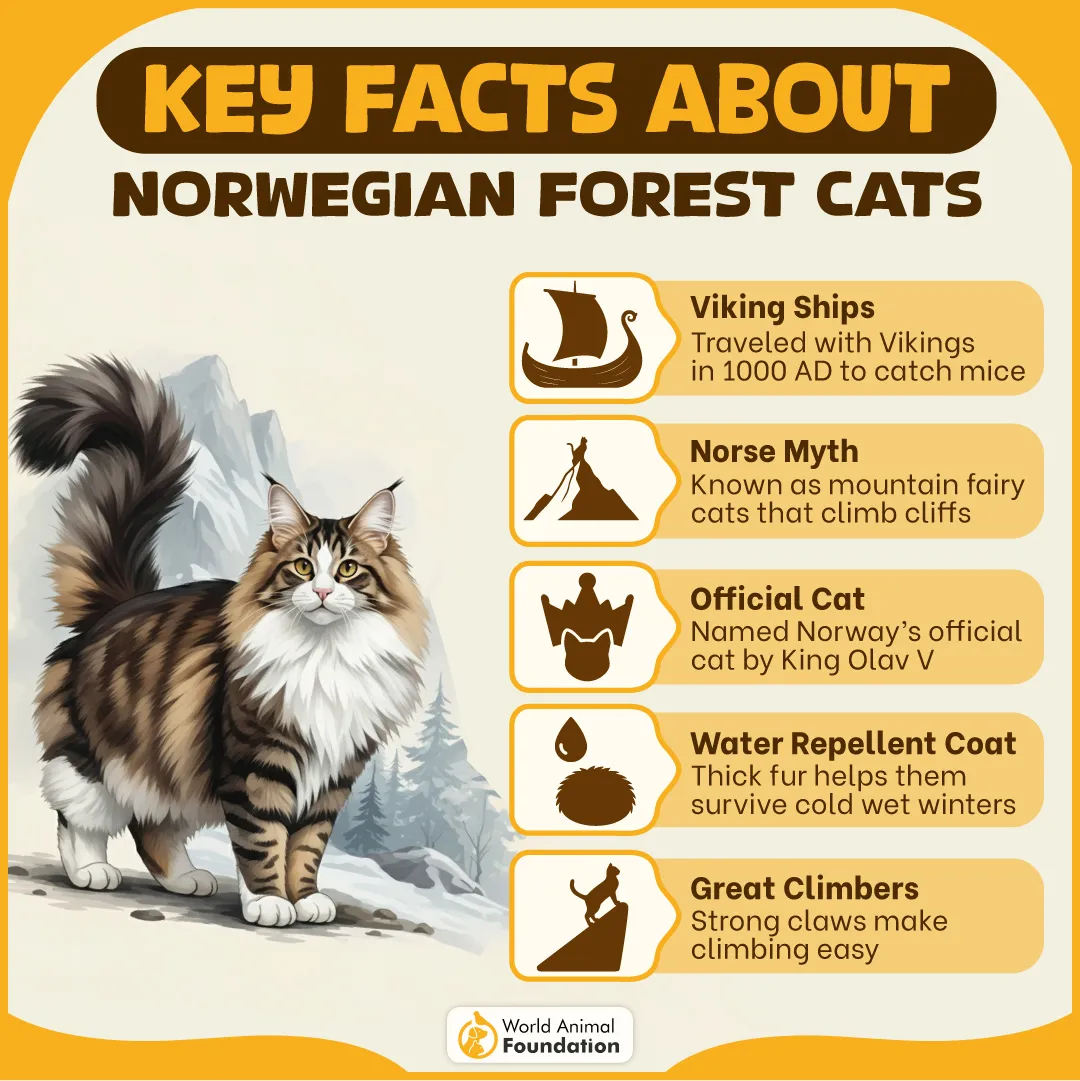
Their double coat includes water-resistant guard hairs and a soft insulating underlayer, making light weekly brushing both effective and enjoyable. Many even treat brushing as a relaxed bonding moment rather than a chore.
Because these cats naturally groom themselves, human brushing simply assists the process.
Fun fact: Norwegian Forest Cats evolved to shed loose fur by rubbing against trees, which explains why their coats stay manageable with minimal brushing.
7. Turkish Angora
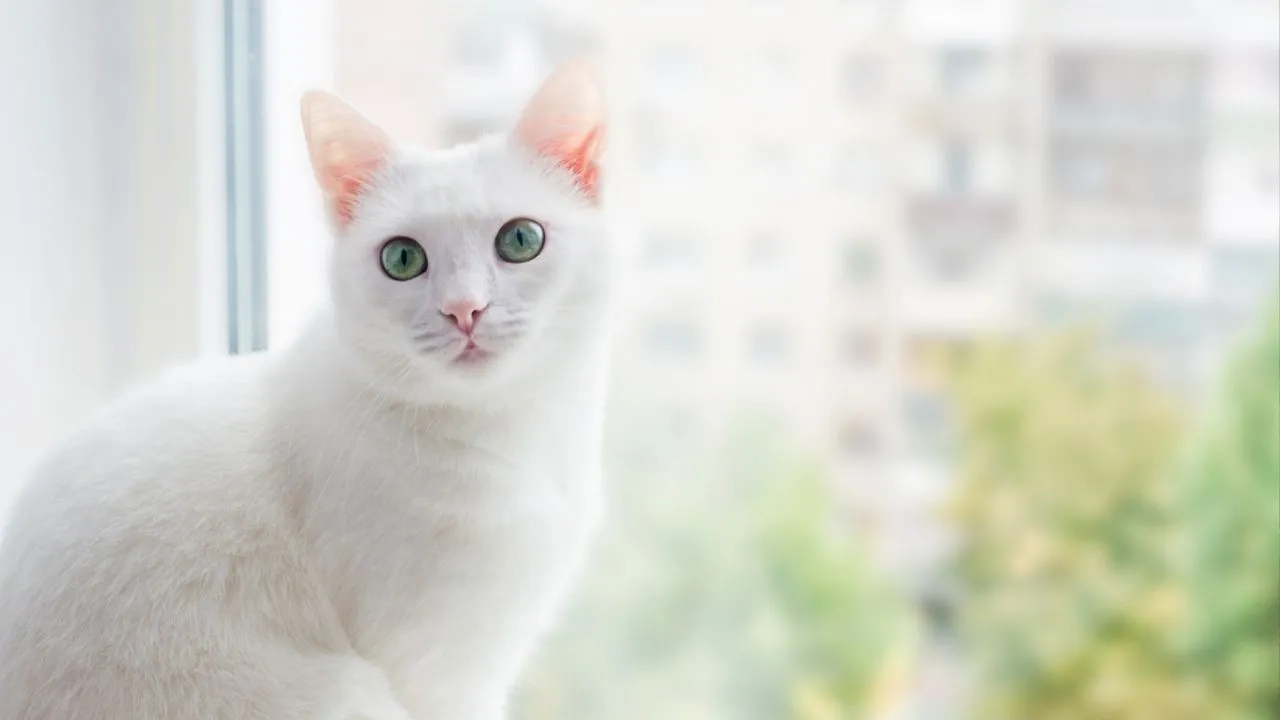
Also known simply as the Angora, the Turkish Angora is a naturally developed breed from Turkey, admired for its slender build, silky coat, and graceful presence. Despite its elegant look, this cat is lively, social, and deeply people-oriented.
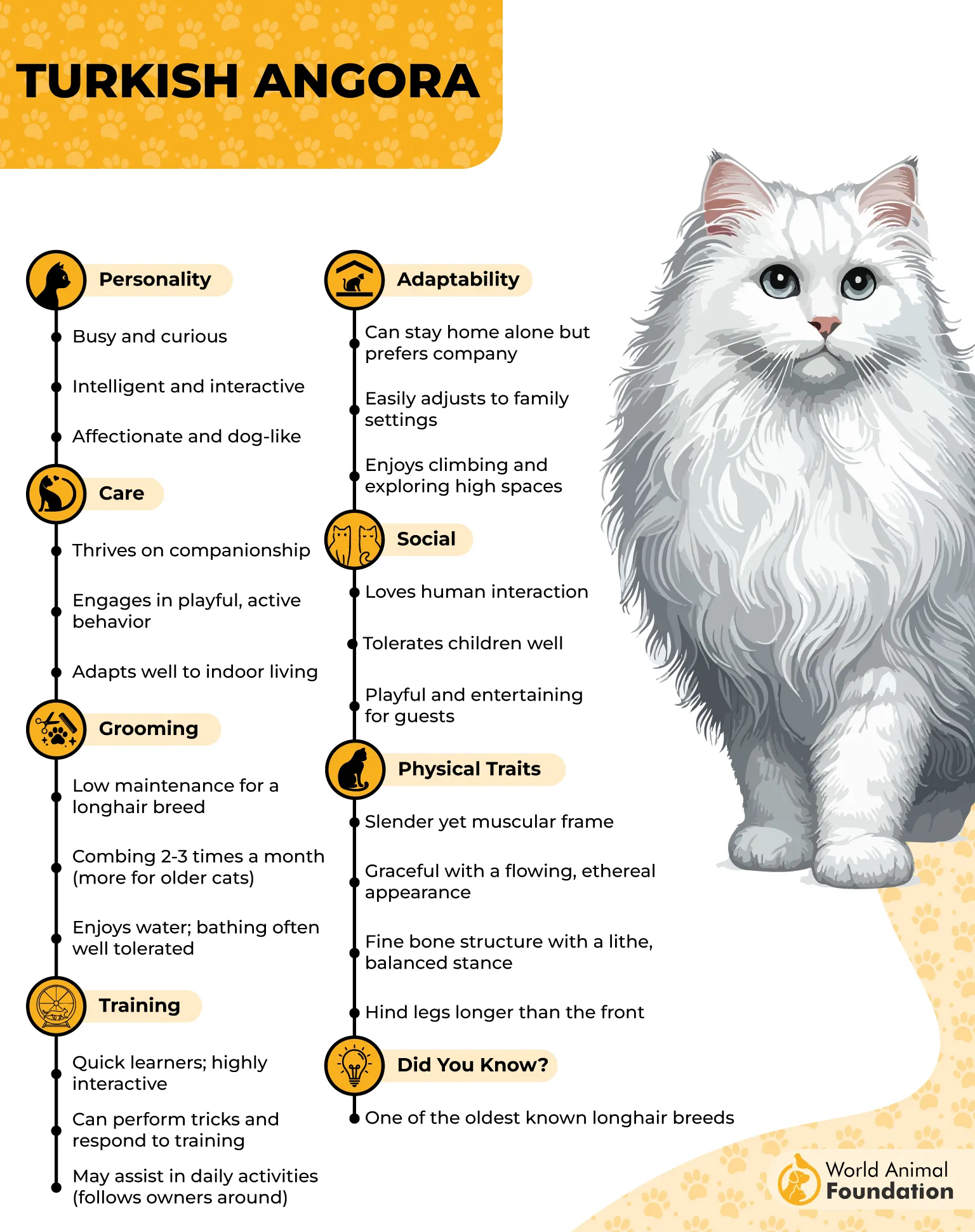
Brushing feels less like grooming and more like affection to the Turkish Angora. Their fine, smooth fur rarely mats, making gentle brushing a pleasant experience they often welcome as quality time with their humans.
Because Angoras crave attention and dislike being left alone, grooming sessions double as emotional bonding. The physical contact reassures them, turning routine brushing into a calming, enjoyable ritual rather than a chore.
Low shedding and minimal grooming needs add to the appeal, especially for owners who want a cat that enjoys being brushed without requiring constant upkeep.
Fun fact: The Turkish Angora was once considered a national treasure in Turkey and was preserved through a dedicated breeding program at the Ankara Zoo.
Conclusion
Cat breeds that enjoy being brushed show how grooming can become a bonding ritual rather than a task. In the cat world, fluffy cat breeds with a luxurious coat, silky fur, or dense fur often appreciate brushing because it feels soothing and social.
From a Maine Coon cat with long hair and a bushy tail to a Turkish Angora’s smooth, flowing coat, these cats turn grooming into shared comfort. Whether a long-haired cat, a fluffy breed, or one with a medium coat, brushing supports coat health and emotional connection.
For cat lovers, understanding coat type matters. Some cats need daily grooming, while others prefer occasional brushing depending on whether they have thick fur, a dense double coat, or a medium-length coat.
Even among other cat breeds, tolerance varies. Choosing a furry friend that enjoys grooming makes care easier for homes with other pets and creates calm, affectionate routines.
