




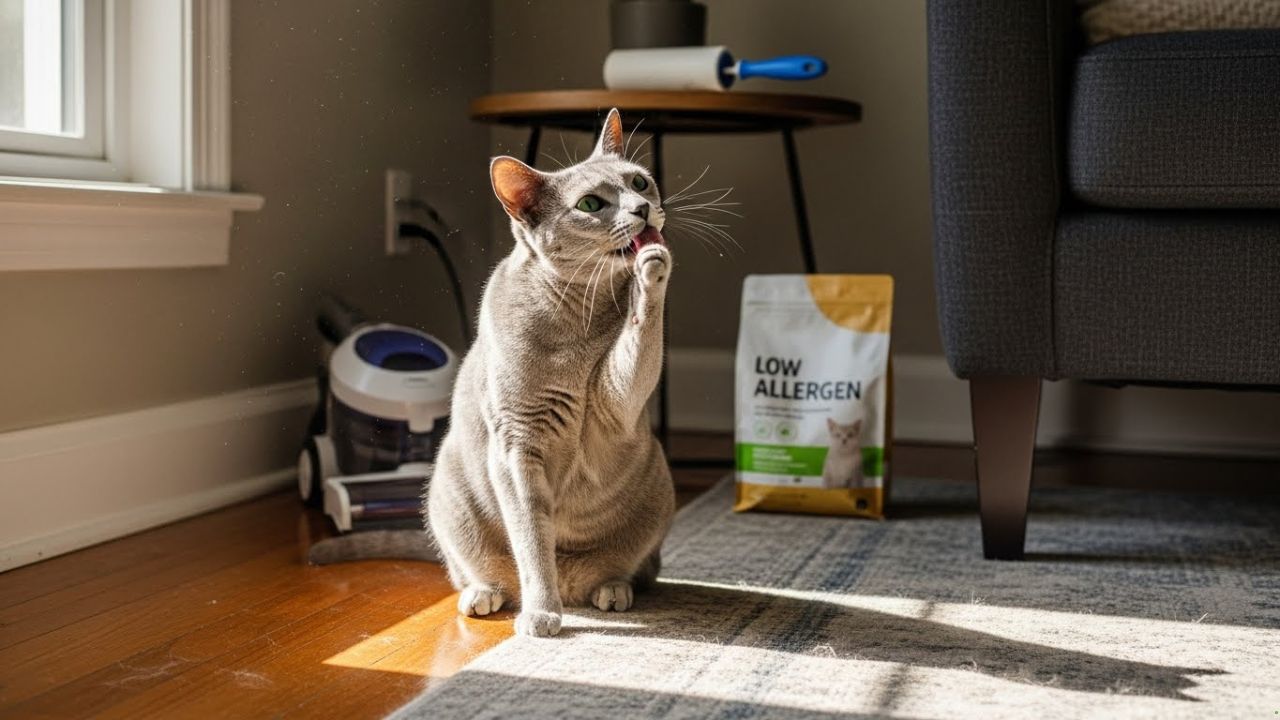
For many cat lovers, the dream of sharing their home with a feline companion is often complicated by one persistent issue—fur. Cat hair seems to find its way onto furniture, clothing, and every sunlit corner of the house, prompting many people to search for cats that don’t shed much.
While the idea of a completely non-shedding cat is largely a myth, some breeds do release significantly less fur than others.
It’s also important to separate shedding from allergies. Low-shedding cats aren’t always hypoallergenic, as allergies are triggered by the Fel d 1 protein found in saliva and skin secretions—not fur alone. That said, cats that shed less typically spread fewer allergens around the home, which can make day-to-day living more comfortable for people with mild sensitivities.
Whether your goal is a cleaner home, fewer lint rollers, or relief from constant sneezing, certain breeds make life noticeably easier. In this article, we explore cat breeds known for minimal shedding, offering practical options for cat lovers who want companionship without the constant cleanup.
Cat Breeds That Don’t Shed Much
1. Sphynx
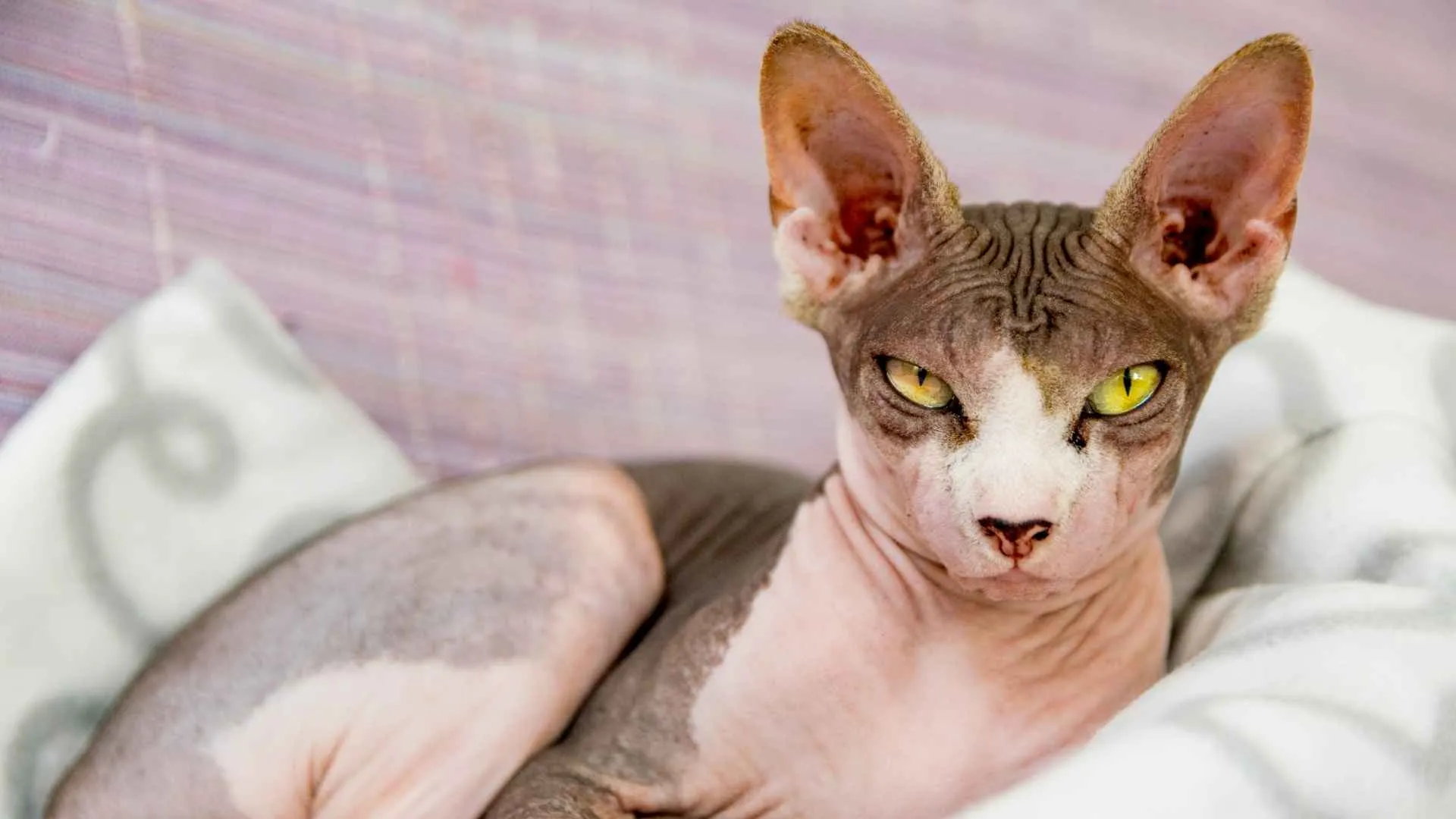
Also known as the Canadian Hairless, the Sphynx stands out for its furless body, wrinkled skin, and oversized ears. Originating in Canada from a natural genetic mutation, this breed is among the most recognizable cats associated with minimal shedding.
According to Britannica, a sphinx is a mythological figure with the body of a lion and the head of a human, and it holds a significant place in Egyptian and Greek art and mythology.
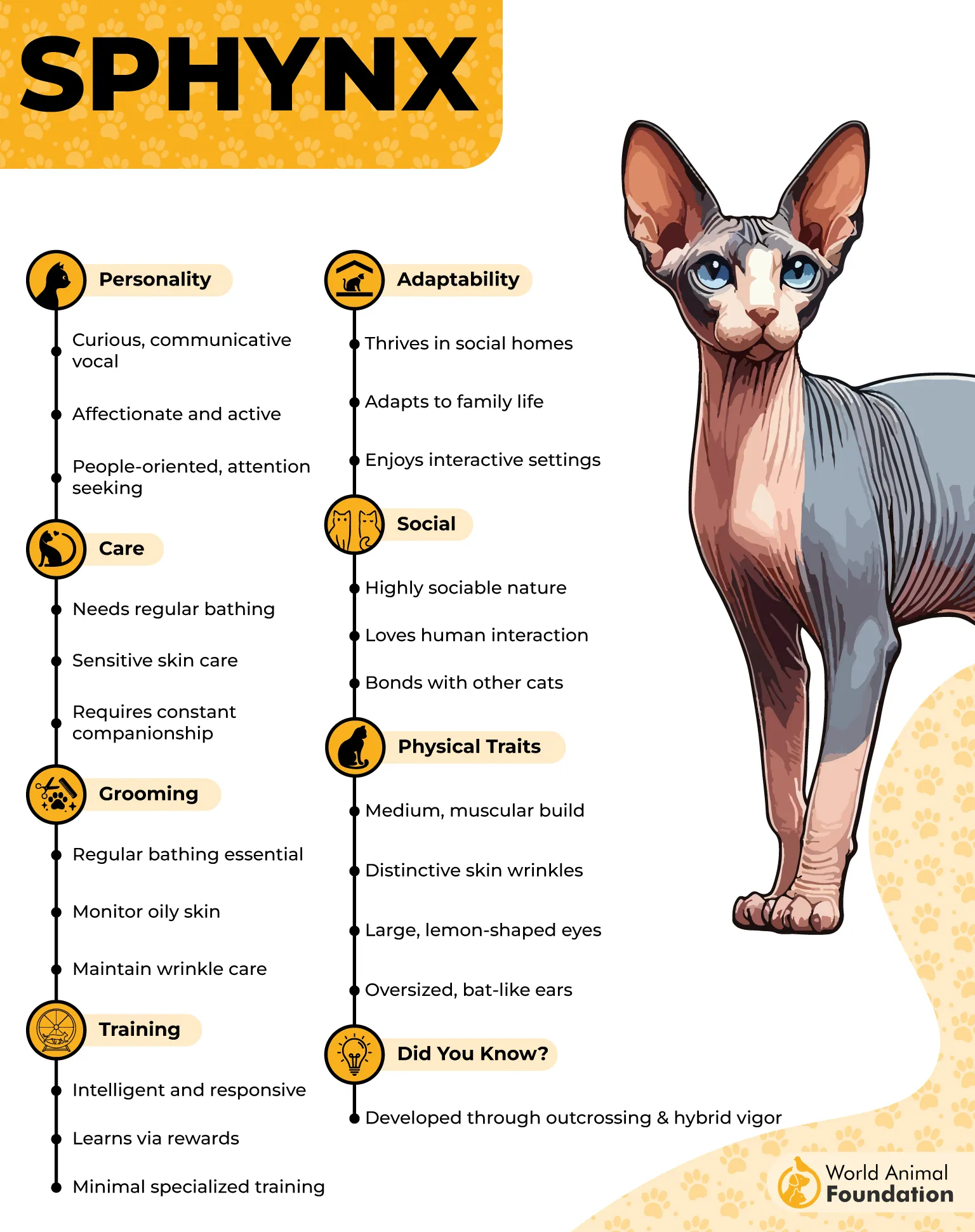
The Sphynx sheds less than other cats because it lacks a traditional coat. Instead of fur trapping oils and loose hair, skin oils remain on the surface, which explains why shedding is virtually nonexistent, but routine skin care is necessary.
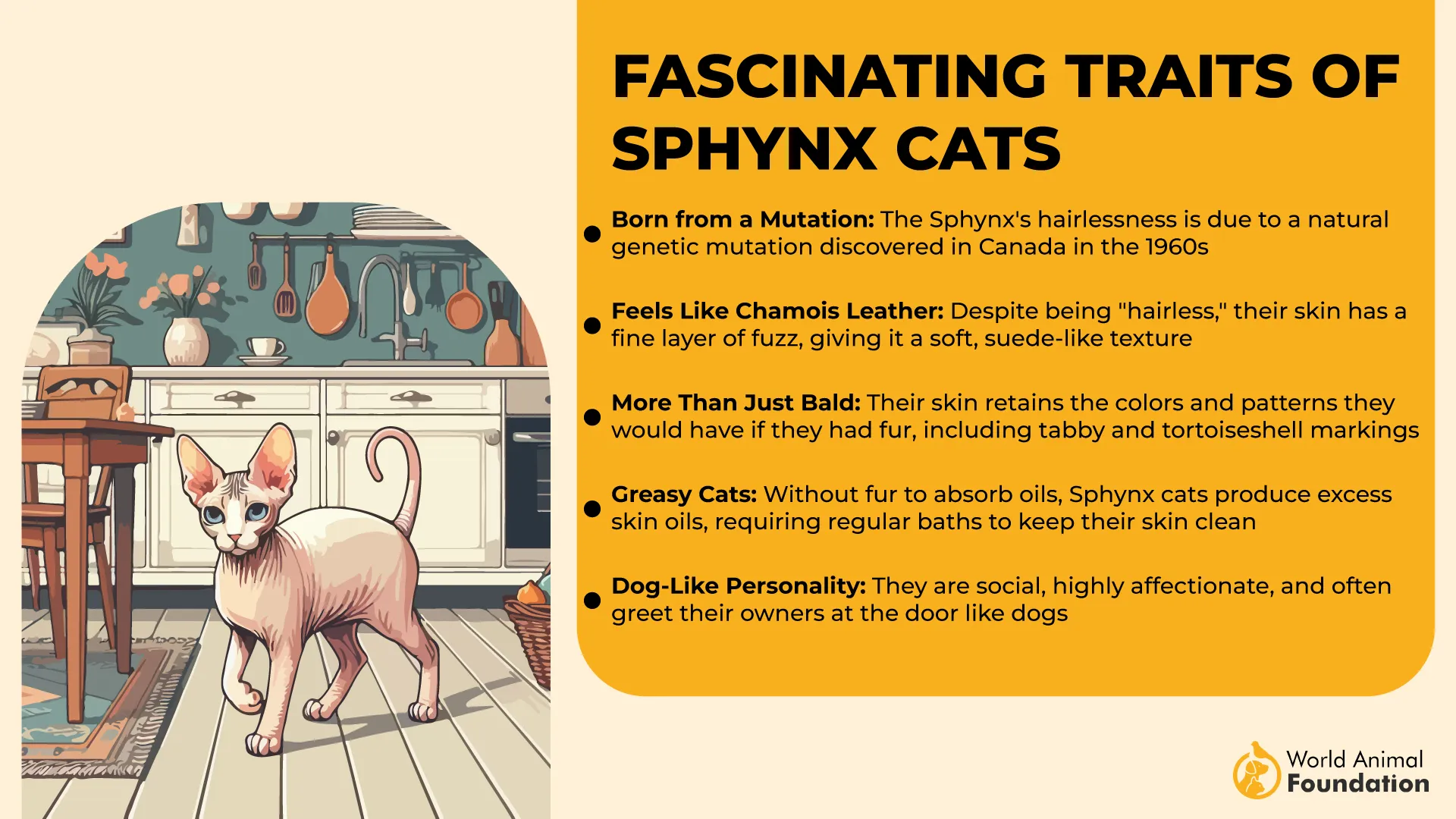
Low shedding doesn’t mean low maintenance, however. Because oils aren’t absorbed by fur, gentle wiping or occasional baths help keep their skin clean. This biological difference explains why some cats shed less—it’s tied to coat type, hair length, and genetics.
Despite their bare appearance, Sphynx cats are warm, affectionate, and highly social. Their popularity isn’t just about cleanliness but also personality, making them a favorite for people seeking low-shedding companionship.
Fact: Some Sphynx cats have a fine, peach-fuzz–like layer of hair rather than being completely hairless.
2. Russian Blue
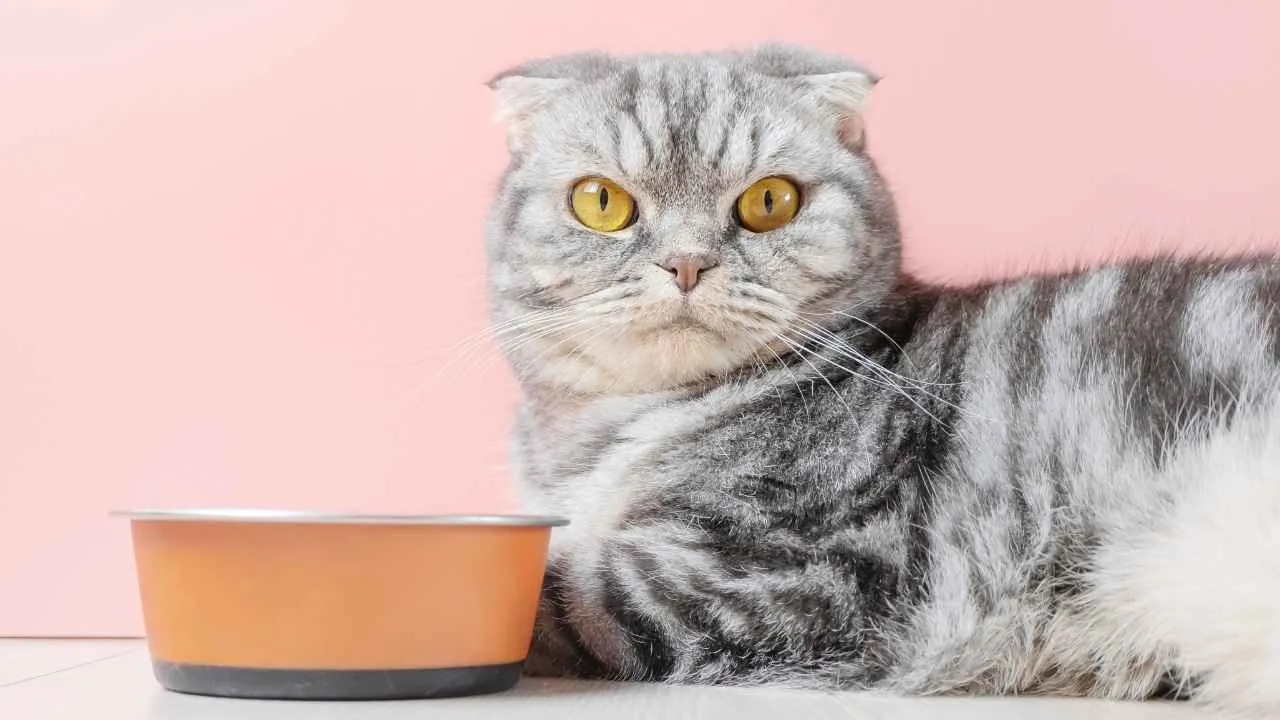
Also known simply as the Archangel Blue, the Russian Blue is admired for its silver-blue coloring, graceful build, and plush appearance. This medium-sized cat is instantly recognizable thanks to its dense double coat that stands slightly away from the body.
According to PetMD, the Russian Blue is an uncommon breed in the United States and Canada and is valued for its independence, intelligence, and beauty.
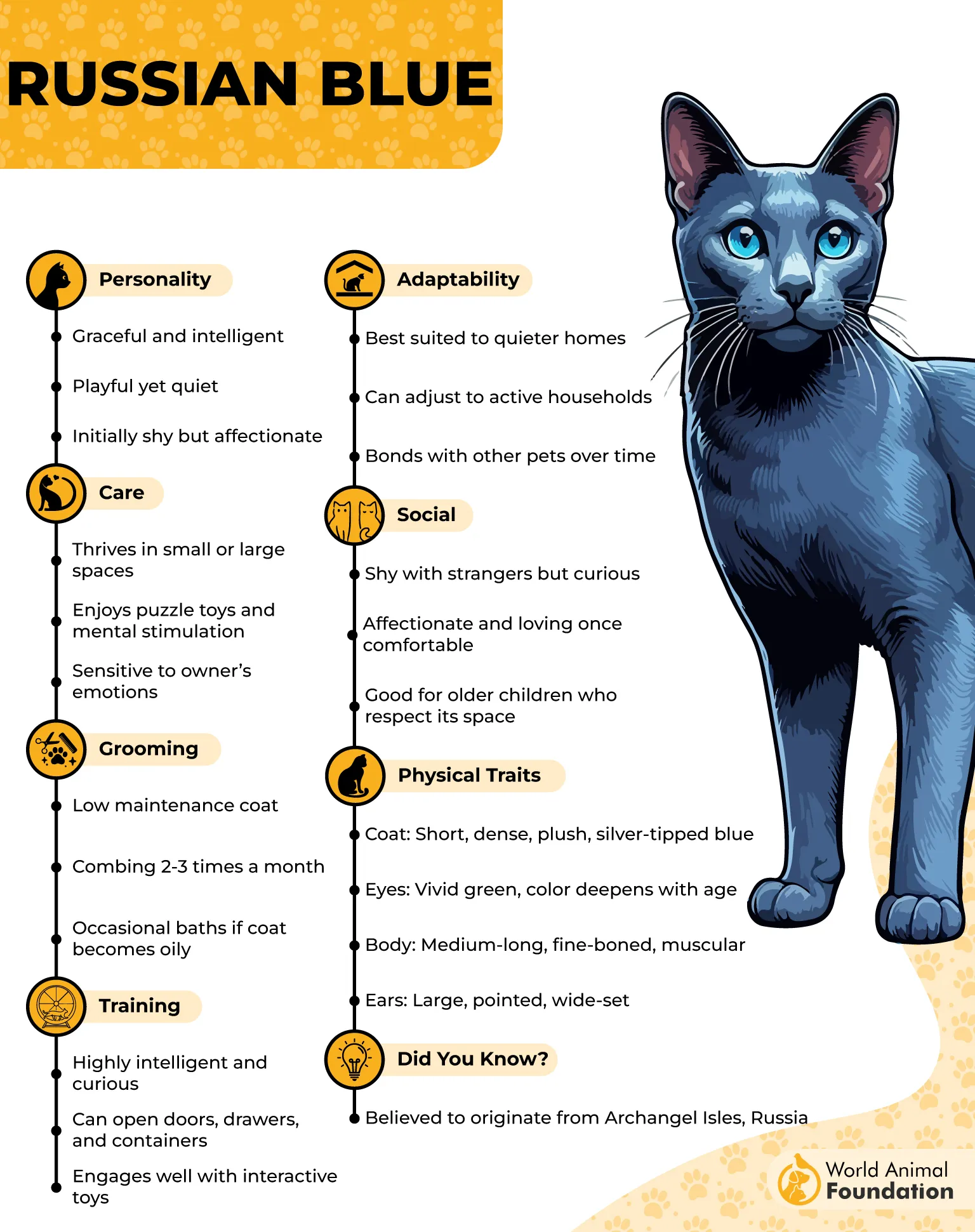
When it comes to shedding, the Russian Blue is a standout. Although it does shed, the hair tends to stay trapped within the coat rather than spreading around the home, making cleanup far more manageable for owners seeking low-shedding cats.
This breed is often confused with being hypoallergenic, but it’s important to understand the difference. Russian Blues are not truly hypoallergenic, as no cat is, yet their minimal shedding means fewer allergens are dispersed through loose fur and dander.
Their easy-to-groom coat and calm, gentle temperament make them a practical choice for people sensitive to cat hair.
Fact: Russian Blues typically shed lightly for just two to three weeks, usually only once or twice a year.
3. Cornish Rex

Sometimes compared to the Devon Rex, the Cornish Rex stands out for its ultra-fine, rippled coat formed entirely of soft underhair.
According to WebMD, Cornish Rex cats are a distinctive breed known for being affectionate. With no guard hairs and a sleek, lightweight build, this breed is instantly recognizable and prized for its velvety texture.
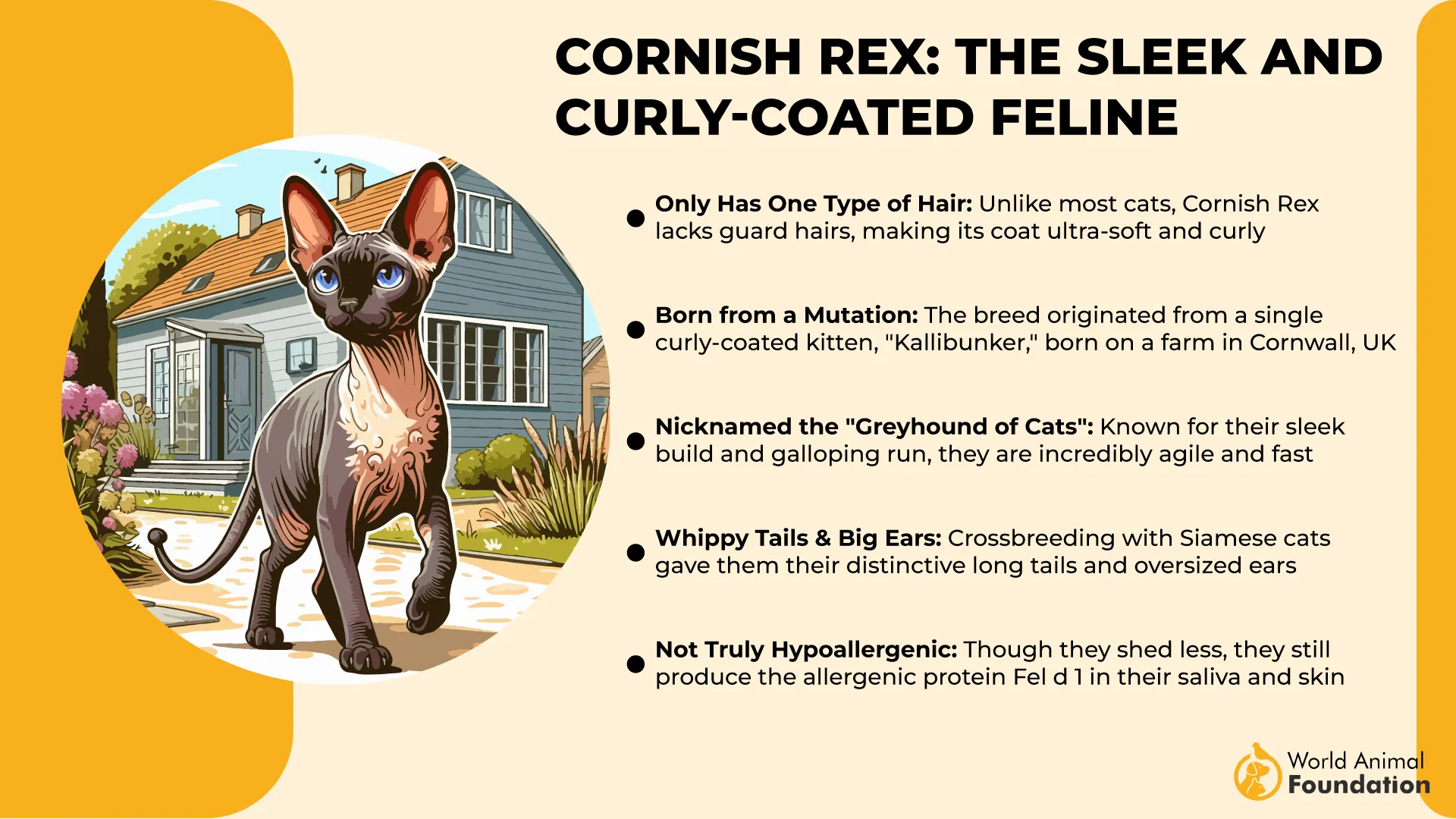
When it comes to short-haired breeds known for minimal shedding, the Cornish Rex is a standout. Its tightly curled fur lies close to the body, releasing far less hair than most cats, which helps keep furniture and clothing noticeably cleaner.
Low shedding doesn’t mean low energy, though. Cornish Rex cats are active, curious, and eager to participate in family life, making them engaging companions without the usual fur fallout. Their playful nature suits homes looking for interaction without constant cleanup.
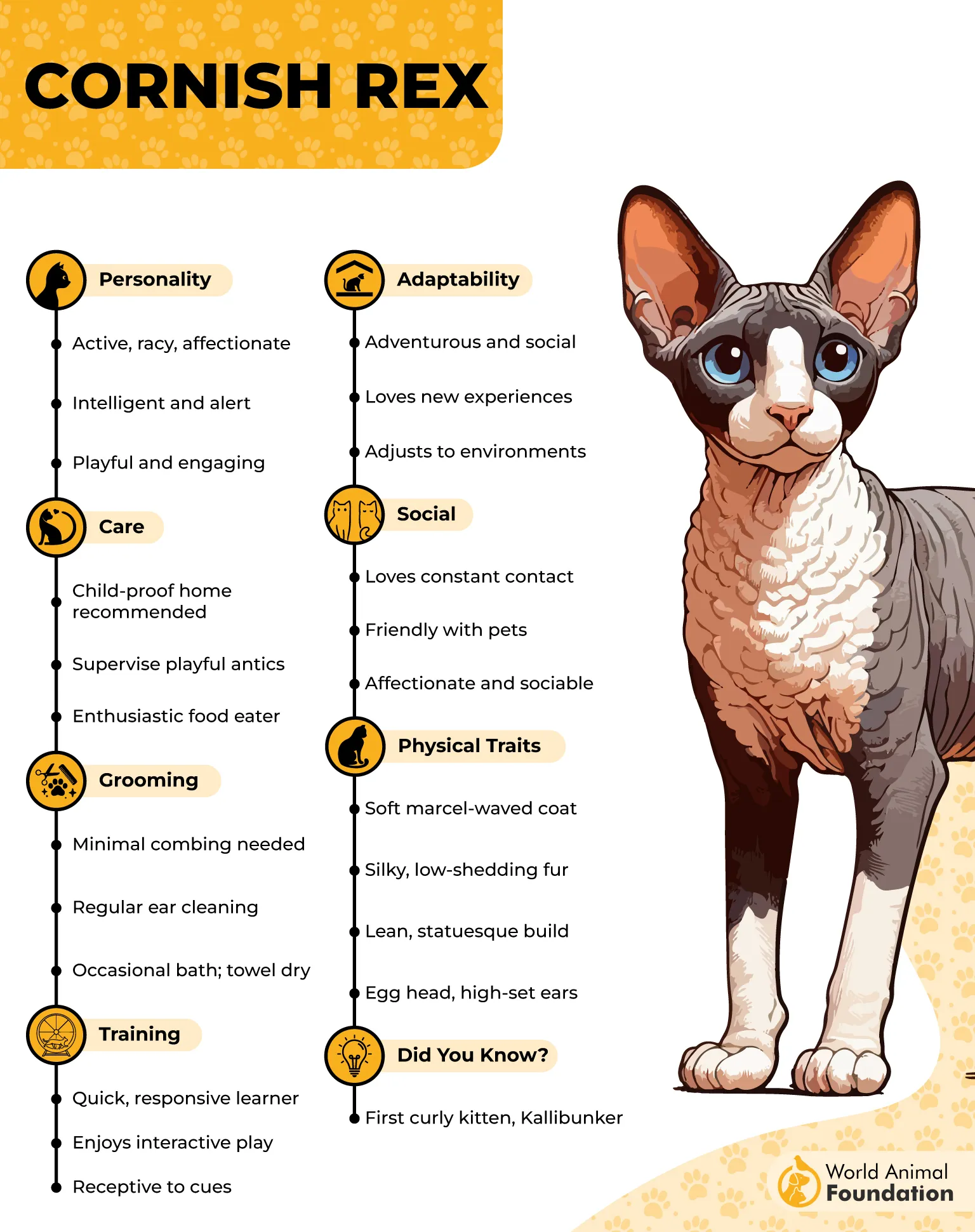
Caring for this coat is relatively simple, but it does require attention. Because the breed lacks guard hairs, skin oils can build up, sometimes requiring occasional baths and gentle brushing to protect the curls.
Fact: The Cornish Rex sheds so little because its coat consists only of an undercoat, with no guard hairs at all.
4. Bengal
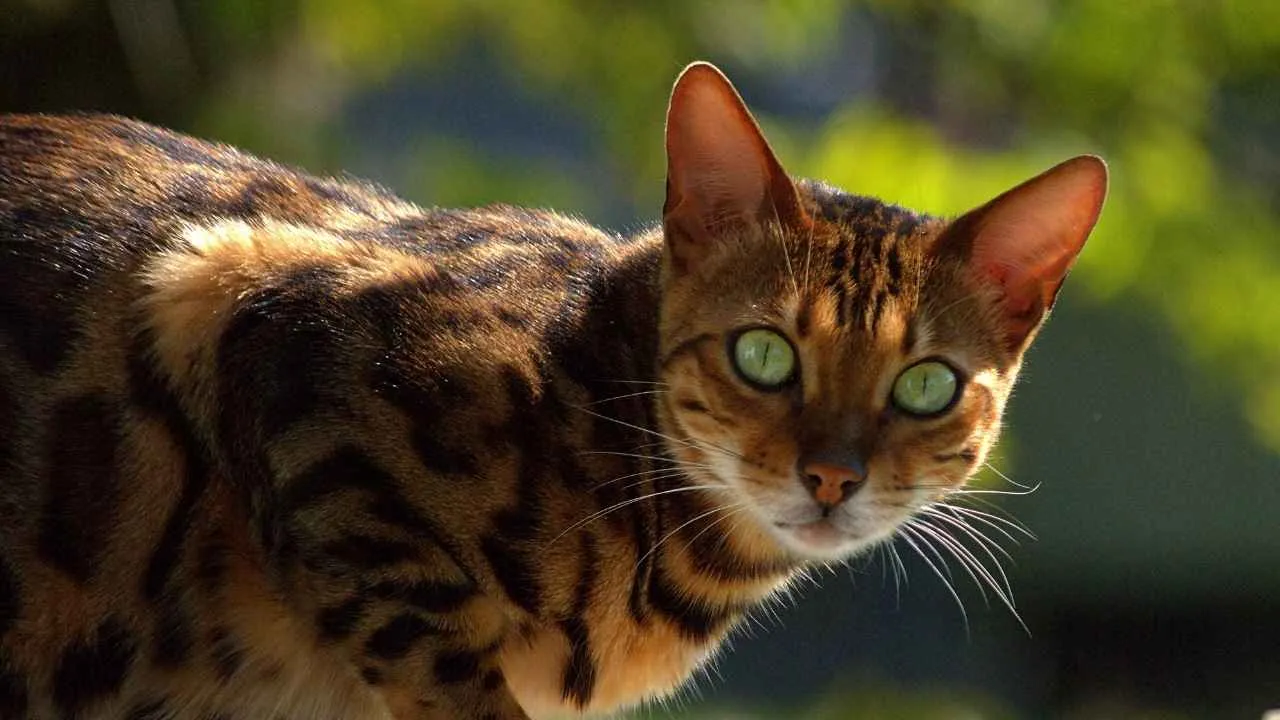
Also known as the Bengal Cat, this breed stands out for its striking leopard-like spots or marbled patterns and a sleek, pelt-like coat. Developed from domestic cats and Asian leopard cat ancestry, Bengals combine wild beauty with a modern, domestic temperament.
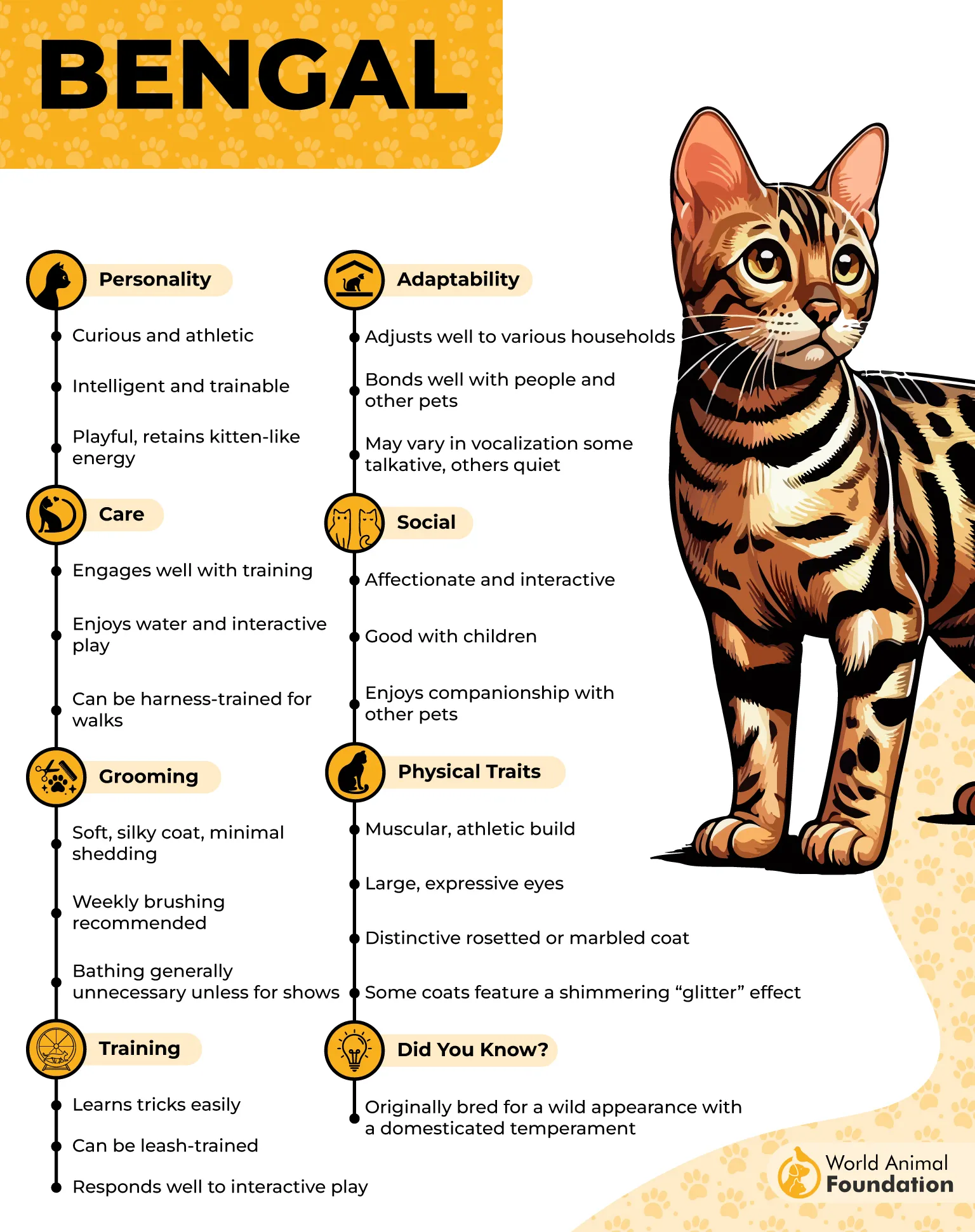
When it comes to shedding, Bengals are a strong choice for tidy homes. Their short, extremely dense coats release very little fur, which places them among cat breeds that don’t shed much, despite not being hairless or nearly hairless.
Their coat’s velvety texture requires minimal grooming, making maintenance simple even for busy owners. Regular brushing is rarely necessary, as the fur naturally stays smooth and clean while spreading less loose hair around the home.
Although highly active and intelligent, Bengals balance their energy with low grooming demands.
Fact: Some Bengals carry a recessive gene for long hair, and long-haired varieties—often called Cashmere Bengals—have gained recognition from The International Cat Association.
5. Devon Rex
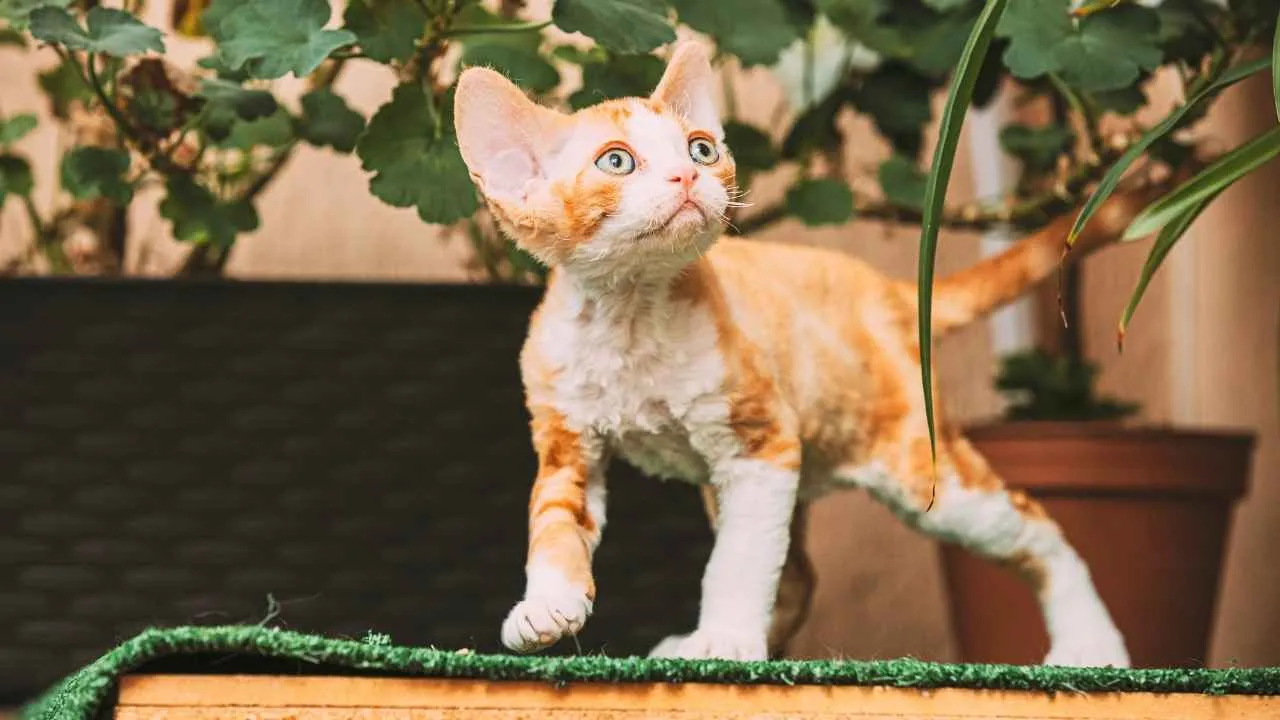
Sometimes called the Pixie Cat thanks to its elfin face and oversized ears, the Devon Rex stands out for its slim build and soft, curly coat. First discovered in Devon, England, this breed owes its look to a unique genetic mutation separate from the Cornish Rex.
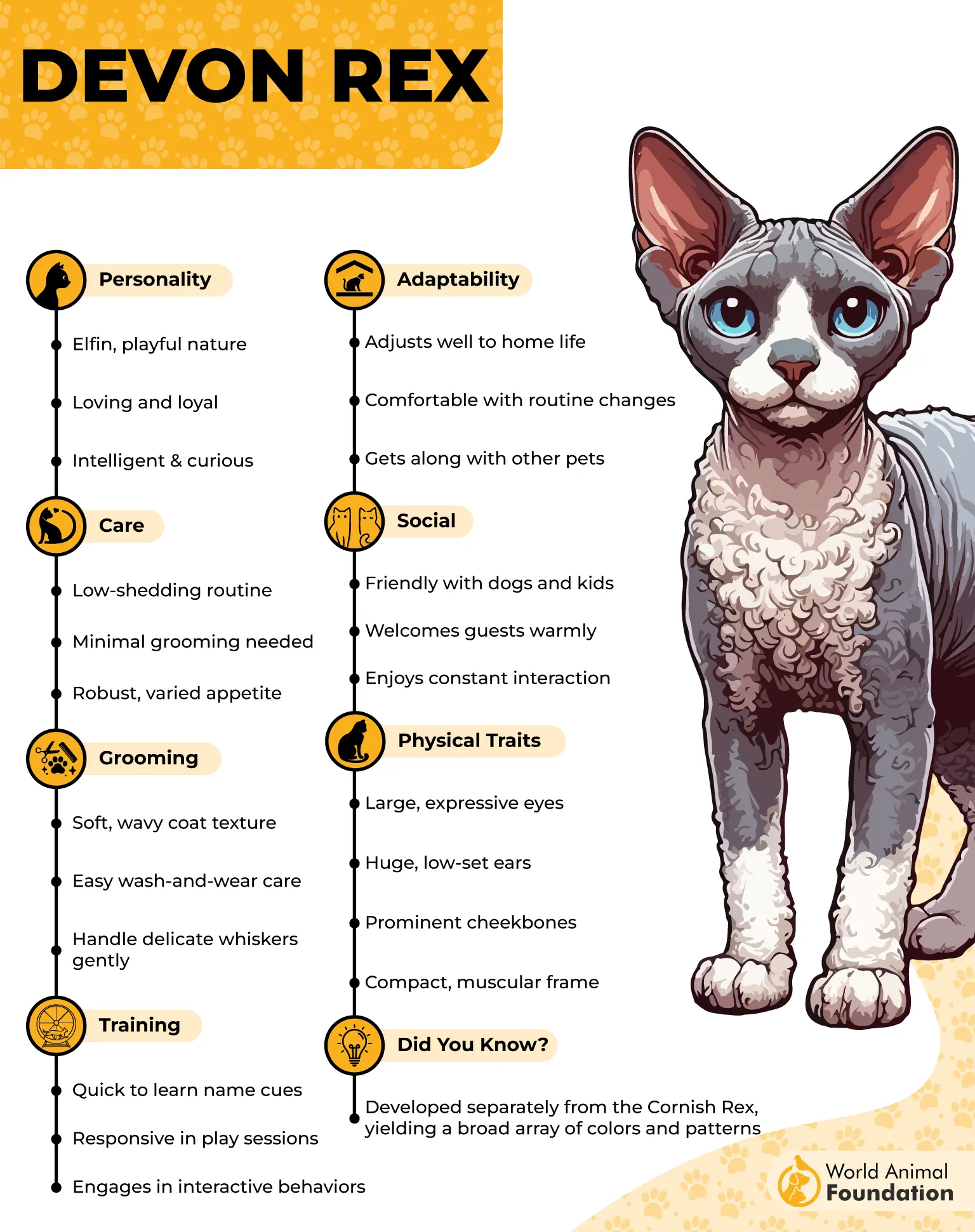
When it comes to low shedding, the Devon Rex is a strong contender. Its sparse, wavy fur lacks the typical outer guard hairs, which significantly reduces loose hair around the home. This makes it appealing for people seeking curly-coated cats that shed less.
Despite their delicate appearance, Devon Rex cats are energetic and deeply affectionate. They form close bonds with their owners, often following them from room to room, which means less fur on furniture—but plenty of closeness and interaction.
Because their coats are fine and minimal, grooming is simple, though sensitive allergy sufferers should be mindful of saliva and skin contact.
Fact: The Devon Rex breed originated from a single curly-coated kitten named Kirlee discovered in 1960.
6. Siamese
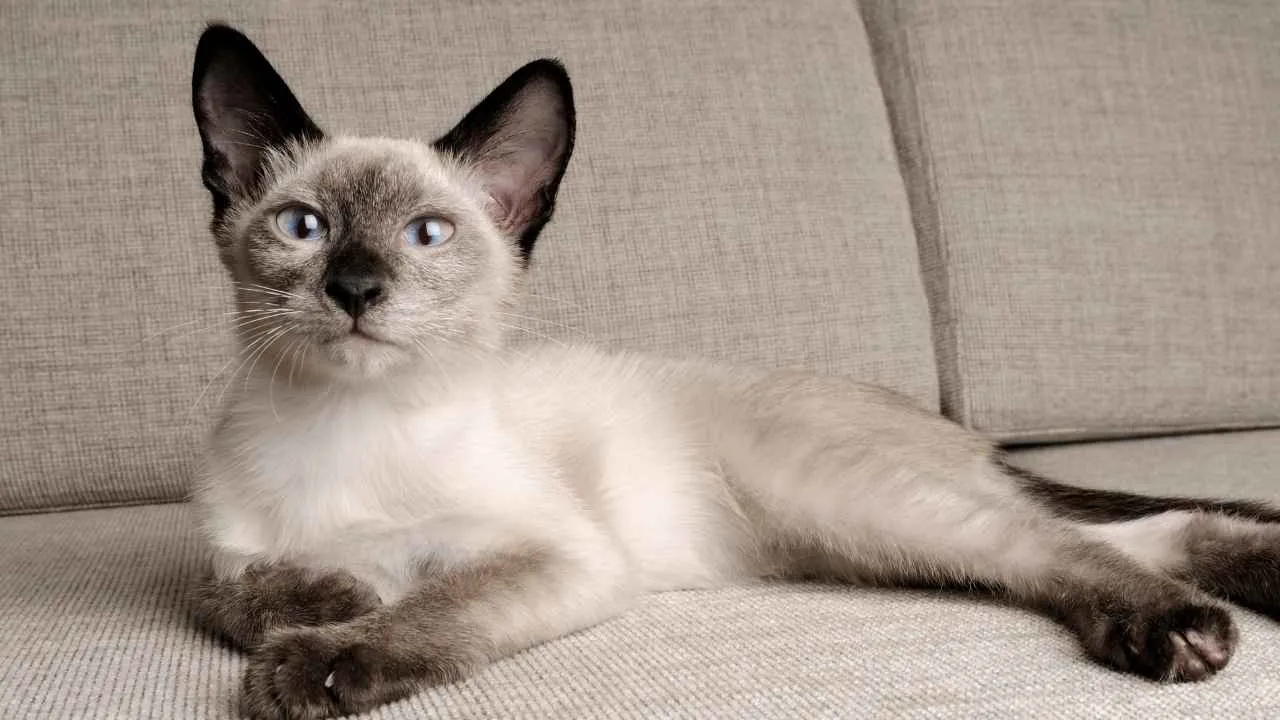
Also known as the Thai cat, the Siamese is instantly recognizable by its sleek body, large ears, and striking blue eyes. This elegant breed comes in seal, chocolate, blue, and lilac points and is admired for both beauty and cleanliness.
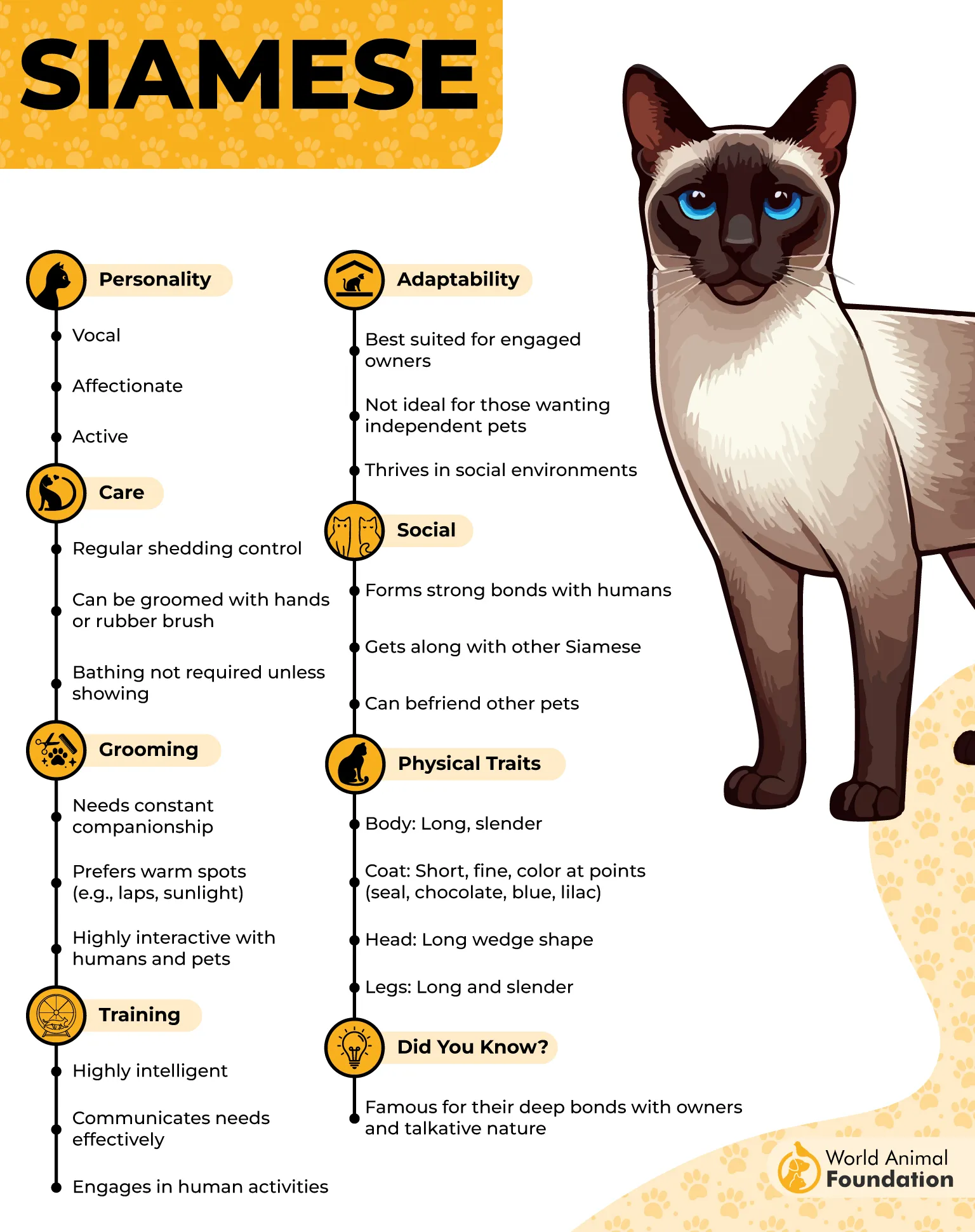
When it comes to shedding, the Siamese stands out for its short, fine coat that requires minimal upkeep. Because there’s less fur to manage, loose hair is easier to remove, helping keep shedding under control in everyday home environments.
Diet and grooming play an important role in maintaining this low-shedding coat. A balanced, high-quality diet supports healthy skin, while occasional brushing with a fine-tooth or bristle brush removes dead hair before it spreads around the house.
Light grooming routines also double as health checks. Simple brushing and the occasional wipe-down help keep the coat tidy while allowing owners to spot parasites or minor skin issues early.
Fact: Once dead hair is removed, Siamese cats shed very little compared to many other breeds.
7. Oriental Shorthair
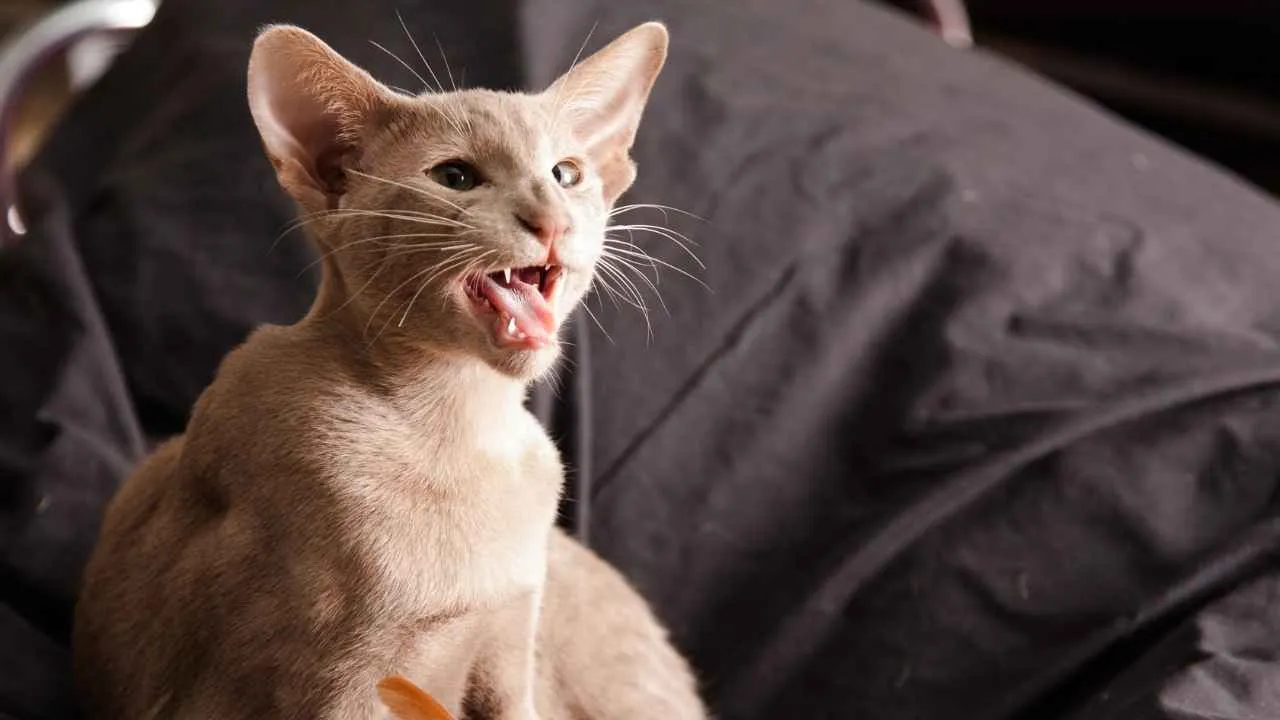
Closely related to the Siamese, the Oriental Shorthair is sometimes referred to as part of the Oriental or Siamese family. This breed is long, slender, and elegant, with a sleek coat that comes in more than 300 colors and patterns, from solid ebony to striking tabby variations.
Thanks to their fine, close-lying fur, Oriental Shorthairs are considered low shedders. Their coats require minimal upkeep, making them a practical choice for owners who want less fur around the home and simpler grooming routines.
The best care for a low-shedding cat like this includes regular play and interaction. Oriental Shorthairs are energetic and thrive on attention, so daily exercise helps keep them balanced while preventing stress-related behaviors that could affect coat condition.
Grooming is refreshingly easy—occasional brushing and basic skin care are usually enough to maintain their coat’s natural sheen.
Fact: Oriental Shorthairs are known to come in over 300 different colors and patterns.
8. Burmese
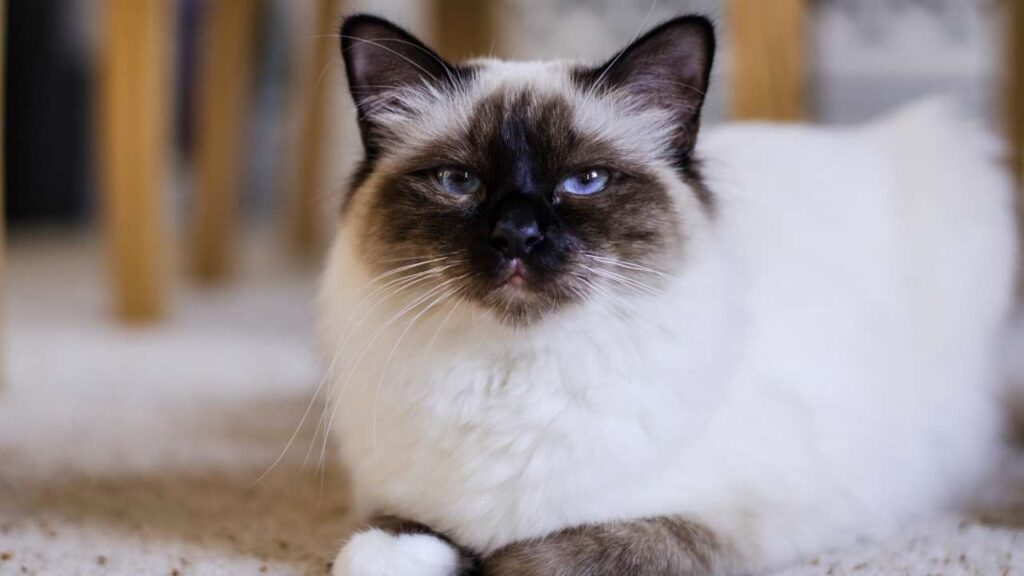
Also known simply as the Burmese cat, this breed is compact, muscular, and admired for its sleek appearance. Its short, fine, satin-like coat lies close to the body, giving it a polished look with naturally minimal fur release.
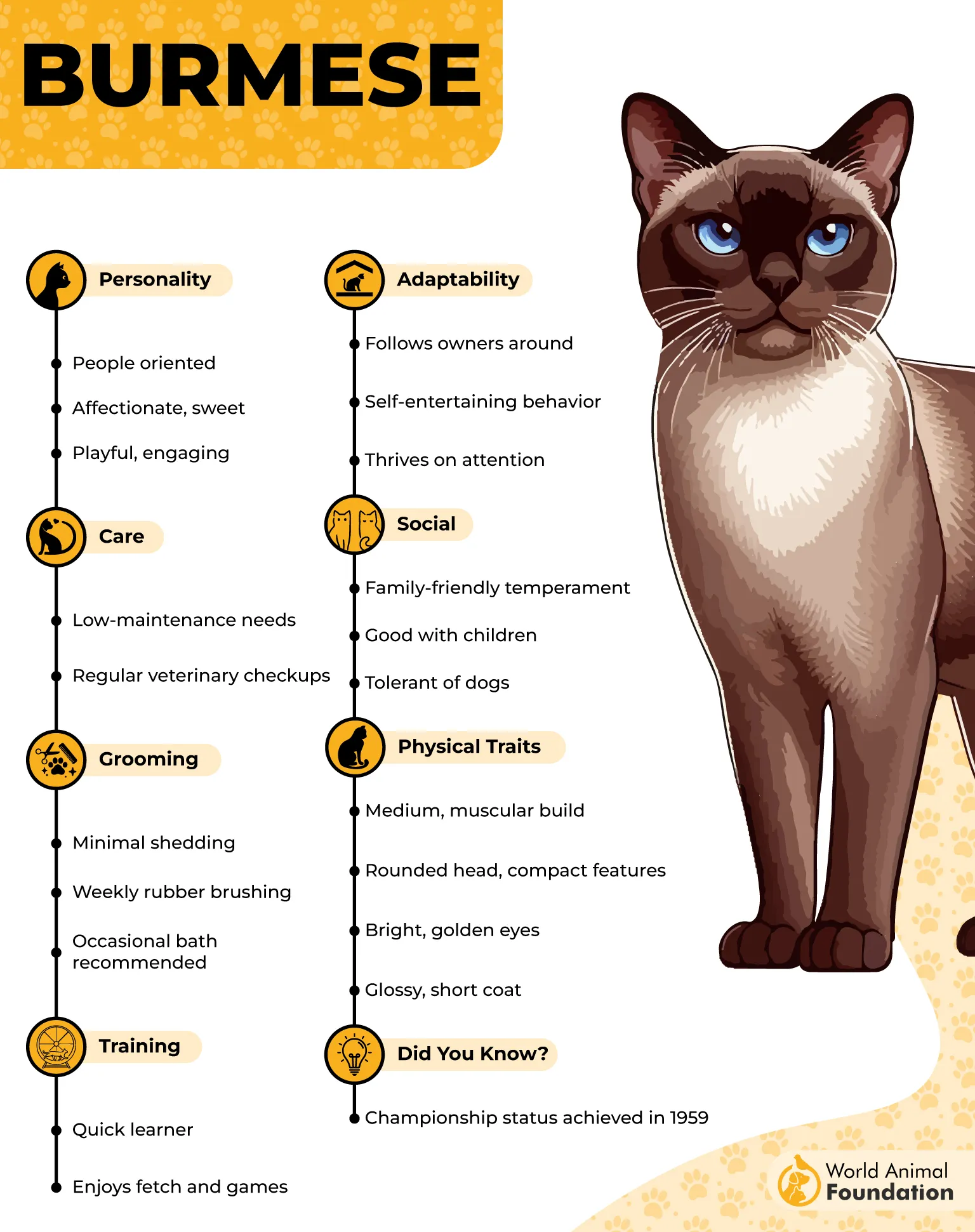
When considering a low-shedding cat, the Burmese stands out for practical reasons. Their coat contains less loose hair than many other breeds, which helps keep furniture, clothing, and floors noticeably cleaner with minimal upkeep.
Beyond shedding, Burmese cats appeal to owners who want close companionship without constant demands. They’re affectionate and people-focused, often choosing to stay nearby, making them a good match for those wondering if a low-shedding cat fits their lifestyle.
That said, even low-shedding breeds can lose fur occasionally due to seasonal changes or health-related factors, so basic monitoring still matters.
Fact: Burmese cats are known for their low tendency to shed, and some even enjoy playing fetch with toys.
9. Peterbald
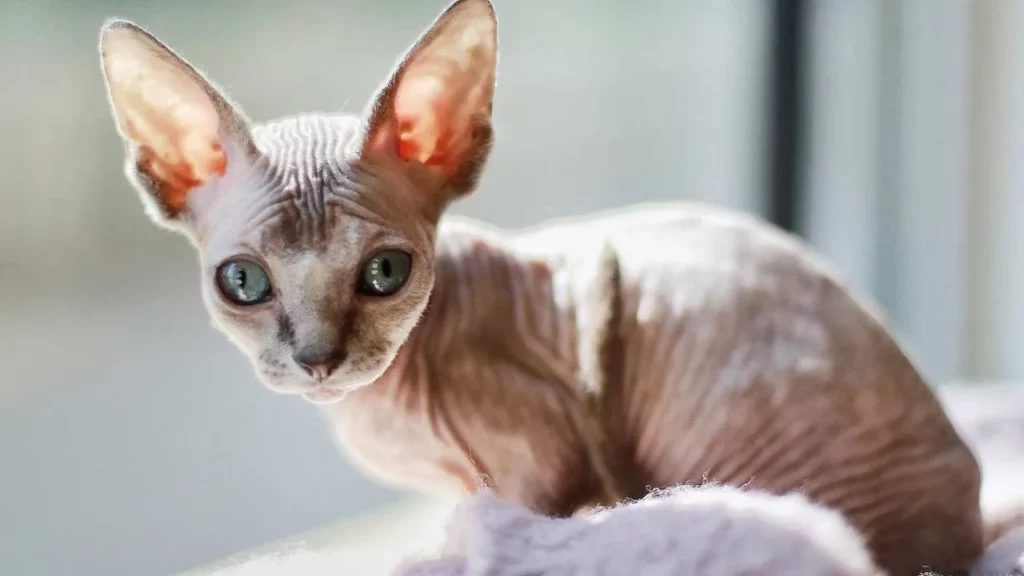
The Peterbald is a distinctive, modern breed recognized by The International Cat Association for its sleek body, large bat-like ears, and curious expression. Originating in Russia, this cat may appear completely hairless or have anything from fine peach fuzz to a soft, velvety coat.
When it comes to shedding, the Peterbald is a standout choice. Regardless of coat type, all variations shed very little, making them appealing for owners who want less fur around the home. This minimal shedding can contribute to a tidier living space and fewer allergens spread through loose hair.
Beyond coat qualities, Peterbalds are deeply people-oriented. Often described as dog-like, they are highly affectionate, intelligent, and vocal, preferring constant closeness to their humans. This devotion makes them a joy, but also means they’re not ideal for homes where they’d be left alone for long hours.
Choosing a low-shedding cat also means considering care needs. Peterbalds require special skin care due to their lack of fur and thrive on attention.
Fact: TICA notes that Peterbalds can be hairless or have peach-fuzz to velvety coats, and all are low-shedding.
Conclusion
Choosing cats that don’t shed much can make a noticeable difference for pet parents who want a cleaner home or manage cat allergies.
While no feline is completely shed-free, low-shedding cat breeds—including hairless cat breeds, hairless breeds, and some short-haired cats—release far less pet hair than long-haired breeds. These cats often have a short coat, silky coat, or even no fur at all, which helps limit how allergens from cat saliva spread around the home.
That said, individual cats still vary. Some have soft fur or a glossy coat that benefits from little grooming, while others need regular grooming that removes loose hair to stay tidy.
Breeds sometimes compared to hypoallergenic cat breeds, such as the British Shorthair, can be a good fit for homes with other pets. With the right feline friend, low shedding doesn’t mean low affection—just less cleanup.
