




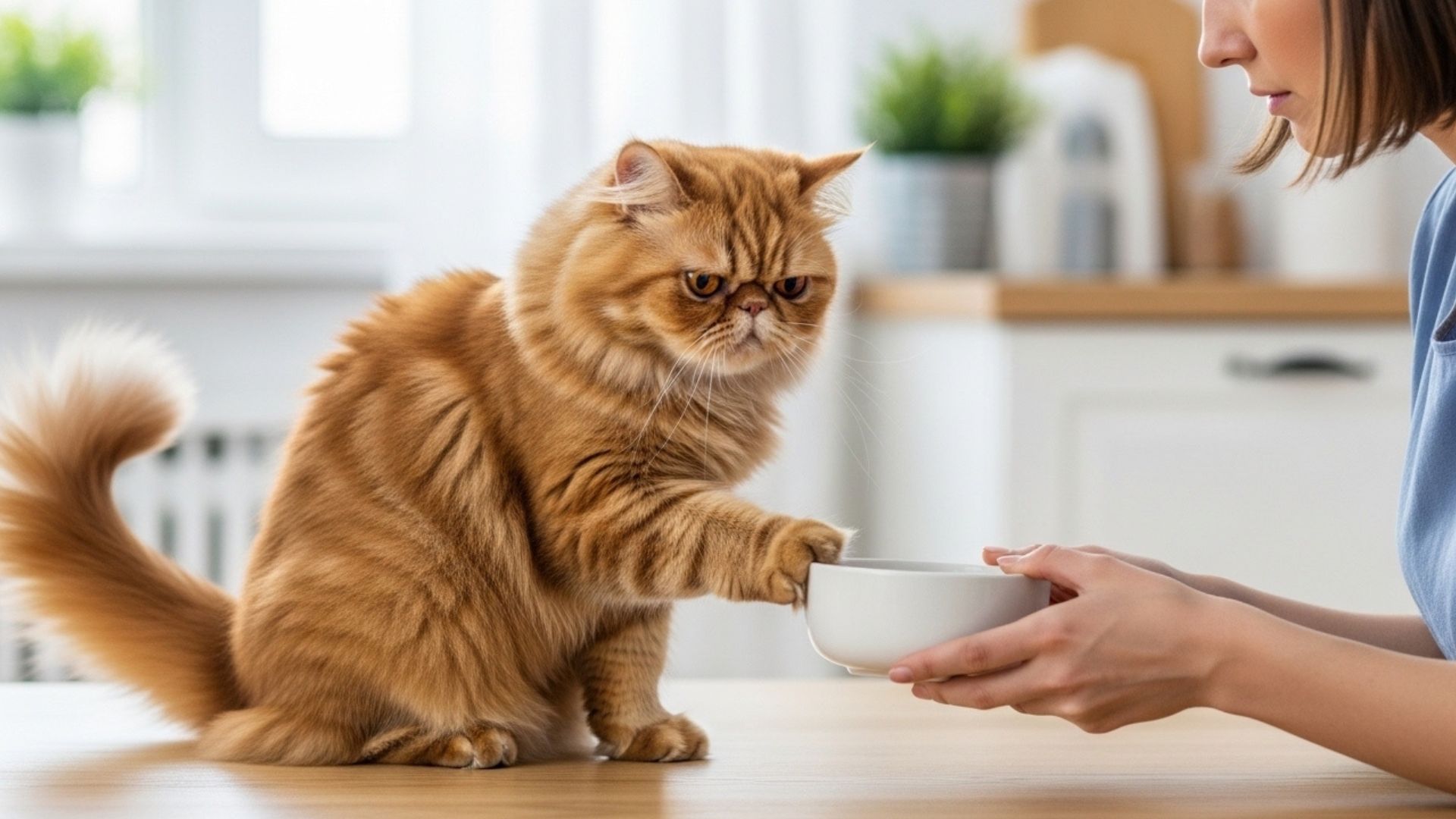
Cats are creatures of habit who often prefer predictability to chaos. Many felines feel most secure when their day follows a familiar rhythm with regular meal times, naps, play sessions, and quiet moments.
Sudden changes to a cat’s schedule or surroundings can trigger stress or anxiety because cats link routine with safety and control. Understanding which breeds struggle with abrupt shifts can help owners create environments that reduce fear and promote well-being.
In this article, we explore breeds known for their strong preference for consistency and the gentle care they need to feel happy and relaxed in a structured home.
Cat Breeds That Dislike Sudden Schedule Changes
1. Persian

A quiet room, a familiar cushion, and a predictable day are where Persian cats feel most at ease. They are not fans of surprise activity and often choose observation over participation. When their environment shifts too quickly, their tolerance drops fast.
Persians place a strong value on comfort and control, especially around handling and grooming. According to PetMD, they may react with irritability or avoidance if routines change or personal space is ignored. This breed is known for expressing displeasure subtly, often by retreating rather than acting out.
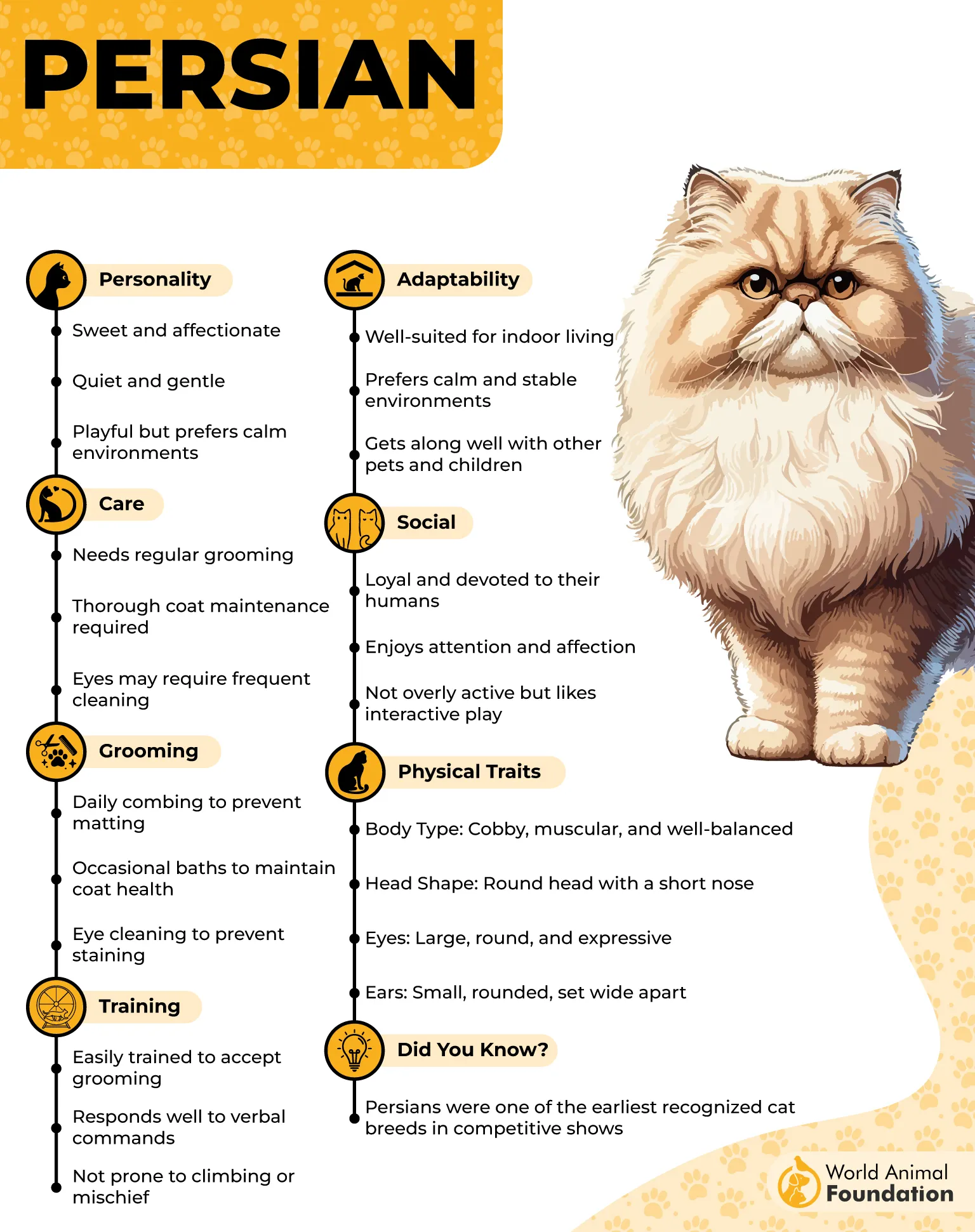
Daily care plays a major role in their emotional stability. Consistent grooming, feeding, and rest times help Persians remain relaxed and approachable. When their schedule stays intact, they offer calm companionship and a steady presence that fits well in low-energy households.
Why This Cat Is a Good Fit
Prefers stable surroundings and gentle pacing
Becomes unsettled when routines are disrupted
Needs consistent care to stay emotionally balanced
2. Ragdoll
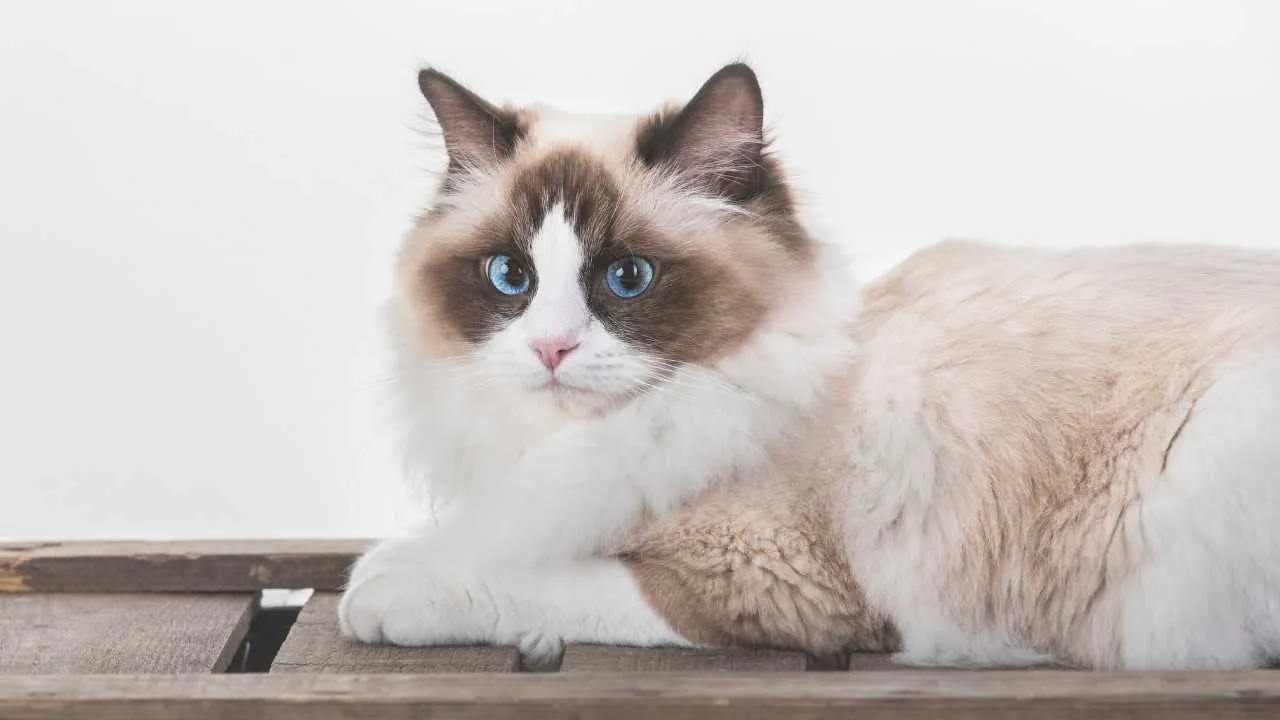
Some cats tolerate routine changes. Ragdolls notice them immediately. Their strong attachment to people means they also attach themselves to daily patterns tied to those people.
These large cats often build expectations around regular interaction, such as evening downtime or morning greetings. When those moments disappear without warning, they may respond by shadowing their owner or acting unusually quiet. Their reaction is emotional rather than behavioral destruction.
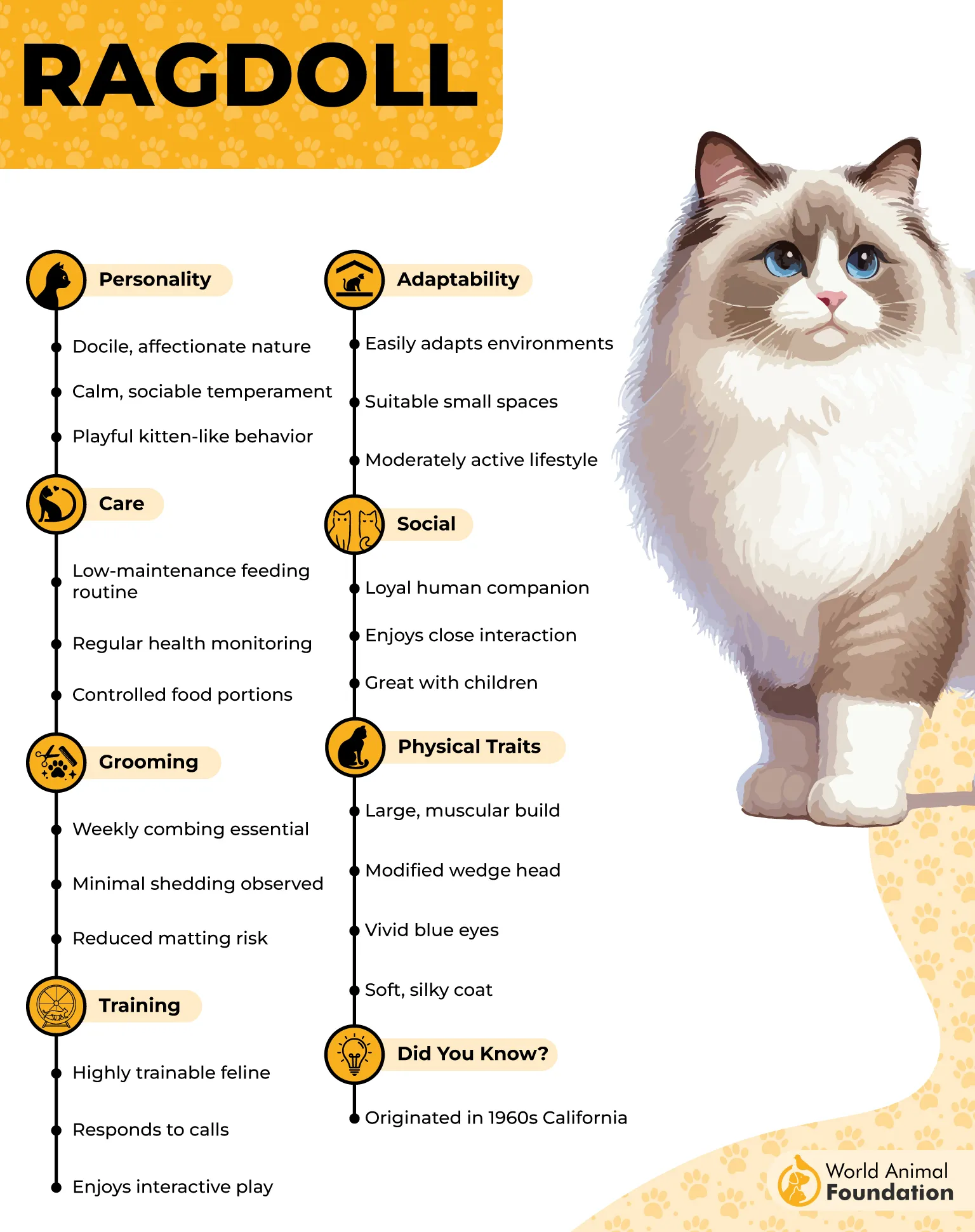
Because they are naturally relaxed, stress in Ragdolls can be easy to overlook. Predictable schedules help them stay confident and affectionate instead of needy. In homes where routines are respected, they remain calm companions who feel secure without constant reassurance.
Why This Cat Is a Good Fit
Bonds deeply with people and their habits
Notices and reacts to schedule changes
Thrives when daily interaction stays predictable
3. British Shorthair
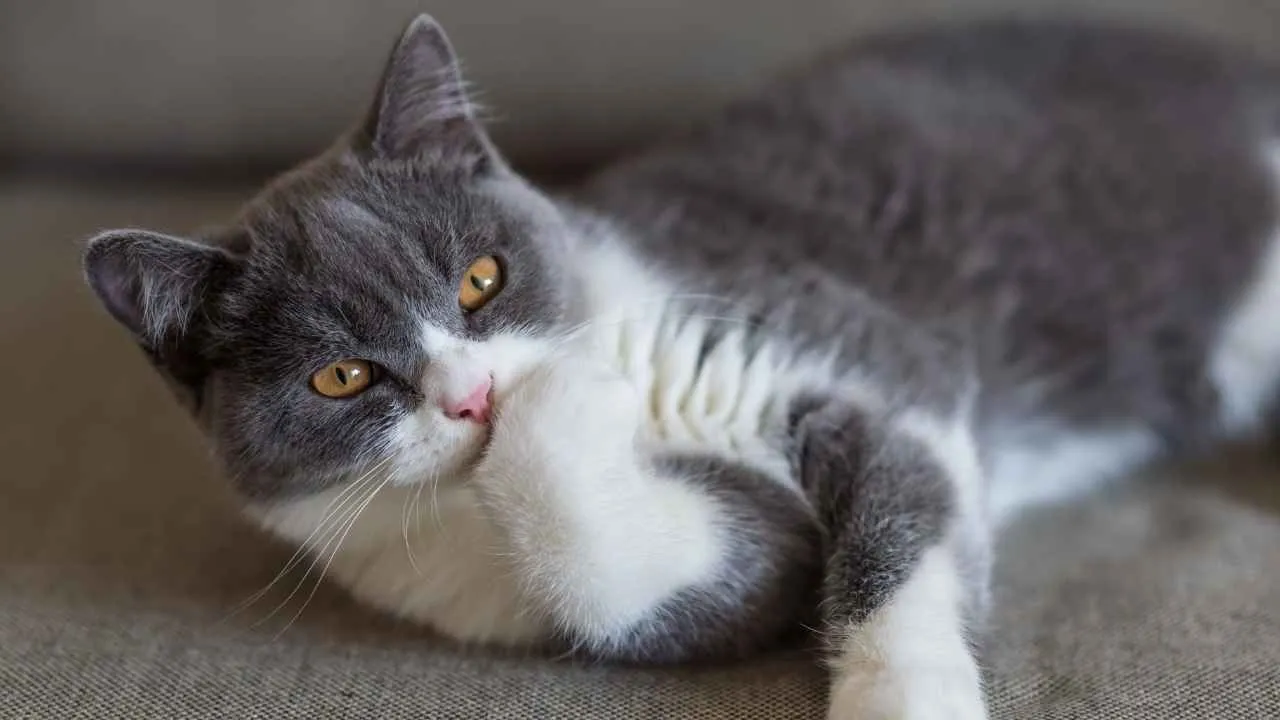
As per WebMD, British Shorthairs approach life with quiet independence and a strong sense of order. They prefer environments where nothing changes without notice. Sudden disruptions are often met with emotional distance rather than protest.
This breed values personal time and structured days, including consistent feeding and rest periods. When their routine is interrupted, they may disengage or reduce social interaction. British Shorthairs tend to process stress internally, making consistency especially important.
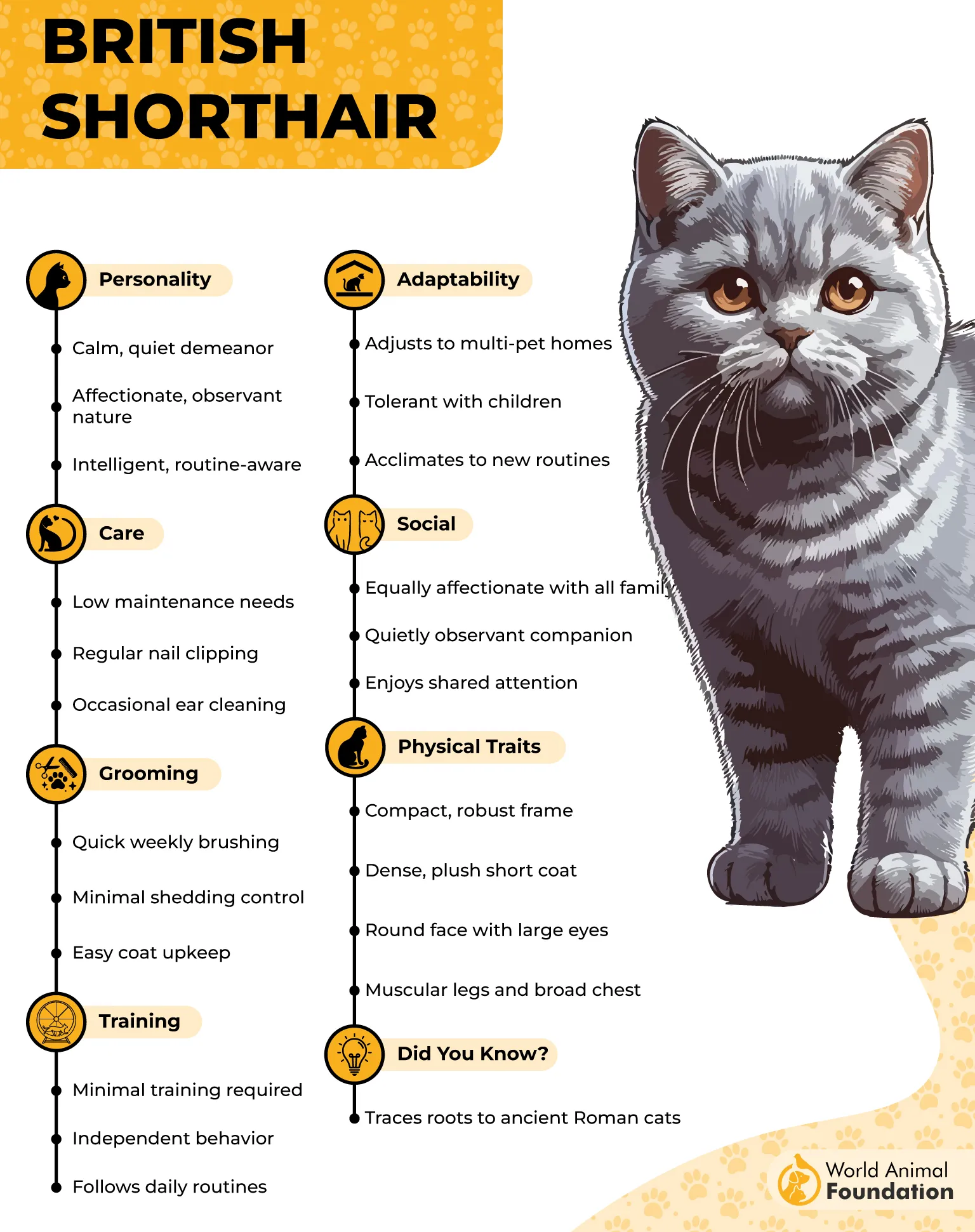
Their calm reputation depends heavily on stability. Predictable households allow them to remain composed and content. When routines are maintained, they offer steady companionship without clinginess or drama.
Why This Cat Is a Good Fit
Dislikes unexpected interruptions
Handles stress quietly rather than dramatically
Feels most secure with a consistent daily structure
4. Siamese
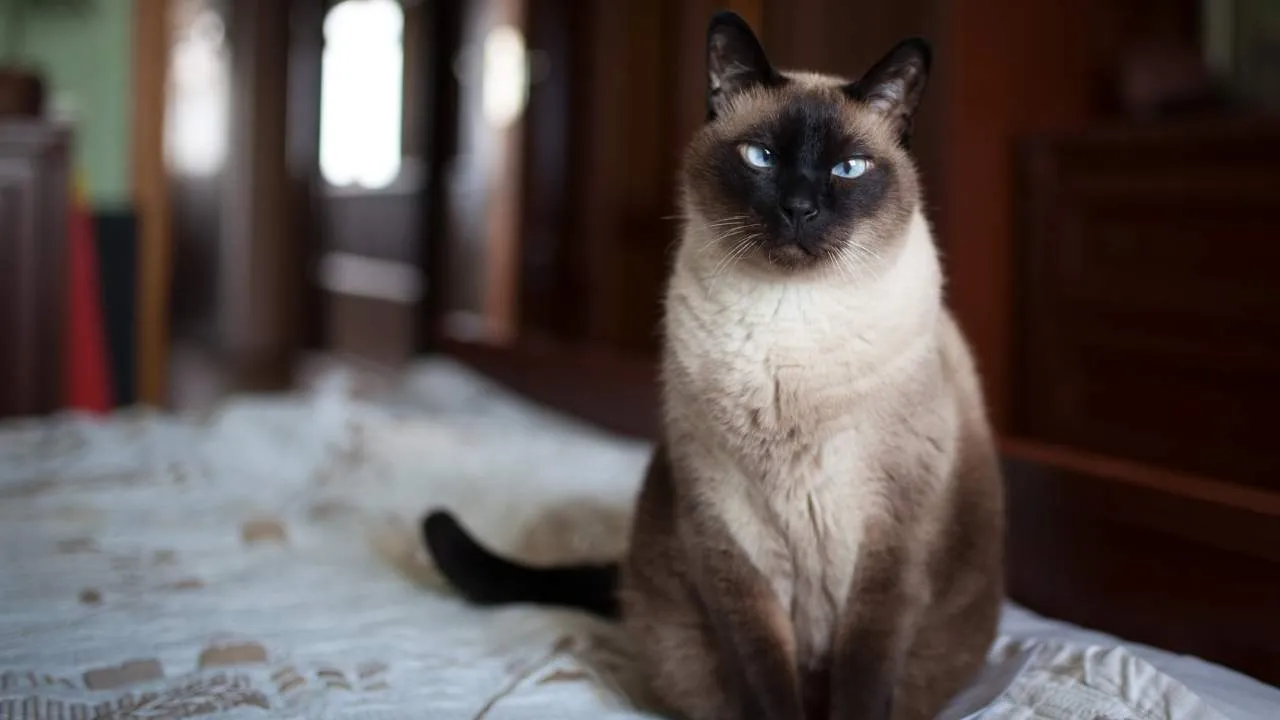
If something changes, a Siamese cat will be the first to notice and the first to comment. Highly intelligent and expressive, this breed relies on routine to stay emotionally grounded, as noted by Purina. Schedule changes often lead to increased vocalizing or restless behavior.
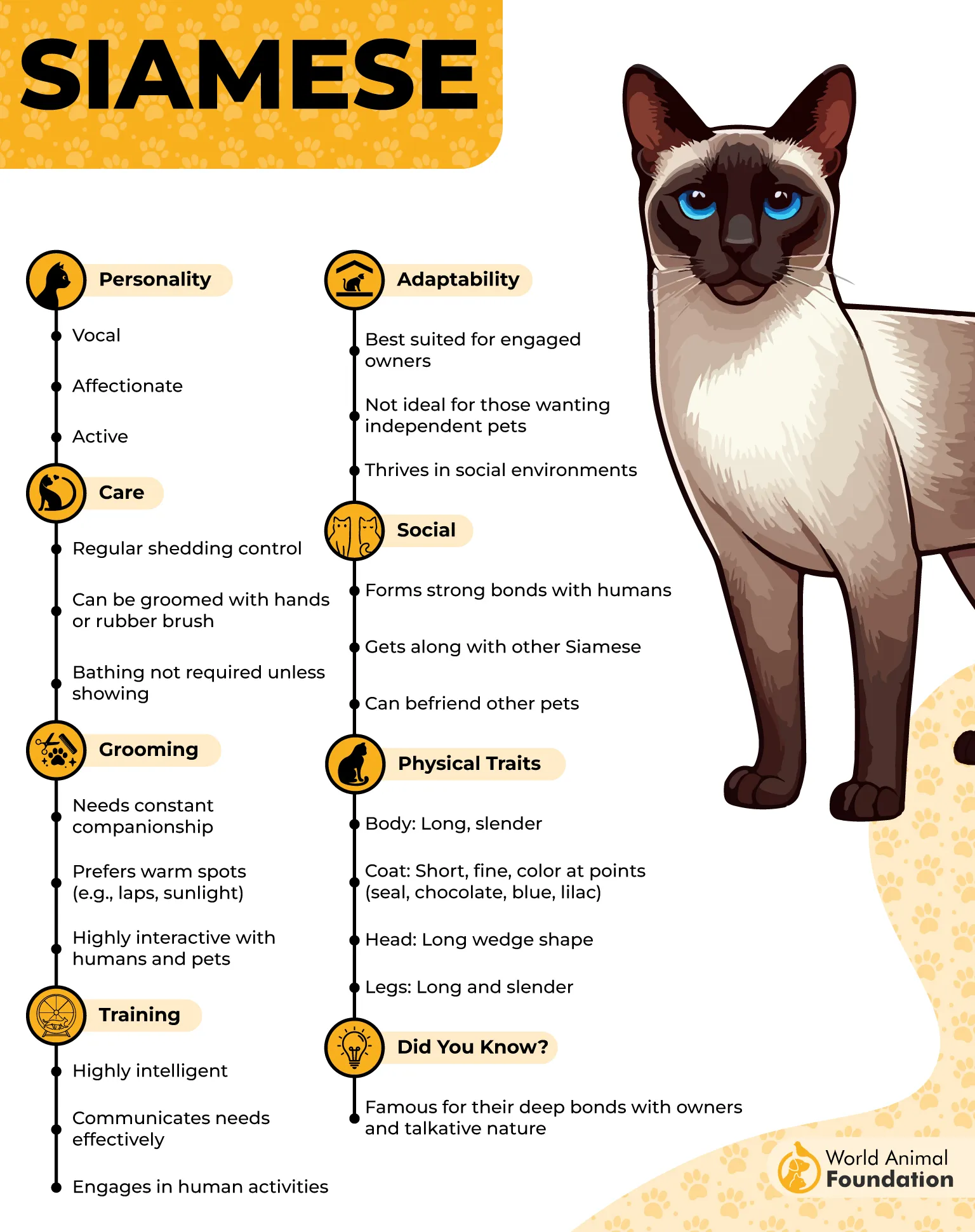
Siamese cats form strong expectations around attention, play, and feeding times. When those expectations are not met, frustration builds quickly. Their response is direct and impossible to ignore.
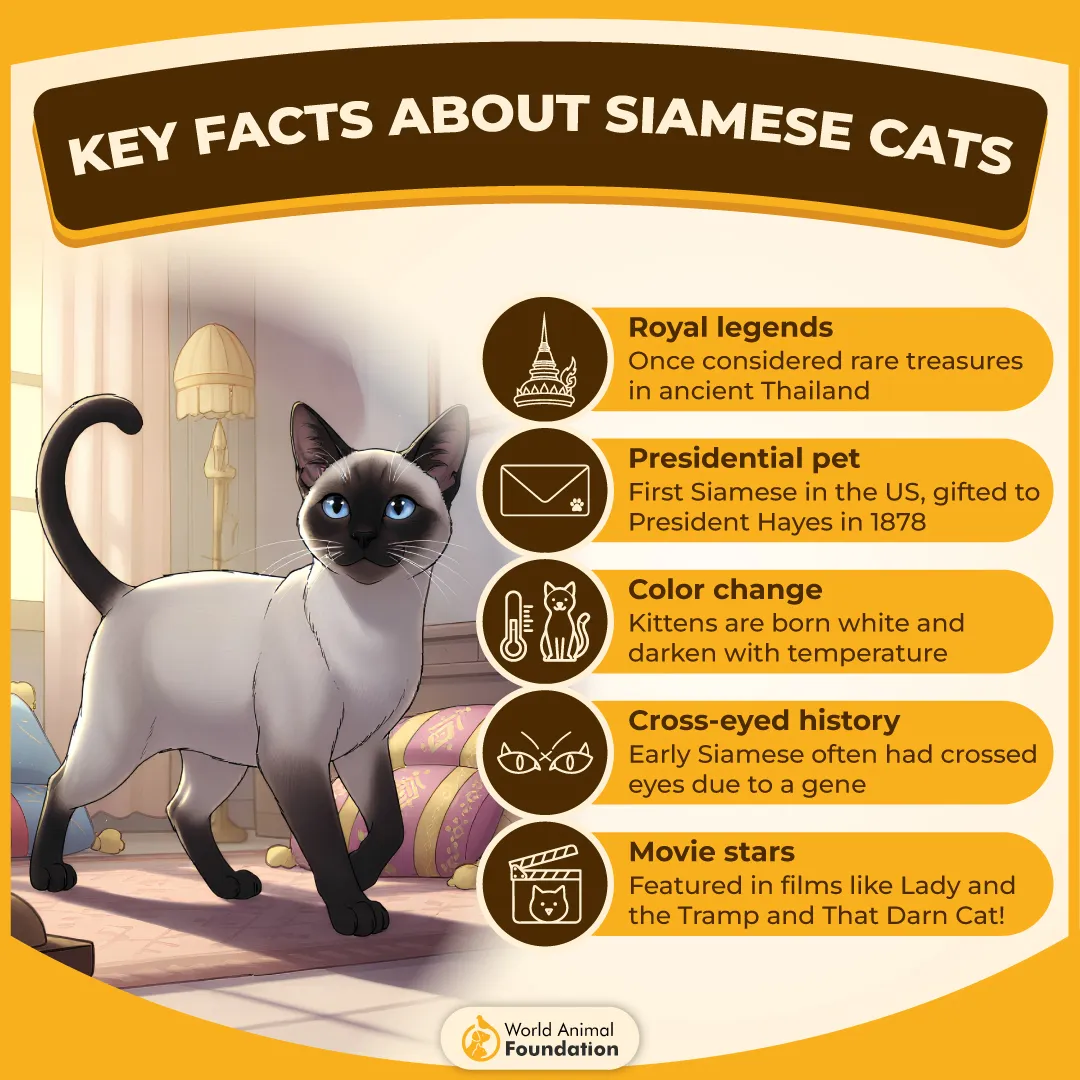
Consistency helps channel their energy and keeps their mood stable. Predictable interaction allows them to feel confident rather than demanding. In homes with steady schedules, Siamese cats are affectionate, engaging companions instead of anxious critics.
Why This Cat Is a Good Fit
Strongly dependent on routine-based interaction
Reacts quickly to unexpected changes
Needs consist of mental and physical stimulation to stay emotionally regulated
5. Burmese
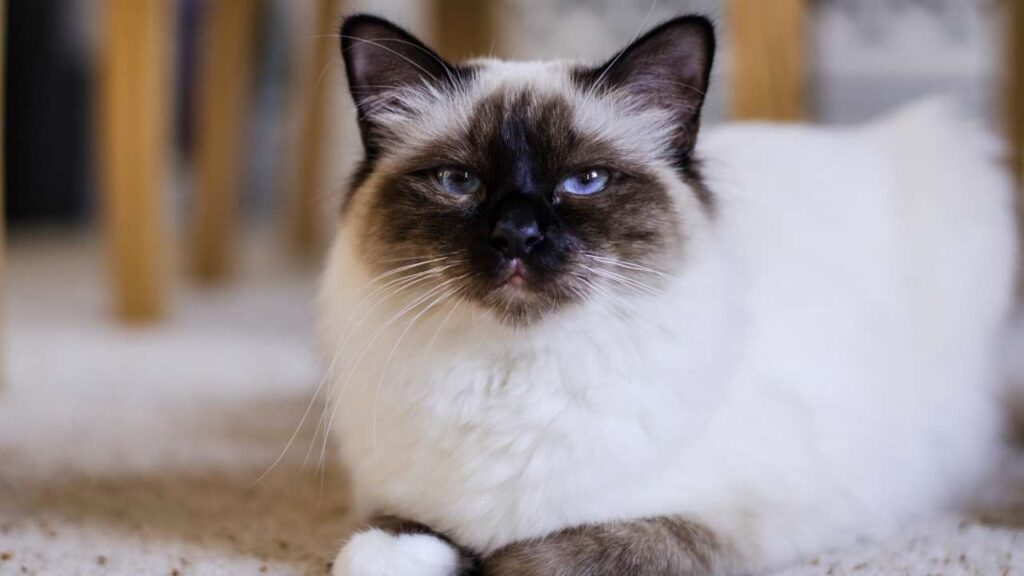
Burmese cats tend to run on social schedules rather than clocks. They are highly people-focused and often plan their day around where their humans are and what they are doing. When routines change suddenly, they may show problematic behavior.
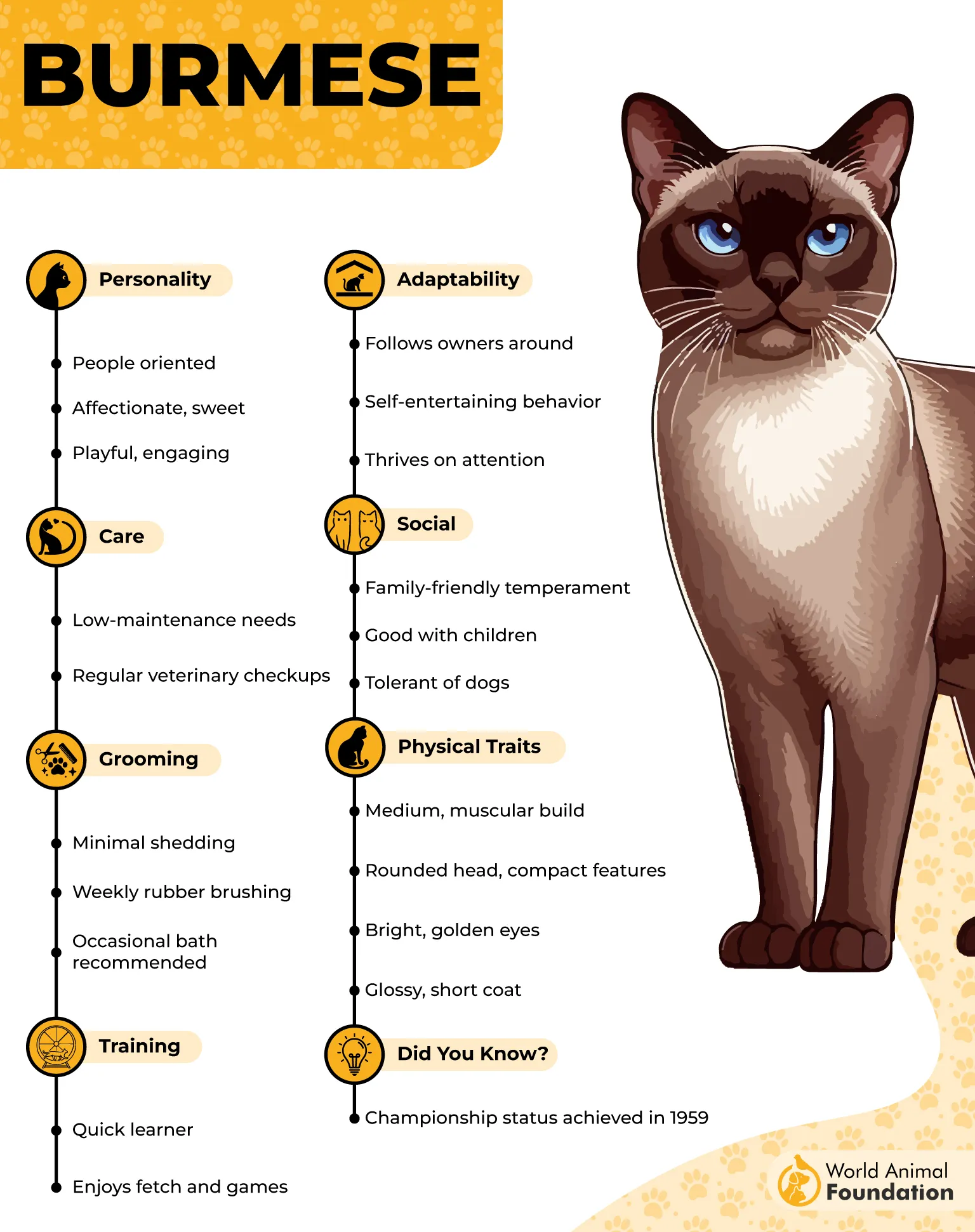
This domestic breed craves interaction and can become unsettled if attention patterns shift without warning. Burmese cats may respond with repetitive behaviors, increased vocalizing, excessive grooming, clinginess, litter box avoidance, or restlessness when their expectations are not met. They do best when play, meals, and downtime happen in a familiar rhythm.

Because they are emotionally expressive, inconsistency affects them more than it might a quieter breed. Regular engagement helps keep their confidence high and stress low. In homes where schedules stay predictable, Burmese cats remain affectionate, playful, and deeply connected to their family members.
Why This Cat Is a Good Fit
Strongly attached to human routines
Becomes uneasy when interaction patterns change
Needs predictable attention to stay emotionally settled
6. Russian Blue

Russian Blues are naturally reserved cats that rely heavily on familiar structure. They are observant and sensitive to changes in their environment, often noticing disruptions before anyone else does. Sudden schedule changes can lead to hiding or reduced interaction.
This breed prefers quiet consistency and typically bonds closely with a small number of people. They value predictable feeding times and stable household rhythms. When routines are disrupted, Russian Blues may become anxious rather than curious.
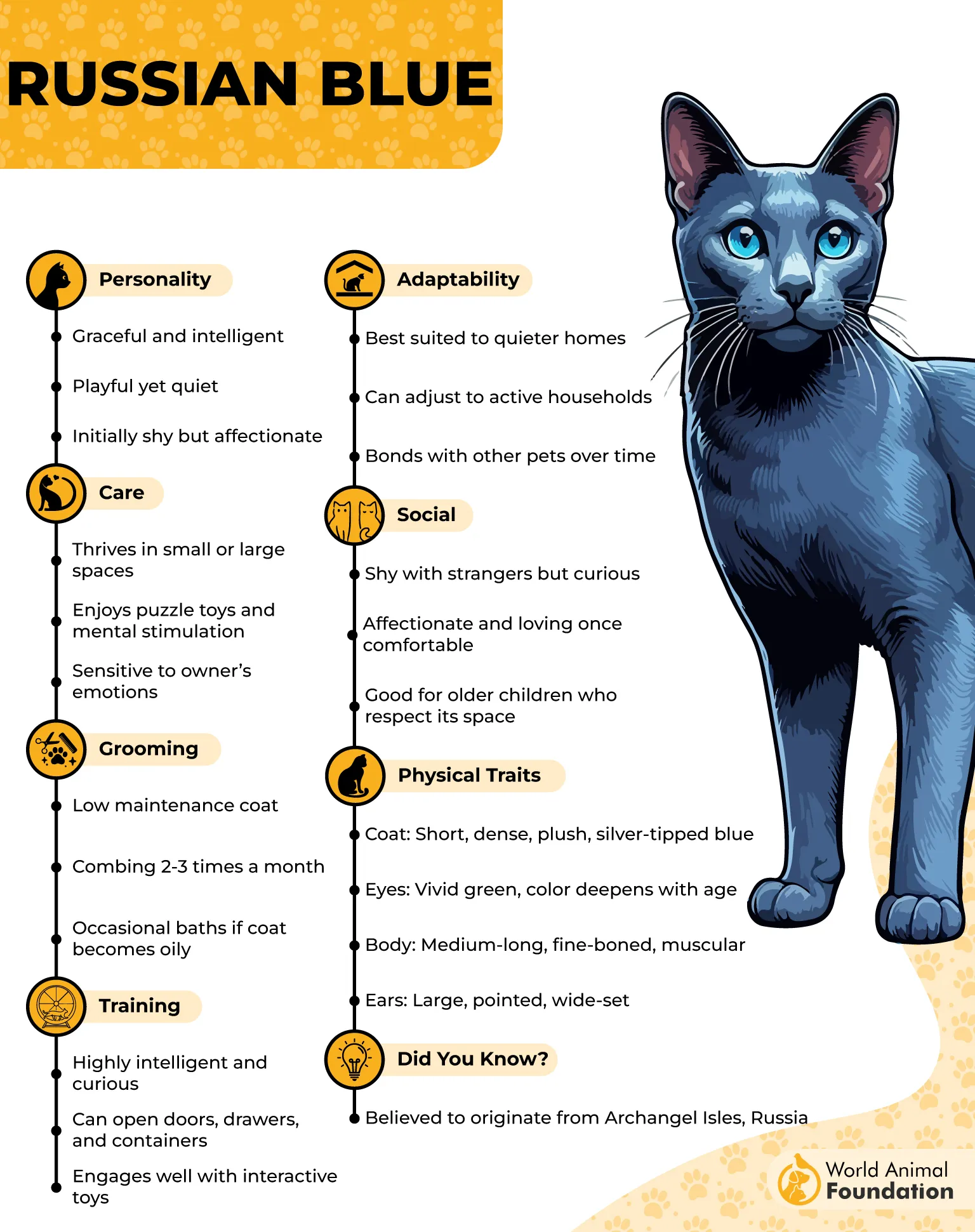
Because they are subtle communicators, stress can go unnoticed without careful observation. Consistency allows them to feel safe enough to engage and show affection. In steady homes, Russian Blues are calm, loyal companions who appreciate order and routine.
Why This Cat Is a Good Fit
Sensitive to environmental and schedule changes
Prefers quiet, predictable households
Thrives when routines remain consistent
7. Scottish Fold
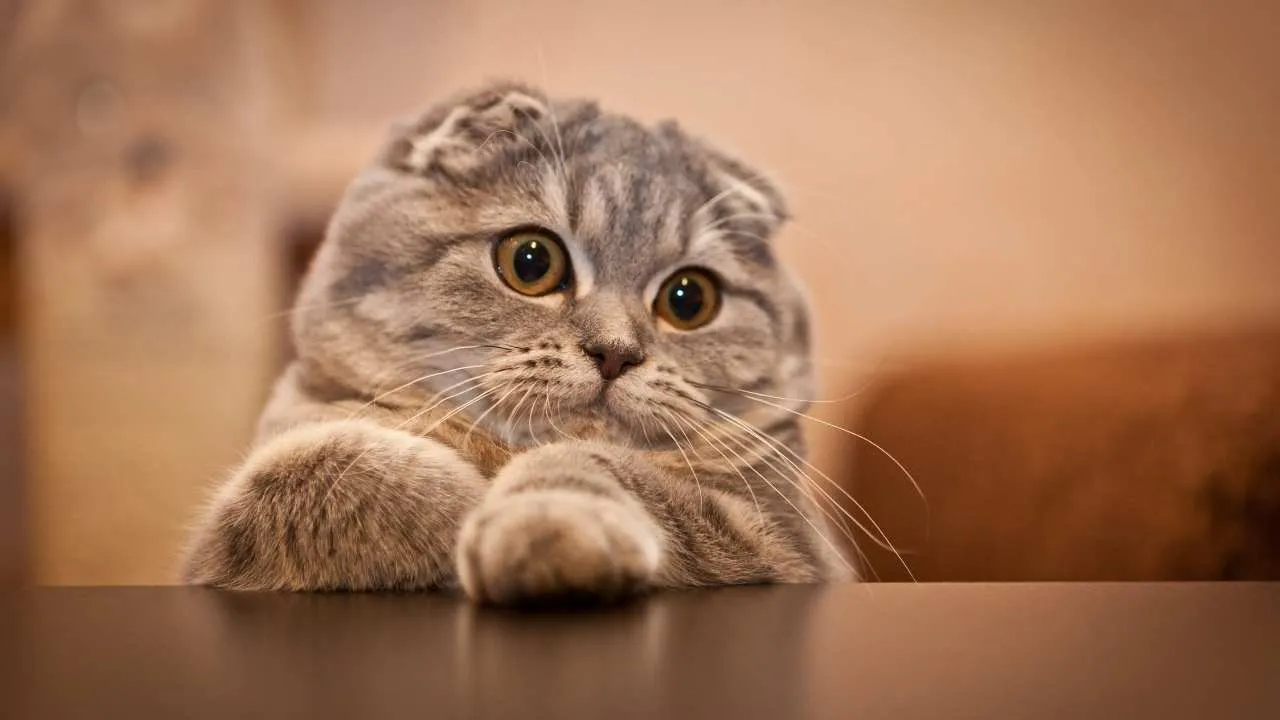
Scottish Folds are gentle cats that grow deeply attached to familiar people and patterns. They tend to rely on routine for emotional comfort rather than excitement. Sudden changes can make them uneasy or withdrawn.
This breed enjoys calm interaction and a predictable daily flow. Unexpected disruptions may lead to stress behaviors such as hiding or reduced appetite. Scottish Folds often need time and reassurance to adjust to anything new.

Their easygoing nature depends on stability rather than flexibility. Consistent care routines and calm environments help them remain relaxed and affectionate. When life stays predictable, Scottish Folds offer quiet companionship and steady affection.
Why This Cat Is a Good Fit
Relies on routine for emotional comfort
Adjusts slowly to unexpected changes
Feels safest in calm, structured homes
Conclusion
Cats that struggle with sudden schedule changes often rely on routine, predictability, and emotional security to feel safe. When routines are disrupted, some cats may become withdrawn, show increased vocalization, clinginess, unwanted behaviors, or extreme reactiveness to loud noises. Positive reinforcement, predictable daily routine, and regular vet visits support confidence and stronger human-cat bonds, especially in geriatric cats.
A disturbed cat may display aggression with other cats and other animals and may even distance itself from their favorite person. Treating behavior problems through early intervention and behavioral therapy by a reputed board-certified veterinary behaviorist helps ensure good behavior and is best for a cat’s health long term.
If your lifestyle favors consistency, choosing a cat that thrives on routine can make daily life smoother for everyone.
