




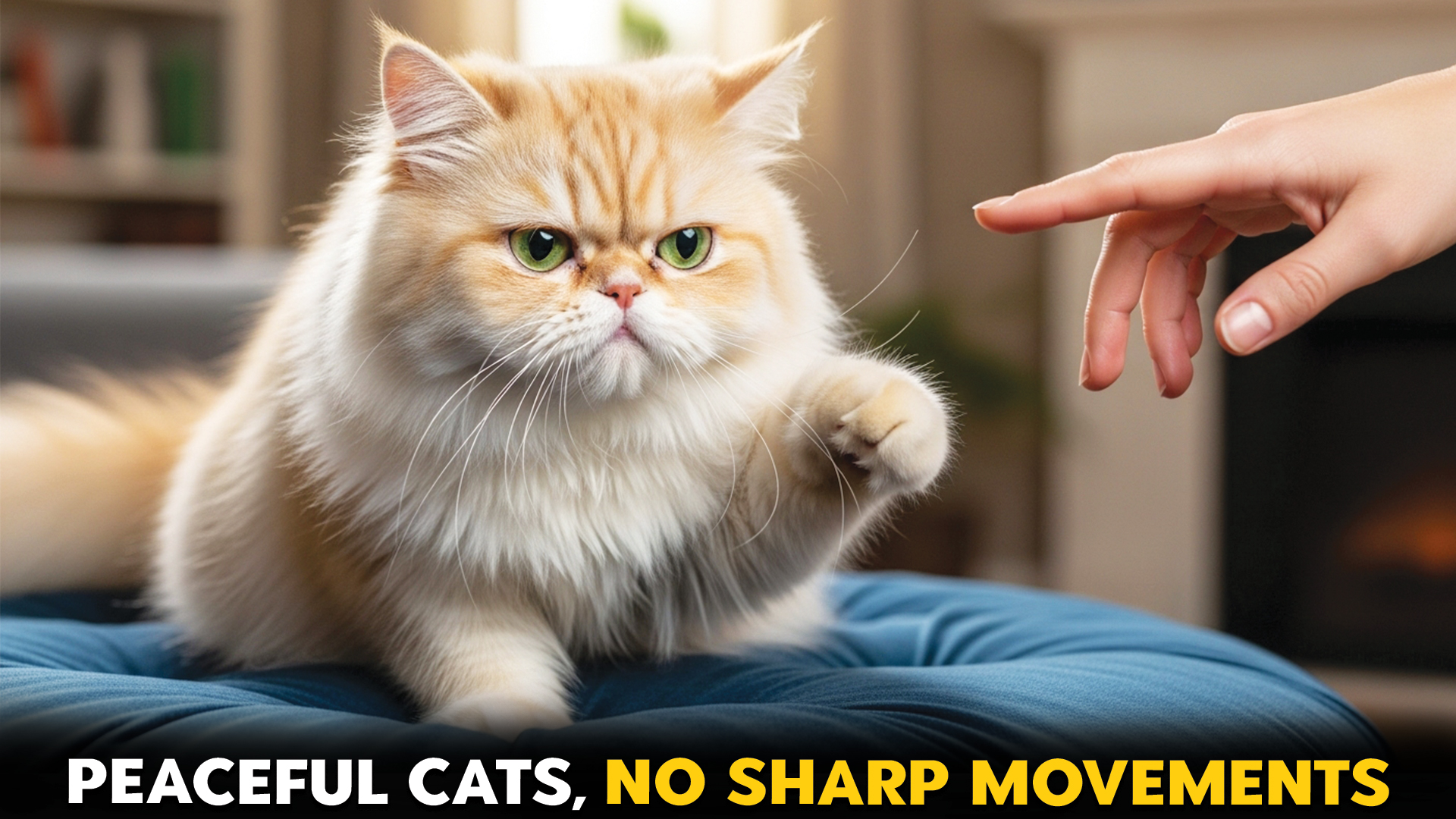
Cats may rule the internet, but in real life, some prefer calm, quiet, and zero-surprise jazz hands. If you share your home with a cat or are a dog owner learning how to keep the peace, understanding feline sensitivity can make everyday interactions smoother. Certain cat breeds are often described as being more comfortable with slow movements and predictable routines.
Sudden gestures, loud activity, or fast-paced play can feel overwhelming to them. This introduction sets the stage for learning which breeds tend to appreciate a gentler approach and why respecting those preferences can lead to a more relaxed, trusting household for pets and people alike.
Fun Fact
Some cats will calmly leave the room the moment things get too energetic, then return minutes later as if nothing happened, just to prove they are in charge of the schedule.
Cat Breeds That Dislike Sudden Movements
1. Persian
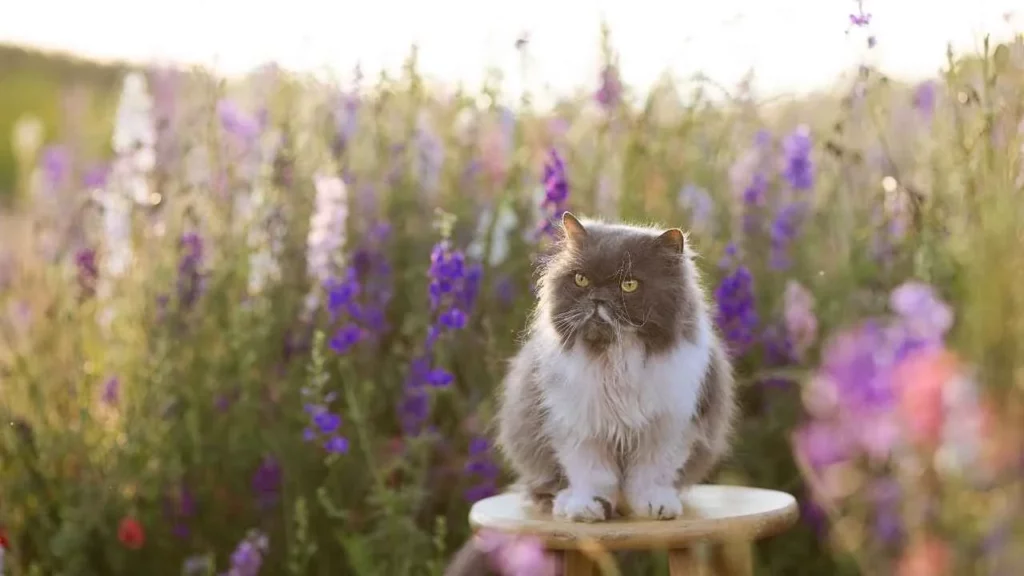
Persian cats are known for their calm, reserved personalities and preference for quiet surroundings. They tend to be wary around new people at first, taking time to feel secure before forming close bonds. Once comfortable, they enjoy relaxed companionship and gentle attention.
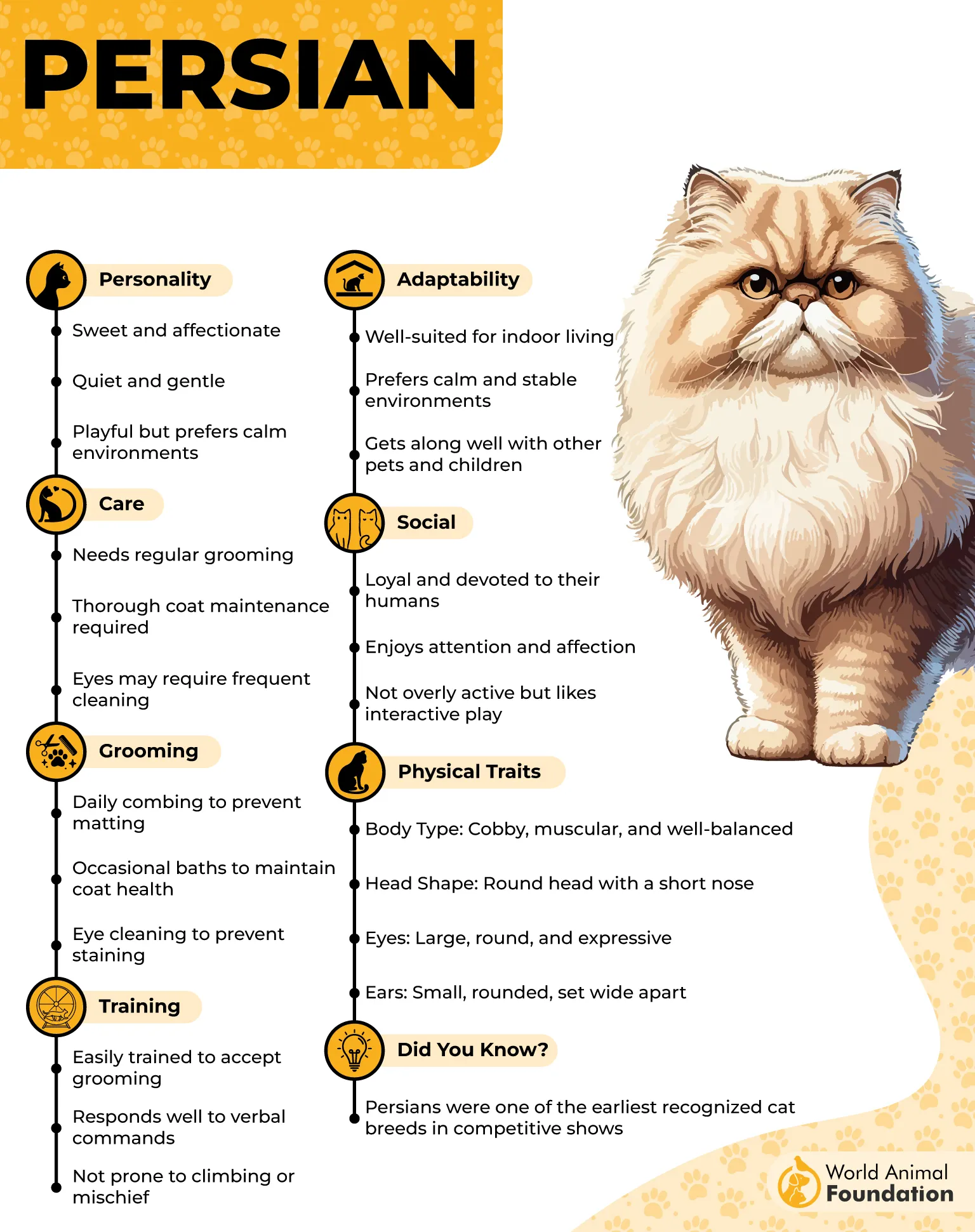
Daily life with a Persian often revolves around rest and routine rather than high-energy activity. They are described as habitual cats that can be sensitive to environmental changes and busy households. Many prefer peaceful homes with older children or adults who move thoughtfully around them.
Playtime for Persians is typically low-key and short, with a clear preference for lounging, sunbathing, or observing their surroundings. They often choose bird watching from a window or sitting beside their favorite person over rambunctious games.
Fun Fact
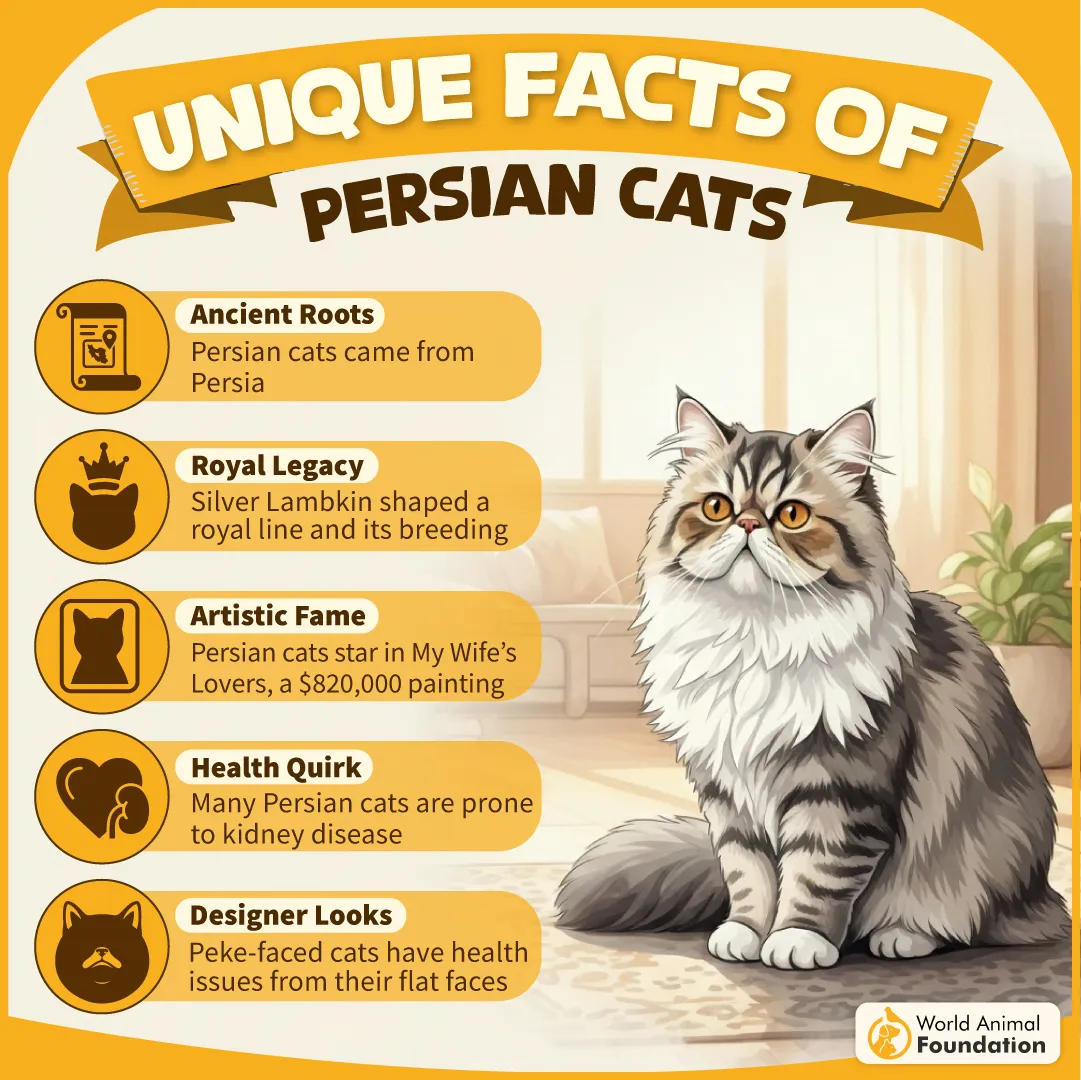
Persian cats were once called “long-haired beauties” in historical records and traveled alongside caravans with world explorers. Even Queen Victoria famously kept two Persians as cherished companions.
2. Ragdoll
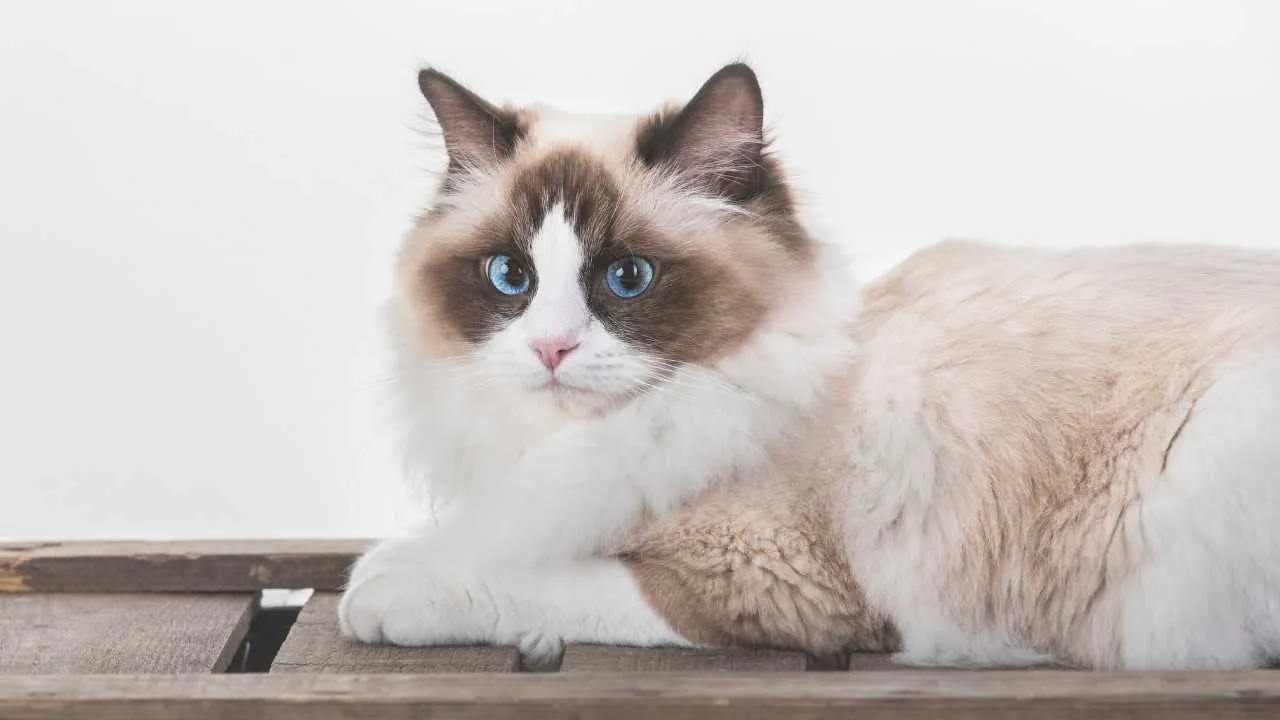
Ragdolls are famous for going completely limp when held, a trait that inspired their memorable name. Large, blue-eyed, and softly coated, they project a gentle presence that suits calm homes. Quick or unexpected movements can interrupt their relaxed mood, making slow interactions a better fit for their temperament.
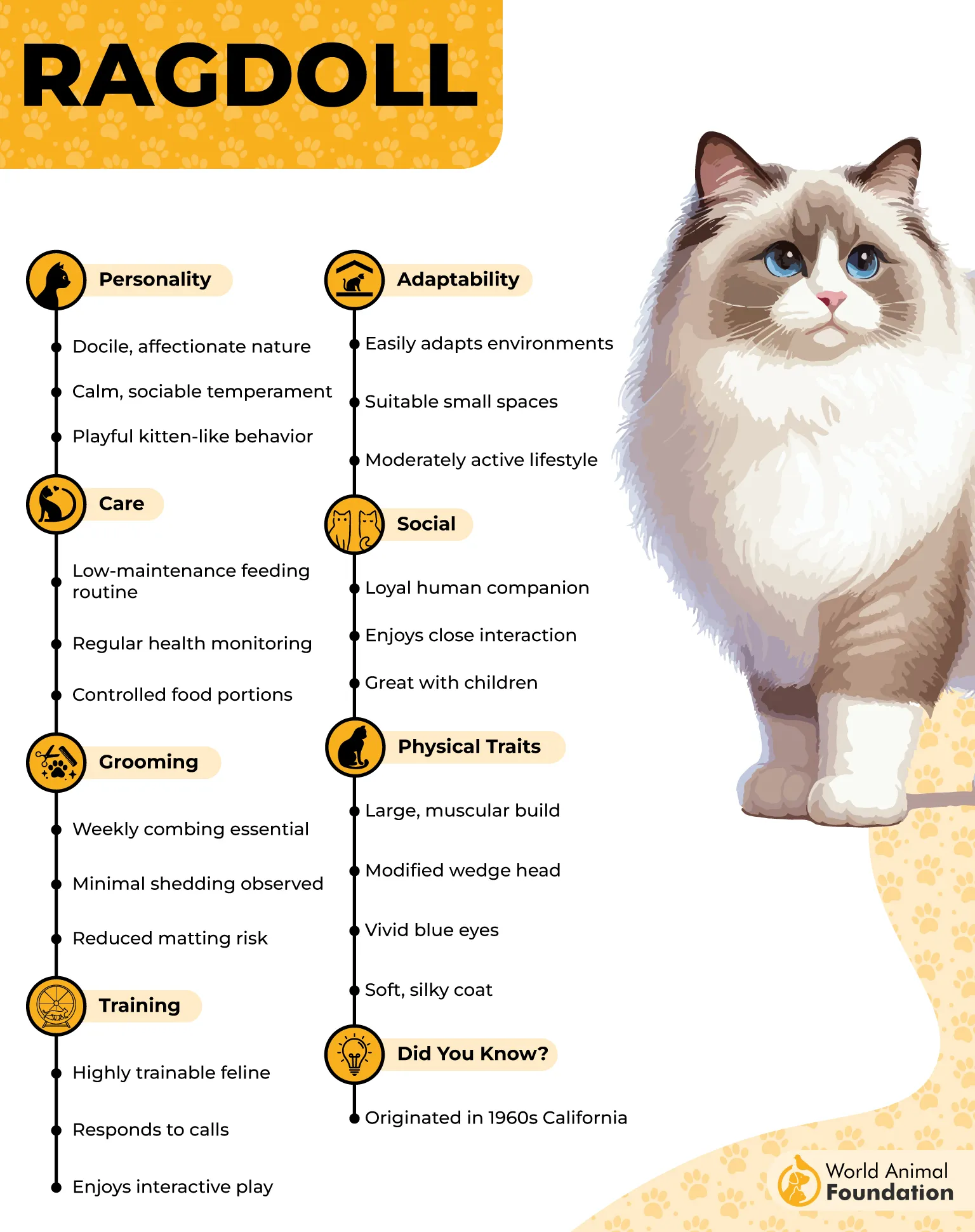
Ragdolls are known for their deeply affectionate nature and strong social bonds. They are friendly, people-oriented cats that thrive on emotional connection with their families. Close contact, regular petting, and relaxed time together are often preferred over spending long periods on their own.
These large cats fit well into serene homes and enjoy being involved in daily household activities. They enjoy interactive play, short bursts of energy, and quietly following family members from room to room, as long as attention and companionship remain part of daily life.
Fun Fact
Ragdoll kittens are born completely white, and their color points slowly develop over the first few weeks of life. Temperature influences this process, with cooler areas of the body becoming darker as they grow.
3. Scottish Fold
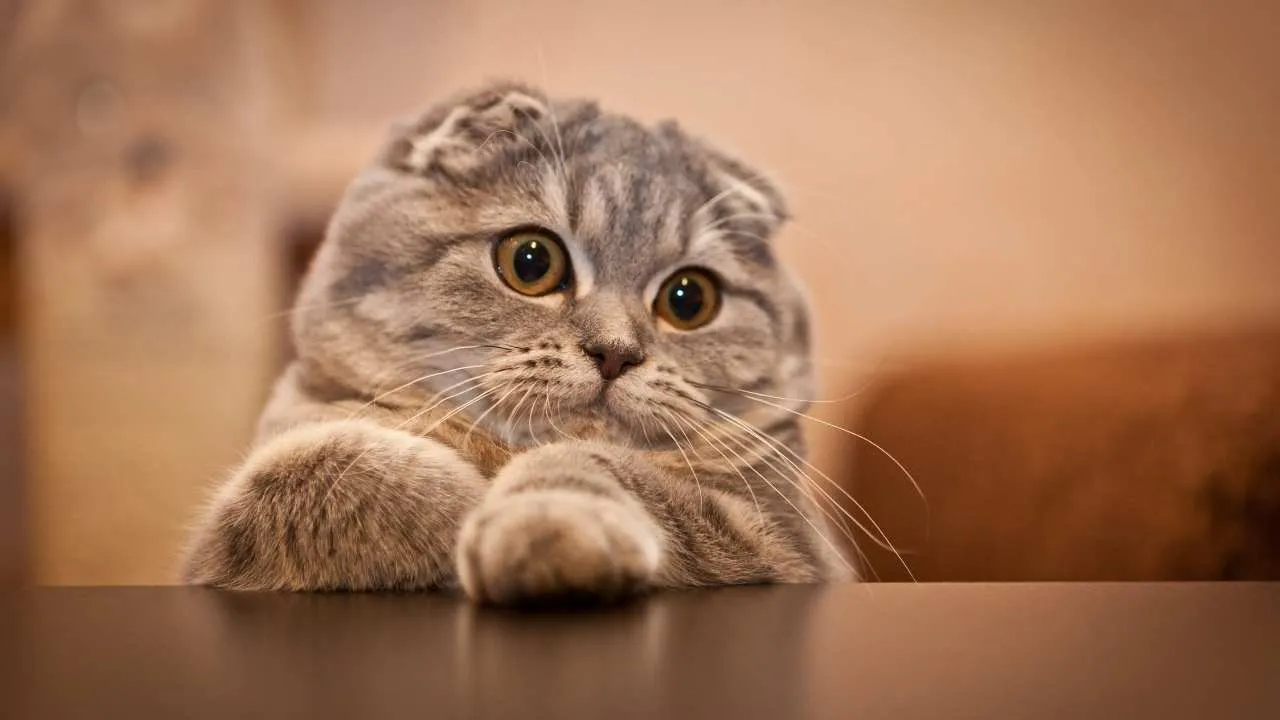
Scottish Folds are instantly recognizable thanks to their folded ears and round, expressive faces. Originating in Scotland from a spontaneous genetic mutation, these stocky cats are known for their gentle presence and sweet demeanor.
Exercise for a Scottish Fold is best kept moderate and purposeful. They enjoy gentle play sessions with wand toys, short zooms around the house, and relaxed activities that do not strain their joints. Because joint and cartilage issues can limit mobility over time, maintaining a healthy weight and encouraging low-impact movement is especially important.

Grooming needs vary based on coat length, but all Scottish Folds benefit from regular brushing to manage shedding and matting. Some may need extra help with grooming if joint discomfort limits flexibility. Ear checks are also important, as their folded ears should stay clean, odor-free, and free of irritation.
Fun Fact
Scottish Folds often sit in a quirky upright “Buddha pose,” with their paws tucked and backs straight. This unusual posture has made them internet-famous and instantly recognizable to fans worldwide.
4. Russian Blue
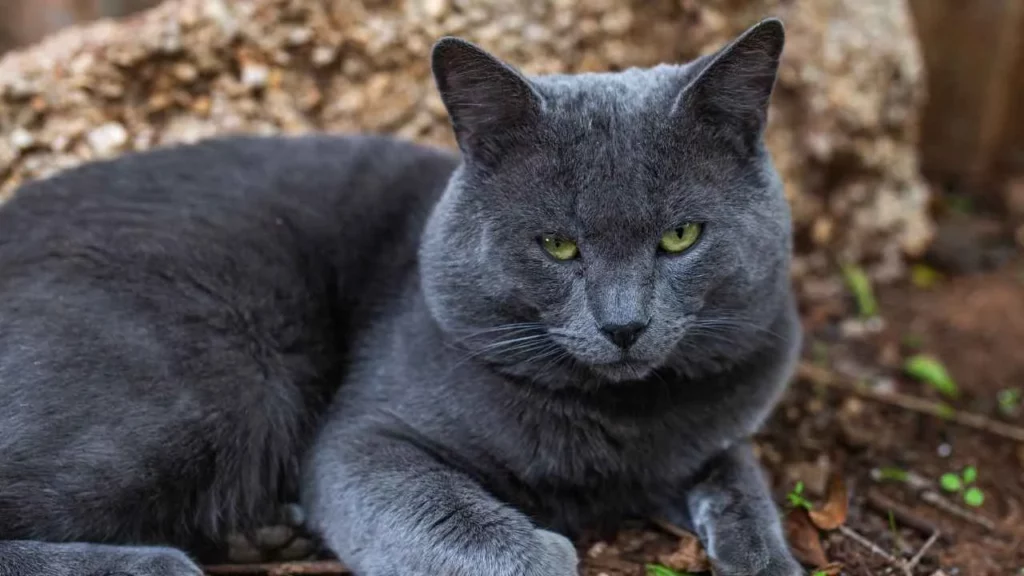
The Russian Blue stands out with its shimmering blue-gray coat and quietly observant nature. This breed tends to appreciate order, routine, and calm surroundings, often choosing to watch before engaging.
Training a Russian Blue can be surprisingly engaging thanks to their sharp minds and natural curiosity. They tend to pick up cues quickly when training is consistent and rewarding. Mental stimulation matters just as much as physical activity for keeping this breed content.
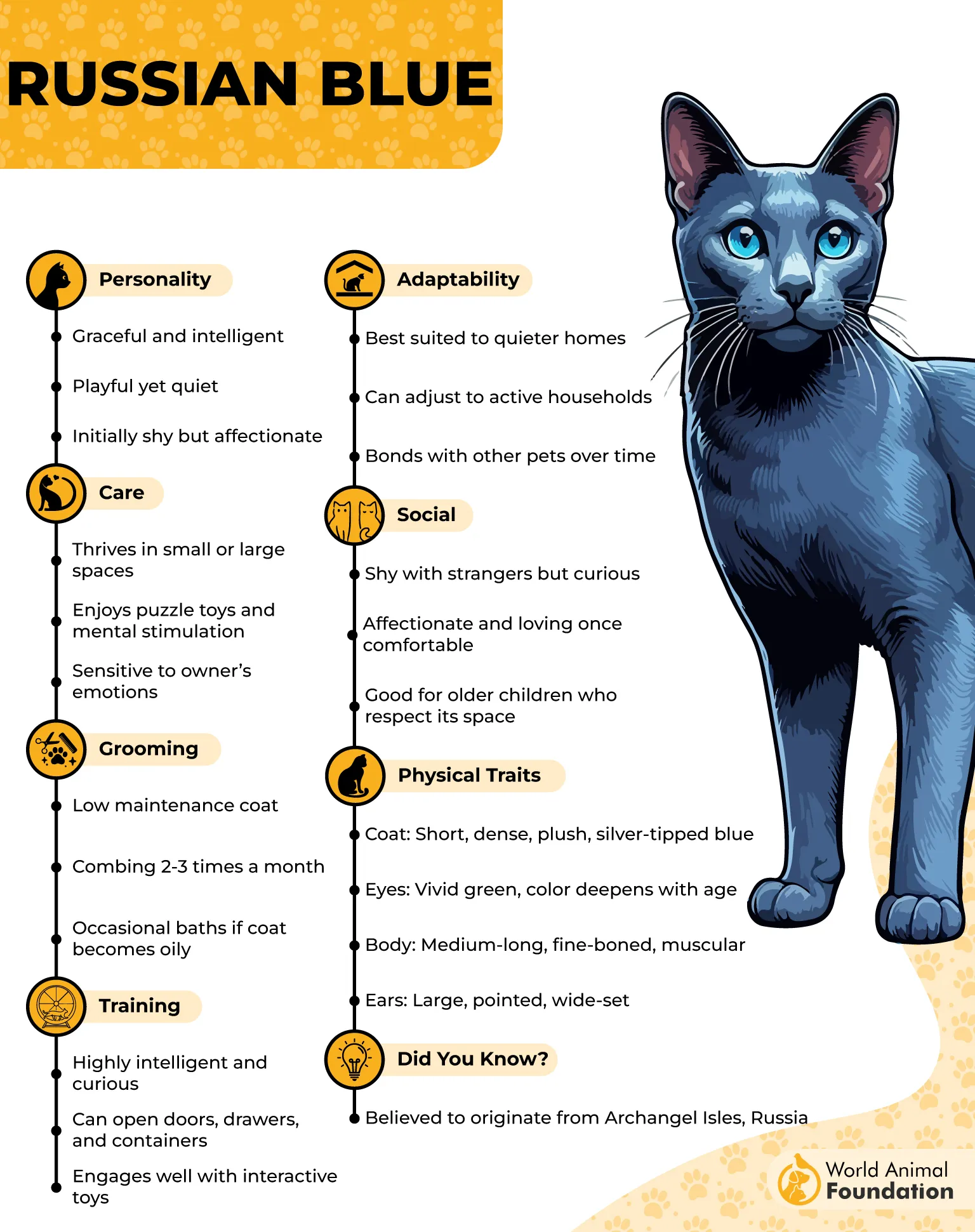
In terms of behavior, Russian Blues are often reserved with strangers but deeply loyal to their families. They value predictability and tend to form close bonds with their chosen people, though they are not true lap cats. Rather than demanding attention, they prefer quiet companionship and familiar daily routines.
Fun Fact
Russian Blue cats were showcased at one of the world’s first cat shows at London’s Crystal Palace in 1875. Although they did not win prizes, their elegance stood out, and by the early 1900s, the breed was officially recognized in America.
5. Birman
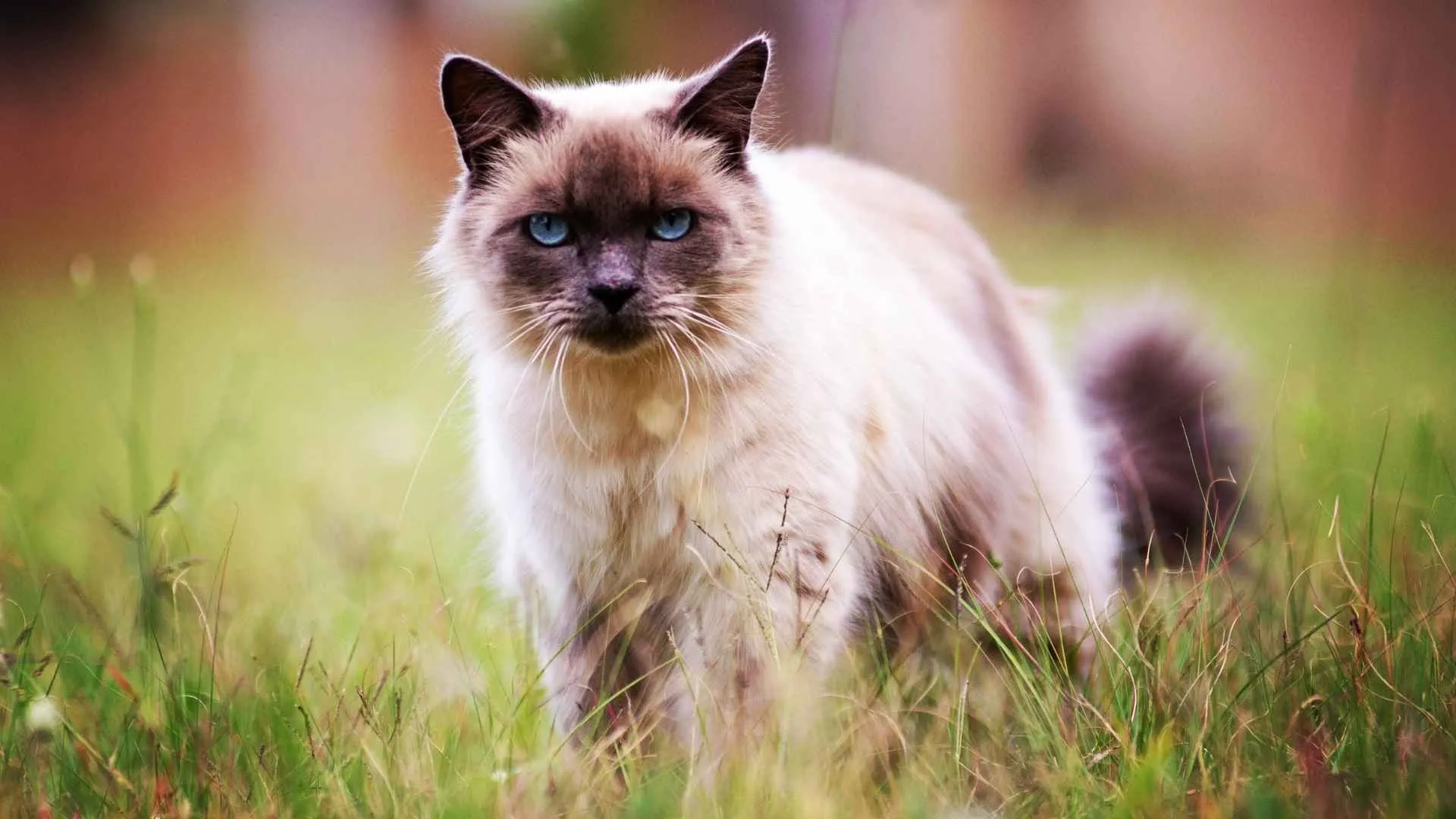
Often called the Sacred Cat of Burma, the Birman carries itself with a calm elegance that feels almost ceremonial. Their gentle demeanor pairs best with steady, respectful interactions, as they tend to favor serene environments over sudden activity.
Birmans are well-suited to homes with other pets thanks to their patient and tolerant temperament. They are sociable cats that enjoy companionship and generally coexist peacefully with other cats, friendly dogs, and children. Because they dislike being alone for long stretches, many thrive in multi-pet households where company is always nearby.

As mentioned by Purina, Birmans are best suited to secure gardens or outdoor enclosures, though they can stay happy indoors. Their laid-back nature and friendliness make unsupervised outdoor access risky and increase the chance of theft.

Fun Fact
Birmans narrowly avoided extinction after World War II, when only one breeding pair remained in Europe. Careful outcrossing helped rebuild the breed, preserving the mysterious cat once tied to legend and temples.
6. Himalayan
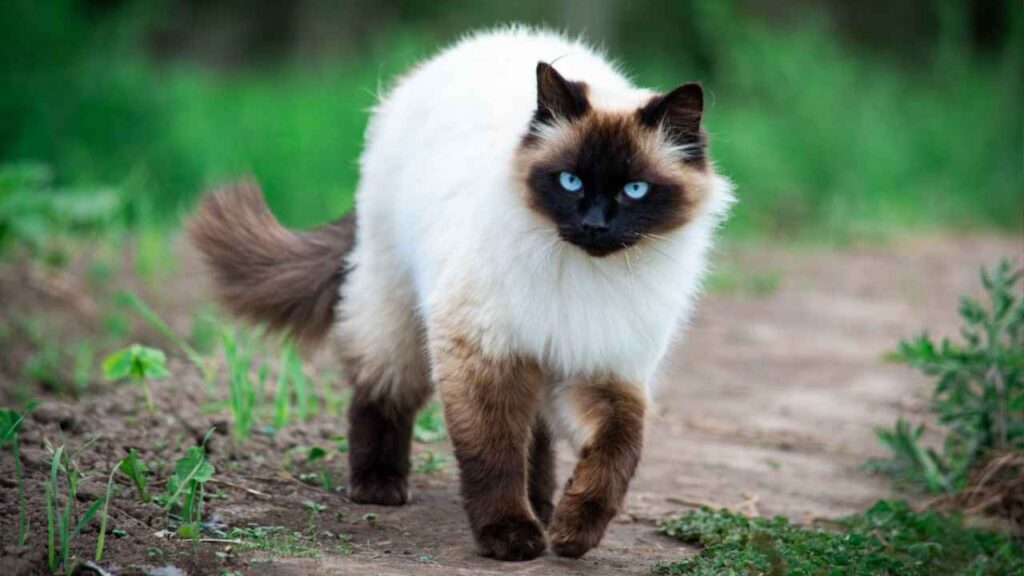
Himalayans blend the plush look of a Persian with the pointed coloring of a Siamese, creating a cat that feels both elegant and approachable. Known for their calm, people-friendly personality, they are happiest in relaxed homes where movement and noise stay fairly predictable.
According to PetMD, Himalayan cats need daily grooming because of their thick, long coats and flat facial features. Regular brushing helps prevent matting, and some may benefit from occasional baths to support healthy skin and coat condition.
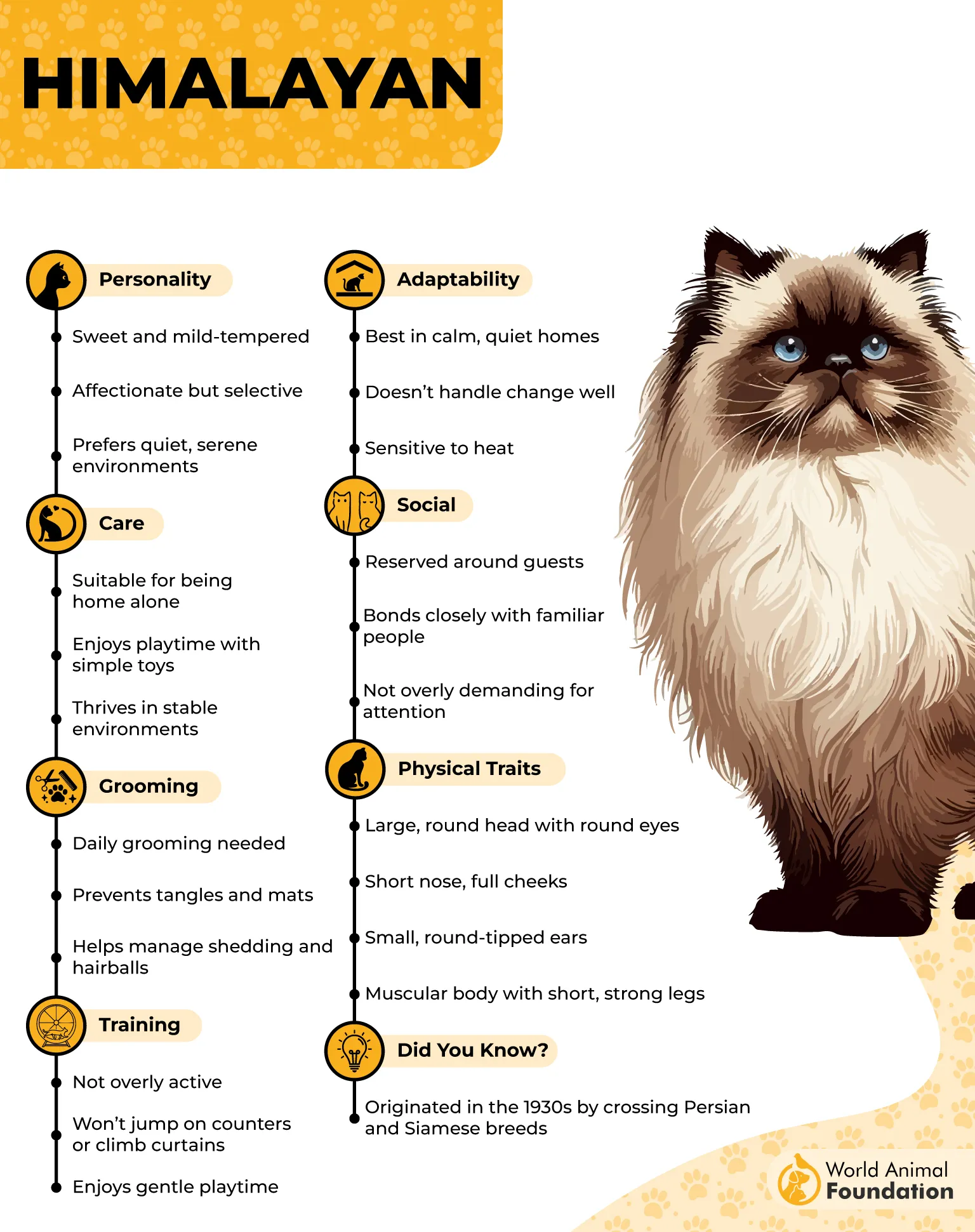
Health considerations are an important part of life with a Himalayan. Their flat facial structure can lead to breathing and swallowing challenges, and they may be prone to inherited conditions such as polycystic kidney disease. Routine veterinary visits and attentive observation help catch issues early and support long-term well-being.
Fun Fact
Some cat organizations consider the Himalayan a Colorpoint Persian rather than a separate breed. The name difference stems from early breeders in North America and Britain choosing different paths for the same striking cat.
7. Tonkinese
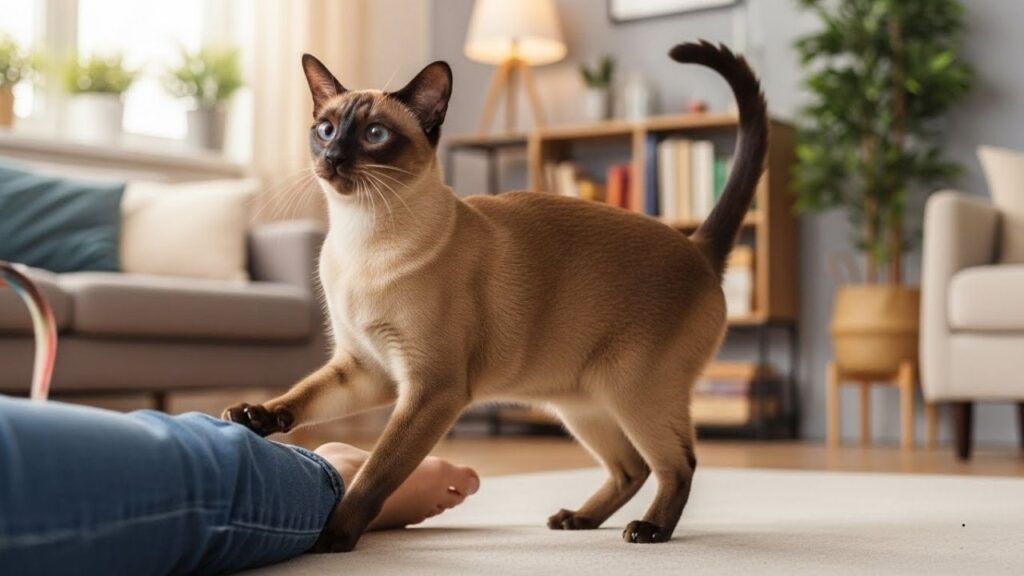
The Tonkinese is often described as the perfect balance cat, blending the sociable nature of its parent breeds into a medium-sized companion with its own identity. With a sleek, short coat and expressive eyes, this breed brings energy and warmth without tipping into constant chaos.
An alert nature is one of the Tonkinese’s standout traits. These cats notice everything, from a door opening to a change in routine, and they like to stay involved. Highly people-oriented and vocal, they often greet family members and guests alike, using a range of sounds to communicate their thoughts.
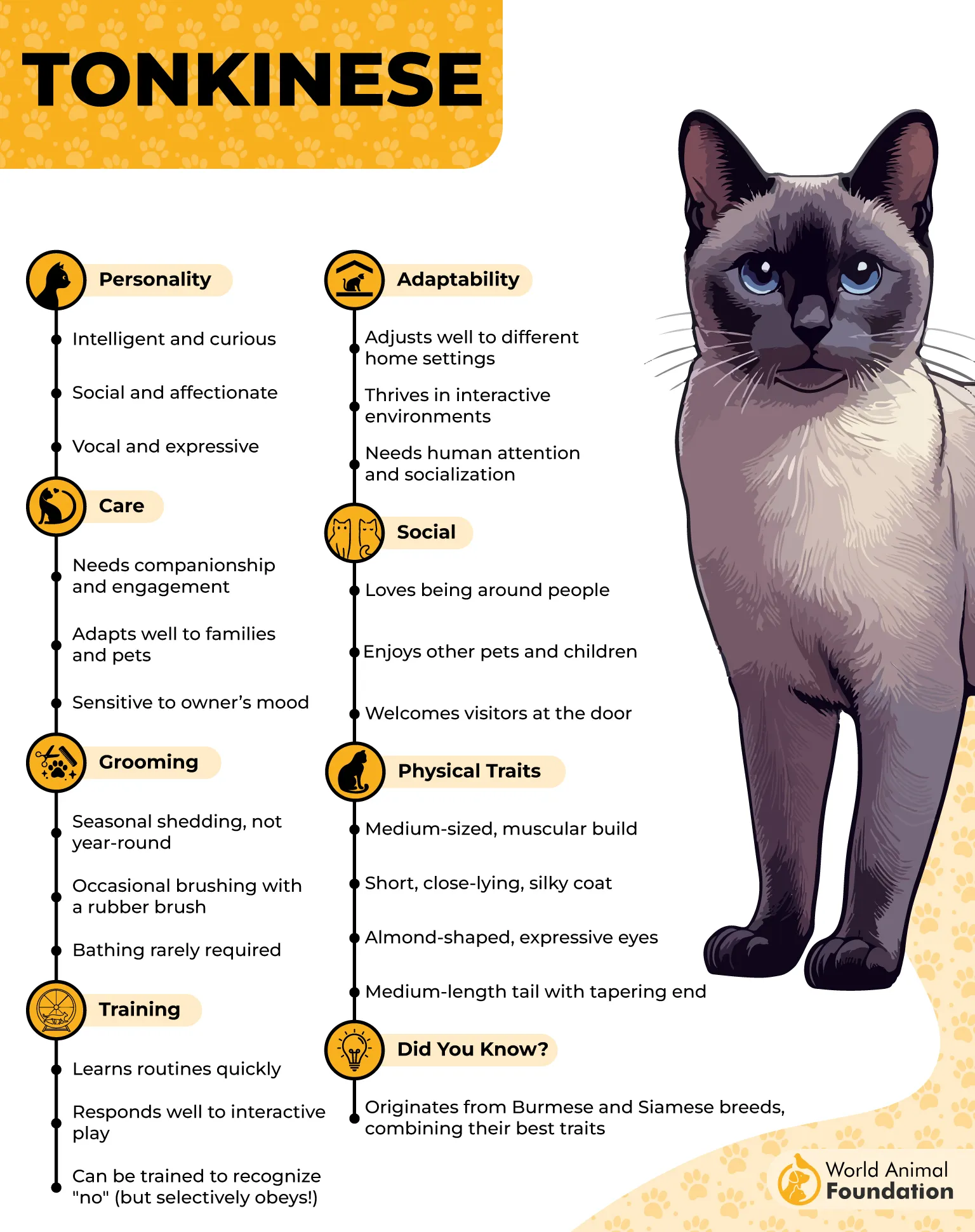
As mentioned by WebMD, Tonkinese cats can gain weight easily, so feeding a balanced diet recommended by your vet is important. Fresh, clean water should always be available. Placing the water bowl a few feet away from food can help encourage better drinking habits.
Fun Fact
Most Tonkinese cats can trace their lineage back to one cat named Wong Mau, who arrived in the United States in 1930. She later became the foundation for both the Tonkinese and Burmese breeds.
Conclusion
Every individual cat brings its own personality into a home, and understanding those preferences can make daily life calmer and more enjoyable for everyone involved. Some breeds feel most comfortable in steady, predictable environments where gentle movements and quiet routines set the tone.
By paying attention to how a cat responds to activity, you can build trust, reduce stress, and create a space where your pet truly feels at ease. Whether you live alone, share your home with kids or other pets, or are welcoming a cat for the first time, choosing a breed that fits your lifestyle matters. A thoughtful match leads to happier cats, smoother interactions, and a more peaceful home.
