




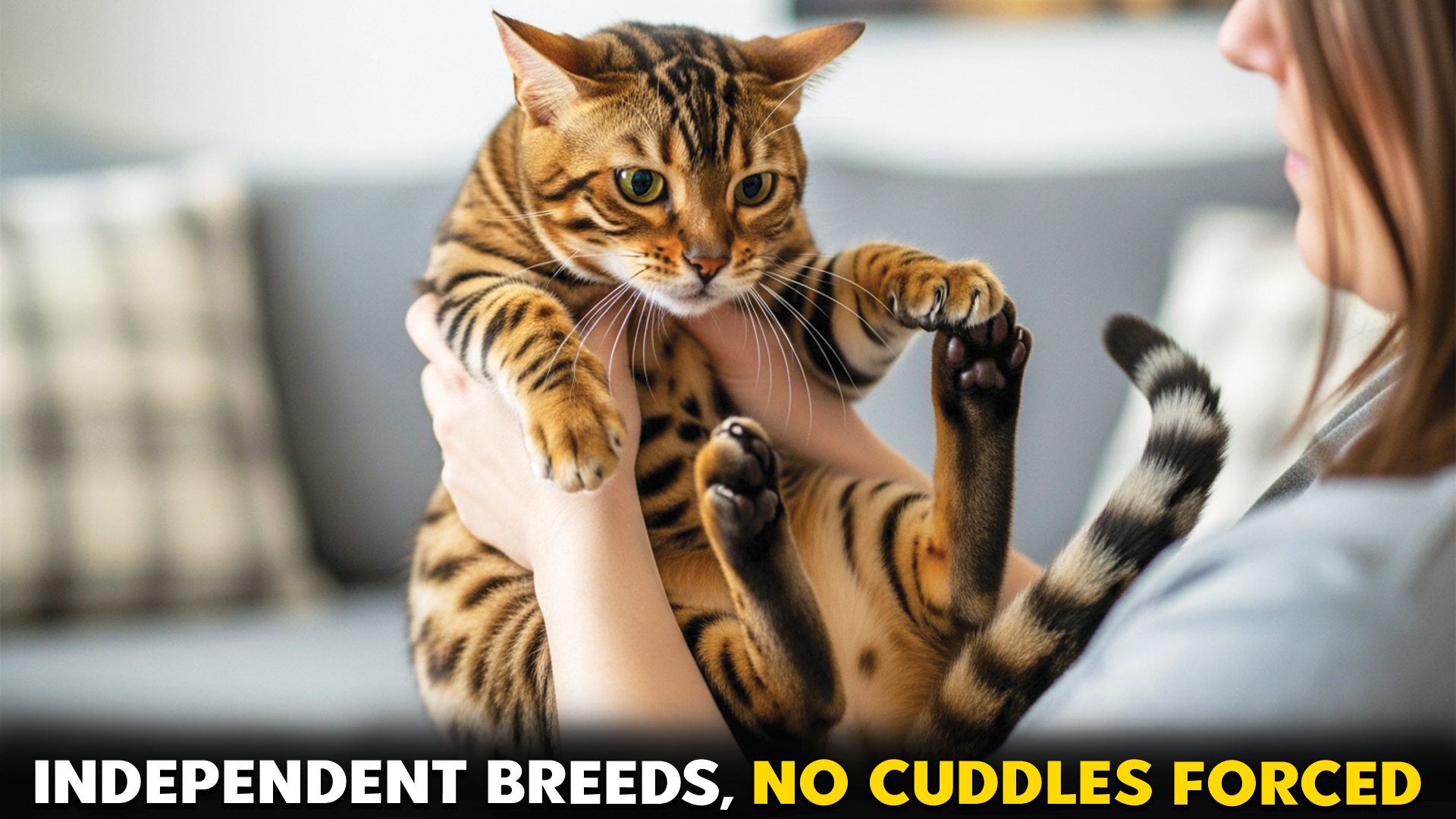
Not all cats enjoy being picked up, cuddled, or physically restrained—and for some breeds, independence is a core part of who they are. While cats can be affectionate and social, many prefer to interact on their own terms, choosing when and how closeness happens. Understanding these boundaries is essential to building trust and avoiding unnecessary stress.
Cats that dislike being held often value autonomy and personal space more than physical contact. This sensitivity isn’t rejection—it’s instinct. Restriction can make some cats feel trapped, triggering anxiety rather than comfort.
Recognizing why some cats resist restraint helps owners create healthier relationships. Respecting feline independence means offering choice, not force—letting cats approach when they feel secure. With proper enrichment, calm environments, and daily play, independent cats can enjoy companionship while maintaining clear boundaries that support their emotional well-being.
Cat Breeds That Dislike Being Restrained
1. Abyssinian
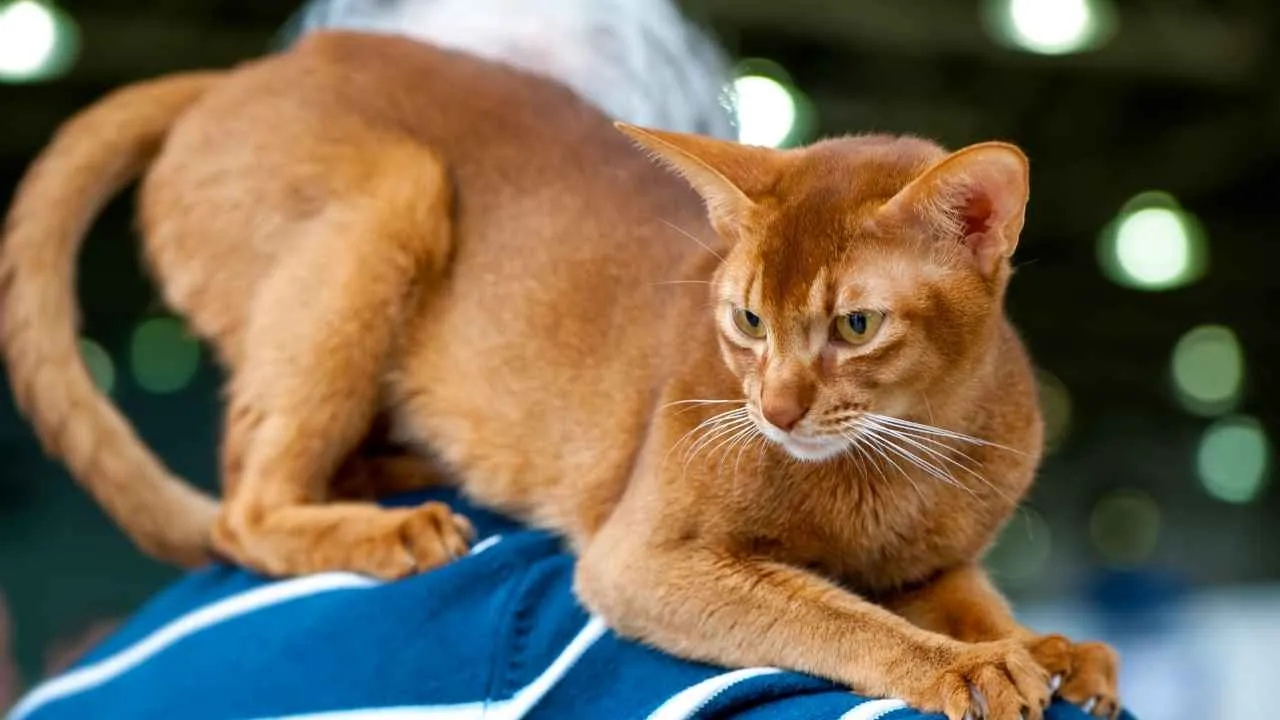
Often called the “Aby,” the Abyssinian is one of the oldest known cat breeds, admired for its ticked coat, athletic build, and alert, expressive eyes. Regal and intelligent, this breed is famously curious and always on the move.
According to Britannica, the cat has a short, finely textured coat in a ruddy reddish-brown shade, with hairs on the back, sides, chest, and tail uniquely ticked with bands of black or brown.
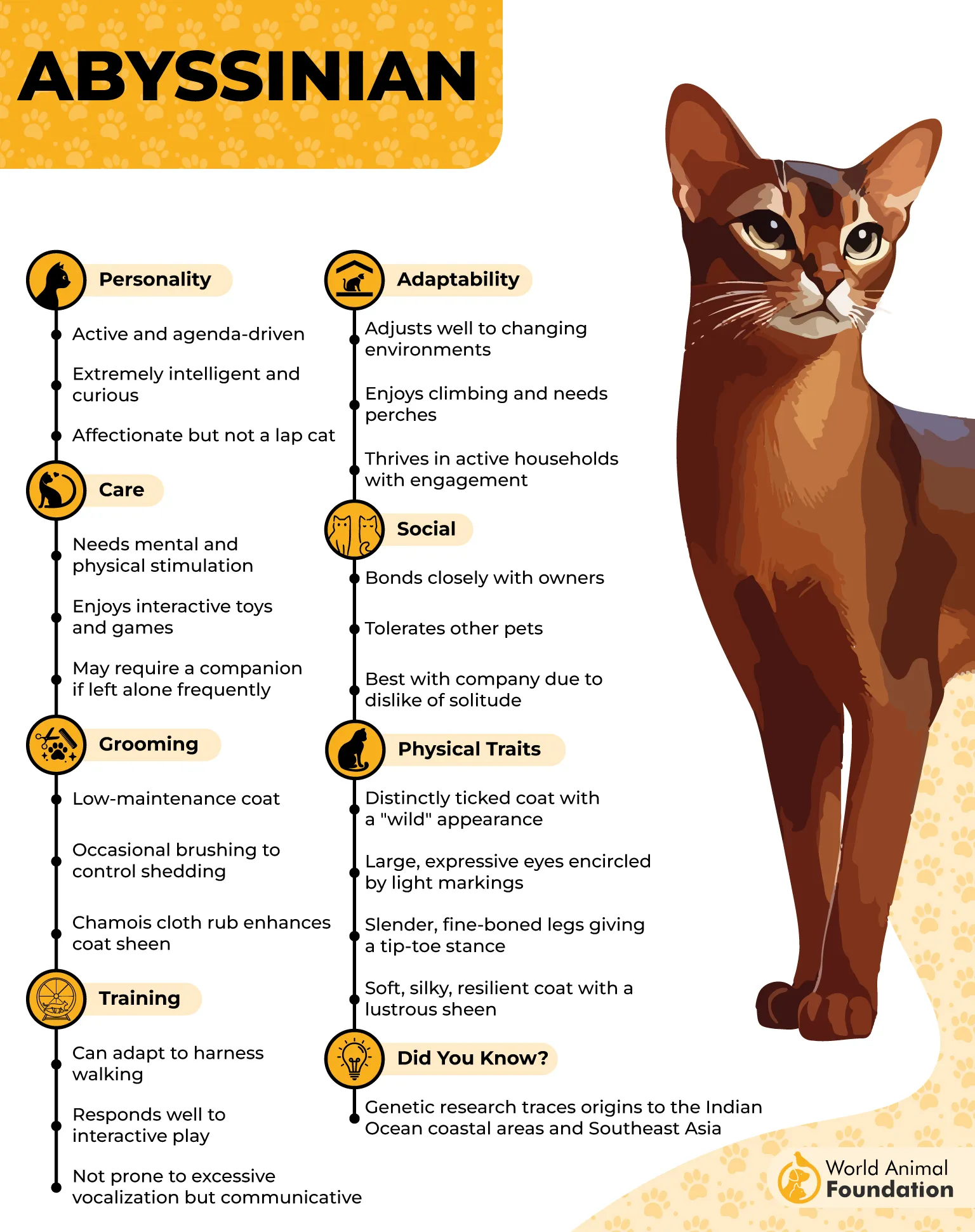
Abyssinians dislike being restrained because they value freedom and self-direction. Rather than sitting still in someone’s arms, they prefer to explore, climb, and observe their surroundings on their own terms.
Confident and self-assured, this breed shows affection through proximity and interaction, not cuddling. Being held too long can feel limiting, especially for a cat that thrives on motion and mental stimulation.
Abyssinians are content managing their own space and routines, making them better suited to respectful handling.
Fun fact: The Abyssinian was named after cats shown in England in the 1800s that were believed to come from Abyssinia, now known as Ethiopia.
2. Bengal
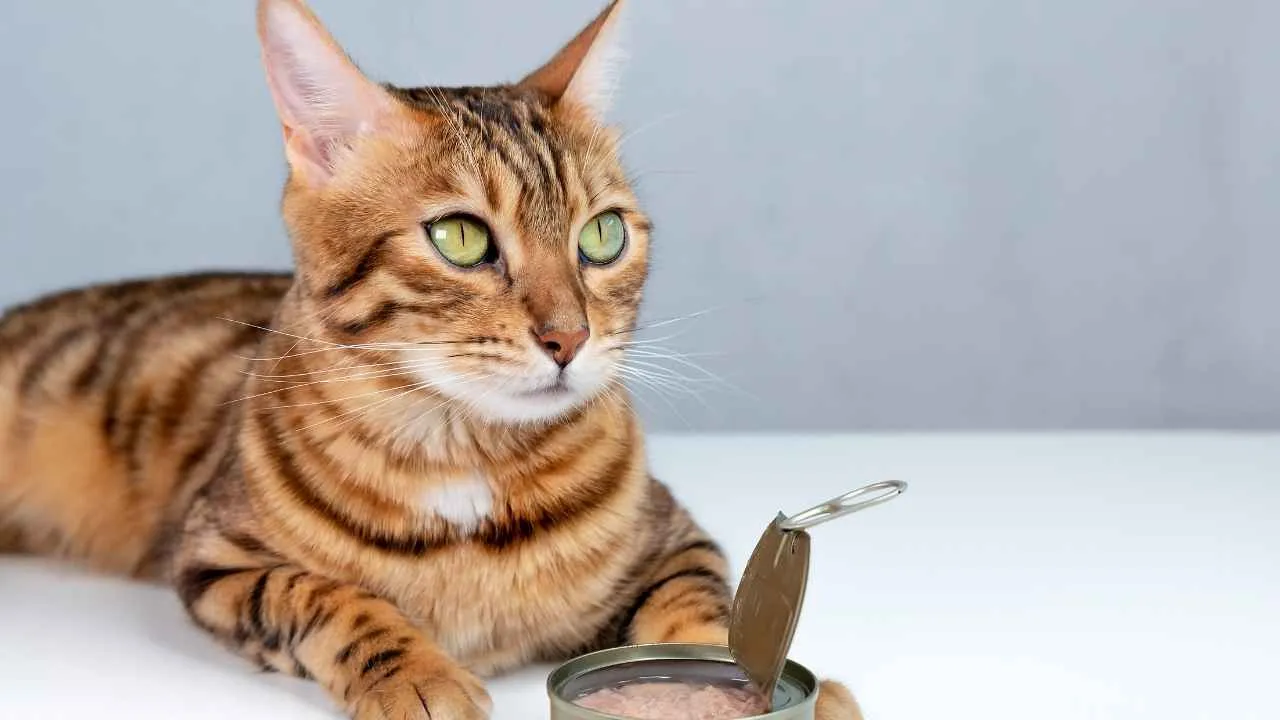
Sometimes called the “mini leopard,” the Bengal is instantly recognizable for its sleek, muscular build and striking spotted or marbled coat. According to PetMD, Bengal cats may resemble miniature leopards in appearance, making the comparison quite fitting.
This confident, high-energy breed combines a wild appearance with a deeply people-oriented personality.
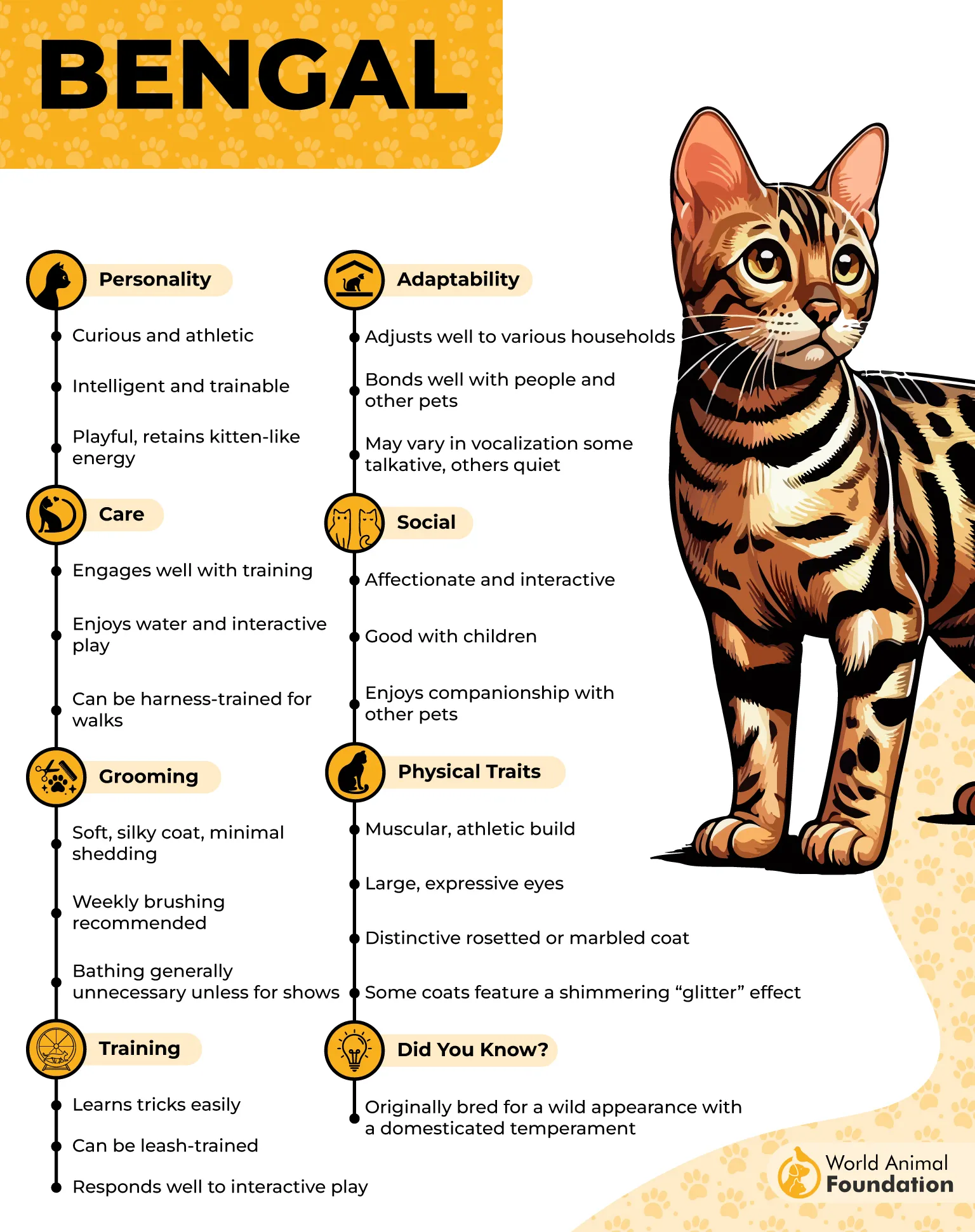
Bengal cats are affectionate but strongly dislike being restrained. While they enjoy close companionship, they prefer interaction on their own terms and often resist being picked up or held for long periods.
Highly intelligent and inquisitive, Bengals show love through play, vocal communication, and shared activities rather than cuddling. Restriction can frustrate them, especially when their curiosity and movement are interrupted.
Independent yet social, Bengals are happiest when allowed freedom to explore and engage mentally.
Fun fact: Many Bengals enjoy adventurous activities like leash walking or even hiking, thanks to their bold, exploratory nature.
3. Turkish Van
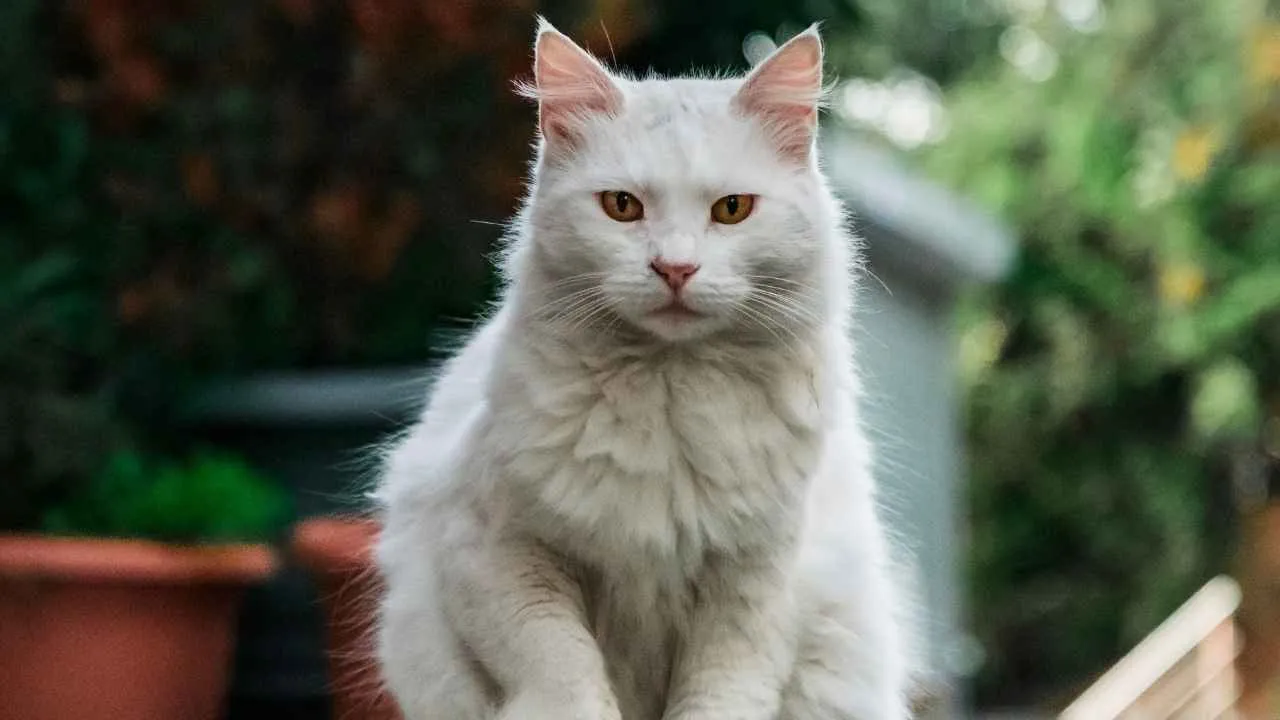
Also known as the “swimming cat,” the Turkish Van is a rare, ancient breed from Turkey. Athletic and powerful, this cat is famous for its love of water and bold, energetic personality.
According to Purina, the Turkish Van is a large, muscular yet elegant cat, characterized by a pure white body and a distinctively colored head and tail.
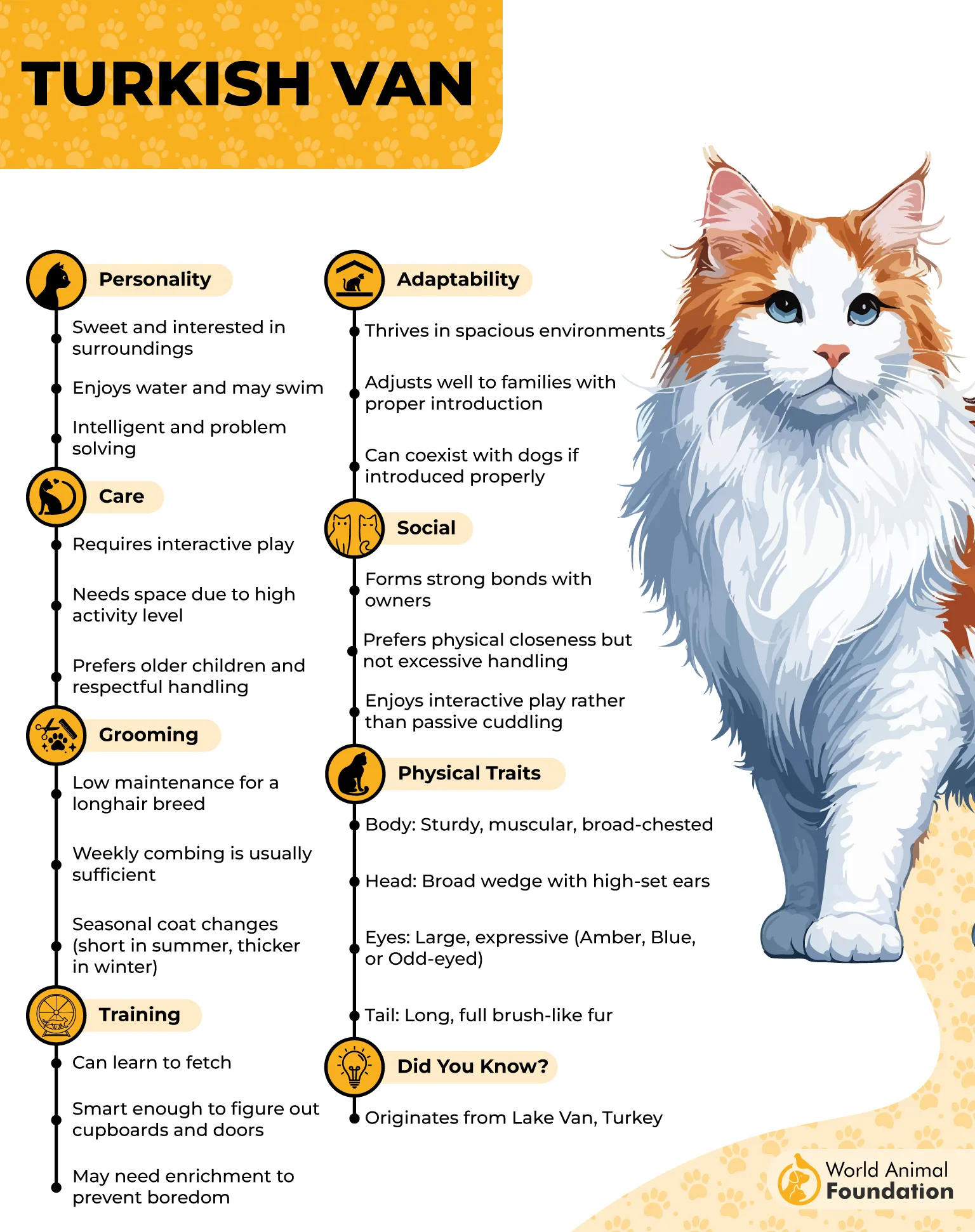
Turkish Vans are high-energy cats that strongly resist control and confinement. Being held or restrained limits their movement, which clashes with their natural desire to run, climb, and explore freely.
Highly intelligent and inquisitive, this breed prefers interaction on its own terms. While deeply bonded to their humans, Turkish Vans show affection through play and companionship rather than prolonged cuddling or physical restraint.
Because they thrive on activity and mental challenges, they do best in homes that respect their independence and provide enrichment.
Fun fact: The Turkish Van earned its “swimming cat” nickname because it naturally enjoys water and is known to paddle in pools or lakes.
4. Russian Blue
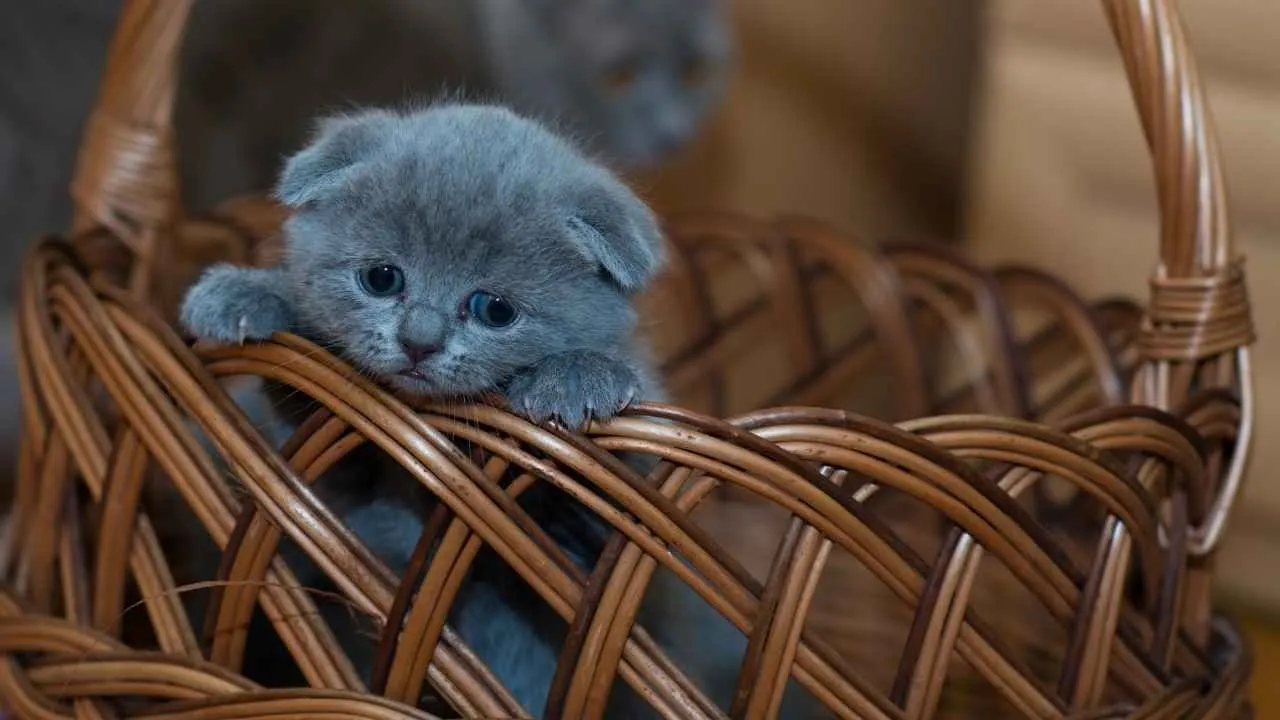
Also known simply as the “Blue,” the Russian Blue is admired for its shimmering silver-blue coat, graceful build, and calm, observant expression. This elegant breed is intelligent, loyal, and known for forming deep bonds with its favorite person.
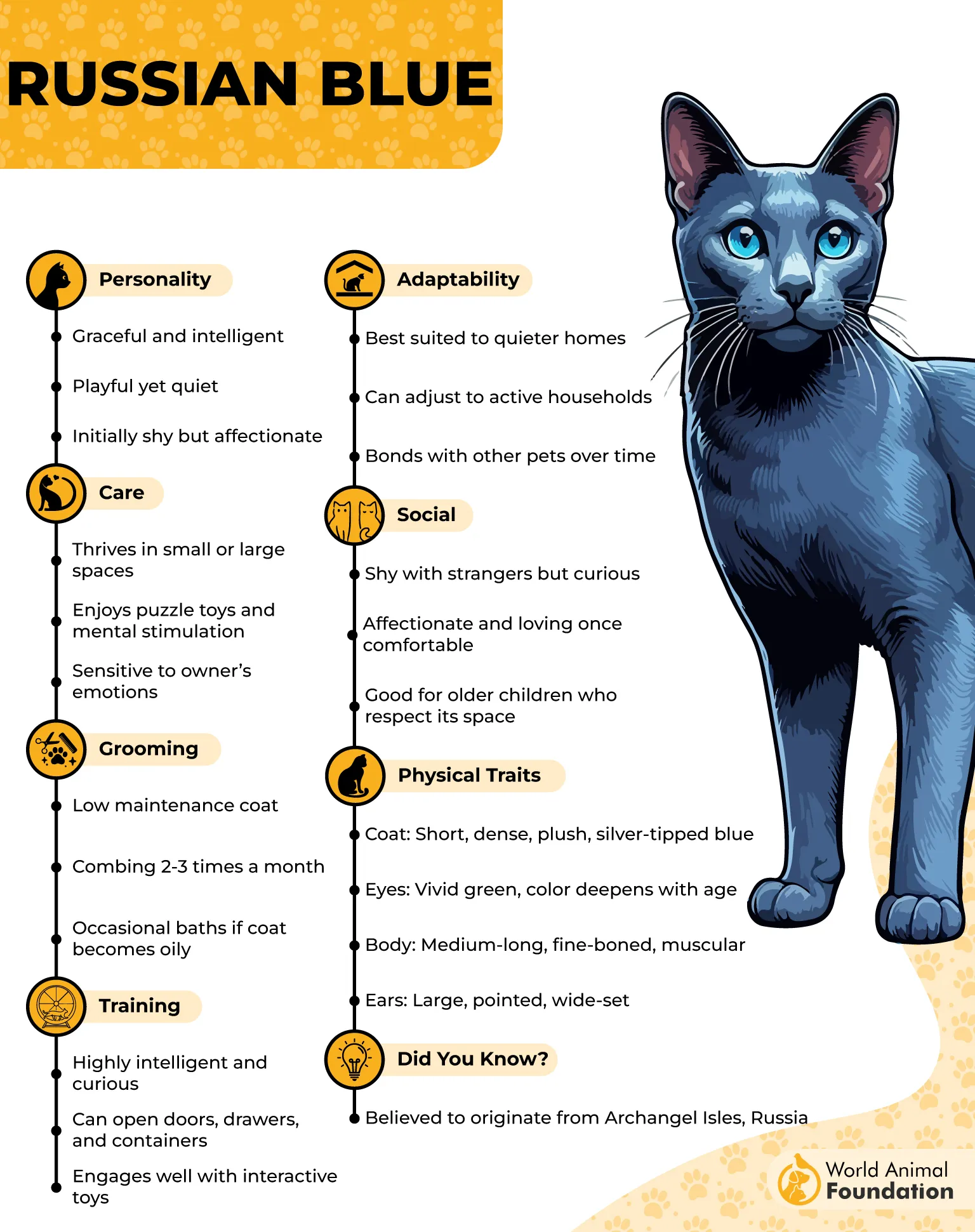
Russian Blues dislike being restrained because they value choice and control. While affectionate, they prefer initiating contact themselves, and being held against their will can quickly lead to frustration or withdrawal.
Highly intelligent and emotionally aware, this breed balances social time with solitude. When boundaries are crossed, a Russian Blue may quietly retreat, signaling discomfort rather than reacting loudly or aggressively.
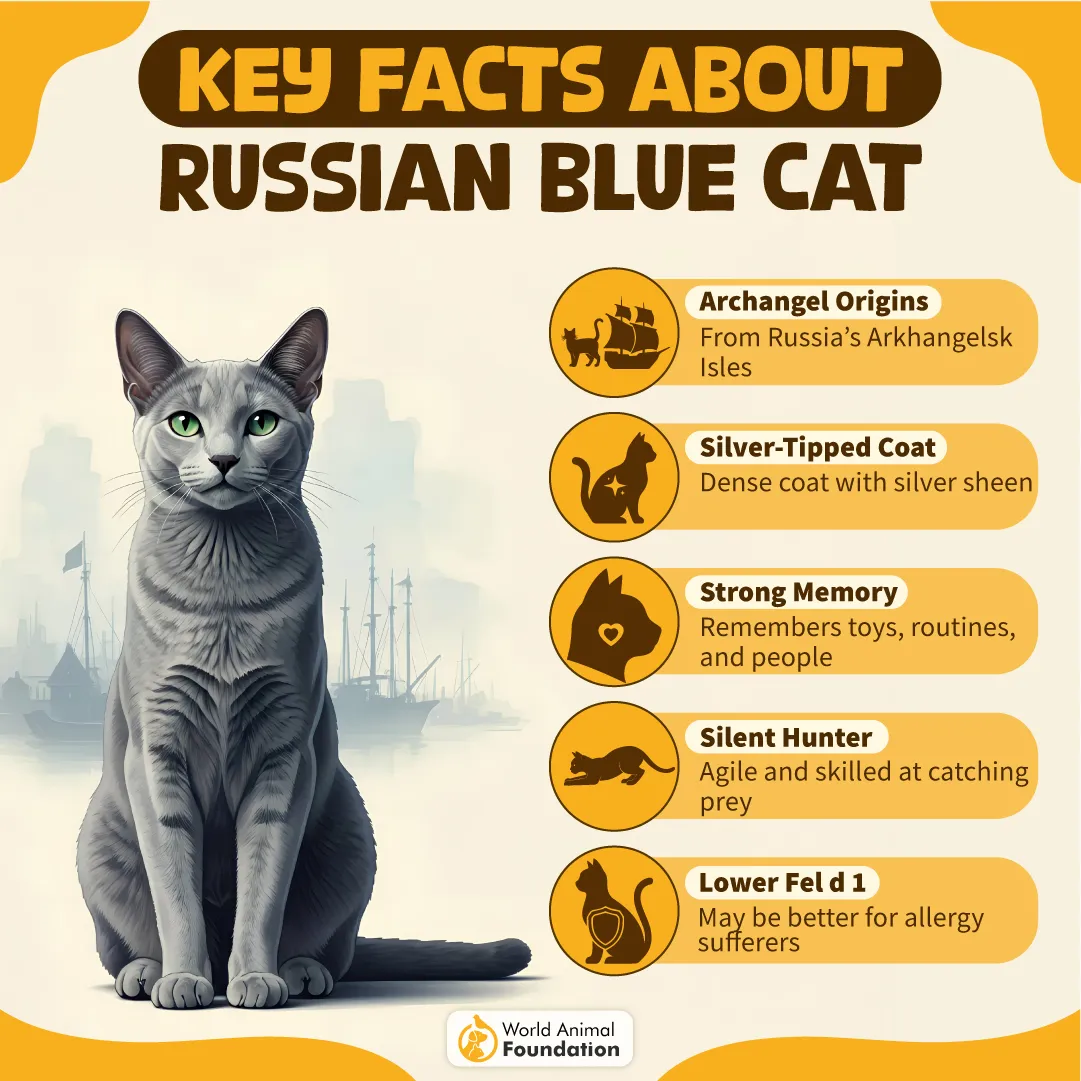
They thrive in calm environments where interaction happens on their terms, making respectful handling essential.
Fun fact: Russian Blues are often said to “train their owners,” a reputation earned from their ability to subtly shape household routines to suit their preferences.
5. Siamese
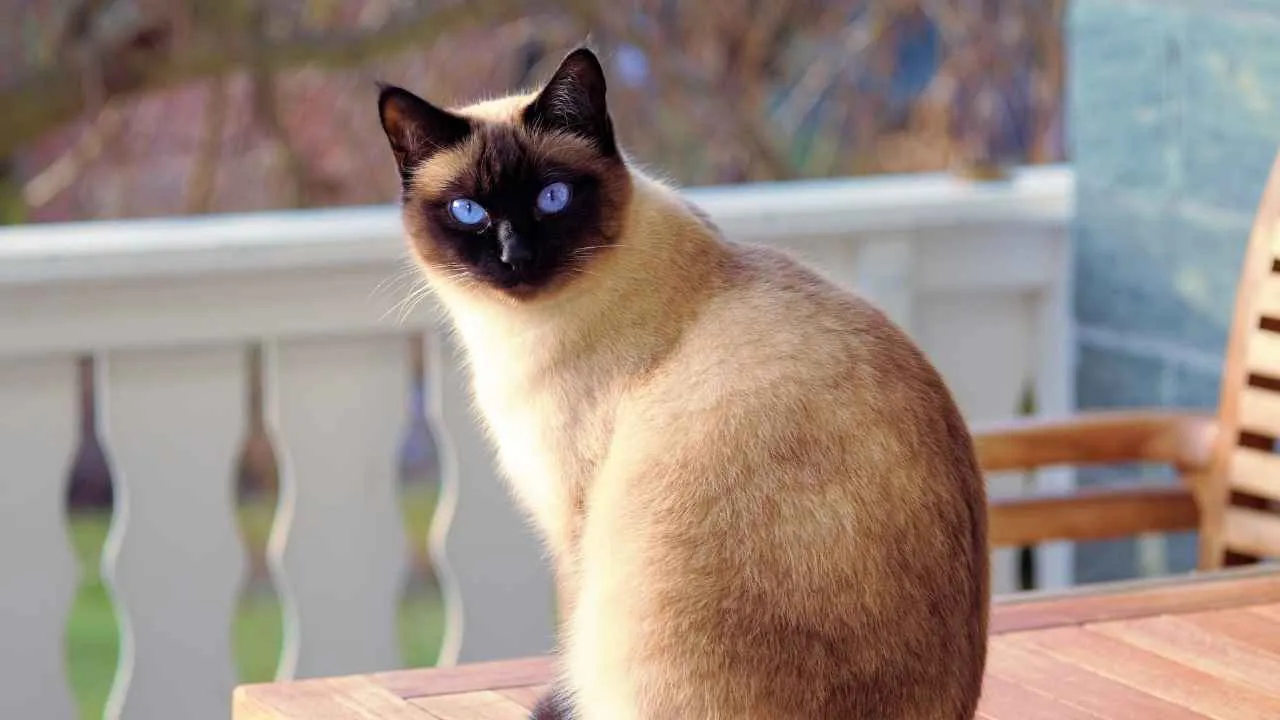
Also known as the Thai cat, the Siamese originates from Thailand and is famous for its sleek color-point coat, vivid blue eyes, and expressive personality. Highly intelligent and observant, this breed forms strong bonds while maintaining a clear sense of independence.
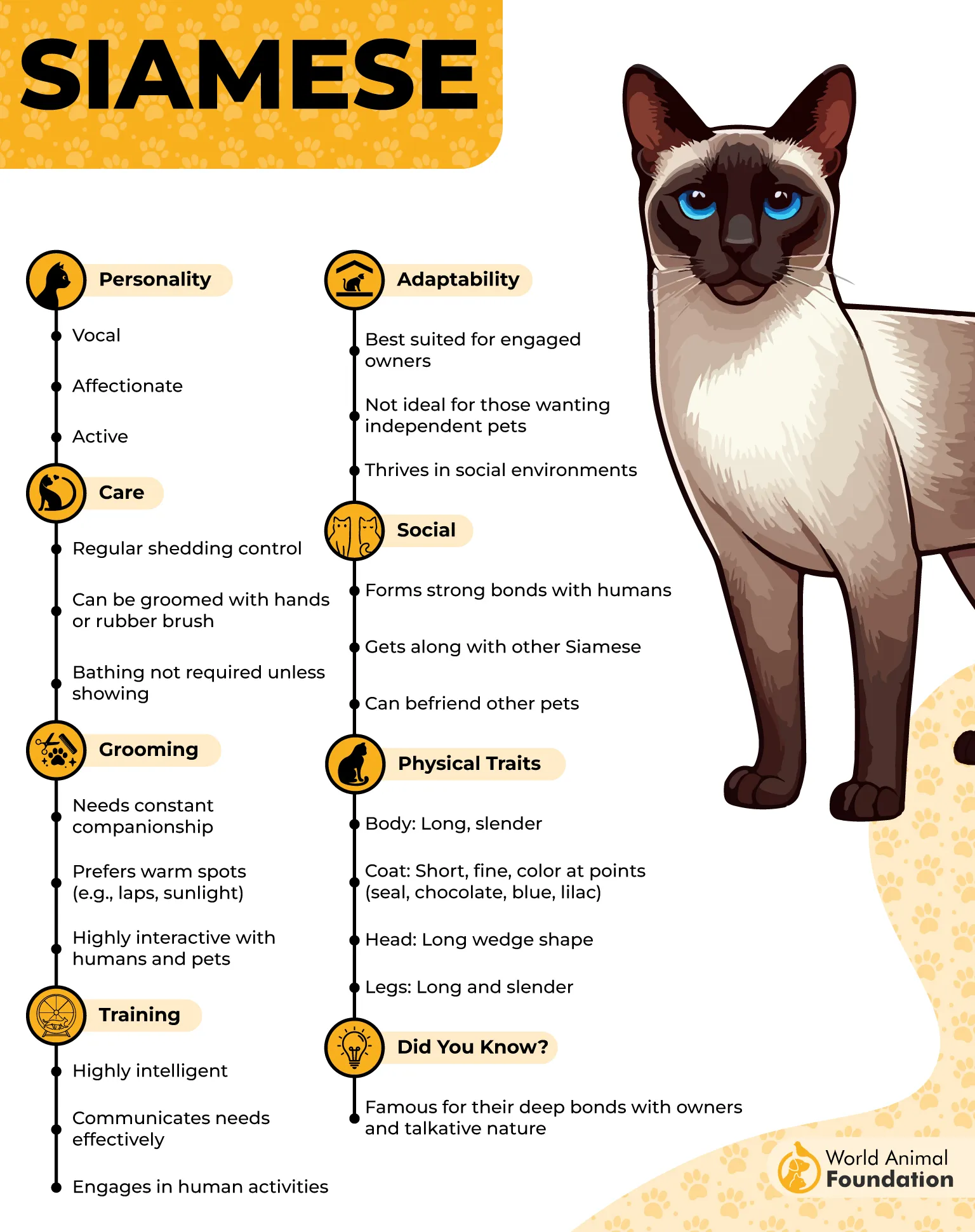
Siamese cats can be sensitive to restraint because they value choice and emotional comfort. Being held too tightly may feel overwhelming, especially for cats that prefer deciding when and how affection happens.
While affectionate, many Siamese—particularly females—prefer personal space over constant physical contact. They enjoy companionship, play, and conversation, but often resist prolonged holding that limits their movement or autonomy.
Emotionally aware and expressive, Siamese cats communicate discomfort quickly, often through vocal protests.
Fun fact: Male Siamese cats are generally more vocal and cuddly, while females tend to be more independent and selective about affection.
6. Turkish Angora
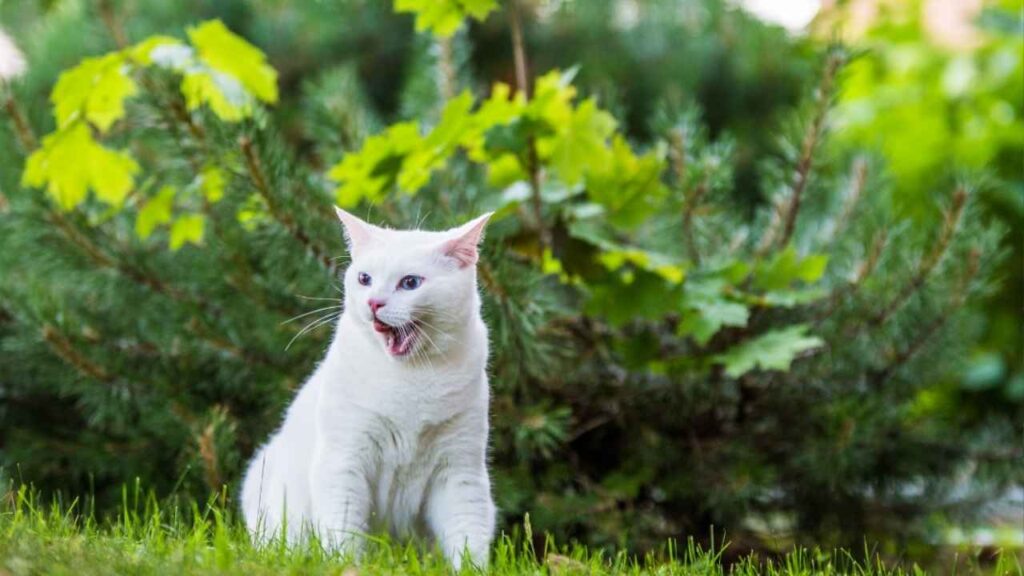
Also known as the Ankara cat, the Turkish Angora is an ancient, elegant breed admired for its silky coat, graceful build, and jewel-like eyes. Often compared to a ballerina, this cat combines aristocratic looks with a lively, inquisitive spirit.
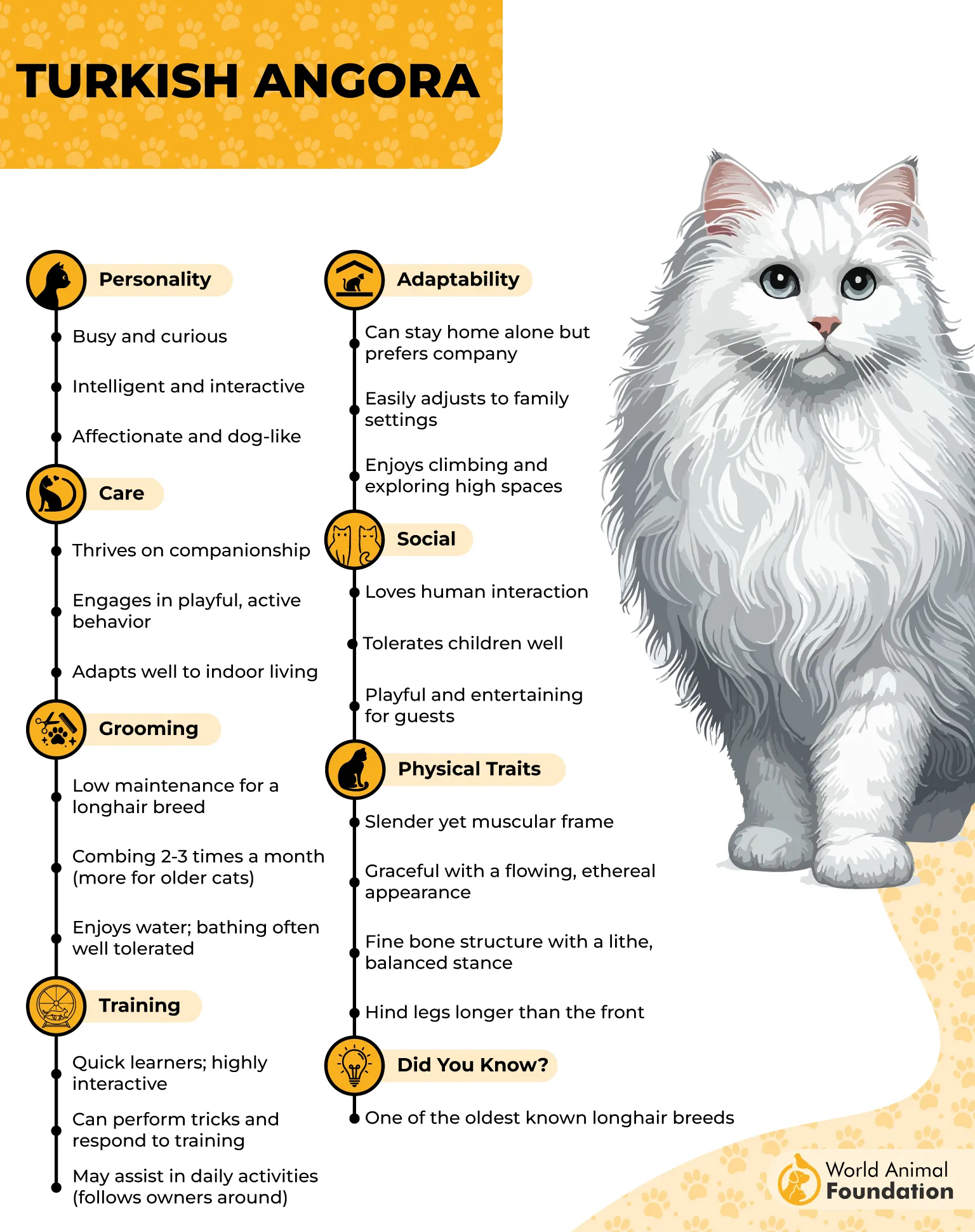
Curious and agile by nature, Turkish Angoras dislike being restrained because they prefer freedom of movement. They love vertical spaces and exploration, making confinement or prolonged holding feel restrictive rather than comforting.
This breed is intelligent and quick, always eager to investigate its surroundings. While affectionate and social, Turkish Angoras choose interaction on their own terms and are far more comfortable approaching than being contained.
Their independent streak means they can be hard to contain, both physically and mentally.
Fun fact: The Turkish Angora nearly vanished in the early 1900s but was saved through a dedicated breeding program at the Ankara Zoo in Turkey.
7. Korat
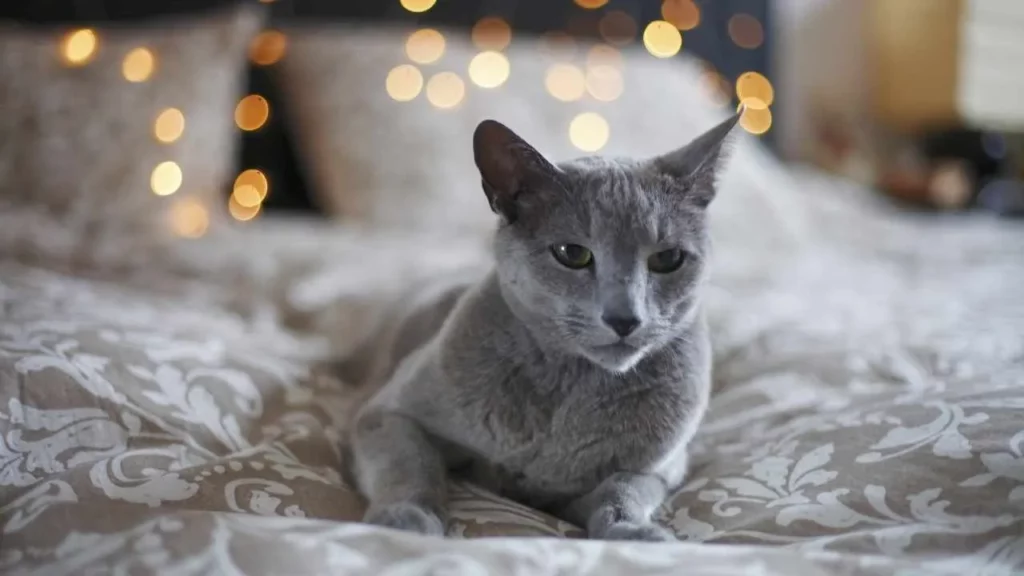
Also known as the Si-Sawat or the “good luck cat,” the Korat is an ancient breed from Thailand, instantly recognized by its silver-blue coat, heart-shaped face, and luminous green eyes. This elegant cat carries a quiet intensity and a strong sense of self.
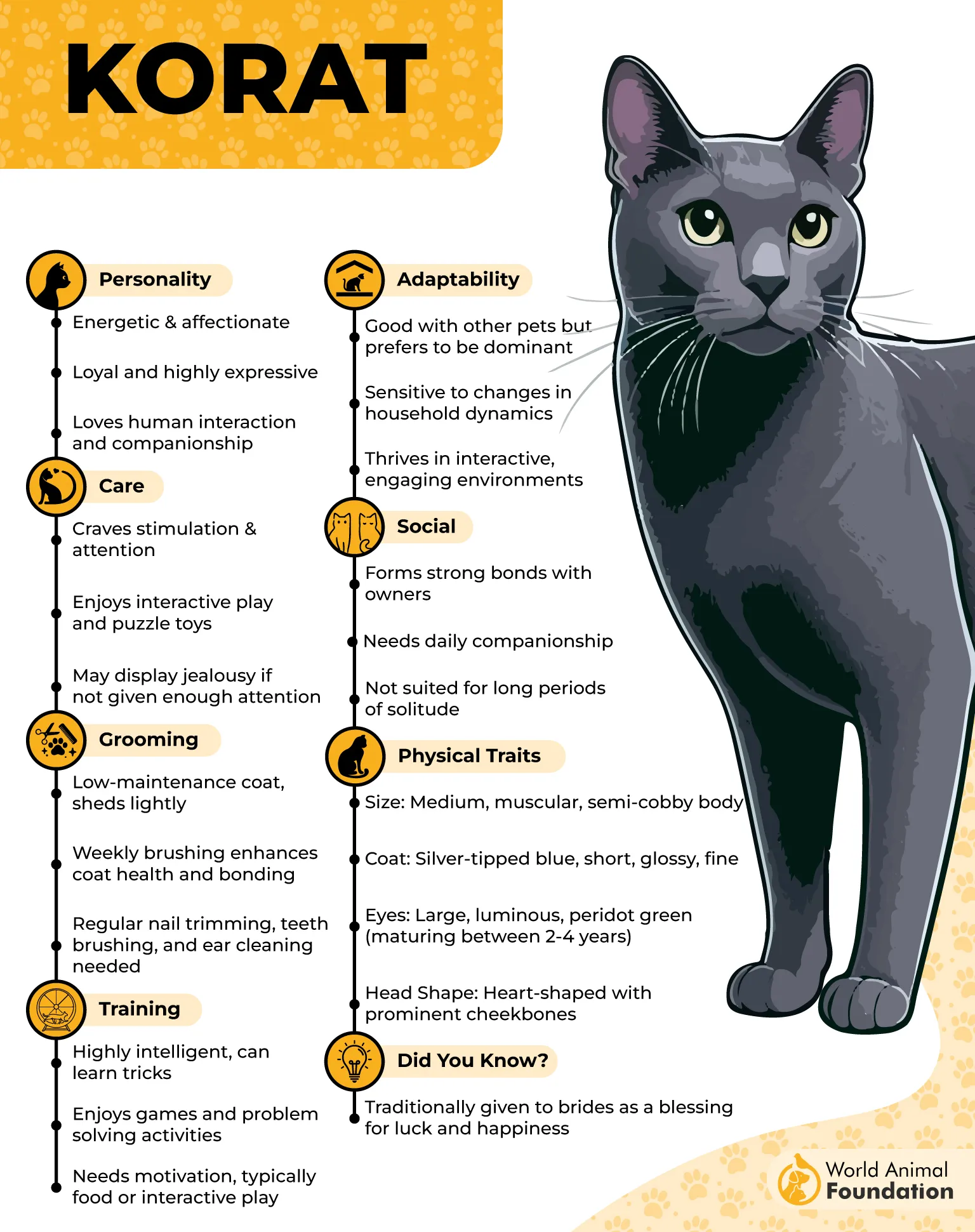
Korats are fiercely independent by nature and tend to dislike being restrained or physically controlled. They prefer to move freely and choose when affection happens, making forced holding especially stressful for them.
Highly intelligent and emotionally perceptive, this breed forms a deep bond with one chosen person while still maintaining clear personal boundaries. When restrained against their will, Korats may withdraw or become visibly uncomfortable.
Play, routine, and mutual respect are the best ways to connect with a Korat.
Fun fact: In Thailand, Korats were traditionally never sold but gifted as symbols of good fortune, prosperity, and enduring love.
Conclusion
Understanding why some cats resist restraint helps pet owners build healthier relationships. Most cats aren’t natural lap cat types, and forcing contact can lead to a negative experience that affects trust for life.
Cats are domesticated yet still driven by instincts shaped by prey, hunting, and avoiding larger predators. When a cat likes control over space, being grabbed around the legs, lifted off the bed, or pinned can trigger fear.
Reading body language—flattened ears, stiff posture, or sudden stillness—matters to prevent cats from feeling threatened. Ignoring boundaries can cause cats to react aggressively, sometimes escalating to a scratch, attack, or fight. This isn’t crazy behavior—it’s instinct.
Whether a kitten, baby, or adult, cats need a gentle approach using the right method: offer food, treats, toys, and choice instead of force.
Respecting boundaries helps reduce aggressive behavior, supports safe grooming, vaccinations, and medications, and keeps harmony with family, other cats, and all animals, including those chasing rodents under the couch near your foot when they jump to play.
