




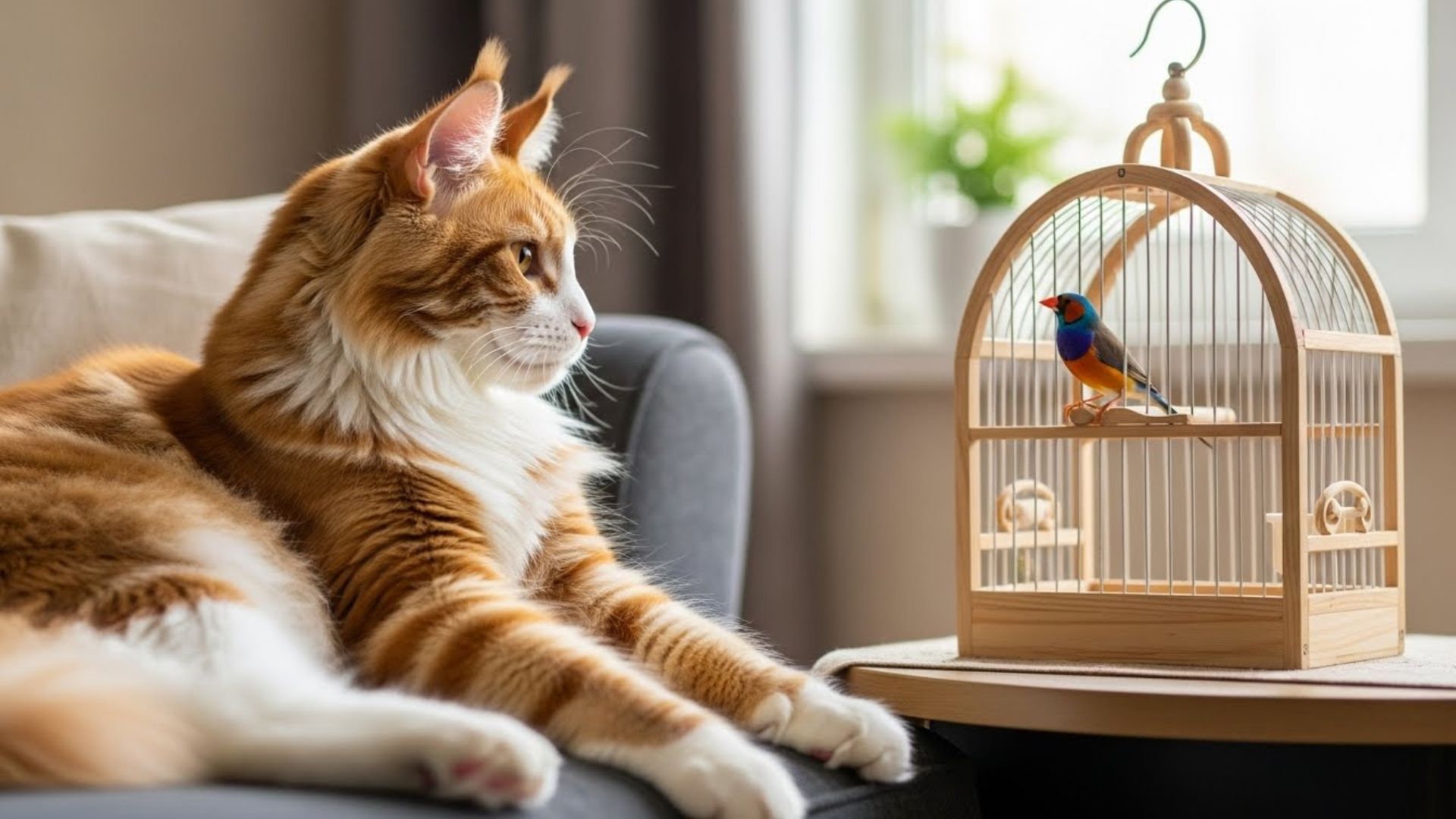
Living with both cats and birds may seem challenging, but the right feline temperament can make peaceful coexistence possible. While cats are natural hunters, some breeds are far more gentle, adaptable, and people-focused than instinct-driven. With thoughtful introductions, supervision, and patience, harmony between a cat and a feathered companion is an achievable goal for many households.
Success often depends on choosing a breed known for calm behavior and low prey drive. Cats that are relaxed, emotionally intuitive, and less reactive tend to adjust better to the presence of birds. Careful steps—such as allowing pets to observe each other from a distance, creating safe retreat spaces, and reinforcing calm behavior—lay the foundation for trust and reduce stress for everyone involved.
Certain cat breeds are especially well-suited to shared homes with birds due to their easygoing nature and adaptability. In this article, we’ll explore cat breeds known for coexisting peacefully with birds and what makes them a good fit for multi-pet homes.
7 Cat Breeds That Coexist Peacefully with Birds
1. Ragdoll
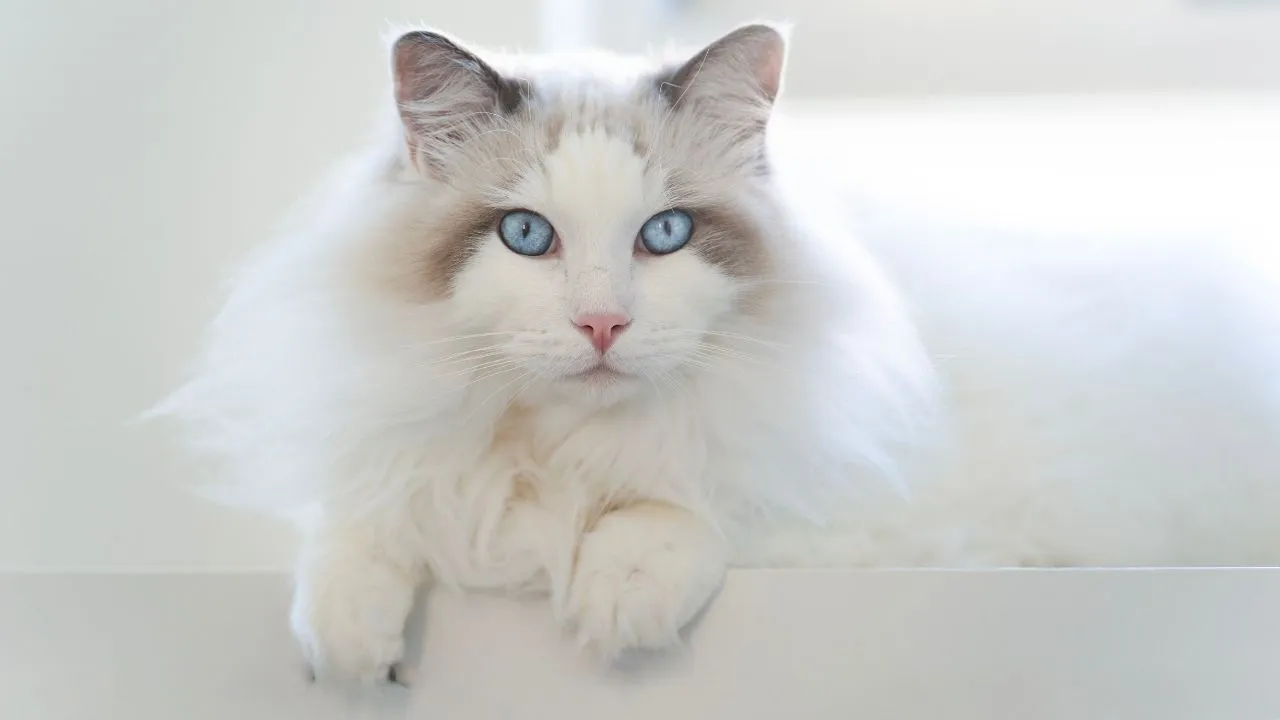
Also known for their puppy-like behavior, the Ragdoll is a blue-eyed breed developed in California during the 1960s. According to Britannica, the Ragdoll is a long-haired cat breed known for going completely relaxed when lifted, making it resemble a limp rag doll.
Bred from carefully selected cats with exceptionally calm temperaments, Ragdolls are large, affectionate, and famously relaxed when handled.
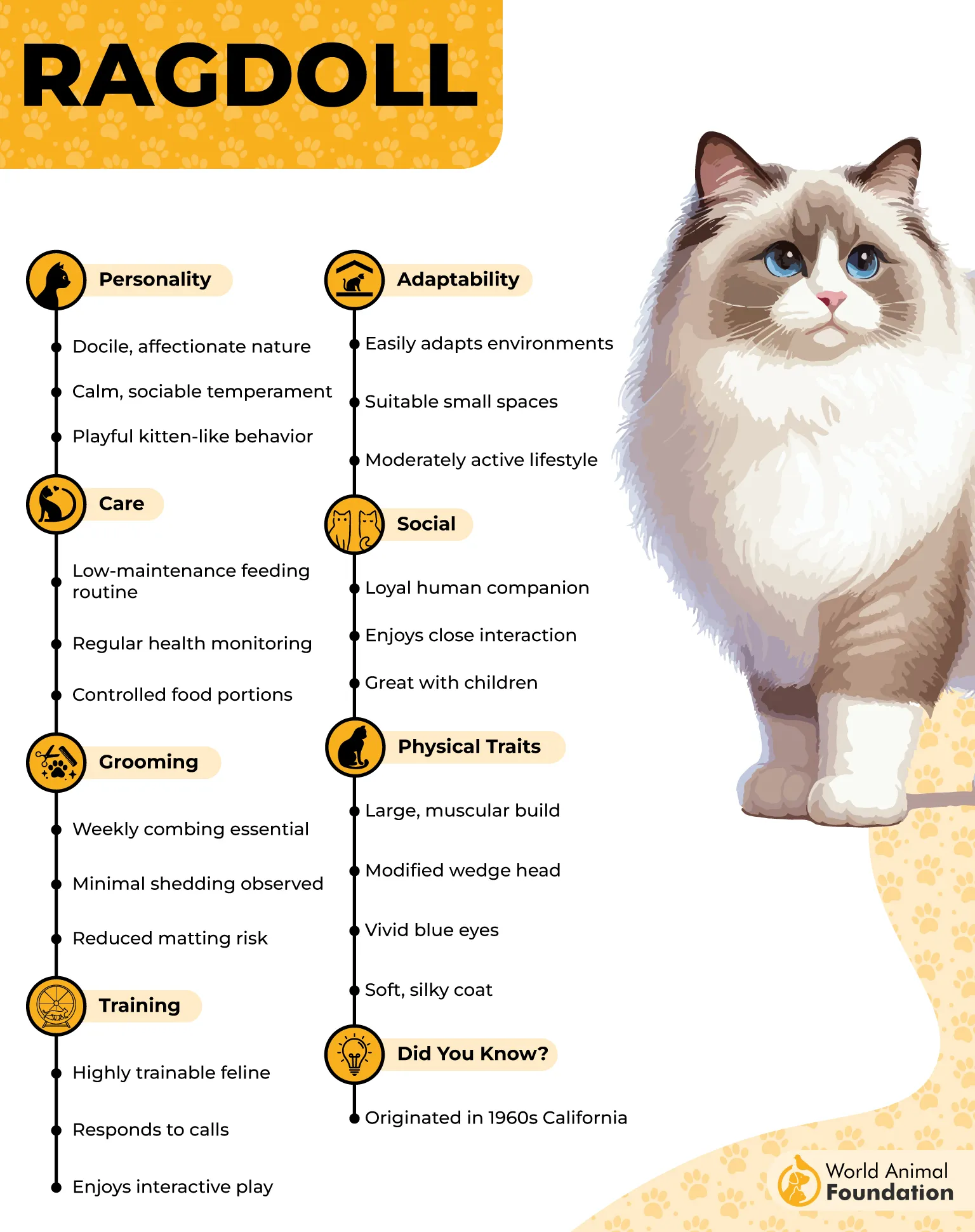
What makes a cat bird-friendly often comes down to prey drive, and Ragdolls score low in this area. Their gentle, placid nature means they are far less likely to stalk or lunge, especially when introduced to birds slowly and with supervision.
Ragdolls thrive on companionship rather than stimulation from chasing or hunting. They prefer lounging near their humans, following family members around the house, and observing rather than reacting, which helps maintain a peaceful environment with caged or free-flying birds.
Their soft play style and tendency to retract claws further reduce risks in mixed-pet homes.
Fun fact: Ragdolls are known to go limp when held, a trait that inspired the breed’s name and reflects their unusually calm disposition.
2. Burmese
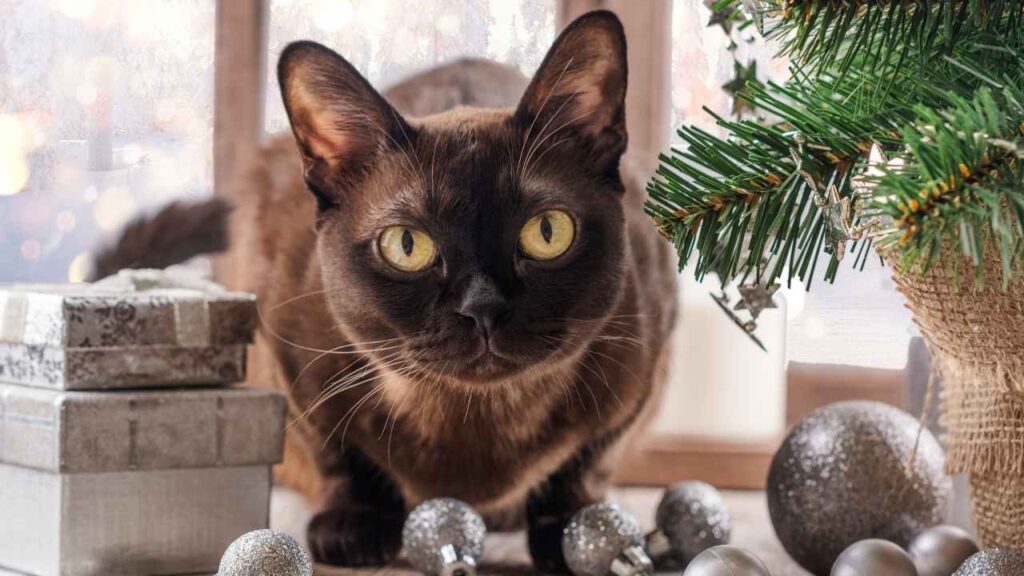
Also known as the American Burmese or European (British) Burmese, this breed traces its roots to ancient Burma, where it was revered as a sacred companion.
According to PetMD, Burmese cats are friendly and intelligent, and they love sprinting around the house just as much as relaxing and cuddling on the couch.

Medium-sized and muscular, Burmese cats have a sleek, satin-like coat and a deeply people-oriented personality shaped by centuries of close human association.
When it comes to living peacefully with birds, personality traits matter most—and the Burmese excels here. These cats are affectionate, emotionally intuitive, and strongly bonded to their humans, which often makes them more responsive to boundaries and calm household routines.
Although playful and energetic, Burmese cats tend to focus their attention on people rather than small animals. With proper introductions, supervision, and enrichment, they are more likely to coexist calmly, especially in homes that prioritize positive reinforcement and structured interactions.
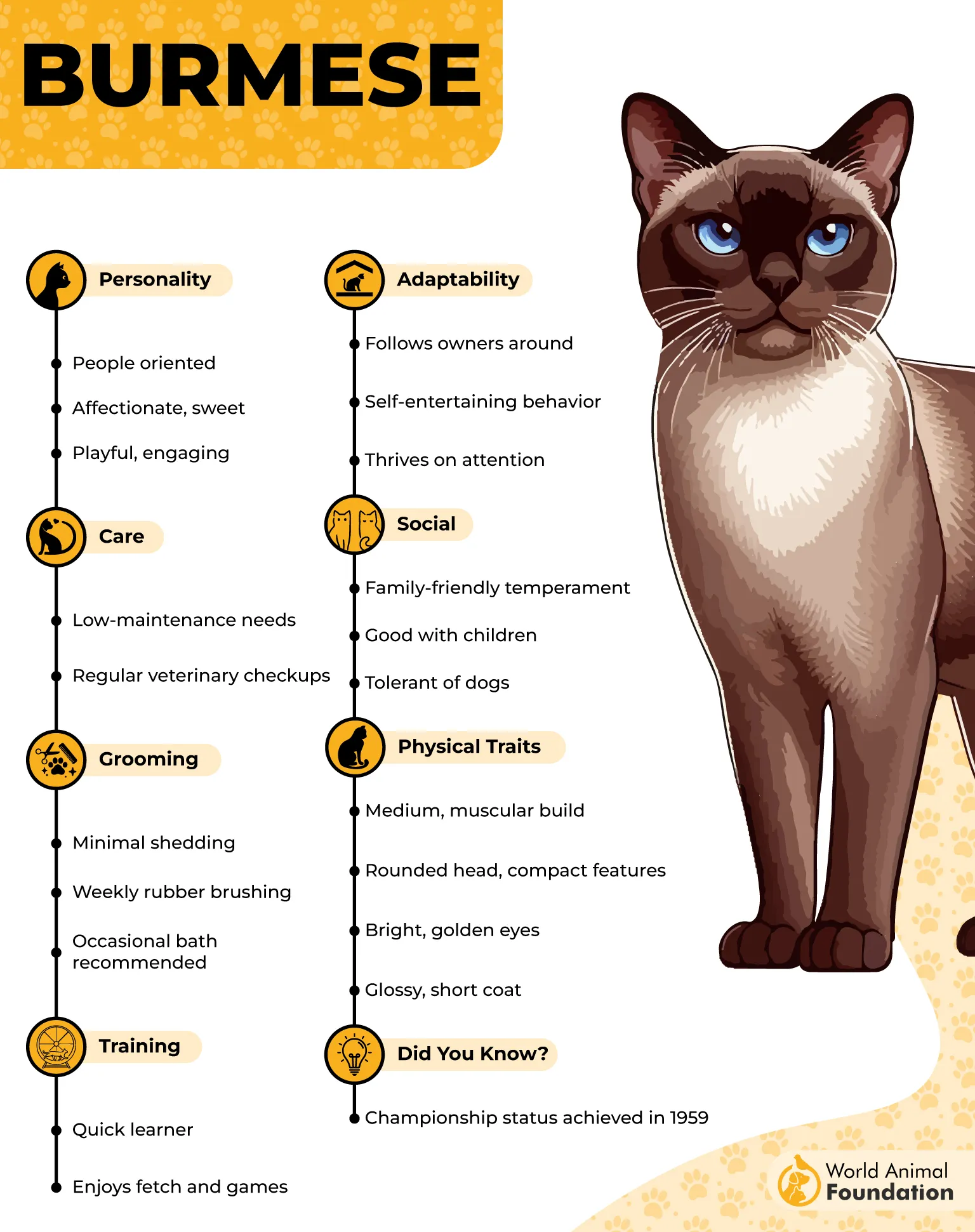
Their adaptable nature also helps them settle into multi-pet households.
Fun fact: Burmese cats are often described as “dog-like” because they enjoy games like fetch and crave constant companionship from their owners.
3. Persian
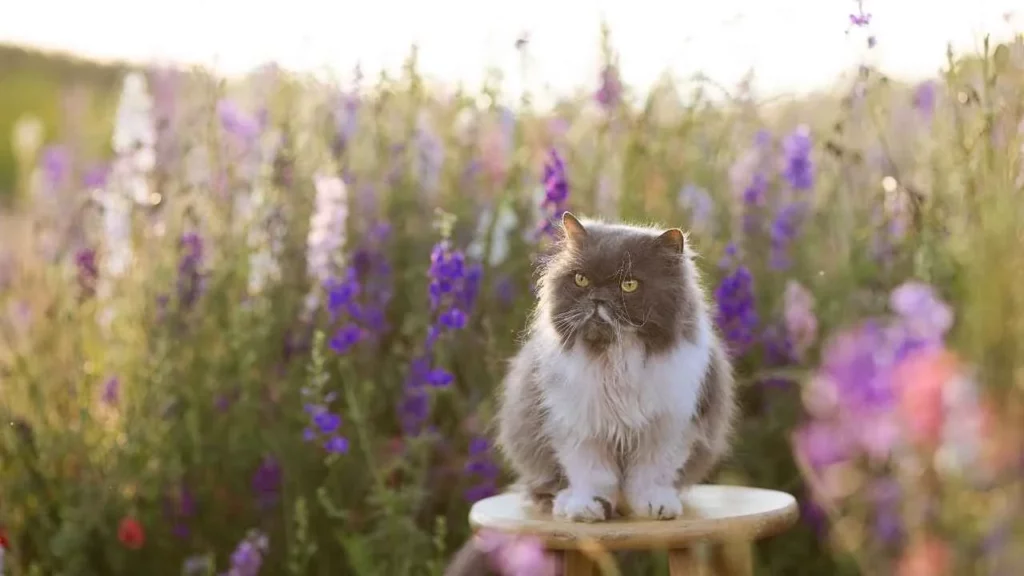
Also known as the Persian Longhair, this ancient breed originated in Persia (modern-day Iran) and has been admired since the 1600s for its flat face and luxurious, flowing coat. According to Purina, they are playful and calm cats.
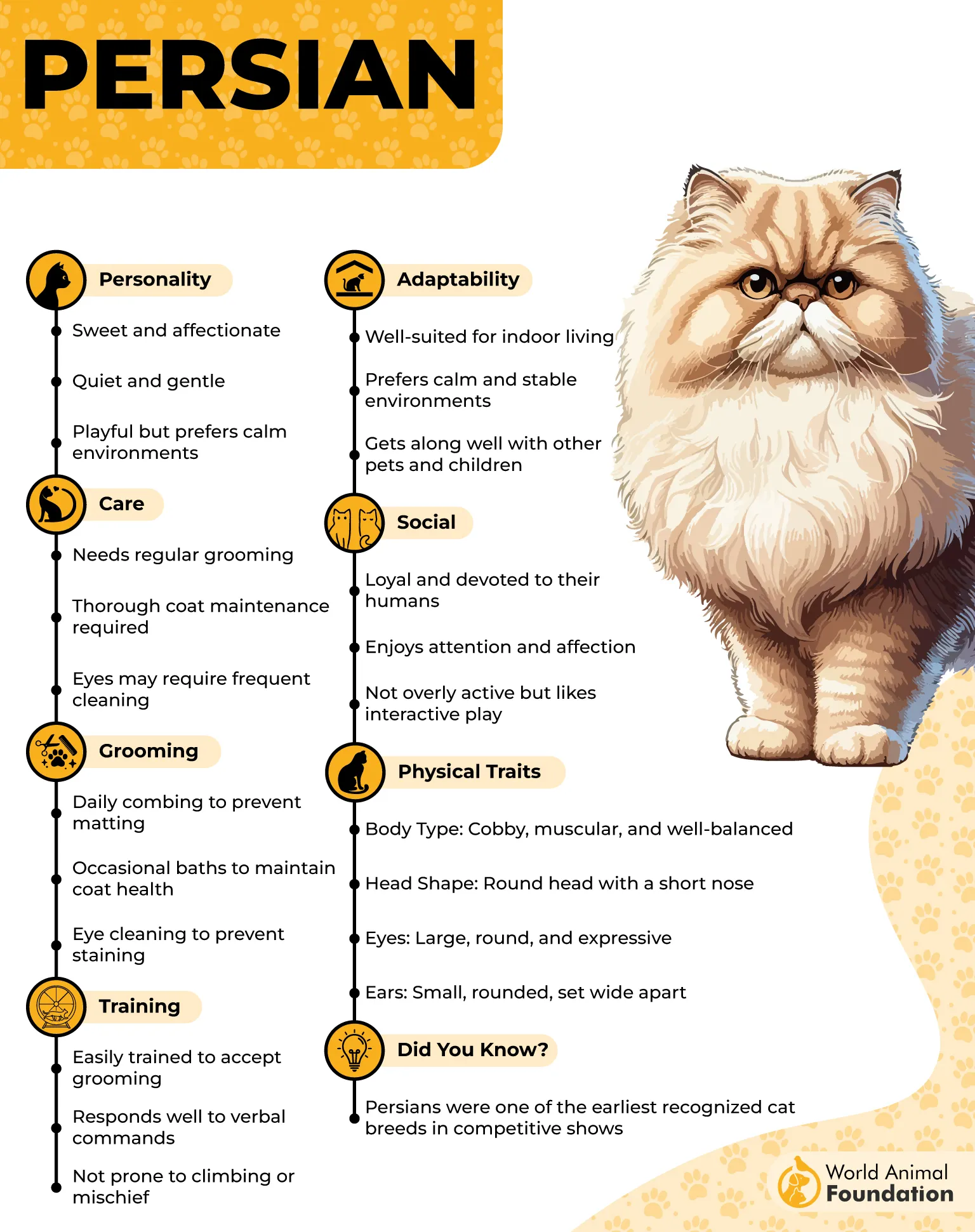
Persian cats are widely known for gentle temperaments, making them a suitable choice for homes with birds. Their relaxed nature and low prey drive mean they are far less likely to chase or fixate, especially when introduced properly and given structured routines.
Unlike more energetic breeds, Persians prefer quiet environments and predictable daily life. They enjoy resting, observing from comfortable spots, and spending time being petted, which helps create a peaceful atmosphere where birds feel less threatened.
Their preference for calm interactions supports harmonious multi-pet households.
Fun fact: Persian cats typically can live up to 20 years when well cared for.
4. Birman
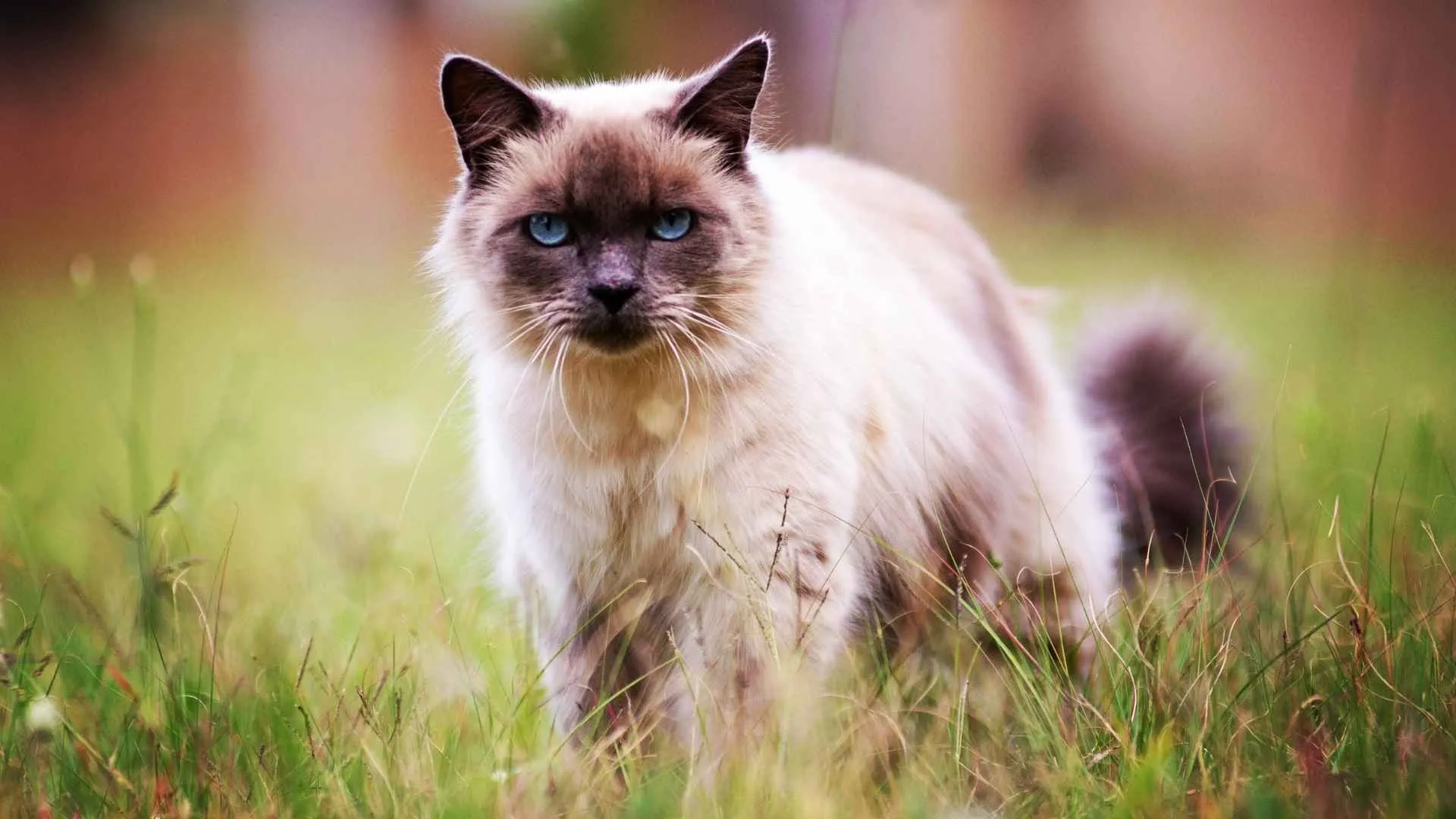
Also known as the Sacred Cat of Burma, the Birman is a semi-longhaired breed admired for its blue eyes, color-pointed coat, and distinctive white “gloves” on all four paws. With a stocky yet balanced build and gentle expression, this breed is calm, social, and deeply people oriented.

Birmans are well suited to homes with birds due to their relaxed temperament and low prey drive. Rather than fixating on movement, they prefer observing quietly and staying close to their humans, which helps reduce stress for feathered companions.
As indoor cat breeds that adapt well around birds, Birmans thrive in structured environments with clear boundaries. Supervised interactions, separate safe spaces, and positive reinforcement encourage peaceful coexistence while keeping everyone secure.
Their affectionate but non-demanding nature makes them easy to manage in multi-pet households.
Fun fact: Birman cats were nearly wiped out during World War II and were carefully rebuilt through selective outcrossing in Europe.
5. Scottish Fold
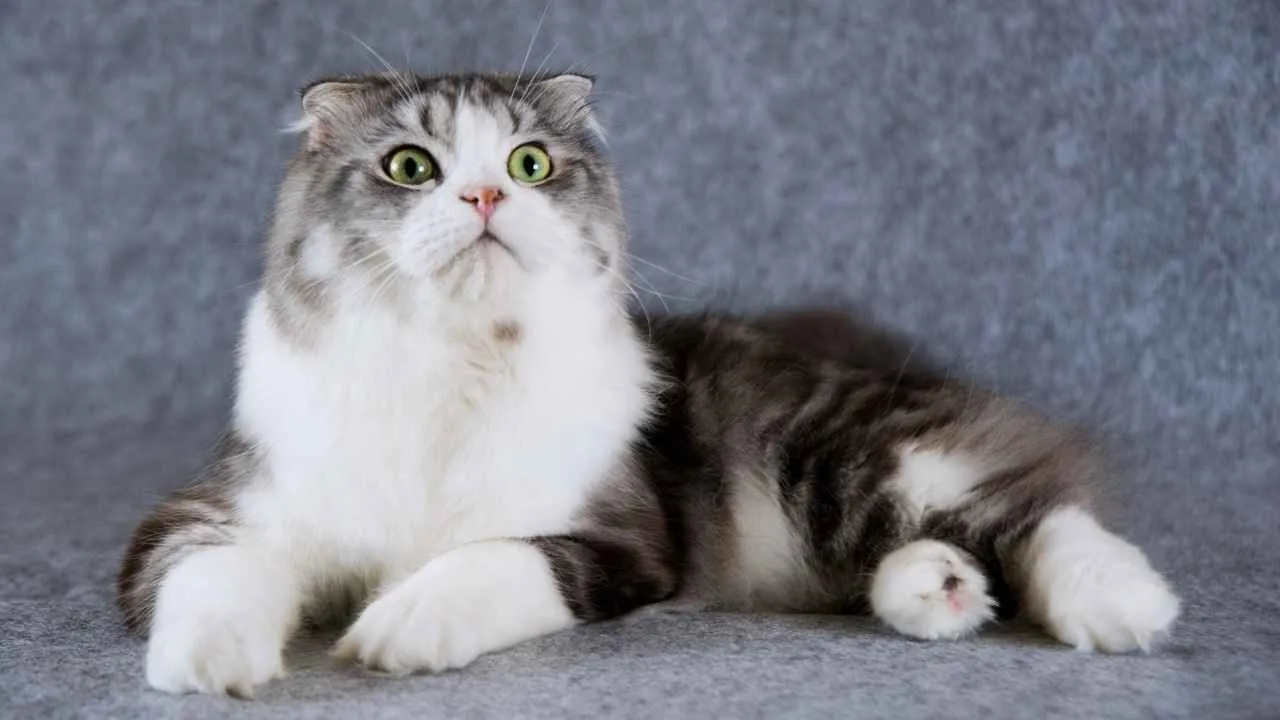
Also known as the Fold or sometimes called “Lops,” the Scottish Fold originated in Scotland and is famous for its forward-folded ears and round, owl-like face. This medium-sized breed has a plush coat, expressive eyes, and a calm, approachable appearance.

Their gentle, mellow temperament makes Scottish Folds well-suited to homes with birds. They are naturally less driven by intense prey instincts and tend to observe quietly rather than chase, which supports peaceful shared spaces when introductions are handled carefully.
Training and socialization play a key role in success. Gradual introductions, supervised interactions, and rewarding calm behavior with treats help Scottish Folds learn appropriate boundaries around birds while reinforcing relaxed, non-reactive responses.
Consistency and patience are essential, as these cats respond best to positive reinforcement and routine.
Fun fact: all Scottish Fold kittens are born with straight ears, which only begin folding at around three to four weeks of age if they carry the responsible gene.
6. Russian Blue
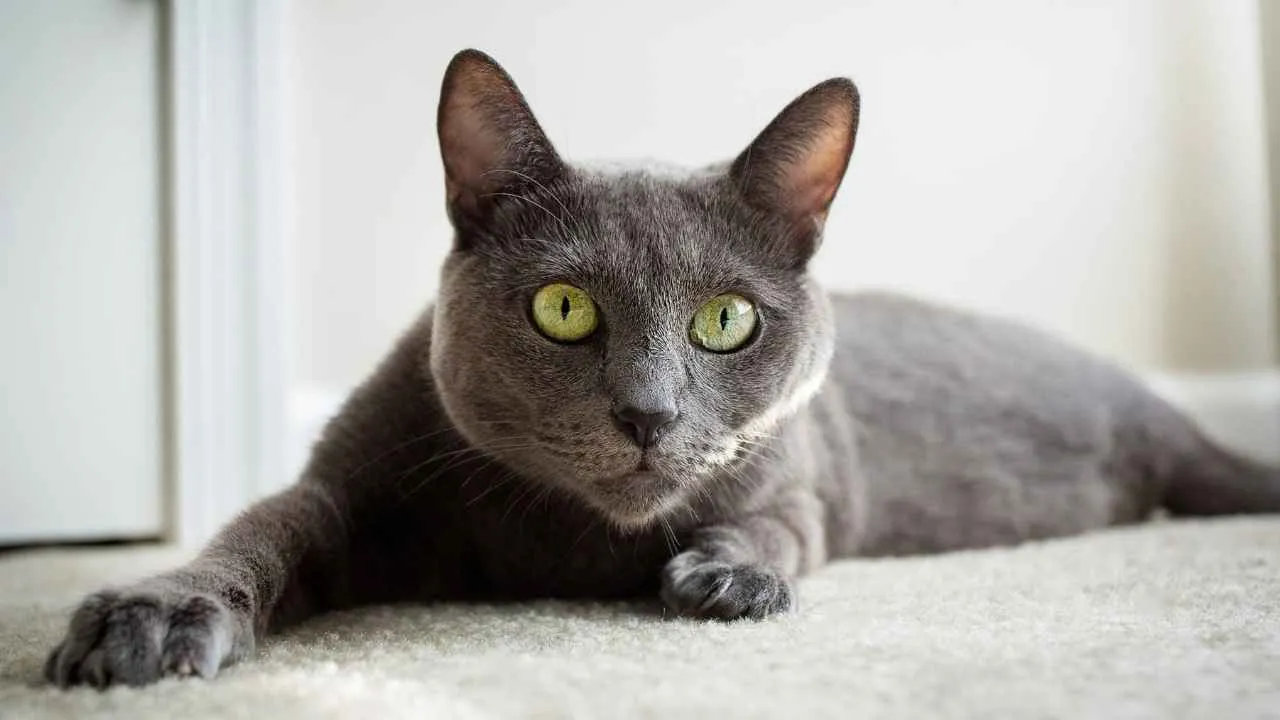
Also known simply as the Russian Blue cat, this breed is admired for its silvery-blue coat, brilliant green eyes, and elegant, fine-boned build. With a triangular head, long legs, and a calm, regal presence, it’s a medium-sized cat that appears delicate but is quietly muscular.
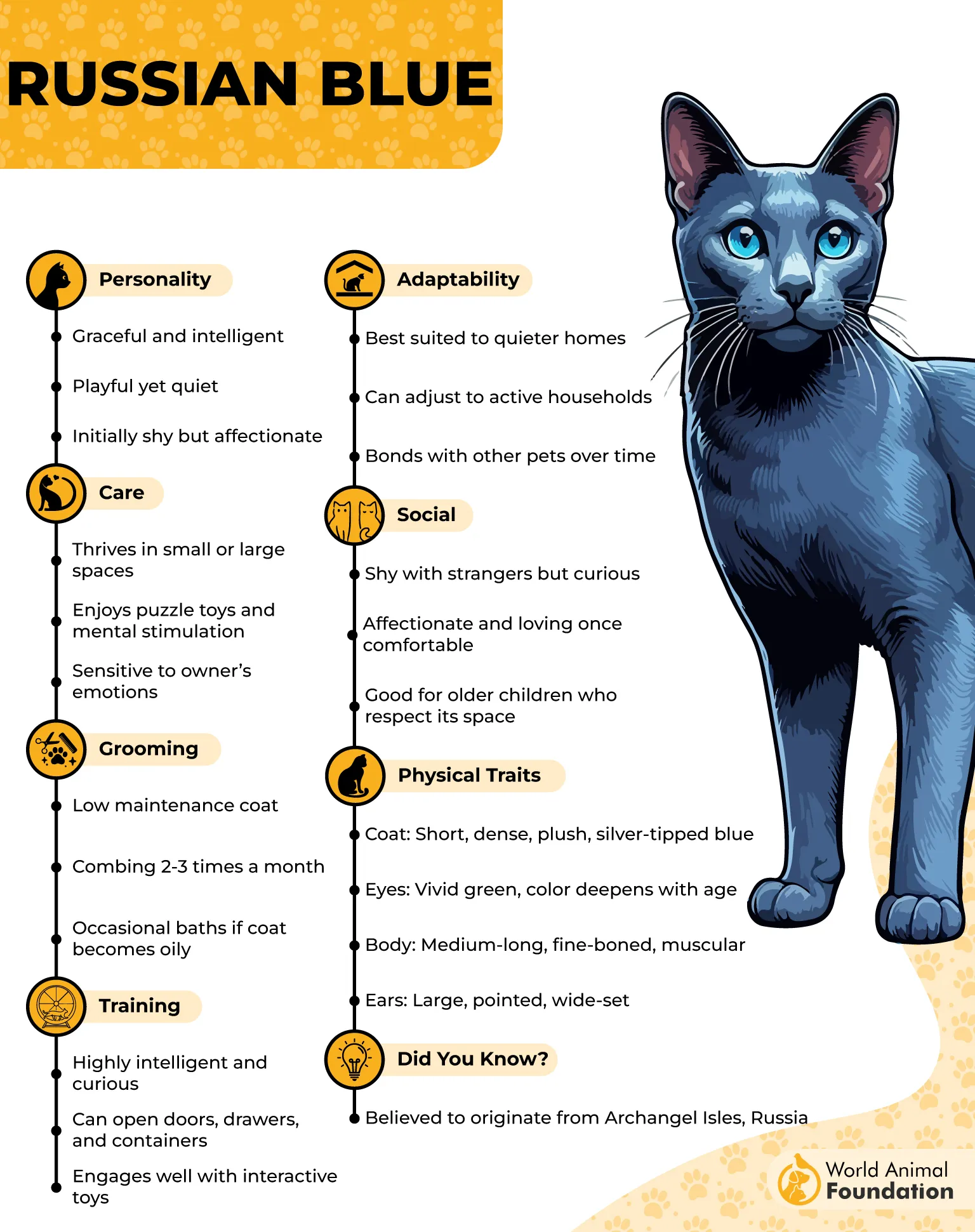
Temperament plays a key role in peaceful cohabitation with birds, and the Russian Blue’s gentle, reserved nature works in its favor. This breed is not overly impulsive or aggressive, preferring observation over action, which helps reduce prey-driven reactions in shared spaces.
Creating a safe environment for both cats and birds is easier with a Russian Blue’s love of routine and quiet. Providing designated perches, separate zones, and supervised interactions allows both pets to feel secure without constant tension.
Their tendency to retreat rather than react makes them well suited to multi-pet homes with careful planning.
Fun fact: Russian Blues are known for their low-shedding, low-maintenance double coat.
7. Maine Coon
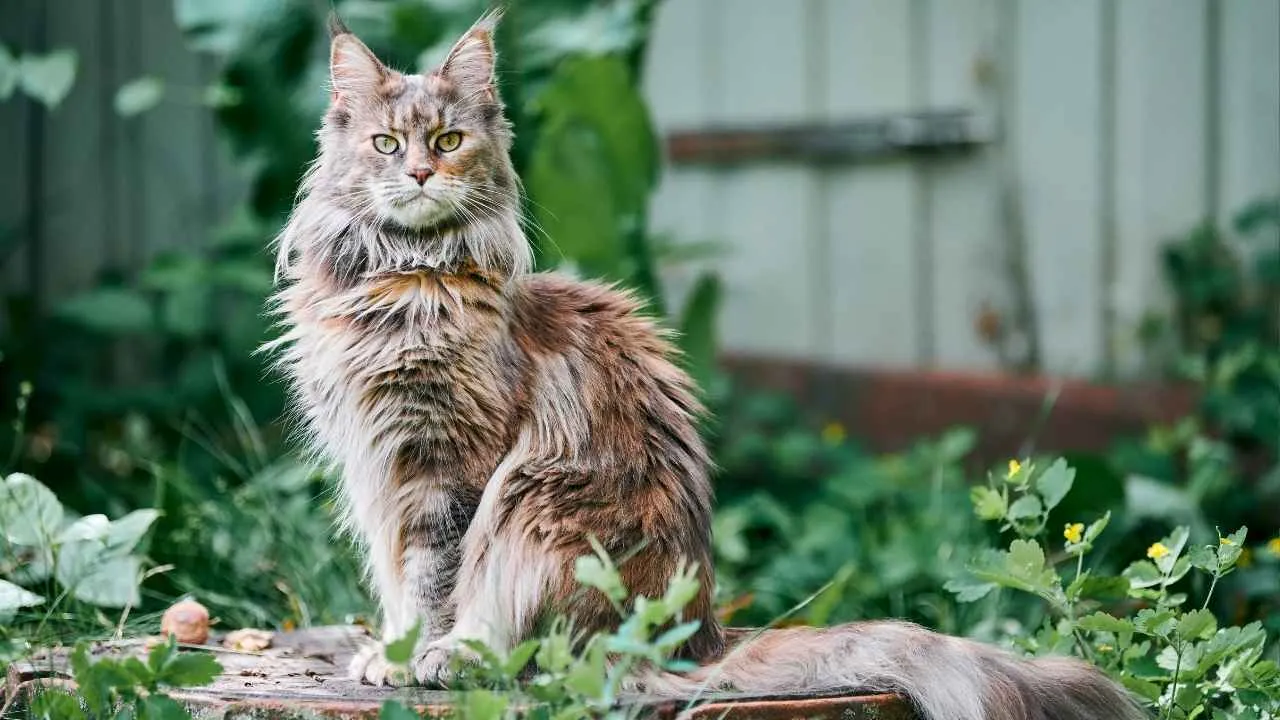
Also known as the “gentle giant,” the Maine Coon is one of the largest domestic cat breeds, admired for its tufted ears, bushy tail, and friendly, sociable personality. Despite their impressive size, these cats are calm, affectionate, and known for adapting well to busy households.
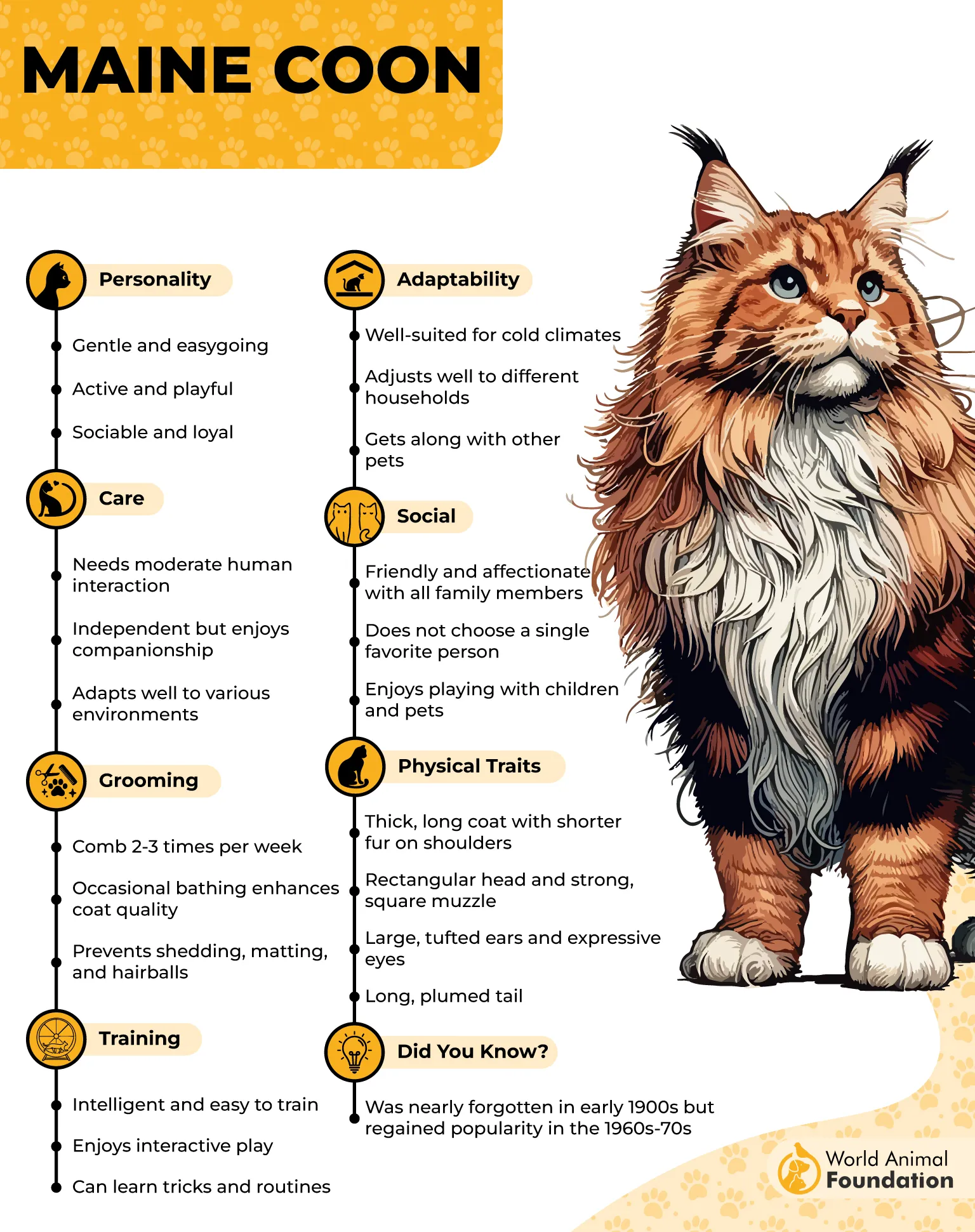
When it comes to coexisting peacefully with birds, the Maine Coon’s tolerant and non-aggressive nature works in its favor. They are more curious than predatory, often observing quietly rather than reacting impulsively, especially when introduced to birds gradually and under supervision.
Their easygoing temperament makes structured introductions effective. Providing clear boundaries, safe spaces for birds, and positive reinforcement helps reinforce calm behavior, allowing the Maine Coon to view feathered companions as part of the household rather than prey.
In harmonious multi-pet homes, Maine Coons thrive on routine, stimulation, and mutual respect among animals.
Fun fact: Maine Coons are often described as “gentle giants” because of their large size paired with a notably calm and friendly demeanor.
Conclusion
Creating a peaceful home for a pet cat and birds is possible with the right specific breed, patience, and common sense. A laid-back cat breed or a friendly and calm breed is less likely to slip into predator mode, even when a little bird or a bird’s presence is nearby.
Starting introductions at a very young age, using separate rooms, secure cage locks, and placing birds beyond a cat’s reach helps reduce potential harm, mental strain, and bird unnecessary stress. Many cat owners find success when inside cats are enriched with cat toys and cat trees.
In the same home, whether it’s two cats, two pets, or two budgies, supervision matters—especially with adult cats, an older cat, or a curious little kitten.
Watching body language, keeping doors closed, and managing hunting instincts, sharp claws, and even cat saliva support a peaceful life where cats and birds can truly coexist happily.
