




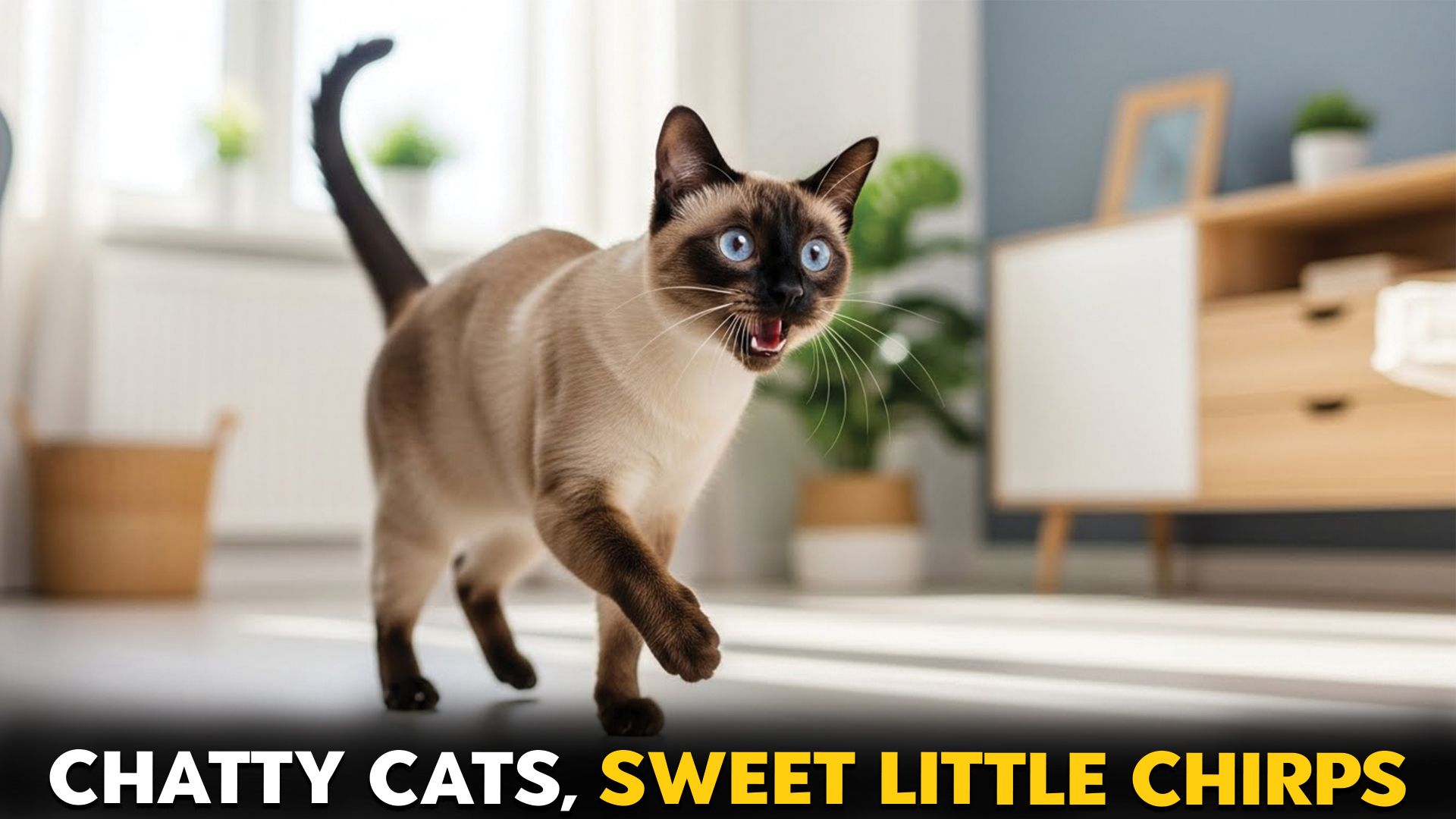
Have you ever felt like your cat was talking to you—not just meowing, but chirping, trilling, or making little musical sounds that feel almost like a conversation? You’re not imagining it. Some cats have a whole vocabulary that goes far beyond the classic meow, and they’re not shy about using it.
Cats are masters of silent communication—tail flicks, slow blinks, and posture say a lot. But when it comes to humans, many cats turn up the volume. Chirps and trills are especially interesting because they’re friendly, social sounds, often used as greetings or invitations to follow along.
Some cats use these bright, bird-like noises to say hello when you walk in the door, comment on what’s happening outside the window, or gently demand your attention.
Others seem to narrate their entire day, offering running commentary on food bowls, toys, and your life choices. These expressive cats thrive on interaction and love being heard.
If you enjoy a pet that feels more like a chatty companion than a quiet observer, you’re in the right place. Let’s explore the vocal cat breeds that chirp or trill—and find out which ones have the most to say.
Cat Breeds That Chirp or Trill
1. Siamese
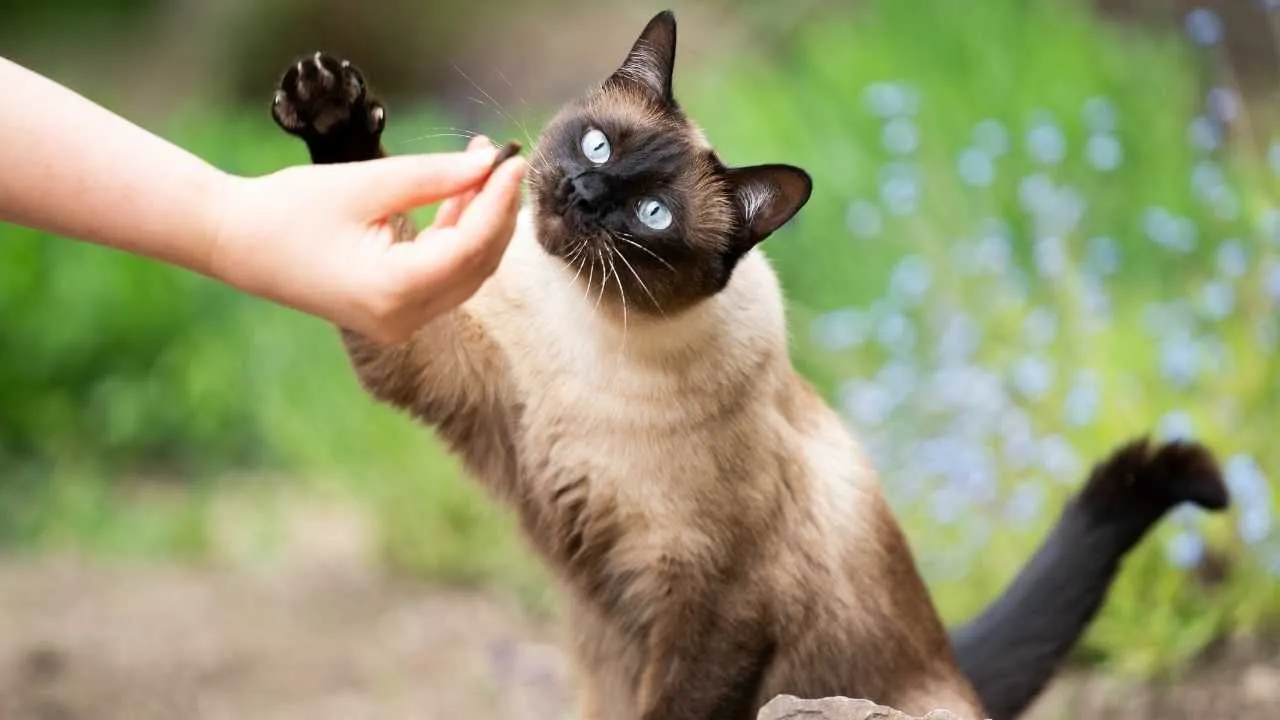
If you live with a Siamese, silence is rare. This breed is highly social, intelligent, and known for constant vocal interaction. Instead of relying only on body language, Siamese cats chirp, trill, meow, and yowl to communicate.
They speak to greet you, demand attention, or comment on what’s happening around them. Their sounds are expressive and often loud, making their presence impossible to ignore.
What drives all this talking is their deep need for companionship. Siamese cats bond strongly with people and prefer not to be alone for long. Their voices can be low-pitched and intense, sometimes compared to a human baby’s cry.
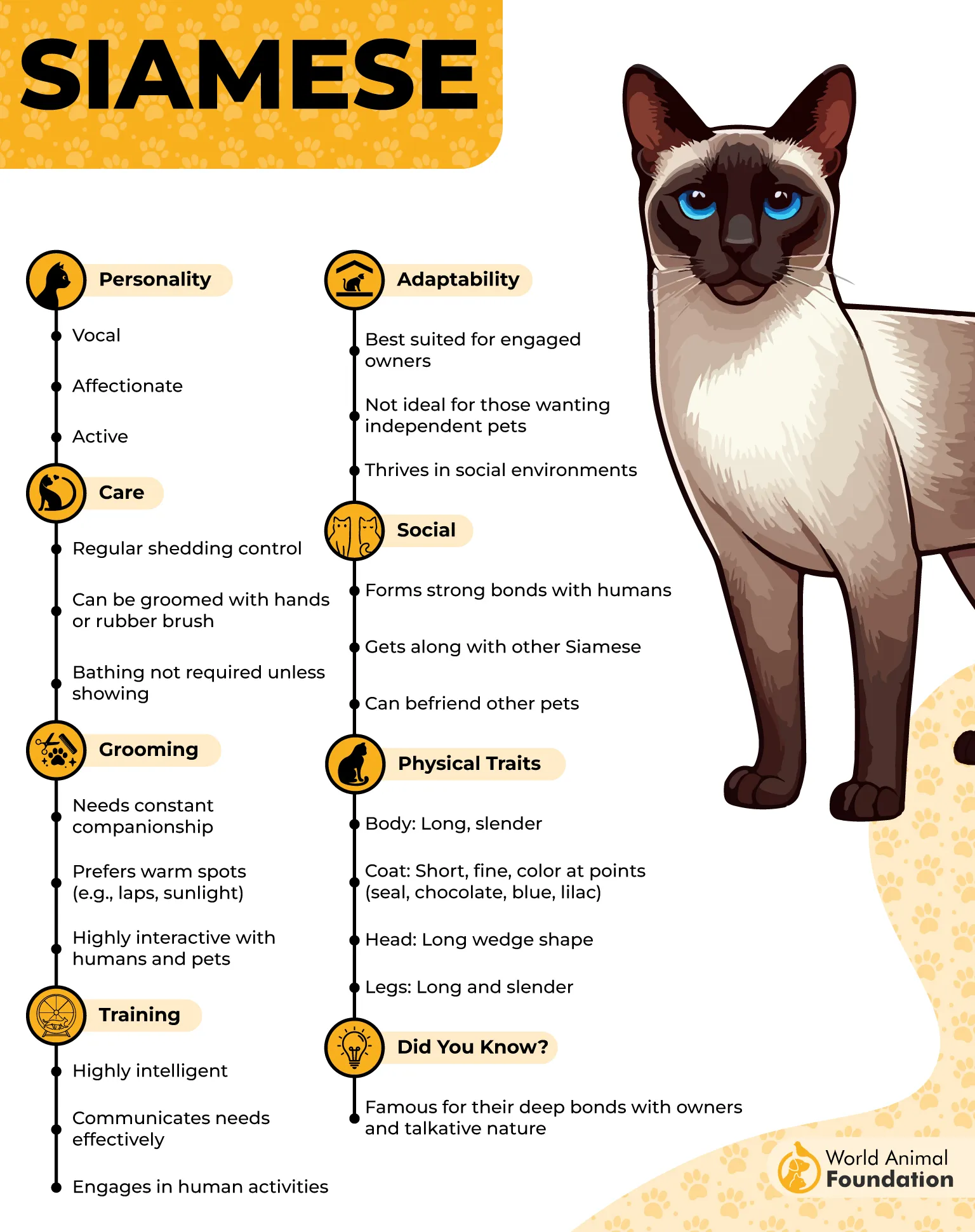
They are not shy about expressing wants, whether it’s food, playtime, or affection. Because they are active and curious, they also need daily stimulation to keep both their minds and bodies engaged.
Behind the dramatic vocals is a very affectionate cat. Siamese cats love physical closeness and often curl up on laps or snuggle beside their humans in bed.
They usually get along well with children, dogs, and other cats, especially when they have a companion to interact with during the day. Their frequent chirps and trills are a clear sign of trust, attachment, and their desire to stay connected.
Why Siamese Are So Vocal
Strong emotional bond with humans
Frequent chirping and trilling
High need for attention and interaction
Loves close contact and companionship
2. Maine Coon
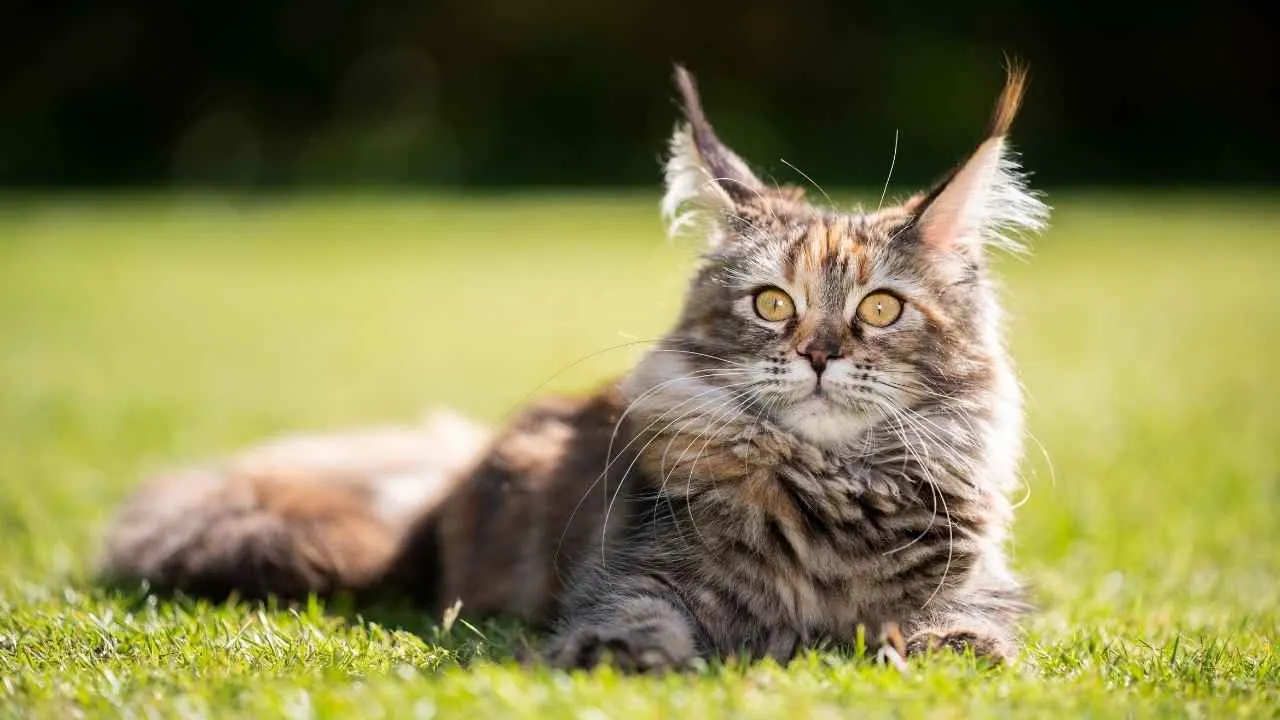
Known as one of the largest cat breeds, the Maine Coon is a native American longhaired cat named after the state where it originated. Often called the “gentle giant of the cat world,” as per PetMD, this breed is friendly, relaxed, and quietly expressive.
Instead of loud meows, Maine Coons prefer soft chirps and trills. Their sounds are melodic and gentle, making their conversations feel calm and curious rather than demanding.
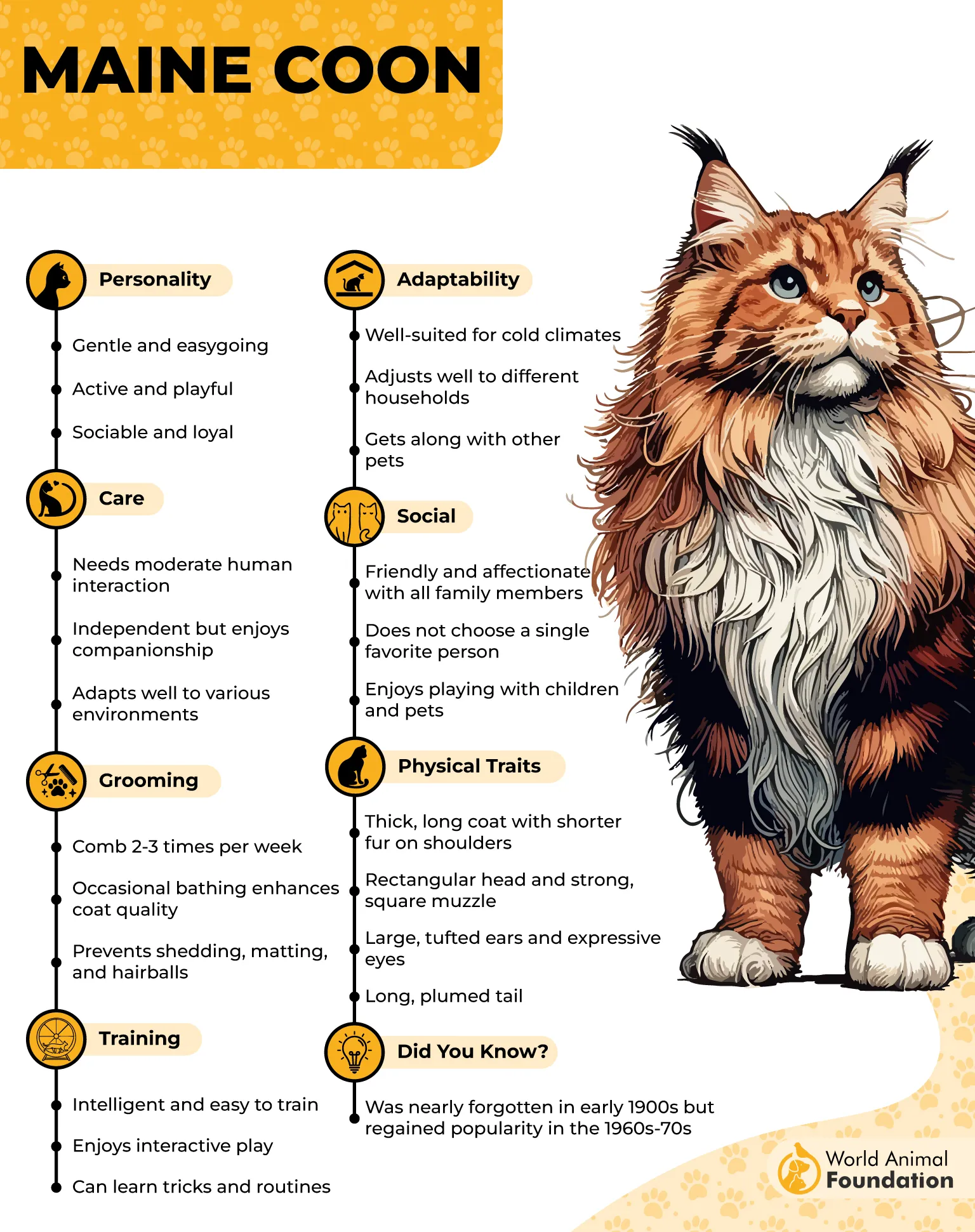
The Maine Coon’s vocal style is unique and charming. Their trills often rise at the end, almost like they’re asking a question. These cats use chirps, trills, and chattering sounds when they are happy, excited, or watching birds outside a window.
Beyond their vocals, Maine Coons are affectionate and playful companions. They get along well with children, dogs, and other cats.
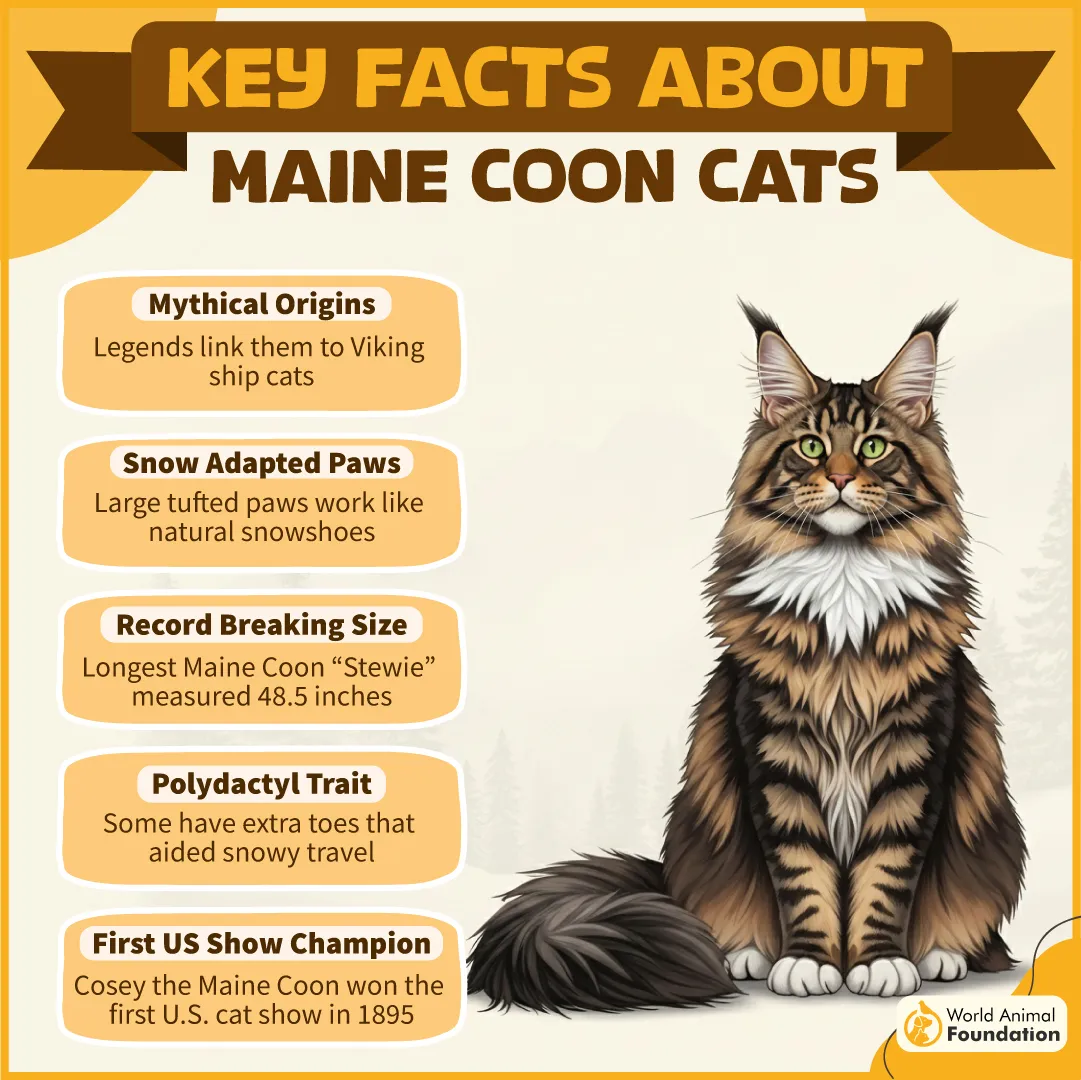
They enjoy acting goofy and clownish to earn attention and affection from their favorite people. Their long coat also means they appreciate—and need—regular grooming sessions to stay comfortable and happy.
Why Maine Coons Are So Vocal
Prefer melodic sounds over loud meows
Use trills when happy or excited
Communicate gently with their humans
Playful, friendly, and expressive by nature
3. Bengal
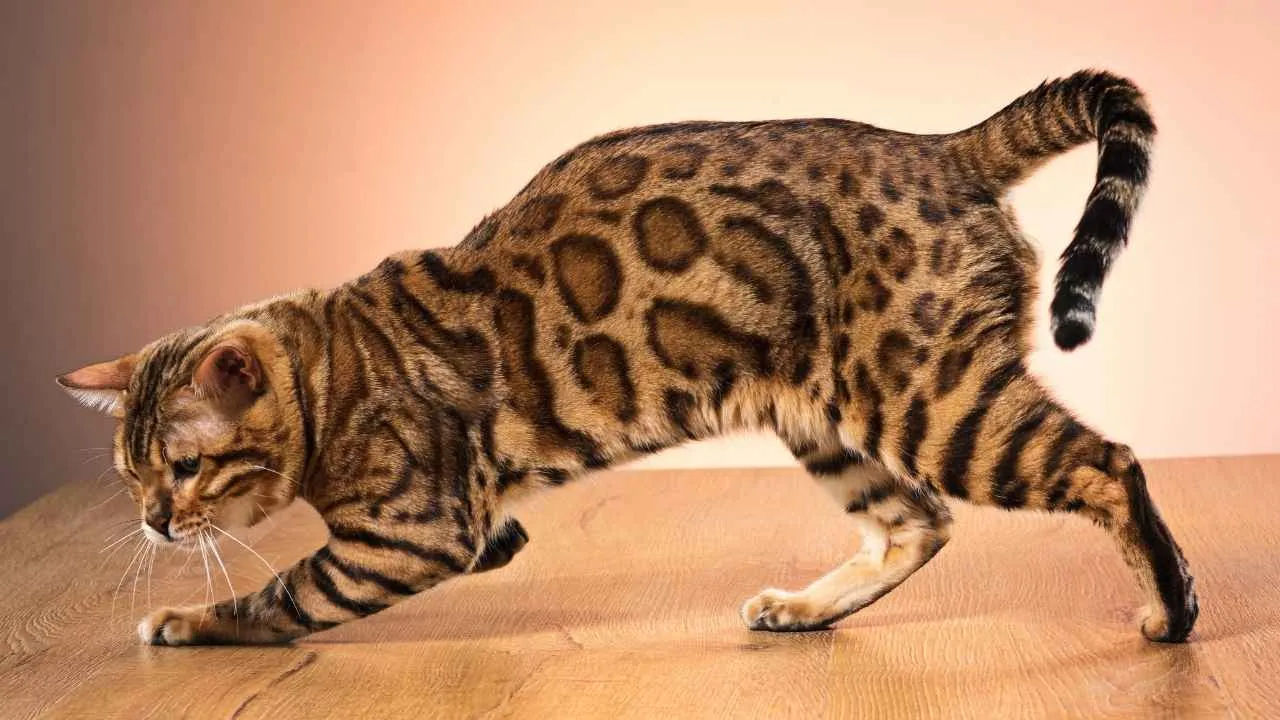
The Bengal is a hybrid cat breed created by crossing the Asian leopard cat with several domestic breeds, including the Abyssinian, American Shorthair, Burmese, Egyptian Mau, Ocicat, and domestic shorthair.
This unique background gives the Bengal both a striking look and a strong voice. Bengals enjoy communicating with their people and use a wide mix of sounds, including meows, chirps, coos, and yowls. Their chattiness may come from their wild ancestry or from vocal domestic breeds in their lineage.
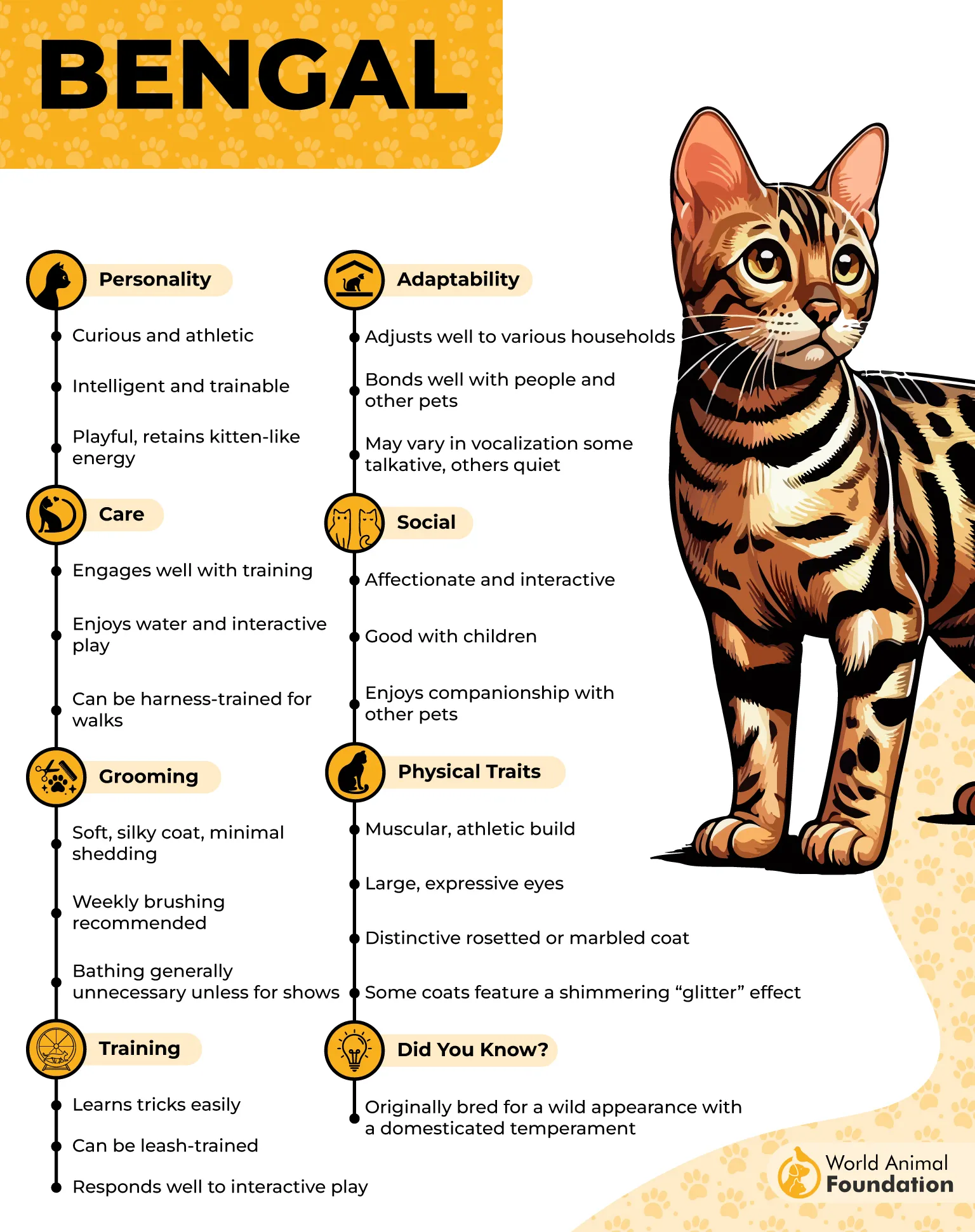
Bengal cats are known for vocalizations that sound more wild than those of typical house cats. Their chirps and coos are often used to demand attention, invite play, or show interest in something nearby.
These cats are expressive and confident, using sound to clearly communicate their moods and desires. They are not shy about speaking up and tend to keep their humans entertained with constant commentary.
Along with their voices, Bengals stand out for their athletic appearance. They have lean, well-defined muscles and a balanced build. Their high cheekbones and dark markings around the eyes give them a bold look, while their small, rounded ears add to their alert expression.
Why Bengals Are So Vocal
Strong wild ancestry influences their sounds
Use chirps and coos to engage humans
Express excitement, curiosity, and playfulness
Confident and highly communicative nature
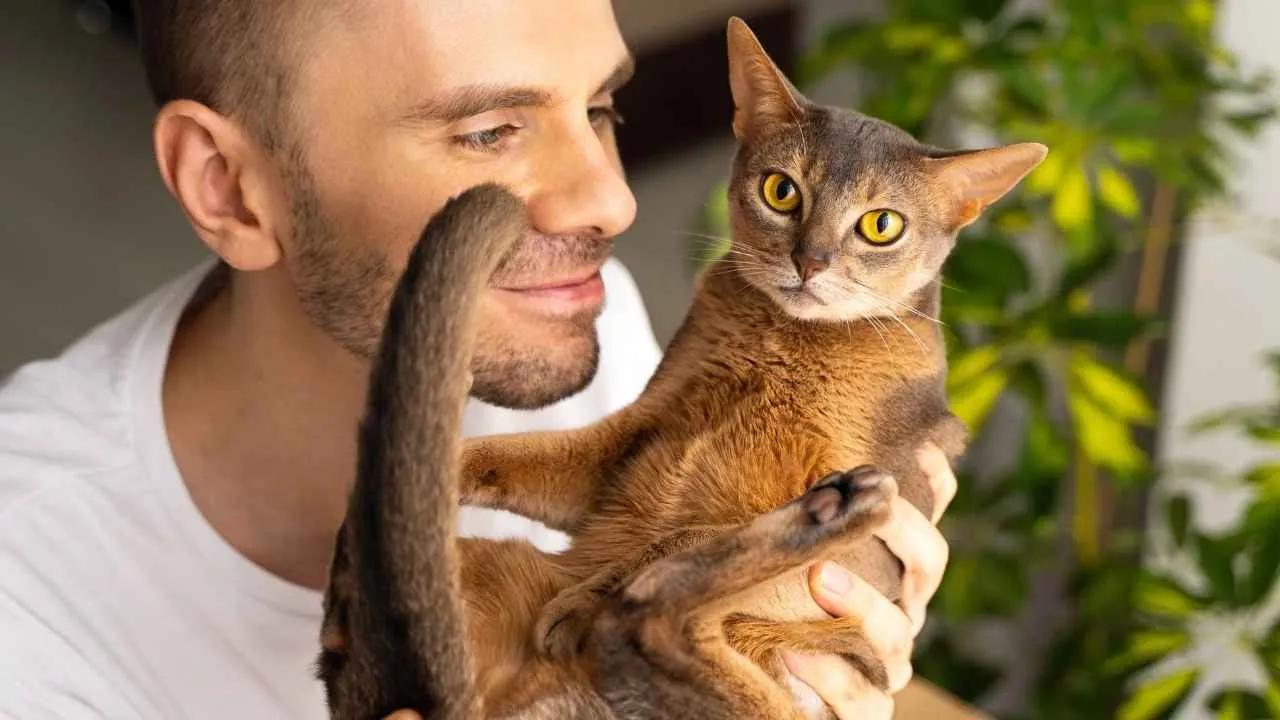
4. Abyssinian
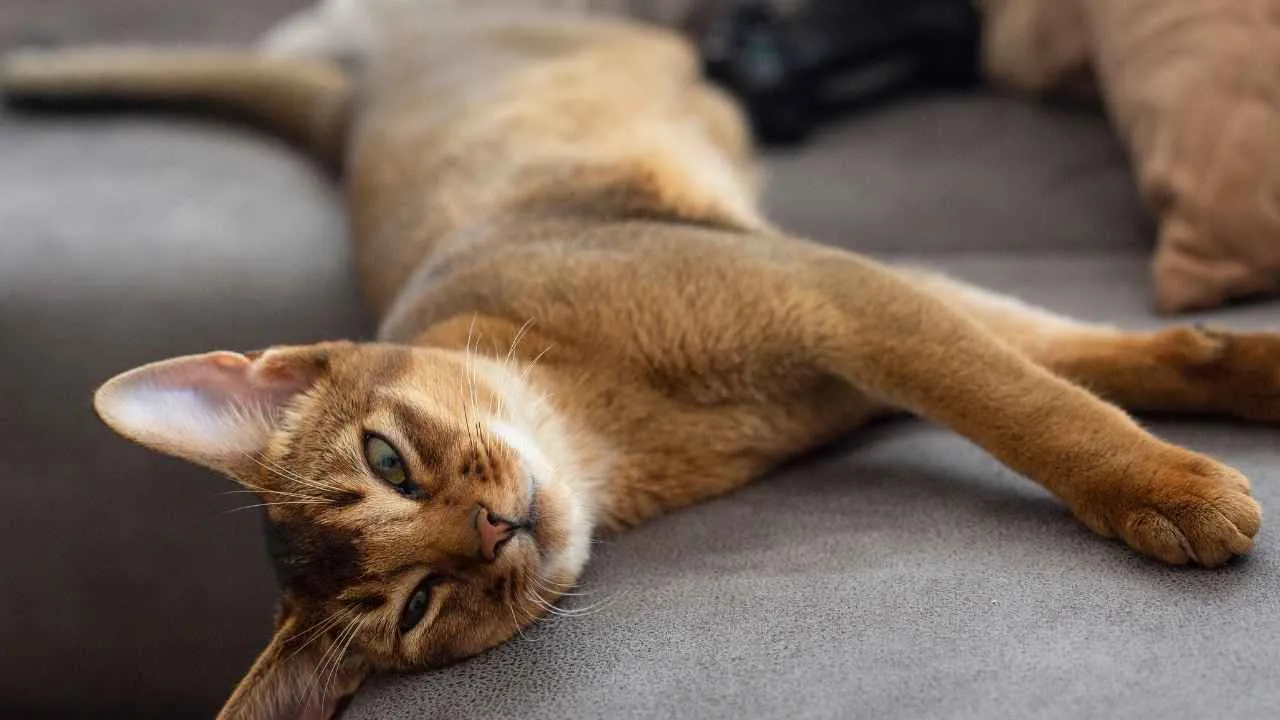
The Abyssinian, often called the Aby, is an active and playful cat with a lean, muscular body and a short coat. Unlike many laid-back breeds, Abyssinians are always on the move.
They love climbing furniture, chasing toys, and joining interactive games with their family. Curious by nature, they want to be involved in everything happening around them.
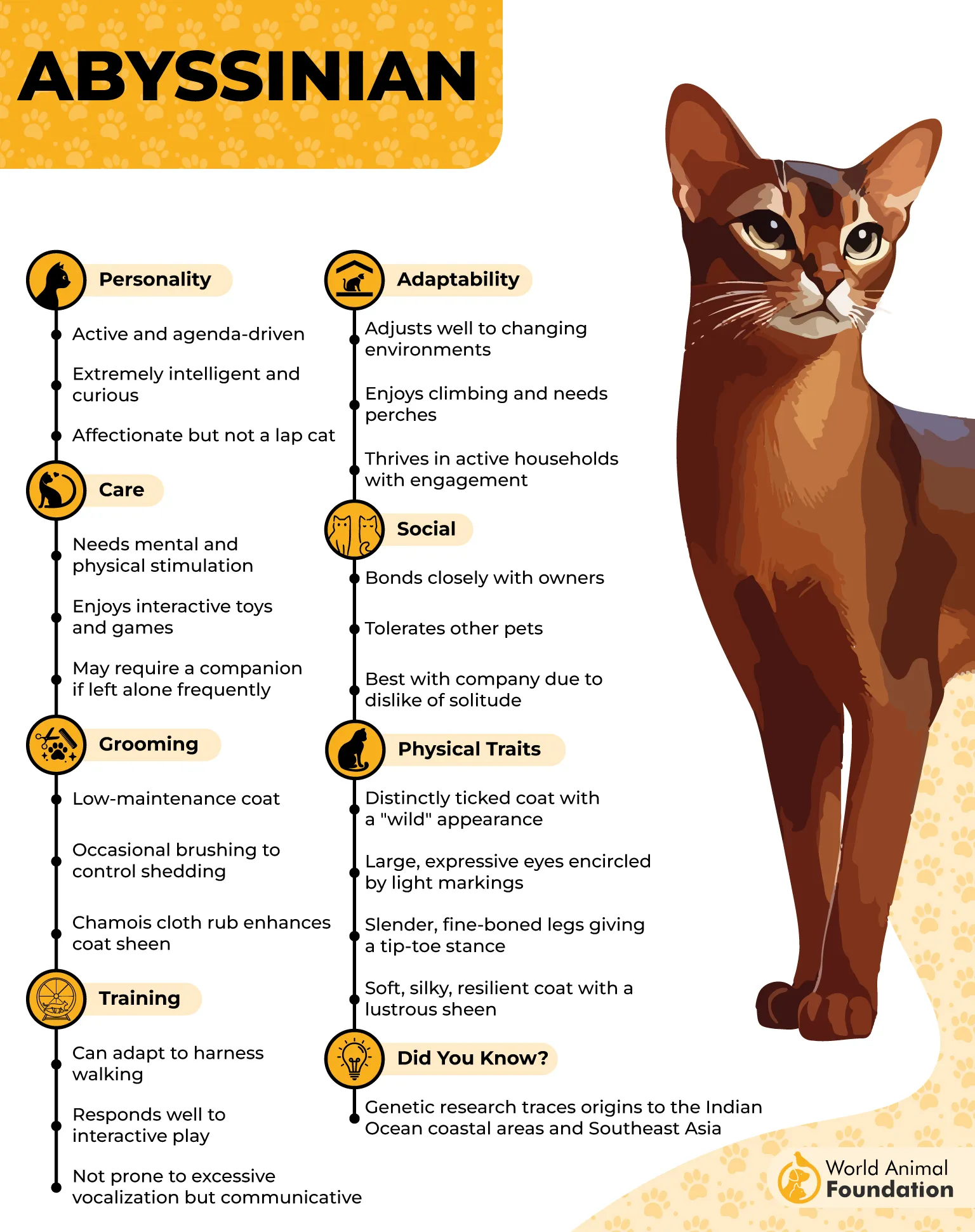
When it comes to sound, Abyssinians are not loud talkers. They meow less than many other breeds, but they still communicate clearly. Instead of constant meowing, they use soft chirps and gentle trills, especially when they are happy, excited, playing, or greeting their owners.
Purina says that the Abyssinians are social and affectionate cats. They get along well with children and other pets and do best in active homes. Having a companion, such as another cat or a dog, helps prevent boredom when they are alone.
They enjoy playing fetch, staying close to their people, and sharing daily routines. Quiet but expressive, the Abyssinian connects through movement, curiosity, and soft, friendly sounds.
Why Abyssinians Are So Vocal
Prefer soft sounds over loud meows
Chirp when happy, excited, or greeting
Use body language to express emotions
Highly social and people-oriented
5. Tonkinese
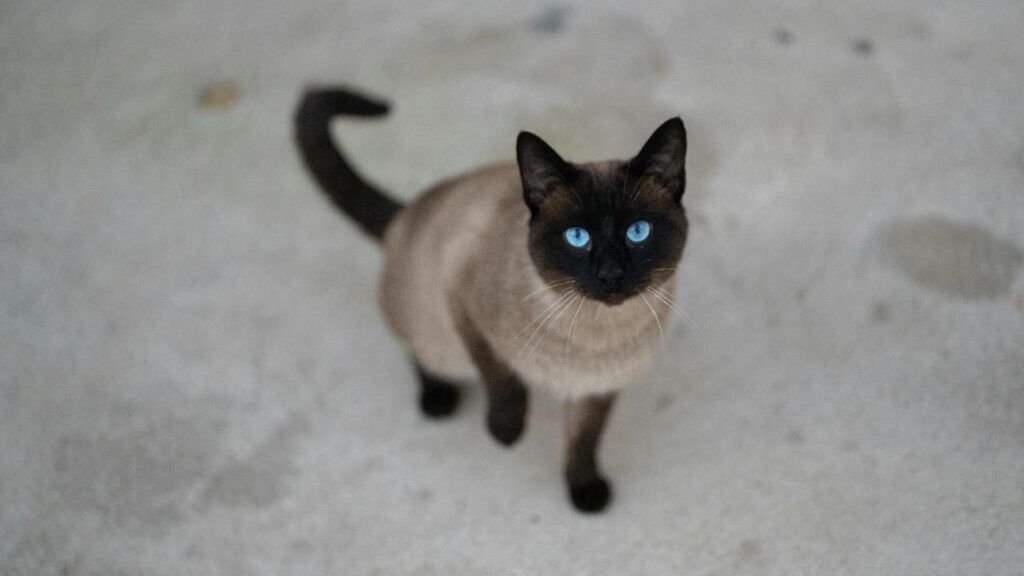
The Tonkinese is a cat that truly loves to talk. This breed chats throughout the day and pairs its voice with a strong, powerful purr.
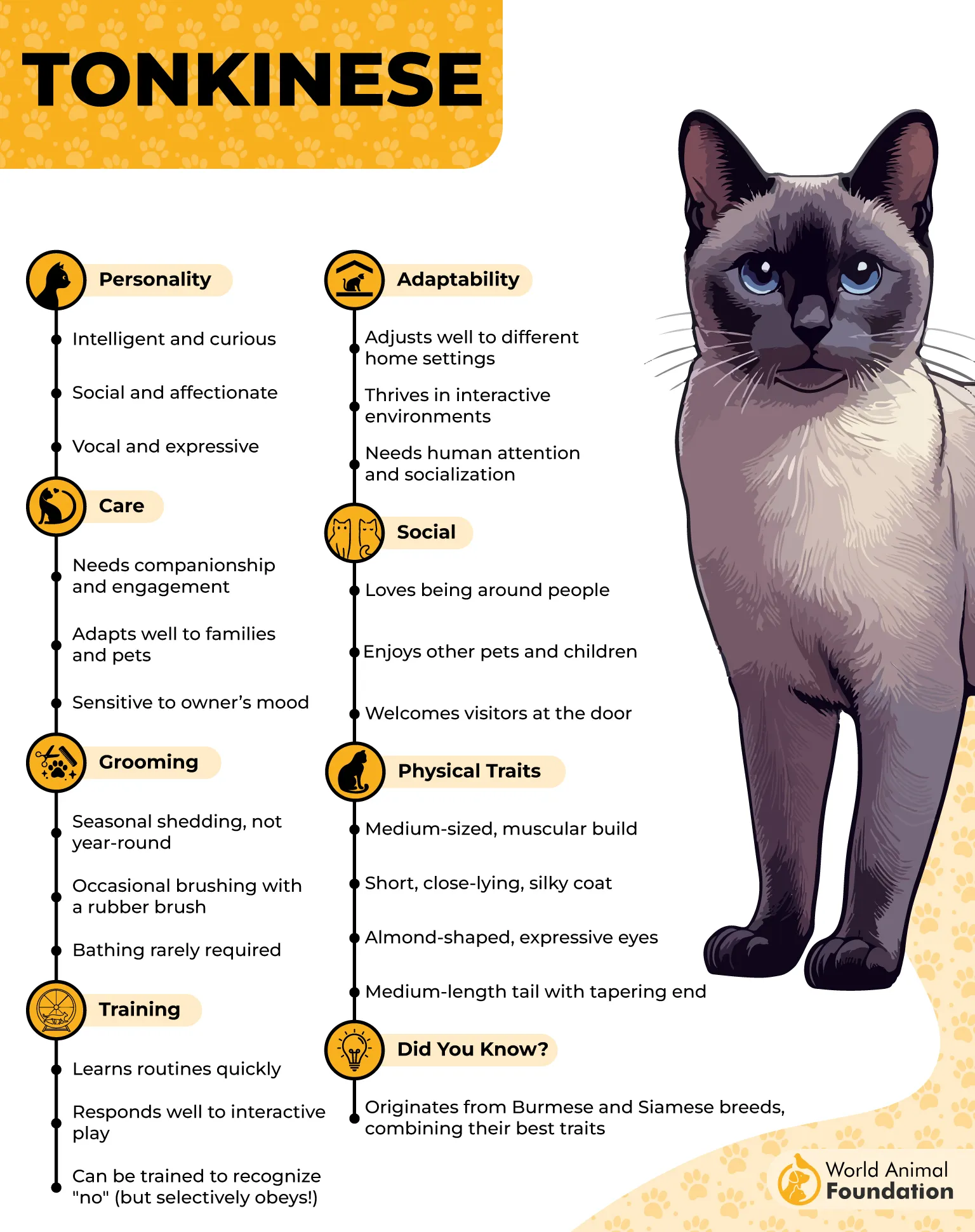
Often described as part puppy and part monkey, the Tonkinese is playful, loyal, and surprisingly acrobatic. It enjoys games like fetch and indoor tag and will eagerly rush to the door to greet visitors, welcoming them with plenty of happy chatter.
This talkative nature comes from its parent breeds, the Siamese and the Burmese—both known for being vocal and people-focused. Tonkinese cats love being near their humans and prefer not to miss out on anything.
They often respond when spoken to, almost as if holding a conversation. While they enjoy quiet moments too, they usually have something to say when interacting with their favorite people.
Tonkinese cats communicate using a mix of sounds, including meows, chirps, and trills. Their voices are friendly and expressive rather than demanding.
Along with their confident personality, they have a trim, muscular build and a short, silky coat that comes in five colors. Their combination of affection, playfulness, and constant communication makes them hard to resist.
Why Tonkinese Cats Are So Vocal
Inherited vocal traits from two chatty breeds
Love responding to human voices
Use chirps and trills during play and greetings
Highly social and attention-loving
6. Singapura
Often billed as the tiniest cat breed, the Singapura may be small, but it has a very loud personality. This outgoing and curious cat loves attention and isn’t shy about asking for it.
A Singapura will happily walk across your computer keyboard just to redirect your focus. It enjoys hearing its own voice and will use it often to stay involved in whatever you’re doing.
The Singapura is an Asian cat breed with a strong love for conversation. Its origins are still debated, with some tracing it to Singapore and others to the United States.
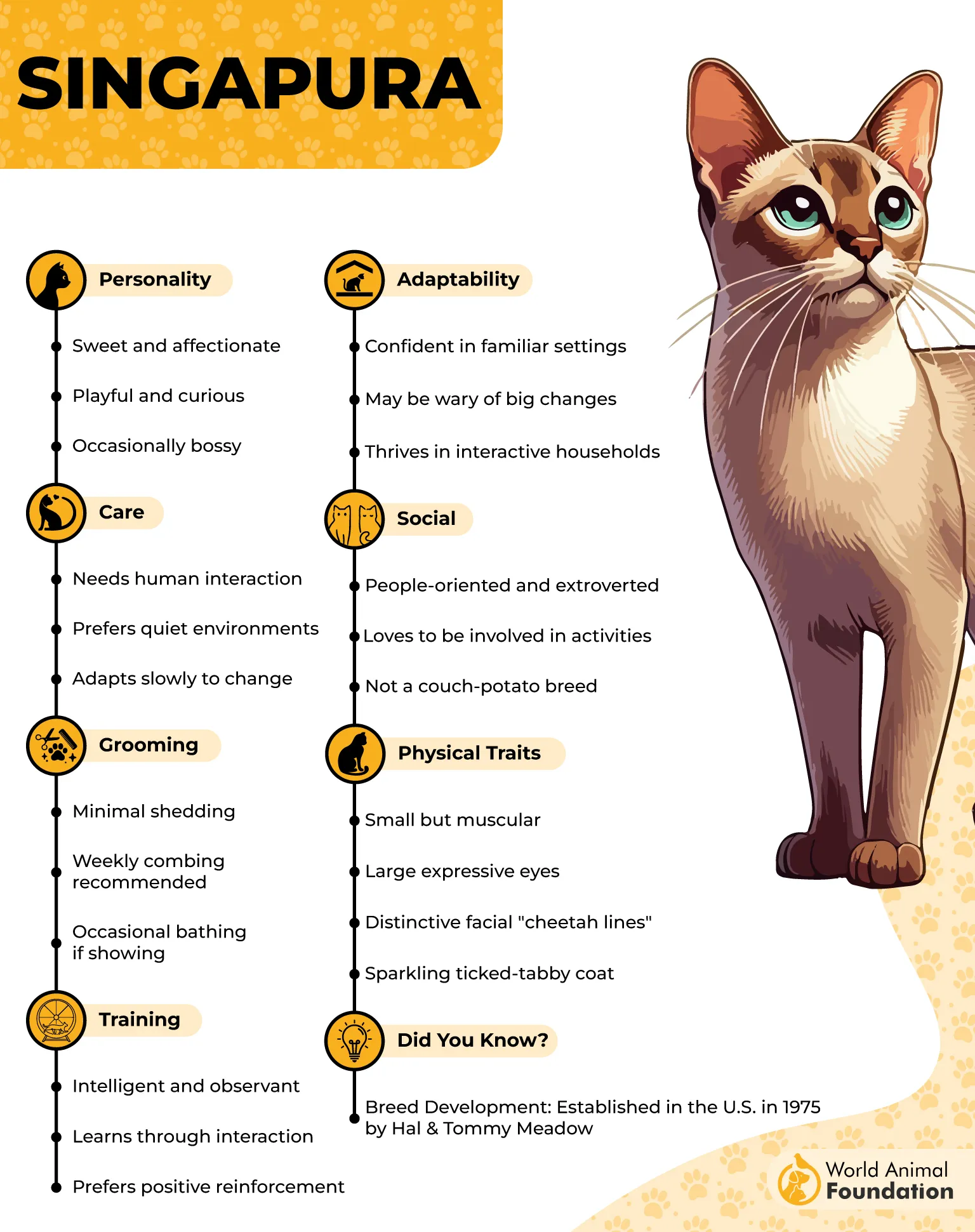
According to TICA, the breed name comes from Singapura, the Malaysian name for Singapore, and it was officially established in the U.S. Singapuras frequently communicate with their human families using meows, chirps, and trills, especially when they want attention, which is often.
Along with its chatty nature, the Singapura is affectionate and gentle. It rewards attention with soft affection and close companionship. The breed has large ears and eyes that give it an alert expression, along with a short, fine beige coat that is easy to maintain.
Why Singapuras Are So Vocal
Constantly seek human attention
Use chirps and trills to communicate needs
Outgoing and curious personality
Enjoy being involved in daily activities
7. Oriental Shorthair
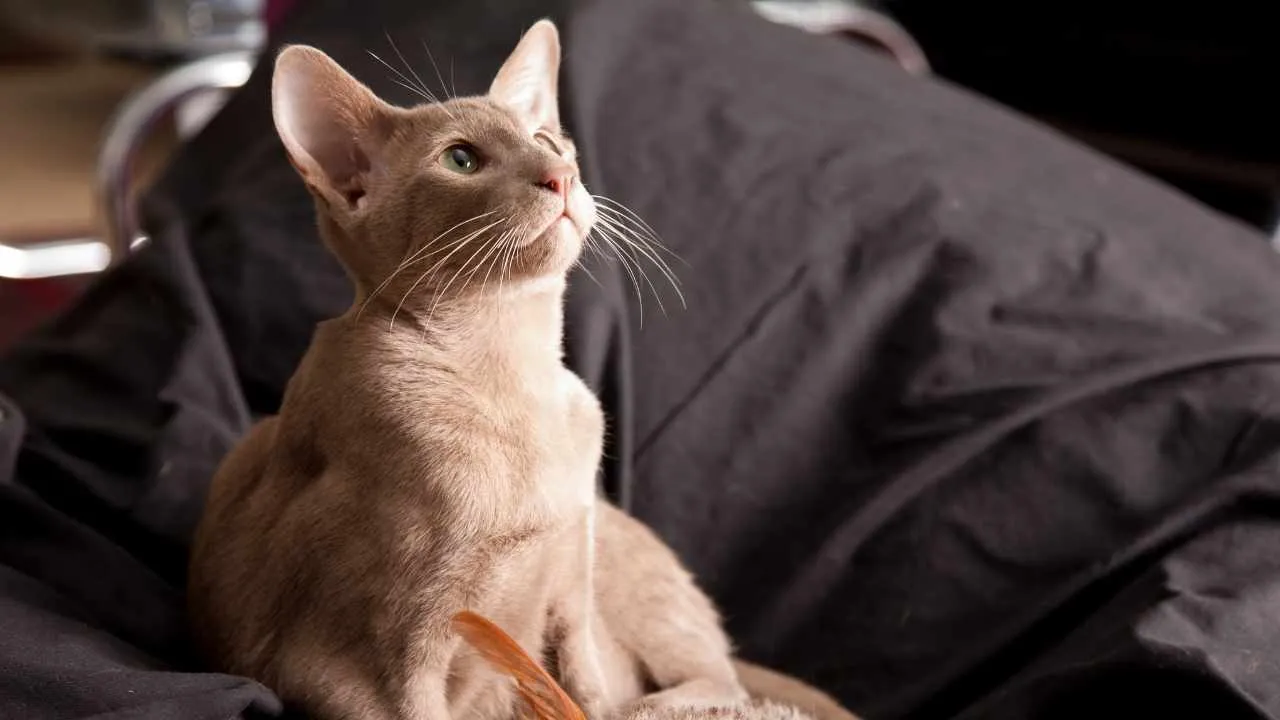
Nicknamed the “Rainbow Cat,” the Oriental stands out for coming in more than 300 colors and patterns. This breed is loud, confident, and full of personality. Orientals love attention and are happiest when surrounded by playmates and people.
If left alone too long, they can get cranky and may even scold you for being late. They are extremely smart and recognizable by their heart-shaped face and large, bat-like ears.
Closely related to the Siamese, Orientals share the same chatty nature. In fact, they are identical to Siamese cats in every way except coat color.
While Siamese have pointed patterns, Orientals appear in nearly every color and pattern imaginable, including solid, tabby, tortoiseshell, bicolor, calico, smoke, shading, and cameo. The breed comes in both shorthaired and longhaired varieties, and both are easy to groom.
Oriental cats are highly expressive and love long “conversations” with their humans. They use meows, chirps, and trills to communicate their needs, wants, and even displeasure.
Their voices are insistent and full of emotion, and their loud purrs are just as impressive. These vocal habits are a key part of their charm and reflect their intelligent, social nature.
Why Oriental Cats Are So Vocal
Closely related to very vocal breeds
Use sound to express needs and moods
Highly intelligent and people-focused
Dislike being left alone for long
Conclusion
Chatty cats add a special kind of delight to everyday life. While most cats communicate quietly, some are extremely loud, using high-pitched sounds when they meow to stay connected with their human companions.
From feral cats to pampered house pets, cats meow for many reasons—to feed, to play, or simply to be aware of what’s happening around them.
Their affectionate nature, unique behavior, and sometimes odd vocal habits make them excellent companions and unforgettable feline friends, whether you’re meeting your first cat or raising a playful kitten.
These beautiful cats are more than just soft fur and cute faces. They are adaptable, full of intelligence, and form deep bonds with kids and adults alike. With the right care—clean cat litter, proper sleep, and attention—these talkative kitty personalities thrive.
Many breeders highlight their strong connection with people, making them a meaningful addition to any home. Even a bit of chatter can turn everyday moments into lasting memories with your feline friend.
