




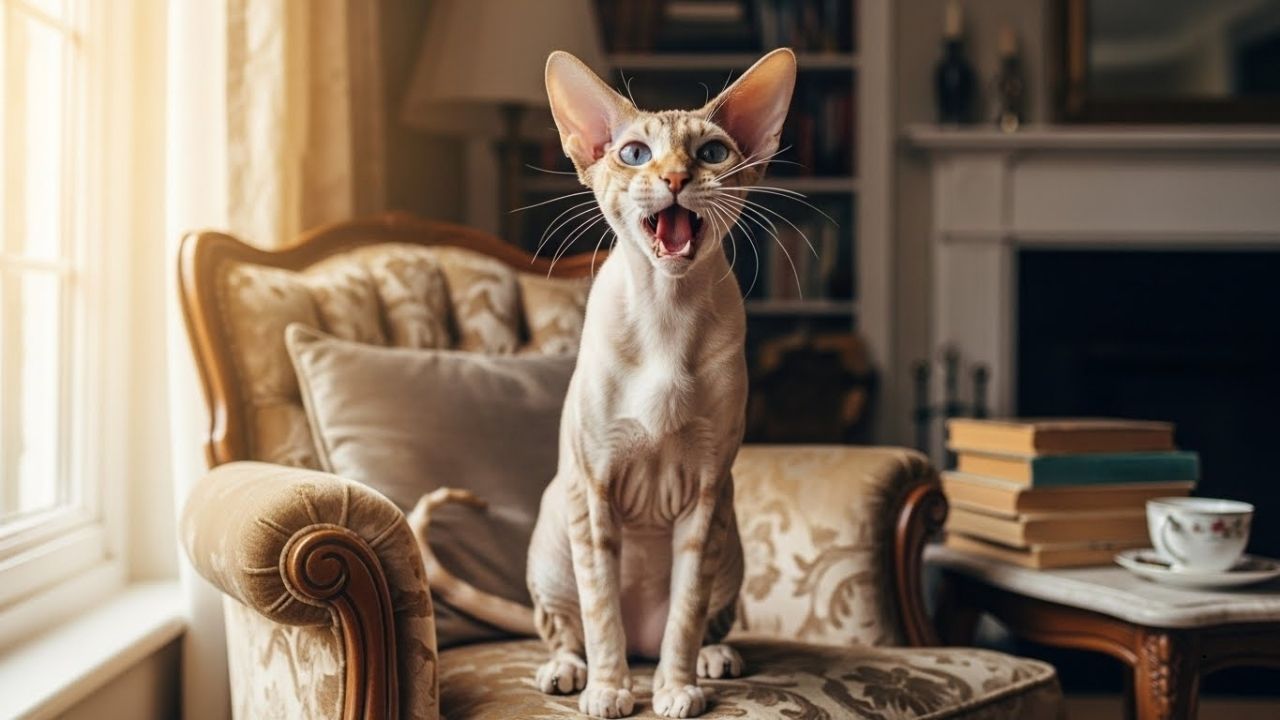
Some cats have plenty to say, but they say it politely. If you like the idea of a chatty pet who “checks in” throughout the day without turning your home into a nonstop concert, vocal but gentle cat breeds are a sweet spot.
These cats may greet you at the door, comment on dinner prep, or hold a quiet conversation from the other side of the couch, all while keeping a soft, affectionate vibe.
Up ahead, we’ll explore breeds that tend to be talkative in a calmer, friendlier way, plus what to expect from their communication style. Because sometimes you do want a cat with opinions, just not one that yells them.
Fun Fact
Some cats will adjust their meows based on what gets your attention, almost like they’re testing different “tones” to see which one works. It’s less mystery, more customer service.
Cat Breeds That Are Vocal But Gentle
1. Siamese
Siamese cats can turn a soft meow into a full conversation, then pause like they’re waiting for your reply. They’re exceptionally social and tend to want plenty of attention, so a hands-off home may feel too quiet. If you enjoy a cat that stays involved, this breed brings the commentary.
Along with their chatty nature, Siamese cats are known for their sharp intelligence and curiosity. They enjoy exploring their surroundings, staying mentally stimulated, and finding ways to be part of daily routines. A bored Siamese is often a creative one, so engagement matters.
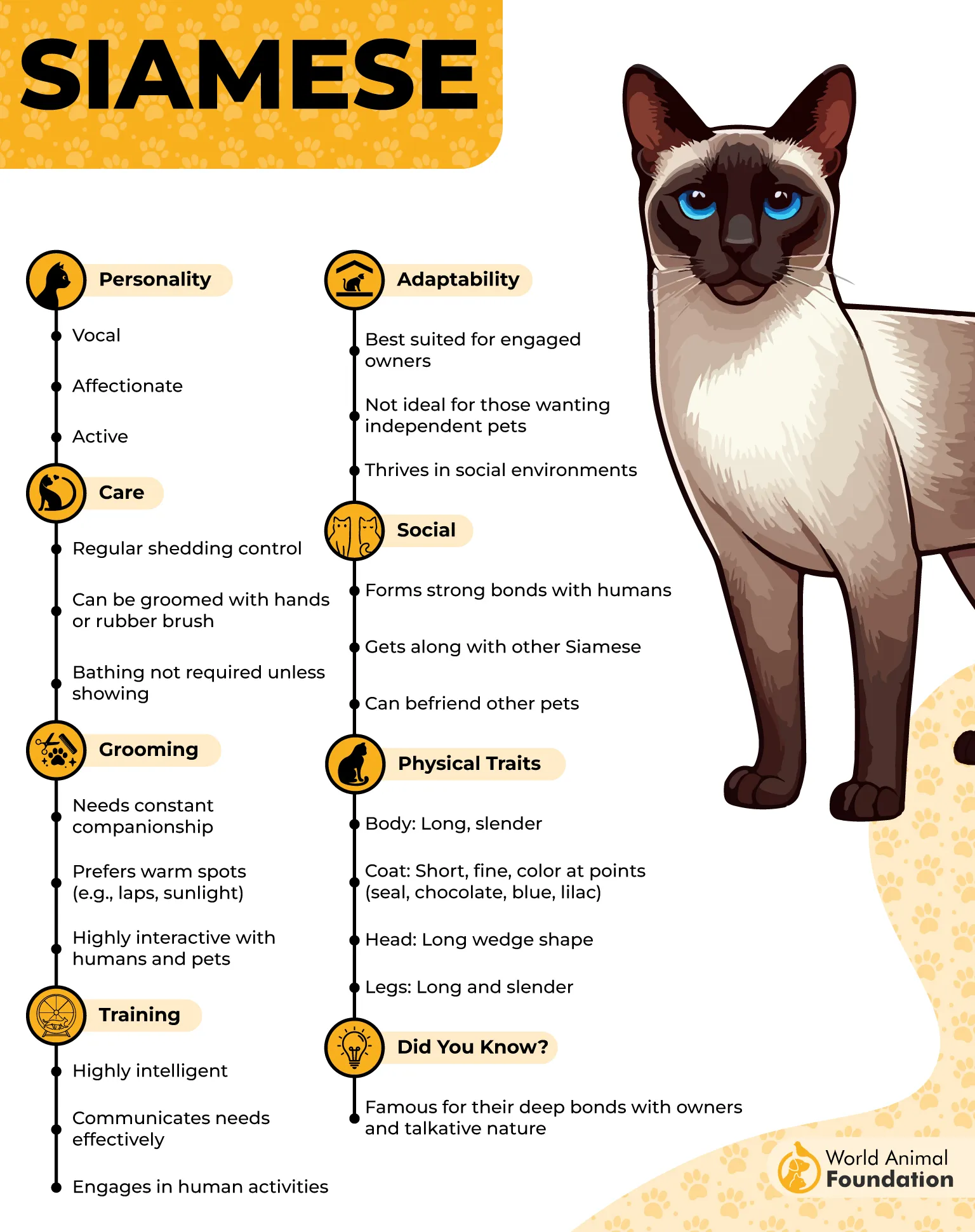
As mentioned by WebMD, Siamese cats have a short coat that sits close to the body and comes in several colors. Their signature look is the darker “points” on cooler areas like the face, ears, legs, feet, and tail. This pointed pattern is considered one of the breed’s most defining features.
Fun Fact
The Siamese is considered one of the oldest purebred cats, with roots in Thailand long before the breed became widely known elsewhere. That long history helped cement their reputation as a classic “talker” in the cat world.
2. Tonkinese
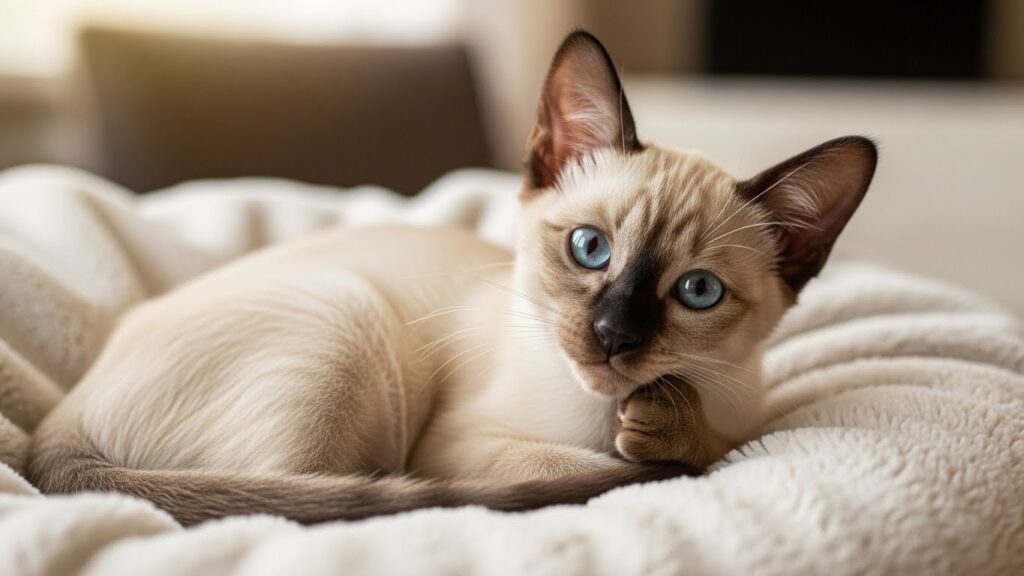
Tonkinese are affectionate, people-oriented, and pleasantly chatty cats without needing to steal the spotlight. Talk to a Tonk, and there’s a good chance you’ll get a reply, plus a few extra sounds for flair. They can also have quiet moments, which feel like a polite intermission.
A secure outdoor run or well-protected garden gives a Tonkinese plenty of space to run, jump, and climb, which can ease the demand for constant indoor play and help protect your furniture. Keep an eye on them outdoors, because they have a strong prey drive and may start chasing birds or other animals.
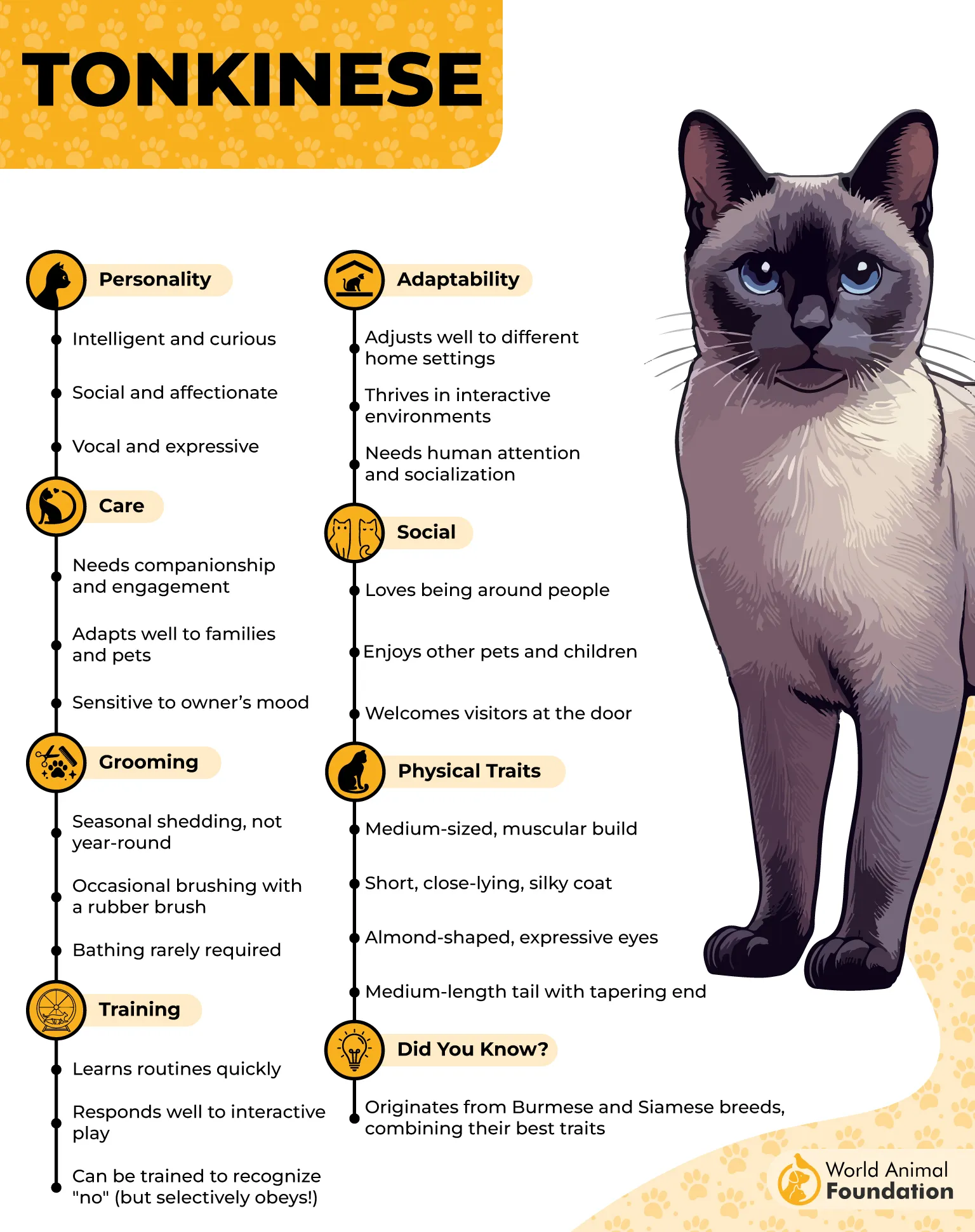
According to Purina, Tonkinese cats enjoy company, whether that’s people, another cat, or sometimes even a gentle dog, and they don’t love being left alone for long hours. With a feline buddy, they can manage while you’re out, but they still crave attention when you’re home, like playtime, clicker training, and interactive feeding.
Fun Fact
Tonkinese cats were developed by crossing Siamese and Burmese cats. Breeders aimed for an intelligent, loving cat that was less vocal than the Siamese while keeping a sweet, social personality.
3. Burmese
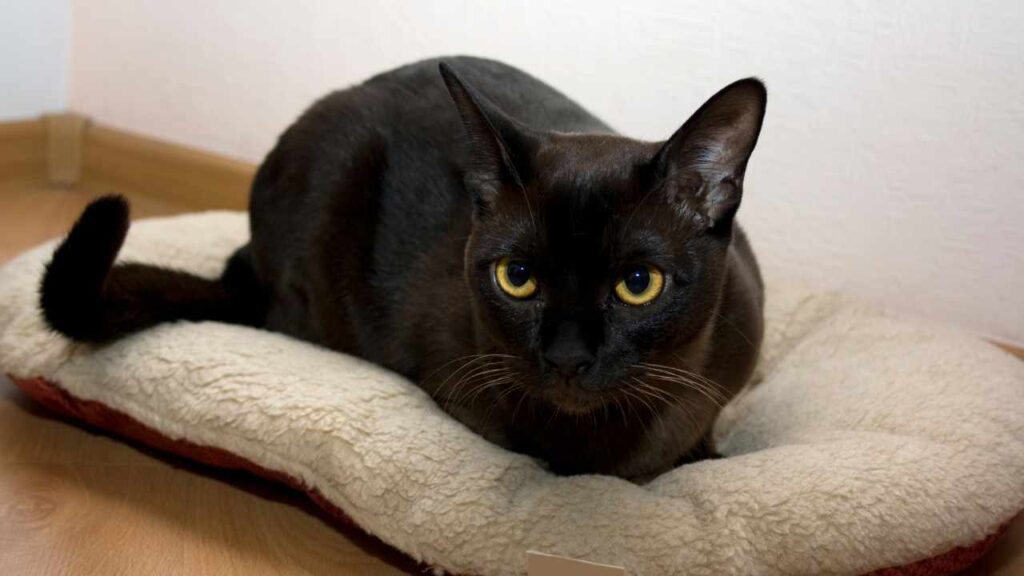
If you want a cat who communicates without sounding like they’re filing a complaint, the Burmese can be a lovely match. Their voices are often described as musical, with gentle meows and trills that feel sweeter than sharp. They may not be silent, but the tone can stay soft.
To train them effectively, first figure out what they enjoy most, whether that’s playing, treats, or cuddling. Use those favorite rewards as positive reinforcement during training sessions to encourage good behavior.
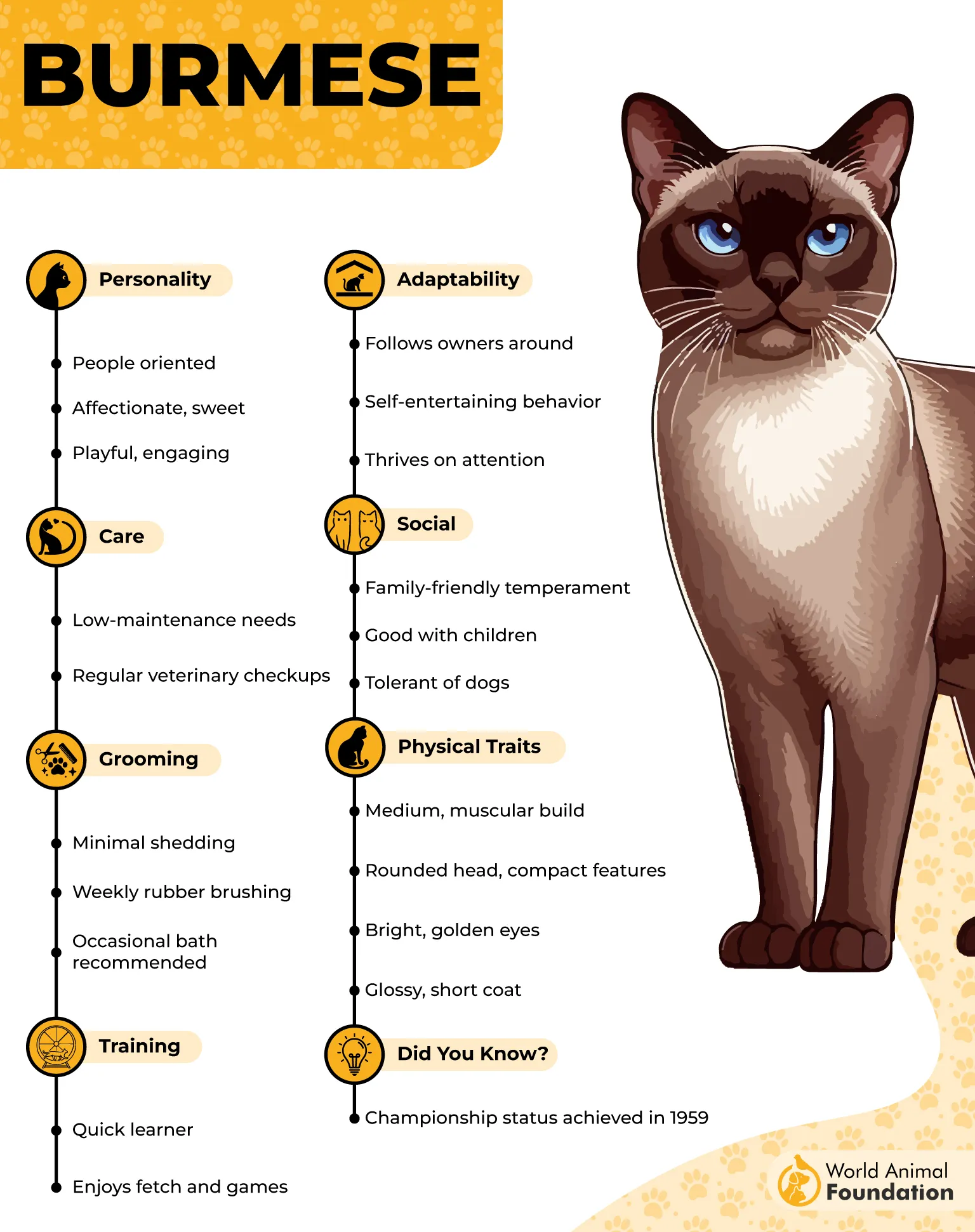
Burmese cats are playful and quick to learn games like fetch. They love attention but can entertain themselves, and they’re affectionate with everyone. They calm down with age but stay active and playful for years.
Fun Fact
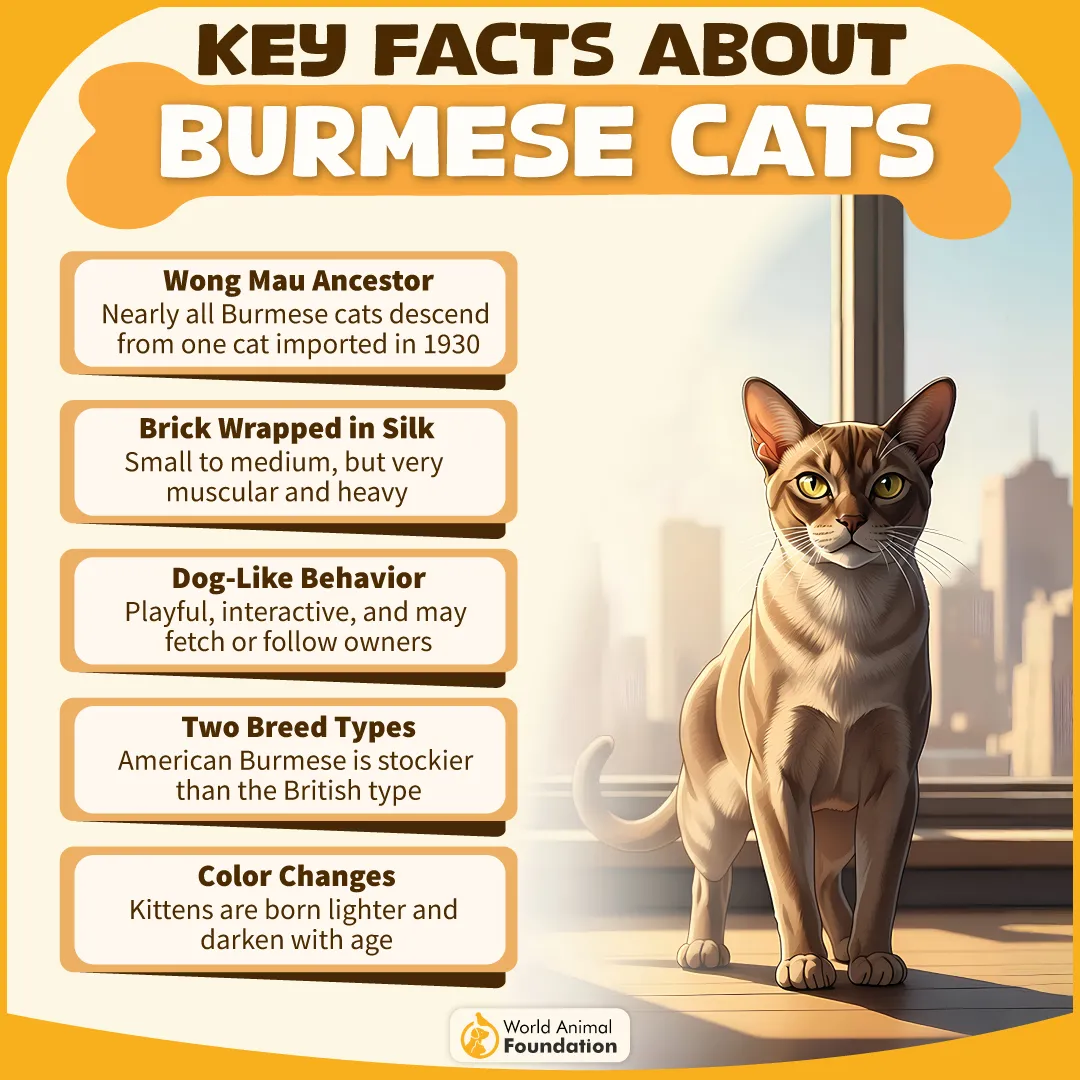
The Burmese breed was developed in Myanmar, a neighboring country to Thailand. Several famously vocal cat breeds trace back to this same region.
4. Balinese
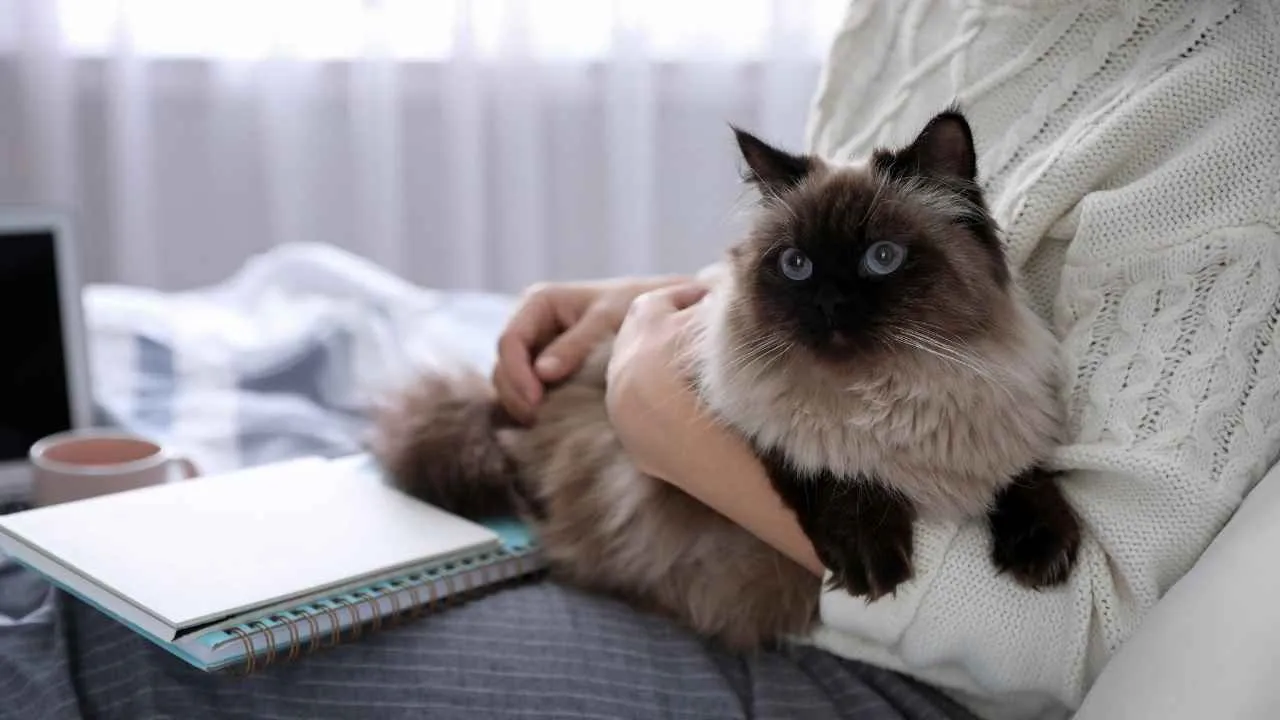
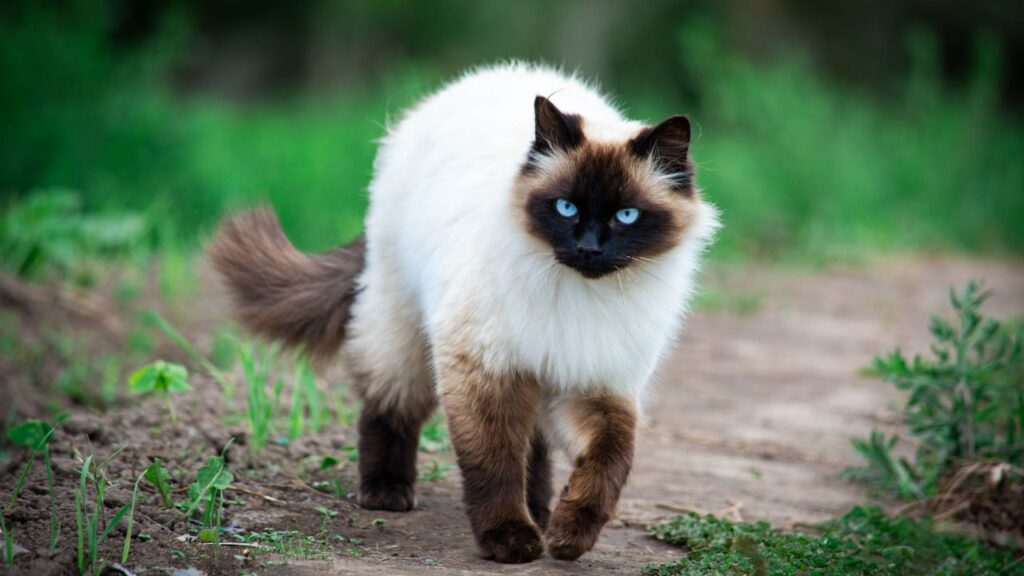
Balinese cats are closely related to the Siamese and are known for their striking blue eyes. They’re playful and often seem good at comforting their humans when they’re feeling down. They have a way of sticking close when you need it.
They’re also talkative and tend to ask for attention, so long stretches alone are not their favorite plan. Balinese can be happy in an apartment or a house, as long as they have cat furniture to climb, scratch, and pounce on. Keep them involved, and they’ll gladly hang nearby.

As per PetMD, the Balinese is essentially a long-haired Siamese, bred to keep that classic Siamese personality while adding a longer coat and a full, plume-like tail. Even with the extra fur, their colorpoint coat is considered fairly low-maintenance when it comes to grooming.
Fun Fact
Balinese cats are often described as having more refined manners than some other very vocal breeds. They can still be chatty, but the vibe may feel less demanding than you’d expect.
5. Siberian
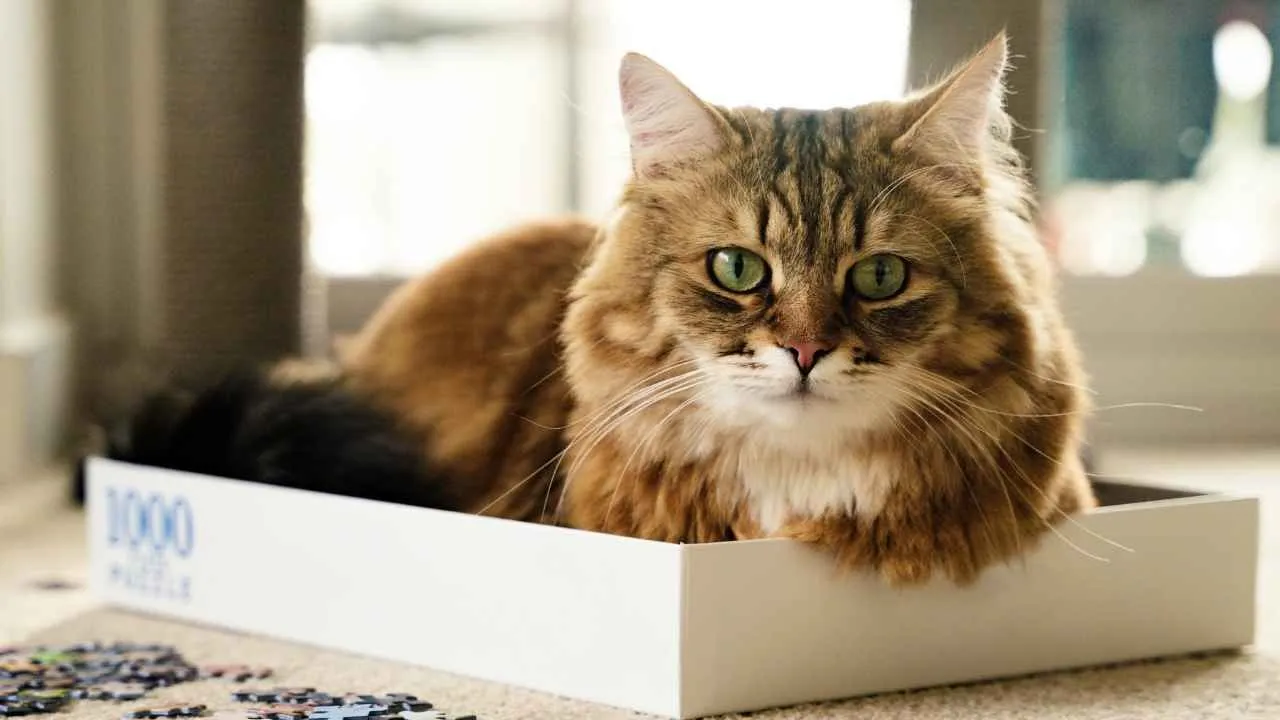
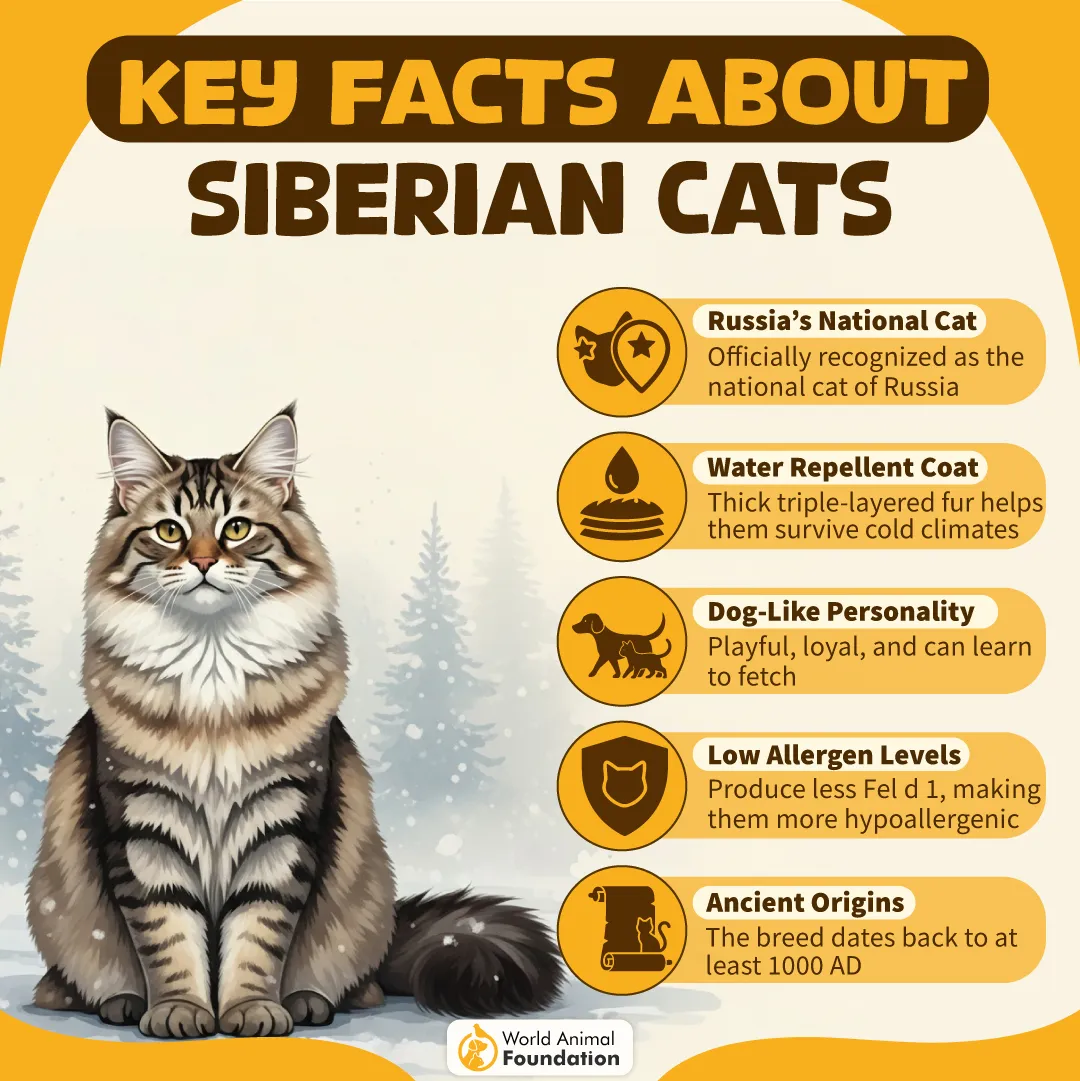
The Siberian is a large cat from the ancient forests of Russia, built for cold weather with a thick triple coat. They’re affectionate, outgoing, and friendly, so they tend to act like you’re part of their plan, not just the person holding the food bowl. Many love to climb, explore, and play, so “high places” quickly become prime real estate.
They usually don’t need a lot of grooming, but shedding can be noticeable during shedding season. Their coat resists matting, and occasional brushing plus extra attention during shedding periods helps keep loose hair under control.
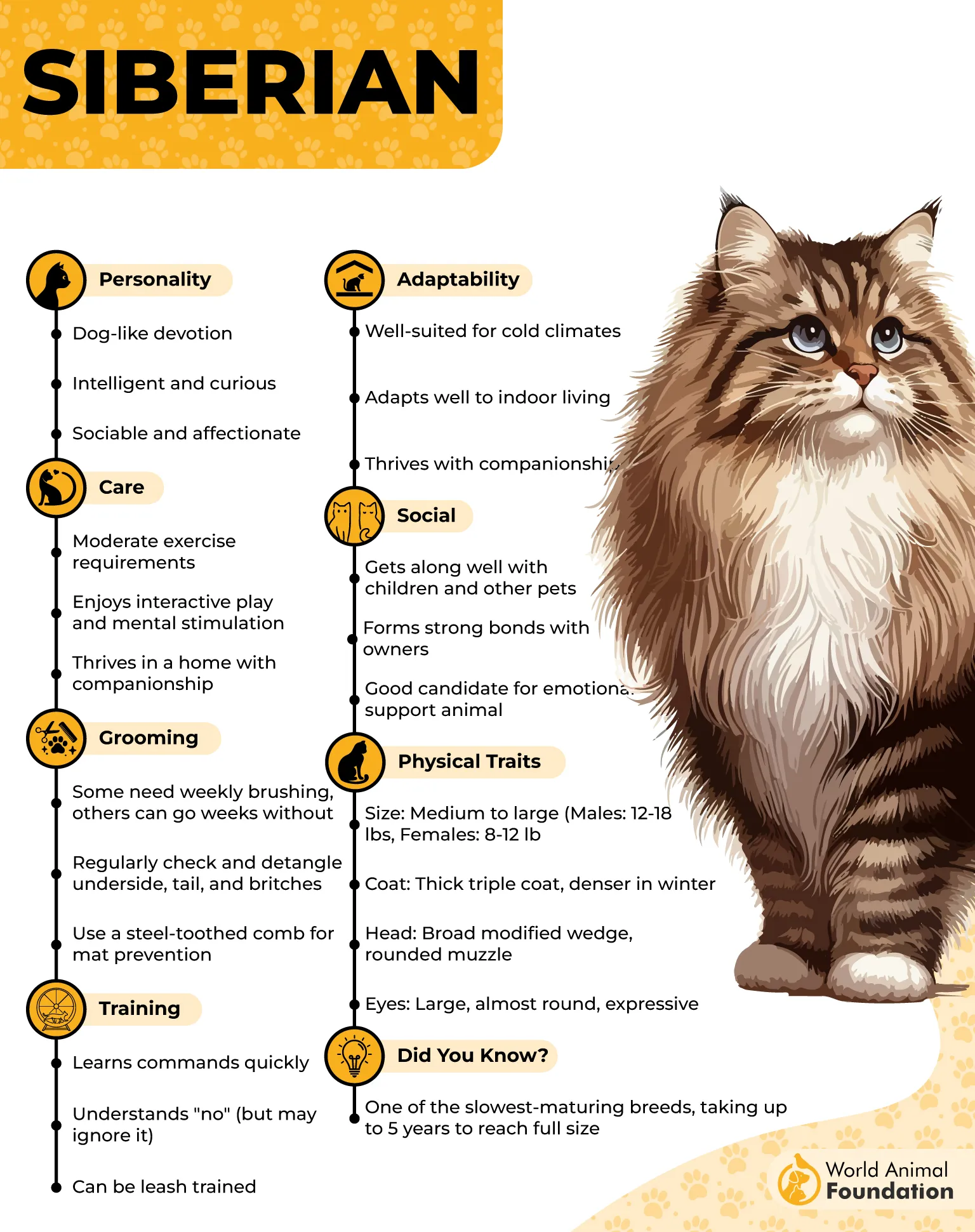
These cats can stay kittenish for longer than you might expect, which keeps life entertaining. They’re often happy with people, children, and other pets, and they usually enjoy being included in the action. Some Siberians are talkative, though they’re also described as having a lower tendency to vocalize overall.
Fun Fact
Siberian cats show up in centuries-old Russian fairy tales and children’s stories. They were also described in an 1889 cat book called Our Cats and All About Them.
6. Peterbald
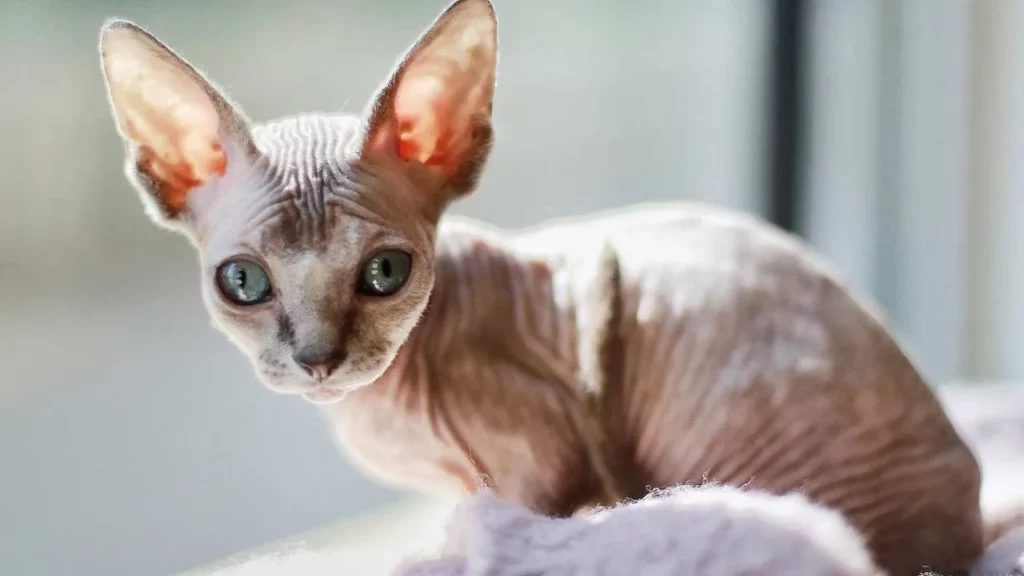
The Peterbald moves like they’re doing aerial ballet, especially when playtime kicks in. They’re highly intelligent, spirited, and curious, and they love staying close to their people. This is the kind of cat who prefers “together time” and really does not enjoy being left alone for long.
Because they can be hairless or have very fine coat types, skin care matters. Regular wipe-downs help remove skin oils that can build up and feel sticky. Some also need extra protection from cold and direct sunlight, plus access to warm resting spots.
They can be vocal and will happily “speak” to their favorite human, though they’re often described as less chatty than Siamese cats. They generally get along well with adults, children, dogs, and other pets, especially when everyone is respectful. Many do best with a feline buddy, since company is part of their comfort zone.
Fun Fact
In some places, breeding cats without whiskers is restricted because whiskers are important for orientation. That’s why many Peterbald fans look for cats bred with whiskers intact.
7. Oriental Shorthair
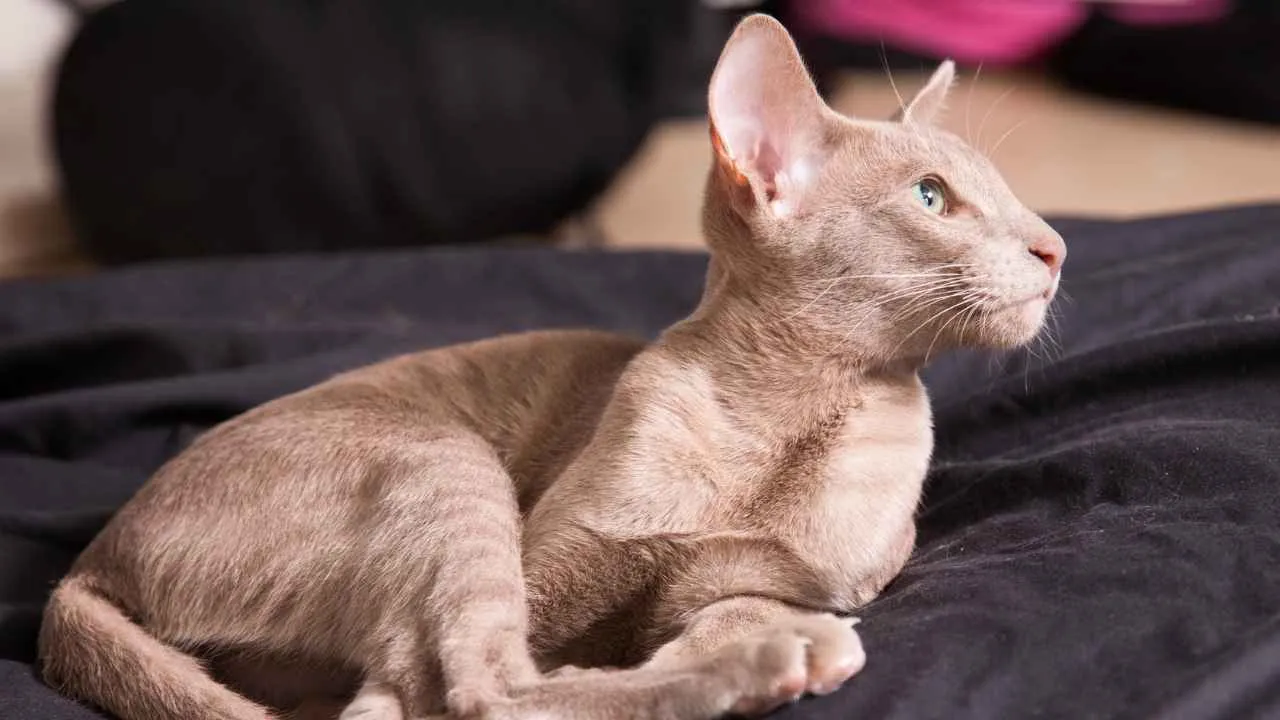
The Oriental Shorthair has a talent for being the center of attention, and they do it with style. If they feel ignored, they may respond with a sound that’s been compared to a little goose honk, which earned them the nickname “honking cat.” It’s dramatic, but in a funny, oddly charming way.
They often follow their owners around the house as they crave constant human interaction, sometimes ending the day curled up in bed with you. They also have a playful nature, so interactive play and engagement are part of the deal.
Grooming is refreshingly simple. Their short, sleek coat needs minimal upkeep, and weekly brushing helps manage shedding. They can fit into multi-pet homes when introductions are slow and thoughtful.
Fun Fact
Oriental Shorthairs come in a huge range of colors and coat patterns, from solids to bicolors and tabbies. They were created as a Siamese hybrid after enthusiasts wanted Siamese-style cats in more varied coat colors.
Conclusion
Even the most vocal cat breeds show that sound does not always mean chaos. Many domestic cats communicate with gentle purrs rather than constant loud meows, making them great companions for owners looking for cats that are talkative yet gentle. That softness often shows up not only in their voice, but also in their calm, affectionate behavior.
For owners who enjoy interaction, these kitties can feel like part of the conversation, whether they’re greeting you, checking in, or reacting to daily life around the house. While cats rarely need nonstop noise to connect, their voices can play a meaningful role in how they bond with people at home.
Other breeds such as the Sphynx cat, Maine Coon, Oriental Longhair, Asian Leopard Cat, Turkish Angora, Turkish Van, British Shorthair, American Bobtails, and Bengal, also bring unique personalities and are worth exploring.
