




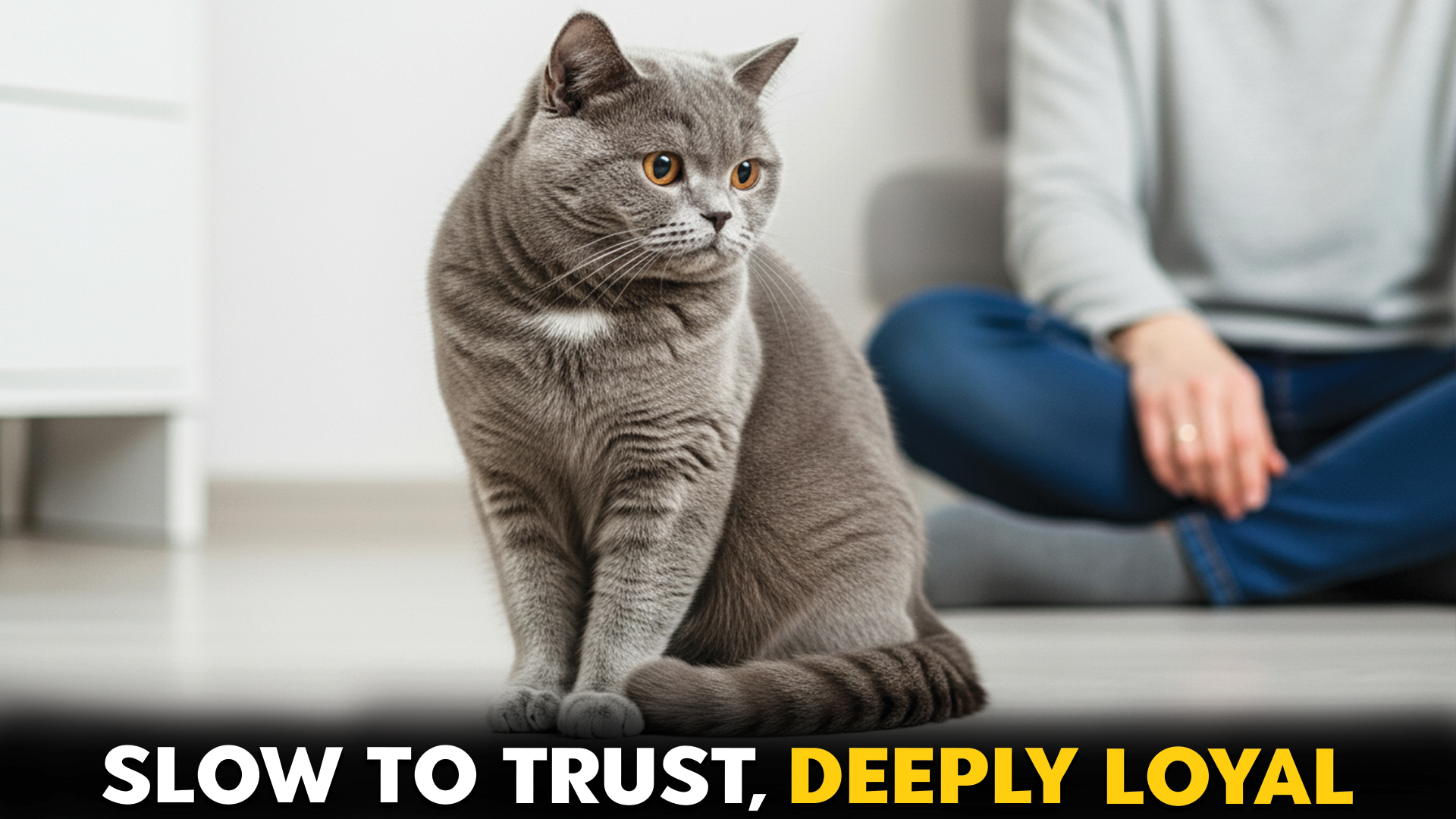
Some cats need time before they believe you are safe.
Ever tried to make friends with a careful cat? You bring snacks. You sit still. You whisper, “Hi, baby.” The cat just blinks like, “Sure.” That slow start can sting, but it is not personal.
Many felines watch first, then decide. They notice tone, movement, and noise. The sweet twist is this: once trust shows up, it often stays strong. It feels like being picked as someone’s favorite human in the whole world.
And here’s the best part! You do not have to “win” them. You just show them you are safe, again and again, with small, kind moments.
When you meet a soul, think kind and gentle. Cats do not forget kindness, and they never fake comfort.
Cat Breeds That Are Slow to Trust
1. Russian Blue
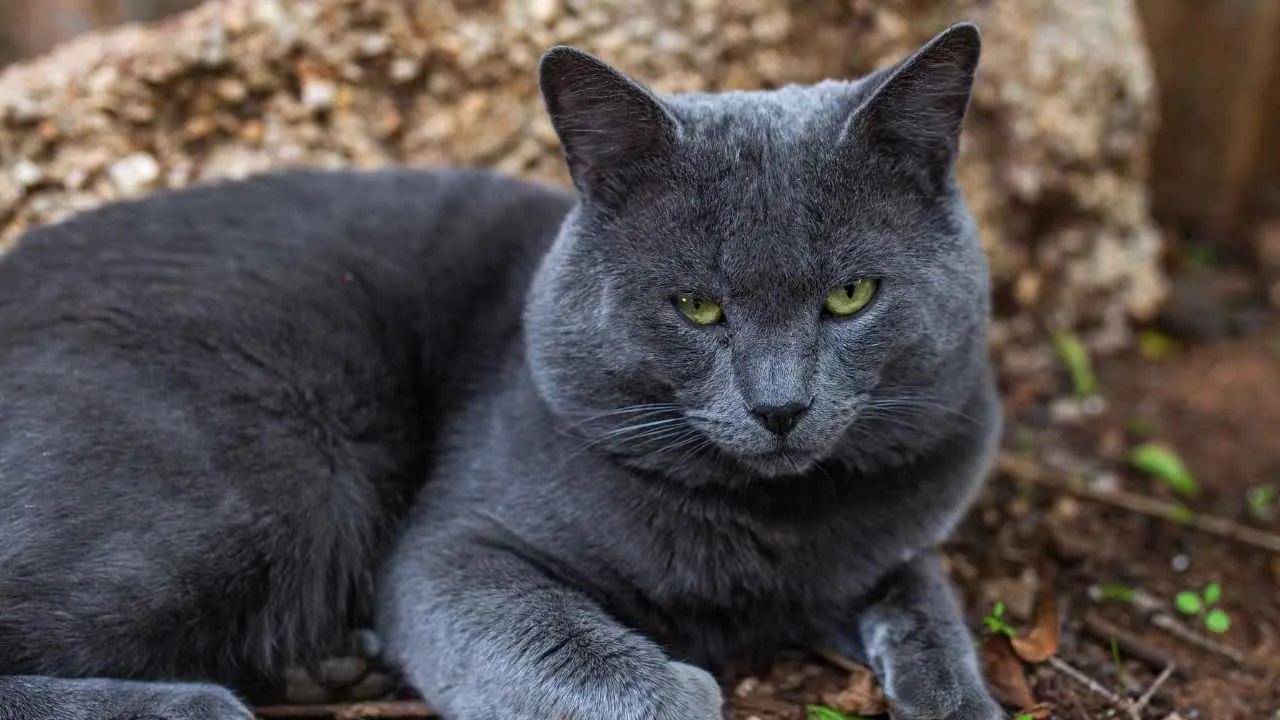
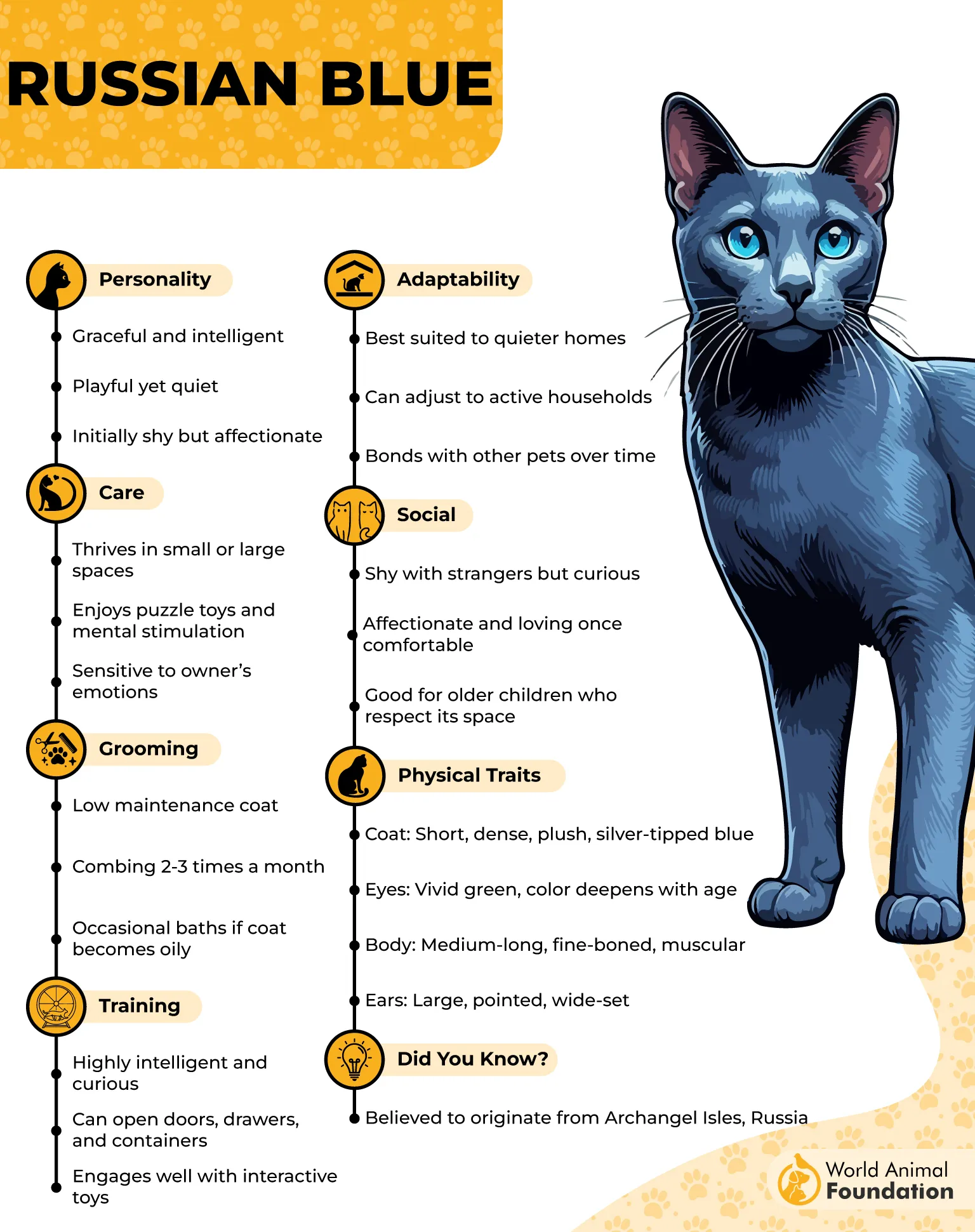
Russian Blue cats often act shy in new spaces. They prefer to study you first. A loud welcome or fast hands can push them back into hiding.
Give them one calm room, then let them explore when they feel ready. If you have other cats, keep the first meetings short and slow.
Trust grows through routine with this breed. Feed them on time. Keep your voice soft. Sit nearby while you read or work. They may stay far at first, but they are still learning you.
Leave a worn shirt near their bed so your scent feels normal. That simple step can build trust without a single touch.
Play is a great shortcut, but keep it calm. Use a wand toy and slow moves. End before they get jumpy. Over days, they start to sit close and blink slowly. Russian Blue cats often love gentle praise, too, even if they act like they do not care.
Good sign: slow blinks and relaxed whiskers
Note: they dislike surprise guests and loud steps
Fun fact: many Russian Blue cats choose one “safe chair” early on
Cats relax faster when you avoid staring and let them lead
2. Scottish Fold
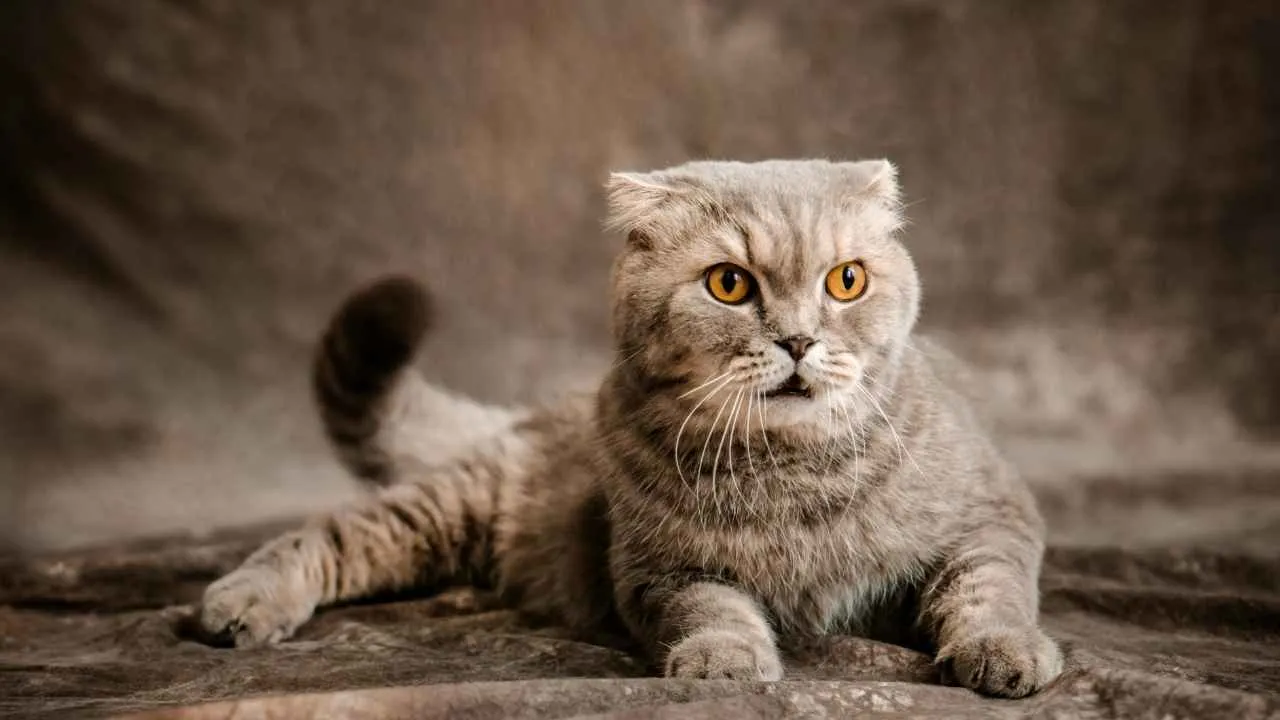
Scottish Fold cats are short-haired pets that look cuddly, yet many take time to relax. They often like gentle people and steady homes.
If someone rushes in for a hug, they may freeze, then slip away. That does not mean they “hate” you. It means their trust is still loading.
They build trust by sharing space, not by being carried around. Let them sit beside you. Offer a treat from your hand, then look away. That small respect helps.

Keep your hands low, and pet the side of the face only if they lean in. Scottish Fold cats often relax faster when you keep the house quiet in the first week.
Keep playing softly. Roll a ball. Drag a ribbon slowly. Loud games can scare them. Continue with kind routines, and they open up in sweet little steps you can actually feel. A quiet box or tunnel helps. They test your trust by watching, stepping closer, then backing off.
Good sign: they nap near you and stretch out
Note: support their body if you lift them
Fun fact: some Scottish Fold cats sit like tiny humans on the sofa
Cats feel safer when guests wait for an invitation to touch
3. Persian
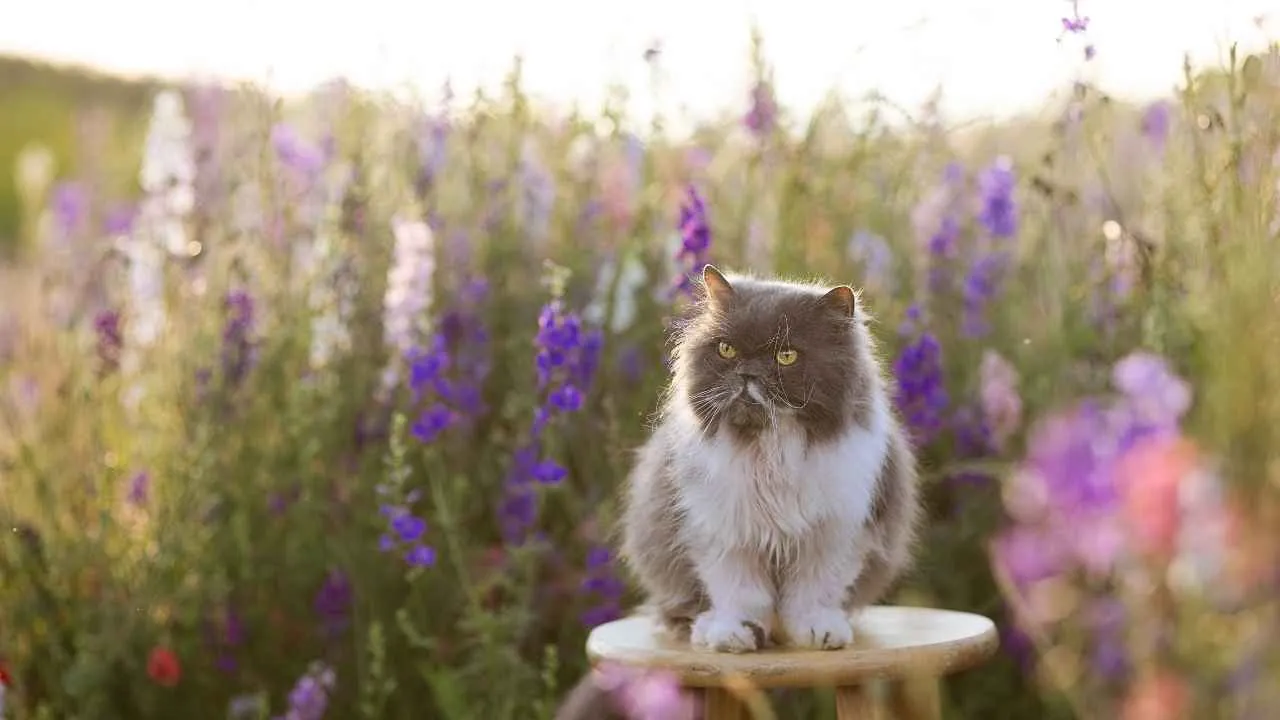
PetMD notes that Persian cats are gentle and quiet, but they can be slow to trust. They love peace. A busy home can make them retreat to one quiet corner and stay there for hours. If you want their trust, protect their calm like it is a treasure.
Bonding often looks simple: soft talking, slow petting, and a clean, cozy spot. Sit near them while you read and let them decide if they want touch.
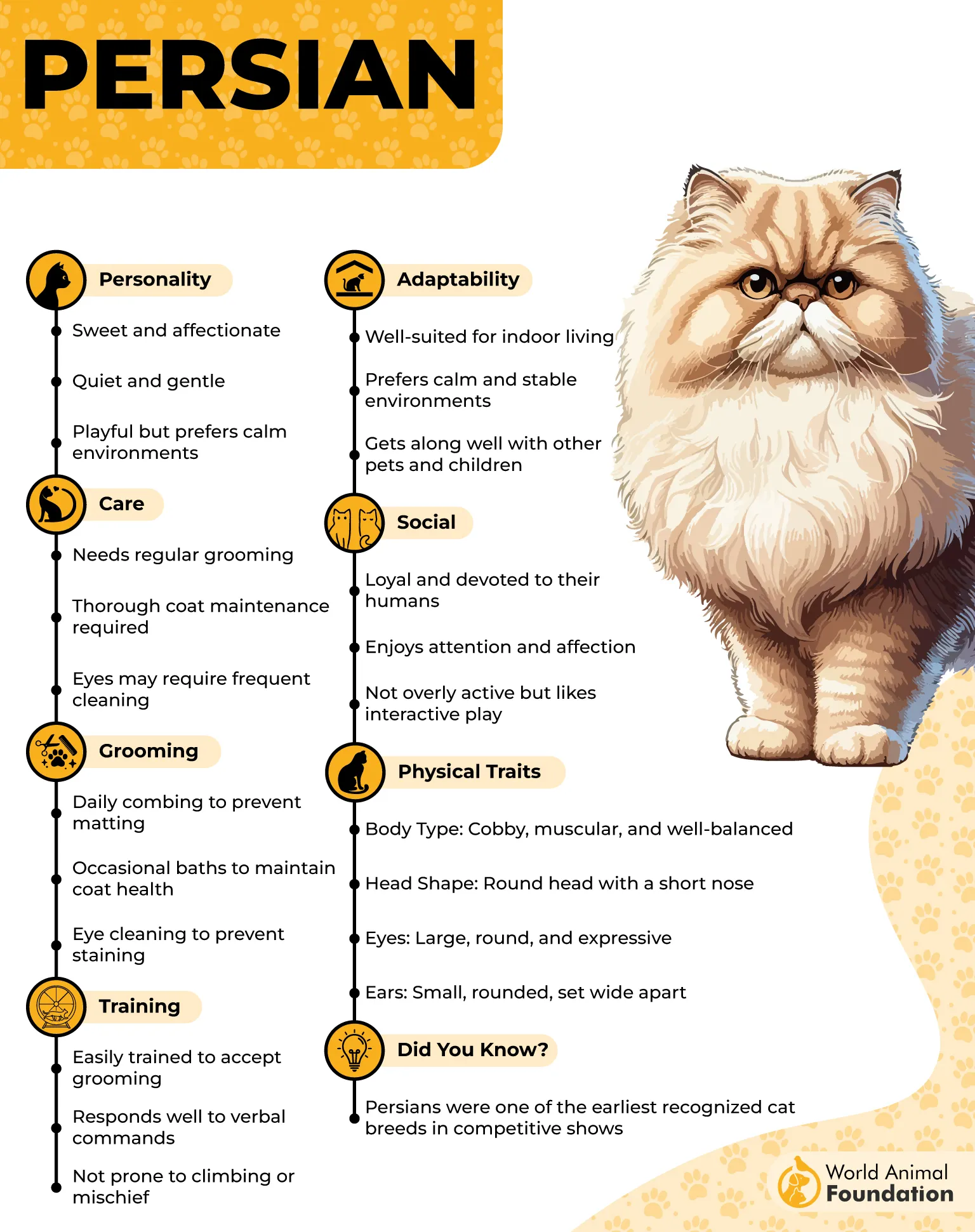
When they feel ready, they may curl up close and purr like a small engine. Many Persian cats prefer soft beds and warm rooms, so keep their spot comfy.
Grooming can also help, as long as you go slowly. Brush for a minute, give a treat, then stop. If you push, they will leave. If you stay kind, Persian trust grows like a warm habit that keeps getting better.
Good sign: soft purrs during calm petting
Note: Cats do best when bowls stay clean
Fun fact: many Persian cats love quiet “bedtime visits” near your pillow
Cats like this bond best when the house stays peaceful at night
4. Chartreux
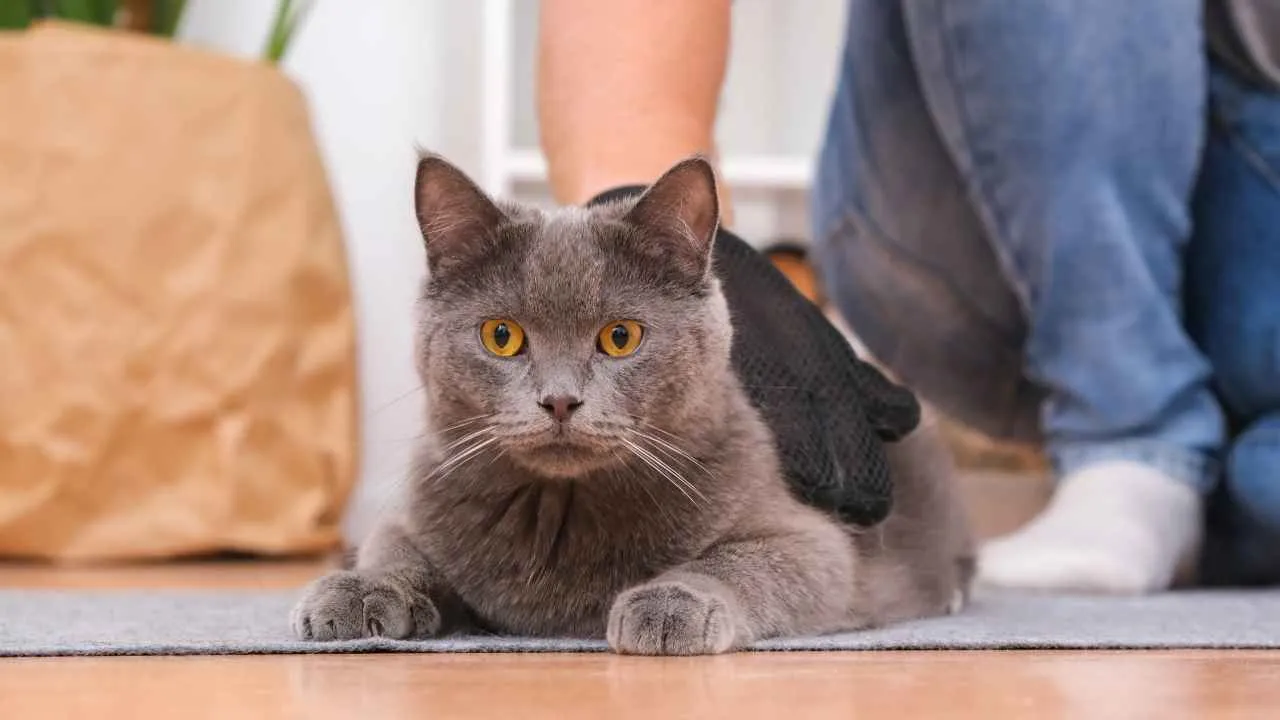
As per Royal Canin, Chartreux cats often look serious, but they are sweet once they settle. In the early days, they may watch from a safe place and move only when the room is quiet.
They are not cold. They are careful. Their trust often shows in small, steady moves, not big cuddles.
Trust comes from steady time together. Sit on the couch and let them choose the distance. If they walk away, let them. If they return, stay calm. You can also blink slowly at them, then look away. That is a friendly signal many cats understand.
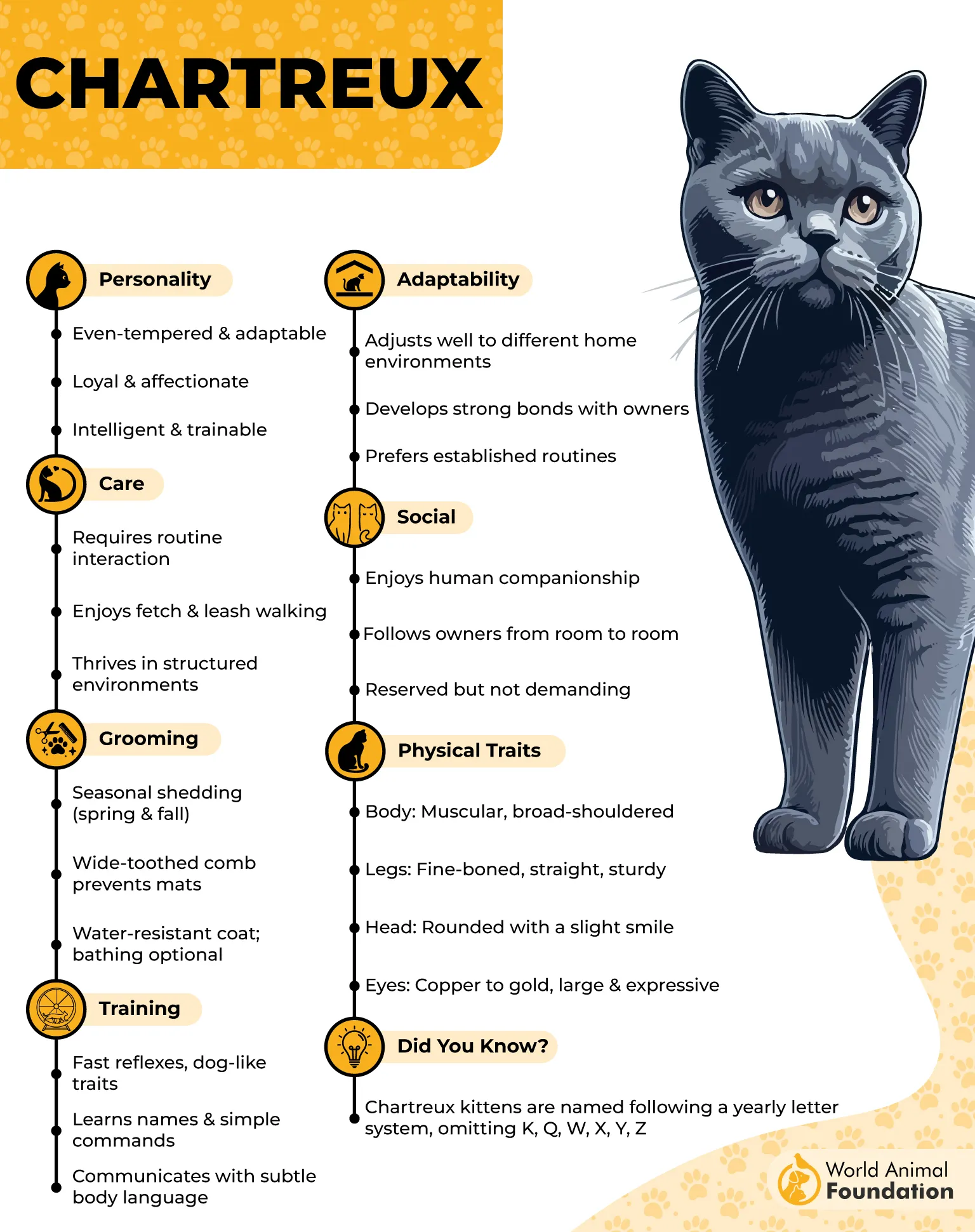
They enjoy short hunting games. A feather toy, a quick pounce, then rest. When trust lands, they may greet you with tiny chirps and follow you like a calm teammate.
Sounds crazy, right? One week, they hide, and later, they “supervise” your chores.
Good sign: they trail behind you in silence
Note: do not force lap time or tight hugs
Fun fact: people often say Chartreux cats have a “smiling” face
Cats may accept touch sooner if you pet, then pause, then stop
5. British Shorthair
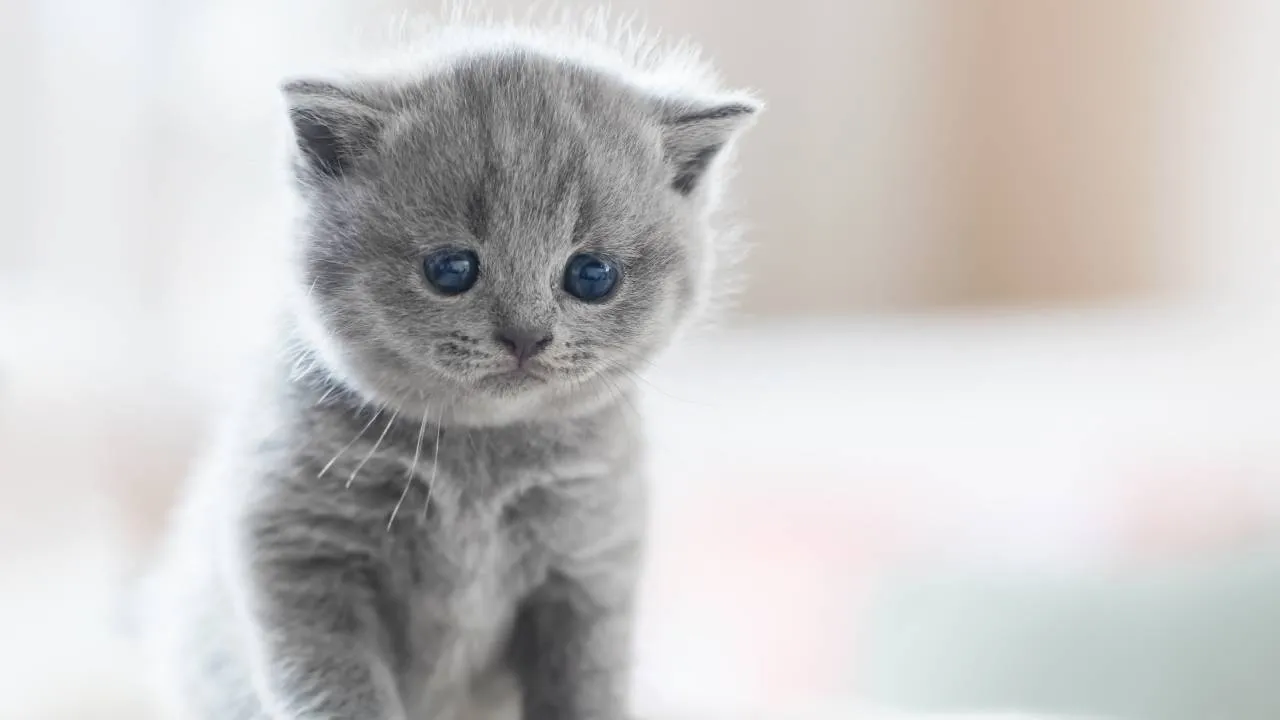
British Shorthair cats love comfort and space. They may be friendly, yet slow to trust. Many prefer to sit near you instead of on you. If you try to baby them, they can look annoyed. Their vibe is more “quiet buddy” than “clingy shadow.”
Winning them over is easy, but not fast. Offer a calm hello. Put treats down and step back. Play with a toy on a string.
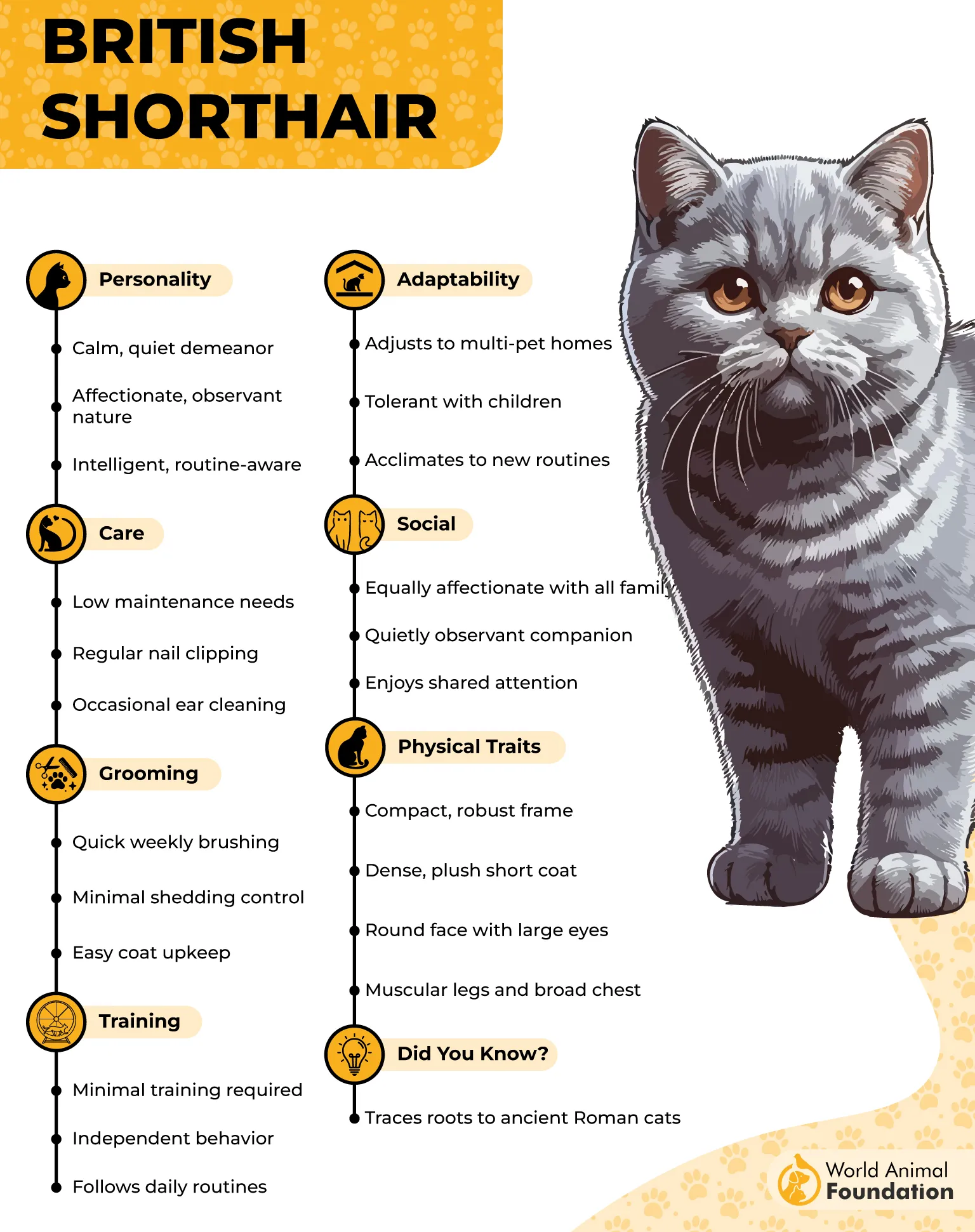
Let them approach your hand on their own. British Shorthair cats often enjoy gentle cheek rubs, but only when they ask for it.
When their trust is real, it feels solid. They may lean against your leg or flop beside you with a heavy sigh. That is their love letter, and it is adorable. Found them near your feet more often lately? That is progress.
Good sign: gentle head bumps and slow tail waves
Note: they dislike being chased or crowded
Fun fact: many British Shorthair cats have a teddy-bear look and a serious stare
Cats open up when you keep greetings calm and predictable
6. Norwegian Forest Cat
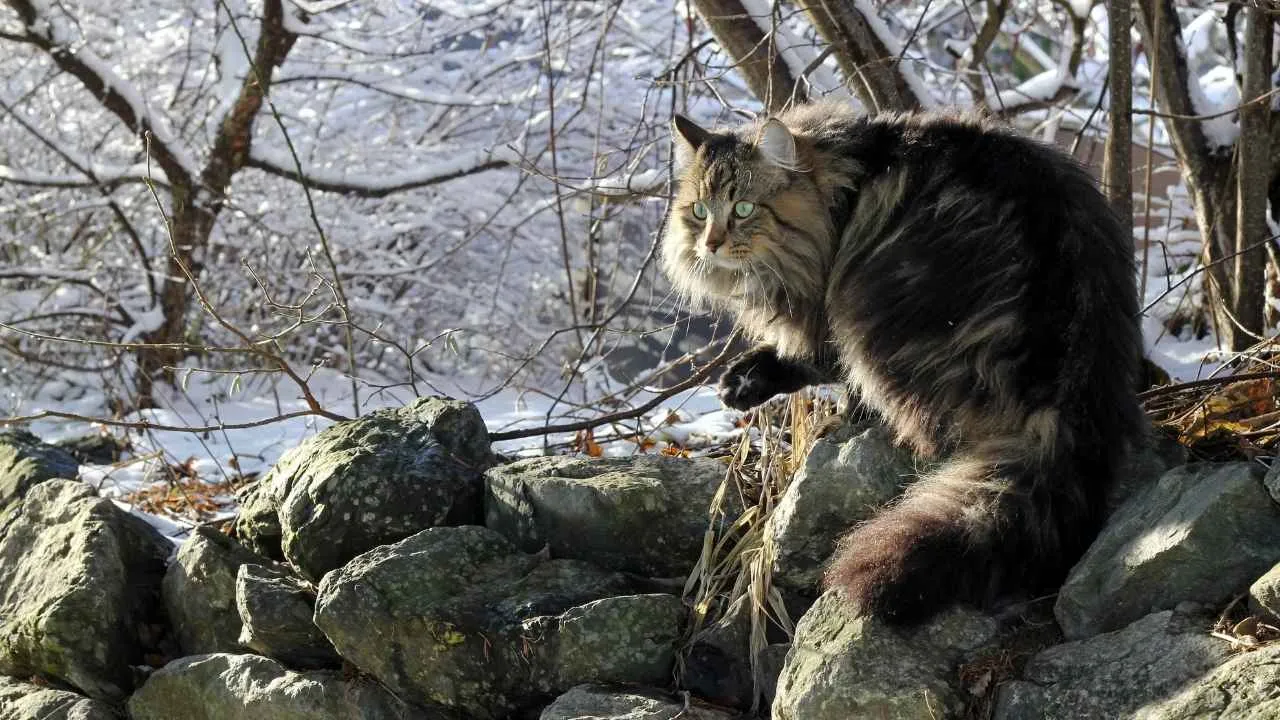
Norwegian Forest cats are brave climbers, yet they can be slow to trust people. In a new home, they often head for high spots where they feel safe. It is their way of staying in control. Give these big cats time to map the room and learn the sounds.
Provide tall spaces like shelves or a cat tree. Then act boring in the best way. Sit down, breathe, and let them watch. If you found them on a high perch, do not reach up. Invite them down to play instead. Norwegian Forest cats often like a respectful distance at first.
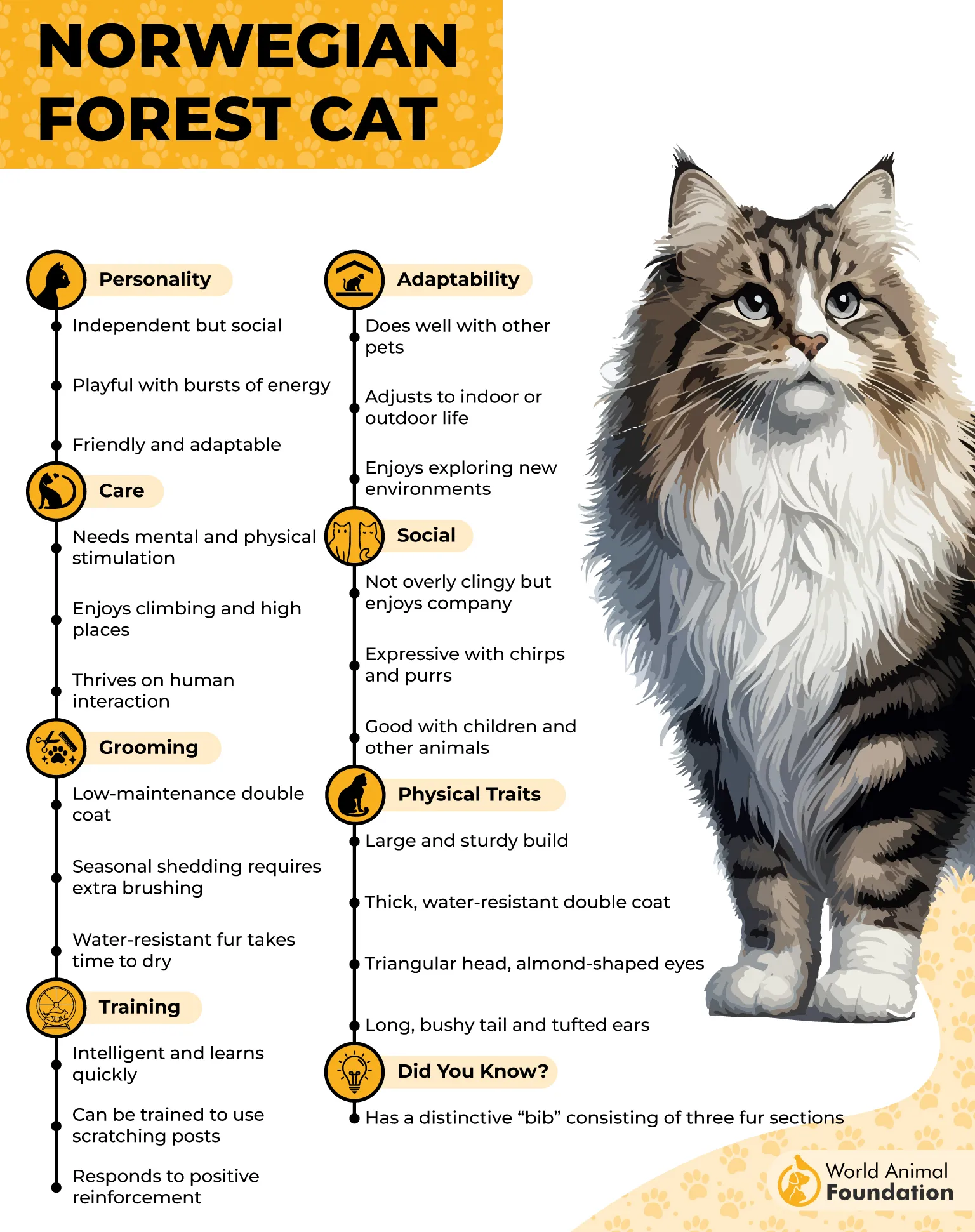
They love active games, but they still hate pressure. Use a wand toy to let them jump and chase. Continue with short, calm grooming once they are ready.
When trust grows, they stick close in a steady way, like a calm guardian who chooses you on purpose.
Good sign: they come down to check on you
Note: Keep brushing gently and short at first
Fun fact: their thick coat was made for cold weather and tough days
Cats gain trust faster when they can escape to a high spot
7. Turkish Van

Turkish Van cats are curious and full of energy. They often trust slowly because they like choice. They may run the house, explore every shelf, and still dodge cuddles. If you push, they push back. If you respect them, they relax.
The trick is to bond through action. Play is your best friend here. Toss toys. Use puzzles. Let them chase, then rest.
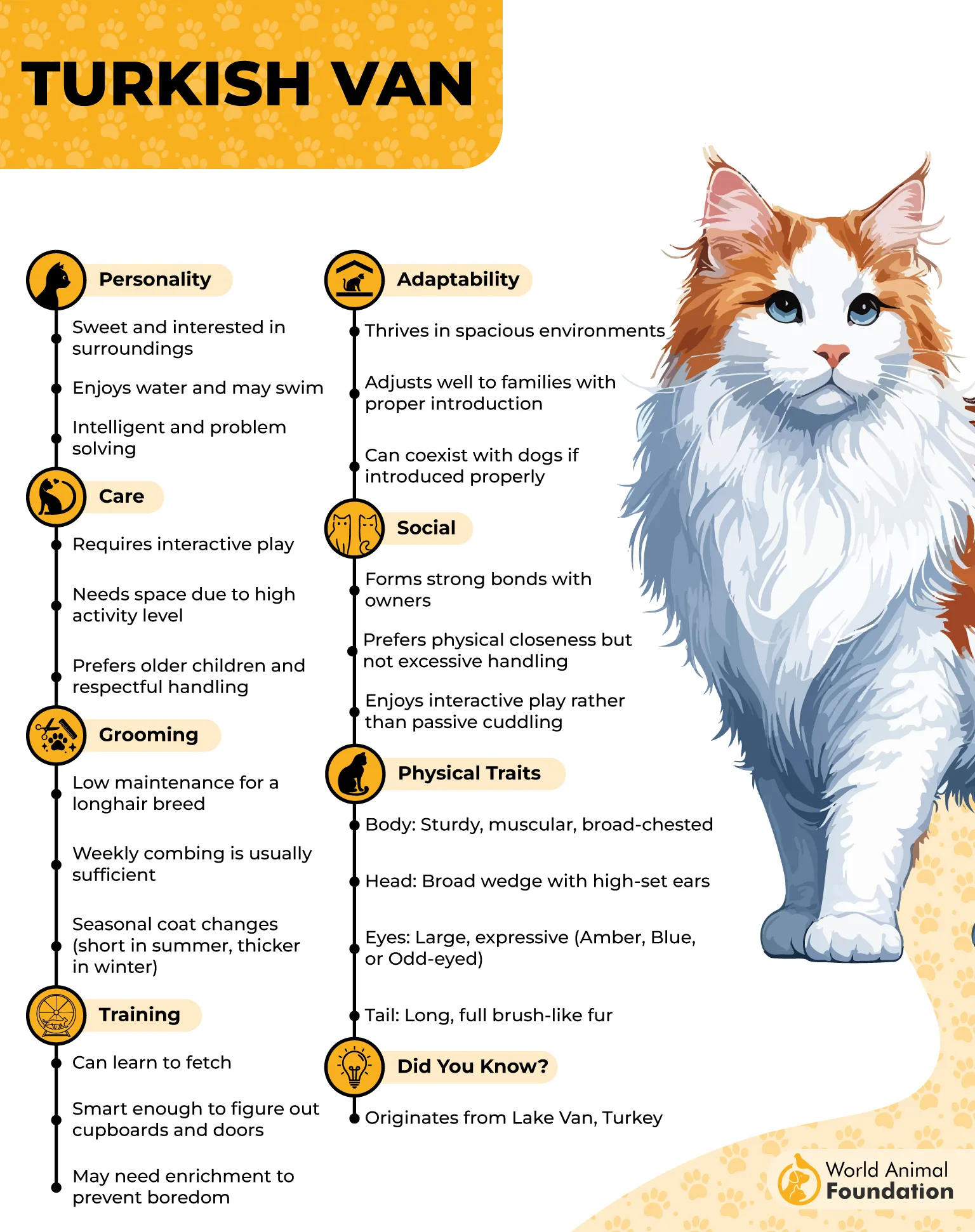
If you try to hold them for long, they may bolt. But wait, there’s more! Turkish Van cats still show love in other ways, like greeting you or bringing a toy for round two.
Some also enjoy safe water play. A tiny drip in the sink can entertain them. Keep it simple and supervised. Read their mood and stop before they get too hyped. Turkish Van trust can look loud, silly, and full of “let’s do it again!”
Good sign: they invite you to play and wait for you
Note: Avoid rough grabbing and tight holds
Fun fact: some Turkish Van cats like splashing more than you’d expect
Cats like this do best with short cuddles and fast play breaks
8. Singapura
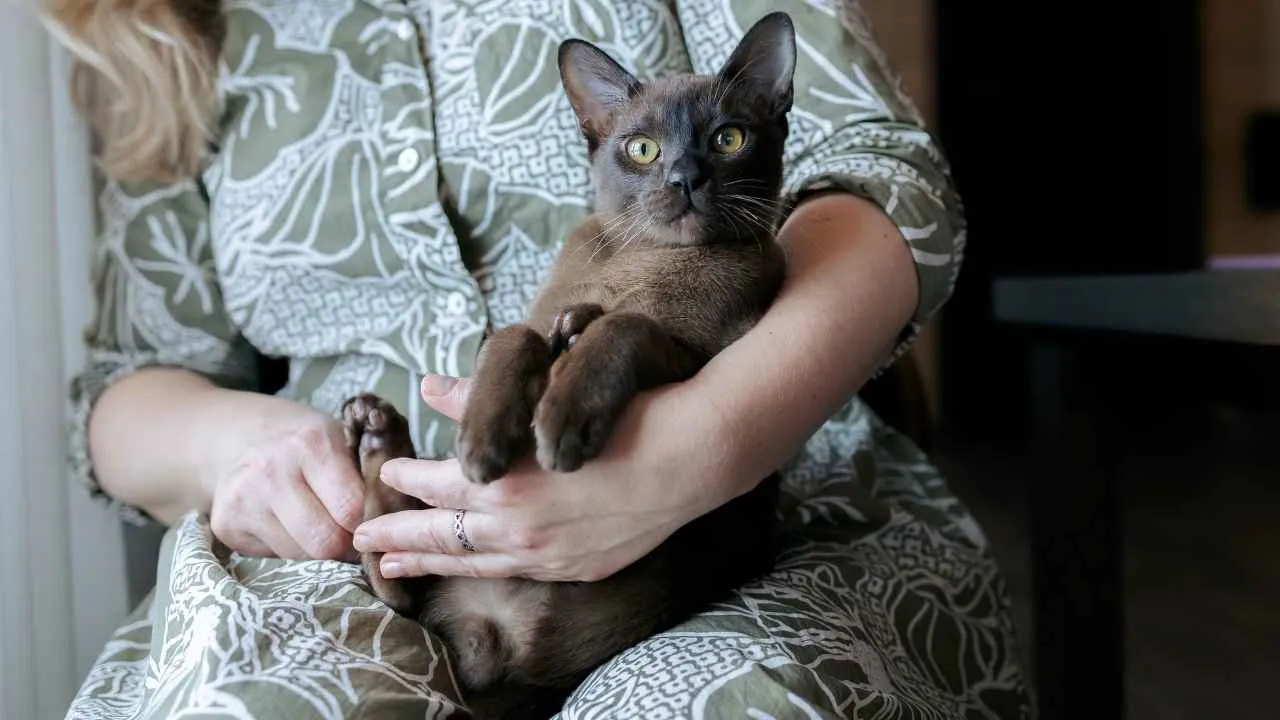
According to WebMD, Singapura cats are small, bright, and often cautious. They can be slow to trust because loud sounds feel scary. If hands move fast, they may hide and peek out like a shy kid. A calm home helps them feel brave.
They bond best with soft attention. Sit on the floor. Talk gently. Offer a treat, then wait. When they feel ready, they come closer and sniff your fingers. Those tiny steps matter a lot for cats who start out nervous.
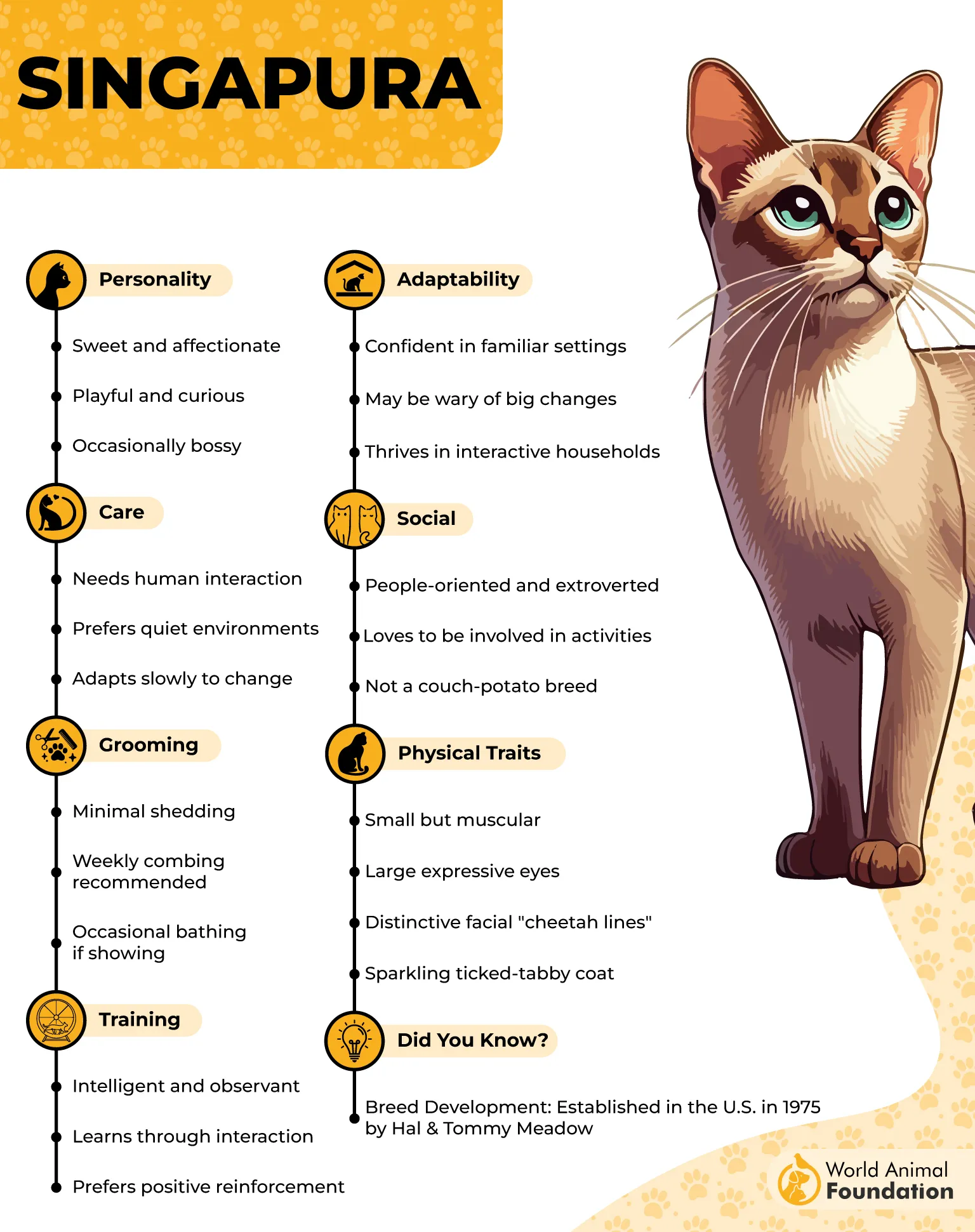
Keep games light. Small toys and short chases work well. If you push, they reset and hide again. If you stay calm, their trust becomes strong and sweet, almost clingy in a good way.
And here’s the good part: they often greet you like you are their safe person.
Good sign: they sit on your lap for short moments
Note: keep guests mellow and voices low
Fun fact: their big eyes make every feeling look extra loud
Cats may hide less when you keep the TV volume low
9. Nebelung

Nebelung cats are soft, quiet, and slow to trust. They like calm rooms and familiar routines. Loud visits or sudden changes can make them vanish fast. You might think they are gone, but they are usually nearby, watching from a safe spot.
They build trust through gentle daily care. Feed them, speak softly, and move slowly. Sit near them while you read.
If you found them in a hiding place, do not pull them out. Place treats nearby and walk away. That tells them, “You are safe, and you have control.”
Once they pick you, they stick. They may follow you, sleep near you, and act silly when no one else is around.
Here’s the best part! Nebelung trust feels deep, like they are saying, “You’re my safe place, so I can finally relax.”
Good sign: they rub their face on your hand
Note: brush gently so their coat stays comfy
Fun fact: their fluffy look can make them seem bigger than they are
Cats build trust when you keep your hands slow and low
Conclusion
Slow-to-warm cats are not broken. They are careful, and that is okay. The goal is not to rush trust. The goal is to earn it.
Keep your home calm. Move slowly. Use play and treats as gentle invites. Read the signals, and back off when they ask for space. Continue showing up with steady routines, even on days that feel slow.
And here’s the best part! When these cats finally choose you, it feels real. It feels earned. If you give them patience, you get a bond that lasts for years.
Try one gentle habit today, like sitting lower or speaking softer. Your home can become the safe place cats have been waiting to trust.
