




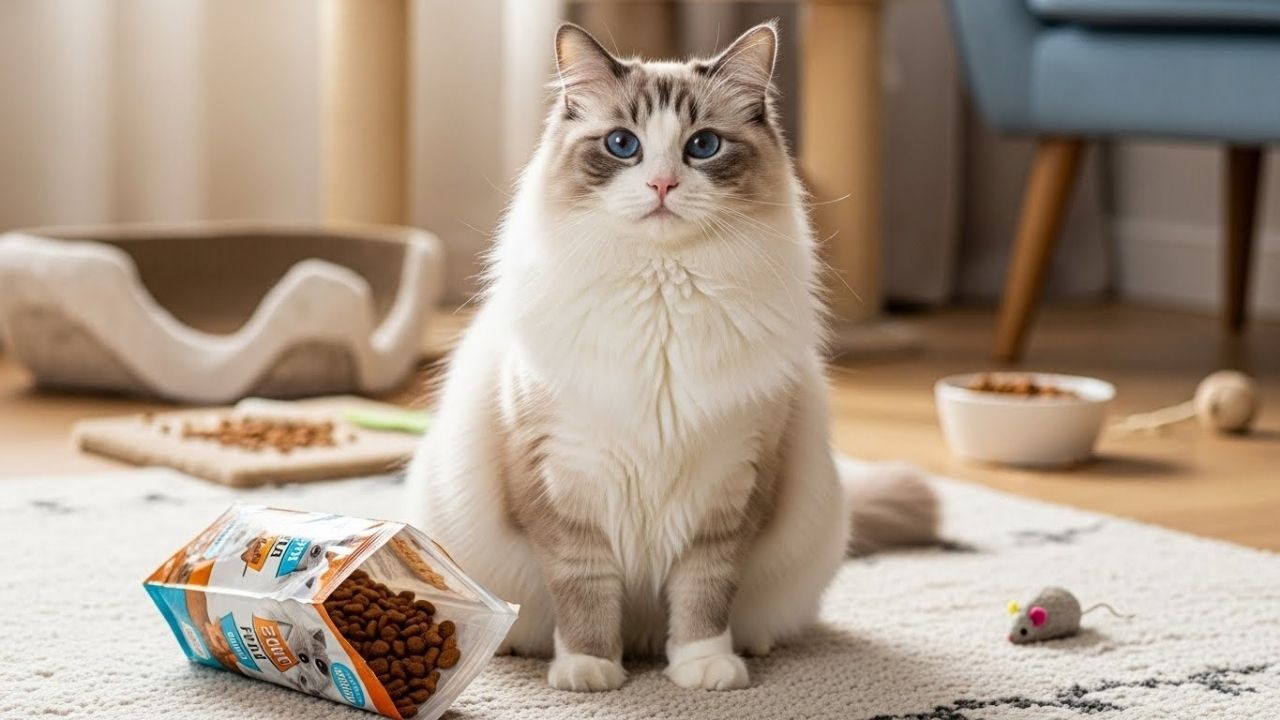
Cats are masters at winning extra treats with a single look, but behind those pleading eyes lies a growing concern. Studies estimate that more than half of pet cats are overweight, making feline obesity one of the most common health issues faced by modern cat owners.
While a few extra pounds may seem harmless, excess weight can quietly set the stage for serious problems, including diabetes, joint pain, heart disease, and reduced quality of life.
Not all cats gain weight for the same reasons. Lifestyle, diet, and activity levels play a role, but genetics matter too. Certain cat breeds are naturally more laid-back, food-motivated, or prone to slower metabolisms, which can make them more susceptible to packing on pounds if their routines aren’t carefully managed. Understanding these breed tendencies is an important step toward prevention.
In this article, we’ll explore cat breeds that are more prone to obesity and explain why they require extra attention. You’ll also learn how mindful feeding, portion control, and daily activity can help keep these cats healthy, happy, and comfortably fit for years to come.
Cat Breeds That Are Prone to Obesity
1. Persian
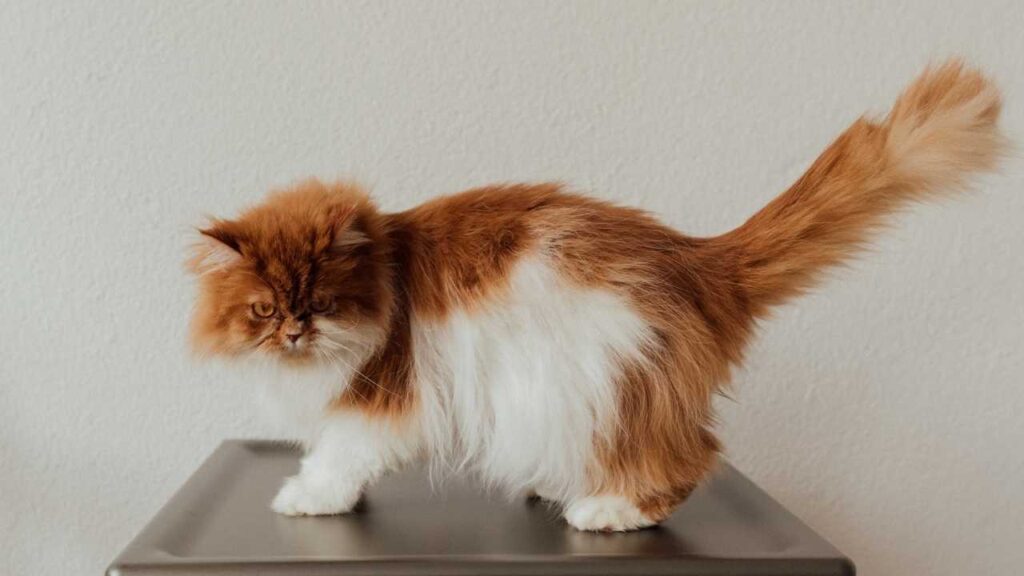
Also known as the Persian Longhair, this iconic breed is instantly recognized by its flat face, large, round eyes, and flowing coat. Persians are calm, gentle companions that prefer quiet environments and predictable routines.
According to Britannica, Persians are generally docile cats that typically prefer staying indoors.
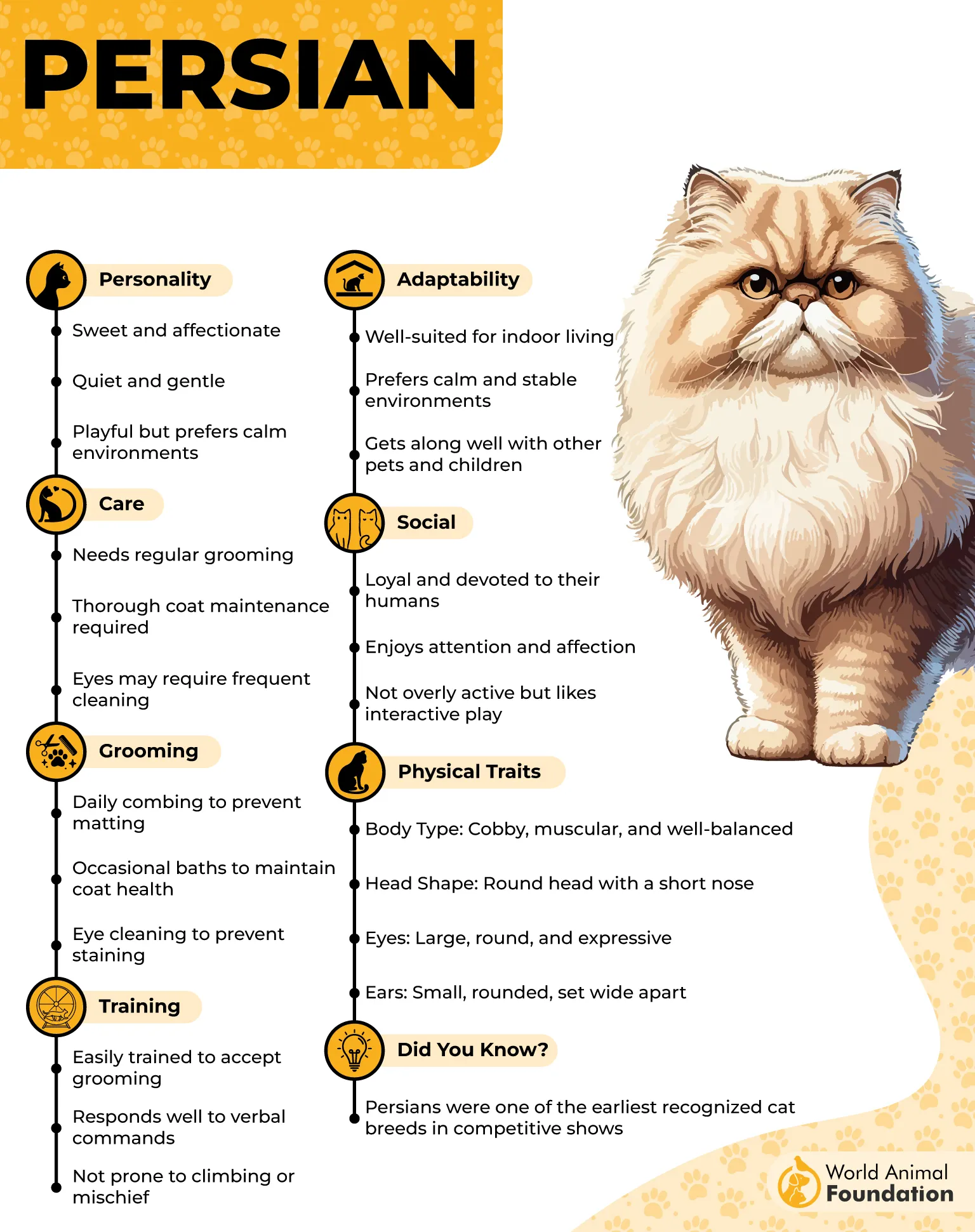
Their relaxed personality is one reason Persians are more prone to weight gain. These cats would rather lounge on a soft cushion than chase toys, so daily movement often needs encouragement through interactive play, scratching posts, and climbing trees.
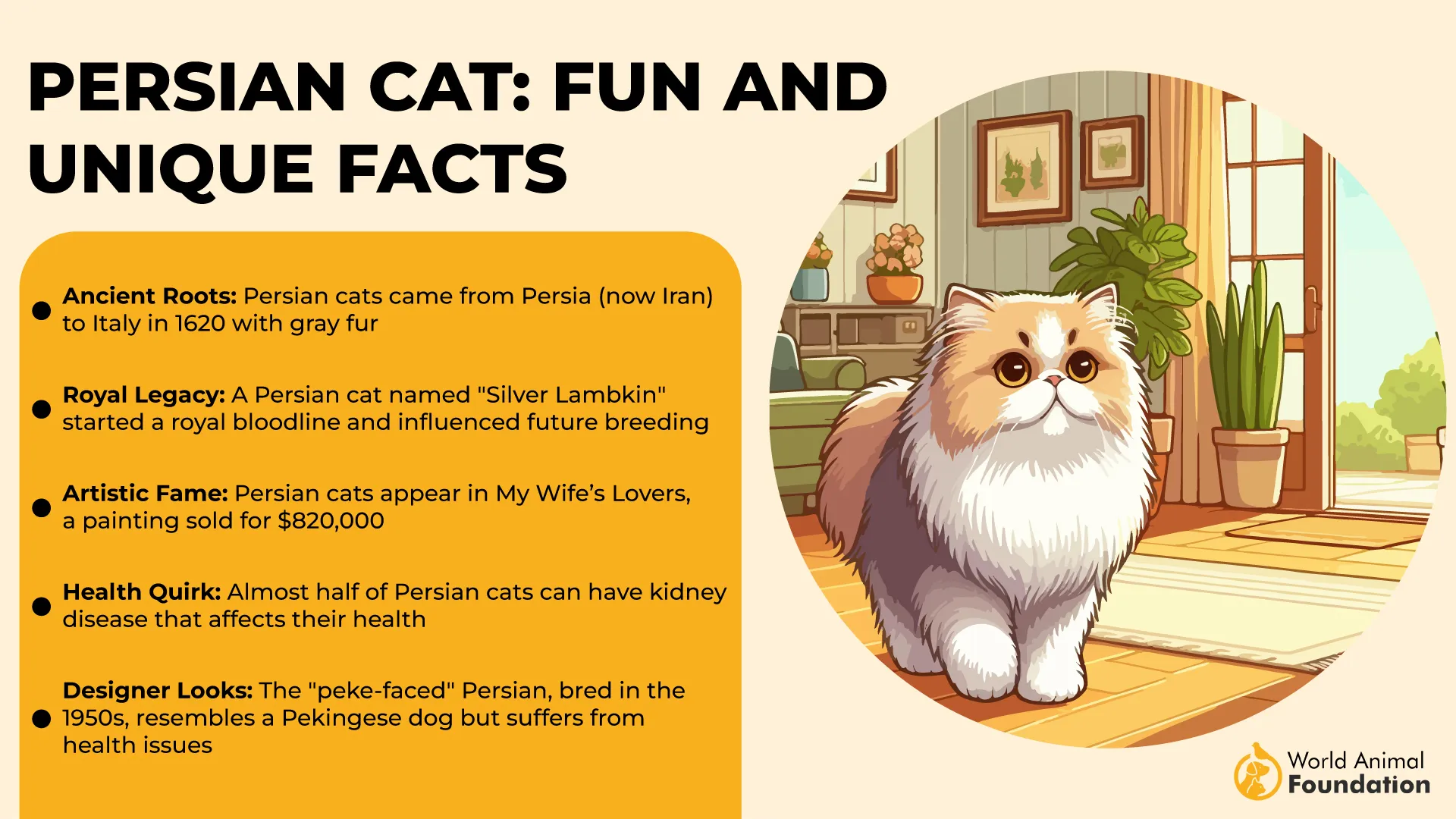
Because Persians burn fewer calories, free-feeding can quickly lead to extra pounds. Controlled portions and scheduled meals are especially important, as obesity can sneak up on this low-energy breed without obvious warning signs.
Weight management is even more critical due to their brachycephalic facial structure. Breathing difficulties can worsen as body fat increases, making obesity a serious health concern rather than a cosmetic one.
Fact: Persians are at higher risk for breathing issues, and excess weight can intensify brachycephalic airway problems.
2. Maine Coon
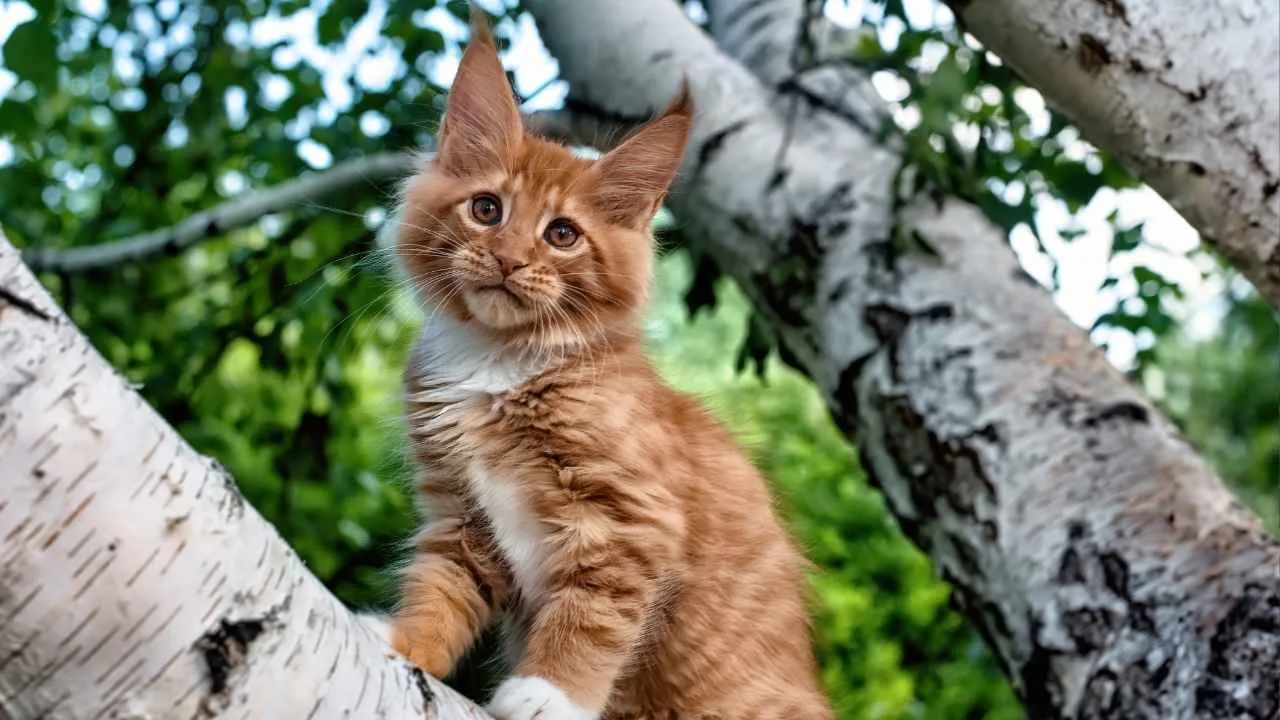
Also known as the “gentle giant,” the Maine Coon is one of the largest domestic cat breeds, famous for its tufted ears, bushy tail, and sturdy build. Descended from cats brought to New England by early settlers, this breed developed a slow-growing body and a naturally big appetite to match its size.
According to PetMD, the Maine Coon—true to its size-inspired name—originated in Maine and still holds the status of the state’s official cat.
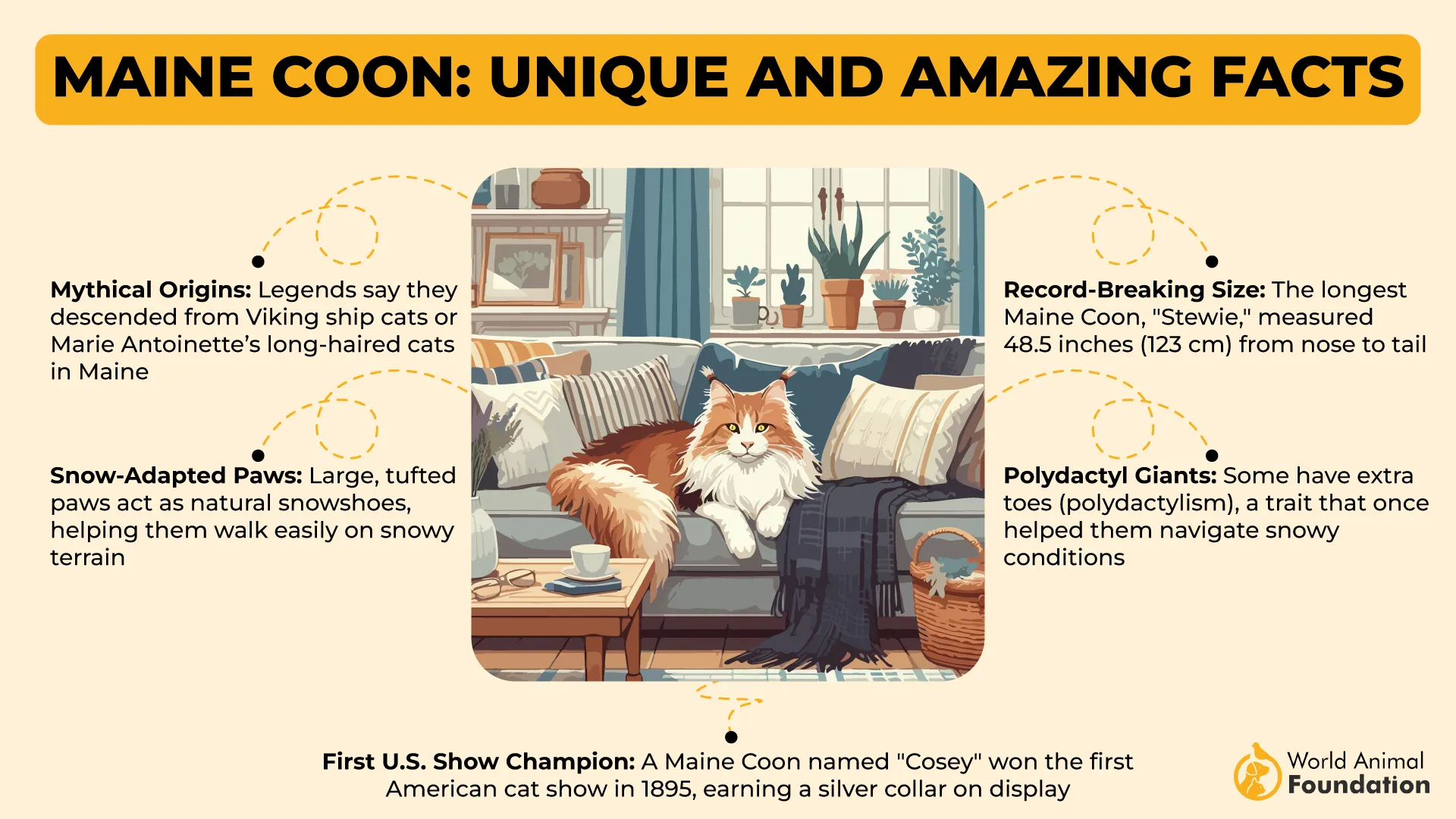
That impressive frame, however, can make Maine Coons more prone to obesity if their diet isn’t carefully managed. Because they require larger portions than smaller cats, overfeeding can happen easily—especially in indoor homes where activity levels are lower than their genetics expect.
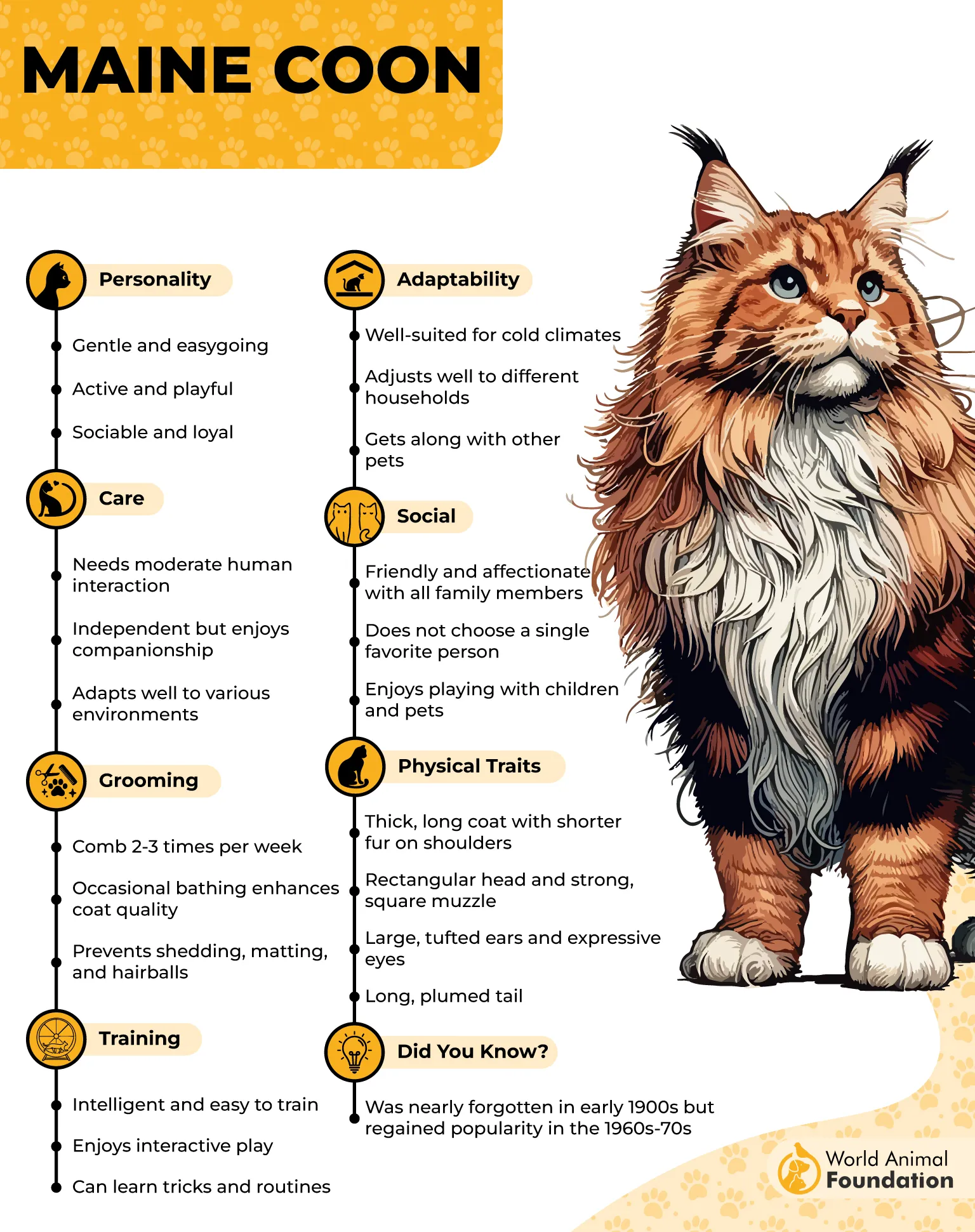
Metabolism plays a key role here. Maine Coons evolved in harsh climates where storing energy was beneficial, but modern lifestyles don’t demand the same calorie burn. Without enough daily movement, extra weight can stress their joints and increase the risk of conditions linked to their size.
The good news is that Maine Coons are highly motivated to move. Many enjoy interactive play, leash walks, swimming, and fetching toys, which helps support a healthier metabolism and weight balance.
Fact: At a healthy weight, a Maine Coon can weigh up to 22 pounds, but excess weight may worsen issues like hip dysplasia.
3. Ragdoll
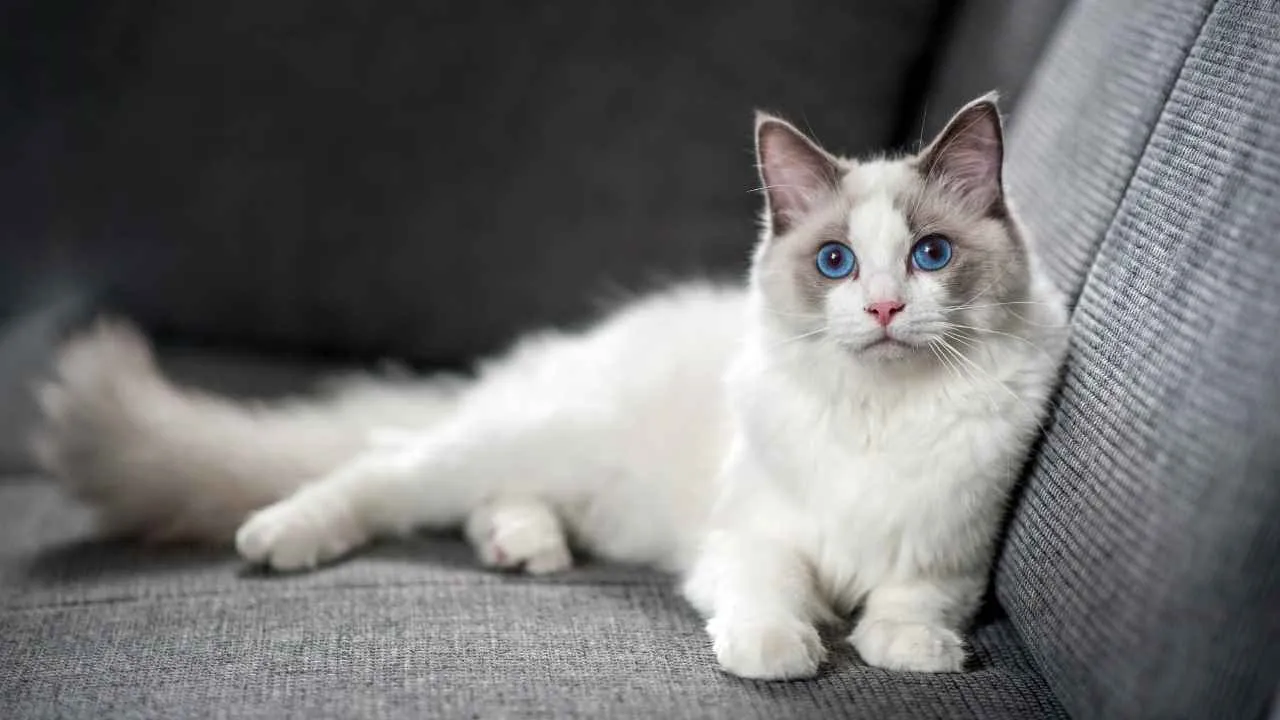
The Ragdoll, also known simply as the “Rag Doll” cat, is a large, plush-coated breed celebrated for its blue eyes and relaxed personality. According to WebMD, Ragdoll cats are generally known for their calm and patient temperament.
Originating in California during the 1960s, this breed was developed from long-haired domestic cats crossed with pointed types, resulting in a gentle giant with a laid-back nature.
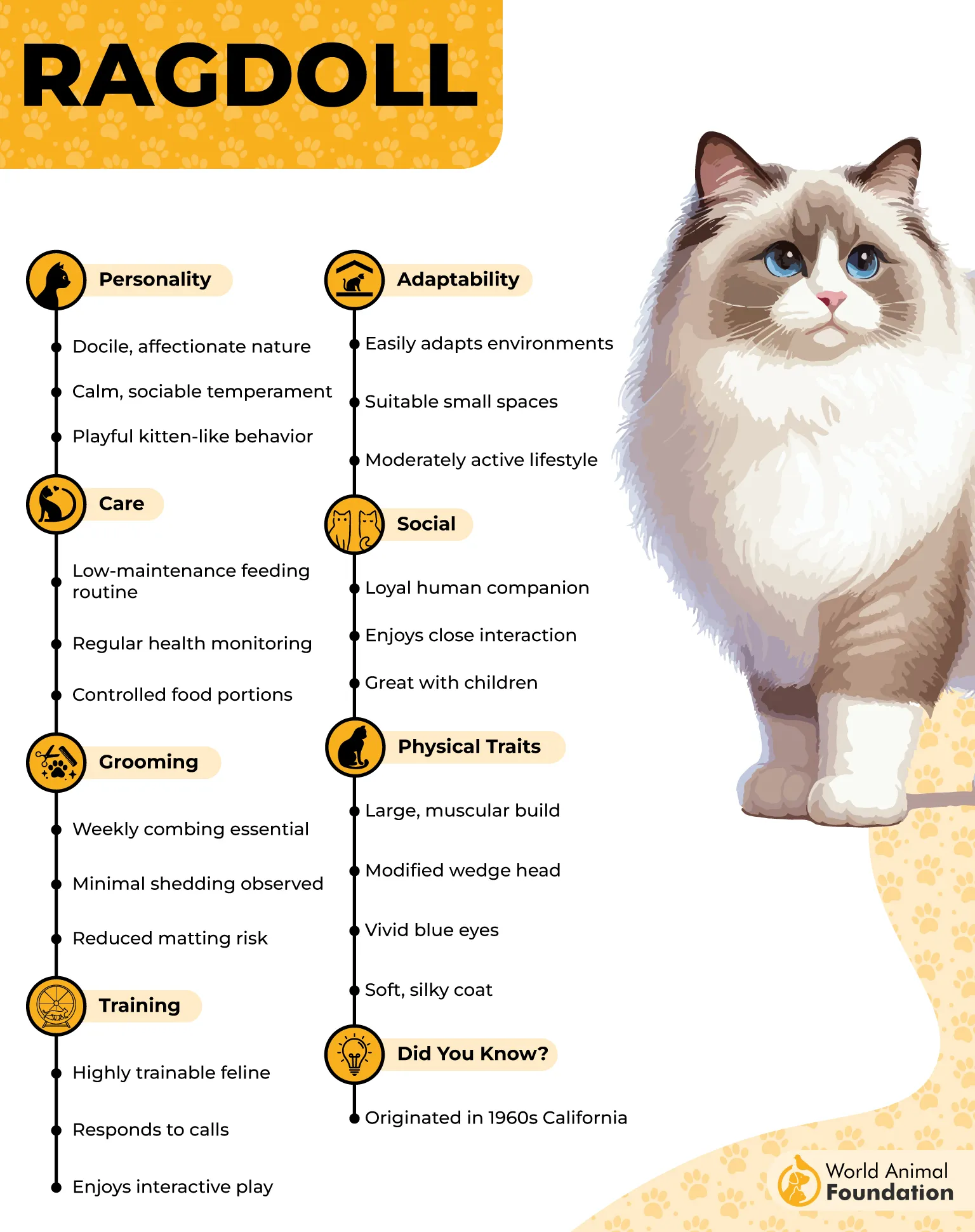
That calm temperament is part of why Ragdolls can be prone to weight gain. These big-boned cats are naturally less energetic and often prefer lounging near their people over vigorous play. When combined with free feeding or frequent treats, their easygoing attitude can quietly lead to obesity.
Indoor living further increases this risk. Many Ragdolls are kept strictly indoors, which limits opportunities for natural exercise. Without structured playtime, climbing options, or interactive toys, their daily activity levels may remain low, allowing extra calories to turn into added bulk.
Managing portions and encouraging gentle movement is essential for this affectionate breed. Regular play sessions and controlled feeding help balance their love of food with their relaxed lifestyle.
Fact: The Ragdoll breed was developed in California in the 1960s from previously stray long-haired cats.
4. British Shorthair
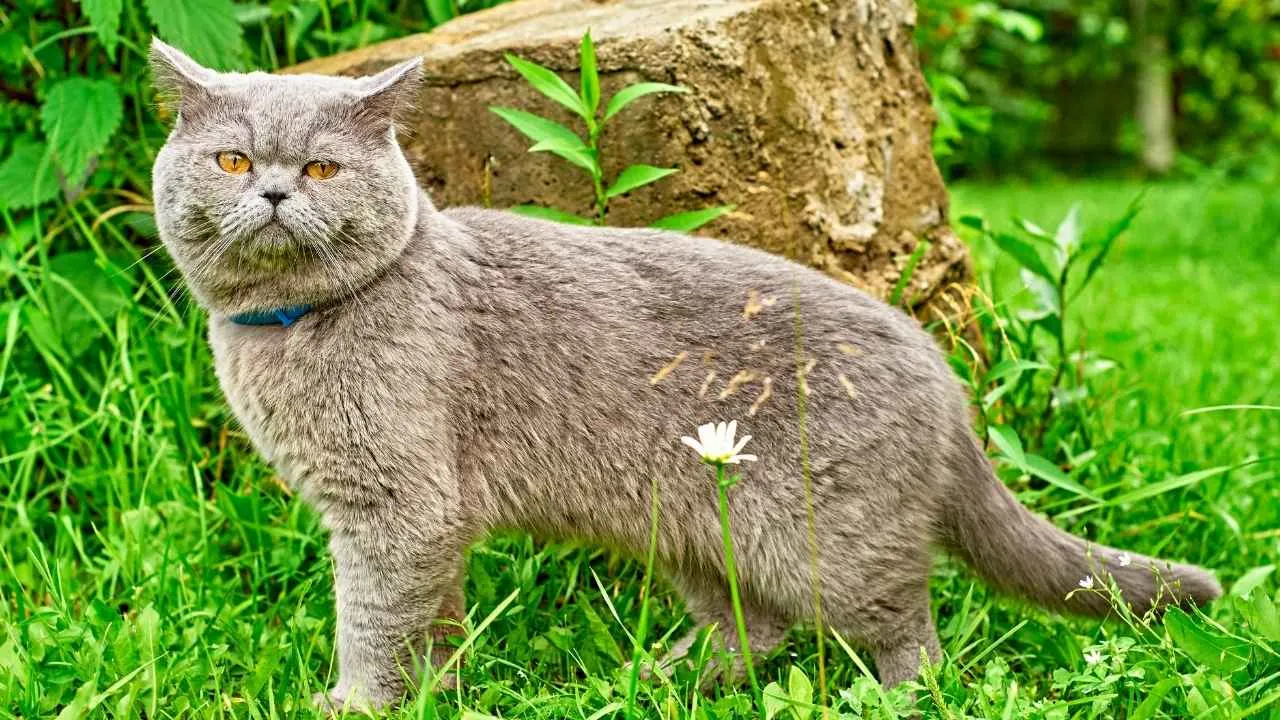
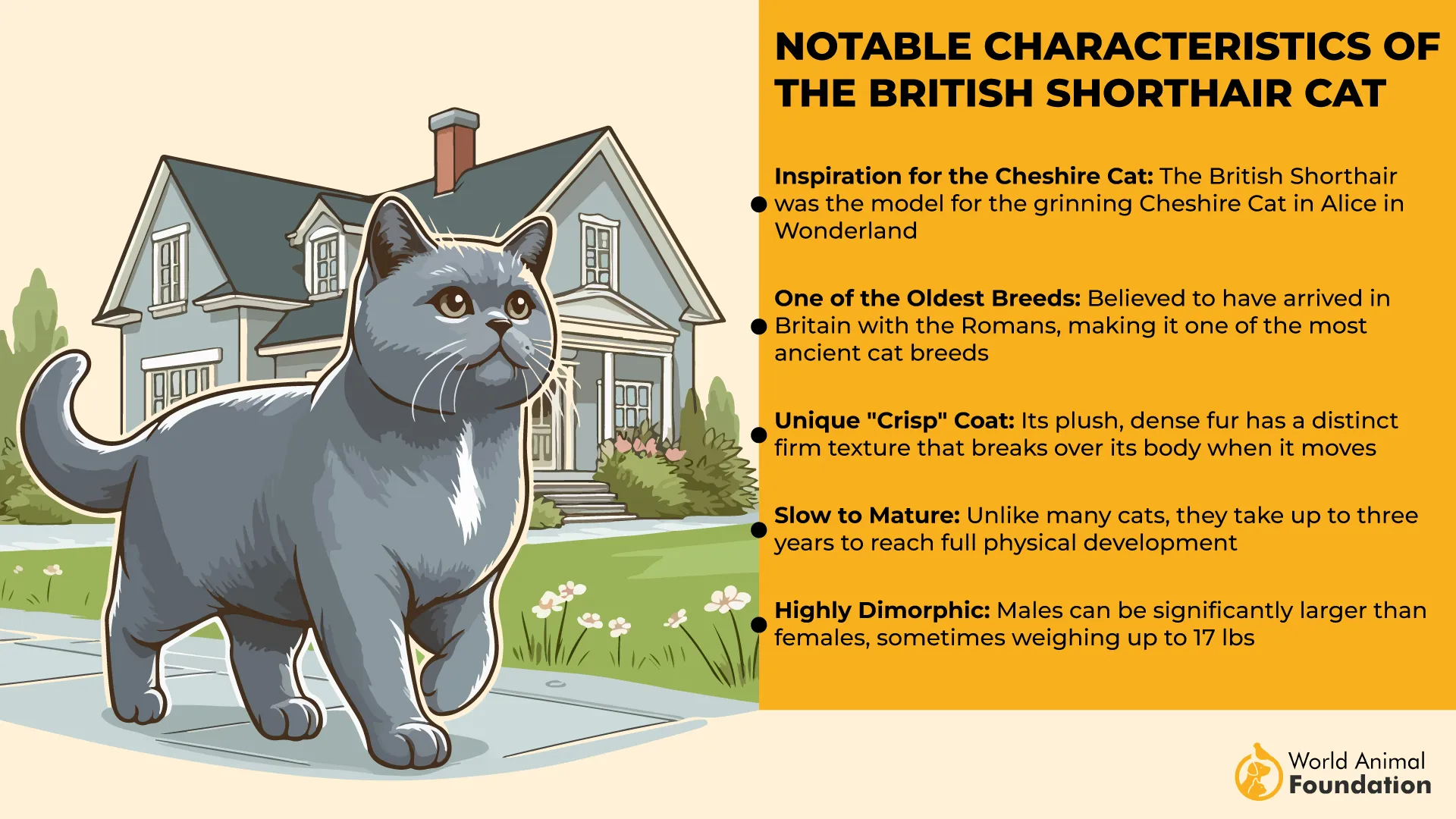
The British Shorthair, also known as the British Blue in its classic gray-blue form, is a sturdy, round-faced cat with a plush coat and calm demeanor. As a pedigreed version of Britain’s traditional domestic cat, it’s admired for its solid build and relaxed personality.
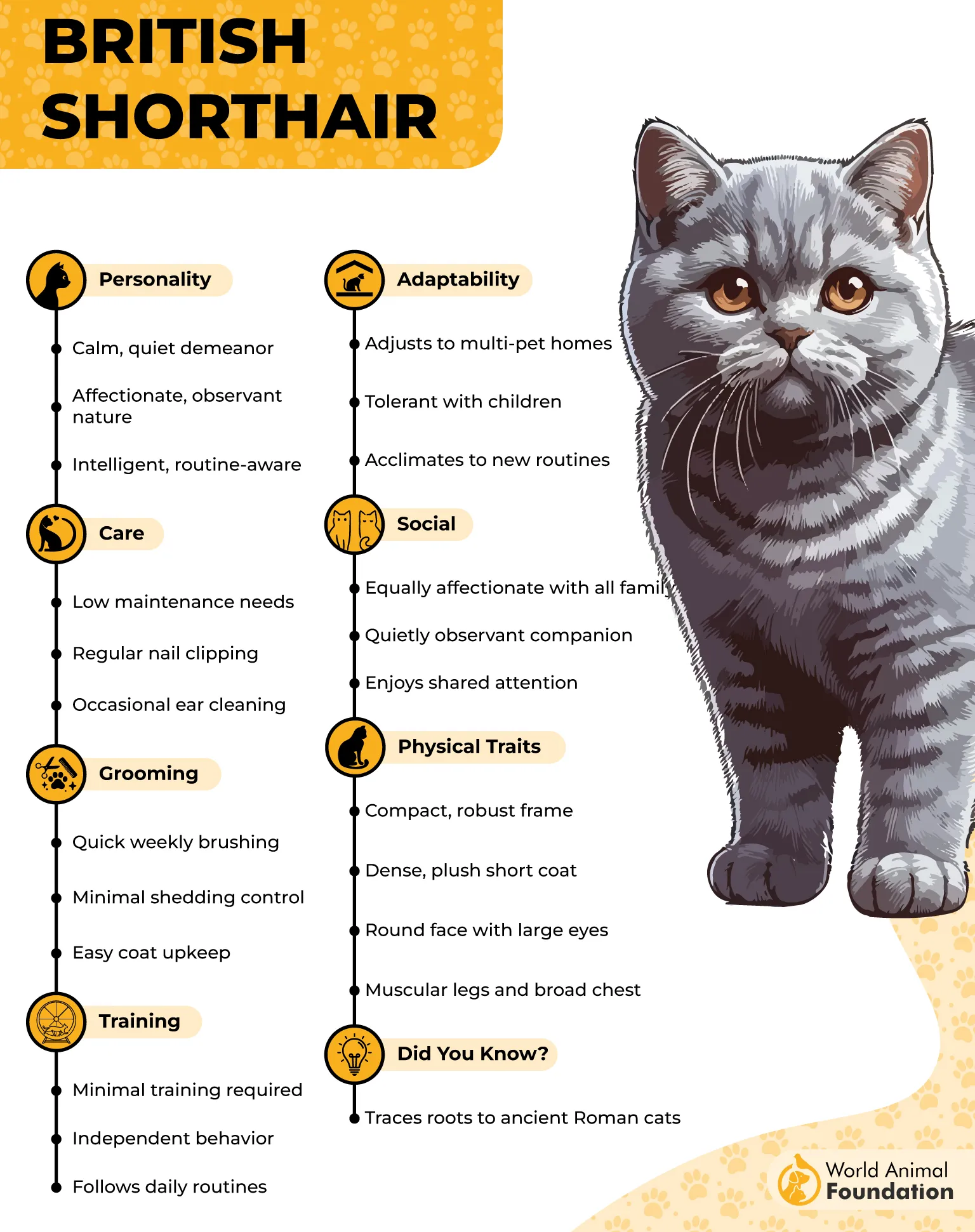
That easygoing nature, however, places this breed among cat breeds commonly prone to obesity. British Shorthairs are content lounging on a windowsill for hours, and their low activity level can lead to gradual weight gain if portions aren’t monitored carefully.
Their stocky frame and thick coat can hide extra pounds, making it important for owners to watch body condition closely. Encouraging gentle daily movement with feather wands or short play sessions helps counterbalance their love of rest.
Because this breed can weigh up to 17 pounds, maintaining a healthy routine is especially important to support overall wellness.
Fact: British Shorthairs are known to prefer napping over high-energy play, which contributes to their higher risk of weight gain.
5. American Shorthair
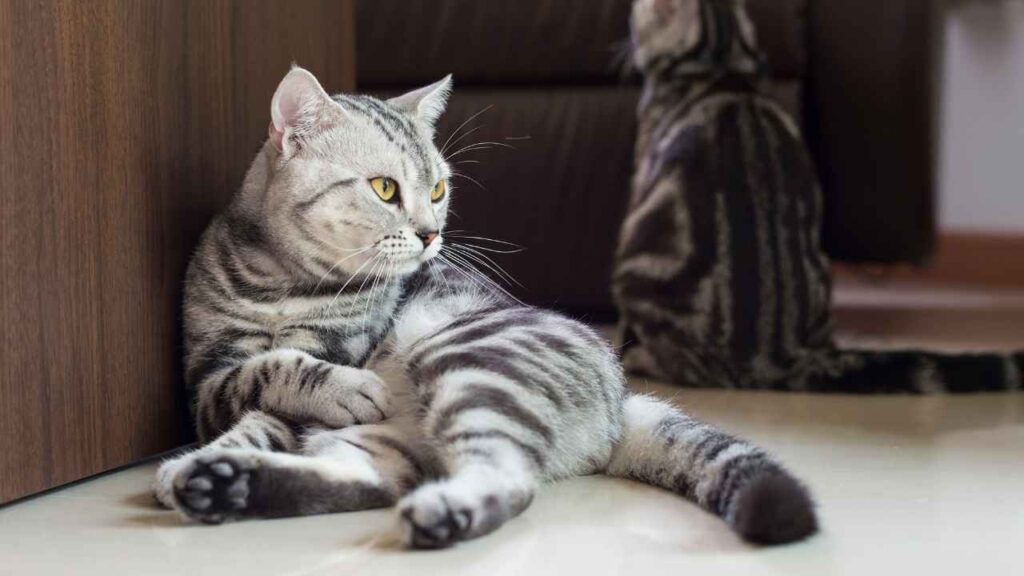
Also known simply as the American Shorthair cat, this classic breed is admired for its sturdy build, round face, and calm, adaptable personality. Originally prized as a working mouser, today it’s one of the most common and beloved household cats in the United States.
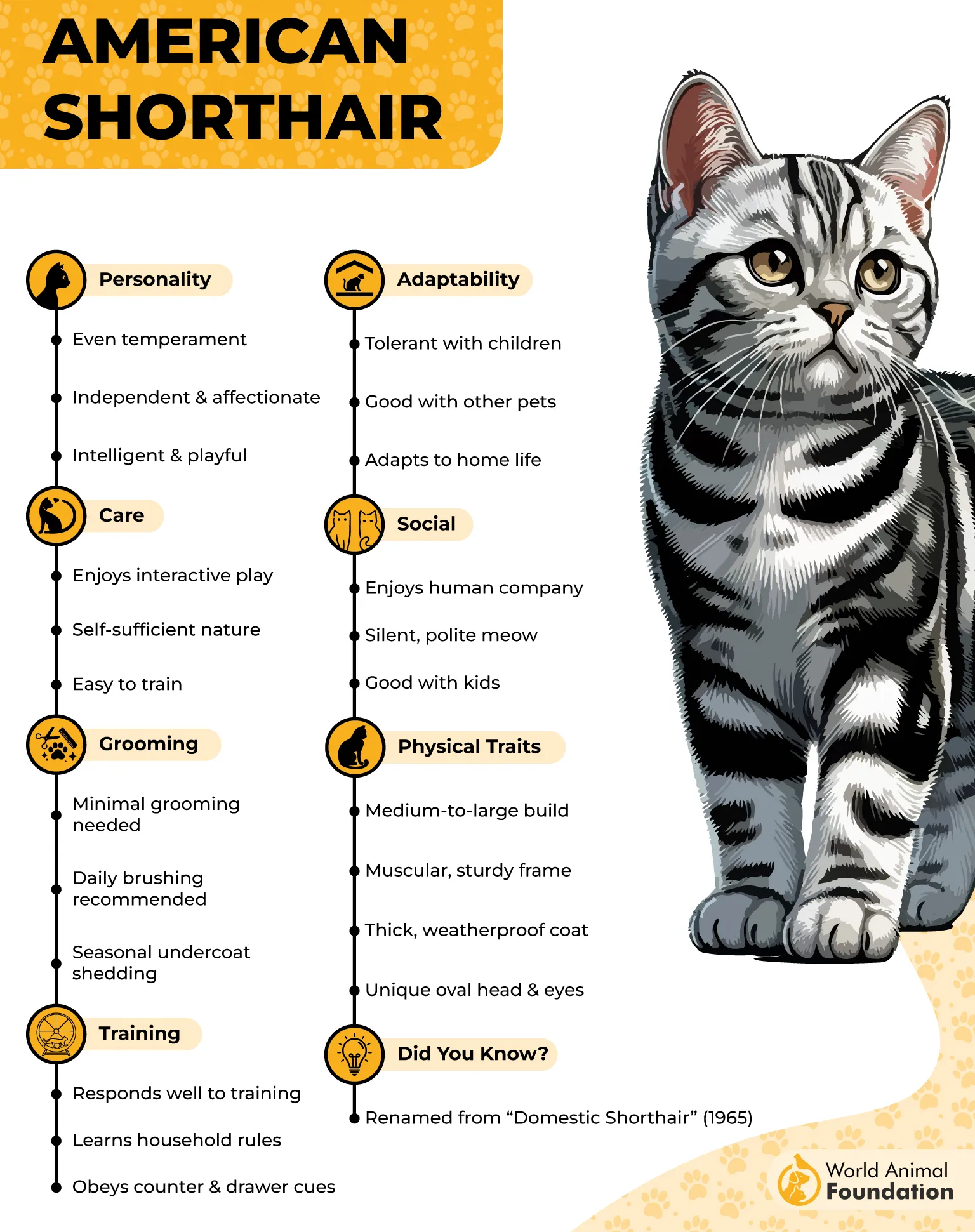
Because of their easygoing nature, American Shorthairs can be prone to weight gain if overfed or under-exercised. Their muscular frame can hide extra pounds, making obesity easy to overlook until it begins affecting mobility or energy levels.
Excess weight in this breed increases the risk of health concerns such as hypertrophic cardiomyopathy, a condition involving thickened heart muscles. Regular play, climbing opportunities, and interactive feeding can help keep their weight in check and their bodies active.
Encouraging movement through cat trees, shelves, and food puzzles supports both physical health and mental stimulation. With proper diet and exercise, these cats can maintain a healthy balance and avoid complications linked to obesity.
Fact: American Shorthairs typically live 15 to 20 years but are known to be at higher risk for hypertrophic cardiomyopathy.
6. Exotic Shorthair
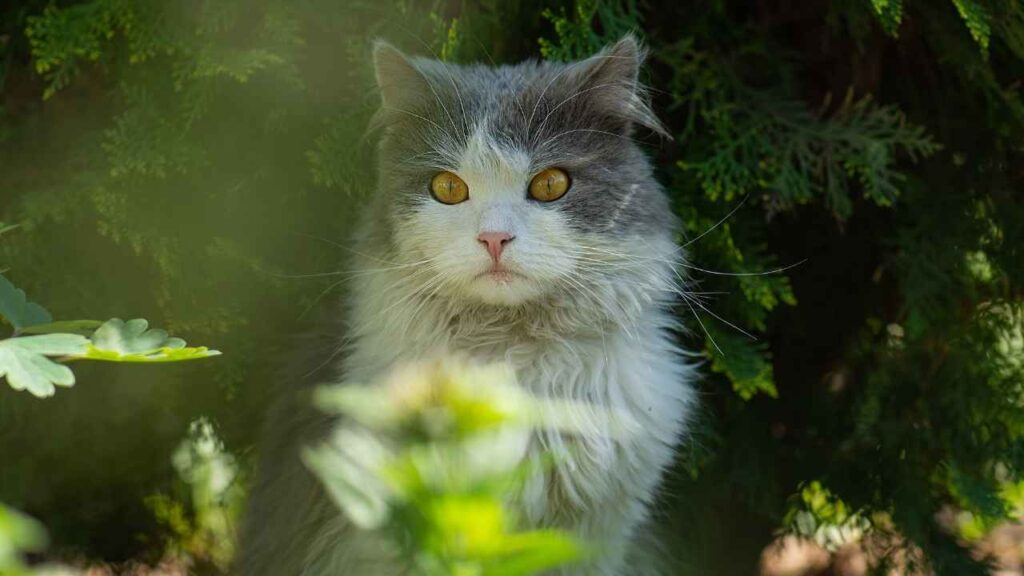
The Exotic Shorthair, often called the short-haired cousin of the Persian, is instantly recognizable for its round face, plush coat, and calm demeanor. This breed’s laid-back personality and love of lounging can make weight gain a concern if routines aren’t carefully managed.
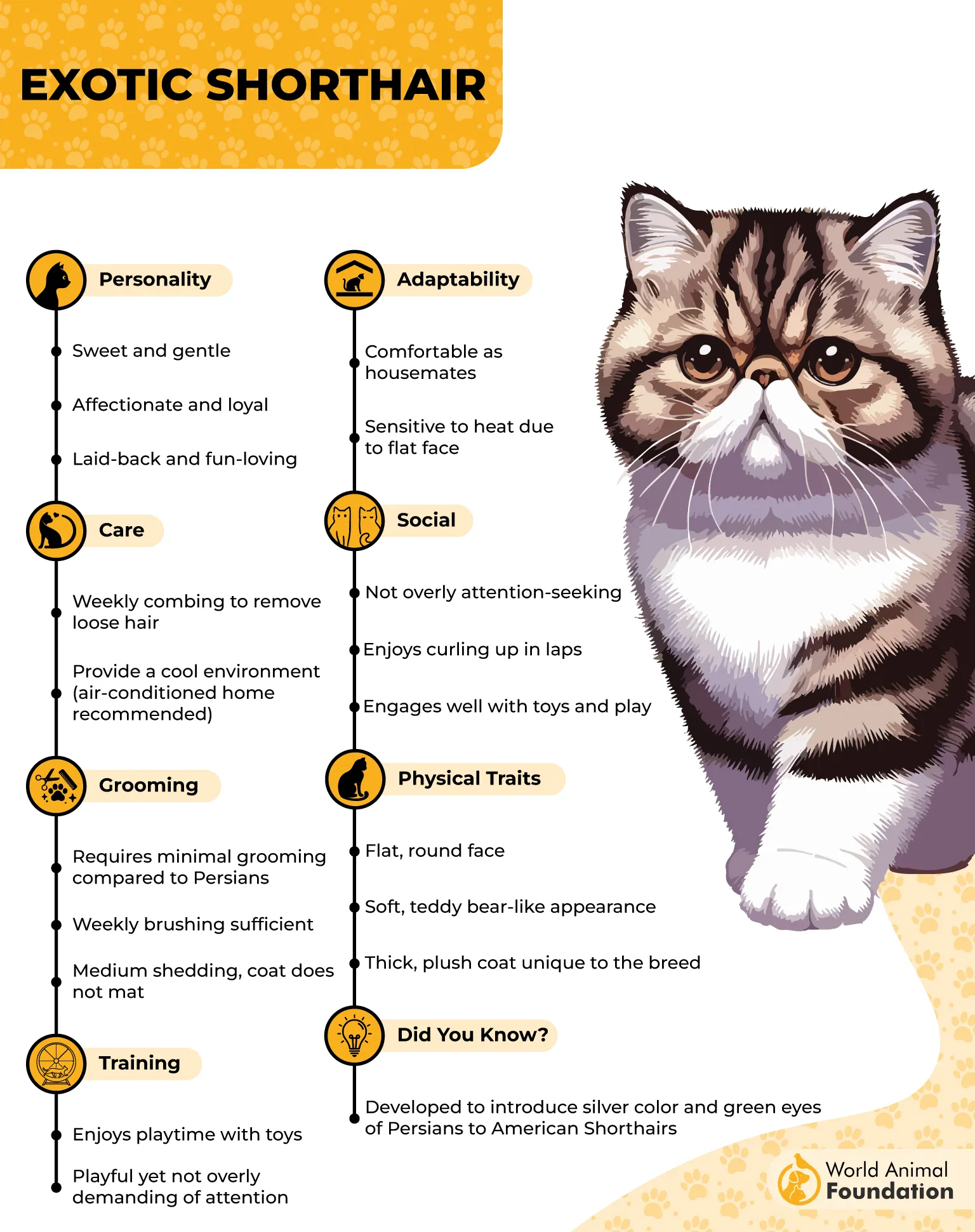
Because Exotic Shorthairs enjoy play in short bursts rather than constant activity, structured exercise is essential. Interactive toys, puzzle feeders, and tall cat trees encourage movement while keeping their curious minds engaged, helping prevent sedentary habits linked to obesity.
Diet control plays a major role in keeping this breed healthy. Measuring portions, sticking to scheduled meals, and avoiding frequent treats can help balance their slower metabolism. Regular weigh-ins make it easier to spot small changes before they become long-term weight issues.
Enrichment matters just as much as exercise. Daily play sessions and gentle activity keep muscles toned without overexertion, especially important for brachycephalic cats that tire easily.
Fact: Exotic Shorthairs share the Persian’s risk of brachycephalic airway syndrome, making careful food portions and weight monitoring especially important.
7. RagaMuffin
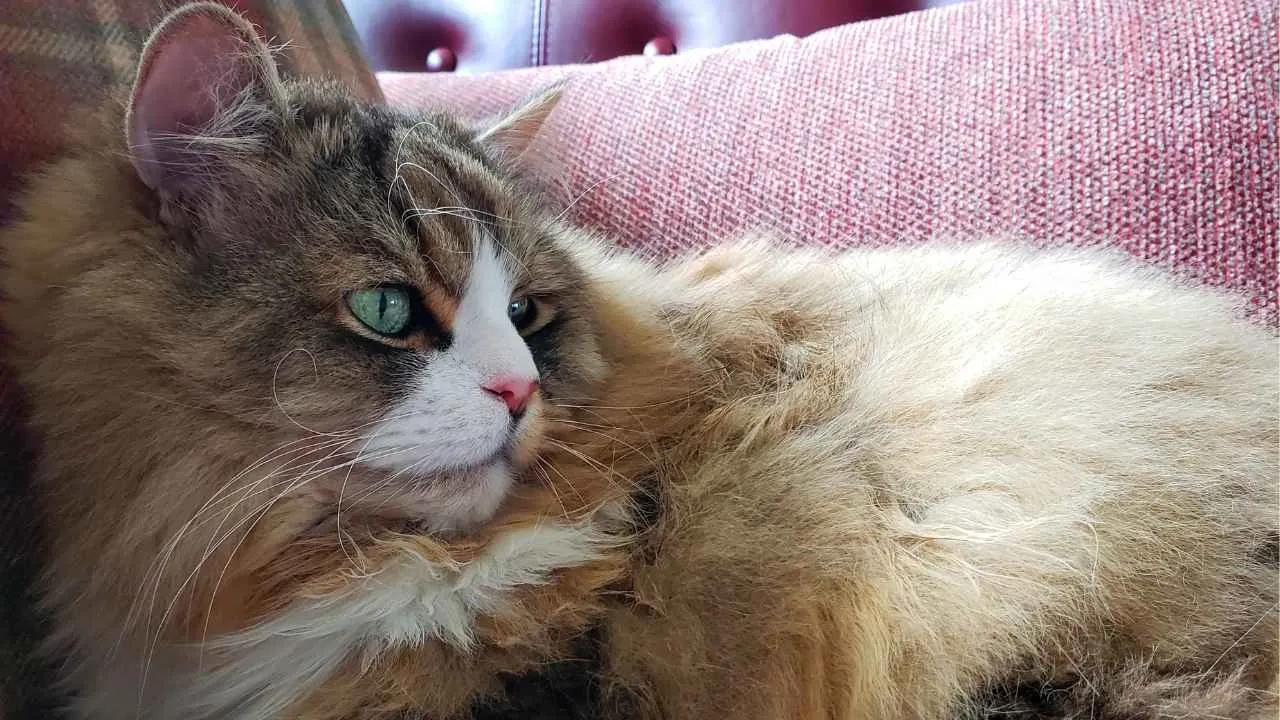
The RagaMuffin, sometimes affectionately confused with its close cousin the Ragdoll, is a large, plush-coated cat bred for cold climates. With its dense fur, relaxed posture, and famously floppy body, this breed often looks heavier than it is—but that appearance can easily turn into real weight gain.
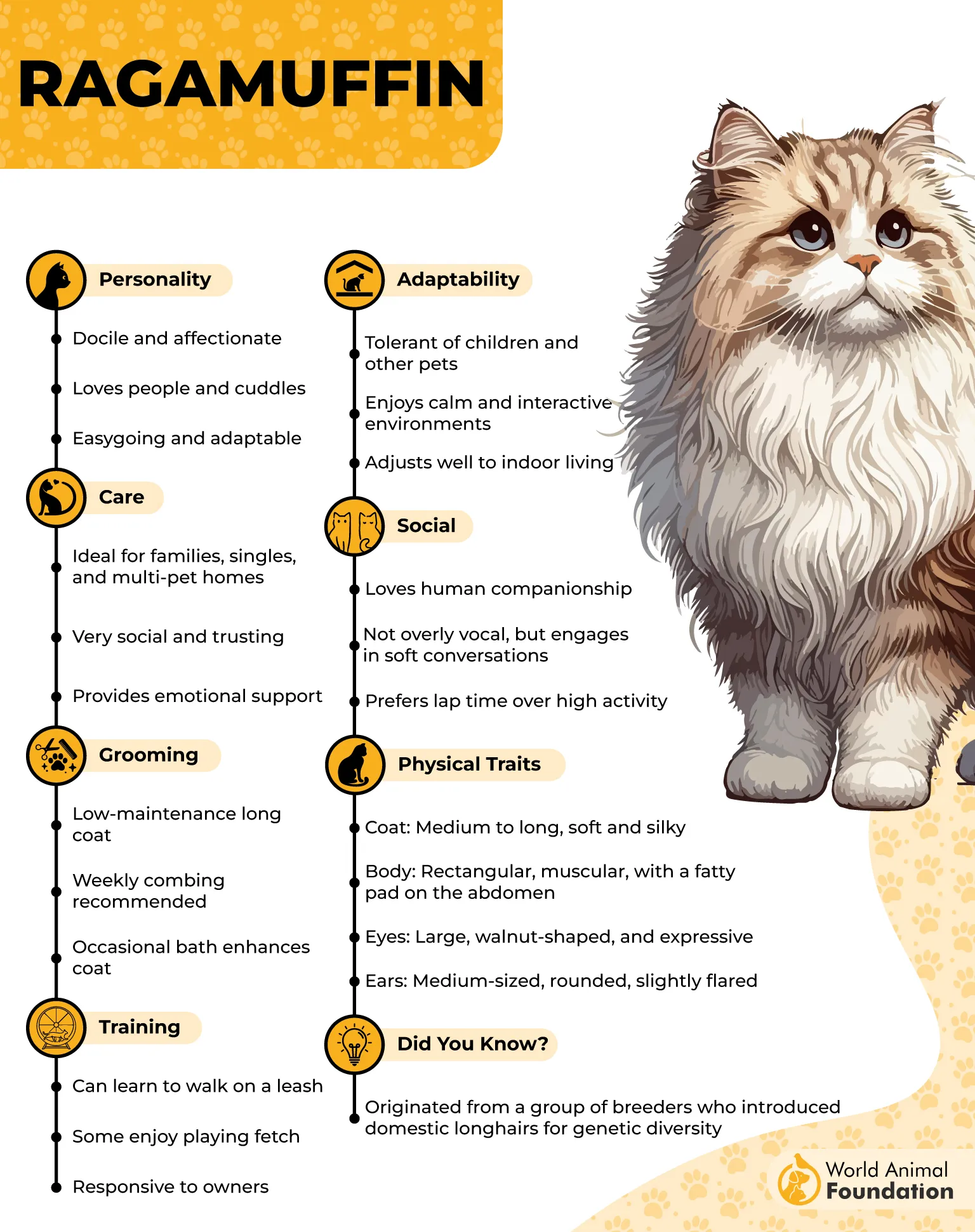
Because RagaMuffins adore lounging and comfort, they’re especially prone to obesity if meals aren’t portioned carefully. Their calm, trusting nature means they rarely self-regulate food intake, so free-feeding can quickly lead to extra pounds and added strain on joints.
Keeping this breed active requires intention rather than intensity. Short, daily play sessions, puzzle toys, and interactive games help prevent sedentary habits. Clicker training works particularly well, turning movement into a rewarding routine instead of a chore.
Diet management is just as important as exercise for long-term health. Owners should tailor feeding to age and activity level while encouraging hydration with multiple water stations or fountains.
Fact: RagaMuffins are prone to overfeeding and weight gain, which can increase the risk of early arthritis if activity isn’t maintained.
Conclusion
Keeping a close eye on a cat’s weight is essential to preventing obesity in cats and avoiding serious health problems. Factors such as calorie intake, too many treats, dry food overfeeding, and limited activity—especially in indoor cats and neutered cats—can lead to overweight or obese conditions.
Using body condition scoring helps cat owners understand body weight, body fat, and a cat’s ideal weight for adult cats. Managing weight loss starts with adjusting a cat’s diet, choosing balanced cat food, incorporating wet food when appropriate, and limiting risk factors like free-feeding.
A structured weight loss program, guided by a vet, supports gradual weight loss and keeps cats active. While breeds like the Norwegian Forest Cat may appear larger, maintaining an ideal weight is key for long-term health and quality of life—for fat cats and severely overweight cats alike.
