




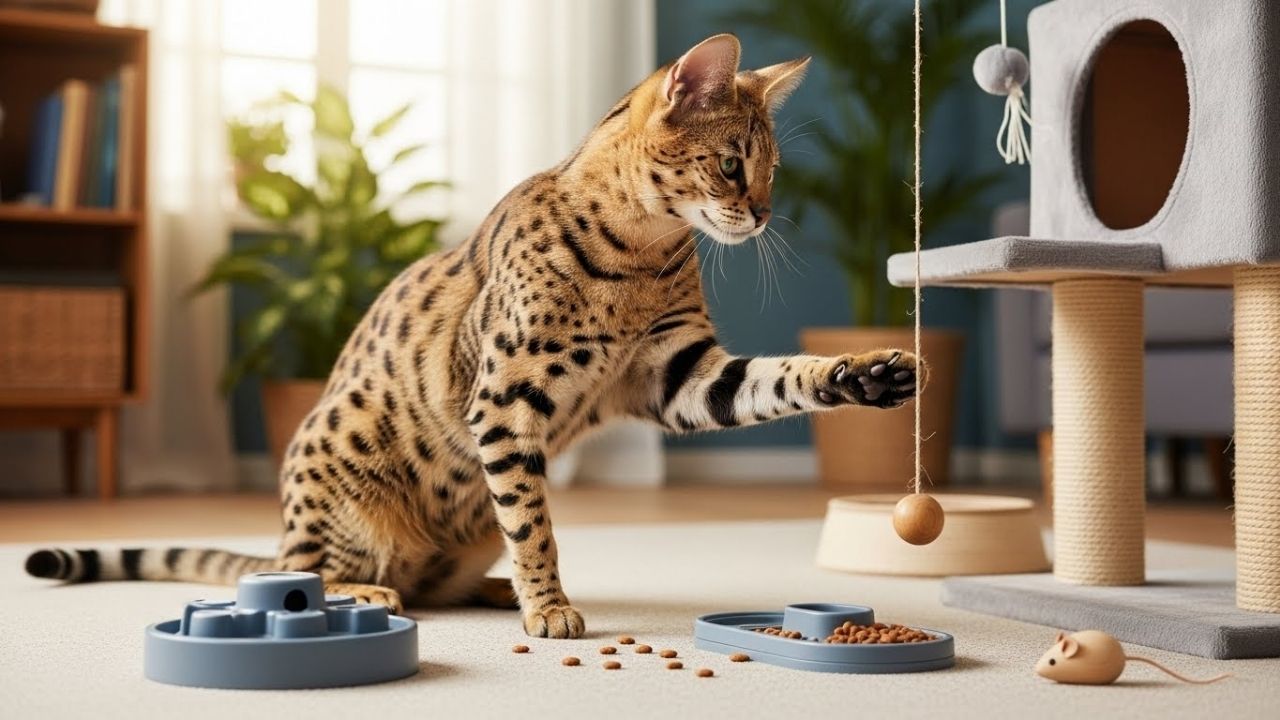
Cats are often praised for their grace and independence, but some take their talents far beyond quiet observation. These are the felines who analyze, experiment, and figure things out with surprising precision. From opening doors to solving food puzzles, problem-solving cats bring a whole new level of interaction into the home, turning everyday moments into clever displays of intelligence.
While every cat has the potential to learn, certain breeds stand out for their sharp minds and determination. These cats don’t just react to their environment—they actively engage with it.
They enjoy challenges, remember routines, and often surprise their owners by mastering tasks faster than expected. Whether it’s manipulating toys or finding creative ways to get attention, their brains are always at work.
Living with a problem-solving cat means embracing curiosity and mental stimulation as part of daily life. These intelligent breeds thrive when given puzzles, interactive play, and opportunities to explore. In return, they reward their humans with endless fascination, strong bonds, and a companion who keeps life anything but predictable.
Cat Breeds That Are Problem Solvers
1. Bengal
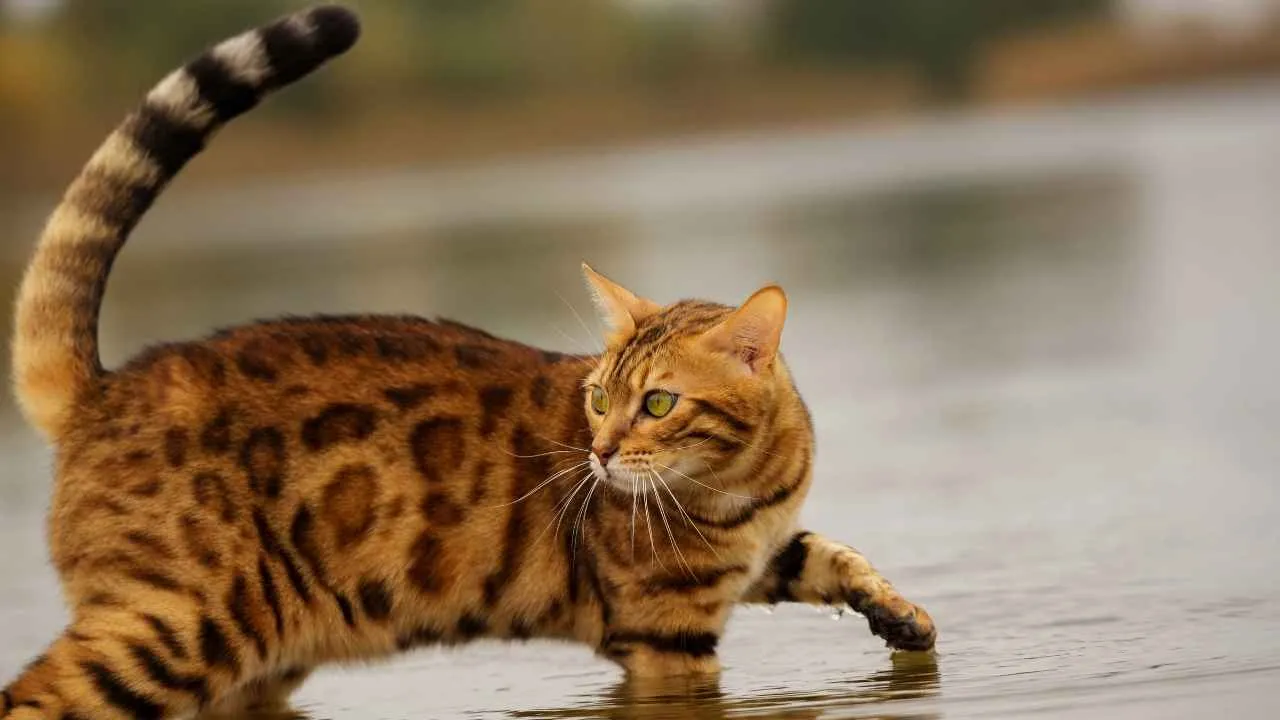
Also known as the Leopardette, the Bengal is a hybrid breed developed from domestic cats and the Asian leopard cat. Its wild-looking rosetted coat, athletic build, and alert expression hint at a brain that’s always switched on.
According to Britannica, the coat can come in different colors, though brown, silver, and gray are especially common, and the ears are typically small with a slightly pointed shape.
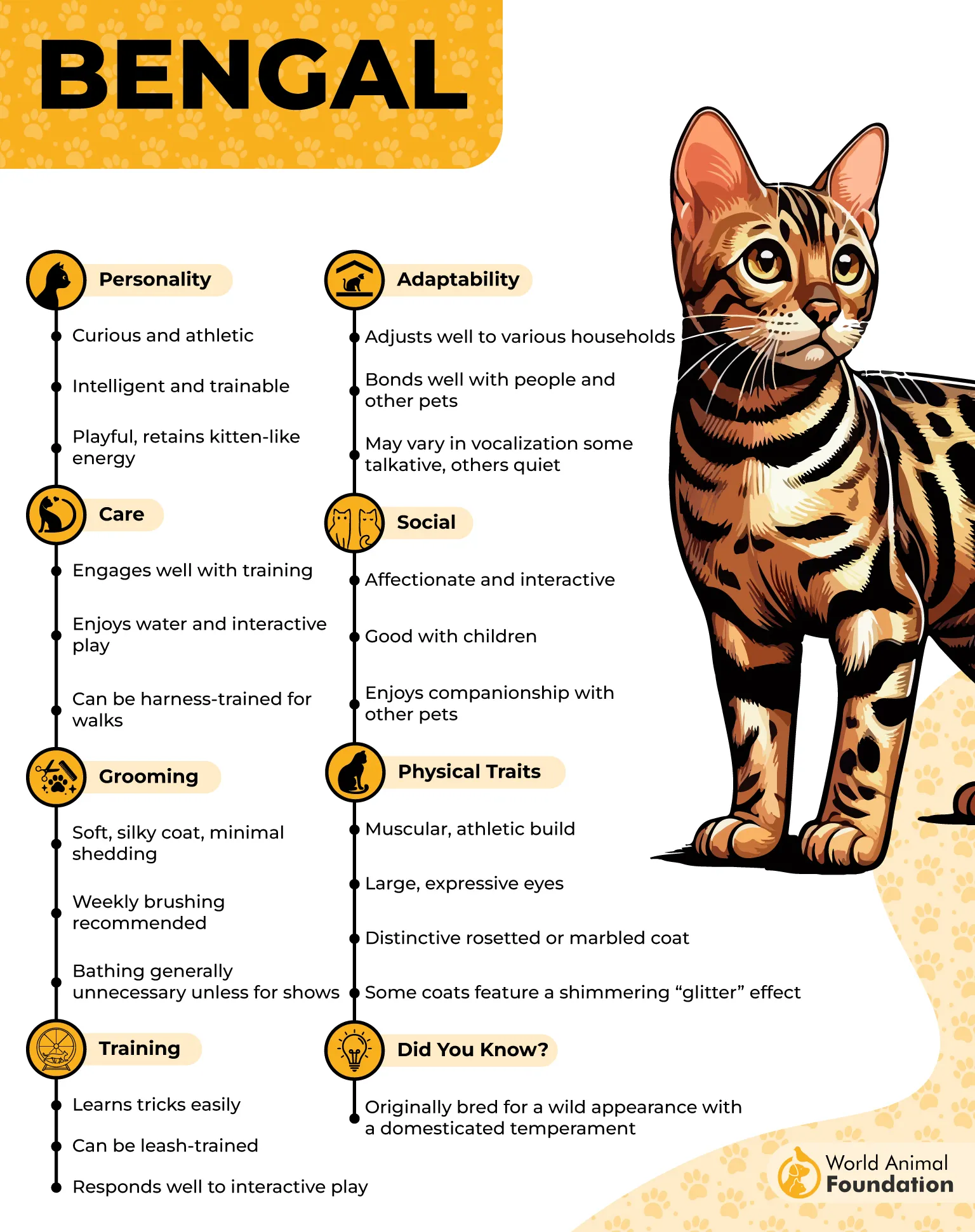
What makes Bengals natural problem solvers is their intense curiosity paired with confidence. They don’t just play with toys—they test them, manipulate them, and figure out how things work. This breed is quick to learn cause and effect, which is why cabinets, doors, and treat containers are often no match for them.
Bengals thrive when given challenges that require both thinking and movement. Puzzle feeders, interactive games, and training sessions help channel their intelligence productively. Without enough stimulation, their sharp minds can turn boredom into creative mischief around the house.
Their problem-solving skills are closely tied to their high energy and athleticism. Climbing, jumping, and exploring help them process information and stay balanced.
Fact: Bengals are known for opening doors and drawers and are one of the few cat breeds that genuinely enjoy playing with water.
2. Abyssinian
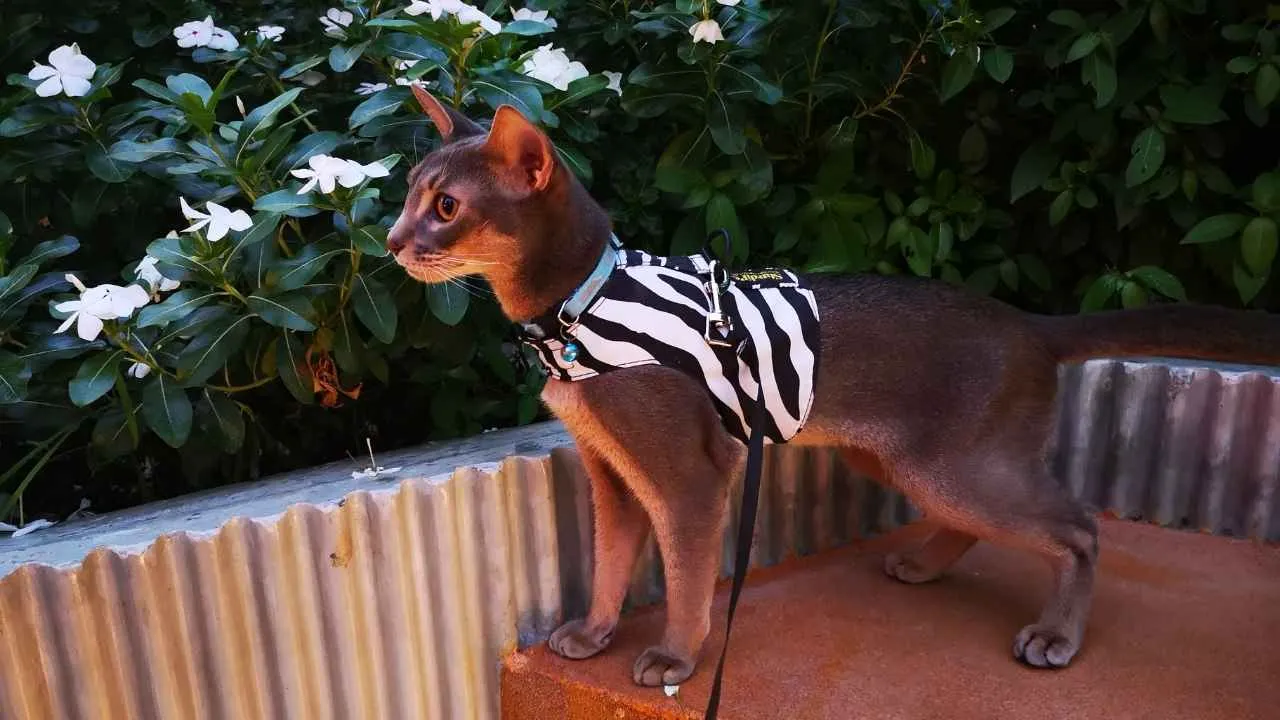
Often called the Abys, the Abyssinian is one of the oldest known cat breeds, admired for its sleek ticked coat, athletic build, and alert expression.
According to PetMD, Abyssinian cats closely resemble the cats portrayed in ancient Egyptian murals. This highly social breed is famous for forming strong bonds and staying closely involved in daily household activities.
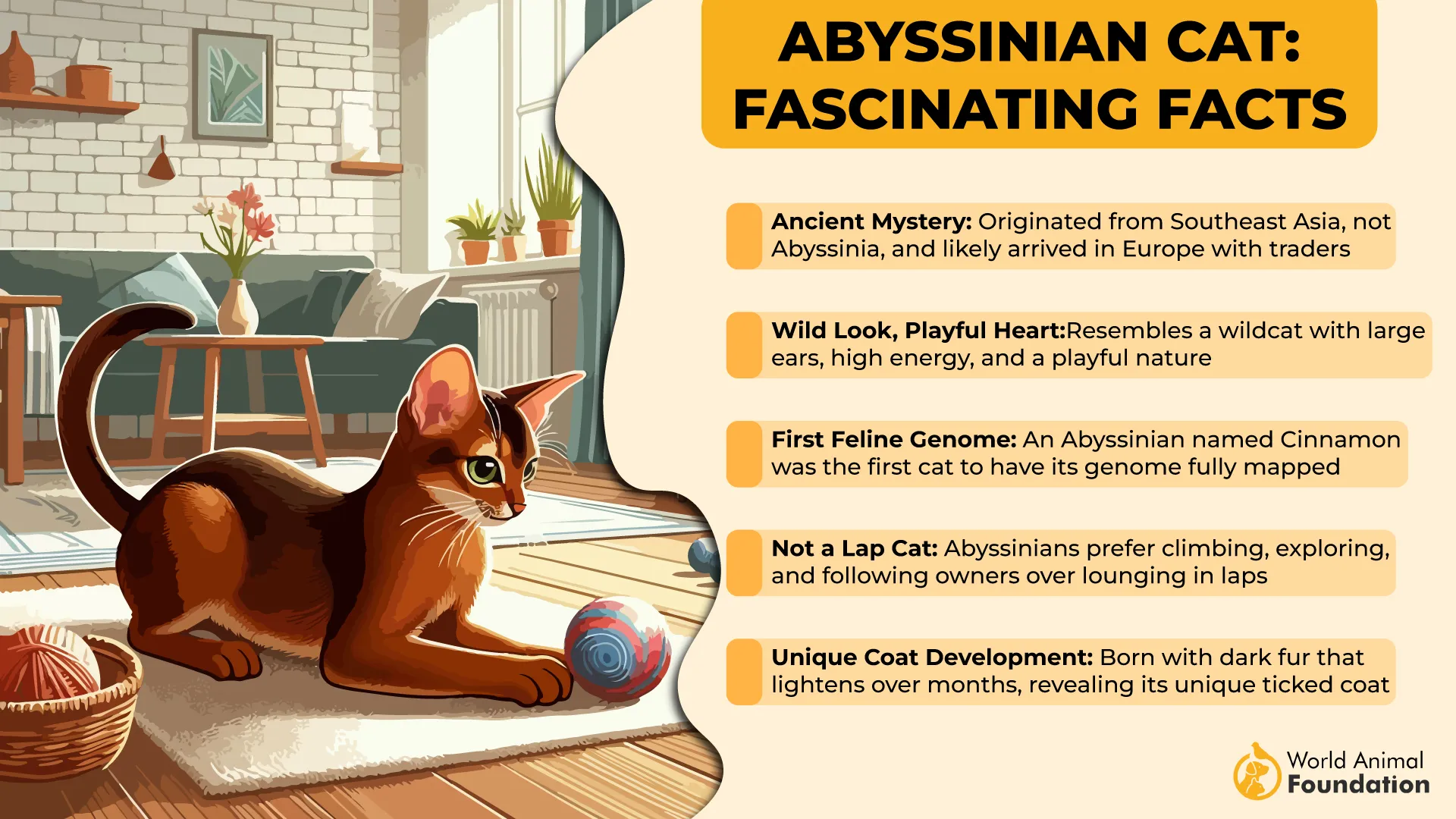
When it comes to problem-solving, Abyssinians thrive on challenge. They instinctively investigate new objects, master interactive toys quickly, and enjoy puzzles that reward clever thinking. Their curiosity drives them to test limits, climb high spaces, and figure out how things work.
This breed’s intelligence shines through its love of engagement. Abyssinians learn routines fast, respond well to leash training, and often follow their owners from room to room, observing and participating. Mental stimulation is essential, as boredom can lead them to invent their own “projects.”
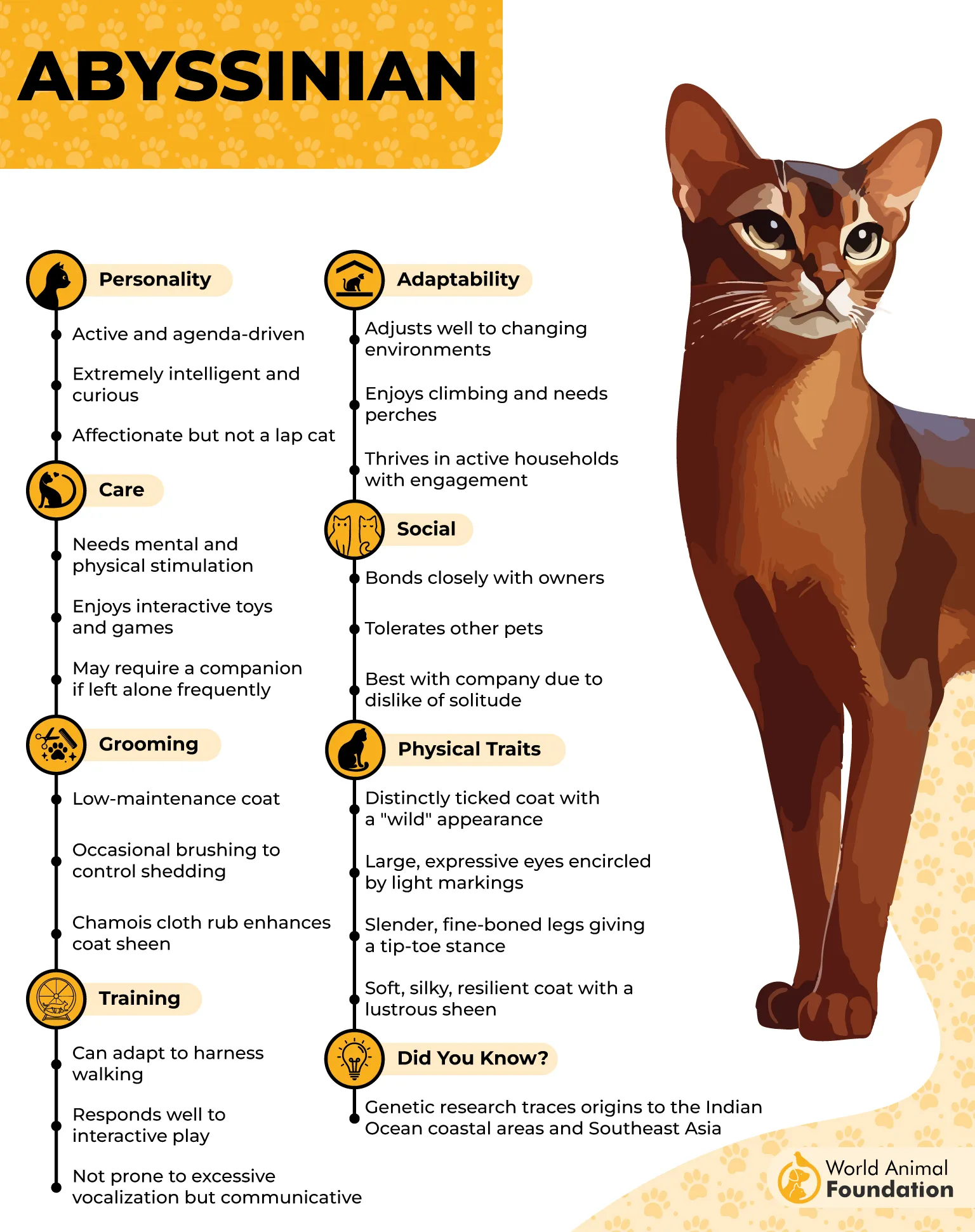
Behind their playful antics is a sharp, analytical mind. Sometimes nicknamed the “Clowns of the Cat Kingdom,” Abyssinians combine curiosity with creativity, using soft chirps rather than loud meows to communicate their discoveries.
Fact: Abyssinians are frequently described as having a “dog-like” attachment to their owners due to their strong dependence on human interaction.
3. Siamese
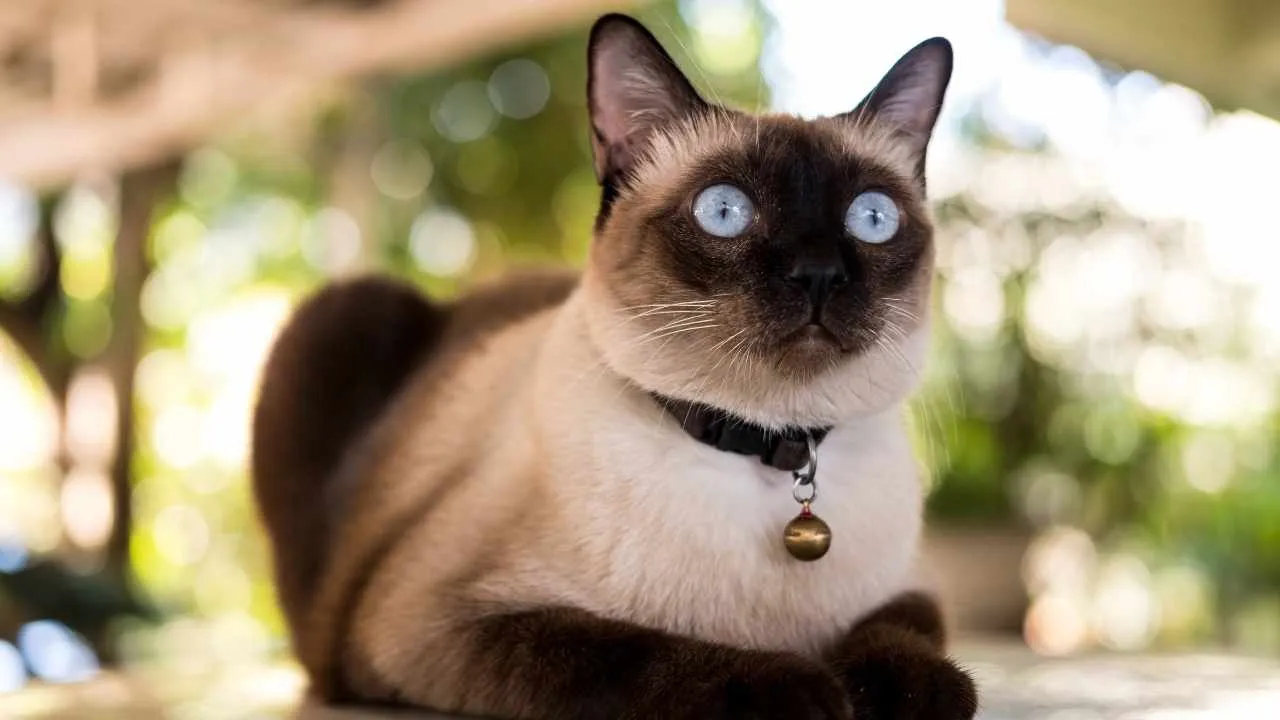
The Siamese, also known as the Thai cat, is instantly recognizable by its sleek body, striking blue eyes, and color-point markings on the ears, face, paws, and tail.
According to WebMD, if you want a loyal and sociable cat that prefers to stay close to you, the Siamese could be a suitable choice. This elegant breed is famous for its vocal nature and sharp intelligence.
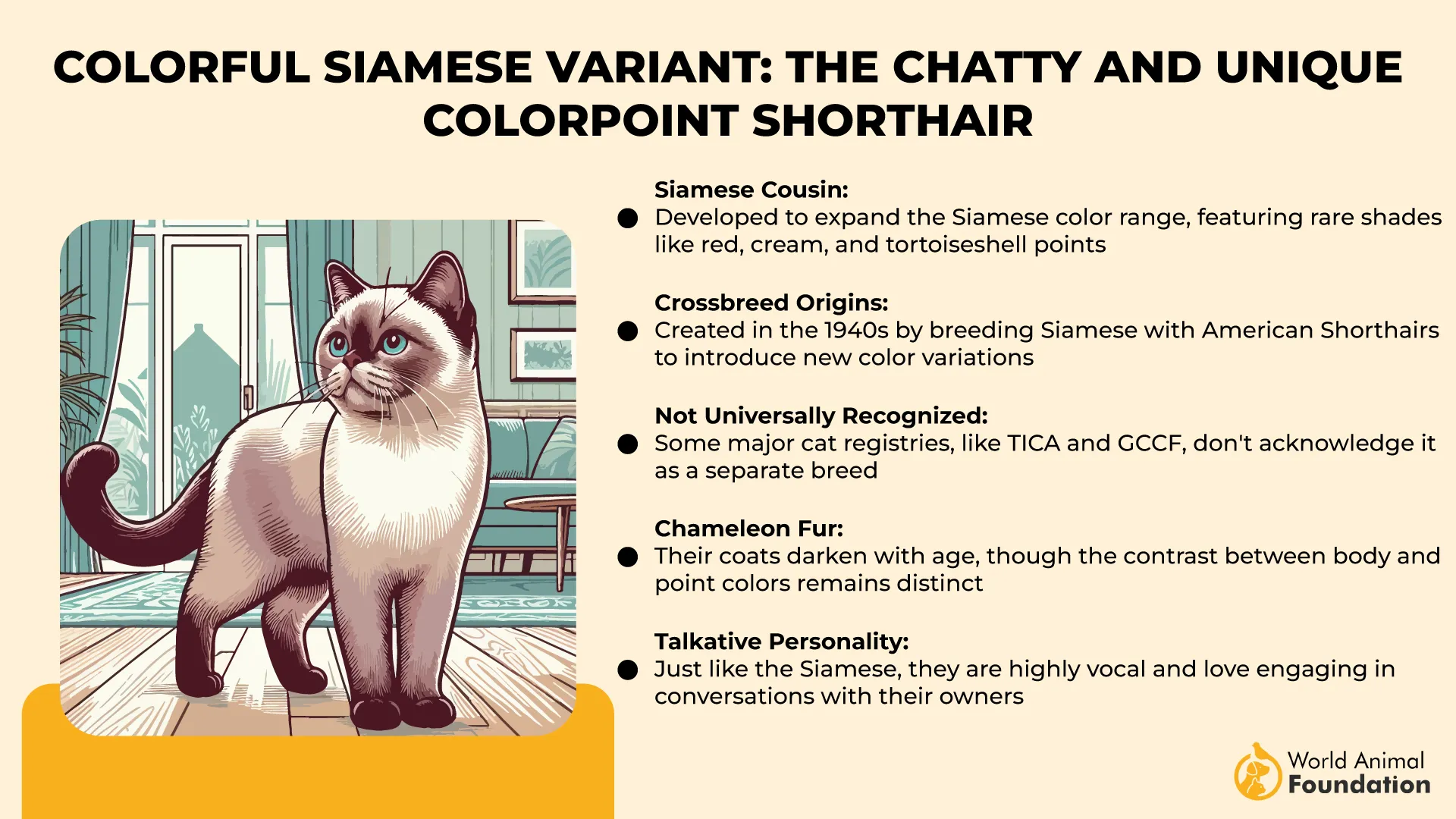
When it comes to problem-solving, Siamese cats are quick thinkers who learn routines rapidly and anticipate their humans’ actions. Their curiosity drives them to explore their environment, often figuring out how to open doors, locate hidden treats, or access off-limits spaces.
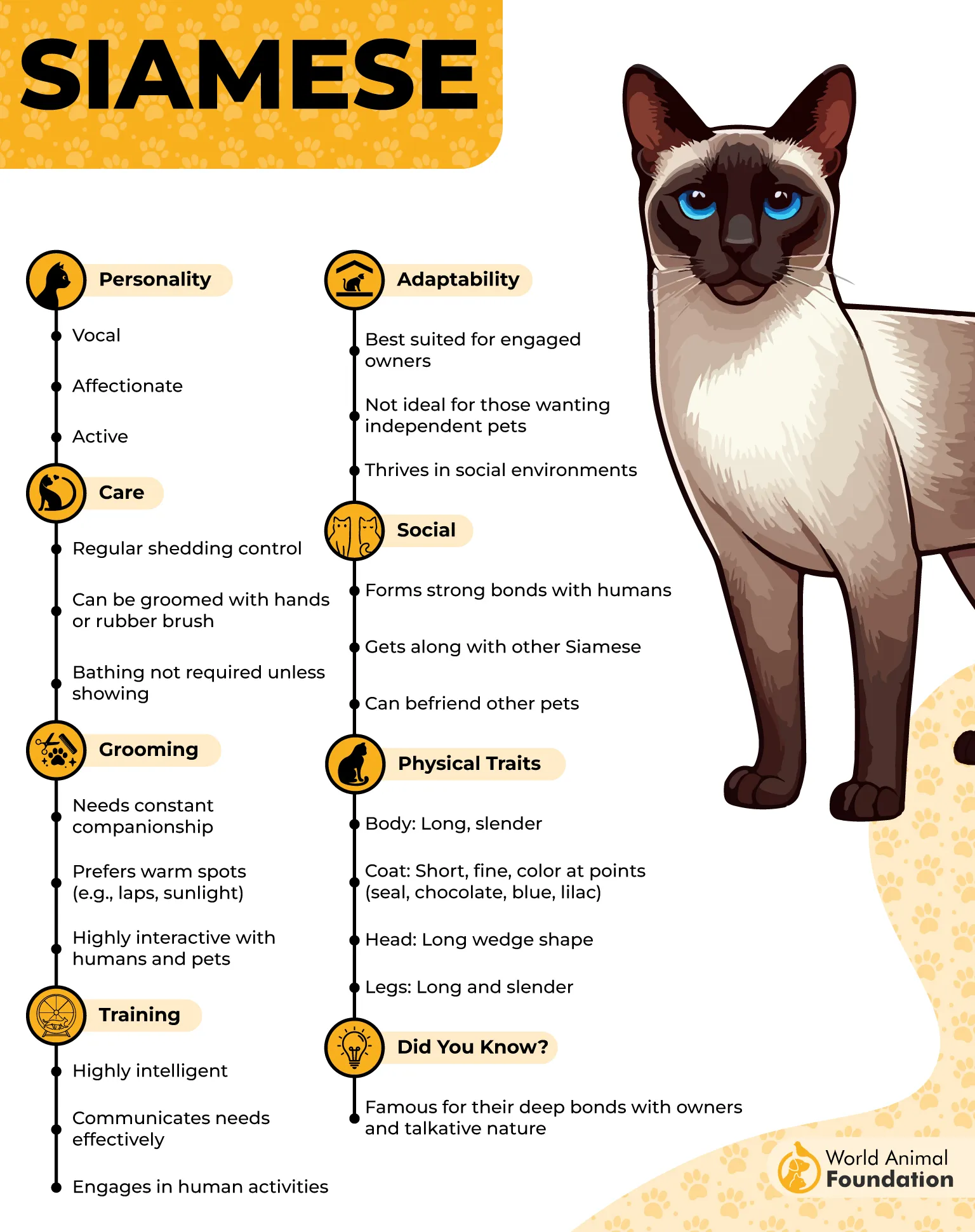
Playtime is where their intelligence truly shines. Siamese cats excel at interactive games like puzzle toys, hide-and-seek, and even learning tricks or leash walking. These activities challenge their minds and prevent boredom-driven mischief.
Because they thrive on mental stimulation and companionship, Siamese cats learn best through play that involves their humans. Consistent engagement keeps their clever minds busy and strengthens the bond they crave.
Fact: Siamese cats are known to figure out how to open doors and retrieve hidden treats using their problem-solving skills.
4. Maine Coon
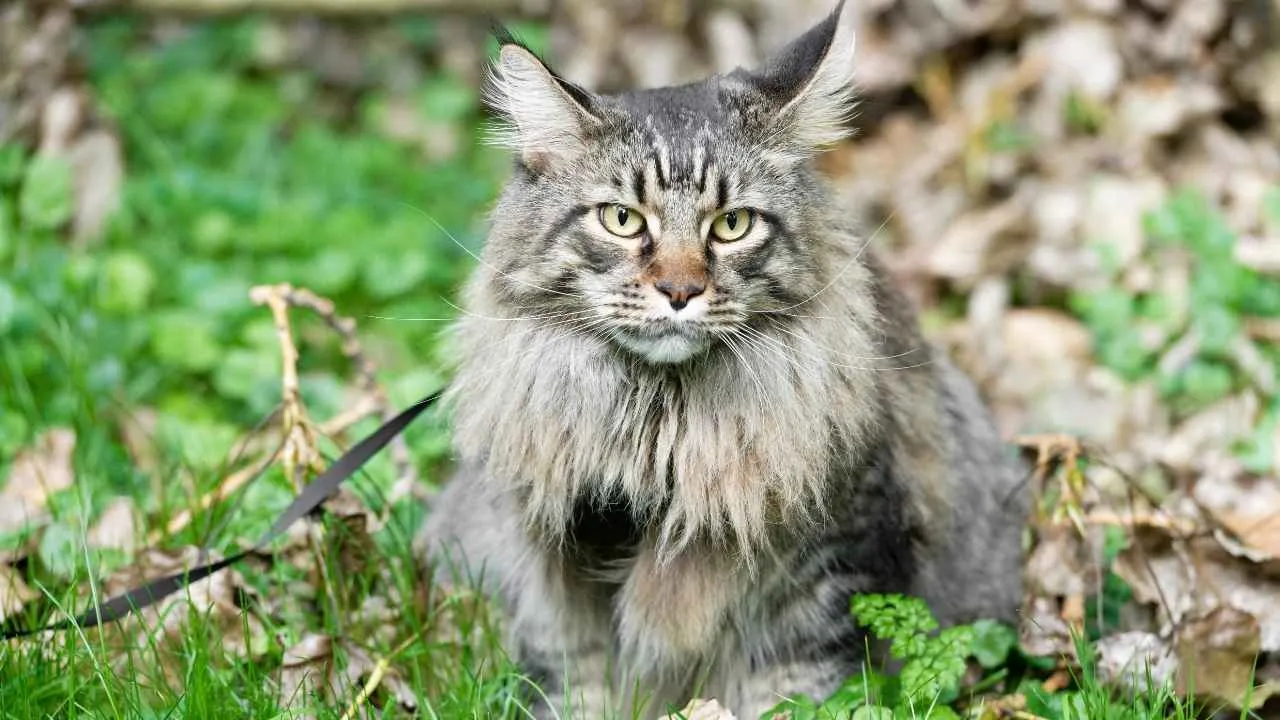
The Maine Coon, often nicknamed the “gentle giant” or even the “dog of the cat world,” is one of North America’s oldest natural breeds. With tufted ears, a muscular build, and an intelligent gaze, this large breed combines size with a remarkably thoughtful personality.
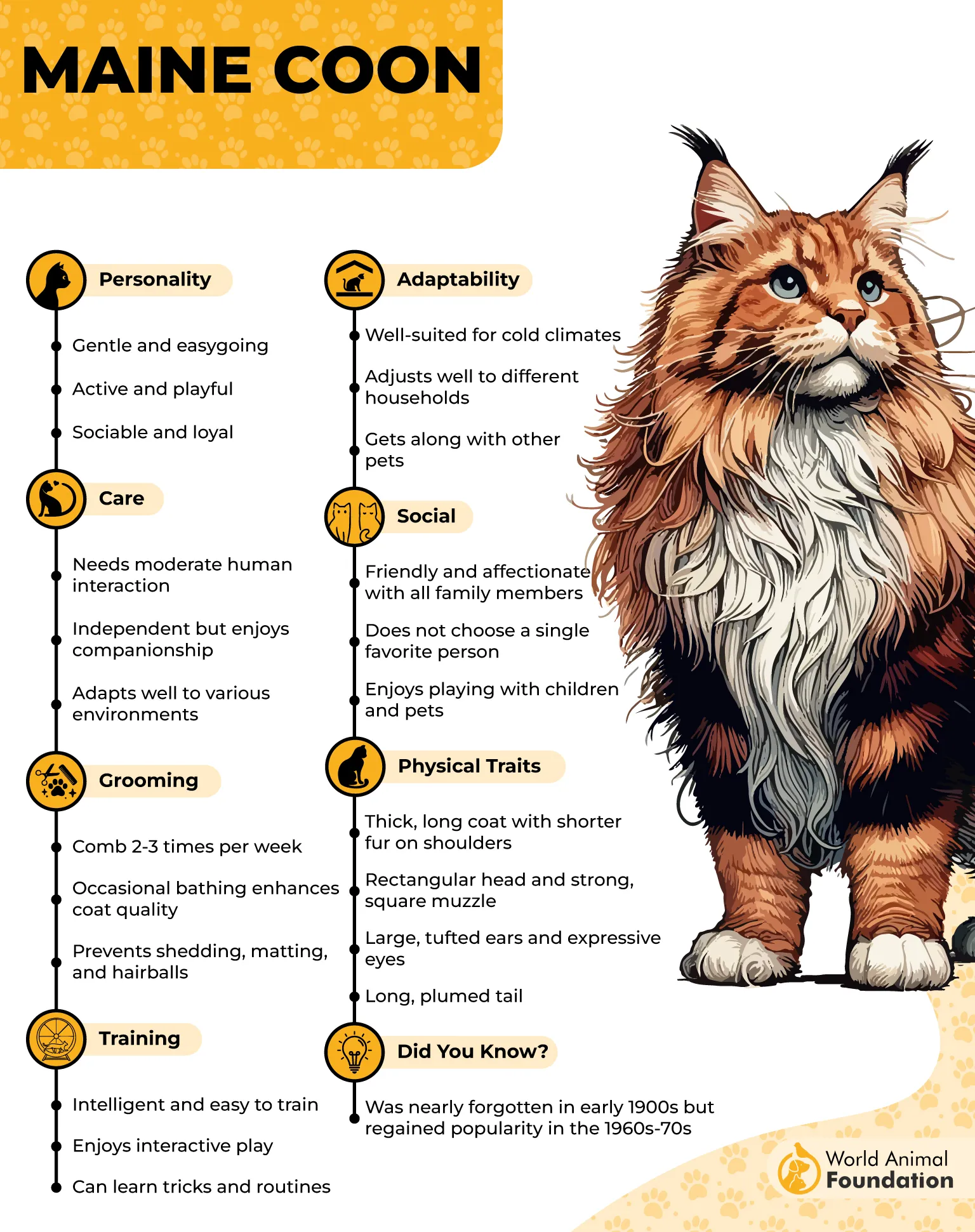
Known for sharp minds and calm patience, Maine Coons excel at problem-solving in everyday life. Owners often report them learning how to open cabinets, manipulate latches, or investigate running water with focused determination rather than chaos.
When it comes to interactive toys and puzzles, this breed truly shines. Maine Coons enjoy mentally stimulating games that mimic hunting, such as puzzle feeders, moving toys, and feather wands, approaching each challenge methodically until they succeed.
Their adaptability makes them ideal for families who enjoy engaging play sessions without constant hyperactivity. Rotating toys and offering puzzle-based enrichment keep their brains busy while strengthening the bond between cat and owner.
Fact: The Maine Coon is the official state cat of Maine and was historically valued as a skilled mouser on farms due to its intelligence and strength.
5. Savannah
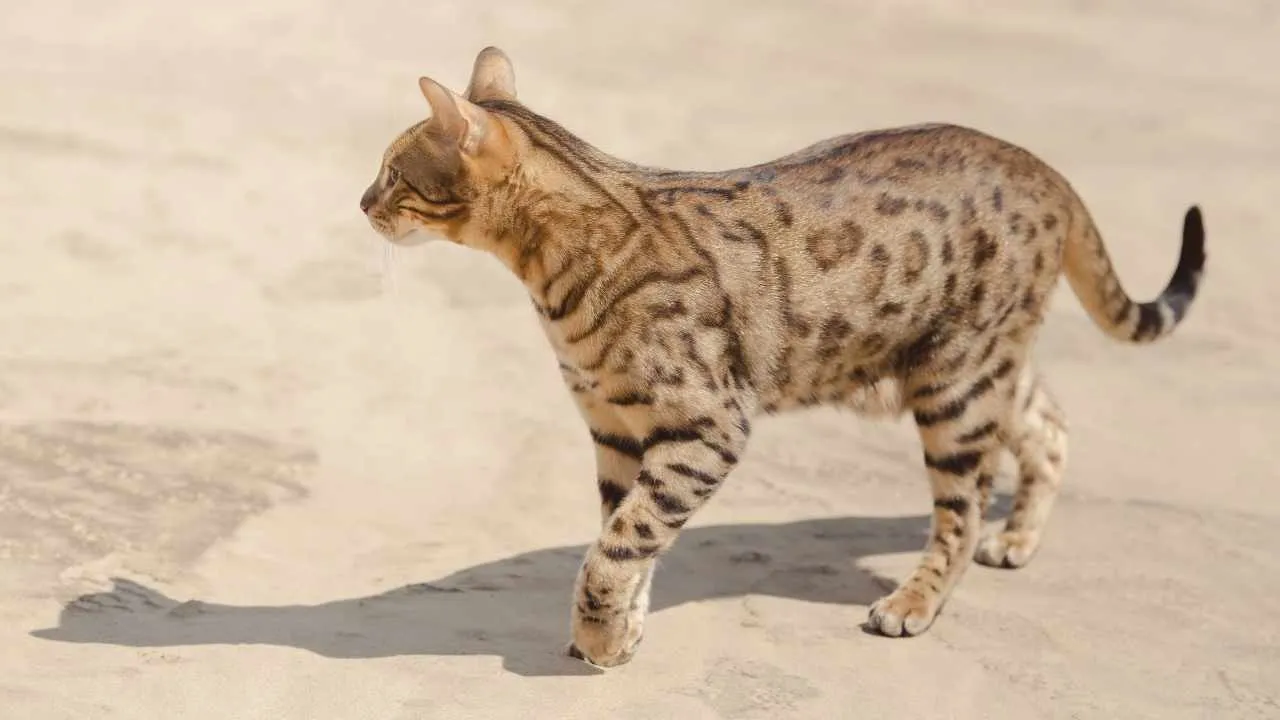
The Savannah cat, sometimes referred to as the Serval hybrid, is a strikingly exotic breed known for its tall frame, spotted coat, and sharp intelligence. Developed by crossing domestic cats with the African serval, this rare breed combines wild looks with a highly alert, inquisitive mind.
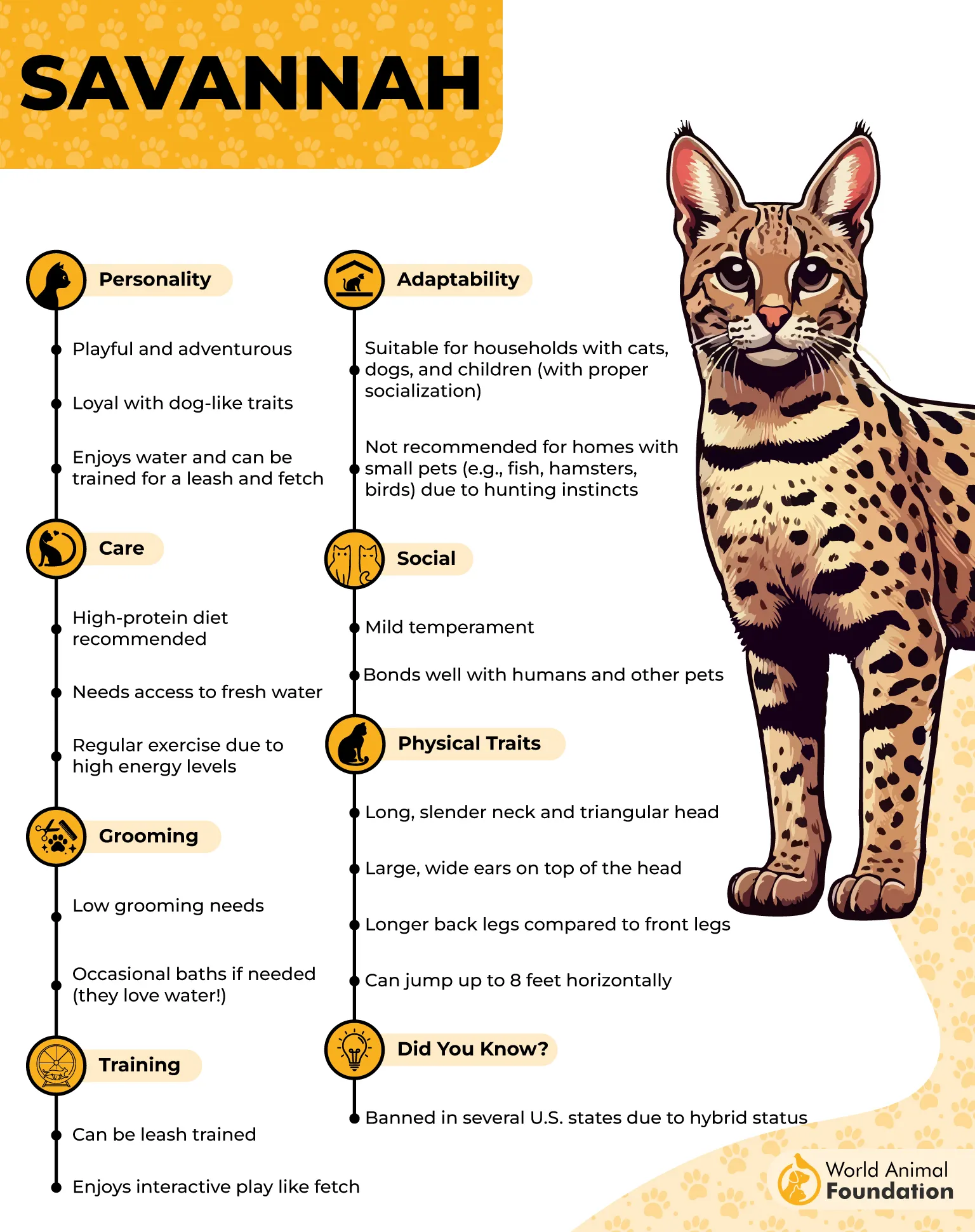
When it comes to problem-solving, Savannahs excel. They quickly learn how to open doors, drawers, and cabinets, and they often investigate puzzles or toys with intense focus. Their curiosity pushes them to test boundaries, making them one of the smartest and most resourceful feline breeds.
The environment plays a huge role in shaping a Savannah’s intelligence. These cats thrive in spacious homes filled with climbing structures, interactive toys, and daily mental challenges. Without stimulation, they become bored easily and may invent their own “games,” often involving household objects.
Savannahs also show dog-like traits, such as enjoying leash walks and water play, which further supports their cognitive development.
Fact: Savannah cats are known to turn on faucets and explore cabinets due to their exceptional problem-solving abilities.
6. Scottish Fold
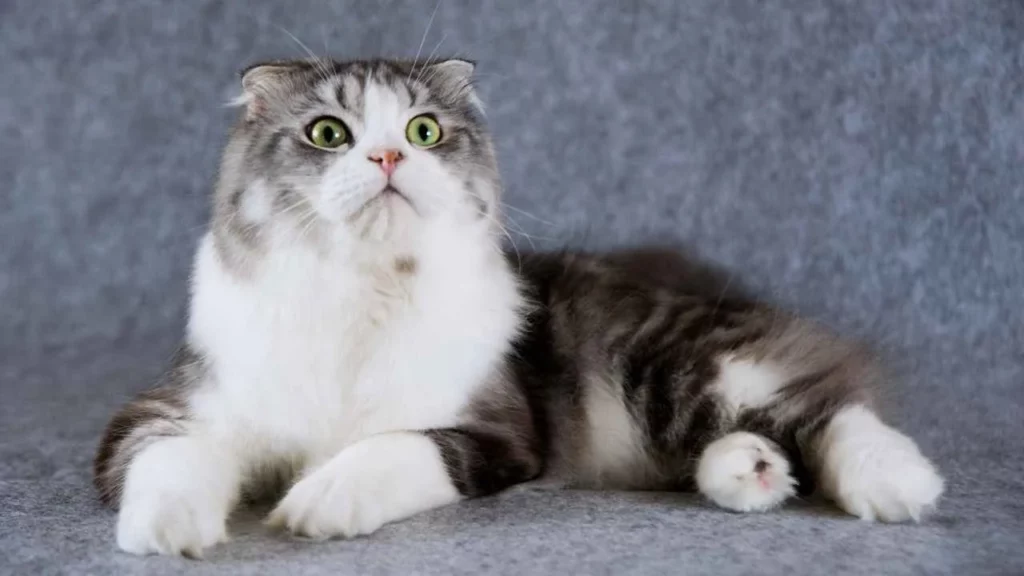
The Scottish Fold, sometimes called the Folded-Ear Cat, originates from Scotland and is instantly recognized by its forward-folding ears and round, expressive face. Beneath this calm, teddy-bear appearance lies a surprisingly sharp and observant mind that enjoys figuring things out at its own pace.

Although known for a relaxed demeanor, Scottish Folds are natural problem solvers who enjoy interactive puzzle toys and wand games. They like to analyze situations quietly, often watching first before engaging, which makes their problem-solving style thoughtful rather than impulsive.
Mental stimulation is essential for this intelligent breed. Food puzzles, treat-dispensing toys, and rotating enrichment activities keep them engaged without overwhelming them. Cat trees and window perches also give them strategic viewpoints to observe and plan their next move.
Training a Scottish Fold works best with patience and positive reinforcement. Short sessions using treats and praise help them learn routines, basic commands, and even simple tricks, strengthening both their confidence and bond with family members.
Fact: Scottish Folds typically stand 8 to 10 inches tall and can weigh up to 11 pounds.
7. Persian
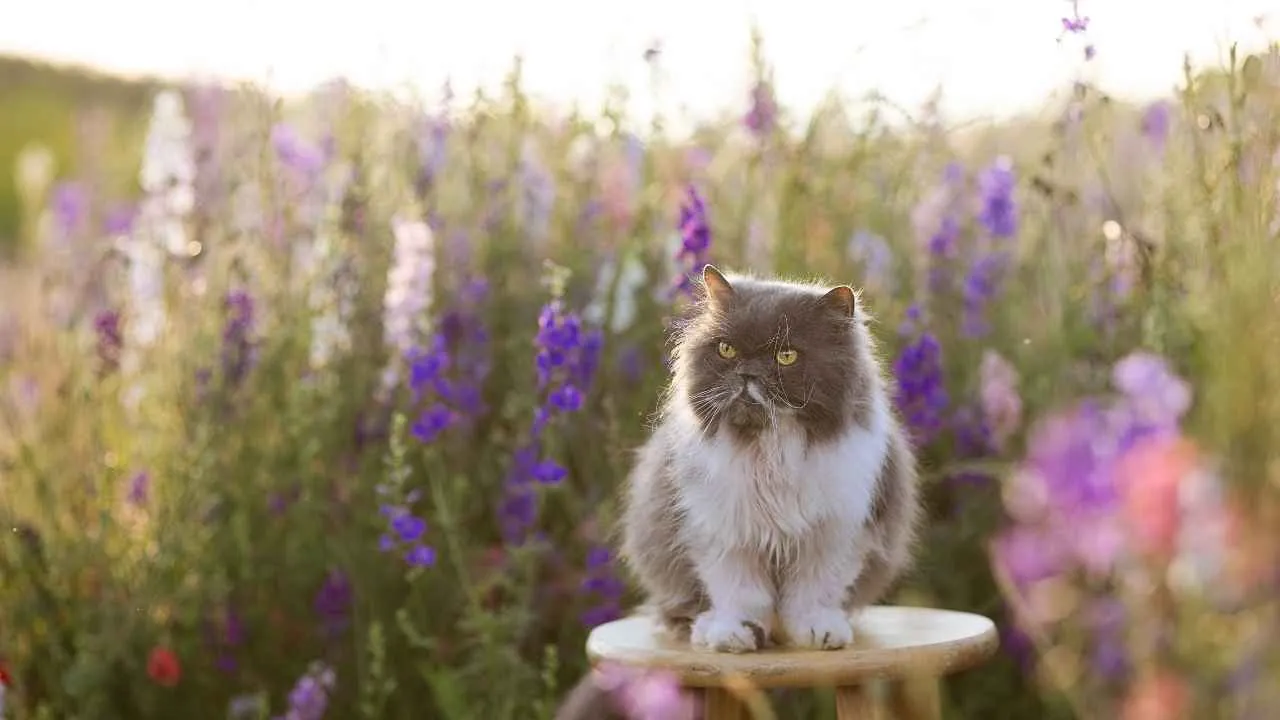
The Persian, also known as the Shirazi or Iranian cat, is instantly recognizable for its flat face, round eyes, and flowing long coat. Originating from ancient Persia, this breed is admired for its calm presence and refined appearance rather than flashy athleticism.
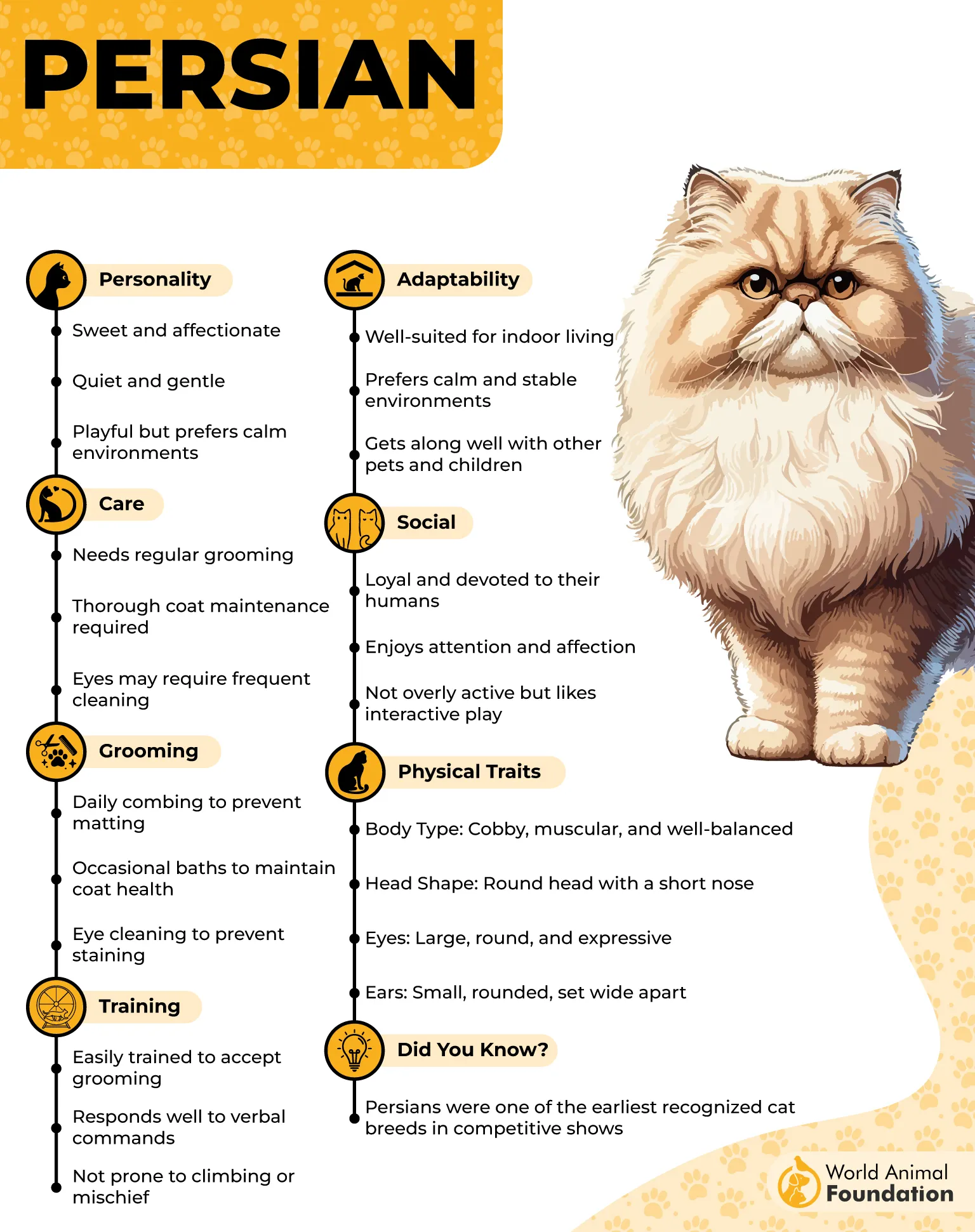
When it comes to problem-solving, Persians rely on quiet observation and social intelligence. They’re known for carefully choosing optimal nap locations, learning household routines, and subtly guiding their owners into providing attention or treats through gentle cues rather than forceful behavior.
Persians also excel at emotional problem-solving, reading human moods with ease and adjusting their behavior accordingly. While their energy level is low, they enjoy puzzle toys and interactive play that reward patience, showing intelligence through strategy instead of speed.
Their gentle temperament makes them compatible with respectful children and calm pets, and their intelligence shines in social settings rather than physical challenges.
Fact: Despite common myths, Persians are highly intelligent in social awareness and have lived closely with humans since at least the 1500s.
8. Turkish Angora
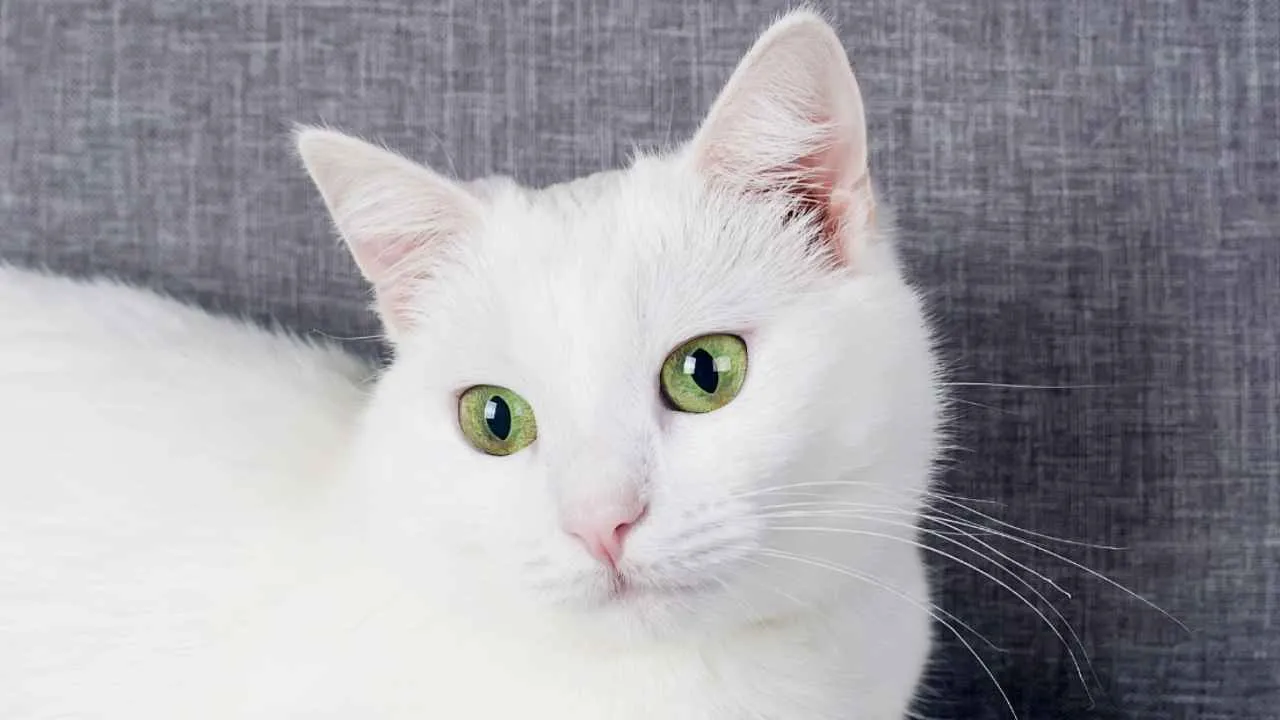
Also known simply as the Angora cat, the Turkish Angora is an ancient breed celebrated for its silky, long coat, athletic build, and alert expression. Originating in Turkey, this elegant cat combines grace with a sharp, inquisitive mind that sets it apart.
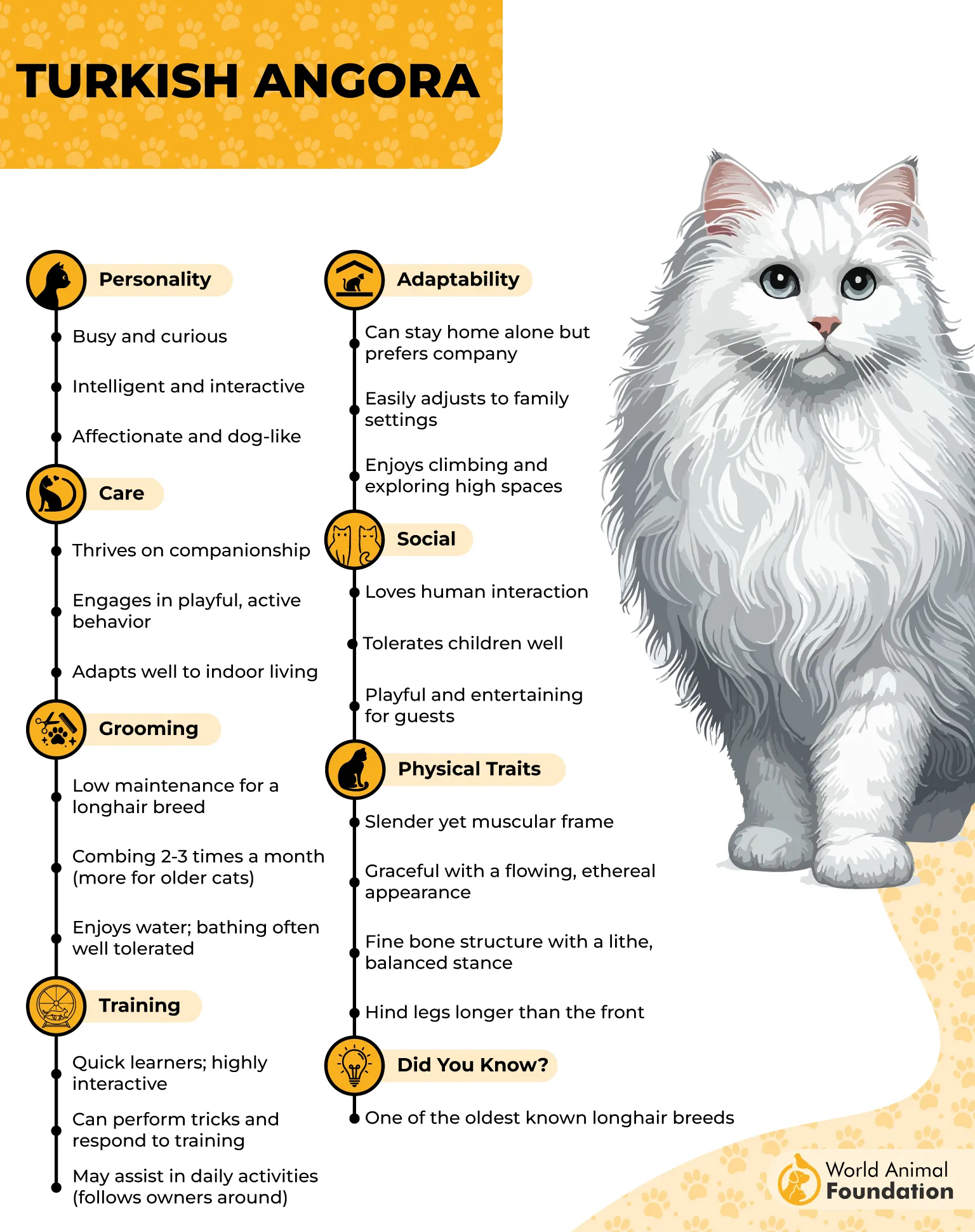
As natural problem solvers, Turkish Angoras are famous for figuring out how things work around the house. They’re quick to learn how to open cabinets, turn on faucets, or reach seemingly impossible spots, making daily life with them mentally engaging and unpredictable.
Living with a Turkish Angora means providing constant stimulation. Their high energy and intelligence demand interactive toys, climbing spaces, and frequent human involvement, or boredom can quickly lead to mischief. They thrive in environments that challenge both their body and mind.
Despite their independent streak, these clever cats are deeply affectionate and form strong bonds with people and other pets. Owners are rewarded with a loyal, entertaining companion who turns everyday routines into interactive experiences.
Fact: Turkish Angoras are known for their unusual love of water and have an average lifespan of about 15 years.
9. Burmese
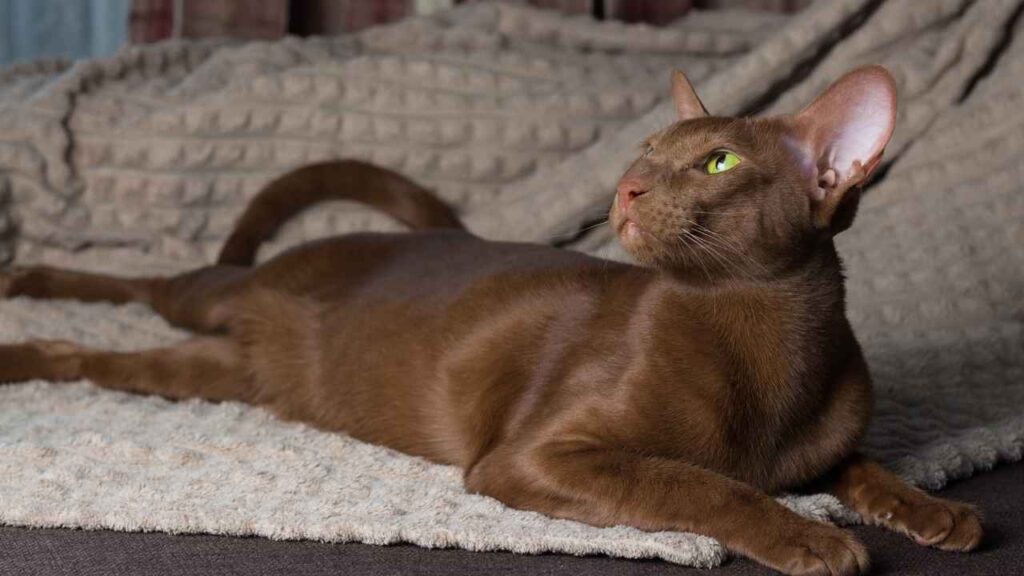
Also known simply as the Burmese cat, this sleek, muscular breed stands out for its expressive eyes, compact build, and short, glossy coat. Originating from Myanmar, Burmese cats are medium-sized, typically weighing between 8 and 15 pounds and standing about 10–12 inches tall, with a reputation for intelligence and curiosity.
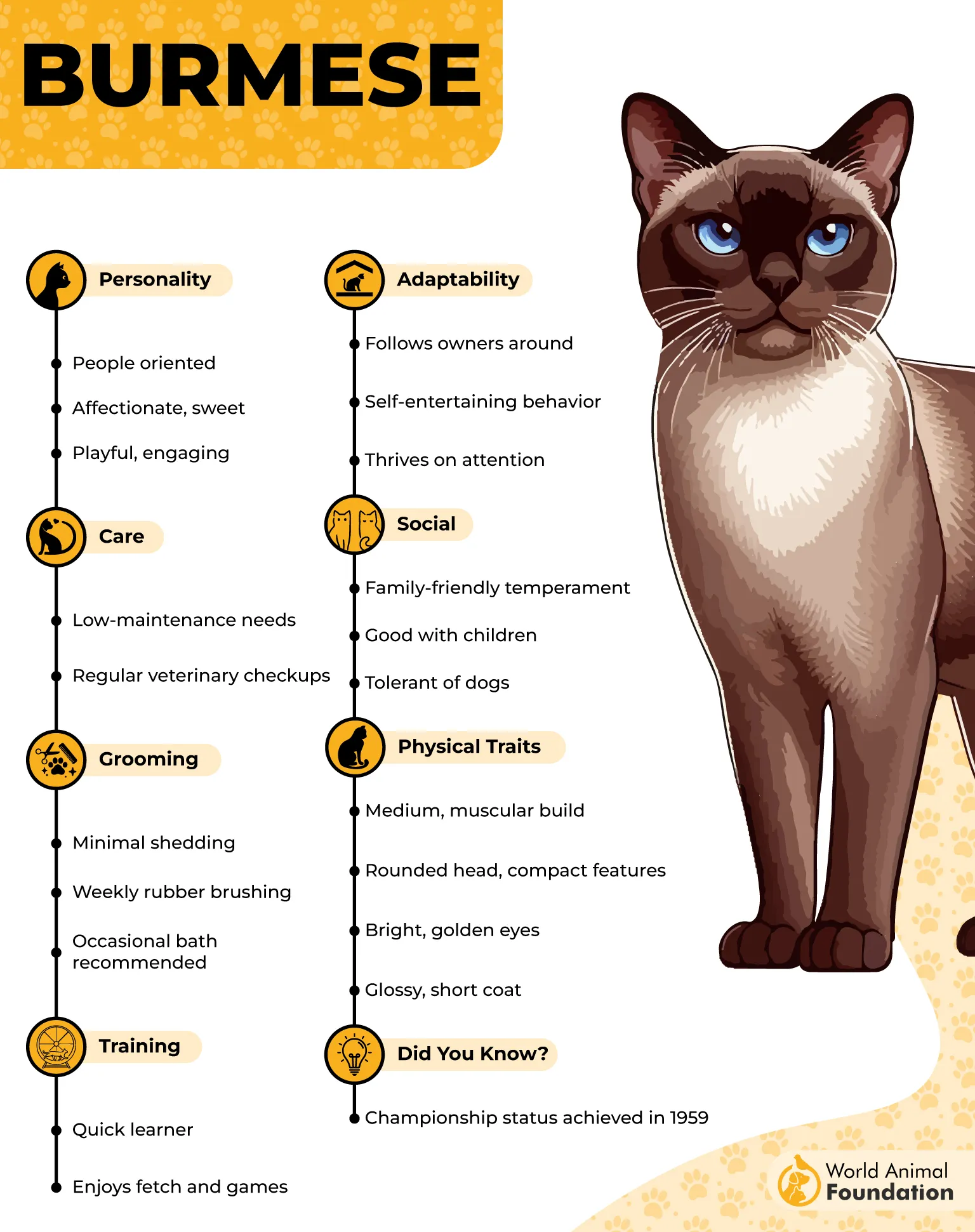
As one of the smartest cat breeds, Burmese cats excel at problem-solving and learning new tasks. They quickly pick up on routines, enjoy clicker training, and are often able to figure out puzzle toys or interactive feeders with ease. Their sharp minds mean they thrive in homes that offer mental challenges rather than a passive environment.
These cats are often described as “dog-like” because of how closely they bond with their humans. Burmese will follow family members from room to room, observe daily habits, and actively participate in play. Games like fetch, climbing challenges, and supervised leash walks give them healthy outlets for their clever energy.
When choosing a problem-solving breed, Burmese cats suit households that can provide stimulation, interaction, and structure. Cat trees, window perches, and regular play sessions help prevent boredom and channel their intelligence productively.
Fact: Burmese cats have an impressive average life expectancy of around 18 years.
Conclusion
Problem-solving cat breeds highlight just how remarkable feline intelligence can be. From opening a treat jar to adapting quickly to new environments, these intelligent cats thrive on mental challenges and interaction. Breeds like the Bengal cat, with its wild appearance and high intelligence, or the Cornish Rex, known for a playful nature and clever antics, constantly keep pet parents on their toes.
Their curiosity, emotional intelligence, and ability to perform tricks make every day engaging for both cats and their human companions.
Choosing a problem-solving feline friend means welcoming a cat with sharp instincts, a sweet nature, and an affectionate nature. Whether it’s a dense coat, signature folded ears, or simply a talent for outsmarting puzzles, the smartest breeds form strong bonds through shared activities.
For owners who enjoy interactive play and stimulating companionship, these cats turn everyday life into a fun, brain-boosting adventure.
