




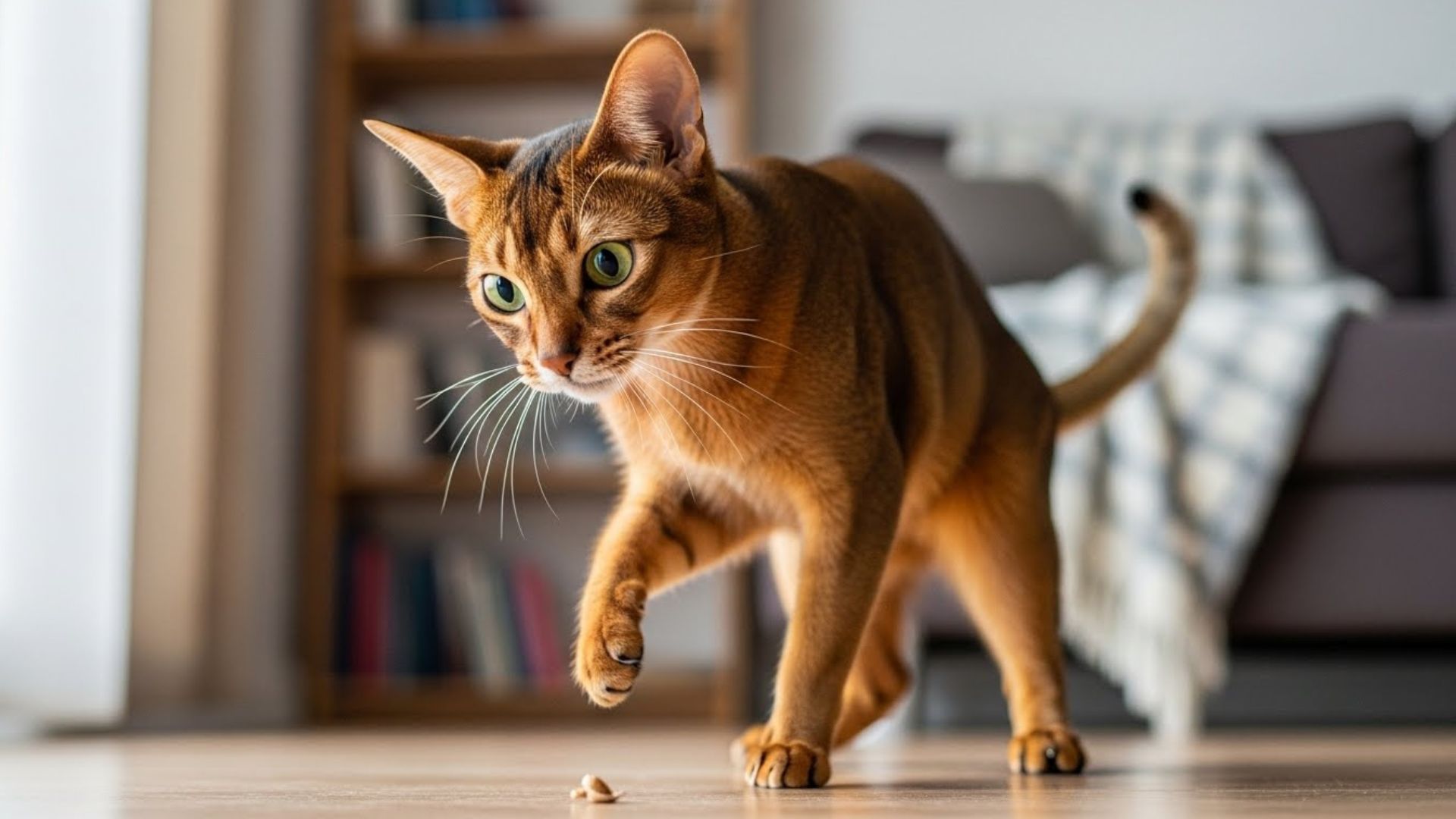
Curiosity is one of the most captivating traits in the feline world, shaping how cats interact with everything around them. While all cats possess an instinct to explore, some breeds are especially driven by an insatiable need to investigate, touch, climb, and observe.
These naturally curious cats don’t settle for simply watching from afar—they actively involve themselves in their environment, turning everyday spaces into opportunities for discovery. Their alert minds and sharp senses make them endlessly engaging companions.
Inquisitive cat breeds are known for poking their noses into cabinets, following their humans from room to room, and carefully inspecting anything new that enters their territory. This curiosity often goes hand in hand with high intelligence and playfulness, which means these cats thrive on interaction, mental stimulation, and variety.
For people who work from home or enjoy an interactive pet, these breeds bring constant energy and entertainment. Their fascination with movement, sound, and routine ensures life is never dull. Here are the cat breeds that are naturally curious and always eager to see what’s next.
Cat Breeds That Are Naturally Curious
1. Abyssinian
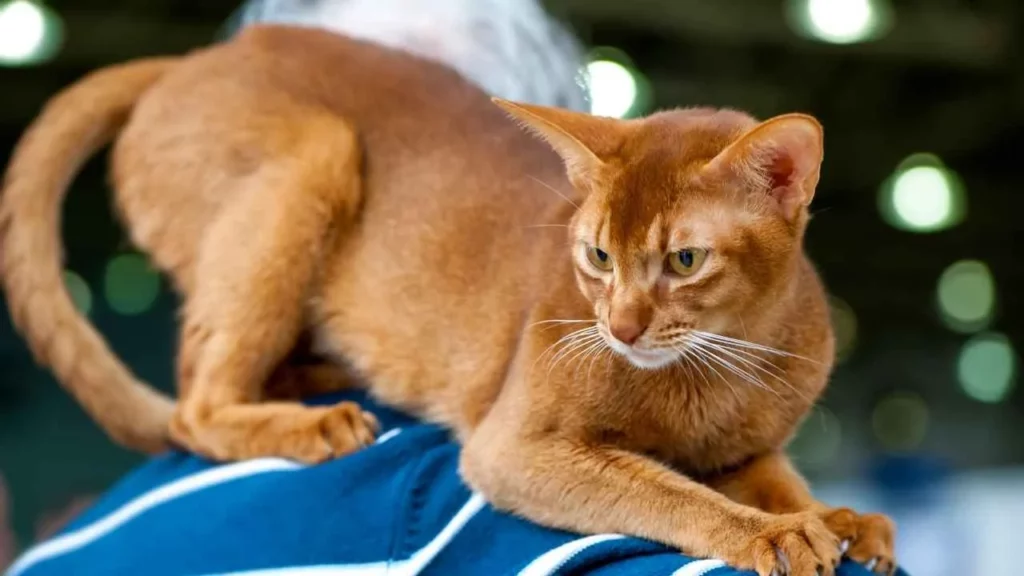
Often called the “Aby” or the explorer of the cat world, the Abyssinian is one of the oldest known domestic cat breeds, with roots traced to regions once known as Abyssinia. Sleek, athletic, and alert, this breed is instantly recognizable for its ticked coat and regal presence.
According to Britannica, the Abyssinian is a domestic cat breed that likely originated in Egypt and is often considered the closest living match to the sacred cats of ancient Egypt.
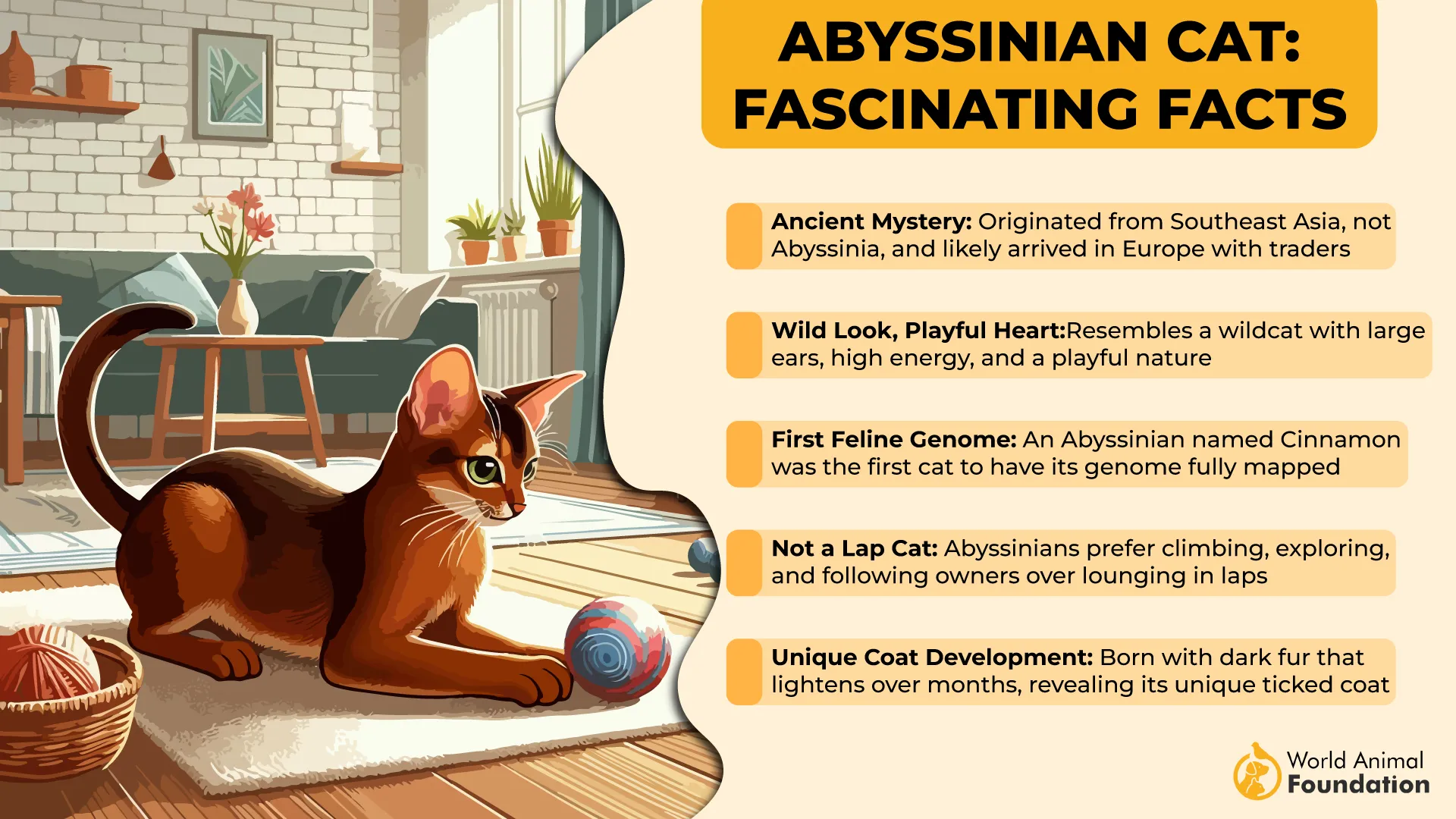
Curiosity defines the Abyssinian’s personality. These cats are constantly on the move, driven by sharp intelligence and a need to understand how everything works. Their agile bodies and problem-solving minds push them to climb high spaces, inspect objects, and investigate new sounds or movements.
Unlike more laid-back breeds, Abyssinians actively seek engagement. They insert themselves into daily routines, from supervising work desks to initiating interactive games. This hands-on curiosity highlights how intelligence, energy, and confidence combine to create highly inquisitive feline behavior.
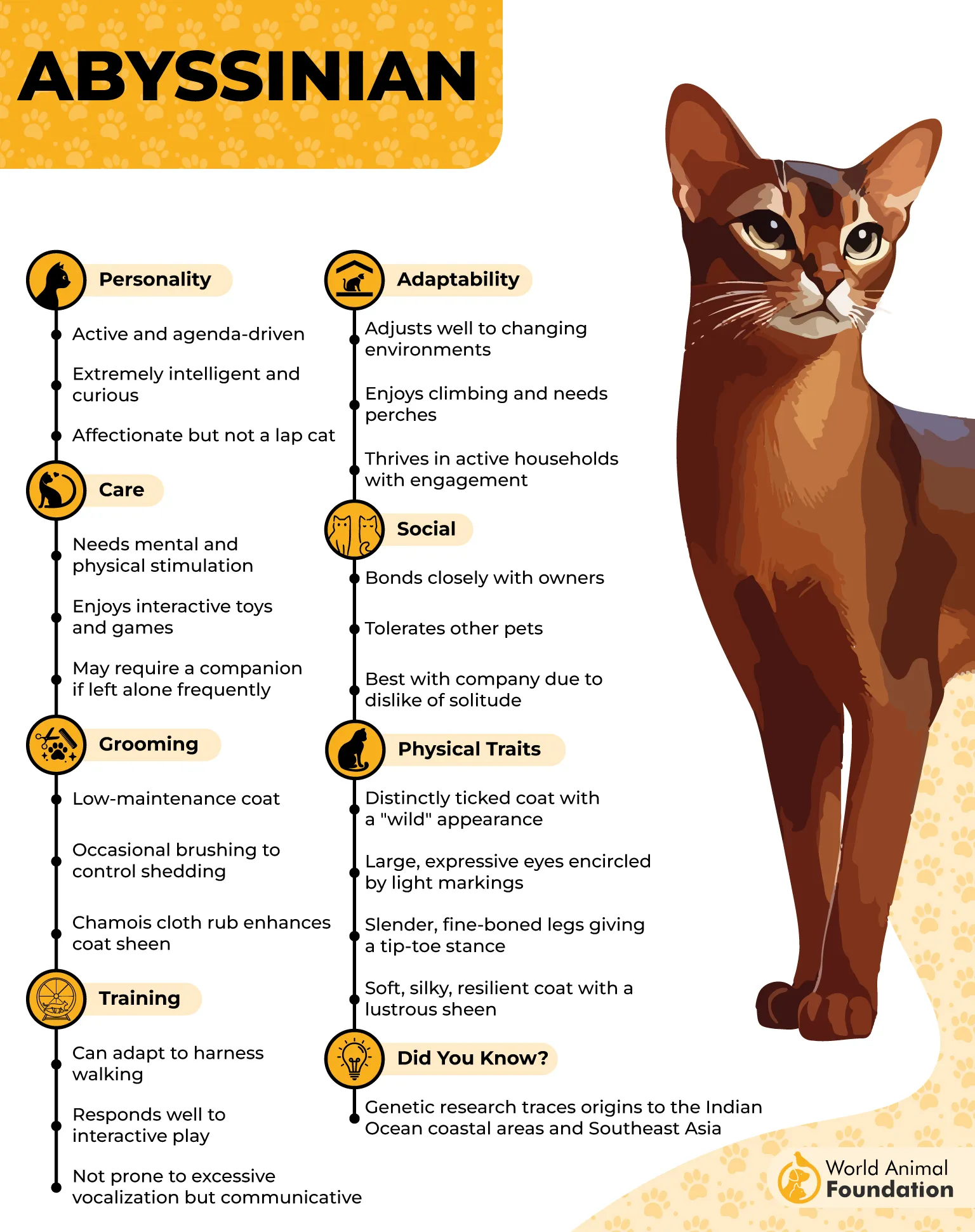
Their curiosity is deeply social as well. Abyssinians don’t just explore spaces—they explore relationships, bonding closely with humans and learning through shared experiences.
Fact: The Abyssinian is considered one of the oldest domestic cat breeds, with historical ties to Ethiopia, formerly known as Abyssinia.
2. Bengal
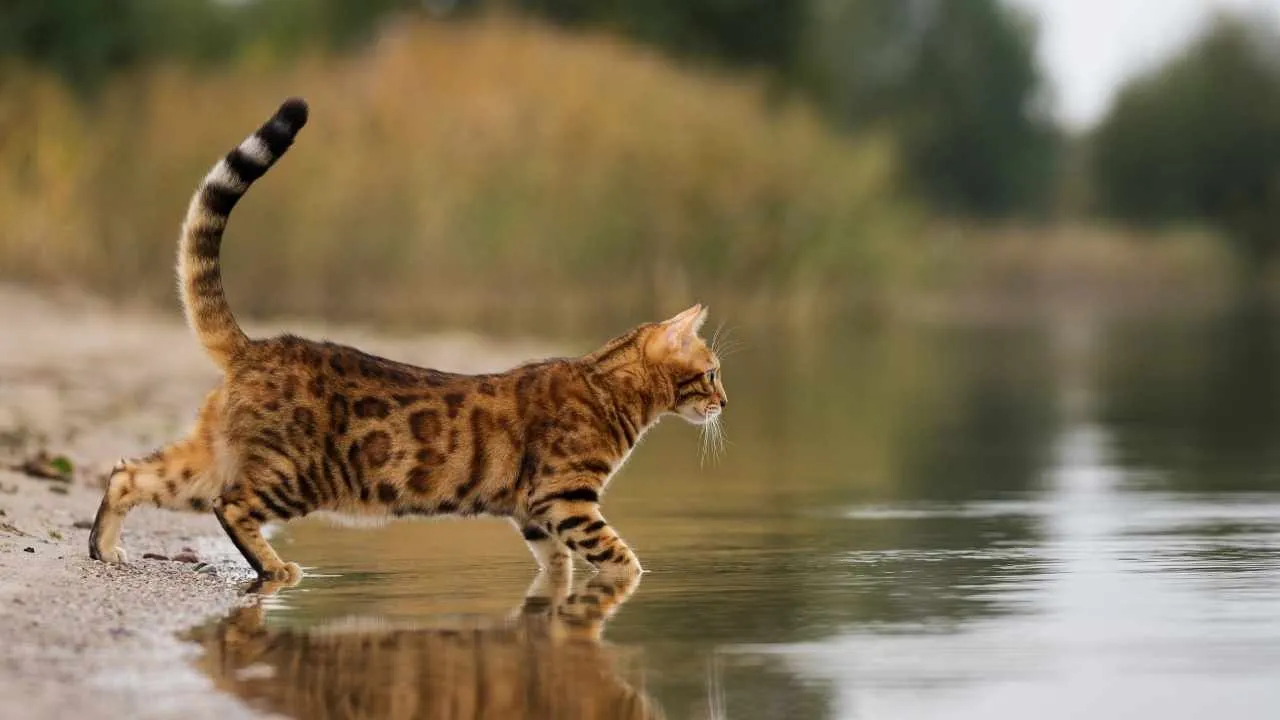
Often called the “mini leopard,” the Bengal cat is known for its striking rosette-patterned coat and athletic build.
According to PetMD, the Bengal cat’s striking appearance is so similar to a leopard’s that it may be mistaken for a miniature version, and this comparison is largely accurate.
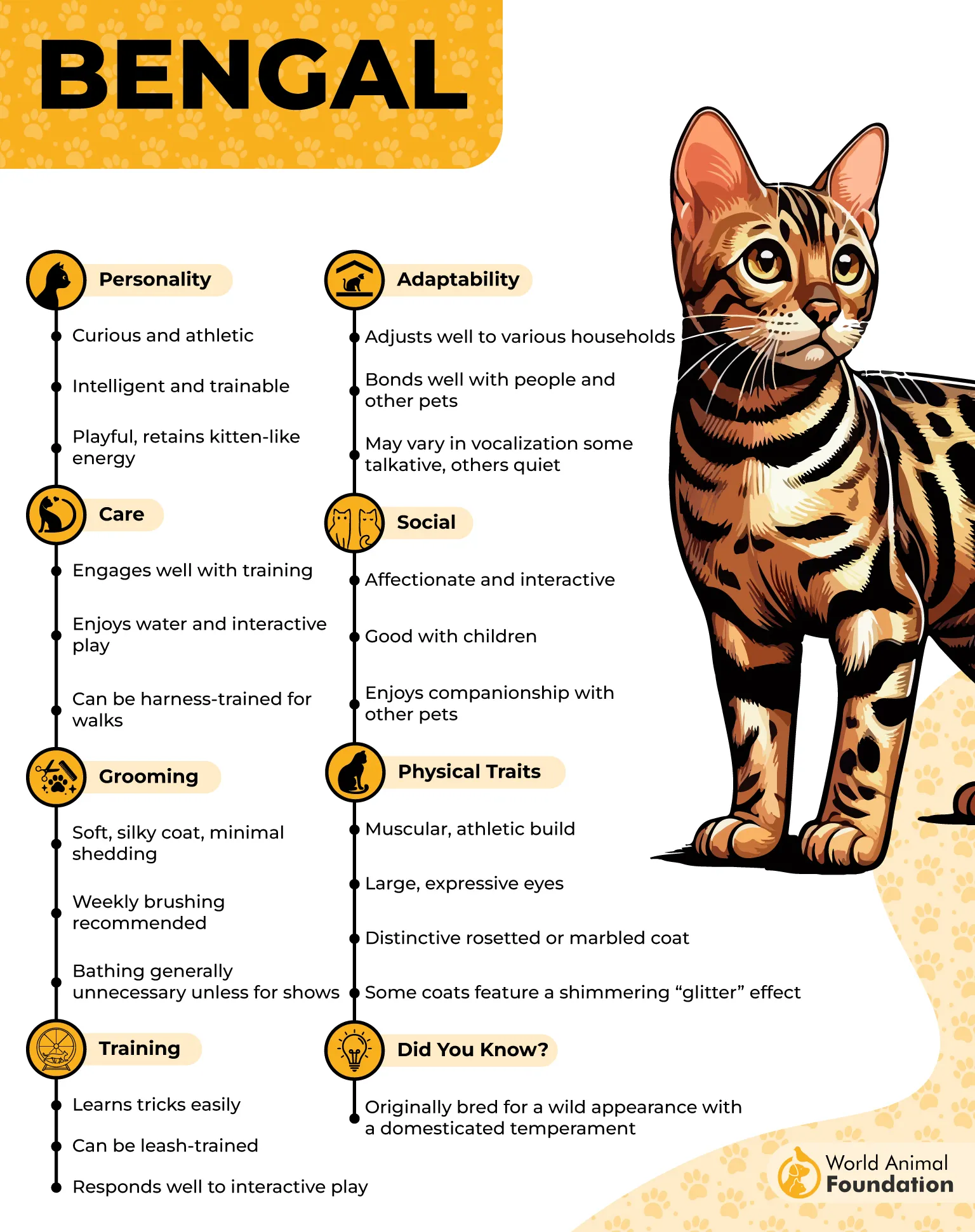
Bengals are naturally curious and rarely content to sit still. Their sharp intelligence drives them to investigate moving objects, new sounds, and unfamiliar spaces, making climbing shelves, opening doors, and inspecting bags part of their daily routine.
From a behavioral science perspective, their curiosity is fueled by high cognitive needs and strong problem-solving instincts. Bengals respond especially well to puzzle feeders, interactive toys, and environments that challenge their minds as much as their bodies.
This breed’s fascination with water, heights, and constant activity highlights how genetics influences feline curiosity. Owners who understand this need for stimulation often see fewer behavioral issues and a more balanced, engaged companion.
Fact: Bengals often show an unusual interest in water and require ongoing mental enrichment to stay satisfied.
3. Siamese
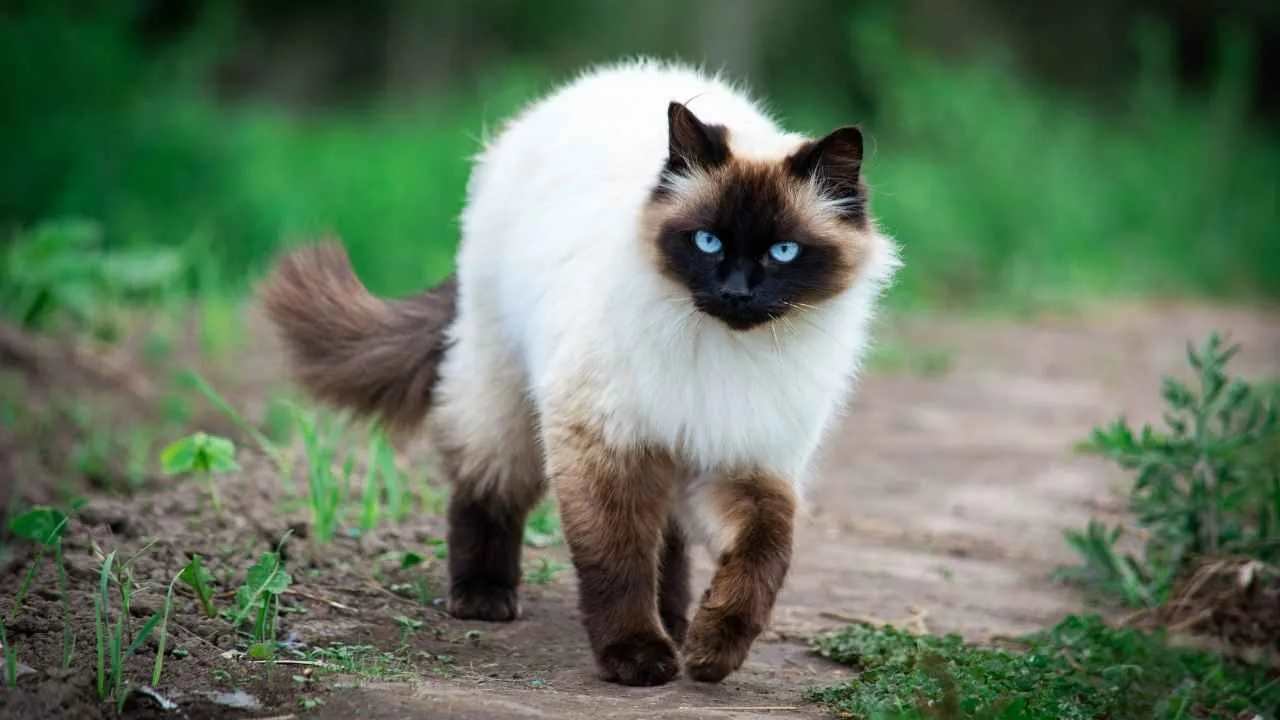
The Siamese, also known as the Thai cat or affectionately called the “Meezer,” is instantly recognizable for its sleek body, color-point coat, and striking blue eyes. Originating from Thailand, this breed is famously social, vocal, and deeply connected to its surroundings and people.
According to WebMD, they are often described as classic “people cats” because they like interacting with their owners, sleeping next to them, and climbing into their laps.
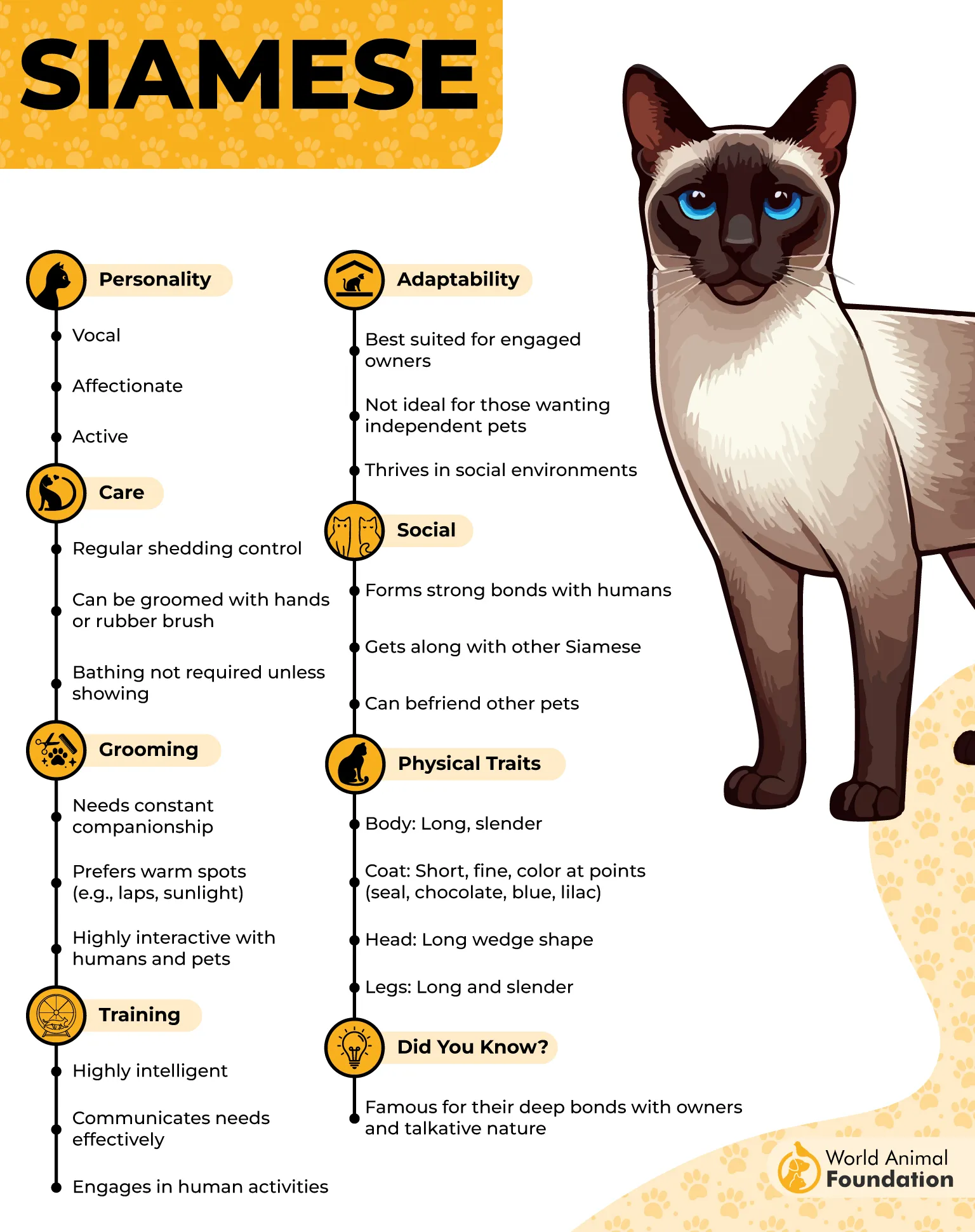
Curiosity defines the Siamese personality. These cats insist on being part of every activity, trailing their humans from room to room and closely inspecting cabinets, bags, and anything new brought home. Their sharp intelligence and agile build allow them to reach places other cats might ignore.
Highly observant and interactive, Siamese cats thrive on mental stimulation. Puzzle toys, interactive games, and daily engagement help satisfy their need to explore and understand their environment. Without stimulation, their curiosity often turns into mischievous problem-solving.
Their inquisitive nature is amplified by strong social bonds, as they prefer discovering the world alongside their humans rather than alone.
Fact: Siamese cats are known for being extremely vocal and will often “talk” while following their owners throughout the house.
4. Sphynx
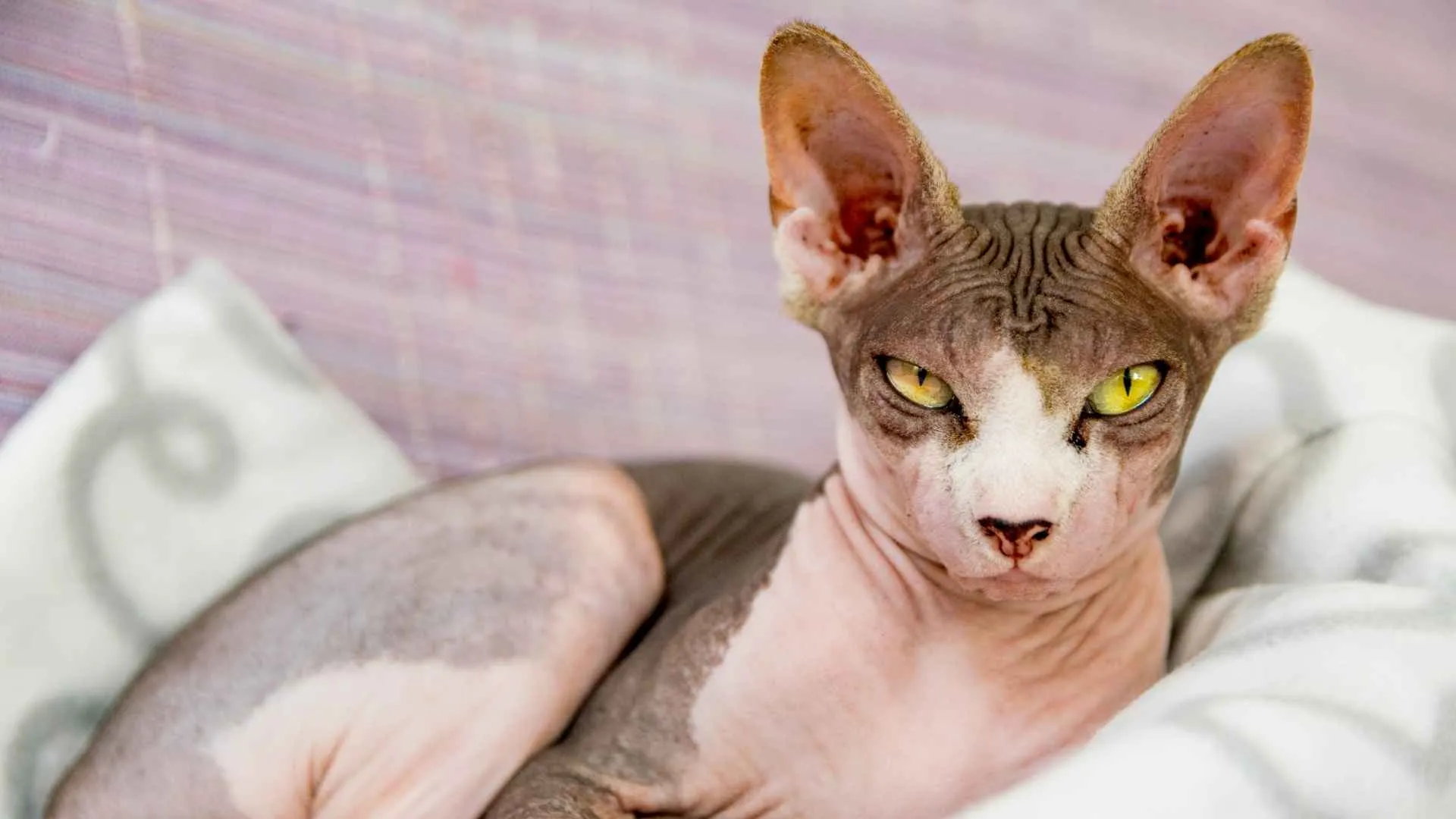
Also known as the Canadian Sphynx, this instantly recognizable breed stands out for its hairless body, warm skin, and oversized ears. Beyond its unusual appearance, the Sphynx is a highly social, people-oriented cat that thrives on interaction and constant engagement.
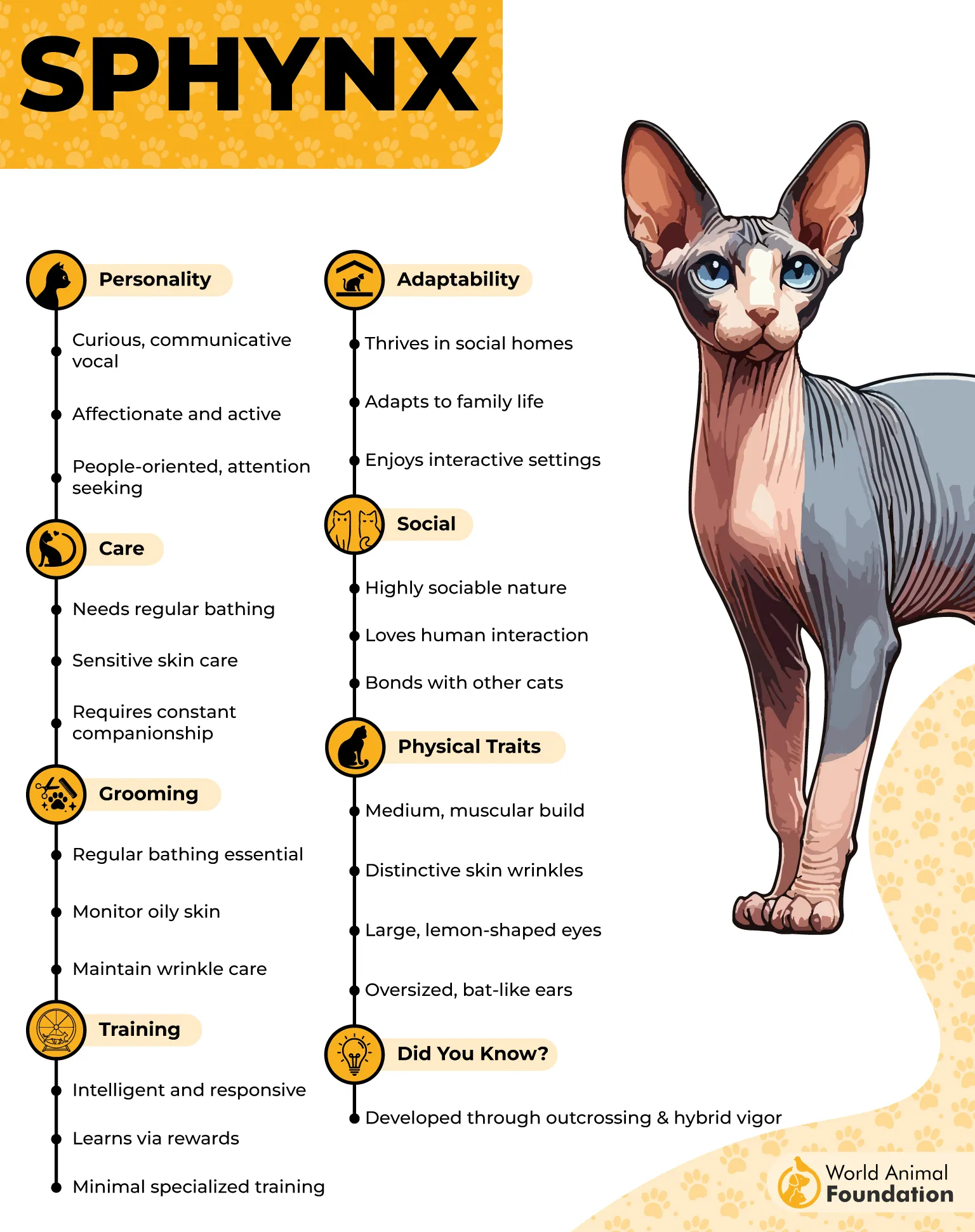
Naturally inquisitive, the Sphynx wants to be involved in everything happening around the home. From inspecting shelves to supervising daily routines, this breed actively explores its environment and seeks out cozy, warm spots where curiosity and comfort meet.
Their intelligence fuels that curiosity, making them quick learners who enjoy problem-solving and interactive activities. Many Sphynx cats eagerly participate in games, learn tricks, and even adapt well to leash training when exploration extends beyond the living room.
Because they crave stimulation and companionship, Sphynx cats can become mischievous if bored. Regular playtime, enrichment toys, and social interaction help channel their curiosity in positive ways while keeping this active, intelligent breed happily engaged.
Fun fact: Sphynx cats are known to learn tricks easily and may even enjoy playing fetch or walking on a leash.
5. Turkish Van

Often called the “Swimming Cat,” the Turkish Van is a rare and ancient breed known for its striking markings, strong build, and fearless personality. Originating near Lake Van, this cat stands out for its love of water and its hands-on approach to exploring the world.
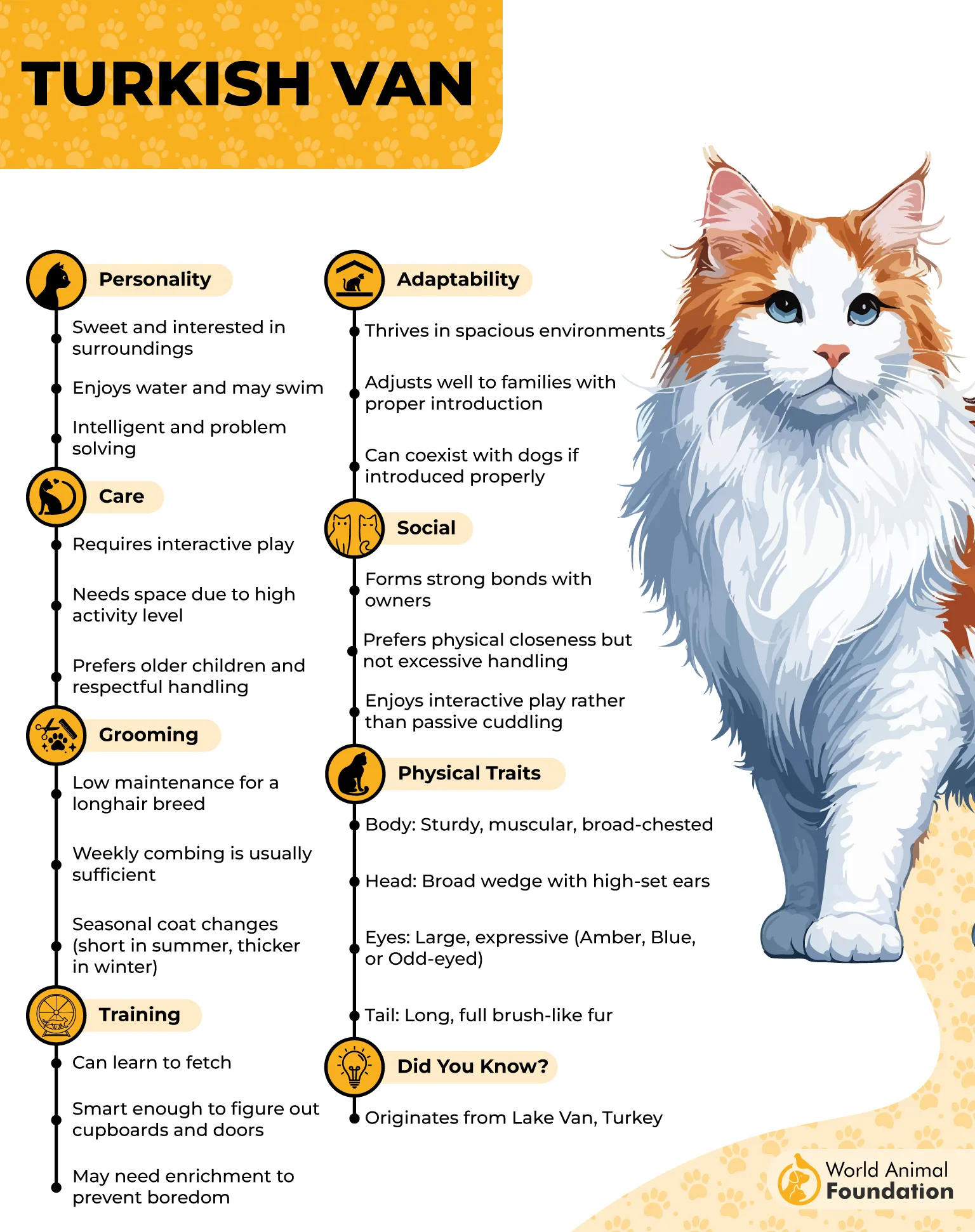
Curiosity defines how a Turkish Van behaves at home. Rather than observing from afar, this breed investigates every sound, movement, and new object up close. From climbing shelves to watching the outdoors with intense focus, their need to understand their surroundings keeps them constantly engaged.
Their inquisitive nature means they thrive in active households where interaction is part of daily life. Turkish Vans often insert themselves into routines, exploring workspaces, opening doors, and experimenting with anything that sparks interest, which makes enrichment and play essential.
Without structured outlets, their curiosity can turn into mischief. Scheduled play, rotating toys, and physical challenges help channel their energy productively and keep boredom at bay.
Fun fact: Turkish Vans are famously fond of water and may willingly jump into sinks, tubs, or pools.
6. Scottish Fold
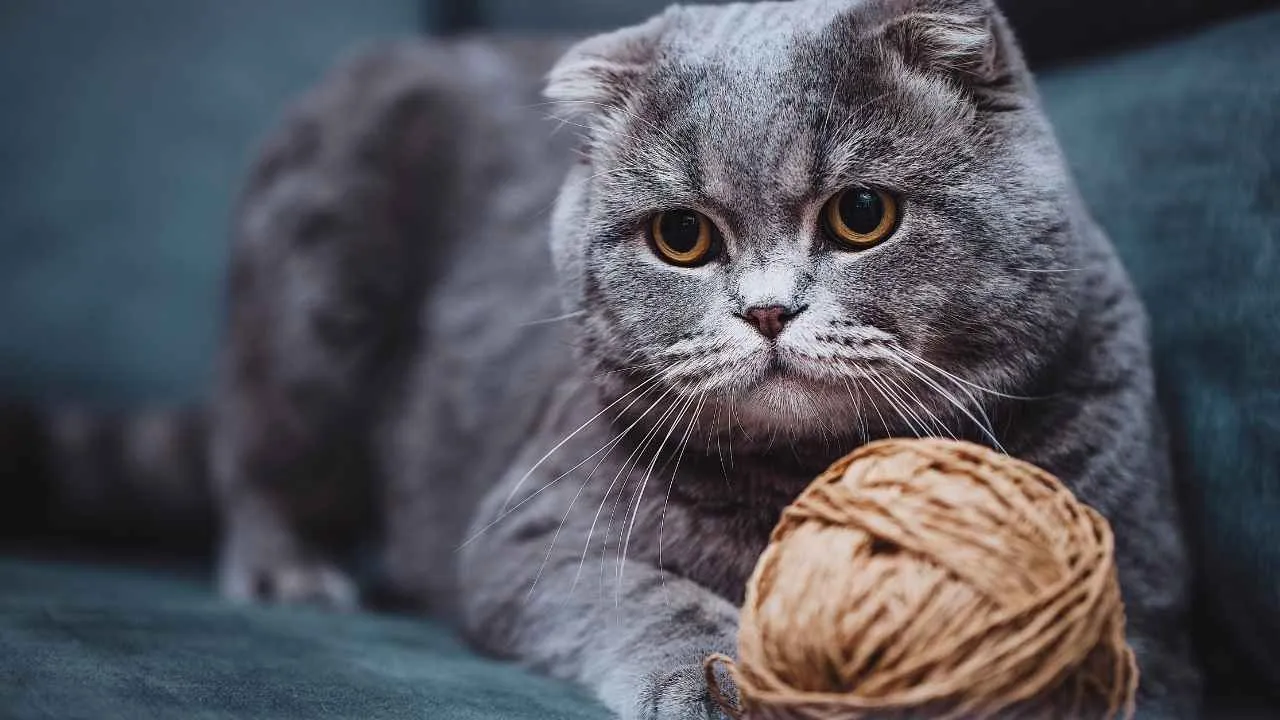
Also known simply as the Folded-ear cat, the Scottish Fold is instantly recognizable by its forward-folding ears and round, expressive face. Originating in Scotland, this breed pairs a sweet appearance with a quietly inquisitive personality that fits well in observant households.

Rather than bounding into chaos, Scottish Folds explore with intention. Their curiosity shows up in careful inspections of daily routines, new objects, and household activity, often positioning themselves close by to watch every move with wide, attentive eyes.
Mental stimulation matters for this breed, even if their energy level is moderate. Interactive toys, predictable routines, and gentle play sessions keep their minds engaged and prevent boredom, especially since they enjoy being involved without overwhelming activity.
Highly adaptable, Scottish Folds adjust well to apartments or larger homes as long as they have space to move and mental outlets to explore.
Fact: This breed is known for its distinctive folded ears and its ability to adapt comfortably to both busy city homes and quiet country environments.
7. Oriental Shorthair
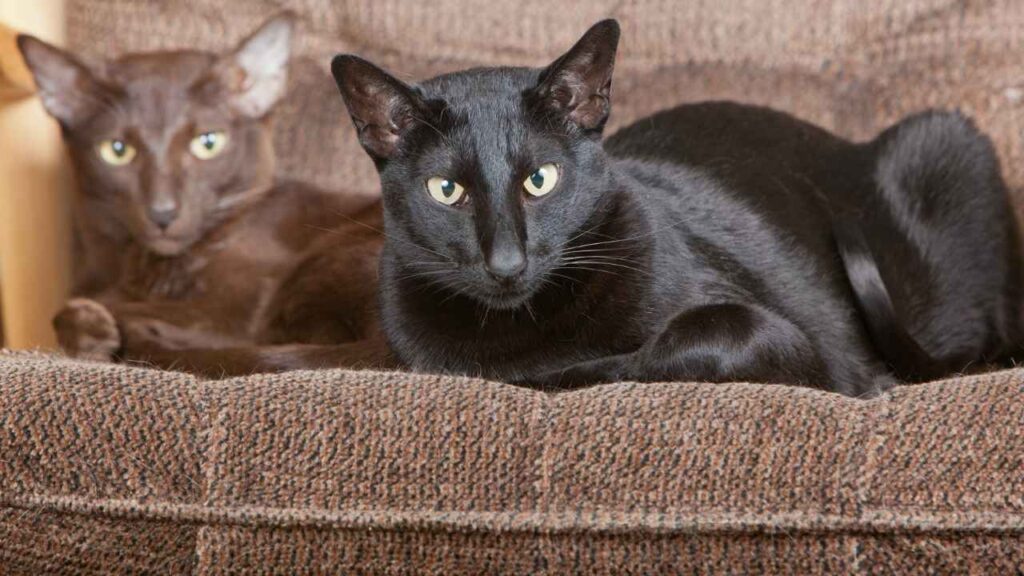
The Oriental Shorthair, sometimes referred to as the Foreign Shorthair, is a sleek, fine-boned breed known for oversized ears, almond-shaped eyes, and a sharply curious mind. Closely related to the Siamese, this cat combines elegance with an unmistakably alert, expressive presence.
Curiosity defines the Oriental Shorthair’s daily routine. These cats insist on supervising every activity, from meal prep to laptop work, often offering vocal opinions along the way. Their intelligence drives them to investigate drawers, shelves, and any unfamiliar sound, making boredom nearly impossible in a shared space.
Because of their inquisitive nature, Oriental Shorthairs thrive in environments rich with stimulation. Open layouts, cat trees, window perches, and interactive toys help satisfy their constant need to explore. They are happiest in homes where humans are frequently present and engaged.
Apartments or houses can suit them equally well, as long as companionship and enrichment are priorities. This breed dislikes solitude and benefits greatly from another pet or consistent human interaction.
Fact: Oriental Shorthairs are highly social cats that need constant stimulation and strongly dislike being left alone.
8. Cornish Rex
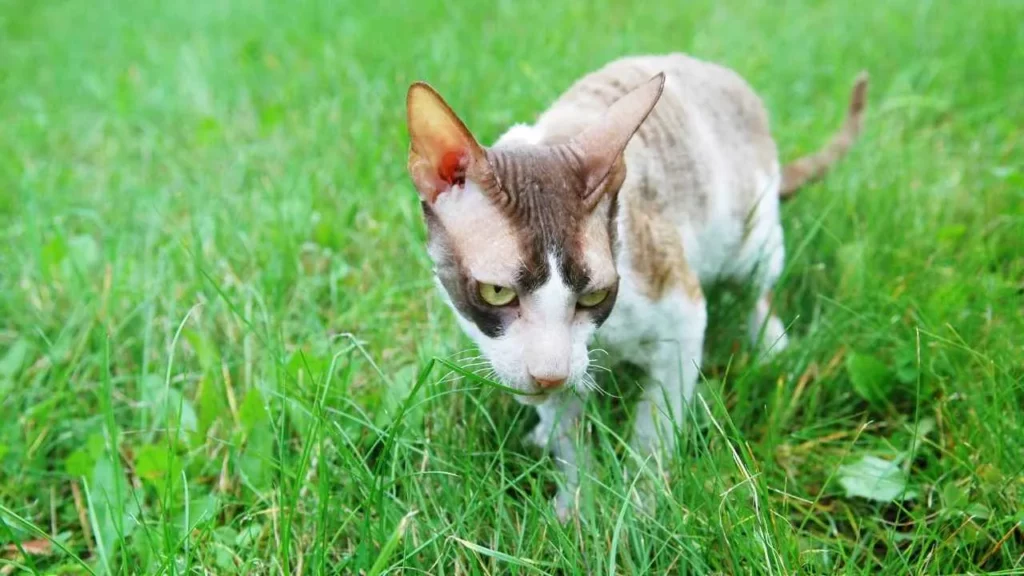
Also known simply as the Rex cat, the Cornish Rex stands out with its slender frame, oversized ears, and signature curly coat. This breed is lightweight, athletic, and instantly recognizable for its elegant appearance and energetic personality.
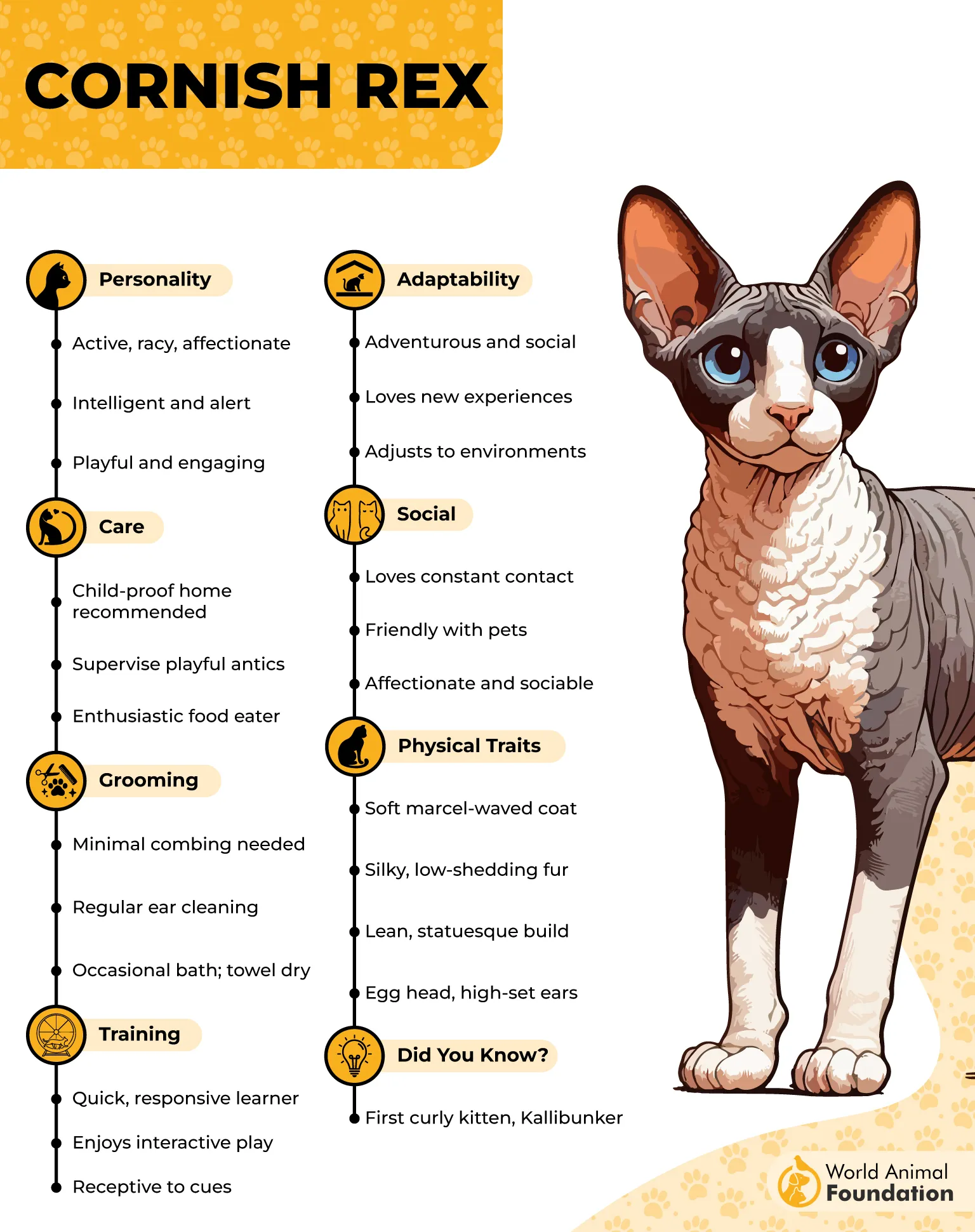
Naturally curious, the Cornish Rex thrives on exploration and interaction. These cats love investigating every corner of the home, especially vertical spaces like shelves and cabinets, and they rarely miss an opportunity to inspect new objects or movements.
Their intelligence fuels their mischief. Puzzle toys, interactive games, and climbing structures are essential for managing their curiosity, as bored Cornish Rex cats may learn to open drawers, doors, or even “help” with household tasks.
Despite their high energy, they are deeply affectionate and prefer staying close to their humans, often turning curiosity into shared playtime.
Fact: Cornish Rex cats have minimal shedding due to the absence of guard hairs, making their wavy coat surprisingly low-maintenance.
9. Maine Coon
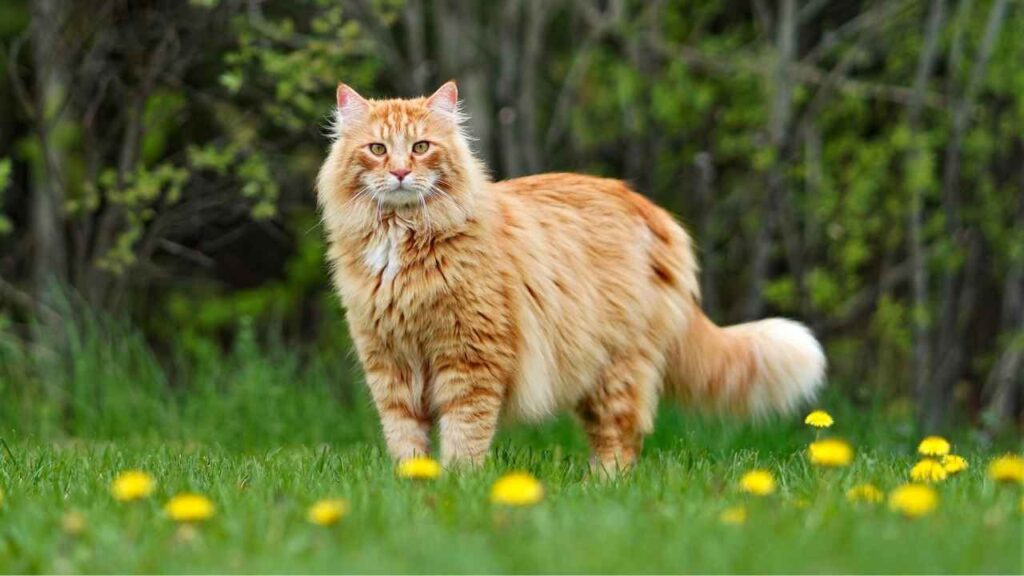
Often called the “gentle giant” of the cat world, the Maine Coon is one of the largest domestic cat breeds, instantly recognizable by its tufted ears, bushy tail, and sturdy build. Despite their impressive size, these cats are famously sweet-natured and highly social, making them easy companions in busy homes.
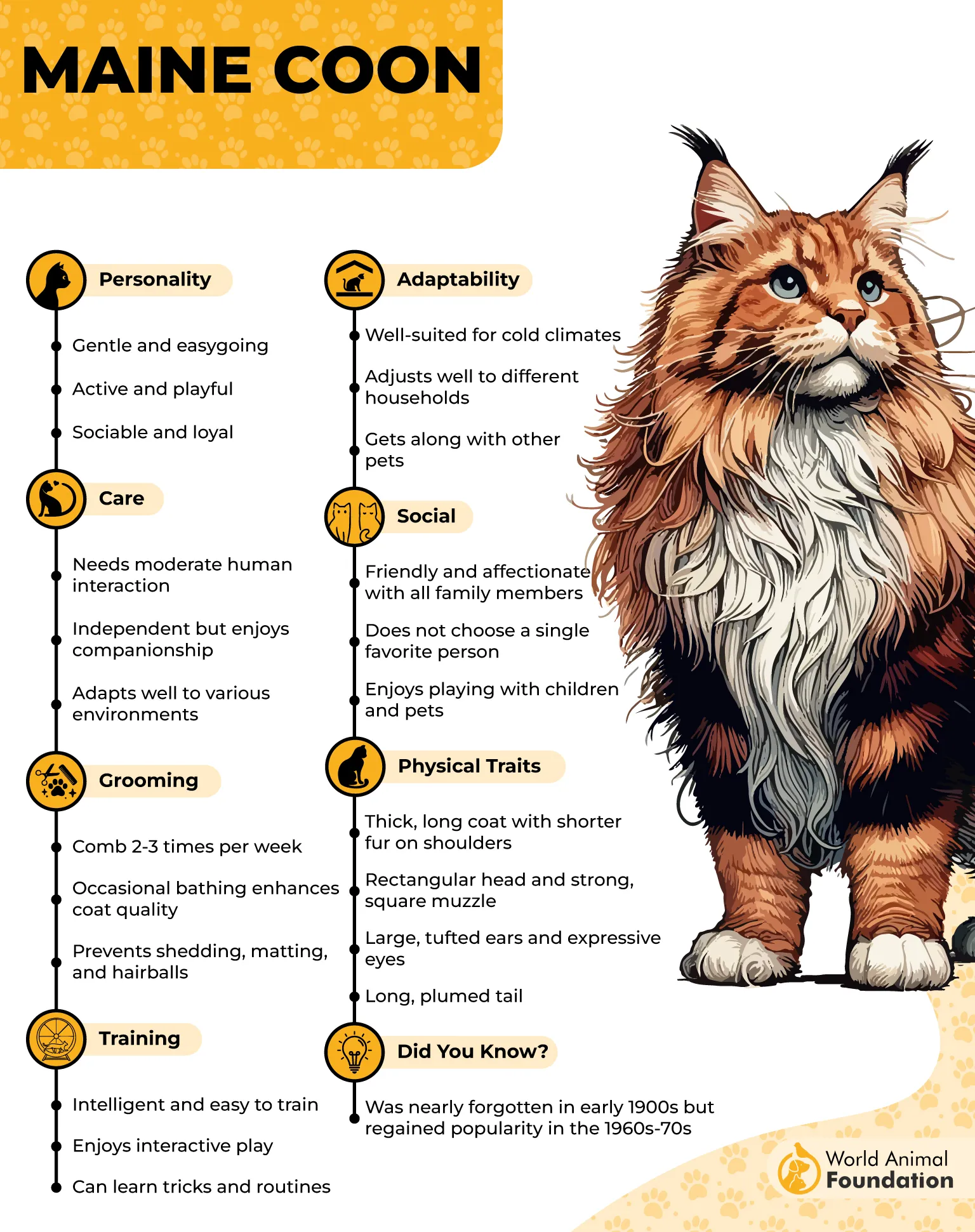
What truly sets the Maine Coon apart is its natural curiosity. These cats love to investigate new objects, open spaces, and daily routines, often trailing their humans from room to room. Their calm confidence allows them to explore without fear, turning ordinary household changes into fascinating discoveries.
Because they’re intelligent and playful, Maine Coons thrive when given puzzle toys, climbing trees, and interactive games. Encouraging safe exploration means offering vertical spaces, rotating toys, and supervised access to new areas, which keeps their curious minds engaged without risk.
Their affectionate personality ensures exploration is rarely solitary—they want to be involved in whatever you’re doing, whether it’s working or relaxing.
Conclusion
Curious cat breeds bring energy, intelligence, and constant engagement into a home. Their highly intelligent minds thrive on exploration, interactive play, and learning through observation, making them endlessly entertaining companions.
Whether following their human family from room to room or inspecting every new object, these cats balance an affectionate nature with a strong desire to understand their surroundings. Their curiosity often strengthens bonds with human companions, as they actively seek involvement rather than passive attention.
From breeds with a sleek, slender body to those with a more wild appearance inspired by ancestors like the Asian leopard cat, curiosity takes many forms in the feline world. Even calmer breeds such as the Russian Blue show a thoughtful, observant side that keeps them mentally engaged.
When given enrichment, puzzle toys, and quality interaction, naturally curious cats grow into confident, happy pets that fit seamlessly into family life while keeping daily routines lively and engaging.
