




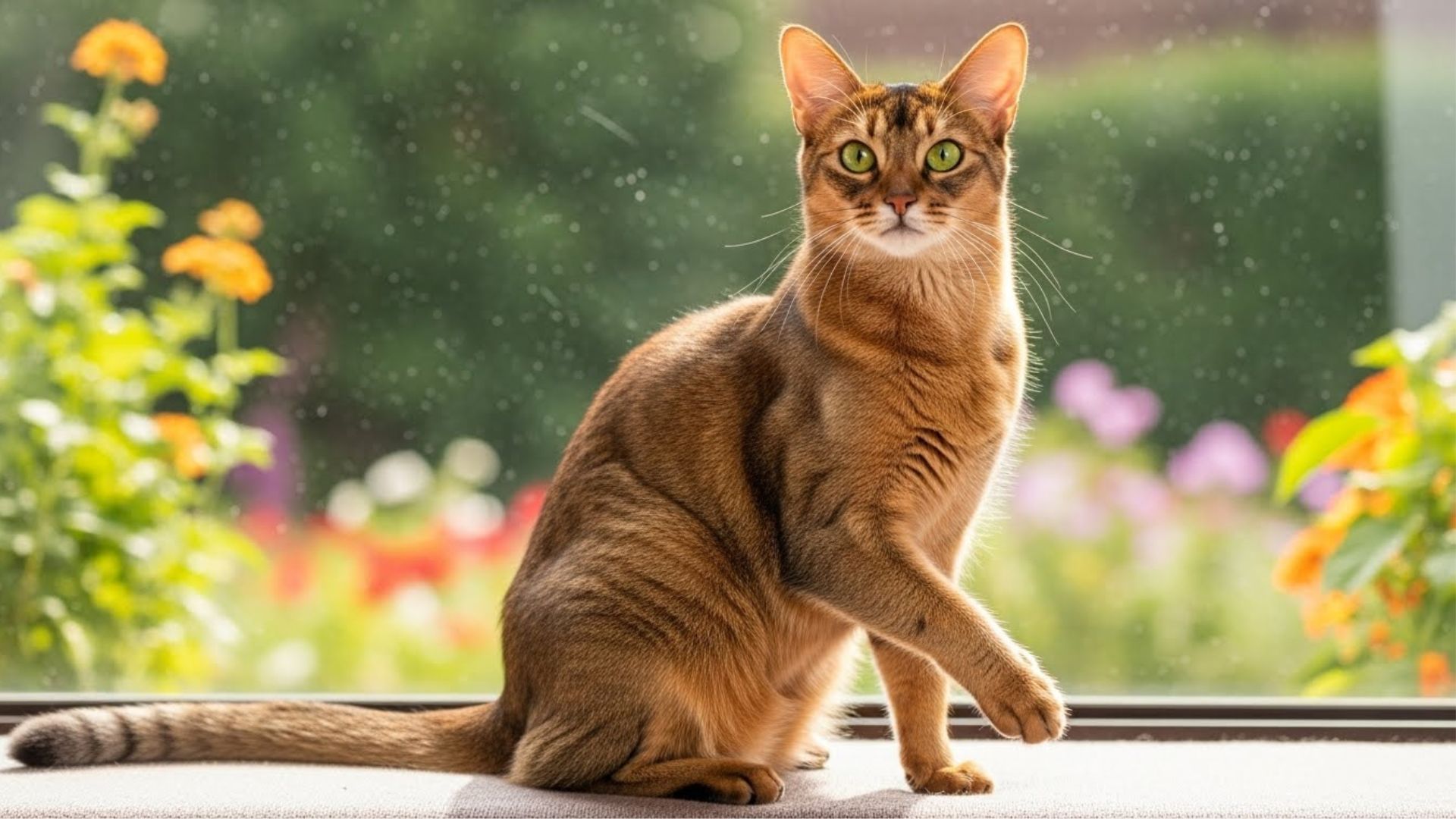
Folklore may claim cats have nine lives, but in reality, we only get one precious lifetime with them—and how long that lasts can vary a lot. Breed, lifestyle, nutrition, vet care, and even how much they play all help determine whether your feline friend is with you for just a decade or well beyond it. For many cat lovers, the dream is simple: as many healthy, happy years together as possible.
While it’s fairly common for cats to reach around 15 years of age, some breeds are known for stretching that timeline even further. These long-lived kitties have reputations as sturdy, slower-aging companions, though there’s never a guarantee; genetics and environment always work together. Still, starting with a breed that tends to live longer can definitely tilt the odds in your favor.
In this article, we’ll highlight cat breeds that are most likely to enjoy extended lifespans—plus what you can do to support them. With the right match and good care, you might have a whiskered roommate well into their late teens or even 20s.
7 Cat Breeds That Are Most Likely to Live Longer
1. Siamese

The Siamese is a striking, ancient breed from Thailand, instantly recognizable for its slender build, dark colorpoints, and vivid blue eyes. Highly social and famously vocal, this is a cat that prefers to be in the middle of whatever you’re doing.
Britannica states that the Siamese is a well-known short-haired domestic cat breed that originated in Thailand, a nation that was officially called Siam until 1939.
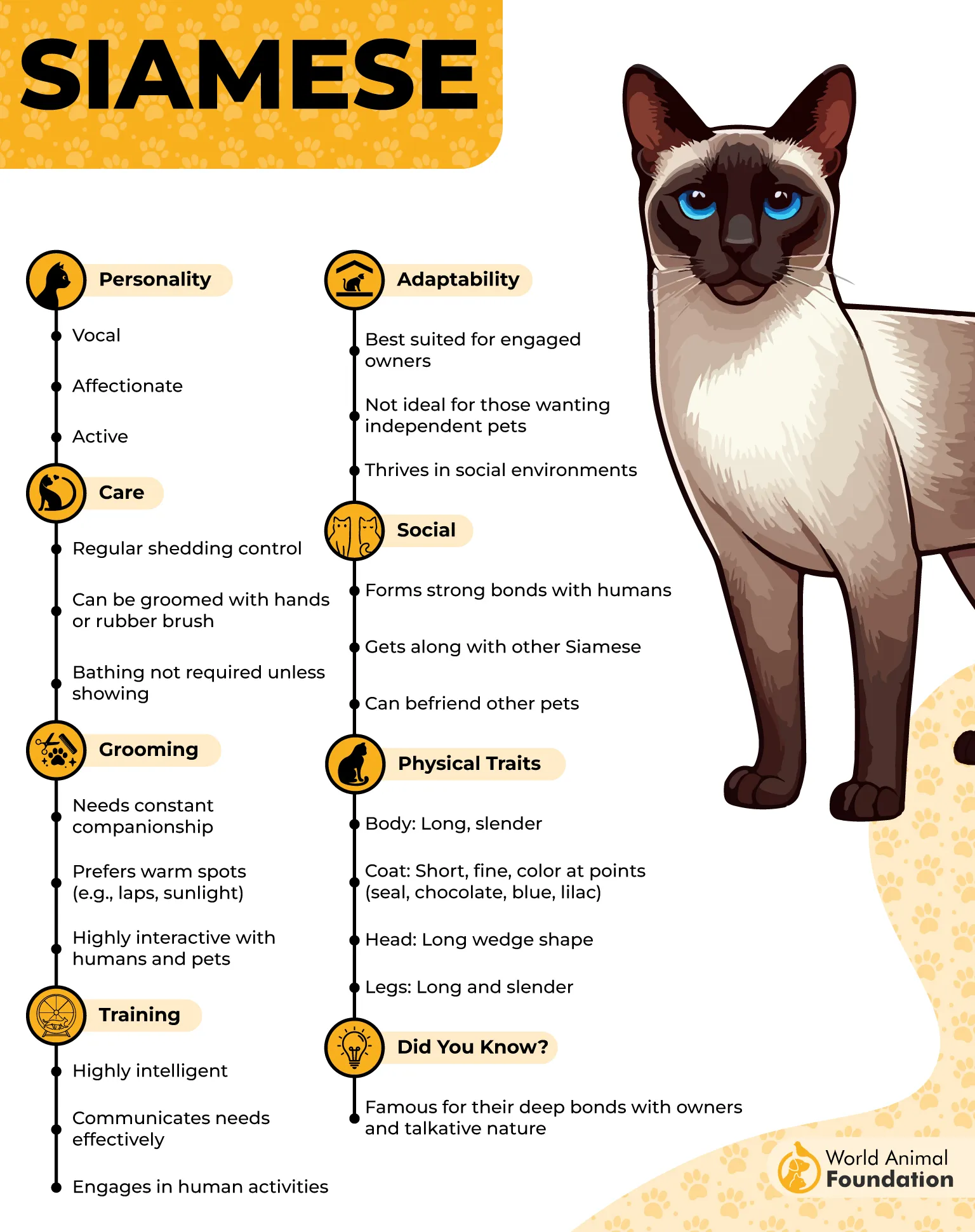
For longevity, breed does give you a head start: Siamese cats are known for living a long time, often staying active and interactive well into their senior years. They bond closely with their pet parents, so you can potentially enjoy up to two decades of chatter, play, and companionship.
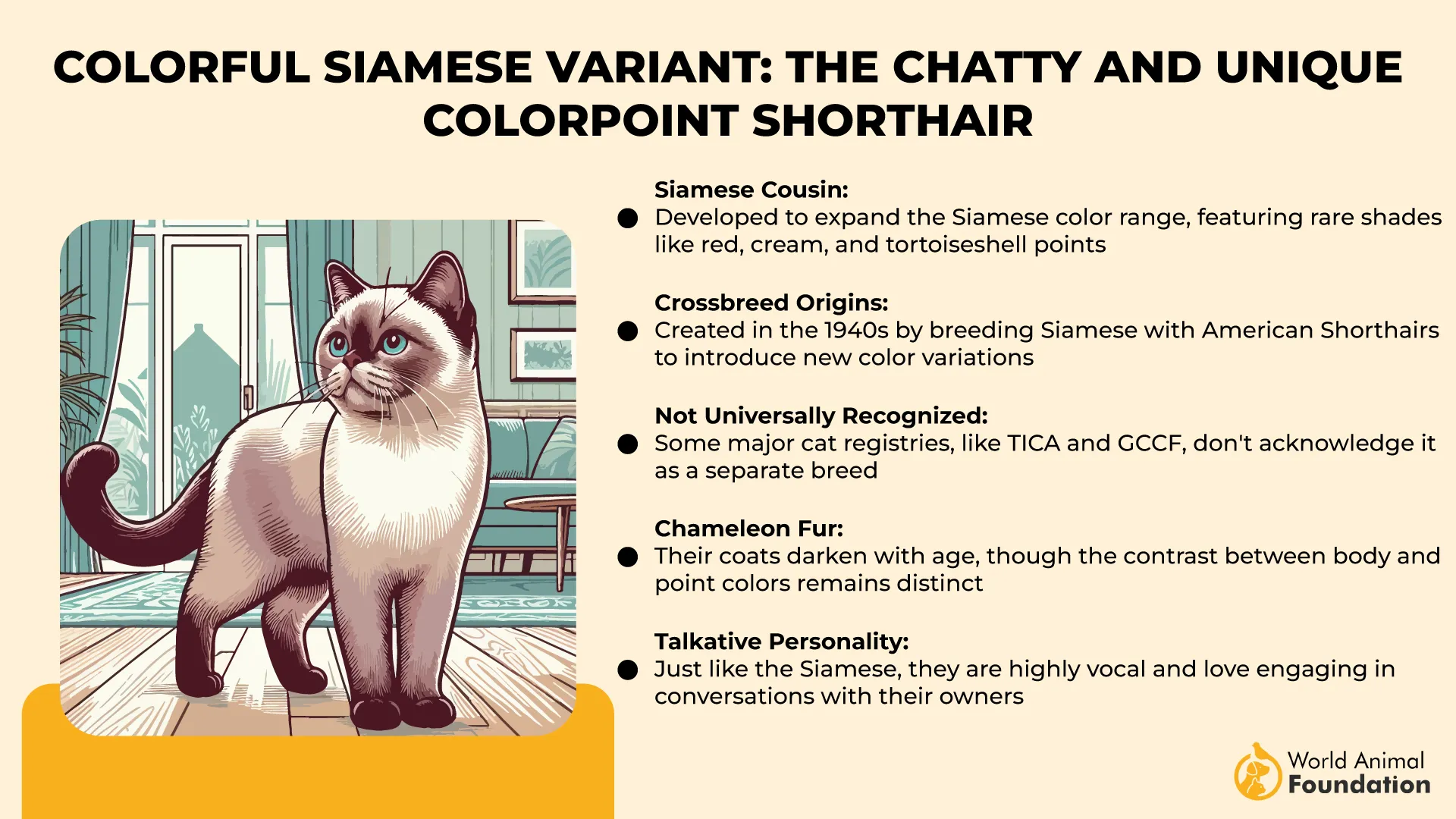
Genetics also shape how you care for them. While generally healthy, Siamese cats can be more prone to dental and respiratory issues, so regular vet checkups and proactive care play a big role in how long that genetic potential actually translates into years.
Their famous colorpoint pattern and blue eyes come from the Himalayan mutation, a gene that also makes their fur darken as they age or when cooler areas of their body grow back after shaving.
2. Burmese
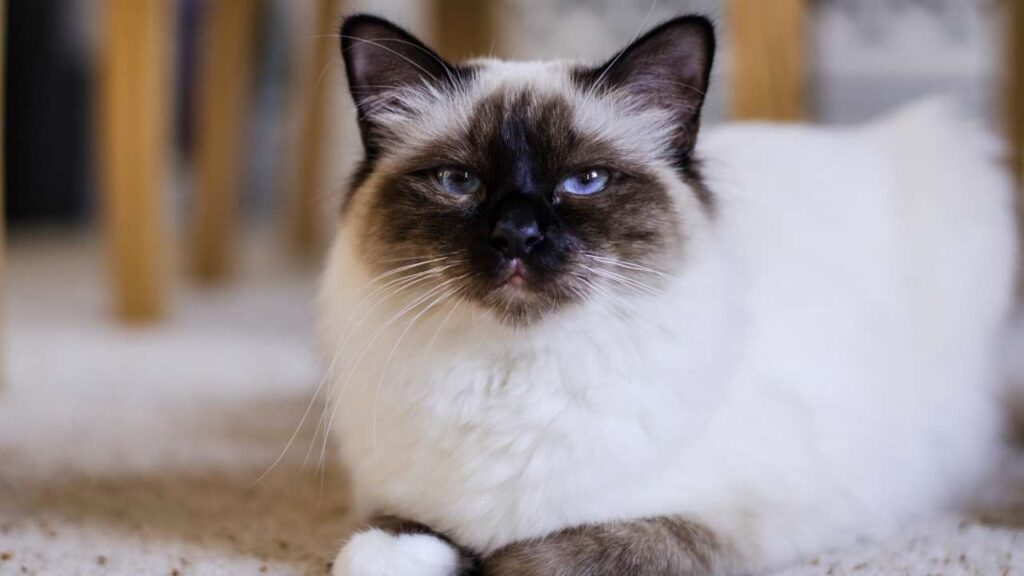
Originating from a cross between a small brown temple cat from Burma and the Siamese, the Burmese is a compact, short-haired companion with striking sable, champagne, platinum, or blue coats. Known for their affectionate, people-centered nature and playful energy, these cats thrive on close interaction.
PetMD notes that Burmese cats are sociable, smart companions who love racing playfully around the house just as much as they enjoy curling up for cuddles on the couch.
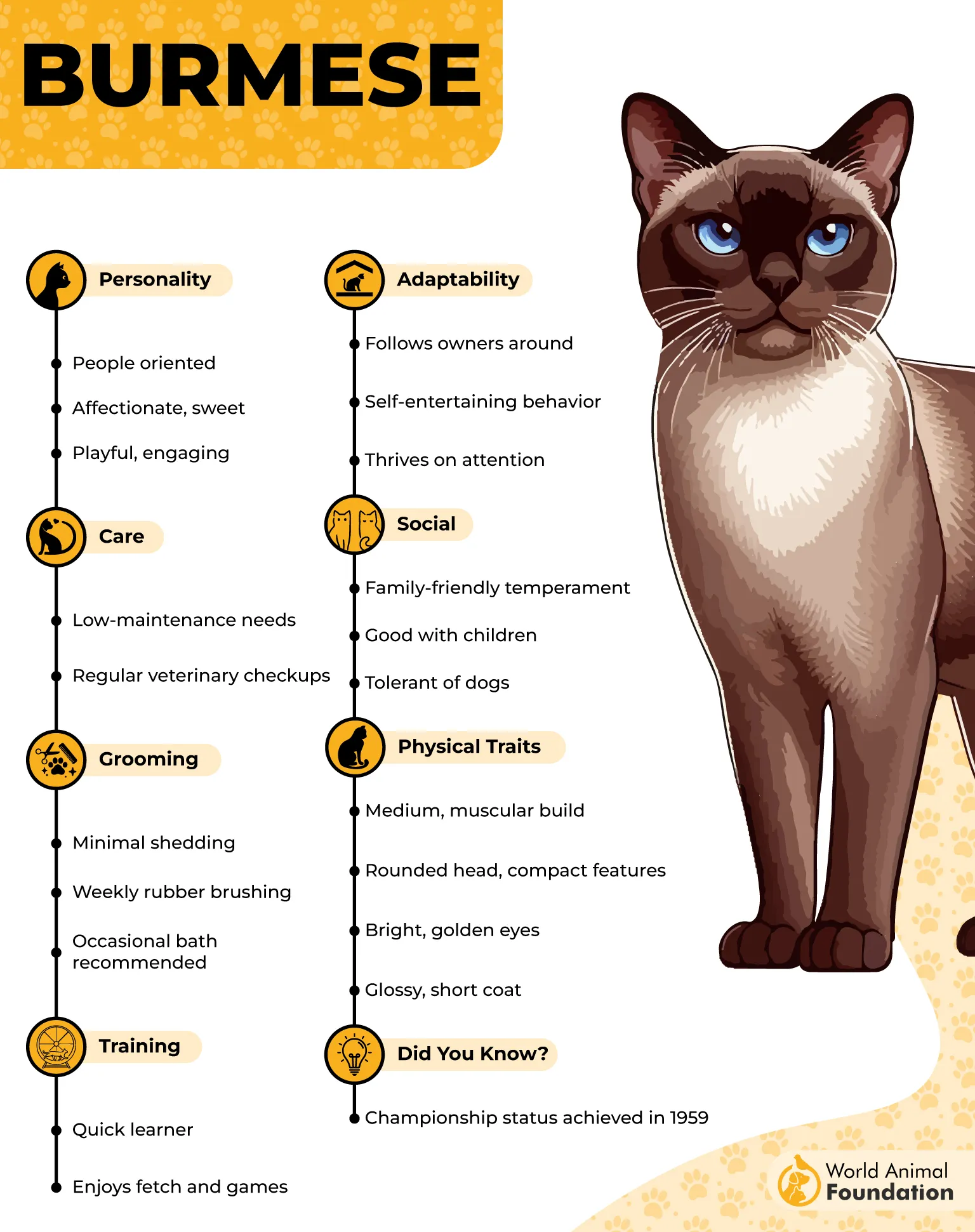
Burmese cats routinely reach their mid to late teens, with many living 16 to 18 years and sometimes beyond. Their generally sturdy health and active lifestyle help explain why they appear so often among long-lived cat breeds.
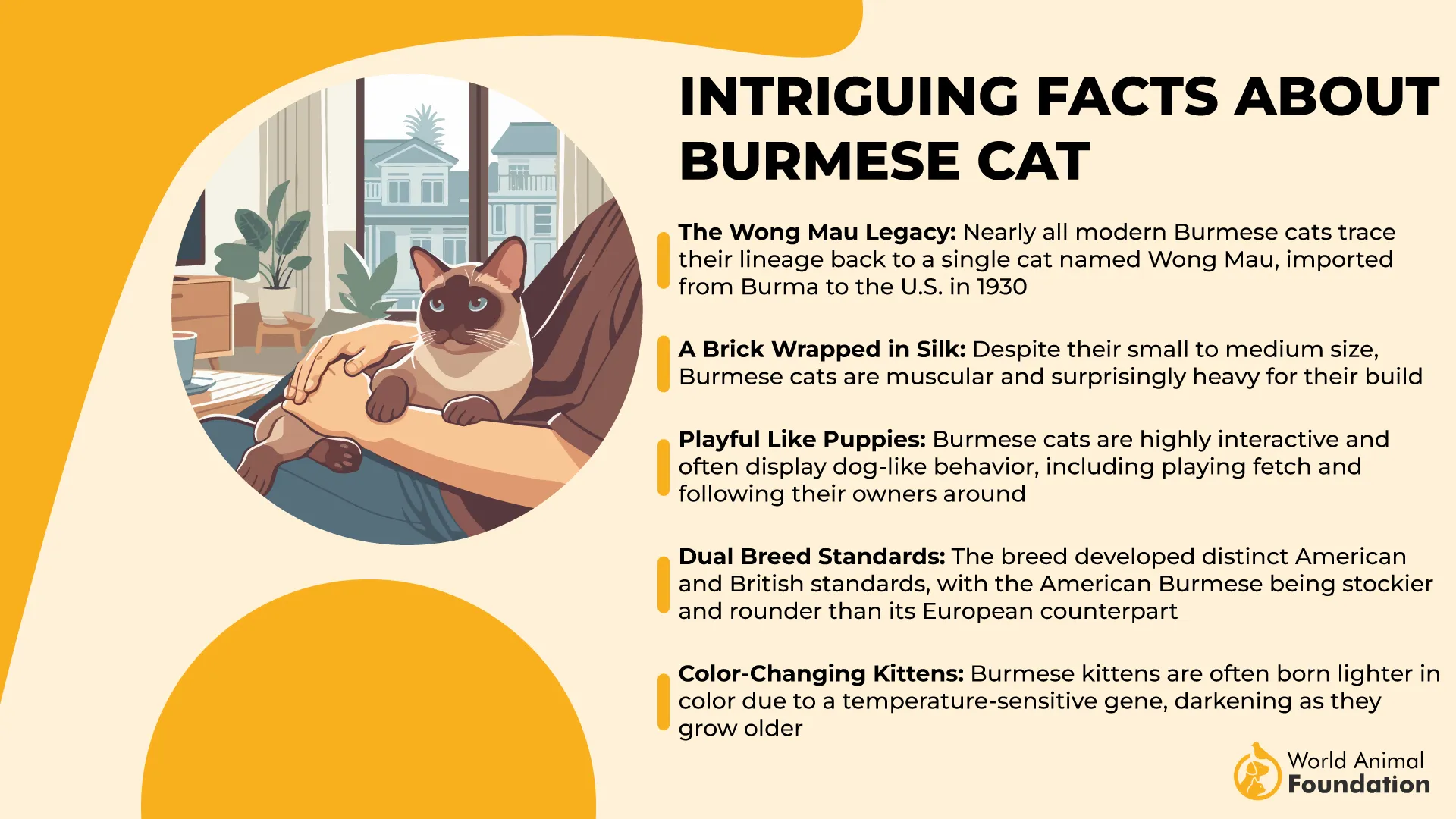
They are not completely free of health issues, though, with inherited risks such as cranial deformities and glaucoma appearing in some lines. Regular veterinary checkups and, for some owners, pet insurance can make it easier to manage unexpected medical costs over that long lifespan.
Their social, vocal nature means they stay mentally and physically engaged well into their senior years, another factor that may support their impressive longevity. Many Burmese enjoy learning tricks through clicker training or even playing fetch with their favorite humans.
3. Ragdoll
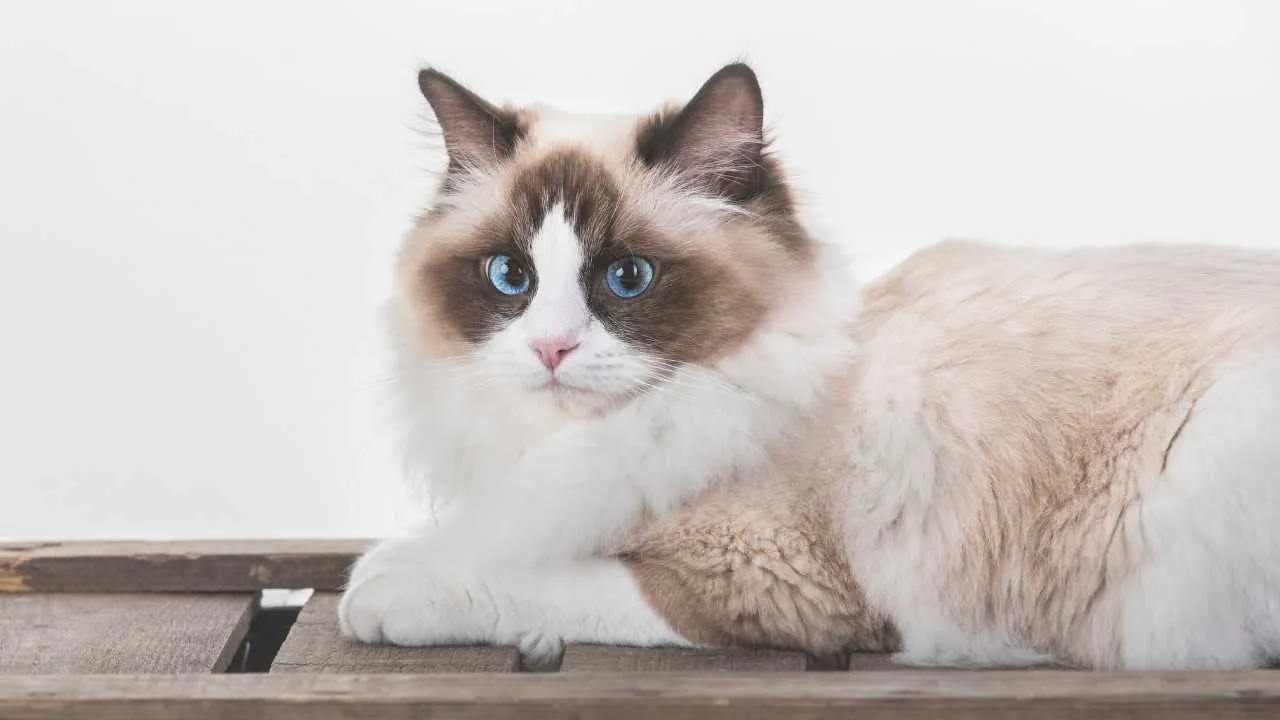
Often called “puppy cats” for their gentle nature, the Ragdoll—also known simply as the Rag or Cherub Cat—is famed for its plush coat, serene personality, and tendency to go limp when held.
WebMD notes that Ragdoll cats are a calm, easygoing breed known for their patient nature. This calm, low-stress temperament is a major reason many Ragdolls enjoy notably long lifespans.
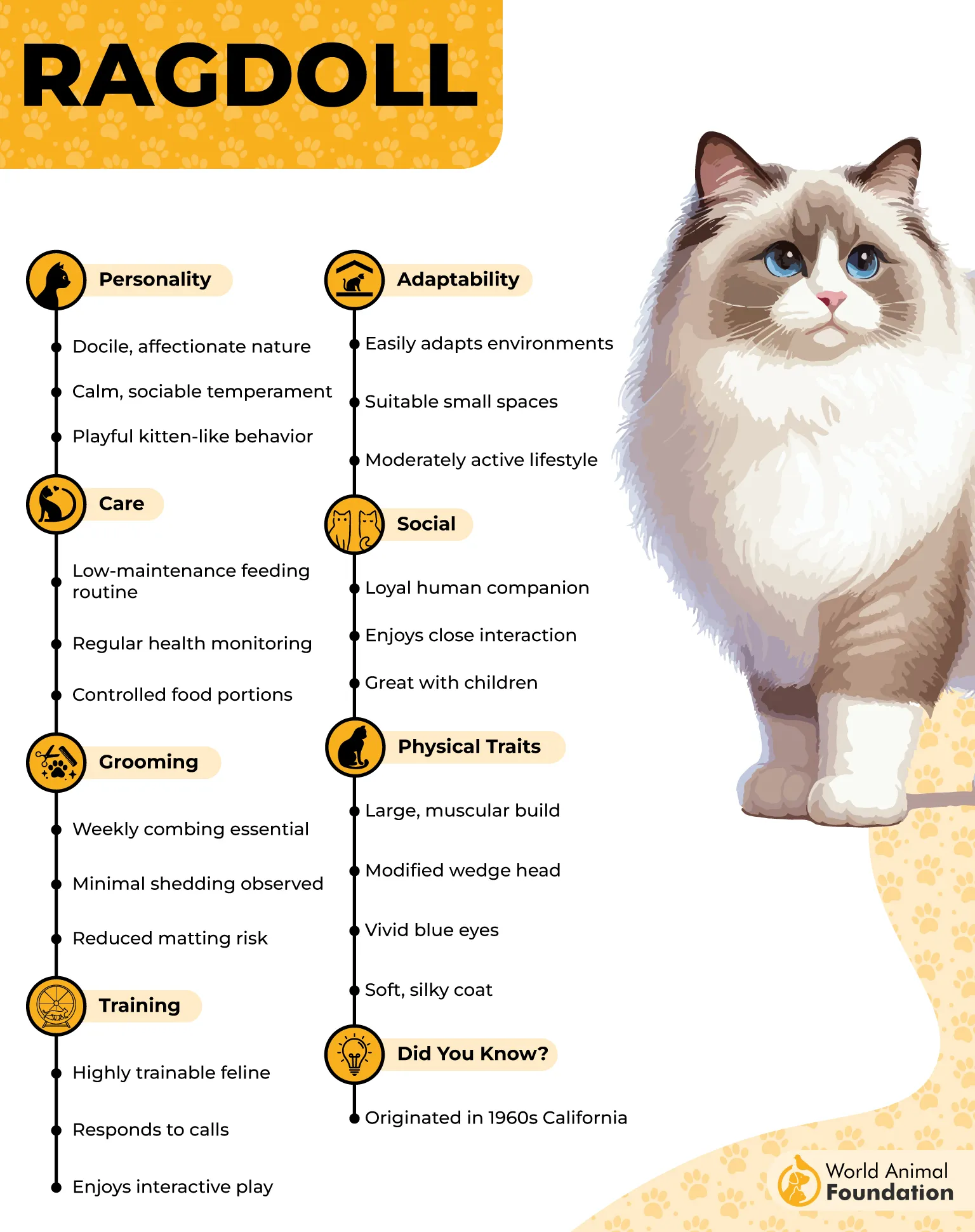
Because longevity in cats is closely tied to maintaining a healthy weight, Ragdolls benefit from owners who monitor their eating patterns. Their laid-back nature makes them prone to inactivity, which can quietly lead to weight gain—an issue strongly linked to arthritis, diabetes, and shortened lifespan. Keeping them trim supports their naturally long-living reputation.
Encouraging movement through gentle play helps prevent boredom eating. Ragdolls often enjoy slow-paced but engaging activities, making food puzzles or simple wand toys ideal for stimulating both body and mind. Supporting their natural curiosity can reduce unnecessary snacking and promote better overall health.
For cats that tend to overeat, measured feeding is essential. Providing portion-controlled, high-quality diets and replacing boredom with affection or play strengthens the bond while helping maintain a healthy weight—one of the most influential factors in extending a Ragdoll’s life.
Fun Fact: Their name comes from the way they relax completely when picked up, just like a soft ragdoll.
4. Savannah
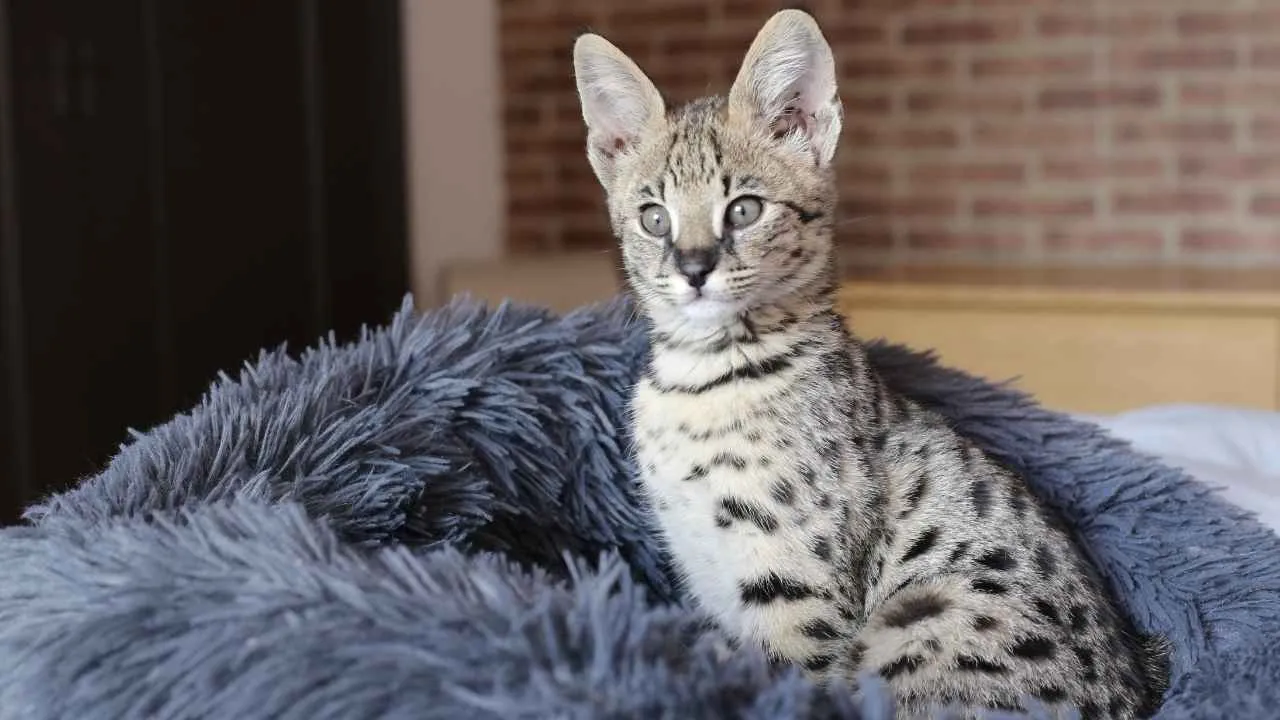
The Savannah cat—also called the Savannah hybrid—is a cross between the African serval and a domestic cat, known for its tall, lean build, big ears, and bold spotted coat. This striking mix often comes with a notably long life expectancy.
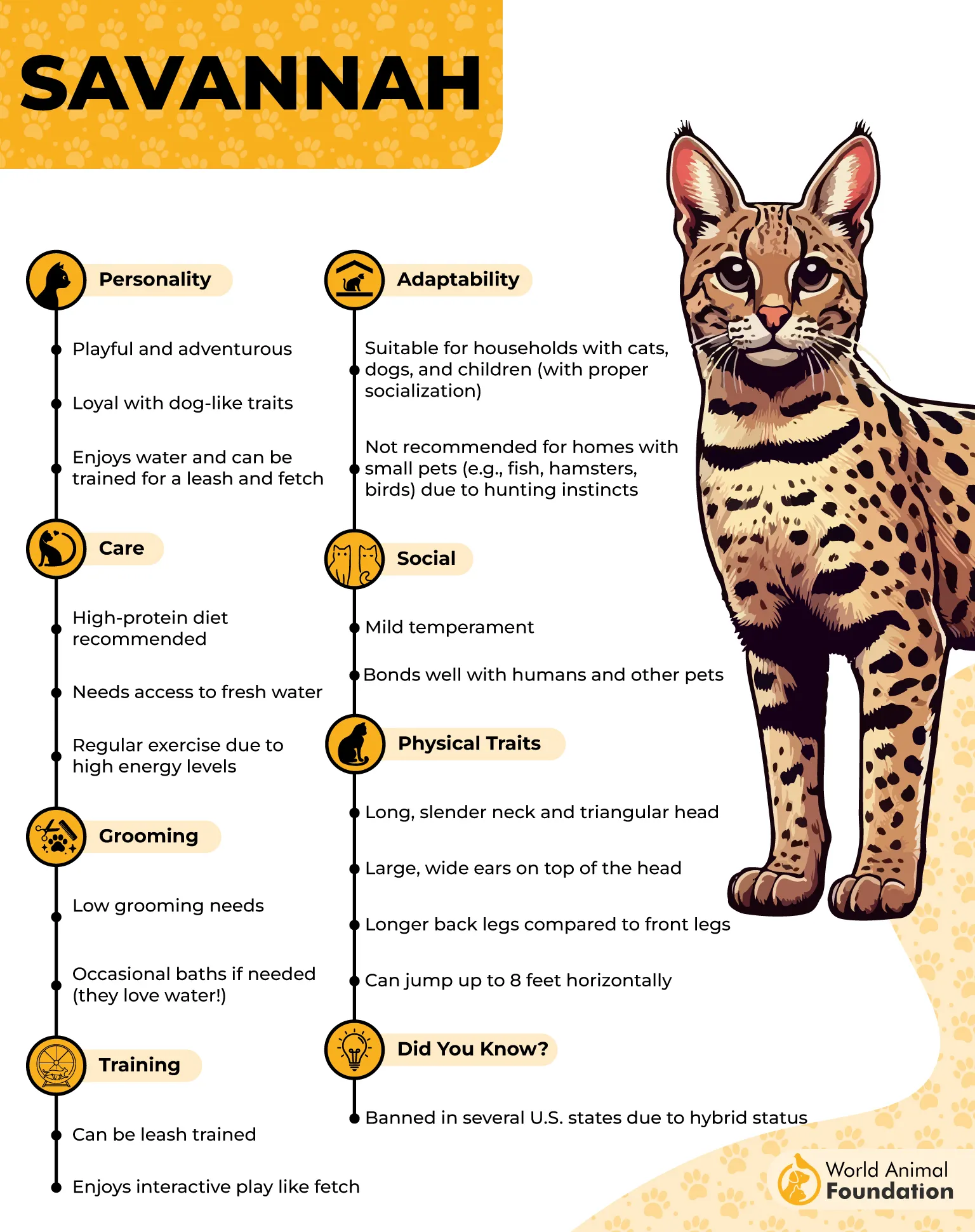
Because they’re not fully domesticated, Savannahs are best suited to experienced owners who can offer a calm yet stimulating environment. Predictable routines, safe spaces to retreat to, and gentle handling help reduce stress, which in turn supports their impressive longevity.
Their high energy levels mean they’re constantly jumping, climbing, and exploring, so the home environment should be designed to minimize accidents. Stable cat trees, secure shelves, and supervision during risky play help prevent injuries that could shorten their healthy years.
Regular preventive care is critical for this hybrid breed, including vaccines, parasite control, dental care, and yearly checkups with a veterinarian familiar with large or exotic cats. Some lines may be prone to heart conditions, making routine cardiac screenings especially important for Savannahs.
5. Balinese
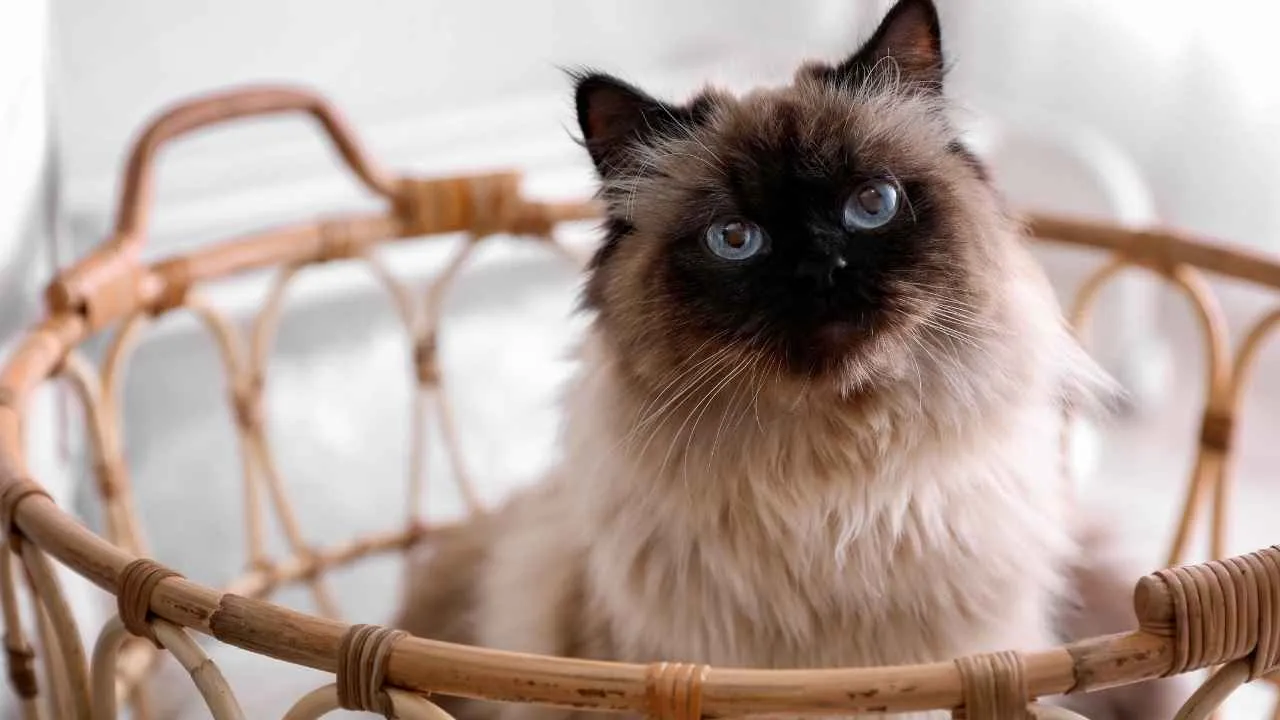
The Balinese, sometimes called the longhaired Siamese, is a silky, blue-eyed charmer closely related to the classic Siamese. Lively, chatty, and people-focused, this elegant cat pairs striking looks with an impressive reputation for longevity.

The Balinese is one of the breeds most likely to stay by your side well into your own later life. Their social nature means senior Balinese often thrive when they’re kept mentally engaged with gentle play, puzzle feeders, and plenty of conversation.
Because this breed is predisposed to conditions like progressive retinal atrophy and hepatic amyloidosis, regular vet screening while they’re young is crucial. Catching these issues before age 5–7 can help more Balinese reach those healthy golden years.
Senior Balinese benefit from joint-friendly play, routine dental and eye checks, and a diet tailored to aging cats. Many live 18–22 years, and it’s not unusual for them to reach their 20s.
6. Russian Blue

Often called the Archangel cat, the Russian Blue is a sleek, short-haired feline with a silvery-blue coat and vivid green eyes. Originating in Russia, this gentle, loyal companion is known for forming deep bonds with their favorite humans.
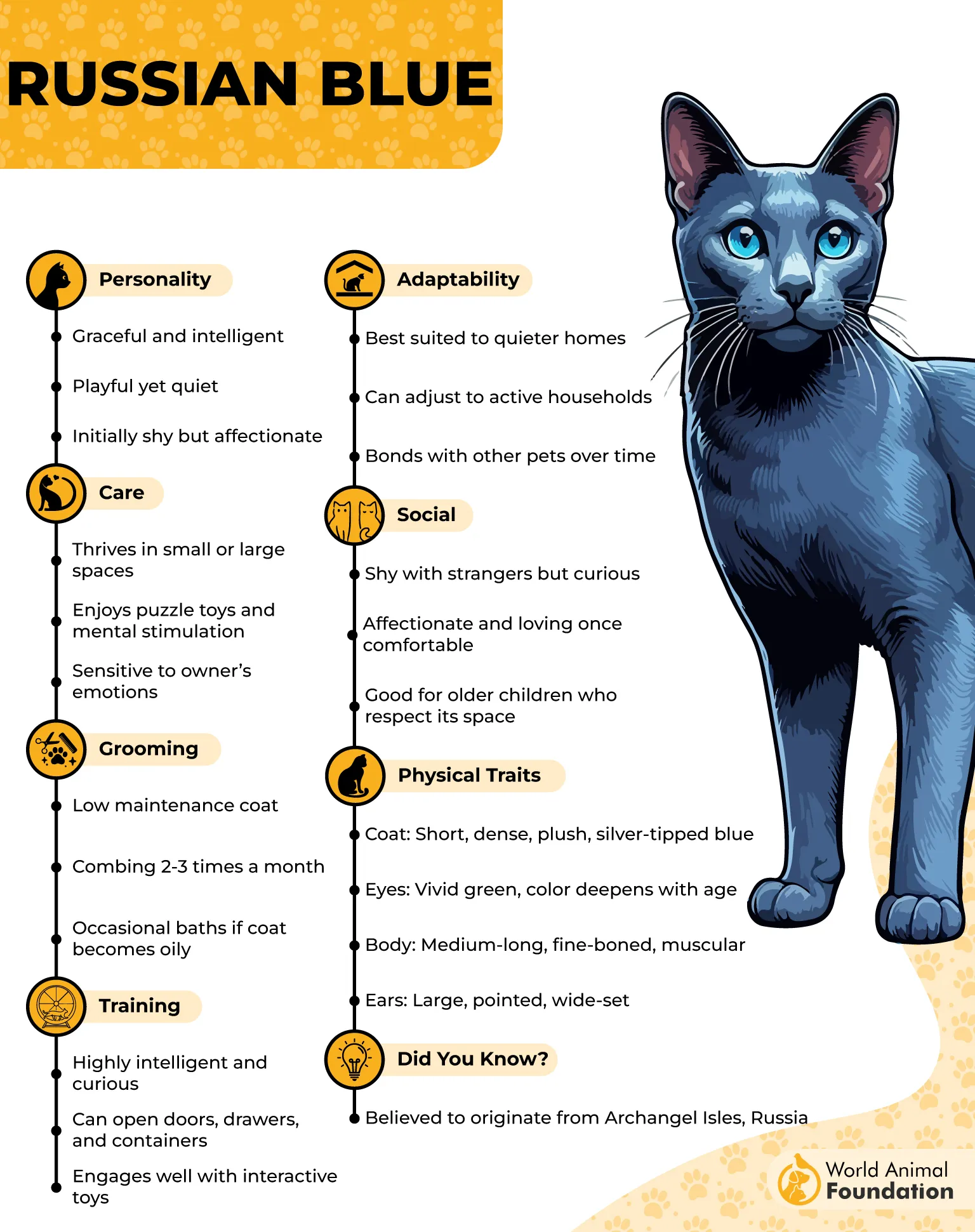
To help a Russian Blue reach the upper end of its impressive lifespan, keep them lean with a high-quality, portion-controlled diet. Because they can be prone to urinary issues, plenty of fresh water and a clean litter box are especially important.
Their medium energy levels mean they thrive on daily play sessions that mimic hunting, keeping both body and mind active. Puzzle toys, climbing spots, and sunny perches also support a calmer, longer life by reducing boredom and stress.
Quiet by nature yet strongly attached to family, they do best in a stable, low-stress home with hiding spots where they can retreat. The breed is prone to bladder stones and eye problems, but its average lifespan is 15 to 20 years.
7. American Shorthair
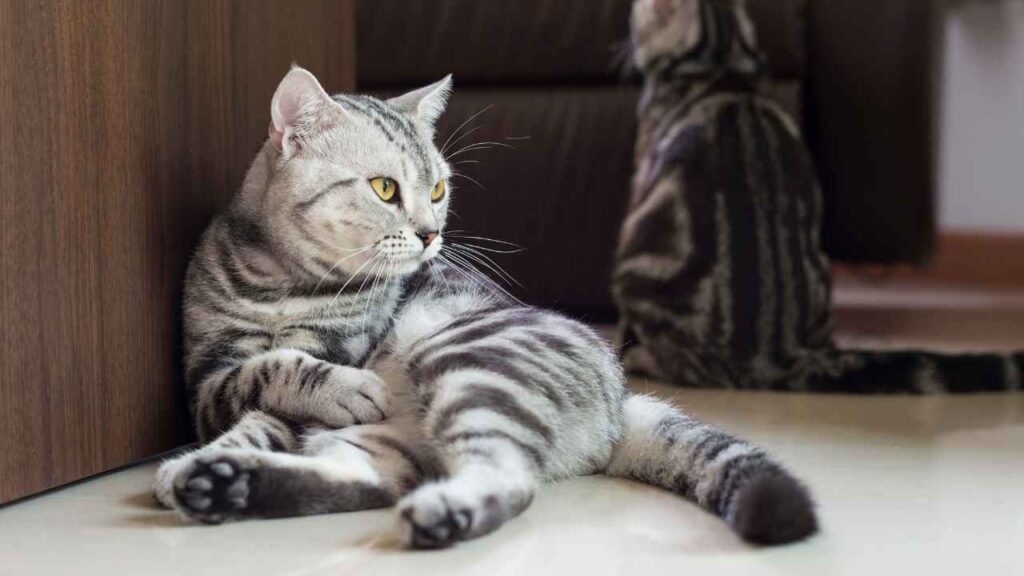
The American Shorthair—an old, naturally developed breed—has long been admired for its sturdy frame, dense coat, and balanced temperament. Once valued as a barn protector, it later became a household favorite, even serving as a presidential pet.
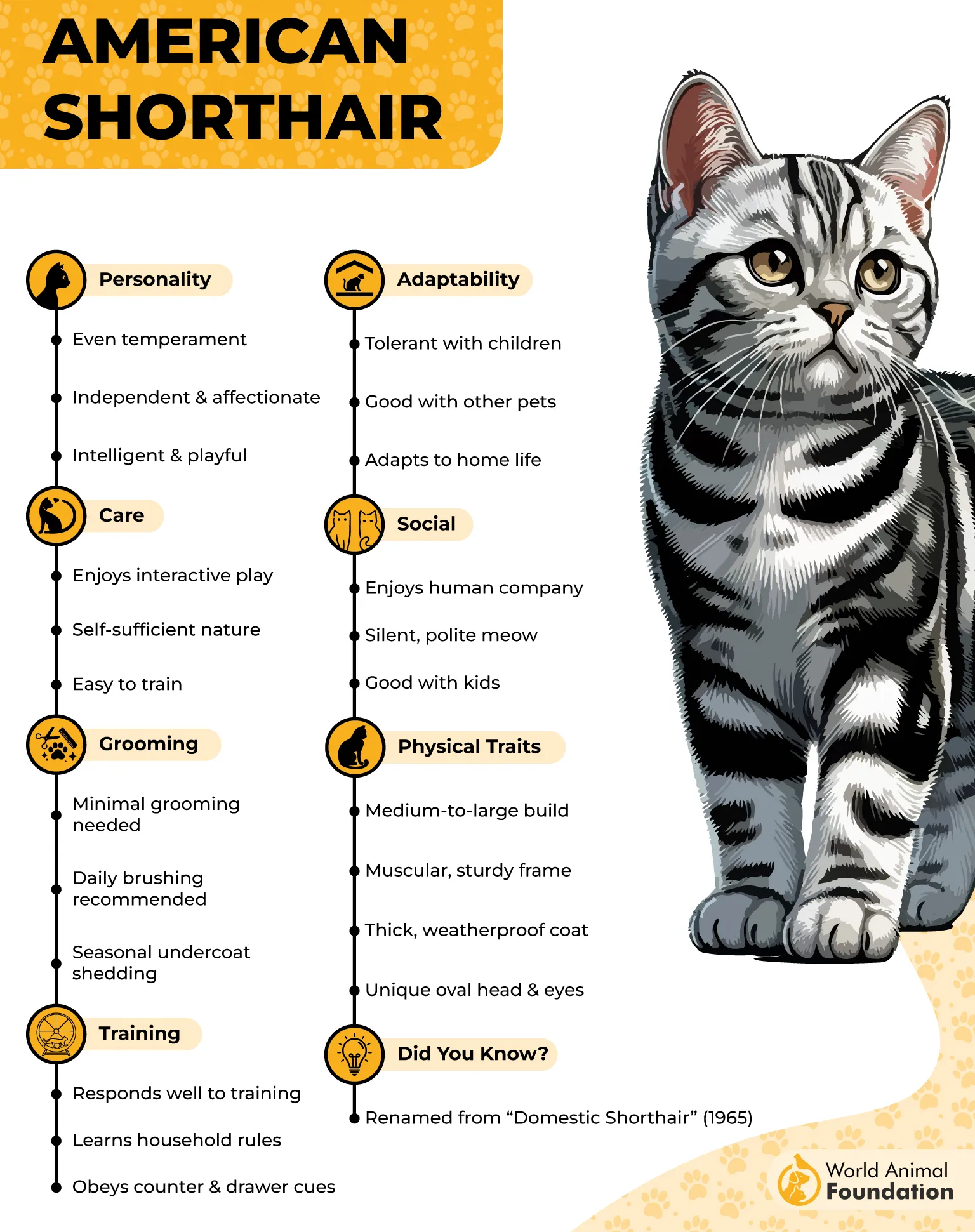
Their average lifespan is supported by strong genetics and a resilient immune system. This makes them a practical choice for anyone seeking a cat known for steady, long-term health.
Because they’re adaptable, calm, and friendly, they fit easily into family homes and multi-pet settings. Their playful yet even-keeled nature helps maintain regular activity, which supports longevity.
With their plush, low-maintenance coat and naturally muscular build, they remain easy to care for as they age. Keeping them mentally stimulated with toys helps prevent weight gain—a key factor in supporting long life. Fun fact: an American Shorthair named India lived to 18 while residing in the White House.
Conclusion
When you think about cats that are most likely to live longer, it helps to remember that there’s no magic shortcut—genetics play a role, but many factors shape a cat’s lifespan. A breed’s average life expectancy or breed’s average lifespan, whether they’re purebred cats or mixed breed cats, plus lifestyle choices like indoor cats vs. outdoor cats all matter.
Because of genetic predisposition, people often say female cats live longer, but both male cats and female cats can enjoy a long and healthy life when cat owners focus on a balanced diet, regular exercise, and vet visits for early detection of health problems such as heart disease.
Whether you love sleek Siamese, fluffy Persian cat types, or elegant Russian Blue cats, remember that cat’s longevity is mostly about daily care, not just what breeds live “best on paper.” Support your feline companion from young to old age, and most cats tend to reward you with many healthy, happy years together.
