





Cats can be sweet and cuddly one minute, then stubbornly distant the next, leaving their humans wondering what just happened. Some cat breeds are known for mood swings, dramatic reactions, or serious expressions that make them seem moody or unpredictable.
Whether it is a change in routine, a surprise visitor, or simply a shift in where their favorite nap spot ended up, these cats often march to the beat of their own paws. Understanding which breeds tend to show moodiness and why it happens can help you build a stronger connection and avoid confusion.
In this article, we explore breeds frequently described as moody, what that behavior really looks like, and how to enjoy life with a feline who doesn’t always wear its feelings on its whiskers.
Cat Breeds That Are Moody
1. Siamese
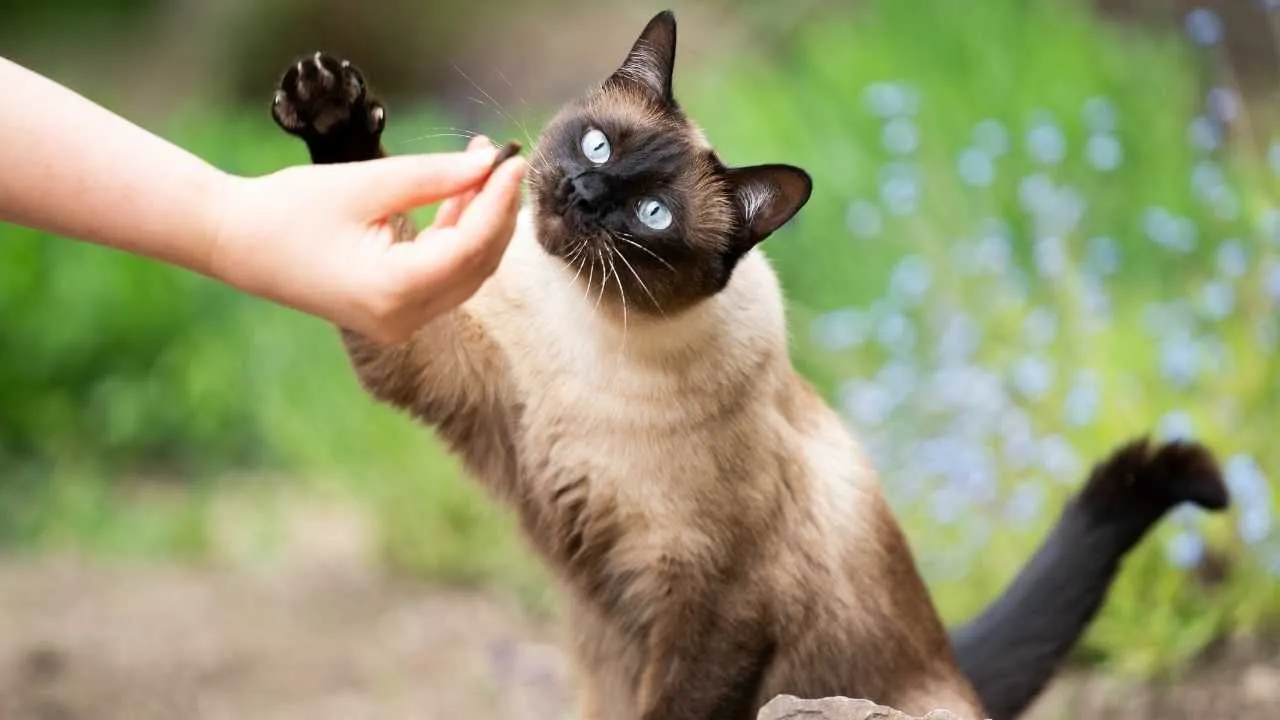
Siamese cats are expressive, opinionated, and rarely subtle about their moods. They are known for strong emotional responses and can quickly shift from affectionate to cross if something feels off. Changes in routine or lack of attention often bring out their dramatic side.
As per PetMD, this breed is highly social and expects frequent interaction. When they feel ignored or bored, Siamese cats may become loud, demanding, or visibly irritated. Their moodiness often comes from wanting engagement on their own schedule.
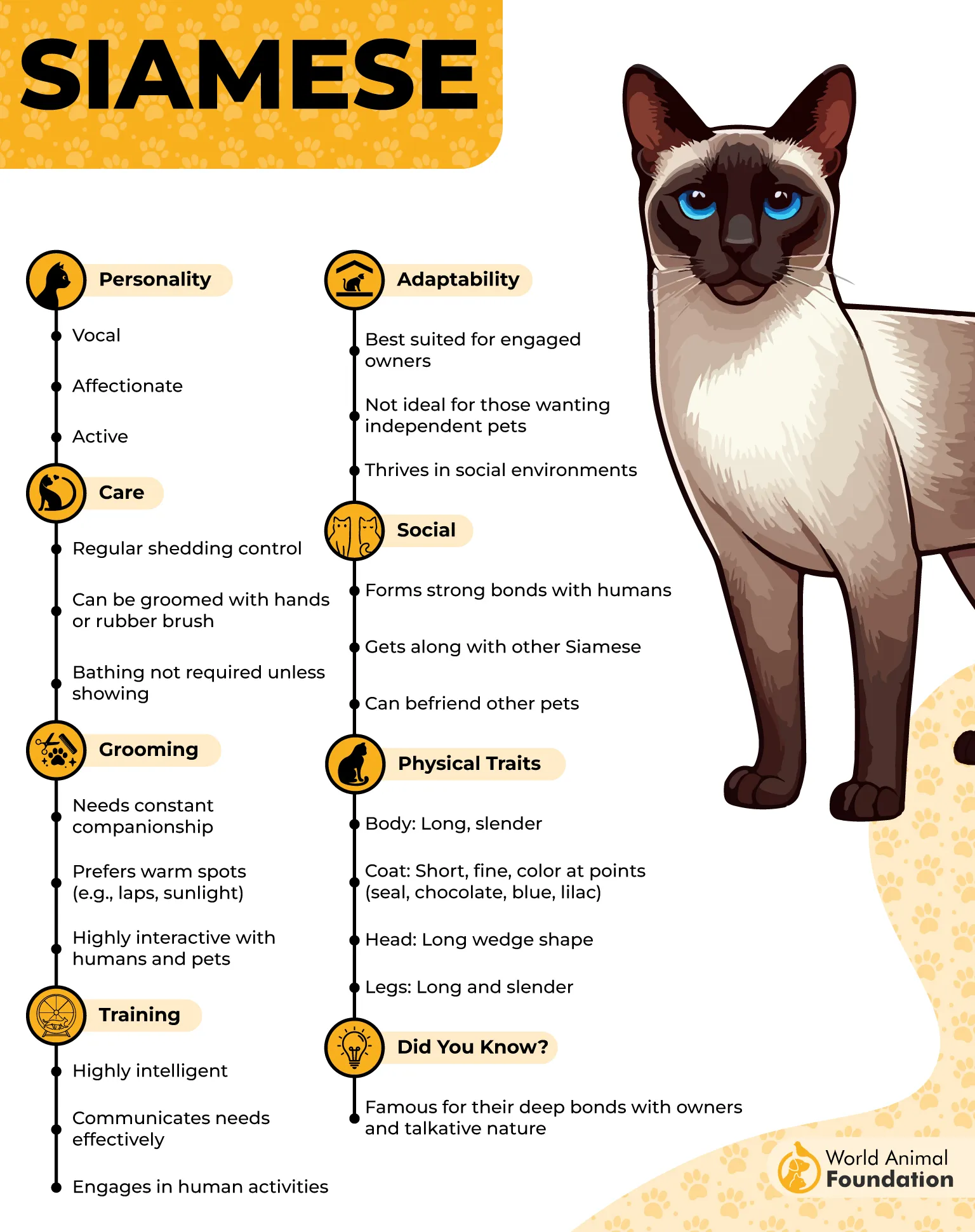
Despite this, Siamese cats form deep bonds with their people. Their emotional nature means they react strongly to both positive and negative situations. For owners who enjoy a cat with big feelings and clear opinions, their shifting moods are part of the appeal.
Why This Cat Is a Good Fit
Great for people who enjoy expressive, talkative pets
Best for homes with consistent daily interaction
Suit owners who find dramatic moods entertaining
2. Bengal
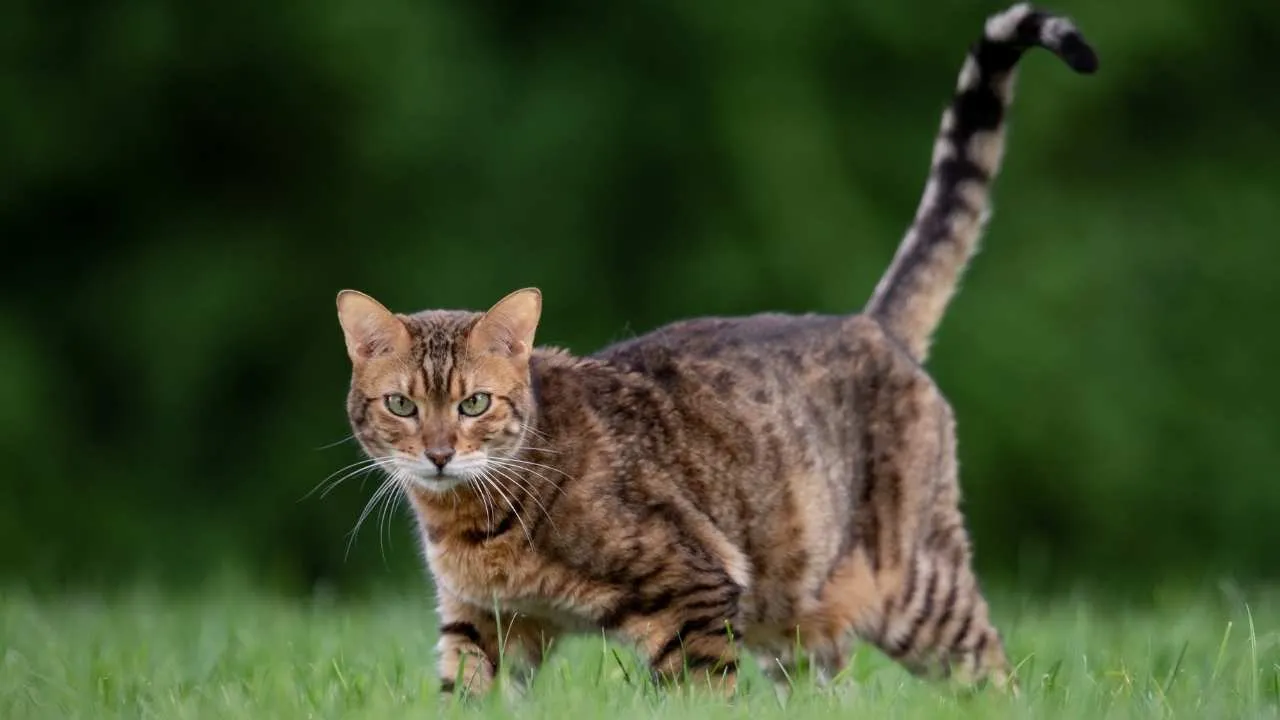
Bengal cats are energetic, intelligent, and easily bored. When their needs are not met, their mood can shift quickly from playful to frustrated. This medium to large breed is known for strong reactions and little patience for dull moments.
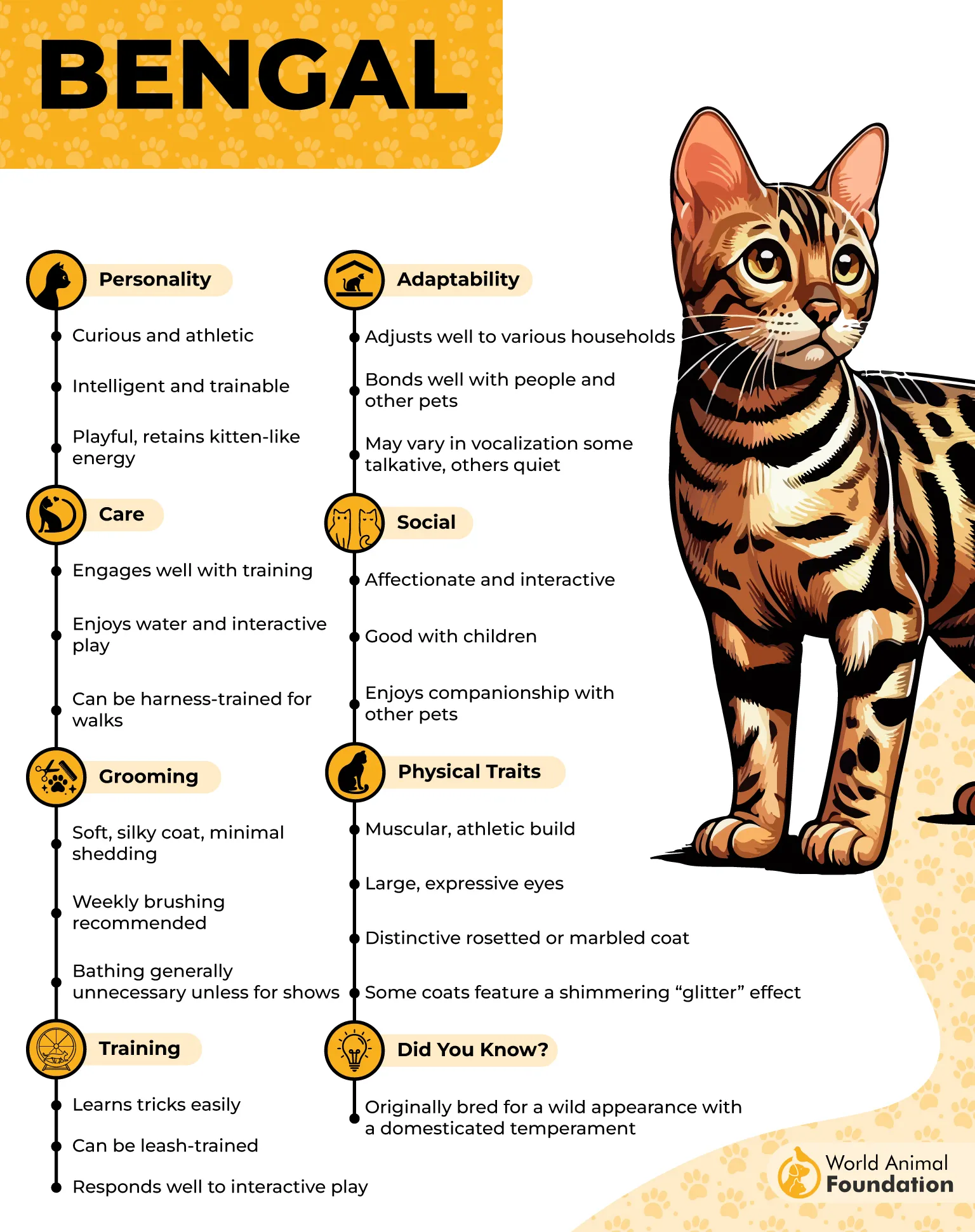
They are highly curious and constantly exploring their surroundings. If confined or under-stimulated, Bengals may show irritation through restlessness or destructive behavior. Their moodiness often reflects unmet mental or physical activity needs.
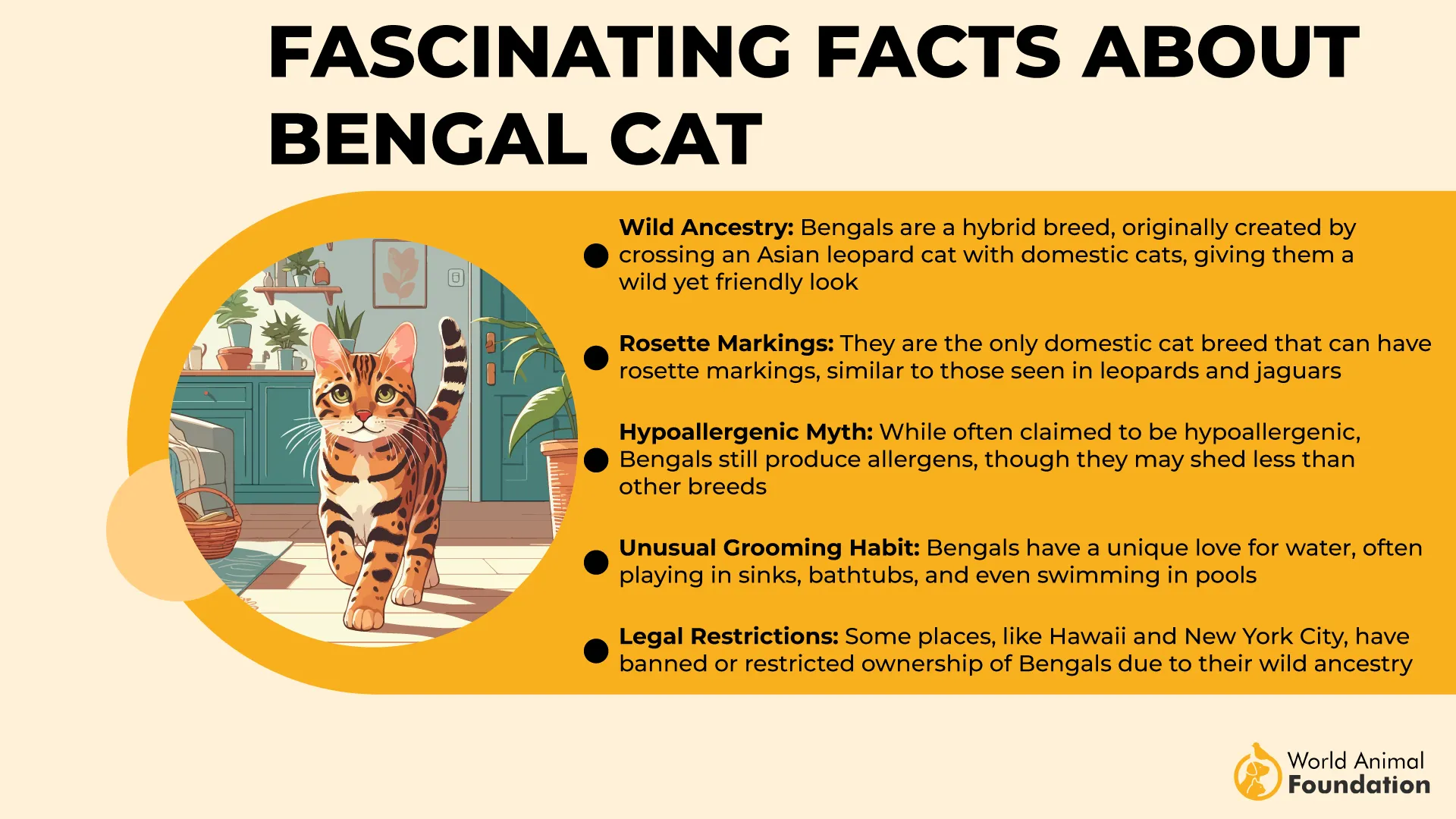
Bengals are social but independent thinkers. They enjoy interaction on their terms and may withdraw or act out when overwhelmed. Understanding their need for stimulation helps keep their moods balanced.
Why This Cat Is a Good Fit
Ideal for active homes with time for play
Best for experienced owners who enjoy a challenge
Fits households that can manage high energy moods
3. Sphynx
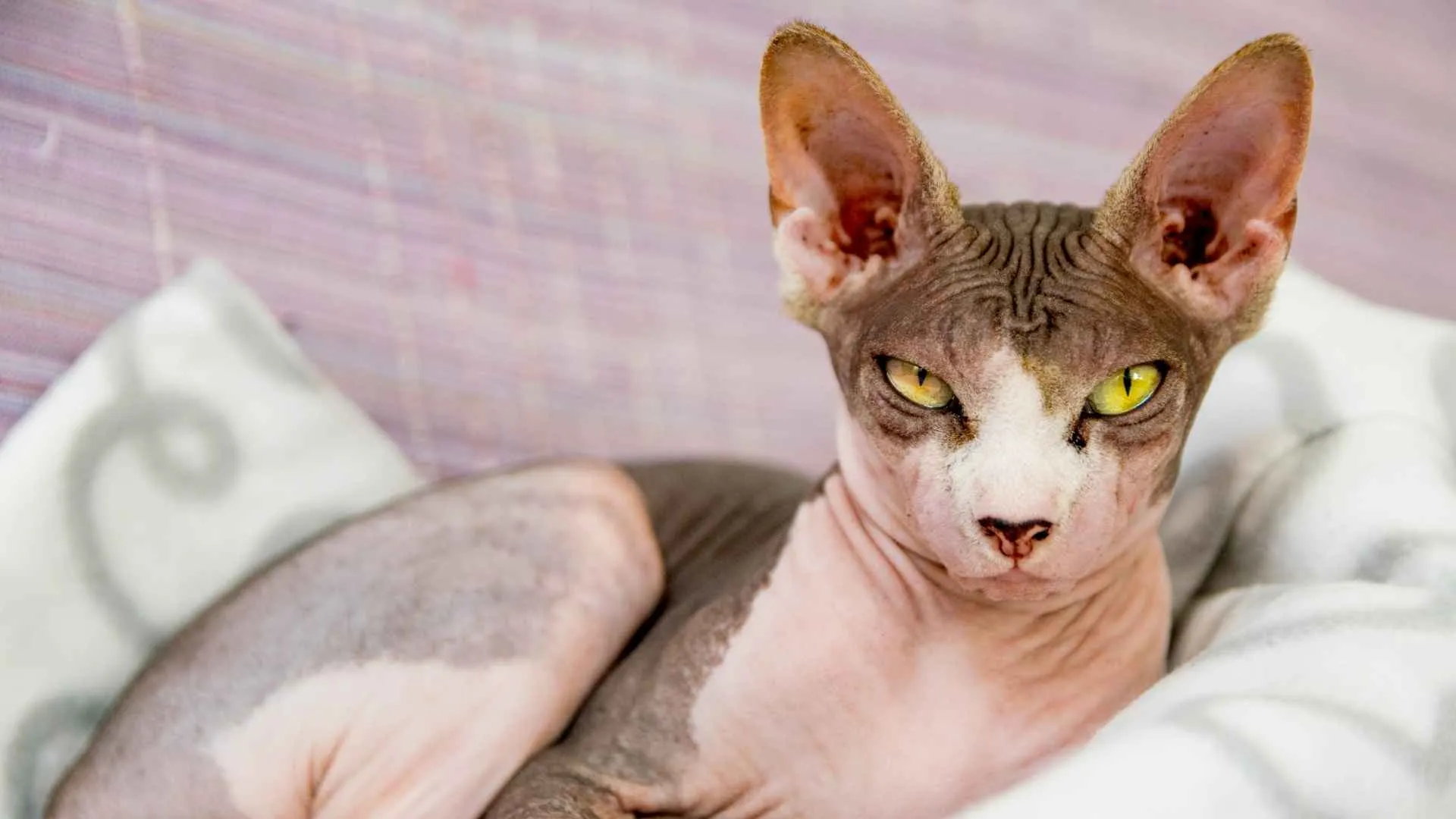
According to the CFA, Sphynx cats are deeply people-focused and emotionally sensitive. They thrive on attention and can become moody when they feel neglected. Their reactions are often immediate and obvious.
Because they seek constant closeness, changes in availability can affect their behavior. A Sphynx may act clingy one moment and withdrawn the next. Their mood swings often reflect how connected they feel to their people.
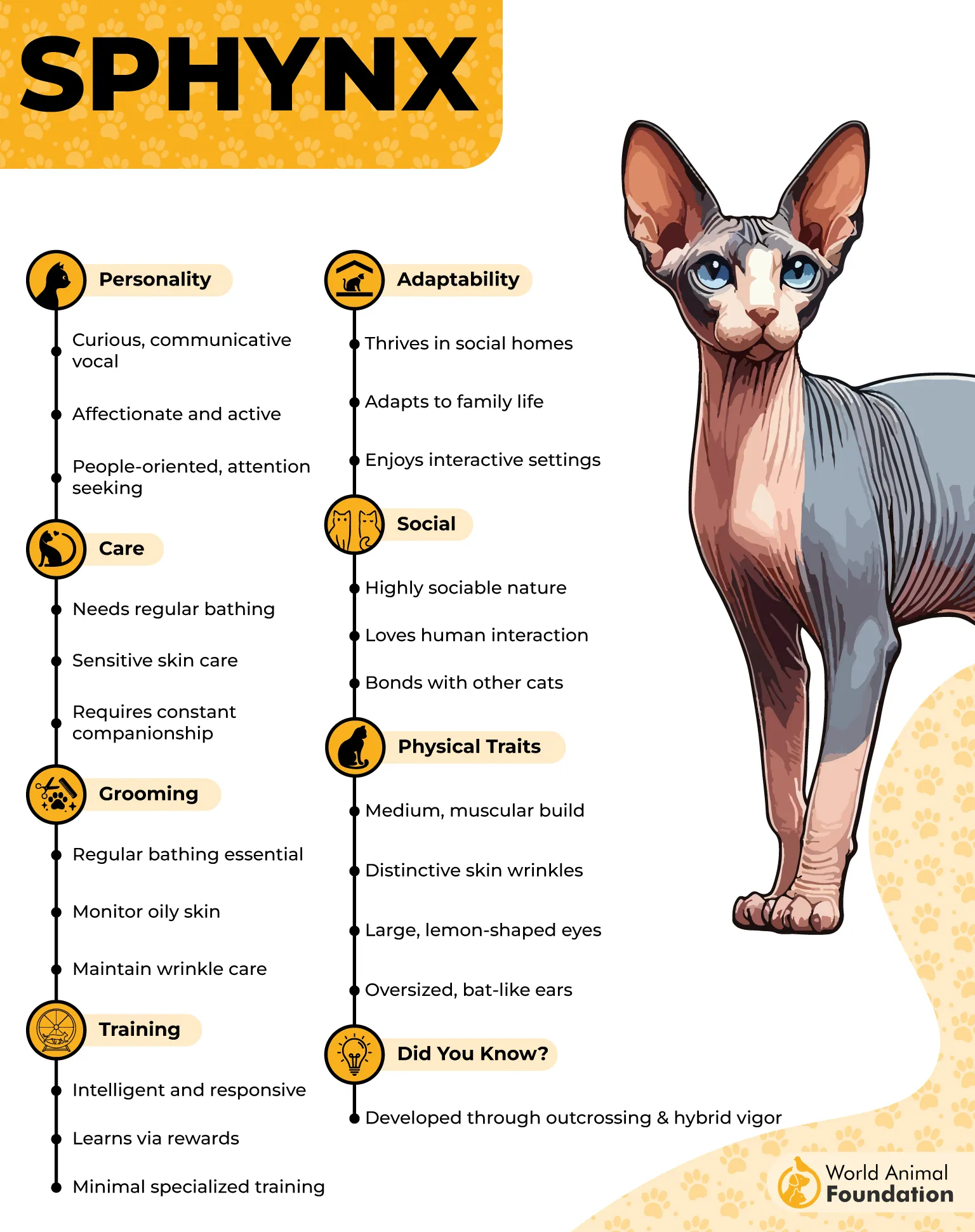
Despite their sensitivity, Sphynx cats are affectionate and playful. Their moods tend to improve quickly with reassurance and interaction. Owners who enjoy close emotional bonds usually find their behavior rewarding.
Why This Cat Is a Good Fit
Great for owners who are home often
Best for people who enjoy emotional, social pets
Suit homes where attention is part of daily life
4. Scottish Fold
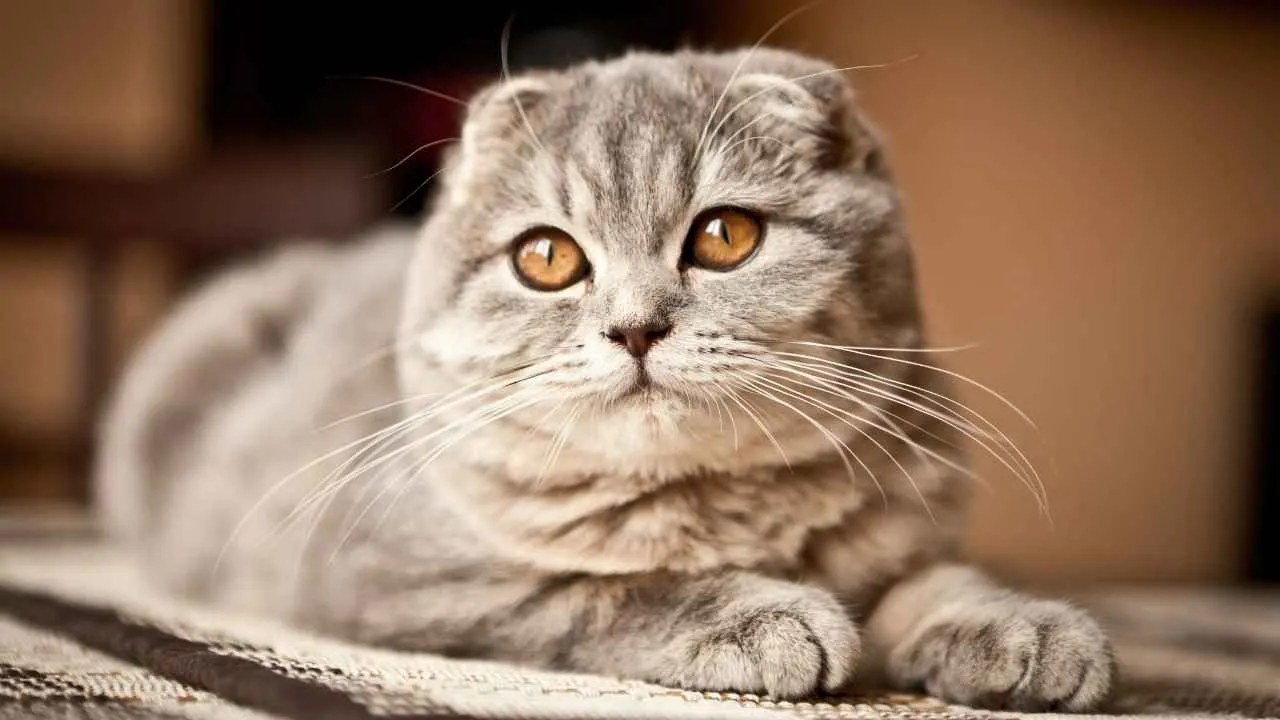
Scottish Folds are famous for the unique look of their folded ears. They are typically calm but can be quite moody at times. They may retreat or become reserved when stressed or overstimulated. Their reactions are subtle rather than dramatic.
This breed prefers predictable environments and gentle handling. Sudden changes or loud activity can lead to acting withdrawn and, in extreme cases, aggressive behavior. Their moodiness often appears as silence or avoidance rather than confrontation.

Scottish Folds are affectionate on their own terms. When comfortable, they enjoy closeness and calm interaction. Respecting their boundaries helps keep their moods steady.
Why This Cat Is a Good Fit
Ideal for calm, low-noise households
Good for owners who respect personal space
Fits homes with steady routines
5. Persian

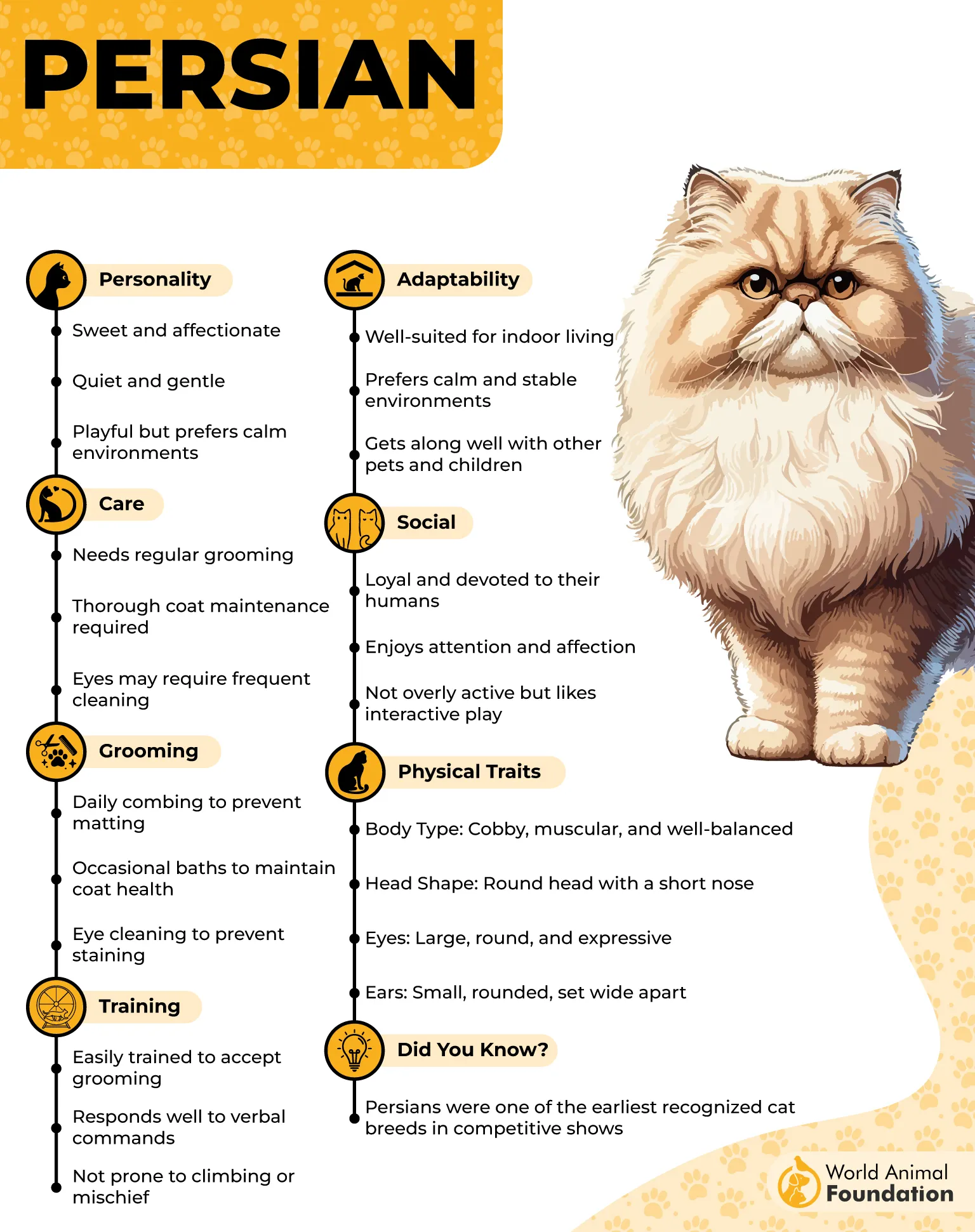
Persian cats are often described as calm, but their moods can be very specific. They enjoy quiet environments and tend to withdraw when things feel too busy or loud. When overstimulated, they may become distant or visibly annoyed rather than openly confrontational.
This brachycephalic cat prefers routines and familiar surroundings. Changes in schedule, visitors, or too much handling can quickly affect their mood. Persians often express displeasure by retreating to a favorite spot and refusing interaction.
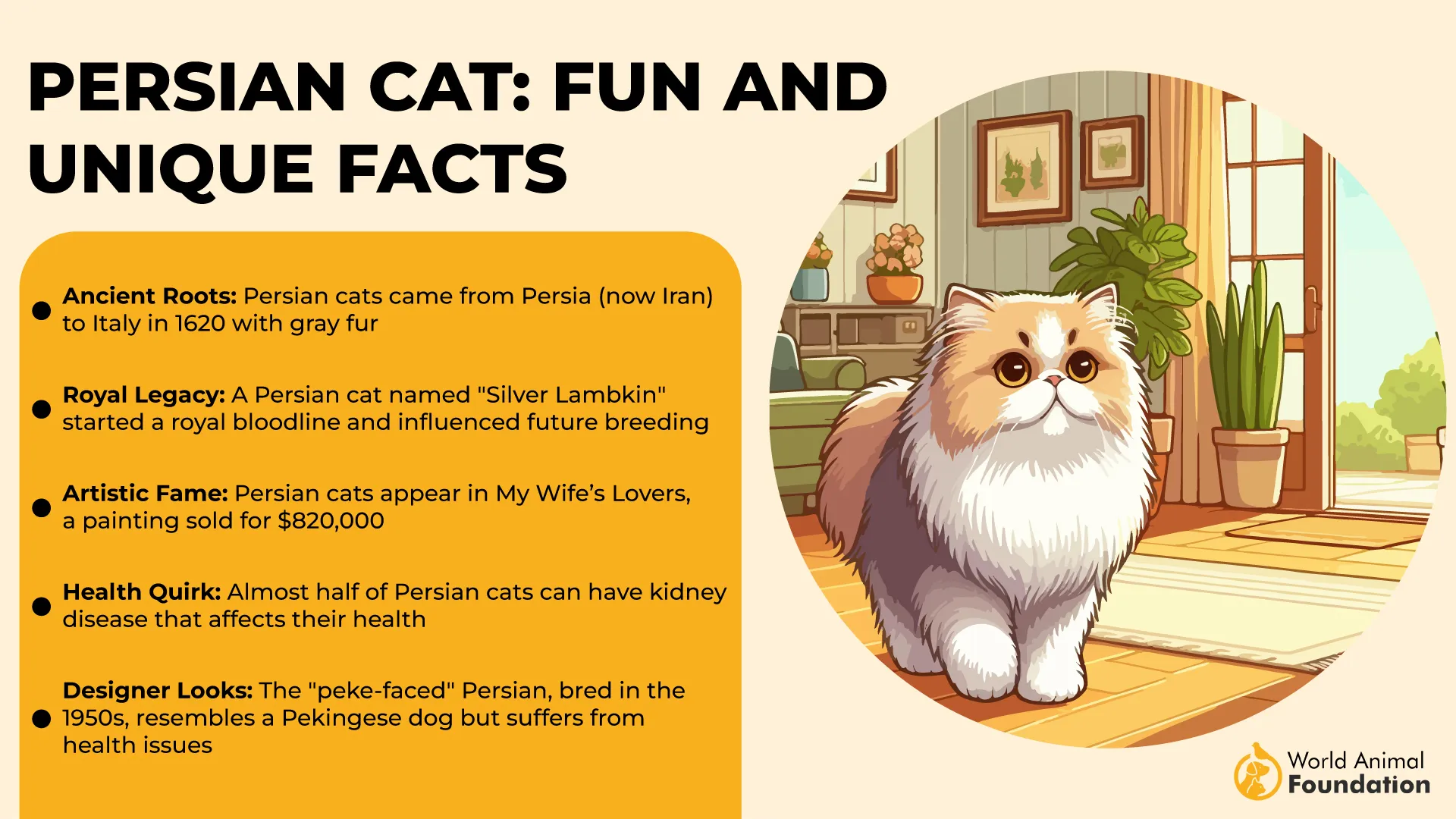
When conditions suit them, Persians are affectionate and relaxed companions. Their moodiness is closely tied to comfort and environment rather than unpredictability. Owners who respect their need for peace usually see their softer side more often.
Why This Cat Is a Good Fit
Best for calm households with low activity
Ideal for owners who value quiet companionship
Works well in homes with predictable routines
6. Abyssinian

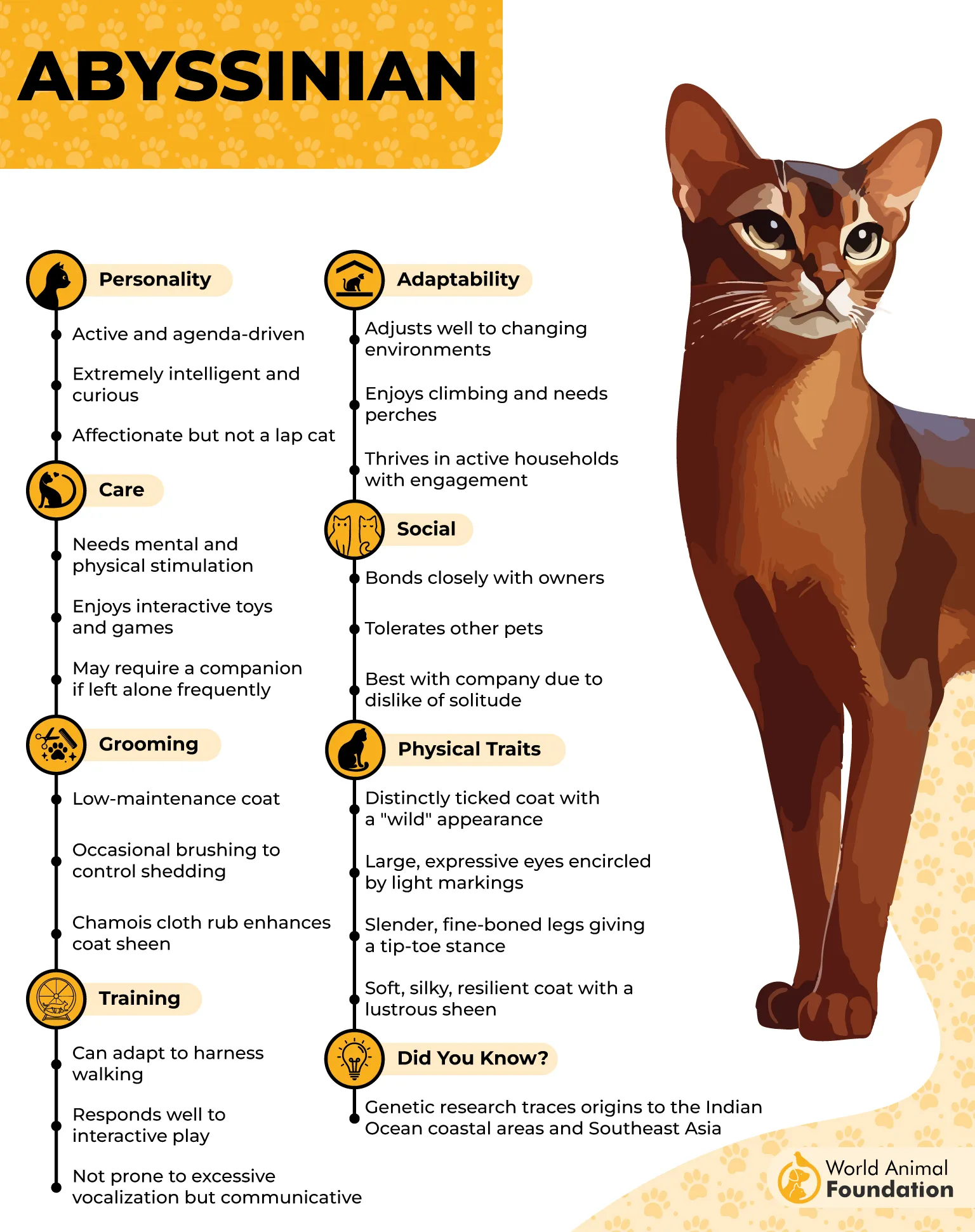
Abyssinians are energetic, curious, and always alert. Their moods often shift based on how engaged they feel with their surroundings. When bored, they can become impatient or restless.
This breed thrives on activity and mental stimulation. If left without enough interaction, Abyssinians may show frustration through persistent behavior or sudden disinterest. Their moodiness often reflects unmet energy needs.
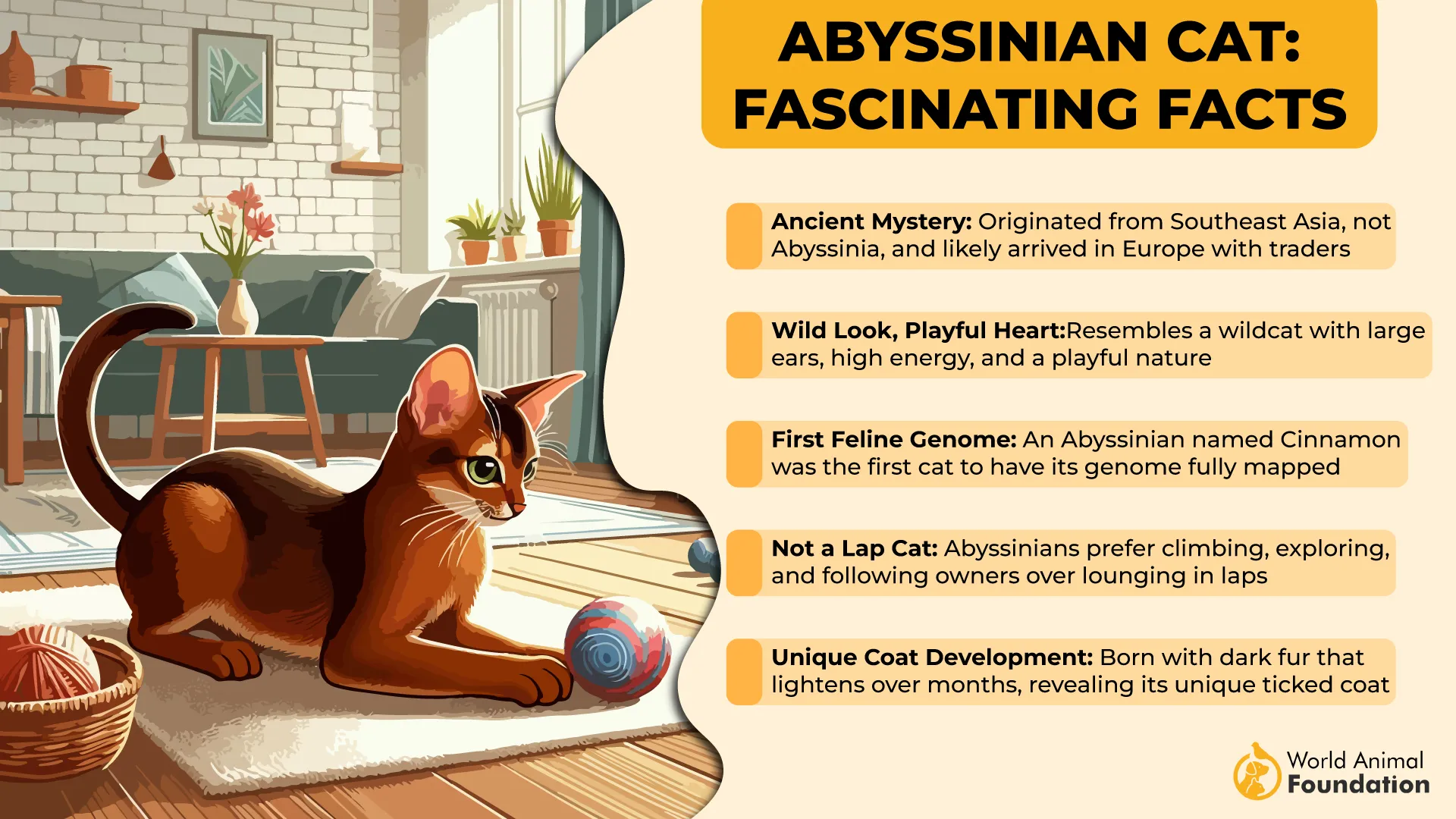
Despite this, Abyssinians are affectionate and people-oriented. They enjoy being involved but dislike being restricted. Their emotional ups and downs are part of a lively personality that keeps owners on their toes.
Why This Cat Is a Good Fit
Great for active homes with time for play
Suit owners who enjoy energetic personalities
Best for people who can provide daily stimulation
7. Oriental Shorthair
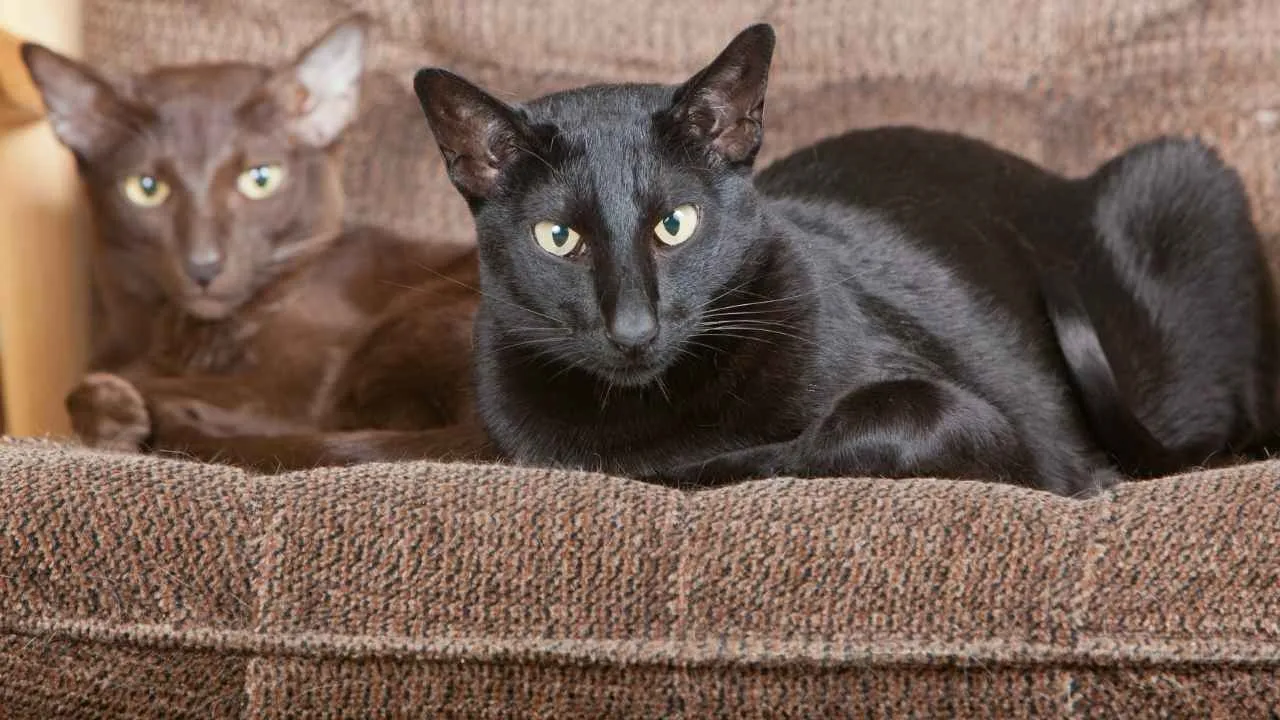
Oriental Shorthairs are expressive cats with strong emotional reactions. They are highly social and notice every change in their environment. When something does not meet their expectations, their mood can shift quickly.
This breed is known for persistence and sensitivity. As per Purina, Oriental Shorthairs may become vocal or withdrawn depending on how they feel ignored or overstimulated. Their moods are often clear and hard to miss.
Despite their dramatic side, they form deep bonds with their people. They want attention and reassurance on a regular basis. For owners who enjoy a cat with visible emotions, their moodiness adds personality.
Why This Cat Is a Good Fit
Ideal for owners who enjoy expressive pets
Best for homes with frequent interaction
Suits people comfortable with emotional cats
Conclusion
Moody cats are not unfriendly; they simply experience the world with strong opinions and expressive reactions. Some are more comfortable in quiet households, while others thrive in active households where attention and play are part of daily life.
A flat face, or a rounded head, may give off grumpy-looking cat vibes, but behind those expressive eyes is often an affectionate nature. When cats love their space and feel threatened by sudden changes, understanding their signals helps create a perfect match. From striking looks like a muscular build, broad chest, curly coat, or broad head to calm companions who prefer peace, personality always matters most.
In the wider cat world, other breeds such as British Shorthair, Exotic Shorthair, American Shorthair, Russian Blue, and Selkirk Rex may also show moody moments mixed with loyalty and charm.
