




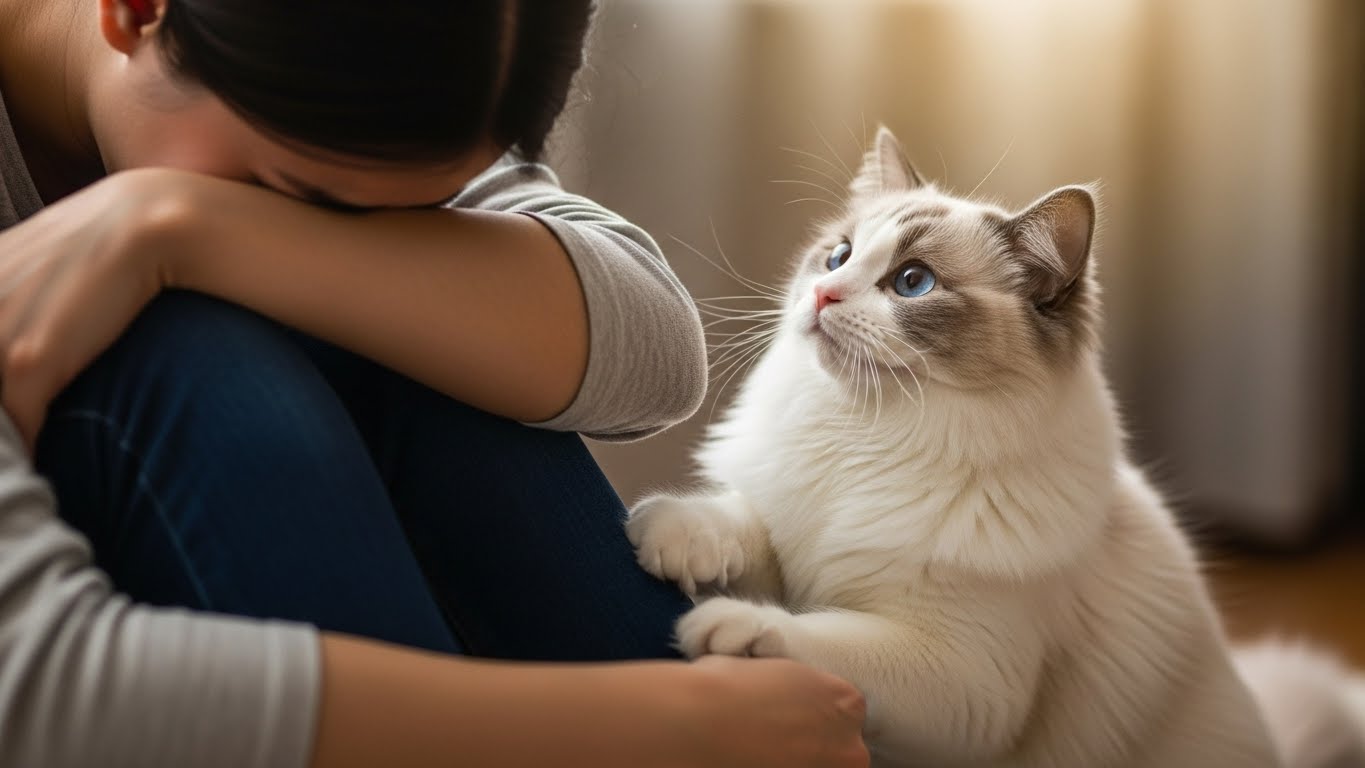
In moments of illness, stress, or emotional strain, comfort can arrive in unexpected forms—and for many, it comes with soft paws and a gentle purr. Cats, long misunderstood as distant or aloof, are increasingly recognized for their remarkable ability to soothe, heal, and connect. Within hospitals and care settings, therapy cats quietly offer companionship that eases anxiety, restores calm, and brings warmth to otherwise clinical environments.
Certain cat breeds possess temperaments uniquely suited for therapeutic roles. Their natural sociability, tolerance for handling, and intuitive sensitivity allow them to respond empathetically to human emotions.
These cats can help reduce stress, lower blood pressure, and provide a sense of normalcy for patients navigating difficult circumstances. Organizations like Pet Partners highlight traits such as friendliness, adaptability, and enjoyment of human interaction as key indicators of effective therapy animals—qualities many cats naturally embody.
This article explores cat breeds renowned for their healing powers. Each demonstrates how the bond between humans and animals can profoundly enhance emotional and physical well-being, proving that comfort sometimes comes wrapped in fur.
Cat Breeds That Are Known for Their Healing Powers
1. Ragdoll
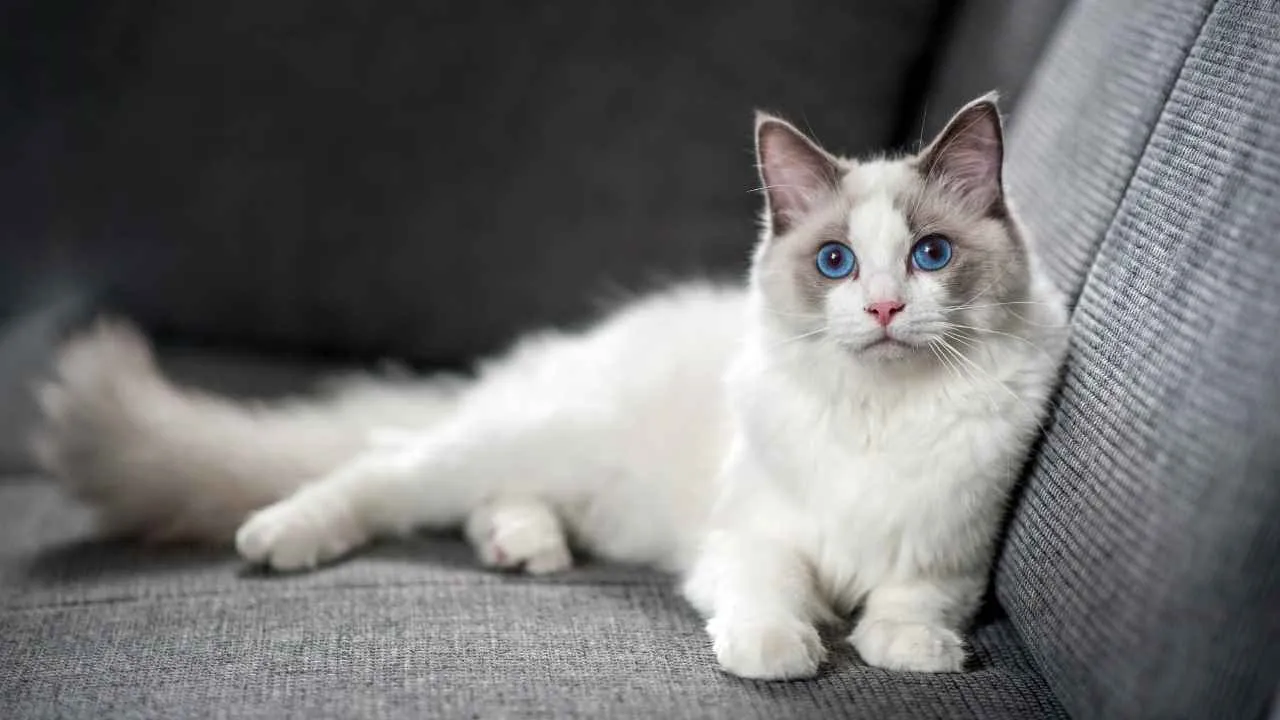
Often called the gentle giant or “floppy cat,” the Ragdoll is instantly recognizable for its large, plush body, striking blue eyes, and famously relaxed nature.
According to Britannica, the cat has a strongly built physique and is notably large, heavy, and muscular. This breed earned its name from its tendency to go completely limp when picked up, a trait that reflects its deep trust in humans and calm disposition.
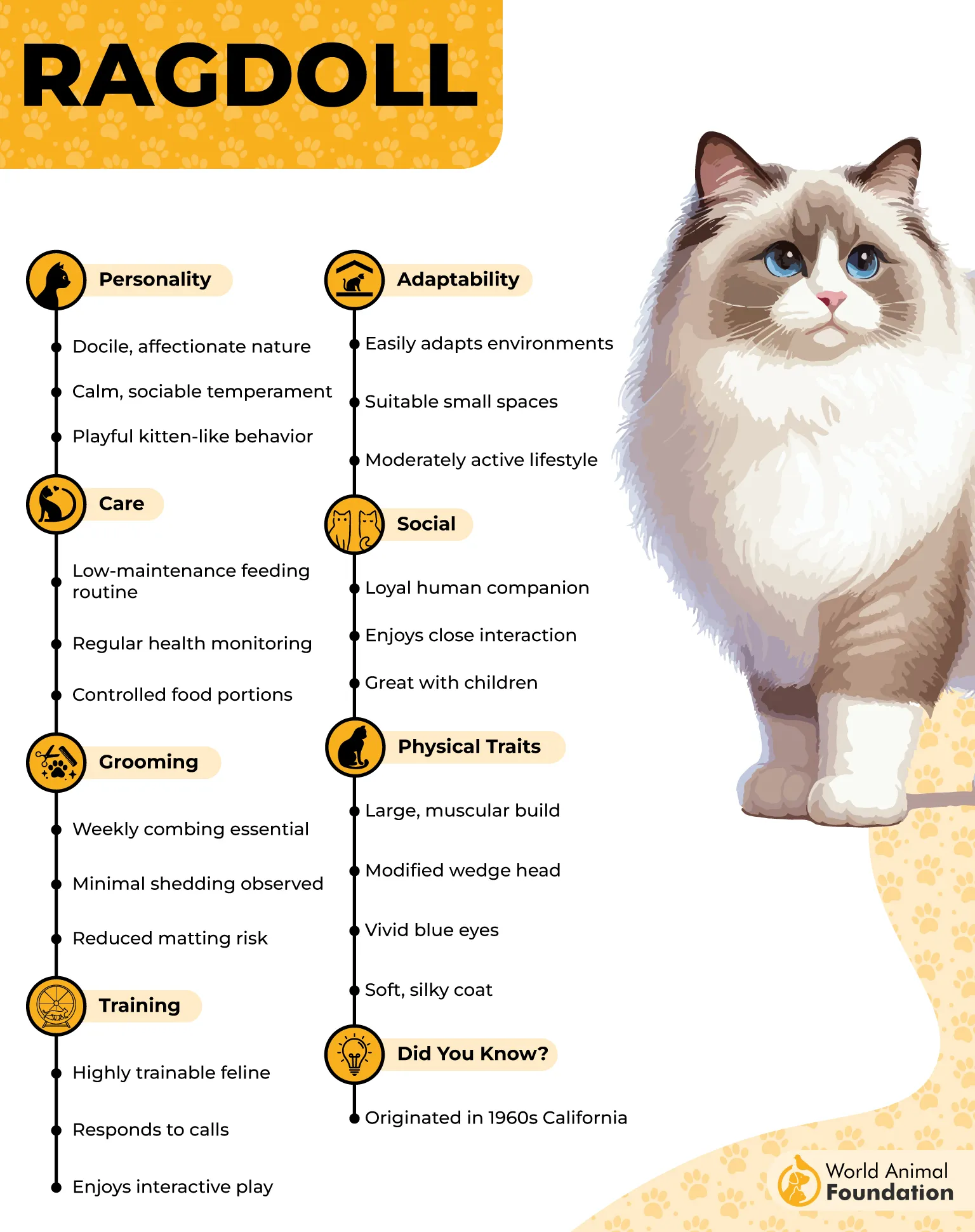
In healing environments, Ragdolls are especially valued for their soothing presence. Their affectionate temperament and love of close contact help ease anxiety in patients, offering a sense of safety and emotional grounding. Simply holding or stroking a Ragdoll can create a calming rhythm that mirrors the relaxation many seek during recovery.
Ancient cultures believed cats carried restorative energy, and the Ragdoll embodies this belief through its intuitive gentleness. Its ability to quietly remain by a patient’s side, adapting easily to unfamiliar surroundings, aligns with the long-held idea that cats absorb stress and restore balance through companionship.
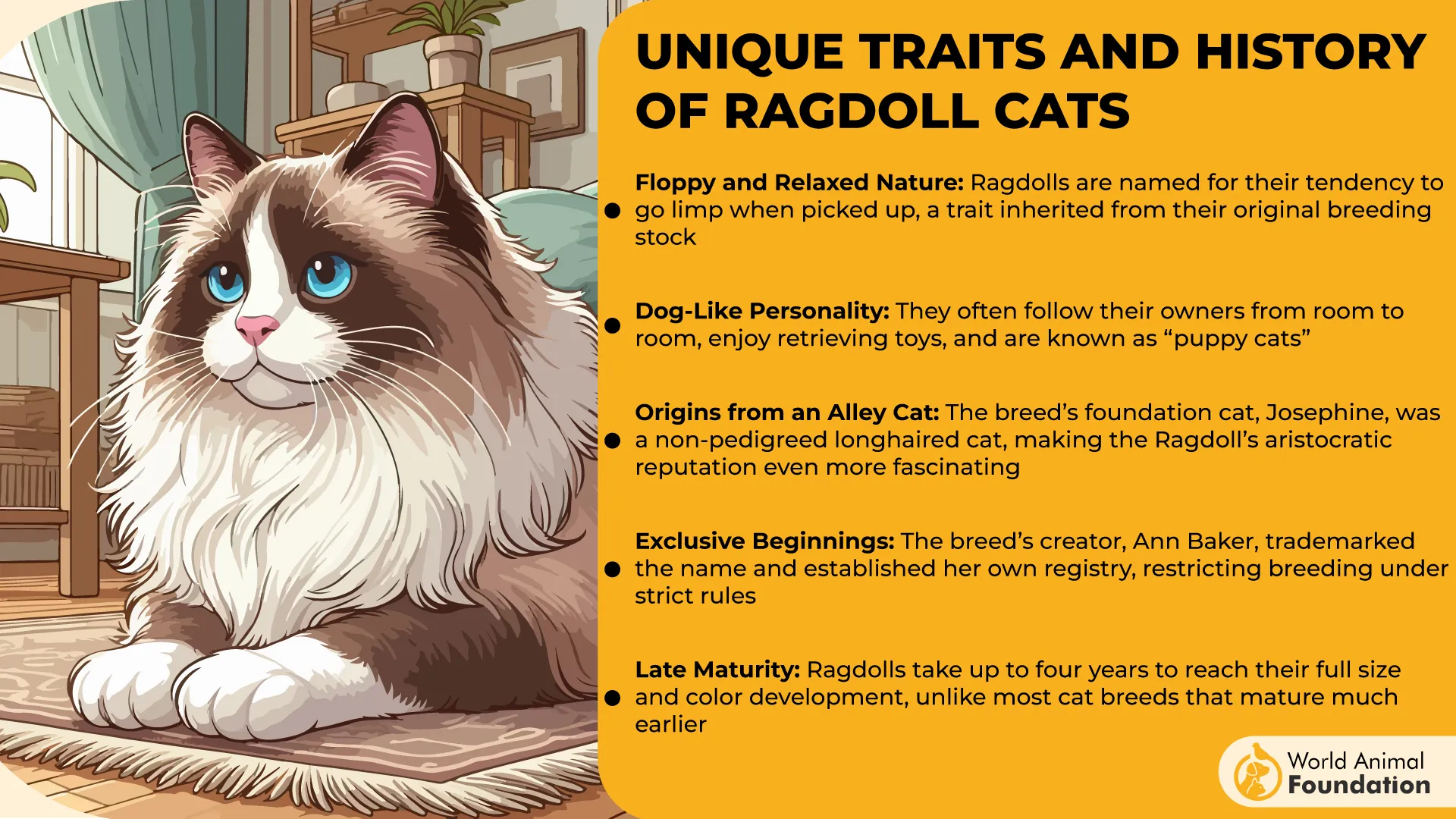
Even from a health perspective, Ragdolls are generally robust therapy partners, with responsible breeding reducing hereditary risks.
Fact: Ragdolls typically weigh between 10 and 20 pounds and are known for their loving, relaxed personalities.
2. Maine Coon
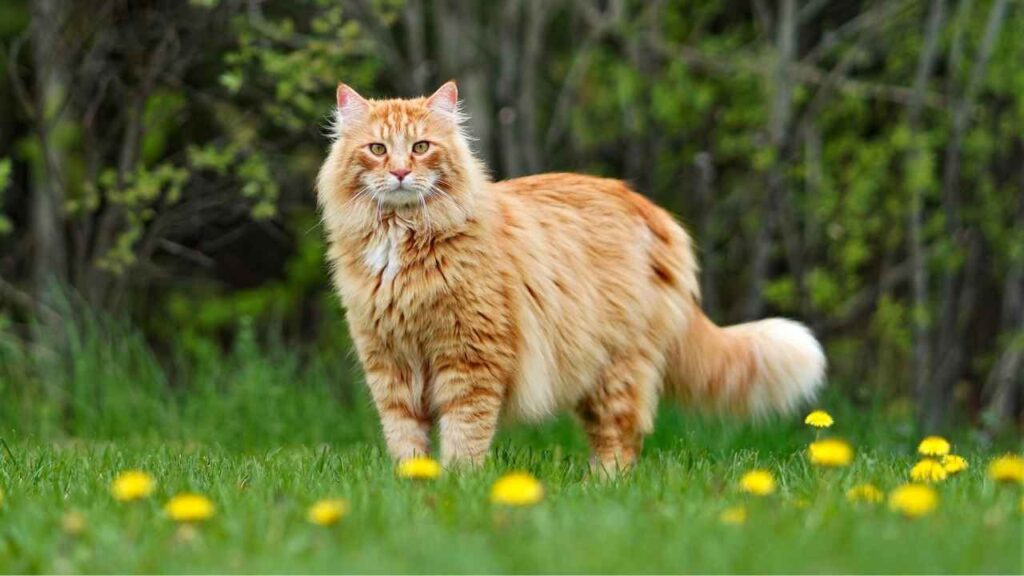
Often called the “gentle giant” of the cat world, the Maine Coon—sometimes referred to as the American Longhair—is one of the largest non-hybrid domestic cat breeds.
According to PetMD, the Maine Coon—aptly named for its size—originated in Maine, and it continues to hold the distinction of being the state’s official cat.
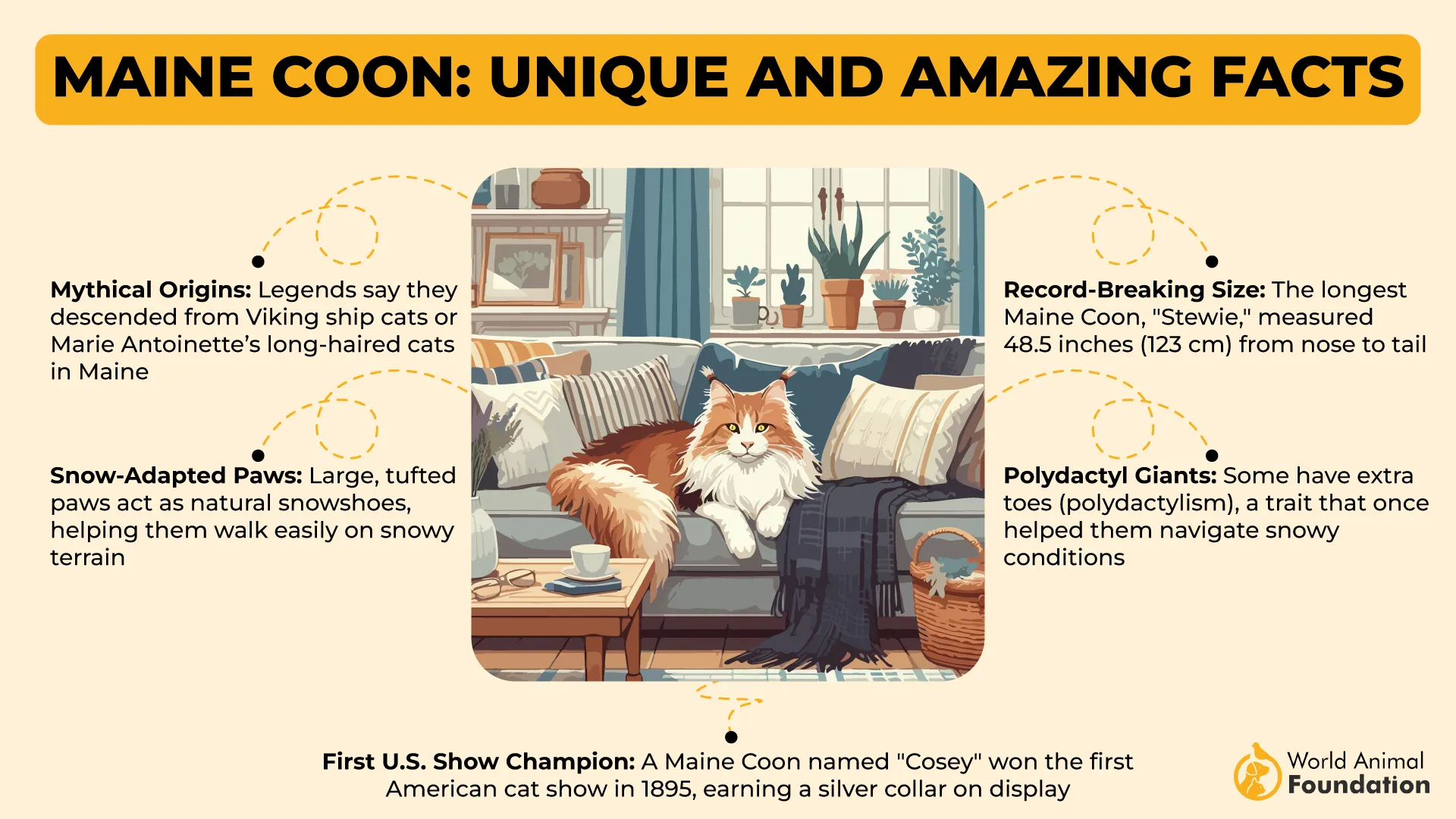
Recognizable by its thick, shaggy coat, tufted ears, and raccoon-like tail, this breed combines impressive size with a famously warm and sociable personality.
Maine Coons excel in therapeutic settings due to their calm, friendly, and playful nature. Their relaxed demeanor helps reduce anxiety in patients, while their affectionate interactions can lift moods in hospitals and care facilities where emotional support is deeply needed.
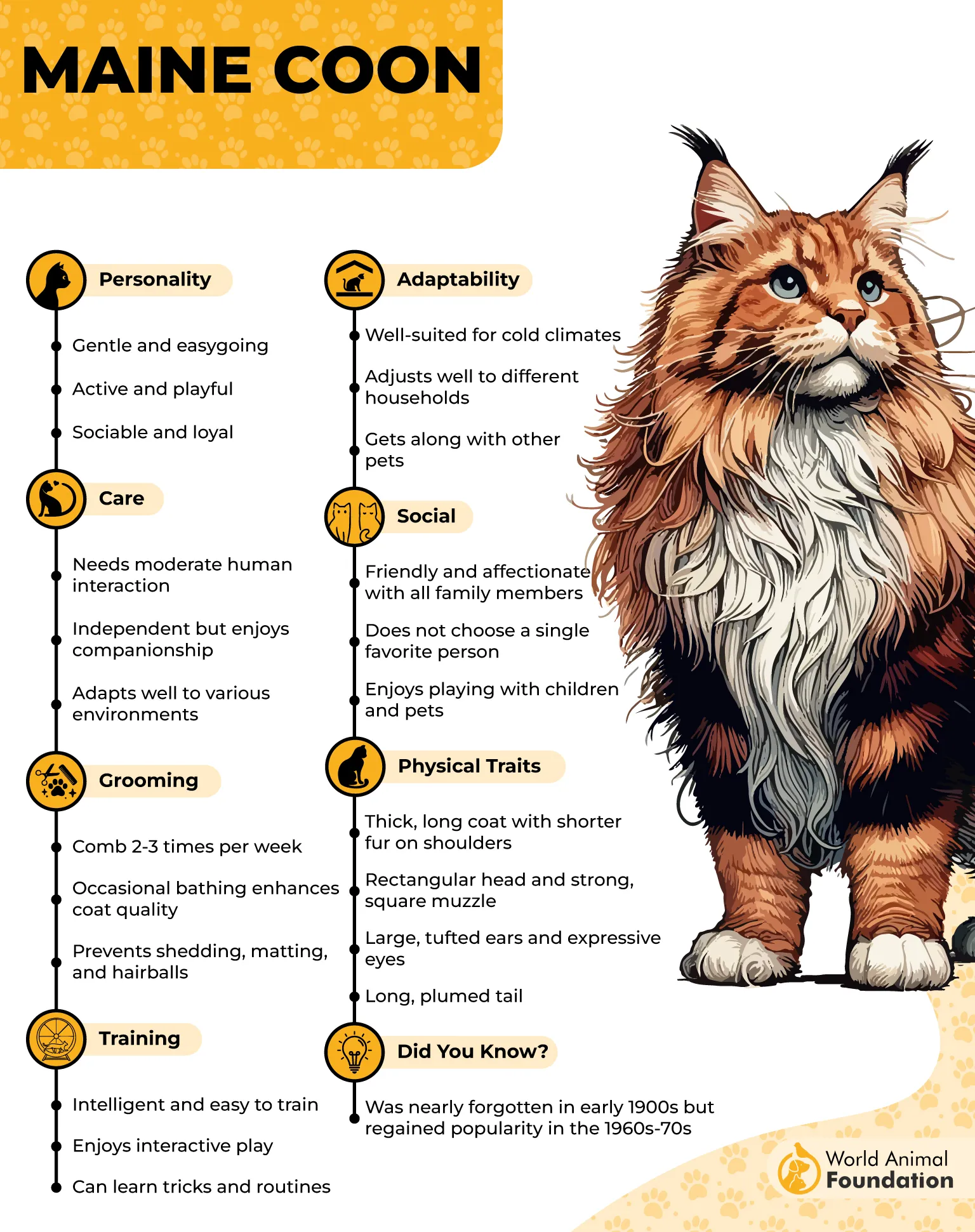
Known for their intelligence and dog-like traits, Maine Coons are highly trainable and comfortable engaging with unfamiliar people. This adaptability allows them to participate in structured therapy sessions, offering meaningful connection and emotional grounding to individuals facing stress or illness.
Their large bodies and plush fur create a soothing physical presence, ideal for comfort-focused therapy.
Fact: The Maine Coon was once considered the largest domestic cat breed and remains the largest non-hybrid cat today.
3. Siamese
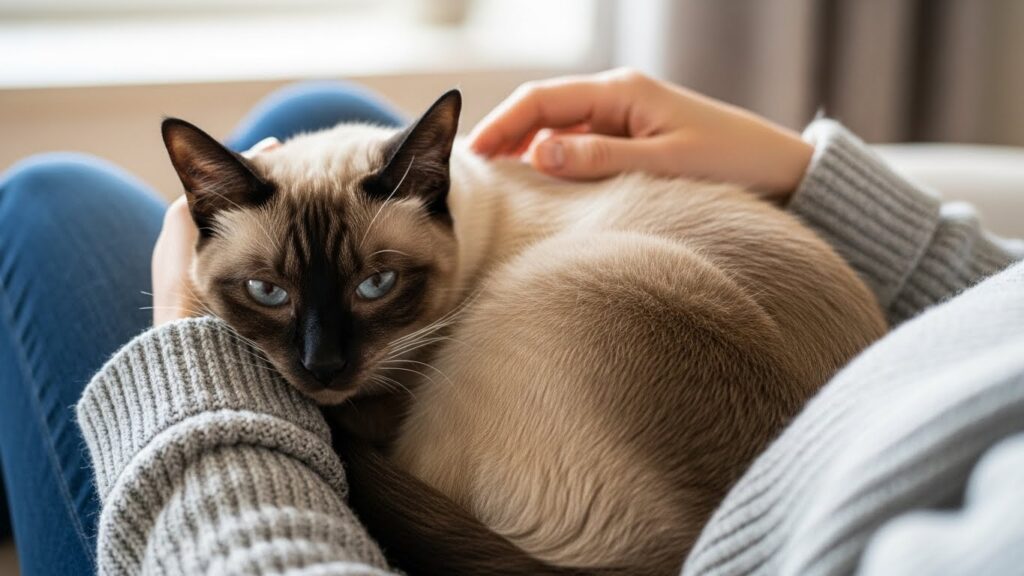
Also known as the Thai cat or Traditional Siamese, this breed is instantly recognizable by its striking blue almond-shaped eyes, sleek coat, and expressive voice.
According to WebMD, it is currently viewed as one of the most popular cat breeds across North America and Europe.
Originating from Thailand, Siamese cats are highly people-oriented and thrive on close human interaction, making them a natural fit for therapeutic environments.
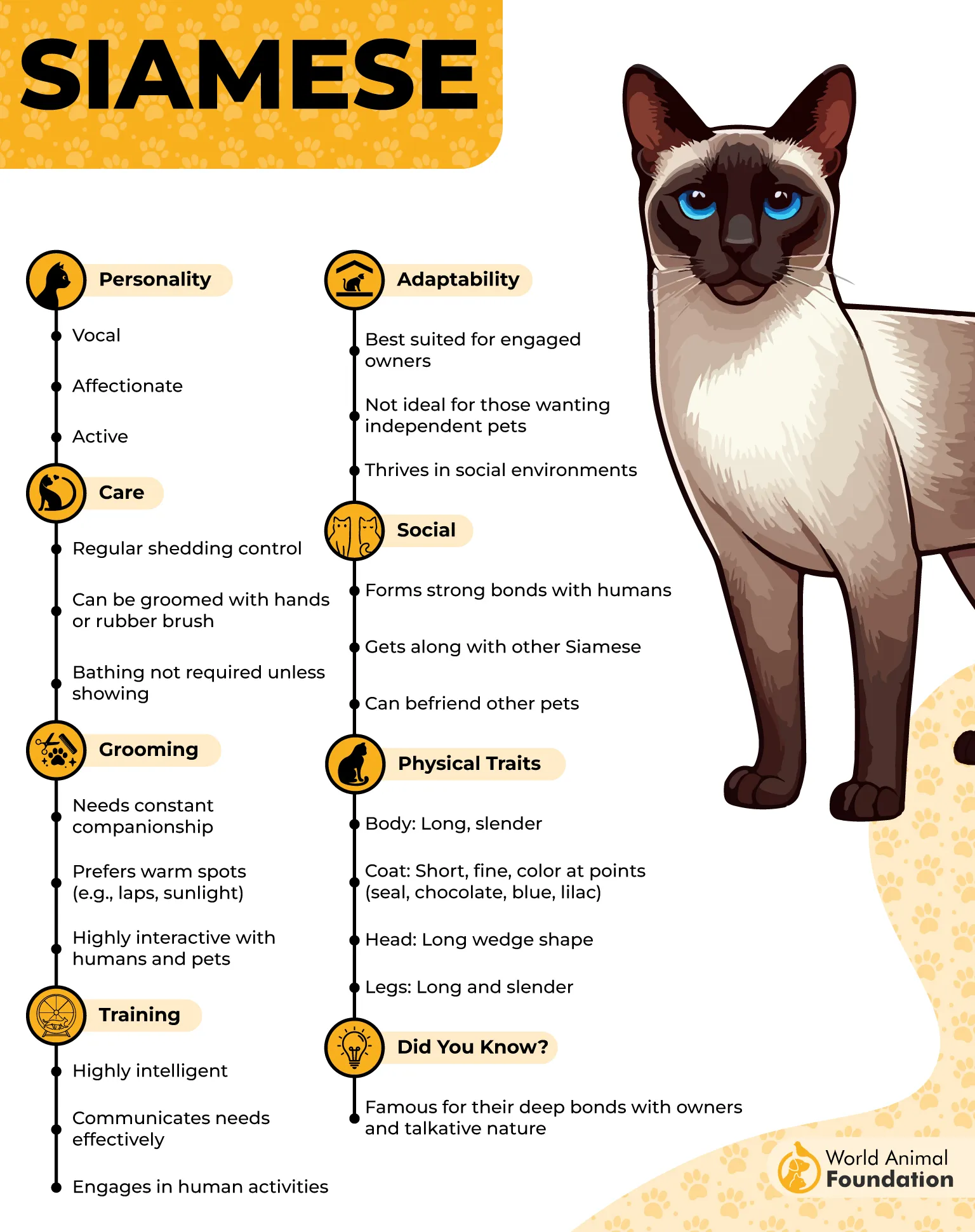
In hospital and care settings, Siamese cats stand out for their deep emotional bonds with humans. Their strong desire for companionship helps reduce feelings of loneliness and isolation, while their constant engagement offers patients a welcome distraction from stress or discomfort.
These cats are especially effective as calming companions due to their sensitivity to emotional changes. Siamese cats often respond intuitively to anxiety, offering physical closeness, gentle affection, or soothing vocalizations that can help regulate emotions and lower stress levels.
Their playful yet gentle demeanor also encourages positive interaction, which is vital for emotional healing.
Fact: Siamese are known for being social, funny, and active, traits that make them excellent therapy animals.
4. Persian
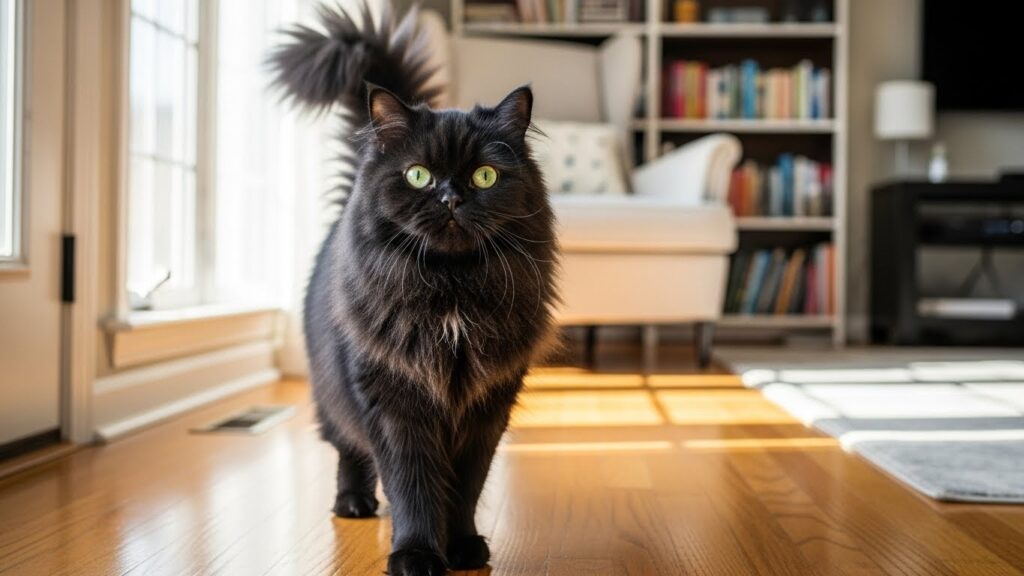
Also known as the Longhair or Iranian cat, the Persian is instantly recognizable by its flat face, large expressive eyes, and flowing coat. Beyond their regal appearance, Persians are cherished for their calm disposition, which makes them especially well-suited for therapeutic and comfort-based roles.
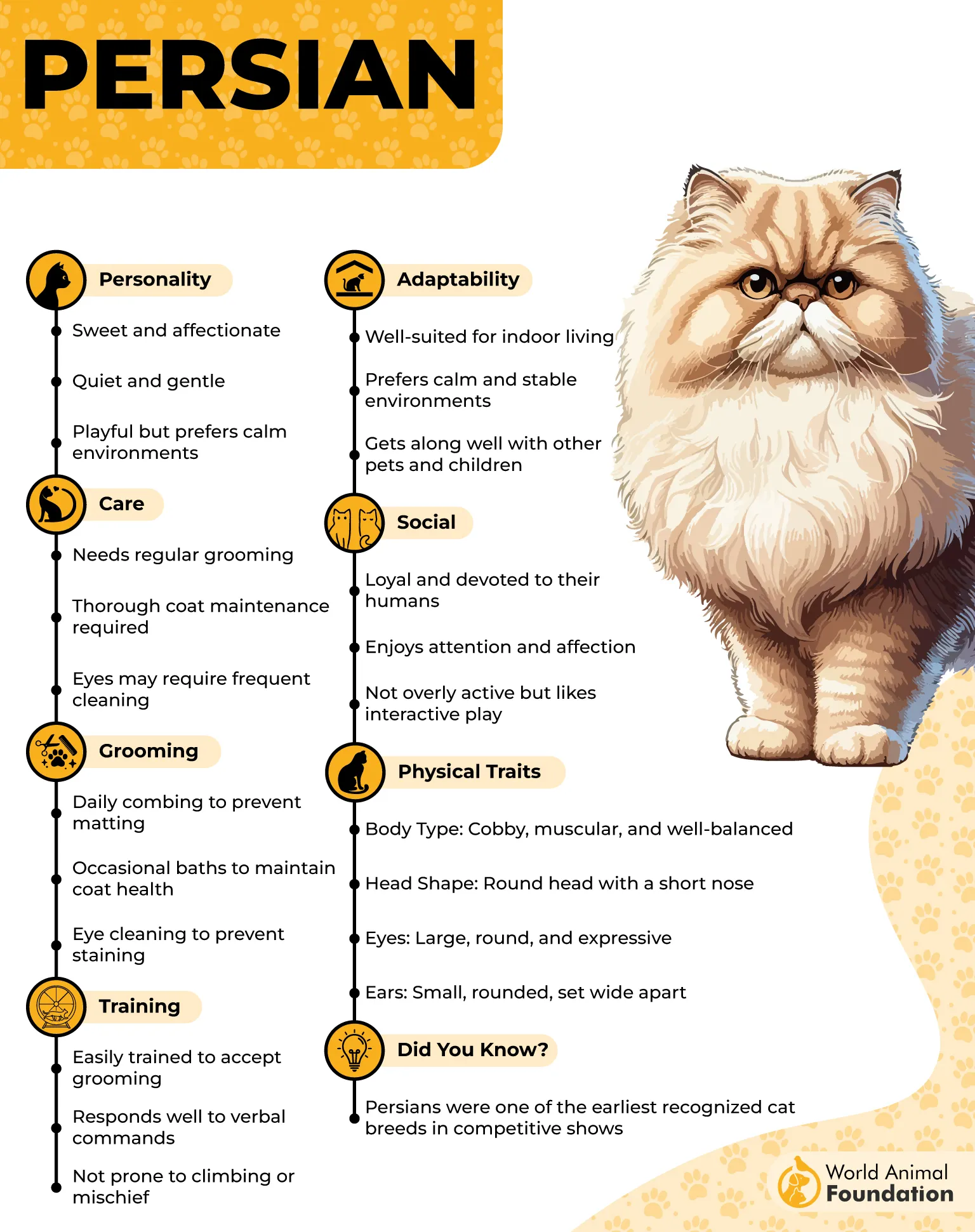
In healing environments, Persians offer a soothing presence that encourages stillness and relaxation. Their preference for quiet companionship over constant activity allows patients to engage gently, whether through soft petting or simply resting beside them. This calm interaction supports emotional grounding and stress reduction.
The healing power of a cat’s purr is particularly relevant with Persians. Their steady, low-frequency purring has been associated with calming the nervous system, helping ease anxiety, and promoting a sense of safety. Combined with their affectionate nature, this makes them ideal for patients needing emotional reassurance.
Persians also excel at forming deep bonds with caregivers and patients alike, providing unobtrusive comfort during difficult moments. Despite their famously grumpy expressions, they are peaceful, loving companions with a gentle temperament.
5. Bengal
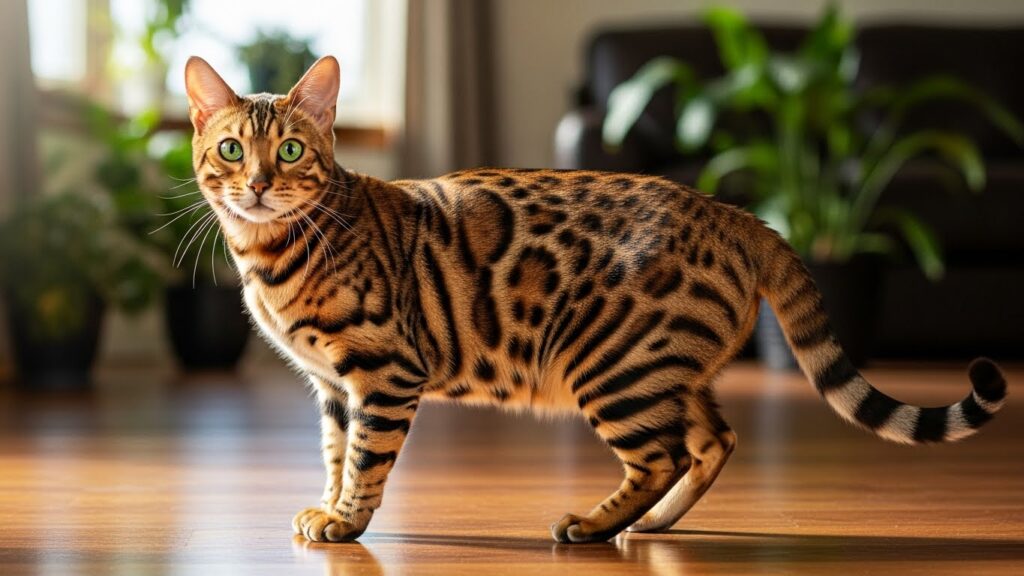
Also known simply as the Bengal cat, this striking breed is instantly recognizable for its leopard-like coat and athletic build, a trait inherited from its Asian leopard cat ancestry.
Beneath that wild appearance lies an intelligent, people-oriented companion that thrives on interaction and mental stimulation rather than constant cuddling.
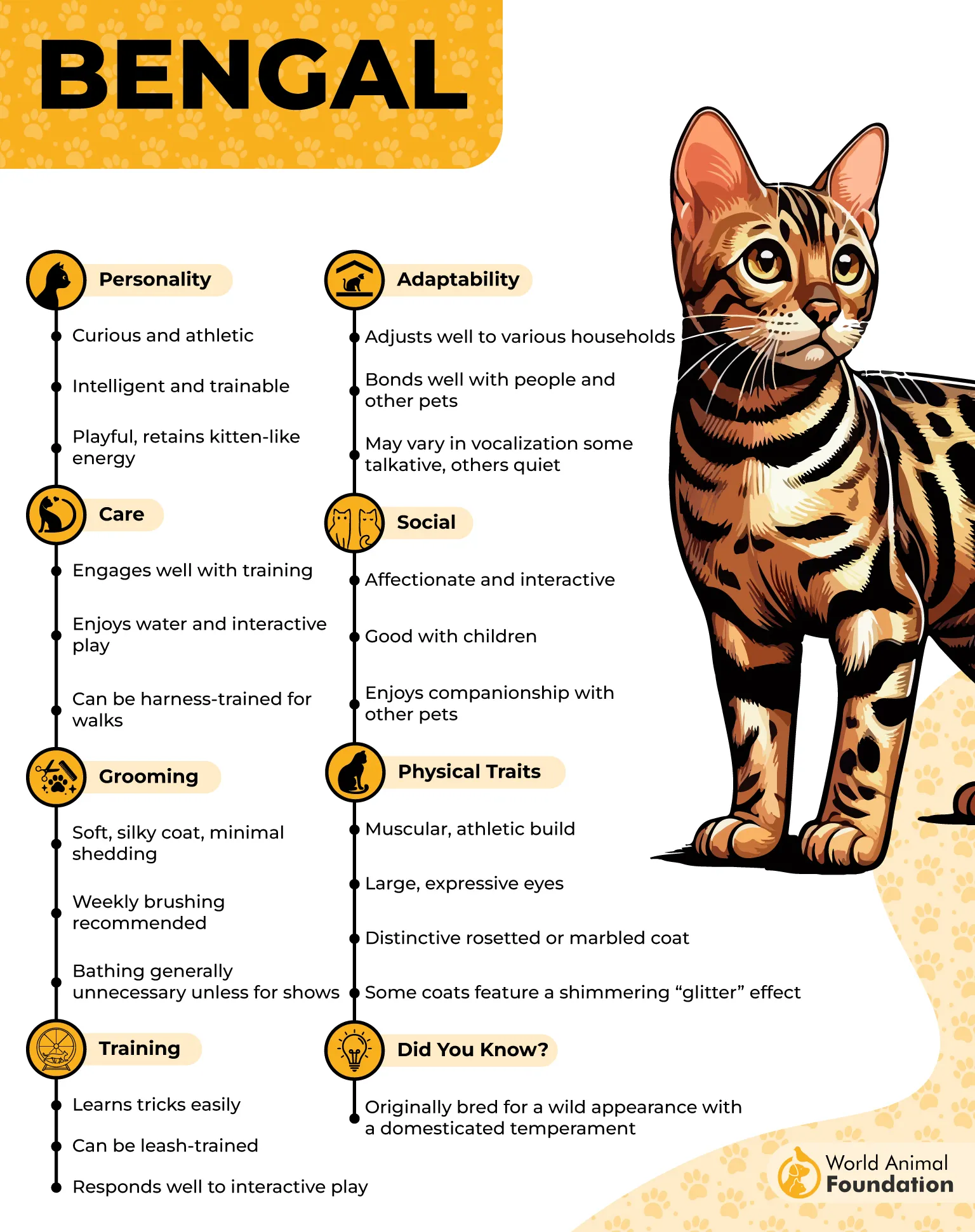
When it comes to stress reduction in humans, Bengals excel through engagement and play. Their energetic, fun-loving nature can lift spirits quickly, especially in therapeutic settings where laughter and distraction are powerful tools. Watching a Bengal chase toys or explore its surroundings often helps ease anxiety and redirect negative emotions.
Bengals are also highly intelligent, allowing them to adapt well to structured therapy environments. They enjoy learning routines, responding to people, and participating in activities such as gentle walks or interactive games, which can be especially beneficial for elderly individuals and children needing emotional stimulation.
Because they require activity and enrichment, the dynamic role of a therapy cat suits them perfectly.
6. British Shorthair
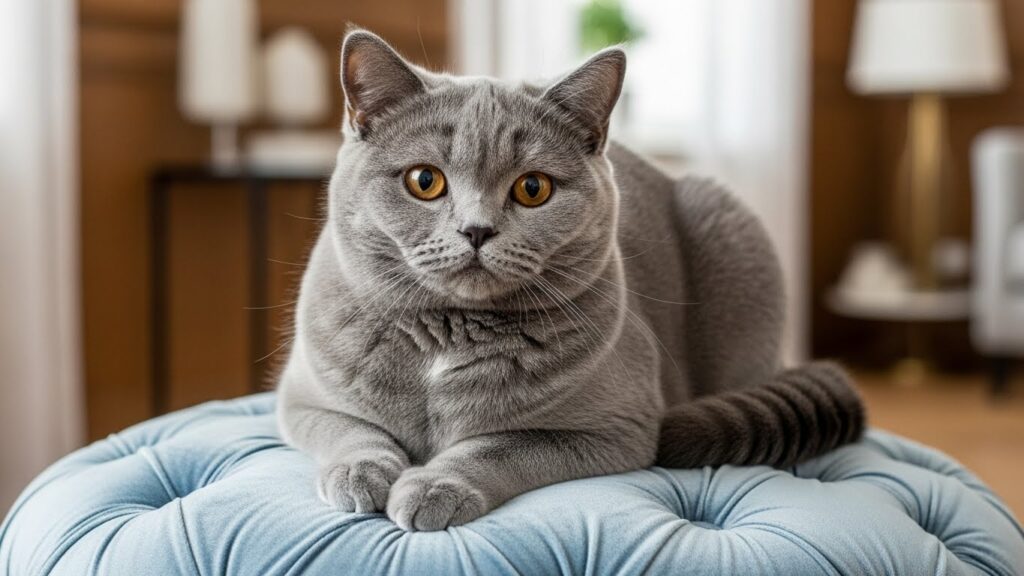
The British Shorthair, sometimes called the Brit or British Blue (for its iconic gray coat), is instantly recognizable by its round face, dense plush fur, and sturdy build. This breed is admired for its composed demeanor and quiet affection, traits that make it especially suited for therapeutic environments.
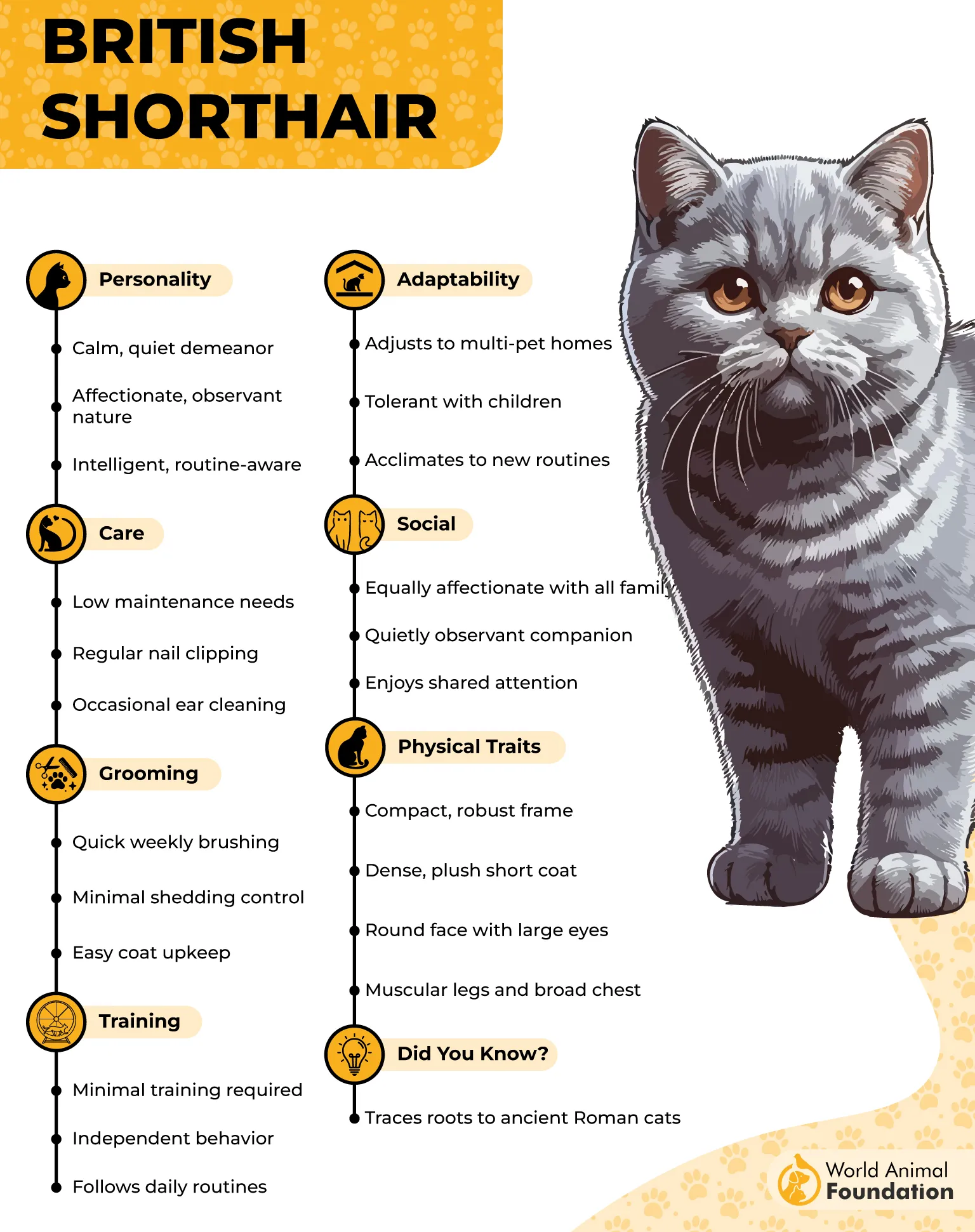
In healing settings, British Shorthairs offer calm companionship rather than constant stimulation. Their patient and tolerant nature allows them to sit peacefully with patients, providing reassurance through presence alone. This steady behavior is particularly valuable for individuals experiencing anxiety, fatigue, or emotional overwhelm.
British Shorthairs are also known for intuitive sensitivity. They tend to stay close without being intrusive, often settling near people who seem unwell or distressed. This subtle awareness enables them to provide comfort in a way that feels natural and emotionally grounding.
Their easygoing personality helps them remain relaxed in unfamiliar surroundings like hospitals, while their independence prevents stress when activity slows.
Fact: Despite being a shorthair breed, daily brushing is recommended, especially during seasonal coat changes.
7. Sphynx
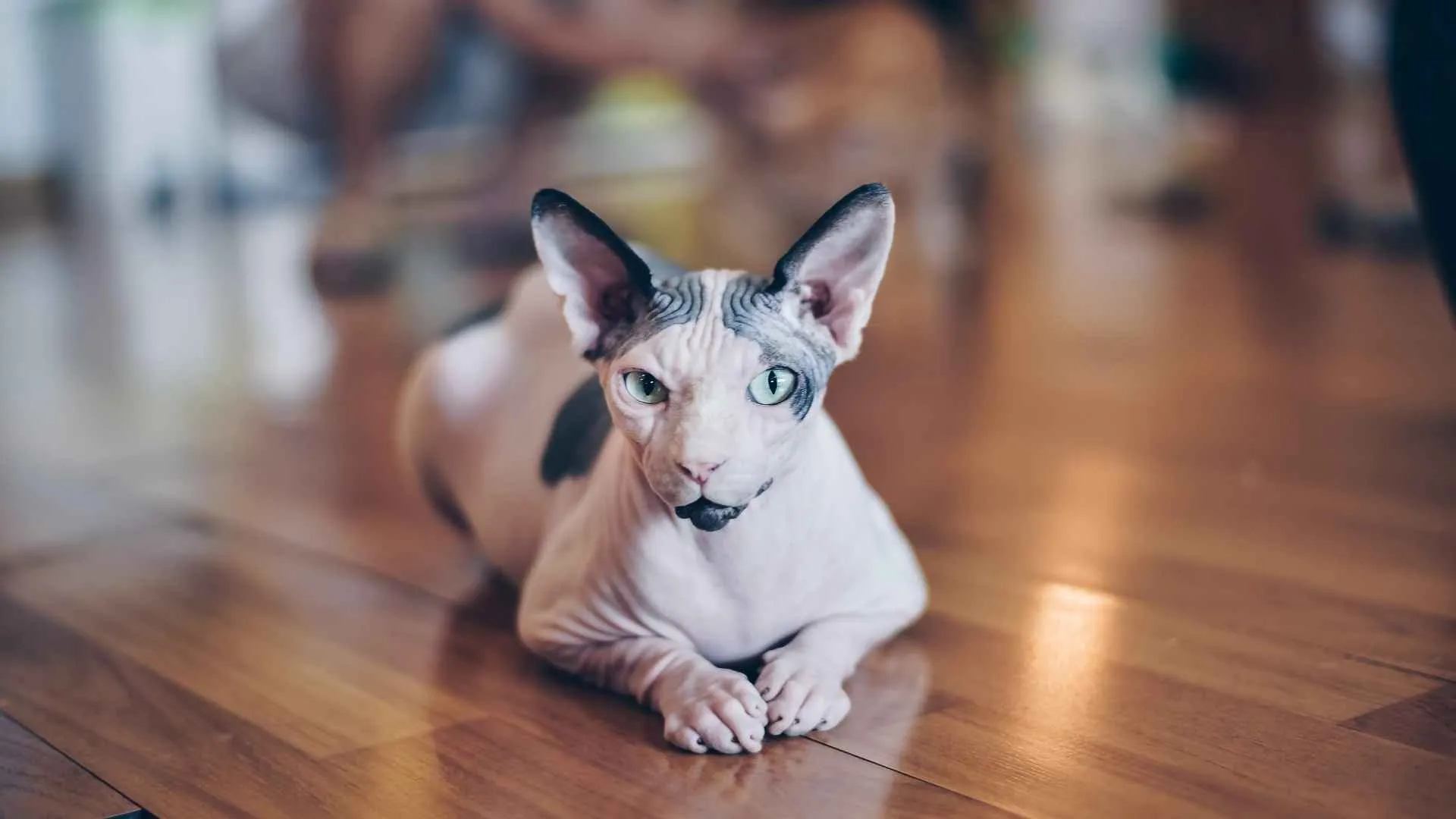
Also known as the Canadian Hairless, the Sphynx is instantly recognizable for its furless body, wrinkled skin, and large ears. Despite its unusual appearance, this breed is celebrated for its exceptionally affectionate and people-oriented nature.
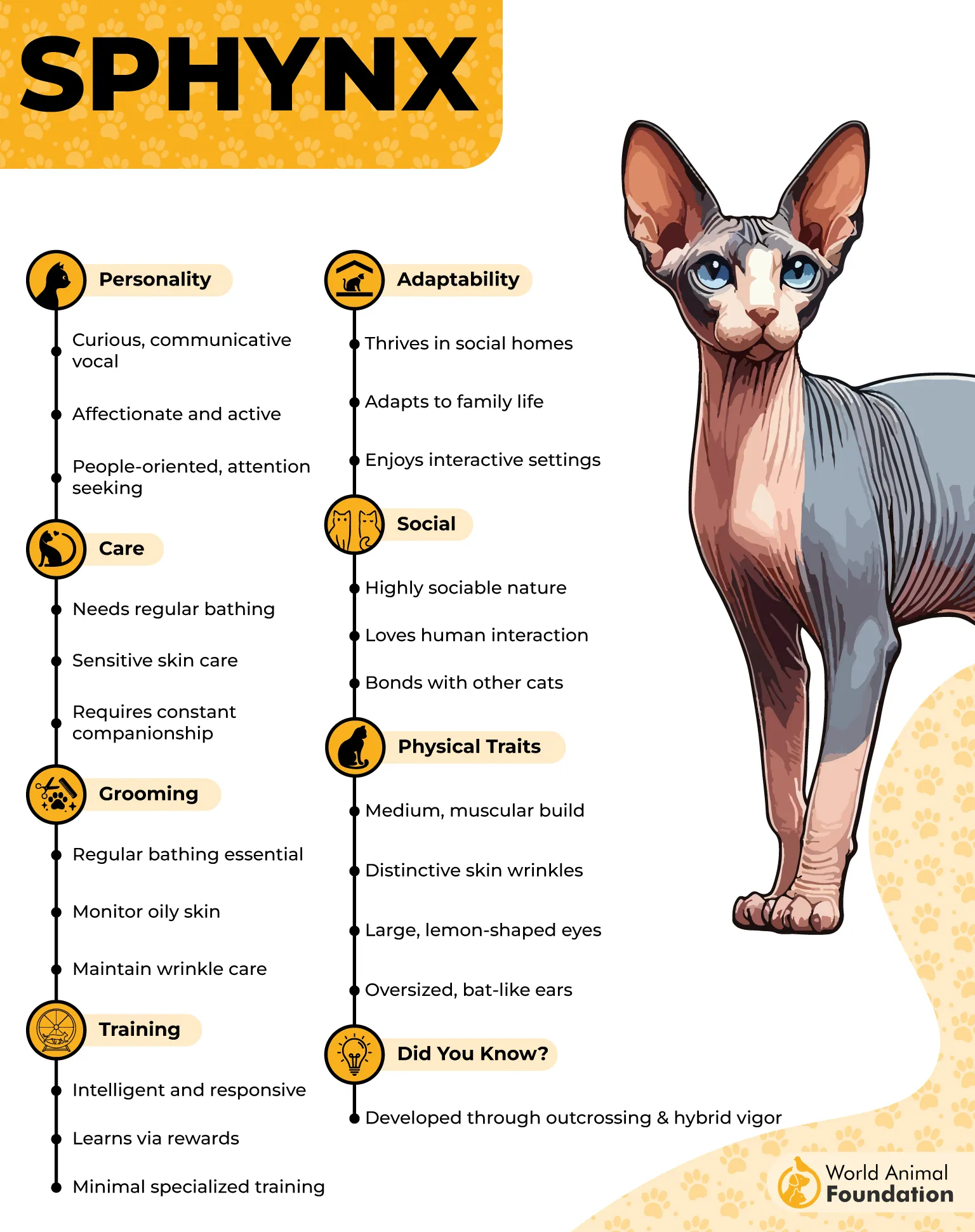
When it comes to emotional healing, the Sphynx excels. These cats are gentle, sweet, and often described as dog-like due to their loyalty and desire to stay close to their humans. Their constant need for warmth makes them natural cuddlers, offering steady physical comfort and emotional reassurance.
In therapeutic settings, the Sphynx’s extroverted personality truly shines. They thrive on attention, eagerly engaging in interaction, play, and lap time. Their warm, smooth skin provides a unique tactile experience that can be calming and intriguing, helping patients feel connected and distracted from stress or discomfort.
Caring for a Sphynx that supports your well-being requires commitment, particularly to skin health. A high-quality diet is essential to manage oil production, as their lack of fur causes oils to build up quickly—often leaving grease spots on furniture and fabrics.
Conclusion
Cats, known for their healing powers, demonstrate how deeply animals can influence human health and overall life quality. With a gentle nature, calm demeanor, and often a calming presence, these cats excel as human companions in hospitals and care settings.
Their therapeutic benefits range from easing stress to supporting physical health, showing a truly profound impact on patients’ emotional well-being and daily happiness.
Whether it’s a highly sociable cat seeking closeness, a warm furry friend offering comfort, or one whose vocal nature and touch help people feel less alone, these cats consistently provide emotional support.
Many thrive in structured therapy programs, using traits like empathy, affection, and even sensory qualities—such as a warm body or dense coat—to connect with people. Together, they remind us that the bond between cats and humans can heal in quiet but powerful ways.
Healing Cats 🐾 Can You Score 5/5?
Why is the Ragdoll called a “floppy cat”?
Which U.S. state is the Maine Coon officially associated with?
What makes Siamese cats effective therapy companions?
What feature of Persian cats helps calm patients?
Why are Sphynx cats known for providing unique comfort?
