




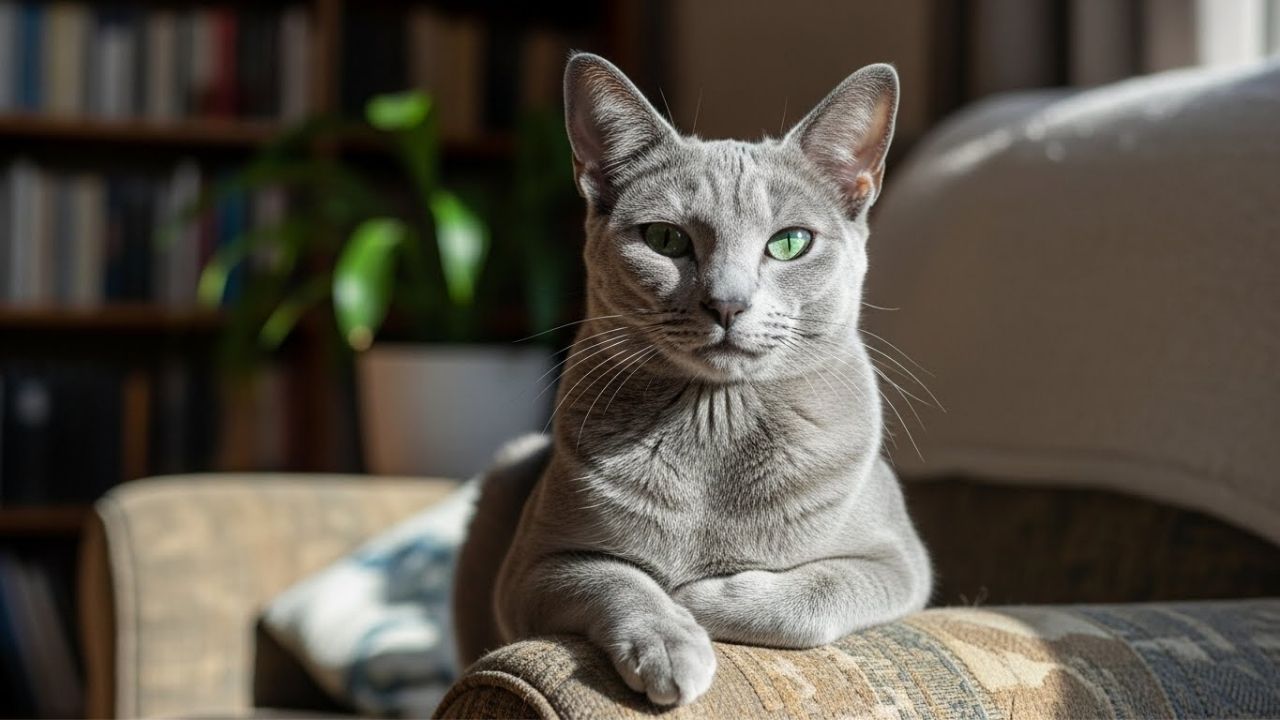
Cats are often celebrated for their independent streak, and for many pet parents, that’s exactly what makes them so appealing. Some cat breeds are naturally self-sufficient, perfectly content spending time alone, exploring their surroundings, or relaxing in a sunny window.
These independent felines tend to be low-maintenance companions who don’t demand constant attention, making them ideal for busy households or owners who value personal space alongside pet companionship.
However, independence doesn’t mean indifference. Many cats that enjoy their autonomy are still deeply affectionate in their own subtle ways. Instead of clingy behavior, they show love through quiet companionship—following you from room to room, curling up nearby, or greeting you warmly at the end of the day. Their bonds are often built on mutual respect rather than constant interaction.
In this article, we’ll explore cat breeds that strike the perfect balance between independence and affection. From dignified, reserved personalities to quietly loyal companions, these cats prove you can enjoy both freedom and a meaningful connection in one remarkable feline friend.
Cat Breeds That Are Independent but Loving
1. British Shorthair
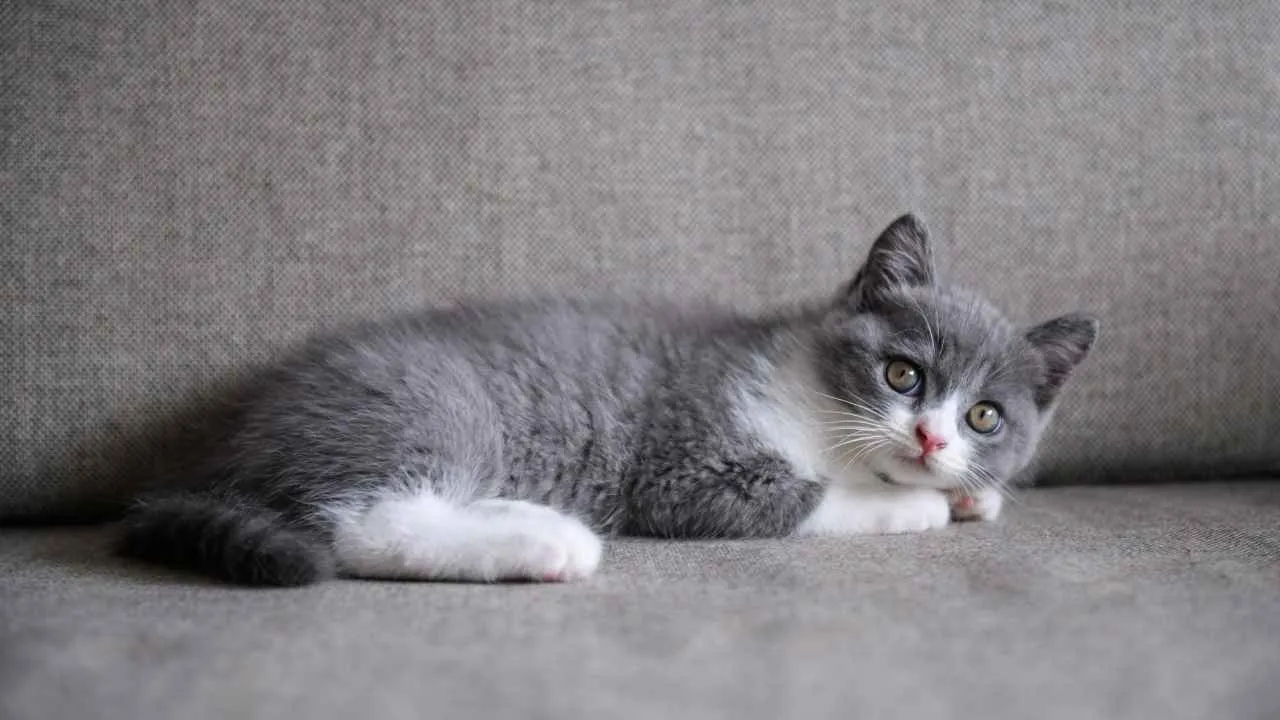
The British Shorthair is a classic feline with a teddy-bear face, dense coat. According to Britannica, the British Shorthair has a tail that is short and thick, and the breed is generally placid, gentle, and easygoing in temperament.
While blue-gray is iconic, this breed appears in many colors and is admired for its sturdy, composed presence.
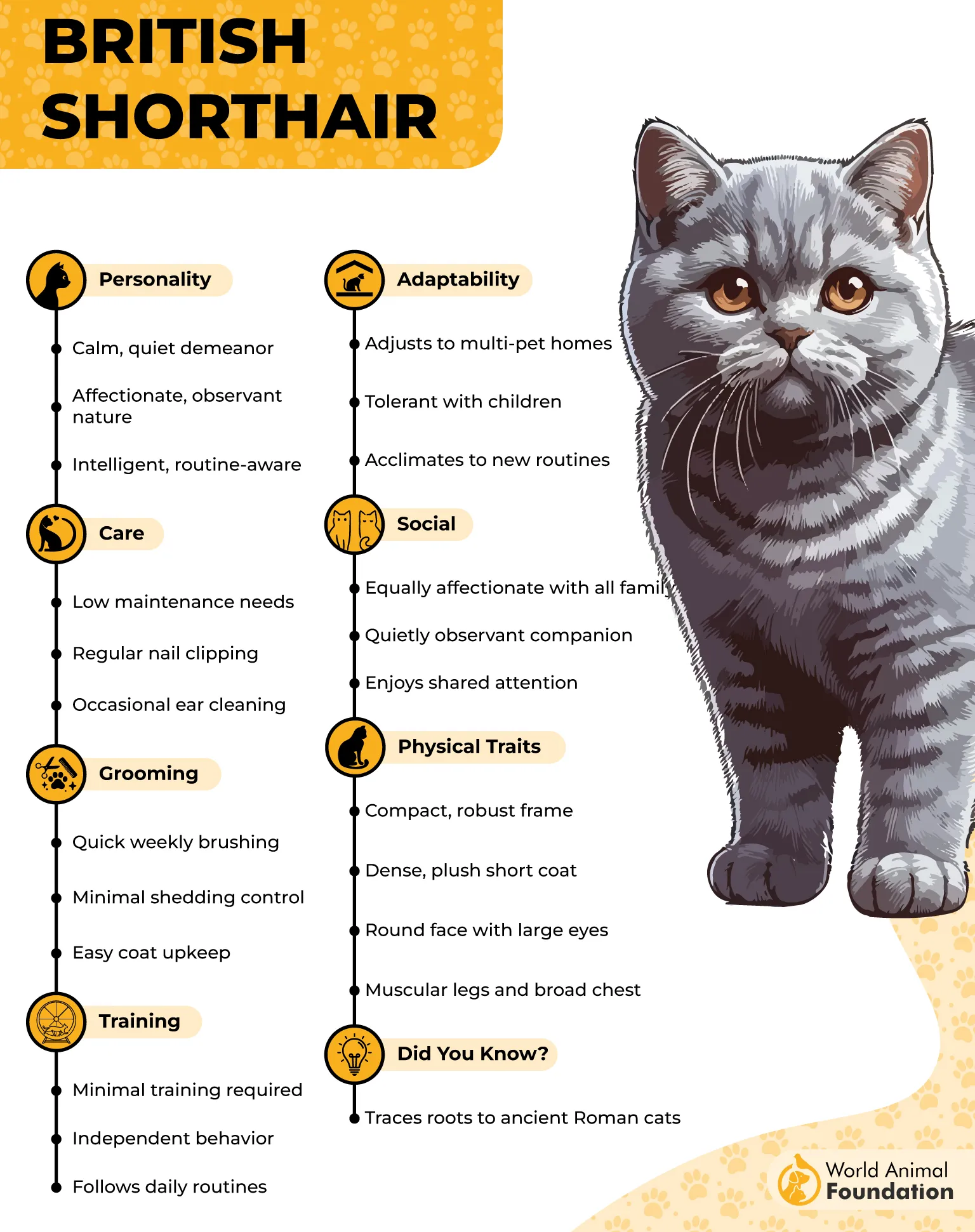
Independence in British Shorthairs shows up as confidence rather than distance. They enjoy human company but prefer sitting beside you instead of on your lap, offering quiet companionship without constant demands for attention or reassurance.
Their loving side is subtle and deeply rooted in trust. These cats form strong bonds with people who respect personal space, often following routines, observing calmly, and choosing closeness on their own terms rather than through clingy behavior.
This balance makes them ideal for peaceful homes, families, or multi-pet households. They’re tolerant, emotionally steady, and rarely rattled by noise or visitors, embodying what “independent but loving” truly means in cats.
Fact: British Shorthairs are widely described by TICA and GCCF as affectionate yet independent companions who prefer to snuggle beside their people rather than be carried.
2. Russian Blue
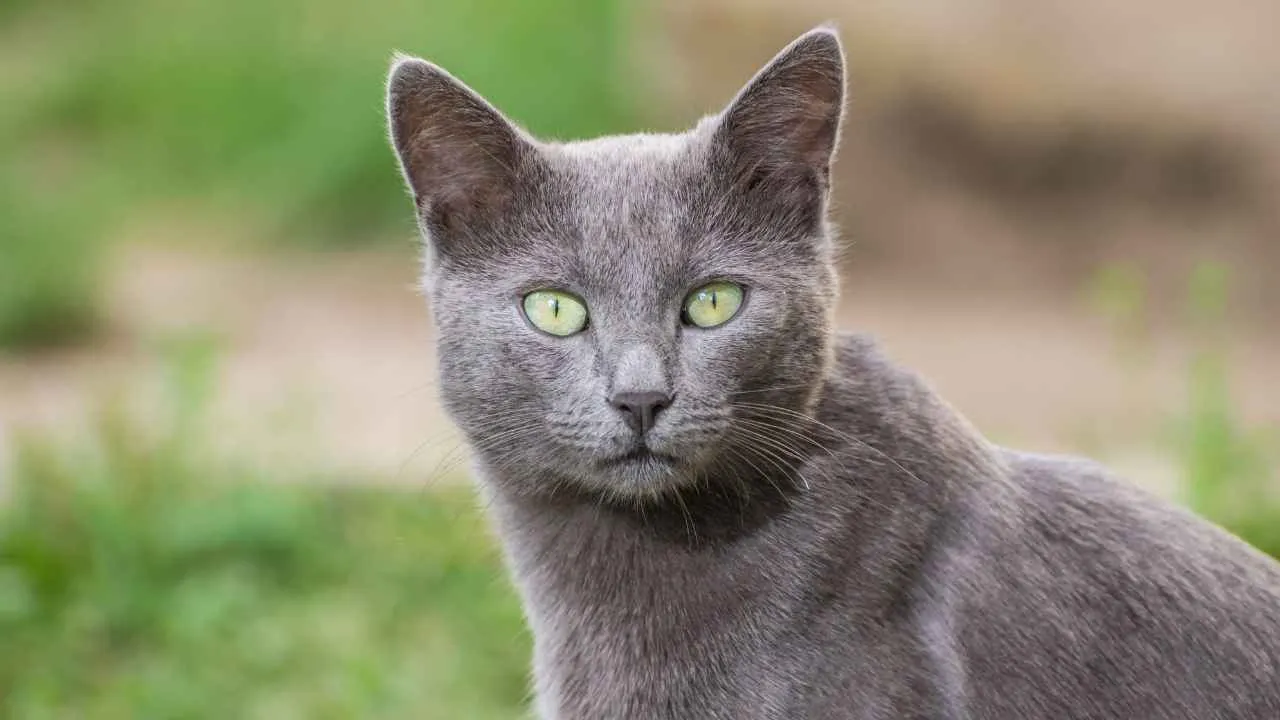
The Russian Blue, sometimes simply called the Archangel Blue, is instantly recognizable by its shimmering silver-blue coat and vivid green eyes.
According to PetMD, the Russian Blue is an uncommon cat breed in the United States and Canada and is known for being independent, intelligent, and visually striking. This elegant, fine-boned breed has a regal look paired with a naturally calm and reserved personality.
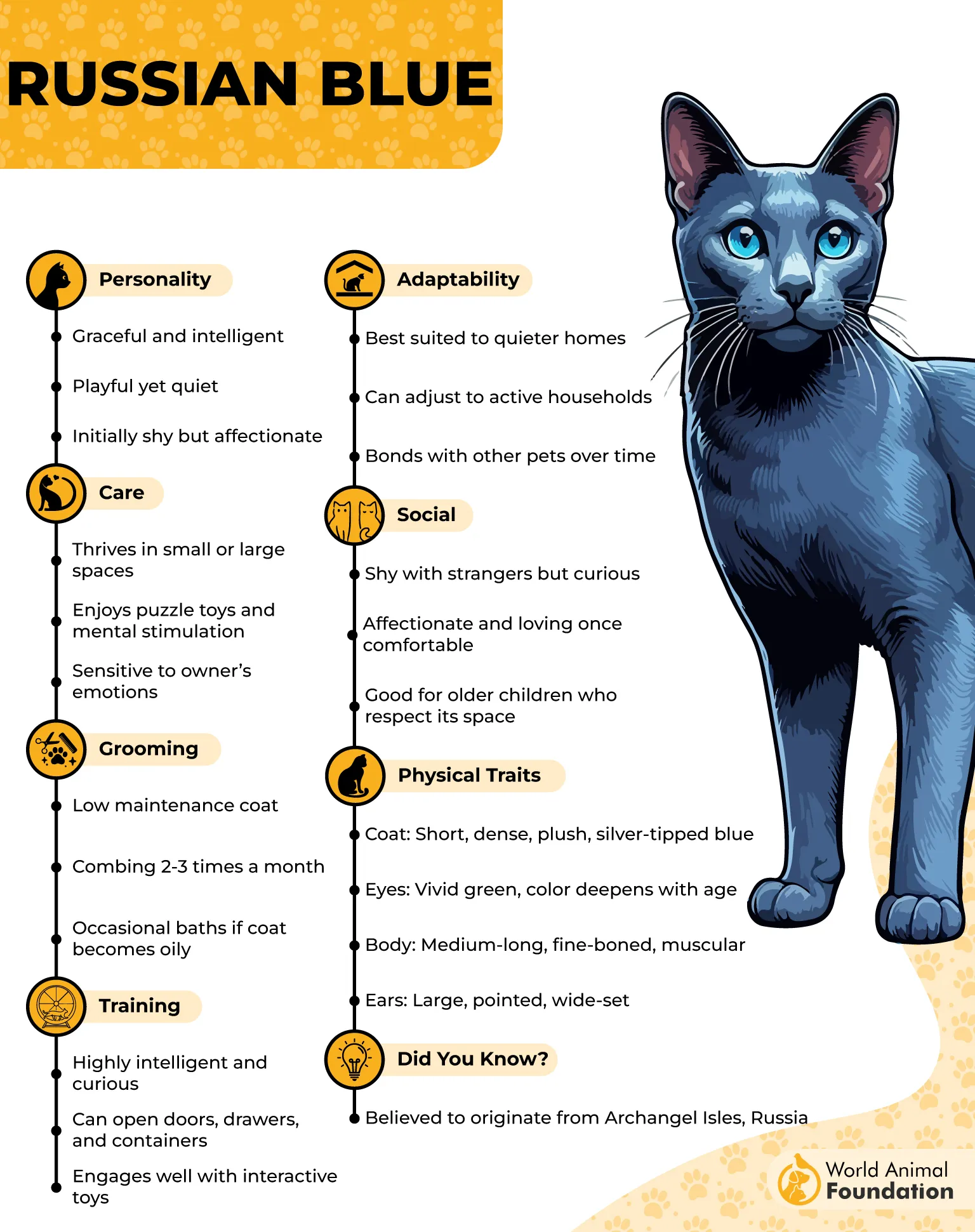
True to its reputation, the Russian Blue is comfortably independent and handles alone time with ease. It can entertain itself with toys or quiet observation, making it ideal for owners who aren’t home all day yet still want a devoted companion.
Affection comes on the cat’s terms, but it runs deep. Once trust is earned, this breed forms a powerful bond, often attaching closely to one person while remaining gentle and loving with the entire household.
Low-demand but emotionally connected, Russian Blues thrive in peaceful homes with predictable routines. They enjoy affection, play, and closeness without constant attention, offering a perfect balance of self-reliance and loyalty.
Fact: Russian Blue cats are known for their distinctive silver-blue coats and naturally smiling expressions paired with brilliant green eyes.
3. American Shorthair

Also known simply as the American Shorthair cat, this classic U.S. breed is recognized for its muscular build, round features, and dense short coat.
According to Purina, the American Shorthair was once relied on to control rodents and other pests in food storage areas, and it still likes to practice its hunting instincts by chasing unsuspecting insects. Originally valued as a working cat, it has since become a household favorite thanks to its adaptable personality.
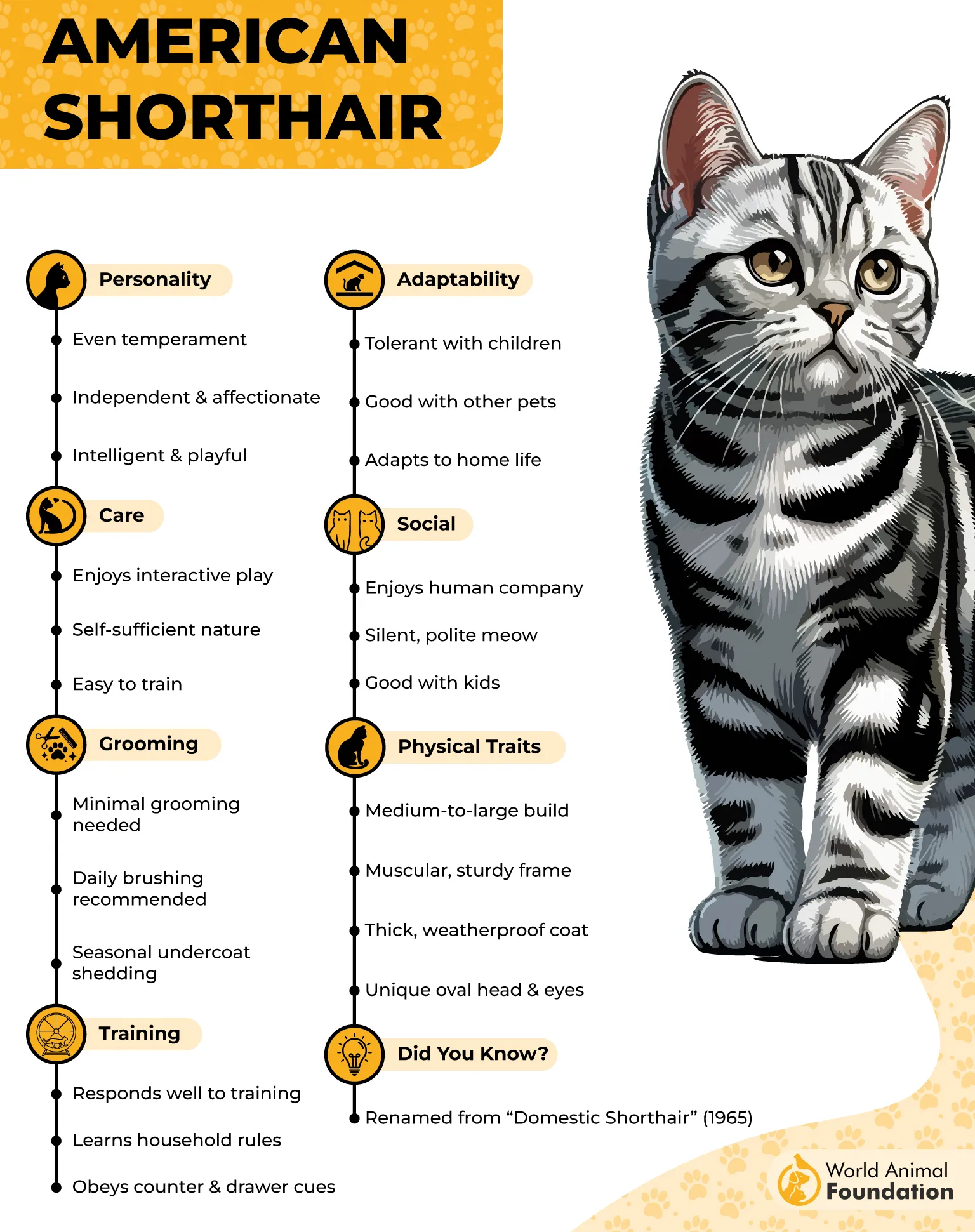
American Shorthairs strike a natural balance between independence and affection, making them ideal for busy owners. They enjoy human company without demanding constant attention, often entertaining themselves with toys or calmly observing their surroundings.
Their self-sufficient nature doesn’t mean they’re distant—these cats form strong bonds and happily join family activities on their own terms. Intelligent and curious, they respond well to training and puzzle games, which keep them mentally engaged while owners are away.
Low-maintenance grooming and a moderate activity level further suit hectic lifestyles, as they don’t rely on nonstop stimulation to stay content.
Fact: American Shorthairs can live 15 to 20 years and are known for being gentle, easygoing, and highly adaptable companions.
4. Norwegian Forest Cat
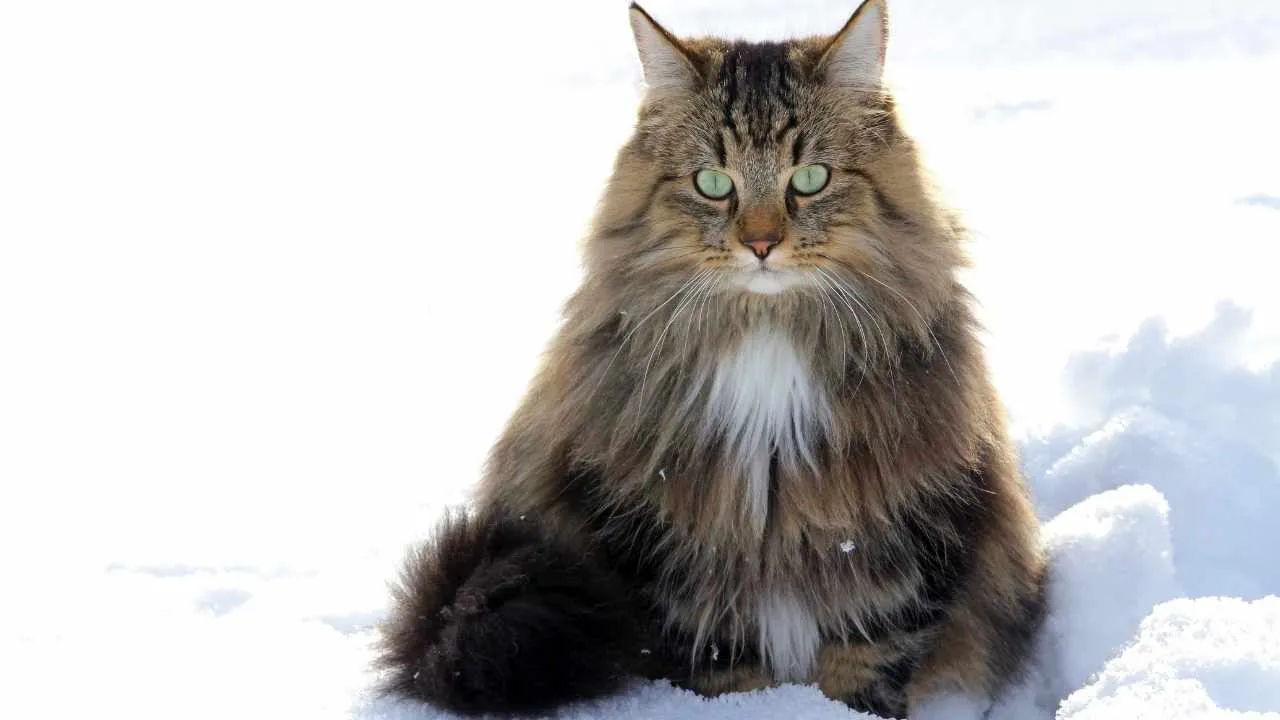
Often called the Wegie, the Norwegian Forest Cat is a large, rugged breed developed in Norway’s harsh climate. Its thick, waterproof double coat, tufted ears, and bushy tail give it a striking, wild appearance balanced by a calm temperament.
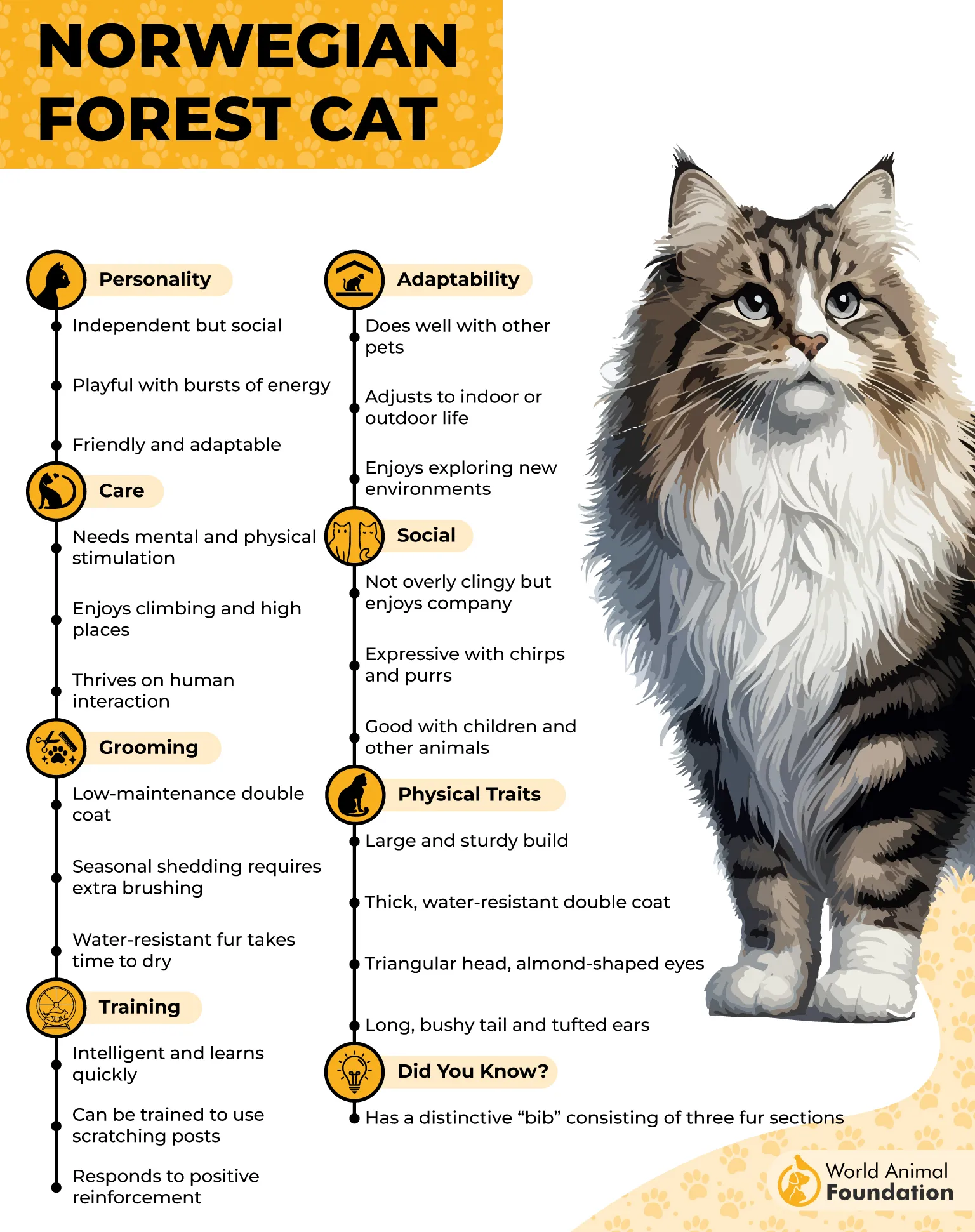
Naturally independent, this breed is comfortable entertaining itself through climbing, exploring, or observing from high perches. That self-sufficiency doesn’t mean aloofness—Norwegian Forest Cats form deep bonds and prefer staying near their people rather than demanding constant lap time.
Affection shows in subtle ways, such as quietly following family members from room to room or settling nearby instead of seeking nonstop attention. Their hunting instincts and intelligence allow them to thrive independently while still enjoying shared routines.
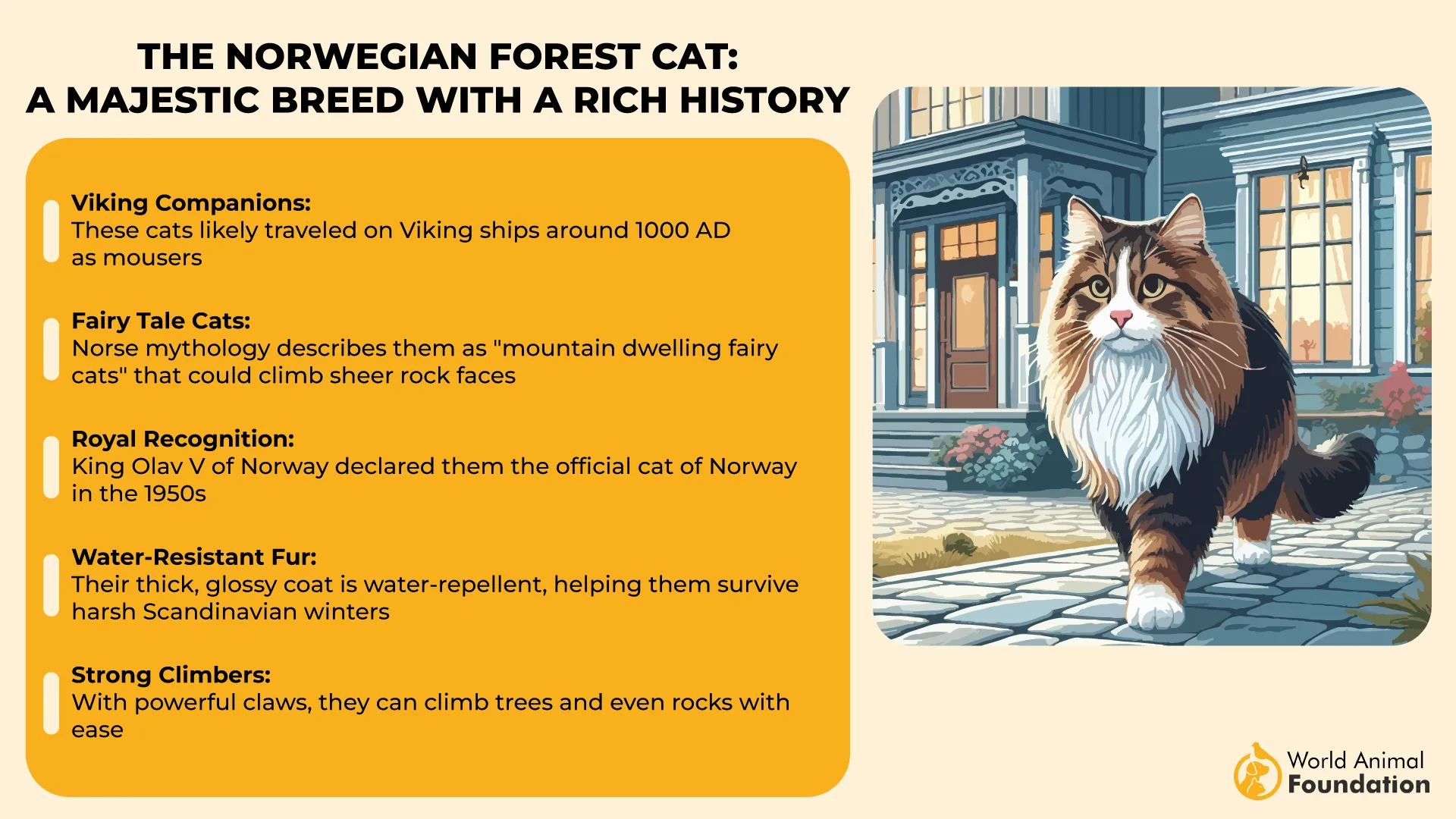
Loyal and gentle, they adapt well to homes with children or other pets, provided they have space to climb and play. They mature slowly and retain a playful spirit well into adulthood, showing affection through companionship rather than clinginess.
Fact: Norwegian Forest Cats typically don’t reach full maturity until around 4–5 years of age.
5. Chartreux
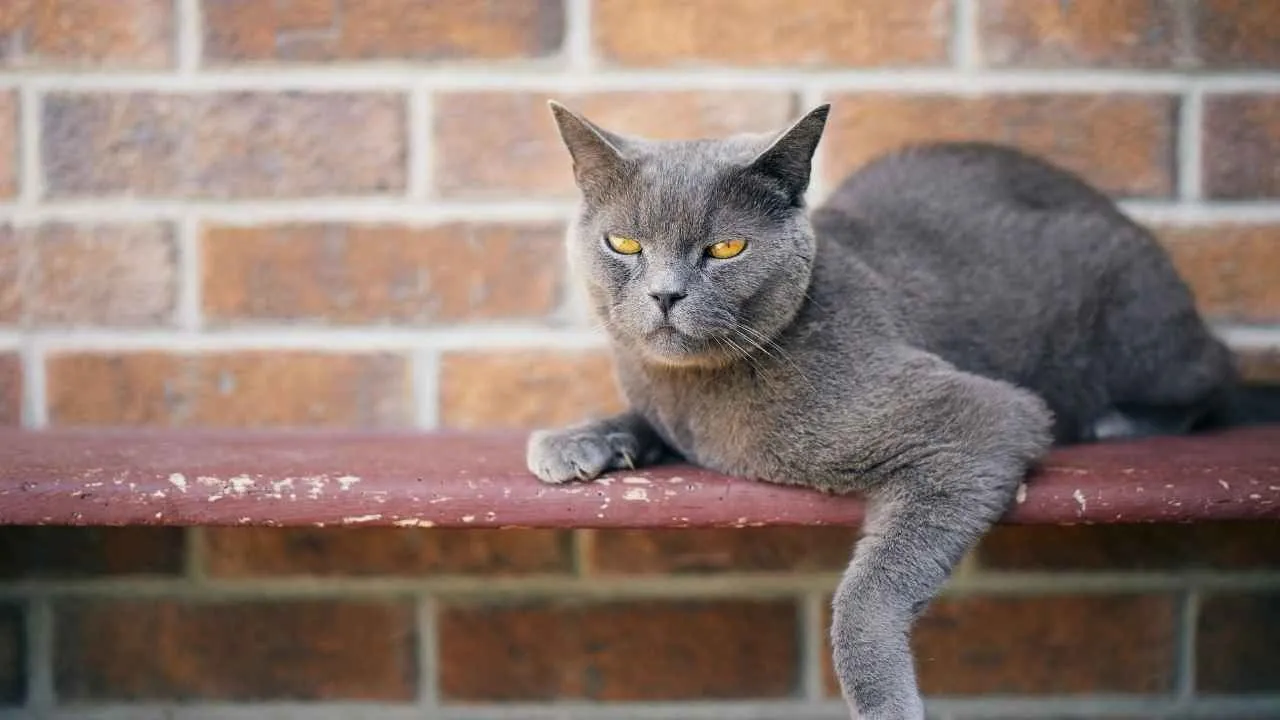
Also known simply as the French Chartreux, this centuries-old breed is instantly recognized by its plush blue-gray coat and copper-to-gold eyes. Originally valued as a monastery mouser, the Chartreux developed into a calm, sturdy, and quietly confident companion with a naturally independent streak.
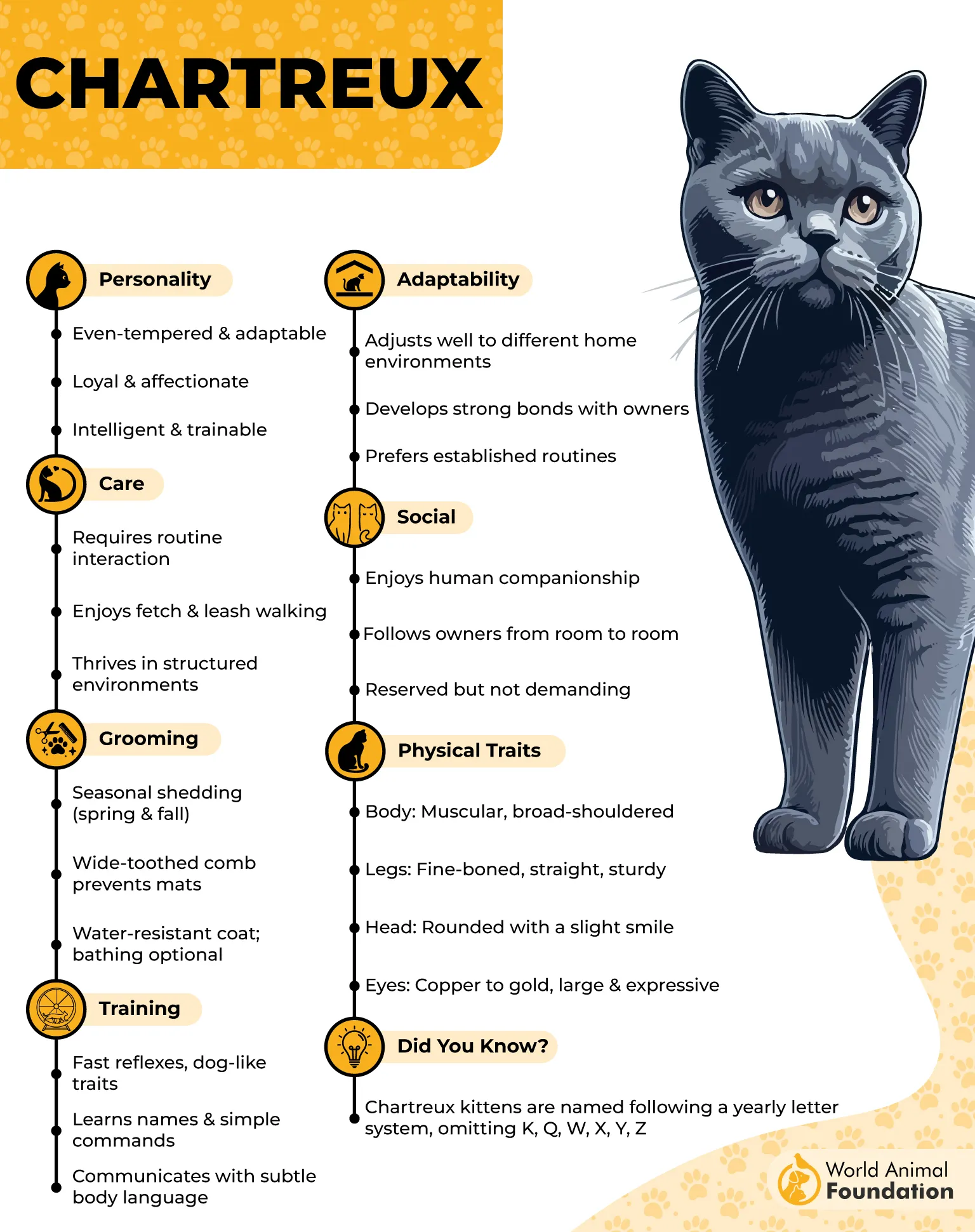
Despite their self-sufficient nature, Chartreux cats form deep bonds with their people. They enjoy being nearby without demanding constant attention, often choosing to relax in the same room or observe the household from a favorite perch while still feeling emotionally connected.
Chartreux cats happily entertain themselves with toys, puzzle feeders, or window watching, yet they welcome gentle interaction and routine cuddles on their own terms.
Caring for this breed is refreshingly simple. Their short, wool-like coat requires minimal grooming, and a consistent routine suits them well. Interactive play supports their natural hunting instincts while respecting their calm, undemanding personality.
Fact: The Chartreux is one of the few natural cat breeds, meaning it developed without deliberate human breeding and always comes in a blue-gray coat.
6. Turkish Angora
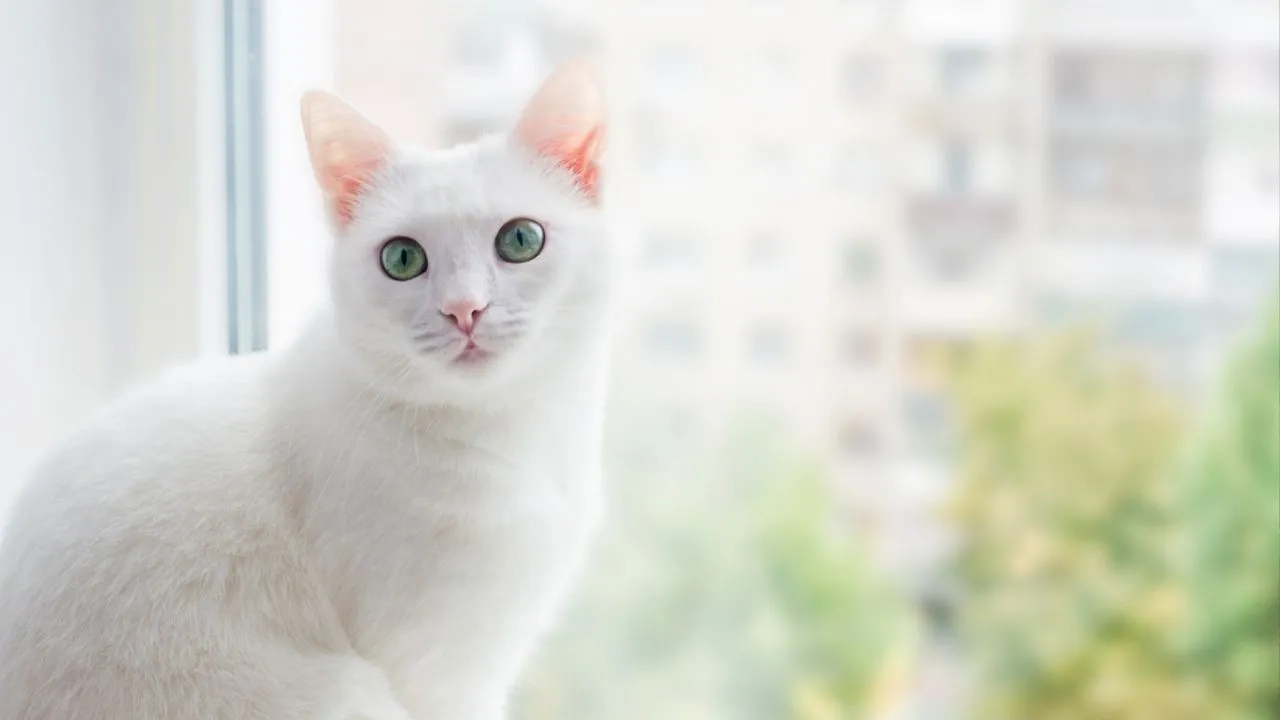
Also known as the Angora cat, the Turkish Angora is one of the oldest natural domestic breeds, originating in Ankara, Turkey. With a silky, long coat, graceful build, and bright, expressive eyes, this elegant feline has long been admired for both beauty and intelligence.
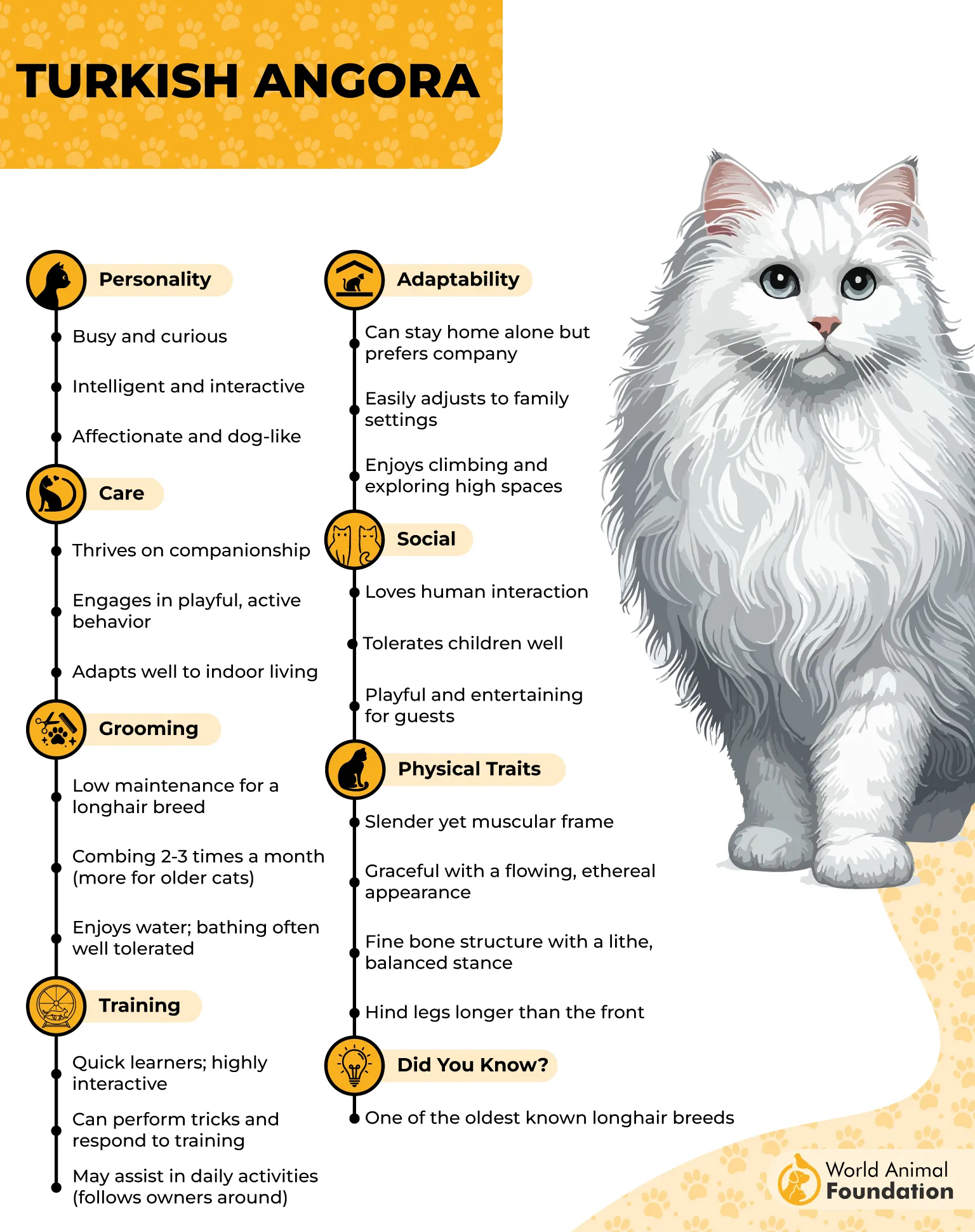
This breed enjoys choosing when and how to interact, often preferring to sit nearby rather than be carried, making it ideal for owners who respect personal space.
Despite their self-directed nature, Turkish Angoras form strong bonds with their people. They remain playful well into adulthood, enjoy interactive games, and will often follow trusted humans from room to room, showing loyalty without clinginess.
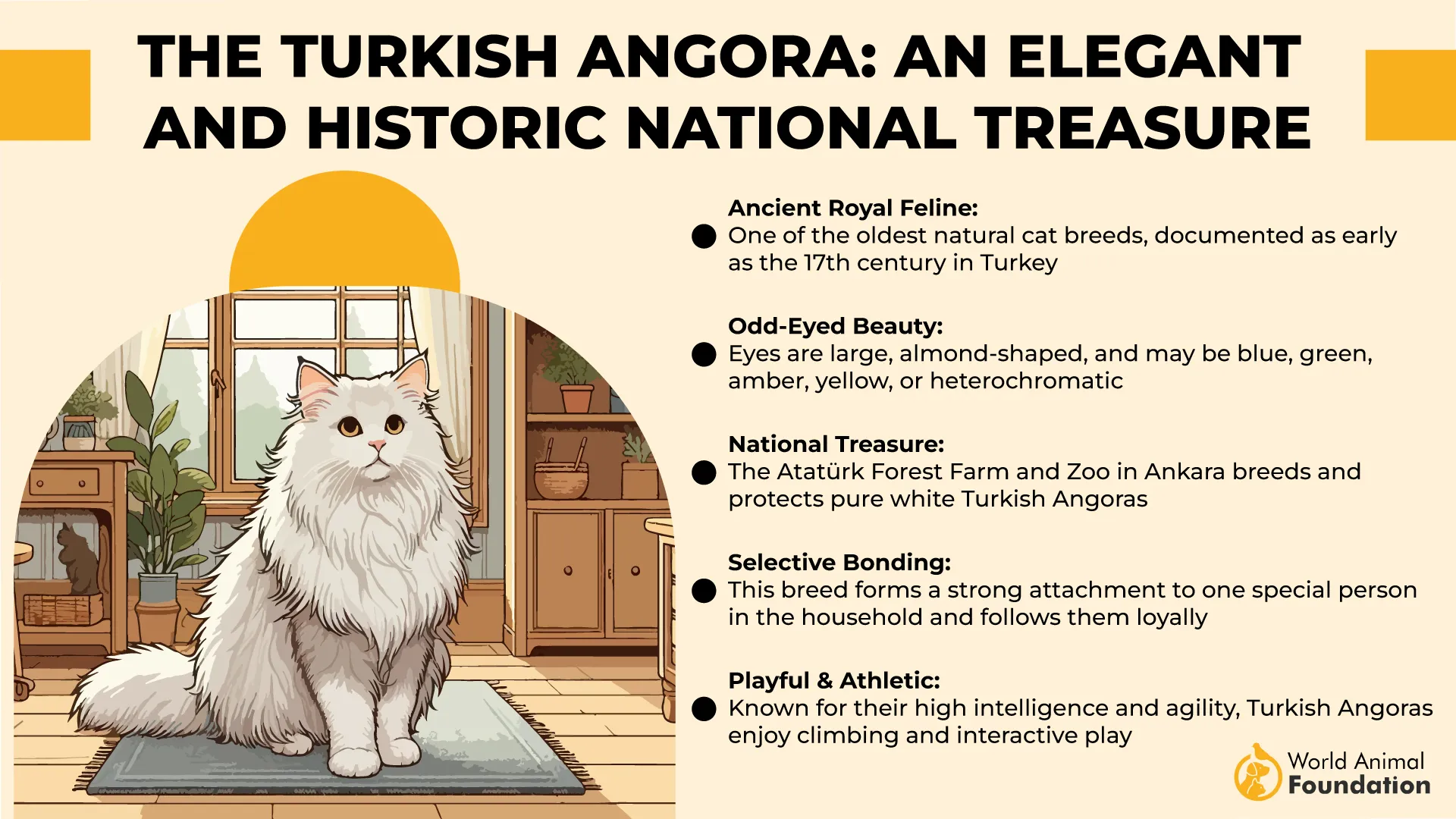
Highly intelligent and energetic, these cats thrive in homes that offer climbing space and mental stimulation.
Fact: A notable historical fact is that the Turkish government launched a preservation program in the 1910s to protect the pure white Turkish Angora, helping ensure the breed’s survival.
7. Scottish Straight
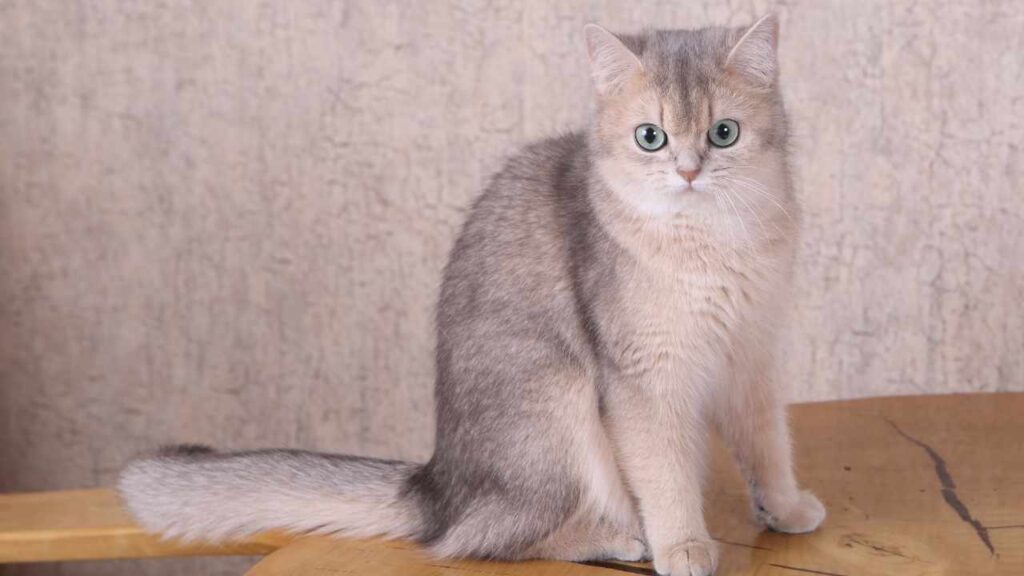
The Scottish Straight, also called the straight-eared Scottish cat, is the upright-eared sibling of the Scottish Fold. Known for their round faces and expressive eyes, they come in both short-haired and long-haired varieties and have a naturally charming look.
These cats strike a lovely balance between independence and affection. Scottish Straights enjoy spending time near their people without demanding constant attention, making them ideal for owners who appreciate a calm but loving feline presence.
Their curious and intelligent nature keeps them entertained through exploration and interactive play, yet they’re equally content relaxing on their own. This self-sufficiency helps them adapt easily to different household routines and lifestyles.
While not overly clingy, Scottish Straights form strong emotional bonds with their families and are known for gentle loyalty. They also get along well with children and other pets, making them versatile companions.
Fact: Scottish Straights are easy to groom and typically need only a weekly combing to maintain their coat.
Conclusion
Finding the right balance between affection and independence is key when choosing from independent cat breeds. An independent cat with a calm, gentle demeanor can thrive even with busy after-school schedules, enjoying their own company without being overly demanding.
Breeds with an independent nature, such as those with a curious cat mindset or a strong hunting instinct, often excel at solo play, making good use of cat trees and enrichment toys while still valuing quality time with their humans.
At the same time, many of these cats offer warmth and connection through their affectionate nature and love of human companionship. From lap cats with soft fur and thick coats to active cats with high energy and an outgoing personality, there’s the right cat for every lifestyle.
Whether inspired by a wild ancestor like the Asian leopard cat or gentler other breeds such as the Maine Coon, these cats adapt beautifully, proving independence and love can coexist.
