




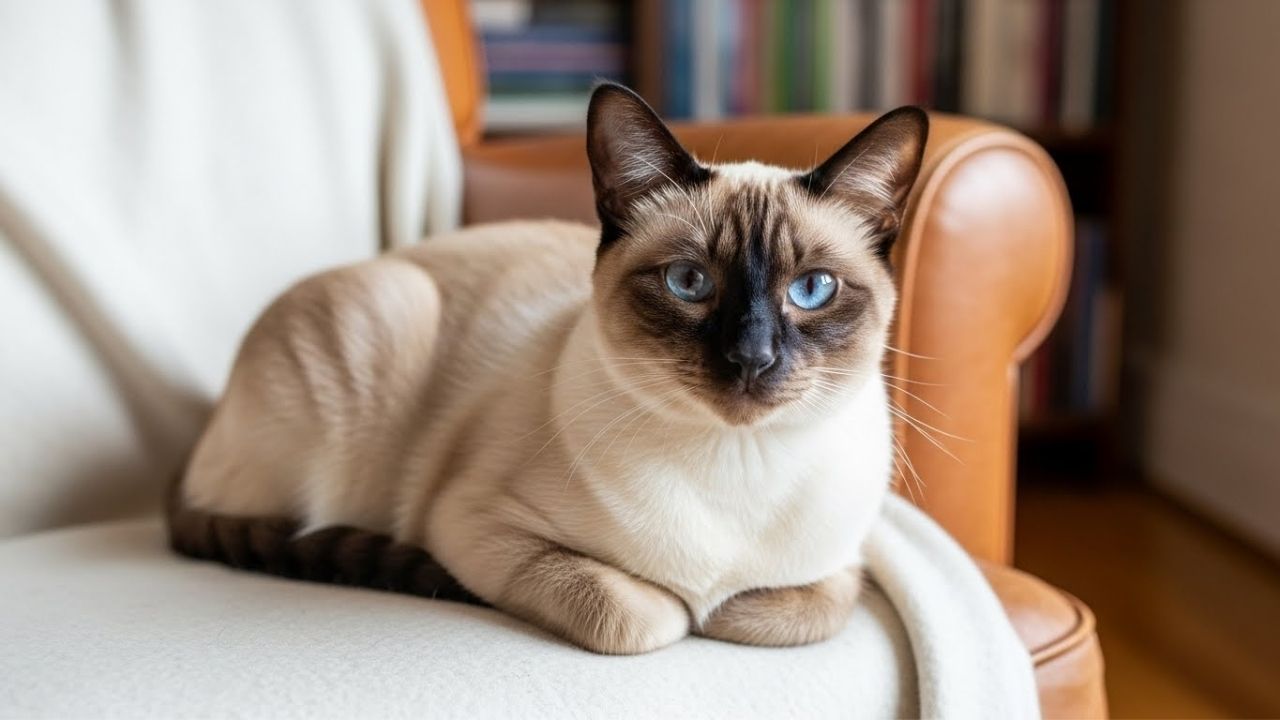
Cats are often praised for their independence, but not every feline fits that mold. Some cat breeds are far more emotionally attuned than people expect, forming deep attachments to their humans and reacting strongly to changes in routine, environment, or attention levels.
These sensitive cats don’t just coexist with their owners—they actively seek connection, comfort, and reassurance to feel secure in their surroundings.
Highly sensitive cat breeds tend to be more perceptive of moods, sounds, and daily habits. They may become anxious or withdrawn if left alone too often or handled too roughly. This sensitivity isn’t a flaw; it’s a reflection of their strong emotional intelligence and desire for closeness. With the right care, these cats reward their owners with unwavering loyalty, affection, and trust that grows over time.
While many cats are happy entertaining themselves, sensitive breeds thrive in calm, predictable homes where gentle interaction is the norm. They need patience, consistency, and plenty of affection to truly flourish. In this article, we’ll explore 7 cat breeds known for their heightened sensitivity and explain what makes them such deeply devoted, special companions for the right kind of home.
Cat Breeds That Are Highly Sensitive
1. Sphynx
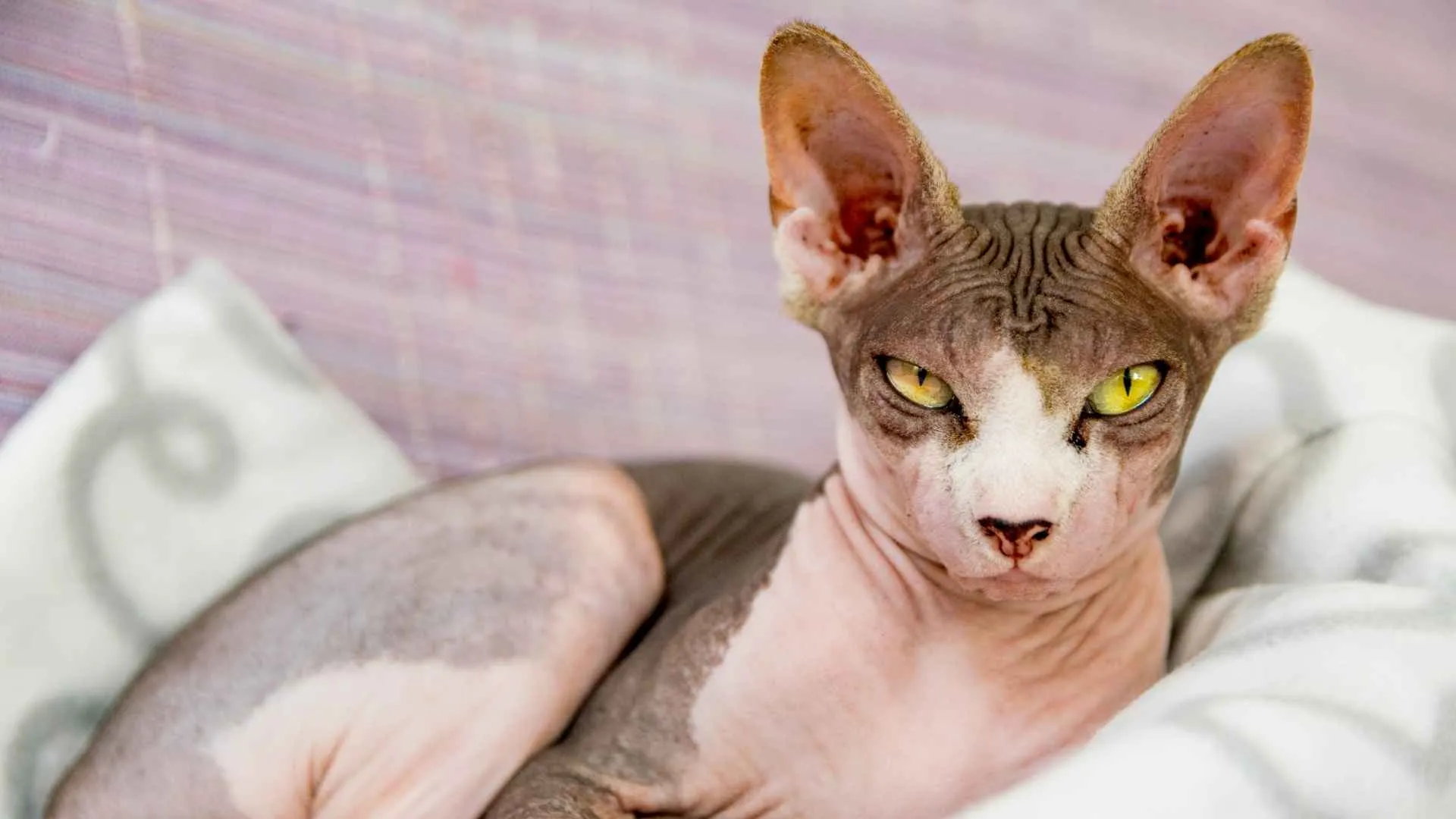
Also known as the Canadian Sphynx, this hairless cat is instantly recognizable by its wrinkled skin, large ears, and warm-to-the-touch body. Despite their unusual look, Sphynx cats are extremely people-oriented and emotionally expressive companions.
According to PetPlan, Sphynx cats are immediately recognizable and are described as intelligent, playful, and relatively easy to train.
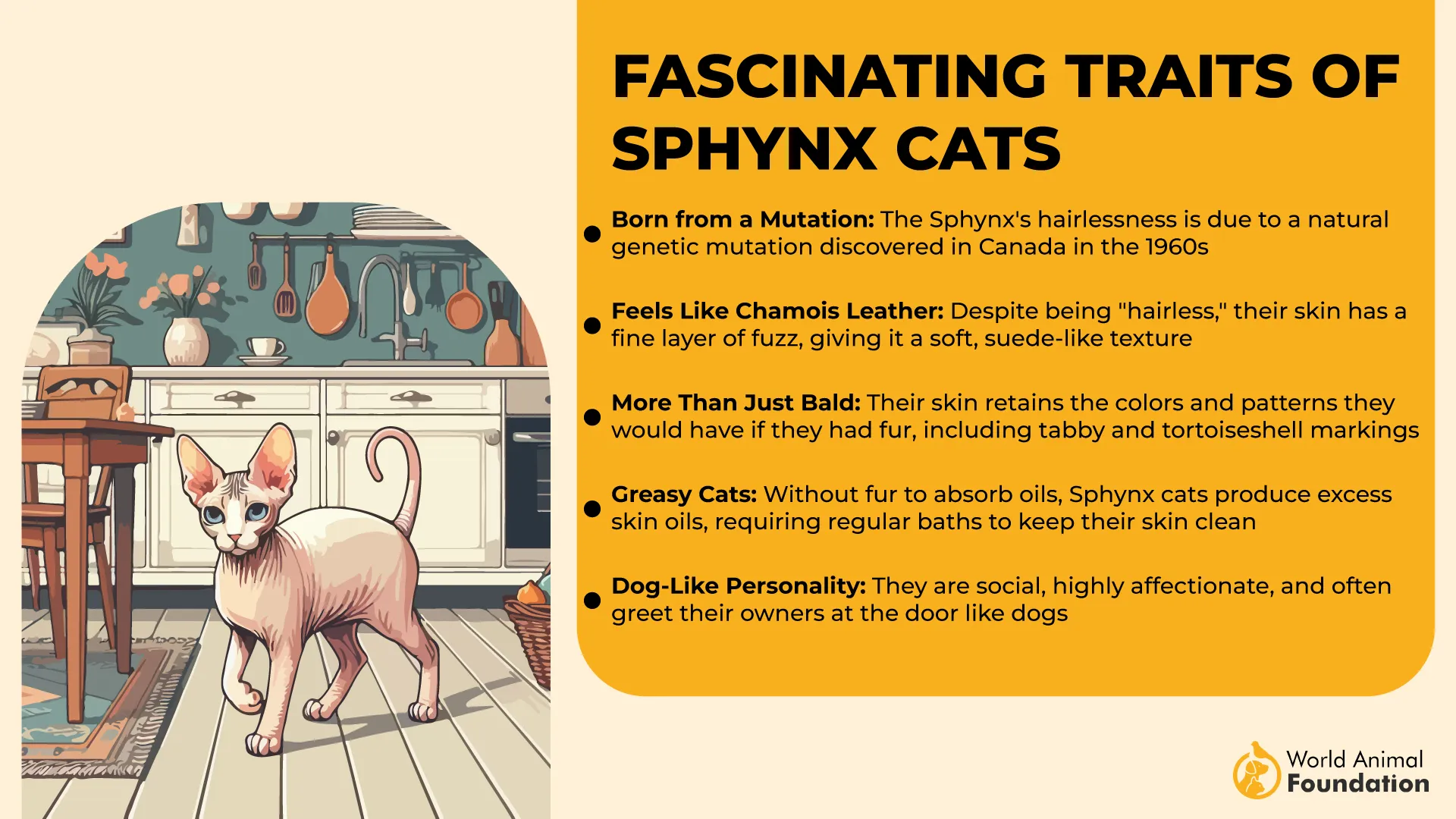
Being highly sensitive means the Sphynx depends heavily on human interaction for comfort and security. Without fur to regulate body temperature, they constantly seek warmth from laps, blankets, or sunny spots, reinforcing their need for closeness and reassurance.
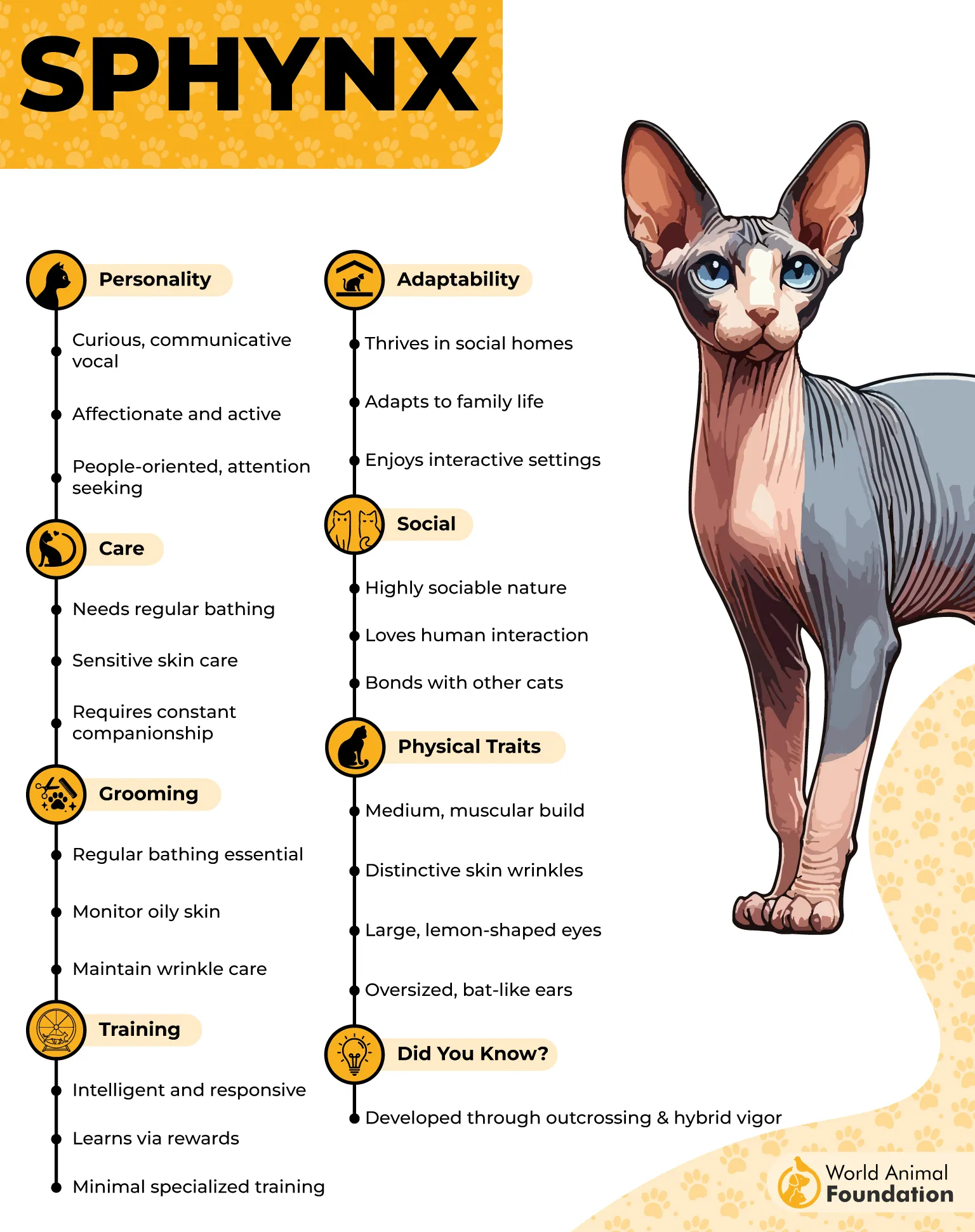
Their emotional sensitivity is paired with practical care needs. Regular bathing is necessary because oils build up directly on their skin, and temperature changes can easily stress them. Consistent routines and gentle handling help these cats feel safe and balanced.
Sphynx cats also show sensitivity through strong attachment and loyalty. They often follow owners from room to room, greet them at the door, and can experience separation anxiety if left alone too long, highlighting how deeply they bond with their families.
Fact: Because they lack fur, Sphynx cats require regular baths to remove skin oils and stay healthy.
2. Ragdoll
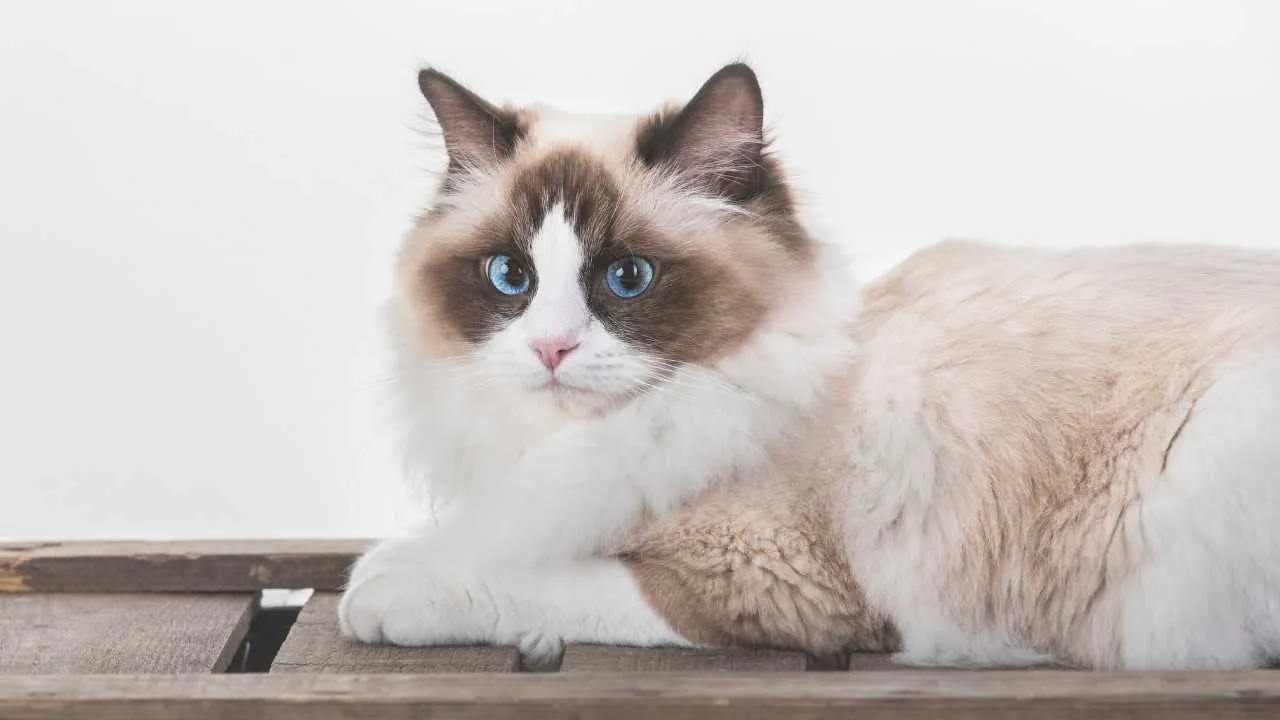
Often called the “floppy cat” for its relaxed response to being held, the Ragdoll is instantly recognizable by its striking blue eyes, silky semi-long coat, and large, cuddly build.
According to PetMD, the Ragdoll takes its name from its characteristic habit of becoming extremely relaxed—almost floppy—when it is petted, cuddled, or held. This large breed is gentle by nature and deeply people-oriented.
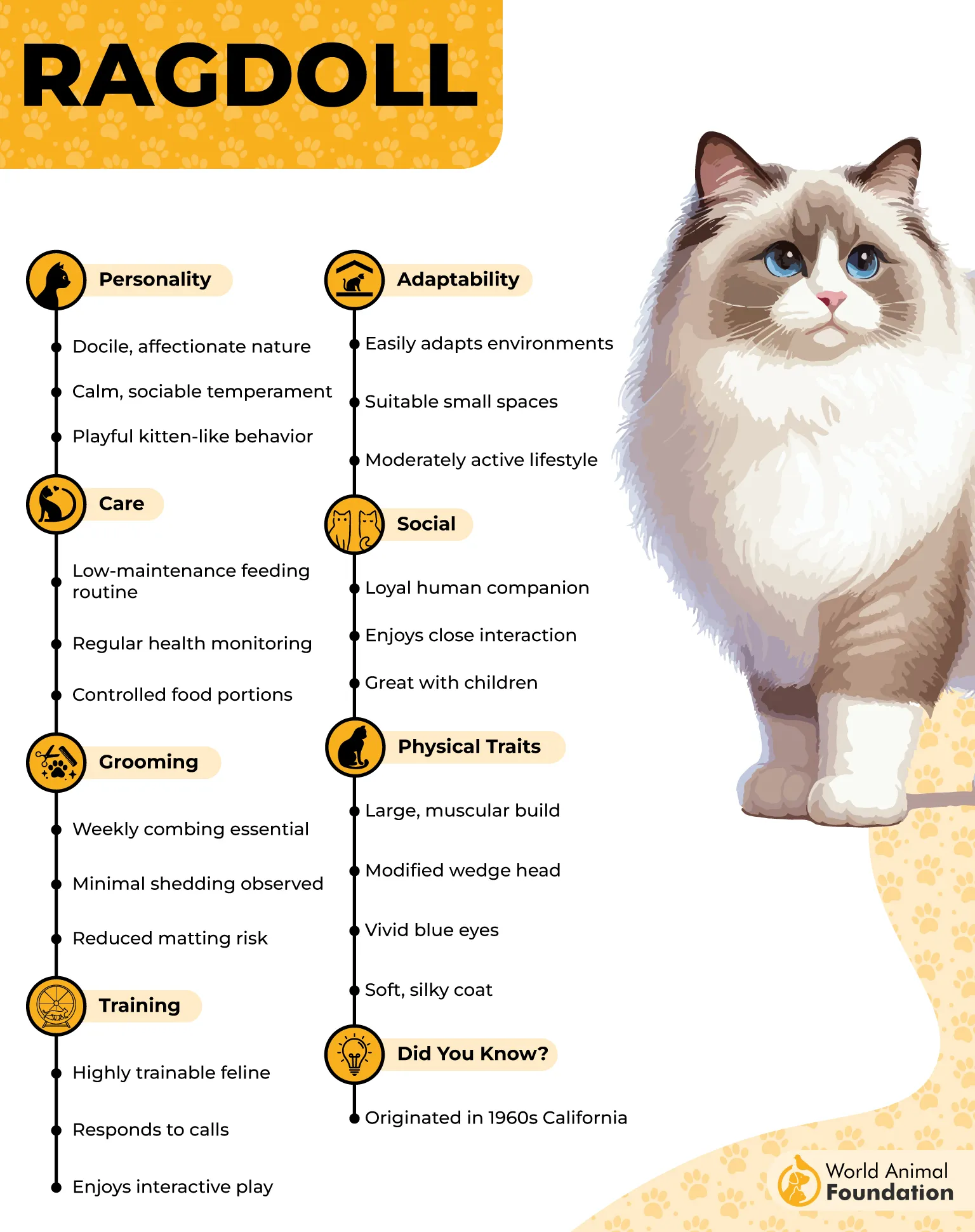
Ragdolls are among the most emotionally sensitive cat breeds, forming strong attachments to their humans. They dislike being alone for long periods and may become withdrawn if deprived of regular affection or reassurance.
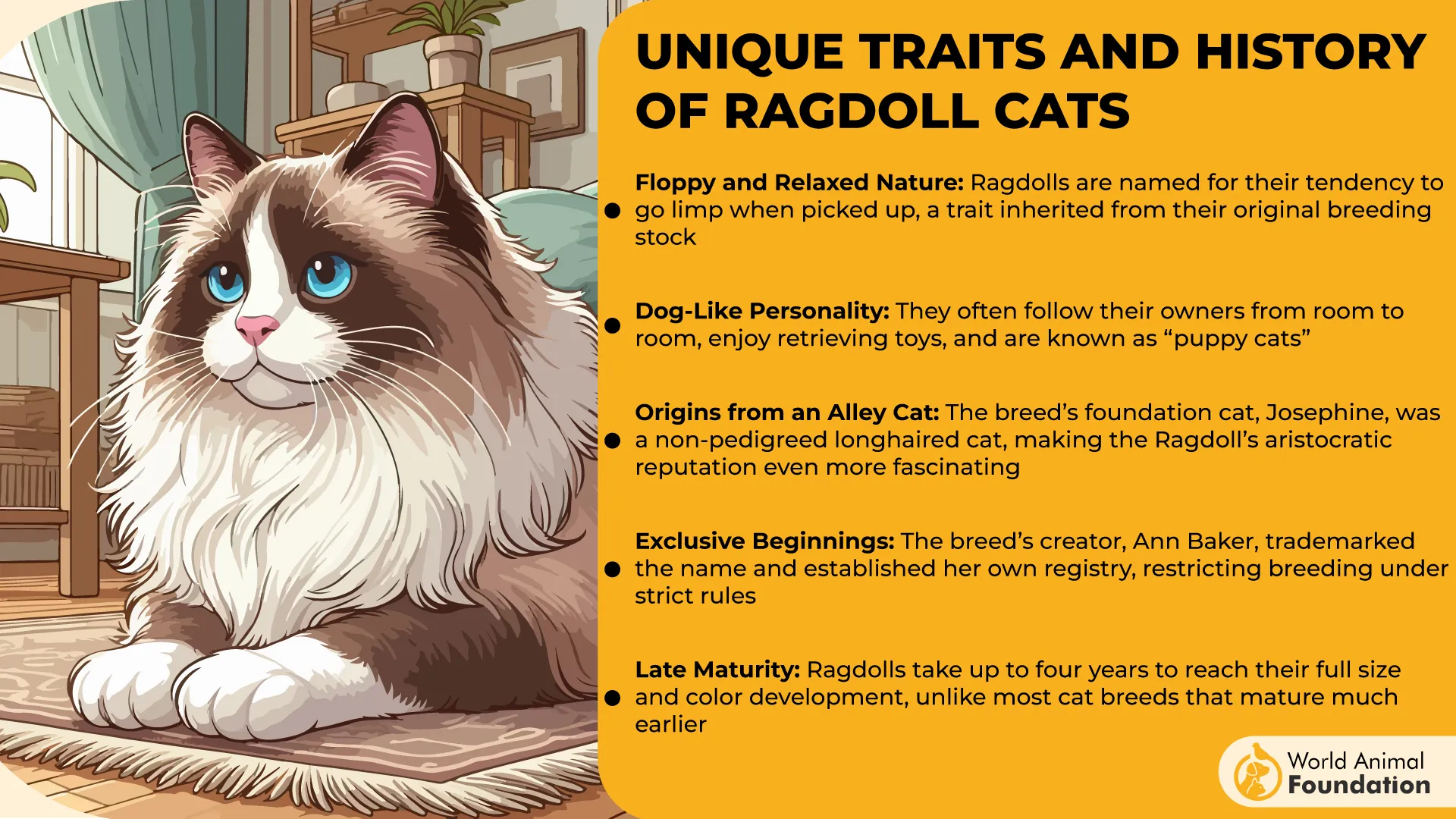
Their sensitivity shows through constant closeness—these cats follow their favorite person from room to room, quietly observing and offering companionship. They respond best to calm voices, predictable routines, and gentle handling.
Despite their size, Ragdolls retain a kitten-like emotional openness throughout life. Regular play, grooming, and one-on-one time help them feel secure and emotionally balanced in the home.
Fact: The Ragdoll breed was developed in California during the 1960s by breeder Anne Baker, with the name inspired by the foundation cat’s tendency to relax completely when picked up.
3. Birman
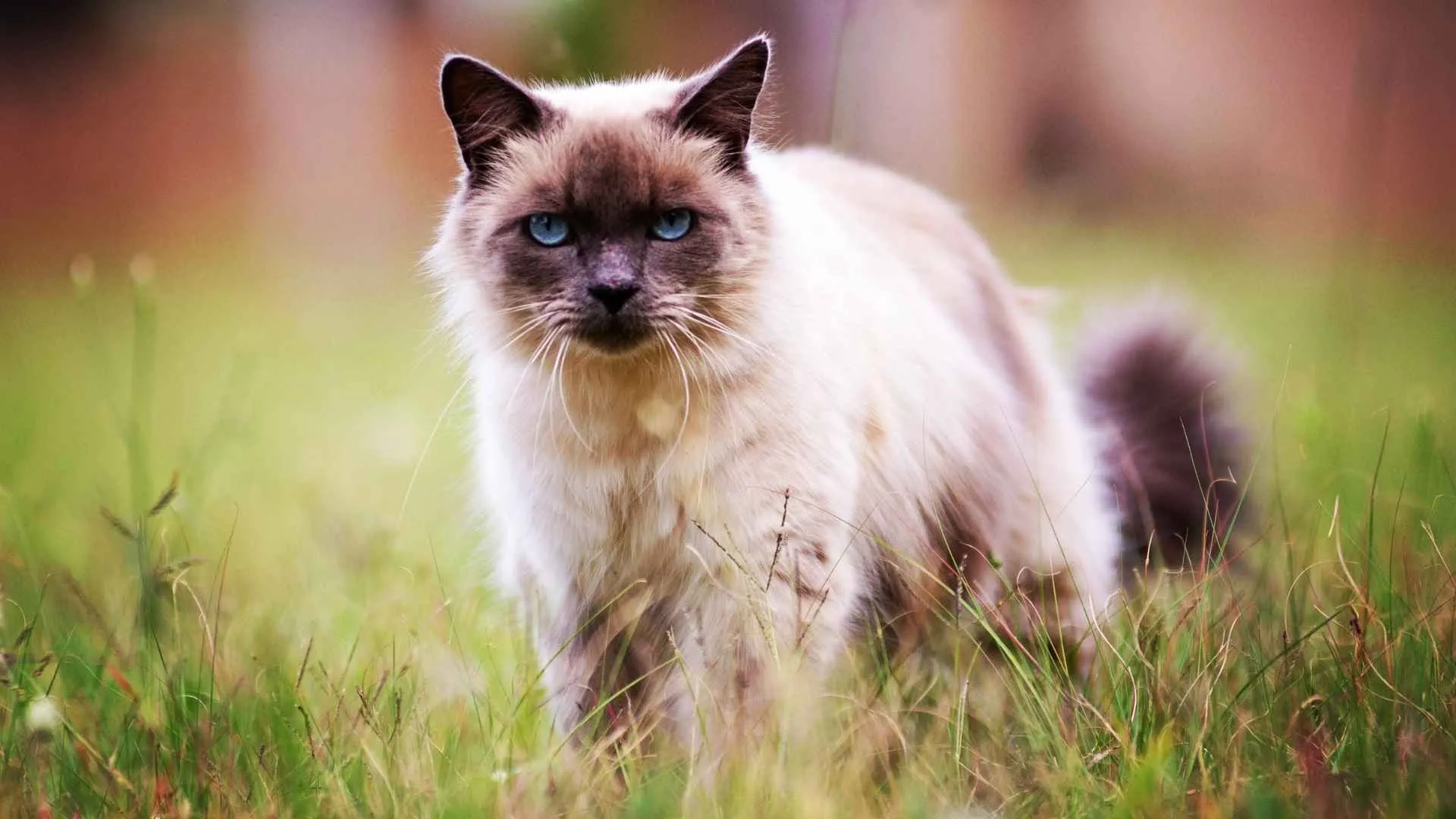
Also known as the Sacred Cat of Burma, the Birman is instantly recognizable by its silky coat, deep blue eyes, and distinctive white “gloves” on each paw. This breed is gentle by nature and forms close emotional bonds with its human family.
According to WebMD, Birman cats are loyal and affectionate, and they often enjoy staying close to their owners’ sides.

Birmans are highly sensitive to their surroundings, particularly noise and tension. Raised voices or chaotic environments can cause them to retreat and hide, while calm routines and soft interaction help them feel safe and secure.
Their sensitivity is closely tied to both genetics and early socialization. When introduced to gentle handling and positive human contact at a young age, Birmans grow into affectionate companions who actively seek closeness and reassurance from trusted people.
In a peaceful home, they thrive on consistent affection, quiet play, and predictable schedules. Interactive toys and regular grooming sessions double as bonding moments, reinforcing their sense of belonging and emotional well-being.
Fact: A 2008 genetic study found that the Birman has one of the lowest levels of genetic diversity among cat breeds.
4. Oriental Shorthair
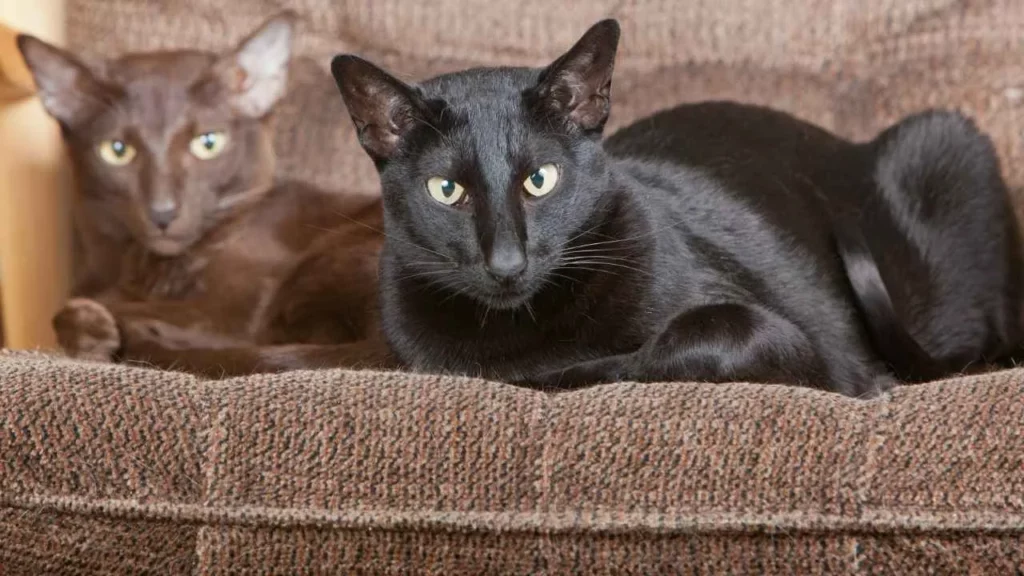
The Oriental Shorthair, sometimes referred to as the Foreign Shorthair, is a close relative of the Siamese and instantly recognizable by its sleek frame, oversized ears, and expressive eyes. This breed is elegant, alert, and deeply people-oriented, making emotional connection a core part of its personality.
Known for heightened emotional awareness, Oriental Shorthairs are extremely sensitive to their environment and their humans’ moods. They crave constant interaction and can become anxious or unsettled if they feel ignored, making them best suited for homes where companionship is a daily priority.
These cats are intelligent, vocal, and quick to form intense bonds with their families. Mental stimulation is essential—interactive toys, puzzle feeders, and shared routines help prevent stress and emotional restlessness that sensitive breeds are prone to experiencing.
Their short, fine coat is easy to maintain, but their emotional health requires just as much care as their physical well-being. Regular play, affection, and inclusion in daily activities help them feel secure and balanced.
Fact: Oriental Shorthairs are known to become anxious if they lack sufficient daily interaction and mental stimulation.
5. Burmese
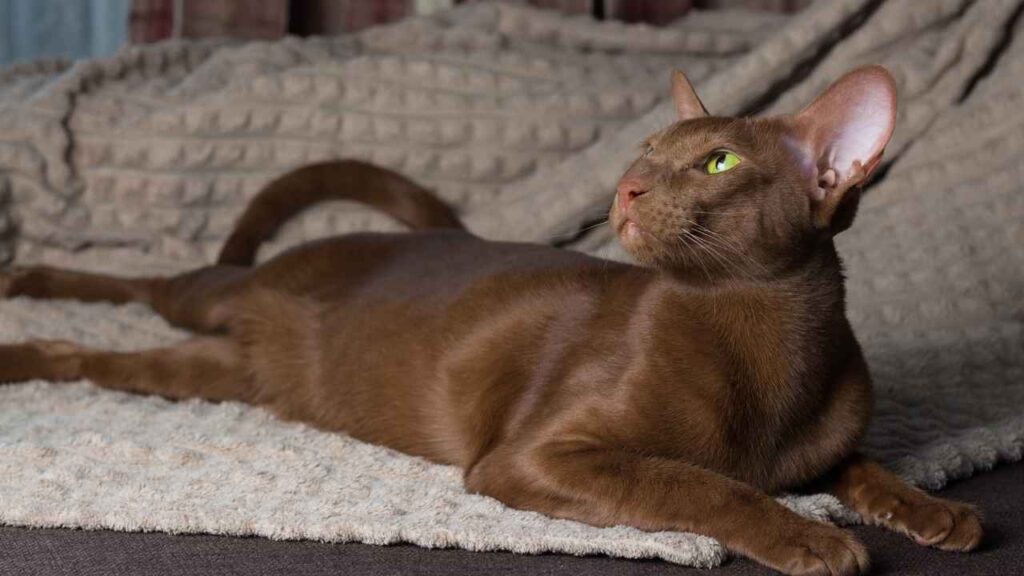
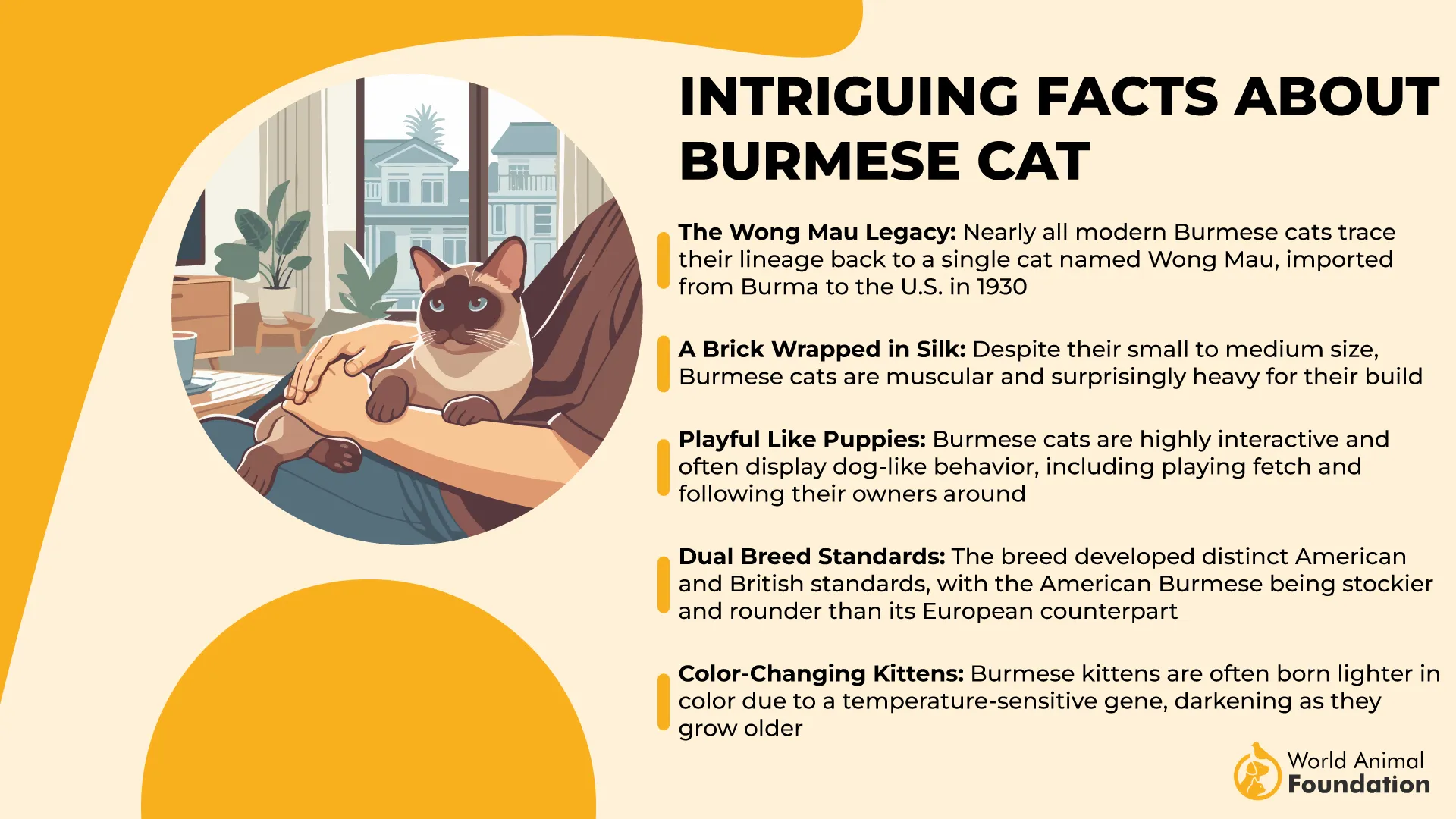
Also known as the American Burmese or European Burmese, this breed is instantly recognizable by its glossy coat, muscular build, and expressive golden eyes. Burmese cats are compact yet surprisingly heavy, with a people-oriented personality that sets them apart from more independent breeds.
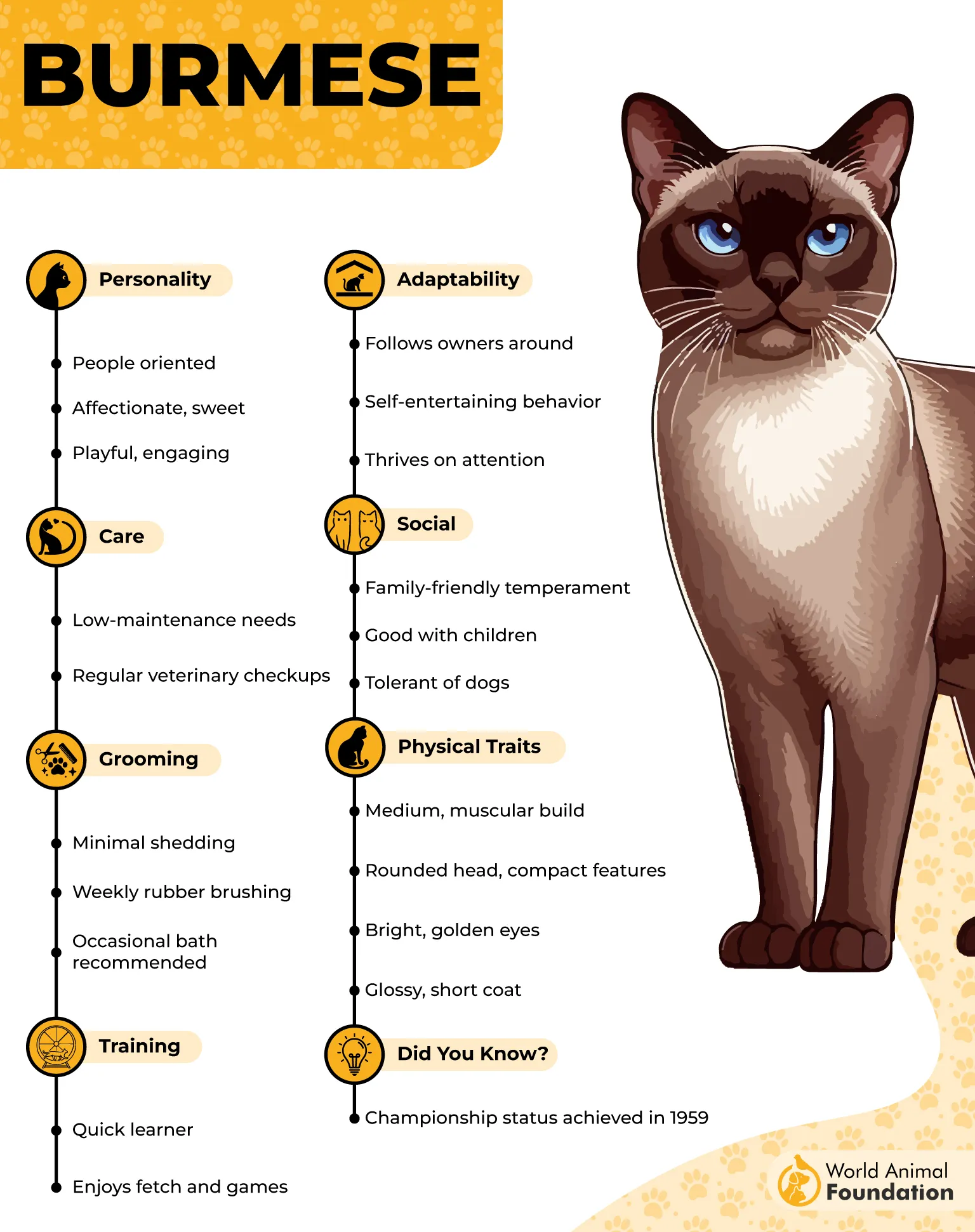
Highly affectionate and deeply bonded to their humans, Burmese cats are often called “velcro cats” because they prefer to stay close at all times. This emotional closeness makes them sensitive to changes in routine or long periods alone, which can easily trigger stress or anxiety.
Their kitten-like energy lasts well into adulthood, and they thrive on interactive play, conversation, and constant companionship. Without enough mental stimulation or attention, they may become restless or vocal, signaling emotional discomfort rather than misbehavior.
In calm, attentive homes, Burmese cats flourish as loving companions who enjoy lap time, shared activities, and gentle interaction. Their sensitivity means they do best with owners who recognize stress signals early and provide reassurance, structure, and consistent affection.
Fact: Burmese cats are considered one of the breeds more prone to stress-related behaviors, especially when experiencing separation, illness, or environmental changes.
6. Siamese
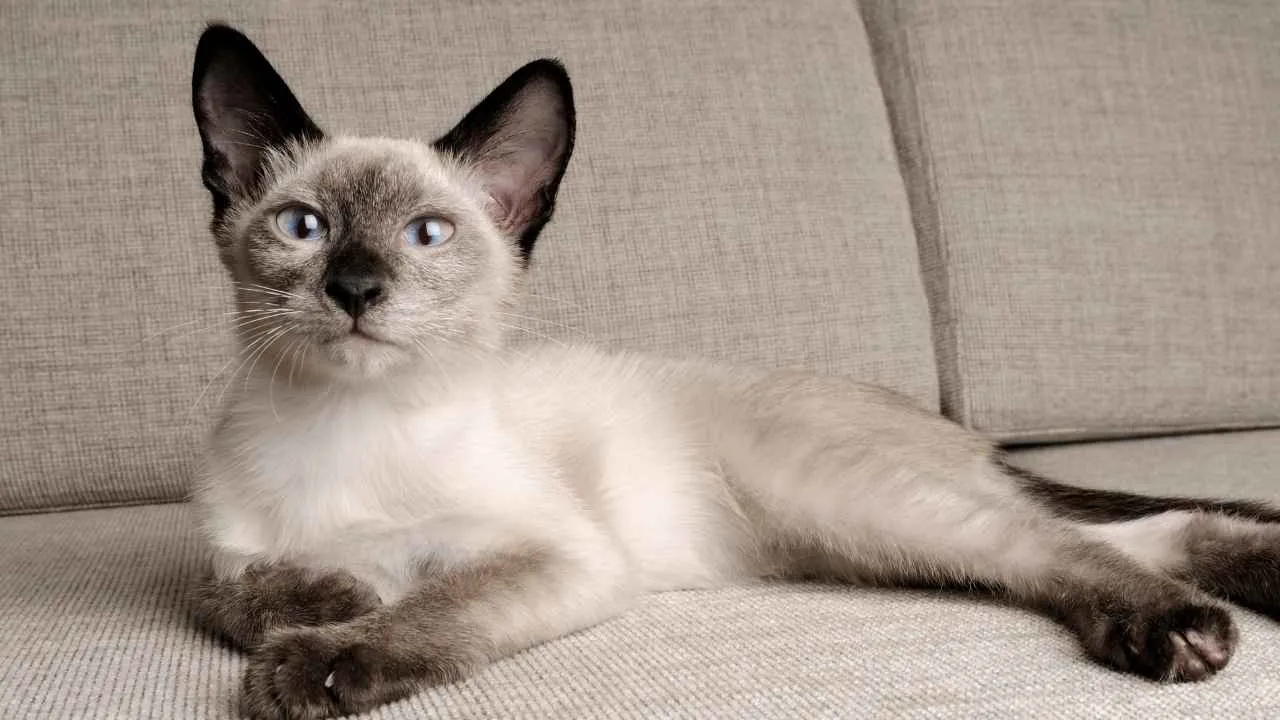
Also known as the Thai cat, the Siamese is instantly recognizable by its sleek body, striking blue eyes, and color-pointed coat. Originating in Thailand, this breed is famous for its intelligence, emotional depth, and strong attachment to its humans.
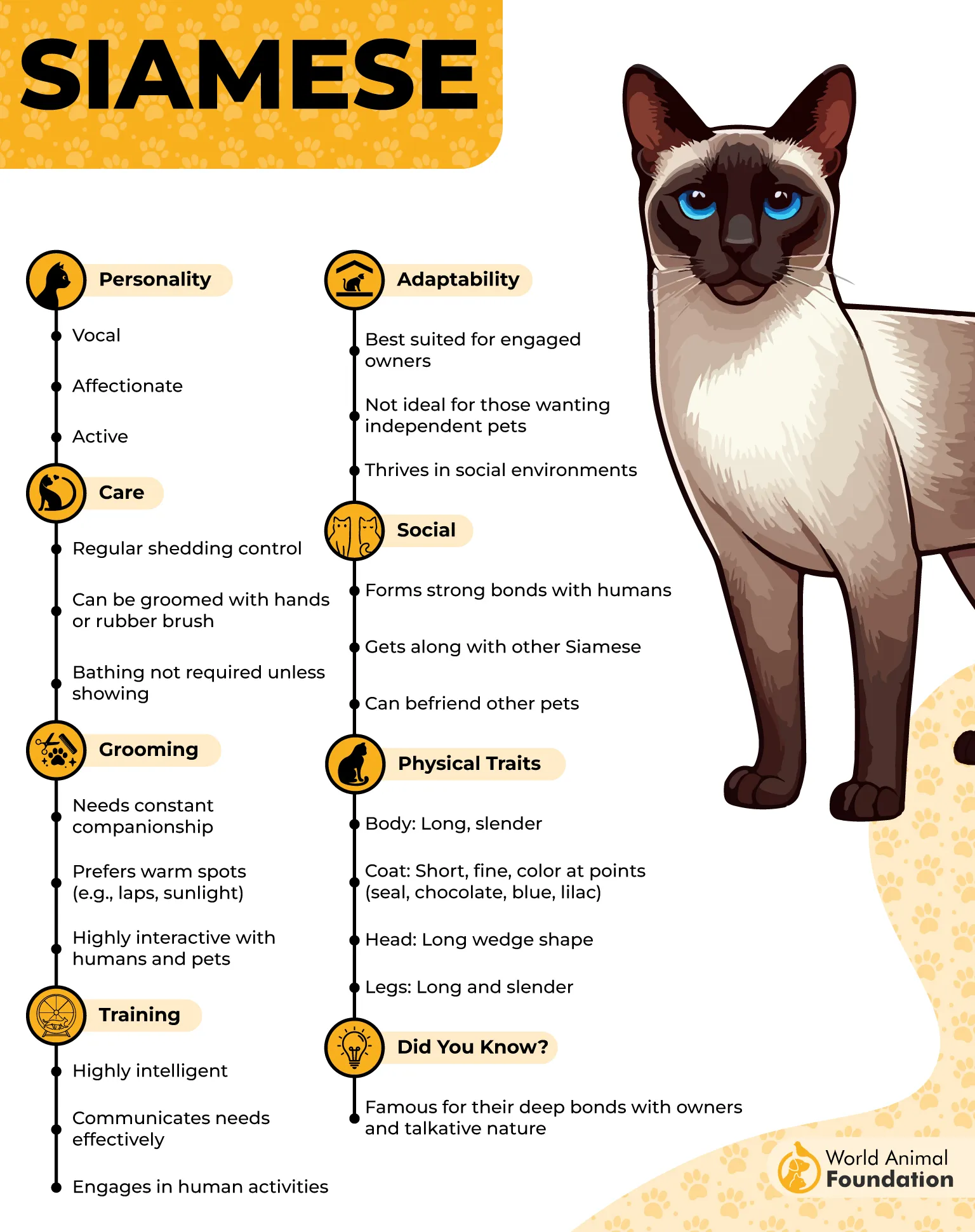
Siamese cats are among the most emotionally sensitive breeds, often shadowing their owners from room to room and vocalizing their feelings through distinctive meows. They thrive on closeness and can become anxious or withdrawn if they feel ignored or isolated.
Because of their sensitivity, routine and interaction are essential. Daily playtime, conversation, and mental challenges help prevent stress-related behaviors like destructiveness or low mood. Interactive training and puzzle toys are excellent outlets for their emotional and mental energy.
To care for a sensitive Siamese, consistency and companionship matter most. They do best in homes where someone is around often, or where they have another feline companion for company, as prolonged solitude can deeply affect their emotional well-being.
Fact: Siamese cats are a short-haired breed with minimal grooming needs, but are known to be more demanding of attention than many other cats.
7. Scottish Fold
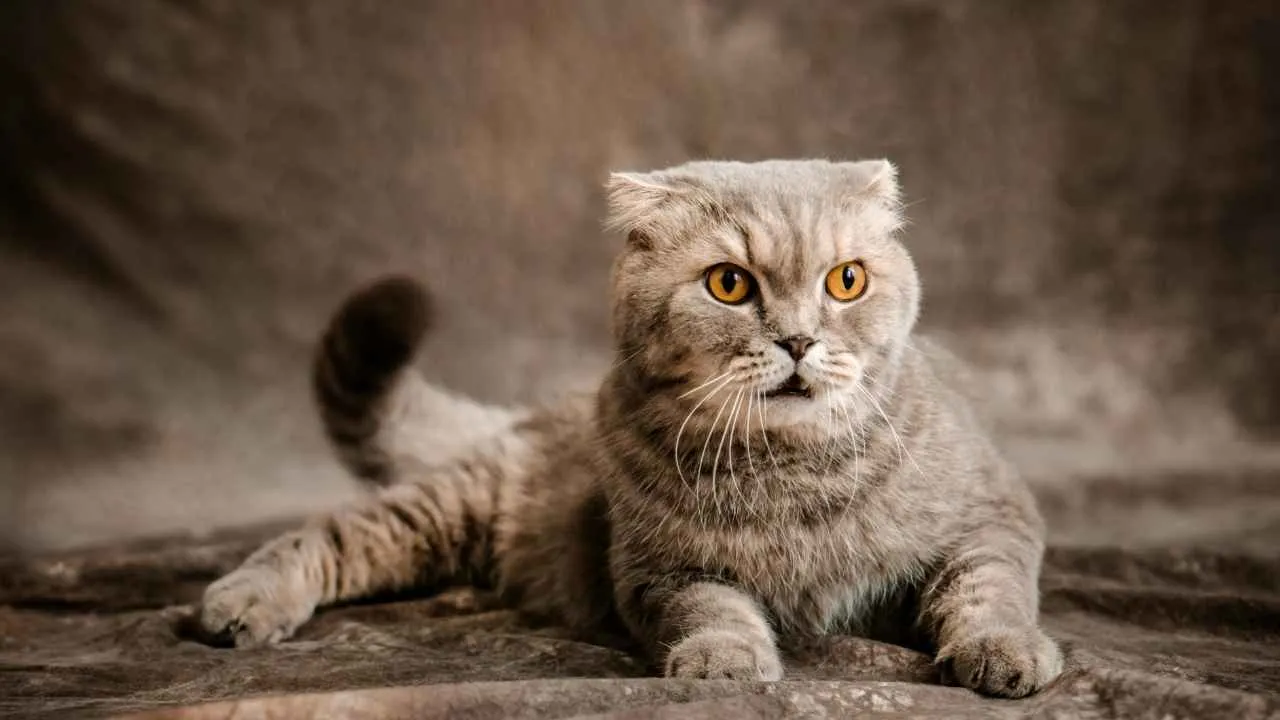
Also known as the Folded-Ear Cat, the Scottish Fold is instantly recognizable by its forward-folded ears, round face, and soft expression. Originating in Scotland, this breed is gentle, people-focused, and emotionally attuned to its surroundings.

Highly sensitive by nature, Scottish Folds form deep attachments to their humans and struggle with long periods of solitude. Rather than being loud, they express emotional needs by quietly following their owners or reaching out with soft paw taps.
They prefer calm, predictable homes and can become stressed by loud noises or frequent changes. Because they are emotionally responsive, they thrive with consistent routines, gentle handling, and owners who notice subtle mood shifts.
Their sensitivity also extends to physical care, as the gene behind their folded ears can affect joints over time. Providing cozy resting spots, low-impact play, and attentive veterinary care helps them feel secure and supported.
Fact: Scottish Folds are prone to joint issues linked to the same genetic mutation that gives them their signature folded ears.
Conclusion
Sensitive cat breeds remind us that not all felines thrive on independence alone. In the cat world, cats are generally emotional creatures, but some cats prefer calm routines and a stable home environment more than others.
Whether it’s affectionate cats like the gentle giant Maine Coon, playful Cornish Rex, or quietly intuitive Egyptian Mau, these breeds form deep bonds with their people.
From lap kitty moments to soft companionship, adult cats, female cats, and even long-haired cats often show their sensitivity through closeness and trust, especially as indoor cats.
For a former dog person exploring cats, choosing a friendly breed can make the transition easier. While most cats differ—even within the same breed—options like Manx cats or carefully socialized mixed breed cats from a local animal shelter or local shelter can be just as rewarding.
Unlike many dog breeds, sensitive cats need patience, gentle handling, and understanding—confused lol—but they repay it with loyalty and quiet affection.
