




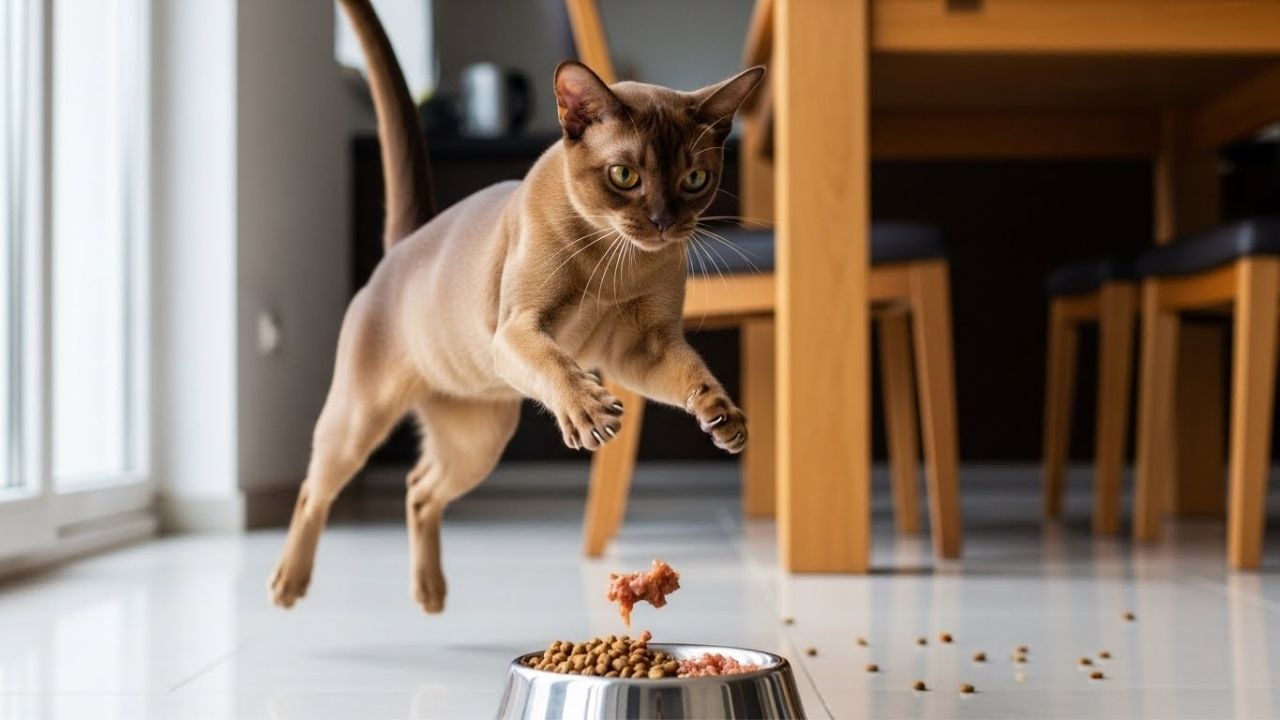
If your cat comes running at the sound of a treat bag or magically appears whenever food is involved, you are not alone. Some cats are especially food motivated, and certain breeds are well known for turning mealtime into a full-time hobby.
This trait can be charming, helpful for training, and occasionally a little funny when your cat insists they have never been fed in their life. Understanding which breeds tend to be more food-focused can help you plan meals, enrichment, and boundaries with confidence.
In this guide, we explore cat breeds that often love food a bit more than average and what that enthusiasm can look like in everyday life.
Cat Breeds That Are Highly Food-Motivated
1. Siamese
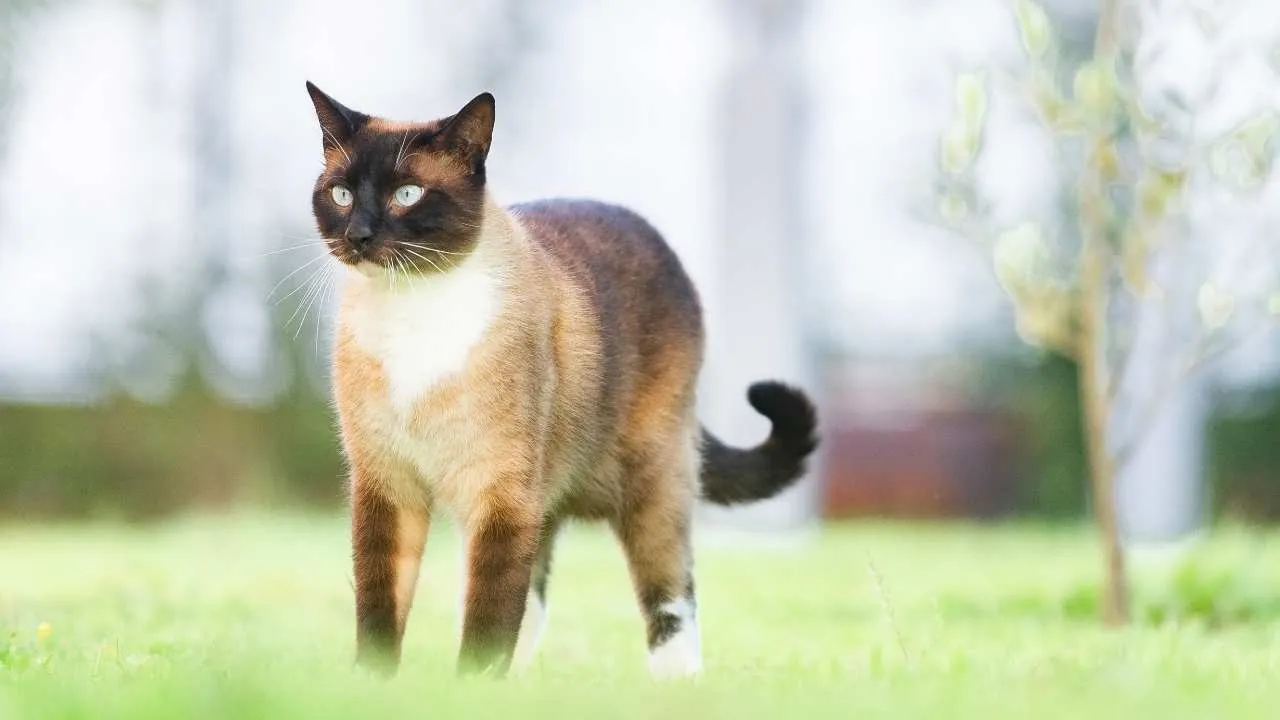
Highly social and alert, Siamese cats stay closely tuned in to daily routines, especially anything involving food. Their active nature pairs with a strong interest in meals, and feeding time often becomes a shared event rather than a background task. Clear schedules help set expectations and reduce constant reminders voiced at full volume.
Always curious, you will notice attention focused on bowls, cabinets, and preparation sounds. Food quickly becomes part of how these cats interact with their people, not just something to consume. Consistency matters, as irregular routines can invite persistent demands and dramatic commentary.
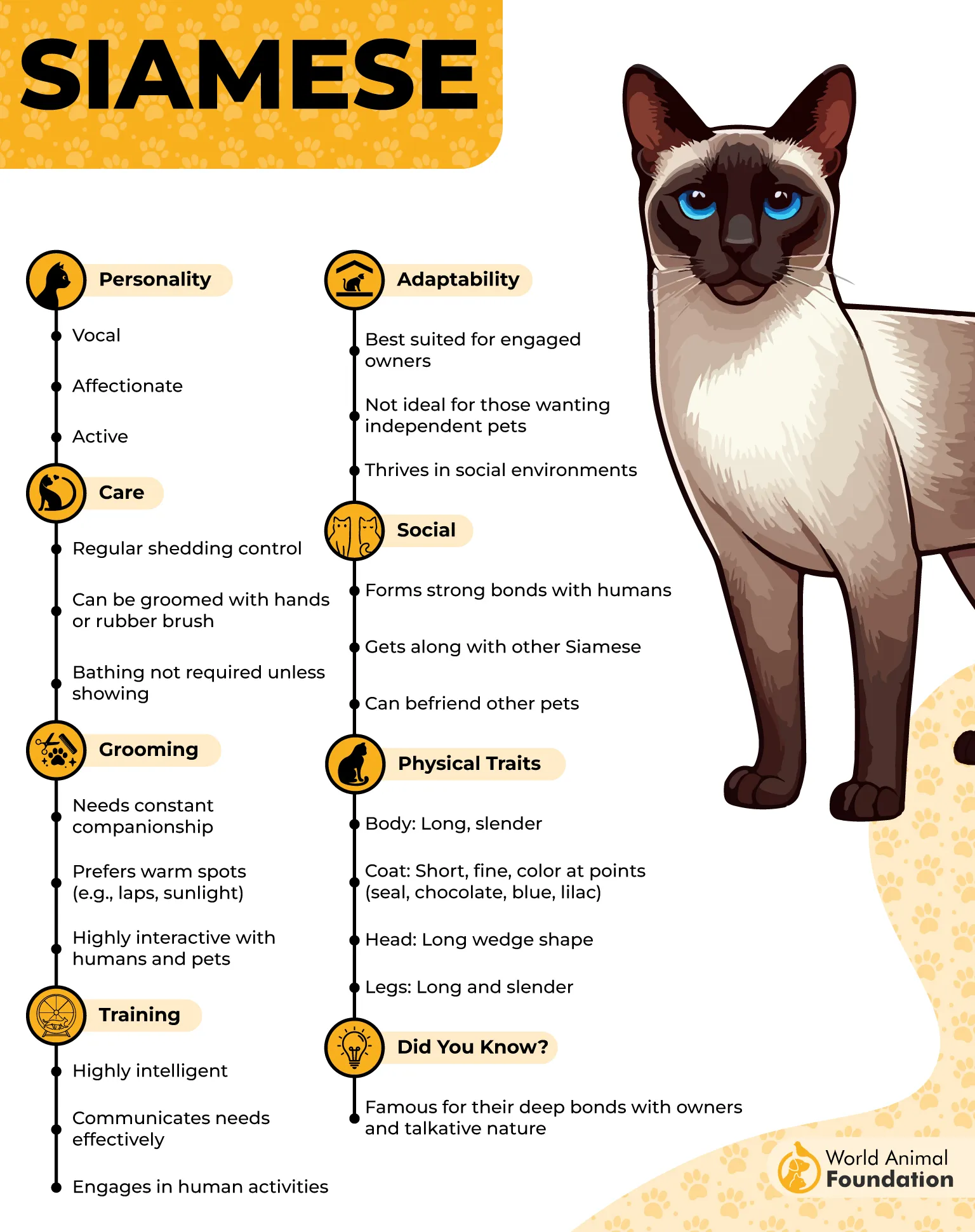
As per Chewy, they are built lean and muscular and need meals that support movement and mental engagement. Structured portions fit better than casual feeding, keeping energy steady throughout the day. Feeding moments often double as bonding time, which suits their people-focused temperament.
Why This Cat Is a Good Fit
Enjoys predictable meals built into daily interaction
Responds well to routine-based feeding schedules
Comfortable with owners who are home and involved often
2. Burmese
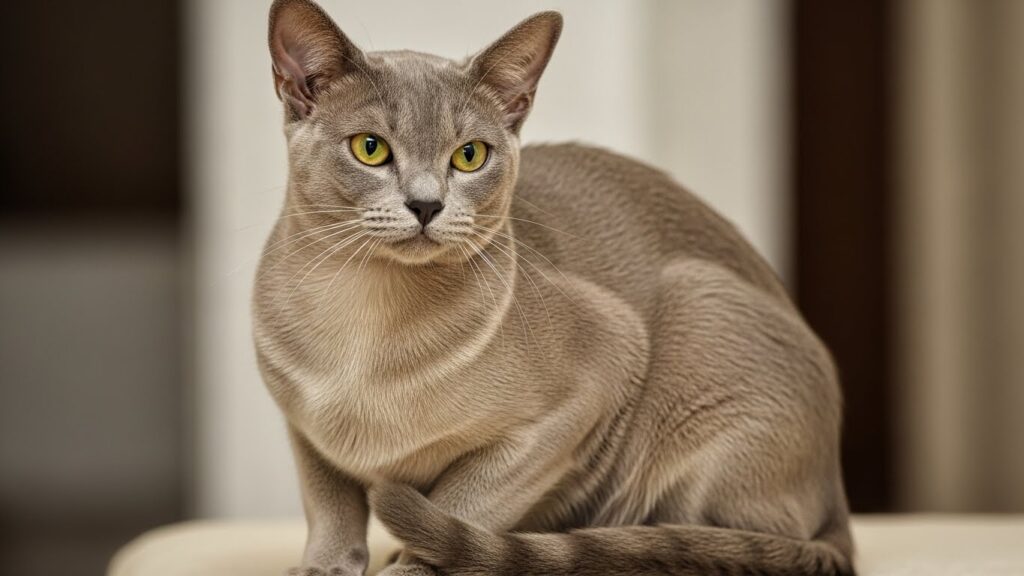
Affectionate and people-oriented, Burmese cats tend to take food seriously and show clear preferences. Meals often rank high on their list of daily priorities, and interest usually remains steady rather than casual. Paying attention to what excites them at the bowl helps avoid wasted food.
Driven and active, you may notice requests for food arrive early and with confidence. As per Purina, smaller, regular meals often suit their pace and keep energy even throughout the day. These cats may ignore food that feels stale or unappealing.
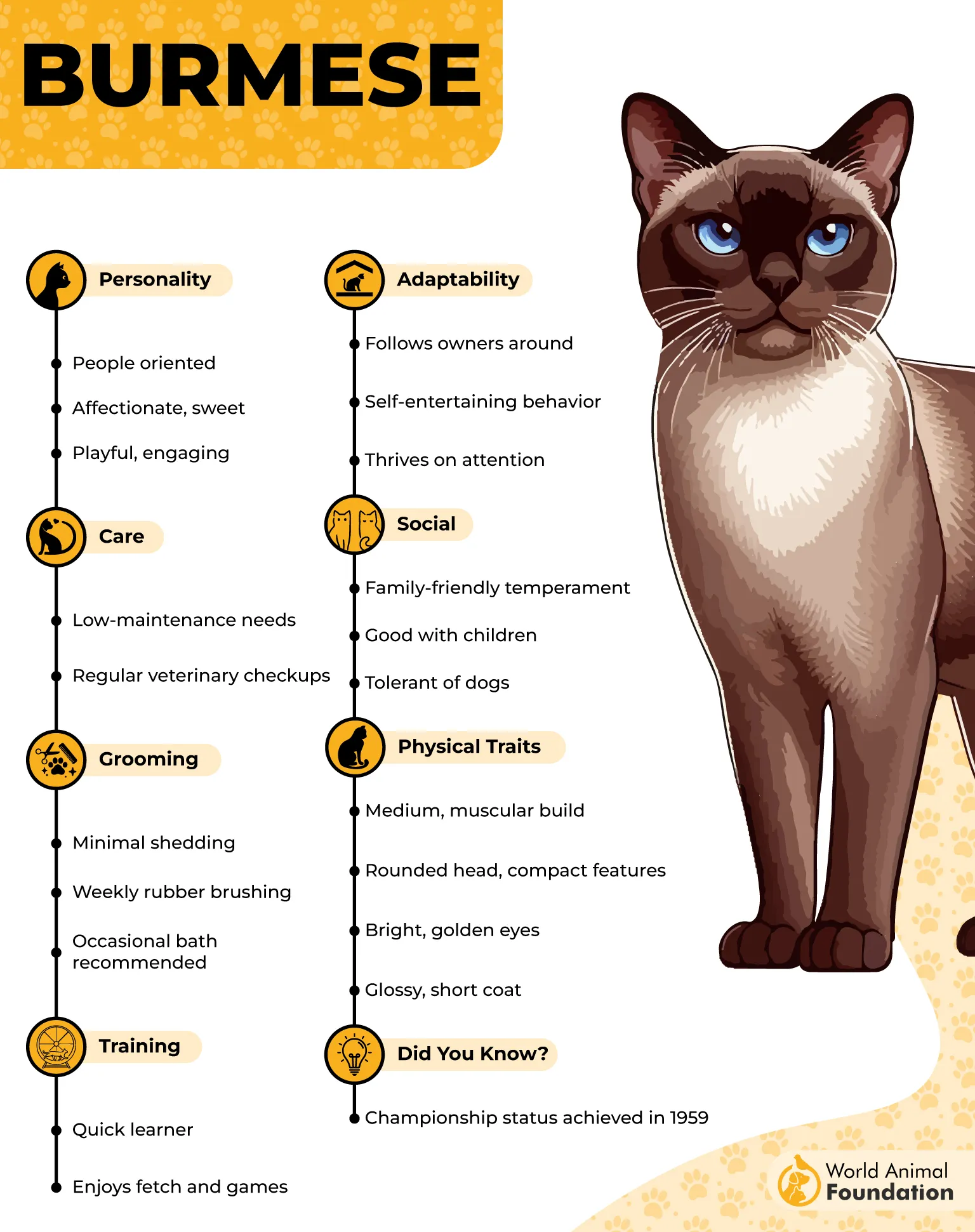
Compact but muscular, they rely on nutrition that supports movement and play. Feeding times work best when treated as part of interaction rather than a quick refill. Engagement around meals fits naturally with their social temperament.
Why This Cat Is a Good Fit
Thrives with owners who enjoy structured feeding routines
Handles multiple small meals well
Appreciates fresh food served with consistency
3. Maine Coon
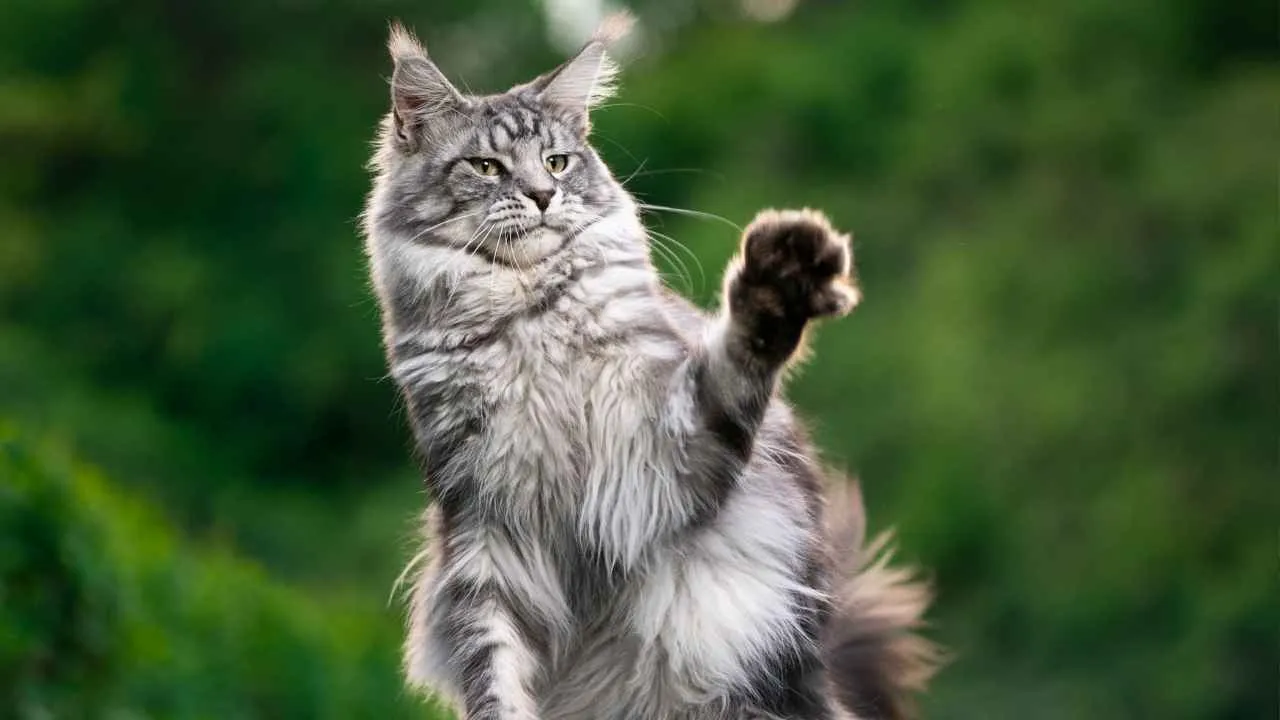
Large-framed and slow-growing, Maine Coons approach meals with noticeable enthusiasm. Their size alone makes food a regular focus, and portions tend to exceed what smaller cats require. Planning ahead helps avoid constant refills and guesswork.
Calm but playful, these cats often eat with patience rather than urgency. Comfortable bowls and clear feeding spaces make a difference, especially as they grow. Regular meal timing supports steady energy without encouraging overeating.
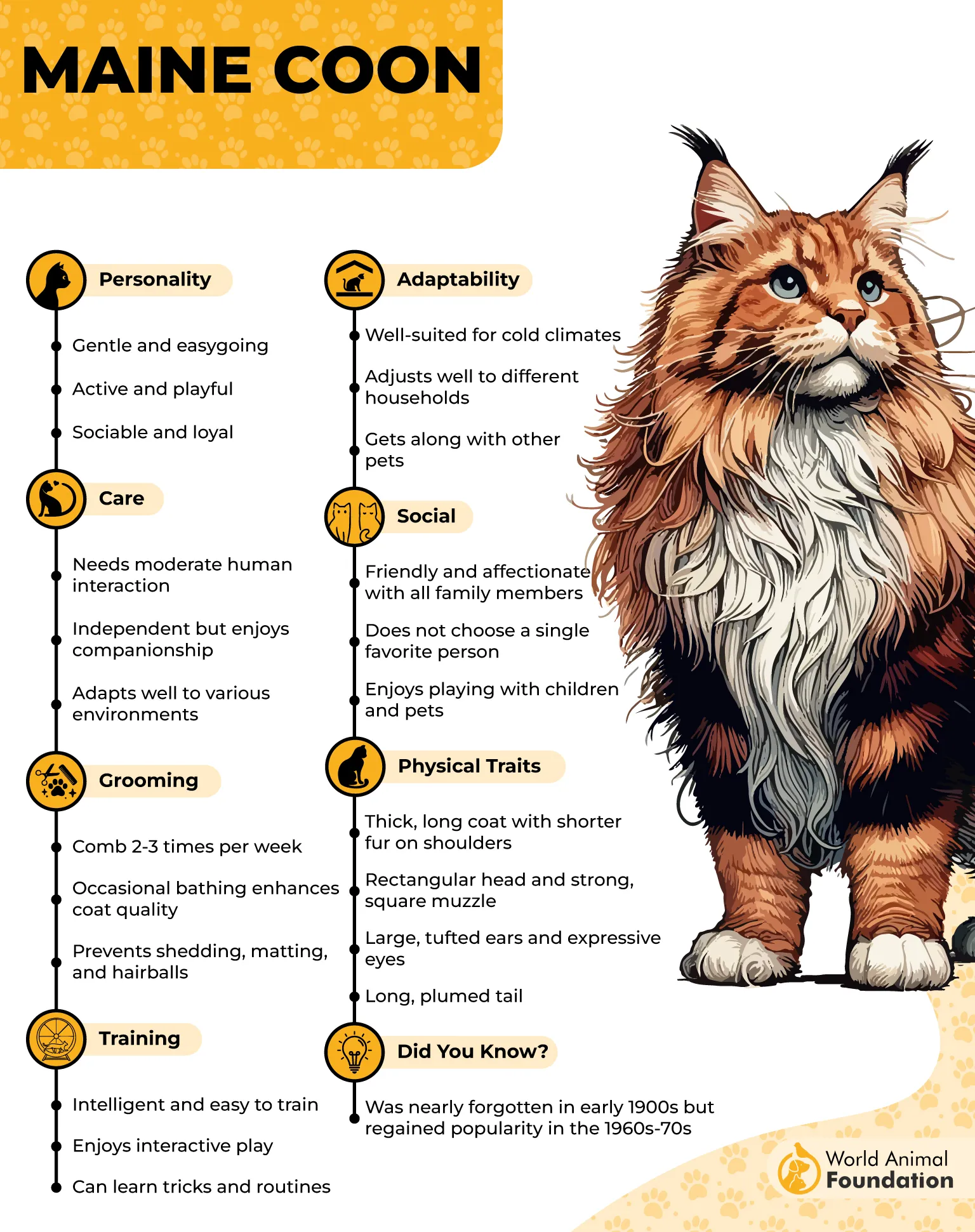
PetMD states that nutrition plays a visible role in coat condition and overall comfort. Thoughtful portions aligned with life stages keep appetite balanced. Mealtime often feels relaxed but important, fitting their steady, sociable nature.
Why This Cat Is a Good Fit
Suit households prepared for larger portions
Benefits from organized feeding spaces
Comfortable with predictable daily routines
4. Bengal

Athletic and alert, Bengals bring focus and intensity to everything, including meals. Food often becomes an activity rather than a passive moment, with a strong interest in how it is offered. Engagement keeps attention satisfied and boredom in check.
Highly energetic, they respond well to structured feeding rather than constant access. Meals work best when paired with stimulation, allowing food to match their active mindset. Clear boundaries help prevent food seeking from turning into mischief.
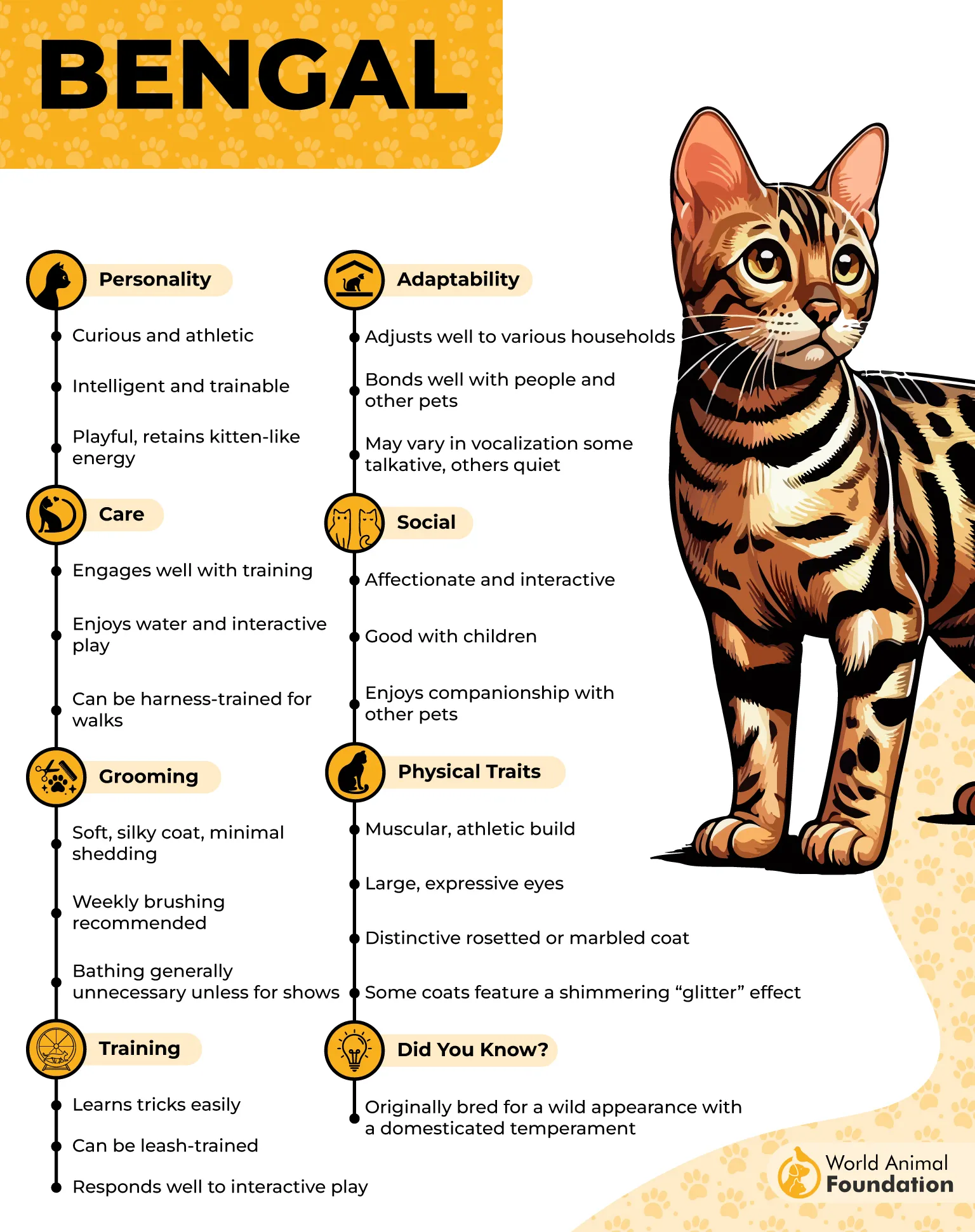
Lean muscle relies on thoughtful nutrition that supports movement. Feeding times that involve effort or interaction tend to hold attention longer. Food quickly becomes part of play, not just fuel.
Why This Cat Is a Good Fit
Enjoys meals that involve movement or challenge
Fits homes that offer active routines
Responds well to structured portions
5. Sphynx
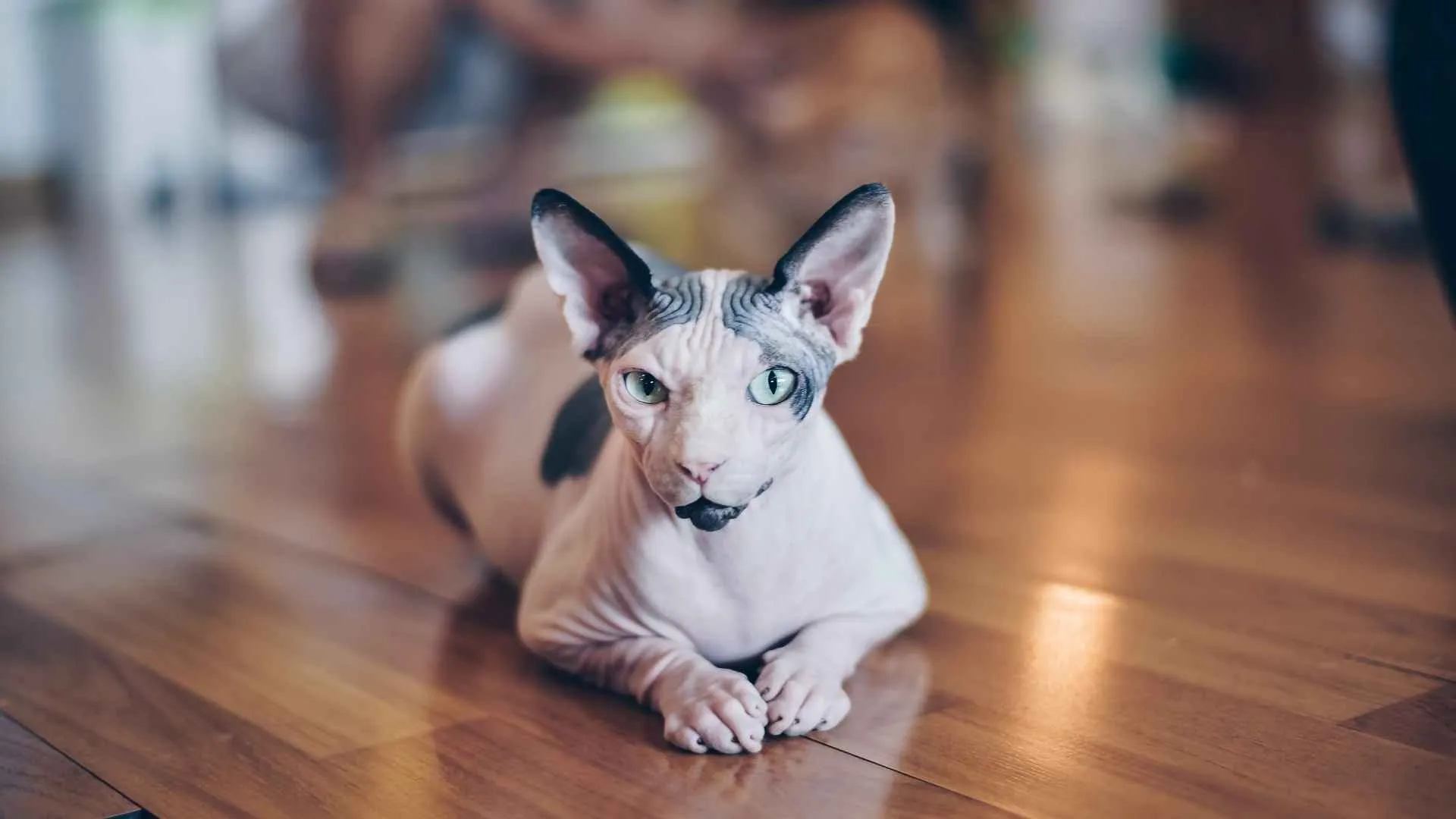
Warm to the touch and highly people-focused, Sphynx cats keep food close to the top of their priority list. Without fur to retain heat, their bodies burn energy quickly, which makes regular meals an important part of daily comfort. You will likely notice a strong interest whenever food preparation begins.
Always nearby, they tend to connect eating with attention and warmth. Feeding times often turn into social moments, with the cat staying close before and after meals. Consistent portions help manage appetite while still supporting their energy needs.
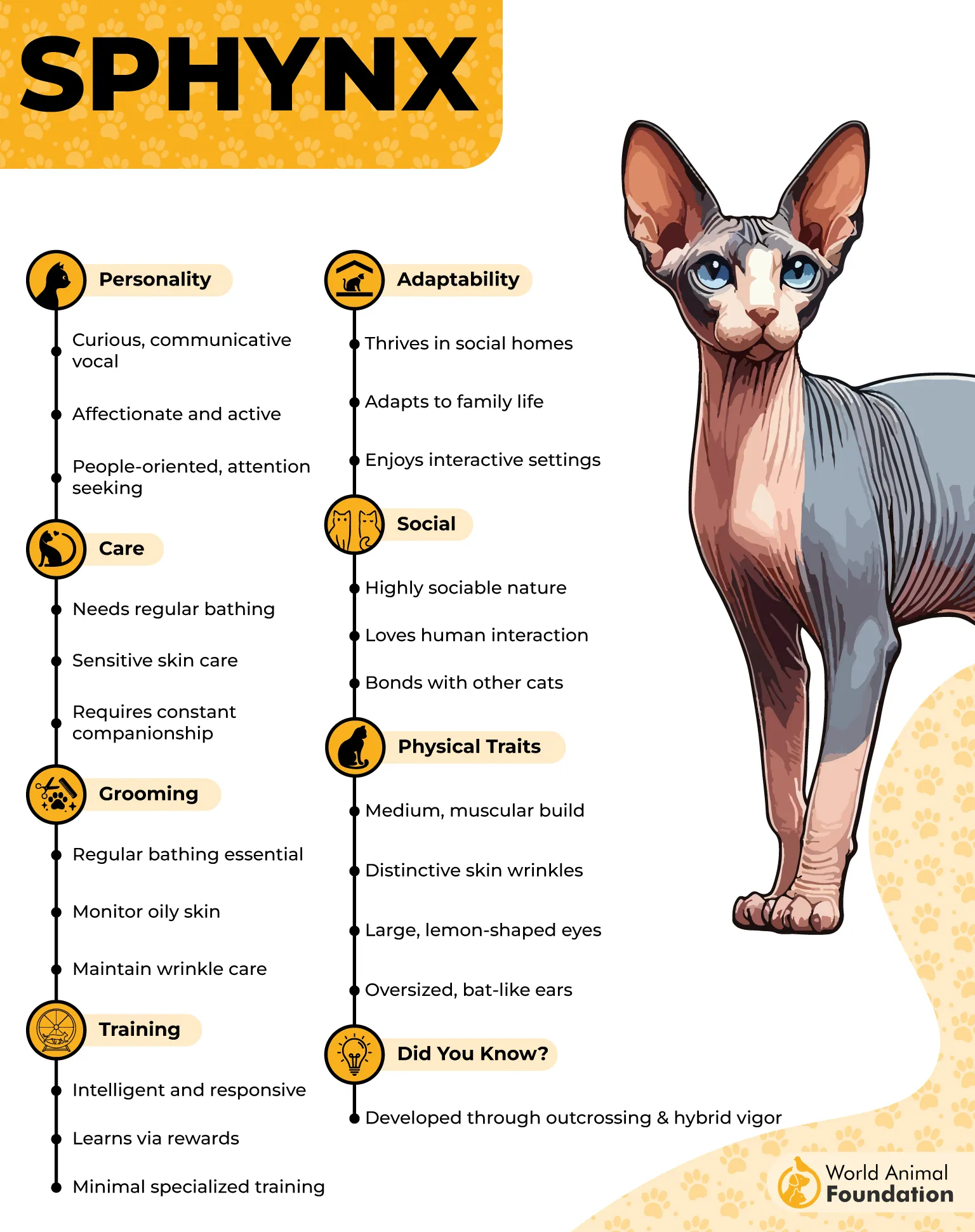
Highly alert and expressive, these cats pay close attention to routines. Meals that arrive late rarely go unnoticed. Structure and predictability around feeding help keep them relaxed and focused on enjoying their surroundings.
Why This Cat Is a Good Fit
Benefits from frequent, well-timed meals
Thrives in homes with regular daily routines
Enjoys close interaction around feeding time
6. British Shorthair
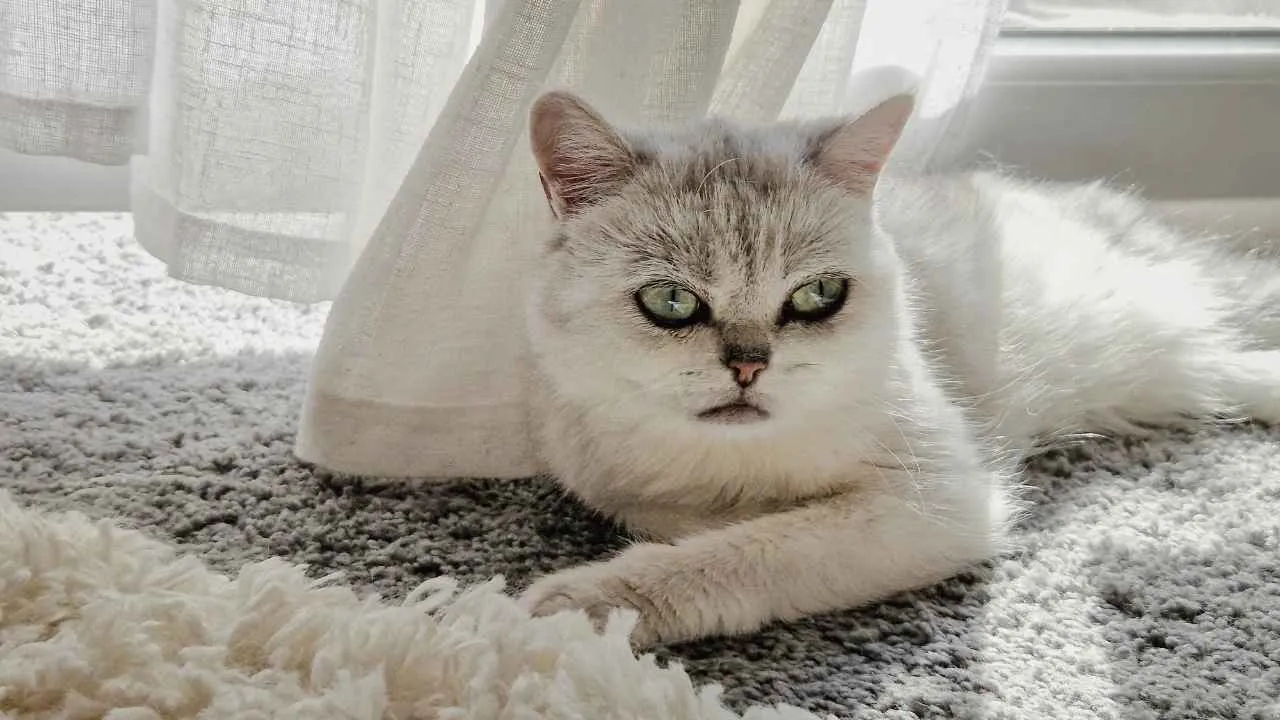
Calm and steady, British Shorthairs approach food with quiet enthusiasm rather than urgency. They tend to enjoy meals without fuss, making feeding feel orderly and predictable. Their relaxed nature pairs well with clearly defined portions.
Naturally sturdy, these cats do best with measured feeding rather than constant access. You may notice food interest remains consistent even when activity levels stay low. Routine helps prevent overeating while keeping expectations clear.
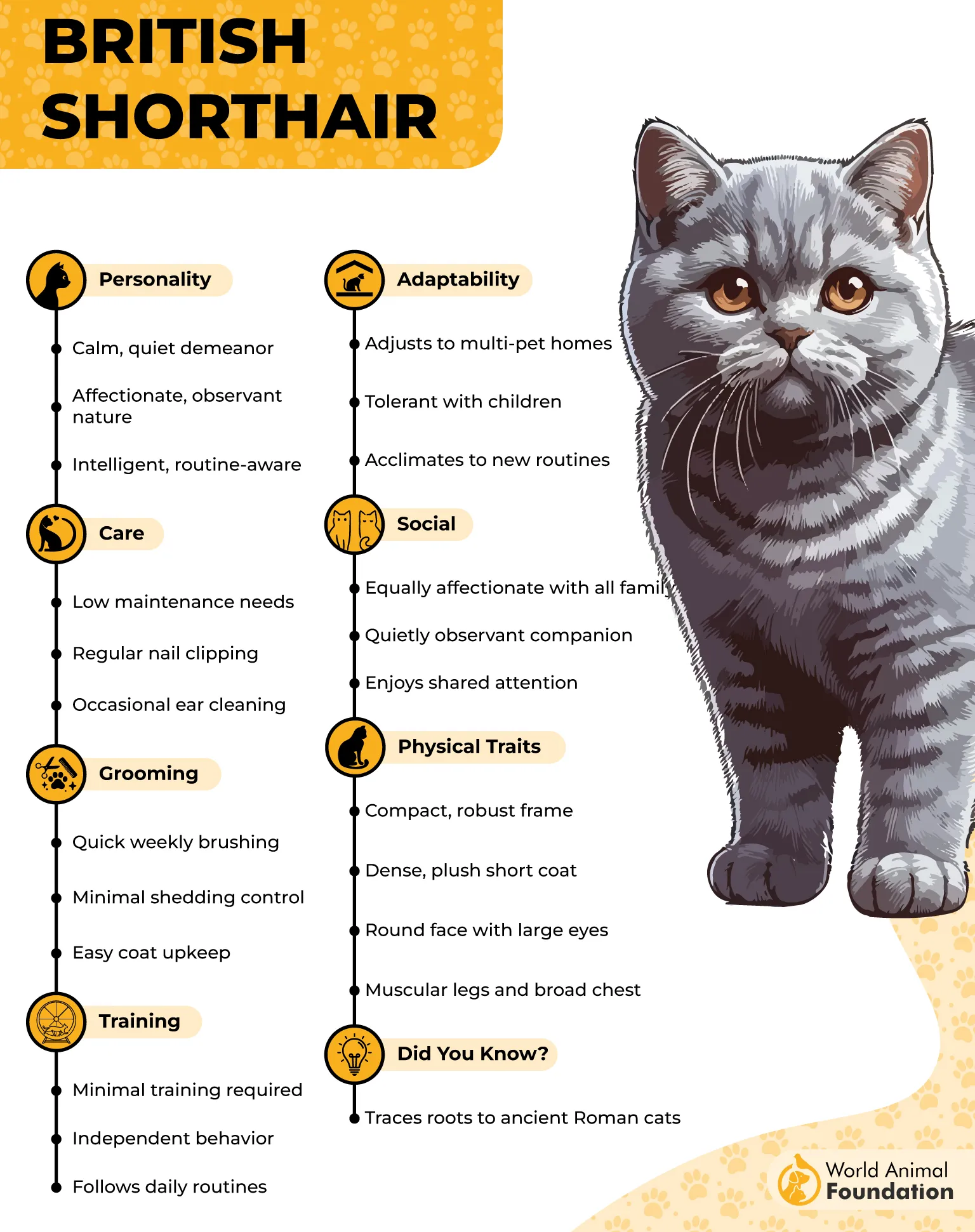
Independent but observant, they usually wait patiently for meals instead of demanding attention. Feeding times fit neatly into their day without disruption. A structured approach supports both appetite and comfort.
Why This Cat Is a Good Fit
Suit owners who prefer calm feeding routines
Handles portion-controlled meals well
Comfortable with predictable schedules
7. Abyssinian
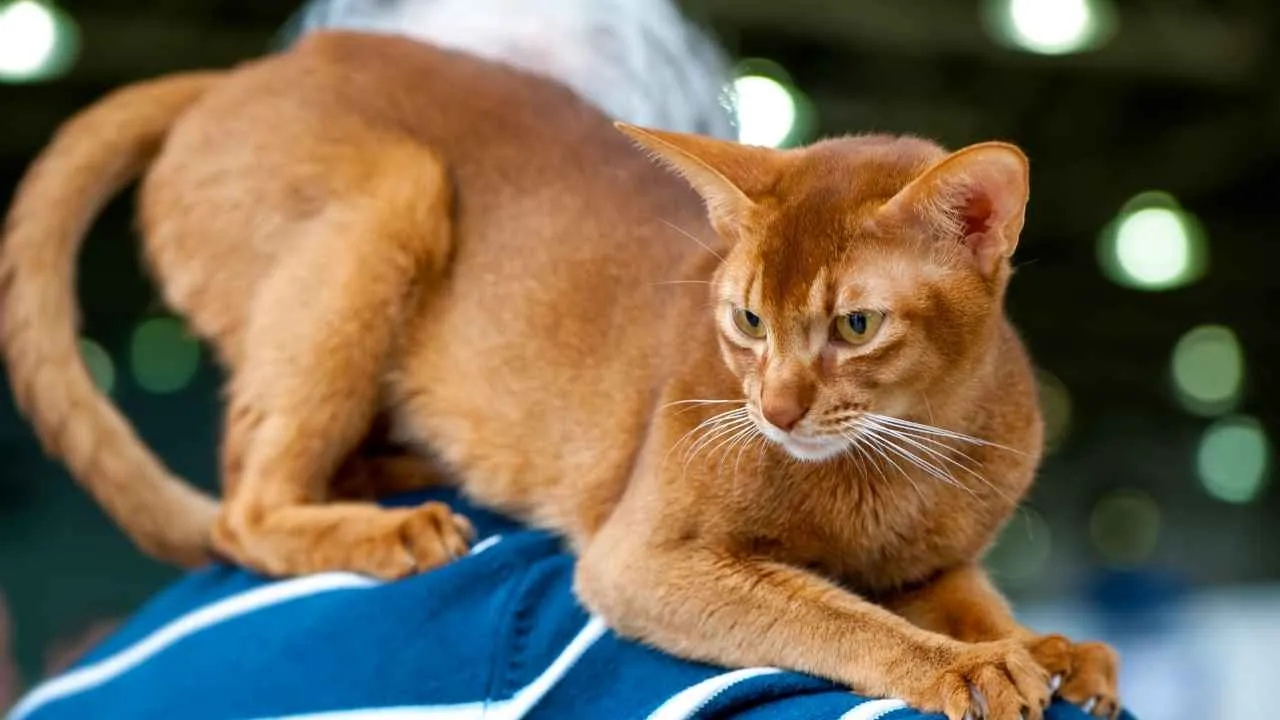
Alert and endlessly curious, Abyssinians treat food as another opportunity for engagement. Meals often spark excitement, especially when paired with activity or interaction. You may see interest build well before the bowl appears.
Highly active, they burn energy quickly and stay motivated by routine rewards. Structured meals help focus attention and reduce distraction. Feeding works best when aligned with play and movement.
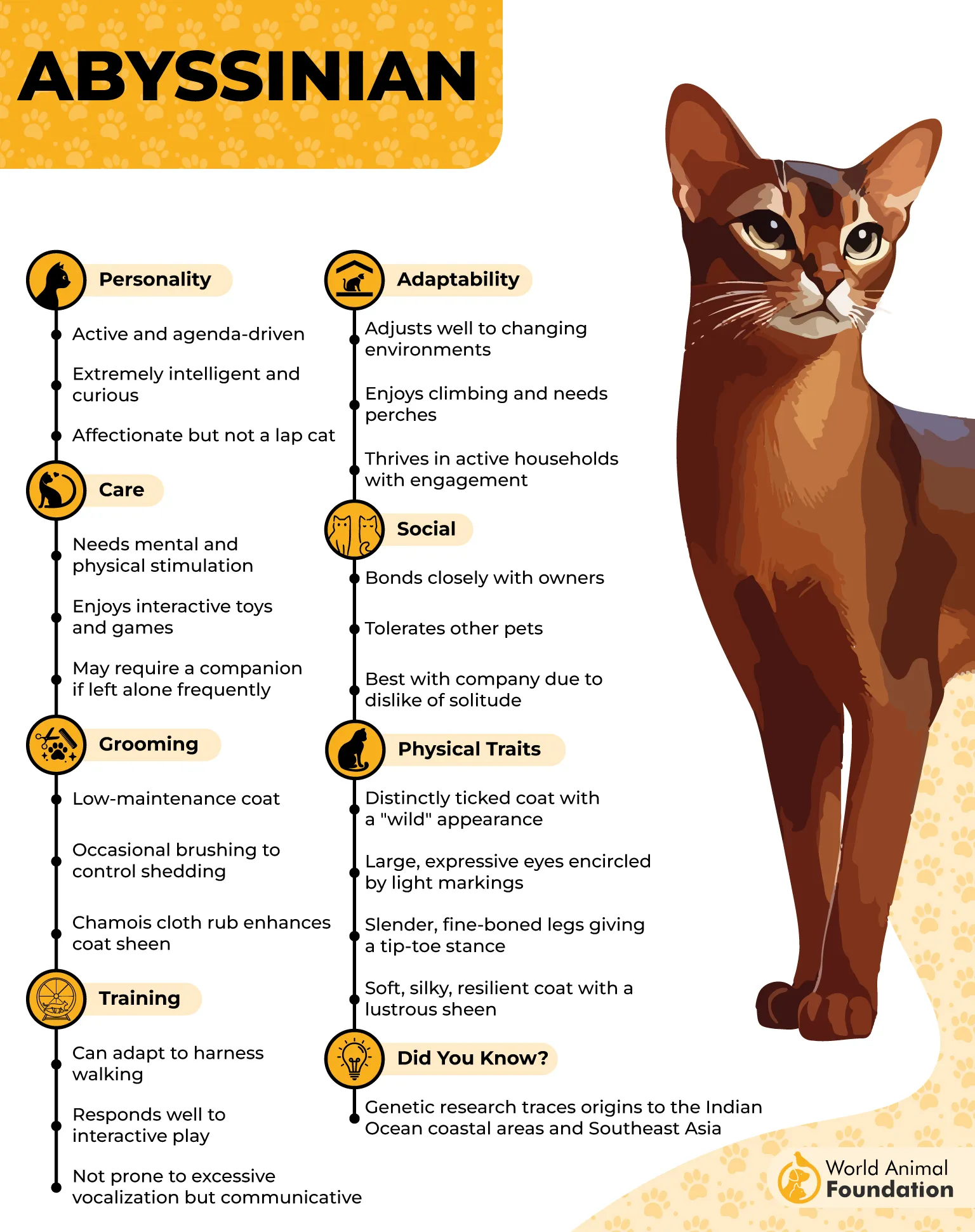
Slim and agile, these cats rely on steady nutrition to support constant motion. Food often becomes part of their daily rhythm rather than a pause in it. Engagement keeps appetite directed and satisfying.
Why This Cat Is a Good Fit
Enjoys meals connected to activity
Responds well to routine-based feeding
Fits energetic households with a daily structure
Conclusion.
Living with food-motivated cats can be both entertaining and rewarding when you understand how meals shape daily life. Many cats show strong interest in the food bowl, and that motivation can help guide routines in a busy house with kids, other pets, dogs, or multiple animals.
For an indoor cat or curious kitten, food often ties closely to personality, affection, and bonding with humans. Paying attention to portions helps keep your feline friend healthy and avoids worry about becoming overweight, something veterinary medicine often emphasizes.
Enough space, play, and a favorite toy can balance that focus on dinner. Other breeds, such as the Oriental Shorthair, Devon Rex, and American Shorthair, including the gentle giant types, were originally bred with people in mind and often show similar social breed traits that many cat lovers enjoy.
