




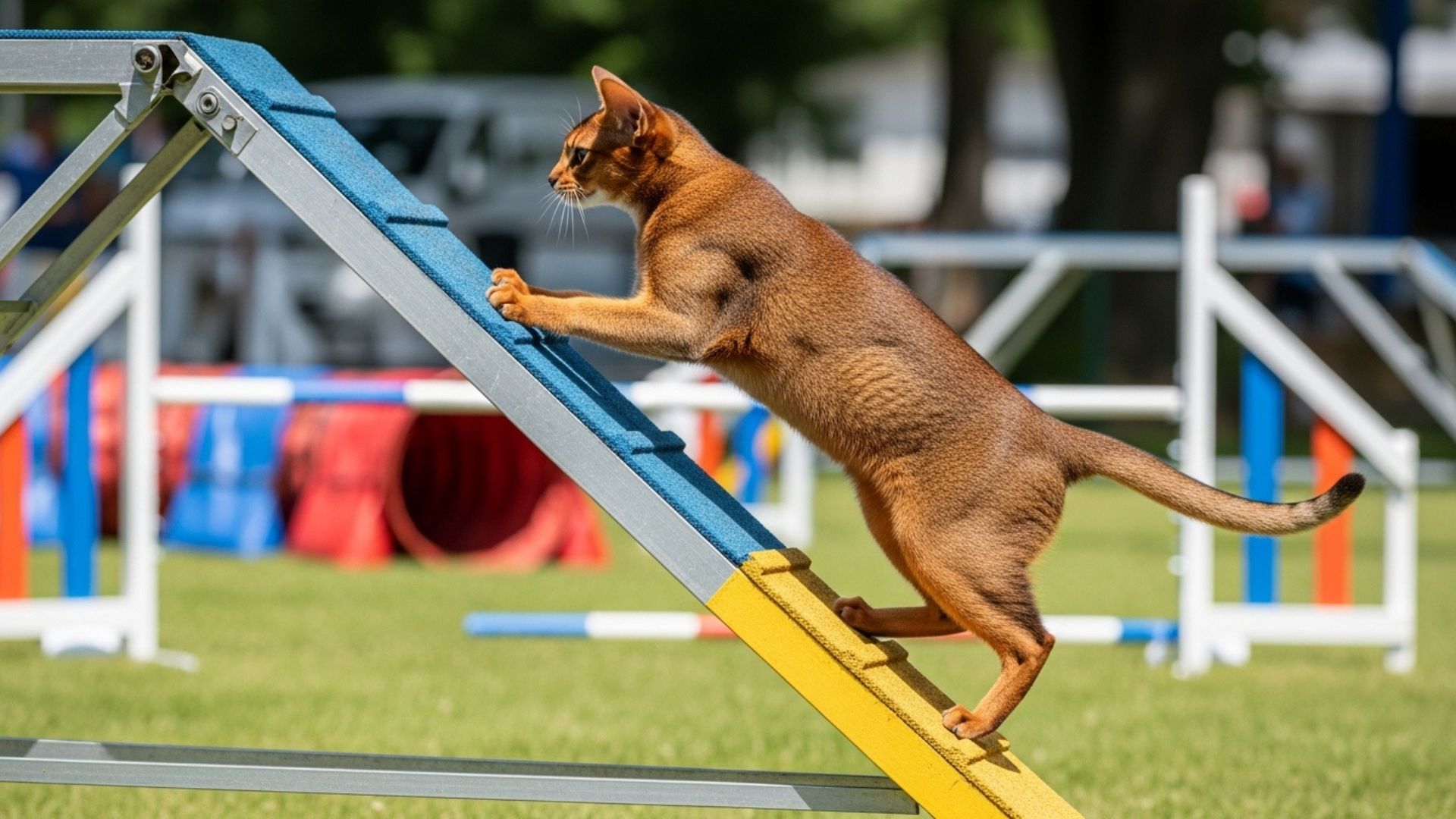
Cats are natural explorers, and climbing is one of the most instinctive ways they interact with their environment. From leaping onto shelves to scaling tall furniture, many cats are driven by an inherited need to seek higher ground.
This behavior traces back to their wild ancestors, who relied on elevation for safety, observation, and hunting advantage. Even in modern homes, that instinct remains strong.
Certain breeds are more inclined to treat vertical space as essential territory rather than optional enrichment. These cats don’t just climb for fun—they use height to feel secure, confident, and engaged. For them, vertical movement is a core part of daily activity and play.
Physical traits also play a major role in climbing ability. Strong hind legs, flexible spines, sharp claws, and exceptional balance allow some cats to scale heights with ease. In this article, we explore cats that are great at climbing and what makes them such impressive vertical athletes.
Cat Breeds That Are Great at Climbing
1. Bengal
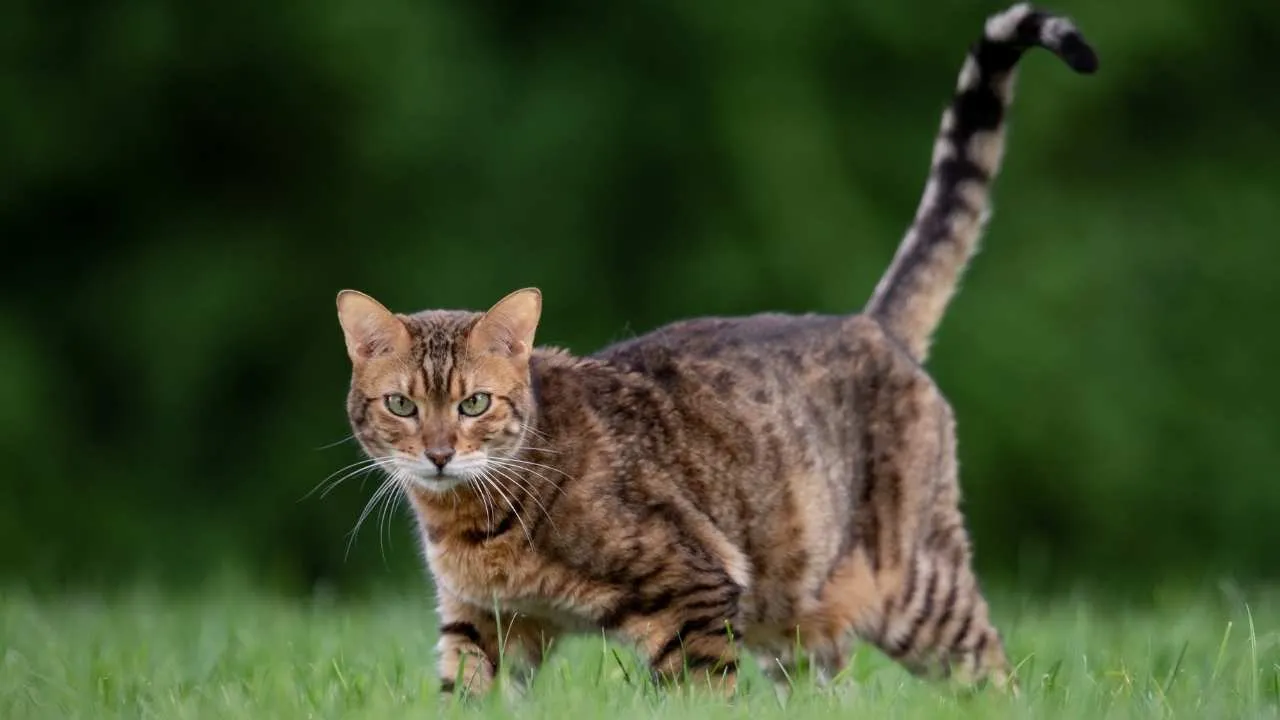
They are also known simply as the Bengal cat.. Descended from the Asian leopard cat, Bengals carry a bold, adventurous presence.
According to Purina, the Bengal is a sleek, muscular cat with a wild look, highlighted by bold marbling and spots on its thick, luxurious coat.
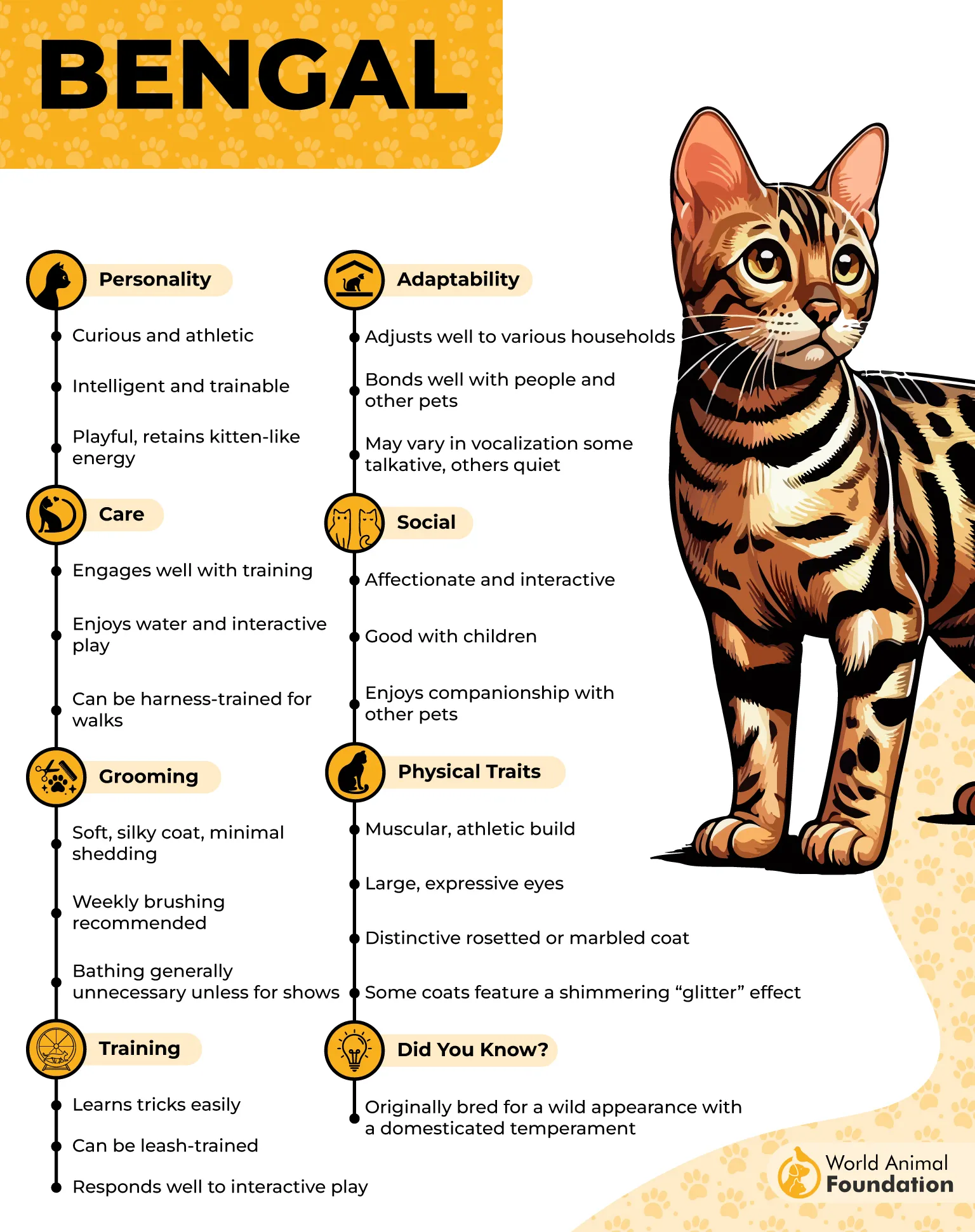
Climbing comes naturally to Bengals thanks to powerful legs, flexible bodies, and exceptional coordination. Their athletic build allows them to scale tall furniture, shelves, and trees with ease, often choosing the highest vantage point available.
Vertical movement isn’t optional for this breed—it’s essential. Bengals actively seek out height to burn energy, stay mentally engaged, and survey their surroundings, much like their wild ancestors in forested habitats.
Without proper climbing outlets, their intelligence and energy can turn toward curtains or bookcases.
Fun fact: Bengals are frequently described as “mini leopards” because their wild ancestry directly influences their strength, agility, and love of climbing.
2. Abyssinian
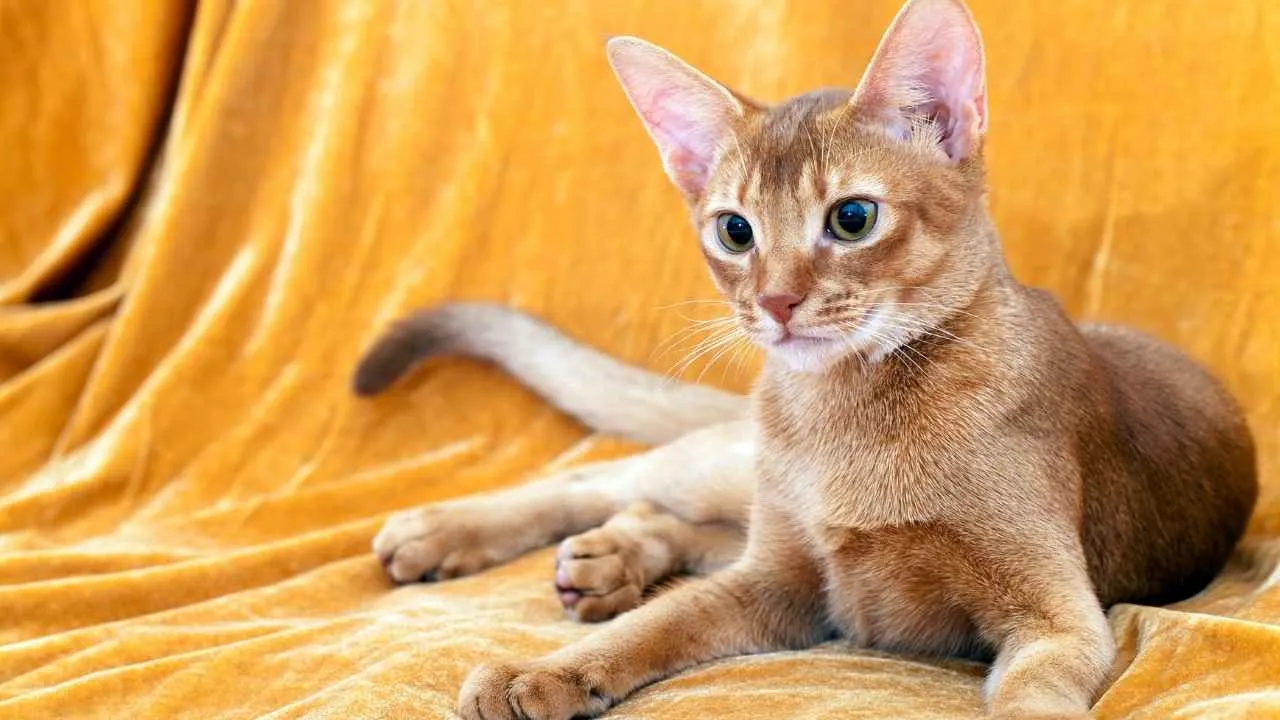
Also called the Aby or Abyssinian Cat, this ancient breed is known for its ticked coat, alert expression, and boundless energy. Elegant and athletic, the Abyssinian is always in motion and rarely stays grounded for long.
PetMD states that although they need plenty of mental and physical stimulation to stay happy and healthy, they’re relatively easy to care for and don’t require much grooming.
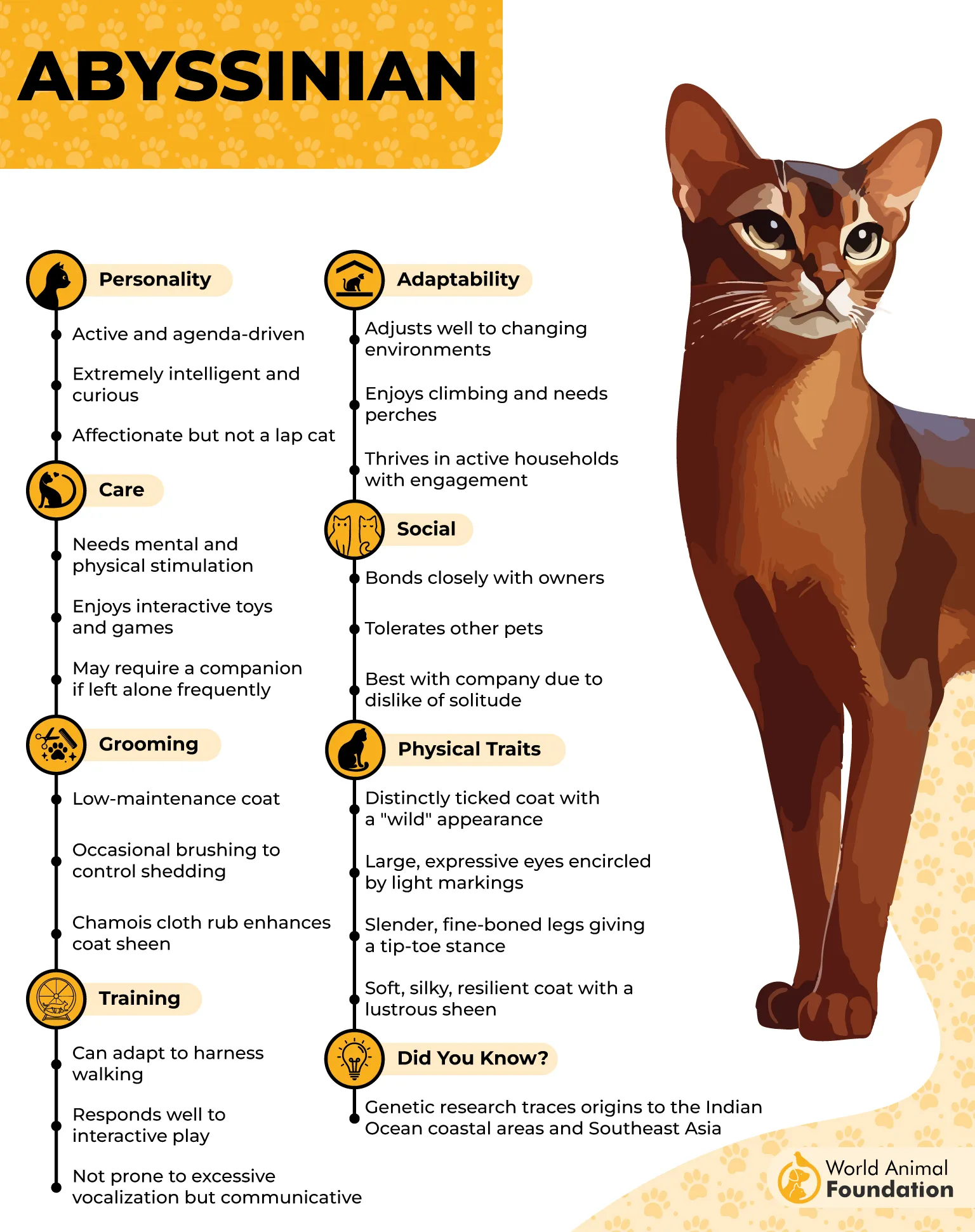
Climbing is second nature to this breed. Long, powerful legs and excellent balance allow Abyssinians to leap confidently onto shelves, furniture, and high perches without hesitation or fear of heights.
Their curiosity fuels constant vertical exploration. Abyssinians actively seek elevated spots to observe their surroundings, making them natural tree-top explorers even in indoor environments.
Playtime often turns into an aerial display, with fluid jumps and rapid climbs forming part of their daily routine.
Fun fact: The Abyssinian is considered one of the oldest cat breeds and was named after cats exhibited in England that were believed to originate from Abyssinia.
3. Savannah
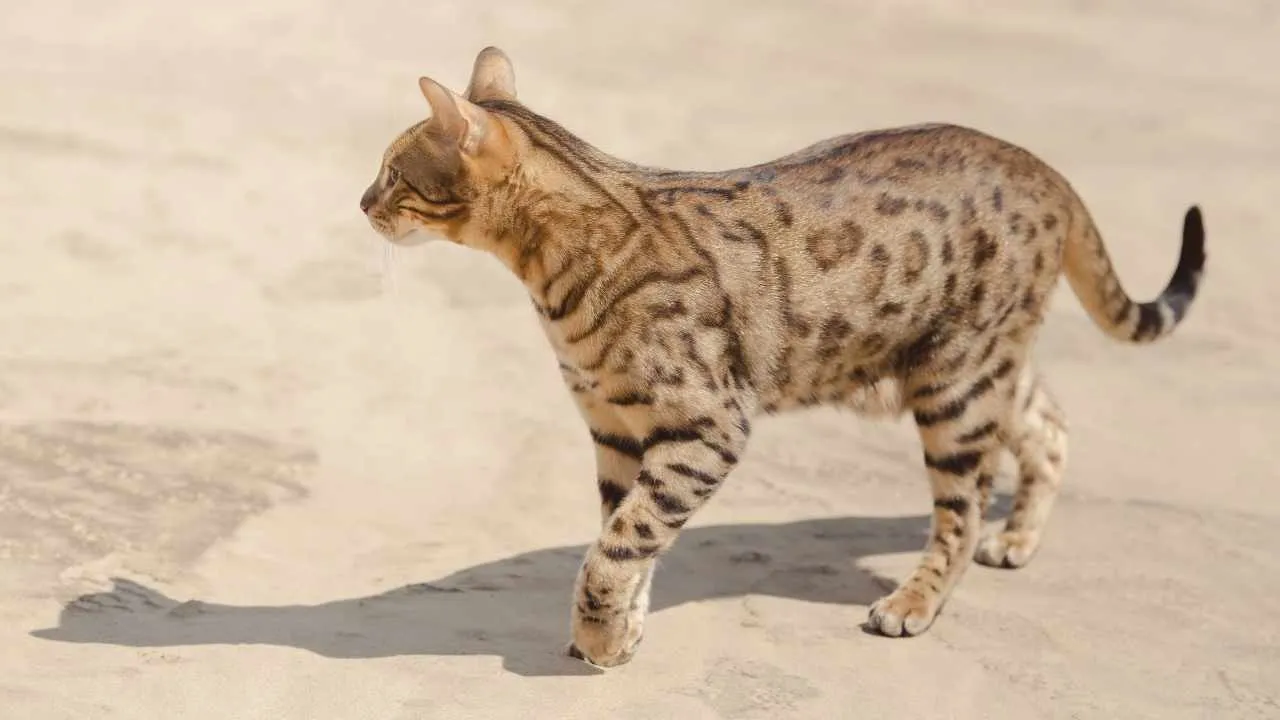
Also known simply as the Savannah cat, this striking breed is a hybrid developed from domestic cats and the African serval.
Its tall frame and wild appearance make it instantly recognizable. According to WebMD, the Savannah cat has an exotic look and a distinctive spotted coat.
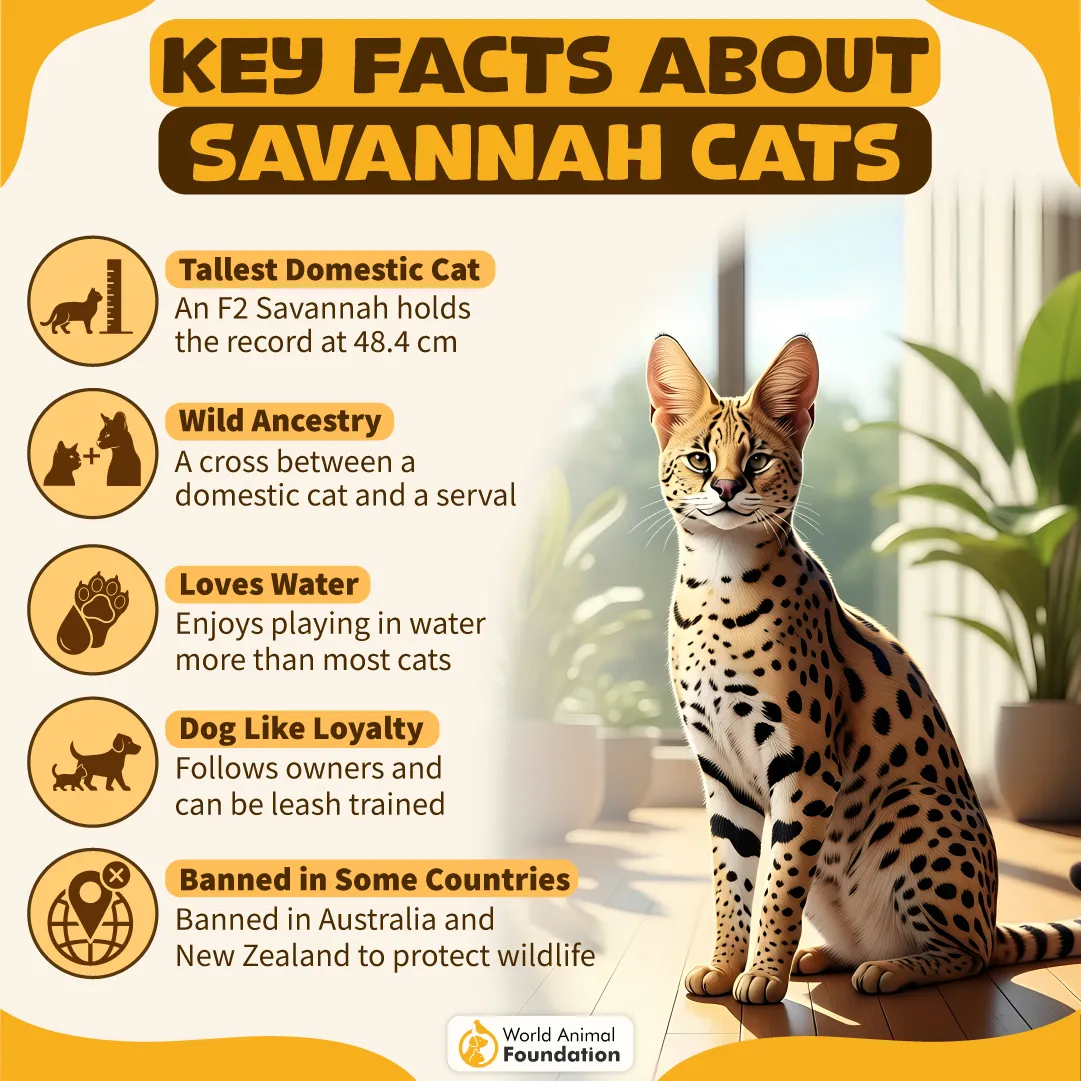
Climbing is second nature to the Savannah. Long legs, powerful muscles, and sharp coordination allow it to launch upward effortlessly, reaching heights that most cats wouldn’t attempt.
This breed isn’t content staying grounded. Savannahs actively seek elevated vantage points to observe their surroundings, combining curiosity with raw athleticism and precision movement.
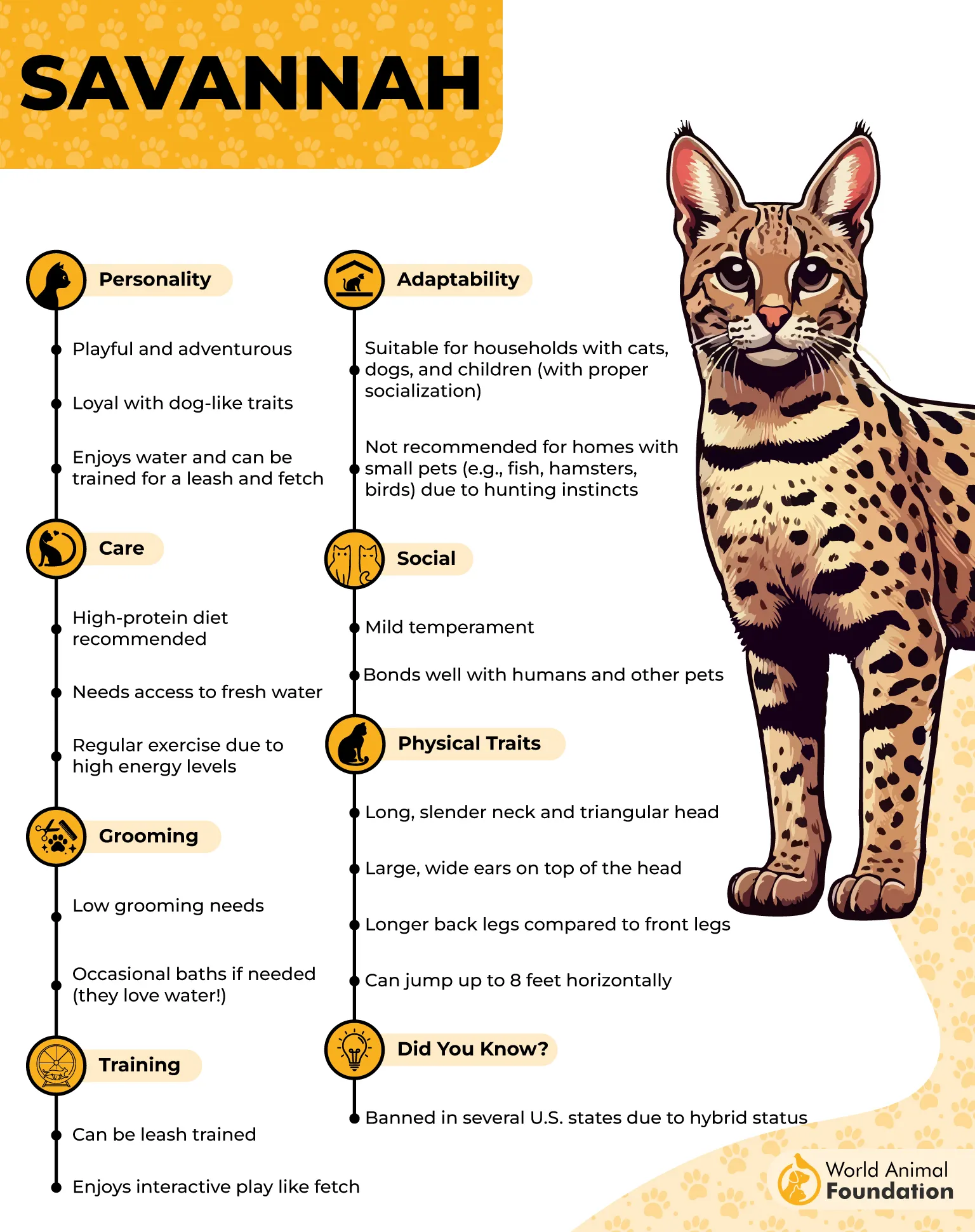
Because of this constant drive to ascend, they thrive in homes with extensive vertical structures like wall-mounted walkways or tall climbing systems.
Fun fact: The Savannah’s exceptional climbing and jumping ability comes directly from its African serval ancestry.
4. Norwegian Forest Cat
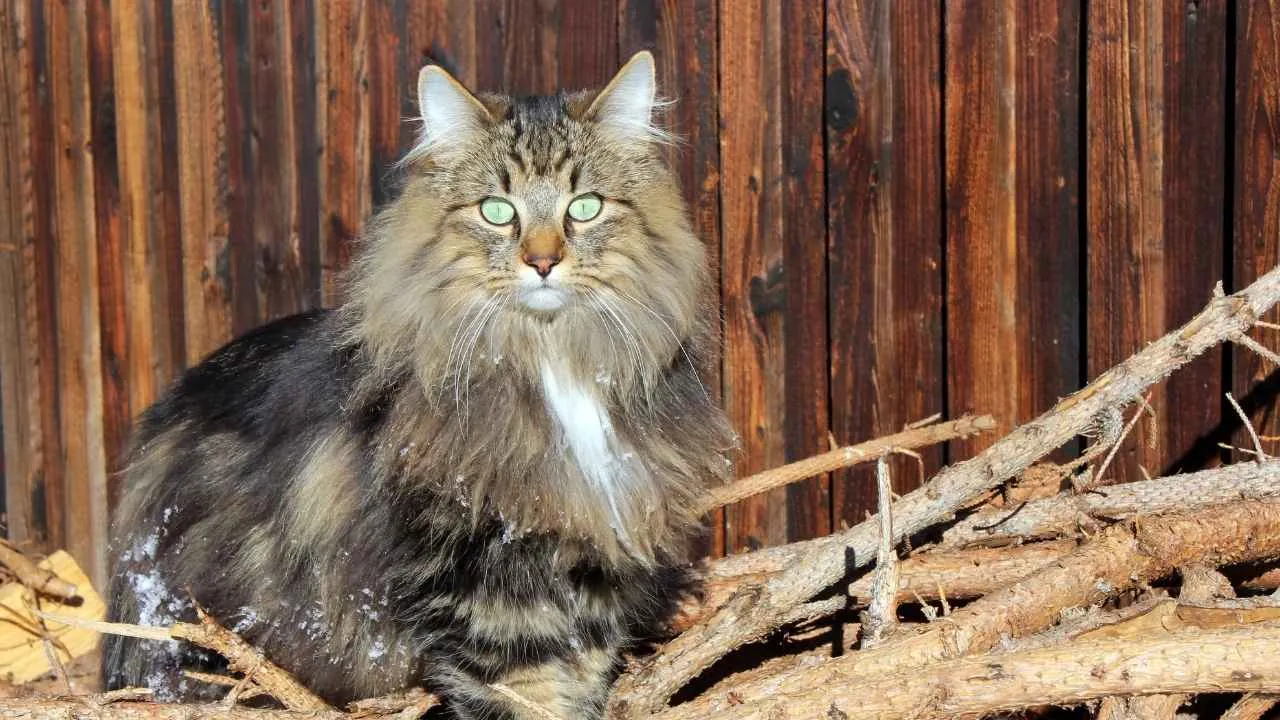
Also known as the Wegie, the Norwegian Forest Cat is a hardy, semi-longhaired breed that developed in the rugged landscapes of Scandinavia. Friendly yet independent, it balances sociability with a strong connection to nature.
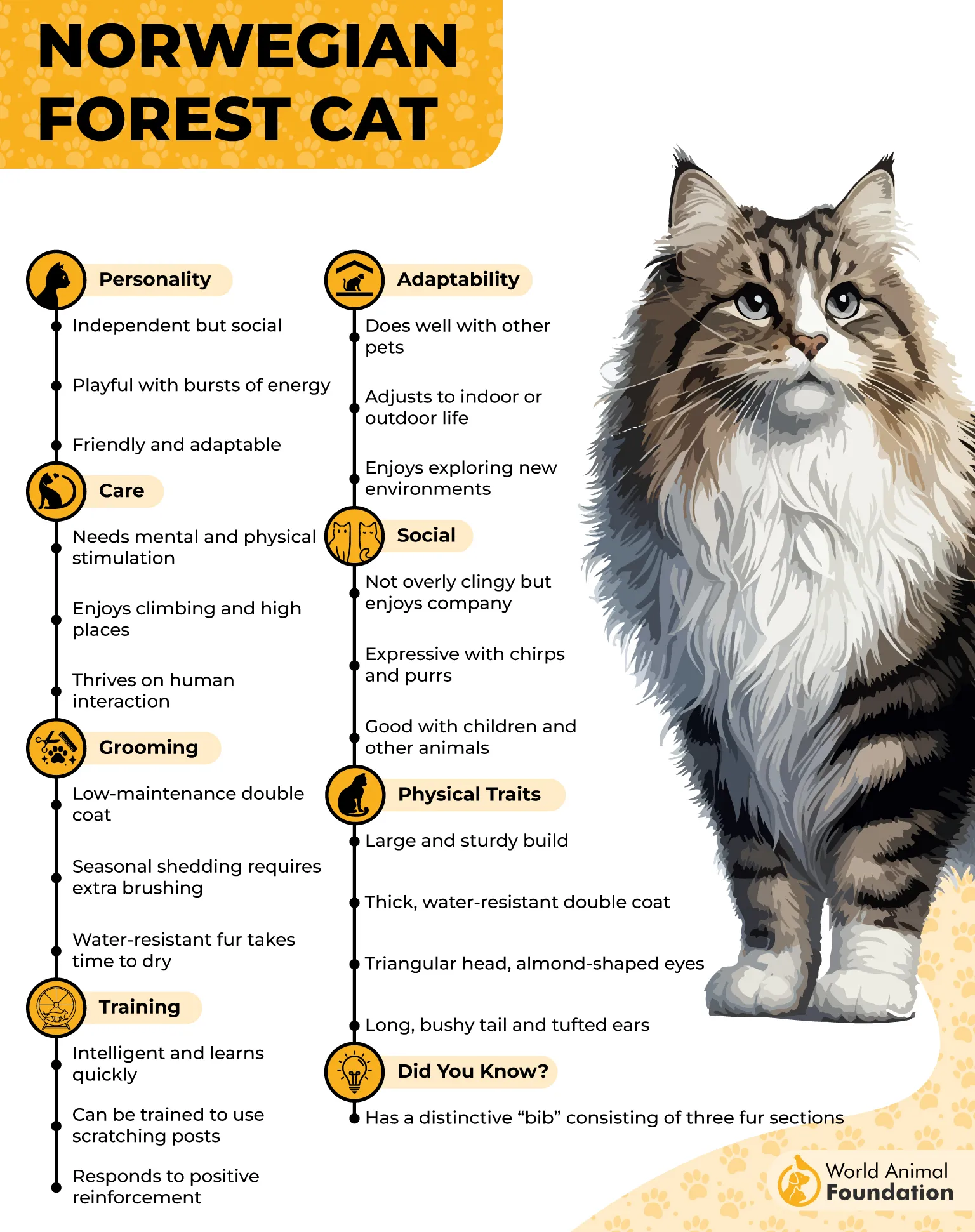
Climbing is deeply ingrained in this breed’s instincts. Powerful legs, sharp claws, and excellent balance allow Norwegian Forest Cats to scale trees, tall structures, and cat towers with steady confidence rather than reckless leaps.
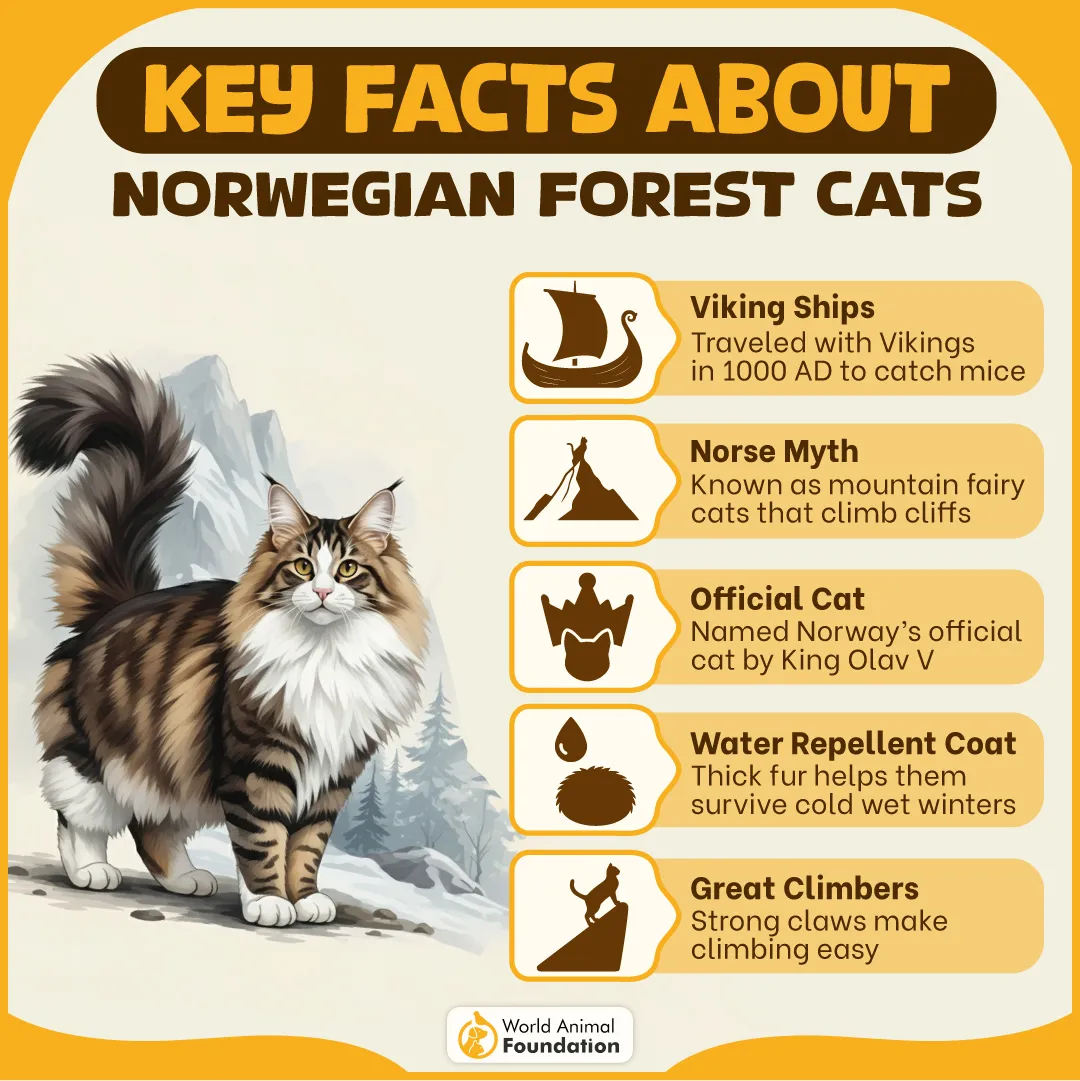
Their muscular build supports controlled, purposeful movement, making them skilled climbers both upward and downward. Few domestic cats can descend headfirst as naturally as this breed, a trait inherited from surviving in forested terrain.
Thick, water-repellent fur and large, tufted paws provide traction without limiting mobility, even on challenging surfaces.
Fun fact: Norwegian Forest Cats evolved in the Scandinavian wilderness, where strong climbing skills were essential for hunting and survival.
5. Maine Coon
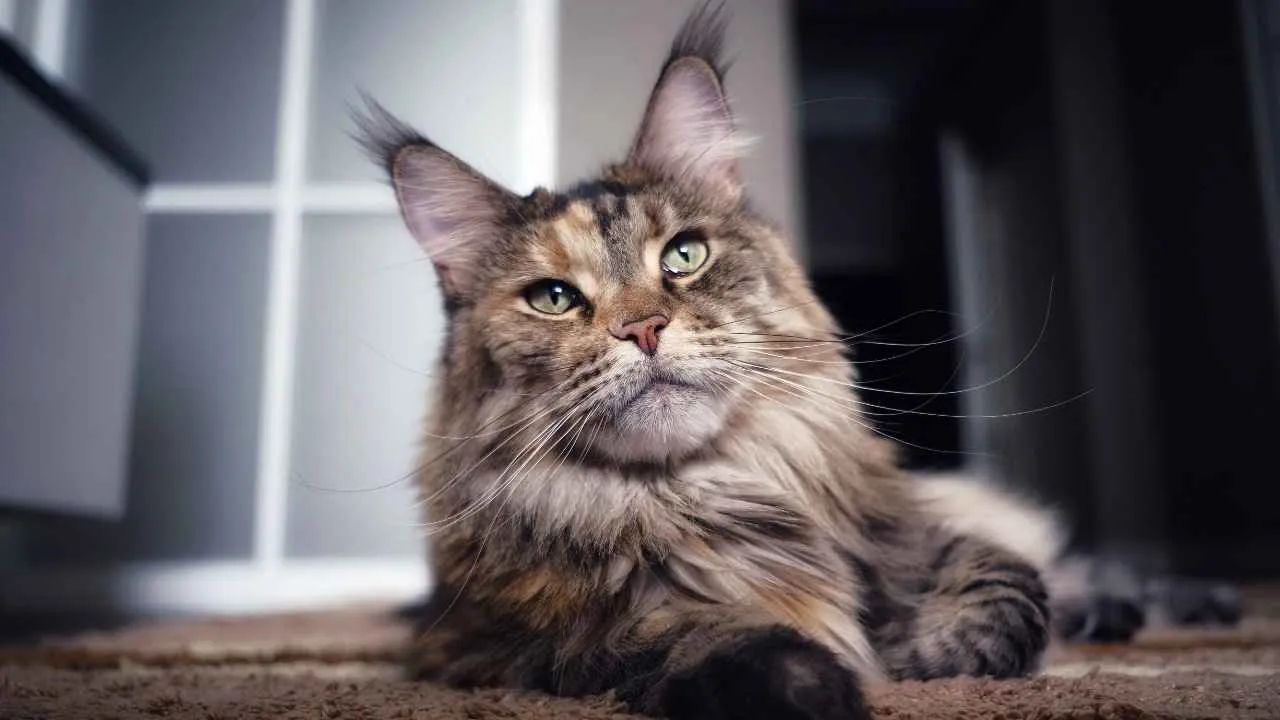
Also known as America’s native gentle giant, the Maine Coon is famous for its large frame, tufted ears, and shaggy coat. Despite its rugged appearance, this breed is well-balanced and surprisingly agile.
Climbing skill comes from strength paired with control. Maine Coons use powerful legs and broad, tufted paws to grip surfaces securely, allowing them to move upward with steady confidence rather than sudden bursts.
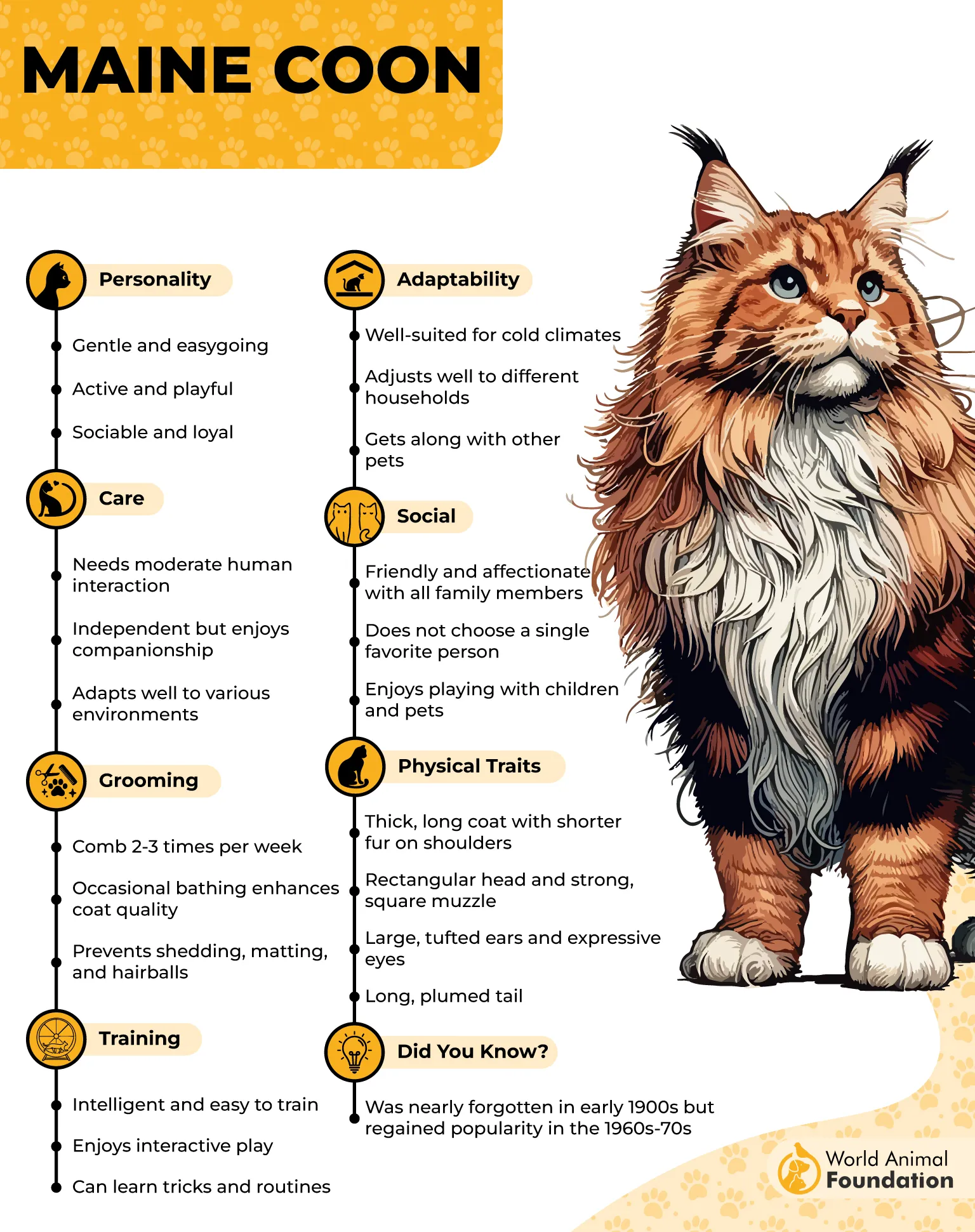
Unlike smaller, impulsive climbers, this breed takes a thoughtful approach. Maine Coons often pause to judge distances and footing before ascending, relying on balance and coordination to navigate tall cat trees or furniture safely.
High perches appeal to their working-cat instincts, offering a vantage point to observe surroundings. Owners frequently find them resting above cabinets or appliances after a careful climb.
Fun fact: Maine Coons are known for methodical climbing, combining their impressive size with calm, deliberate movement.
6. Siamese
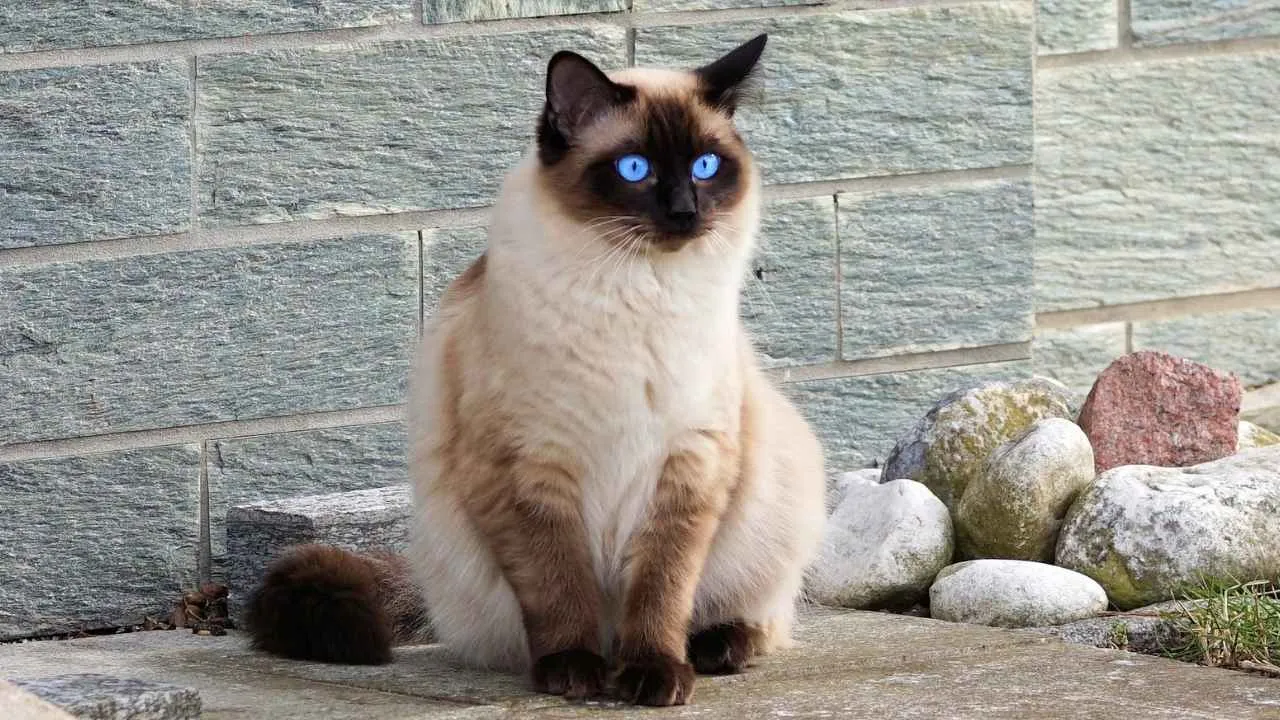
Also known as the Thai Cat, the Siamese is a historic breed admired for its sleek frame, colorpoint coat, and striking blue eyes. Originating in Thailand, it was once treasured by royalty for its elegance and intelligence.
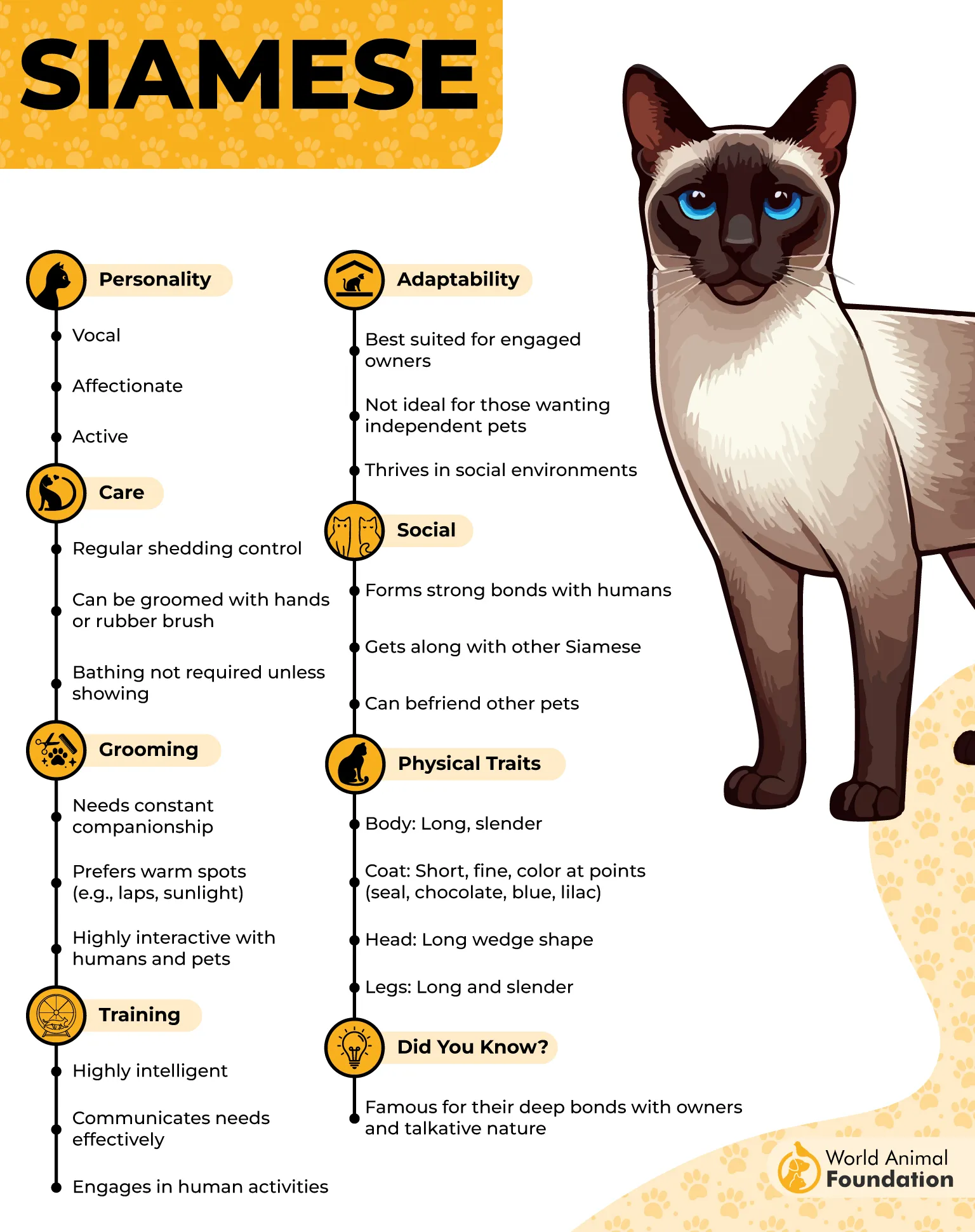
Climbing suits the Siamese perfectly thanks to its lean, muscular build and long limbs. These cats excel at jumping between narrow surfaces, scaling shelves, and claiming high perches throughout the home.
Mental drive fuels their vertical habits as much as physical ability. Siamese cats actively seek elevated spaces where they can observe their surroundings, combining curiosity with sharp problem-solving skills.
True to their talkative nature, they often announce their climbing success from above, turning each ascent into a performance.
Fun fact: Siamese cats were historically revered in temples, where they were believed to possess mystical qualities and favored high vantage points.
7. Siberian
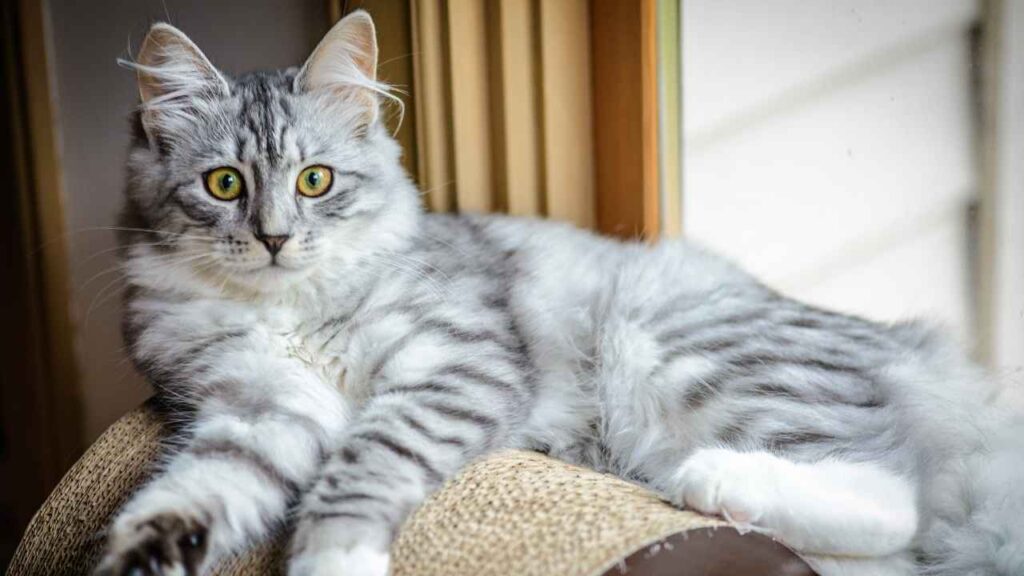
Also known as the Siberian Forest Cat, the Siberian is an ancient breed with deep roots in Russia’s wooded landscapes. Its rugged build, waterproof fur, and confident nature reflect a history shaped by survival in demanding environments.
Climbing is second nature to the Siberian. Developed in forested regions, these cats learned to scale trees to hunt and avoid danger, resulting in powerful hind legs and excellent balance that translate effortlessly to vertical movement indoors.
Despite a sturdy, stocky appearance, Siberians move with surprising grace. Their strength allows them to leap to high perches, while intelligence helps them navigate complex climbing setups like tall cat trees and wall shelves.
Playful well into adulthood, they often turn climbing into a game, incorporating toys and interactive challenges.
Fun fact: Siberians are known to enjoy water, likely due to their naturally waterproof coat that evolved in harsh Russian climates.
Conclusion
Cats that are great at climbing highlight how active cat breeds channel natural curiosity and physical capability into navigating vertical spaces.
From Bengal cats to Siberians with a somewhat stocky appearance, these natural climbers rely on muscular bodies, balance, and confidence to explore narrow ledges and high perches.
Climbing instincts often appear at an early age and remain strong their entire life, shaping playful nature and adventurous spirit.
For human companions, supporting climbing prowess means offering climbing structures, interactive toys, and mental stimulation. High energy cats, including adventure cats and rescue cat climbers, thrive when given safe climbing adventures that match their physical activity needs.
Whether indoor explorers or cats suited for outdoor activities, these feline friends enjoy climbing as part of bonding with a human companion. With the right environment, they become excellent companions that truly love adventure.
