




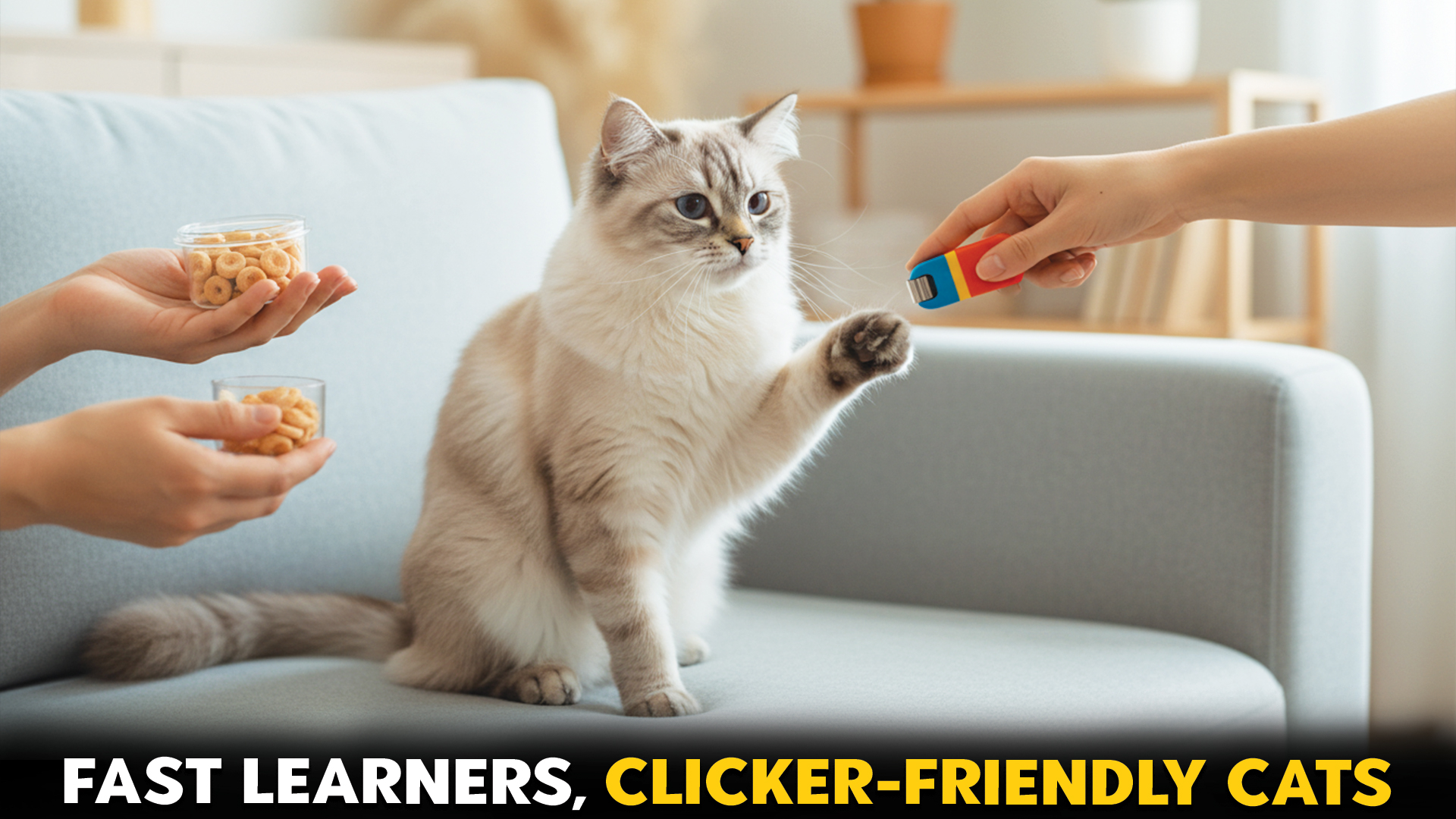
Cats may have a reputation for independence, but many are far more trainable than they get credit for. Clicker training for cats uses a small device that makes a distinct “click” sound to mark a desired behavior, followed by a reward.
Over time, your cat learns to associate the sound with positive outcomes, making it easier to teach skills like sitting, coming when called, or calmly entering a carrier.
Highly intelligent, people-oriented cats often see training sessions as interactive play rather than a chore. Breeds known for curiosity, problem-solving abilities, and strong bonds with their humans tend to excel when given structured learning opportunities.
Traits that make a cat easy to train include high energy, food motivation, confidence, and a love of mental stimulation. For these clever felines, clicker training isn’t just about obedience—it’s a rewarding game that strengthens the connection between cat and owner.
Cat Breeds That Are Good for Clicker Training
1. Abyssinian
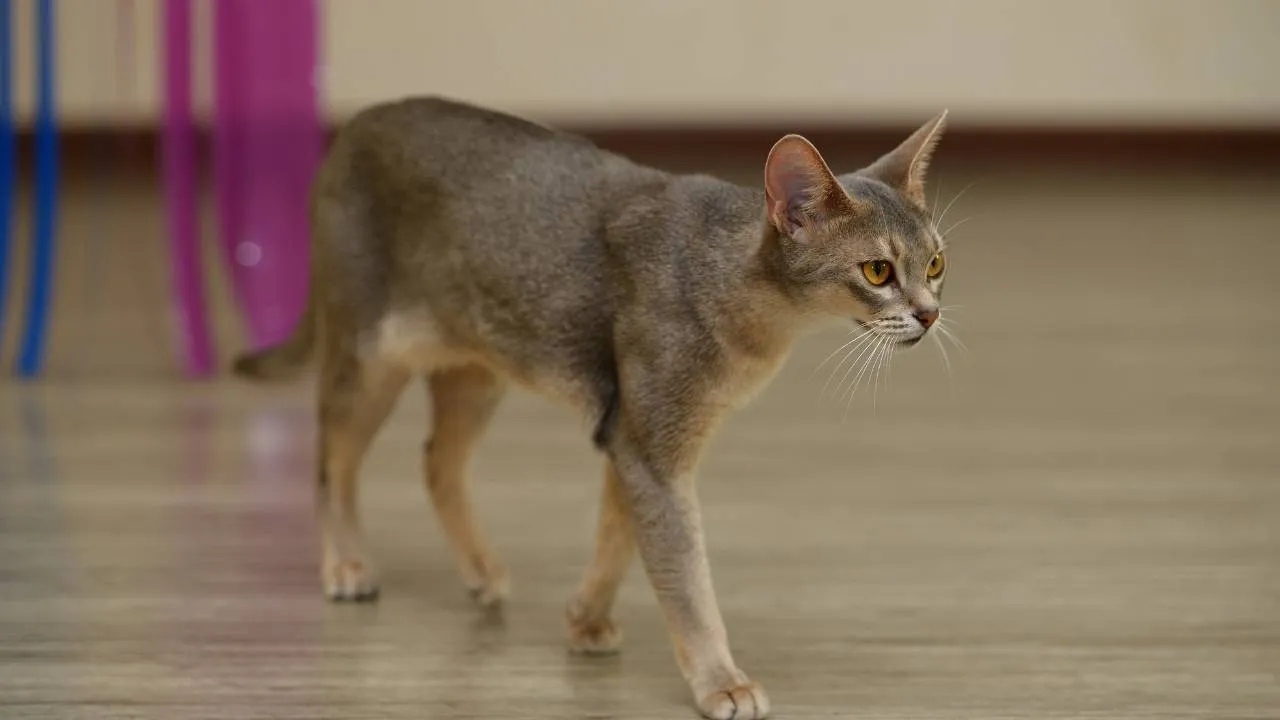
The Abyssinian, sometimes affectionately nicknamed the “Aby,” is admired for its sleek, athletic build and distinctive ticked coat.
According to PetMD, all Abyssinian cats possess an agouti coat in which each hair contains multiple color bands, including dark and light sections with a dark tip, resulting in a silky, ticked, salt-and-pepper appearance.
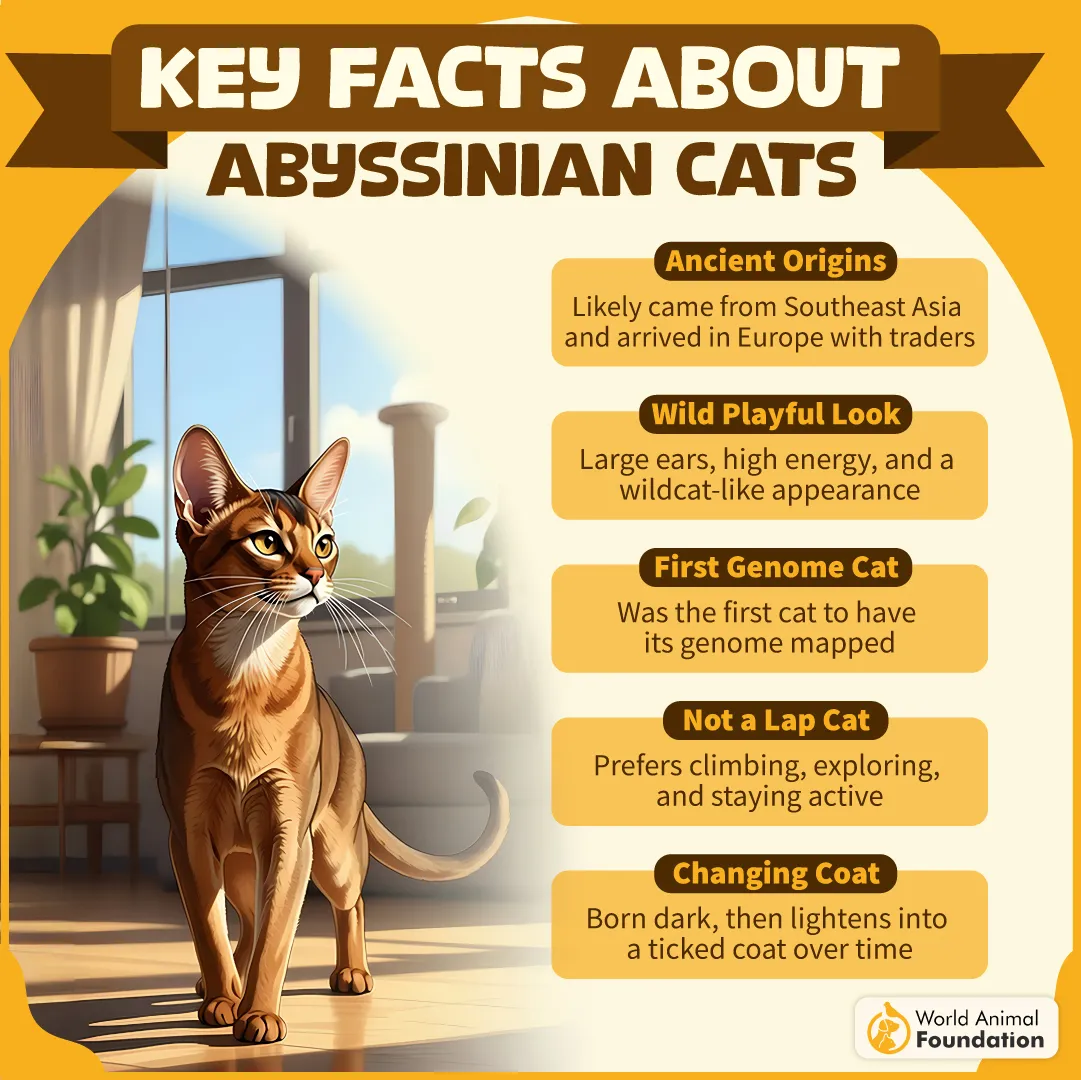
Highly Intelligent and Quick to Learn
Abyssinians are famously clever and endlessly curious, rarely content to sit idle. Their active minds crave stimulation, making clicker training an ideal outlet for their intelligence and enthusiasm.
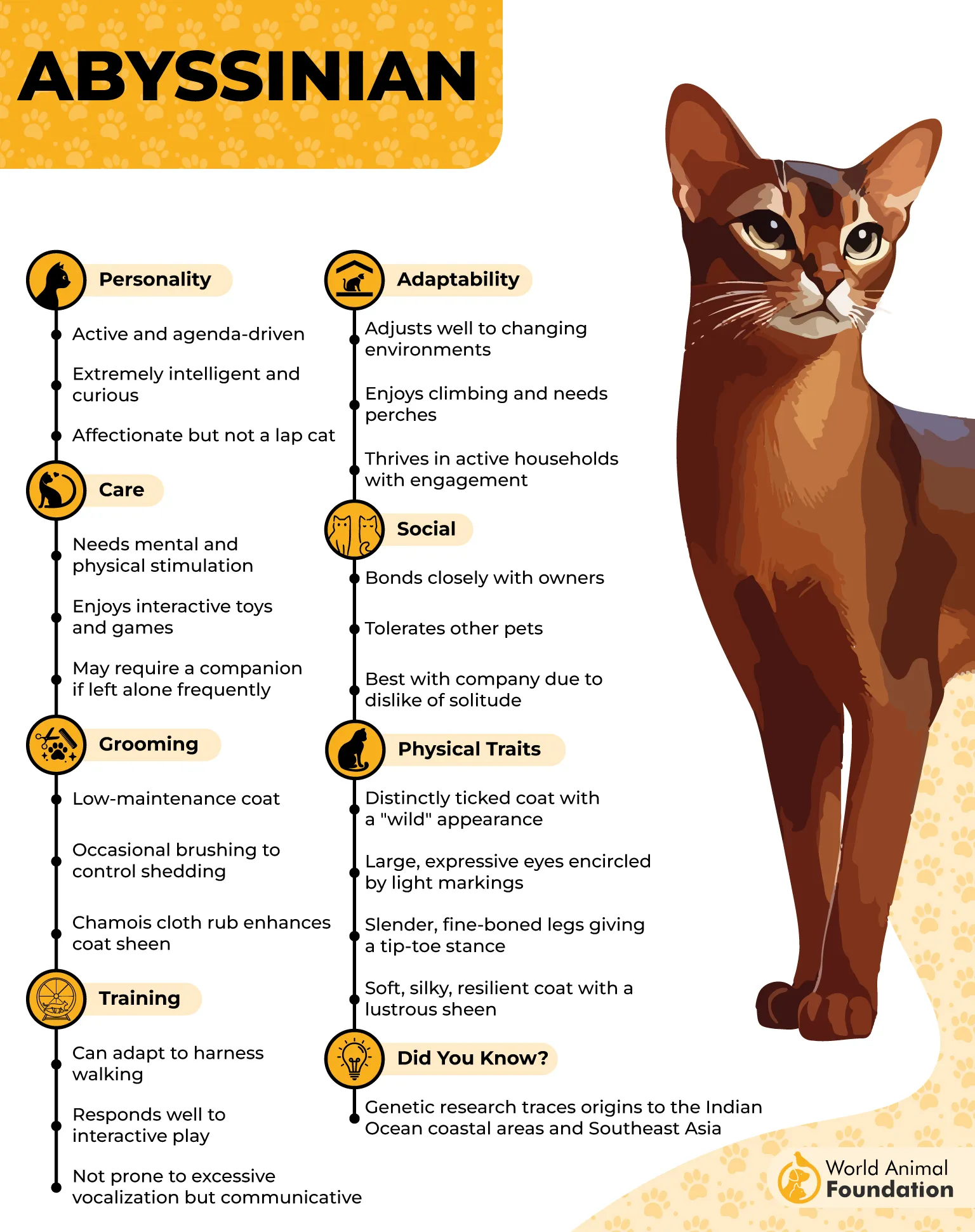
Quick to connect actions with rewards, they respond especially well to positive reinforcement and interactive sessions. Puzzle toys, trick training, and even leash practice can keep them mentally engaged and eager to participate.
Naturally investigative—sometimes playfully called “Aby-grabbys” for snatching interesting objects—they thrive when given challenges to solve. Their unique ticked coat features alternating light and dark bands on each hair shaft, creating a warm, wild-like glow.
2. Bengal
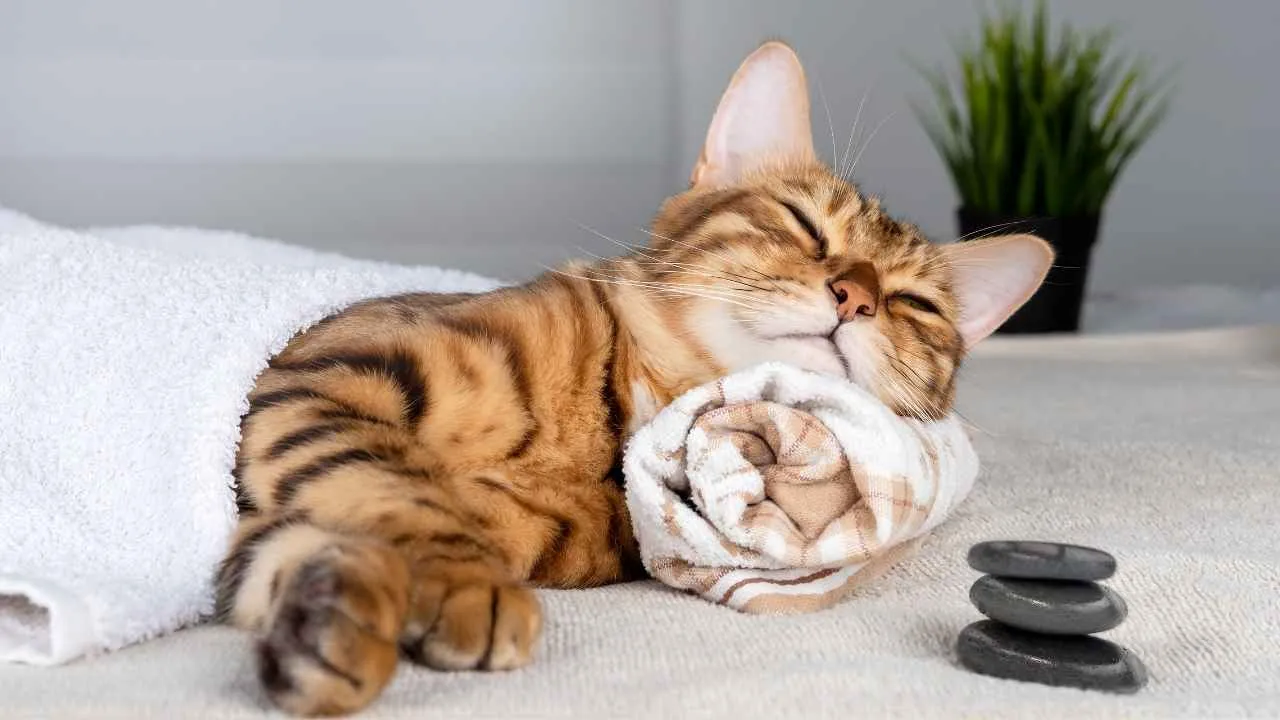
The Bengal, sometimes admired for its leopard-like rosettes and glittering coat, is a striking breed with a muscular, athletic build.
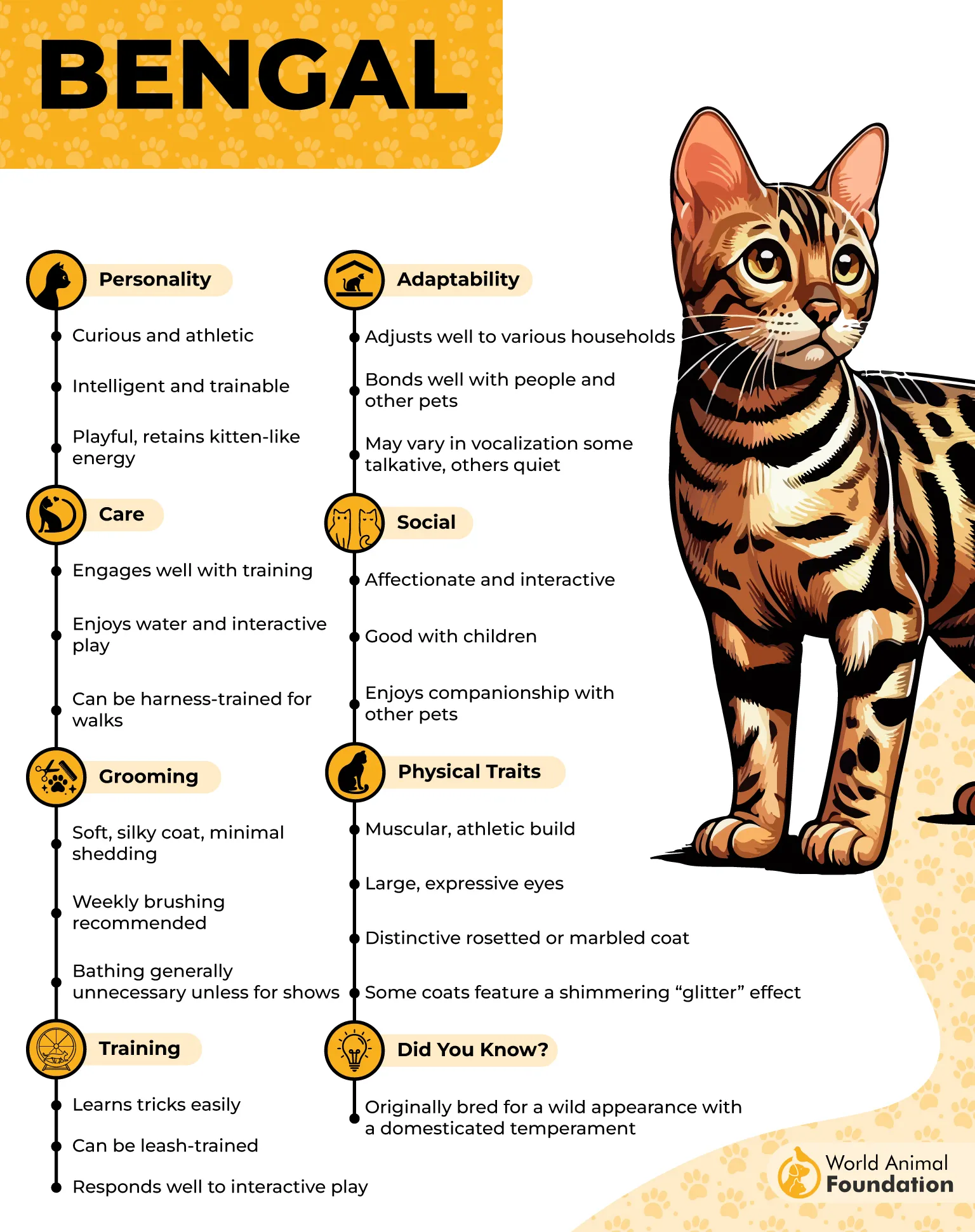
Descended from crosses with the Asian leopard cat, this energetic feline blends exotic looks with sharp intelligence. According to Petplan, Bengals are consistently energetic cats, often displaying a slightly mischievous nature.
Energetic and Motivated by Rewards
Bengals are famously trainable, thanks to their curiosity and love of mental challenges. Clicker training suits them perfectly, as they quickly connect the sound with treats and enthusiastically repeat rewarded behaviors.
Their high energy levels mean they enjoy learning tricks such as sit, stay, or even navigating simple agility setups. With consistent positive reinforcement, many Bengals can also master leash walking for supervised outdoor adventures.
Early socialization and structured play help channel their lively spirit into productive learning. Some Bengals have a unique “glitter” effect in their short, dense coat, which sparkles in natural light and enhances their wild appearance.
3. American shorthair
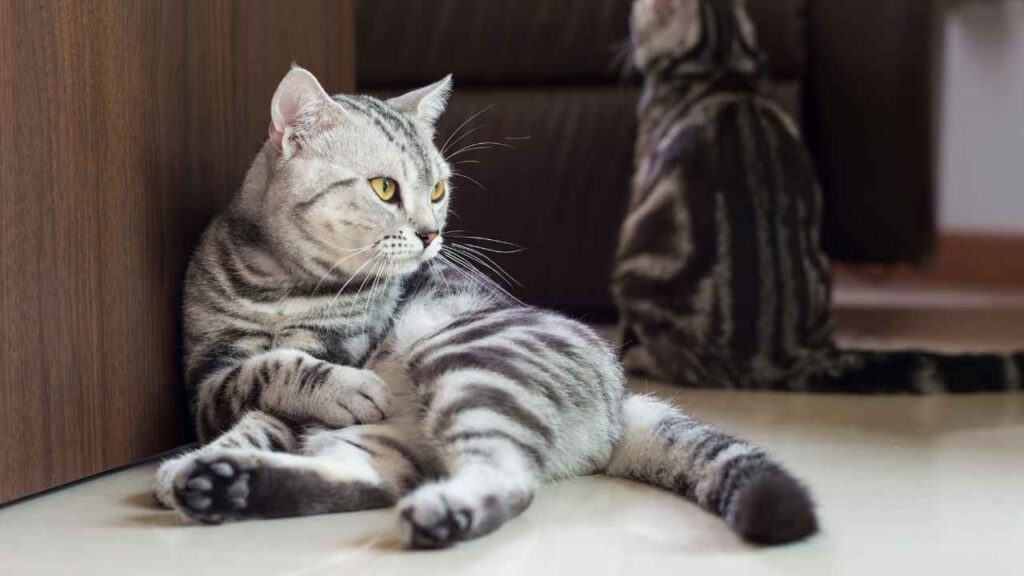
The American Shorthair, sometimes simply called the ASH, is a classic all-American breed admired for its sturdy build and diverse coat patterns.
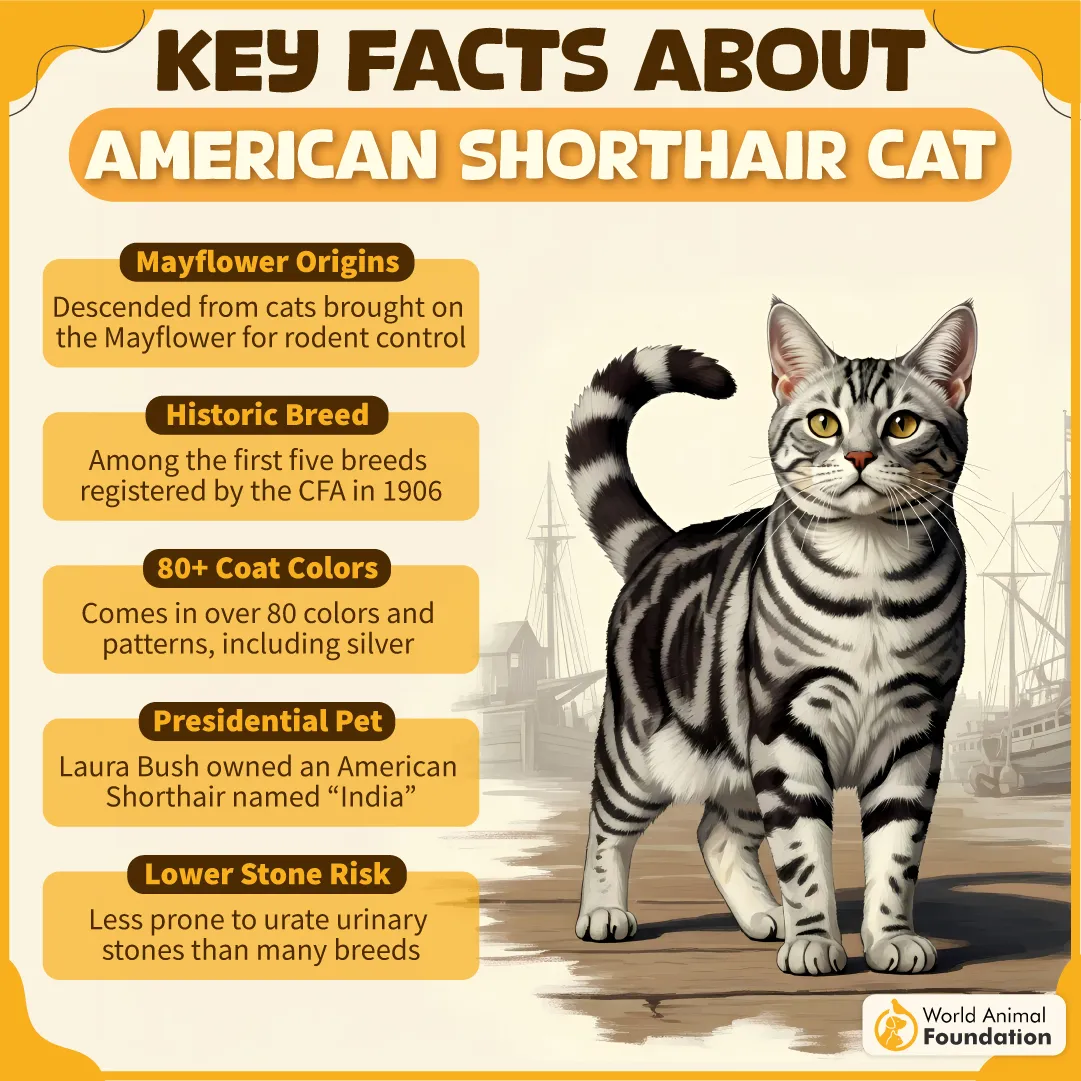
Originally valued for its hunting skills, this adaptable cat is now cherished for its balanced temperament and friendly disposition. According to Hill’s Pet, the American Shorthair is a medium-sized cat with a notably strong and powerful build
Social and Eager to Please
American Shorthairs are playful yet laid-back, making them receptive to structured training sessions. Their intelligence and steady focus allow them to grasp clicker cues quickly, especially when treats and praise are involved.
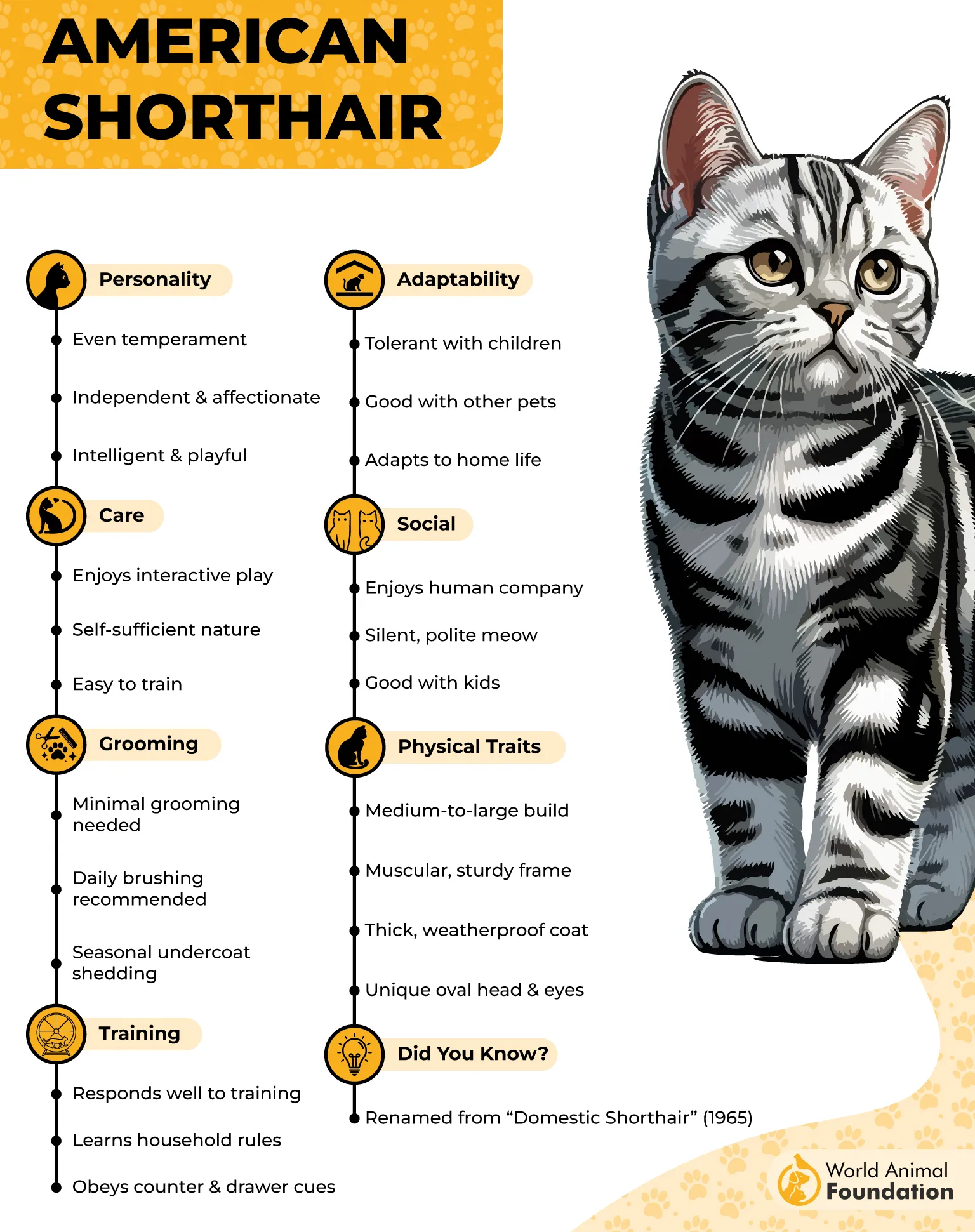
Early socialization helps them grow into confident, outgoing companions who adjust easily to new people and environments. This adaptability makes training less stressful and more enjoyable for both cat and owner.
Athletic and curious, they may even enjoy activities like jumping to target spots or walking on a harness. American Shorthairs thrive with interactive toys, which provide both mental stimulation and a productive outlet for their natural athleticism.
4. Maine coon
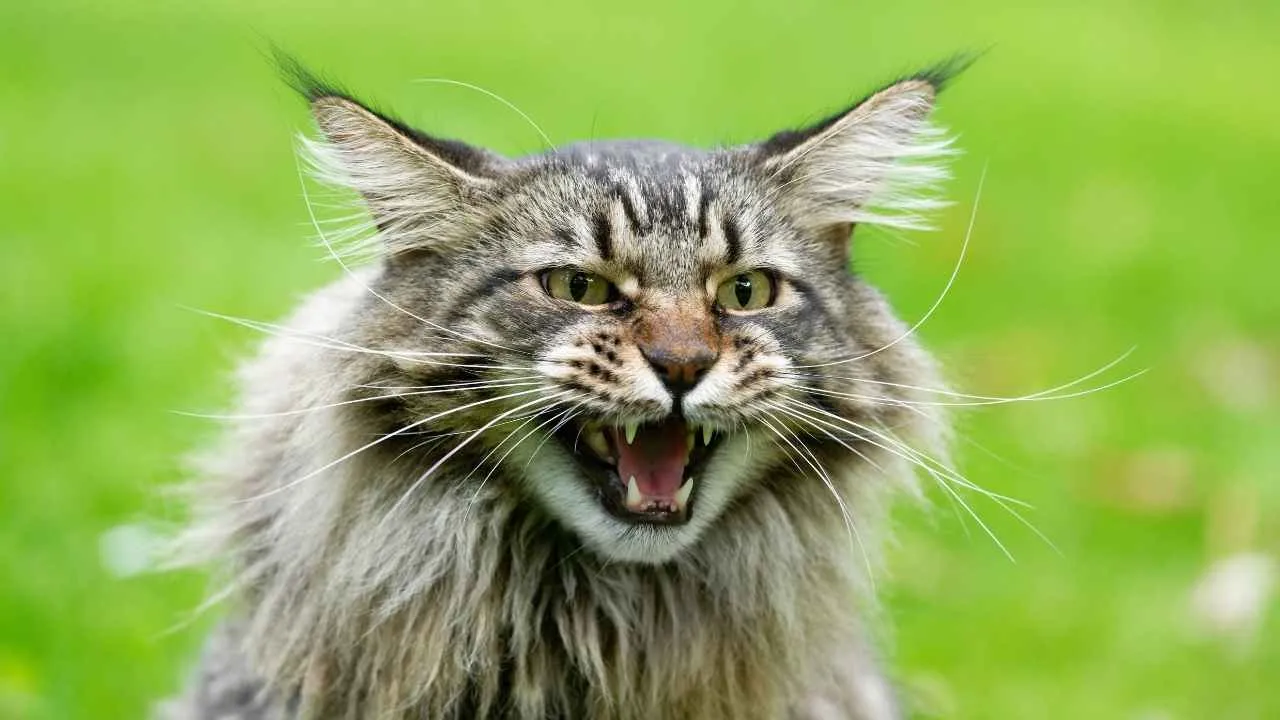
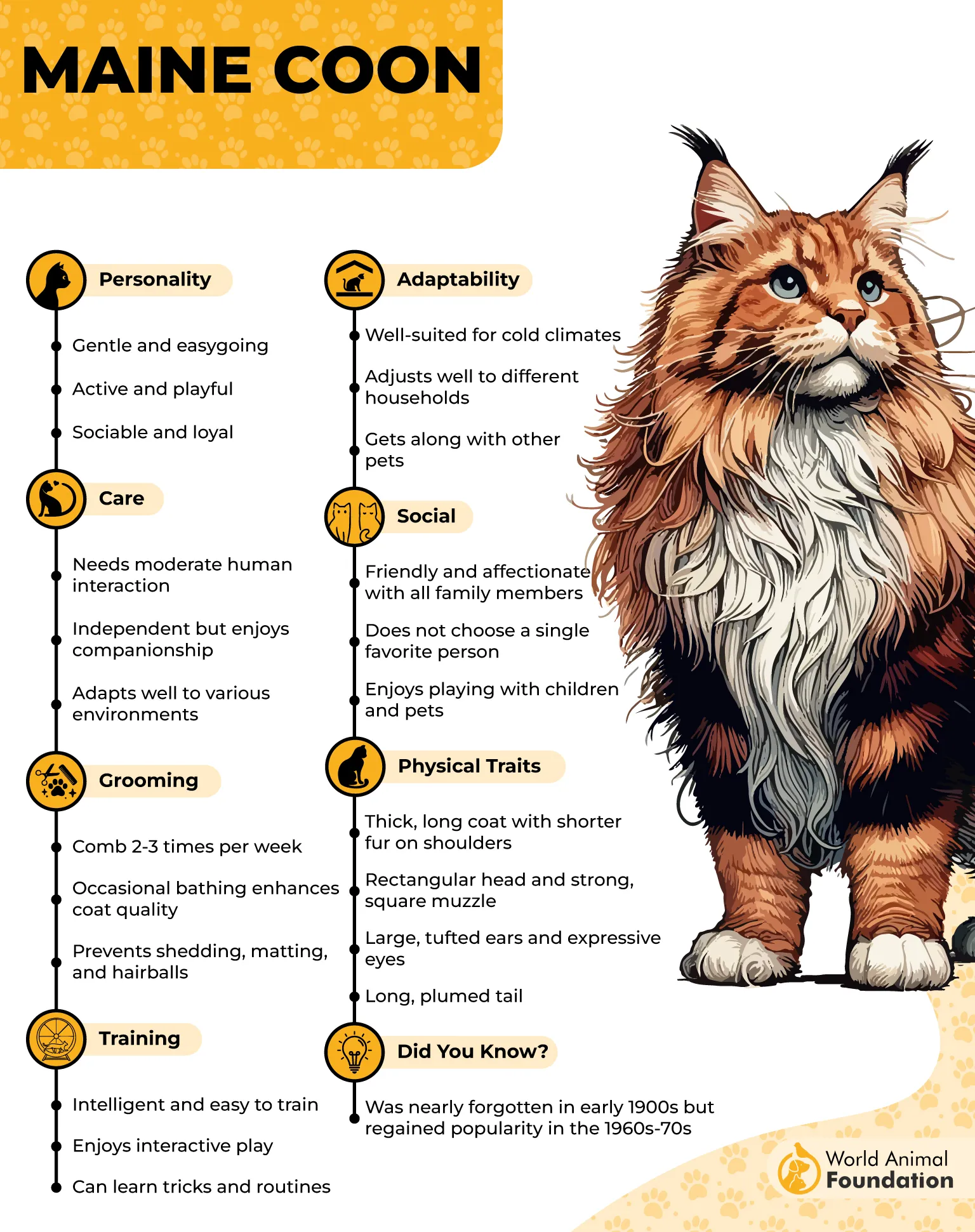
The Maine Coon, often called the “gentle giant,” is one of the largest domesticated cat breeds, admired for its tufted ears, bushy tail, and sociable nature. Beneath its rugged appearance lies a friendly, intelligent companion eager to engage with its family.
Curious and Problem-Solving Oriented
Maine Coons are naturally inquisitive and benefit from daily interaction to stay mentally and physically satisfied. Clicker training provides both enrichment and exercise, helping channel their curiosity into positive learning experiences.
Highly intelligent, they quickly grasp commands when rewarded with treats and praise. From simple recall to playful tricks like high-fives or fetch, they often approach training as an enjoyable challenge rather than a task.
Though they appreciate downtime lounging in sunny spots, structured sessions keep their minds sharp. Maine Coons can learn to walk on a leash with consistent positive reinforcement, showcasing both their adaptability and trainability.
5. Siamese

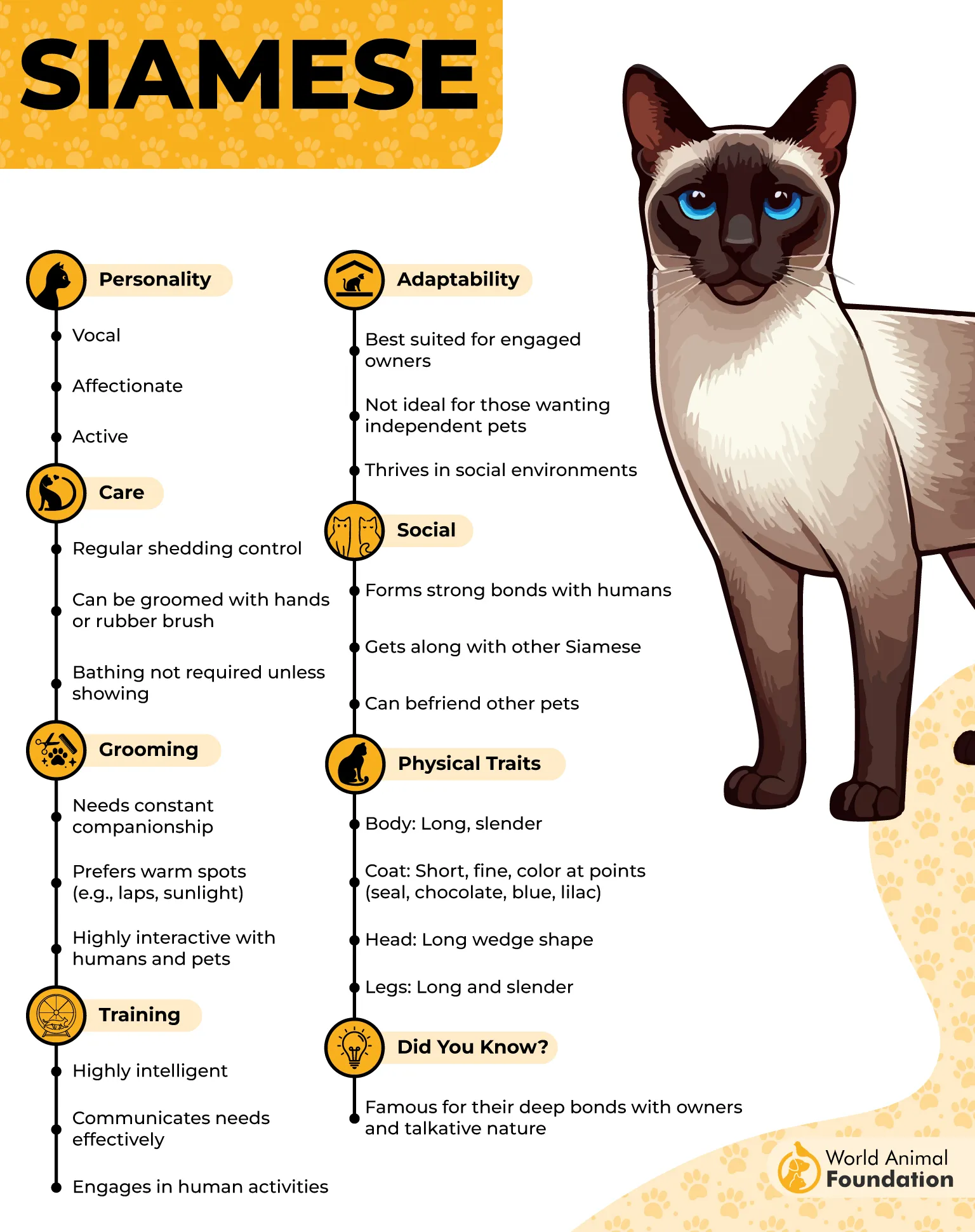
The Siamese, sometimes referred to as the Royal Cat of Thailand, is instantly recognizable by its sleek frame, large ears, and vivid blue eyes. With signature color points in seal, chocolate, lilac, or blue, this elegant breed carries both history and charisma.
Playful with Strong Focus Skills
Highly intelligent and energetic, Siamese cats excel at clicker training when sessions are engaging and interactive. Their sharp minds quickly connect the click sound with rewards, making them fast learners eager to master new cues.
These spunky felines thrive on daily enrichment and one-on-one bonding. Training provides both mental stimulation and focused attention—two things a Siamese values deeply.
Because they form strong attachments to their humans, they often stay closely involved during practice, watching and responding with intent. Siamese cats were once believed to guard temples in Thailand, adding a regal legacy to their already captivating presence.
6. Burmese
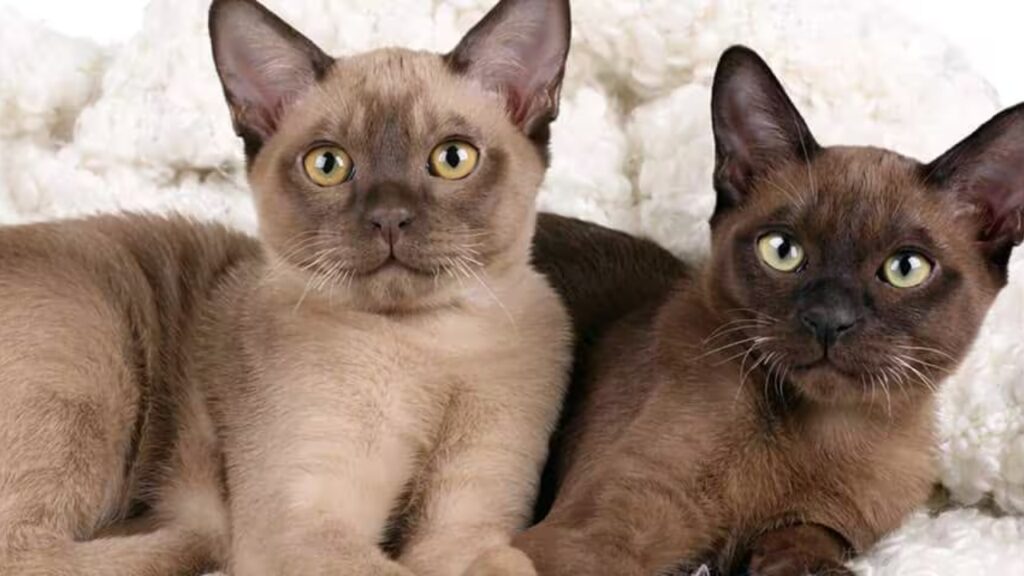
The Burmese, sometimes admired for its temple origins in Burma, is known for its sleek coat, expressive eyes, and lively spirit. This confident, people-focused breed keeps its playful, kitten-like energy well into adulthood.
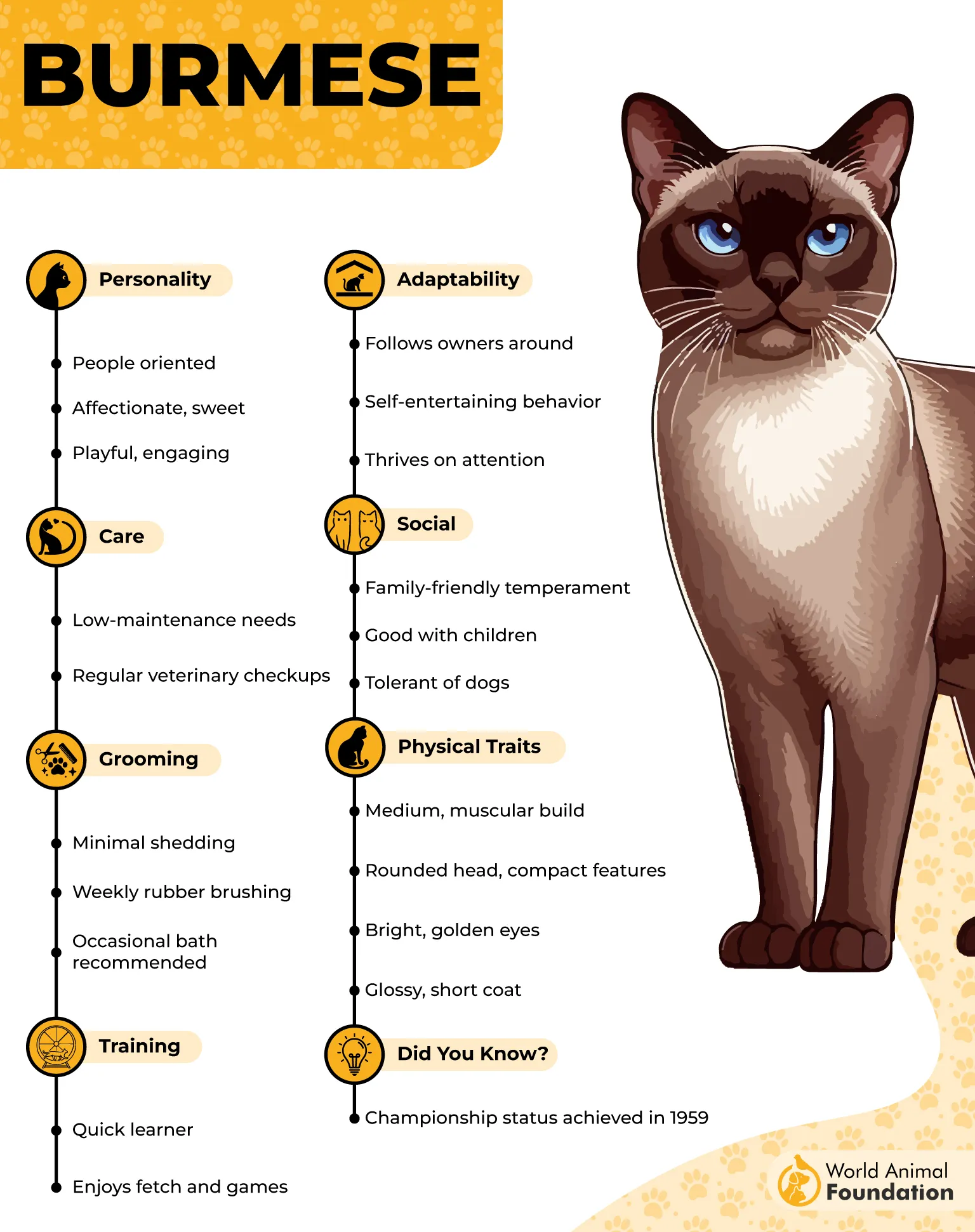
Confident and Responsive to Cues
Burmese cats are highly interactive and thrive on attention from their families. Their eagerness to engage makes clicker training especially effective, as they quickly associate cues with praise and treats.
Naturally curious and bold, they approach new challenges with enthusiasm rather than hesitation. This confidence allows them to master commands, tricks, and even more complex tasks through consistent positive reinforcement.
Because they love being involved, training sessions double as bonding time. Burmese cats often retain their spirited, playful personalities throughout their lives, making learning feel like a game rather than a chore.
7. Scottish Fold
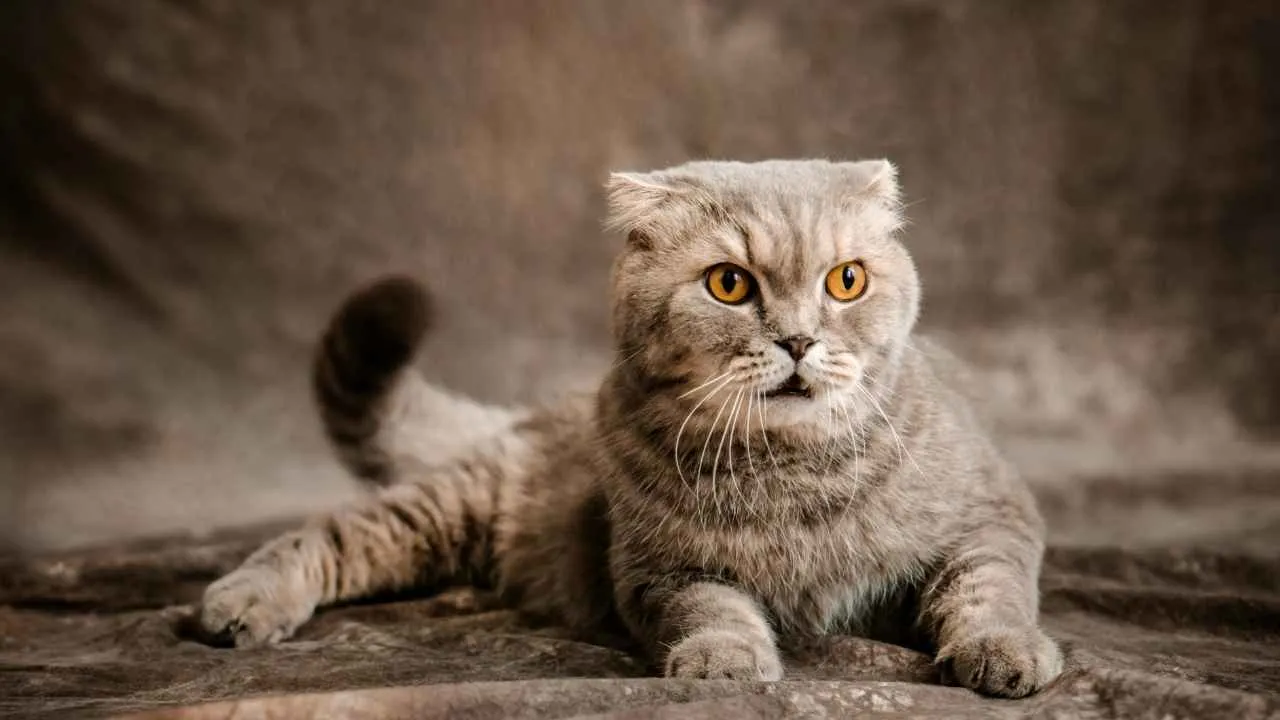
The Scottish Fold, sometimes called the Highland Fold in its longhaired variety, is instantly recognized by its signature folded ears and rounded, owl-like expression. Originating in Scotland in the 1960s, this plush-coated breed pairs a distinctive look with a calm and affectionate temperament.

Affectionate and Training-Friendly
Scottish Folds are gentle, observant cats who respond well to patient, reward-based clicker training. Their steady focus and love of praise make it easier for them to connect the click sound with positive outcomes.
Though quietly playful, they enjoy learning small tricks and routines, especially when treats or affection are involved. Their adaptable nature helps them adjust quickly to new cues and environments, supporting consistent progress during training sessions.
Because they bond closely with their families, they are often eager to participate in interactive activities. Scottish Folds are widely regarded as intelligent and quick to pick up new skills, from responding to their name to mastering litter habits.
Conclusion
Clicker-based cat training proves that felines can be just as responsive as dogs when given the right motivation. These breeds stand out among the best cat breeds for learning cat tricks, leash training, and even advanced behaviors using a target stick.
Because many are highly intelligent and food motivated, it’s easier to start clicker training by marking the exact moment a desired action happens and following it with a food reward—whether that’s dry food or a favorite treat.
Training your cat is a fun way to build trust, especially with a new kitten adjusting to the litter box, other pets, or even cat school-style sessions at home.
From a simple fist bump to more impressive new tricks, consistency matters—especially when training multiple cats. With patience and positive reinforcement, these breeds turn learning into an enjoyable shared experience.
