




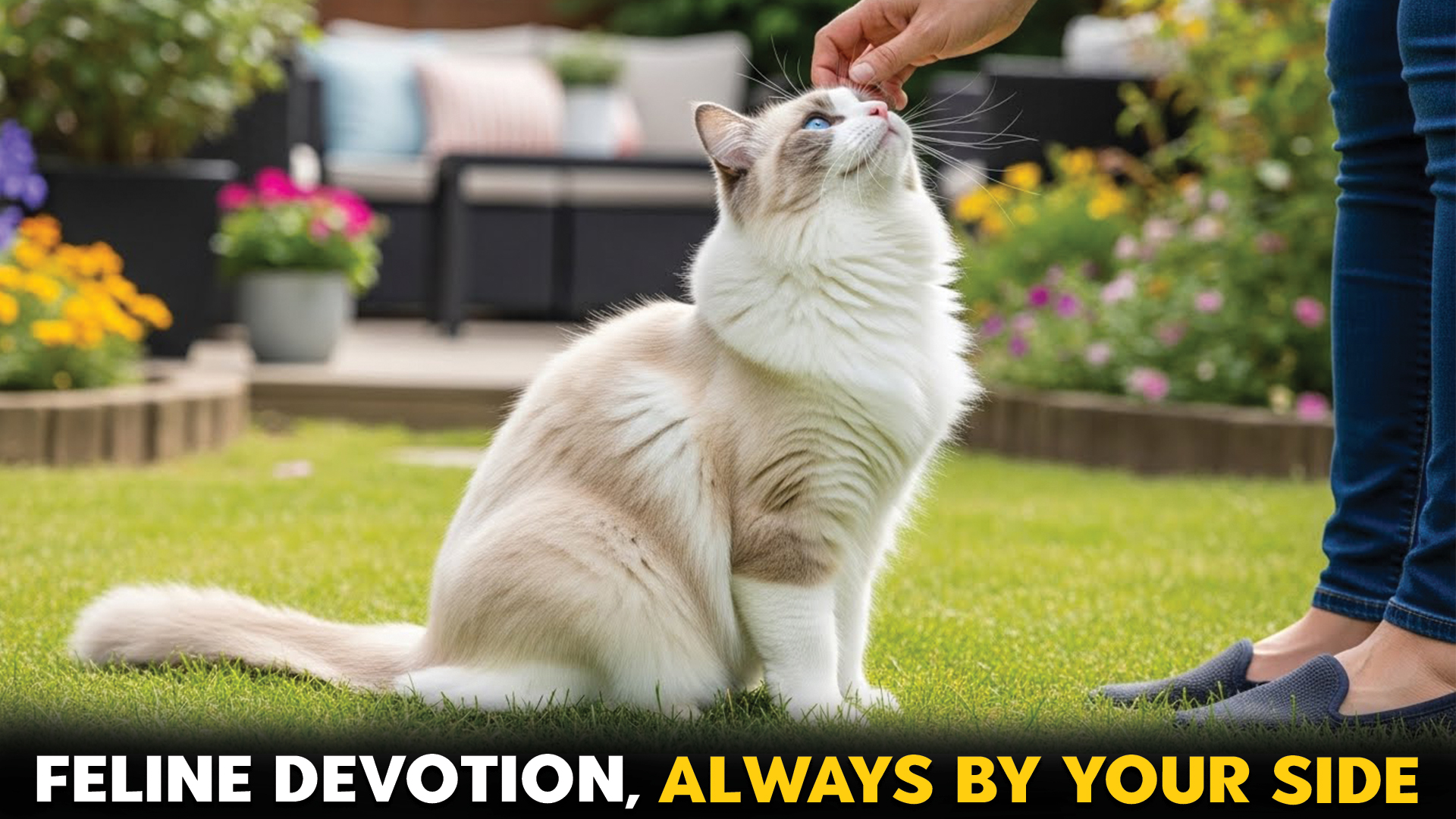
Cats may have a reputation for independence, but loyalty in felines simply looks different from it does in dogs. Instead of constant attention, a loyal cat shows devotion through quiet companionship, following their favorite person from room to room, or choosing the same lap day after day. These subtle gestures often speak louder than overt affection, revealing a bond built on trust rather than obligation.
Some cat breeds are especially known for forming deep emotional connections with their humans. These cats don’t just share a home—they choose their people. Loyalty can show up as protective behavior, separation distress, or a strong preference for one individual over everyone else. For these breeds, human connection isn’t optional; it’s essential to their emotional well-being.
Understanding why certain cat breeds form stronger bonds comes down to temperament, history, and selective breeding. Over time, some cats have developed traits that encourage close relationships, making them attentive, affectionate, and remarkably devoted. In this article, we’ll explore cat breeds that are celebrated for their unwavering loyalty and the unique ways they show it.
Cat Breeds That Are Extremely Loyal
1. Ragdoll
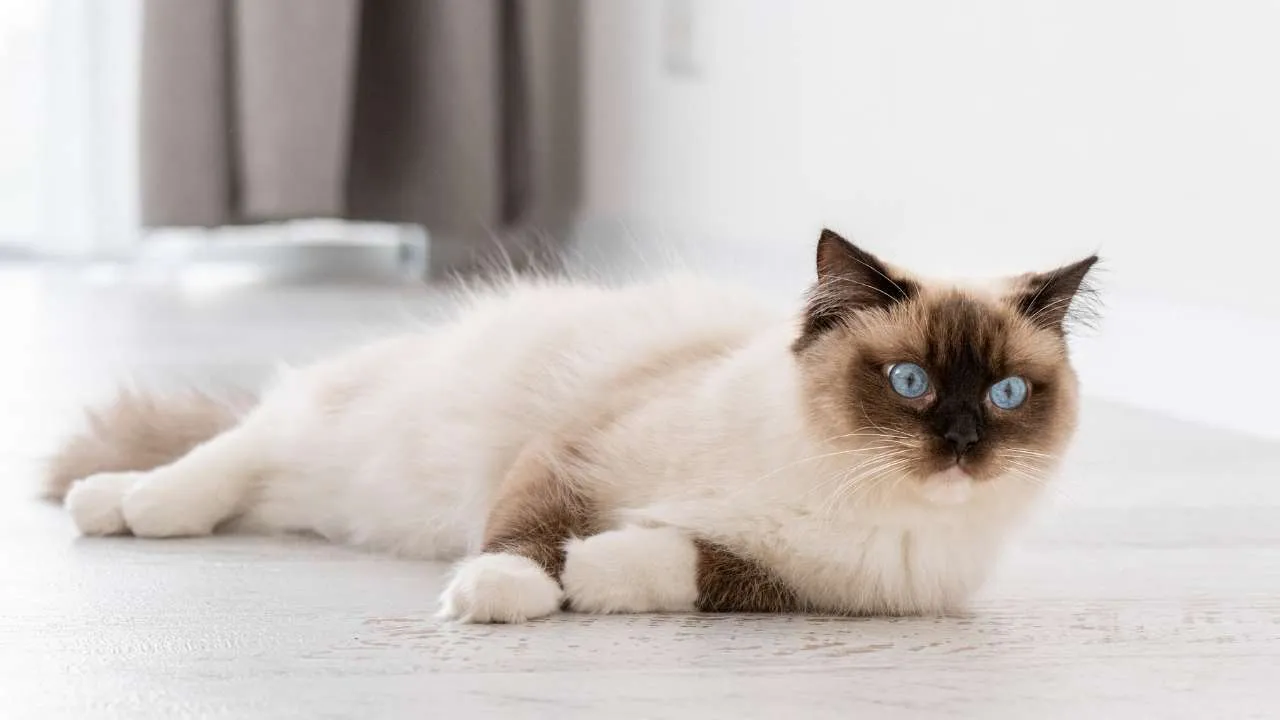
Often called “puppy cats,” Ragdolls—also known as the Ragdoll Cat—are instantly recognizable for their large size, blue eyes, and soft, semi-long coats. Developed in the United States, they’re famous for going limp when held and for their deeply people-oriented nature.
According to Britannica, the Ragdoll is a long-haired cat breed noted for fully relaxing its muscles when lifted, making it resemble a limp rag doll.
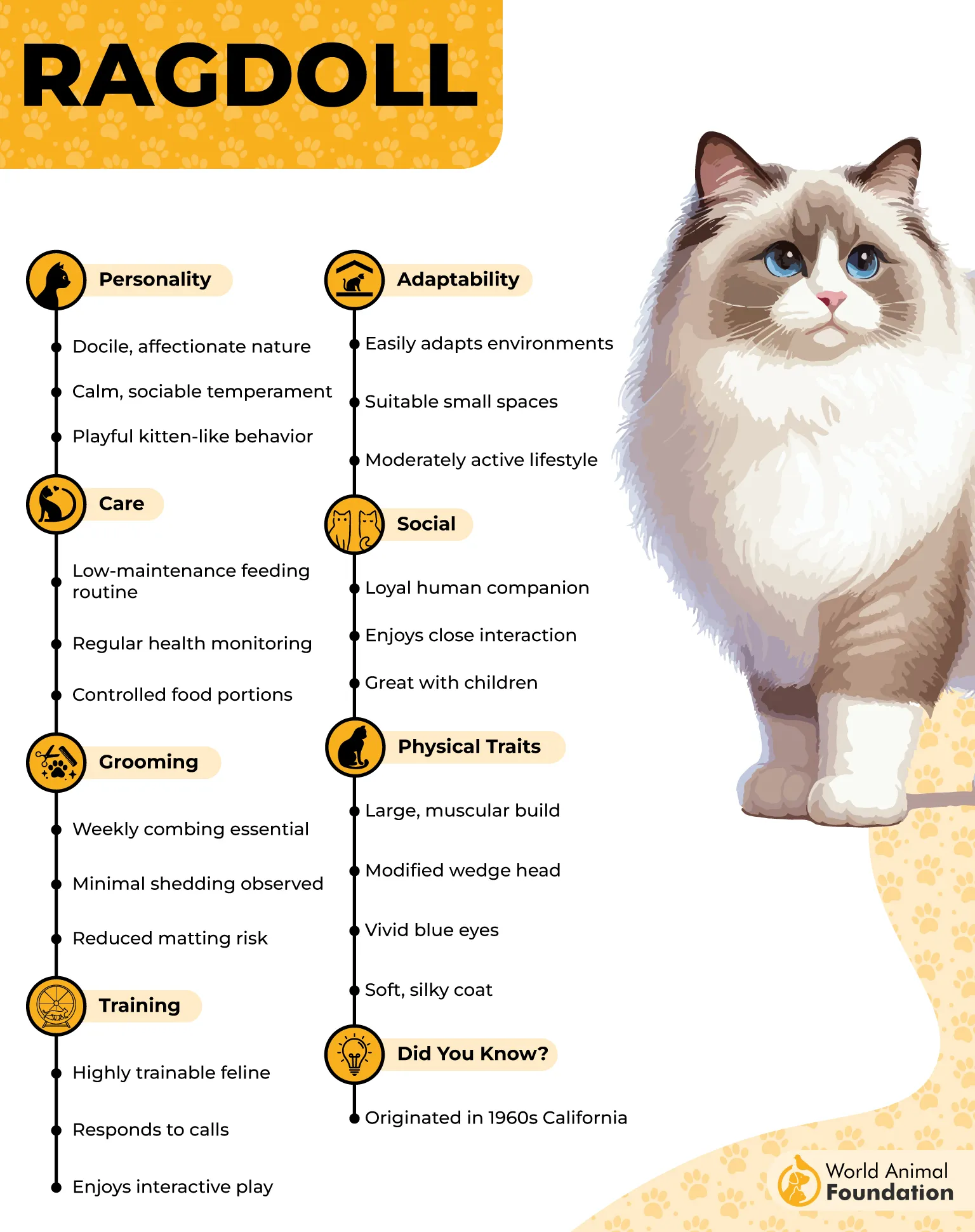
Ragdolls show loyalty by shadowing their favorite person throughout the home, greeting them at the door, and settling nearby whenever possible. This breed thrives on constant companionship and clearly prefers being part of daily routines rather than observing from afar.
Their devotion is gentle rather than demanding, making them ideal for families or individuals who enjoy close bonds. Ragdolls adapt well to children, other cats, and even dogs, often adjusting their play style to match each household member.
Because they dislike being alone for long stretches, Ragdolls are best suited to homes where someone is around most of the day.
Fact: Ragdolls are intelligent enough to learn games like fetch and are known for being exceptionally tolerant with children.
2. Siamese
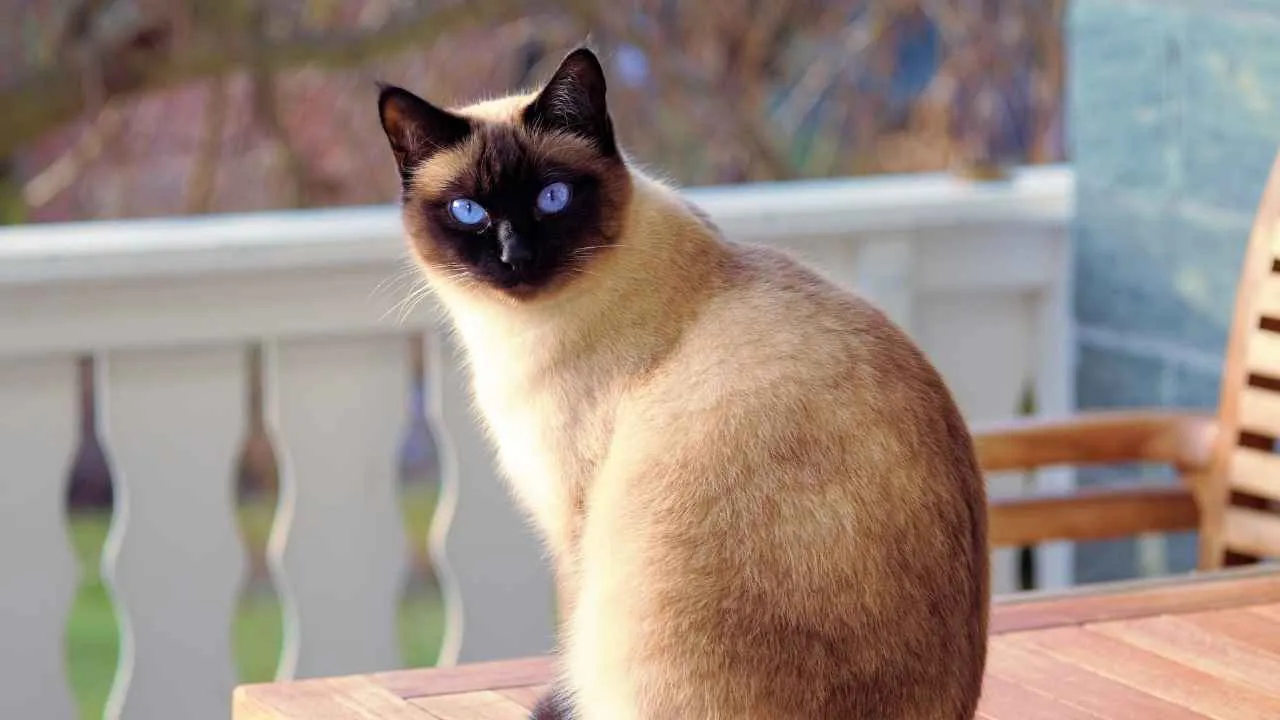
The Siamese, also known as the Thai cat or Wichien-Maat, is one of the oldest and most recognizable cat breeds, originating in Siam (modern-day Thailand).
According to PetMD, Siamese cats were once so highly regarded that only royalty was allowed to keep them as companions. With their sleek bodies, wedge-shaped heads, and striking blue eyes, they are instantly identifiable.
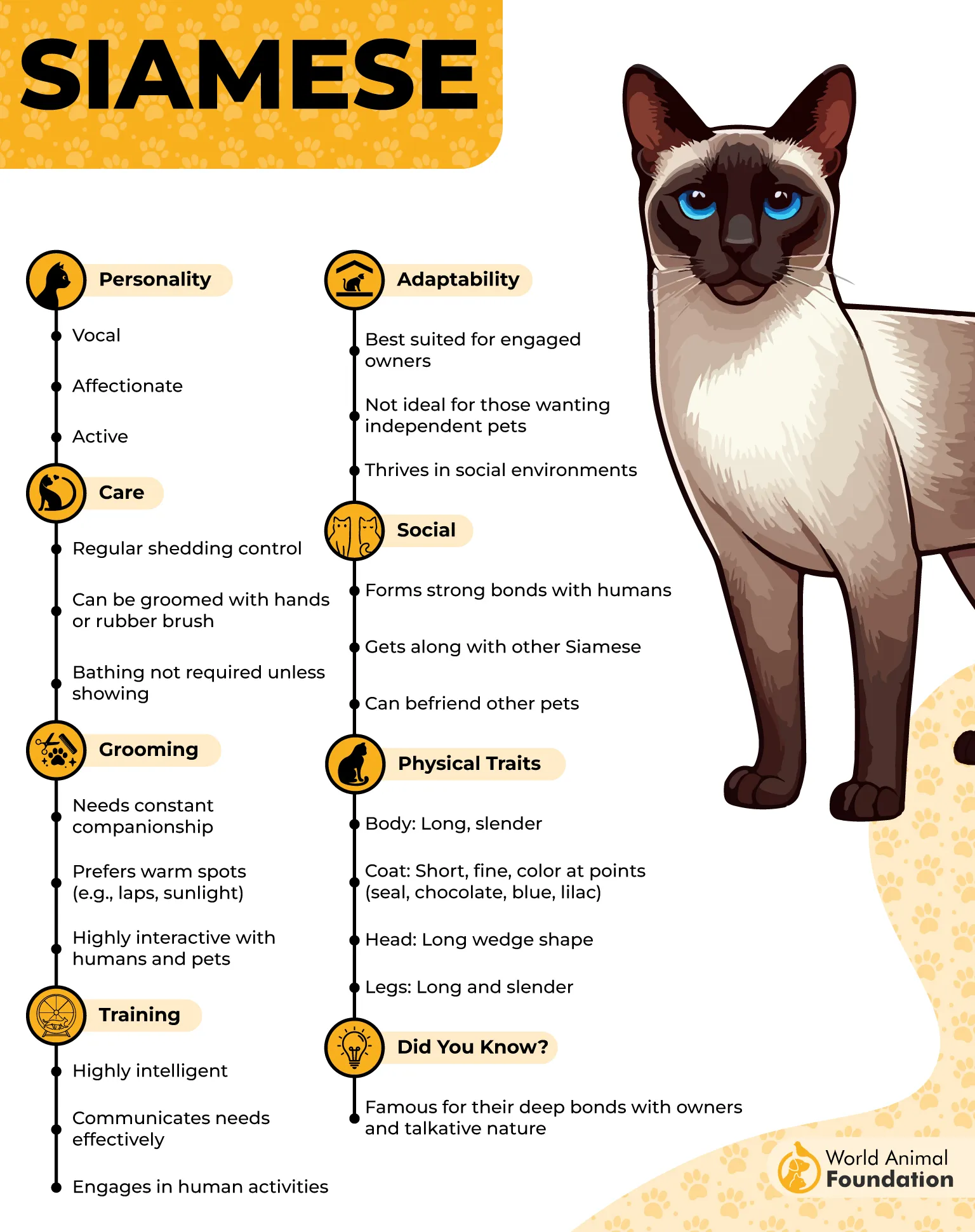
When it comes to loyalty, Siamese cats are famously people-focused. They thrive on constant companionship and are rarely far from their chosen human, following them from room to room as if on duty. Their devotion often centers on one person, creating an intense, affectionate bond.
Highly vocal and expressive, Siamese cats use their wide range of sounds to communicate needs, emotions, and opinions. This attentiveness makes them feel deeply engaged in daily life, reinforcing their reputation as one of the most loyal and emotionally connected breeds.
They also seek physical closeness, frequently curling up on laps or sleeping under the covers at night.
Fact: The Siamese was officially recognized by the Cat Fanciers’ Association in 1906 and is considered one of the most intelligent and vocal domestic cat breeds.
3. Maine Coon
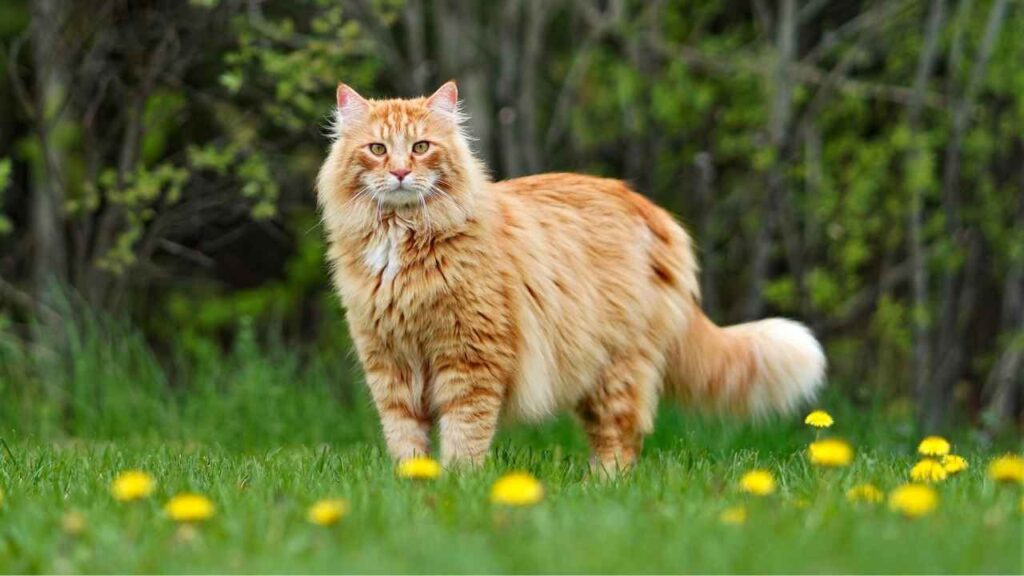
The Maine Coon, often called the American Longhair or lovingly known as the gentle giant, is one of the largest domestic cat breeds, instantly recognizable by its tufted ears, bushy tail, and rugged good looks.
According to WebMD, Maine Coon cats are known for their affectionate and friendly nature. Despite their impressive size, these cats are famously soft-hearted and people-oriented.
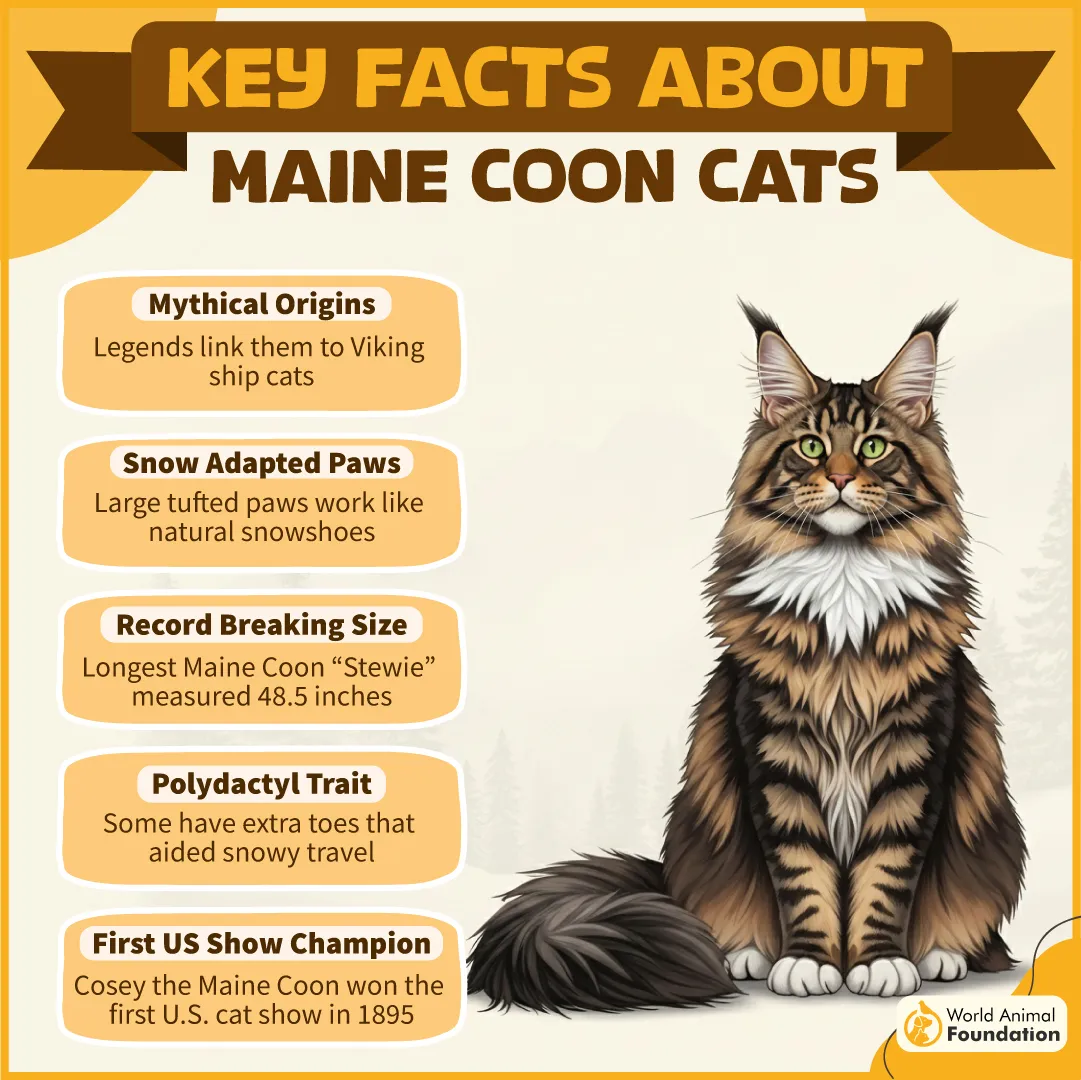
When it comes to loyalty, Maine Coons tend to form deep emotional bonds with their humans. Rather than demanding constant attention, they show devotion by shadowing their favorite person from room to room, quietly staying close as a steady presence throughout the day.
Their intelligence and playful, almost clownish personality strengthen that bond even further. Maine Coons enjoy “helping” with daily activities, responding to voices, and engaging in interactive play, all of which reinforce their attachment to the people they trust most.
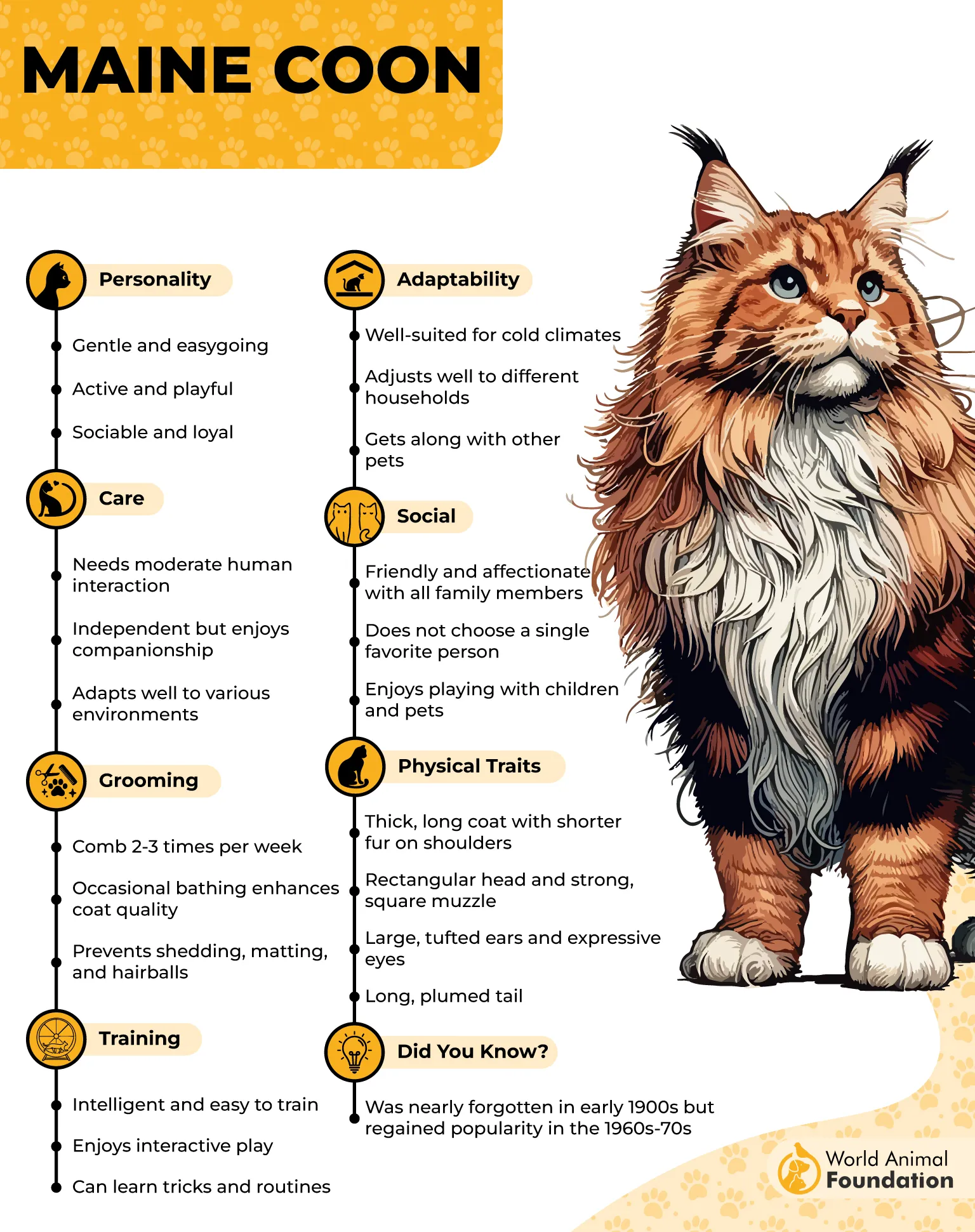
Although friendly with children, other cats, and even dogs, many Maine Coons still develop a special attachment to one person they rely on most for comfort and security.
Fact: Maine Coons are known to follow their family members around the house as constant companions rather than typical lap cats.
4. Burmese
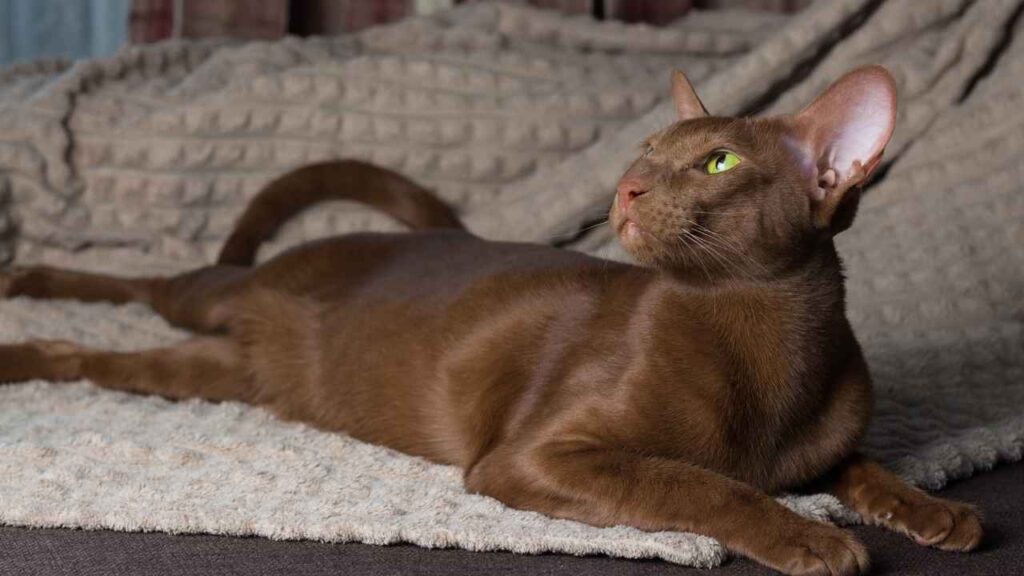
Often called the Burmese or closely linked to the Bombay in lineage, this breed is instantly recognizable for its sleek coat, expressive eyes, and people-centered nature.
They crave human companionship and prefer staying close to their favorite person throughout the day. Whether following you from room to room or settling beside you during quiet moments, they thrive on constant presence rather than independence.
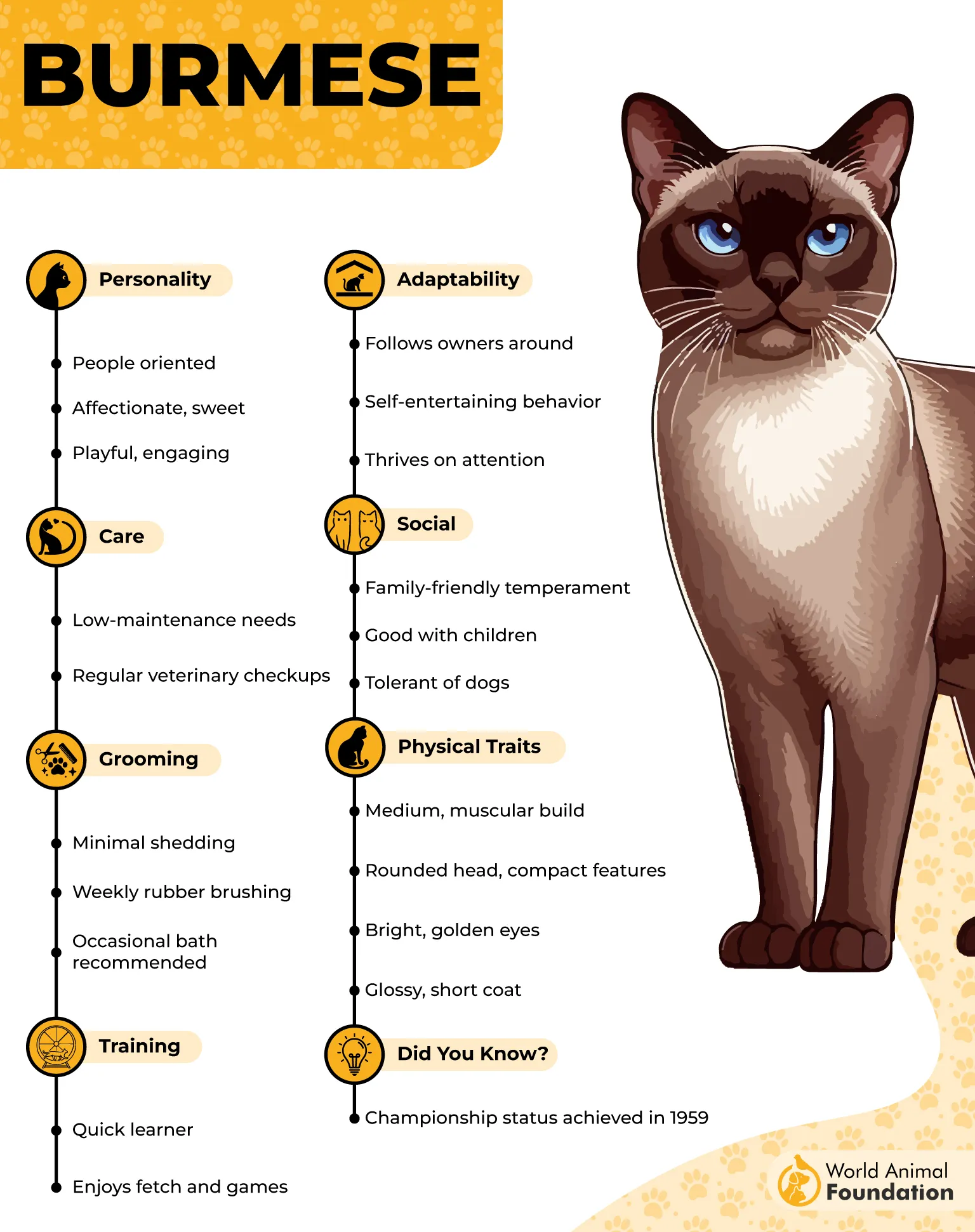
This breed is famously interactive and playful, often behaving in ways people describe as dog-like. Burmese cats happily perch on shoulders, curl up in laps, and even tuck themselves under blankets at night, reinforcing their reputation as deeply devoted companions.
Their loyalty is also expressed vocally and emotionally. Burmese cats communicate frequently through meows and purrs to engage with their humans and stay connected.
Fact: Burmese cats are known to greet both family members and visitors with enthusiastic affection, treating everyone as part of their inner circle.
5. Scottish Fold
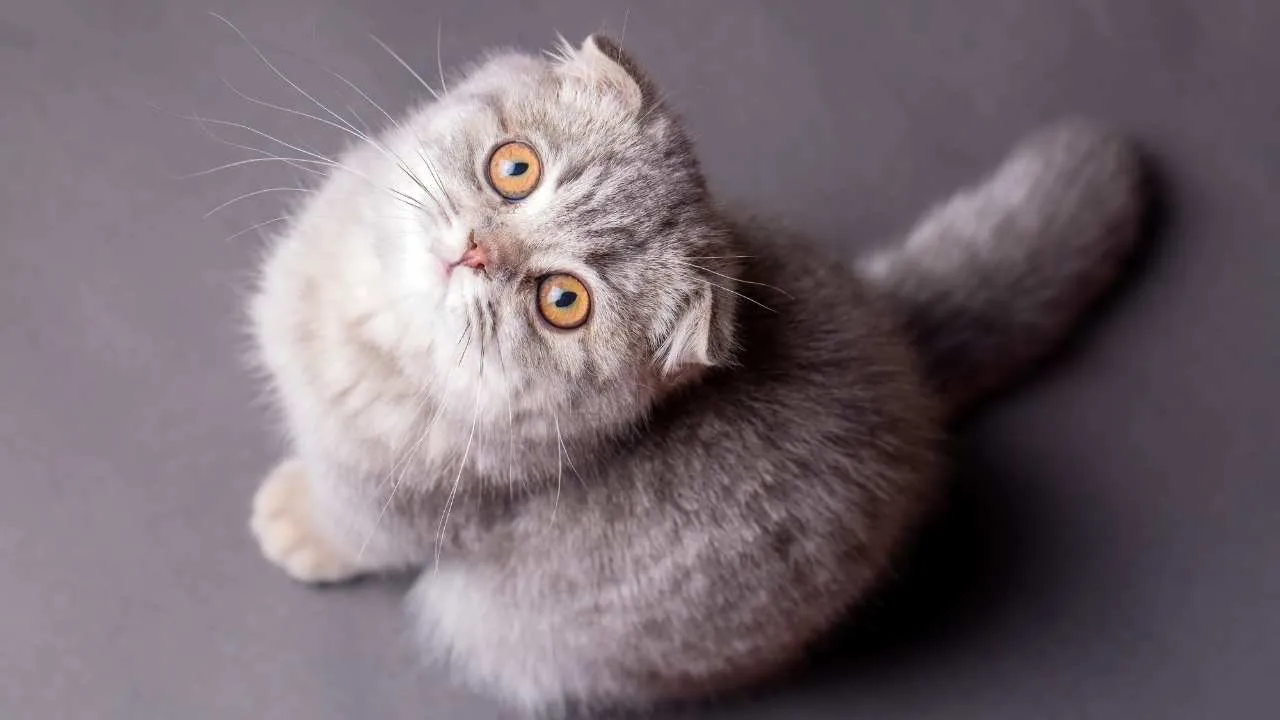
The Scottish Fold, sometimes called the Scottish Lop, is instantly recognized for its forward-folded ears caused by a natural genetic mutation first noted in Scotland in 1961. This medium-sized, solidly built cat has a sweet expression and an affectionate, people-centered temperament.

True to their reputation for loyalty, Scottish Folds often form a powerful attachment to their owners. They prefer staying close, quietly trailing their favorite person from room to room and observing daily life with calm curiosity rather than high-energy antics.
Unlike more independent breeds, Scottish Folds crave companionship and do poorly when left alone for long stretches. They enjoy shared routines, relaxed play sessions, and gentle affection, making them especially devoted to households where someone is usually home.
Their loyalty also shows in how they communicate—soft purrs, chirps, and subtle vocalizations are often reserved for the people they trust most.
Fact: Scottish Folds are known for being intelligent, inquisitive, and less active than many breeds, but exceptionally loyal to their families.
6. Sphynx
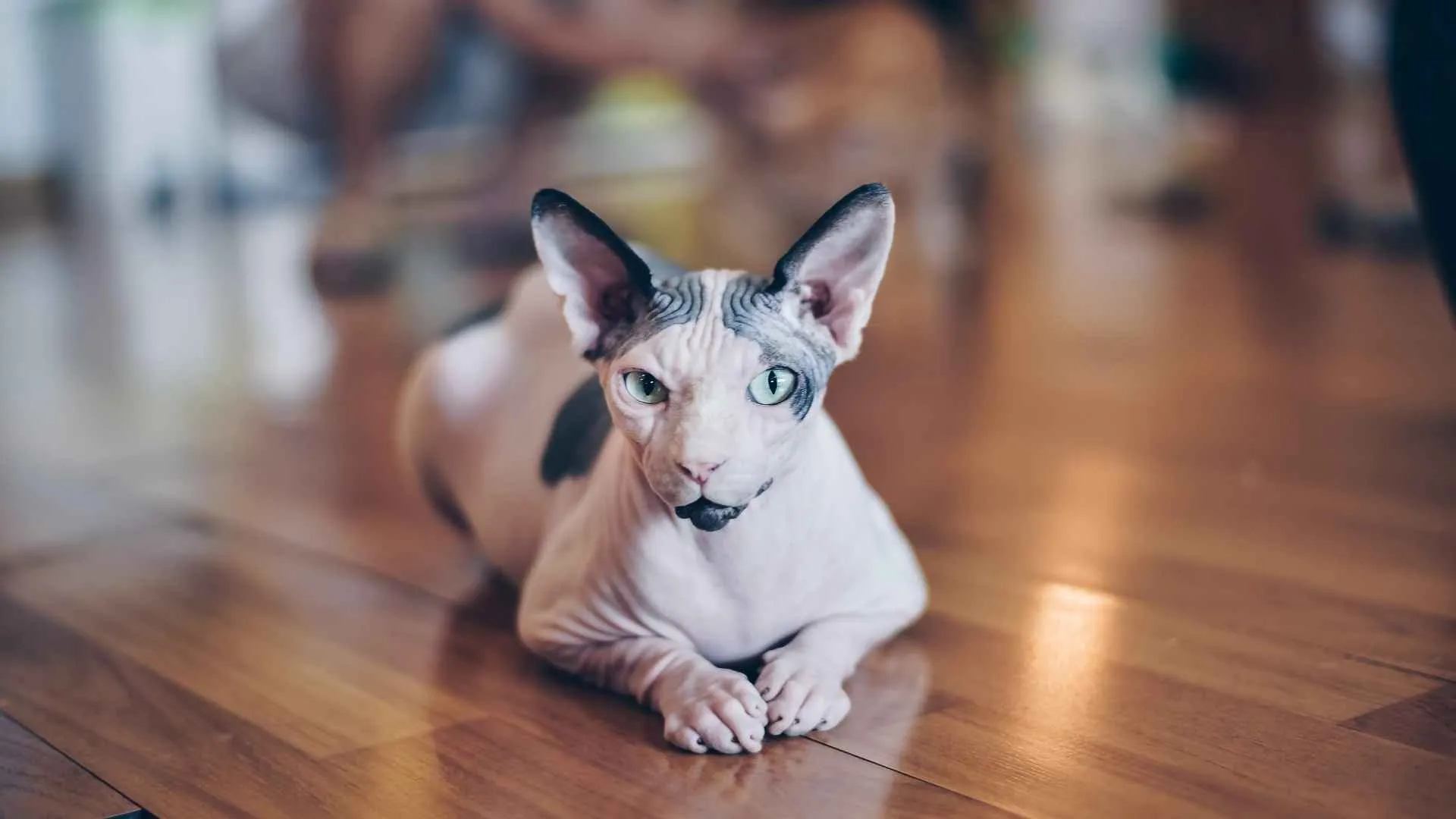
The Sphynx, sometimes called the Canadian Sphynx, is instantly recognizable for its hairless body, large ears, and expressive eyes. Despite their unusual look, these cats are deeply people-oriented and crave close relationships.
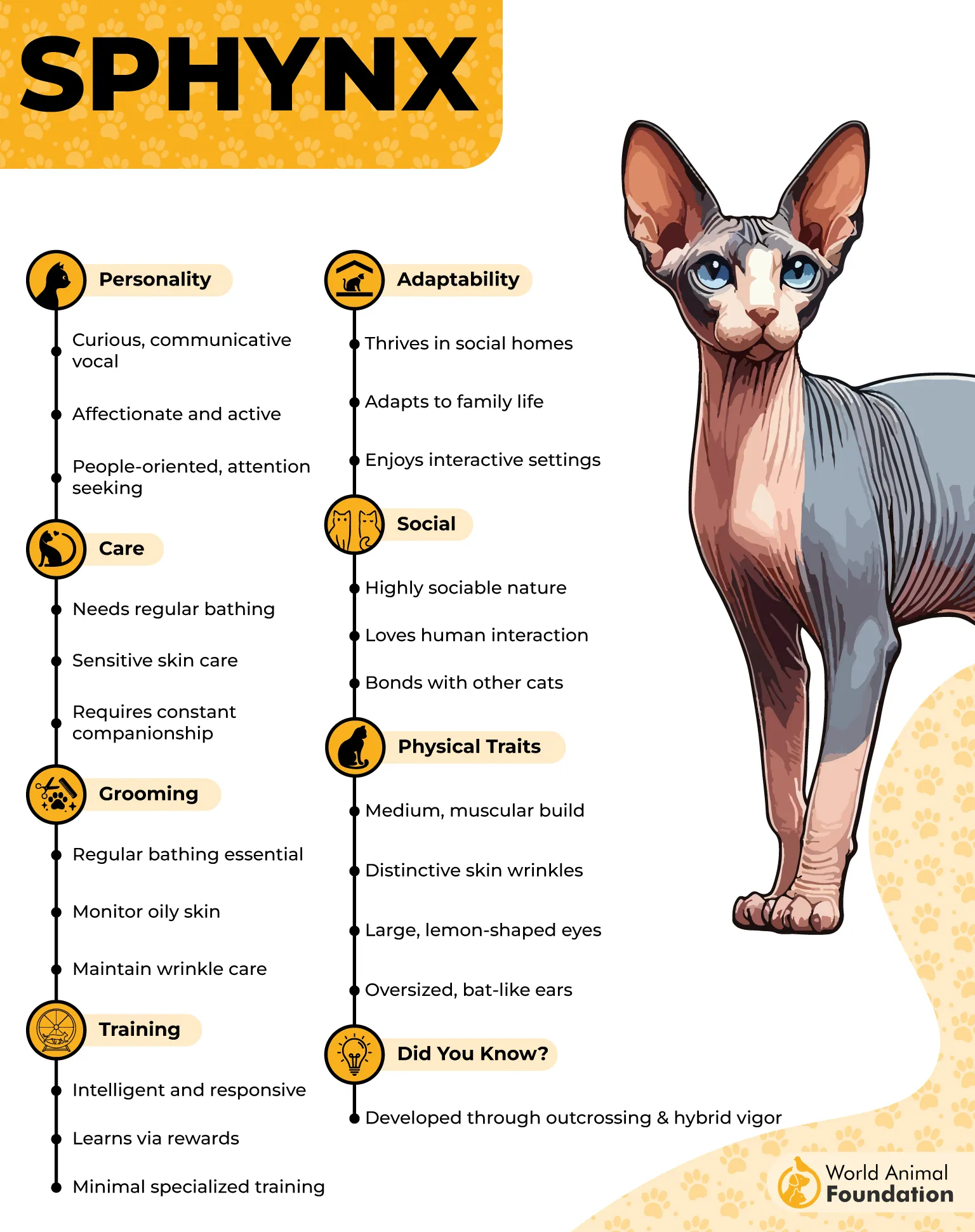
When it comes to loyalty, the Sphynx stands out for its constant desire to be near its chosen human. They follow their owners from room to room, curl up for warmth, and actively seek emotional connection throughout the day.
This breed is highly sensitive to human moods and responds strongly to affection, making their bond feel intense and personal. Their devotion often resembles dog-like attachment, as they thrive on interaction, touch, and shared routines.
Gentle, playful, and socially confident, Sphynx cats usually get along well with children, dogs, and other cats, especially when raised together.
Fun fact: Their long, nimble toes allow Sphynx cats to open doors and explore spaces most cats can’t.
7. Turkish Van
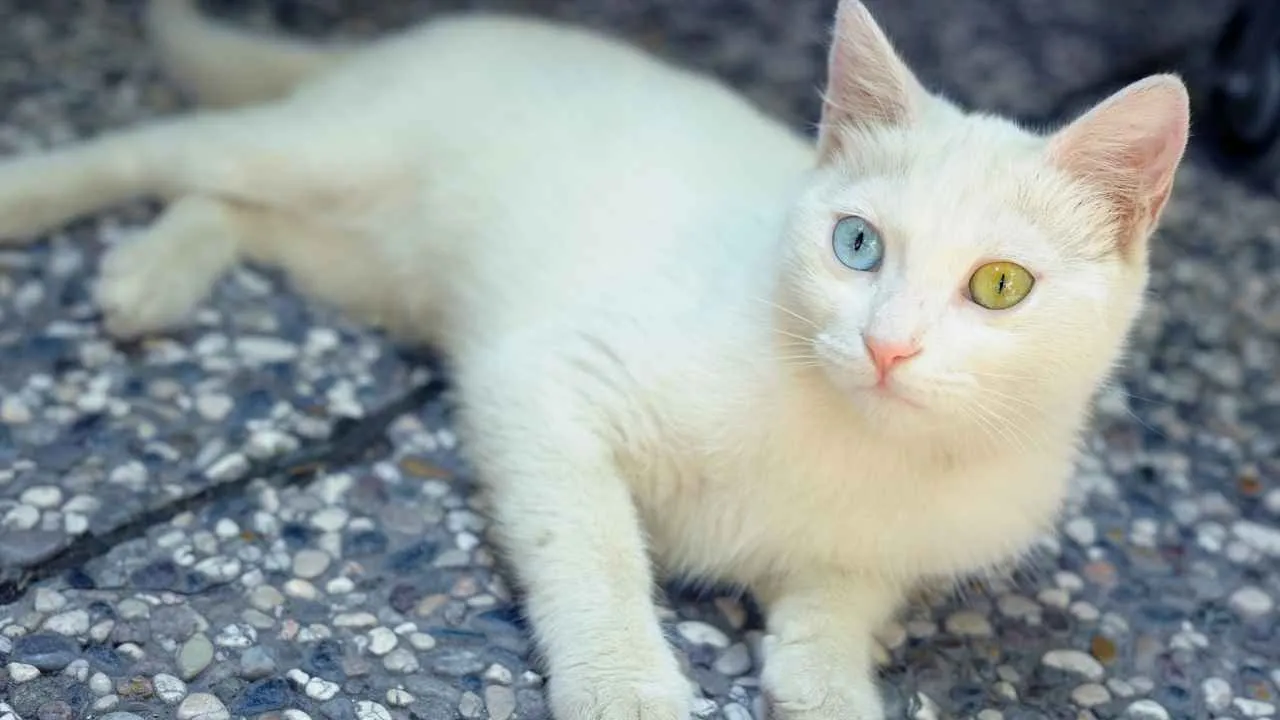
The Turkish Van, often called the “swimming cat” or Van cat, is an ancient breed from the Lake Van region of Turkey, known for its water-loving nature and striking markings. This robust, intelligent cat matures slowly and carries itself with quiet confidence and independence.
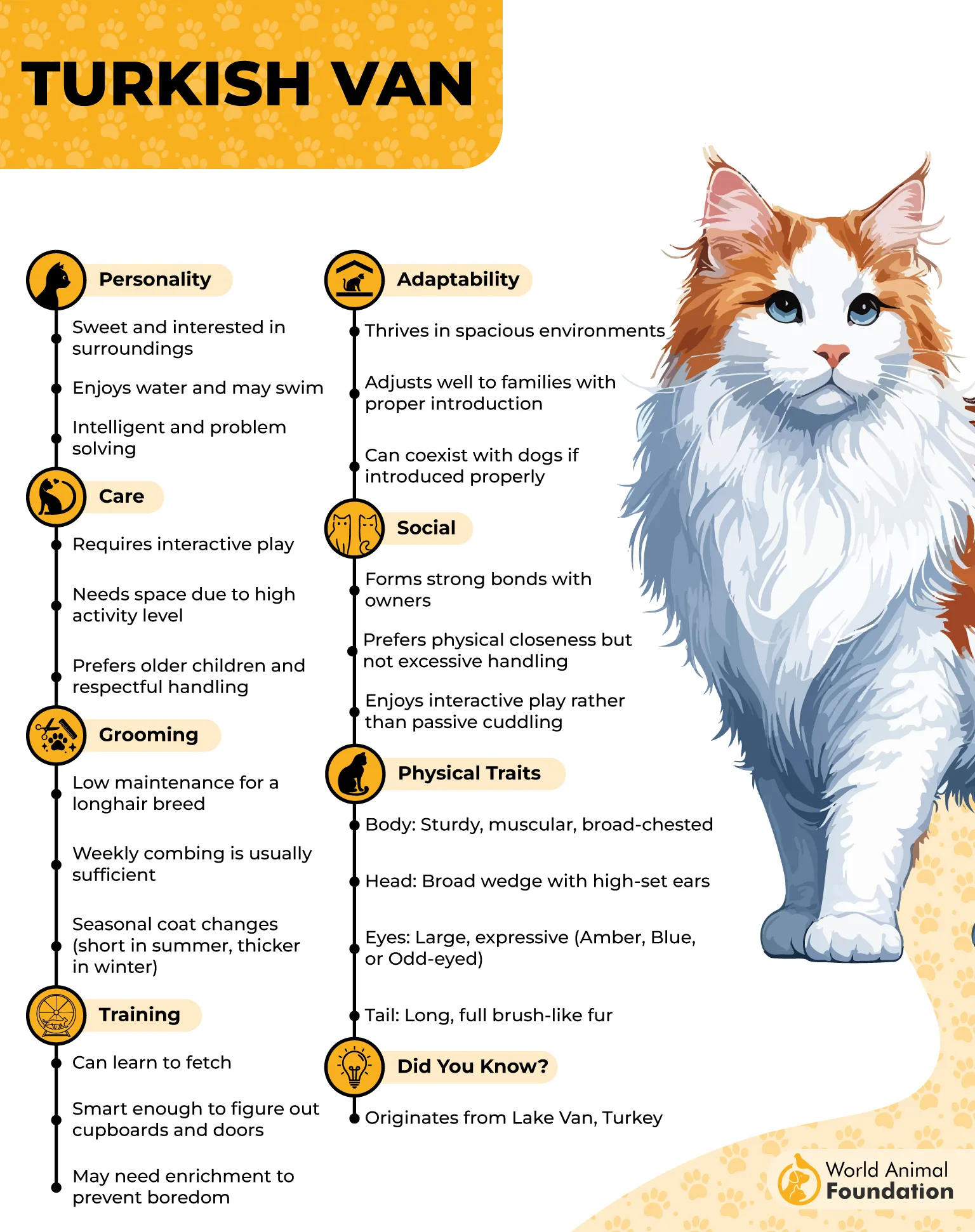
Despite their active and curious personality, Turkish Vans are deeply loyal once they choose their person. They show devotion by staying close, trailing their favorite human from room to room, and keeping a watchful eye rather than demanding attention.
Affection comes on their terms. Turkish Vans enjoy petting and shared time but usually dislike being held, making their loyalty feel earned and genuine. Their protective instincts often surface through subtle behaviors, such as positioning themselves nearby when their human relaxes or works.
This breed balances independence with attachment, forming strong, lasting bonds without clinginess. Their intelligence and mischievous streak add charm, while their steady presence reinforces trust and loyalty over time.
Fact: Turkish Vans are famous for enjoying water and often play or swim, earning them the nickname “the swimming cat.”
8. Tonkinese
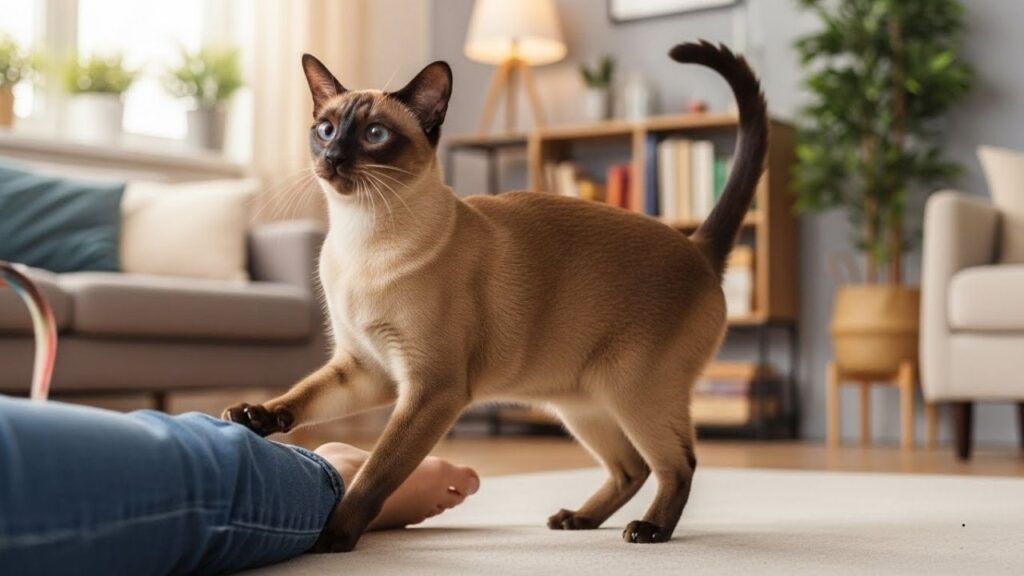
The Tonkinese, sometimes called the “Tonk,” is a hybrid breed developed from Siamese and Burmese cats. Medium-sized with a sleek coat and expressive eyes, they’re known for balancing elegance with warmth and approachability.
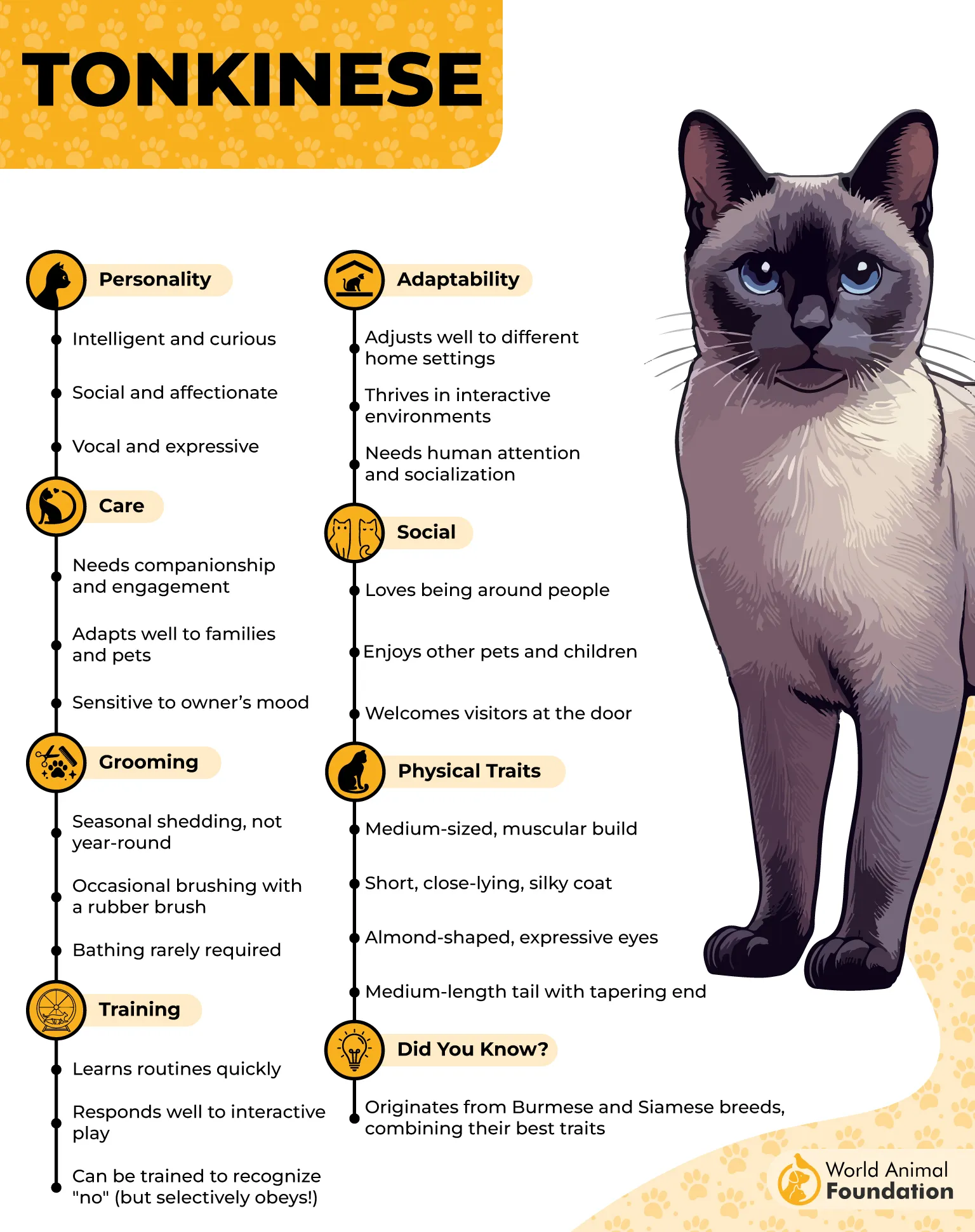
True to their reputation, Tonkinese cats thrive on closeness and loyalty. They prefer staying near their favorite person—whether perched on a shoulder, curled in a lap, or quietly following from room to room—making them constant companions.
Their devotion is paired with intelligence and playfulness, which strengthens their bond with humans. Tonkinese enjoy interactive play, puzzle toys, and even learning tricks, often engaging most enthusiastically when their trusted person is involved.
Because they dislike being left alone, their loyalty can turn into attachment, and many do best with another pet for company. Despite this neediness, they’re easy to groom thanks to a short coat, and their affectionate nature shines daily.
Fact: Tonkinese cats are known to enjoy playing fetch and can be trained to perform simple tricks due to their high intelligence.
9. Oriental Shorthair
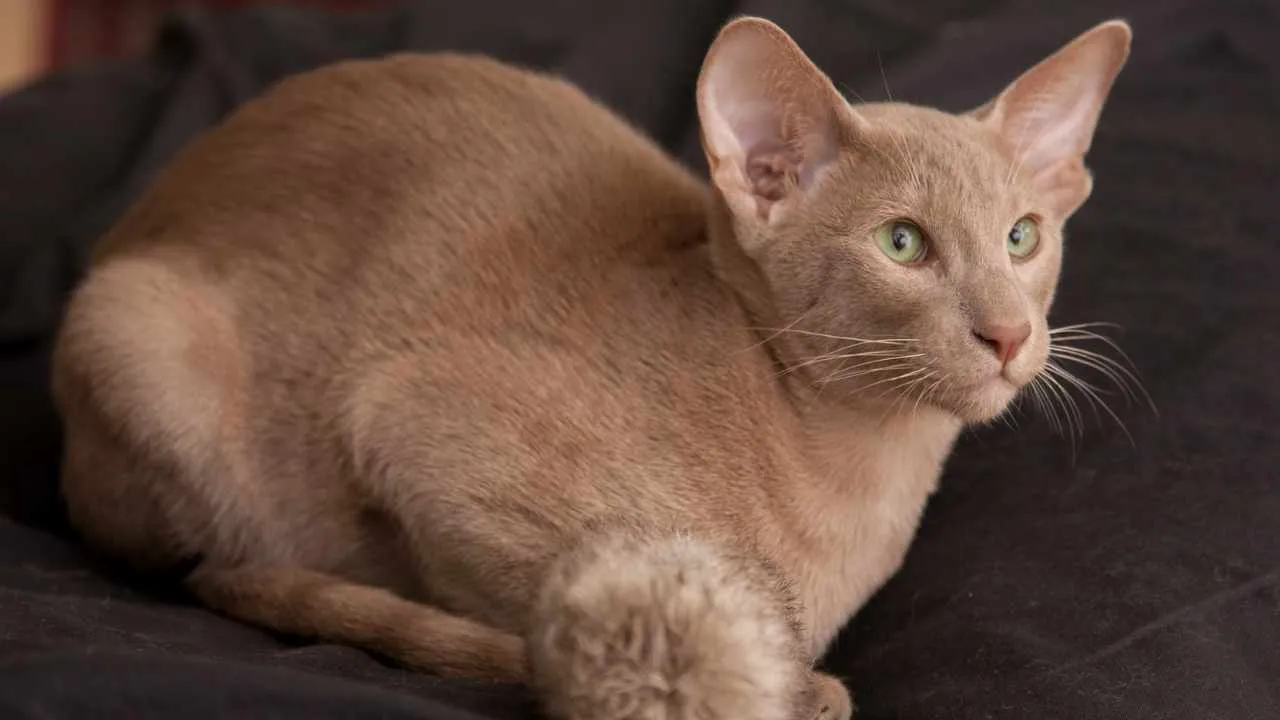
The Oriental Shorthair, sometimes called the Foreign Shorthair, is a sleek, fine-boned cat known for its large ears, almond-shaped eyes, and wide range of coat colors. Closely related to the Siamese, this breed is instantly recognizable for its elegant build and expressive face.
When it comes to loyalty, Oriental Shorthairs are intensely people-oriented and often form a deep attachment to one chosen human. They prefer staying close, following their person from room to room and quietly supervising daily routines with unwavering devotion.
Unlike more independent breeds, these cats crave interaction and emotional closeness. Their loyalty shows through constant companionship, gentle vocalizations, and a strong desire to be involved in everything their owner does, making them ideal for homes where attention is freely given.
Because they bond so closely, Oriental Shorthairs struggle with long periods alone and may become visibly unhappy without companionship.
Fact: This breed dislikes being left alone and often does best when another cat is present to keep them company.
Conclusion
In the cat world, loyalty shows up in quiet but powerful ways. These extremely loyal breeds thrive on human interaction, forming lasting bonds with their human companions and becoming devoted feline friends rather than distant housemates.
While cats are often seen as solitary creatures, these affectionate cats challenge that idea with their intensely loyal and sweet nature.
Recognized by organizations like the International Cat Association, many of these breeds are known as purebred cats with highly intelligent minds and an affectionate breed personality that values closeness.
That loyalty comes with responsibility. These affectionate companions do best in a calm environment where they’re not left alone for long periods and can share space with the entire family, other pets, or even other breeds.
Whether it’s the easygoing nature of a British Shorthair or another loyal nature standout, these cats make great pets for people seeking connection, trust, and companionship that runs deep.
